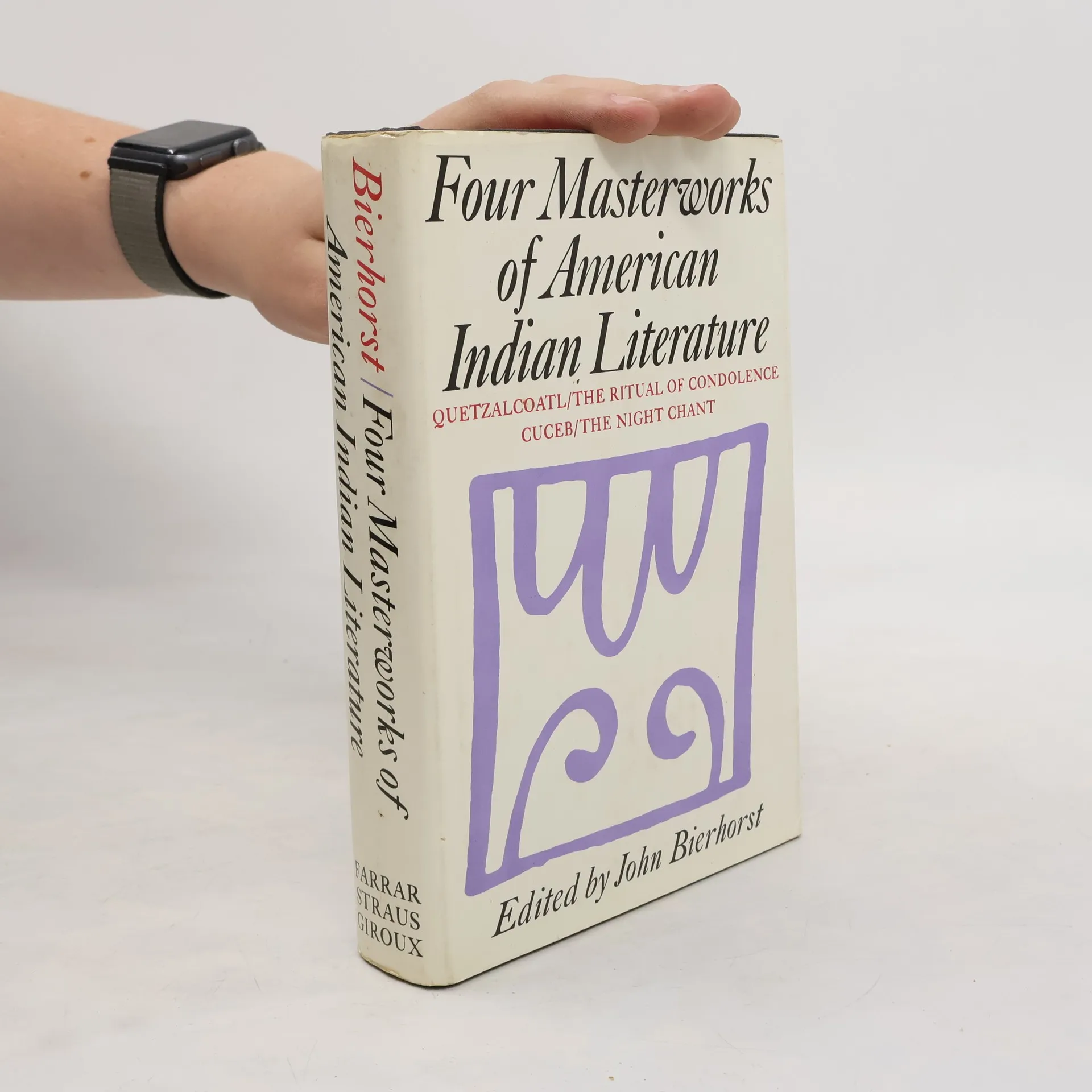
Bierhorst's work explores the gods and heroes of Mexico and Central America, offering complete translations of twenty key myths from the Aztec and Maya to contemporary Indian groups. It examines their impact on modern Mesoamerican culture and includes a new afterword discussing the revival of native mythology in recent decades, along with helpful resources.
John Bierhorst Livres


The Red Swan
- 386pages
- 14 heures de lecture
The best of the American Indian myths are works of art, blending form and content into an organic whole in which the great themes of human experience are interwoven much as they are in a memorable short story or novella. But if the underlying themes are similar, the metaphorical and narrative conventions are vastly different; and it is this aesthetic gap that critic John Bierhorst intends to bridge in this companion volume to his well-known anthology In the Trail of the Wind: American Indian Poems and Ritual Orations. Over forty cultures, including the Eskimo, the Iroquois, the Navajo, the Maya, and the Bororo, are here represented by sixty-four carefully selected myths and tales. Yet The Red Swan will be valued not so much for its scope or its quantity as for the superb quality of the stories themselves. Among the classic narratives included are "The Fight of the Quetzalcoatl" (Aztec), "The Rival Chiefs" (Kwakiutl), "The Hungry Old Woman" (Anambe), "Two Friends" (Greenland Eskimo), and "The Red Swan" (Chippewa). A number of the translations, the work of such ethnographers as Franz Boas, James Teit, and George Bird Grinnell, have been left untouched; others have been expertly revised; and some of the selections--all of which deserve to be much better known--appear in English for the first time.
Latin American Folktales
- 400pages
- 14 heures de lecture
One hundred tales from 20 countries reflect European, Arabic, and African influences on native American folklore
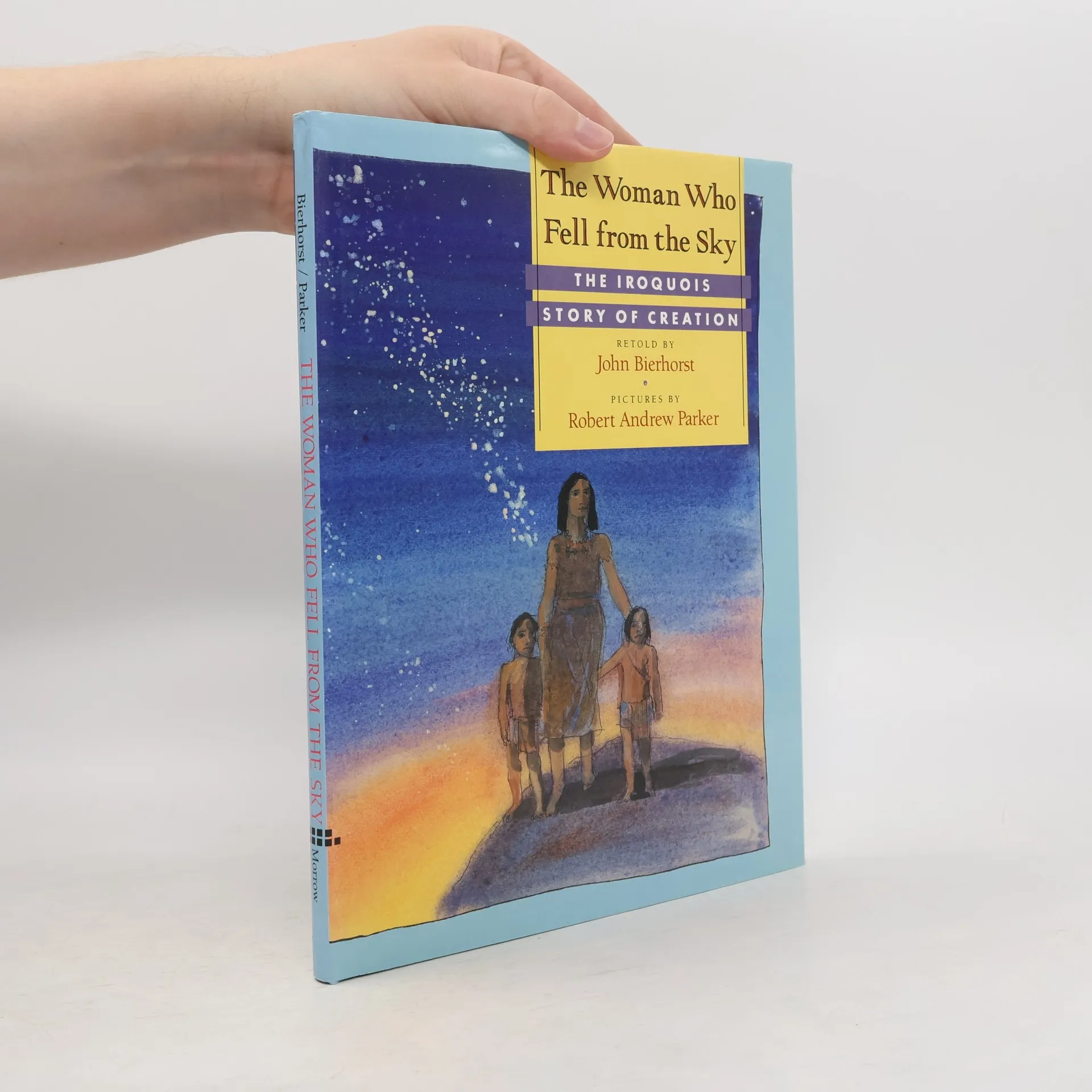
The Woman Who Fell from the Sky
The Iroquois Story of Creation
A native American tale of how the world began describes how a woman who fell from the sky uses her powers of creation to form the earth and heavens.
Die Mythologie der Indianer Nordamerikas
- 239pages
- 9 heures de lecture
Indianische Magie zeigt sich nicht nur im mythischen Gehalt, sondern auch in der Sprache und Rhythmik, im epischen Fluß der Dinge