Visvakarma
Examples of Indian Architecture, Sculpture, Painting, Handicraft
- 140pages
- 5 heures de lecture
The book is highly recommended to students, instructors, museologists, and research scholars interested in Indian arts.


Ananda Kentish Coomaraswamy était un philosophe et métaphysicien ceylanais, ainsi qu'un historien et philosophe pionnier de l'art indien. Son travail s'est concentré sur l'histoire de l'art et le symbolisme, ainsi que sur l'introduction de la culture indienne en Occident. Il est décrit comme « le théoricien révolutionnaire qui fut en grande partie responsable de l'introduction de l'art indien ancien en Occident ». Ses efforts ont ouvert une profonde compréhension du patrimoine artistique de l'Inde aux publics occidentaux.

Examples of Indian Architecture, Sculpture, Painting, Handicraft
The book is highly recommended to students, instructors, museologists, and research scholars interested in Indian arts.
The book delves into Indian music with in-depth analysis, exploring its cultural significance. It also addresses the status of Indian women and the impact of Sahaja philosophy, while reflecting on the intellectual community and the perspectives of Indian youth. Themes of individualism are examined, providing a comprehensive look at contemporary Indian society.
The author writes further that Gandhara art is Indic, and not European. This book is highly recommended for scholars and researchers interested in Buddhist art.
His works were influenced by the Traditionalist and Perennial Schools of Philosophy. He authored several books which were based on the traditional arts, metaphysics, and social criticism. He was also the curator of Indian art at the Boston Museum of Fine Arts.
Ananda Kentish Kumaraswami, D.Sc. (Tamil: ஆனந்த குமாரசுவாமி, Ānanda Kentiś Kūmaraswāmī) (8/22/1877, Colombo, Sri Lanka 9/9/1947, Needham, MA) was a Ceylonese philosopher & metaphysician, as well as an historian & philosopher of Indian art, particularly art history & symbolism, & an early interpreter of Indian culture to the West. A groundbreaking theorist, he was largely responsible for introducing ancient Indian art to the West.
Ananda K. Coomaraswamy, a prominent authority on global religious traditions, offers profound insights into art, culture, and metaphysics in this expanded edition of his 1949 work. It features an additional article, "The Bugbear of Democracy, Freedom, and Equality," which enhances the exploration of complex themes. This collection stands out as an enlightening contribution to English literature, reflecting the author’s deep understanding and interpretation of significant philosophical concepts.
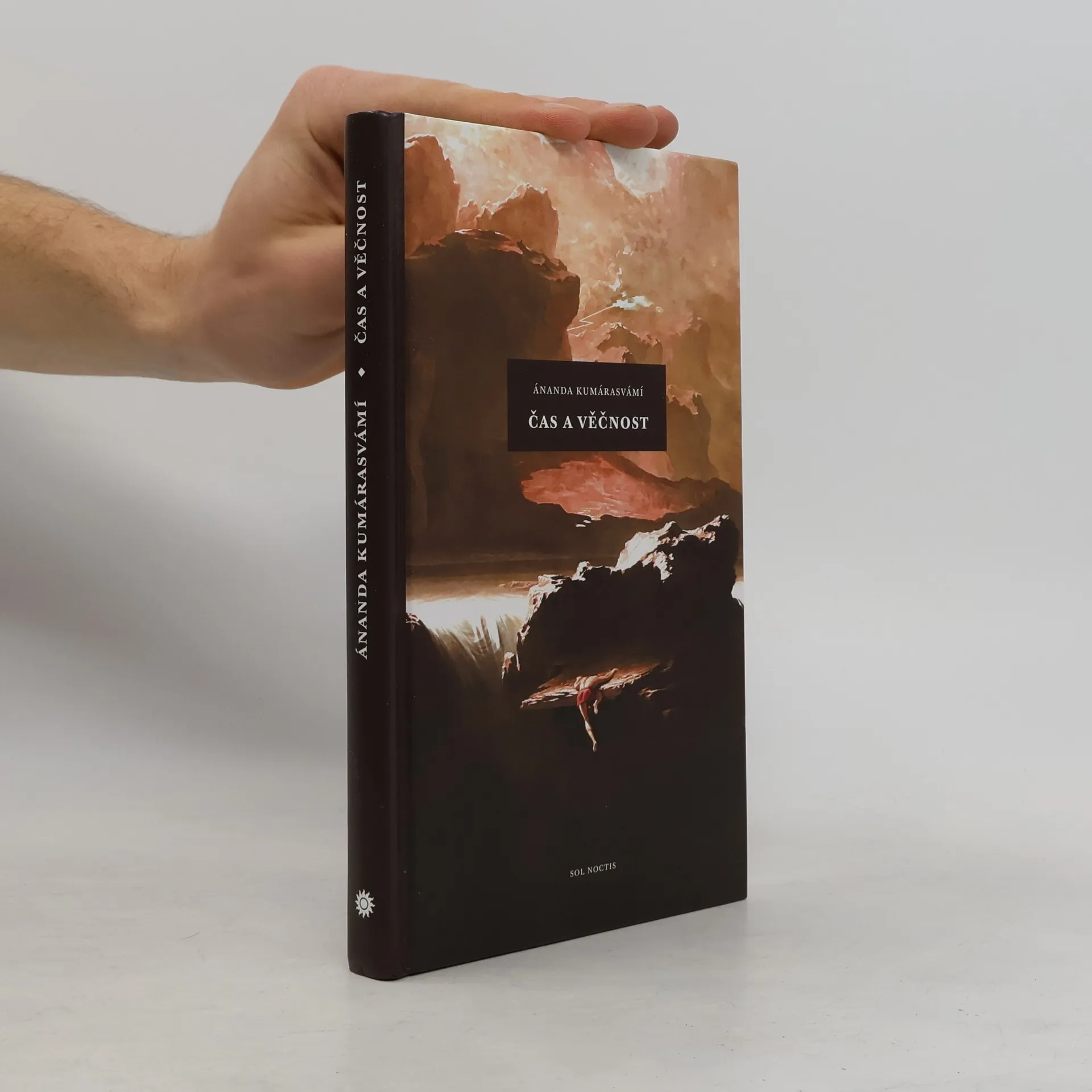
Ánanda Kéntiš Muthú Kumárasvámí byl světoznámý indolog, znalec orientálního umění, historik světových náboženství a metafyzik. Cejlonský původ ho vedl k národní hrdosti a buditelství. Během své hvězdné akademické kariéry byl uchvácen naukou perennialismu a myšlenkou totožného metafyzického jádra všech náboženství světa. Rozvíjení a aplikování této nauky zasvětil celý zbytek svého života. Ve své pozdní knize s názvem Čas a věčnost se Kumárasvámí zabývá chápáním protikladnosti pomíjivého světského času a nepomíjivé božské věčnosti. Analyzuje je v učeních hinduismu, buddhismu, starořecké filosofie, islámu a křesťanství a neopomíjí ani verše moderních mystiků. Objevuje jednotné a nadkulturní učení o věčnosti přítomné v okamžiku, v božském Nyní, jež je vždy na dosah pro ty, kdo ho hledají, a jehož dosažení je vrcholem duchovní snahy a stavem osvícení podle všech náboženských tradic.
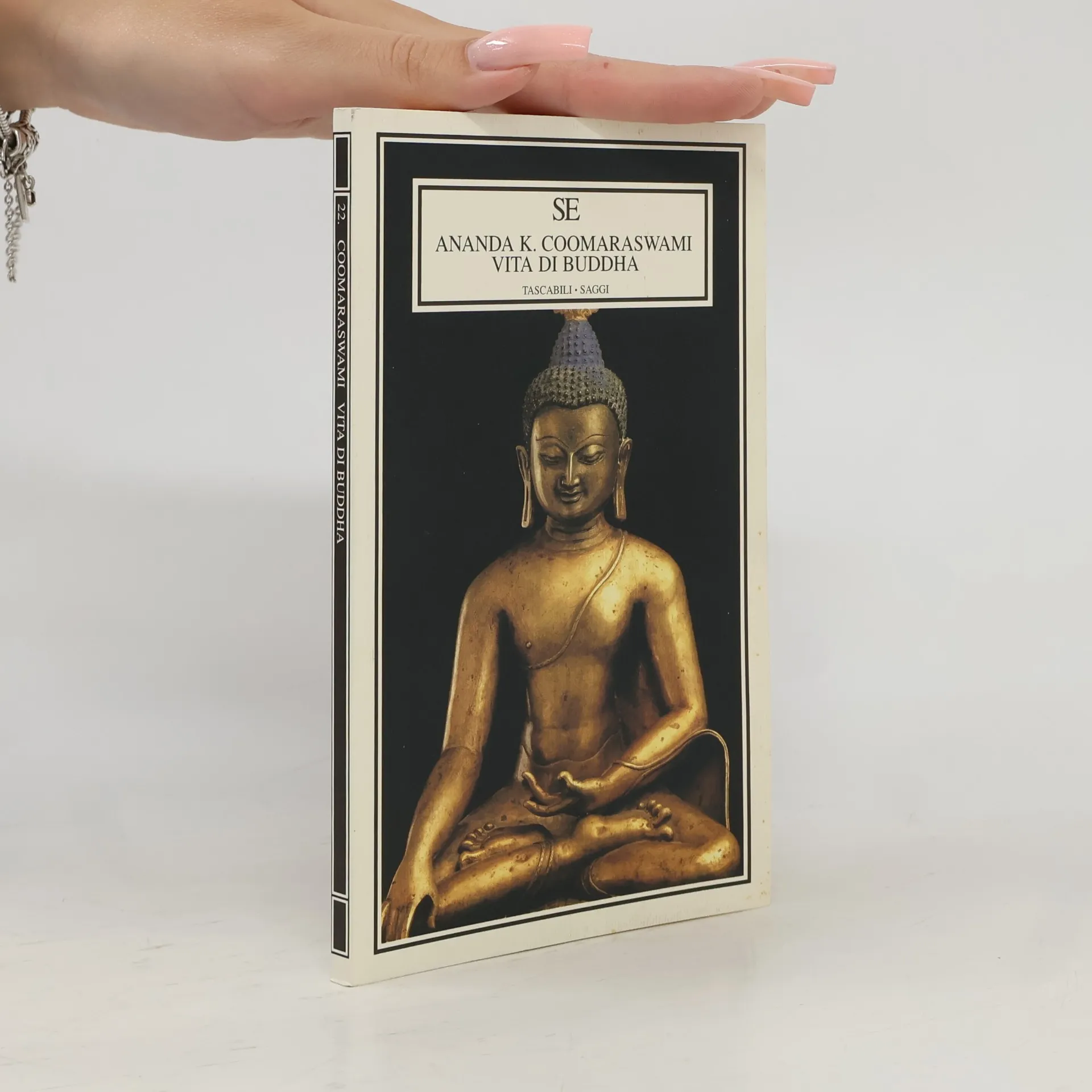
Buddha costituisce il quinto capitolo di Myths of the Hindus and Buddhists di A.K Coomaraswami e Sister Nivedita, pubblicato per la prima volta nel 1913. Nella prefazione Coomaraswami ne ricostruisce la genesi: « Quest'opera fu dapprima affidata a Sister Nivedita...La morte prematura nel 1911 di Sister Nivedita rese necessario che la presente opera fosse completata da altra mano...più di due terzi dell'intero volume è opera del sottoscritto ». Il capitolo quinto è da ascrivere totalmente alla penna di Coomaraswami.
Kessinger Publishing is the place to find hundreds of thousands of rare and hard-to-find books with something of interest for everyone
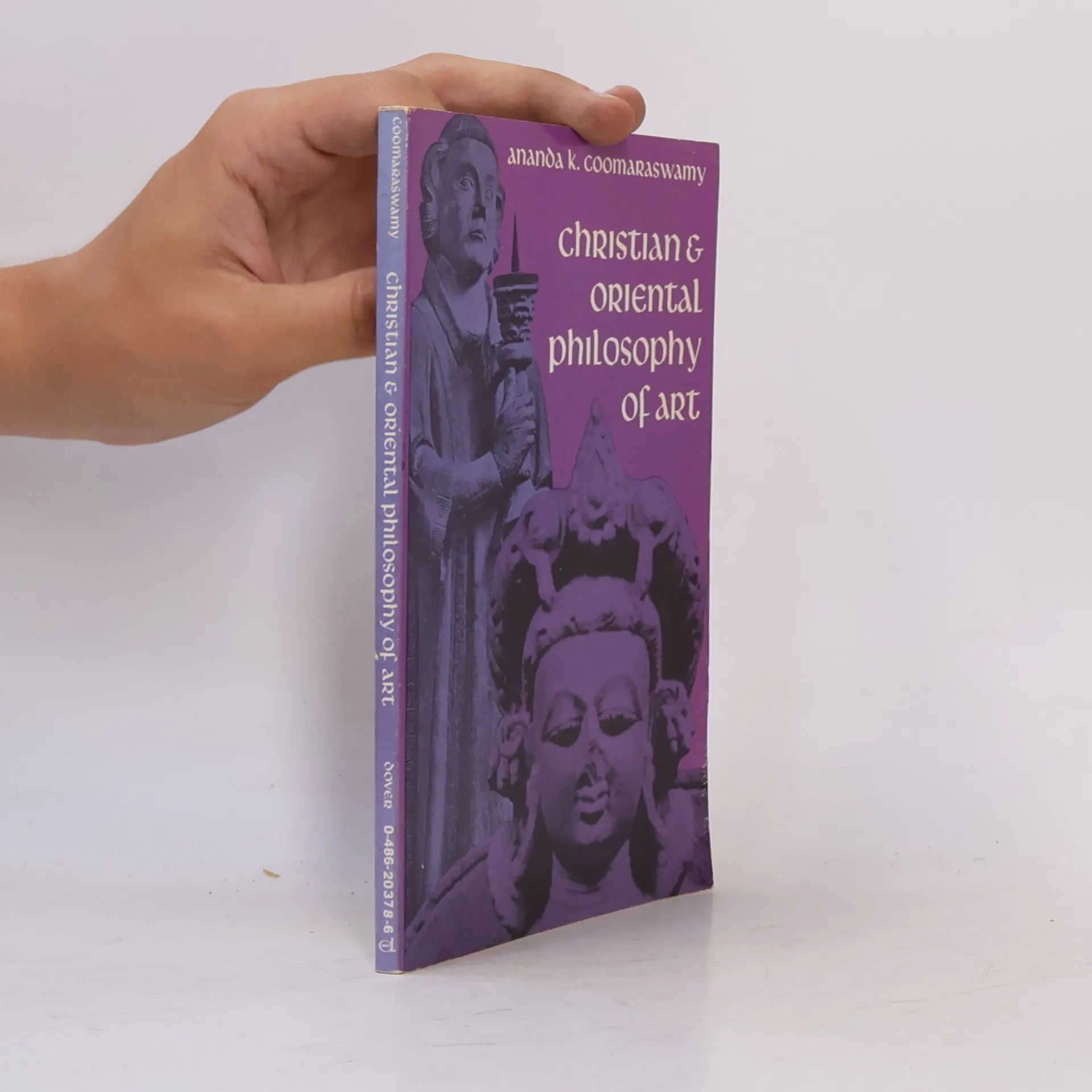
Ananda K. Coomaraswamy's work showcases his unparalleled expertise in Oriental art, philosophy, and traditional culture. As a curator at the Boston Museum of Fine Arts, he authored influential monographs that transformed the understanding of Eastern arts and crafts. His insights spanned the philosophical and religious experiences of both the East and West, viewing primitive, medieval European, and classical Indian perspectives on truth and art as interconnected expressions within a shared dialect.
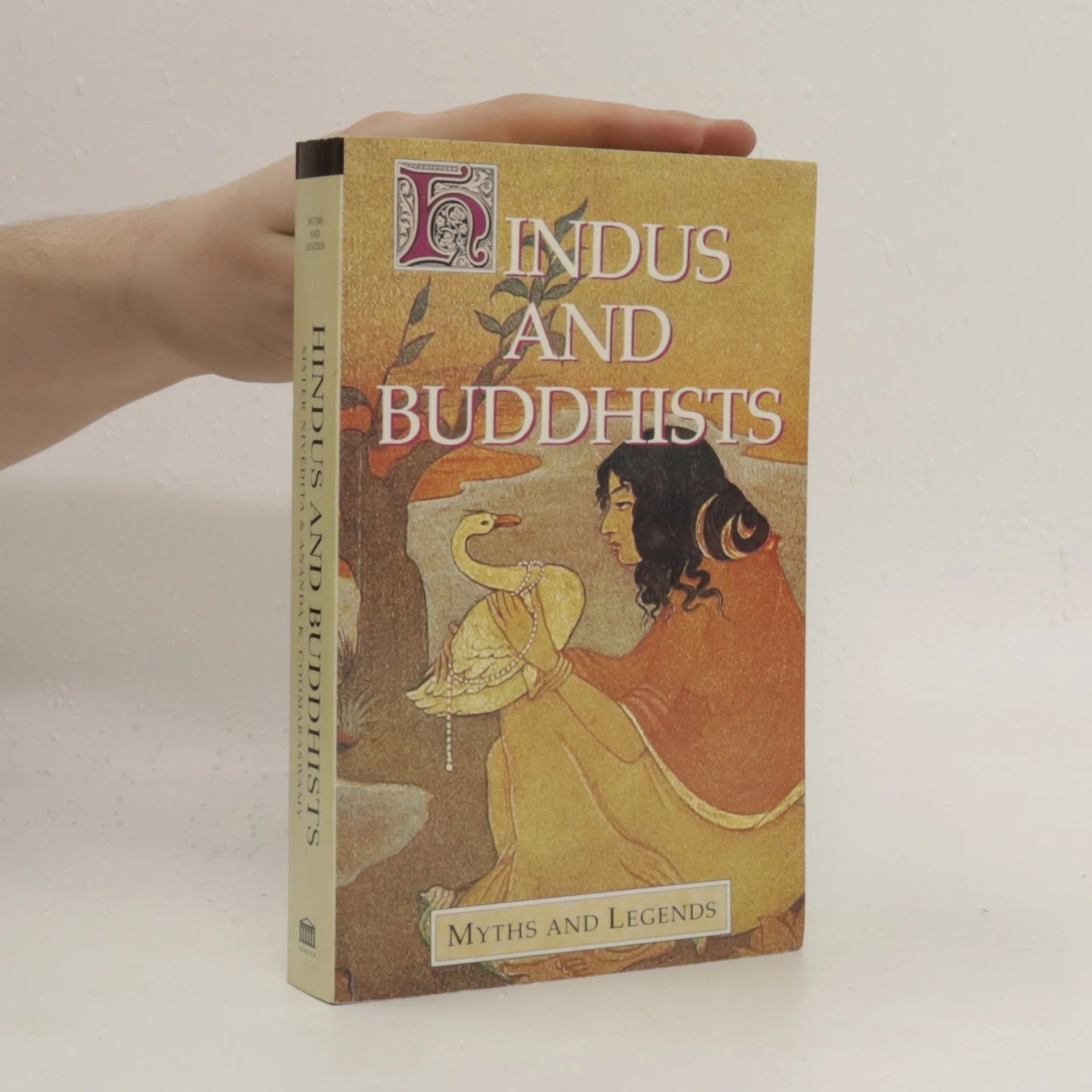
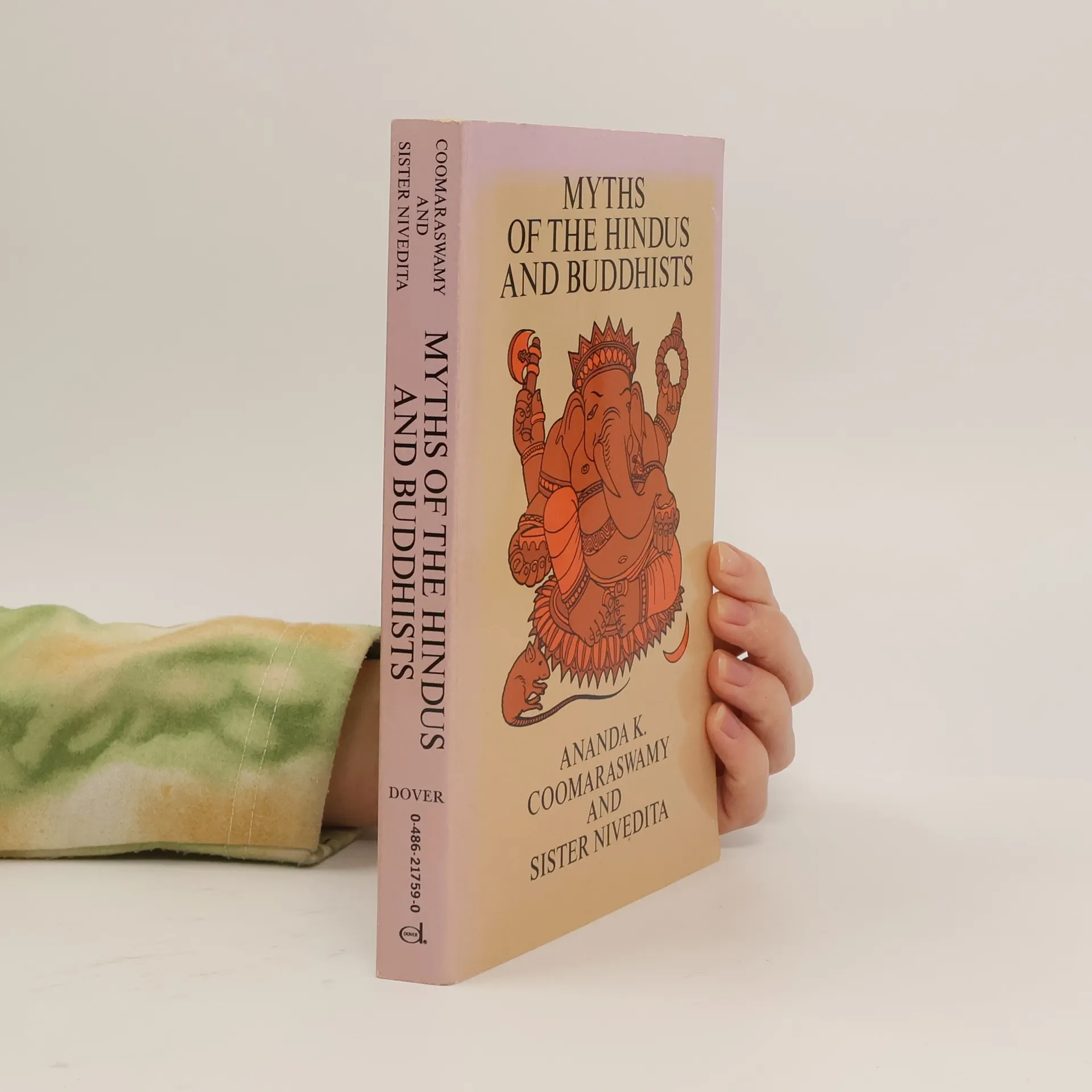
Gathered together in a single volume, here are the most important stories of Indian mythology, taken mainly from the epic poems the Mahabharata & the Ramayana, with additional tales from the purana & vedas from assorted narratives of Krishna, Buddha & Shiva. The stories range from the initial stages of mythos to the final, mature state. Includes 32 illustrations by Abanindro Nath Tagore & others.PrefaceIllustrationsMythology of the Indo-Aryan races The Ramayana The MahabharataKrishna Buddha Shiva Other stories from the Puranas, epics & vedasConclusion