Gillian Rose fut une universitaire britannique dont les travaux couvrirent la philosophie et la sociologie. Ses recherches proposèrent une critique du néo-kantisme et du postmodernisme, tout en défendant fermement la pensée spéculative de Hegel. En tant que philosophe sociale, Rose aborda des idées complexes avec un style analytique distinctif, remettant en question les courants intellectuels dominants.
Introductory Lectures on Frankfurt School Critical Theory
152pages
6 heures de lecture
This collection features lectures by a renowned philosopher that delve into the intersections of art, Marxism, and critical theory. Offering a unique perspective, the book presents insightful analyses and discussions that illuminate the complexities of cultural production and its societal implications. Readers can expect a thought-provoking exploration of how these themes intertwine and influence contemporary thought, showcasing the philosopher's significant contributions to the field.
The Melancholy Science is Gillian Rose’s investigation into Theodor Adorno’s work and legacy. Rose uncovers the unity discernable among the many fragments of Adorno’s oeuvre, and argues that his influence has been to turn Marxism into a search for style. The attempts of Adorno, Lukács and Benjamin to develop a Marxist theory of culture centred on the concept of reification are contrasted, and the ways in which the concept of reification has come to be misused are exposed. Adorno’s continuation for his own time of the Marxist critique of philosophy is traced through his writings on Hegel, Kierkegaard, Husserl and Heidegger. His opposition to the separation of philosophy and sociology is shown by examination of his critique of Durkheim and Weber, and of his contributions to the dispute over positivism, his critique of empirical social research and his own empirical sociology. Gillian Rose shows Adorno’s most important contribution to be his founding of a Marxist aesthetic that offers a sociology of culture, as demonstrated in his essays on Kafka, Mann, Beckett, Brecht and Schönberg. Finally, Adorno’s ‘Melancholy Science’ is revealed to offer a ‘sociology of illusion’ that rivals both structural Marxism and phenomenological sociology as well as the subsequent work of the Frankfurt School.
This work offers a groundbreaking critique of Hegel, focusing on the shortcomings of sociological methods in understanding his philosophy. It challenges conventional interpretations and delves into the complexities of Hegel's ideas, highlighting their relevance and implications in contemporary discussions. The author aims to reshape the discourse surrounding Hegel, encouraging readers to reconsider the relationship between sociology and philosophy.
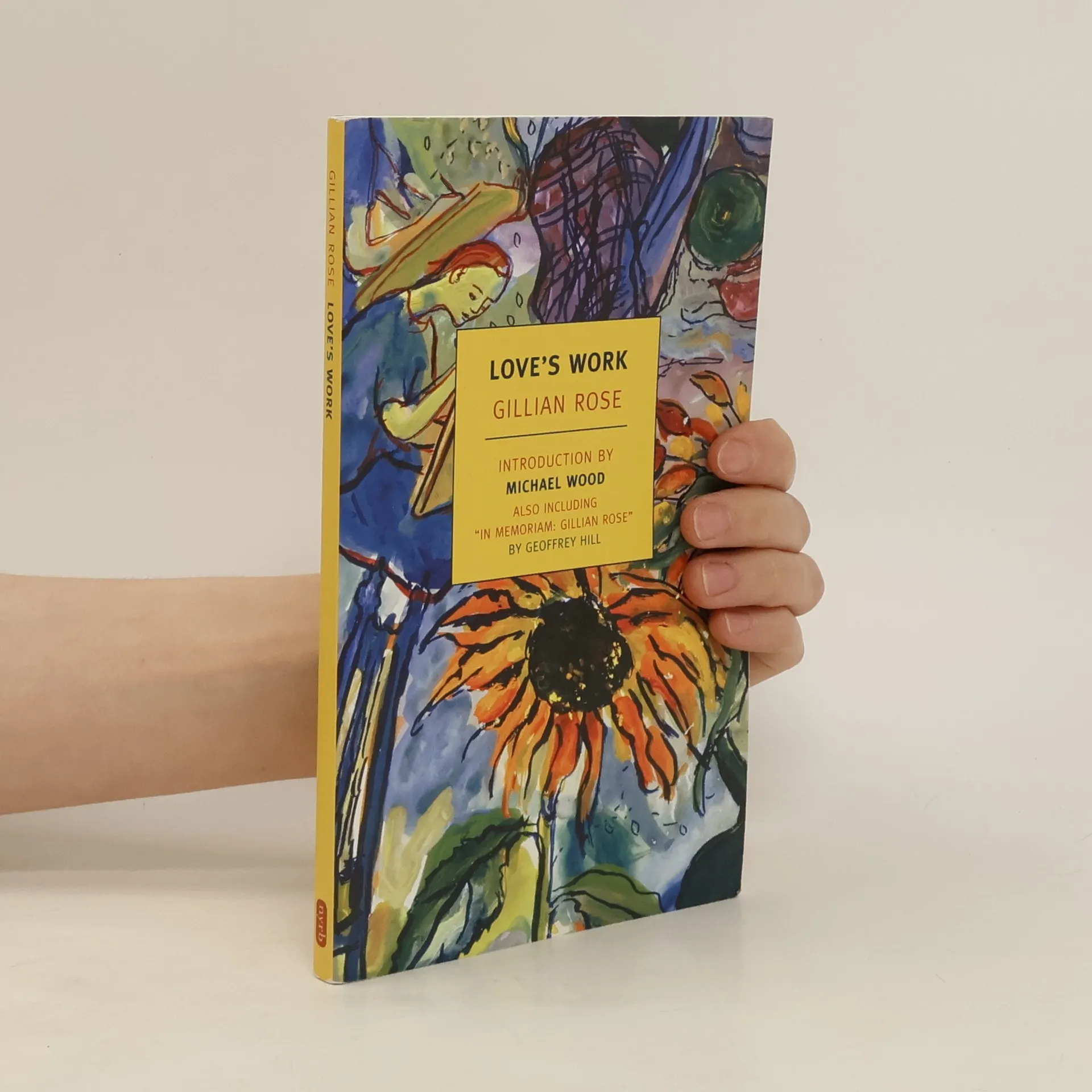
Love’s Work is at once a memoir and a work of philosophy. Written by the English philosopher Gillian Rose as she was dying of cancer, it is a book about both the fallibility and the endurance of love, love that becomes real and lasting through an ongoing reckoning with its own limitations. Rose looks back on her childhood, the complications of her parents’ divorce and her dyslexia, and her deep and divided feelings about what it means to be Jewish. She tells the stories of several friends also laboring under the sentence of death. From the sometimes conflicting vantage points of her own and her friends’ tales, she seeks to work out (seeks, because the work can never be complete—to be alive means to be incomplete) a distinctive outlook on life, one that will do justice to our yearning both for autonomy and for connection to others. With droll self-knowledge (“I am highly qualified in unhappy love affairs,” Rose writes, “My earliest unhappy love affair was with Roy Rogers”) and with unsettling wisdom (“To live, to love, is to be failed”), Rose has written a beautiful, tender, tough, and intricately wrought survival kit packed with necessary but unanswerable questions.
Geography is a subject which throughout its history has been dominated by men;
men have undertaken the heroic explorations which form the mythology of its
foundation, men have written most of its texts and, as many feminist
geographers have remarked, men's interests have structured what counts as
legitimate geographical knowledge.
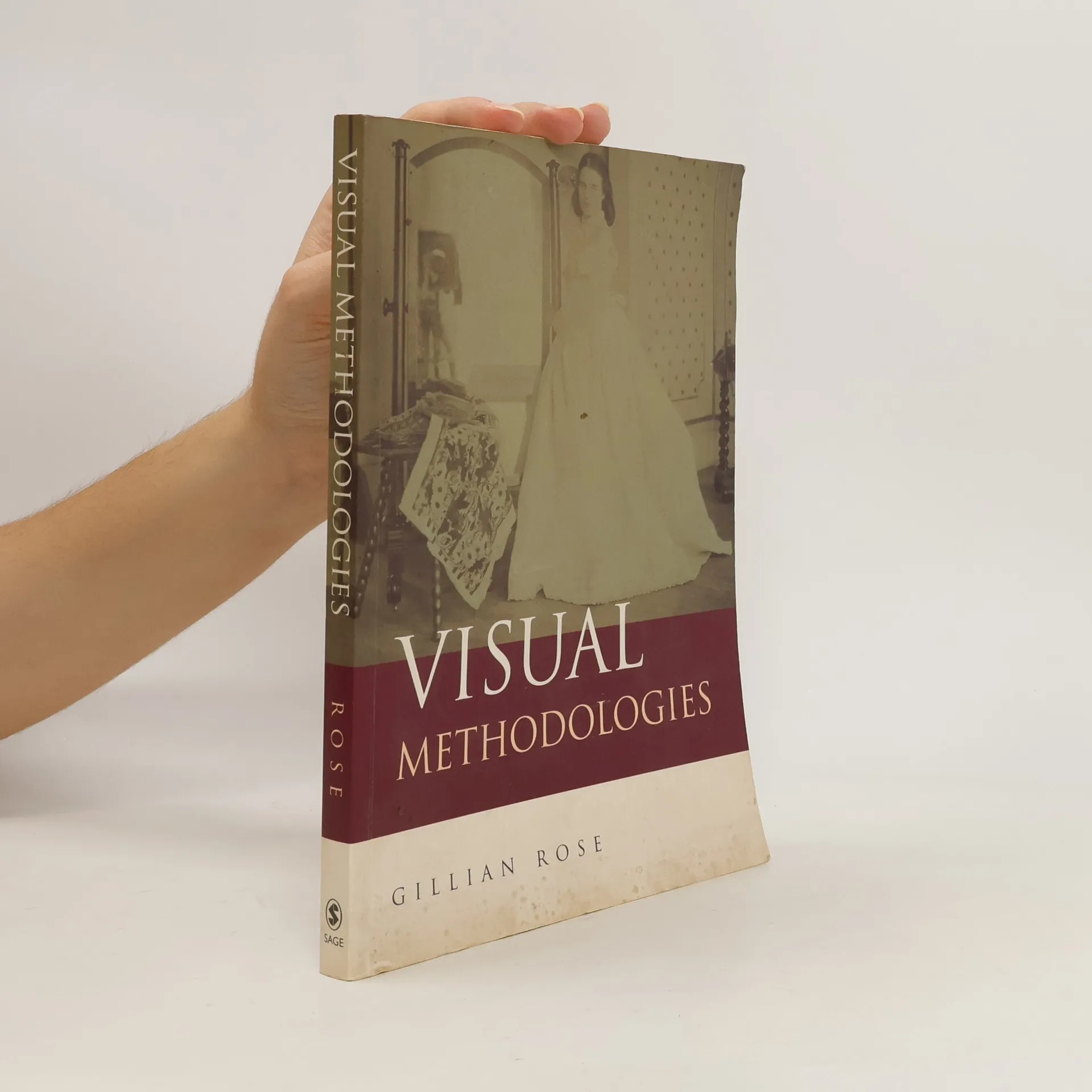
Visual Methodologies is an introduction to reading visual culture. It explains which methods are available to the undergraduate student and shows exactly how to use them. The text begins with a discussion of general themes and recent debates.
The Domestic, The Public and The Politics of Sentiment
168pages
6 heures de lecture
Exploring the intersection of family photography and social dynamics, this book utilizes case studies from the UK to analyze domestic images and their public presentations. By integrating insights from material culture studies, geography, and anthropology, it treats photographs as significant objects that shape and reflect social practices, relationships, and identities. This approach reveals how the act of capturing and sharing family moments influences societal perceptions and personal connections within families.