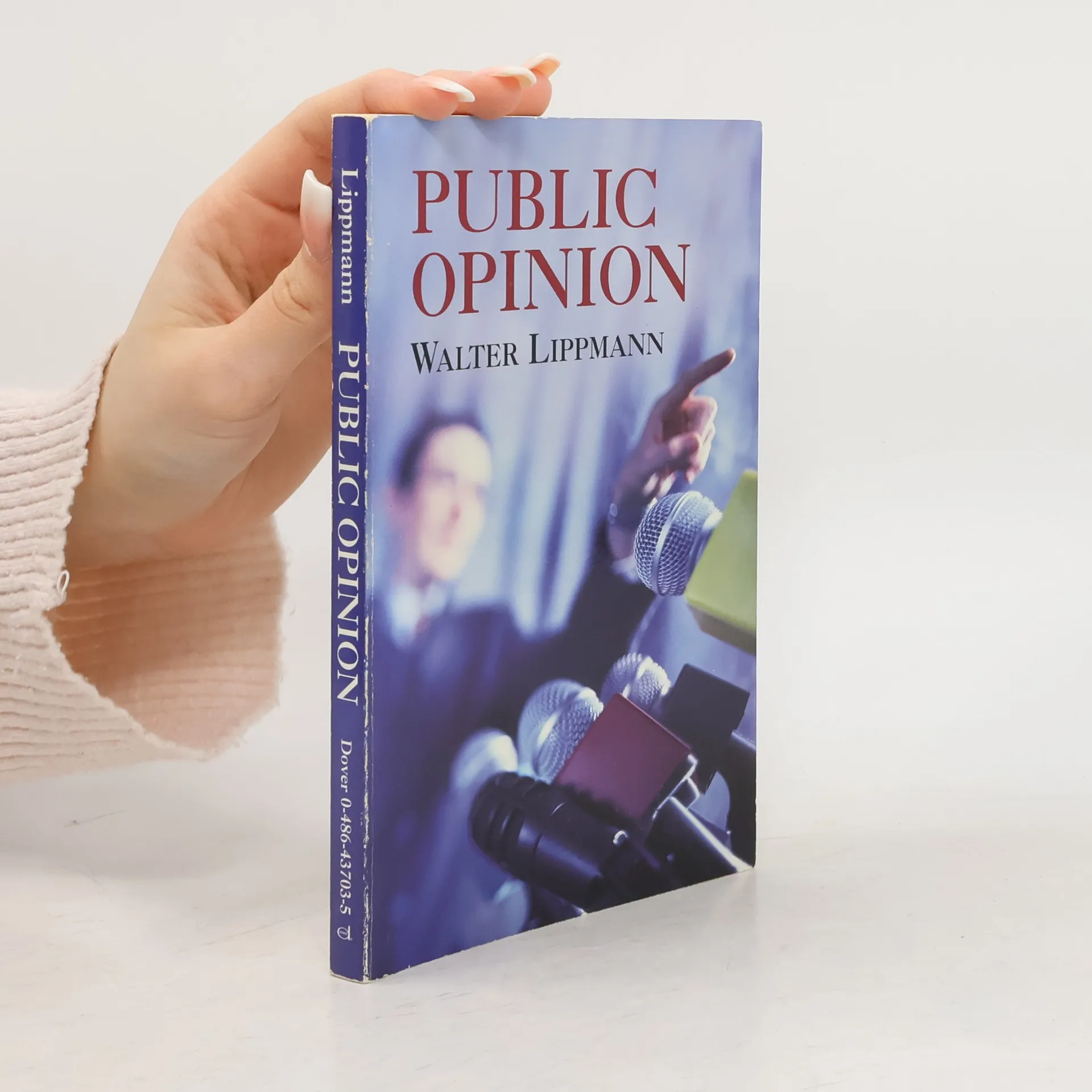
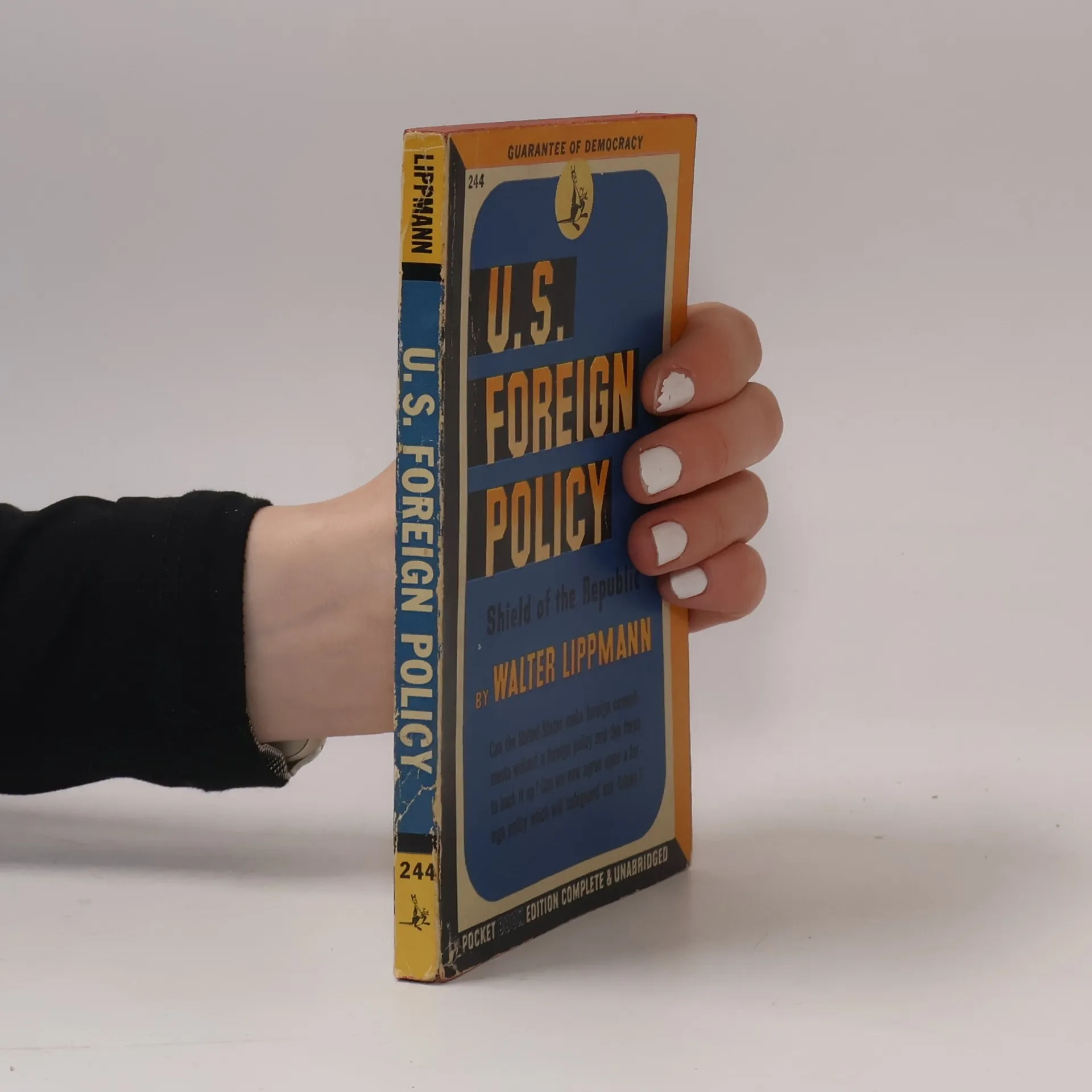
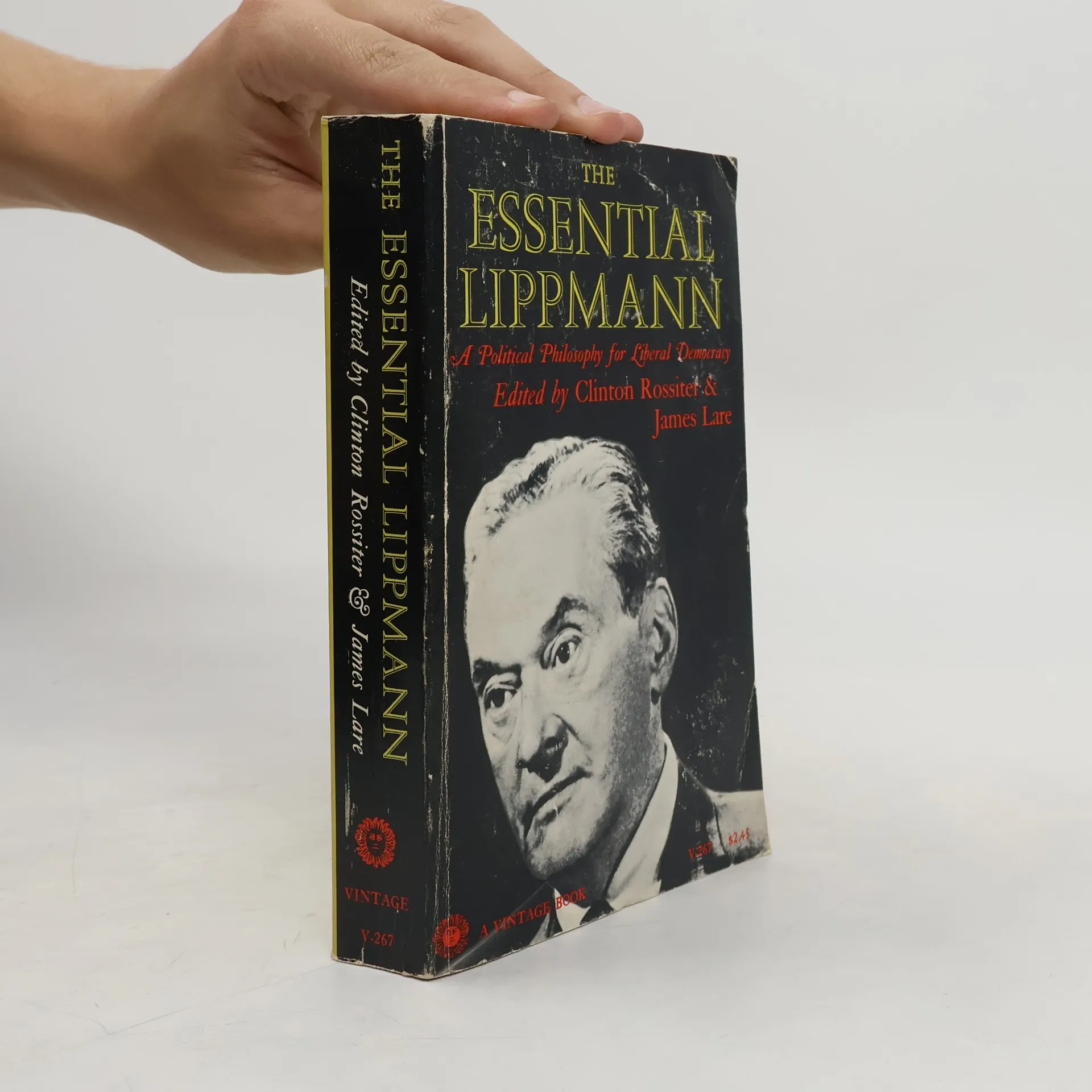
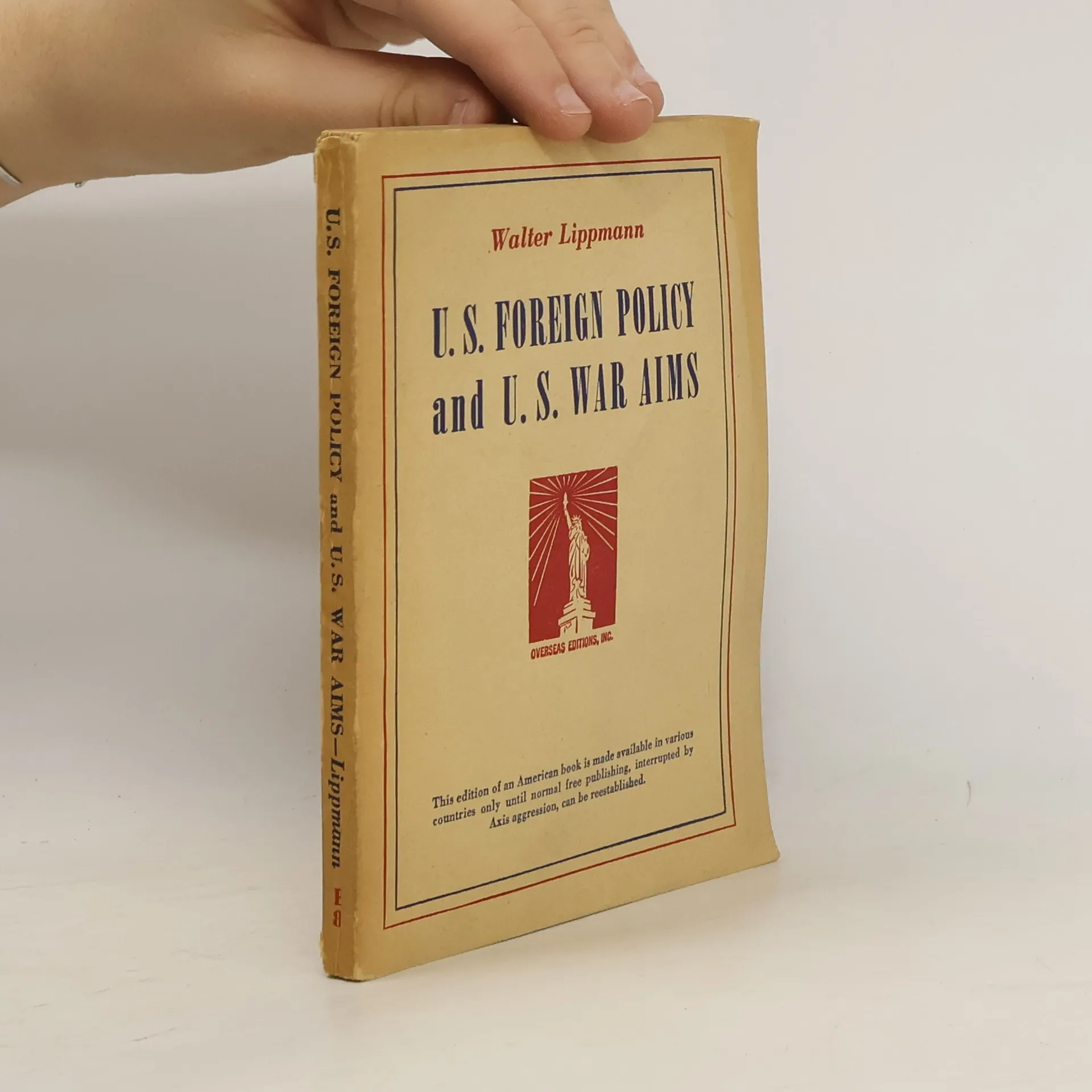
Walter Lippmann était un intellectuel, écrivain, reporter et commentateur politique américain qui a acquis une notoriété pour avoir été parmi les premiers à introduire le concept de la Guerre Froide. Lippmann a reçu deux fois le Prix Pulitzer pour sa chronique syndiquée, « Today and Tomorrow ».
A Preface to Politics, Liberty and the News, Public Opinion, The Phantom Public
526pages
19 heures de lecture
This comprehensive omnibus edition features Walter Lippmann's four pivotal works that significantly influence media studies, political science, and social psychology. As a two-time Pulitzer Prize-winning journalist, Lippmann's insights and theories have shaped modern journalism and continue to resonate in contemporary discussions about media and society.
The book, a significant classical work published over a century ago, explores essential political concepts that have remained relevant throughout history. Aiming to preserve its importance for future generations, Alpha Editions has republished it in a modern format, ensuring clarity and readability through reformatting and retyping rather than relying on scanned copies. This effort highlights the enduring value of the text in contemporary discourse on politics.
In an era disillusioned with politicians and "direct democracy," Walter Lippmann's work remains highly relevant. It showcases his critical perspective on the challenges facing American democracy. Antipopulist in nature, the volume defends elitism as a legitimate intellectual stance with historical roots in the American experience. Lippmann's realistic portrayal of the American governmental system resonates today, particularly his depiction of the "disenchanted man" who has lost faith in both democracy and reform. He argues that the average voter lacks the capacity for effective governance, suggesting that the so-called public is merely a "phantom." In policy-making, the key distinction lies not between experts and amateurs, but between insiders and outsiders. Lippmann questions the fundamental assumptions of Progressive politics and any theory that claims to empower the populace in decision-making. Ronald Steel, in his biography of Lippmann, hailed this work as one of his most compelling and insightful, recognizing its critique of traditional democratic theory. As apathy towards the political system grows among Americans, this classic text is essential for students, educators, and researchers in political science and history.
A penetrative study of democratic theory and the role of citizens in a democracy, this classic by a two-time Pulitzer Prize-winner offers a prescient view of the media's function in shaping public perceptions. It changed the nature of political science as a scholarly discipline and introduced concepts that continue to influence political theory.
Walter Lippmann emphasizes the crucial role of reliable news in sustaining a healthy democracy. He critiques poor journalism and argues that the public's ability to discern the truth is essential for democratic survival. Through his warnings, Lippmann highlights the dangers of misinformation and the need for accountability in media to protect democratic values.
As a critical examination of liberalism, the book delves into the philosophical underpinnings and societal implications of liberal thought. It explores the evolution of the concept of the good society, questioning the effectiveness of liberal ideals in addressing contemporary social issues. Through rigorous analysis, it challenges readers to reconsider traditional notions of freedom, justice, and community, ultimately advocating for a more inclusive and equitable approach to societal development.
The United States and the Making of the Modern World: Essays from 75 Years of Foreign Affairs
672pages
24 heures de lecture
Since its founding in 1922, Foreign Affairs has established itself as the premier journal of international relations, offering profound commentary on global politics and economic policy. America's significant role in world events—military, political, economic, and ideological—has been central to discussions within its pages. Notably, it was here that George Kennan introduced the containment policy, shaping U.S. Cold War strategy. The journal has hosted debates among statesmen-scholars like Henry Kissinger and Arthur Schlesinger on critical issues such as nuclear weapons and human rights, while journalists like Walter Lippmann and James Reston have provided insightful analyses of American foreign policy. Thinkers like Isaiah Berlin and Samuel Huntington have explored the evolving dynamics of the world. In The American Encounter , readers will discover landmark essays that reflect a unique intellectual history of the past century and America's extraordinary influence within it. This collection stands apart, as there is no other publication like Foreign Affairs . The American Encounter serves as a vital connection to historical giants—visionaries whose insights and warnings resonate today, enhancing our understanding of America's role on the global stage.
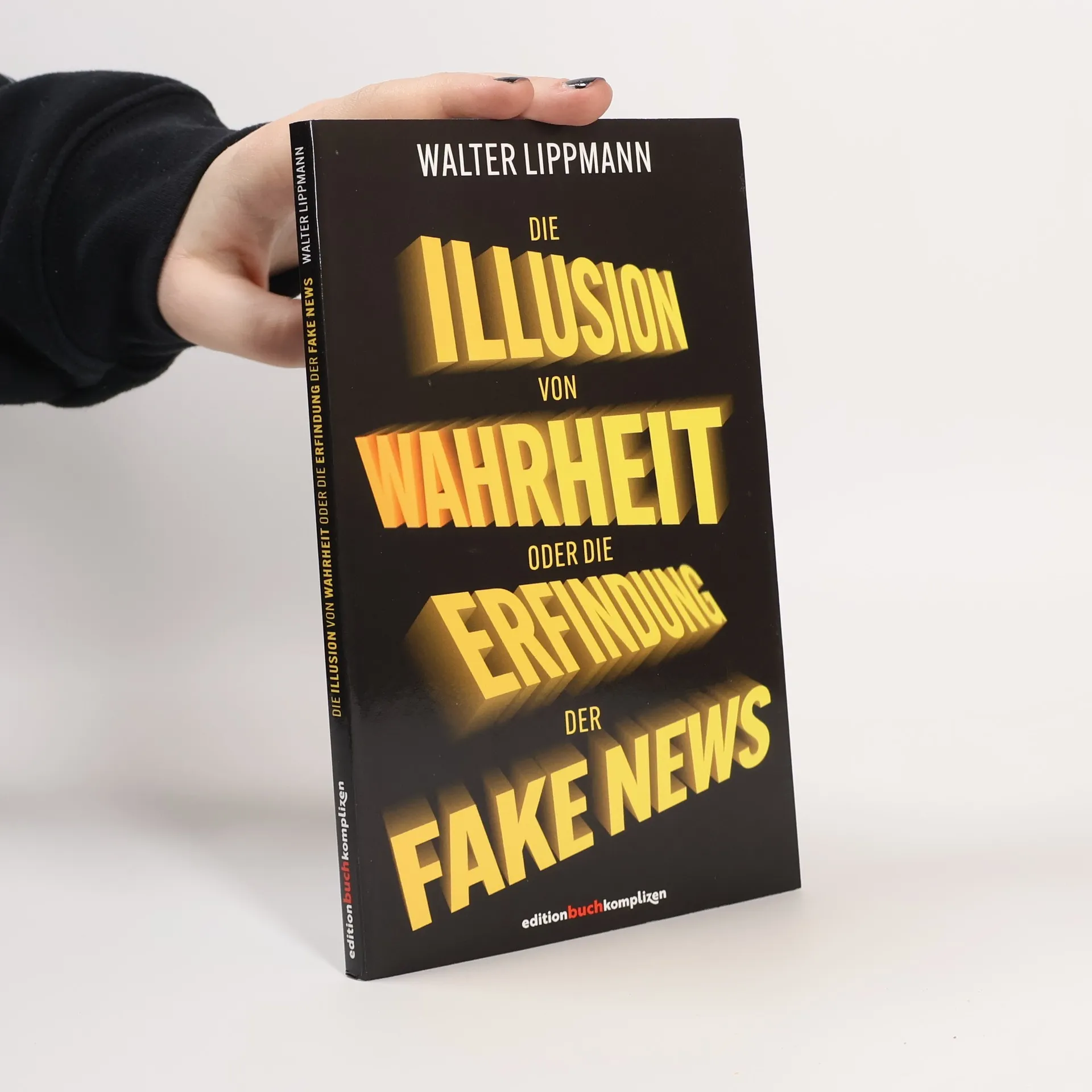
In drei bahnbrechenden Texten formuliert der Pulitzer-Preisträger Walter Lippmann Anfang des 20. Jahrhunderts eine elementare Kritik an den Medien als Bedrohung für die Demokratie und als Gefahr für den Wert der Freiheit im Allgemeinen. Lippmann entwickelt seine zentrale These: Freiheit und Wahrheit sind unverzichtbar miteinander verbunden. Zudem prangert er die Neigung der Medien und der Journalisten an, die Wahrheit zu verzerren, indem sie ihre eigene Agenda und ihre eigenen Ziele fördern, anstatt den wahrheitsgemäßen Austausch von Fakten und den freien Fluss von Ideen zu ermöglichen.