

«Il n'y a qu'un problème philosophique vraiment sérieux : c'est le suicide.» Avec cette formule foudroyante, qui semble rayer d'un trait toute la philosophie, un jeune homme de moins de trente ans commence son analyse de la sensibilité absurde. Il décrit le «mal de l'esprit» dont souffre l'époque actuelle : «L'absurde naît de la confrontation de l'appel humain avec le silence déraisonnable du monde.»
Justin O. Brien Ordre des livres (chronologique)
Cet auteur se spécialise dans la politique de la corruption, examinant les malversations sur les marchés des capitaux. Ses œuvres explorent les complexités de la politique irlandaise, offrant des aperçus profonds sur des thèmes tels que l'abus de pouvoir et la corruption politique. Son écriture analyse de manière critique l'intersection entre la gouvernance et les activités financières illicites.
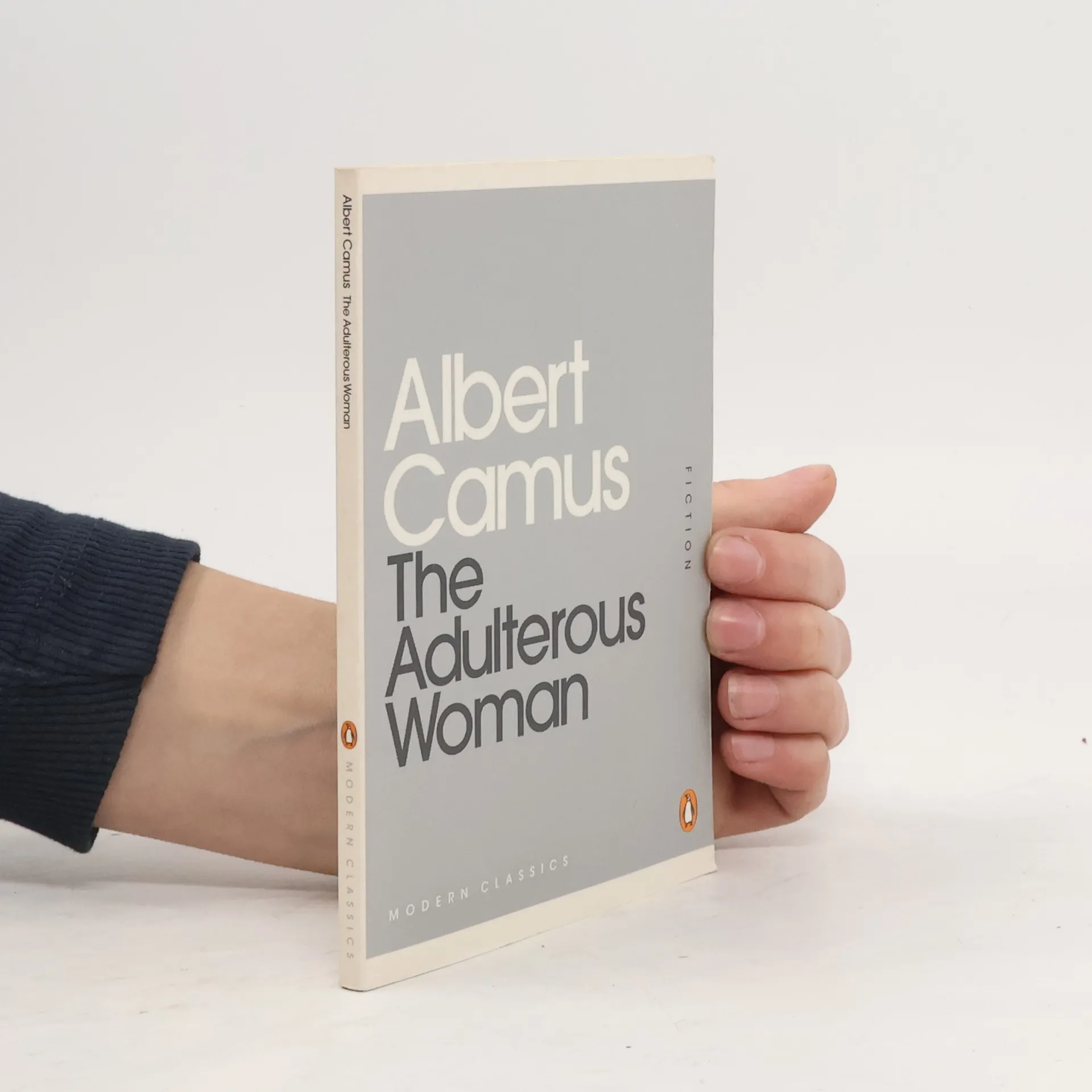

The adulterous woman
- 82pages
- 3 heures de lecture
Camus's writing confronts the great philosophical dilemmas of our time with piercing clarity. These three powerful and evocative stories are heavy with the weight of the human condition, and rich with atmosphere. In them, an ageing labourer, a woman travelling in North Africa with her husband, and a schoolteacher tasked with transporting a prisoner each face their own moral crises.
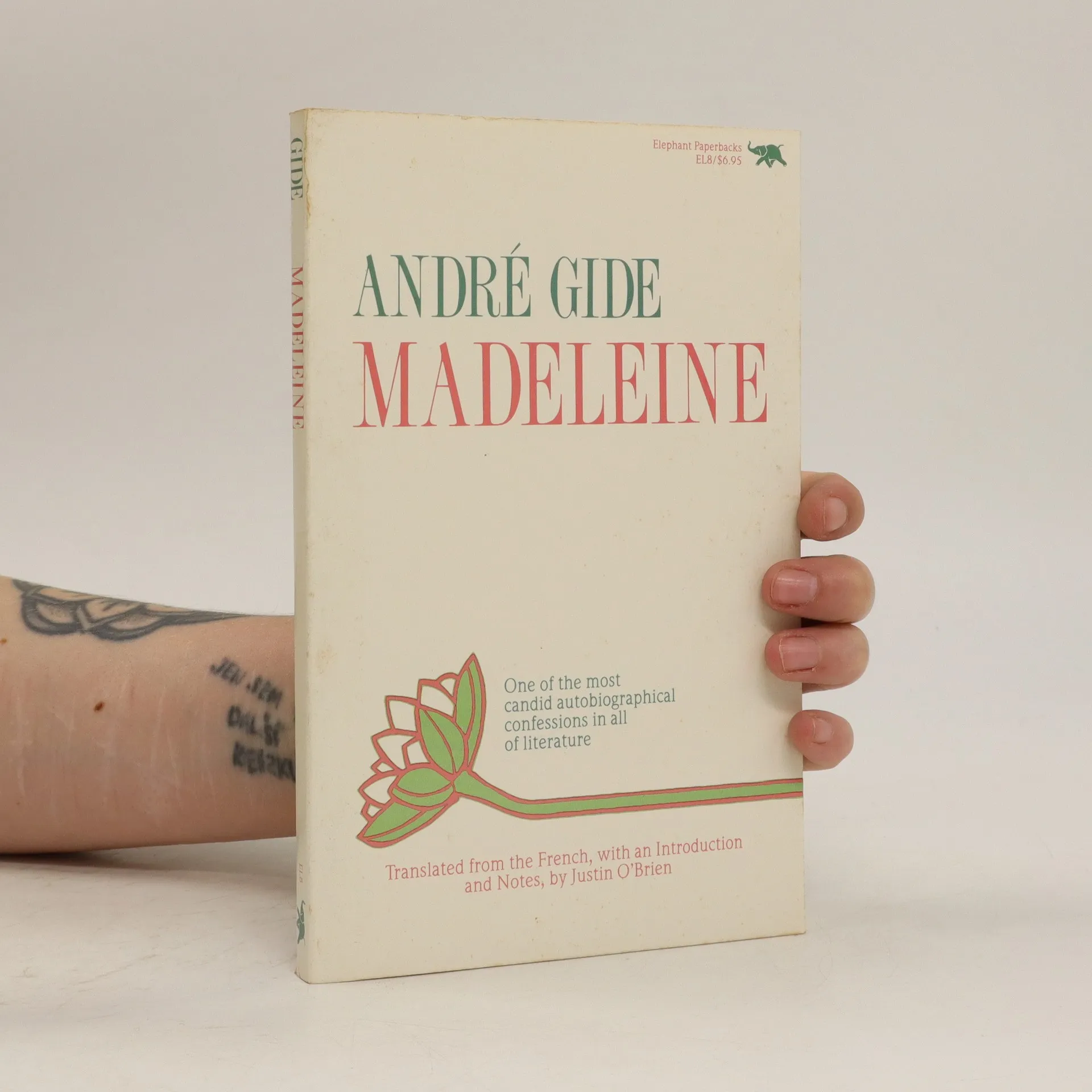
Madeleine
- 124pages
- 5 heures de lecture
Madeleine is the story of a great writer's marriage, a deeply disturbing account of André Gide's feelings towards his beloved and long-suffering wife. It was a relationship which Gide exalted―he termed it the central drama of his existence―yet deliberately shrouded in mystery. This was no ordinary marriage. Madeleine Rondeaux, two years older than her cousin André Gide, became his wife after Gide's first visit to Algeria. In his Journal, Gide refers to her as Emmanuèle or as Em. Only in this book, published a few months after his death, does Gide call her by her real name and painfully reveal the nature of their life together. All of Gide's vast work may be viewed as a confession, impelled by his need to write what he believed to be true about himself. In Madeleine this act of confession reaches a crowning point. It is a complex tale by a complex man about a complex relationship. “Ranks among the masterpieces of Gide's vibrating prose. It is also the most tragic personal document to have emanated from Gide's pen.”― New York Times .