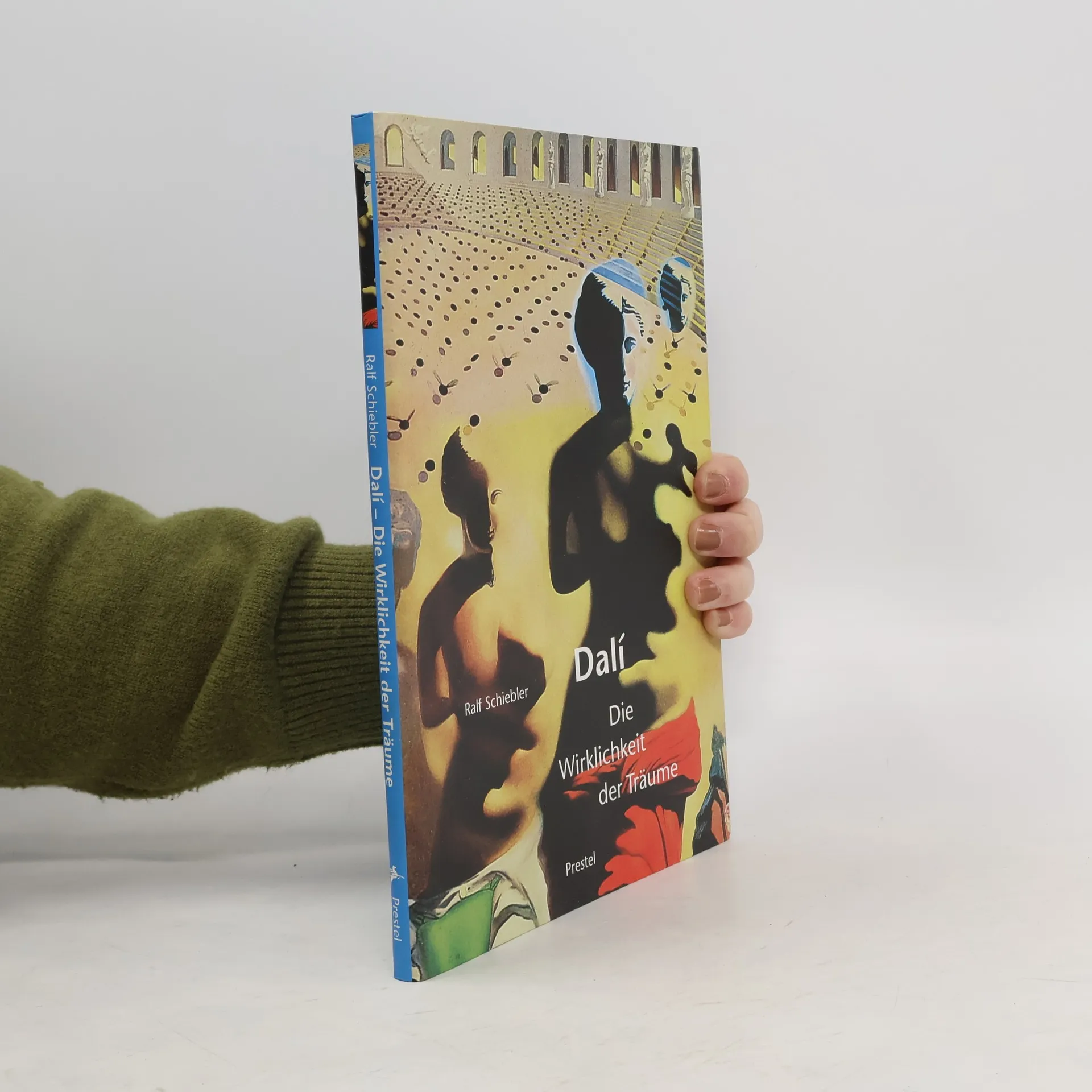
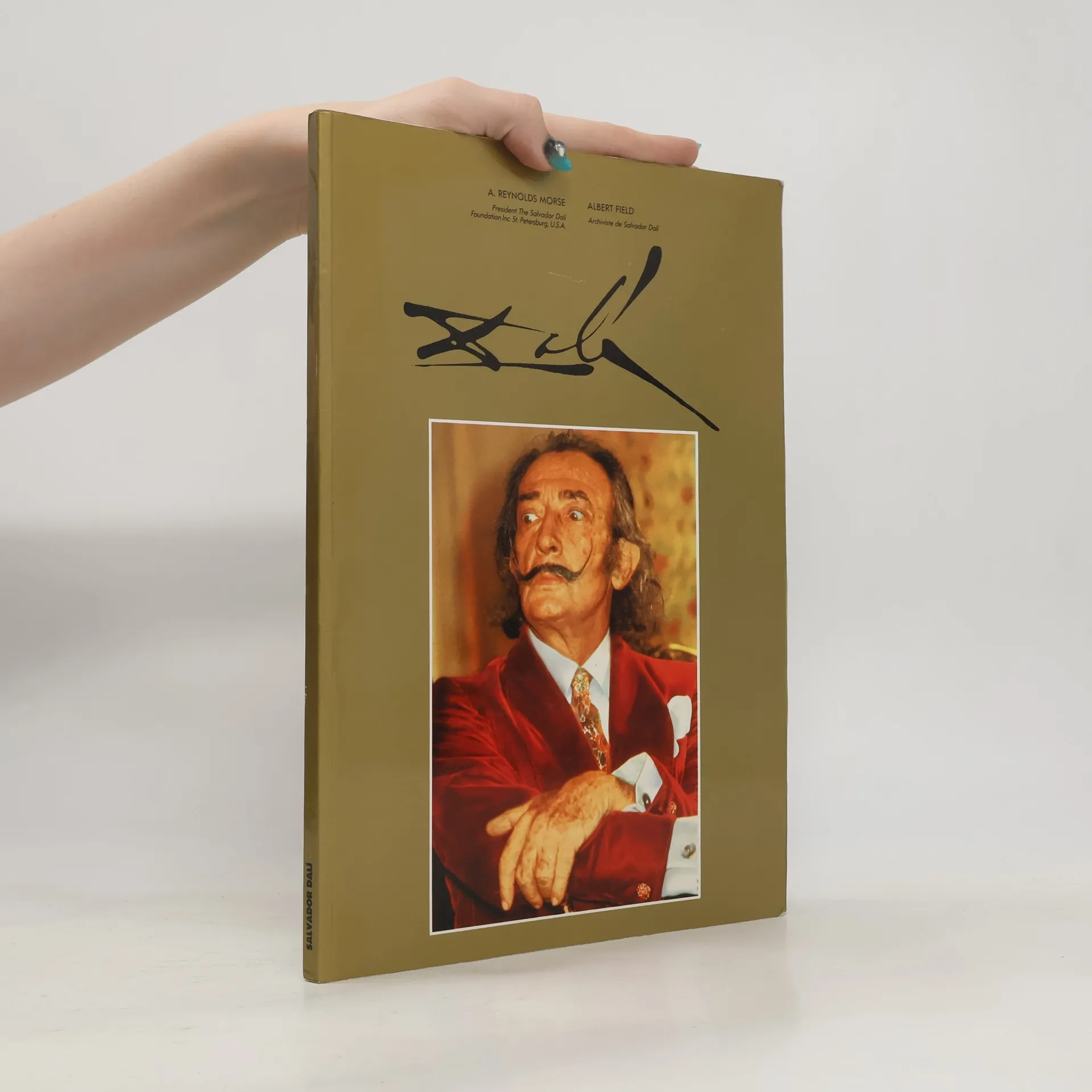
The painter, sculptor, author, filmmaker, and all-around entertainer Salvador Dalí (1904–1989) was one of the greatest exhibitionists and eccentrics of the 20th century. He was among the first to apply insights from Freudian psychoanalysis to art and is celebrated primarily for his surrealist works. Iconic images such as the melting clocks and the lobster telephone have become symbols of surrealism and modernity. Dalí often referred to his paintings as "hand-painted dream photographs." Their fascination and inherent tension arise from the precise depiction of bizarre elements and incongruous arrangements. Dalí painted, as he said, with the "imperialist frenzy of precision," but only "to systematize confusion and thereby completely discredit the world of reality." The mustachioed Dalí revolutionized the role of the artist by polarizing audiences with his public appearances and creating a body of work that can be consumed in various ways beyond gallery walls. This volume presents Dalí's work and personality, illuminating his provocative compositions centered around themes of death, decay, and eroticism.
Ralf Schiebler Livres


Giorgio de Chirico and the theory of relativity
Lecture given at Stanford University in October 1988
La vie secrète de Salvador Dali
- 437pages
- 16 heures de lecture
Persuadé de son propre génie, cet artiste dépeint sa propre gloire et livre ses secrets
Mit e. Text v. Schiebler, Ralf 46 Farbtaf. 119 S.
Dalís Begierden
- 127pages
- 5 heures de lecture
German