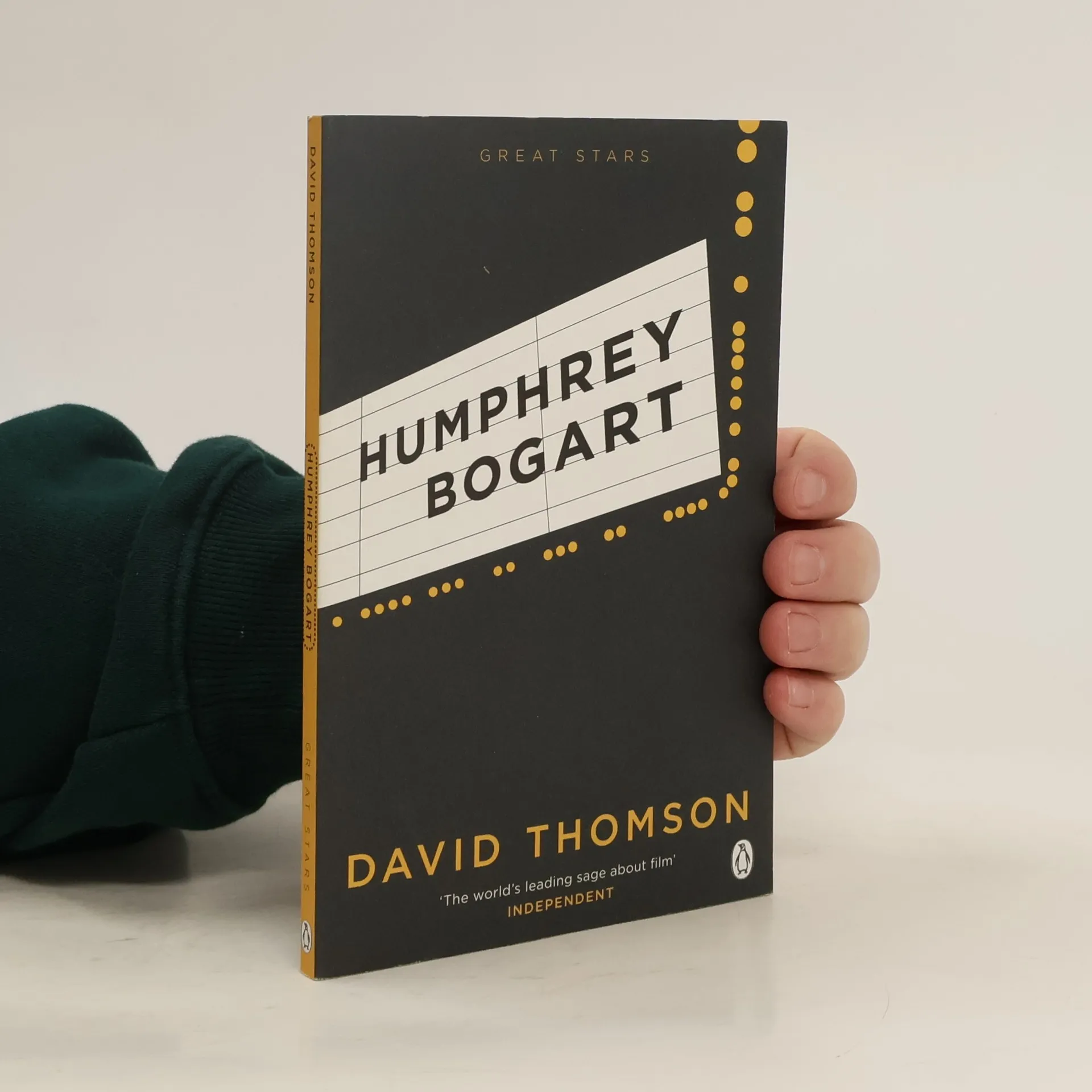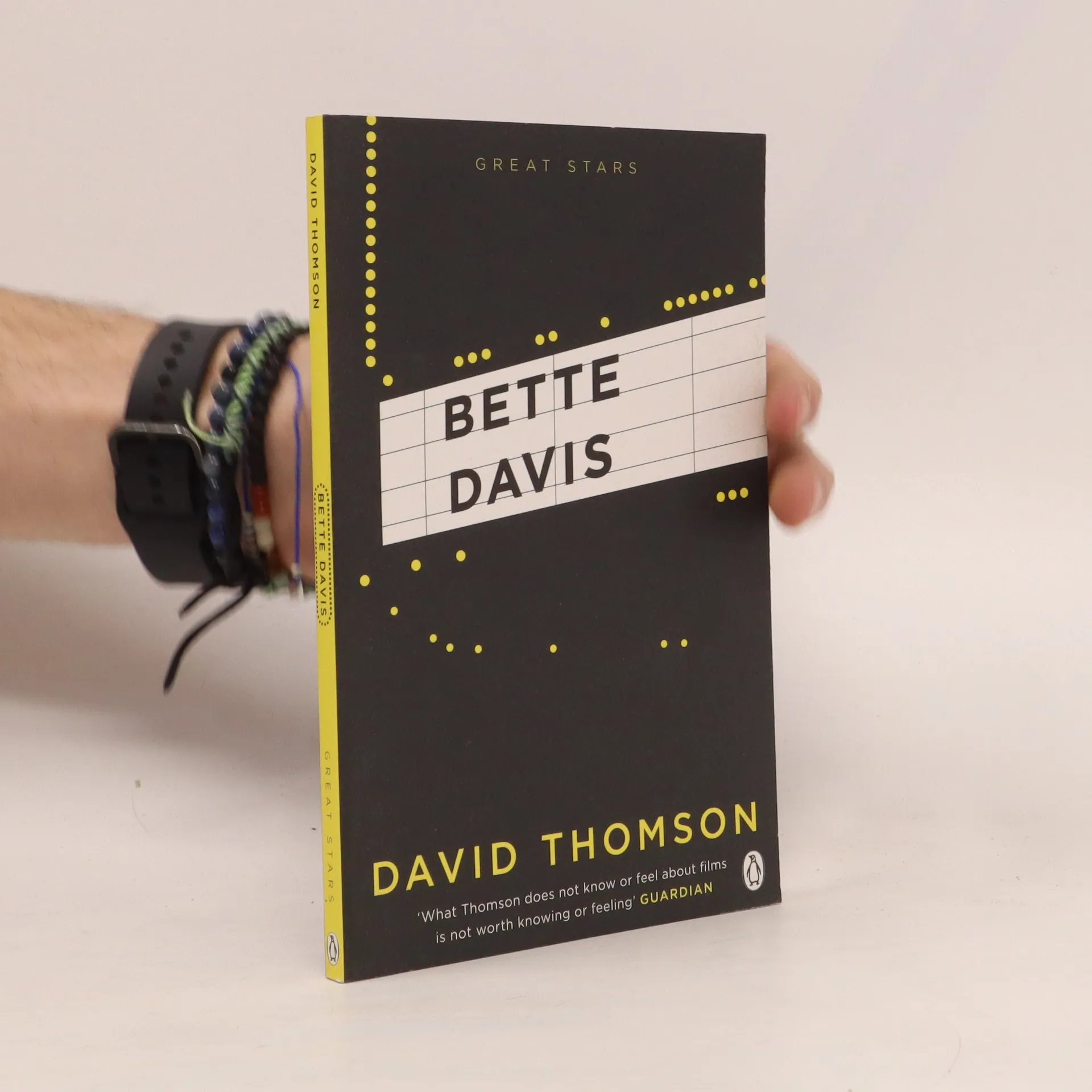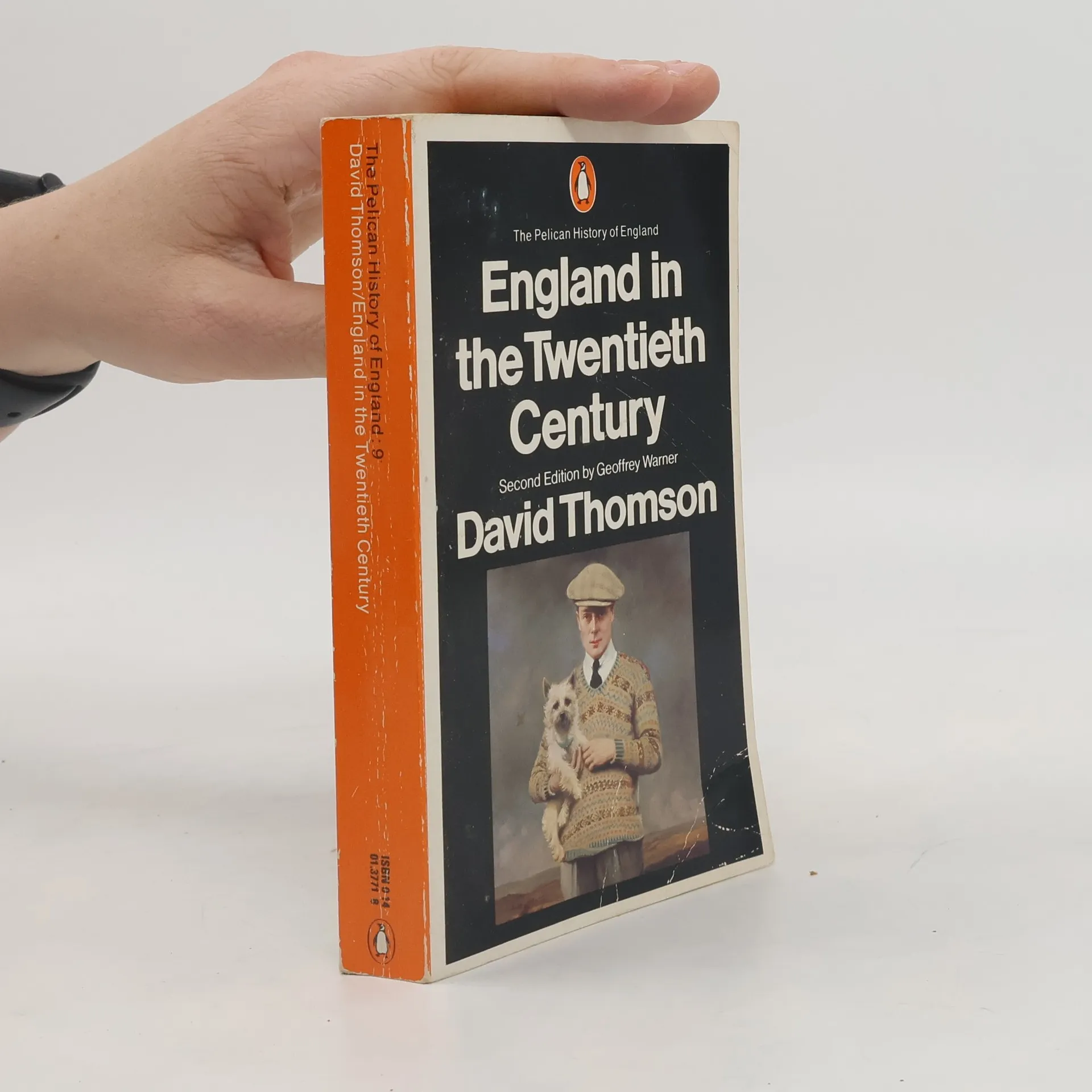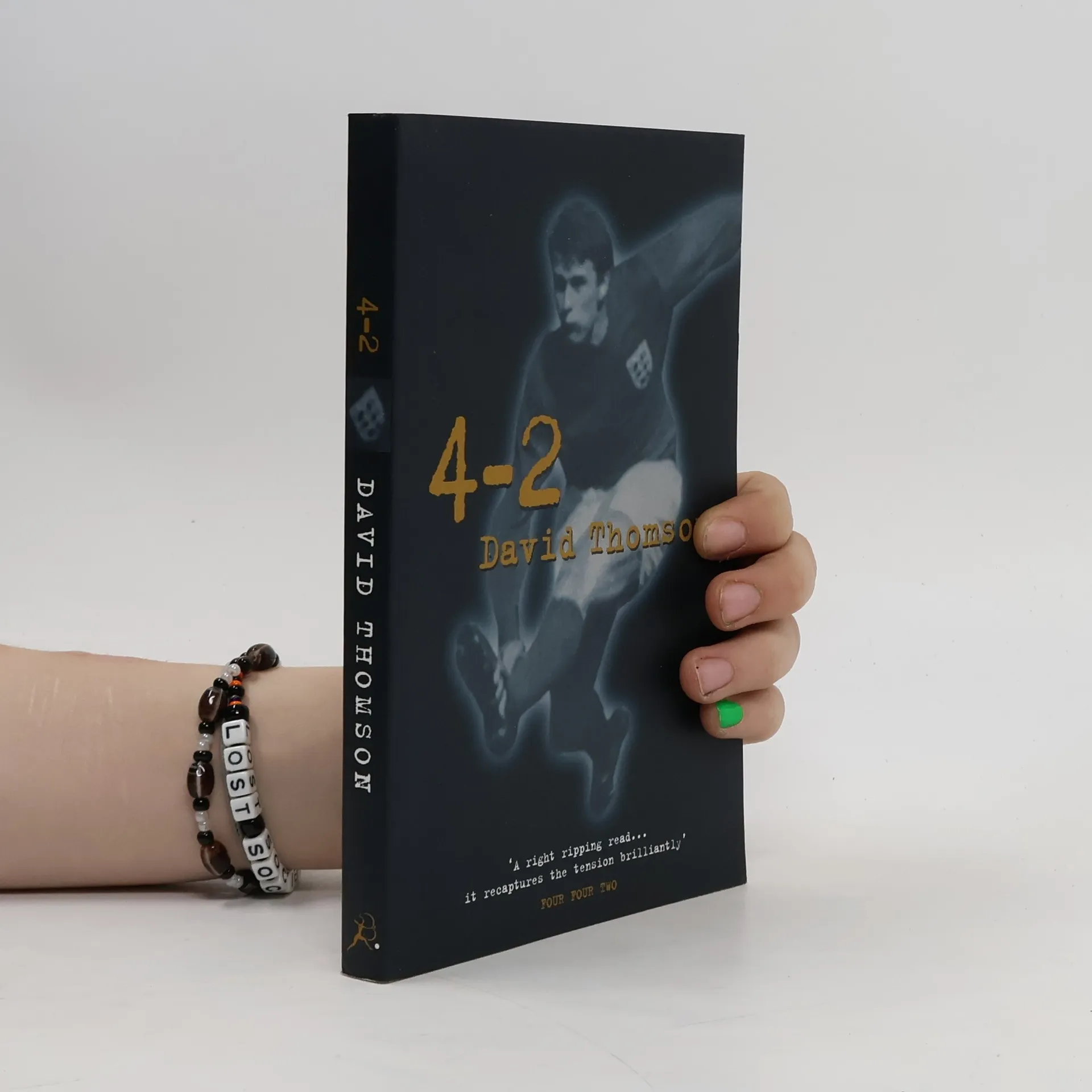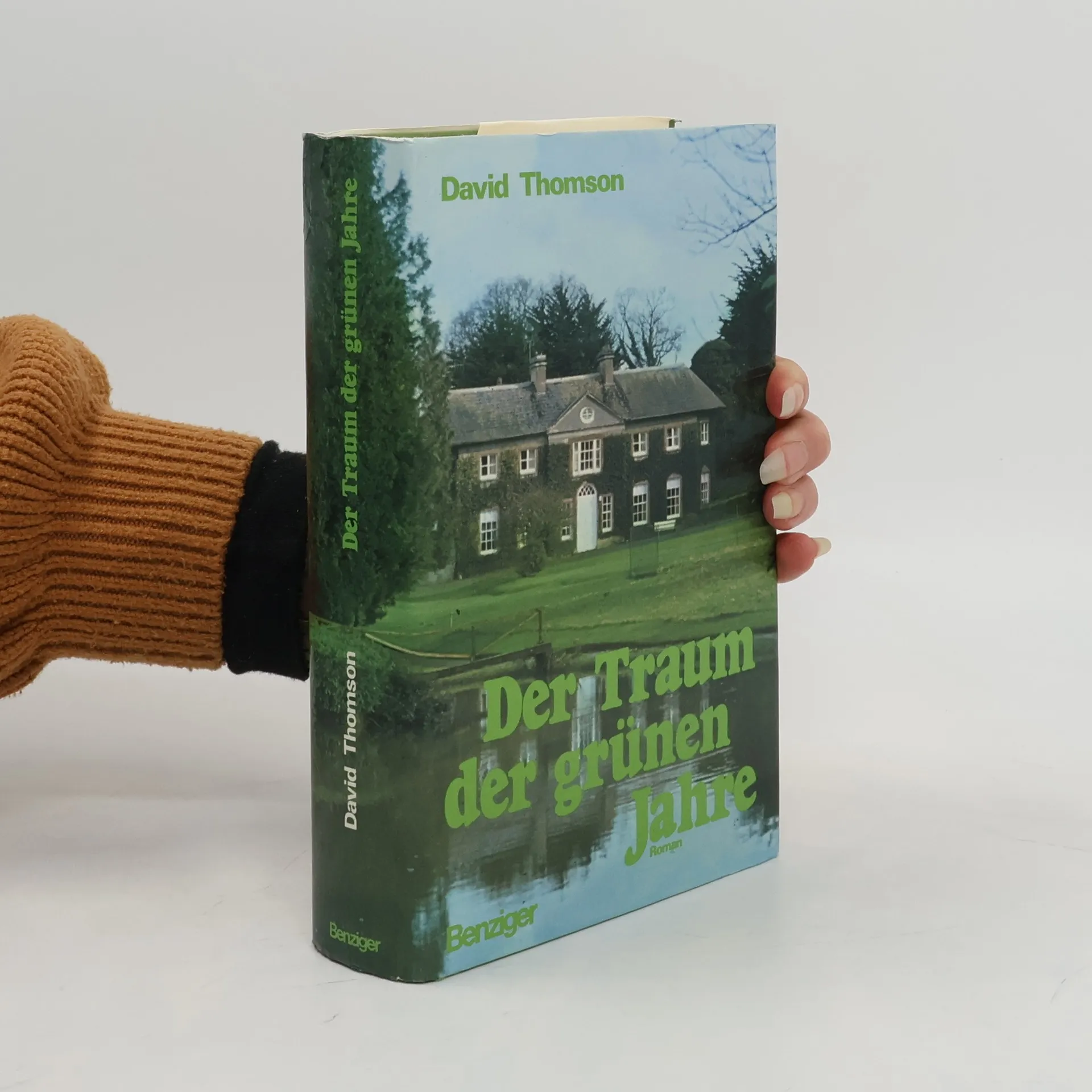


Bookbot

David Thomson

    18 février 1941

    David Thomson est célébré comme l'une des plus grandes autorités en matière de cinéma, dont les écrits offrent des aperçus profonds sur l'essence du médium. Son travail explore l'histoire du cinéma, son impact culturel et son mérite artistique. Avec un œil avisé pour le détail et une prose captivante, Thomson donne vie au monde du cinéma, offrant aux lecteurs une perspective unique sur son évolution et ses figures clés. Son influence sur la critique cinématographique et l'essai est indéniable, consolidant son statut de voix respectée dans le domaine.

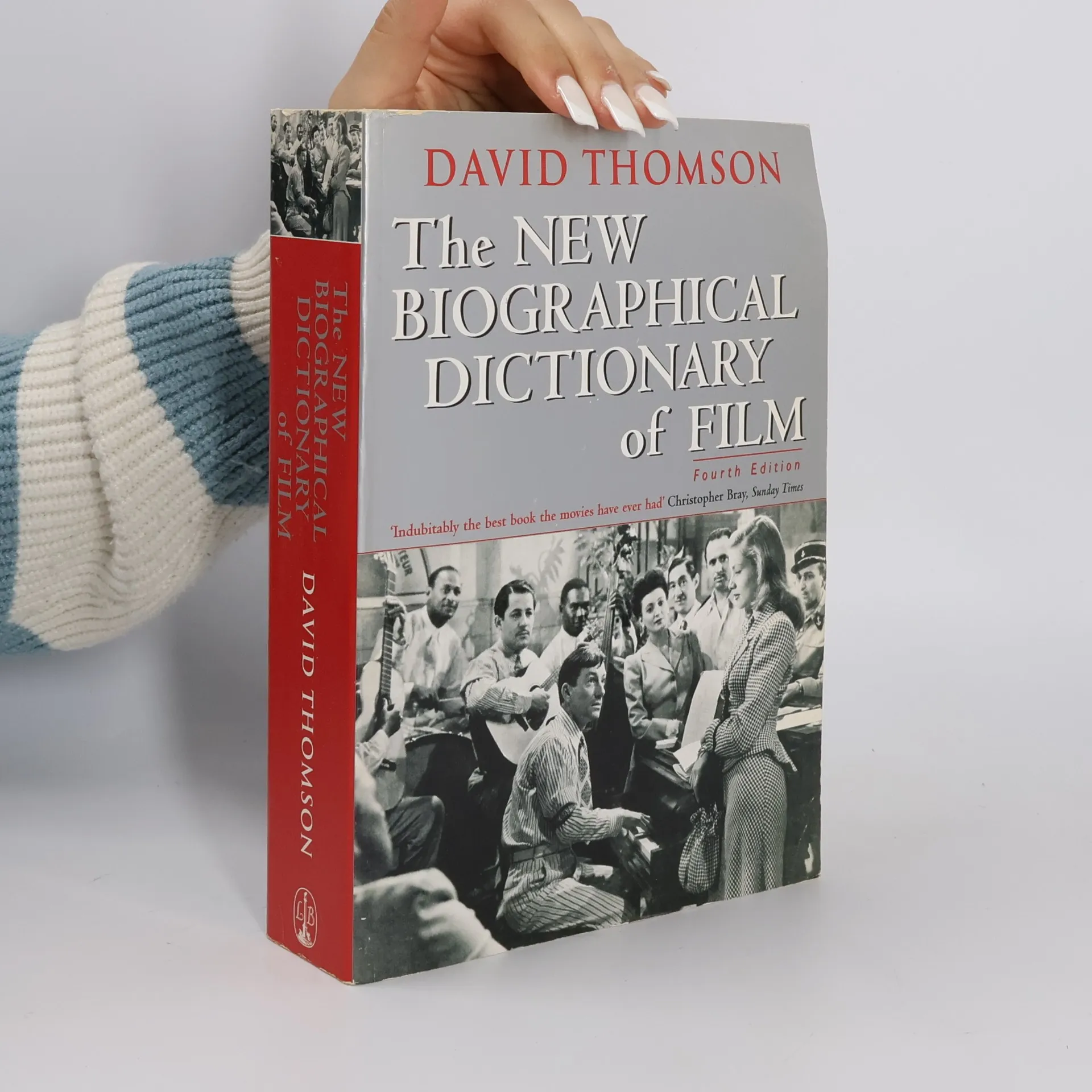
    The New Biographical Dictionary of Film
    Hollywood
    Great Stars. Ingrid Bergman
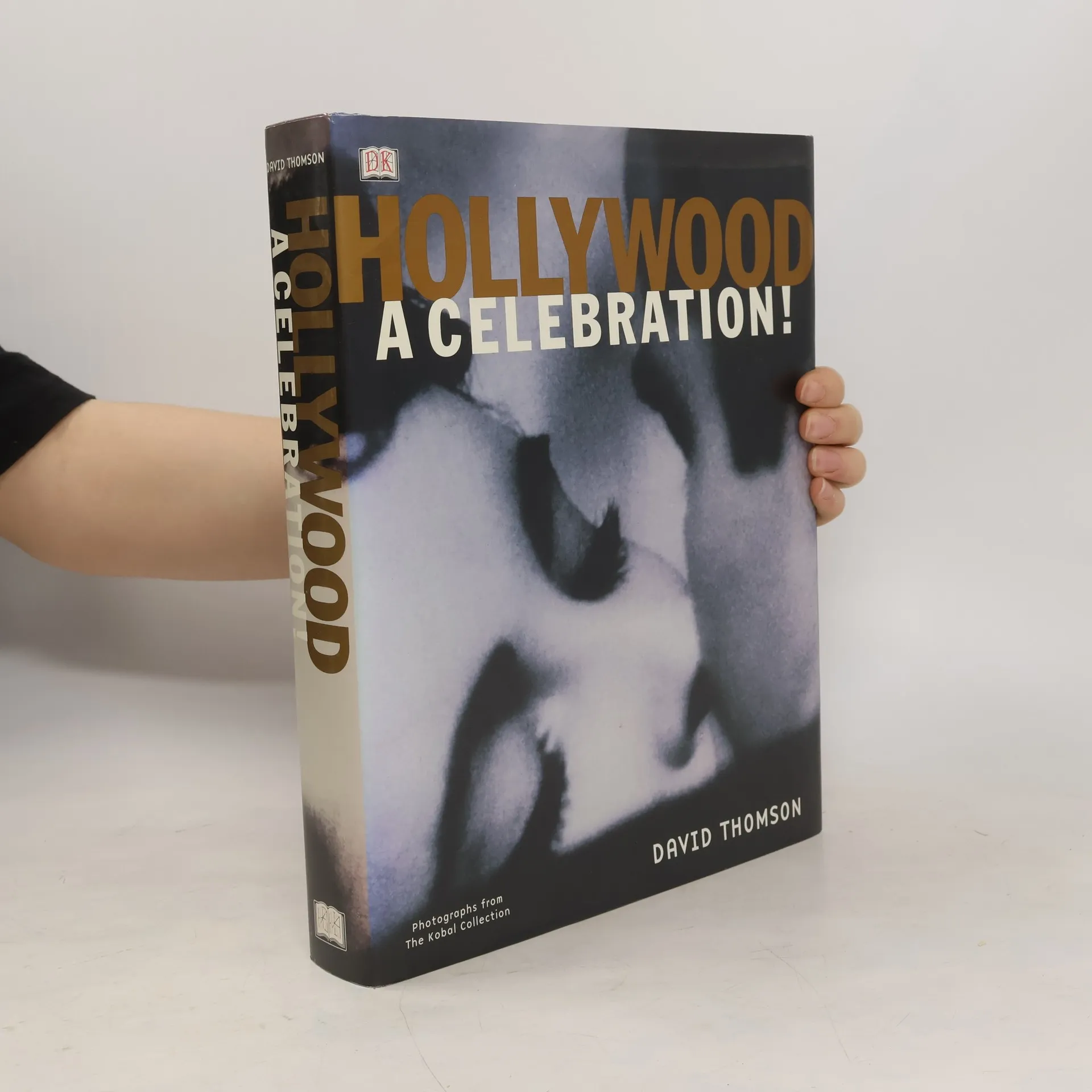
    Hollywood. A Celebration!
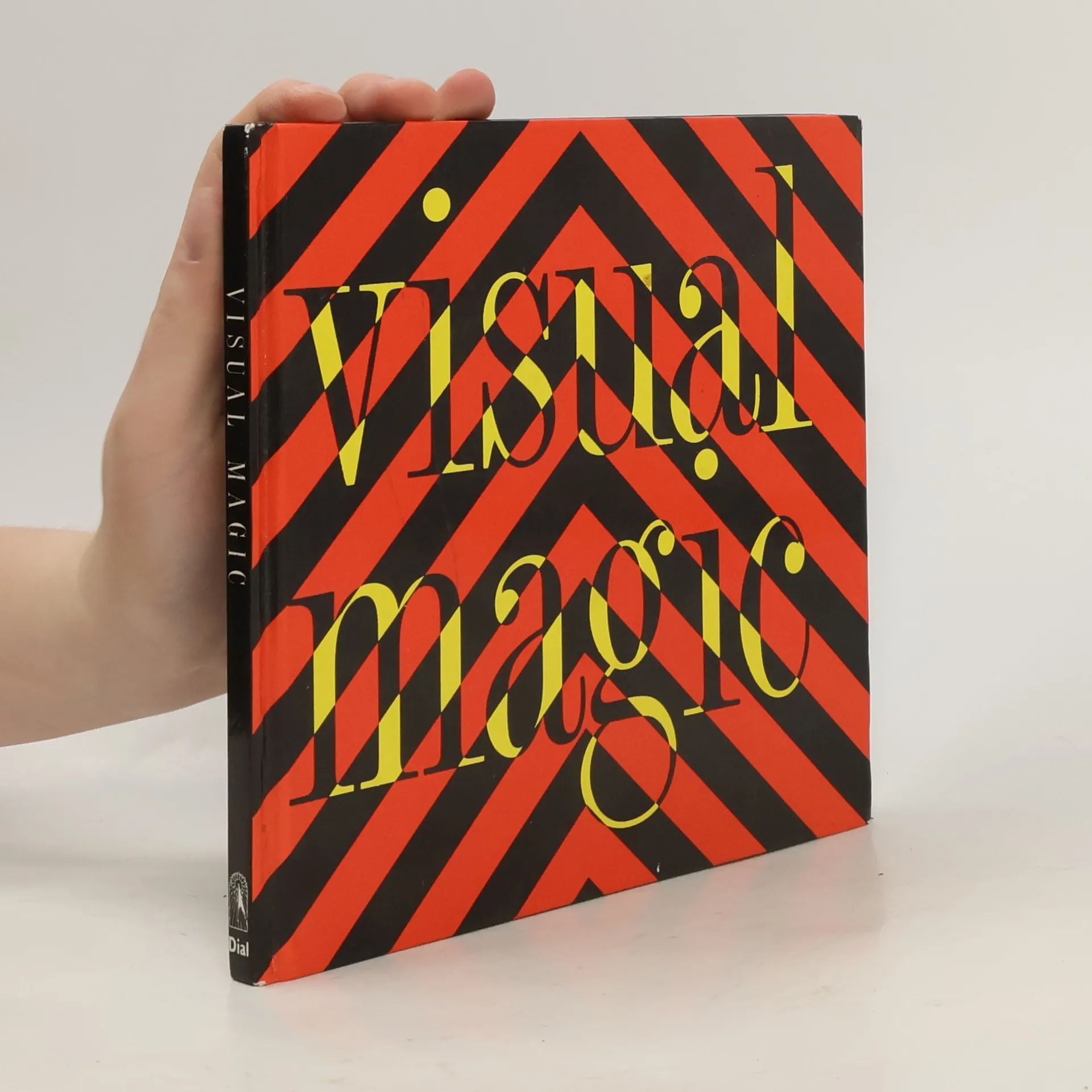
    Visual Magic
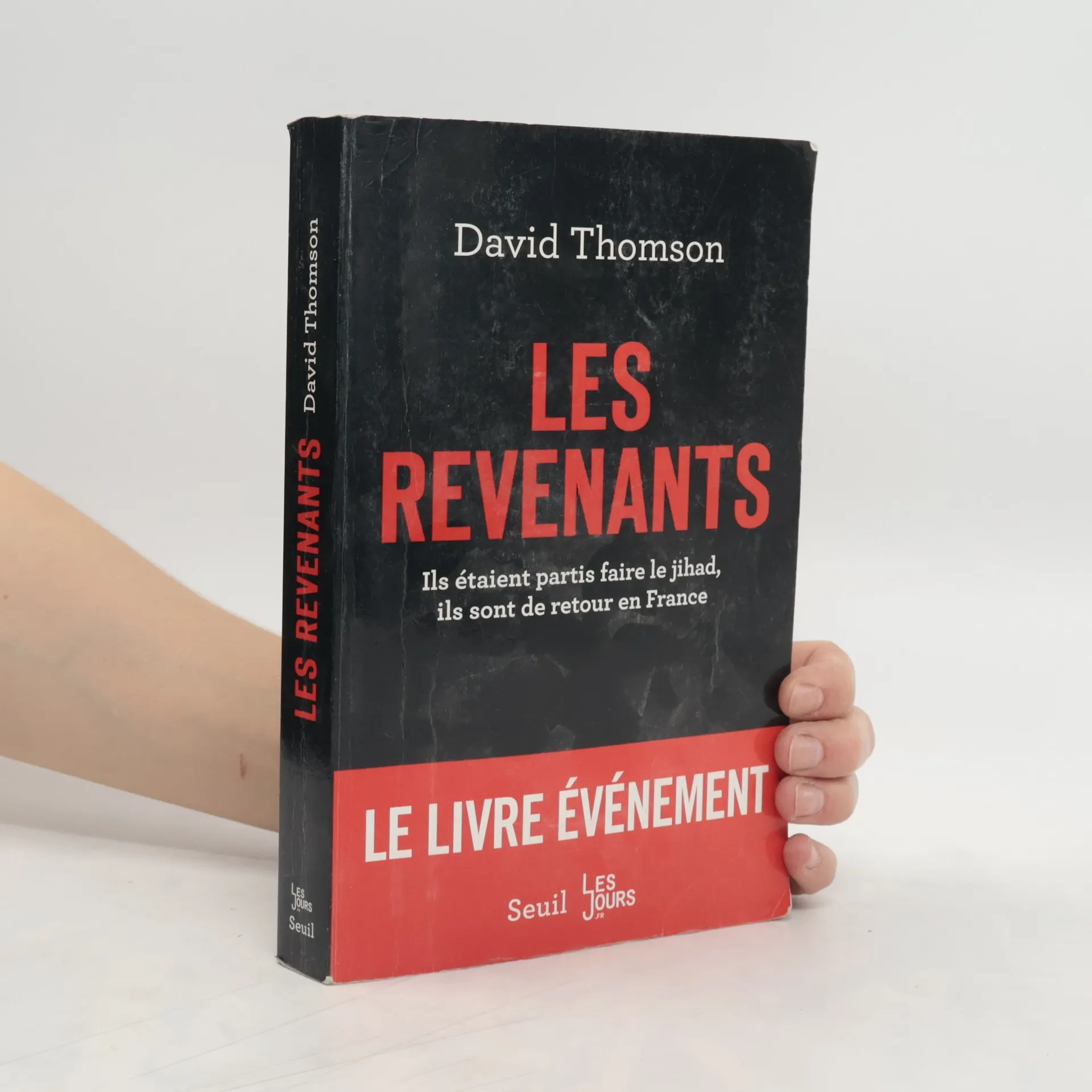
    Les revenants
    • Les revenants

      • 294pages
      • 11 heures de lecture
      4,2(187)Évaluer

      Depuis 2012, plus d'un millier de Français sont partis rejoindre des groupes jihadistes en Syrie. Près de 700 sont toujours sur place, près de 200 ont déjà été tués, et autant ont choisi de rentrer. David Thomson a rencontré ces "Revenants". Il est l'un de leurs meilleurs connaisseurs. Il les suit depuis des années, les a parfois connus avant leur départ et entretient avec eux des relations directes et régulières. Bilel, Yassin, Zoubeir, Lena... S'ils ont des profils différents, ils ont aussi de nombreux points communs. Certains sont revenus dégoûtés de la violence du conflit syrien, d'autres sont déçus de leur expérience, mais pas repentis. D'autres reviennent blessés ou psychologiquement abîmés. La plupart sont encore en prison, où leur nombre crée des problèmes qui semblent aujourd'hui insolubles. Certains, enfin, sont de retour pour mener de nouvelles actions terroristes sur le sol français. Tous focalisent l'attention des services de renseignement en raison de la menace durable qu'ils font peser sur le territoire national.
      Les revenants
    • A collection of over thirty visual tricks and illusions involving colors, shapes, patterns, and perspective. Includes 3-D glasses and an answer key.

      Visual Magic
    • This guide to Hollywood catalogues major filmic trends from silent films of the 1920s through the Technicolor Age to the electronic era. Visual documentation captures the legendary stars and directors, and each chapter introduces the wider historical and social context of the age.

      Hollywood. A Celebration!
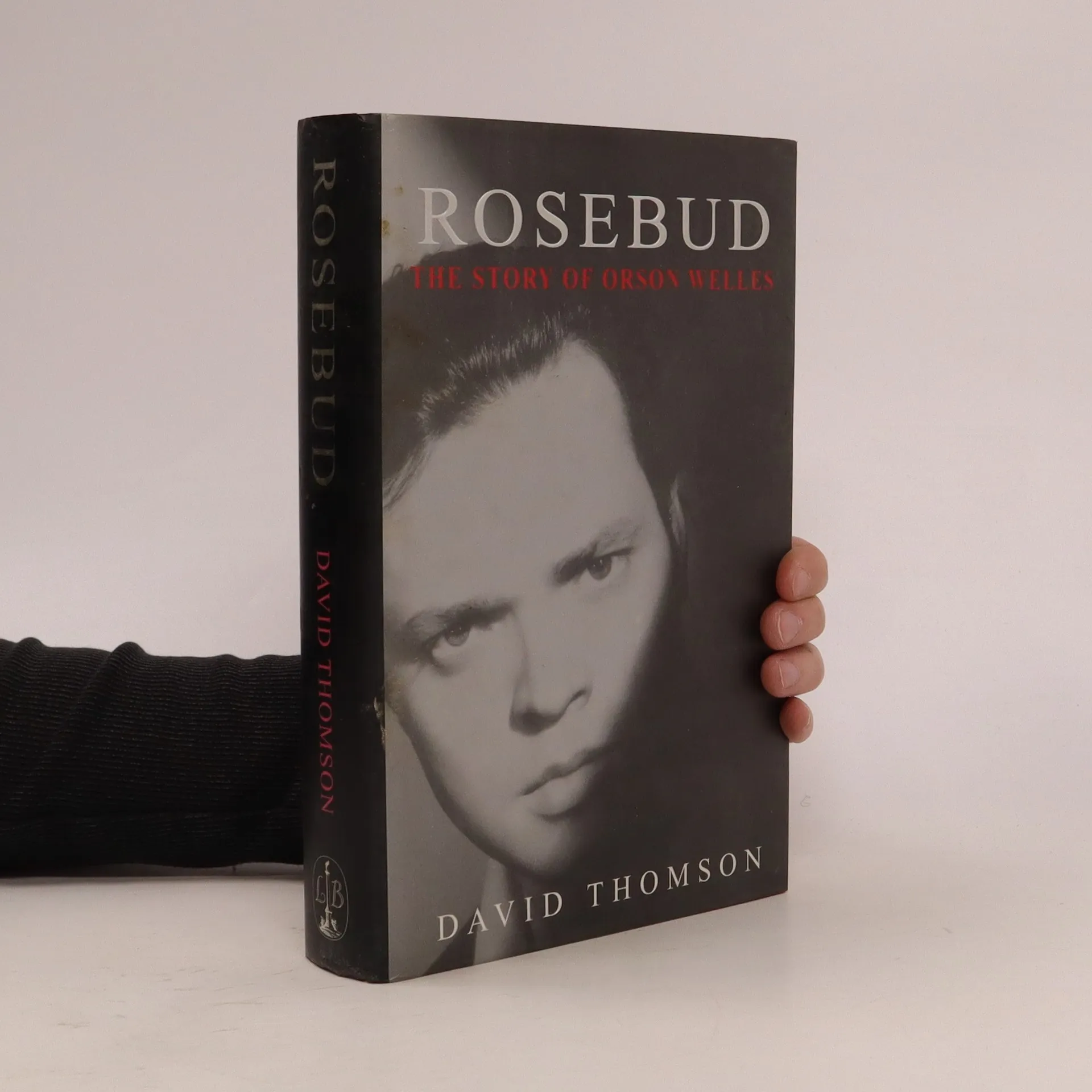
    • �Ingrid Bergman was far more than just a sweet, virtuous, �natural� Swedish girl � she was a dark sensualist over whom many men might go mad. Her very gaze delivered a climate of adult romantic expectation.� Adored by millions for her luminous beauty and elegance, at the height of her career Ingrid Bergman commanded a love that has hardly ever been matched, until her marriage fell apart and created an international scandal. Here renowned film writer David Thomson gives his own unique and original take on a woman who was constantly driven by her passions and by her need to act, even if it meant sacrificing everything.

      Great Stars. Ingrid Bergman
    • Hollywood

      • 640pages
      • 23 heures de lecture
      4,5(2)Évaluer

      From the silent films of the 20's through the Technicolor age, to the domination of special effects, this book is a guide to Hollywood's movie industry. Chronicling the glitz, the glamour and the power struggles against a backdrop of the era's historical and social context, it is filled with classic photography of legendary stars and directors.

      Hollywood
    • This book is both more and less than history, a work of imagination in its own right, a piece of movie literature that turns fact into romance.' Gavin Lambert was reviewing the first edition of David Thomson's monumental work in 1975. In the eight years since the third edition was published, careers have waxed and waned, reputations been made and lost, great movies produced, trends set and scorned. This fourth edition has 200 entirely new entries and every original entry has been re-examined. Thus the roster of directors, actors, producers, screenwriters and cameramen is both historical and contemporary, with old masters reappraised in terms of how their work has lasted. Each of the 1,000 profiles is a keenly perceptive, provocative critical essay. Striking the perfect balance between personal bias and factual reliability, David Thomson - novelist, critic, biographer and unabashed film addict - has given us an enormously rich reference book, a brilliant reflection on the art and artists of the cinema.

      The New Biographical Dictionary of Film
    • Ultimately an examination on how movies affect the way we think and how film not only shapes our perceptions and our memories but in some ways comes to stand in for them, Suspects can be read as an unsettling examination of identity and the construction of self through the medium of narratives, or simply as a fascinating take on movie...

      Suspects
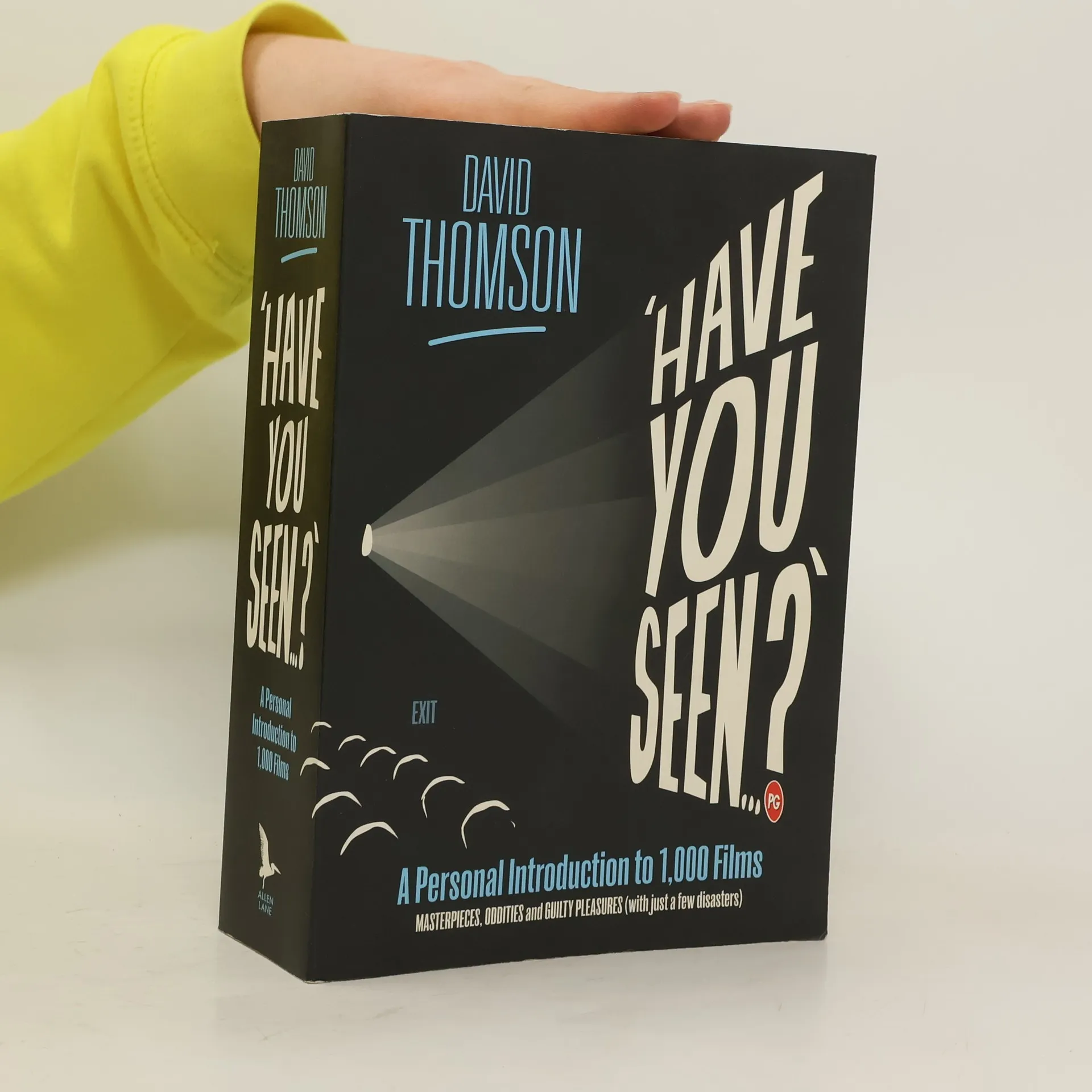
    • Features writings on 1000 of the films that the author has particularly liked - or in some cases, abhorred. This work features love stories, westerns, musicals, war stories, comedies, and dramas. It also discusses about British, Japanese and European cinema.

      "Have you seen... ?". A personal introduction to 1,000 films
    • The Alien Quartet 4

      • 194pages
      • 7 heures de lecture
      3,8(4)Évaluer

      This book details many different aspects of the Alien films: the different directors, the making of the films, the themes, the actors and the tensions on the set. Published to coincide with the release of the fourth Alien film.

      The Alien Quartet 4
    • The Big Sleep

      • 80pages
      • 3 heures de lecture
      3,9(6)Évaluer

      The Big Sleep: Marlowe and Vivian practising kissing; General Sternwood shivering in a hothouse full of orchids; a screenplay, co-written by Faulkner, famously mysterious and difficult to solve. Released in 1946, Howard Hawks' adaptation of Raymond Chandler reunited Bogart and Bacall and gave them two of their most famous roles. The mercurial but ever-manipulative Hawks dredged humour and happiness out of film noir. 'Give him a story about more murders than anyone can keep up with, or explain,' David Thomson writes in his compelling study of the film, 'and somehow he made a paradise.' When it was first shown to a military audience The Big Sleep was coldly received. So, as Thomson reveals, Hawks shot extra scenes, 'fun' scenes, to replace one in which the film's murders had been explained, and in so doing left the plot unresolved. Thomson argues that, if this was accidental, it also signalled a change in the nature of Hollywood cinema: 'The Big Sleep inaugurates a post-modern, camp, satirical view of movies being about other movies that extends to the New Wave and Pulp Fiction.'

      The Big Sleep