

1. vydání. Každý občas zažije neobvyklou shodu okolností, která je mimořádně významná. Smysluplná shoda okolností, které se říká synchronicita, nám však naznačuje, že nejsme možná jen jedinými autory svých příběhů.
Robert H. Hopcke Ordre des livres (chronologique)
1 janvier 1958


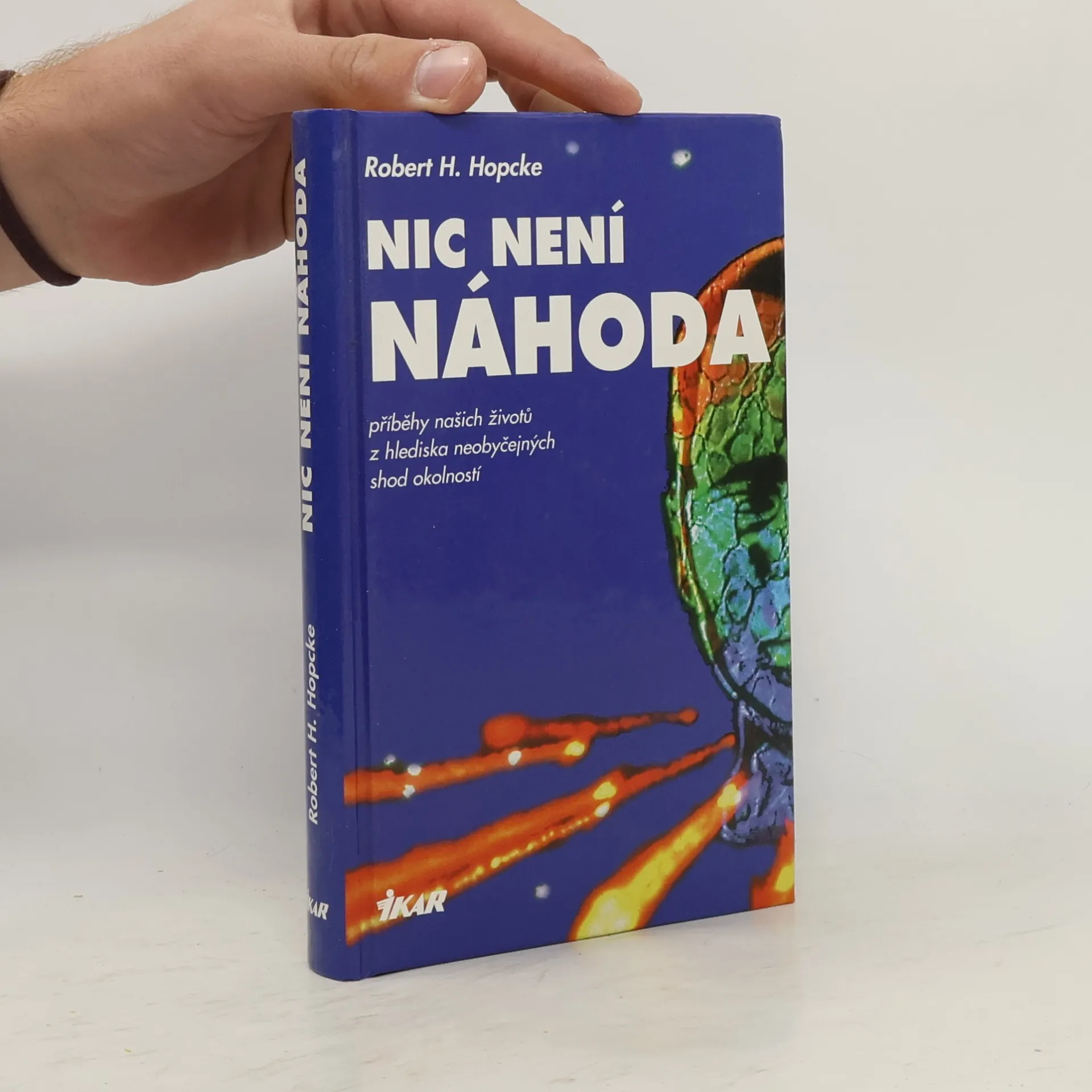



Il n'y a pas de hasards : La place des coïncidences dans le roman de notre vie
- 235pages
- 9 heures de lecture
Une femme se trompe de porte - et sa carrière prend un tournant inattendu... Sur une île lointaine, un homme se morfond dans sa solitude lorsque surgit une amie perdue de vue depuis des années... Des amis organisent un dîner pour présenter un homme à une femme, or ces derniers se sont déjà rencontrés, dans les mêmes circonstances, vingt ans plus tôt... Qui n'a jamais fait l'expérience d'une " synchronicité ", c'est-à-dire un de ces hasards significatifs qui peuvent changer radicalement le cours d'une vie ? Certes, nous aimons croire que nous sommes maîtres de notre destin, mais les aléas de la synchronicité sont là pour nous inviter à davantage de modestie. Au confluent du développement personnel et de la spiritualité, une approche originale qui permet de déchiffrer le sens de notre vie. Dans ce livre d'ores et déjà considéré comme l'étude classique sur le sujet, le psychanalyste jungien Robert Hopcke part de très nombreux récits recueillis auprès de ses patients pour explorer la place des synchronicités dans les différents aspects de notre existence, et nous indique comment lire notre vérité intérieure à la lumière de ces troublantes coïncidences.
C. G. Jung, Jungianer und Homosexualität
- 308pages
- 11 heures de lecture
Despite the revolution of thought on homosexuality over the past thirty years, the literature of Jungian psychology gives little attention to the subject. In an effort to provide the first coherent theory of sexual orientation in the tradition of analytical psychology, this important book examines the way in which Jung and Jungians have regarded homosexuality both clinically and theoretically. Following a survey of references to homosexuality in Jung's writings and the work of Jung's followers and contemporary analysts, the author shows that within the great diversity of opinion there exist many creative ways to deepen an understanding of the lives and loves of gay men and lesbians. In particular, he discusses the ways in which the archetypes of the Masculine, the Feminine, and the Androgyne are expressed in gay male culture, in both past and present, in the United States and other cultures. Hopcke proposes a view of homosexuality that is archetypally based, empirically supportable, psychologically profound, and spiritually evocative. In doing so he provides gay people with something that is often missing in the rhetoric of the gay political movement: a profound, individual sense of self-understanding