Thomas Pakenham est un historien et arboriculteur distingué dont les écrits explorent les complexités de l'histoire britannique moderne et le monde naturel des arbres. Son travail est célébré pour ses recherches rigoureuses et son récit captivant, qui entraîne les lecteurs dans des explorations richement détaillées. Pakenham unit de manière unique l'enquête historique à une profonde appréciation de la botanique, offrant une perspective distincte.
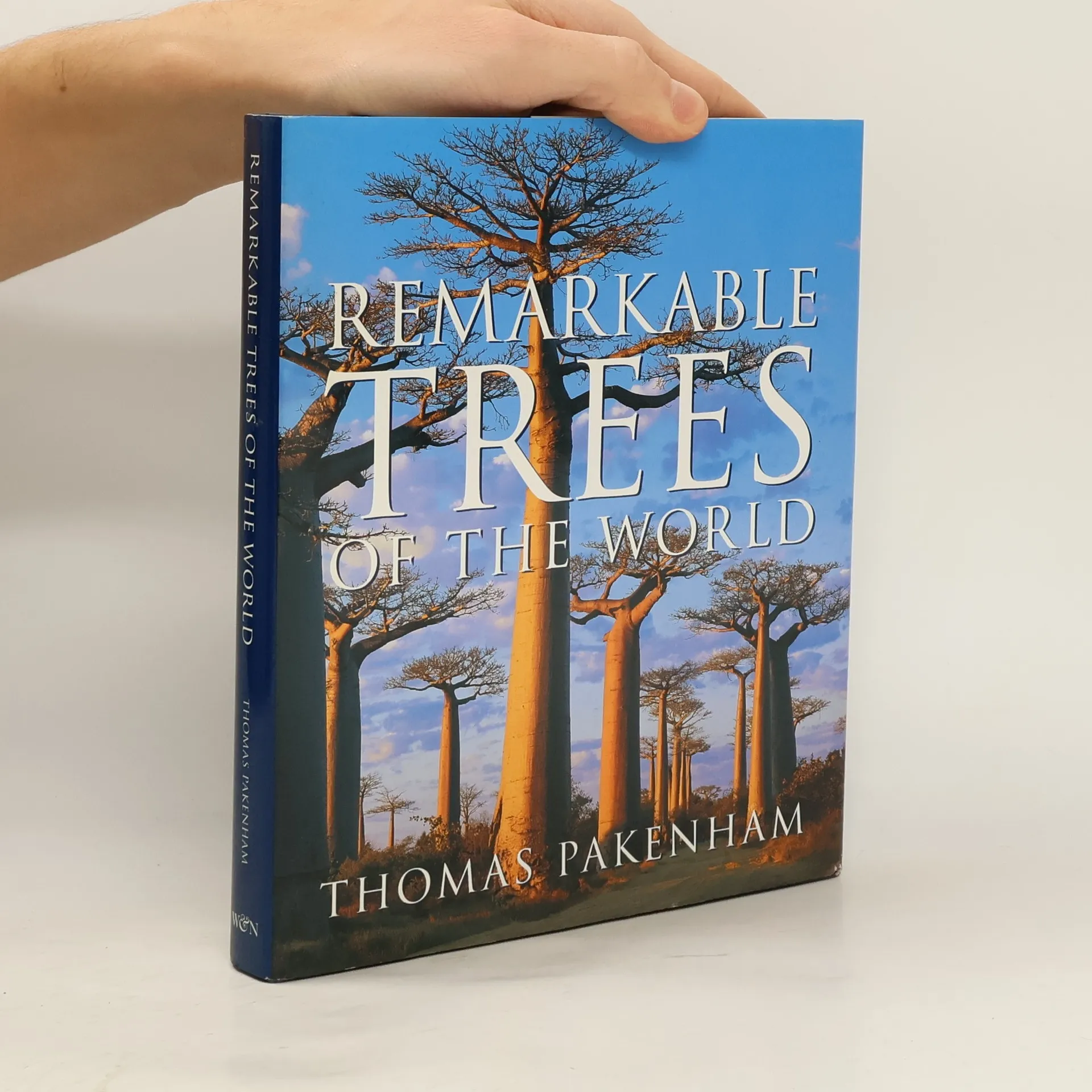
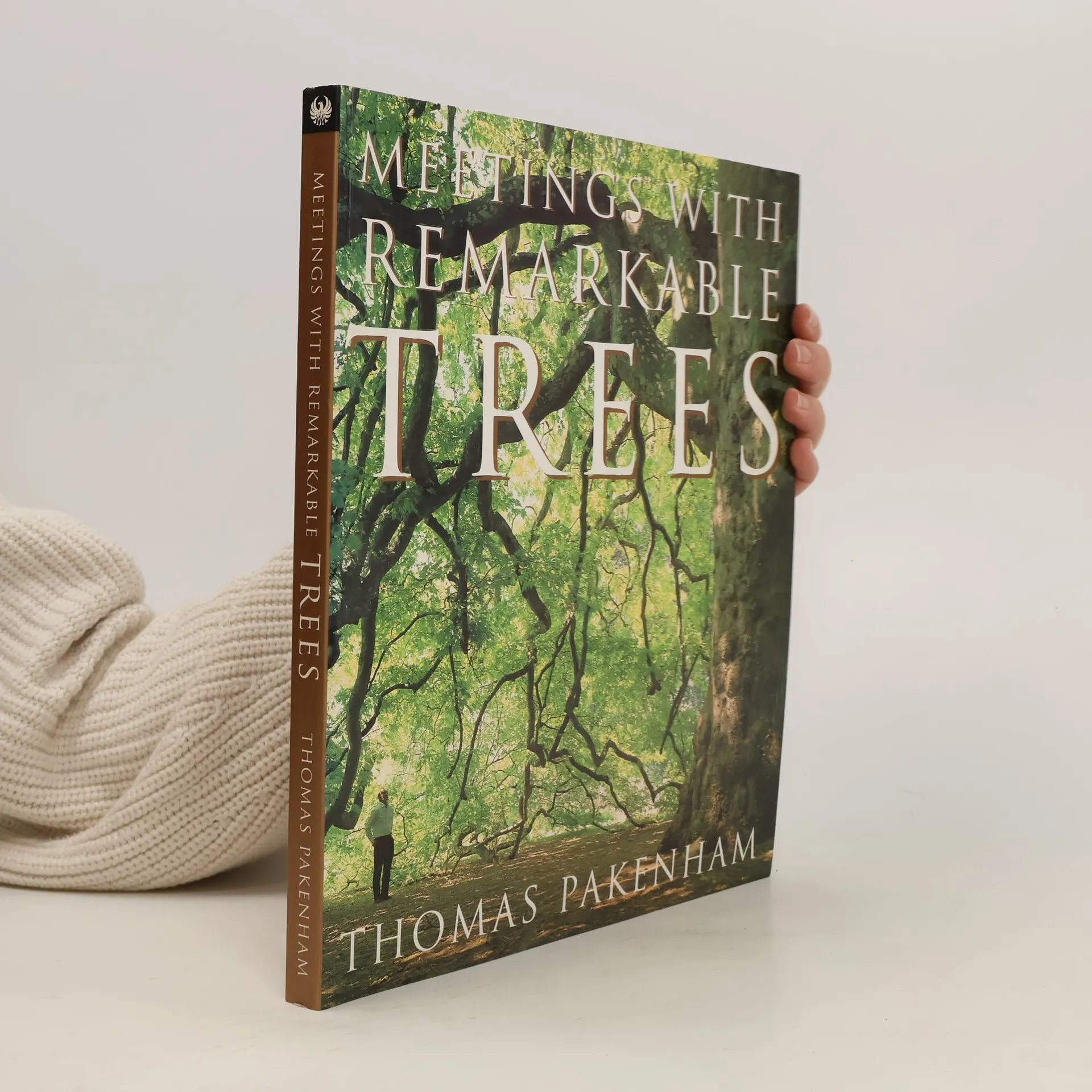
With this astonishing collection of tree portraits, Thomas Pakenham has produced a new kind of tree book.The arrangement owes nothing to conventional botany. The trees are grouped according to their characteristics: Natives, Travellers, Shrines, Fantasies and survivors Roughly half consist of ancient native tr
From North and South America to Europe, from Asia and South Africa and Madagascar to Australia and New Zealand, this text presents trees of personality and presence: Dwarfs, Giants, Monuments, and Aliens - the lovingly tended midgets of Japan; the massive General Sherman of Sierra Nevada; the Mexican Tule Bald Cypress; the enormous strangler from India now romping about the University of Palermo in Sicily; and the 4700 year old Old Methusalehs. From ancient yews and ginkos to colossal redwoods and fairytale baobabs, this book is the fruit of Thomas Pakenham's search for the most remarkable trees of the world.
As a young soldier, Winston Churchill was posted to the 21st Lancers in 1899 as a war correspondent for the Morning Post, joining the fight against the Boer settlers in South Africa. In his riveting account, he details his capture in Pretoria and his frustration at missing the action. Churchill narrates his daring escape and overland journey, traveling at night to avoid detection. Over 64 years, he published more than 40 books, offering definitive accounts of historical events he witnessed. His writing remains accessible and relevant today. Throughout his 50-year political career, Churchill served twice as Prime Minister and held various prominent positions, including President of the Board of Trade and First Lord of the Admiralty. In the 1930s, he was among the first to recognize the threat of Nazi Germany and advocated for British rearmament. His leadership during World War II, marked by inspiring broadcasts and speeches, bolstered British resistance against Hitler and contributed significantly to the Allies' victory. An inspiring wartime leader, Churchill was also an orator, historian, journalist, and artist, all of which are represented in this collection of his works.
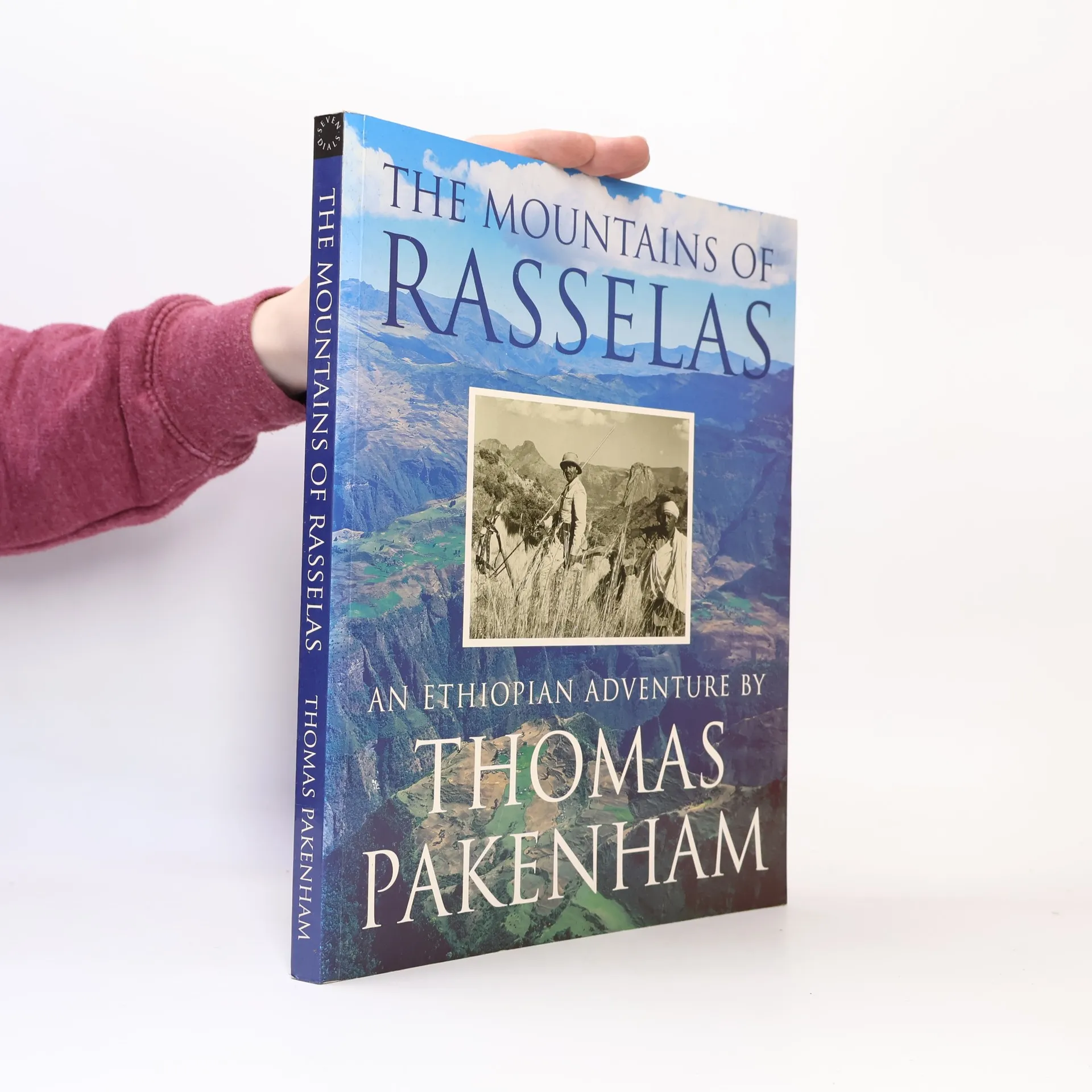
Rasselas is a tale of the royal princes of Abyssinia, who were condemned to live on the prison-mountain of Wehni until they died or the order of succession called them to the throne. How much of this was truth and how much legend? The author of Meetings with Remarkable Trees, Thomas Pakenham traveled to Ethiopia to find out. The predicament of the prisoners had been even more melodramatic than previously surmised. And an incredible archeological discovery was a medieval church of the finest style ever recorded. Nearly 40 years after the story was published in 1959, Pakenham returned to the Mountain. In this edition, historical insight and new color photography are added to the original story. 176 pages (all in color), 9 1/2 x 11 3/8.
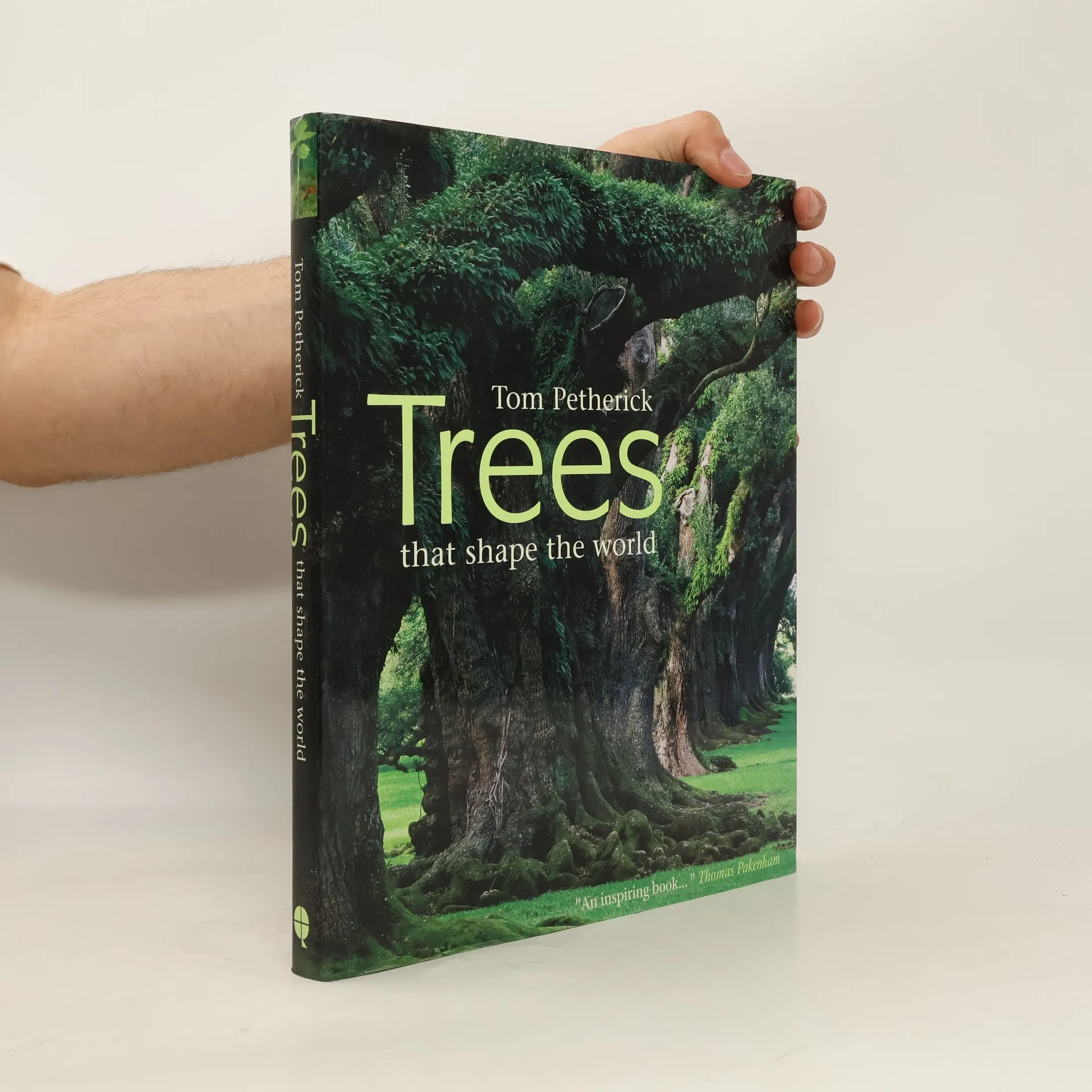
This volume offers a photographic study of the impact of trees on our lives and our surroundings. It looks at a different climate zone from the arctic north to the tropical south, describing the native trees in their natural habitat, their relationship and importance to man over the centuries.
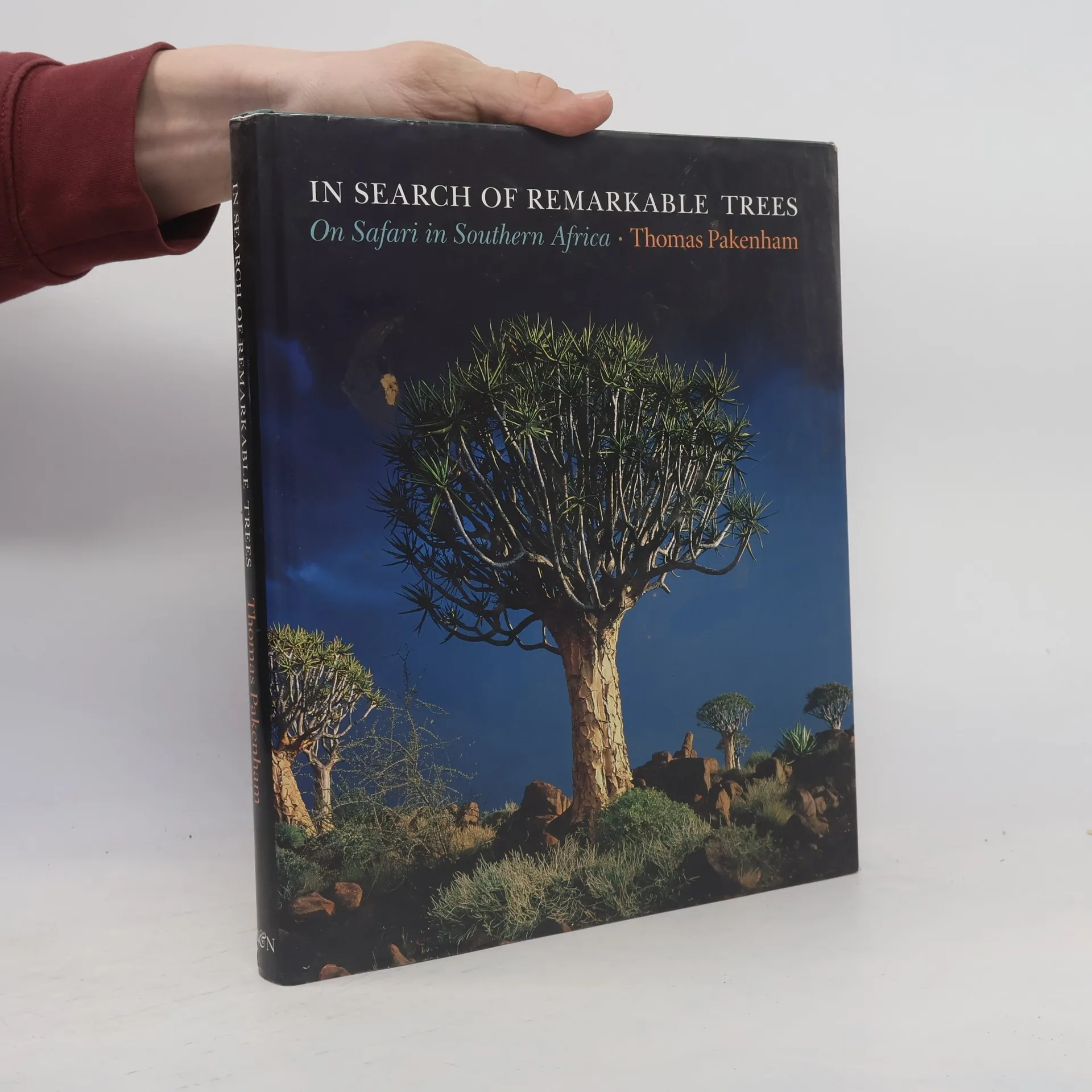
Thomas Pakenham, no stranger to Africa with his award-winning books The Boer War and The Scramble for Africa, nor to remarkable trees with his bestselling Remarkable Trees of the World, combines his two interests on safari in Southern Africa. His particular quarry is the rare, the giant, the very old, the extraordinary, or the simply beautiful - from a giant baobab and a prickly quiver tree in Namibia to a glorious jacaranda in South Africa and sesame bushes attacked by elephants in Botswana. He uncovers trees written about by the great explorers of the past, or associated with magic, folklore, or ritual.The narrative accompanying each image interweaves the stories of Pakenham's own journey - at some moments scaling trees to escape from enraged wildlife, while at others standing in awe before a particular tree, connected by some primitive, atavistic bond - with those of the trees themselves, imbuing each with personality and presence. The result is a beautifully crafted blend of botany and social history, the product of a brilliant photographer, an original mind, and a superlative writer.
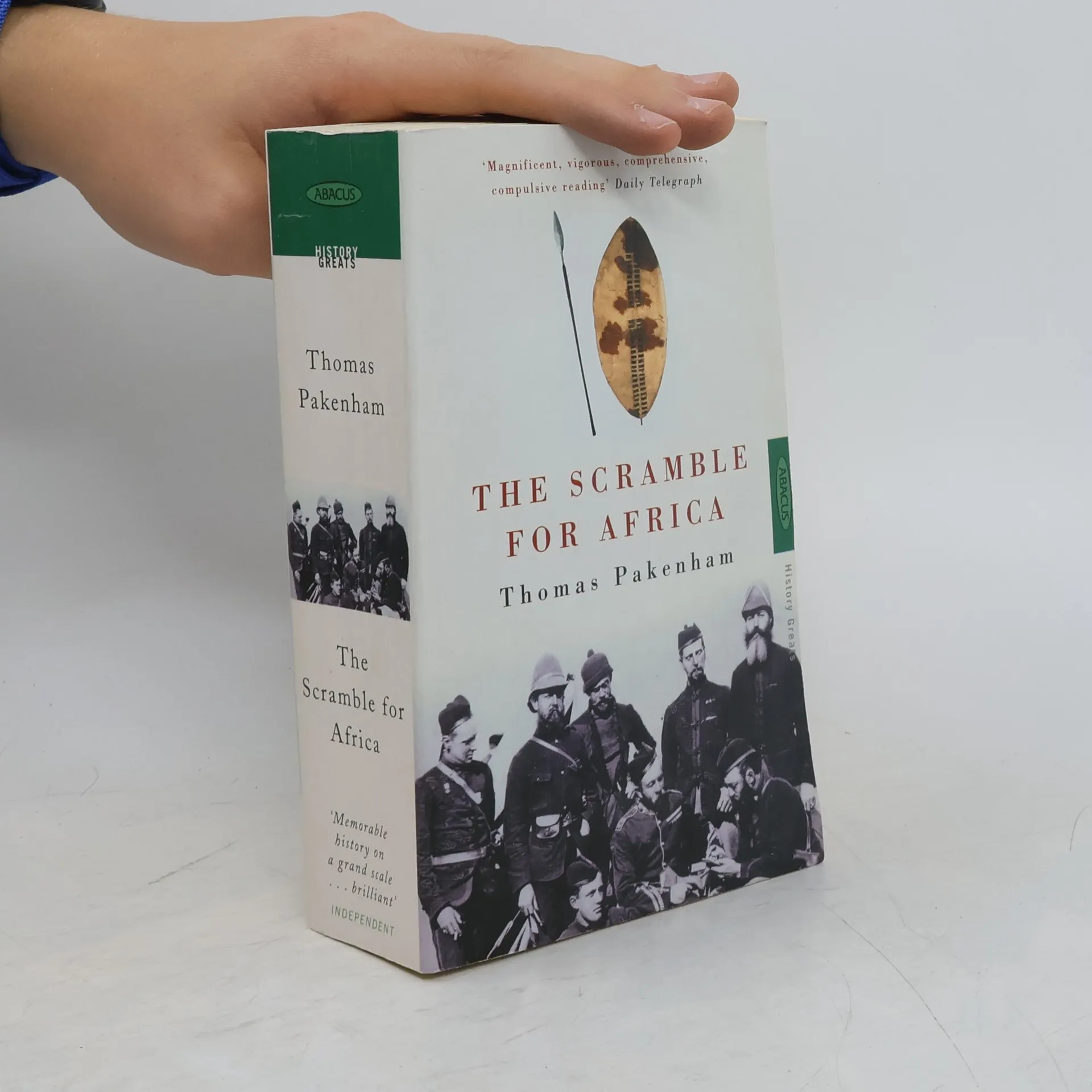
In 1880 the continent of Africa was largely unexplored by Europeans. Less than thirty years later, only Liberia and Ethiopia remained unconquered by them. The rest - 10 million square miles with 110 million bewildered new subjects - had been carved up by five European powers (and one extraordinary individual) in the name of Commerce, Christianity, 'Civilization' and Conquest. The Scramble for Africa is the first full-scale study of that extraordinary episode in history.
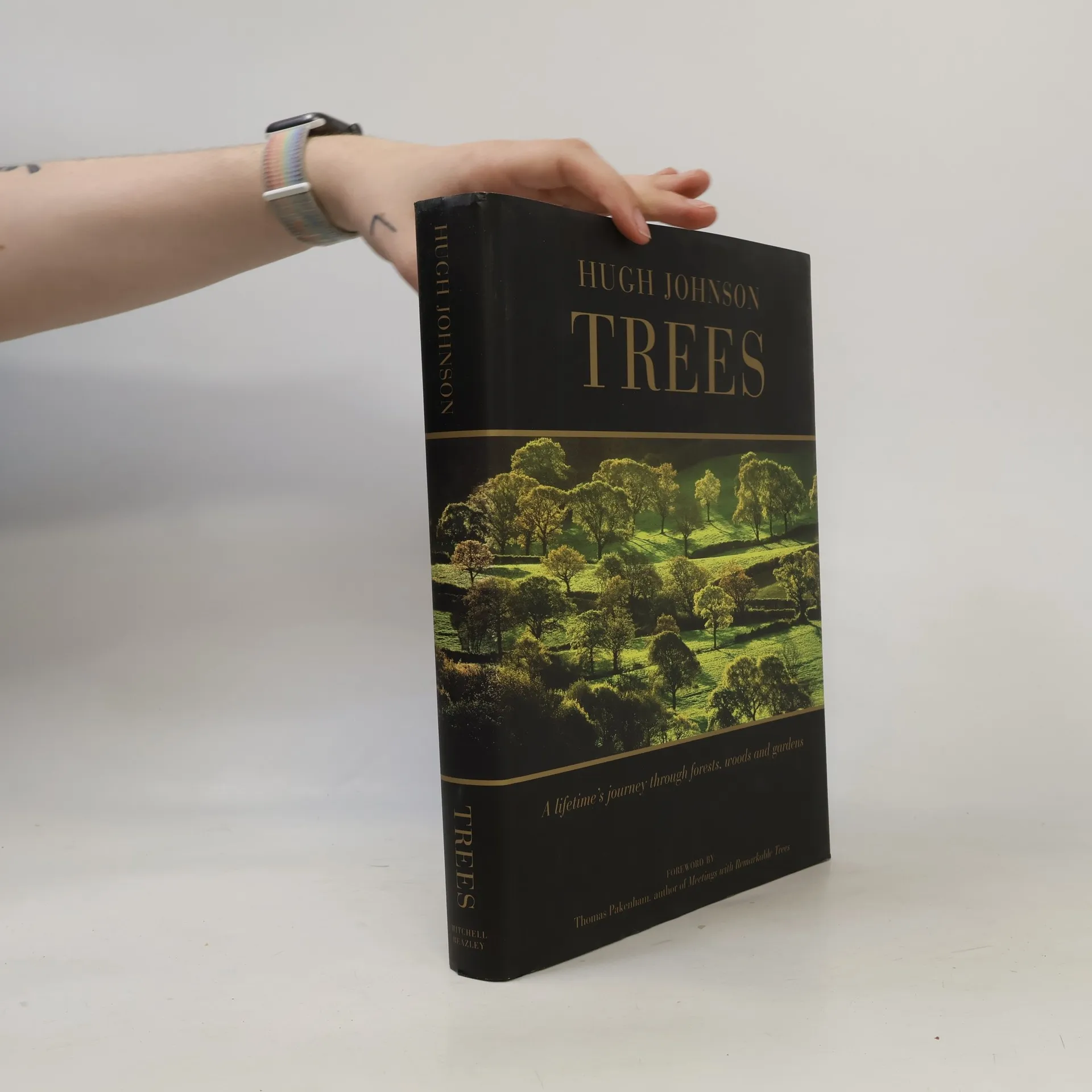
An illustrated guide to more than 600 trees. It looks at the structure and life cycle of trees; their role in the ecosystem, planting and pruning; and, the use of trees in garden design.