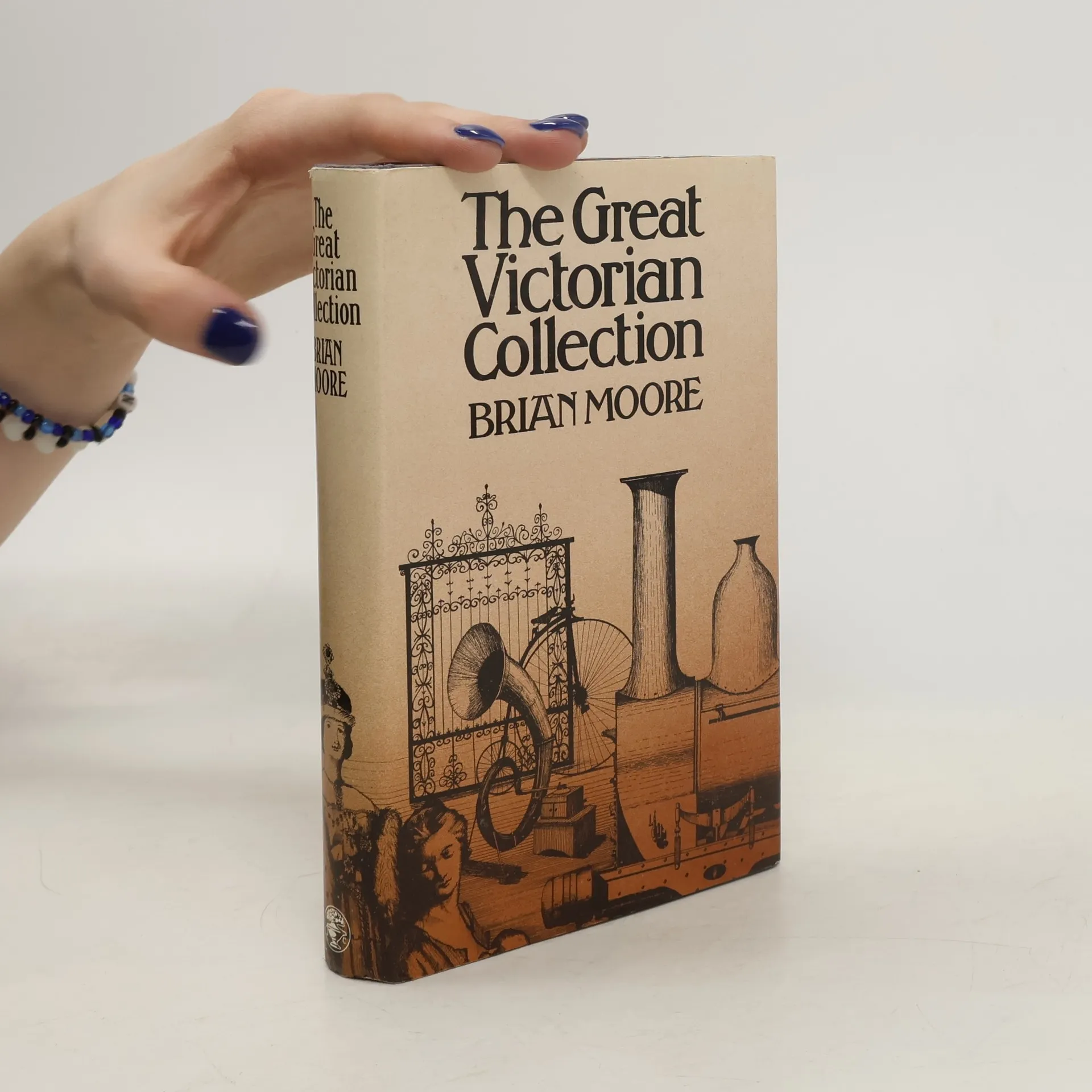
The Great Victorian Collection
- 236pages
- 9 heures de lecture


Brian Moore a créé une œuvre prolifique qui explore les thèmes de l'identité, de la foi et de l'aliénation. Ses romans, naviguant avec fluidité entre réalisme, cadres historiques et touches de fantastique, capturent les complexités de la psyché humaine. Moore explore fréquemment des états de déracinement, qu'ils soient ancrés dans la conviction religieuse ou dans la recherche d'un foyer dans un monde en constante expansion et diversité. Son écriture se caractérise par une perspicacité profonde et une voix narrative distinctive.



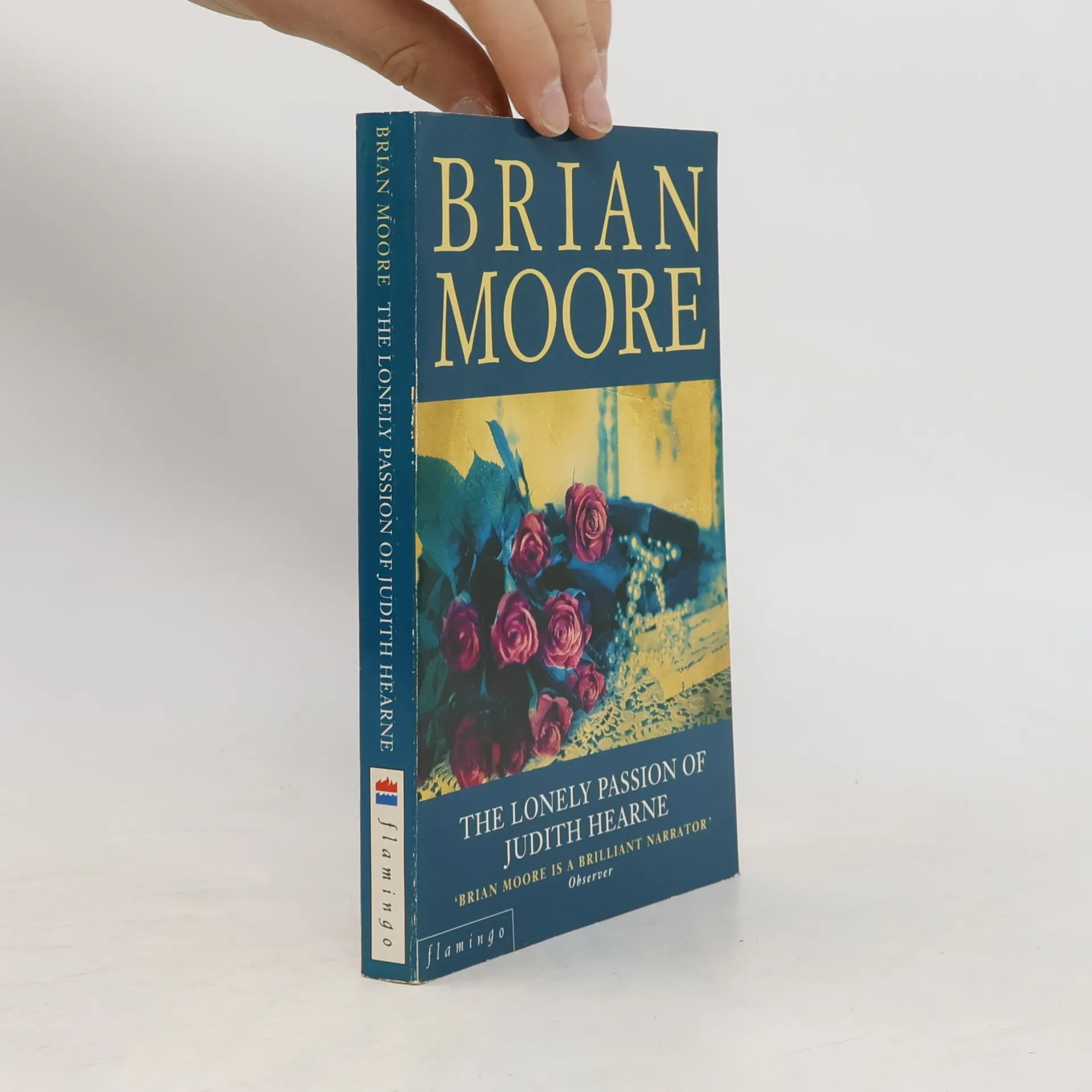
When Judith Hearne moves into her new lodgings, she meets James Madden, recently returned from New York, where he was "in the hotel business right on Times Square". Is she too late for love - or dare she let herself hope? Soon reality and fantasy become hopelessly mixed.
This book portrays the relationship between a quiet young shop assistant from Ulster and her wealthy employers.
Diarmuid Devine is a teacher, and bachelor, destined for a lifetime of loneliness. One day he overhears a colleague mocking his sexual inexperience then he meets Una and a possible future appears. Set in an oppressive Belfast, stifled by religion and the conformity it imposes, Brian Moore explores the innocence, misunderstanding and consequences of Devines relationship with Una until rejection and the fear of scandal forces him to choose how he will live the rest of his life.
Father Paul Michel, a Canadian missionary on the poor Caribbean island of Ganae, rescues a little local boy from abject poverty, and sets him on the road towards a dramatic and dangerous future as a revolutionary priest and, later, as the first democratically elected leader in a land of dictators.
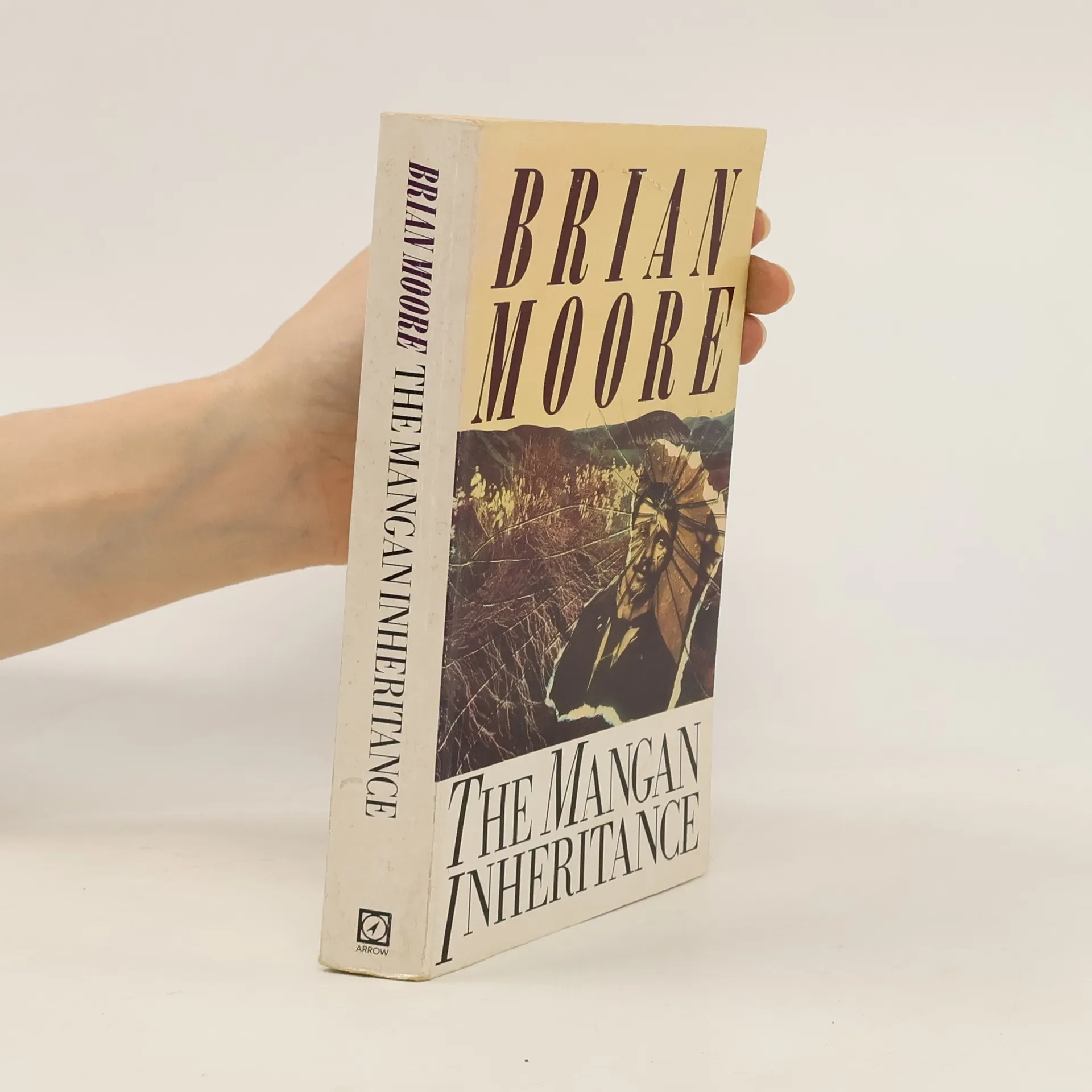
Moore's suave professionalism elevates this lightweight, contrived search-for-identity novel. Jamie Mangan, a 36-year-old Canadian cub reporter and poet, inherits a fortune after the tragic death of his film star wife, Beatrice Abbot, who had recently left him for another man. Having spent years as "Mr. Beatrice Abbot" and feeling like a cuckold, Jamie desperately needs to reclaim his identity. Upon returning to Montreal, he discovers family documents, including a photograph of James Clarence Mangan, a 19th-century Irish poet who resembles him. This revelation prompts Jamie to travel to Ireland in search of personal identity. In the town of Dinshane, he encounters various Mangans, divided into two distinct groups: black sheep and white. The narrative unfolds as Jamie seeks to understand the origins of this behavioral divide, leading to revelations of incest, past traumas, and madness. While the plot may seem far-fetched, Moore's smooth storytelling engages readers throughout. The narrative's charm and the sentimental conclusion provide enjoyment, but the overall impact remains light and lacks depth.
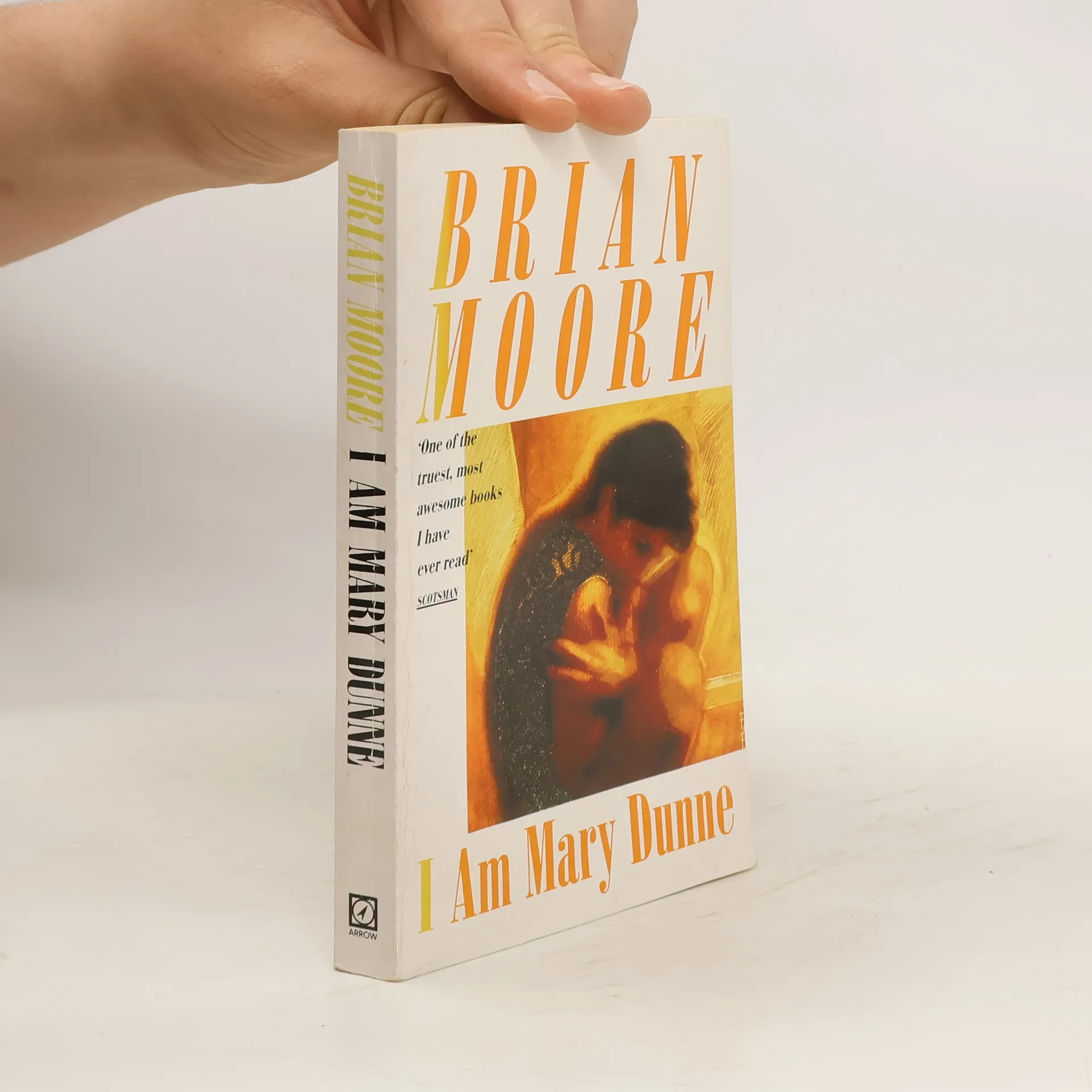
A novel of female sexuality. Mary Lavery lives in New York, happily married to a distinguished British playwright, but there have been two previous husbands and a passionate Catholic girlhood. So who is Mary Lavery, nee Dunne? The author's successes include the W.H. Smith Literary Award.
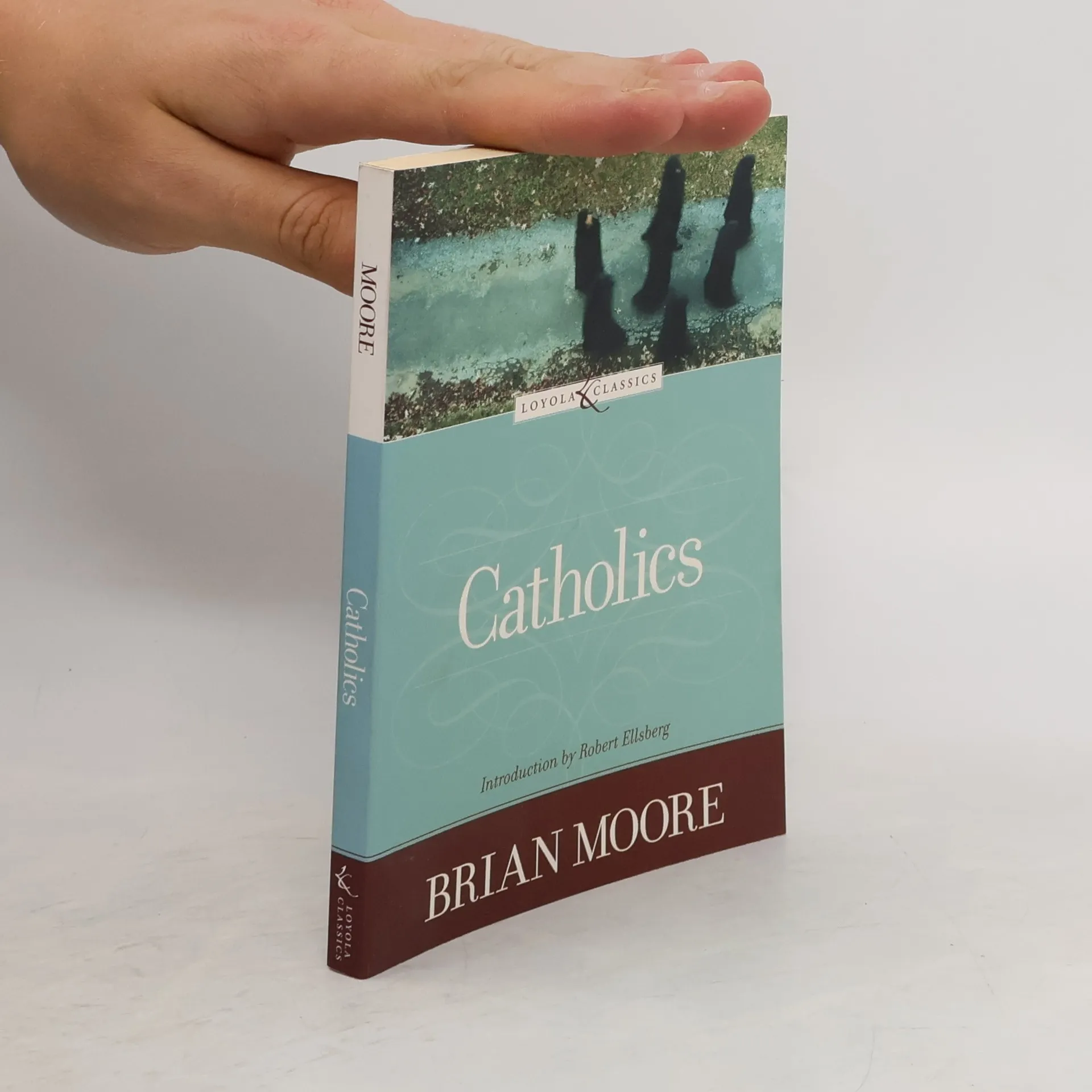
"The story is told with . . . superb grace and wit."--The New Yorker "If reading it upsets you, do not be surprised. . . . Moore has eliminated our standard escapes from God--a secularized Kingdom or a romanticized past."--America "A neat and striking story."--Times Literary Supplement In the not-too-distant future, the Fourth Vatican Council has abolished private confession, clerical dress, and the Latin Mass, and opened discussions about a merger with Buddhism. Authorities in Rome are embarrassed by publicity surrounding a group of monks who stubbornly celebrate the old Mass in their island abbey off the coast of Ireland. The clever, assured Father James Kinsella is dispatched to set things right. At Muck Abbey he meets Abbot Tomás, a man plagued by doubt who nevertheless leads his monks in the old ways. In the hands of the masterly Brian Moore, their confrontation becomes a subtle, provocative parable of doubt and faith. Loyola Classics are new editions of acclaimed Catholic novels.
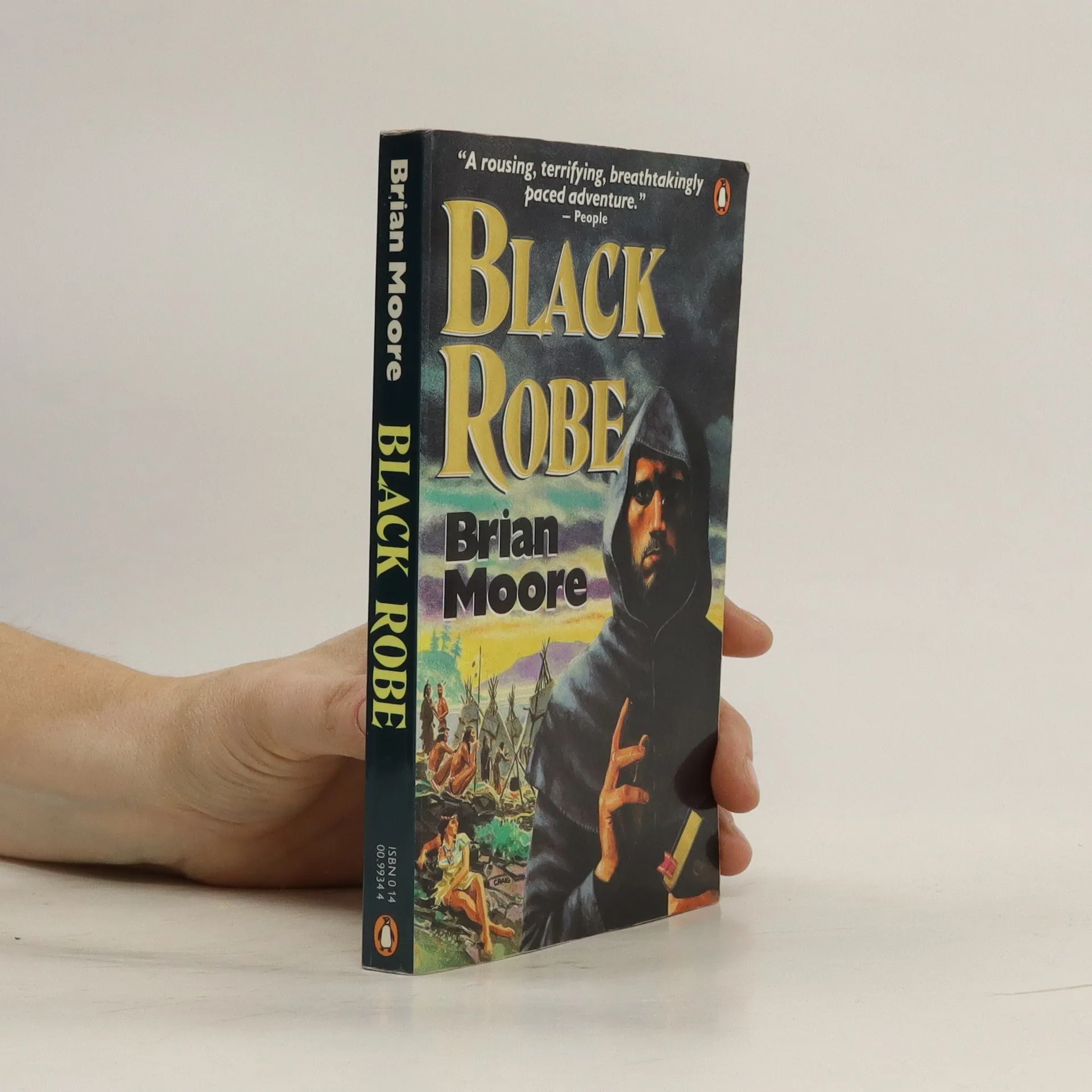
Black Robe, an account of the 17th-century encounter between the Huron and Iroquois the French called "Les Sauvages" and the French Jesuit missionaries the native people called "Blackrobes," is Brian Moore's most striking book. No other novel has so well captured both the intense--and disastrous--strangeness of each culture to one another, and their equal strangeness to our own much later understanding.
Awaiting her husband's arrival on holiday in France, Sheila Redden,quiet, middle-aged doctor's wife, suddenly finds herself caught up in a passionate affair with a young American, ten years her junior, this extraordinary powerful portrayal of a woman transformed by love was shortlisted for the Booker Prize.
Held against his will at a safe-house after an assassination attempt, Cardinal Bem is unsure whether his captors work for the government or for the Catholic Church
An innocuous white Peugeot makes its way around the monasteries of Southern France. No one would suspect its driver of being the target of commando hit-men and the gendarmerie's most wanted criminal sentenced twice to death in absentia for wartime crimes. For over forty years this fugitive has been sheltered by both the Catholic Church and the French Government. Now the net is closing in... From the Hardcover edition.
Set in Northern Ireland, this thriller, shortlisted for the Booker Prize 1990, is about a man who faces a dramatic moral choice just when he's looking for happiness. B. Moore won the W.H.Smith Literary Award for "Catholics" and the J.Tait Black Memorial Prize for "The Great Victorian Collection".
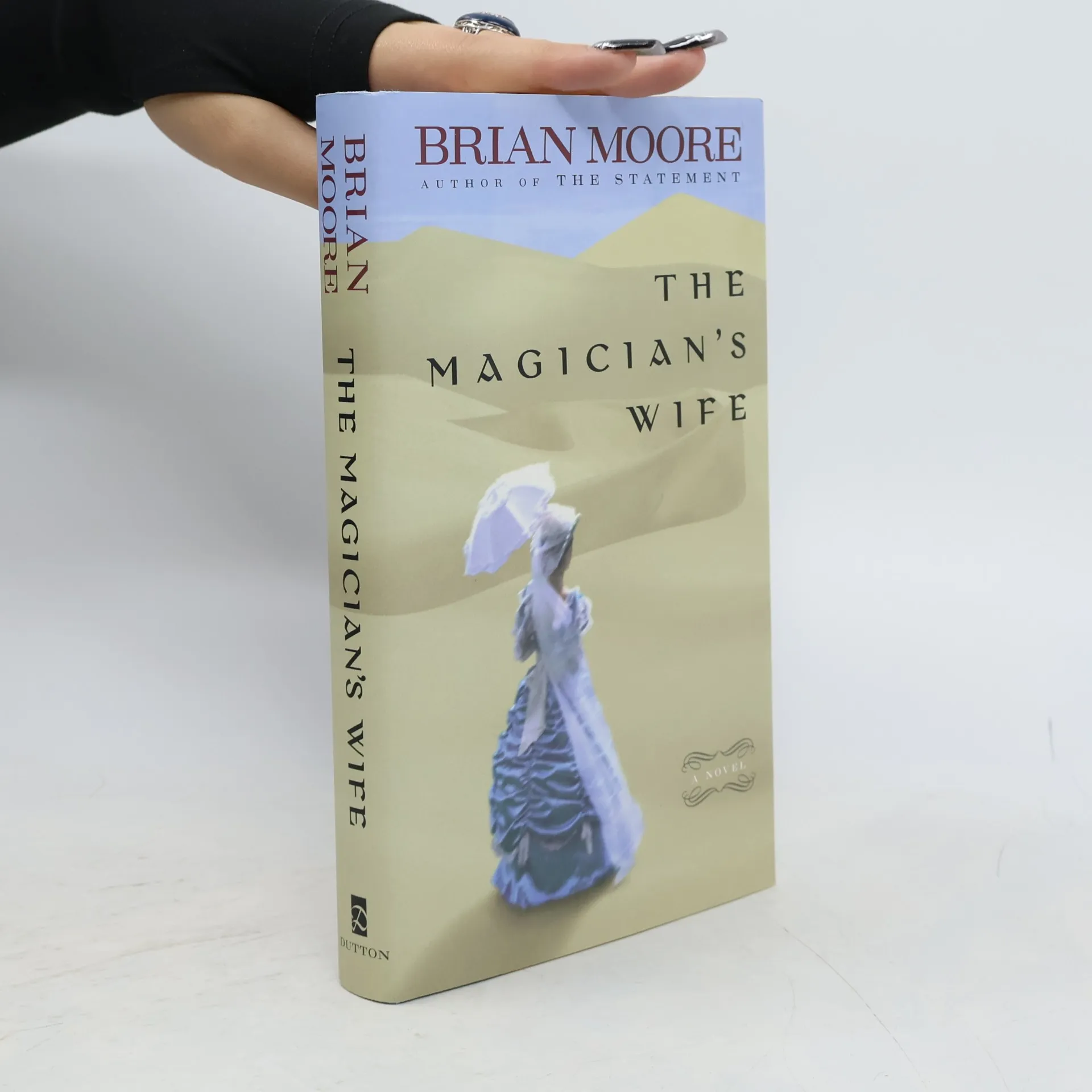
A novel on the 19th century French colonization of Algeria. In a bid to forestall a revolt, Napoleon III dispatches France's top magician, hoping an exhibition of his powers will impress rebellious sheiks with the superiority of European civilization. But the magician's wife--events are seen through her eyes--finds Arab civilization superior. By the author of The Statement
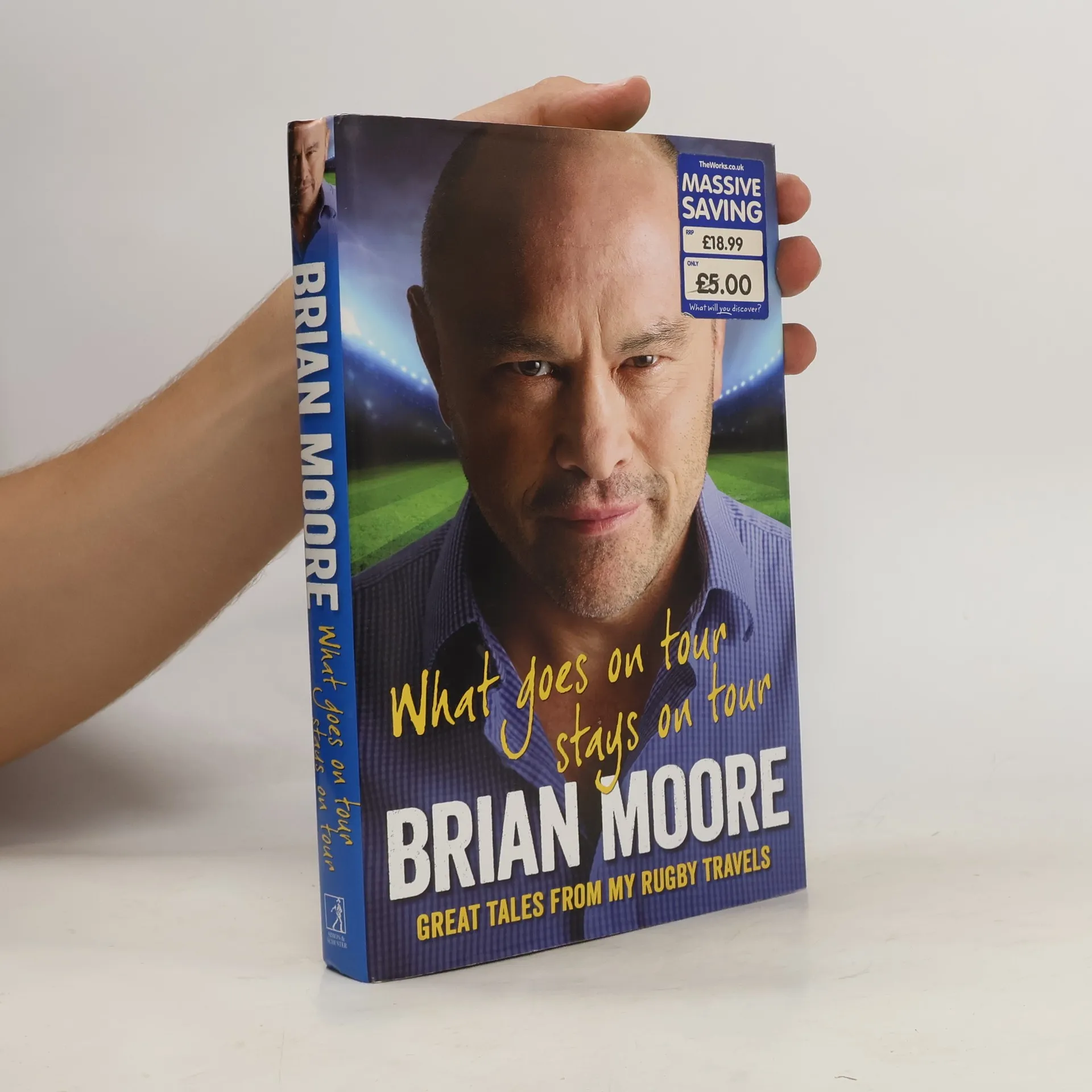
Have you ever wanted to know what really happens when teams go on tour? Drawing on his extensive experience of touring, former international and acclaimed pundit Brian Moore tells you all you need ever know, with this in-depth but light-hearted exposé, covering every level of the sport, from junior club rugby right up to the British Lions. With stories of bikini-clad forwards and Moore's own escapades, many of rugby's best-known names of recent years are featured, and no element of life on tour is left untouched.
Michael Dillon moves to England and unwillingly is caught up in the politics of Northern Ireland when the IRA plants a bomb in his car and orders him to park the car outside the hotel that he manages.
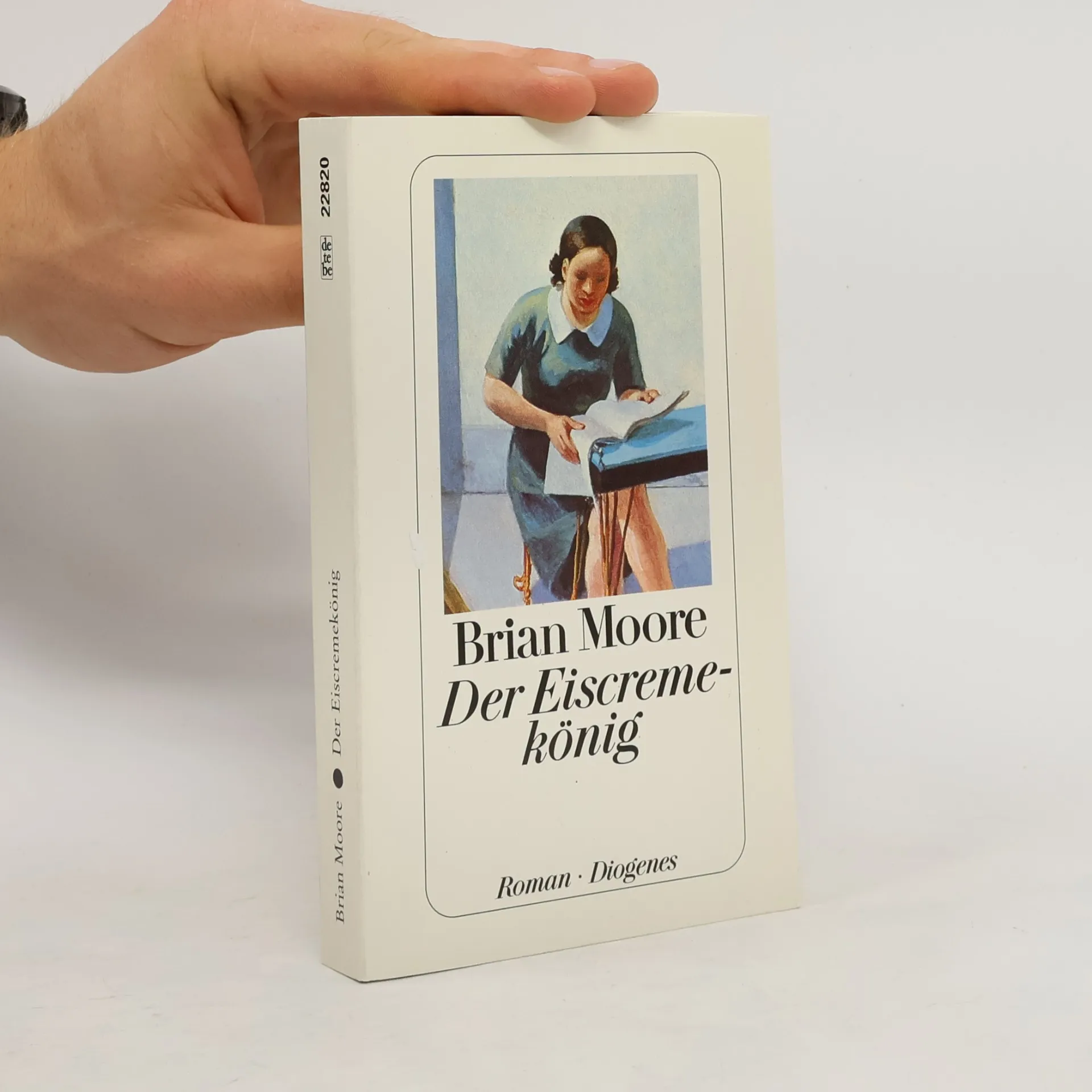
Belfast 1939: Gavin Burke ist hin- und hergerissen zwischen seiner Liebe für Gedichte und seinem Lebenshunger. Aus Protest gegen seine irisch-nationale Familie schließt er sich dem örtlichen Luftschutzverein an. Dort wird er mit Alkohol, Homosexualität und Politik konfrontiert. Bis Gavin einen Angriff der Deutschen als eine Art tabula rasa geradezu herbeizusehnen beginnt.
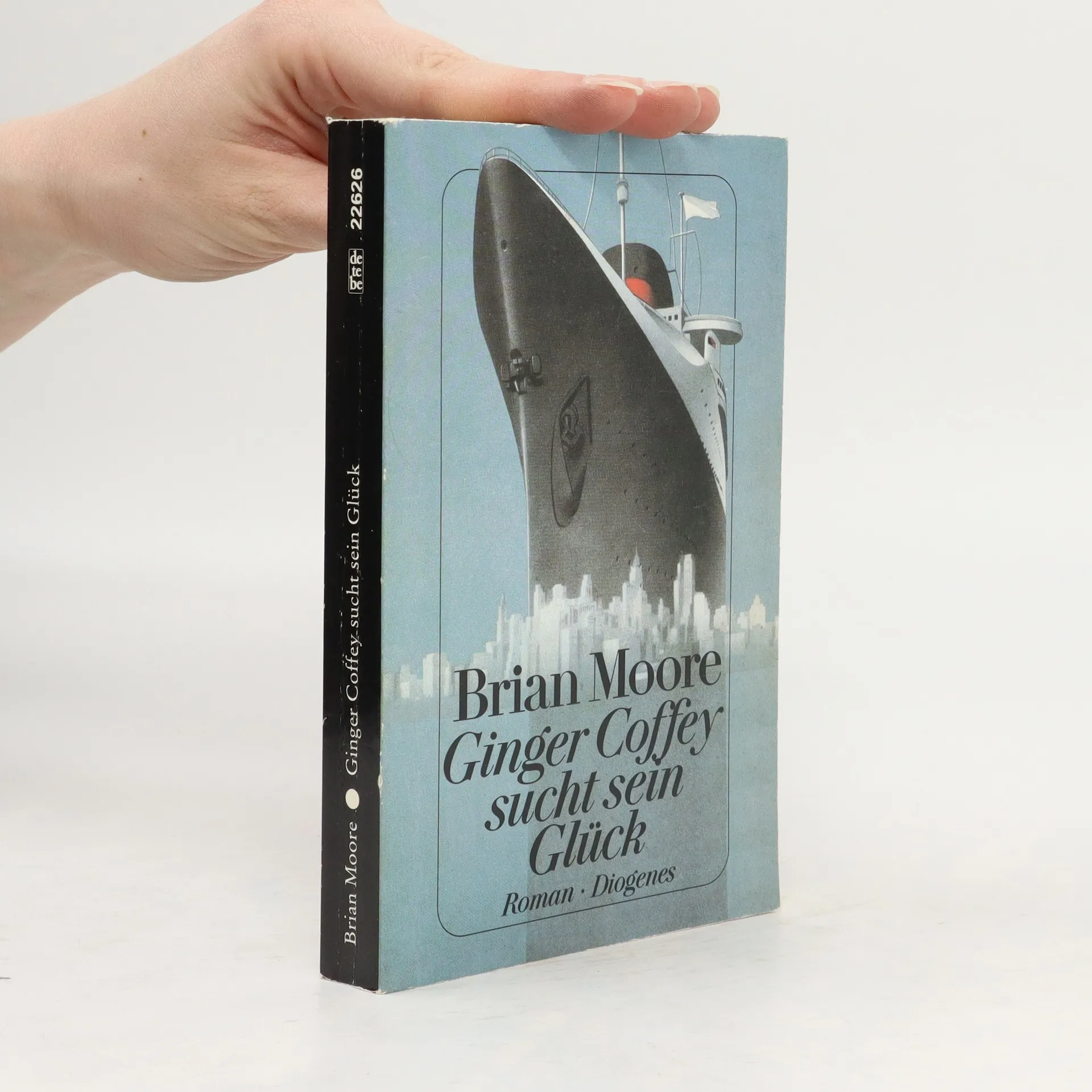
Ginger Coffey, mit Frau und Kind von Irland nach Kanada ausgewandert, läßt sich so schnell nicht unterkriegen. Seine großen Pläne als Vertreter für Whisky, Tweed und Strickwaren sind zwar gescheitert, doch sieht ihm das drohende Elend ja keiner an: In seiner Kleidung eines Dubliner Aristokraten macht er sich auf den Weg ins Arbeitsamt, und wer sagt schon, daß man Fragebogen immer richtig ausfüllen muß?
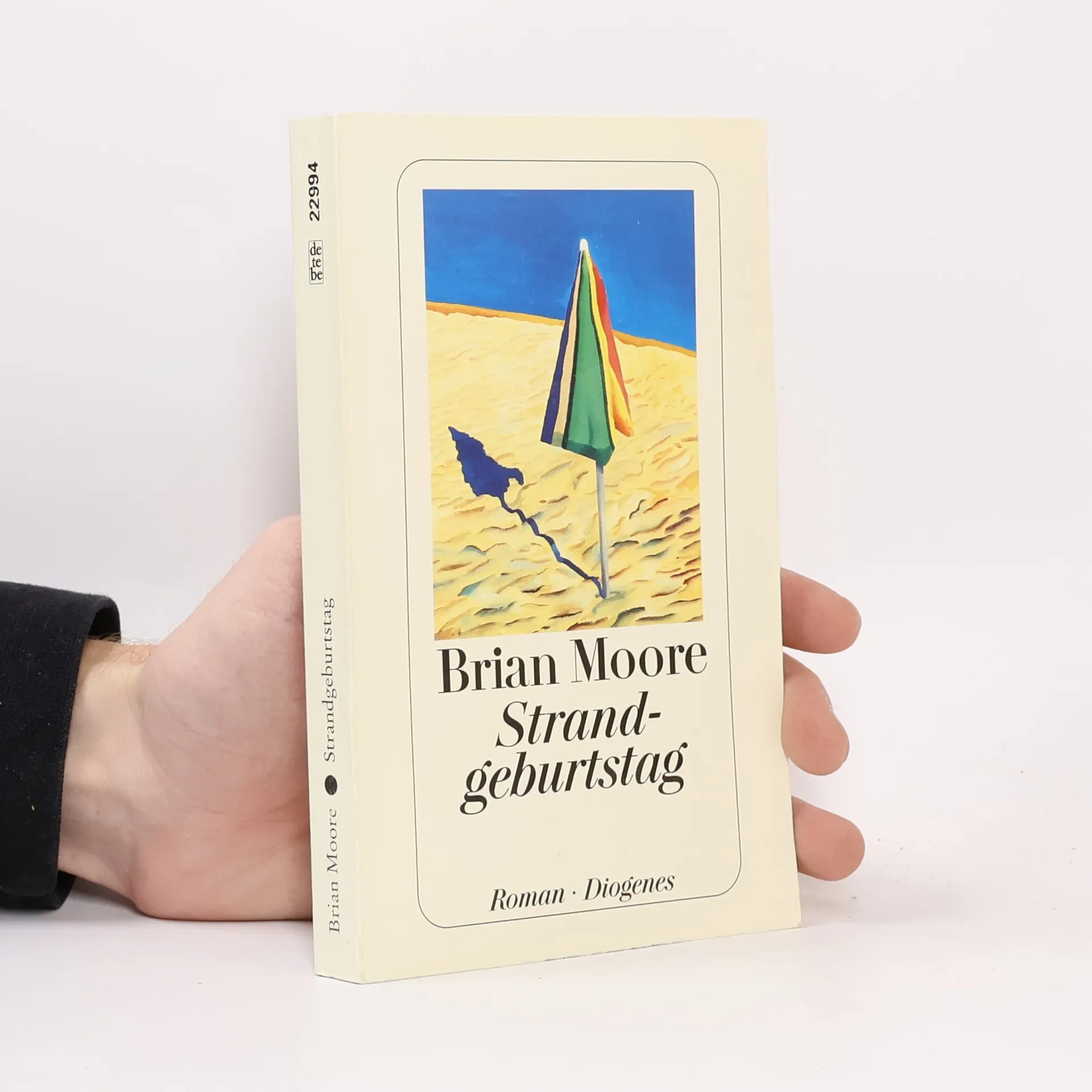
Fergus Fadden, ein in die Staaten ausgewanderter Nordire und Schriftsteller, braucht dringend Geld. Da kommt ihm das Angebot gerade recht, in ein kalifornisches Strandhaus zu ziehen, um dort das Drehbuch zu seinem Roman zu überarbeiten. Doch plötzlich sitzt sein lang verstorbener Vater auf dem Sofa, und nach und nach füllt sich das Haus mit irischen Gespenstern. Doch warum bedrängen sie ihn?
Der amerikanische Arzt Dr. A. Davenport ist mit seiner Frau Marie auf Urlaubsreise. Bei einem Bad vor der Küste wird er von einem Motorboot erfaßt. Dr. Davenport erliegt im Krankenhaus seinen Verletzungen, sein Körper wird in die Leichenhalle gebracht. Am nächsten Morgen ist die Leiche verschwunden. Marie Davenport, die untreue Gattin, glaubt, daß ihr Mann noch lebt, und will ihn wiederfinden.
Brendan Tierney ist vom Ehrgeiz besessen, sich mit einem Bestseller an die Spitze zu schreiben. Bei seinem skrupellosen Kampf um den Erfolg vernachlässigt er seine Familie, entfremdet sich schrittweise und wird allmählich auch sich selber fremd. Immer mehr verfällt er seiner Besessenheit …
Spannender Roman von der gefahrvollen Reise zweier französischer Jesuiten zu den Indianern einer Missionssiedlung in Nordamerika zu Beginn des 17. Jahrhunderts.
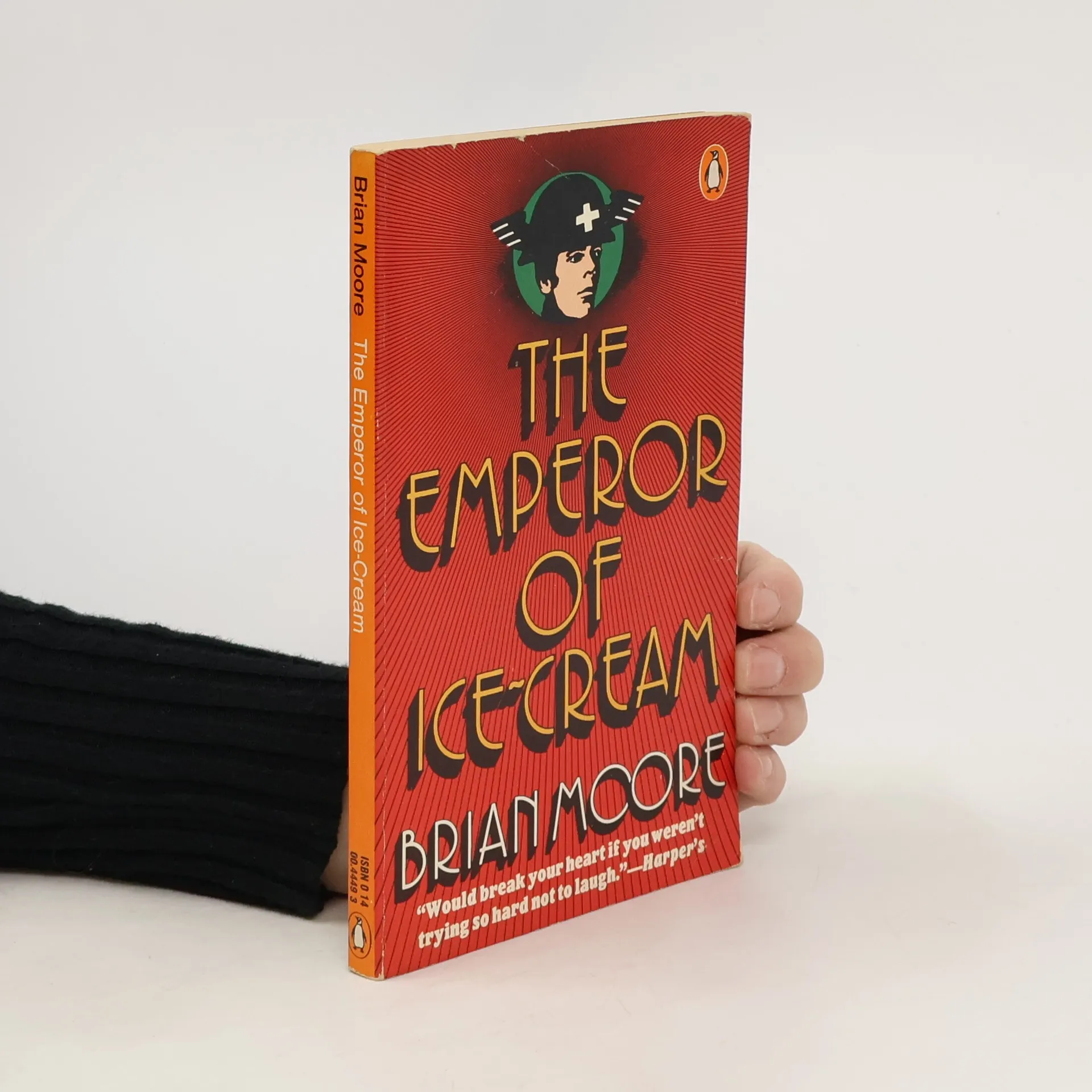
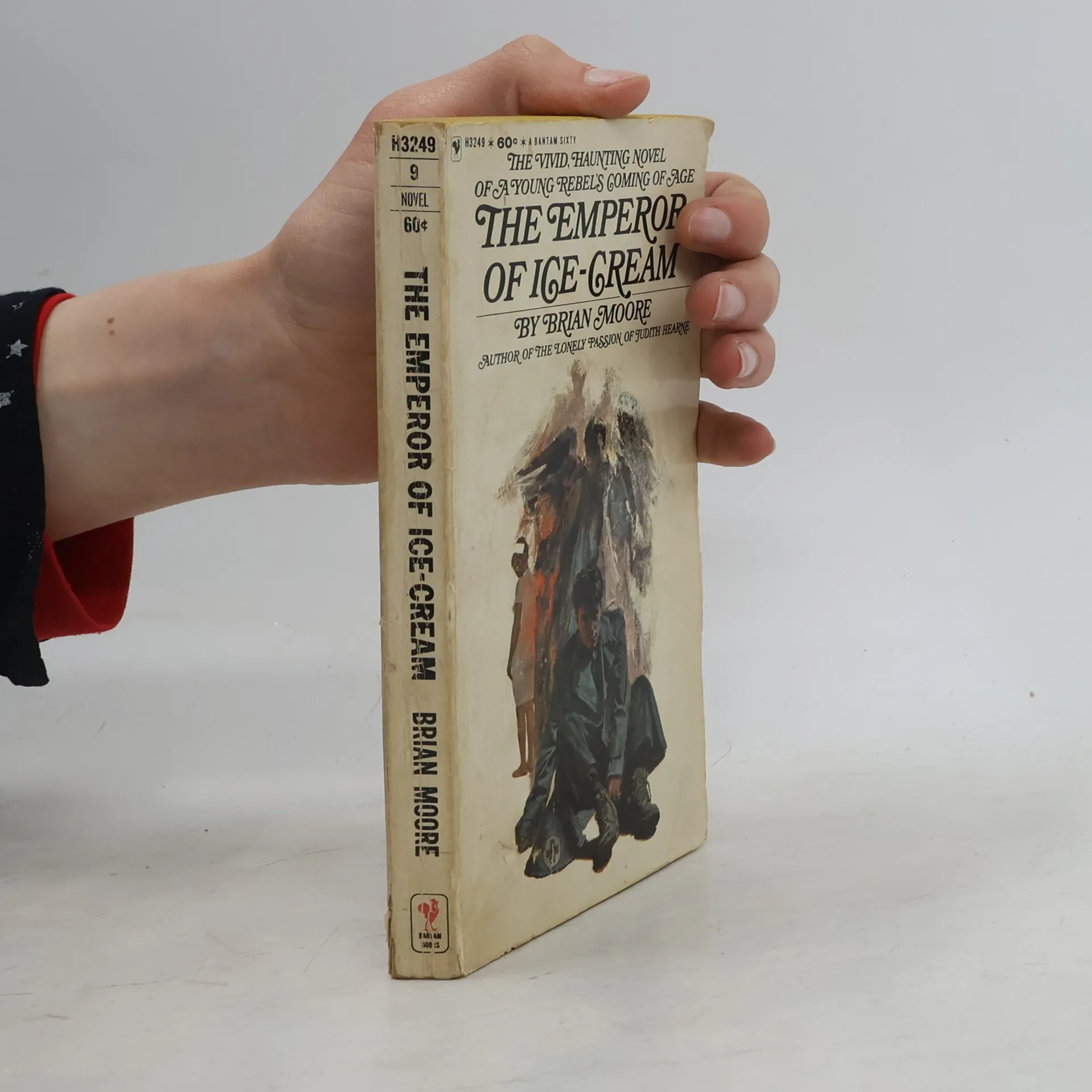
Brian Moore, dnes kanadský občan irského původu žijící převážně v Kalifornii, se ve svém románu Zmrzlinový císař vrací do doby svého mládí, do Irska za druhé světové války. Jeho Gavin Burke žije v drsné, rozhárané době, doléhají na něj protiklady a rozpory, které zmítají nejen rodným Belfastem, ale celým světem. Gavin, potomek dobré irské rodiny, se najednou vzbouří a rozhodne se zcela skoncovat se svým dosavadním způsobem života. Nechce být závislý na otci, nechce studovat, a tak využije možností, které nabízí válka: stane se příslušníkem protiletecké obrany a věří, že za malý plat si vykoupí nejen svobodu a nezávislost, ale i právo na vlastní život a mužnost. Poznává ovšem, že v životě dopadá všechno jinak než v představách, život není tak přímočarý, jak vypadal ze školních lavic, ani rozdíl mezi dobrem a zlem není tak jasný, jak se mu zdálo dřív. Autor líčí Gavinovy osudy s humorem a ironií, se smyslem pro paradox situace. Přitom podává jak znamenitý obraz společnosti, otřásající se ve svých základech, tak hluboký pohled do mladé duše, která odmítá se smířit s kompromisem a neustává ve svém dojímavém hledání pravdy a čistoty.
Dej sa odohráva v druhej polovici päťdesiatych rokov v kanadskom Montreale. Hlavný hrdina Ginger prežíva odyseu pri hľadaní práce. Vďaka priateľovi, ktorý má už za sebou kalváriu emigranta a pracuje v redakcii ako grafik, dostane miesto slabo plateného nočného korektora v tlačiarni a prísľub,že po zapracovaní ho povýšia na reportéra.
Kniha je vynikající prvotinou známého spisovatele irského původu, žijícího ve Spojených státech. Moore popisuje dojemný i tragický příběh dvou osamělých lidí i historii jejich vztahu, založeného na nedorozumění, a klade znepokojivé otázky o hodnotě lidské cti a morálky. Melancholickýmhumorem a hlubokým humanismem navazuje autor na nejlepší tradice irské literatury.
Das Magazin für den überforderten Intellektuellen - Ist Kunst überflüssig?