
James Madison fut un homme d'État américain et le quatrième président des États-Unis, largement considéré comme le « Père de la Constitution » pour sa paternité principale du document. Il est également connu comme le « Père de la Déclaration des droits », ayant rédigé les dix premiers amendements. Théoricien politique clé, Madison a défendu de solides contrôles et contrepoids pour freiner l'influence des intérêts particuliers et s'est profondément engagé à établir des mécanismes qui garantiraient le républicanisme. En tant que président, il a mené la nation à travers la guerre de 1812, un conflit qui a finalement favorisé un nouvel esprit de nationalisme et a marqué un changement dans ses propres positions politiques.
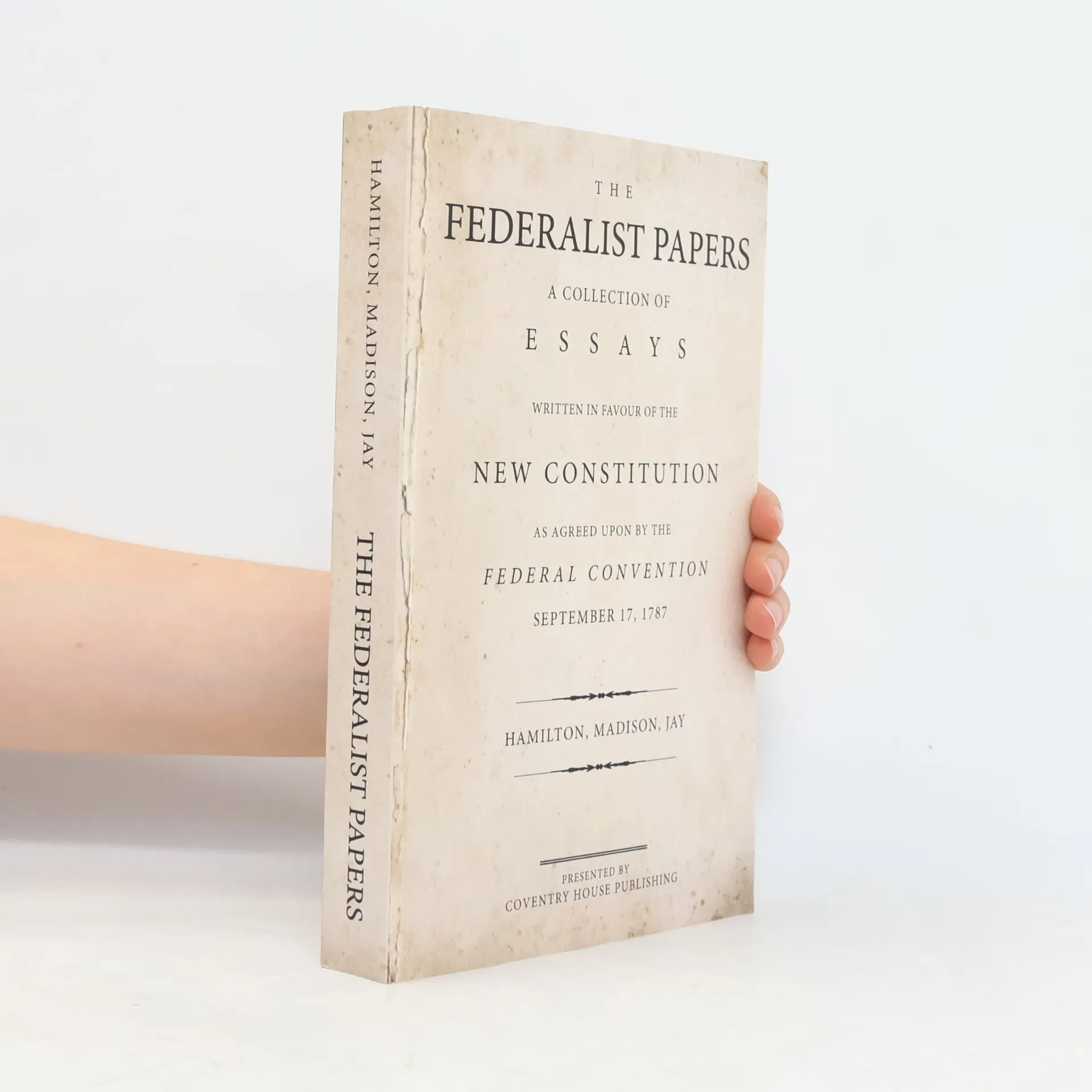
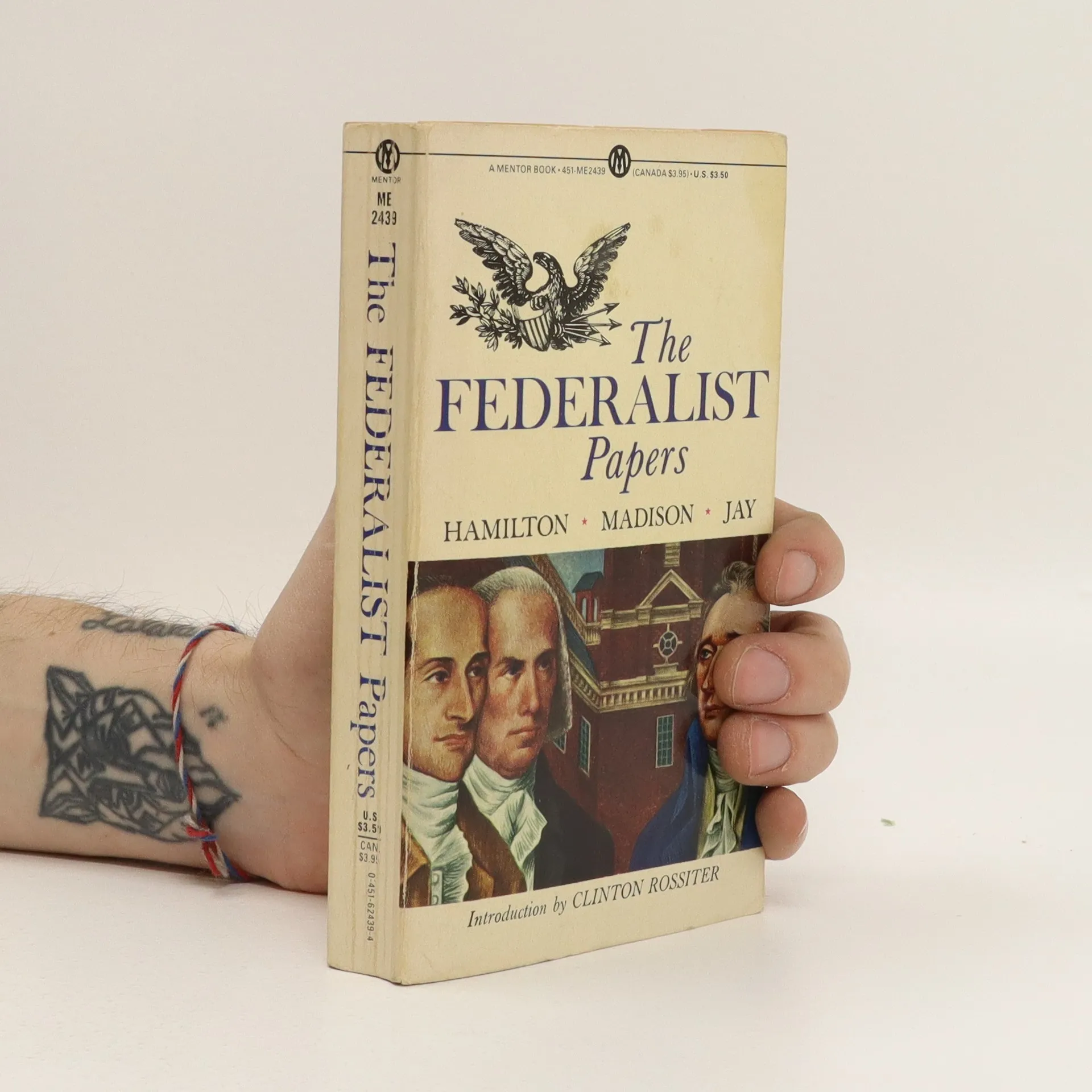
Originally published anonymously, The Federalist Papers first appeared in 1787 as a series of letters to New York newspapers urging voters to ratify the new Constitution. Still debated and discussed today, The Federalist Papers provide readers with an important commentary on the crucial issues facing a democracy. This edition includes a complete text of the Constitution
The collection features 18 pivotal essays from The Federalist Papers, authored by Founding Fathers Hamilton, Madison, and Jay. Originally published to advocate for the U.S. Constitution in New York newspapers, these essays are now regarded as foundational texts in American constitutional law. This elegant pocket edition, designed with gilded edges and a gold-embossed cover, is curated by historian R. B. Bernstein, making it a perfect gift for those interested in the nation's legal heritage.
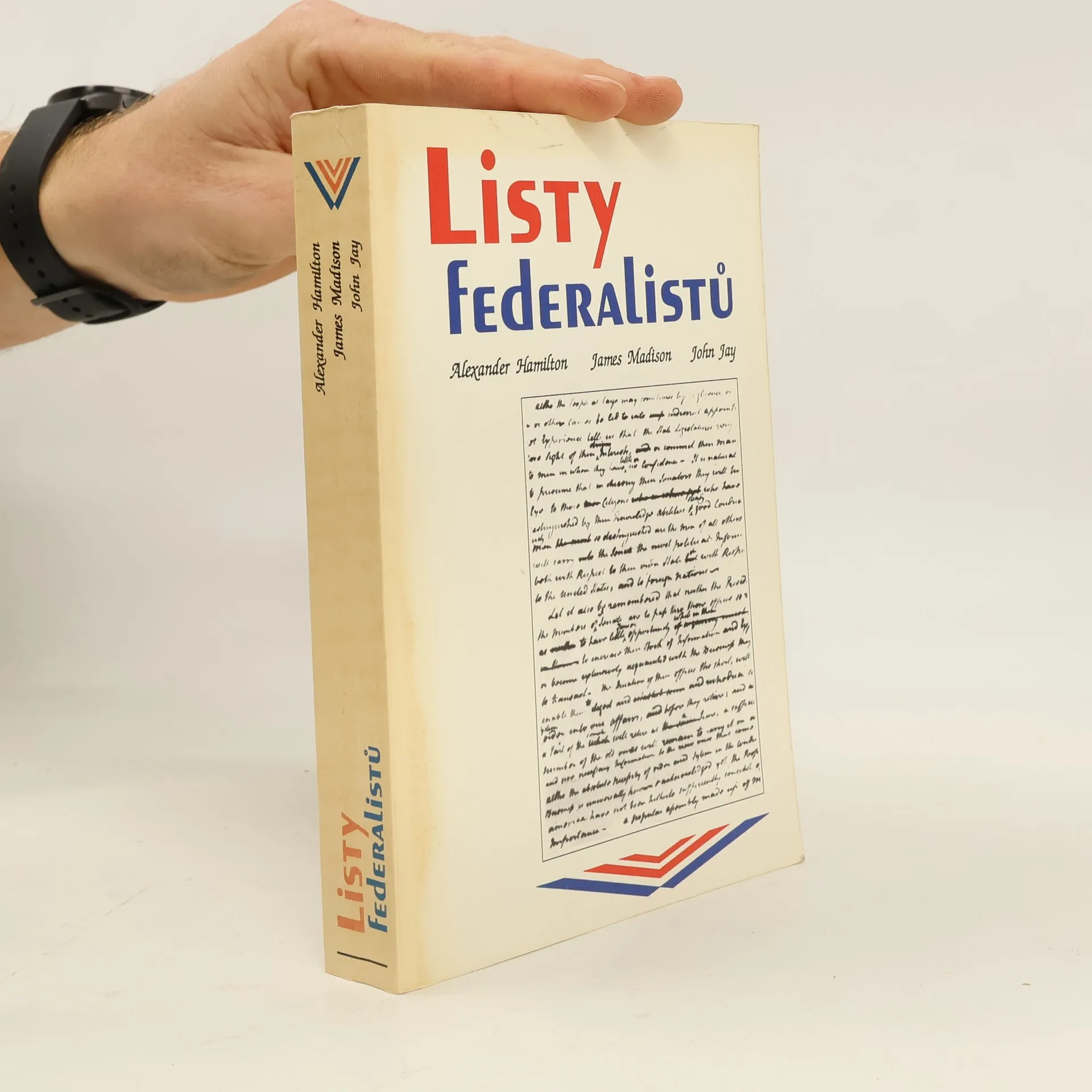
The Federalist Papers present a compelling argument for the United States Constitution through 85 articles by prominent figures like Hamilton, Madison, and Jay, exploring themes of individual versus governmental rights. In contrast, The Anti-Federalist Papers feature passionate critiques from authors like Patrick Henry and "Brutus," emphasizing concerns about centralized government. Together, these collections offer a rich historical perspective on foundational political debates, highlighting their enduring relevance to contemporary discussions about freedom and governance.
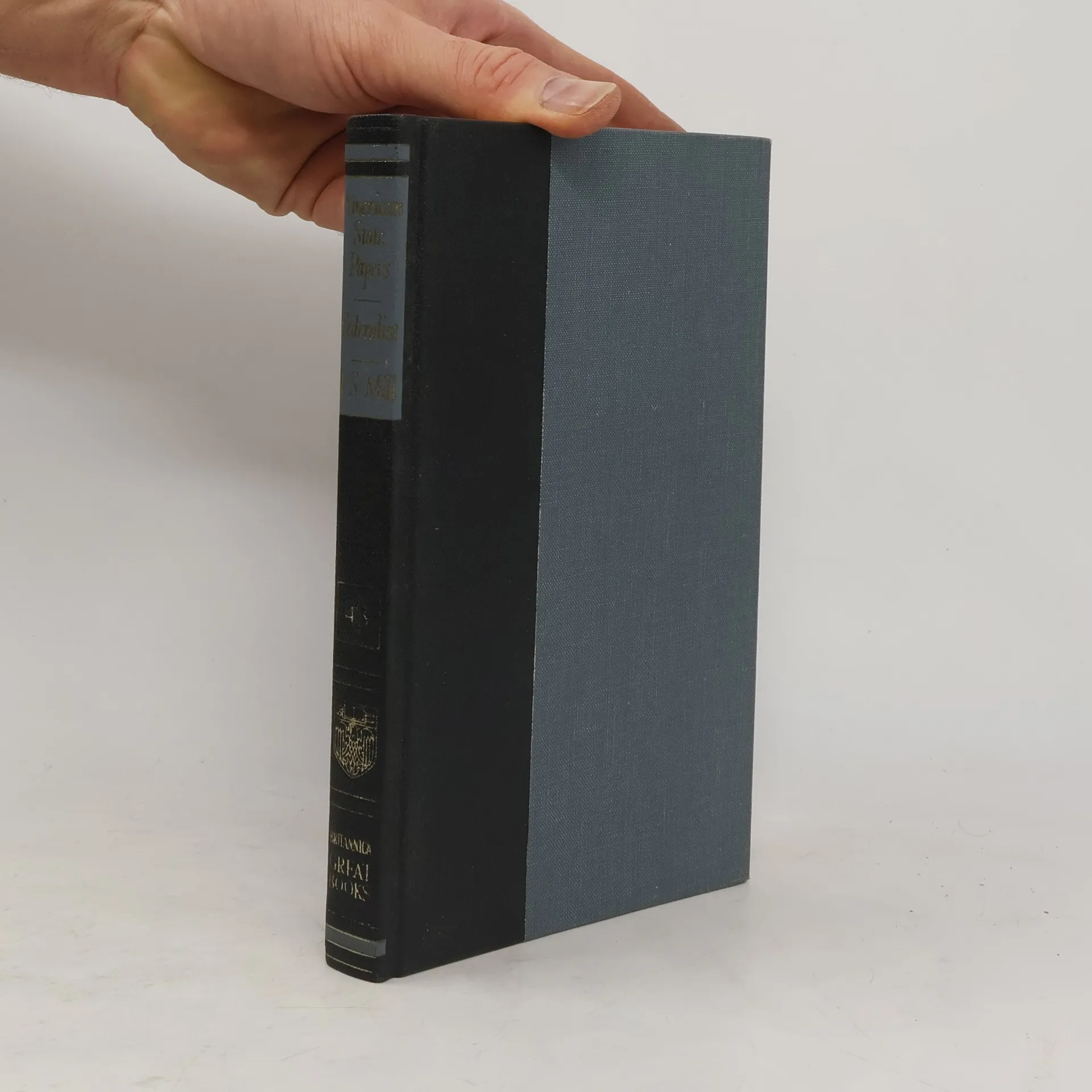
V.1. The great converstion: the substance of a liberal education; v.2. e v.3 The great ideas; v.4 . The iliad of Homero the Odyssey; v.5. Sophocles, Aeschylus, Aristophanes Euripides; v. 6. Thucydideis, Herodotus; v.7. Plato; v. 8. e v.9 Aristoteles; v. 10. Galen, Hippocrates; v. 11. Euclid, Archimedes, Apolonius, Nicomachus; v. 12.Lucretius, Epictetus,. Marcus Aurelius; v.13. Virgil; v. 14 Plutarch; v. 15 Tacitus; v. 16 Kepler, Ptolemy, Copernicus; v. 17 Plotinus; v. 18 Augustine; v. 19 e v. 20 Thomas Aquinas; v. 21 Dante; v. 22 Chaucer; v. 23 Hobbes, Machiavelli; v. 24 Rabelais; v. 25 Montaigne; v. 26 e v. 27. Shakespeare; v. 28. Gilbert, Galileo, Harvey; v. 29 Cervantes; v. 30 Francis Bacon; v. 31 Spinoza, Descartes; v. 32 Milton; v. 33 Pascal; v. 34. Huygens, Newton; v. 35 Locke, Berkeley, Hume; v. 36 Sterne, Swift; v. 37 Fielding; v. 38. Rousseau, Montesquieu; v. 39. Adam Smith; v. 40 e v.41. Gibbon; v. 42. Kant; v. 43. American State Papers; v. 44. Boswell; v. 45. Lavoisier, Fourier, Faraday; v. 46 Hegel; v. 47. Goethe; v. 48. Melville; v. 49. Darwin; v. 50. Marx; v. 51. Tolstoy; v. 52. Dostoyevsk; v. 53. William James; v. 54. Freud
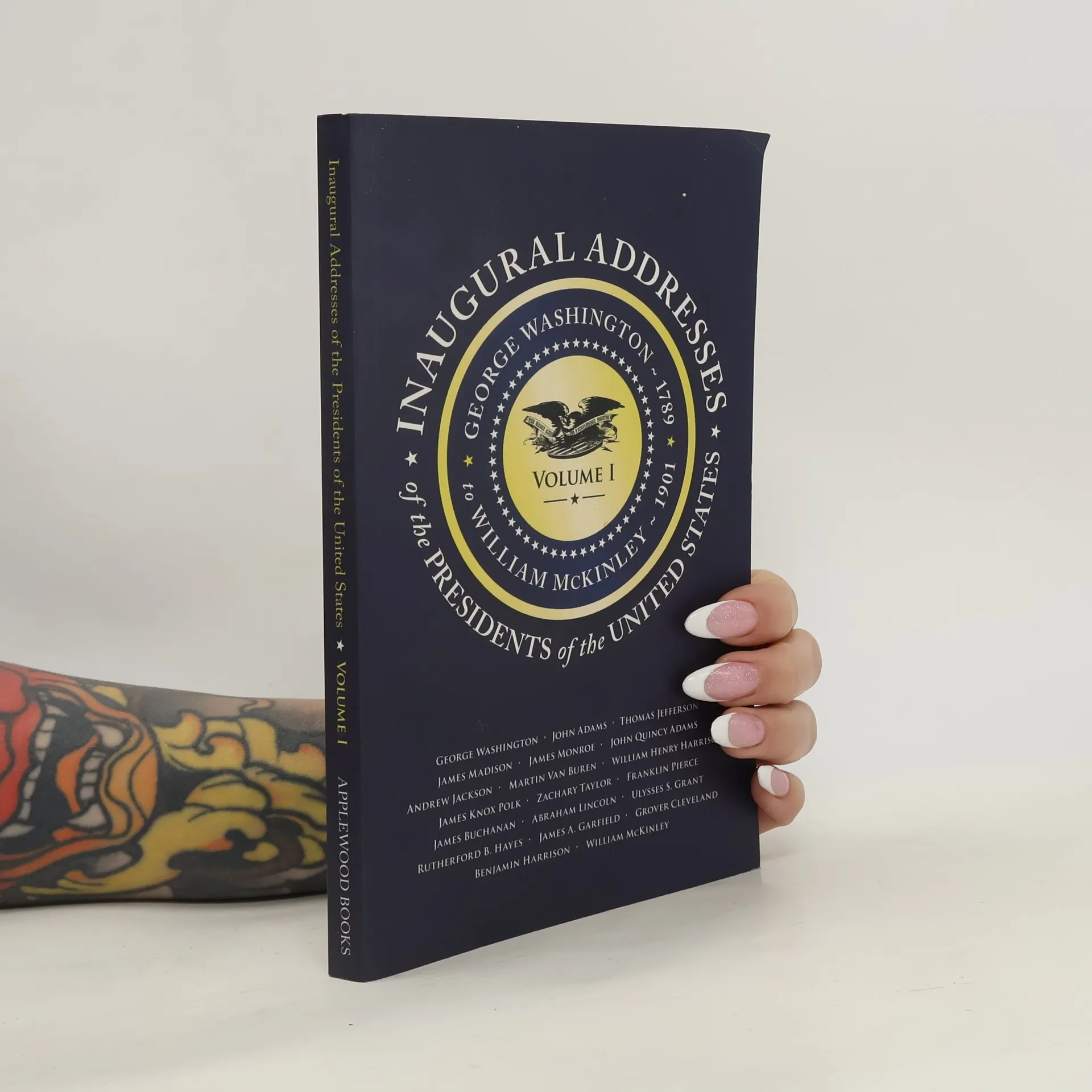
with The Declaration of Independence, The Bill of Rights and other Founding Documents
308pages
11 heures de lecture
Key founding documents and influential writings that shaped the United States are compiled in this volume. It includes the Constitution, the Declaration of Independence, the Bill of Rights, and notable works like The Federalist Papers and Common Sense. Aimed at a wide audience, from students to engaged citizens, this collection offers insights into America's revolutionary ideas and historical context. It serves as a vital resource for understanding the principles of democracy, liberty, and freedom that define American identity.
The Declaration of Independence, The Bill of Rights, Common Sense, and The Federalist Papers (Royal Collector's Edition) (Case Laminate Hardcover with Jacket)
600pages
21 heures de lecture
This collection features foundational texts of American democracy, including the Declaration of Independence and the Bill of Rights, which outline the nation's core principles and individual rights. It also includes all amendments to the Constitution, providing a comprehensive view of legal evolution. Additionally, The Federalist Papers offer insights into the intentions behind the Constitution, while Common Sense presents a compelling argument for independence. Together, these documents encapsulate the philosophical and legal framework of the United States.
A significant aspect of this collection is its role in advocating for the ratification of the U.S. Constitution through essays written by "Publius." The authors, including Alexander Hamilton, argued against the necessity of a Bill of Rights, fearing that enumerating rights could limit them. The essays emphasize the Constitution's focus on government powers while leaving unenumerated rights to the states and the people, highlighting the tension between federal authority and individual liberties.
Aimed at advocating for the ratification of the United States Constitution, this collection features 85 articles penned by John Jay, James Madison, and Alexander Hamilton under the pseudonym "Publius." The works delve into the principles of government, the importance of a strong federal structure, and the protection of individual rights, showcasing the authors' insights into the newly proposed system of governance.
A Collection of Essays Written in Favour of the New Constitution
514pages
18 heures de lecture
Written by Alexander Hamilton, James Madison, and John Jay, this collection of 85 essays aims to persuade New Yorkers to ratify the proposed United States Constitution. Published under the pseudonym "Publius" in 1787 and 1788, these essays explore the principles of government, the necessity of a strong federal system, and the protection of individual liberties, forming a foundational text in American political thought.