

Bookbot

Krishna Dharma

    S'identifiant principalement comme un Vaishnava, serviteur de Vishnu ou de Dieu, l'œuvre de cet auteur est profondément ancrée dans sa quête spirituelle et son développement personnel débutés en 1979. Bien qu'engagé dans la vie de famille et un emploi, son écriture reflète ses convictions spirituelles et sa recherche de la vérité tout au long de sa vie. Les lecteurs peuvent retrouver ses réflexions occasionnelles et des nouvelles de ses activités sur son site web.

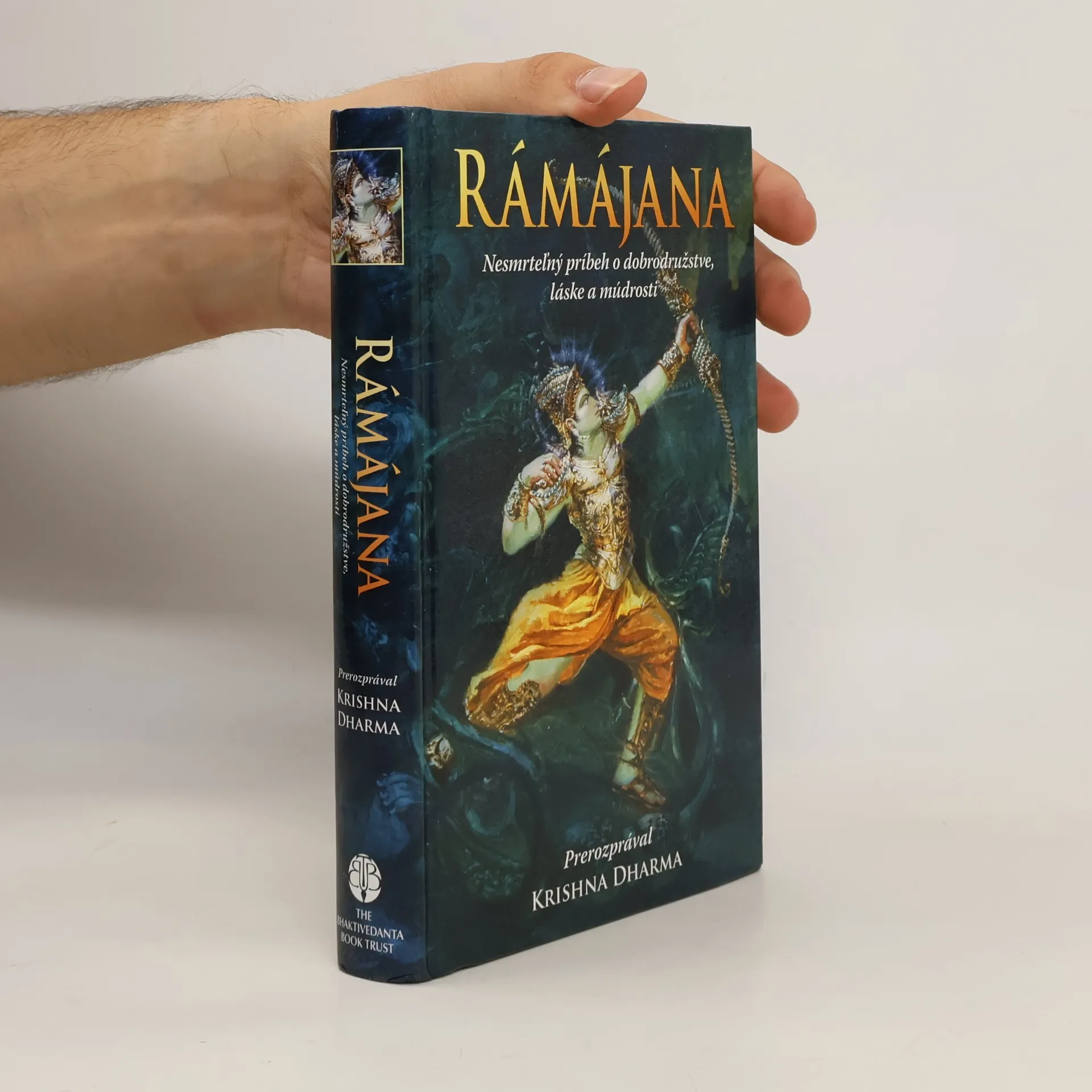
    Rámájana
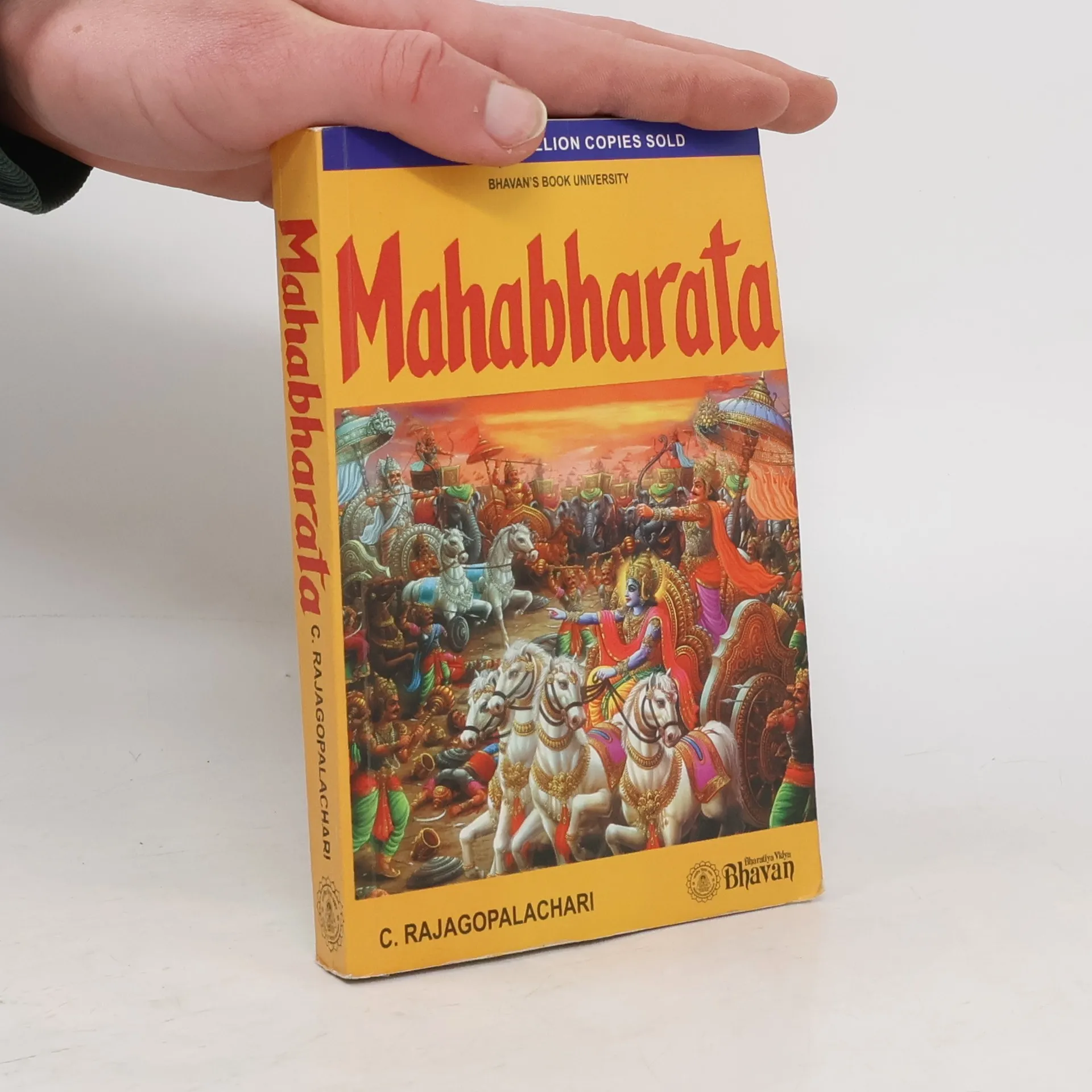
    Mahabharata
    Beauty, Power and Grace
    Ramayana
    • Ramayana

      • 504pages
      • 18 heures de lecture

      Despite its popularity in Eastern cultures, and though Eastern and Western scholars alike recognize it as a literary masterpiece, the Ramayana is unknown to most in the West. This edition gives English-speaking readers the best opportunity yet to discover and enjoy this ancient classic. The Ramayana, perhaps the world’s oldest literature, is both a spellbinding adventure and a work of profound philosophy, offering answers to life’s deepest questions. It tells of another time when gods and heroes walked among us, facing supernatural forces of evil and receiving guidance from powerful mystics and sages. Revered throughout the ages for its moral and spiritual wisdom, the beautiful and uplifting tale of romance and high adventure recounts the odyssey of Rama, a great king of ancient India. Rama, along with his virtuous, courageous wife Sita and faithful brother Lakshmana, is exiled to the forest for fourteen years. There, Sita is abducted by the powerful demon Ravana. With his brother and a fantastic army of supernatural creatures, Rama embarks on a perilous quest to find his beloved Sita.

      Ramayana
      5,0
    • Beauty, Power and Grace

      • 194pages
      • 7 heures de lecture

      Adapted from ancient Sanskrit texts, the stories in Beauty, Power & Grace represent one of the most fundamental aspects of Hinduism — the innumerable manifestations of divinity. Among these, the portrayal of the Goddess is perhaps the most alluring. She appears as a devoted wife, a master of the arts, a terrifying demon slayer, a scornful critic, and a doting mother, to name a few of her forms. In Vedic tradition, these depictions of the Goddess reflect the belief that male and female are simply different expressions of one supreme, absolute truth. These profound stories are brought together in an exquisitely illustrated collection that reveals the various manifestations of the Goddess, ranging from the iconic to the obscure: Mother Yashoda peers into her infant’s mouth and is astonished to catch a glimpse of the entire universe; Ganga Devi, now synonymous with the sacred river, rides upon a great crocodile and purifies those whom she encounters; and Kali, adorned with a garland of skulls, drinks the blood of her victims on the battlefield. A definitive celebration of Goddess imagery, symbolism, and lore, Beauty, Power & Grace displays the fascinating intersection between color, form, and meaning at the heart of Hindu tradition.

      Beauty, Power and Grace
      4,5
    • Mahabharata

      • 483pages
      • 17 heures de lecture

      Originally published in the year 1951, the huge popularity of the book has resulted in the book being re-printed several times. Centuries ago, it was proclaimed of the Mahabharata: "What is not in it, is nowhere." But even now, we can use the same words about it. He who knows it not, knows not the heights and depths of the soul; he misses the trials and tragedy and the beauty and grandeur of life. The Mahabharata is not a mere epic; it is a romance telling the tale of heroic men and women, and of some who were divine. It is a whole literature in itself, containing a code of life, a philosophy of social and ethical relations, and speculative thought on human problems that is hard to rival.

      Mahabharata
      4,3
    • Rámájana: Nesmrteľný príbeh o dobrodružstve, láske a múdrosti je slovenským převyprávěním staroindického eposu Rámájana. Jeden z najslávnejších eposov starovekej Indie je napísaný v duchu védskej tradície a zvestuje múdrosť nadčasových sanskritských písiem. Pôvodne ju spísal mudrc Válmíki a takto je známa ako Ádi Kavya - pôvodná báseň.

      Rámájana
      4,5