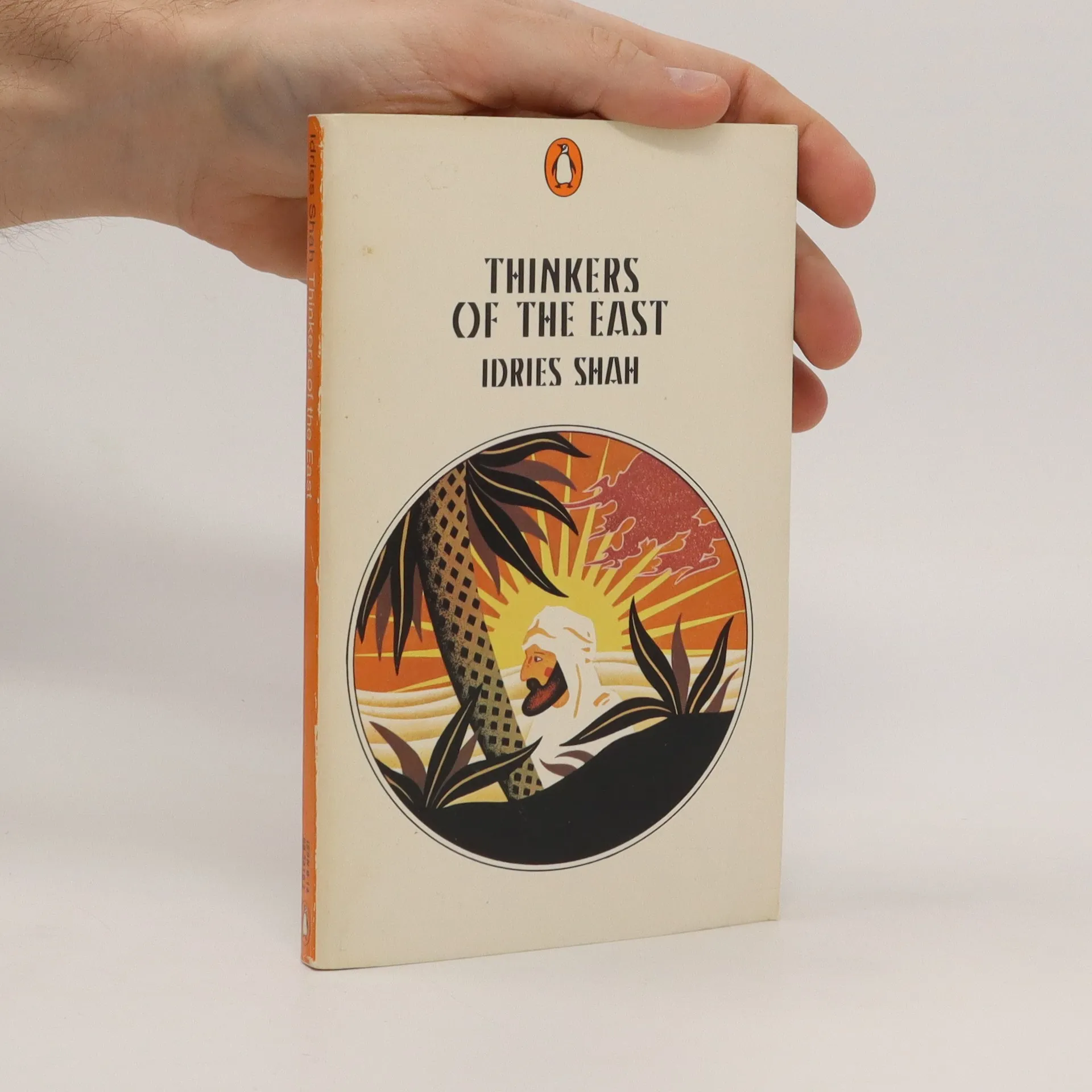
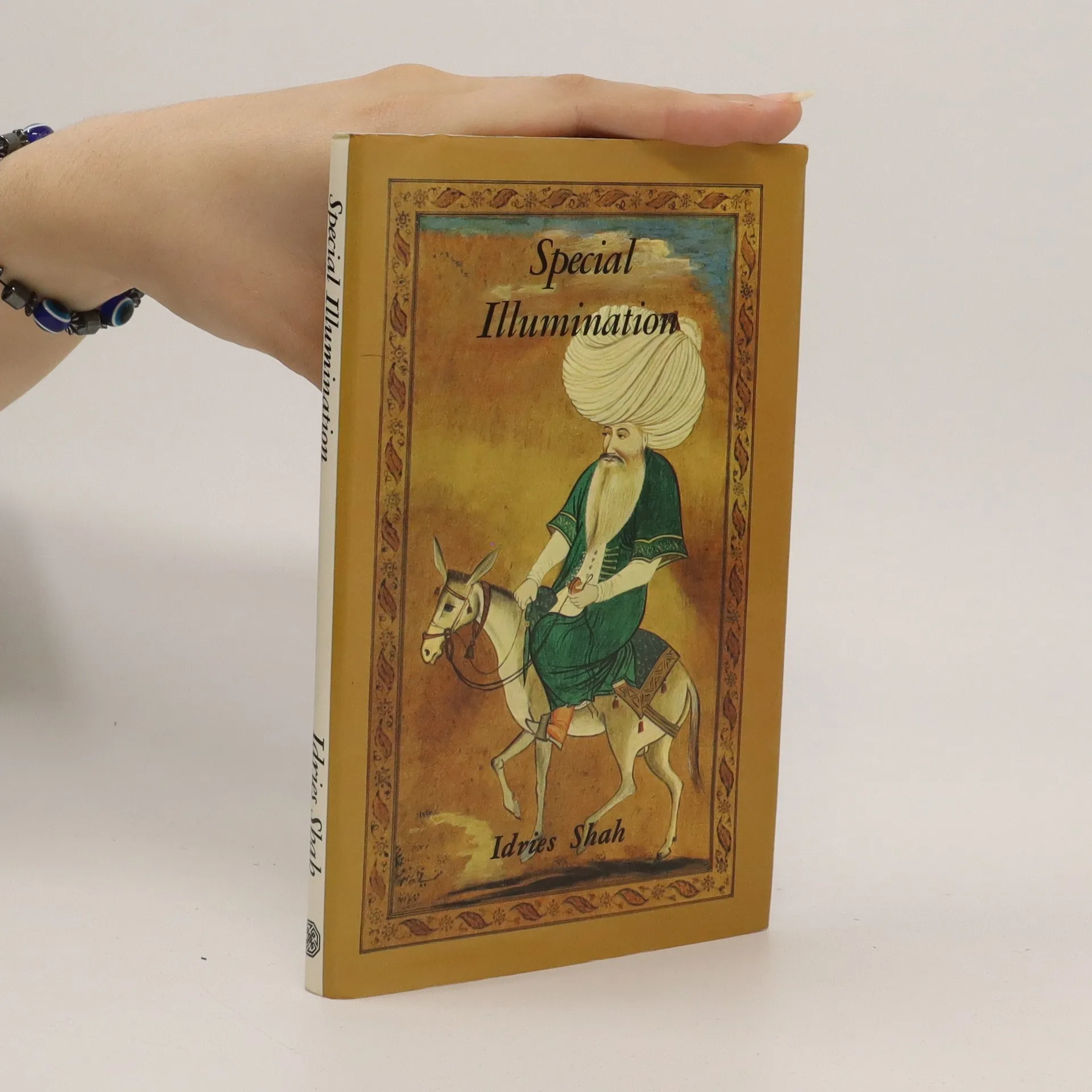
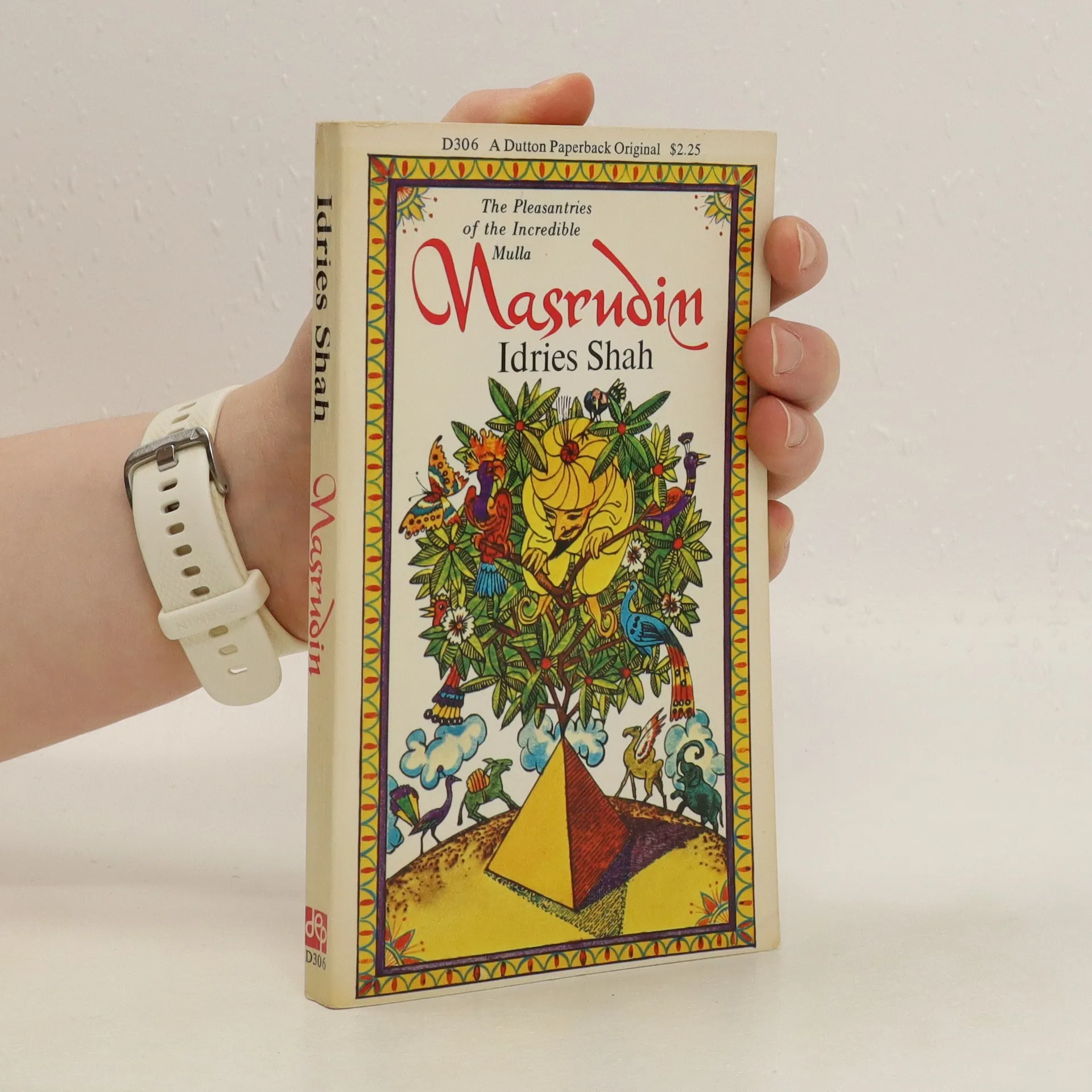
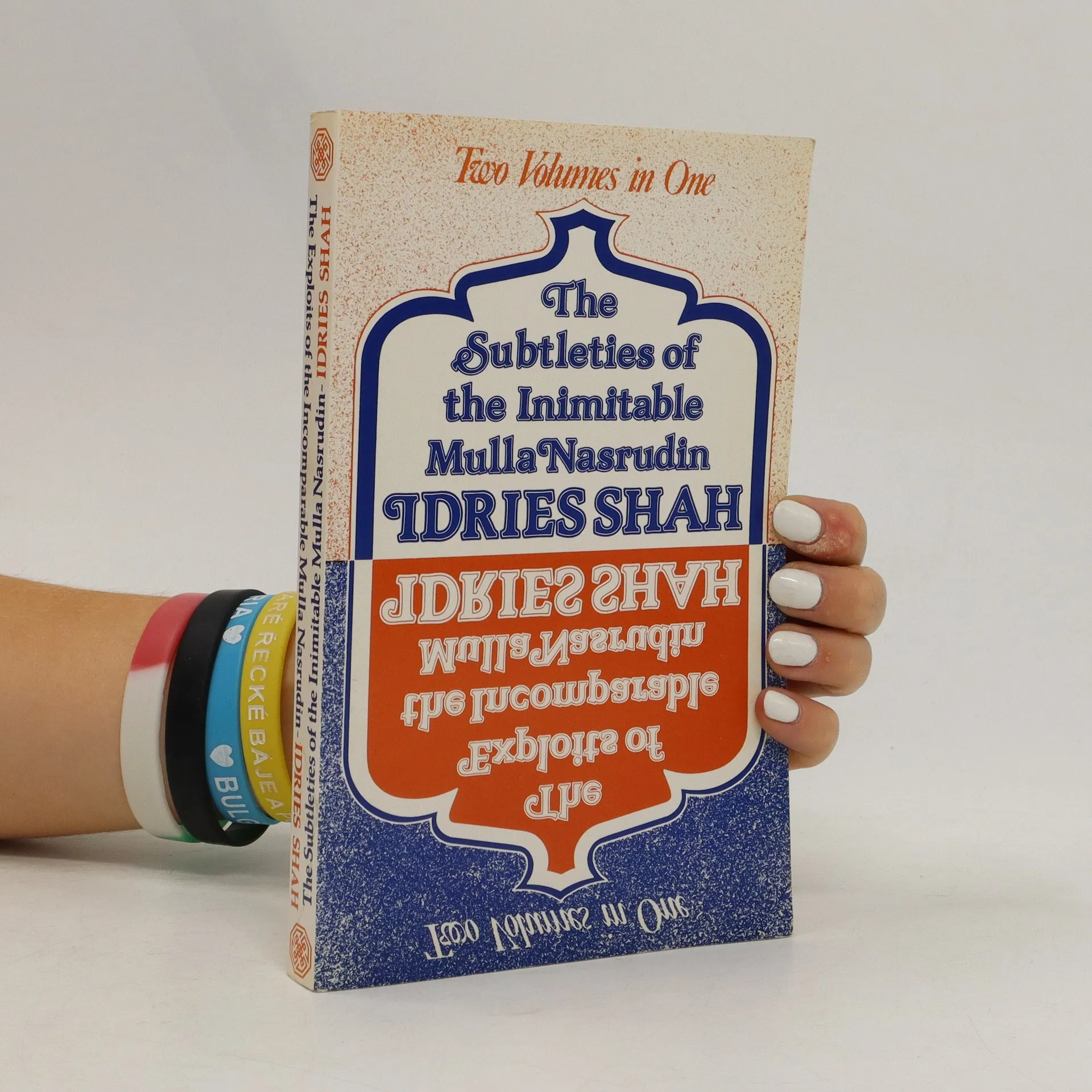
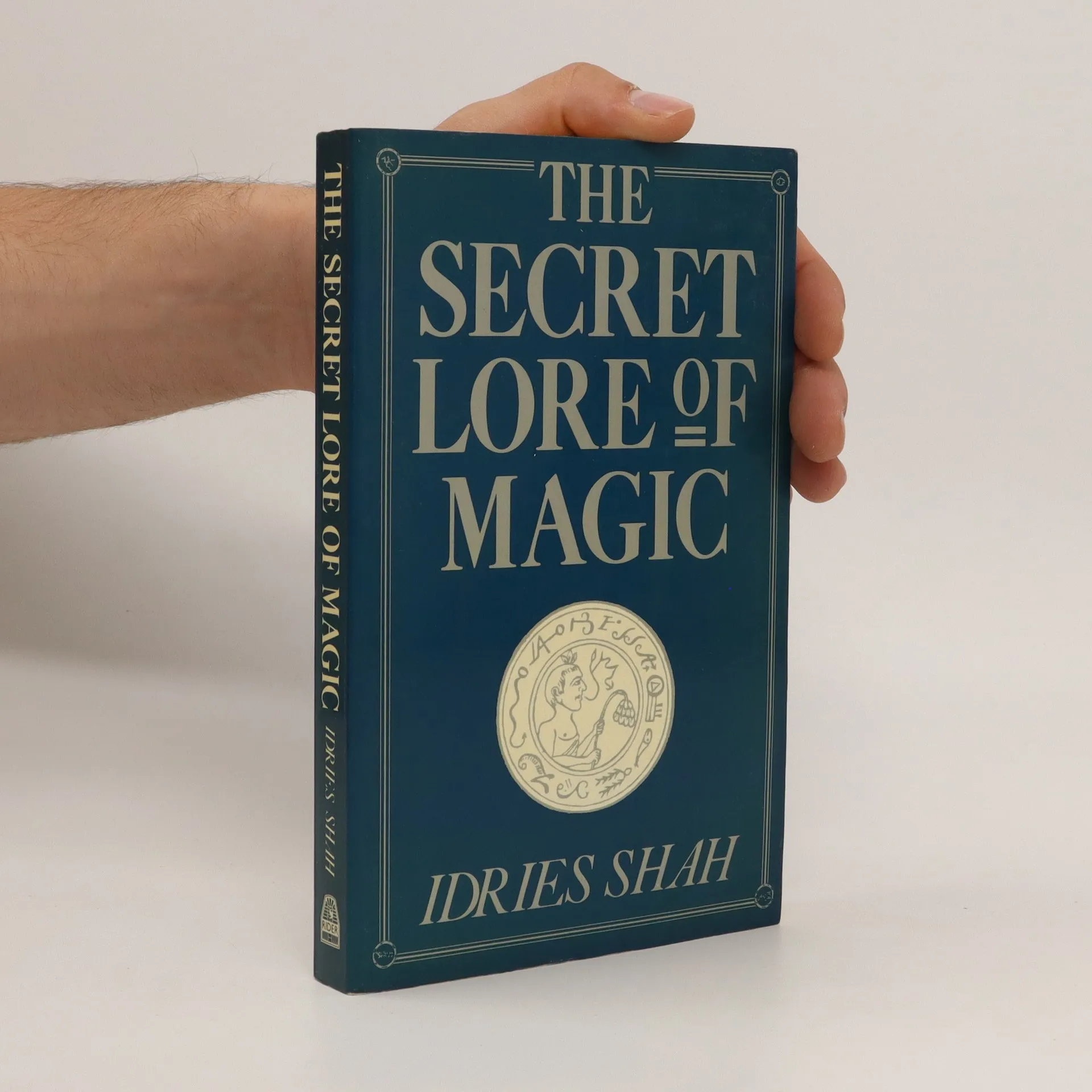
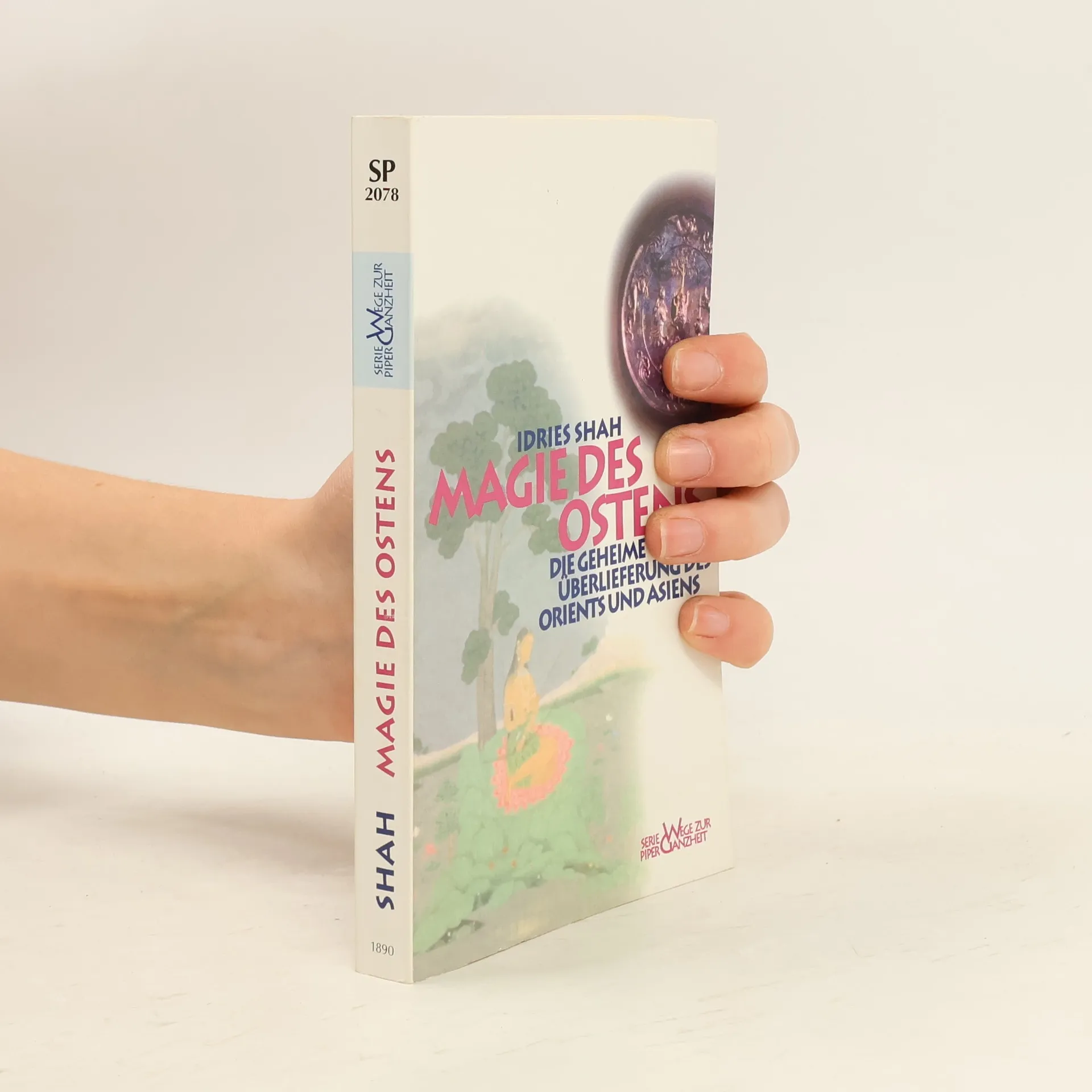
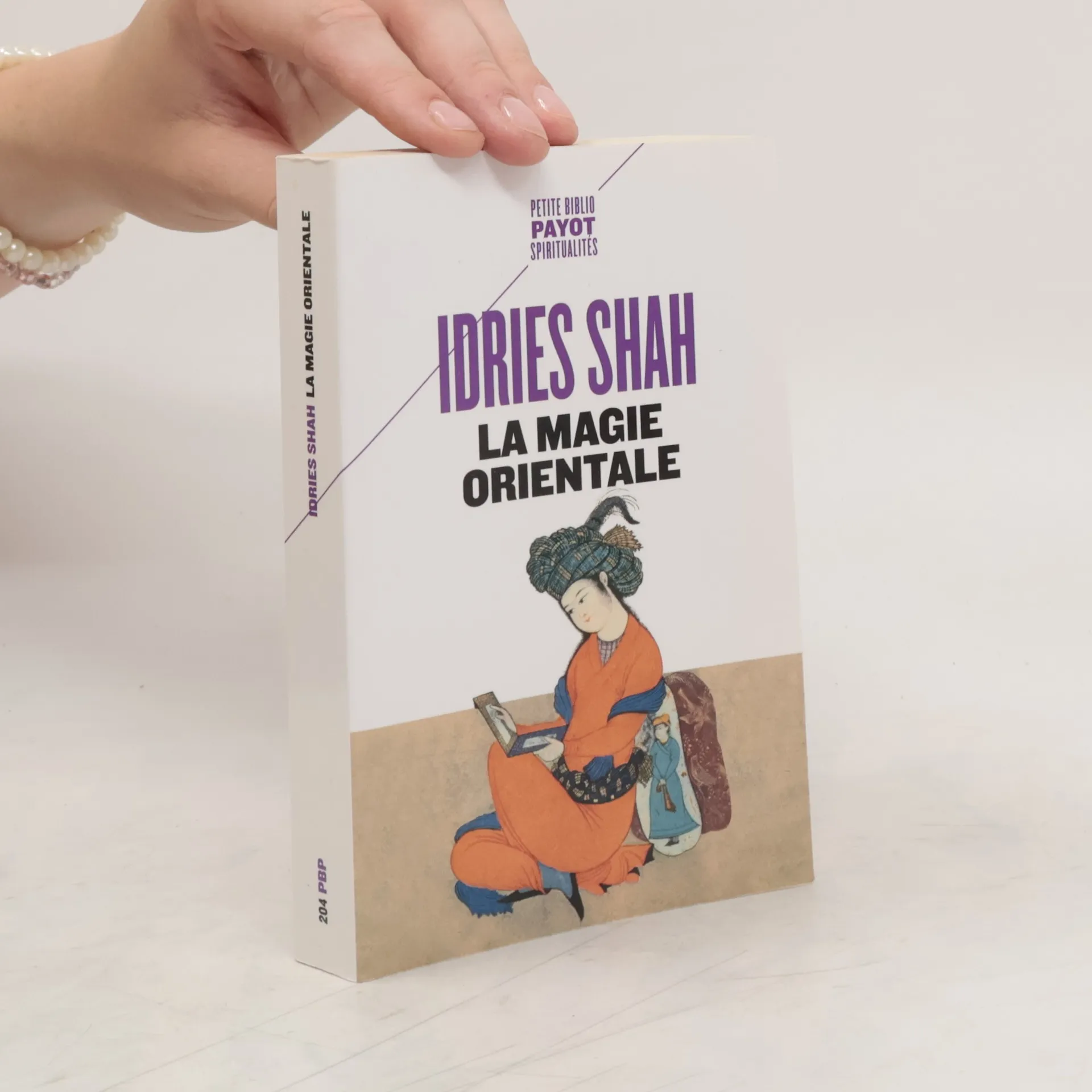
Explorant une large gamme de croyances et de pratiques allant d'Afrique du Nord au Japon, cet ouvrage s'intéresse aux croyances informelles et aux traditions ésotériques. Il présente des années de recherche à travers diverses cultures, abordant des sujets tels que l'alchimie indienne, le système Abjad arabe, la divination et les charmes talismaniques. Notamment, il inclut un ancien sort brahmane pour l'immortalité, en faisant une ressource essentielle pour ceux qui s'intéressent à la compréhension culturelle et aux subtilités des traditions magiques. Il se distingue par son exactitude académique et sa profondeur.
Idries Shah Livres
16 juin 1924 – 23 novembre 1996
Idries Shah était un auteur et un enseignant de la tradition soufie qui cherchait à présenter le soufisme comme une forme universelle de sagesse. Son œuvre considérable, couvrant plus de trois douzaines de livres, explore des thèmes liés à la psychologie, à la spiritualité et aux études culturelles. Shah utilisait des histoires et des paraboles didactiques traditionnelles, des textes conçus avec de multiples niveaux de signification pour susciter l'intuition et l'autoréflexion chez le lecteur. En présentant le soufisme en termes de psychologie occidentale et en l'adaptant aux contextes contemporains, il a considérablement façonné sa perception en Occident.



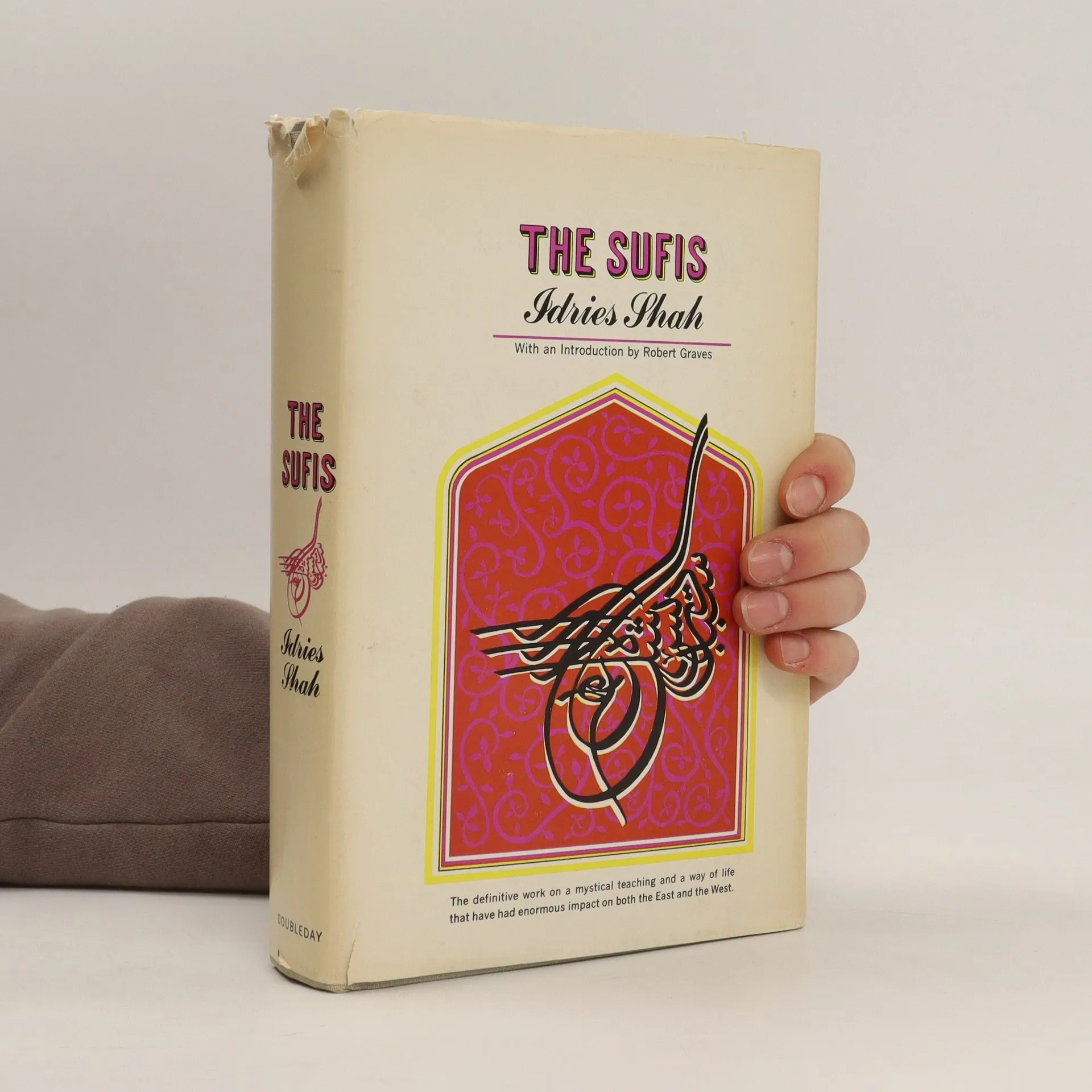
'Perhaps the best introduction to the body of Shah's work, the most comprehensively informative. And one is immediately forced to use one's mind in a new way.' - The New York Times When it first appeared in 1964, The Sufis was welcomed as the decisive work on the subject: rich in scope, clearly explaining the traditions and philosophy of the Sufis to a Western audience for the first time. In the five decades since its release, the book has been translated into dozens of languages, and has found a wide readership in both East and West. It is used as a text in scores of leading universities around the world, and the material contained within it has been applied by psychologists and physicists, by school teachers, lawyers, social workers, and by ordinary members of the public. Ted Hughes wrote of it: 'An astonishing book. The Sufis must be the biggest society of sensible men on earth'; and Nobel laureate Doris Lessing said of it: 'I had waited my entire life to read this book.'
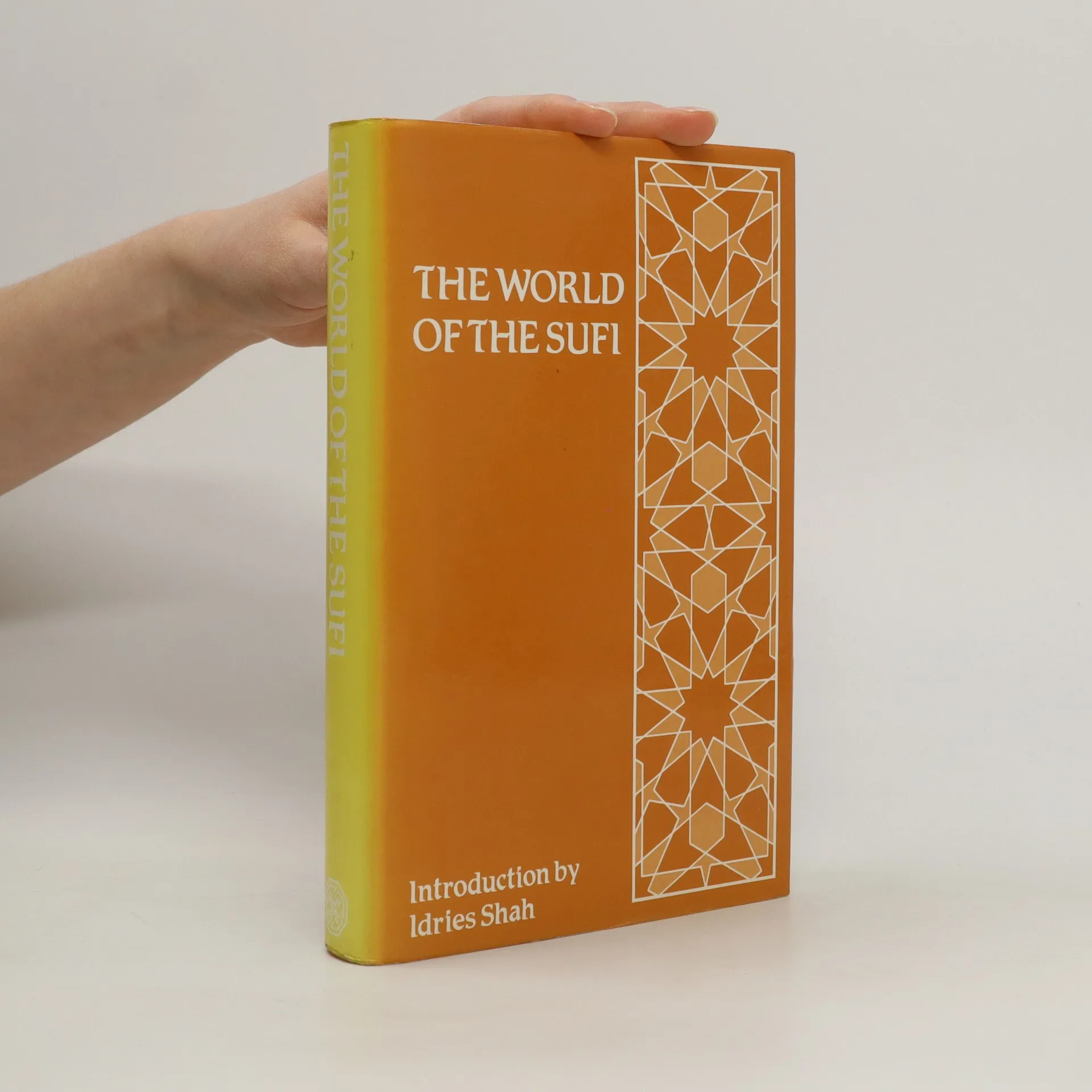
Sufi Thought and Action
- 272pages
- 10 heures de lecture
This book is an anthology of the extraordinary diversity of Sufi ideas and activities in many countries and cultures today. Nothing approaching this kind of survey has ever been assembled. In addition to first-hand accounts of Sufi learning methods, subjects covered include the Sufi meeting place, avoiding imitators, Sufi work enterprises, the idea of organic enterprises, entry into a Sufi group, the Sufi adept and the projection of mind, extra-sensory perception, what the Sufis do not want us to know, and more.
The Commanding Self
- 400pages
- 14 heures de lecture
Exploring themes of power and leadership, this book delves into the complexities of authority and influence. It challenges readers to reflect on their own capabilities and responsibilities in commanding respect and guiding others. Through insightful anecdotes and practical advice, the narrative encourages personal growth and self-discovery, making it a valuable resource for anyone seeking to enhance their leadership skills and understand the dynamics of command in various contexts.
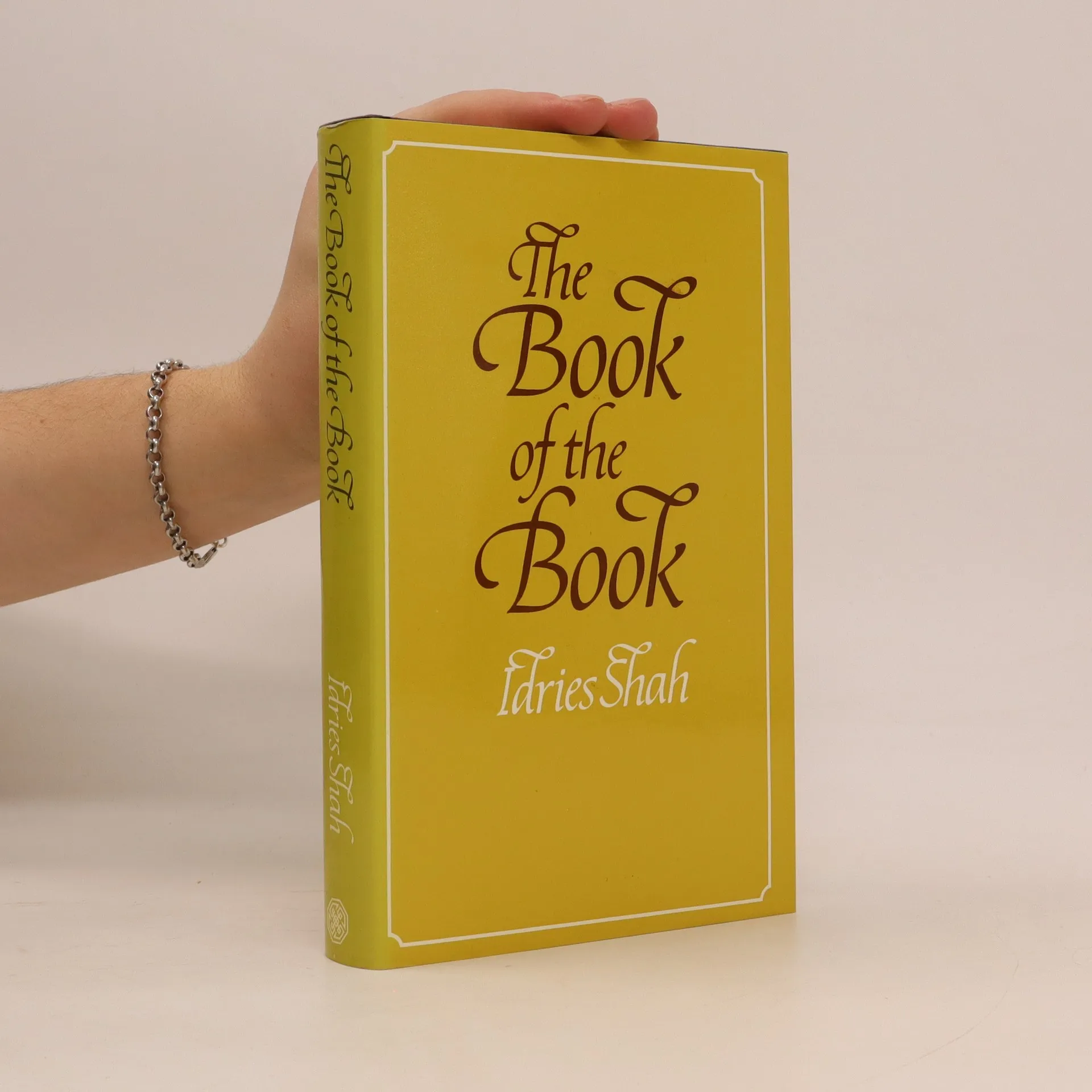
The Book of the Book
- 200pages
- 7 heures de lecture
The classical Sufi masters often behaved in dramatic and unexpected ways in marketplaces, palaces, village streets, wherever people assembled. The purpose of these demonstrations was to create an event that people could think about and learn a lesson from. In 1969, Idries Shah, author of over thirty books on Sufi teaching and learning, used modern methods of mass communication to create a teaching-event for the modern world. "The Book of the Book", first published in that year and now in its seventh printing, transmits a 700-year-old narrative on the theme of "do not mistake the container for the content". But it projects this lesson in a highly unconventional way. Reactions to "The Book of the Book" ran the gamut. Some people were infuriated. One "expert" at the British Museum said it was "not a book at all". Others either thought the cover price was too high for a "book that was not a book", or simply bought it for novelty value and kept it on hand to mystify their friends. In time, the pendulum began to swing in the other direction. Readers and reviewers now understand that unlike any other literary product ever published, "The Book of the Book" offers the opportunity to participate in a major Sufi teaching-event ... for the price of a book. Expect the impact of "The Book of the Book" to continue to ripple through the literary marketplace for decades to come.
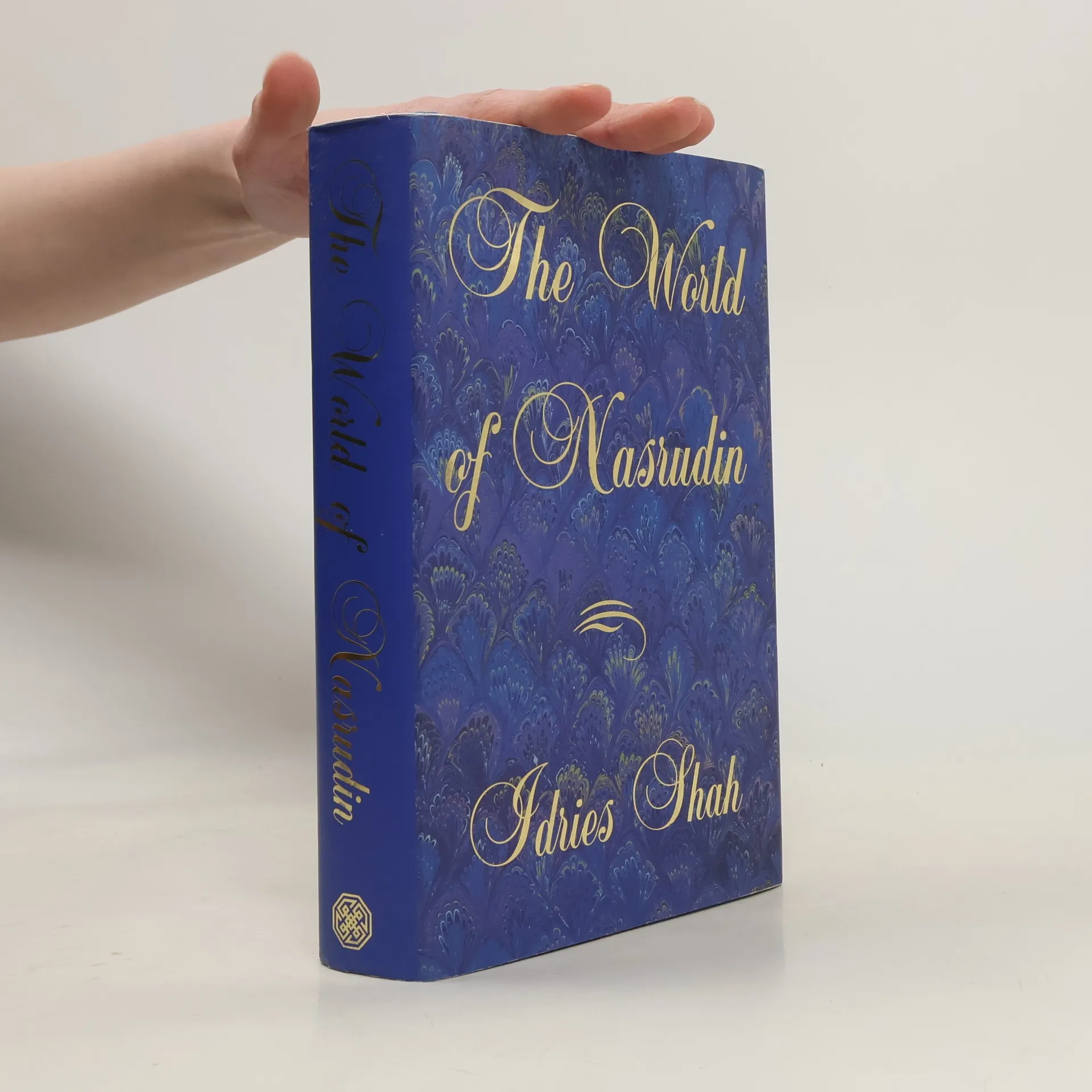
The World of Nasrudin
- 450pages
- 16 heures de lecture
. with dw, 2003, 450pp
Reflections
- 184pages
- 7 heures de lecture
The collection presents a series of fables, aphorisms, and thought-provoking statements designed to provoke introspection and challenge conventional thinking. Idries Shah's work encourages readers to explore deeper meanings and insights, making it a compact yet impactful resource for personal reflection and growth.
Exploring Sufi thought through diverse perspectives, this collection features essays on topics such as Sufi literature, humor, and cultural communities. It includes insights from experts on the intersections of Sufism with psychiatry, Indian philosophy, and therapeutic practices. Notable contributors like Idries Shah, Doris Lessing, and Dr. Arthur J. Deikman enrich the discourse, making it a valuable resource for those interested in the complexities of Sufi philosophy and its applications across various fields.
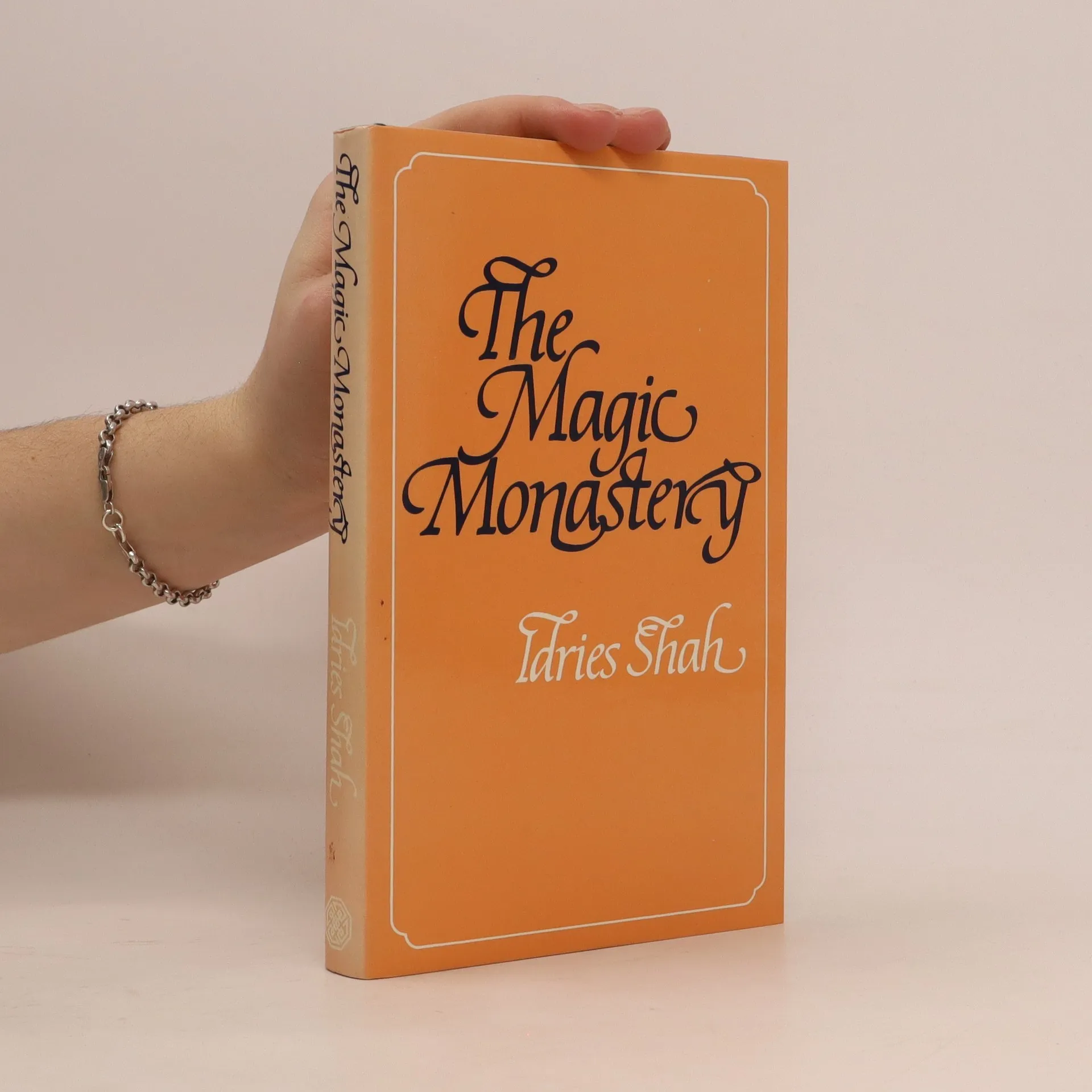
The Magic Monastery
- 208pages
- 8 heures de lecture
The Magic Monastery differs from its predecessors in that it contains not only traditional tales--mostly unpublished--but also stories specially written by Shah to complete the book as 'a course in non-linear thinking.'
The Natives are Restless
- 276pages
- 10 heures de lecture
Focusing on the adventures of Afghan traveler and writer Idries Shah, this sequel to Darkest England explores his encounters with the 'English tribe.' Through a blend of humor and insight, Shah showcases his anthropological perspective, revealing the fascinating and often amusing aspects of English culture. The narrative offers readers a thought-provoking glimpse into the intricacies of identity and community, making it both entertaining and enlightening.
Exploring the themes of hypocrisy and self-deception, this work delves into the metaphor of the "perfuming of a scorpion" as taught by Sufi master Bahaudin. Idries Shah examines the contrast between surface appearances and underlying truths in psychology, human behavior, and the learning process. By focusing on both the alluring perfume and the hidden scorpion, the book invites readers to reflect on the complexities of self-awareness and the nature of institutions.
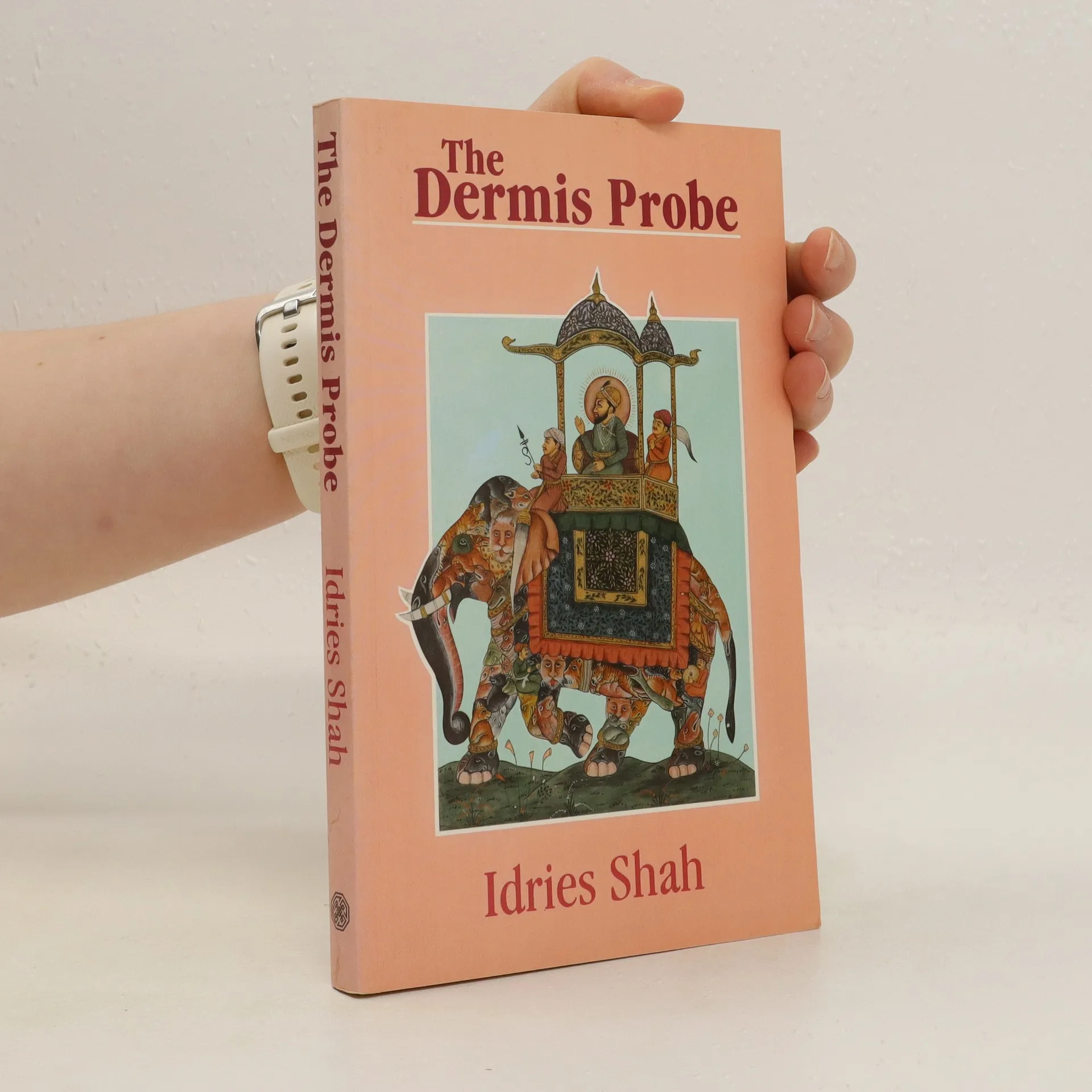
The Dermis Probe
- 191pages
- 7 heures de lecture
The Dermis Probe is a study of impediments in current thought that block higher forms of understanding between people. The space-age sounding title was suggested over 800 years ago by "The Blind Ones and the Elephant," a story immortalized in Rumi's Mathnavi.
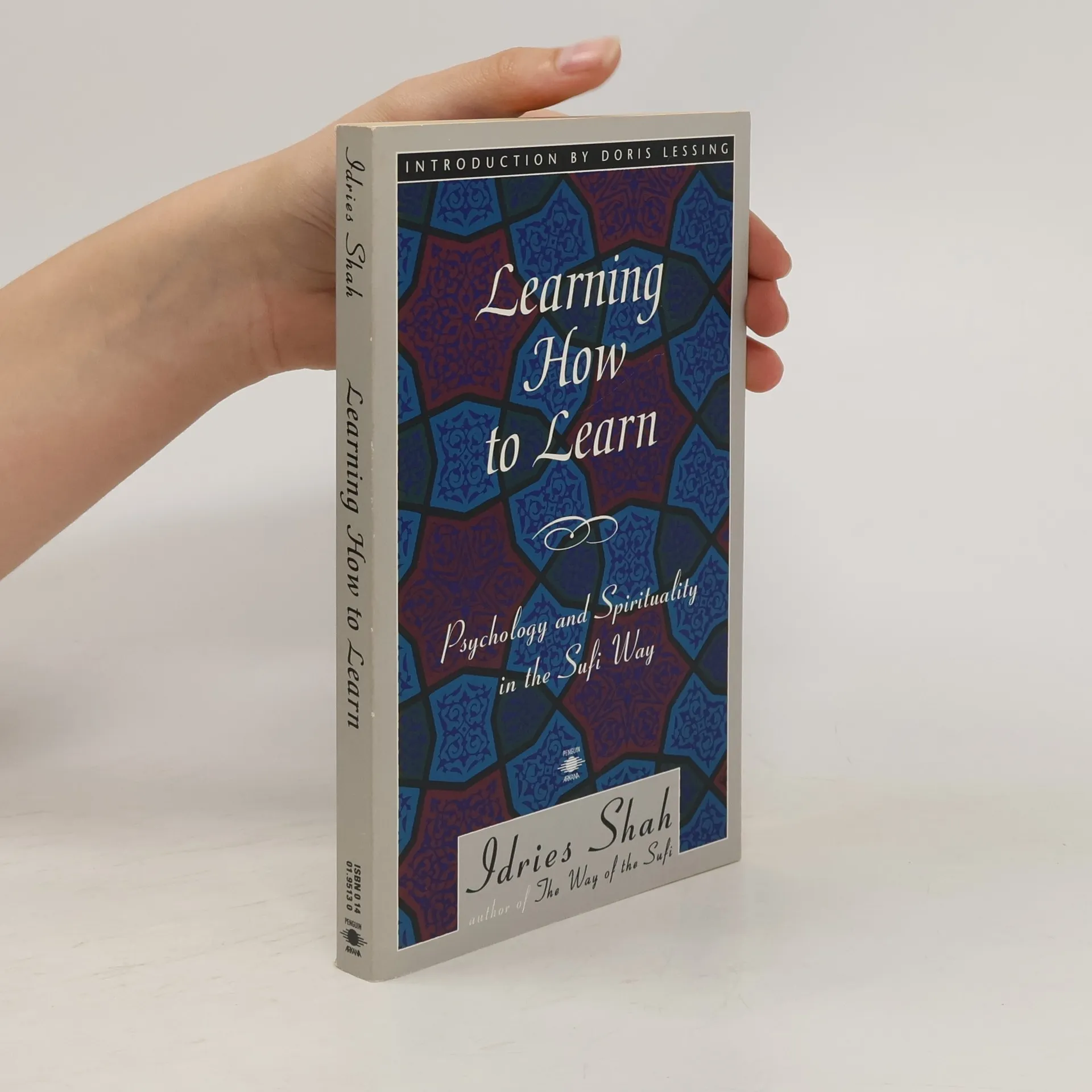
Arkana: Learning How to Learn
Psychology and Spirituality in the Sufi Way
- 302pages
- 11 heures de lecture
In response to the many inquiries he has received about the Sufi tradition from people from all walks of life, leading Sufi expert Idries Shah presents a clarifying series of questions and answers that illustrates how traditional Sufi concepts can resolve our social, psychological, and spiritual problems.
Here, Nasrudin's anecdotes are seen to be parallel to the mind's working, designed to amuse the tea-house, but also intended for use on other levels.
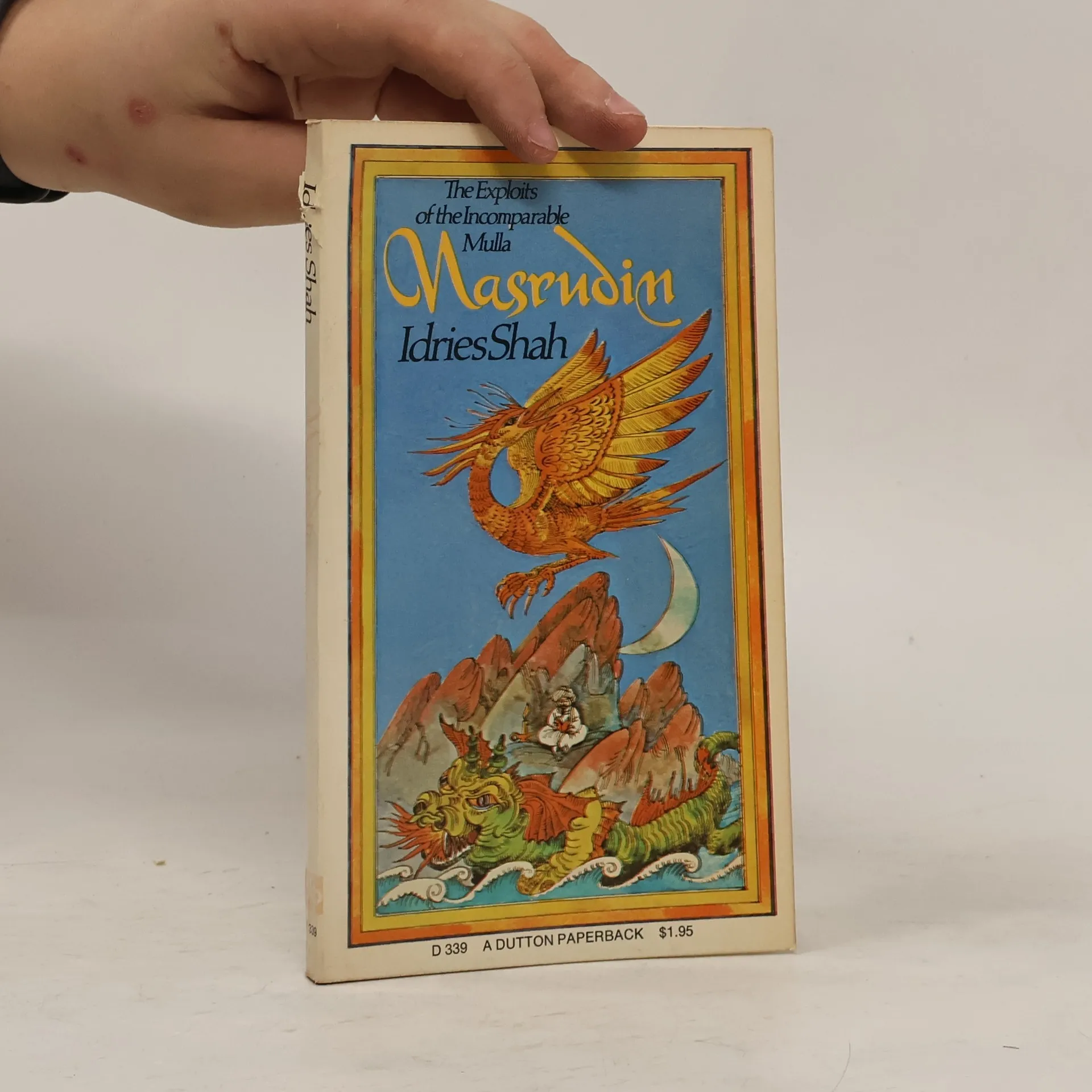
The exploits of the incomparable Mulla Nasrudin. The subtleties of the inimitable Mulla Nasrudin.
- 209pages
- 8 heures de lecture
Here, Nasrudin's anecdotes are set in parallel to the workings of the mind - designed to amuse the audience in the tea-house, but also intended to be used on other levels.
Exploring the concept of the 'Veiled Gazelle,' the book delves into Sufi mysticism and the awakening of higher perception. Drawing on insights from Ibn Arabi, it highlights the journey towards attaining a deeper understanding of Truth that transcends physical existence. The text emphasizes the significance of activating these centers of awareness for a transformative spiritual experience.
Knowing How to Know
- 412pages
- 15 heures de lecture
Exploring the journey towards spiritual understanding, this book delves into various practices and philosophies that enhance self-awareness and connection to the universe. It offers insights into meditation, mindfulness, and the importance of community, guiding readers through transformative experiences. By integrating personal anecdotes and teachings from diverse spiritual traditions, it encourages a deeper exploration of one's beliefs and fosters a sense of inner peace and purpose.
The Exploits of the Incomparable Mulla Nasrudin
- 158pages
- 6 heures de lecture
Collected stories about a popular figure in the folklore of many Asian and European countries.
Despite the passage of time and geographical distance, Sufi stories have captivated readers in Western culture for centuries. Sufism, the mystical tradition of Islam, reveals a lesser-known aspect of this religion characterized by spiritual depth, openness, and tolerance. In the schools of various Sufi masters, stories often played a crucial role in guiding students. These tales were told with a purpose similar to that of koans in Zen Buddhism; they aimed to disrupt habitual ways of seeing, educate about the paradoxical nature of reality, and open the mind to deeper meanings. Idries Shah presents a collection of stories from Sufi masters, each accompanied by commentary, information about the author, and insights into the story's significance.
Learning How to Learn
- 378pages
- 14 heures de lecture
This book explores the art and science of learning, providing insights into effective techniques and strategies to enhance one's ability to absorb and retain information. It delves into various learning styles, the psychology behind learning processes, and practical applications for students and lifelong learners alike. By emphasizing the importance of understanding one's own learning preferences, the author offers a roadmap for mastering new skills and knowledge efficiently.
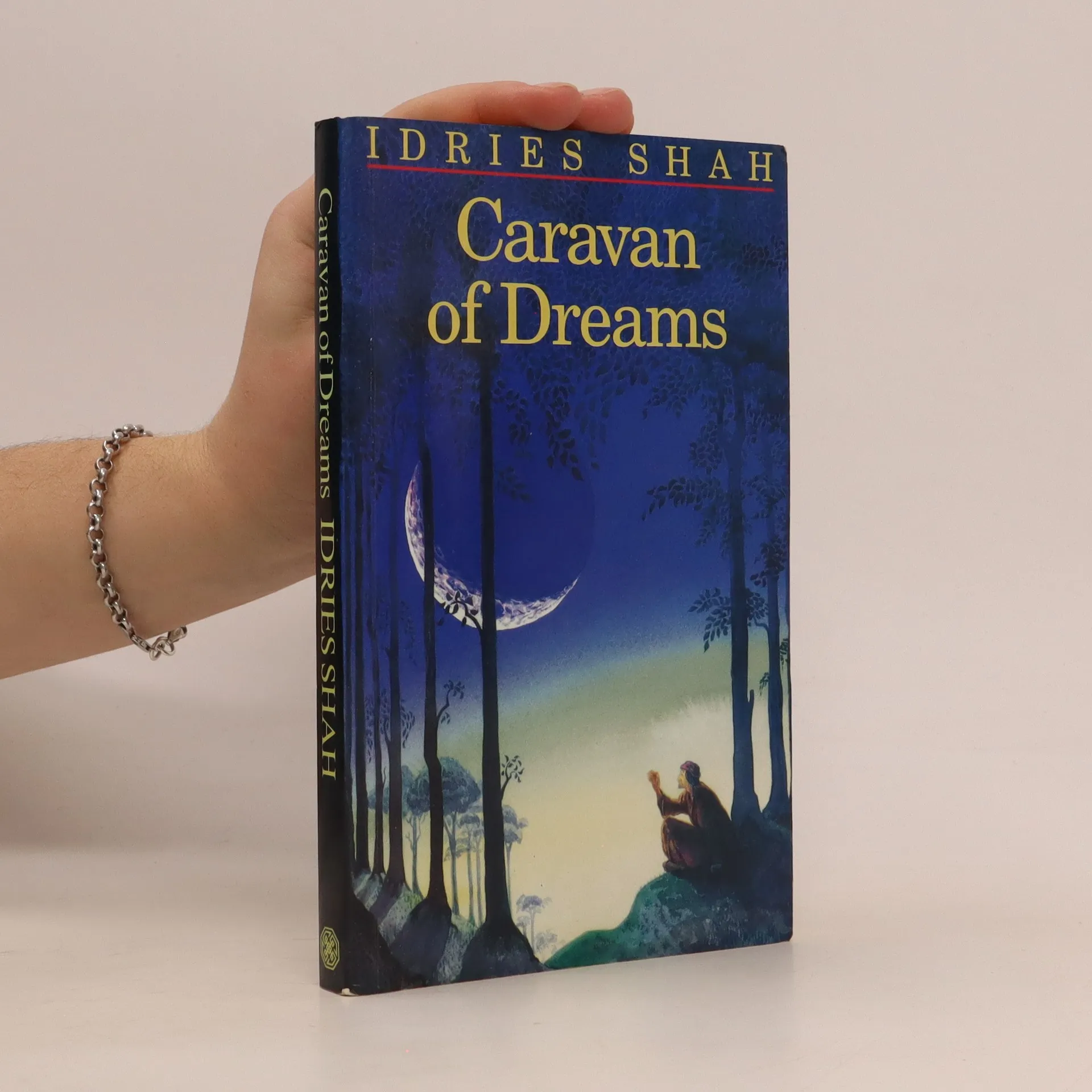
Caravan of Dreams
- 207pages
- 8 heures de lecture
A colorful caravan of Eastern oral and written literature, this collection includes many best-known teaching stories of the dervish philosophers and mystics, writings by Idries Shah on Mecca and on Islam, poetry, proverbs, allegories, and symbolic tales of amazing richness and variety as "The Story of Mushkil Gusha", "The Magic Horse", and "The Two Brothers". The collection as a whole makes delightful reading, and at the same time brings the reader closer to the spiritual essence of the Middle East which is of overwhelming contemporary interest and value. A favorite gift book.
The story revolves around a man's comical desire to gain animal-like skills and senses, driven by greed and impatience. However, his quest backfires, leading to limitations rather than enhancements in his abilities. Through humor, the narrative explores themes of ambition and the consequences of wanting more than one is meant to have.
Darkest England
- 584pages
- 21 heures de lecture
Exploring the origins of the English people, the book reveals that they trace their ancestry to a lesser-known region called 'Hathaby' and possibly to the ancient Asian territory of Sakasina. It delves into the history of the English as a nomadic warrior tribe that migrated westward, carrying with them rich epic narratives, cultural traditions, and an Eastern philosophical perspective that shaped their identity.
Teachings of Rumi
- 330pages
- 12 heures de lecture
Mesnevi’nin çeviriden ve yer yer mana yoğunluğundan kaynaklanan güçlüklere rağmen anlaşılır ve zevk verici bir muhtevaya sahip olduğu şüphesizdir. Hikâyeleri, hikmet ve öğütleri okuyucunun günlük hayatını canlandırıcı ve öğretici bir derinlik taşımaktadır. Bu nedenle açıklamasız bir çevirinin, bunlara ulaşmada kolaylık sağlayacağı da söylenebilir. Doğumumun 800. yılını milletçe kutladığımız Mevlana Hazretlerinin, asırlardır gönüllerimizi suladığı mana pınarları bu yıl doyasıya gönüllerinize akacak. Mevlana Araştırmaları Derneği Başkanı Prof. Dr. Adnan Karaismailoğlu tarafından günümüz Türkçesine kazandırılan Mesnevi’nin tam metni tek cilt olarak şimdi kitapçılarda.
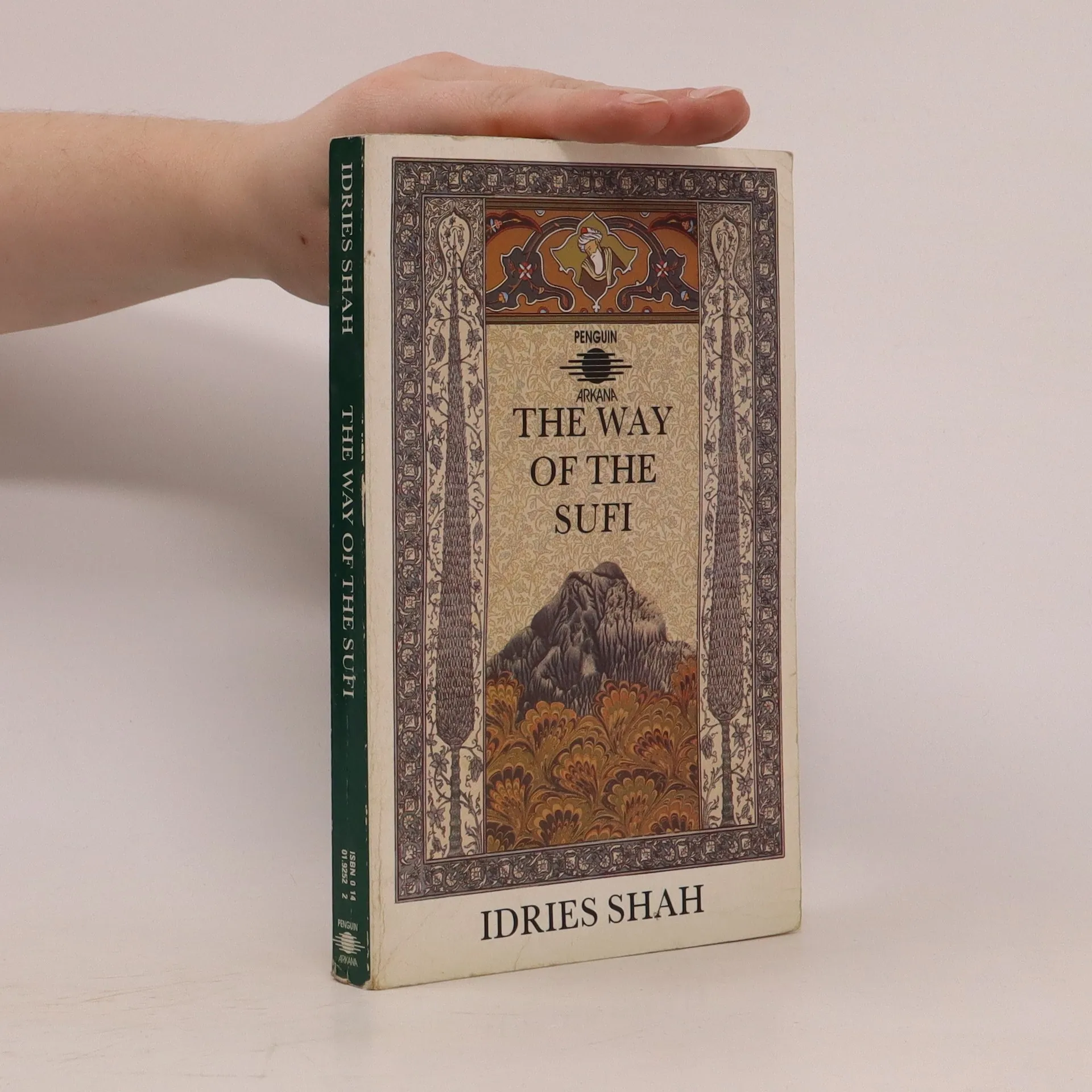
The way of the Sufi
- 320pages
- 12 heures de lecture
In this wide-ranging anthology of Sufi writings, Idries Shah, who was one of Sufism's leading exponents, offers a broad selection of poetry, contemplations, letters, lectures, and teaching stories that together form an illuminating introduction to this unique body of thought. Sufism, the mystical aspect of Islam, has had a dynamic and lasting effect on the literature of that religion. Its teachings, often elusive and subtle, aim at the perfecting and completing of the human mind. In contrast to certain other beliefs and philosophies, Sufism is continually evolving and progressing and is consequently always relevant to the contemporary world. "His work is as exciting as a good novel"--The Times Literary Supplement
This book aims to include the entire text of all the major grammars of sorcery with commentaries and illustrations, providing a comprehensive survey of ritual magic, black and white magic and sorcery. The author brings together material on spells, charms, divination and magical conjuration. The book should be of interest to all students and scholars of the black arts, with its compendium of rare grimoires or source books of magical arts, containing spells, charms and methods of making powerful talismans. The author's previous books include, The Wisdom of Idiots, Oriental Magic, The Sufis, The Exploits of The Incomparable Mulla Nasrudin, and The Way of The Sufis.
When the Soviets invade Afghanistan, they have not fully reckoned with tribal guerrillas whose leaders spring from a powerful military tradition. One of the most able chiefs is Kara Kush, the Eagle. His Whirlwind Battle-Group, fortified in caves in the mountains, attracts peasants, cooks, and even Russian deserters, and soon they are pursuing plans to destroy Soviet strongholds, seize weaponry, and punish the hated occupiers. When a fabulous treasure, the ancient Hoard of Ahmad Shah, is discovered, both sides intend to have the billions of gold coins. This novel by Afghan writer and educator Idries Shah is as big as his subject. The author brings to this adventurous tale of war his profound knowledge of Islamic legend and history. What's more, the factual framework is realistic, notably in the political circumstances and the technical details of war.
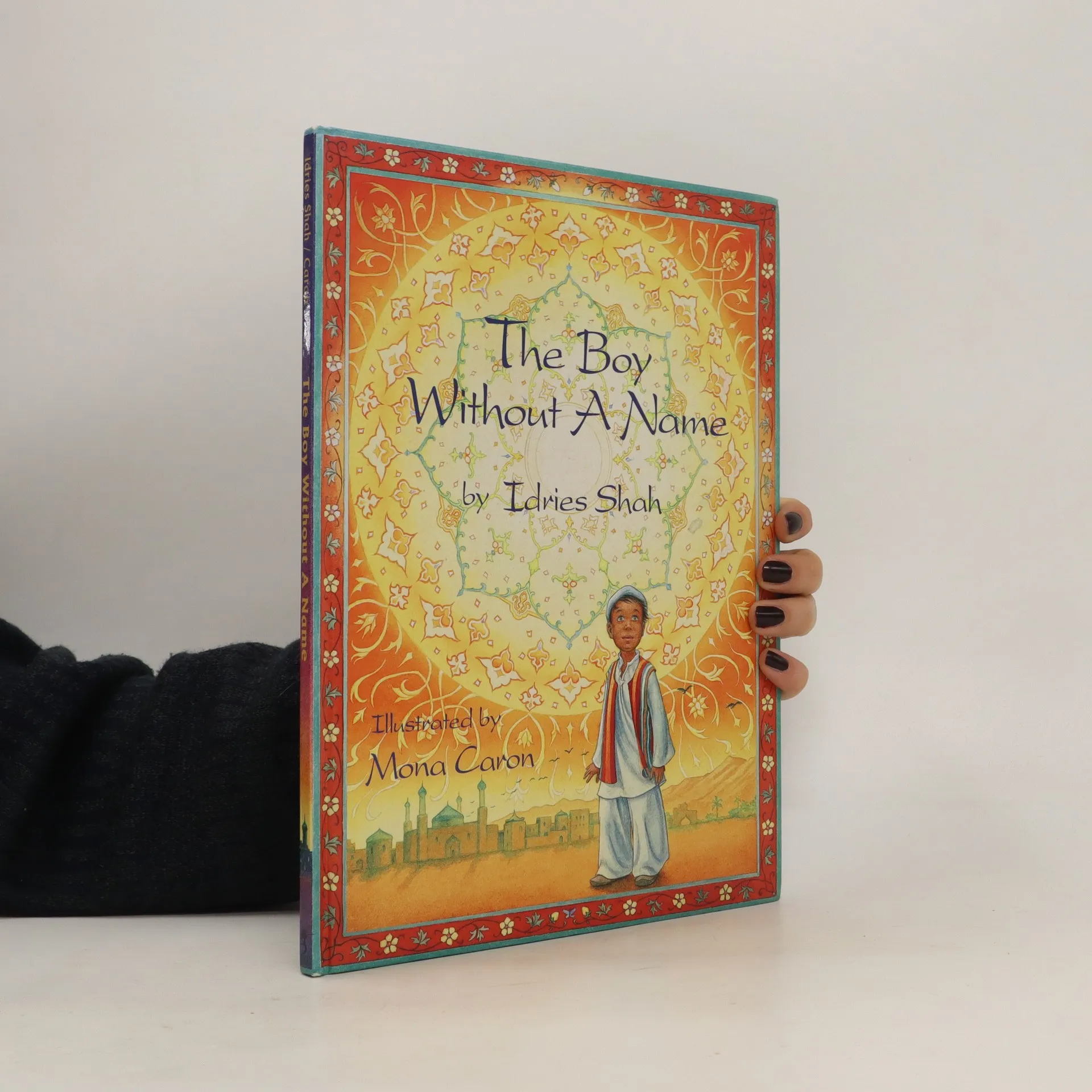
The narrative centers on a mischievous man whose behavior prompts a young boy to devise a plan for change, ultimately benefiting the entire village. This engaging tale not only entertains children but also imparts essential lessons in initiative, negotiation, and cooperation. Accompanied by Rose Mary Santiago's charming illustrations, it is part of a broader collection of Sufi teaching stories that encourage children to challenge their assumptions and think independently, offering insights for both young readers and adults alike.
The Boy Without a Name
- 32pages
- 2 heures de lecture
A Sufi teaching tale of a boy without a name who visits a wise man and acquires both a name and a wonderful dream.
The Magic Horse / ЧАРІВНИЙ КІНЬ
Bilingual English-Ukrainian Edition / Двомовне англо-українське видання
- 38pages
- 2 heures de lecture
The narrative follows two brothers, one practical and the other, Prince Tambal, a dreamer, as they compete in a royal challenge. Tambal discovers a seemingly simple wooden horse that magically transports its rider to their desired location. This enchanting journey aids him in self-discovery and understanding his true desires. Accompanied by Julie Freeman's stunning illustrations, the story is part of a Sufi teaching series aimed at encouraging children and adults alike to reflect on their beliefs and cultivate deeper insights into life.
The Old Woman and the Eagle / СТАРА ЖІНКА ТА ОРЕЛ
Bilingual English-Ukrainian Edition / Двомовне англо-українське видання
- 34pages
- 2 heures de lecture
An old woman's humorous encounter with an eagle leads her to reshape the bird to fit her preconceived notions of its appearance. This story reflects the human tendency to modify the unfamiliar for comfort. Adapted by Idries Shah from Sufi tradition, it aims to cultivate mental flexibility and insight in children and adults alike. The narrative, rich in cultural heritage, is beautifully illustrated by Natasha Delmar, a talented artist trained by renowned Chinese painter Ng Yi-Ching, enhancing the tale's appeal.
The story highlights the absurdity of families competing fiercely over the best peach preparation methods, ultimately missing the joy of the fruit itself. Through this whimsical narrative, even young readers can grasp the folly of overcomplicating simple pleasures and the importance of appreciating what truly matters.
The Old Woman and the Eagle / Niemdra kobieta i orze
Bilingual English-Polish Edition / Wydanie dwujzyczne angielsko-polskie
- 34pages
- 2 heures de lecture
The story features an old woman who, upon encountering an eagle for the first time, attempts to reshape it to fit her preconceived notions of a bird. This humorous narrative reflects a common human tendency to modify the unfamiliar for comfort. Adapted by Idries Shah from Sufi traditions, the tale promotes mental flexibility and insight, making it suitable for children. Enhanced by Natasha Delmar's illustrations, the book combines cultural heritage with engaging visuals, bridging ancient storytelling with contemporary themes.
The King without a Trade / Король без ремесла
Bilingual English-Ukrainian Edition / Двомовне англо-українське видання
- 42pages
- 2 heures de lecture
A king discovers that wealth and abundance cannot replace the importance of skills and common sense. This narrative diverges from traditional fairy tale endings, emphasizing the value of education and personal growth over entitlement. The story conveys a powerful message about the merits of hard work and the journey of learning, rather than simply receiving everything effortlessly.
The Man and the Fox / Чоловік та лис
Bilingual English-Ukrainian Edition / Двомовне англо-українське видання
- 36pages
- 2 heures de lecture
The narrative follows a young fox that uses its cleverness and determination to escape a trap set by a man, promoting themes of resilience and problem-solving. Adapted for children by Idries Shah from traditional Sufi tales, it encourages young readers to confront challenges and learn from obstacles. The charming illustrations by Sally Mallam enhance the story's appeal. This timeless tale has captivated audiences for over a thousand years, fostering critical thinking and self-reflection in children.
The Man with Bad Manners / Czowiek o okropnych manierach
Bilingual English-Polish Edition / Wydanie dwujzyczne angielsko-polskie
- 34pages
- 2 heures de lecture
Focusing on a misbehaving man, a young boy devises a clever plan to improve his behavior, garnering support from the village. This engaging narrative not only entertains children with the antics of adults but also imparts essential lessons on initiative, negotiation, and cooperation. Accompanied by Rose Mary Santiago's charming illustrations, this bilingual edition is part of a Sufi teaching series that encourages children to question assumptions and think independently. The stories serve both as entertainment and as tools for deeper understanding for readers of all ages.
A wealthy merchant's deep affection for his beautiful pet bird leads him to keep it caged, but he soon learns that animals can teach valuable lessons about freedom and independence. This story explores themes of love, captivity, and the unexpected wisdom that animals can impart to humans, ultimately revealing the importance of allowing others to thrive in their natural state.
The Spoiled Boy with the Terribly Dry Throat
Bilingual English-Arabic Edition
- 42pages
- 2 heures de lecture
The story follows a little boy suffering from a dry throat, as the well-meaning adults around him attempt various remedies that inadvertently exacerbate his condition. Young readers will quickly recognize the simple solution that eludes the adults, highlighting the theme of miscommunication and the innocence of childhood perspective. This engaging narrative encourages children to think critically and trust their instincts while illustrating the humorous disconnect between adults and kids.
The Englishman's Handbook
- 400pages
- 14 heures de lecture
Exploring the quirks of British culture, this handbook offers insights into the unique characteristics of the English and their behaviors. Idries Shah provides practical advice for navigating the peculiarities of Britishness, making it an essential guide for travelers. Through humor and keen observation, the book sheds light on the often baffling aspects of life in England, ensuring readers are well-prepared for their experiences.
The Palace of the Man in Blue / Палац Чоловіка в блакитному вбранні
Bilingual English-Ukrainian Edition / Двомовне англо-українське видання
- 42pages
- 2 heures de lecture
The story revolves around four merchants who discover a magnificent palace, prompting them to reevaluate their past experiences and beliefs. As they navigate this enchanting setting, they learn that appearances can be misleading and that the motivations for helping others often run deeper than initially thought. This narrative explores themes of perception and altruism, challenging assumptions and encouraging self-reflection.
The King without a Trade
- 42pages
- 2 heures de lecture
A king, despite his abundant wealth and resources, discovers that true fulfillment comes from possessing practical skills and wisdom. His journey highlights the contrast between material abundance and the essential qualities needed for effective leadership and personal growth. This realization prompts a deeper exploration of what it means to lead and live meaningfully.
The Silly Chicken / O GUPIUTKIEJ KURCE
Bilingual English-Polish Edition / Wydanie dwujzyczne angielsko-polskie
- 34pages
- 2 heures de lecture
A humorous tale features a chicken that learns to speak, leading to unexpected and intriguing events that engage young readers. This story not only entertains but also teaches children about the importance of questioning what they hear. Accompanied by vibrant illustrations from Jeff Jackson, it immerses readers in a whimsical world. Rooted in Sufi tradition, this narrative has been cherished for over a thousand years, fostering critical thinking and self-examination among young audiences.
The Bird's Relative / Ptasi Krewny
Bilingual English-Polish Edition / Wydanie dwujęzyczne angielsko-polskie
- 42pages
- 2 heures de lecture
The story explores the relationship between a wealthy merchant and his beloved pet bird, highlighting themes of love and freedom. As the merchant grapples with his attachment, he learns an important lesson about the nature of love and the innate wisdom of animals, revealing that they can teach humans valuable lessons through their behavior. The narrative emphasizes the contrast between human emotions and animal instincts, ultimately leading to a profound realization about the importance of letting go.
Stories explore aspects of the fundamental beliefs of Sufism, such as the nature of knowledge, the proper use of prayer, and the relationship between masters and disciples
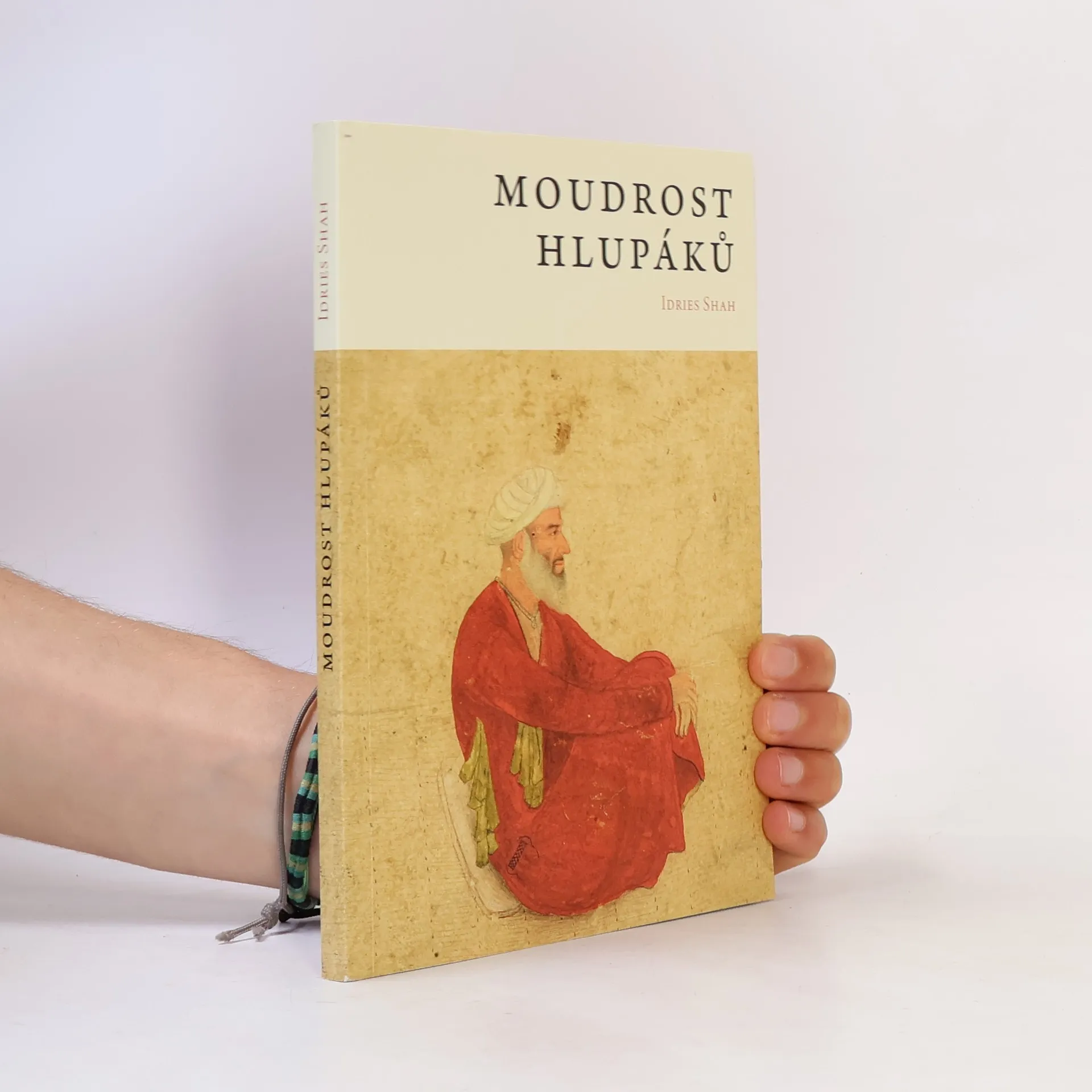
Moudrost hlupáků
- 146pages
- 6 heures de lecture
Pečlivě vybraná sbírka ilustrativních příběhů, vyprávění a anekdot, které ilustrují zkušenostní filosofii a vyučovací postupy používané v súfijském učení. „To, co si omezení hloubalové představují pod moudrostí, je súfíji nahlíženo jako hloupost. Proto súfíjové často nazývají sami sebe hlupáky.“
Idries Shah bietet tiefgehende Einblicke in die islamische Mystik und hilft westlichen Lesern, ihre eigene Psychologie sowie kulturelle Bedürfnisse zu verstehen. Das Buch fungiert zudem als Begleiter und Anleitung zur umfangreichen Sufismus-Literatur.
Die Weisheit der Narren
- 245pages
- 9 heures de lecture
Idries Shah (1924 – 1996) wurde in die angesehene afghanische Familie der Sadaat von Paghman geboren und wuchs in England auf. Als Autor von über 30 Büchern und Monographien hat er es sich zur Lebensaufgabe gemacht, dem Westen ein besseres Verständnis der Sufi-Lehren zu vermitteln. Seine Bücher, die in 12 Sprachen übersetzt und in einer Auflage von 15 Millionen Exemplaren verbreitet wurden, werden bei Lehrveranstaltungen an Universitäten der ganzen Welt eingesetzt. Sein gesamtes Schaffenswerk macht heute den wahrscheinlich wichtigsten Beitrag aus, der in letzter Zeit zur islamischen – und westlichen – Denkweise geleistet wurde. In ´Weisheit der Narren´ werden die Sufis Narren genannt, weil ihre Erkenntnisse meist dort angesiedelt sind, wo gewöhnliche Intelligenz oder akademische Bildung nicht hinreichen. Die Geschichten repräsentieren Übungen für spezifische Erkenntnisebenen. ´Weisheit der Narren´ ist mit vielen Preisen ausgezeichnet worden, einschließlich zwei Goldmedaillen, eine davon für ´Bestes Buch´ im UNESCO Welt-Buch-Jahr. Diese Neuerscheinung ist die neue vollständige Ausgabe der Originalausgabe und neue Übersetzung von „Wisdom of the Idiots“
Das Märchen vom Wind und vom Wasser
- 24pages
- 1 heure de lecture
In diesem Weisheitsmärchen steht ein mächtiger Fluss im Mittelpunkt. Trotz all seiner Kraft und seiner Wassermassen, droht er im Sand der Wüste zu versickern. So wie er ist, wird er die Wüste nie überwinden können. Er erkennt, dass er seinen Weg nur dann fortsetzen kann, wenn er sich verändert, vertraut und wenn er Wandel zulässt. Eine meisterhaft erzählte Geschichte des großen Erzählers Idries Shah.
Die drei Wahrheiten
- 189pages
- 7 heures de lecture
Diese Geschichten „entzücken und fesseln, aber sie bleiben auch geheimnisvoll und provozieren“ (Doris Lessing): Derwische, diese Heiligen des Islam, auf der Suche nach Weisheit und Wahrheit. Ein kostbarer Lese-Schatz!
Wege des Lernens
- 330pages
- 12 heures de lecture
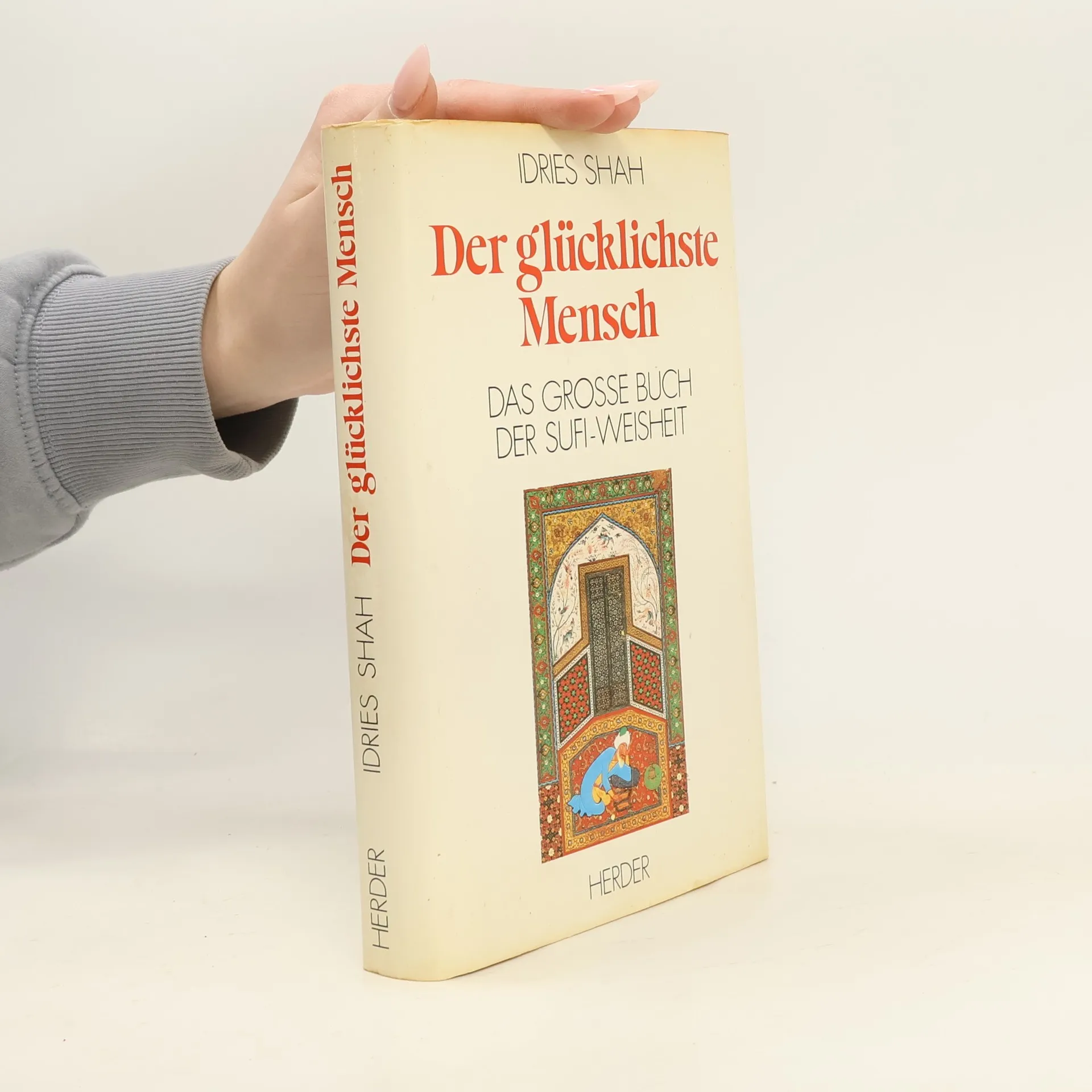
Der glücklichste Mensch
- 255pages
- 9 heures de lecture
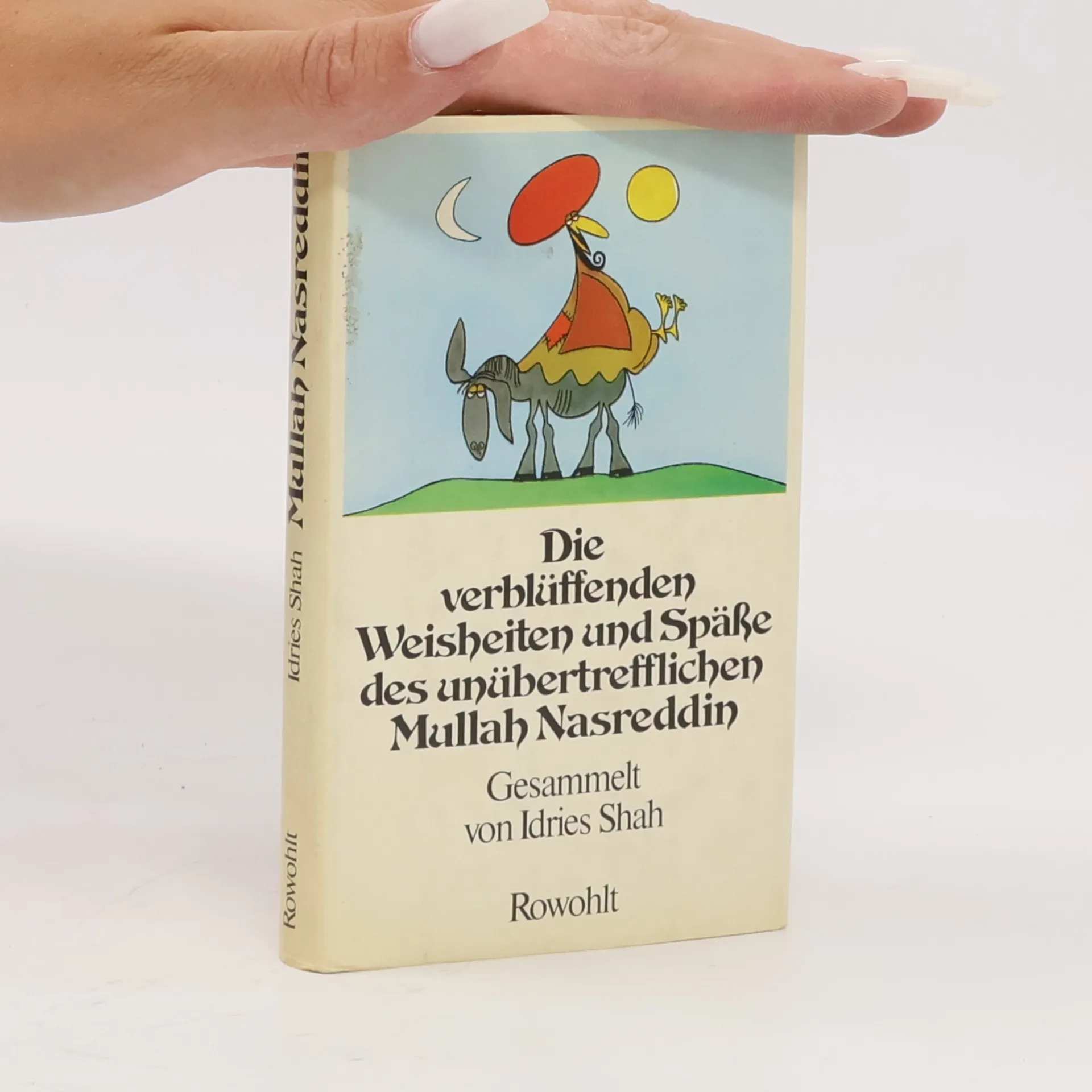
Die verblüffenden Weisheiten und Spässe des unübertrefflichen Mullah Nasreddin
- 94pages
- 4 heures de lecture
In dieser sehr humorvollen Geschichte hofft ein Mann gierig darauf, die Fähigkeiten und Sinne eines anderen Tieres zu besitzen, ist aber so ungeduldig, seinen Wunsch erfüllt zu bekommen, dass er sich dabei selbst in seinen Fähigkeiten einschränkt, anstatt sie zu verbessern. Dies ist eines aus einer Serie illustrierter Kinderbücher des afghanischen Philosophen und Lehrers Idries Shah, dessen Sammlung von Erzählungen und Lehrgeschichten die Herzen und Gemüter aus allen Lebensbereichen in ihren Bann gezogen haben. Es gehört in die reiche Geschichtenerzähler-Tradition Afghanistans, Zentralasiens und des Mittleren Ostens, die über 1000 Jahre alt ist. Lehrgeschichten sind speziell darauf ausgerichtet, das Denken und die Wahrnehmung zu fördern. Sie zeigen in ihrer Struktur und in der Bewegung ihrer Figuren solche Wege auf, Schwierigkeiten zu betrachten, die zur Lösung von Problemen beitragen können. Unter anderem zeigt diese einfache Geschichte den Kindern, wie ein blinder Impuls zu "gewinnen" - ohne die Konsequenzen zu bedenken - zum gegenteiligen Effekt führen kann.
Vogelverwandtschaft
Zweisprachige Ausgabe Deutsch-Dari
(Zweisprachige Ausgabe Deutsch-Dari) Der wertvollste Besitz eines wohlhabenden Kaufmanns ist ein wunderschöner Vogel. Während er glaubt, dass er das exotische Tier zu sehr liebt, um es freizulassen, lernt der Kaufmann, dass Tiere manchmal besser durch ein Beispiel lernen können als Menschen. Dies ist eines aus einer Serie illustrierter Kinderbücher des afghanischen Philosophen und Lehrers Idries Shah, dessen Sammlung von Erzählungen und Lehrgeschichten die Herzen und Gemüter aus allen Lebensbereichen in ihren Bann gezogen haben. Es gehört in die reiche Geschichtenerzähler-Tradition Afghanistans, Zentralasiens und des Mittleren Ostens, die über 1000 Jahre alt ist. Die Kinder lernen, dass es gut ist, Andere zu beobachten, wenn man etwas lernen will und dass manchmal die Taten der Anderen nicht das sind, was sie zunächst erscheinen.
Die Geschichte handelt von einem wohlhabenden Händler, der überzeugt ist, seine wunderschöne Haustier-Vogelart nicht freilassen zu können, weil er sie zu sehr liebt. Im Verlauf der Erzählung erkennt er, dass Tiere oft durch Nachahmung besser lernen können als Menschen. Diese Erkenntnis führt zu tiefen Einsichten über Freiheit und die Natur von Liebe sowie die Beziehung zwischen Mensch und Tier.
Die Geschichte folgt einem Mann, der in seiner Gier und Ungeduld versucht, die Fähigkeiten und Sinne eines Tieres zu erlangen. Statt seine Fähigkeiten zu erweitern, führt sein Vorhaben jedoch zu einer Einschränkung seiner eigenen Möglichkeiten. Der humorvolle Ansatz beleuchtet die Ironie seiner Wünsche und die unerwarteten Konsequenzen seiner Handlungen.
Der verwöhnte Junge mit der schrecklich trockenen Kehle
Zweisprachige Ausgabe Deutsch-Paschtu
- 42pages
- 2 heures de lecture
Die Geschichte erzählt von einem kleinen Jungen, der mit einer trockenen Kehle aufwacht, während um ihn herum hektische Versuche unternommen werden, sein Leiden zu lindern. Diener, Ärzte und Medizinstudenten greifen zu immer ungeeigneteren Mitteln, während die naheliegende Lösung ignoriert wird. Idries Shah, ein afghanischer Philosoph, nutzt diese humorvolle Erzählung, um die Tendenz der Menschen zu beleuchten, voreilig zu handeln, ohne erst nachzudenken. Das Buch ist Teil einer illustrierten Kinderbuchreihe, die die reiche Tradition des Geschichtenerzählens aus Afghanistan und dem Mittleren Osten fortführt.
Die humorvolle Erzählung handelt von einem Mann, der gierig nach den Fähigkeiten eines Tieres strebt, jedoch durch seine Ungeduld seine eigenen Fähigkeiten einschränkt. Diese Geschichte ist Teil einer illustrierten Kinderbuchreihe des afghanischen Philosophen Idries Shah, die auf der jahrhundertealten Tradition des Geschichtenerzählens in Afghanistan und dem Mittleren Osten basiert. Lehrgeschichten wie diese fördern das Denken und die Wahrnehmung und zeigen, wie blinde Impulse zu unerwarteten Konsequenzen führen können, was Kindern wichtige Lektionen über Geduld und Problemlösung vermittelt.
Der verwöhnte Junge mit der schrecklich trockenen Kehle
Zweisprachige Ausgabe Deutsch-Arabisch
- 42pages
- 2 heures de lecture
Die Geschichte handelt von einem kleinen Jungen, der mit einem trockenen Hals aufwacht. Während die Erwachsenen um ihn herum verschiedene Heilmittel ausprobieren, verschlimmern sich die Beschwerden, da sie die einfache und naheliegende Lösung übersehen. Diese humorvolle Erzählung zeigt auf, wie oft Erwachsene die Perspektive der Kinder ignorieren und bietet jungen Lesern die Möglichkeit, selbst die Lösung zu erkennen.
Die Geschichte dreht sich um einen wohlhabenden Kaufmann, der einen wunderschönen Vogel besitzt und ihn nicht freilassen kann, aus Angst, ihn zu verlieren. Durch seine Erfahrungen erkennt er, dass Tiere oft durch Vorbilder lernen können, was eine tiefere Lektion über Freiheit und Verständnis vermittelt. Dieses Buch ist Teil einer illustrierten Kinderbuchreihe des afghanischen Philosophen Idries Shah, die auf der reichen Tradition des Geschichtenerzählens in Afghanistan und Zentralasien basiert. Es lehrt Kinder, dass Beobachtung und das Verständnis der Handlungen anderer wichtig sind.
Idries Shah präsentiert in diesem Klassiker die bedeutendsten Texte großer Sufi-Meister und enthüllt die Weisheit der östlichen Derwische und Magier durch originelle Lehrgeschichten, die uns mit überraschenden Erfahrungen konfrontieren und eine verborgene Tradition der Kulturgeschichte neu entdecken.
De wapenfeiten van de onnavolgbare Moela Nasroeddin
- 158pages
- 6 heures de lecture