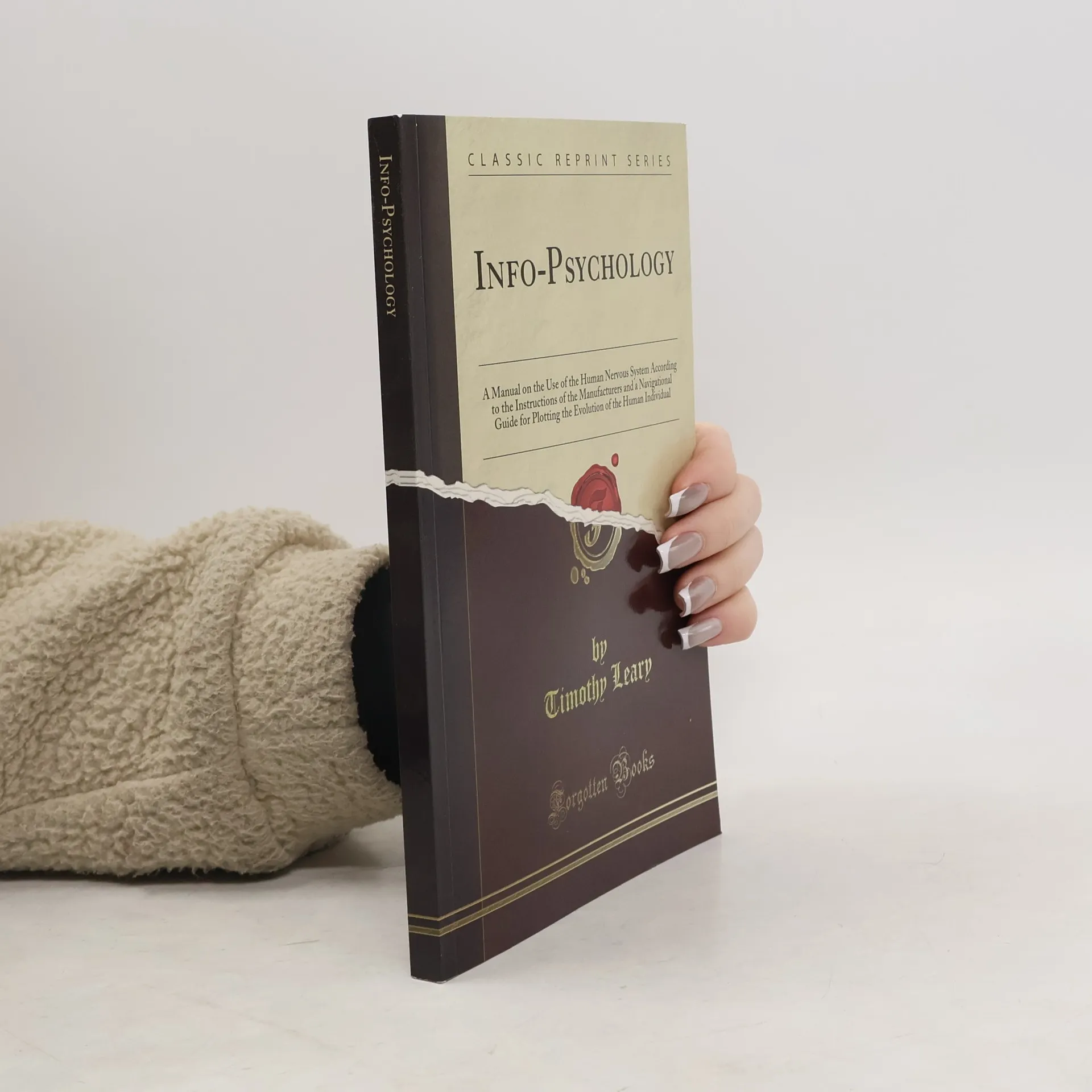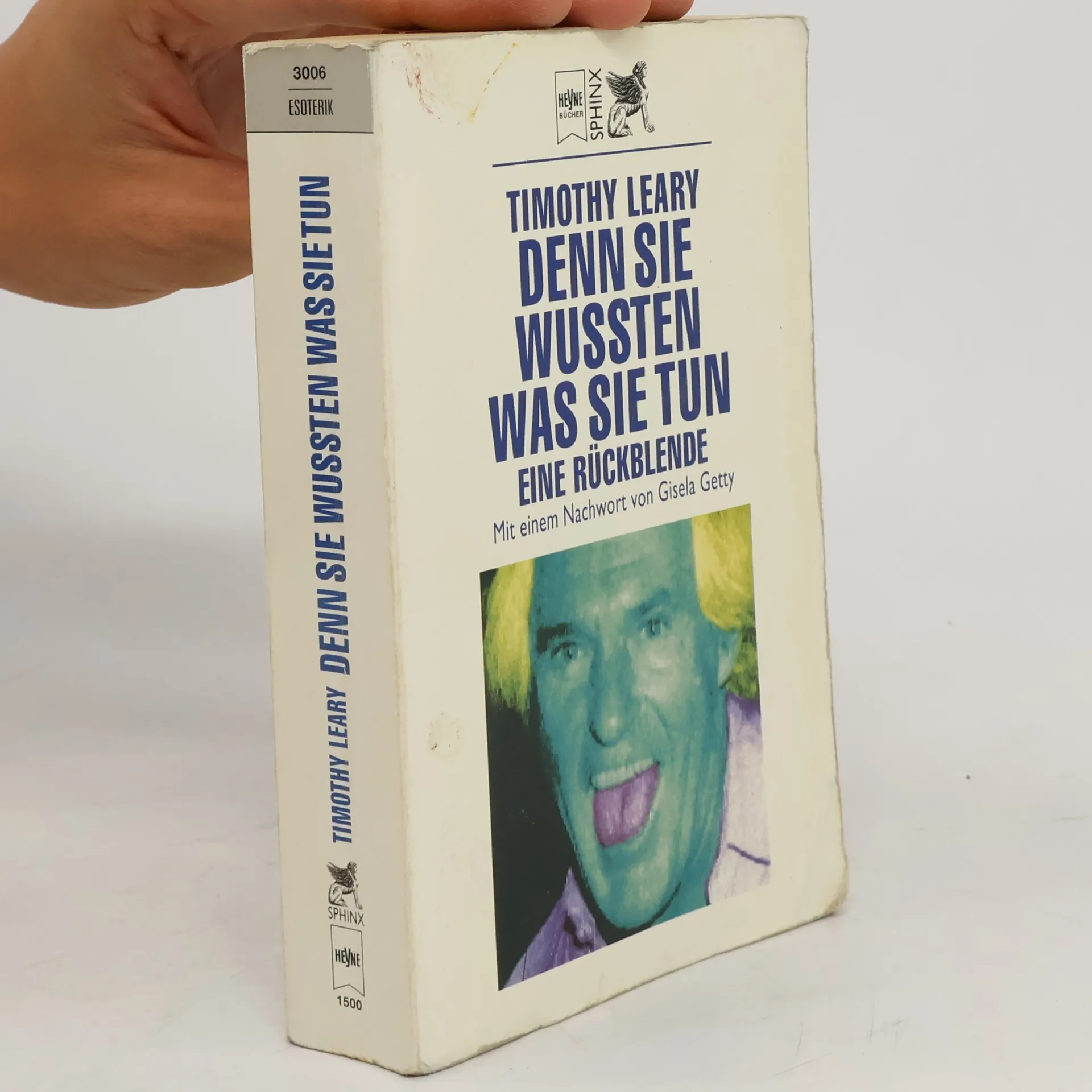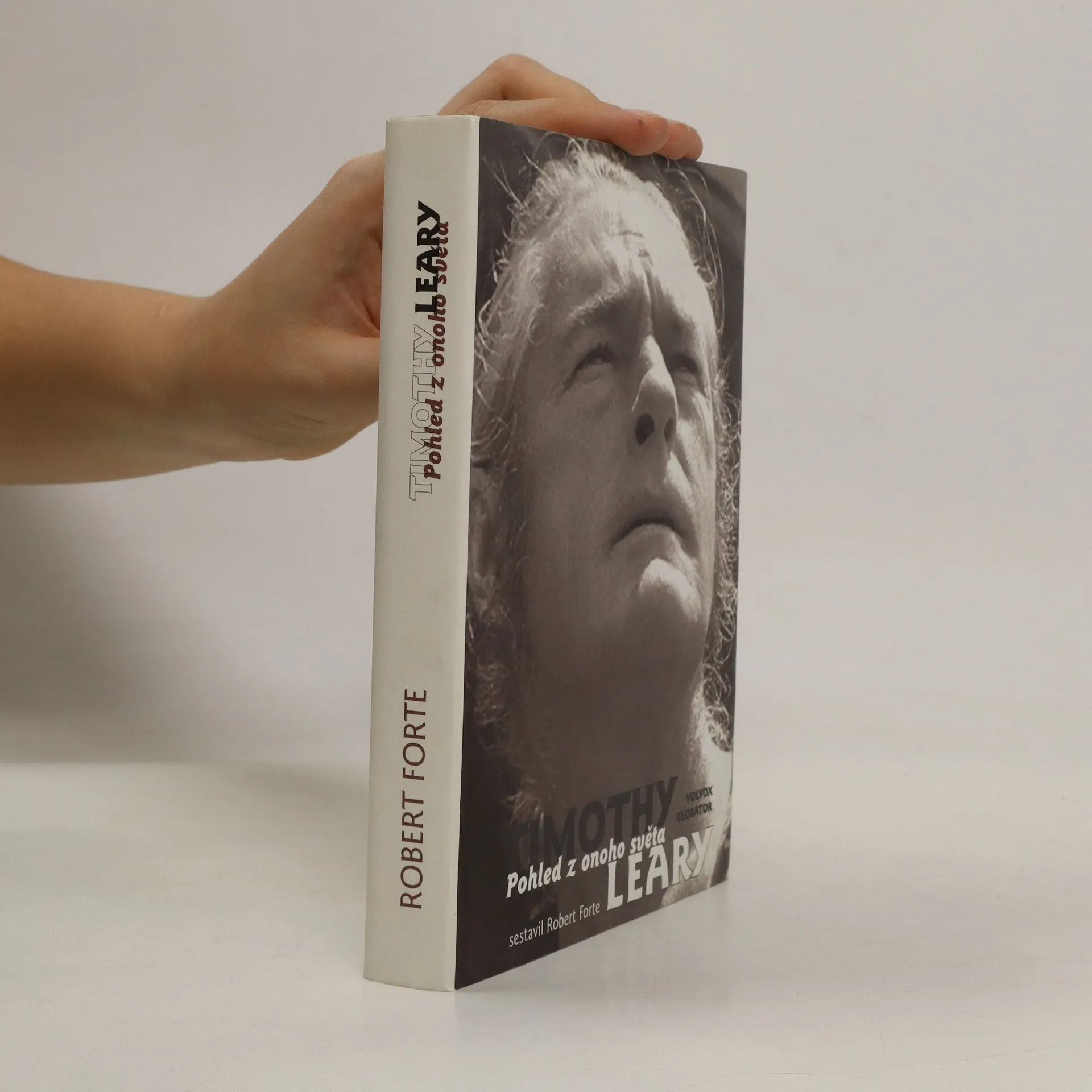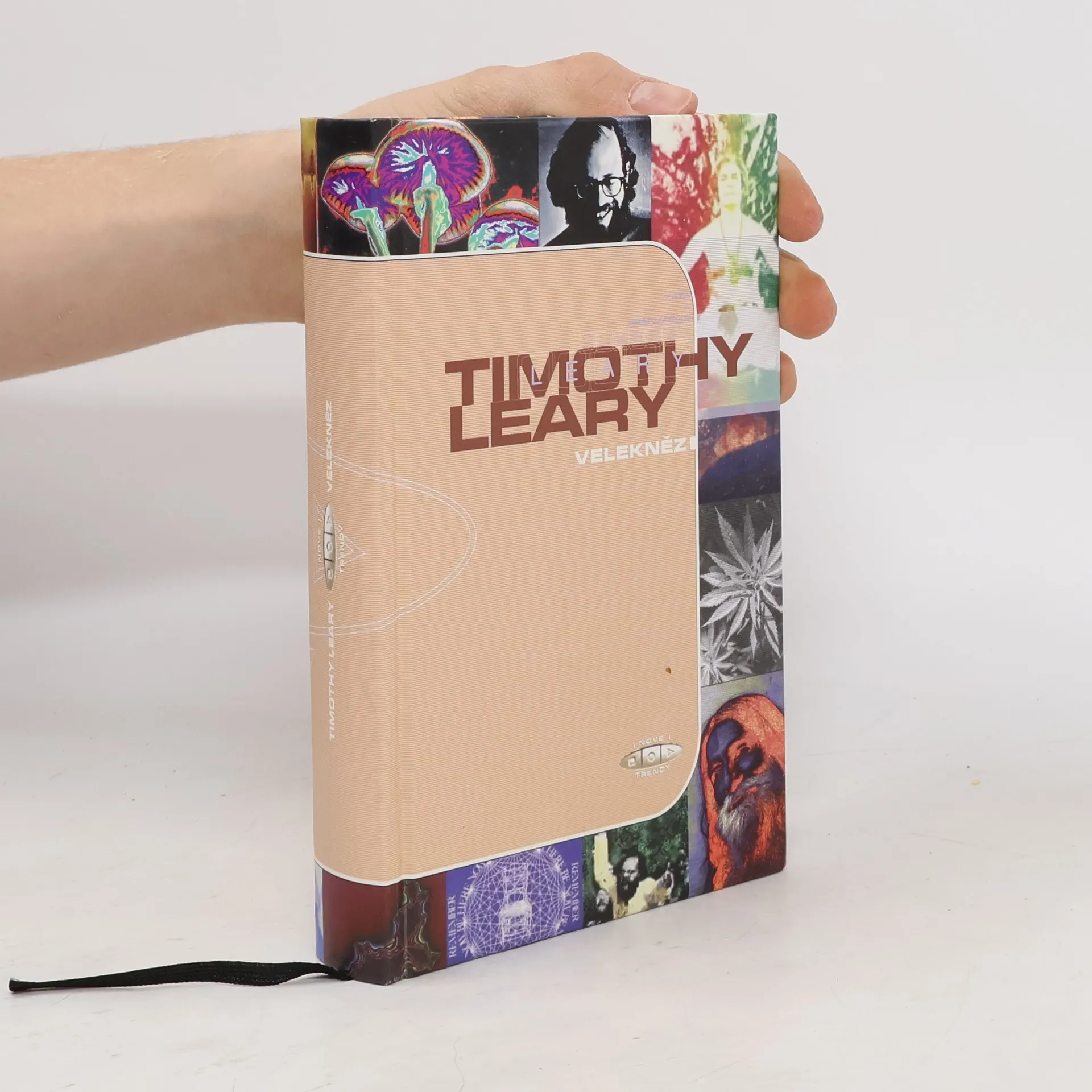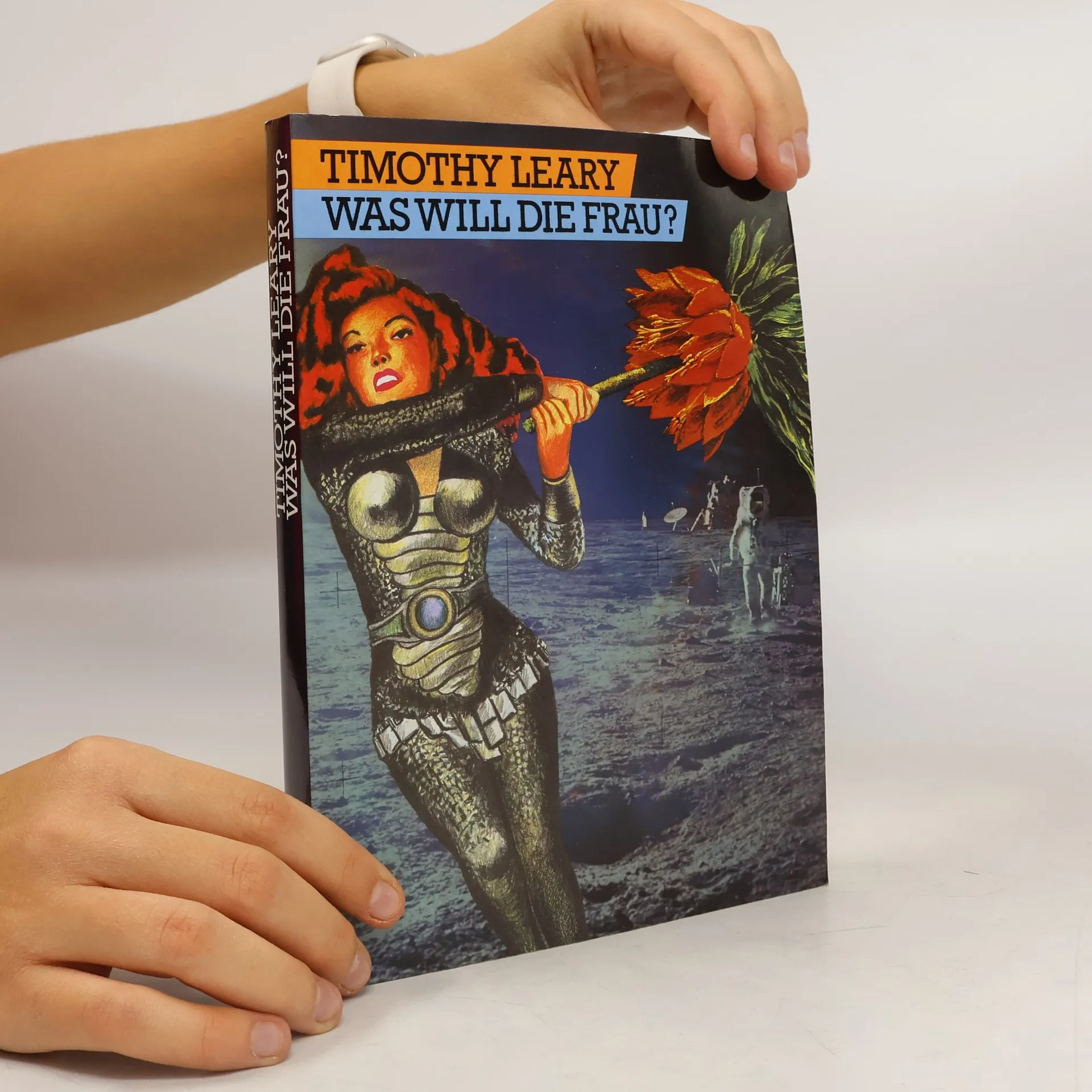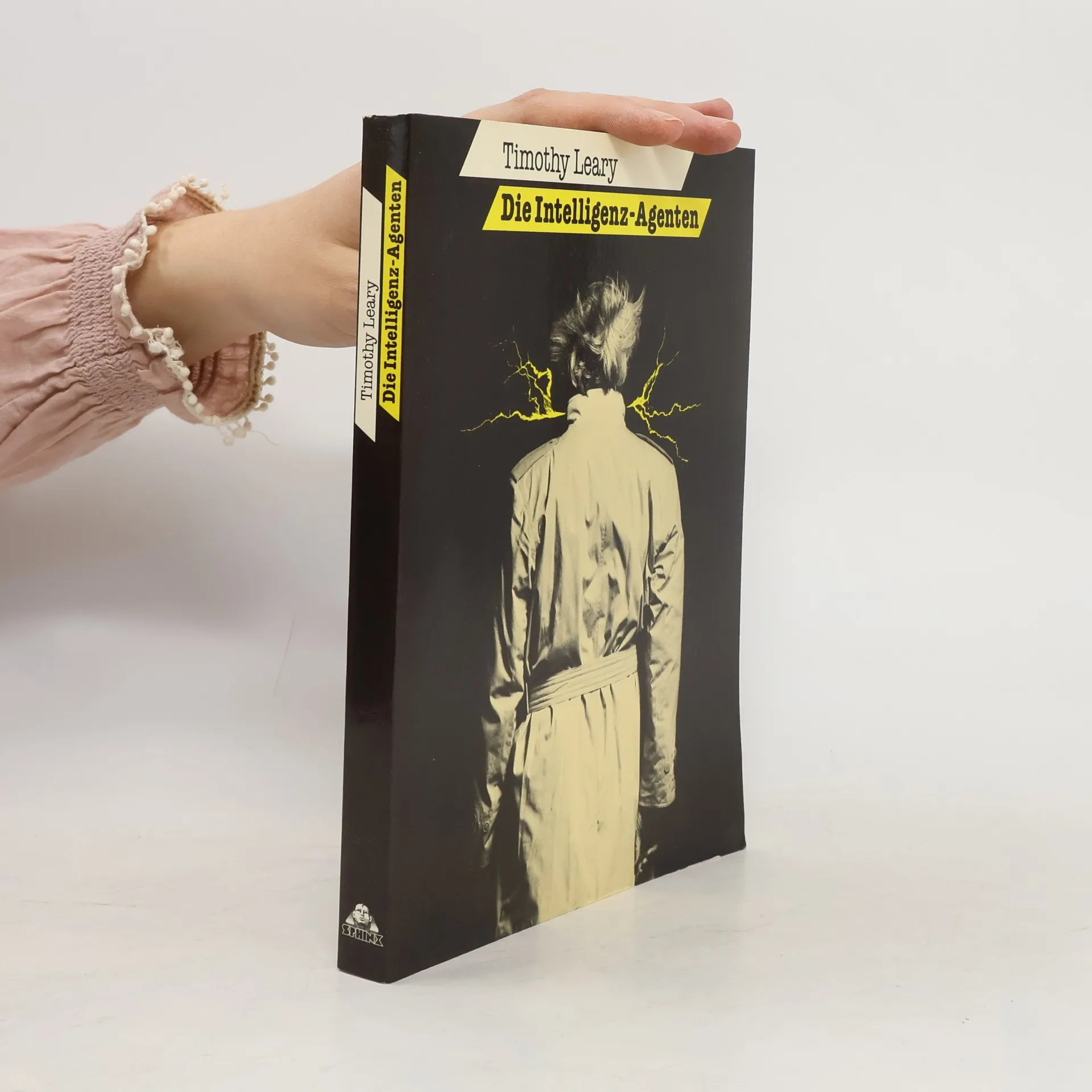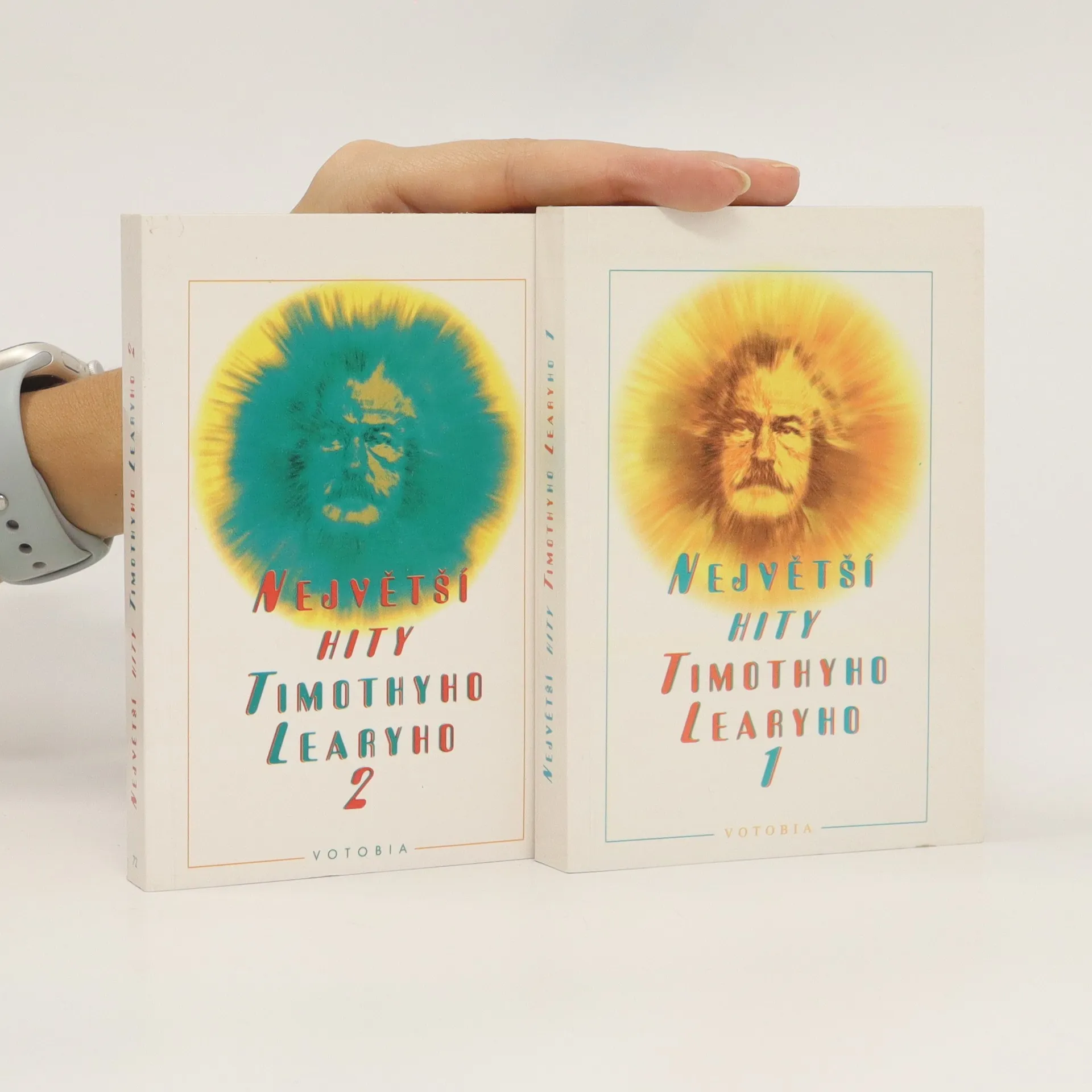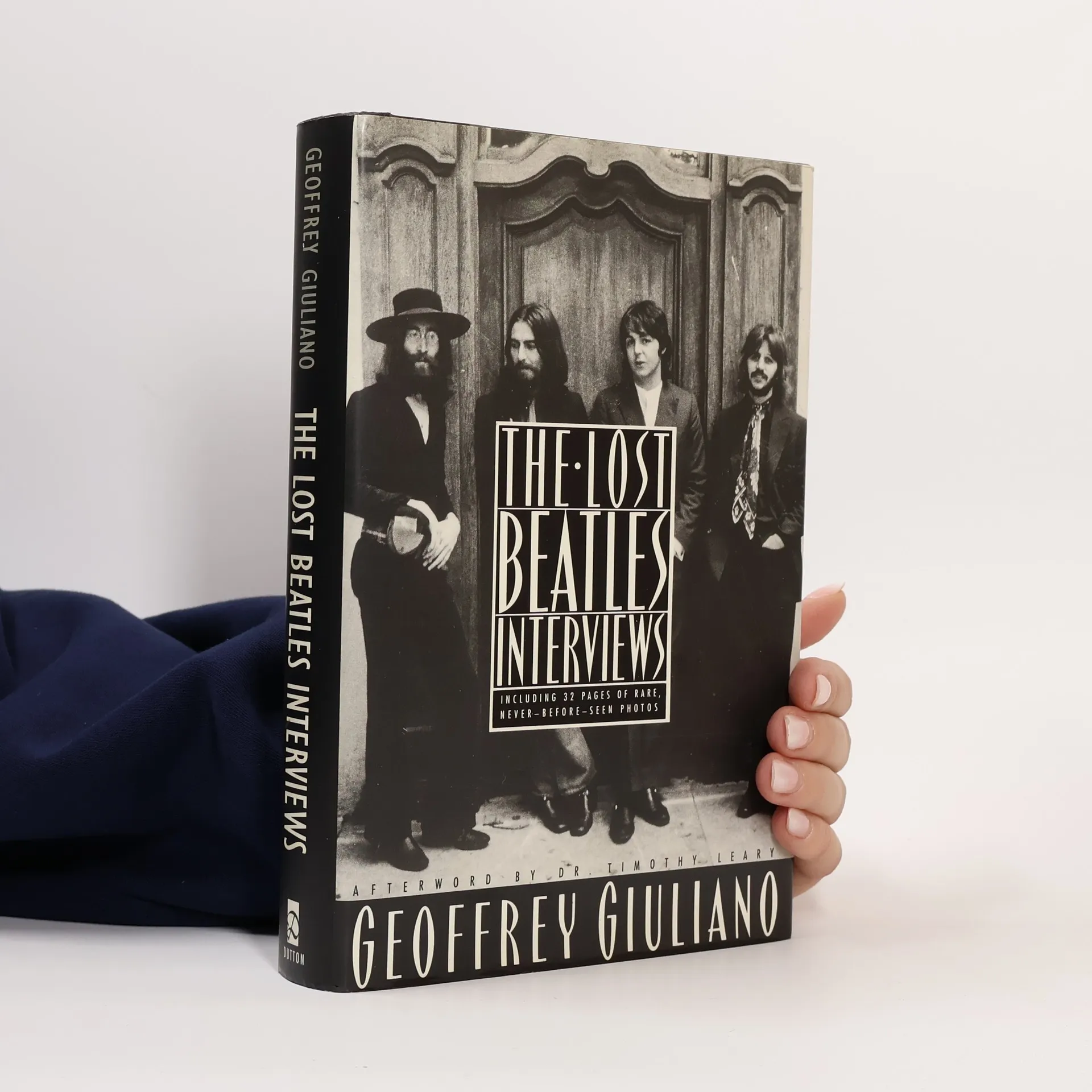
The Psychedelic Reader
- 256pages
- 9 heures de lecture
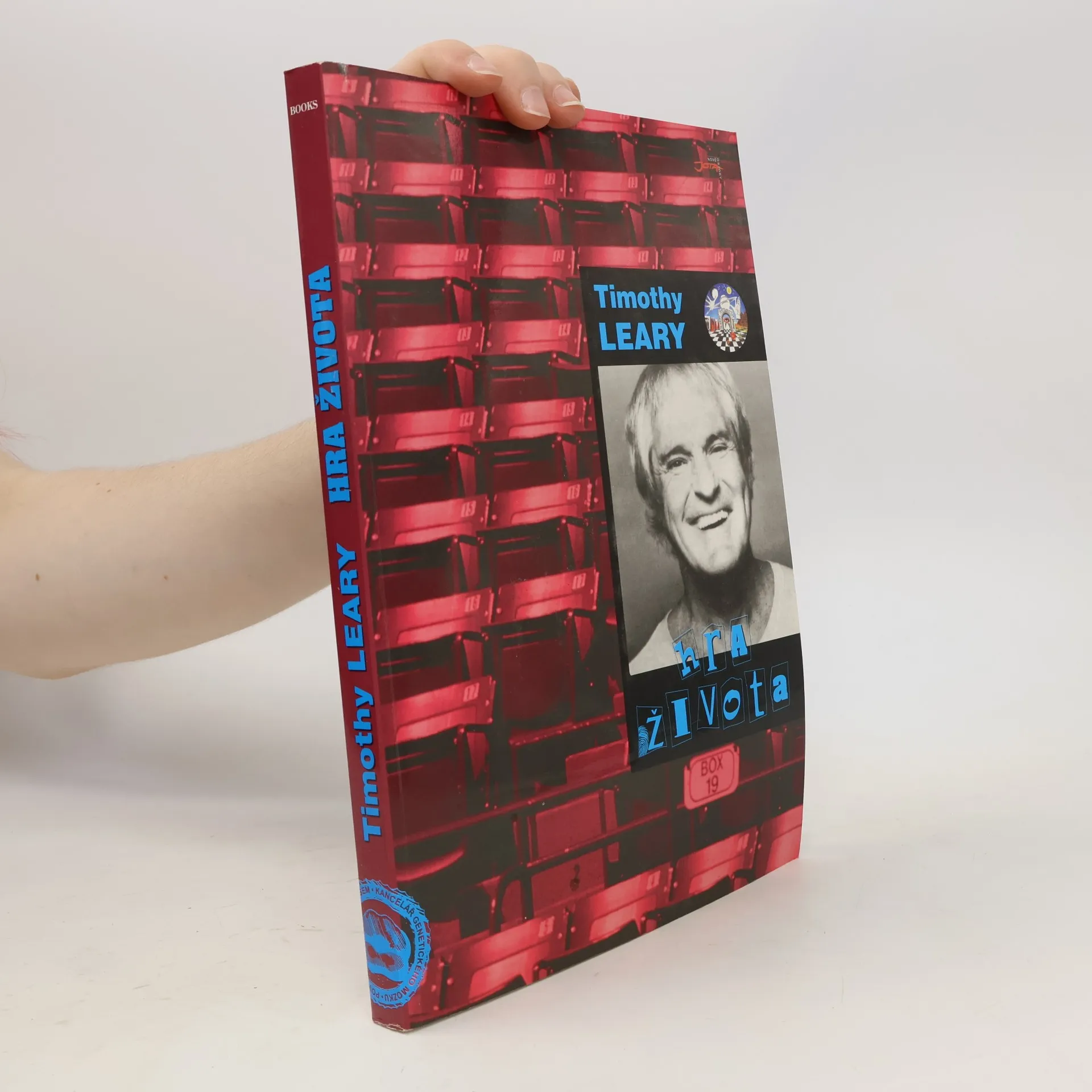
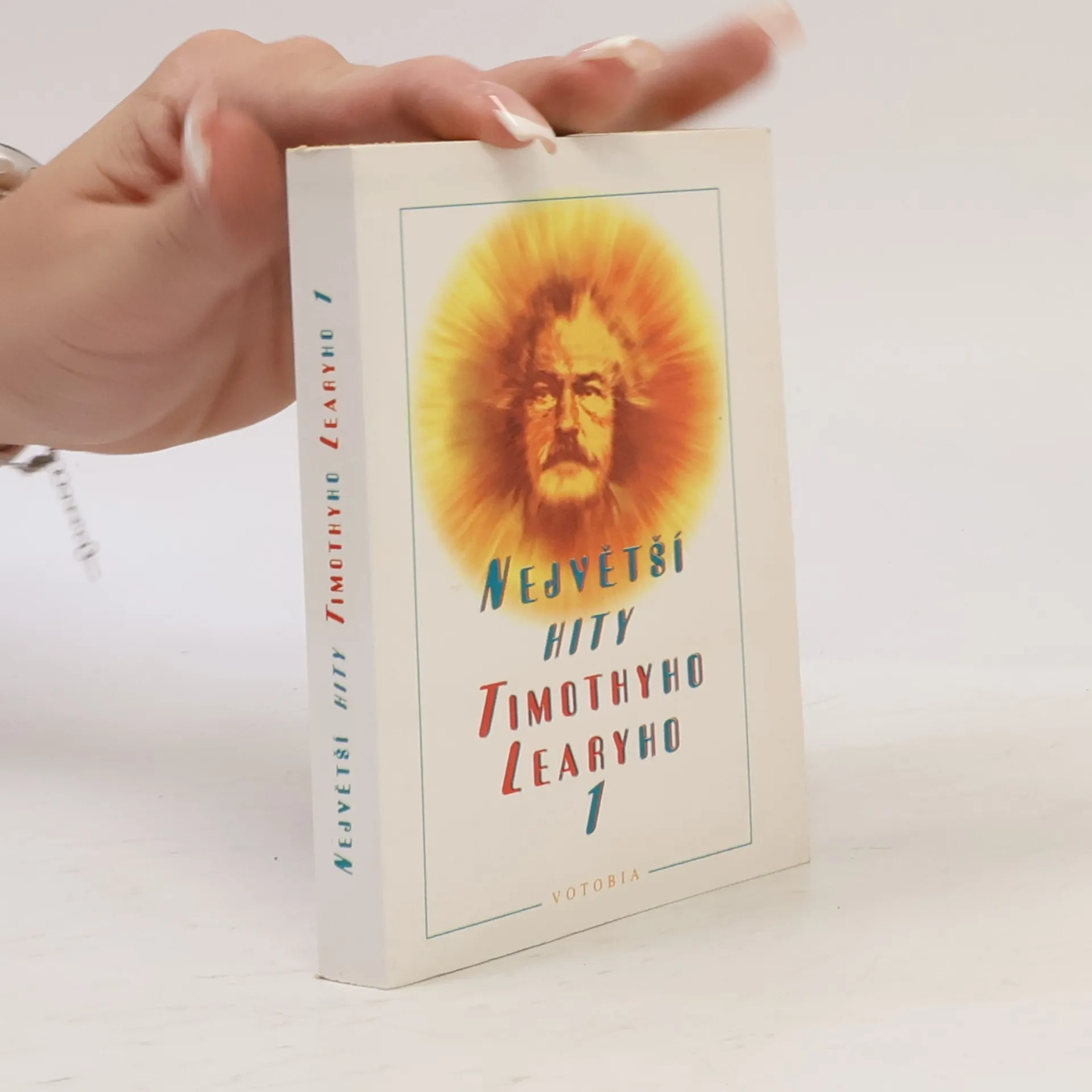
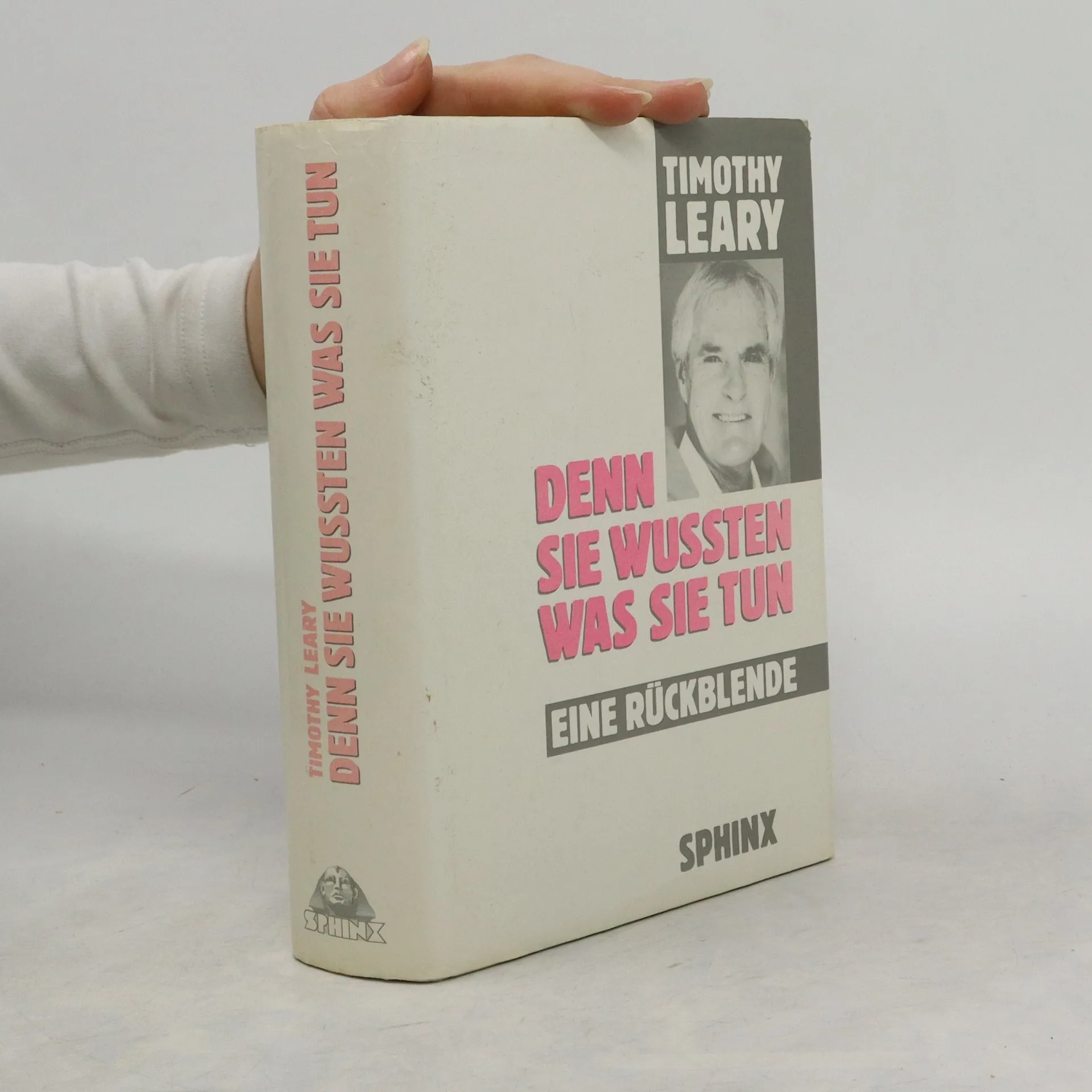
Timothy Leary était un écrivain, psychologue et futurologue américain, célébré comme un pionnier dans la recherche et la promotion des drogues psychédéliques. Icône emblématique de la contre-culture des années 1960, il est surtout connu pour avoir défendu les bienfaits thérapeutiques et spirituels du LSD. Leary a inventé et popularisé le slogan "Turn on, tune in, drop out", résumant sa philosophie sur l'expansion de la conscience et le retrait de la société.


Timothy M. O'Leary is a firm believer that decisions about improvements, whether they be for a teacher or school, need to be based on fact, not fancy. In Classroom Vibe he uses data to demystify why some classrooms are primed for learning while others aren't and explains why strategies for change in schools often fail. In breaking down the atmosphere of the classroom as experienced by the students – the 'classroom vibe' – he gives teachers practical steps for improving theirs.The author argues that when teachers focus their improvement efforts on the 'vibe' in each of their classrooms and school leaders focus on supporting their teachers in this endeavour, everyone benefits. He provides a clear framework that highlights how the culture of a classroom can determine whether important teaching strategies will succeed or fail.
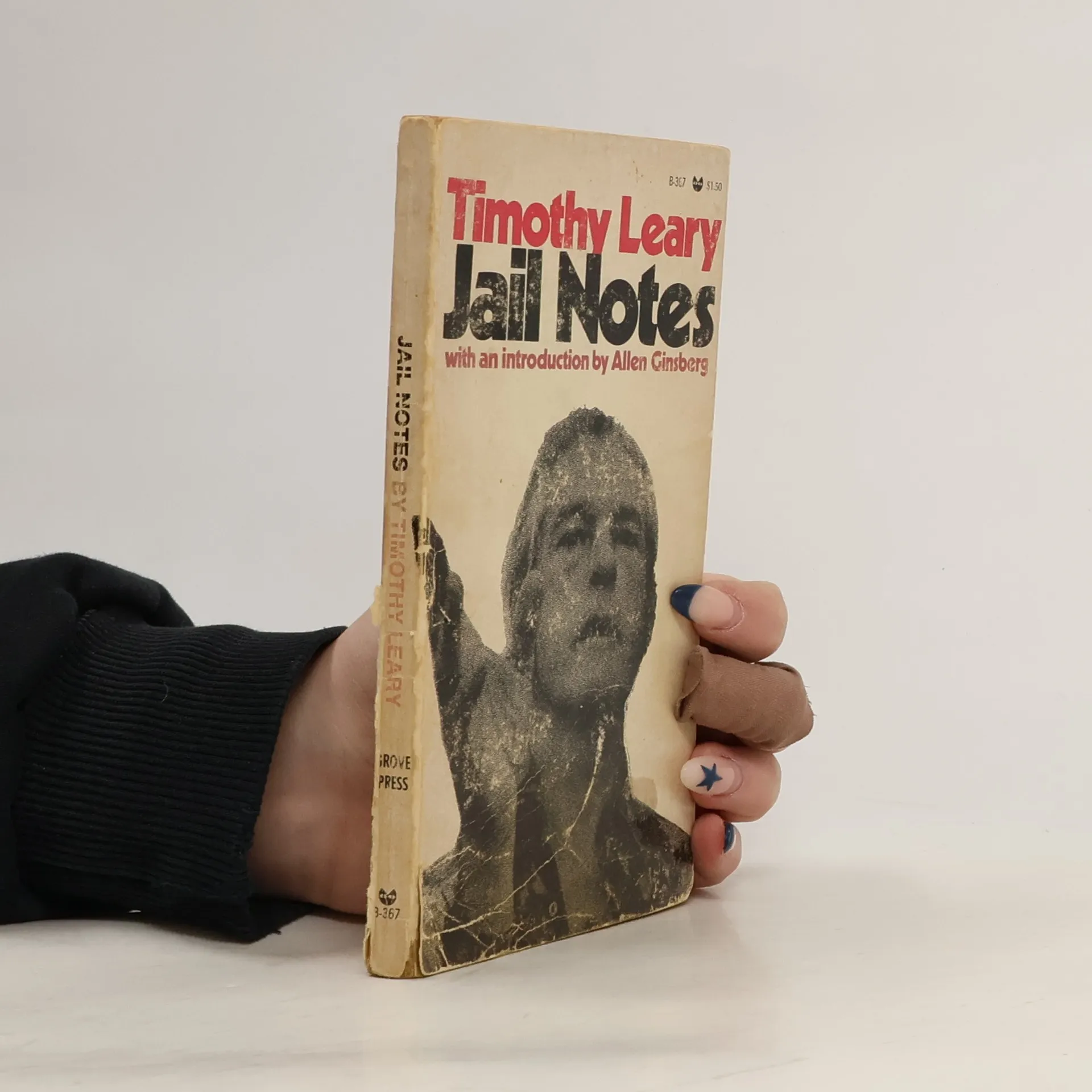
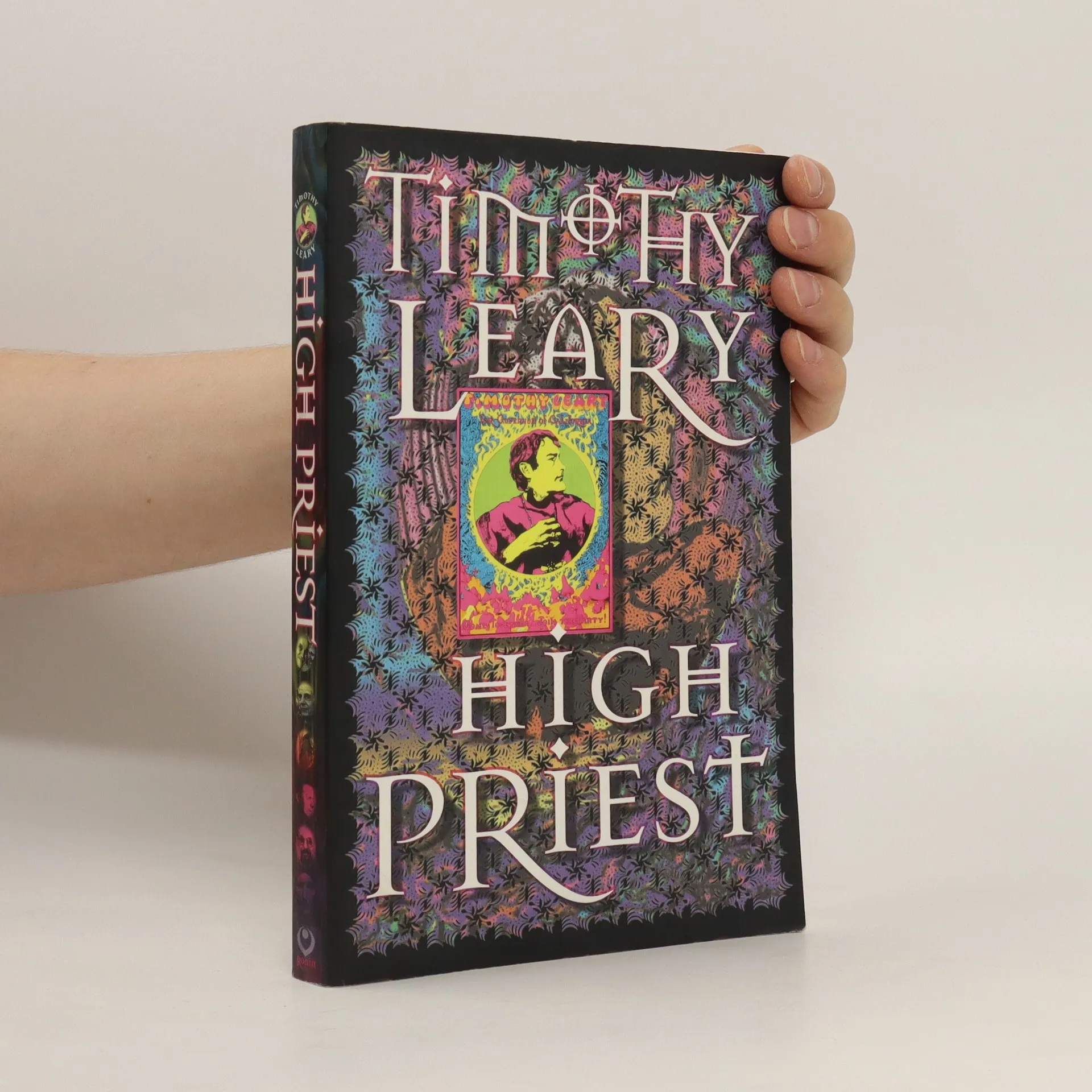
Back in print after 20 years, this text from the earliest days of psychedelia chronicles the experiences on 16 acid trips taken before LSD was illegal. The trip guides or "high priests" included Aldous Huxley, Ram Dass, Ralph Meltzner, Huston Smith and a junkie from New York City named Willy. It tells of the goings-on and freaking out at the Millbrook mansion in New York State that became the Mecca of psychedelia during the 1960s, and of the many luminaries who made their pilgrimage there to trip with Leary and his group. Chapters include an I Ching reading and a chronicle of what happened during those "spacewalks" of the mind.
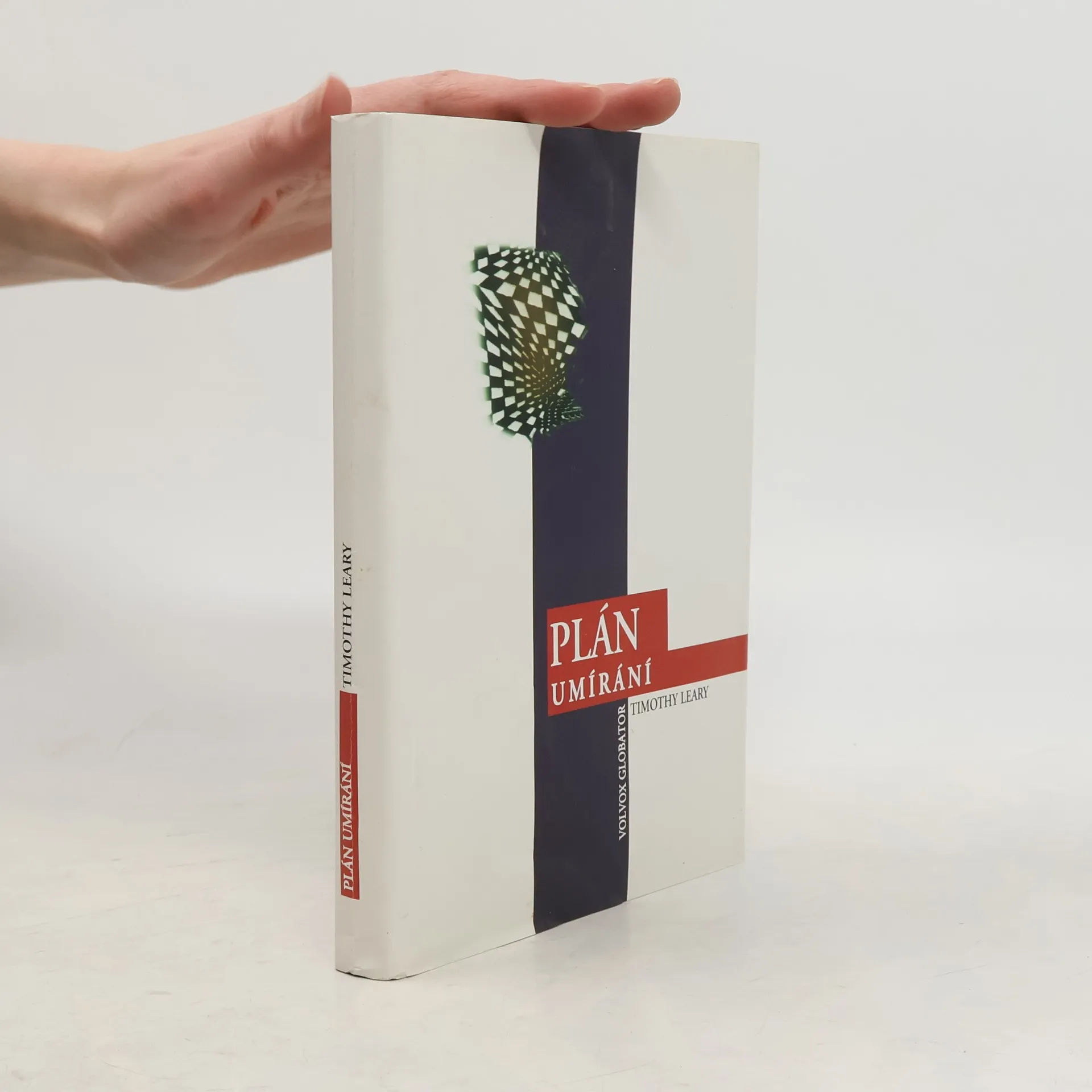
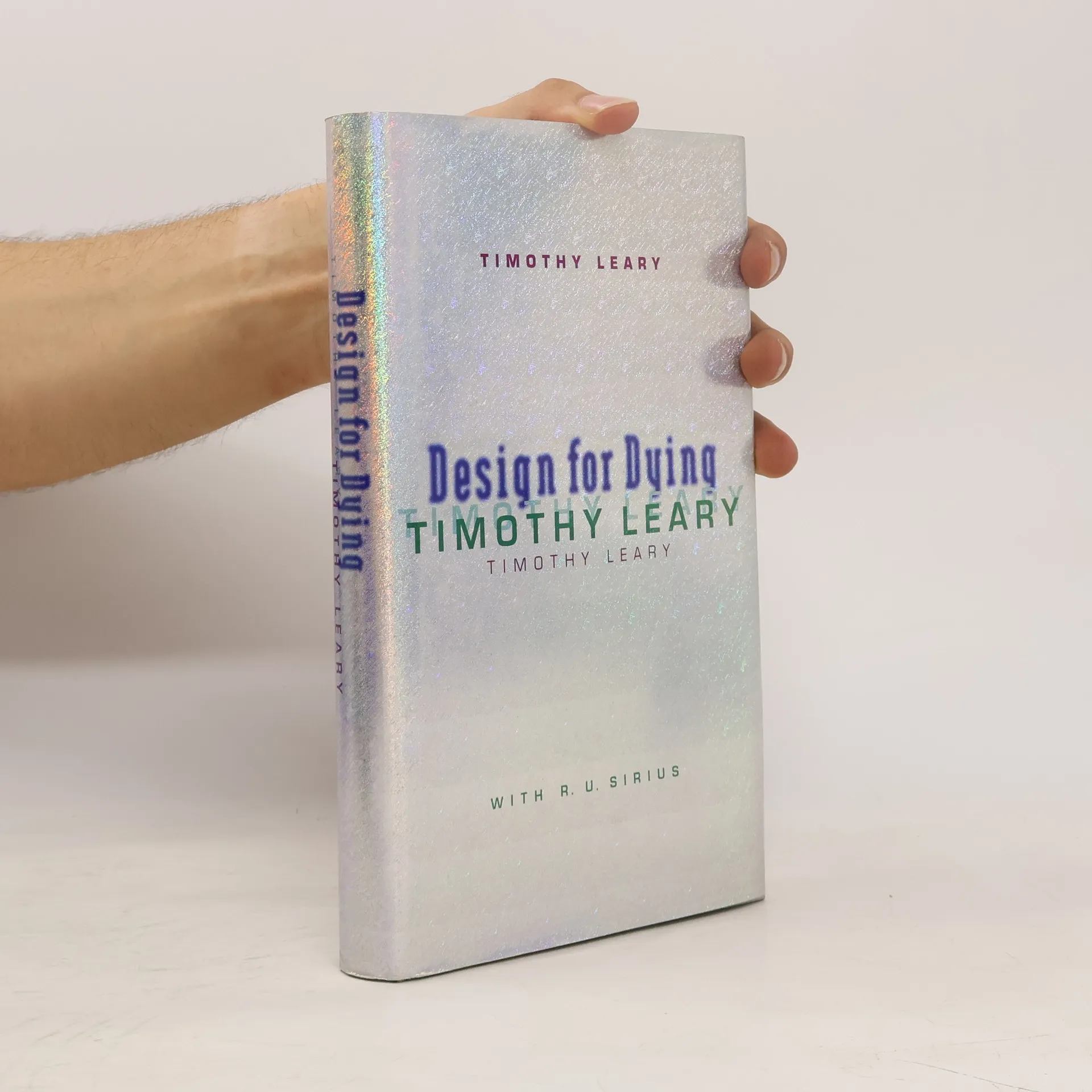
As the fringe guru himself put it, "Mademoiselle Cancer moved in to share [his] body." But in the days before he died, Leary -- never one to miss an opportunity for a party -- used his approaching death to create an exuberant new vision of what dying can be. Optimism, courage, joy and spirituality were central to Leary's final days and his death. Design for Dying -- Leary's last book -- shows us how we too can make dying the high point of life. Irreverent, thought-provoking and hilarious, Leary's parting shot pioneers new ways to die and new ways for the living to think about death. Urging us to take control of our deaths (and even to determine when and how we will die), Leary relates his own plan for "directed dying," a death we plan and orchestrate to reflect our own lives and values. And the psychedelic prophet flings open a whole new range of beyond-death possibilites for the wired generation. From downloading consciousness onto the Net -- so that our souls can outlive our bodies -- to the way technology can enhance the final days of the dying to the far-out promises of cryogenics, Leary provides fascinating insights into how technology may eventually help us improve, and even sidestep, death. A thorough guide to death and dying resources and to online tools and further reading lists completes this surprising, funny and totally original look at the new frontiers of death. Speaking to everyone who has ever wondered if there's more to death - -if there's life beyond the final frontier, if death really means the end, if dirges and hearses and funeral flowers are really how we want to be remembered -- Leary's flamboyant final statement rteveals revolutionary ways to die and redefines, with Leary's trademark creativity and joy, how the living can think about death.
Timothy Leary, Ph.D. has been a world-renowned psychologist, a defrocked Harvard professor, a relentless champion of brain change, a reputed drug guru, a stand-up philosopher, and a prisoner of the Nixon administration. He has been called 'the most dangerous man on the planet.' While in prison, at time in solitary confinement, he wrote the first version of this book. ("I must confess that at that time I was alienated, a bit daft and given to occasional fits of irritation. So color the first version of this book indigo—as in Jail House Blues.") Now revised and updated, Neuropolitique presents some of Dr. Leary's best ideas, his reflections on the past and his hope for the future.
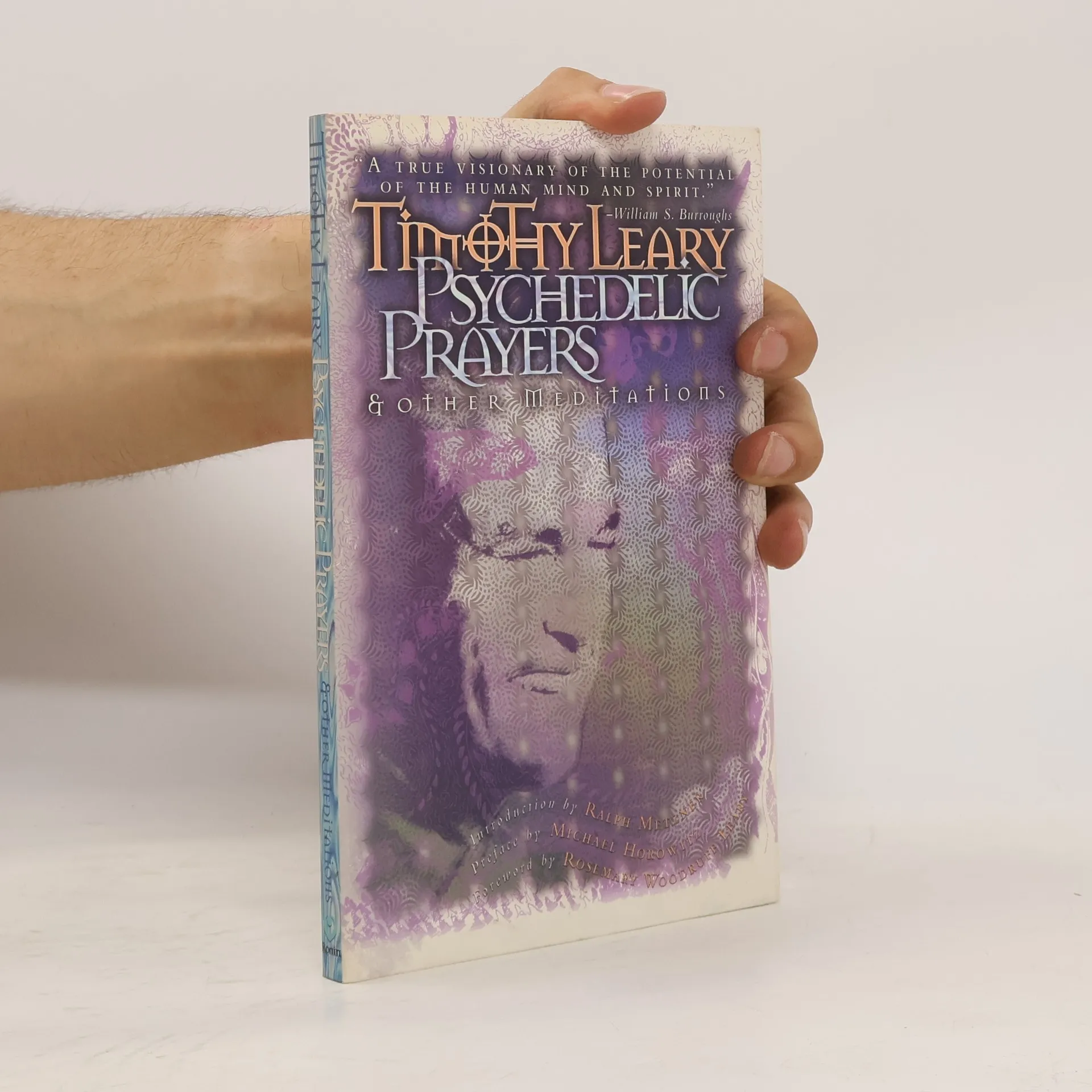
Written while Leary was visiting India in 1965 and finished the following year, Psychedelic Prayers is an adaptation of Book 1 of the Tao Te Ching. With a new Introduction by Ralph Metzner, Leary's Harvard colleague, this book of poetry and meditations is being published in its first new edition in 25 years. Illustrations/photos.
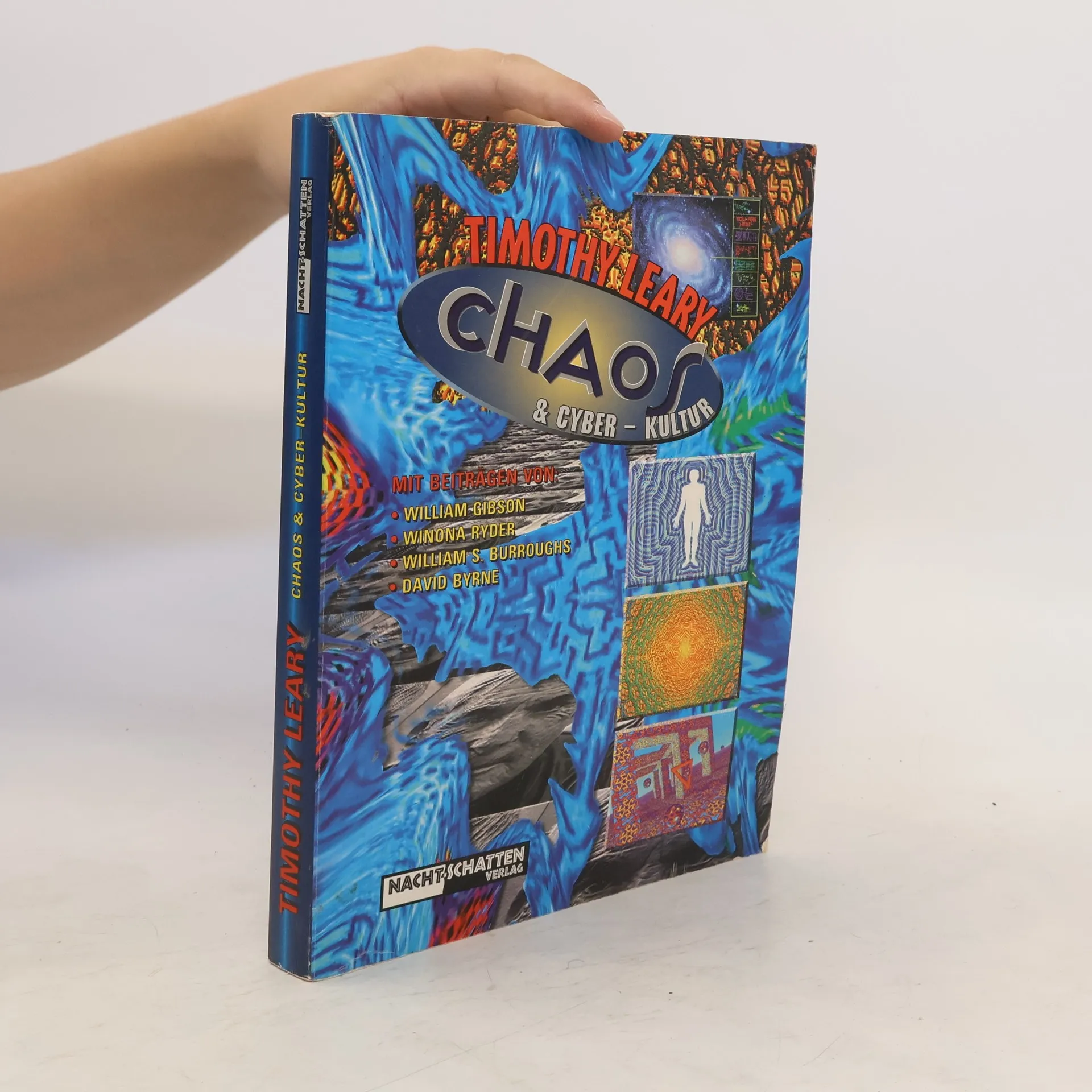
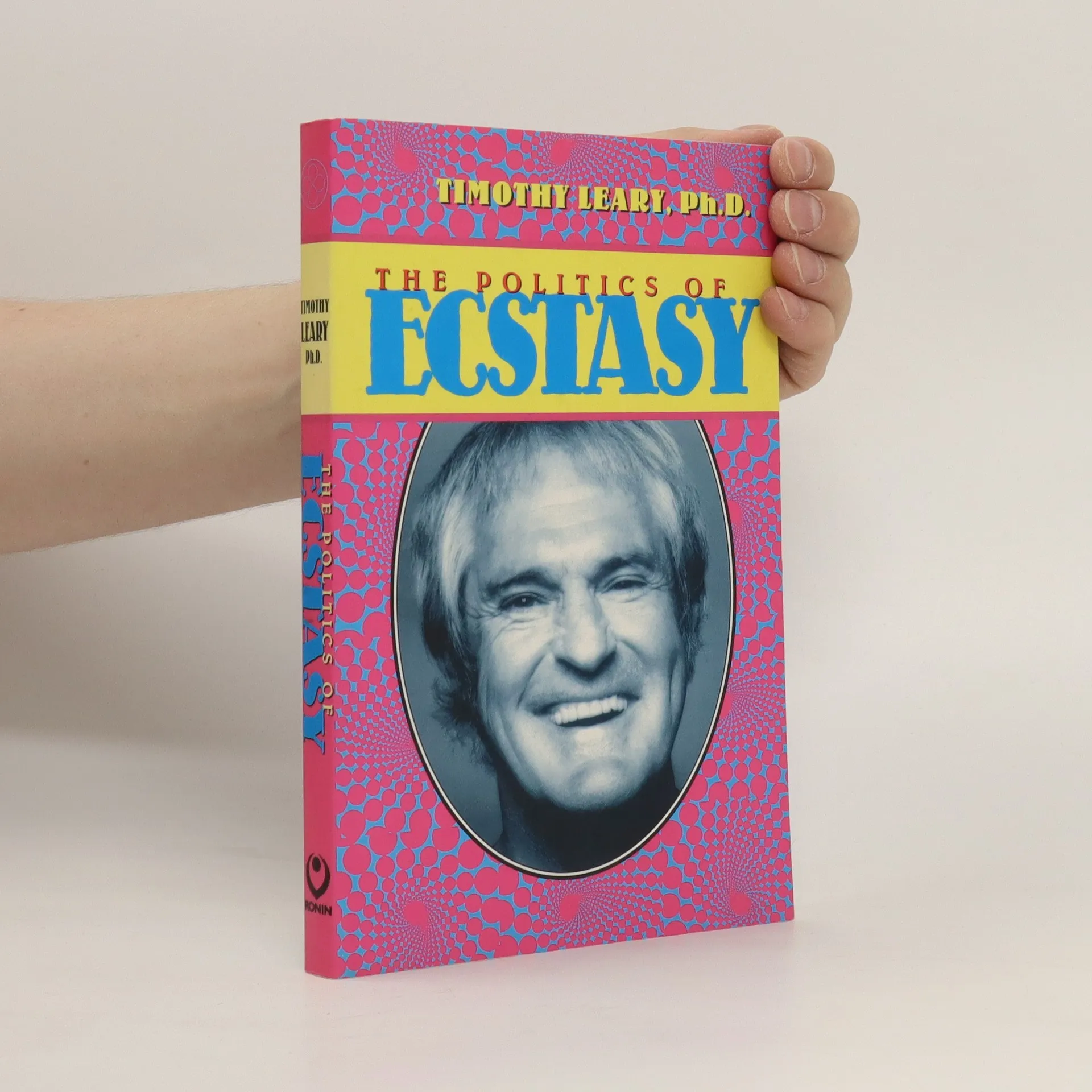
Now repackaged with a striking new cover by renowned cyber-artist Brummbauer, this collection of 22 essays, speeches, and interviews, first published in 1968, presents psychedelic pioneer Timothy Leary at his most influential, provocative, and outrageous. Photos & illustrations.
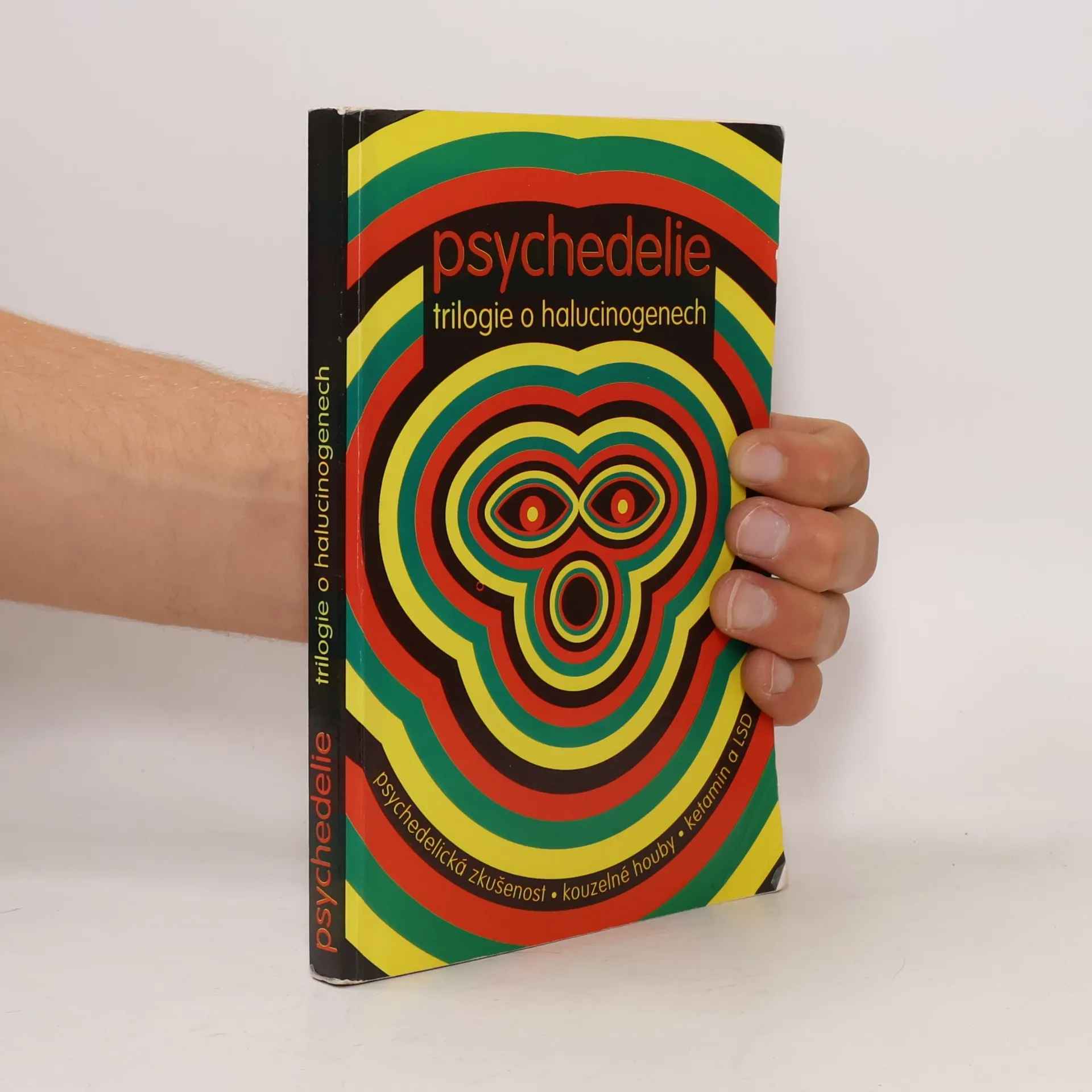
Written in the psychedelic era, Turn On, Tune In, Drop Out is Timothy Leary at his best, beckoning with humor and irreverence, a vision of individual empowerment, personal responsibility, and spiritual awakening. Includes:o Start Your Own Religion o Education as an Addictive Process o Soul Session o Buddha as Drop-Out Mad Virgin of Psychedelia God's Secret Agent o Homage to Huxley o The Awe-Ful See-Er o The Molecular Revolution o MIT is TIM Backwards o Neurological Politics"Trickster is a major figure in American Indian folk Wisdom. Also in Sufi Tales … a certain type of "rascal"-with a grin and a wink (and wisdom beyond wisdom) … in the Zen tradition this is known as the School of Crazy Wisdom … Timothy Leary-in his own inimitable way-has become the twentieth century's grand master of crazy wisdom …" - Dr. Jeffrey Mishlove
Timothy Leary (1920-1997) was one of the most controversial figures of the 1960s, the man who urged a generation to turn on, tune in, and drop out. Now, nearly two years after his death, this manuscript has emerged comprising his best writings about sexuality. Beginning with an account of his first sexual encounter -- his own conception -- Leary takes readers on an exploration of the link between sexuality and the mind. Each short chapter contains either a traditional or novel approach to what Leary called "improving your navigational control over your pleasure cruises," including Hindu methods for stimulation via hypnogogic yantras, chemical aphrodisiacs, and neurolingual tricks for arousal.
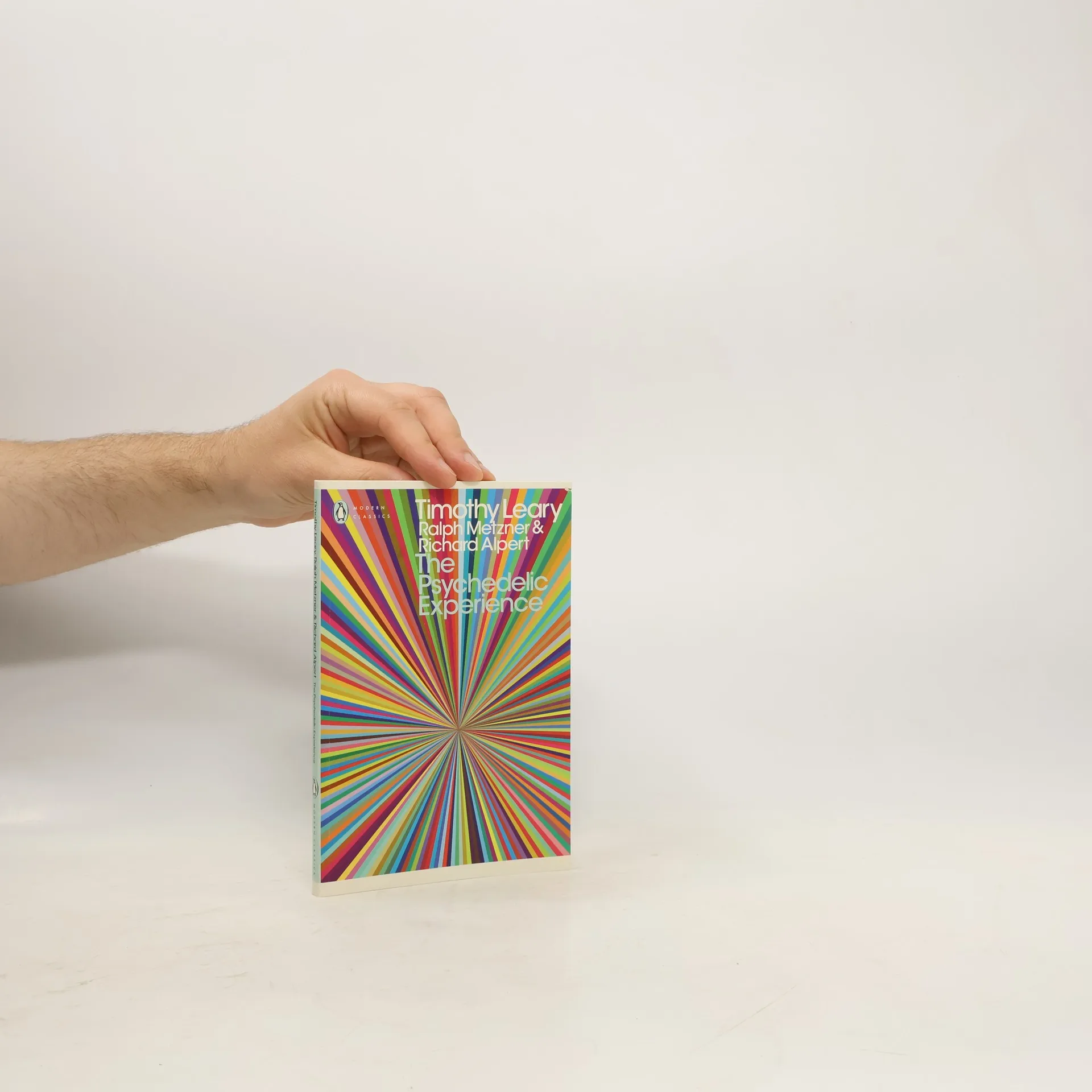
The Psychedelic Experience, Created By The Prophetic Shaman-Professors Timothy Leary, Ralph Metzer And Richard Alpert, Is A Foundational Text That Serves As A Model And A Guide For All Subsequent Mind-Expanding Inquiries. In This Wholly Unique Book, The Authors Provide An Interpretation Of An Ancient Sacred Manuscript, The Tibetan Book Of The Dead, From A Psychedelic Perspective. The Psychedelic Experience Describes Their Discoveries In Broadening Spiritual Consciousness Through A Combination Of Tibetan Mediation Techniques And Psychotropic Substances.