When viewing a photograph, conversations often begin and end with simple statements like, “I like it,” without delving into the crucial follow-up question, “Why?” Photographers frequently struggle to articulate their thoughts about images because they lack an understanding of how to analyze them. If we don’t grasp the “visual language”—how an image is constructed and why it works—can we truly create photographs that communicate our vision effectively? While vision is important, expression is the ultimate goal of photography. To express ourselves fully, we must learn the grammar and vocabulary of visual language. This book focuses on mastering this language to articulate why and how a photograph succeeds, enabling photographers to consciously apply it in their work. By breaking down visual language into two main components—“elements” as vocabulary and “decisions” as grammar—David duChemin makes complex concepts accessible and practical for photographers. Elements include lines, curves, light, color, and contrast, while decisions involve framing, perspective, and focus. Every component within the frame carries meaning, requiring deliberate choices. In the latter half, duChemin illustrates this methodology through 20 of his own images, analyzing how intentional choices contribute to their success.
David Duchemin Livres
David duChemin est un photographe humanitaire et mondial, auteur à succès et leader international d'ateliers.
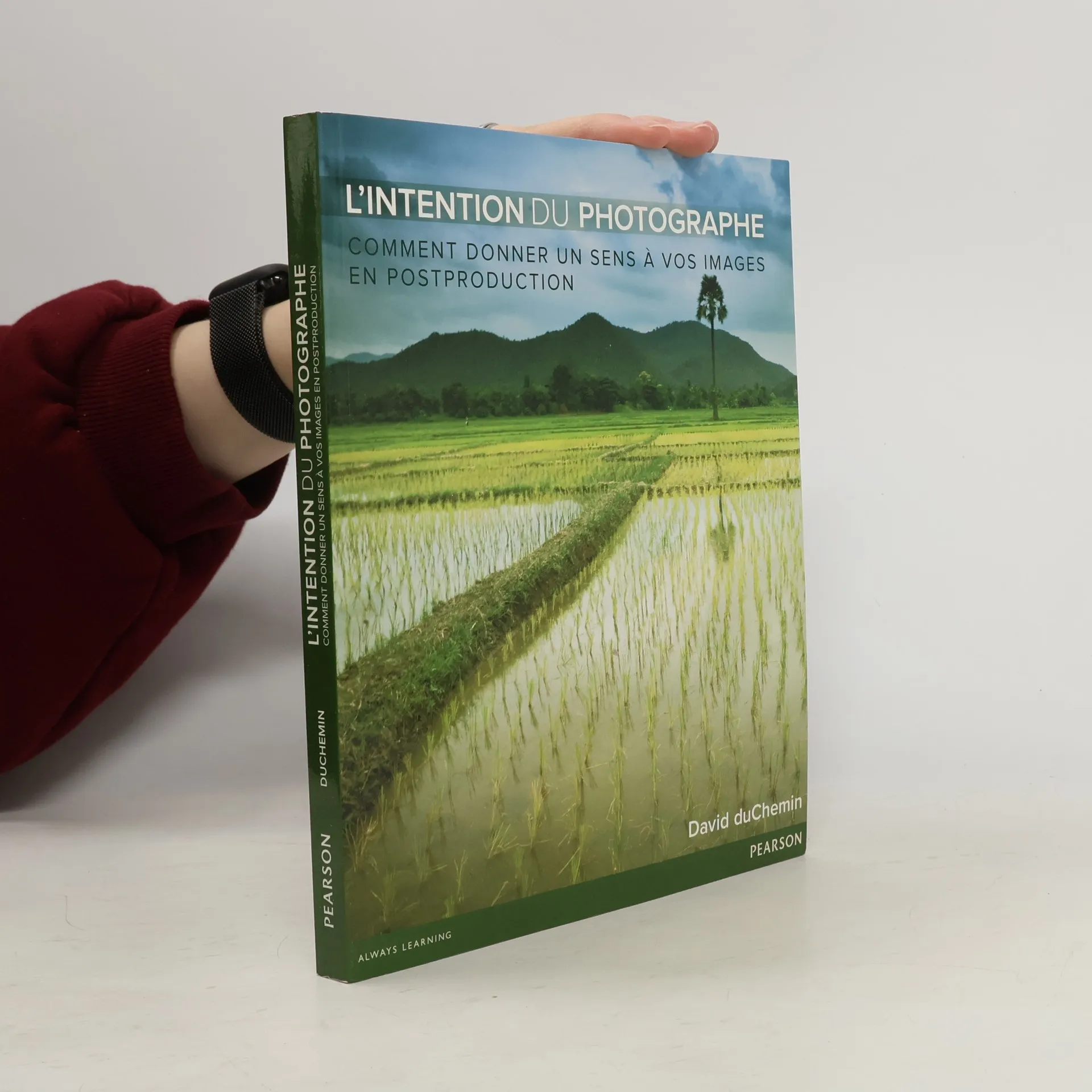
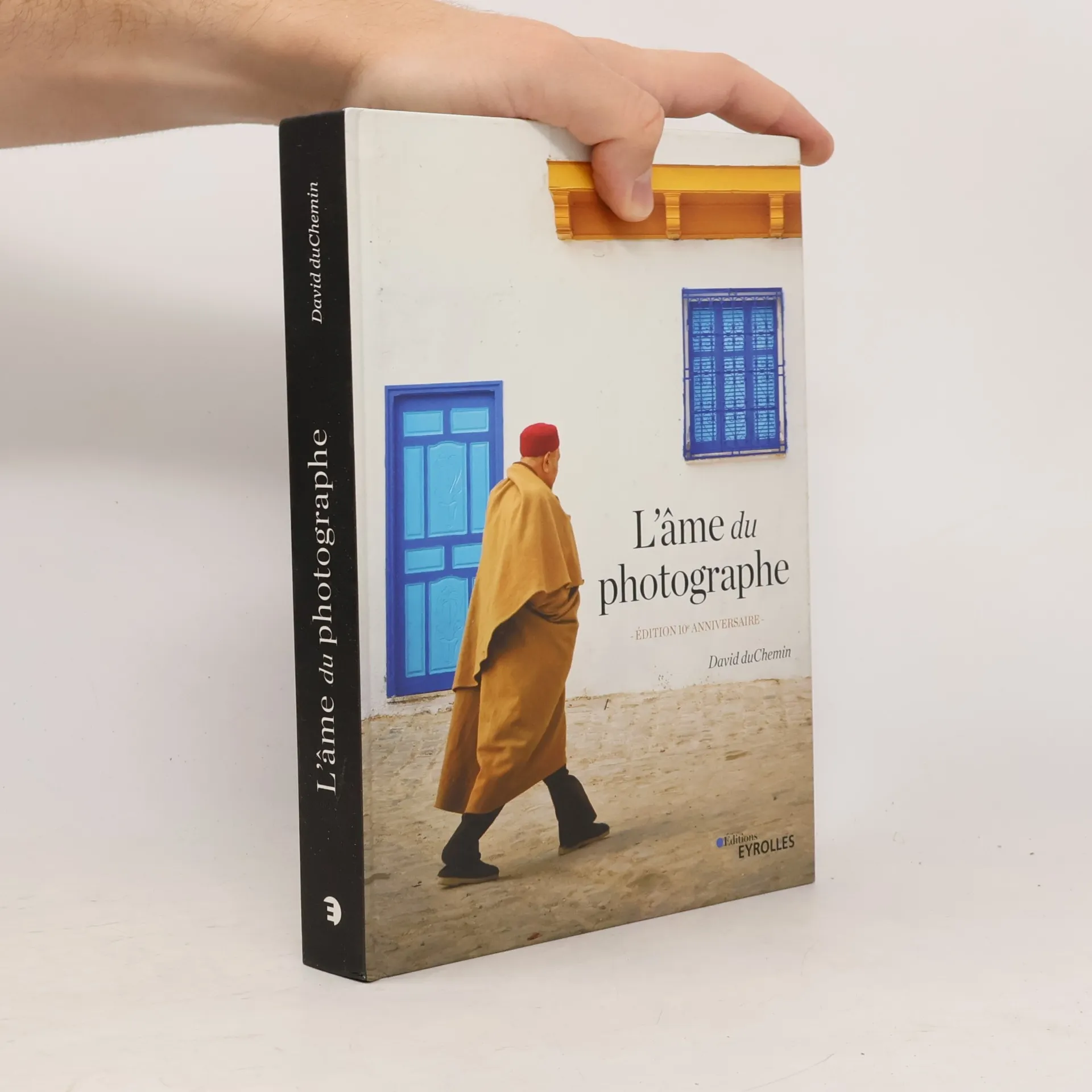
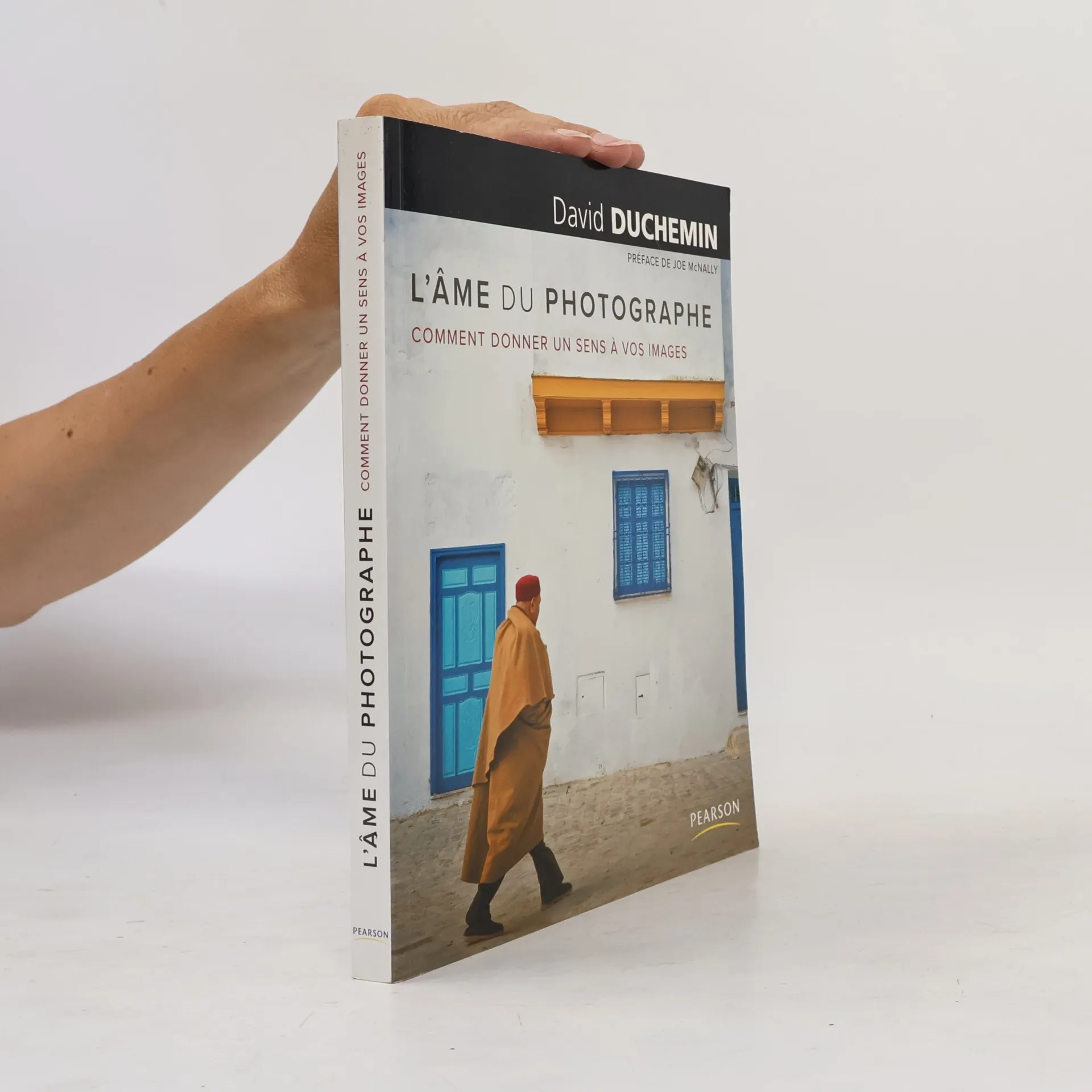
Avec L’Intention du photographe, David duChemin poursuit le travail entrepris dans L’Âme du photographe. Dans ce premier ouvrage, il s’intéressait à la notion du regard et interrogeait la notion du sens : Comment un photographe peut-il donner un sens à ses images ? Ce nouvel ouvrage poursuit cette réflexion mais l’applique de façon concrète à la postproduction, ce moment durant lequel le photographe affine sa vision en chambre noire. Un photographe “humain” De même que L’Âme du photographe n’était pas un simple ouvrage sur la prise de vue, L’Intention du photographe n’est pas un simple guide consacré à l’utilisation d’un logiciel de postproduction. Dans cet ouvrage David duChemin défend un point de vue personnel engagé : la photographie telle qu’il l’envisage ne doit pas témoigner d’une réalité mais traduire la vision du photographe. Elle doit transmettre un message simple mais fort : une vision, une émotion, un ressenti. Dans toute une première partie de l’ouvrage, passionnante, David duChemin expose cette idée : une photographie peut mentir. Elle doit avant tout transmettre un message, une vision, un certain regard. La photographie doit être subjective et il faut que le photographe affirme un point de vue. Bien souvent, cette subjectivité nécessite une étape en postproduction pour s’exprimer. Ici la postproduction vise à argumenter un message, et non à améliorer simplement une image.
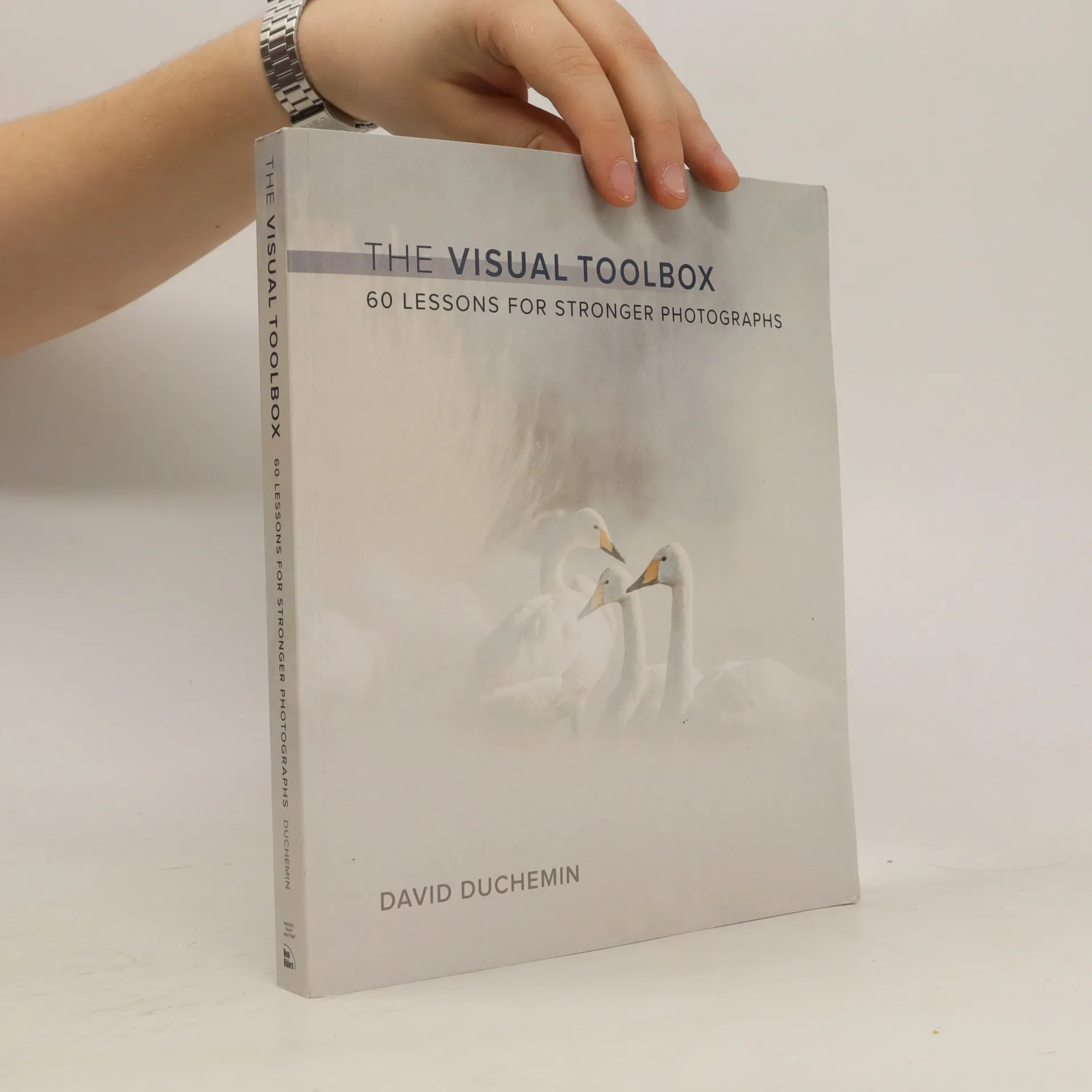
The Visual Toolbox
- 269pages
- 10 heures de lecture
"The Visual Toolbox is photographer David duChemin's curriculum for learning not just how to use a camera--but how to make stronger photographs. He has developed 60 lessons, each one a stepping stone to becoming more proficient with the tools of this art, and the means to create deeper visual experiences with your images. David introduces you to the technical side of the craft but quickly moves on to composition, the creative process, and the principles that have always been responsible for making great photographs; he shows you these principles and invites you to play with them, turn them on their heads, and try a different approach to create beautiful, compelling images with your camera."--Publisher's description.
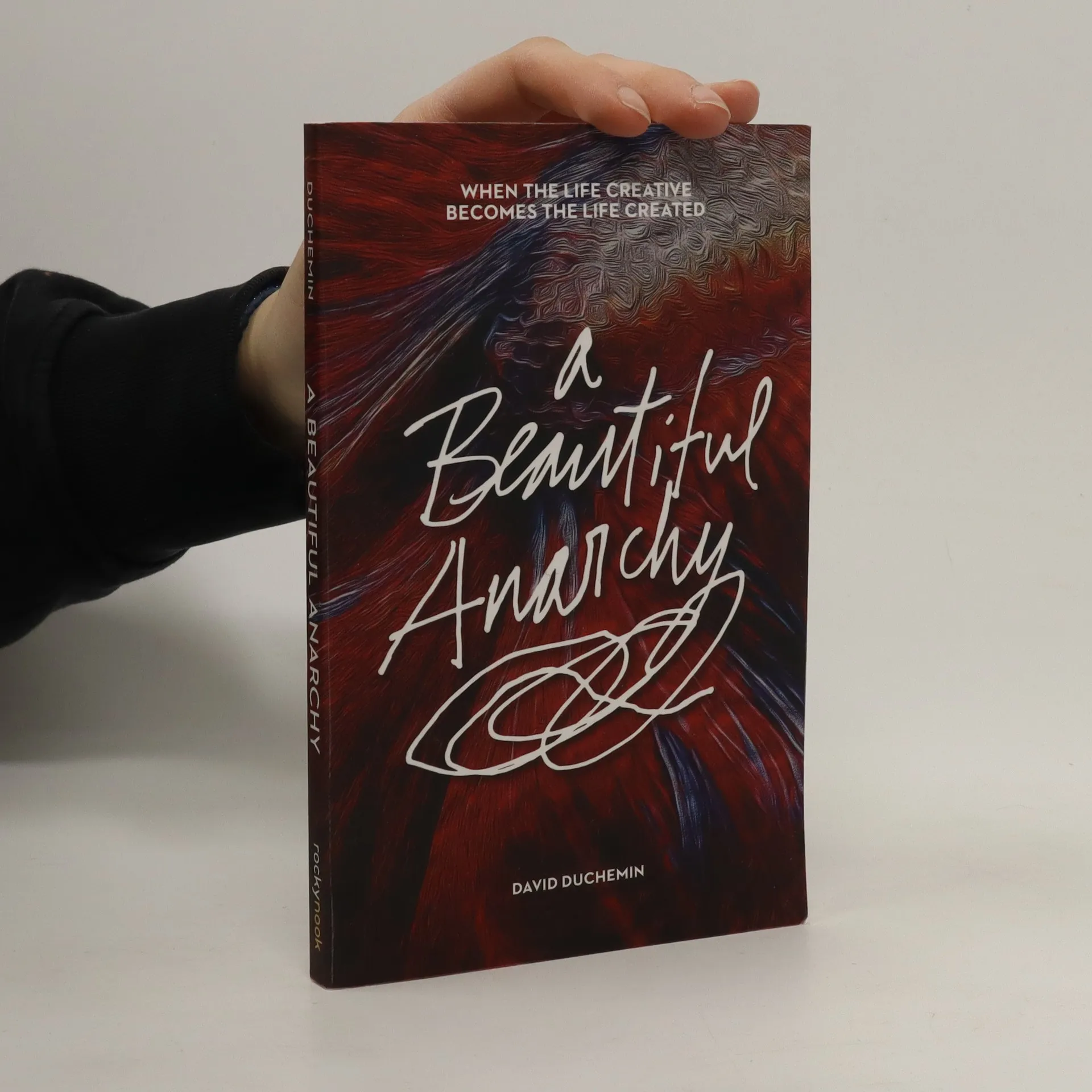
A Beautiful Anarchy: When the Life Creative Becomes the Life Created
- 184pages
- 7 heures de lecture
A Beautiful Anarchy is a vulnerable, honest, and insightful book about the human longing to create, whether you're creating a family, a business, a book, or a photograph. Your greatest creation can be an intentional life lived on your own terms. What is our life but a chance to make the greatest art of all? If you already identify as a creative person, this book is an invitation to more intentionally explore your creative process. If you've ever said, "But I'm not really creative," it's a call to exhume a part of yourself that desperately needs to get out and breathe. This is an honest discussion about creativity and the obstacles that stand in your way on that journey. It's an invitation to consider the creative in all of us, and to recognize that your best work will always be done when you colour outside the lines and listen first to your own voice. Truly exceptional, authentic lives have never belonged to the talented or the fearless, but to those who find the courage to do their work, and to be themselves.
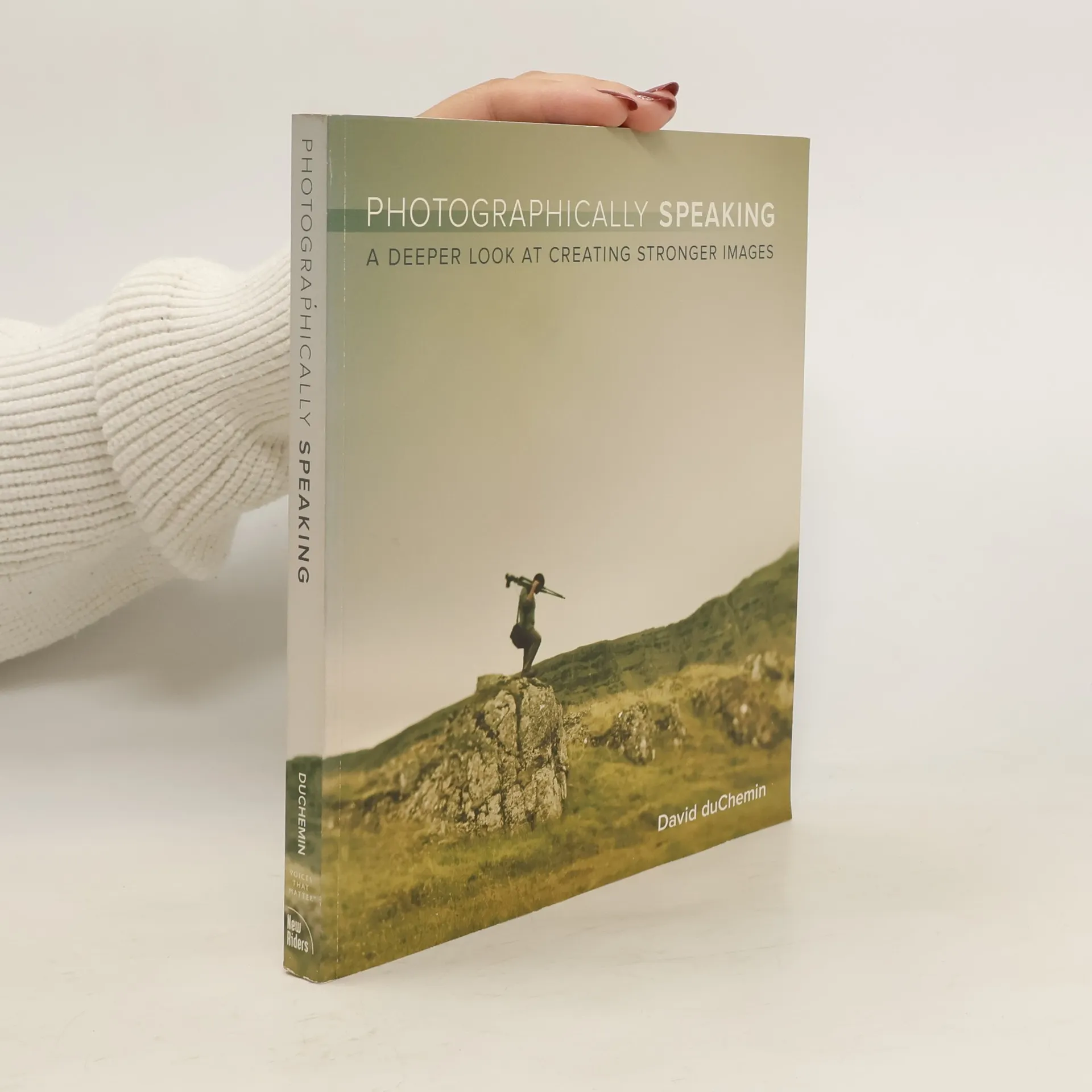
In this follow-up to the bestselling "Within the Frame," duChemin offers a practical primer on visual language. The overarching question at the heart of this book is, "What makes a good photograph?" Why is this important? Because once a photographer understands what makes a good photograph--once he or she learns the visual language--then that photographer is well on the way to being able to "speak" that language, creating stronger images that communicate and connect his or her intention with the viewer.
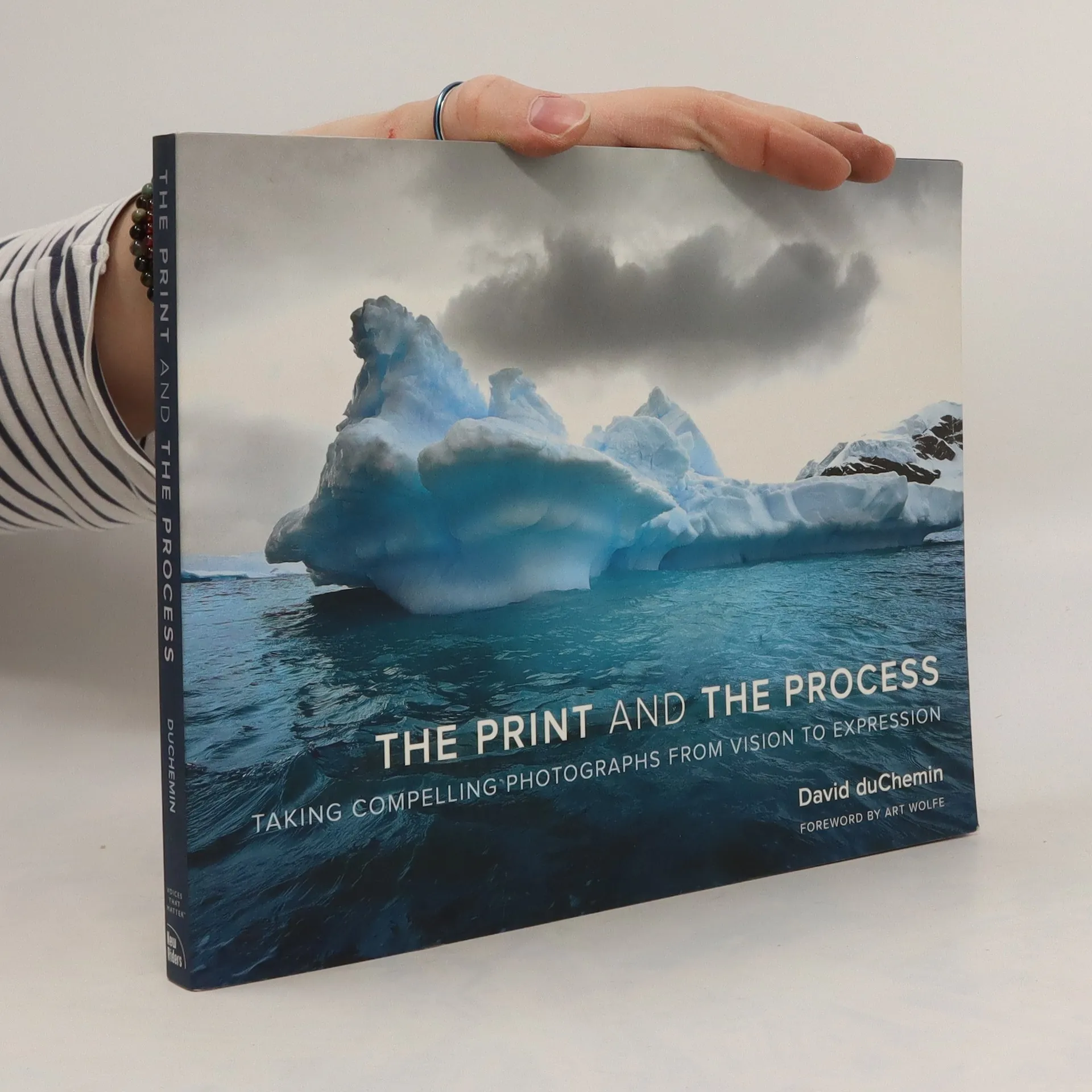
The Print and the Process: Taking Compelling Photographs from Vision to Expression
- 264pages
- 10 heures de lecture
"David duChemin presents four monographs, with a series of 30 prints from each project: Venice, Iceland, Kenya, and Antarctica. After each set of photographs, duChemin takes the reader behind the scenes to discuss the motivation behind the project, and in turn discusses each image with regard to how it was conceived, composed, or post-processed ... both behind the camera and in the digital darkroom"--P. [4] of cover.
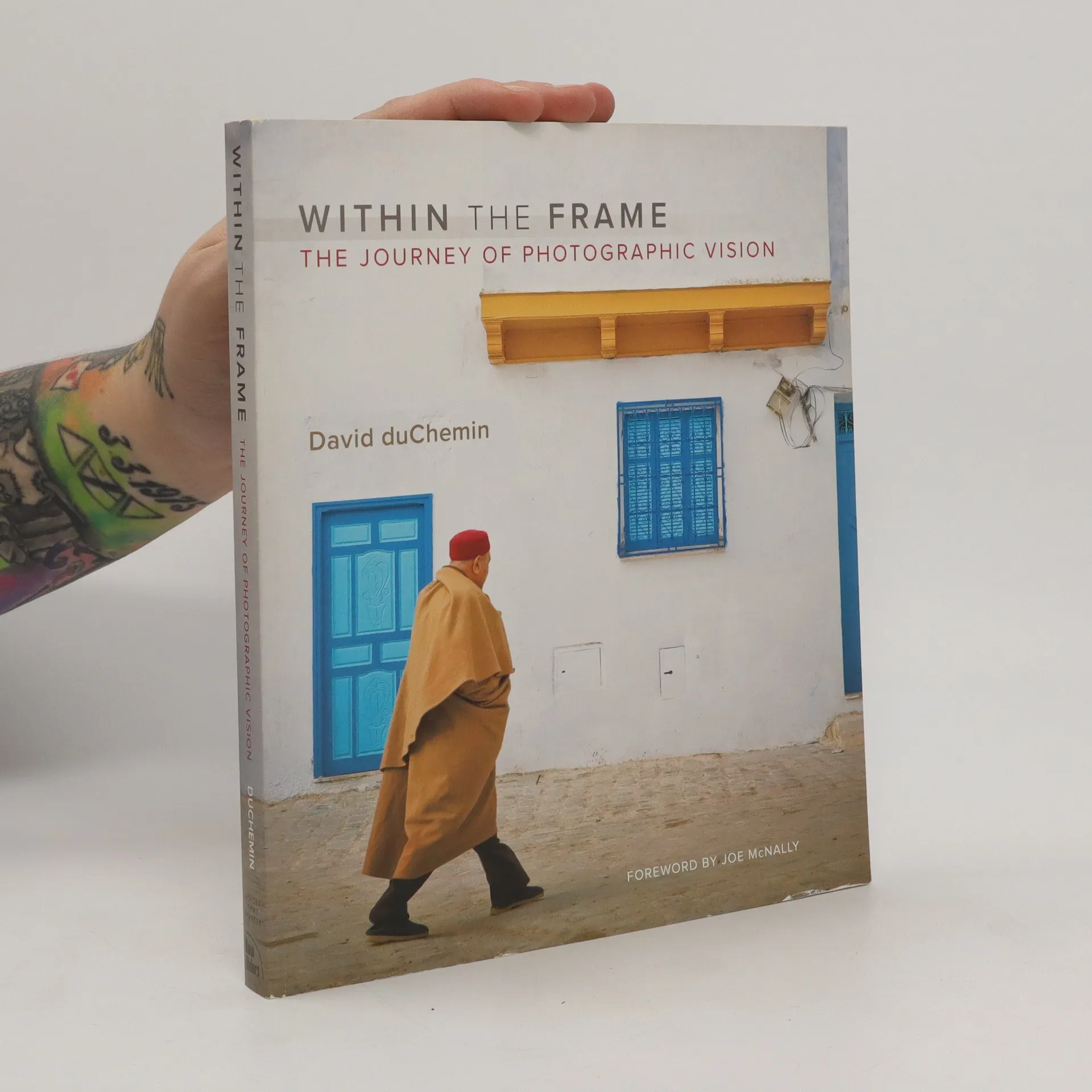
Within the frame : the journey of photographic vision
- 254pages
- 9 heures de lecture
In this personal book full of real-world wisdom and incredible images, duChemin shows budding photographers both the how and the why of finding, chasing, and expressing their vision with a camera. He covers how to tell stories, and the technology and tools available in order to tell those narratives.
Lernen Sie zu sehen, wie Ihre Kamera sieht Verstehen Sie, wie Kreativität funktioniert (und wie nicht) Finden und meistern Sie Herausforderungen, um an ihnen zu wachsen Beim Fotografieren formen wir Bilder unserer Motive aus Licht, Raum und Zeit. Wie bei jedem Handwerk erfordert dies die technische Beherrschung unseres Werkzeugs, der Kamera. Doch wir müssen uns auch ihre Sicht- und Arbeitsweise zu eigen machen, bevor wir versuchen können, uns über sie auszudrücken. Diese Verbindung von Technik und Kreativität ist der Ausgangspunkt dieses Buches. David duChemin zeigt darin, wie Sie im Spannungsfeld von Licht, Raum und Zeit kreative Freiheit erlangen, indem Sie Ihr Handwerk beherrschen, Ihre Wahrnehmung schulen, fokussierter arbeiten, an Herausforderungen wachsen und lernen, mit Frustration und Inspirationsmangel umzugehen. In 20 Essays und mit über 100 Fotografien lehrt duChemin Sie zu den kreativen Möglichkeiten jenseits der bloßen Kamerafunktionen zu finden. Packend und immer auf den Punkt geschrieben ist dieses Buch nicht nur eine große Inspiration, sondern ein wertvoller Leitfaden für Ihre eigene kreative Reise zu ganz persönlichen Bildern.
Lernen Sie, ausdrucksstark zu fotografieren Ausdrucksstarke Bilder wirken. Und sie bleiben - im Kopf und im Herzen. Wollen Sie mit Ihren Bildern eine Botschaft transportieren? Ein Kunstwerk schaffen? Und Ihre fotografische Handschrift weiterentwickeln? Dann begleiten Sie David duChemin. Er zeigt Ihnen, wie er seine Bildsprache spricht: wie er Linien, Formen und Farben, Schärfentiefe, Bildkomposition und Belichtung einsetzt. Entdecken Sie anhand von 20 seiner besten Bilder, wie eine künstlerische Handschrift entsteht, und entwickeln Sie Ihre eigene. Nominiert für den deutschen Fotobuchpreis 2013
Das Herz der Fotografie
Fragen und Ideen für ausdrucksstärkere Bilder
Was ist eigentlich ein gutes Bild? Wegweiser zu starken und authentischen Bildern Leitfaden für hilfreiche Bildkritik unter Fotografen Hilfreiche Fragen zur Analyse der eigenen Bilder Ist dieses Bild gut? Nach welchen Kriterien bewerte ich eigentlich meine eigene Arbeit? Und wie sehen das andere? Diese Fragen stellt sich wohl jeder Fotograf bei der Durchsicht seiner Bilder – und bleibt dabei oft ratlos. Bildkritik ist nicht leicht, eine kritische Analyse der eigenen Arbeiten noch schwerer. Regeln, Formeln oder Rezepte helfen nicht wirklich, um zum Kern der Frage vorzustoßen: Was genau ist ein gutes Bild? David duChemin gibt in seinem Buch auch keine Antwort auf diese Frage, liefert keine Rezepte für das »gute Bild« – er stellt Fragen. Fragen wie »Wo ist die Geschichte?«, »Wie sieht es mit Balance und Spannung aus?«, »Welche Rolle spielt das Licht?«, »Wie führen die Linien den Blick des Betrachters?«. Fragen, die dem Fotografen helfen sollen, Bilder besser zu verstehen und ihre Qualität zu erkennen. Die ihm aber auch helfen sollen, den kreativen Prozess des Fotografierens bewusster zu steuern und die Qualität seiner Arbeit zu verbessern. Doch duChemin stellt nicht nur Fragen. Er erklärt, er illustriert mit eigenen Bildern, welche Bedeutung seine Fragen haben, wohin der Weg führt, den er dem Leser mit diesem Buch weist: Zu starken und authentischen Bildern.
Die Seele der Kamera
... und die Rolle des Fotografen
In der Menge der fotografischen Bilder, die uns Tag für Tag begegnen, sind es nur wenige, die uns wirklich erreichen, die wir nicht nur wahrnehmen, sondern die uns berühren, packen, faszinieren. Technisch gut fotografiert sind sie fast alle – modernes Equipment sorgt für Schärfe und korrekte Belichtung. Was also macht den Unterschied zwischen einer technisch guten Aufnahme und einer, die heraussticht aus der Menge, die wir als besonders gelungene Fotografie erkennen? David duChemin, weltbekannter Fotograf und Autor, hat die Antwort: Es ist die Seele, die Stimmung eines Bildes, die den Betrachter emotional anspricht. Ohne Seele keine Kommunikation! David duChemin zeigt in seinem Buch und illustriert mit seinen Fotografien, wie solche Fotografien entstehen, und welche Qualitäten der Fotograf für eine gelingende Fotografie entwickeln sollte. Jenseits des Handwerklichen spielen dabei Begriffe wie Konzept, Disziplin, Achtsamkeit, aber auch Empathie und Authentizität die entscheidende Rolle. Ein Buch für jeden Fotografen, der ausdrucksstarke und authentische Bilder machen möchte und dafür etwas »Coaching« braucht. Aber auch eine Inspiration, um die Liebe zur Fotografie neu zu beleben.
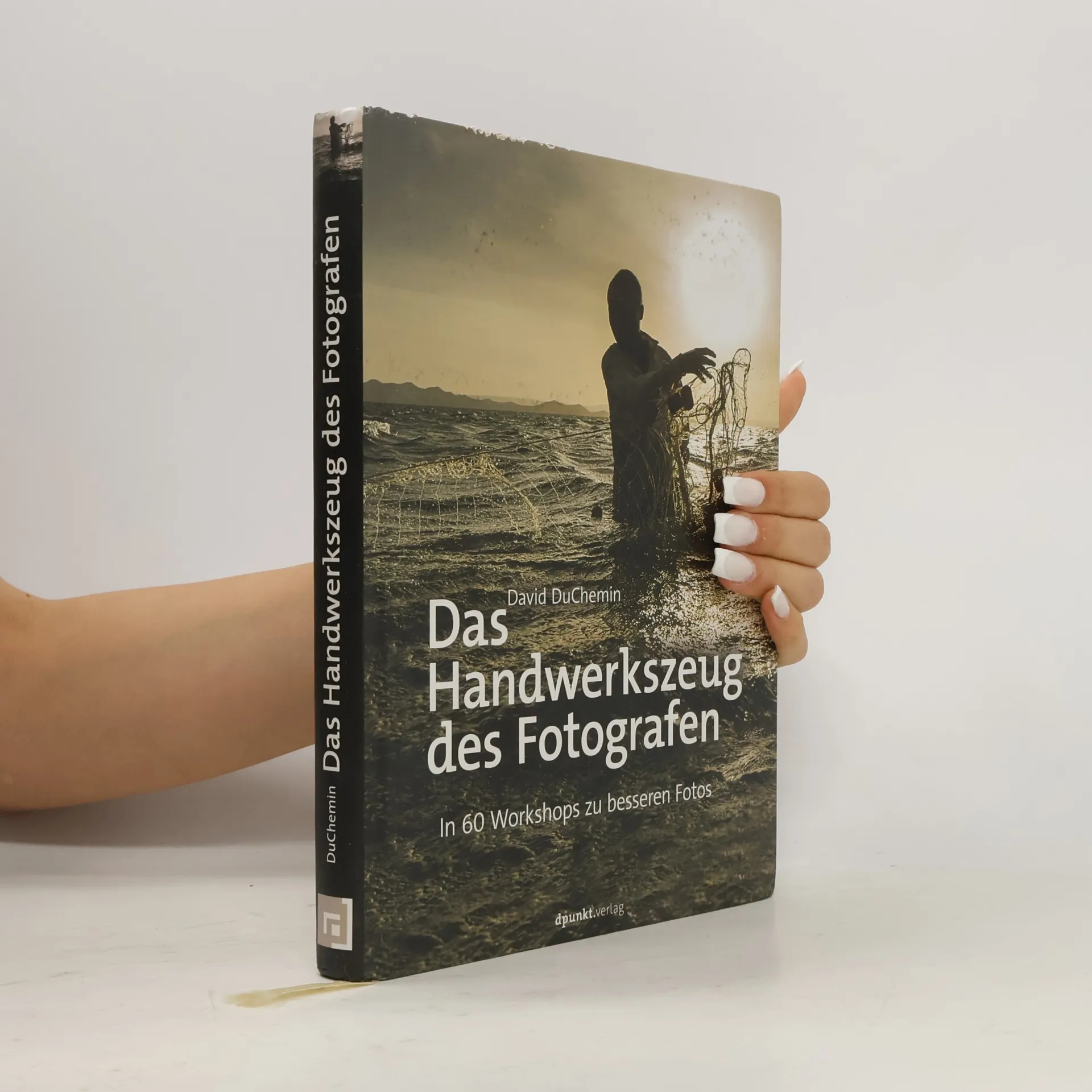
Ein Buch für leidenschaftliche Fotografen, die sich stets fragen: könnten meine Bilder noch besser sein? Nicht die Werkzeuge – Kameras, Objektive, Zubehör – entscheiden über ein gutes Bild, sondern die Beherrschung des fotografischen Handwerks. Doch das ist komplex: Sie müssen Ihr Motiv erkennen, verstehen, die eingesetzte Technik in- und auswendig kennen, Licht, Farben und Bildelemente sehen und nutzen – und immer jenseits von Tellerrand und Regeln nach noch besseren Wegen zur Umsetzung Ihrer Vorstellung vom idealen Foto suchen. In diesem Buch fasst David DuChemin das Handwerkszeug des Fotografen in 60 Workshops zusammen, in denen Sie frei nach Wahl an Ihren handwerklichen Fähigkeiten als Fotograf/in arbeiten können – um so noch bessere Bilder zu machen. Nutzen Sie alle gestalterischen Möglichkeiten natürlichen Lichts? Sind Sie öfter unsicher bei der Bildaufteilung? Setzen Sie Farbkontraste gezielt ein? Können Sie mit Ihren Bildern Geschichten erzählen? Dies und noch vieles mehr lernen Sie mit diesem Buch. Jeder der 60 Workshops endet mit einer Aufgabe, die Ihnen hilft, das Gelernte zu festigen und in der Praxis anzuwenden.
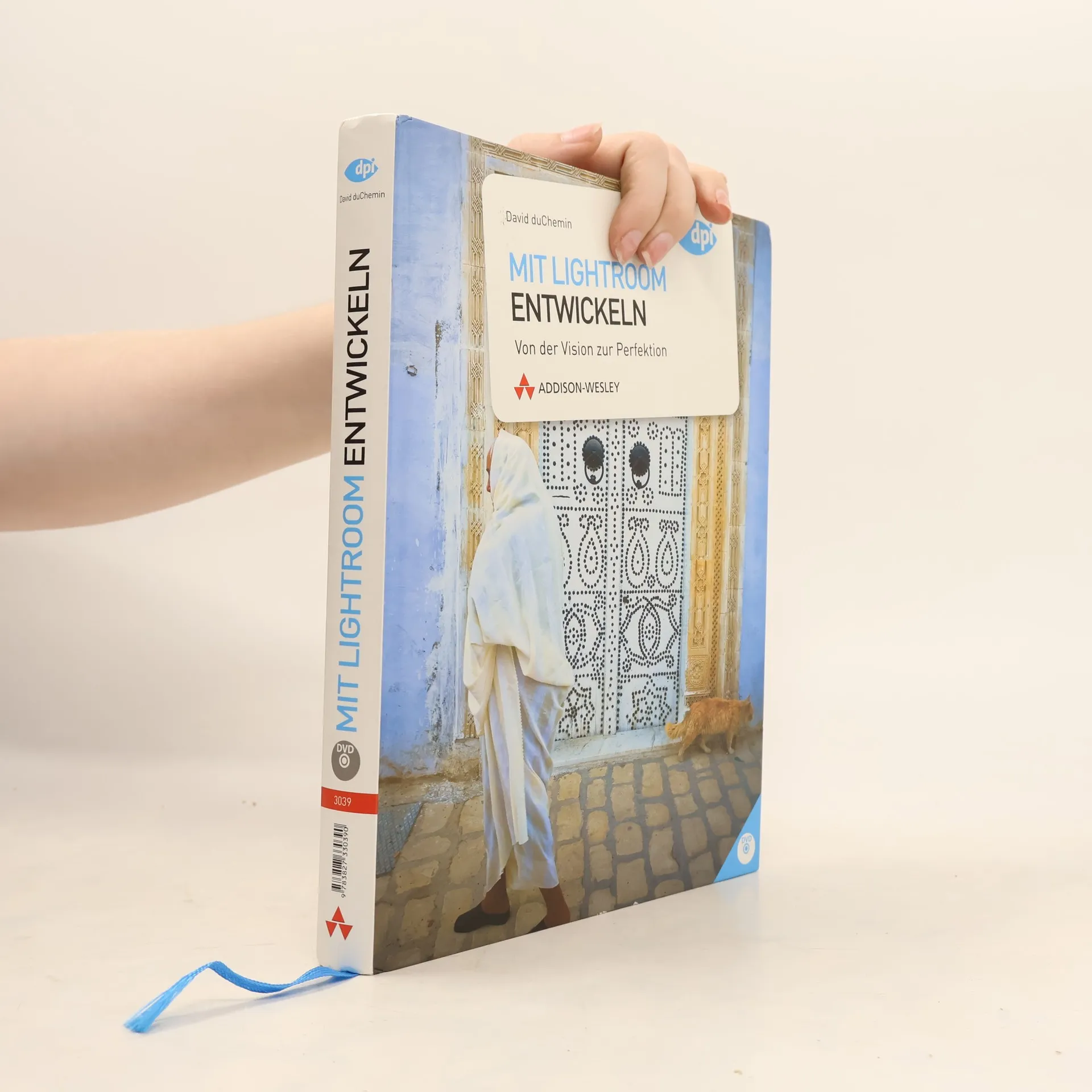
Mit Lightroom entwickeln. Von der Vision zur Perfektion
- 258pages
- 10 heures de lecture
Das Buch hilft Ihnen, eine bedeutende Idee oder Emotion in Ihren Bildern zu kommunizieren. Es führt Sie von der Aufnahme über die Bearbeitung in Adobe Photoshop Lightroom bis zum fertigen Bild. David duChemin bietet Anwendungsbeispiele und Denkanstöße sowie Tutorials mit Tipps & Tricks. Eine DVD mit Bildern und eine Testversion von Lightroom 3 sind enthalten.
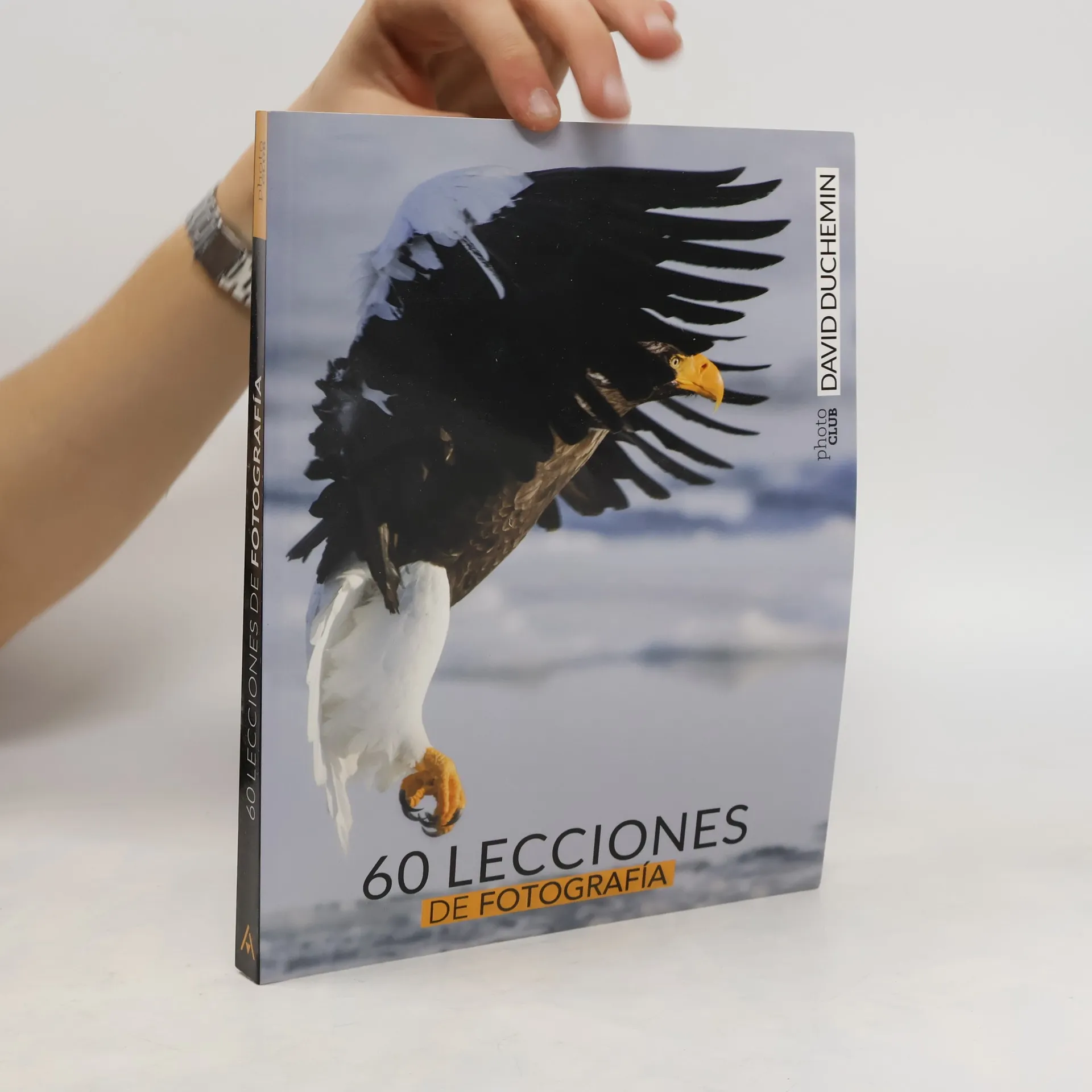
Photo Club: 60 lecciones de fotografía
- 288pages
- 11 heures de lecture