Henry Morton Stanley Livres
Ce journaliste et explorateur d'Afrique centrale est réputé pour ses expéditions et ses découvertes. Son travail au cœur de l'Afrique et ses associations avec des personnalités historiques importantes ont façonné son héritage littéraire. Par ses voyages et ses publications, il a contribué à la compréhension du continent africain et de ses cultures.



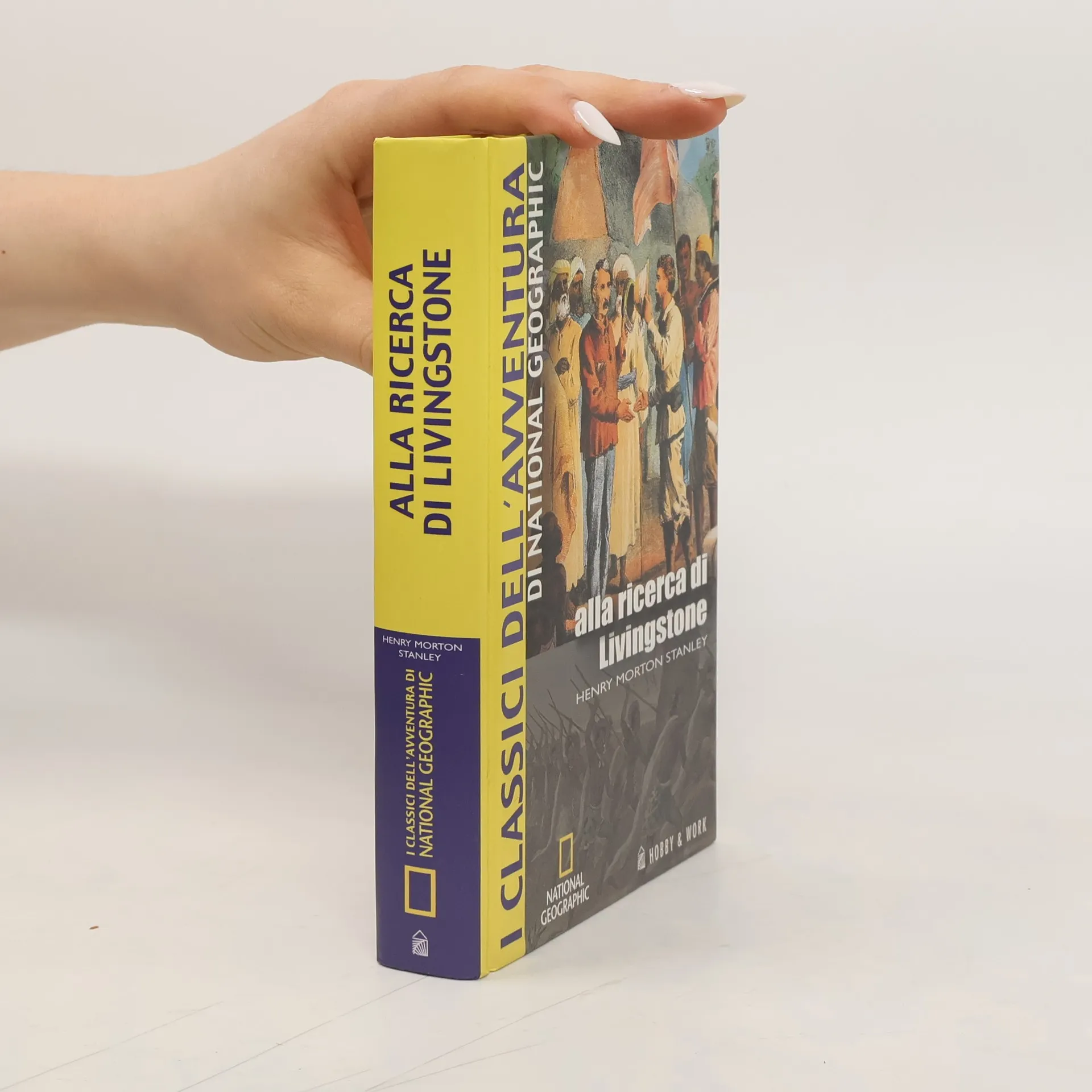
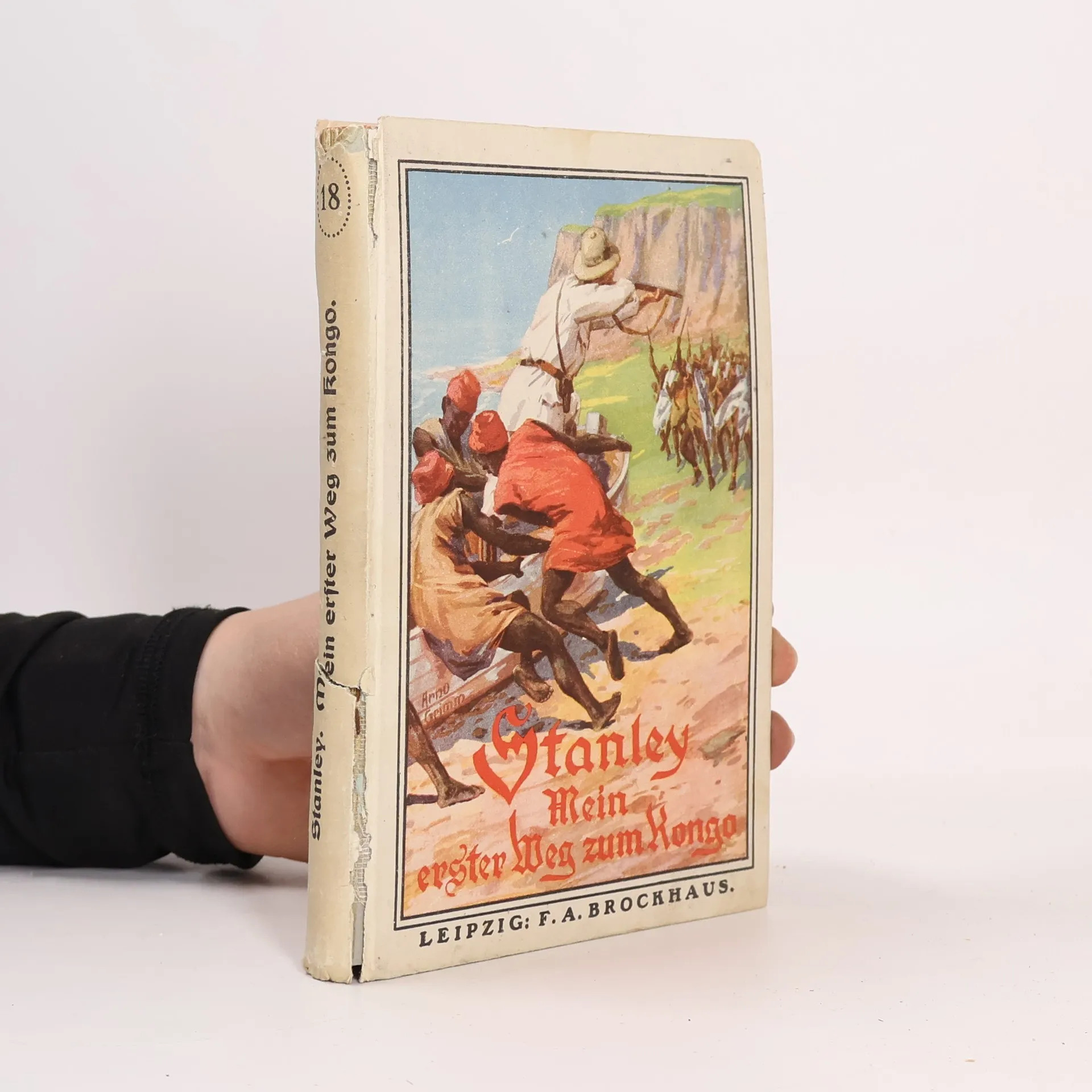
How I Found Livingstone
- 260pages
- 10 heures de lecture
This edition of Henry Morton Stanley's epic account of travels through Africa in search of Professor Livingstone includes the original sketches and illustrations of the journey. In the late 1860s, journalist and explorer Henry Morton Stanley was given an assignment to find and relieve the explorer Dr. David Livingstone. The respected doctor had not been in contact with civilization since departing to the wilderness of Africa in 1866, in a quest to discover the source of the River Nile. Henry M. Stanley set off on what became a more than two year trek to find Livingstone. He and his travelling company sojourned over seven hundred miles through the exotic landscapes and forests of rural Africa. The intense, tropical environment claimed the lives of many accompanying porters, while Stanley's horse perished after a deadly bite from a tsetse fly.
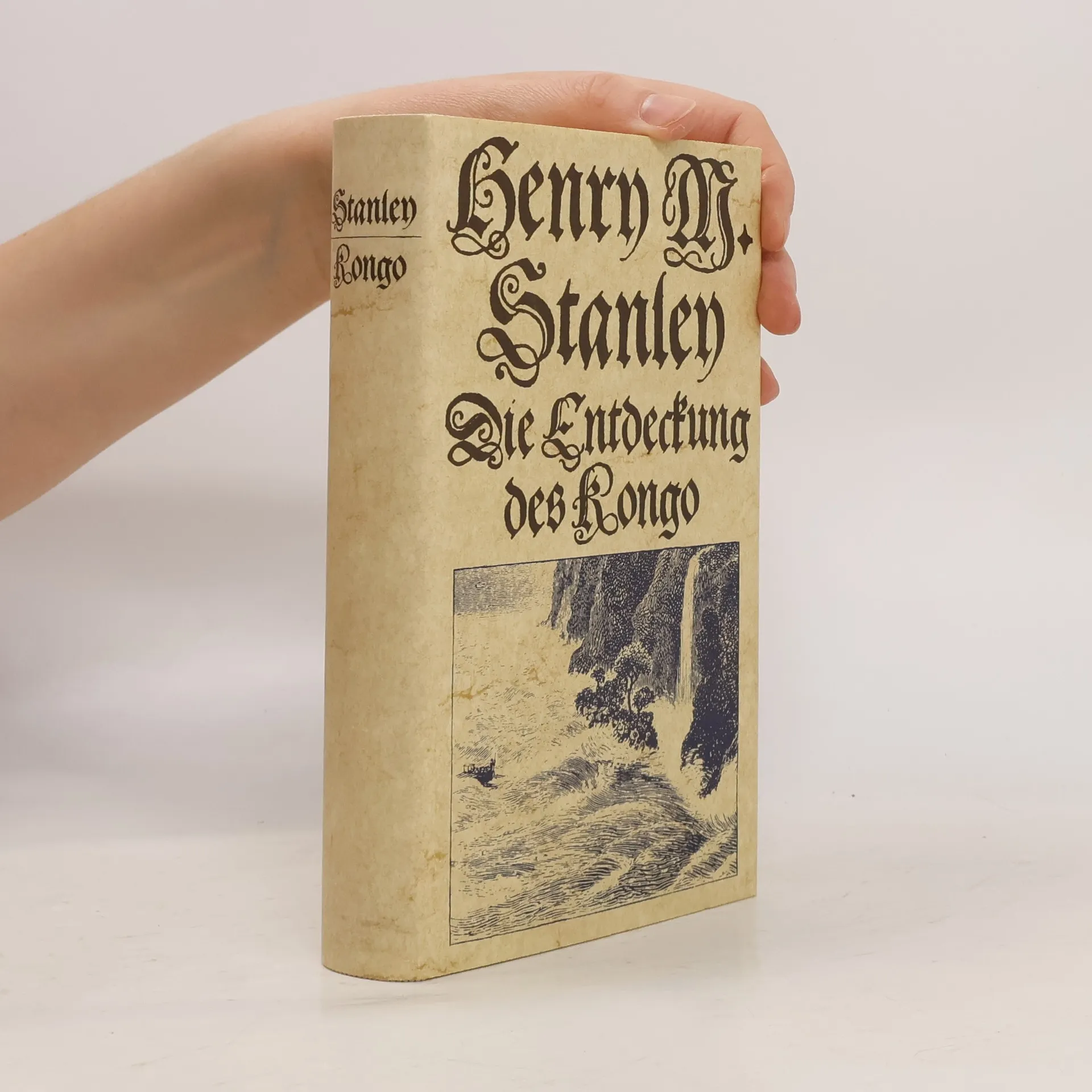
Wie ich Livingstone fand
- 405pages
- 15 heures de lecture
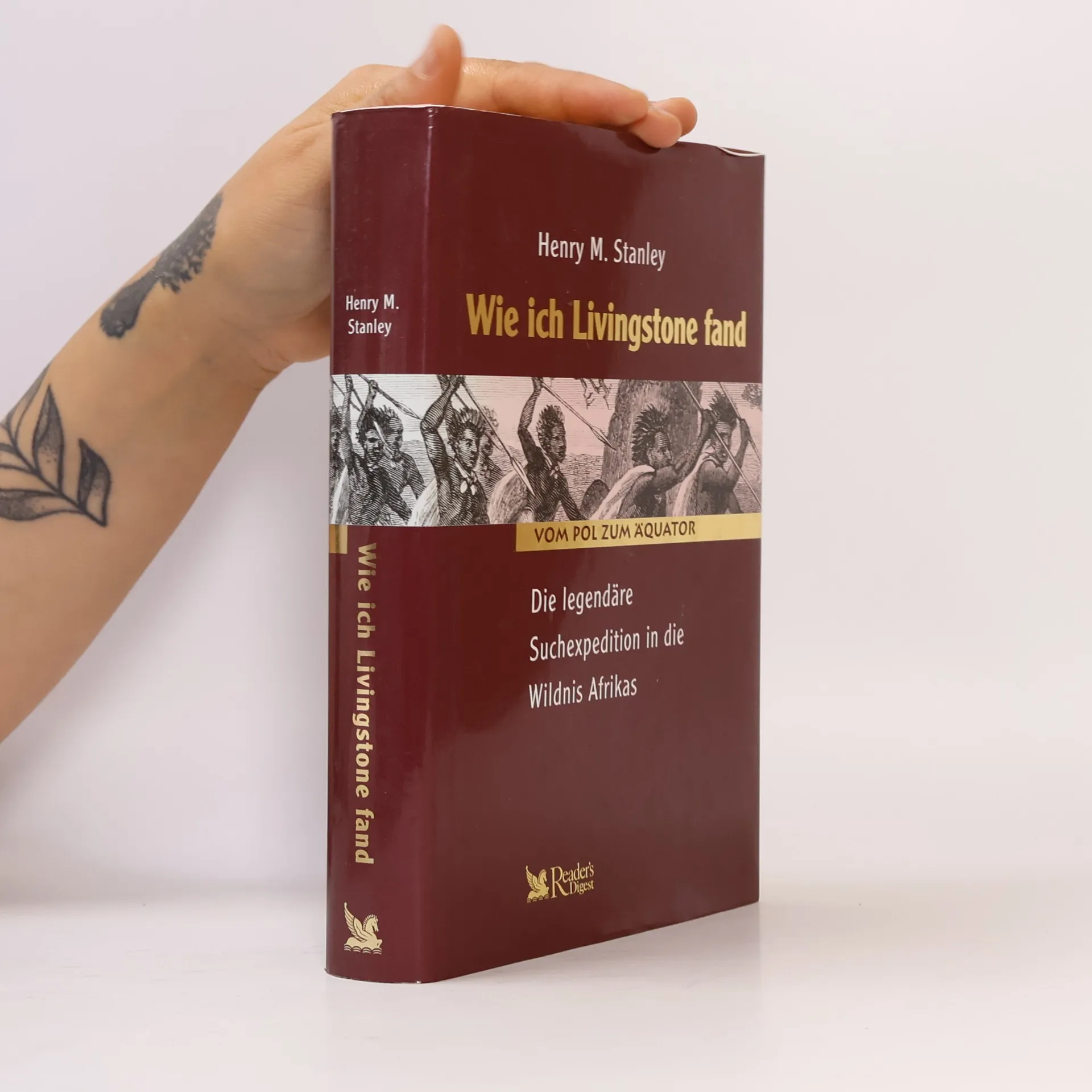
"Dr. Livingstone, wie ich vermute?" - fünf Wörter, die dem Angesprochenen das Leben retteten und zum geflügelten Wort nicht nur der abendländischen Entdeckerliteratur wurden. Mit diesen Worten begrüsst der junge ambitionierte Reporter Henry Morton Stanley den bis dato verschollenen Afrikaforscher David Livingstone am 10. November 1871 in einem kleinen Dorf am Tanganjikasee. Acht strapaziöse und mitunter lebensgefährliche Monate war Stanley im Auftrag seines exzentrischen Verlegers auf der Suche nach dem berühmten Afrikaforscher durch den "Schwarzen Kontinent" gezogen, hatte unzählige Männer durch Krankheit und Erschöpfung verloren, bis er schliesslich dem Totgeglaubten gegenübersteht, ihm die Rettung vor dem sicheren Tod bringt und unter seinem Einfluss schliesslich sogar selbst zum renommierten Afrikaforscher wird. Henry Morton Stanley (1841 als John Rowlands in Wales geboren-1904) war ein britisch-amerikanischer Journalist, Autor und Afrikaforscher. Mit fünfzehn Jahren wanderte er nach Amerika aus. Nachdem er im amerikanischen Bürgerkrieg erste Erfahrungen als Journalist gesammelt hatte, heuerte ihn der Verleger James Gordon Bennett Jr. für den New York Herald an. Seine Reiseberichte aus Afrika, vor allem Die Entdeckung des Kongo, dienten wahrscheinlich als Quelle für Joseph Conrads Heart of Darkness. Dr. Heinrich Pleticha (1924-2010) ist u.a. Herausgeber von Mungo Parks Reisen ins innerste Afrika.
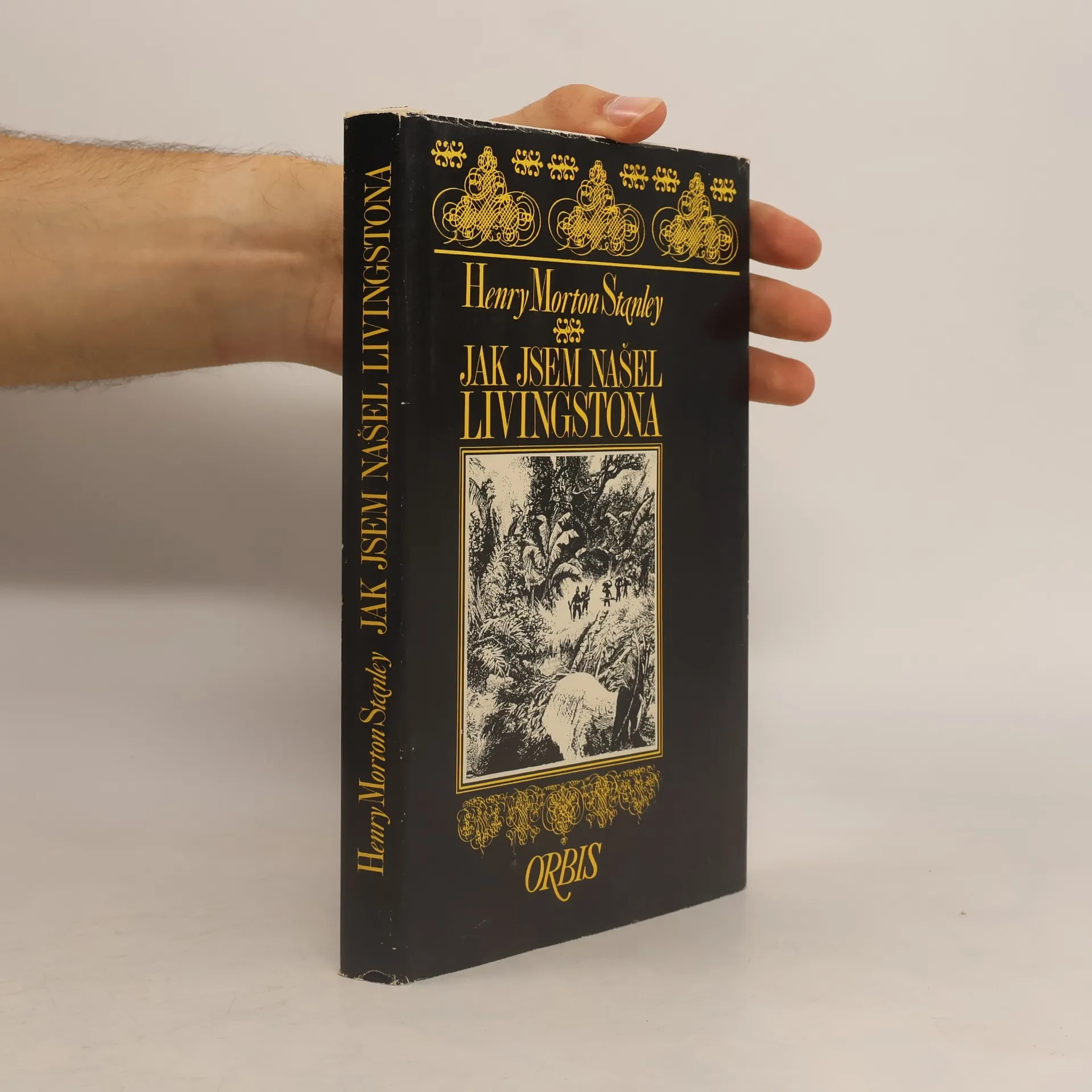
Cestopis amerického novináře líčí osudy výpravy do nitra Afriky, jejímž cílem bylo nalézt slavného skotského cestovatele Davida Livingstona, pátrajícího po pramenech Nilu. Podle H. M. Stanleyho vypráví Donát Šajner.
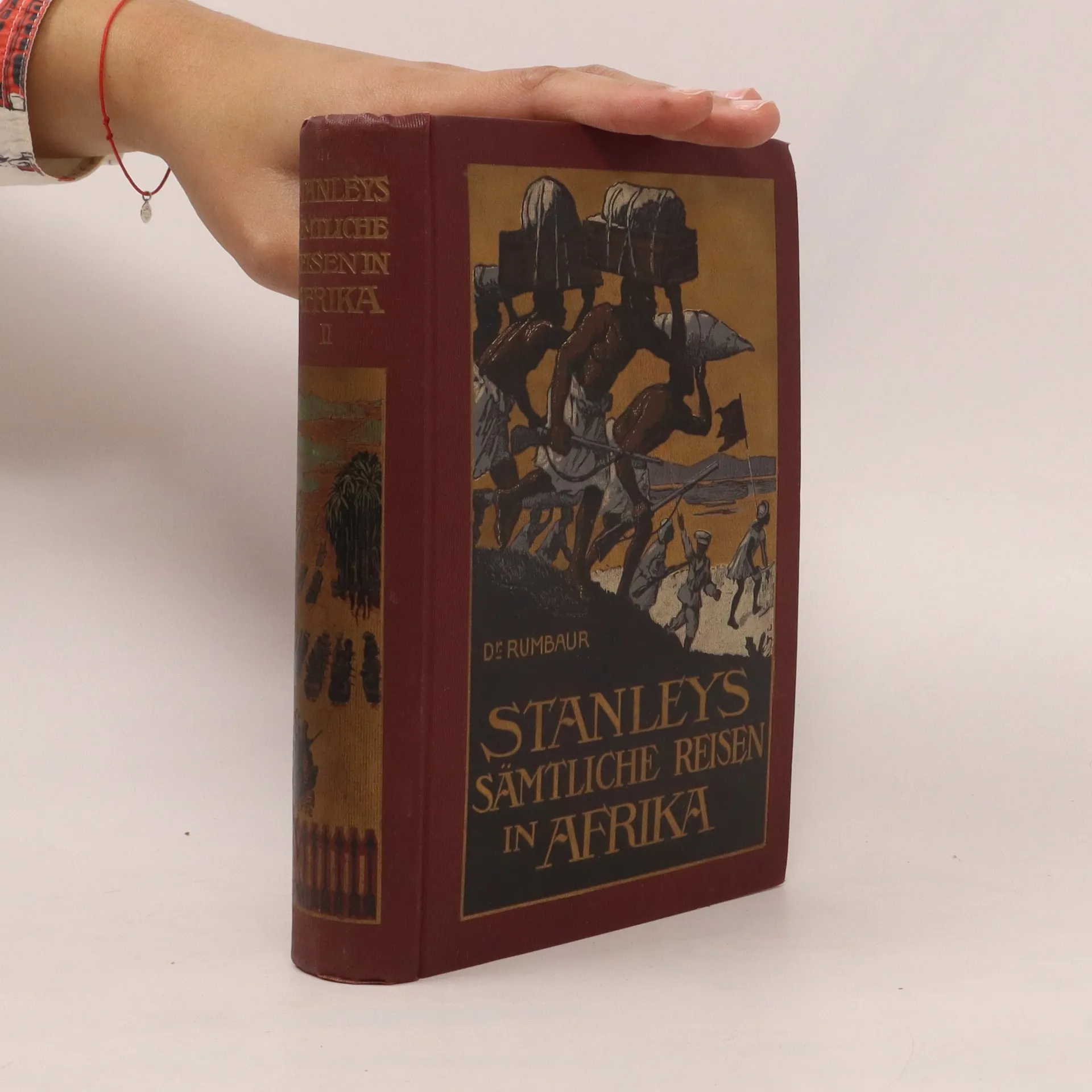
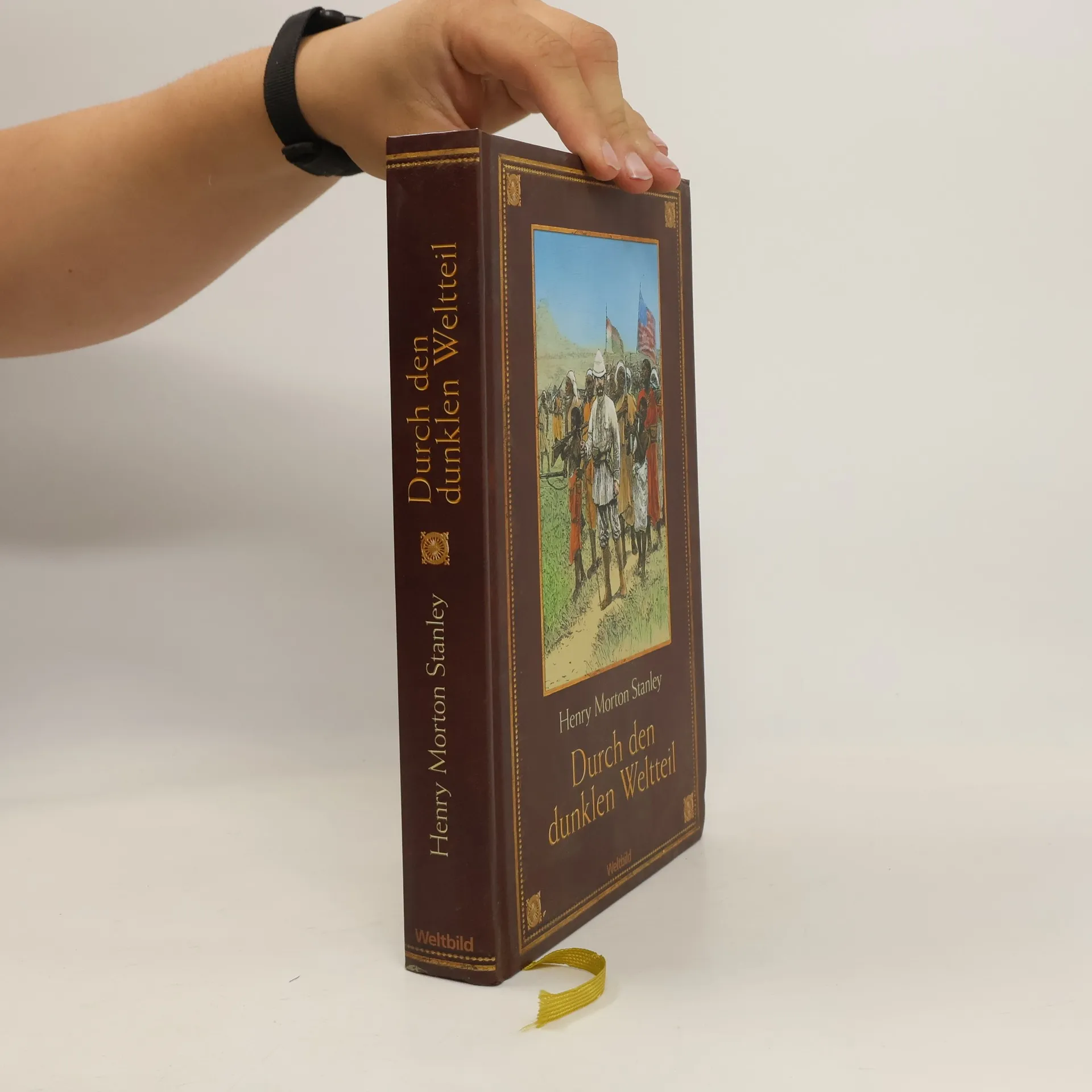
Durch den dunklen Weltteil
- 400pages
- 14 heures de lecture
Der berühmte Afrikaforscher Stanley beschreibt in diesem Buch mit bestaunenswerter Detailgenauigkeit den Hergang seiner zweiten großen Expedition von 1874 - 1877.
Hledání, zachránění a ústup Emina, guvernéra Aequatorie
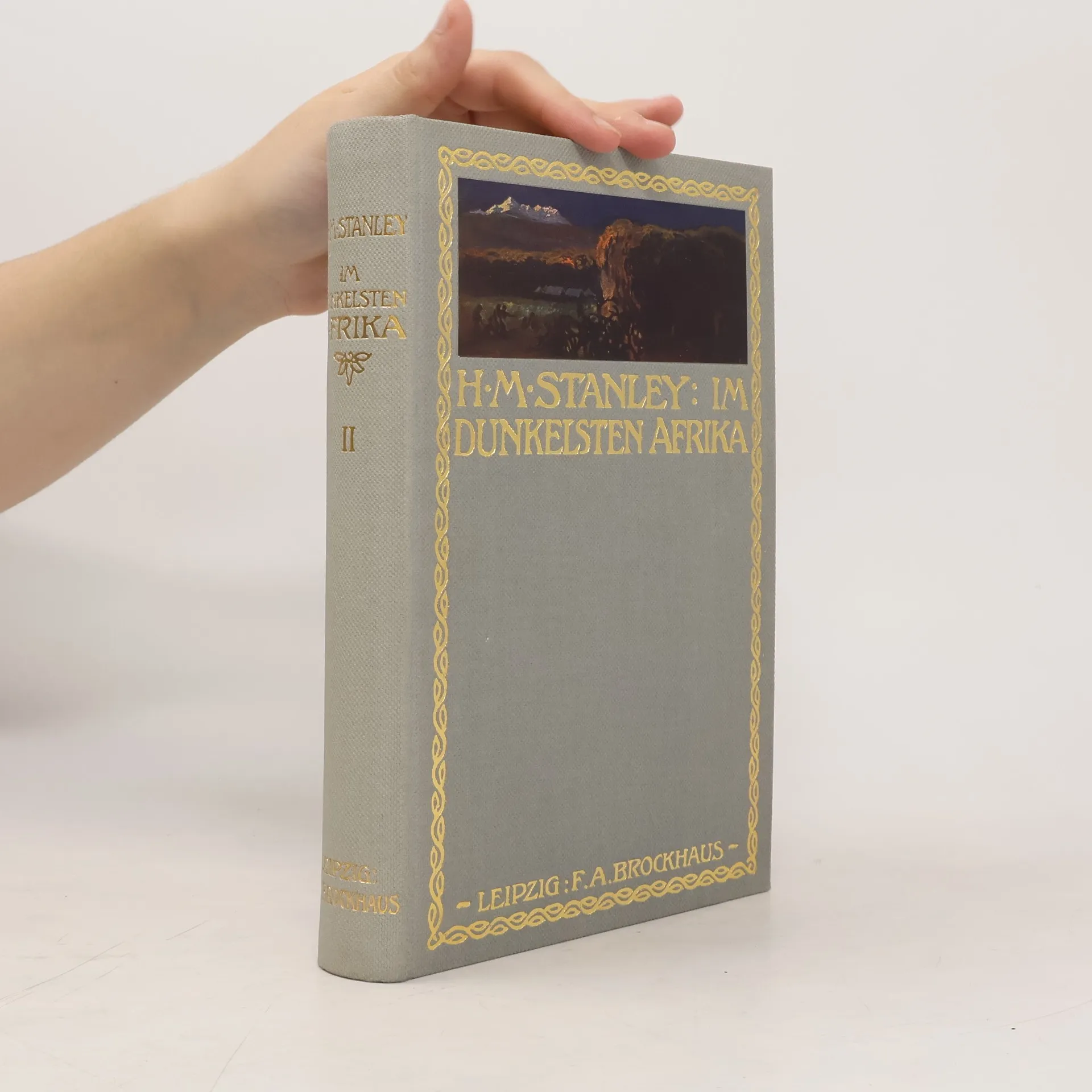
V nejtemnější Africe 1
Neboli hledání, zachránění a ústup Emina, guvernéra Aequatorie
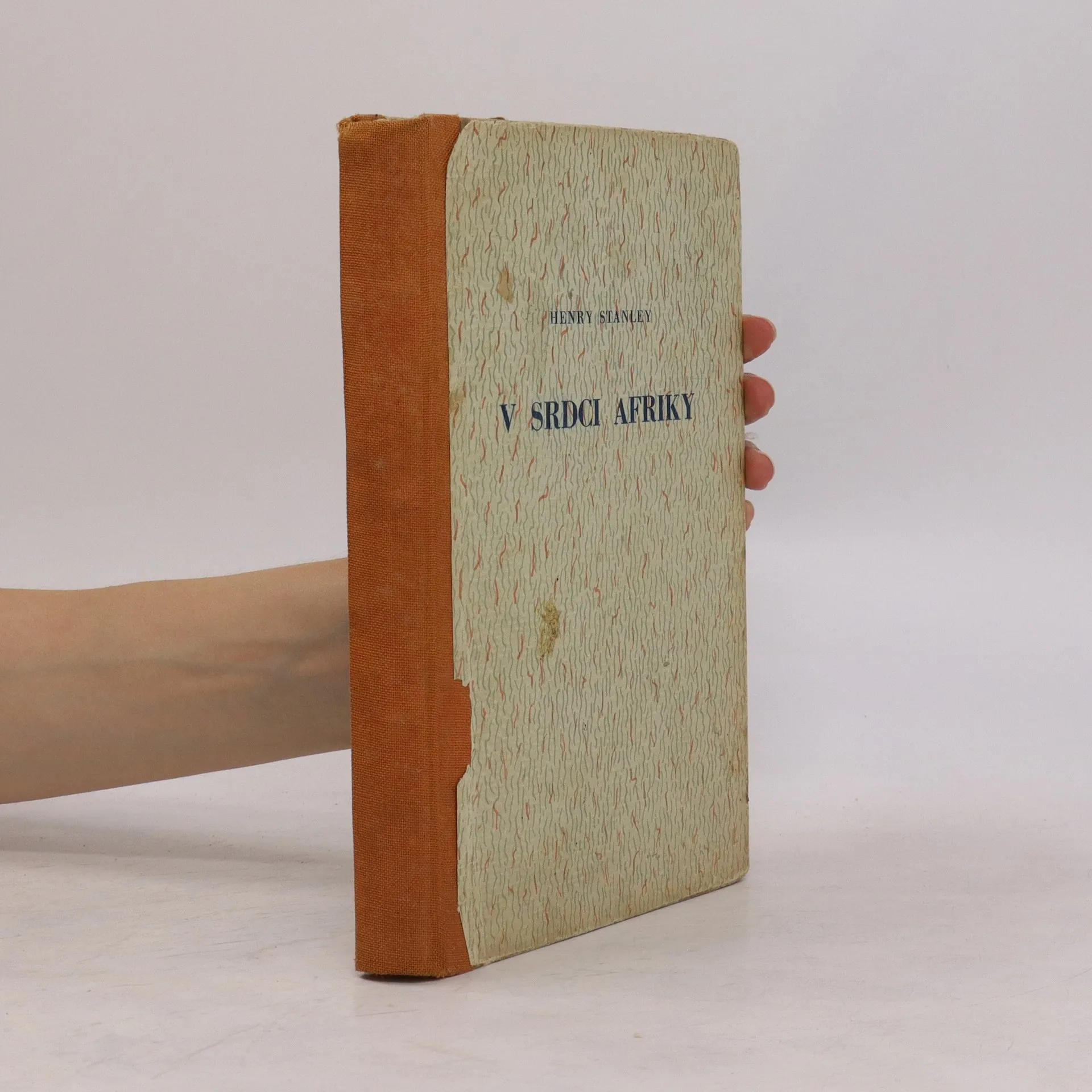
Im Herzen Afrikas
- 319pages
- 12 heures de lecture
Druhá výzpytná cesta střední Afrikou od východu na západ, již konal Henry M. Stanley. S četnými většími, menšími obrazy a s dvěma mapami.
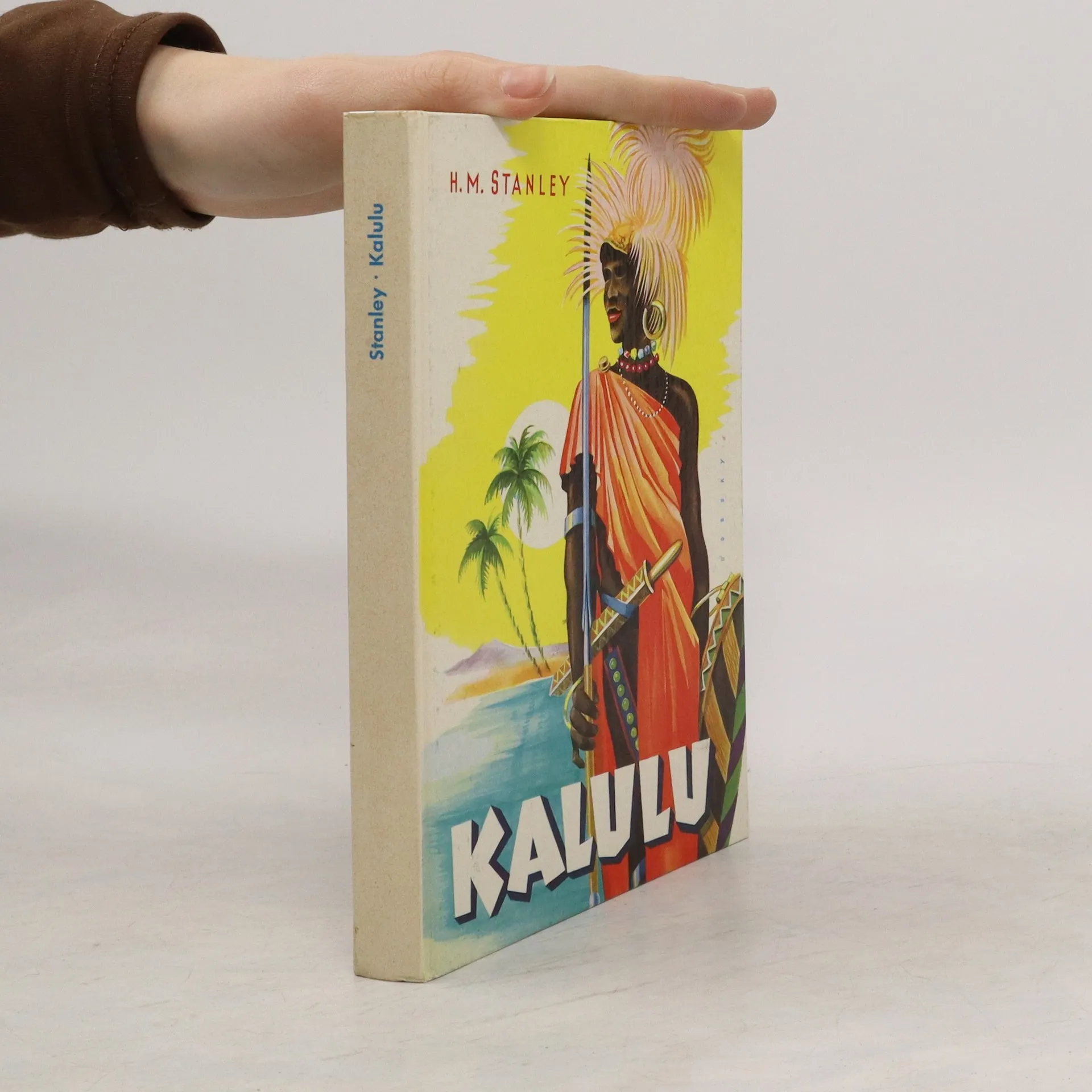
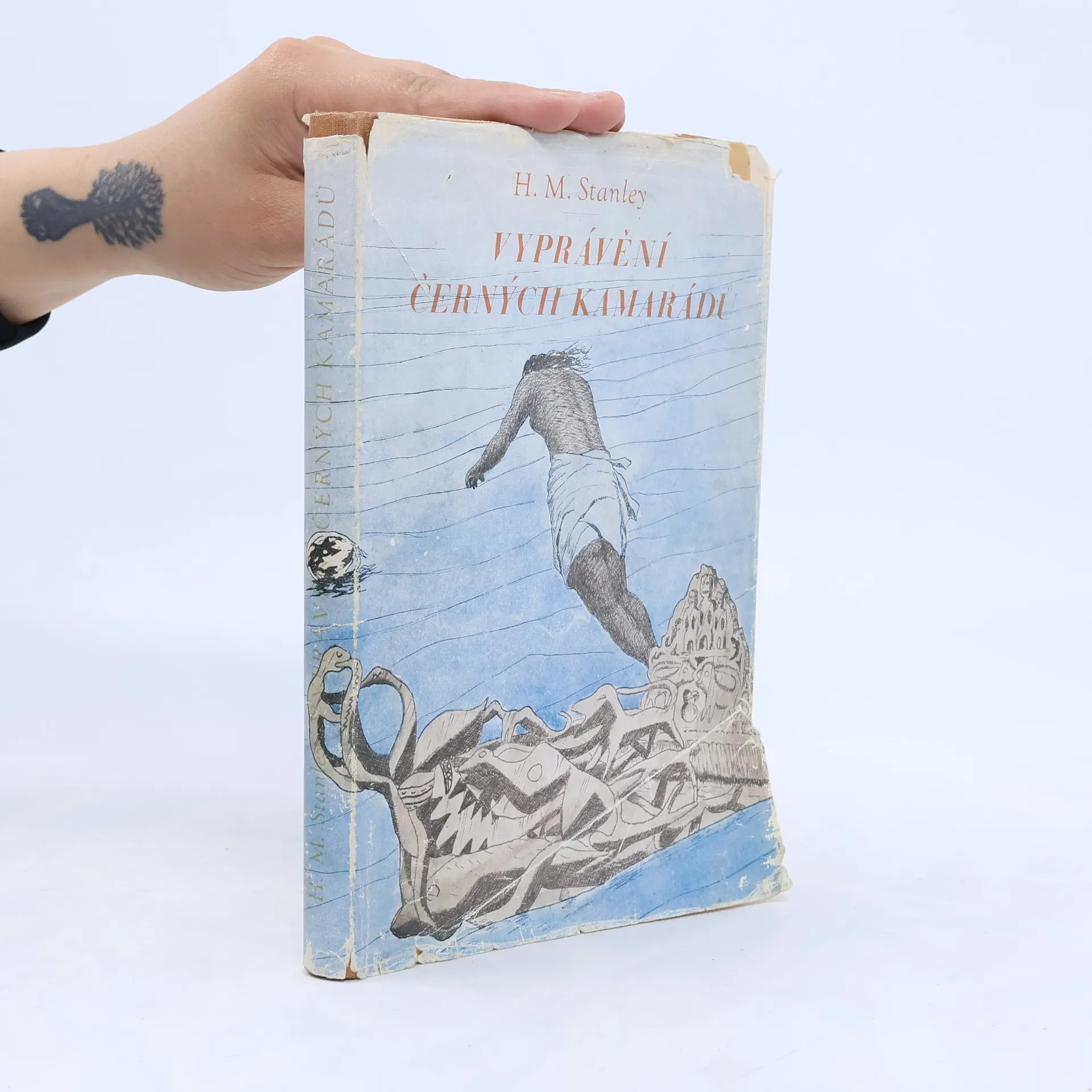
Vyprávění černých kamarádů
- 187pages
- 7 heures de lecture
Podivuhodné příběhy o lidech a zvířatech v džungli, o nichž se dočtete v této knížce, vyprávěli slavnému cestovateli jeho černošští přátelé u táborového ohně.