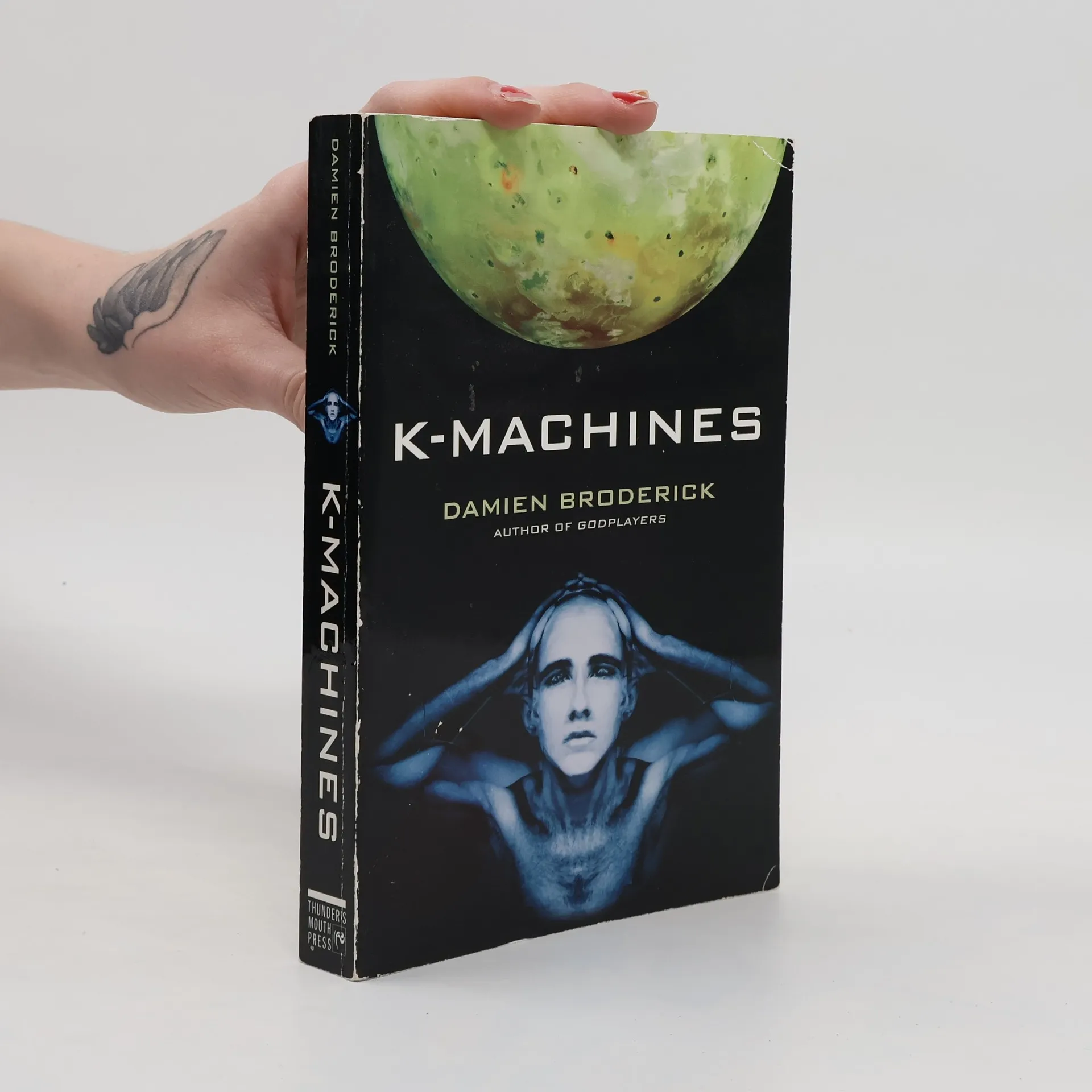
An anthropologist's quest in the central Australian desert leads him to uncover a connection between an aboriginal myth and the sacred Uluru rock formations. Accompanied by his nephew, he discovers a holographic "Gate" that reveals not only the origins of the legend but also insights into human history and the fate of the dinosaurs. This updated and revised edition of an award-winning novel explores themes of mythology, anthropology, and the intertwining of ancient beliefs with scientific discovery.
A sequel to Godplayers finds alternate-universe resident August Seebeck discovering his unexpected heritage as a Player in the Contest of Worlds, for which he and his turbulent siblings must engage in a mysterious battle against a dangerous host of super-beings. Original.
August Seebeck is in his twenties, a man of average looks and intellect. Then comes the claim of his great-aunt Tansy that she has been finding corpses each Saturday night in her bath (they vanish by morning). August dismisses this tale as elderly fantasy until he stumbles upon a corpse being shoved into the second-floor bathroom window of his aunt's house. Even that wouldn't faze him, but then someone steps out of the mirror....August suddenly discovers he is a Player in the multi-universe Contest of Worlds and that his true family is quarrelsome on a mythic scale. His search for understanding follows a classic quest pattern of the Parsifal kind, except that August is nobody's fool.An epic quest that is funny and engrossing, Godplayers is in the best tradition of Zelazny, Van Vogt, and the Knights of the Round Table, from one of science fiction's hottest up-and-coming writers.
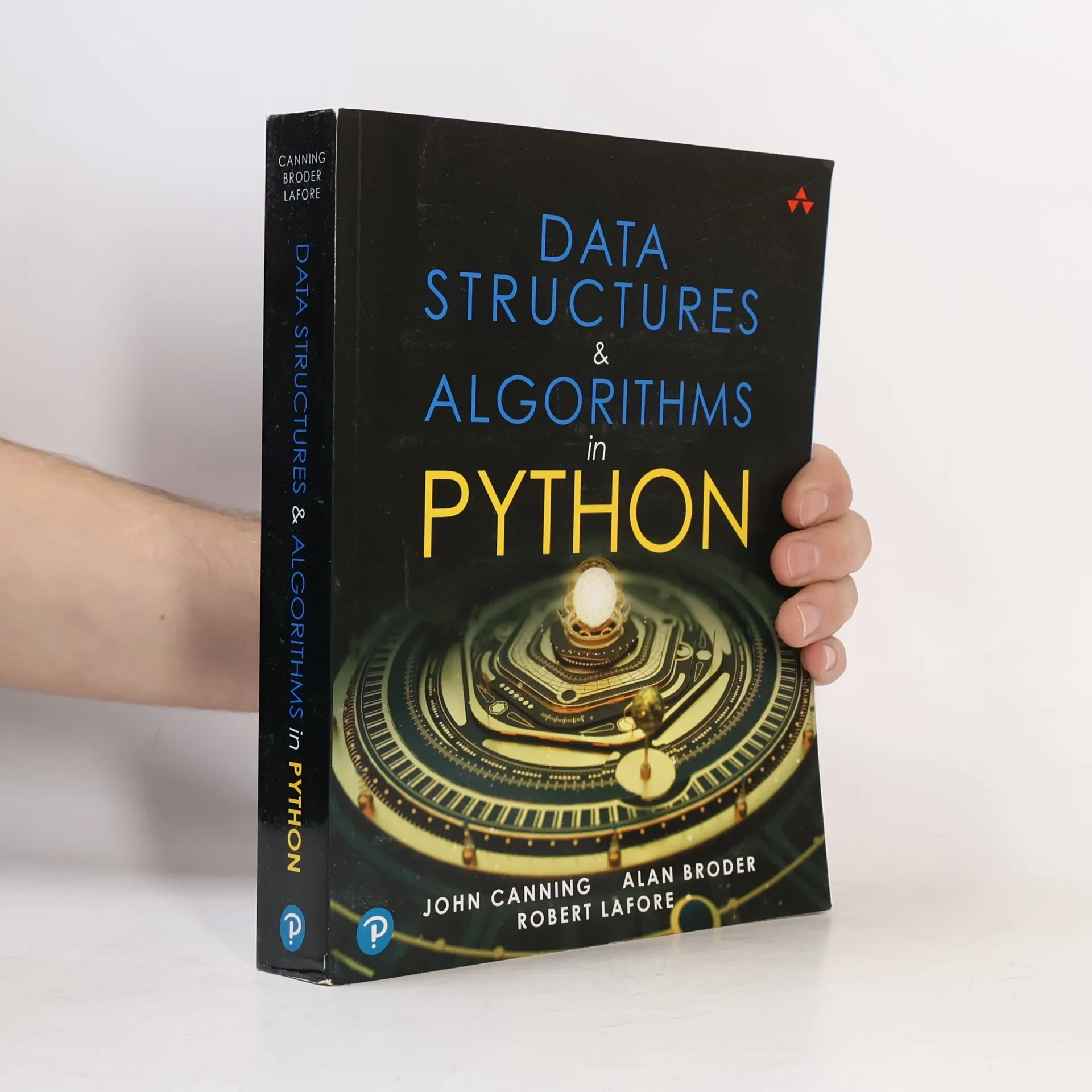
LEARN HOW TO USE DATA STRUCTURES IN WRITING HIGH PERFORMANCE PYTHON PROGRAMS AND ALGORITHMS This practical introduction to data structures and algorithms can help every programmer who wants to write more efficient software. Building on Robert Lafore's legendary Java-based guide, this book helps you understand exactly how data structures and algorithms operate. You'll learn how to efficiently apply them with the enormously popular Python language and scale your code to handle today's big data challenges. Throughout, the authors focus on real-world examples, communicate key ideas with intuitive, interactive visualizations, and limit complexity and math to what you need to improve performance. Step-by-step, they introduce arrays, sorting, stacks, queues, linked lists, recursion, binary trees, 2-3-4 trees, hash tables, spatial data structures, graphs, and more. Their code examples and illustrations are so clear, you can understand them even if you're a near-beginner, or your experience is with other procedural or object-oriented languages. Data Structures & Algorithms in Python is packed with examples, review questions, individual and team exercises, thought experiments, and longer programming projects. It's ideal for both self-study and classroom settings, and either as a primary text or as a complement to a more formal presentation.
Broderick homes in on the topic through the lens of science as well as fiction, exploring some fifty different time-travel scenarios and conundrums found in the science fiction literature and film.
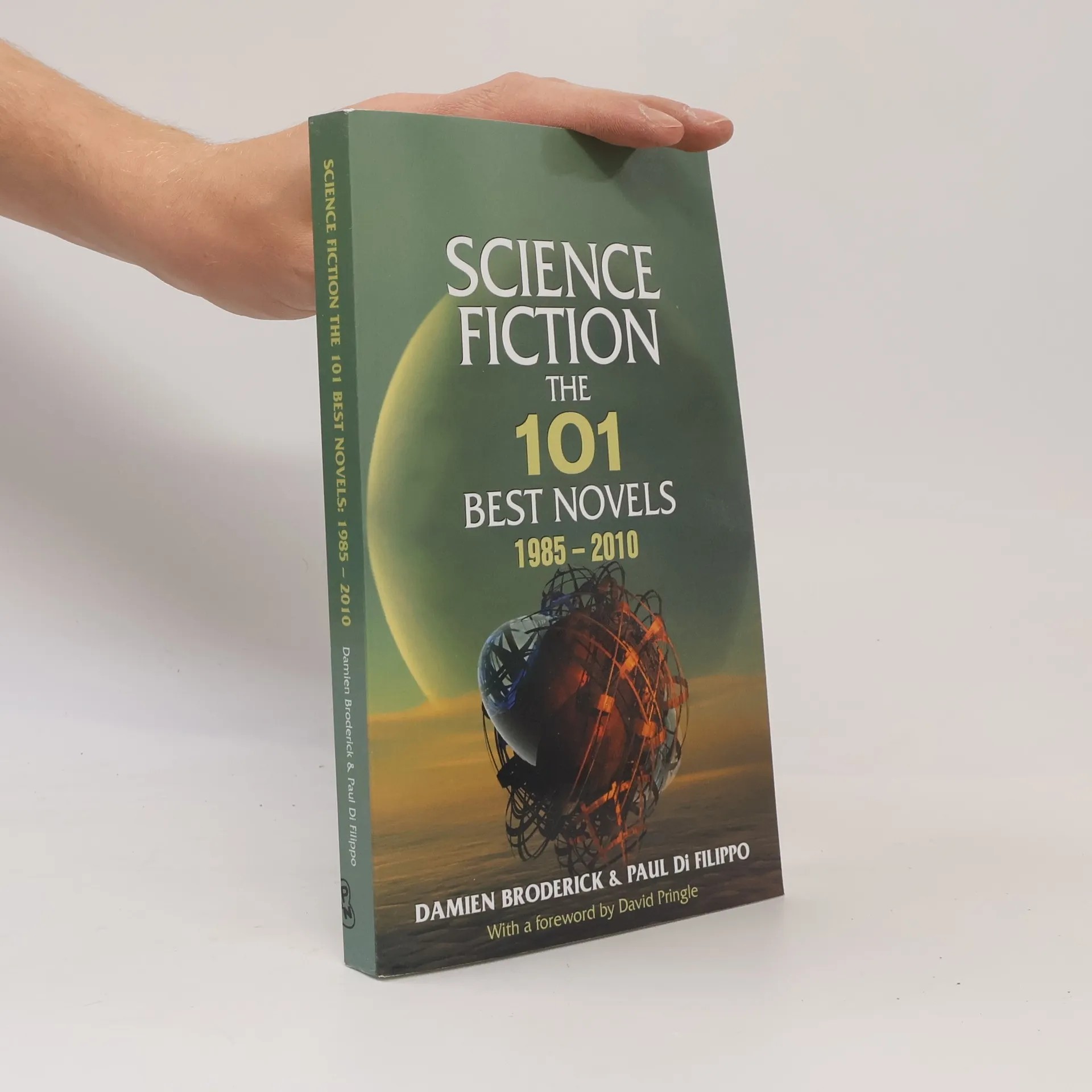
Inspired by David Pringle's landmark 1985 work Science Fiction: The 100 Best Novels, this volume supplements the earlier selection with the present authors' choices for the best English-language science fiction novels during the past quarter century. Employing a critical slant, the book provides a discussion of the novels and the writers in the context of popular literature. Moreover, each entry features a cover image of the novel, a plot synopsis, and a mini review, making it an ideal go-to guide for anyone wanting to become reacquainted with an old favorite or to discover a previously unknown treasure. With a foreword by David Pringle, this invaluable reference is sure to provoke conversation and debates among sci-fi fans and devotees.