Book by Judrin, Claudie
Auguste Rodin Livres
12 novembre 1840 – 17 novembre 1917
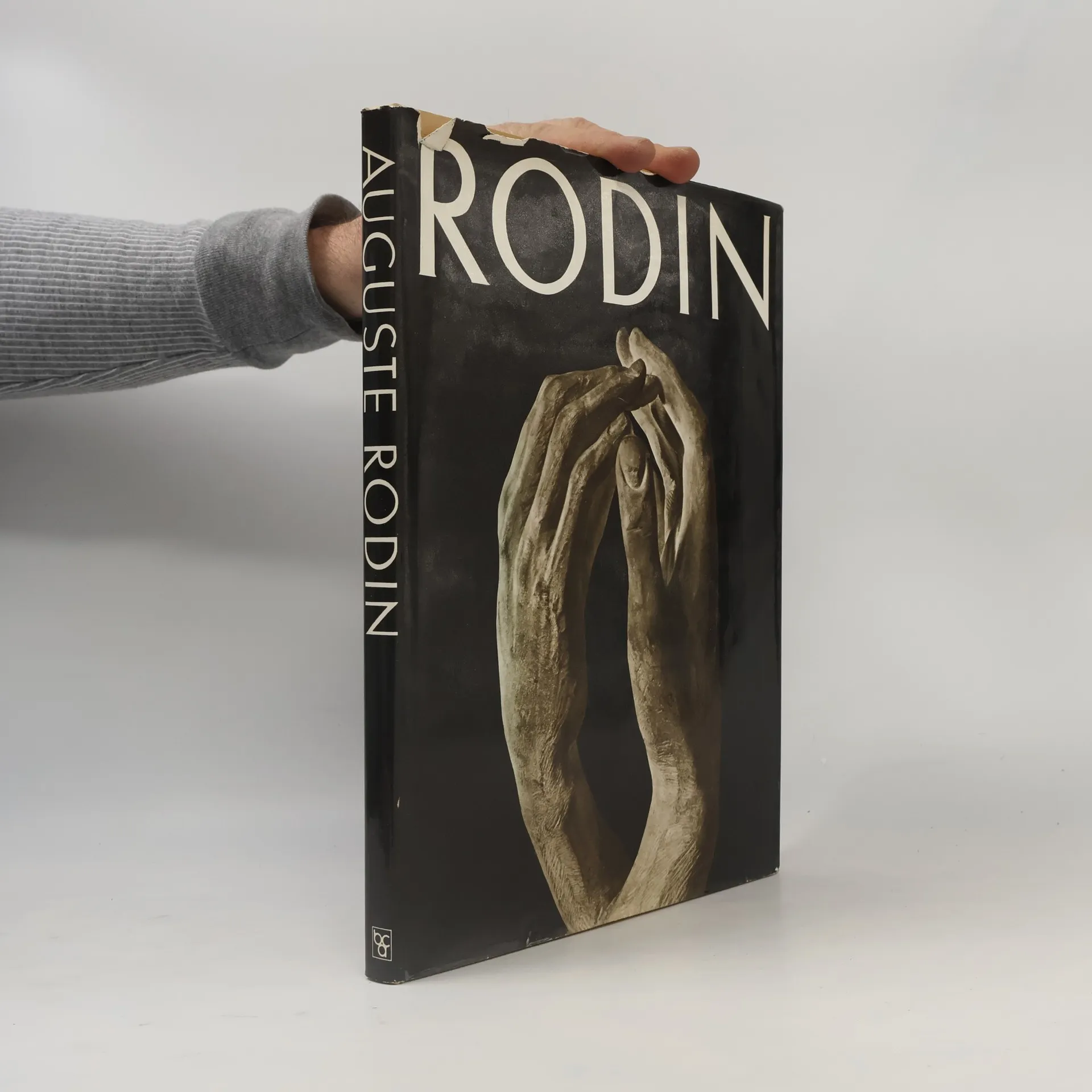
Auguste Rodin s'impose comme une figure clé de la sculpture moderne, réputé pour sa profonde capacité à conférer à l'argile des surfaces complexes et tourmentées. Bien que formé traditionnellement et dévoué à une approche artisanale, il a défié les traditions décoratives et formulaires prédominantes de son époque. L'originalité de Rodin résidait dans son éloignement de l'allégorie et du mythe, choisissant plutôt de représenter le corps humain avec un réalisme saisissant et de célébrer la physicalité individuelle. Malgré des critiques importantes pour ses thèmes et techniques non conventionnels, sa vision unique et son style intransigeant lui ont finalement valu une large reconnaissance et un héritage consolidé.

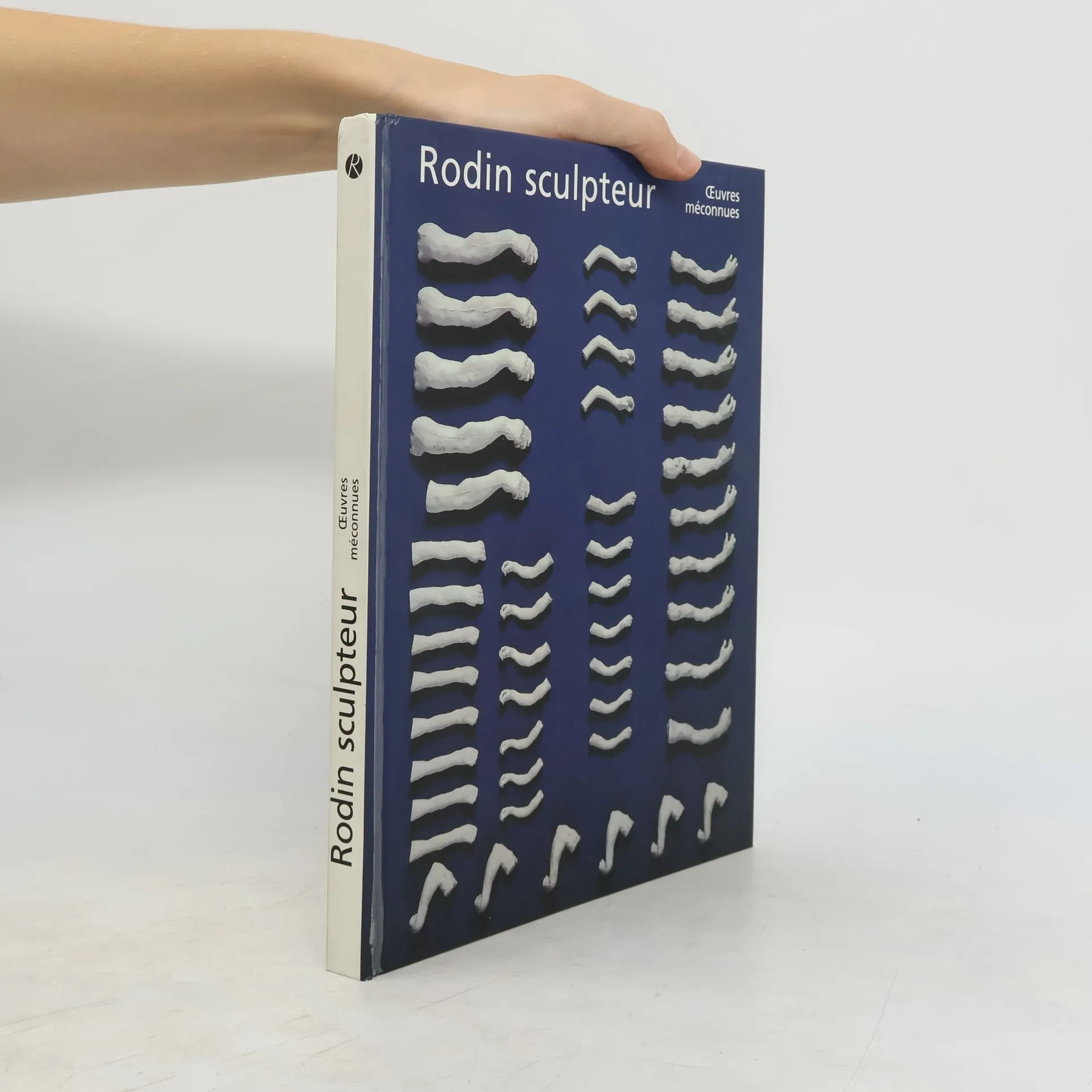
Rodin sculpteur
Œuvres méconnues : Paris, Musée Rodin, 24 novembre 1992-11 avril 1993
- 190pages
- 7 heures de lecture
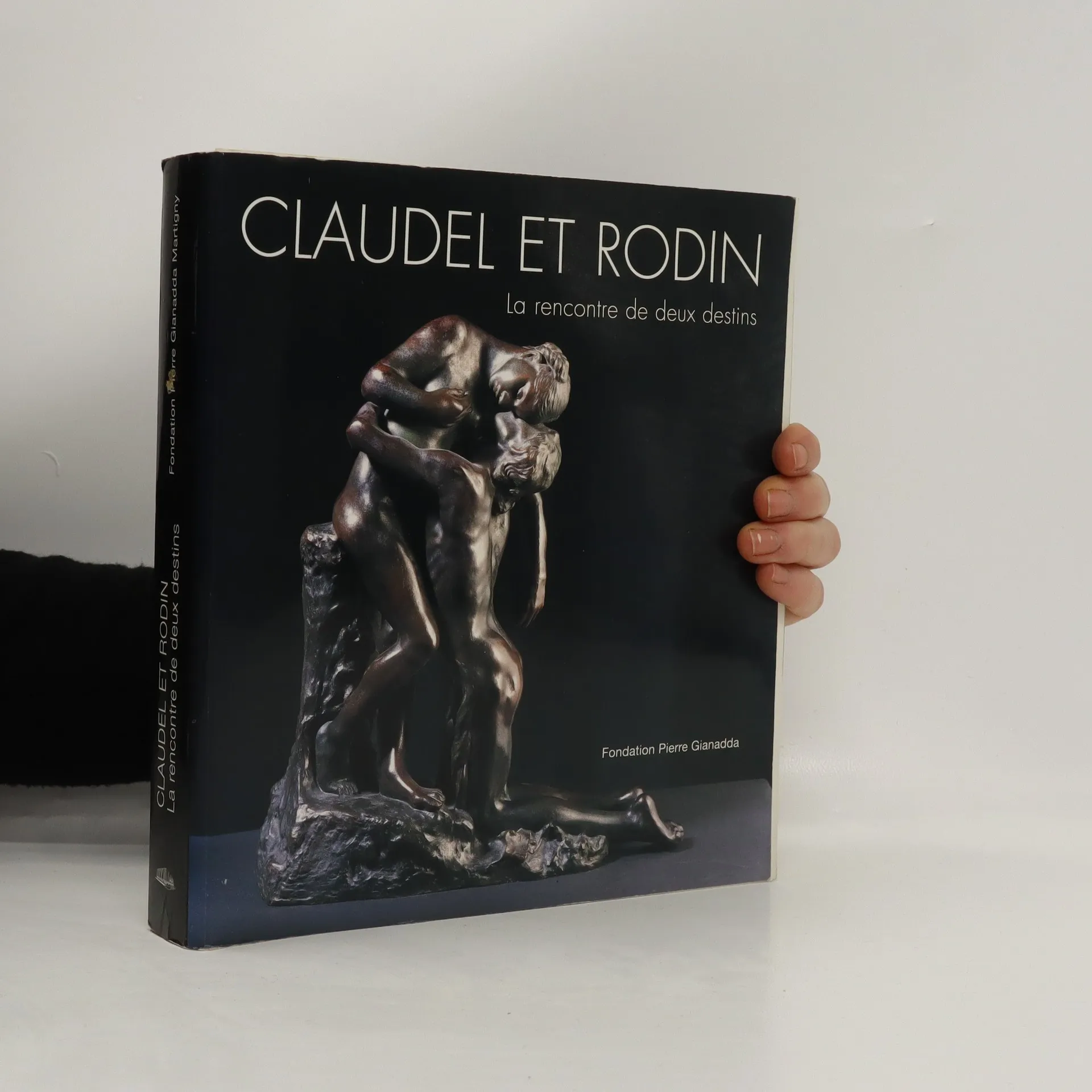
Claudel et Rodin : la rencontre de deux destins
- 397pages
- 14 heures de lecture
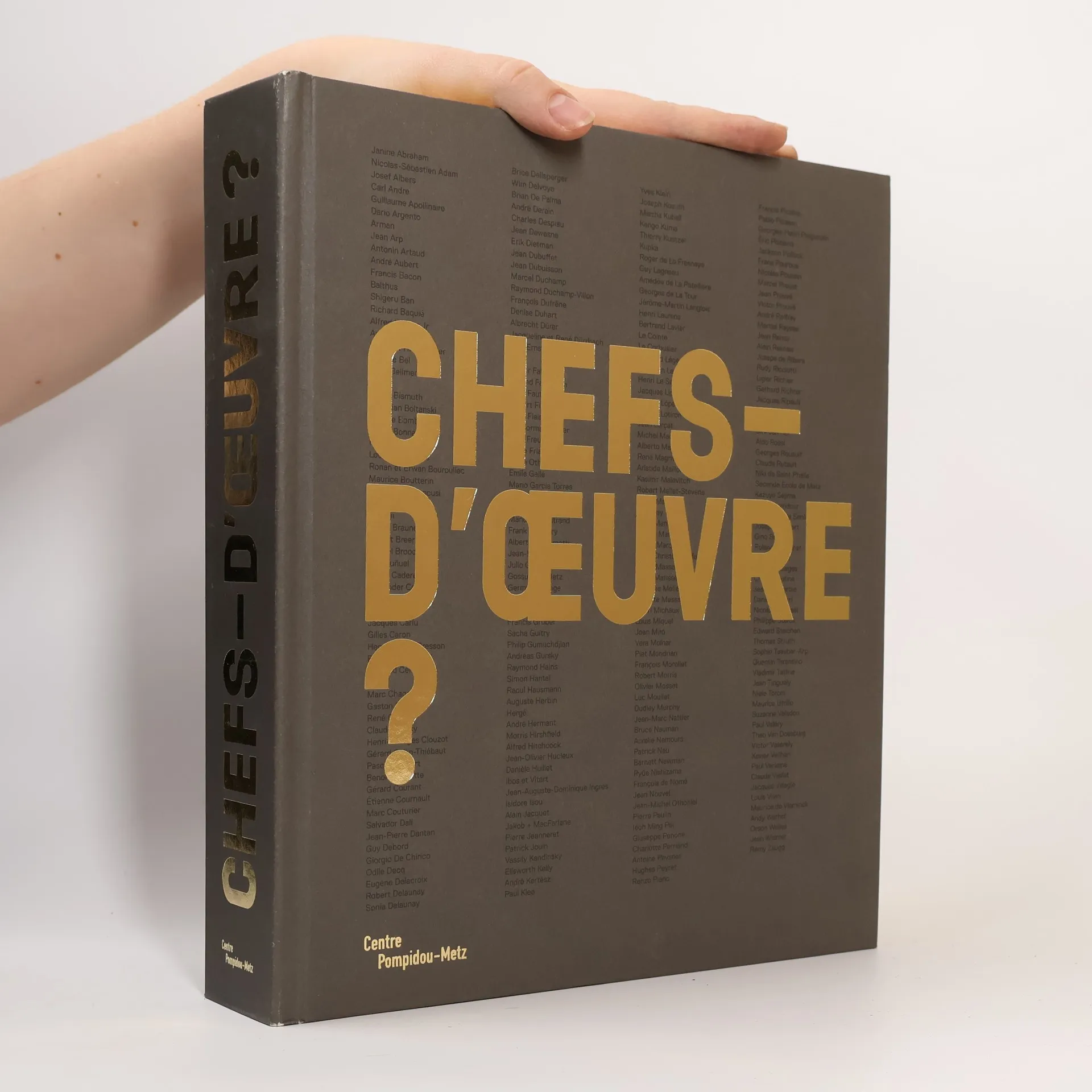
Chefs-d'œuvre ?
- 570pages
- 20 heures de lecture
Chefs d'uvre L'exposition d'ouverture du centre Pompidou-Metz.
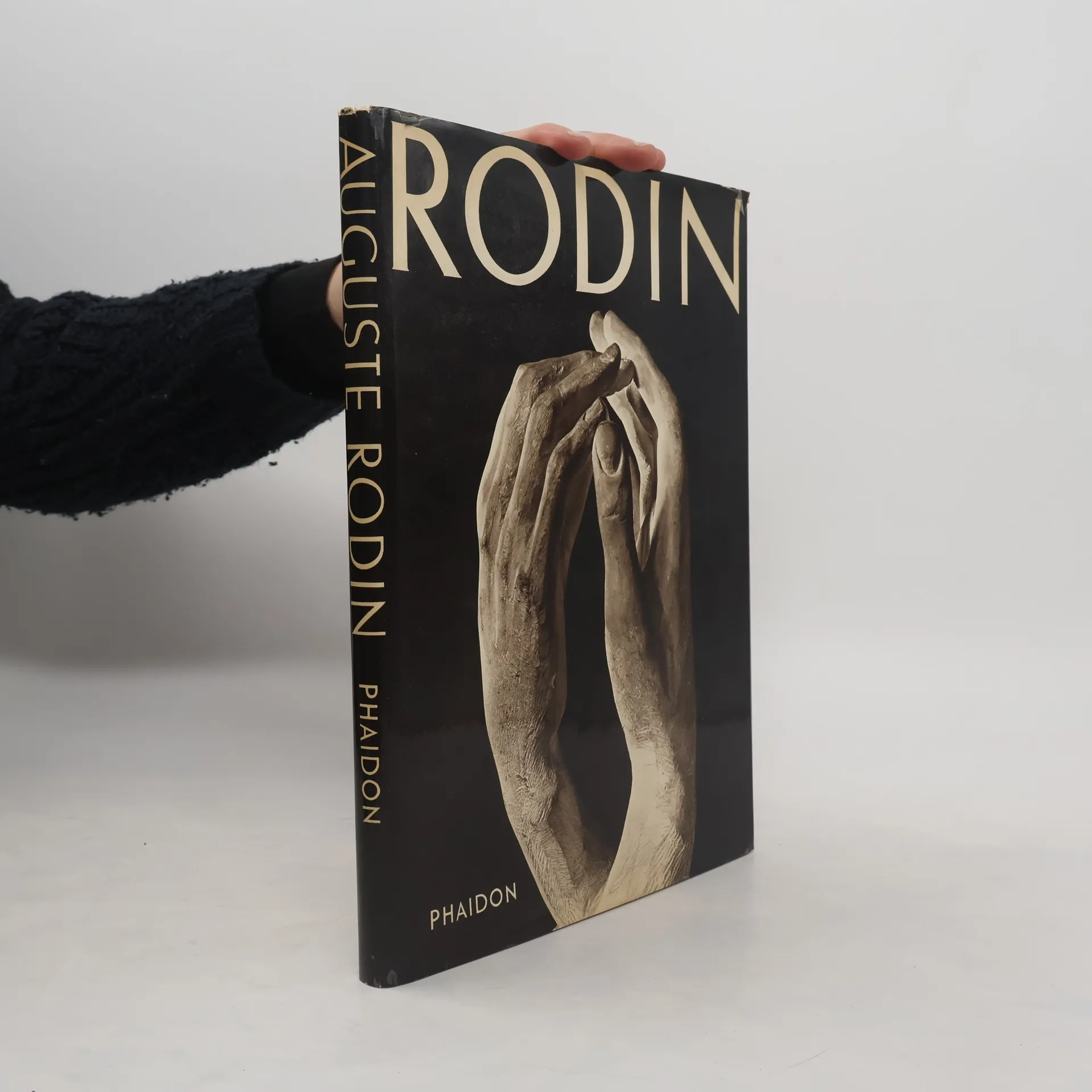
A l'aide de glaise, de bronze et de marbre Rodin a créé l'être humain, chanté les femmes, éveillé les passions, les joies et les vices. Ses personnages, " dans lesquels la douceur du péché sortait des racines de la douleur " (Rilke), ont surmonté l'épreuve du temps et nous fascinent plus que jamais.
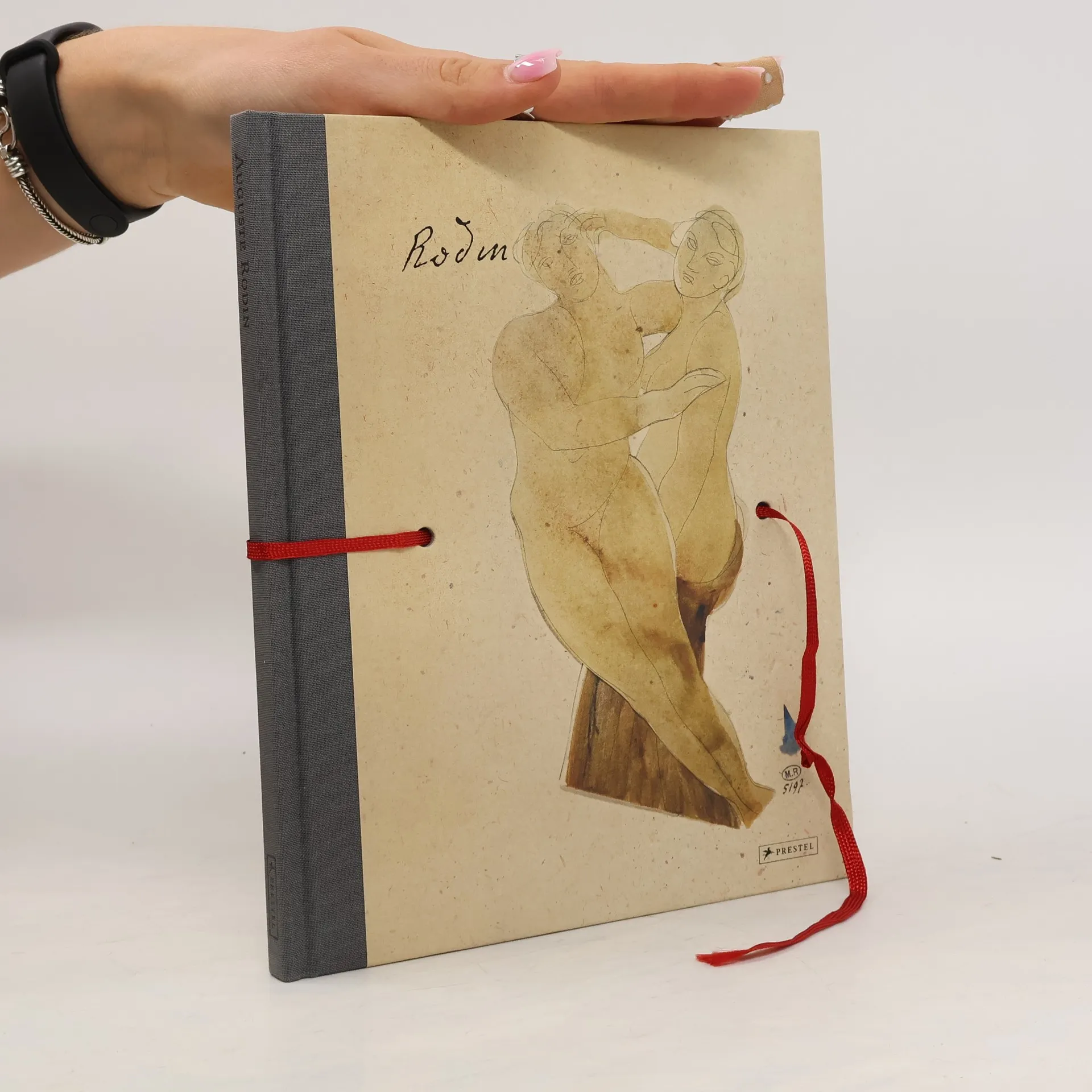
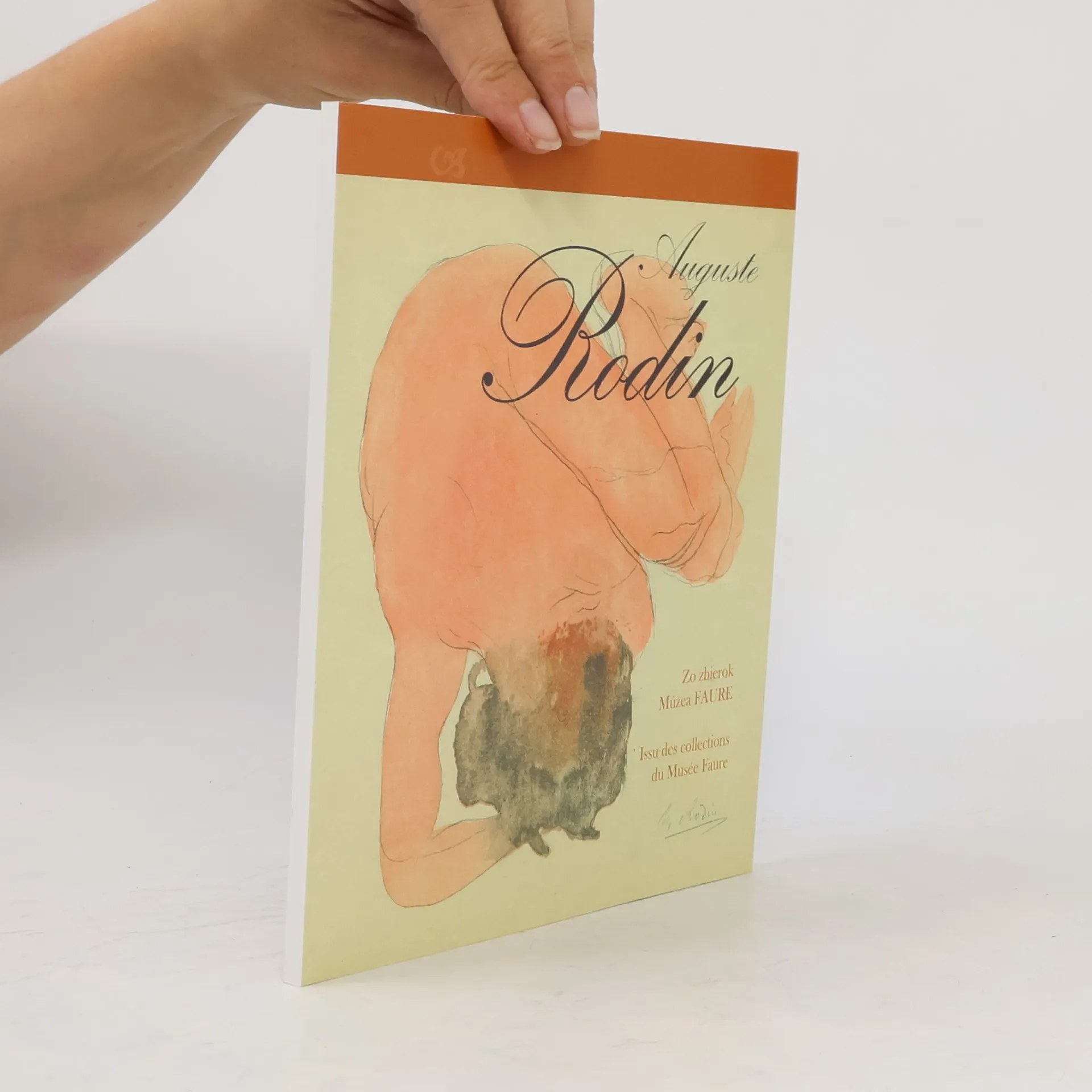
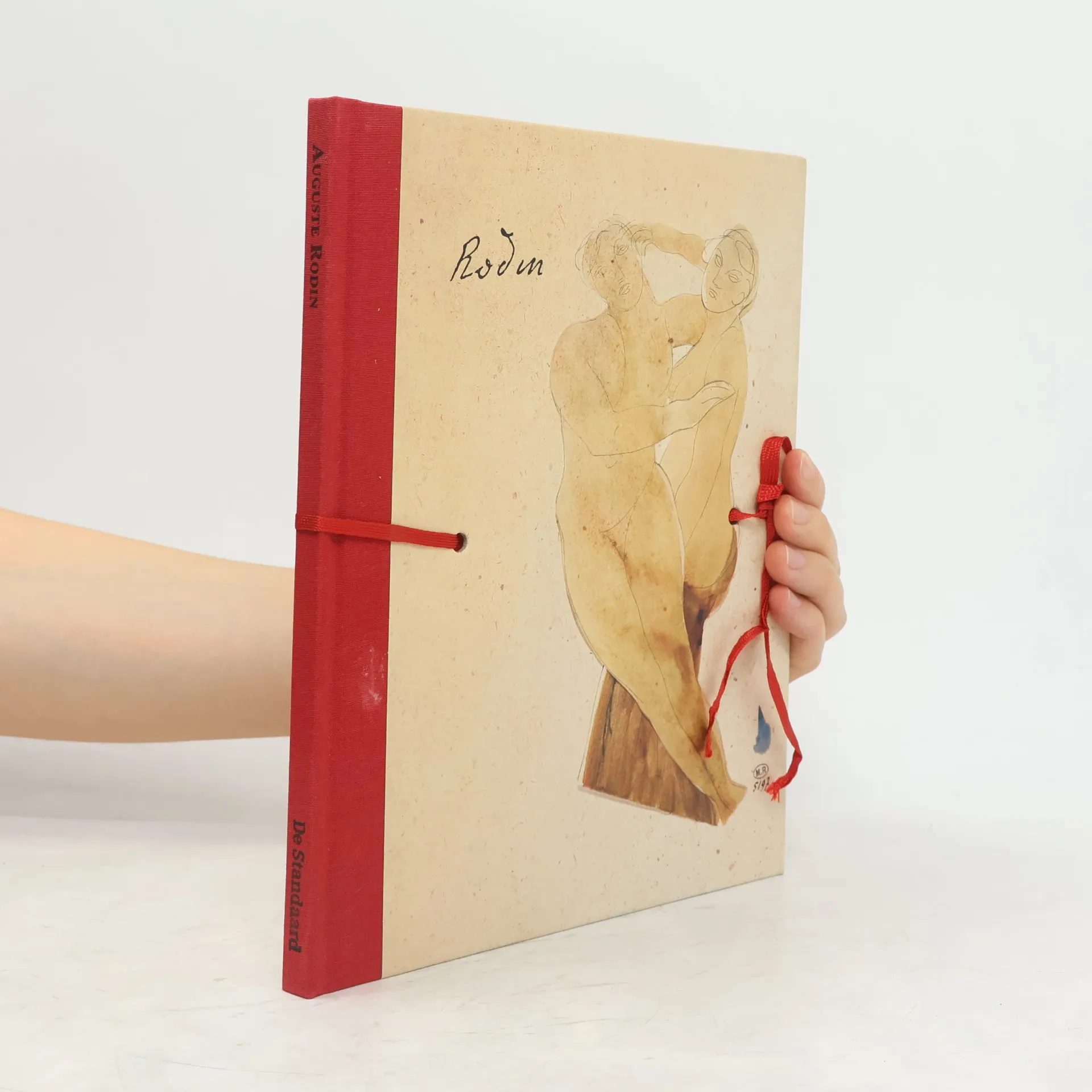
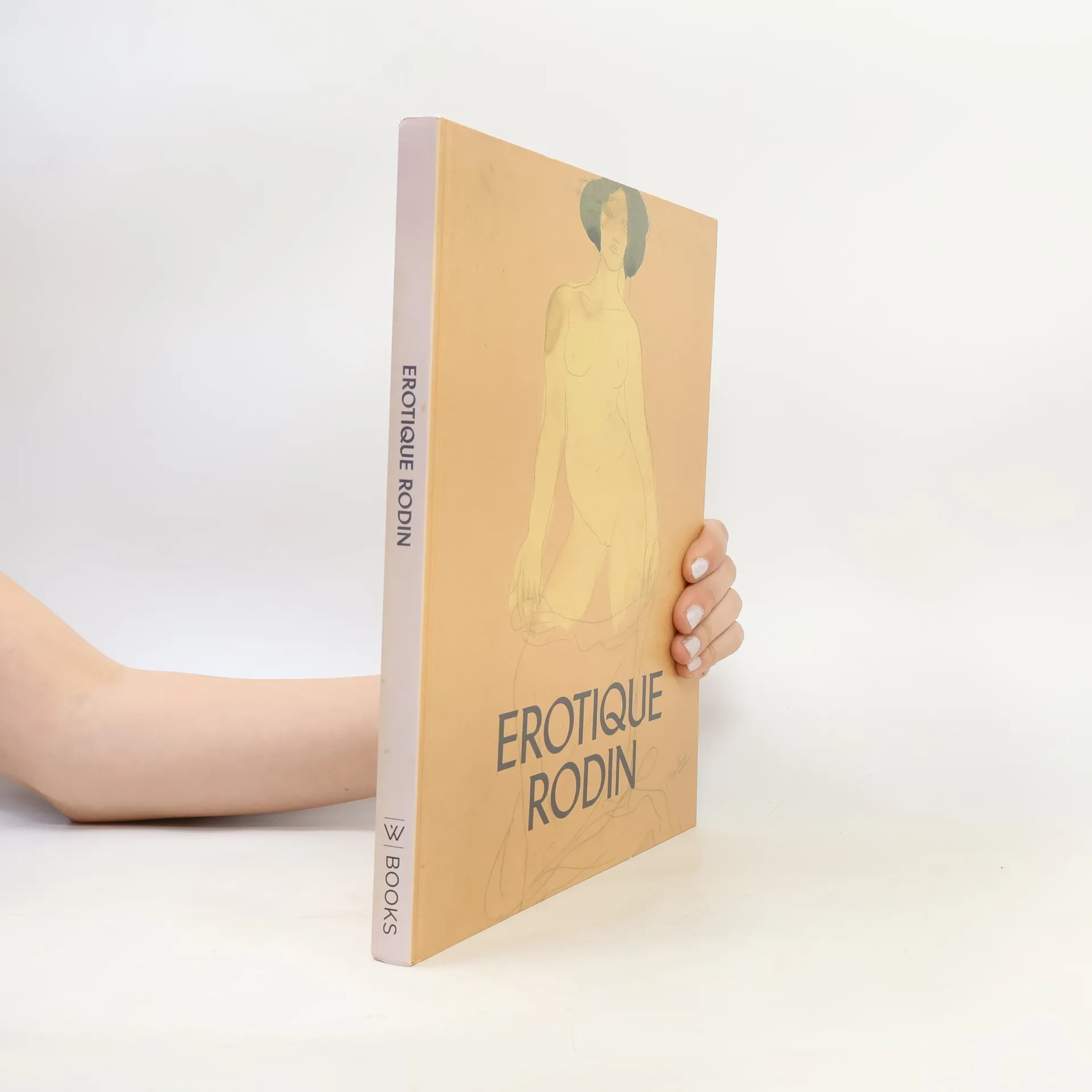
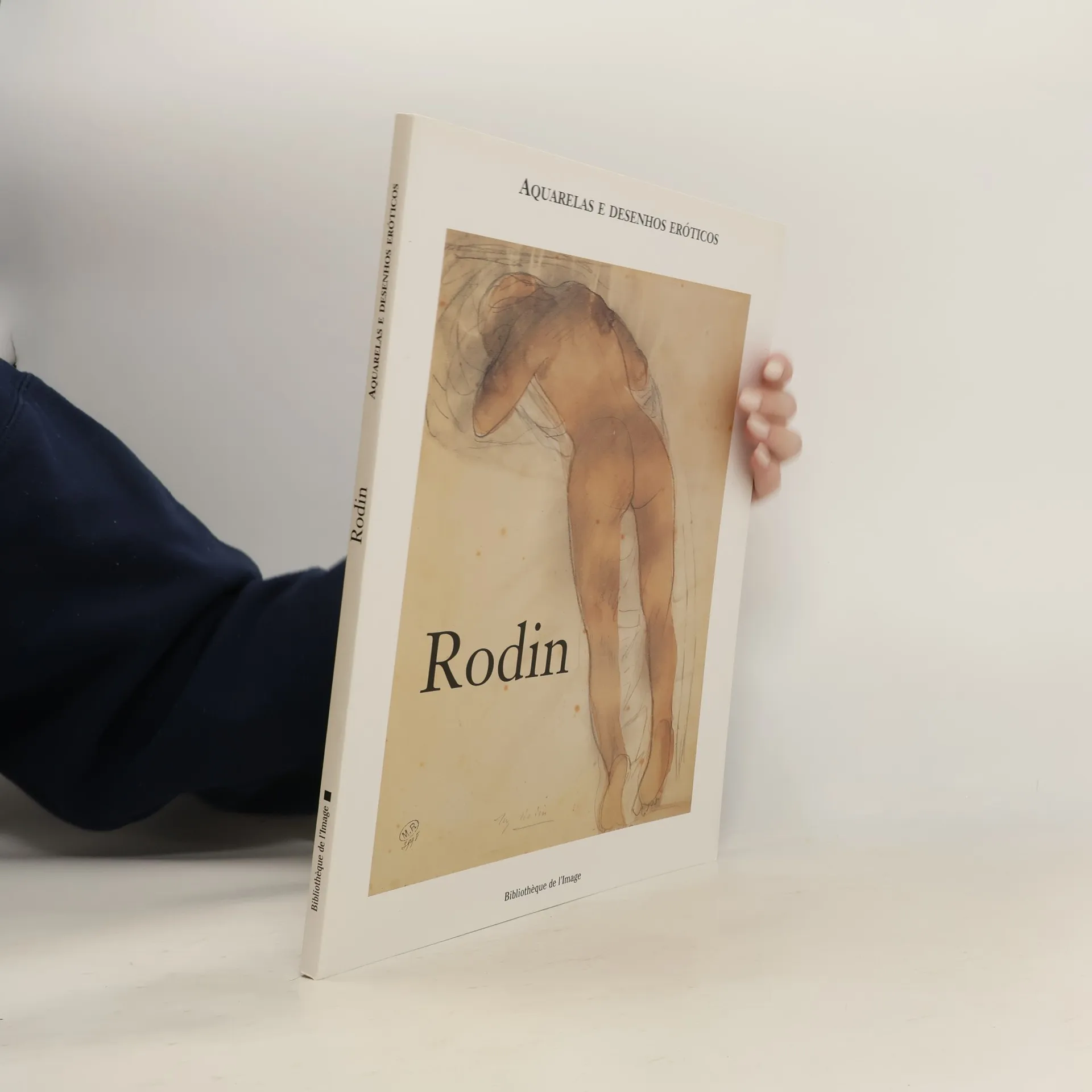
Designed to imitate an artist s sketchbook, this exquisite collection of Auguste Rodin s nude drawings is a sensuous celebration of his work. One of the world s most revered sculptors, Rodin spent much of his late career sketching nudes in his studio. At the time these intimate studies were considered obscene and their first public exhibition resulted in scandal. Today Rodin s erotic work is appreciated for its great expressive power, confidence of line, and delicate colors. This collection of more than thirty color drawings offers readers the unique experience of peering over the artist s shoulder as he works. The stunning reproductions, embossed cover and ribbon tie make this a perfect gift for lovers of art and lovers everywhere. Norbert Wolf is an art historian and the author of Gustav Klimt: Erotic Sketchbook, Egon Schiele: Erotic Sketchbook, and The World of Saints (all by Prestel).
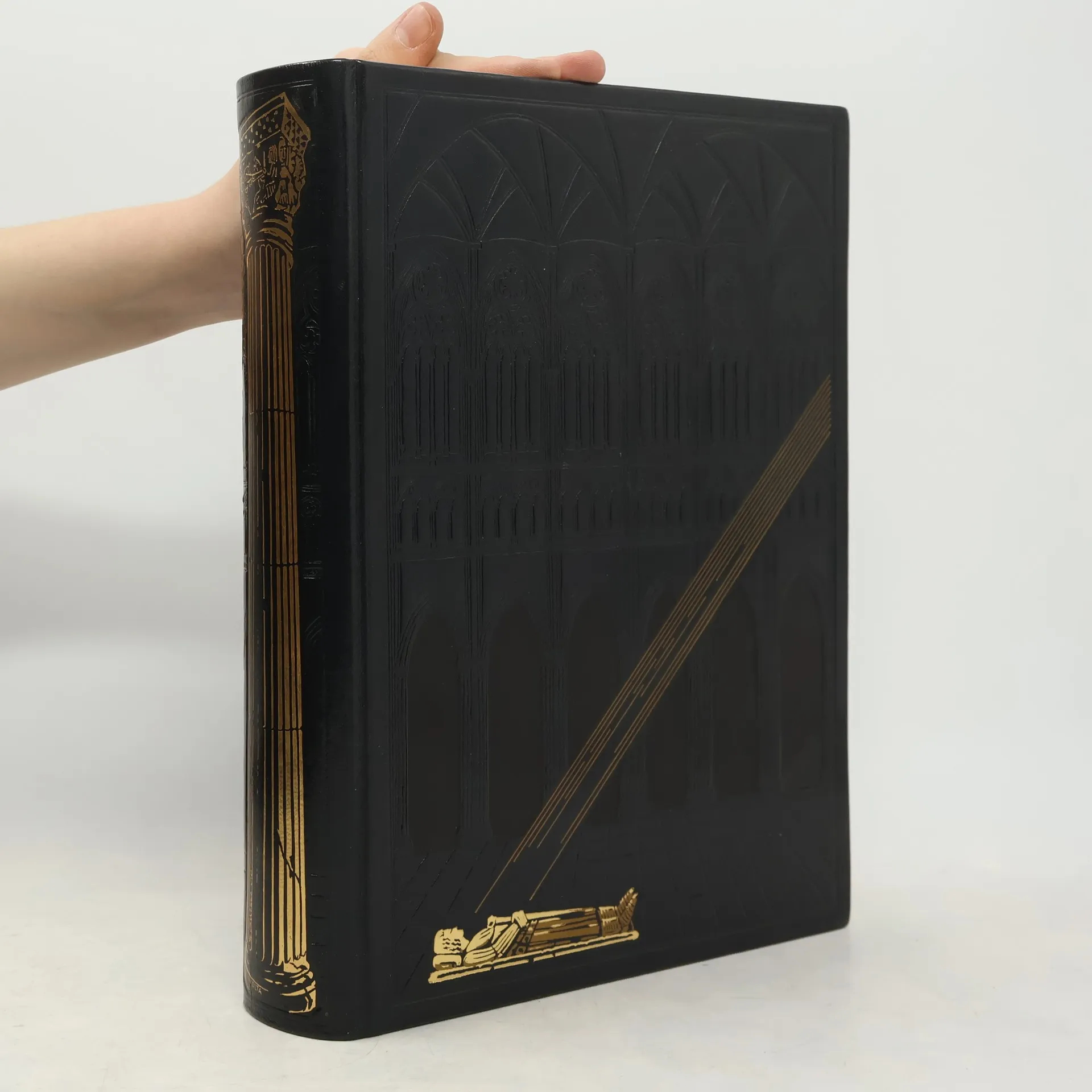
The Cathedral is Dying
- 96pages
- 4 heures de lecture
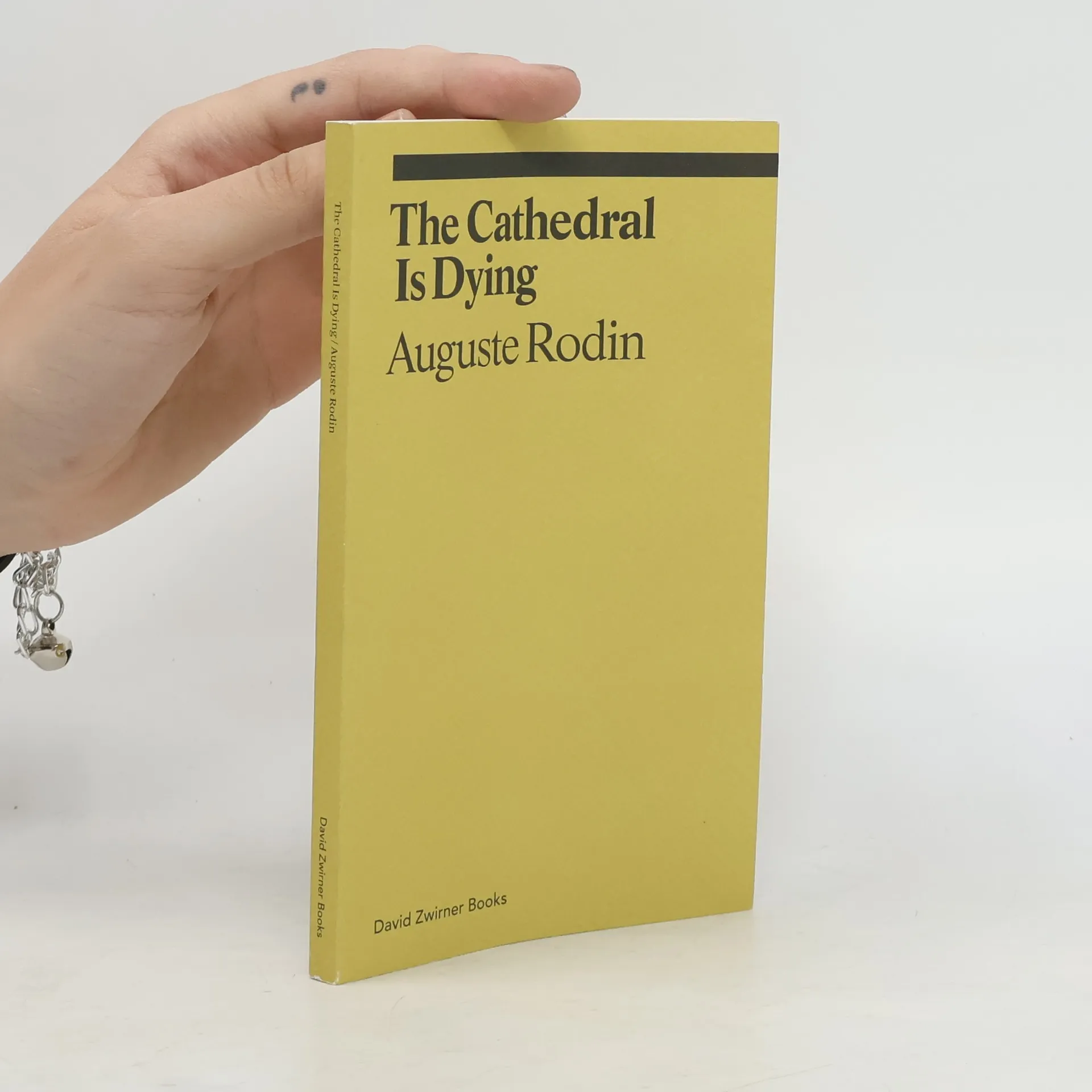
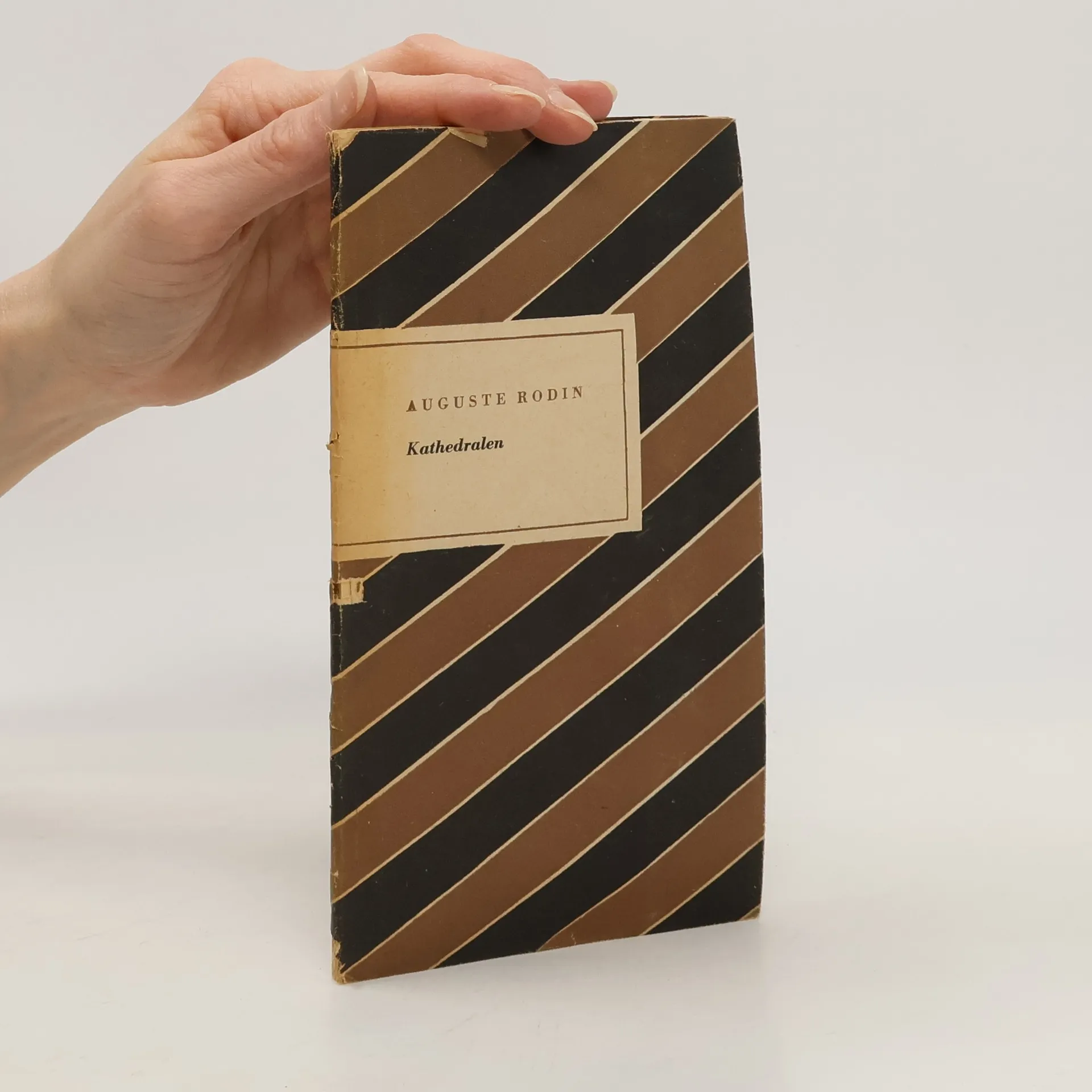
Master sculptor Auguste Rodin’s illuminating writings on cathedrals in France are especially relevant and significant following the recent fire at Notre Dame. In this volume, the writer and Rodin scholar Rachel Corbett selects excerpts from the famous sculptor’s book Cathedrals of France, first published in 1914, just before the outbreak of World War I. Cathedrals were central to the way Rodin thought about his art: he saw them as visual metaphors for the human figure, among the finest examples of craftsmanship known to modern man, and as a model for how to live and work—slowly, brick by brick. Here, Corbett takes the fire at Notre Dame and the concerns over its restoration as an entry point in an exploration of Rodin's cathedrals. Rodin adamantly opposed restoration, as he felt it often did more damage than the original injury. (Many of the cathedrals that Rodin looks at in his texts were, in fact, bombed during the war.) But while he rails against various restoration efforts as evidence that “we are letting our cathedrals die,” the book, with its tenderly rendered sketches and written portraits, is itself an attempt to preserve these cathedrals. The selection of texts in this volume is a reminder—as is the tragedy of Notre Dame—of why we ought to appreciate these feats of architecture, whether or not they are still standing today.
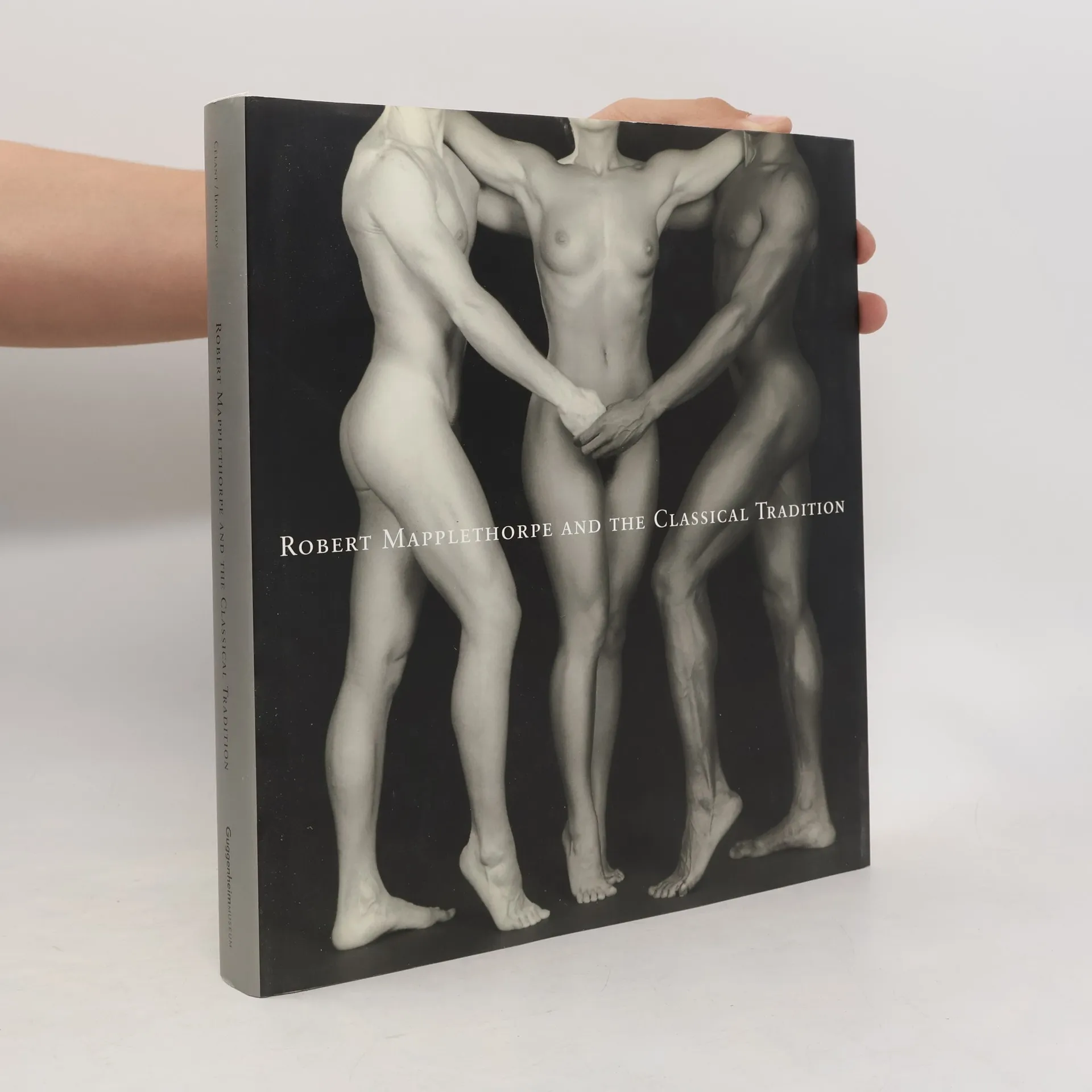
Robert Mapplethorpe And The Classical Tradition
- 208pages
- 8 heures de lecture
Robert Mapplethorpe's fascination with the human figure is vividly captured in his iconic black-and-white photographs, which celebrate the beauty of the athletic and nude body. This exhibition and its catalogue delve into the interplay between Mapplethorpe's photography and Classical art, particularly Mannerist engravings and sculpture. It marks a significant collaboration between the Guggenheim Museum and the State Hermitage Museum. The exhibition highlights Mapplethorpe's connection to Mannerist art, showcasing how his subjects embody classicism through their clarity and dynamic energy. His portrayal of love and Eros resonates with the Mannerist works displayed, drawing parallels between his portraits of models like bodybuilder Lisa Lyons and the classical figures in pieces such as Jan Harmensz Muller's Sabine woman. The Hermitage's extensive collection of Italian art, featuring approximately 50 Mannerist works alongside Mapplethorpe's, enriches this exploration. Curatorial essays discuss the resurgence of Classicism across centuries, examining the shared obsessions of Mapplethorpe and the Mannerists. They also illuminate his artistic sensibility and interest in pure form and allegory, while tracing his complex relationship with art history, referencing figures like Jacques-Louis David and Auguste Rodin. The catalogue captures both the visual and intellectual dialogue between these artistic traditions.
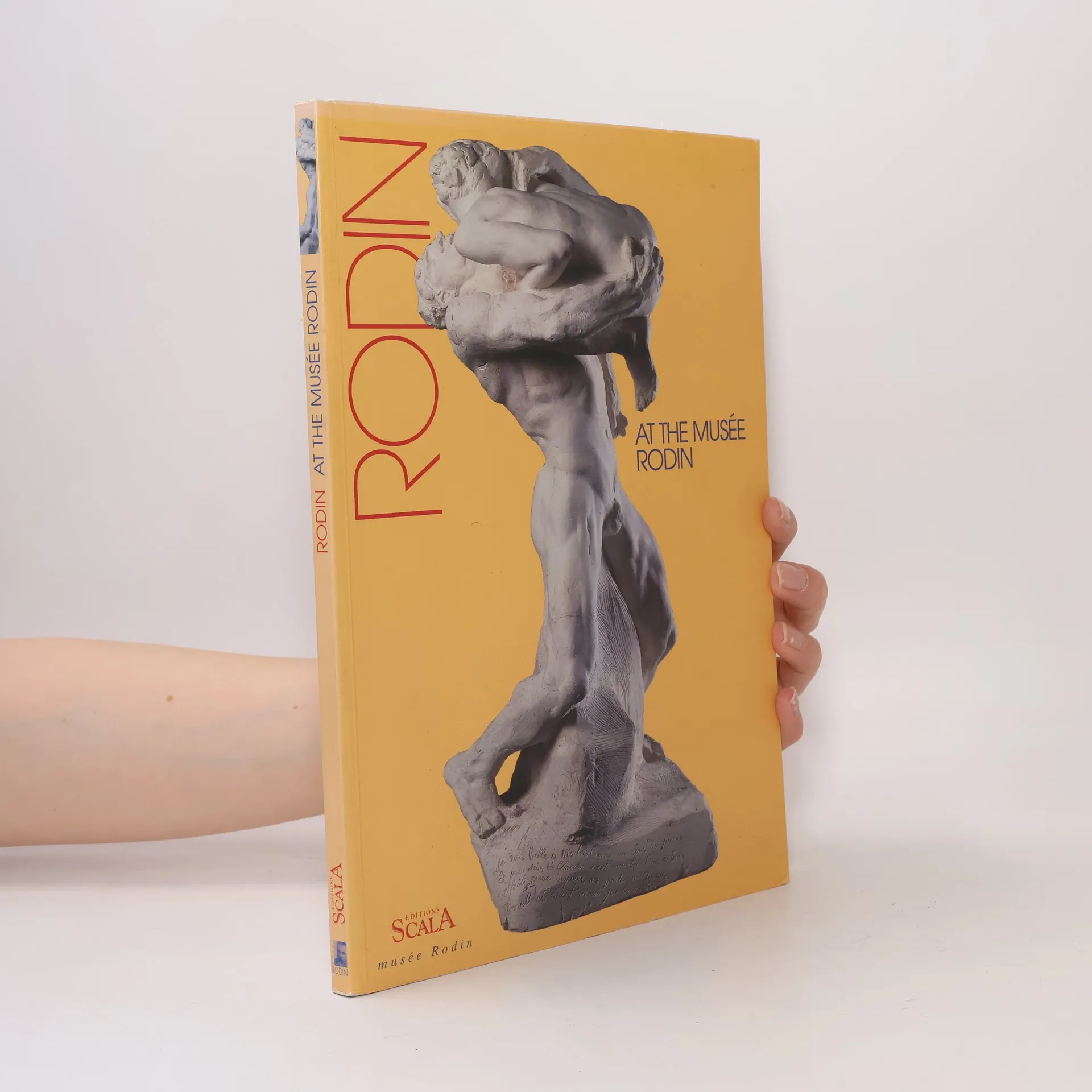
Comprehensive analysis of this innovative artist, drawing on the wealth of material at the Musee Rodin. Include Rodin's life story, the many facets of his art: sculptures, portraits, architectural drawings, drawings of women, works in marble, as well as his own collection.
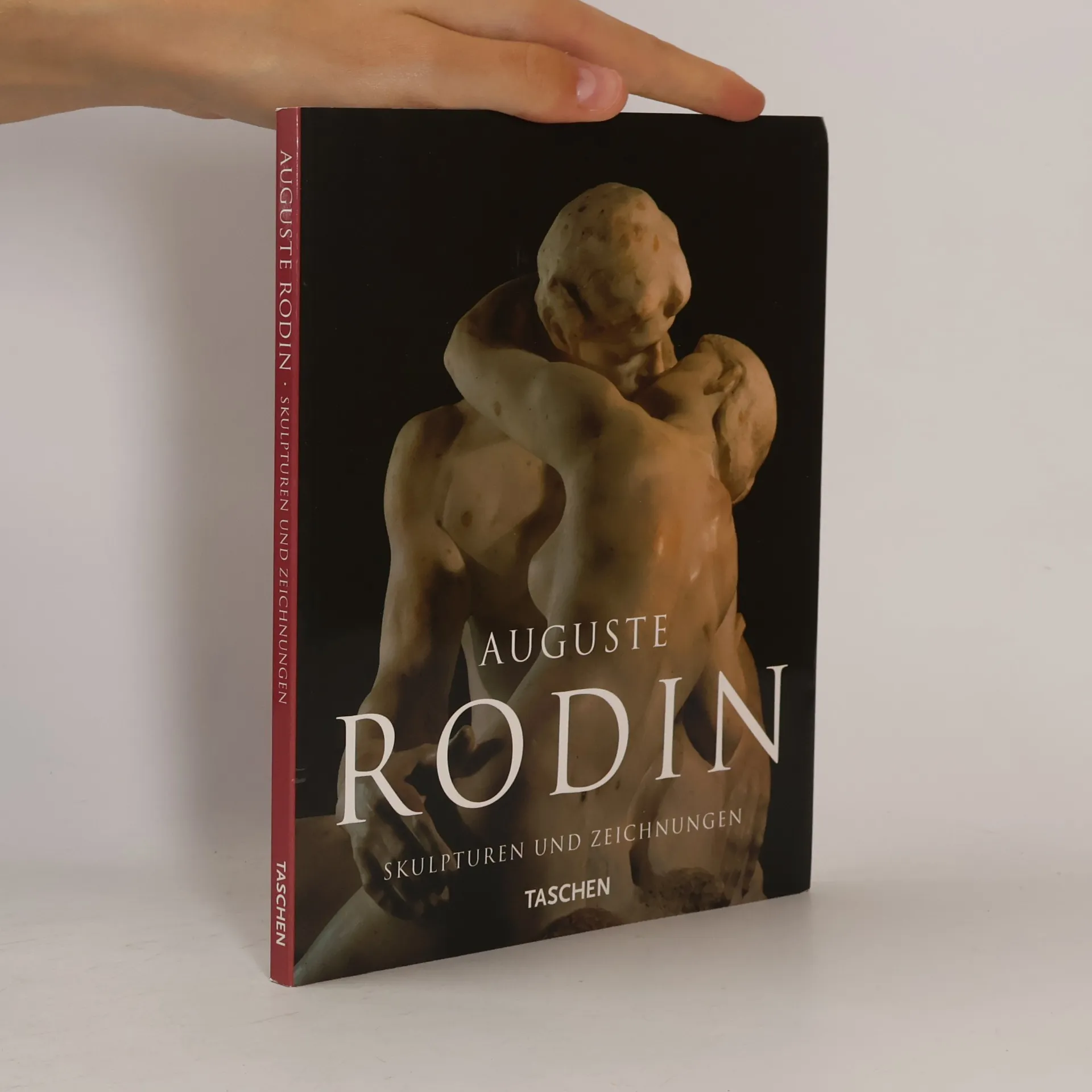
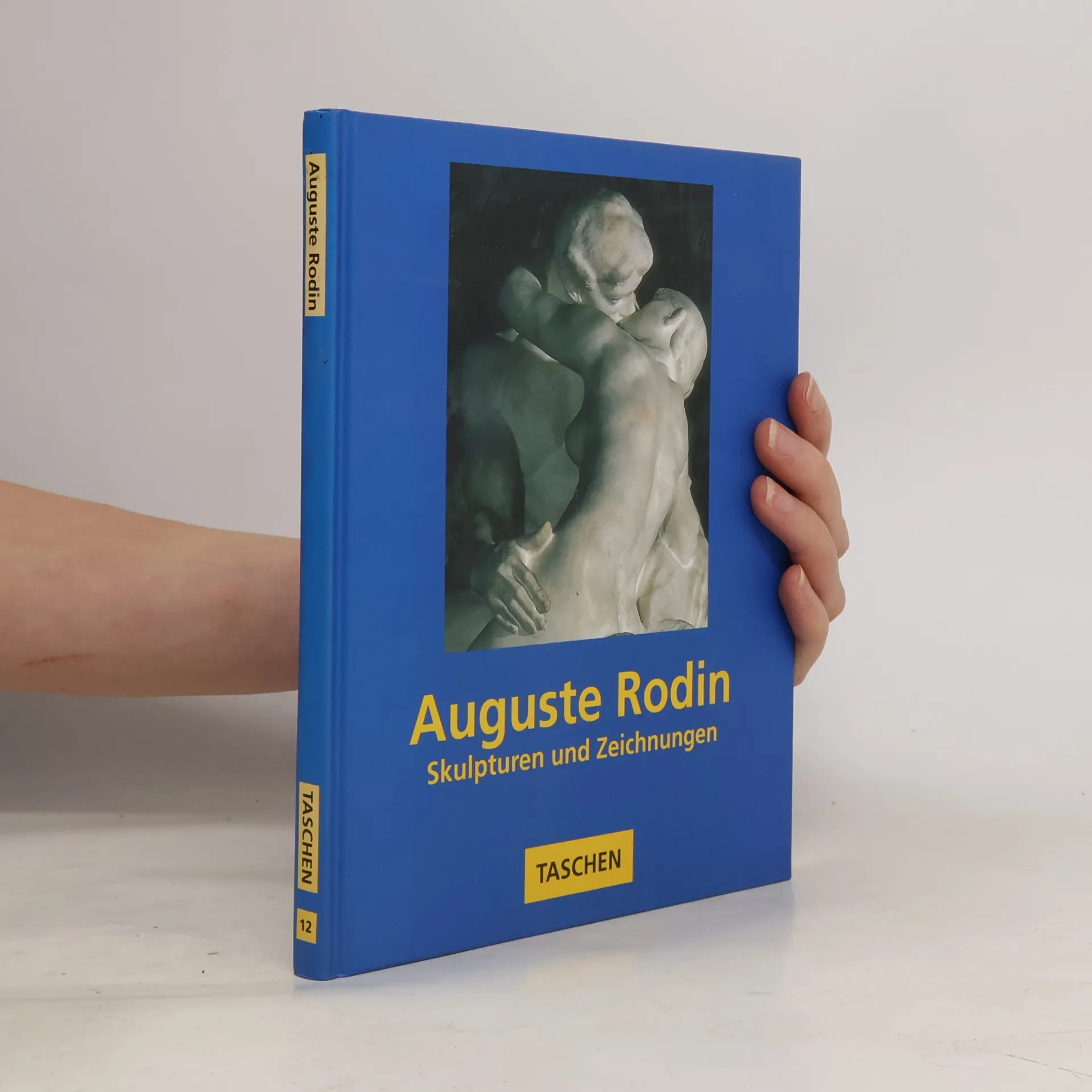
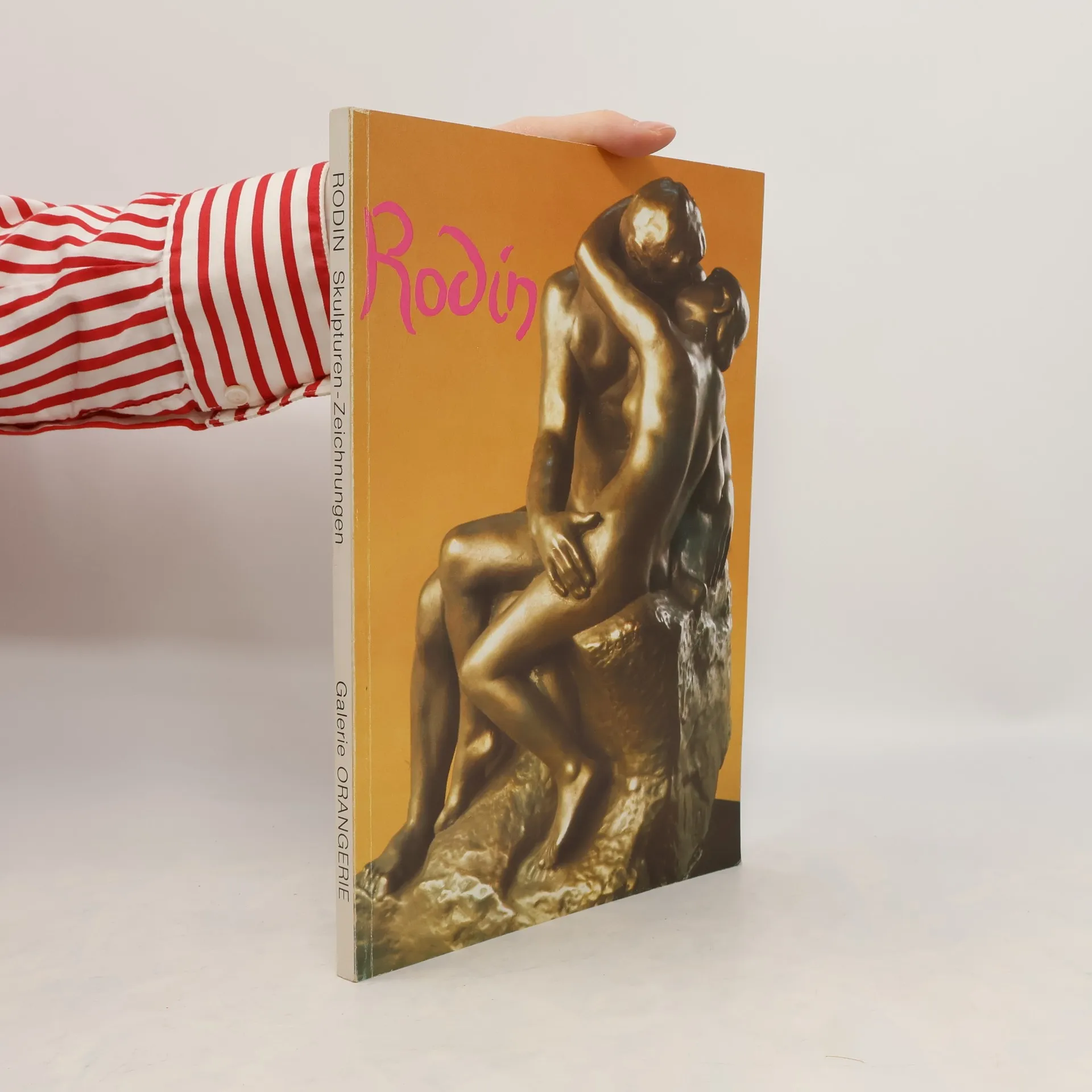
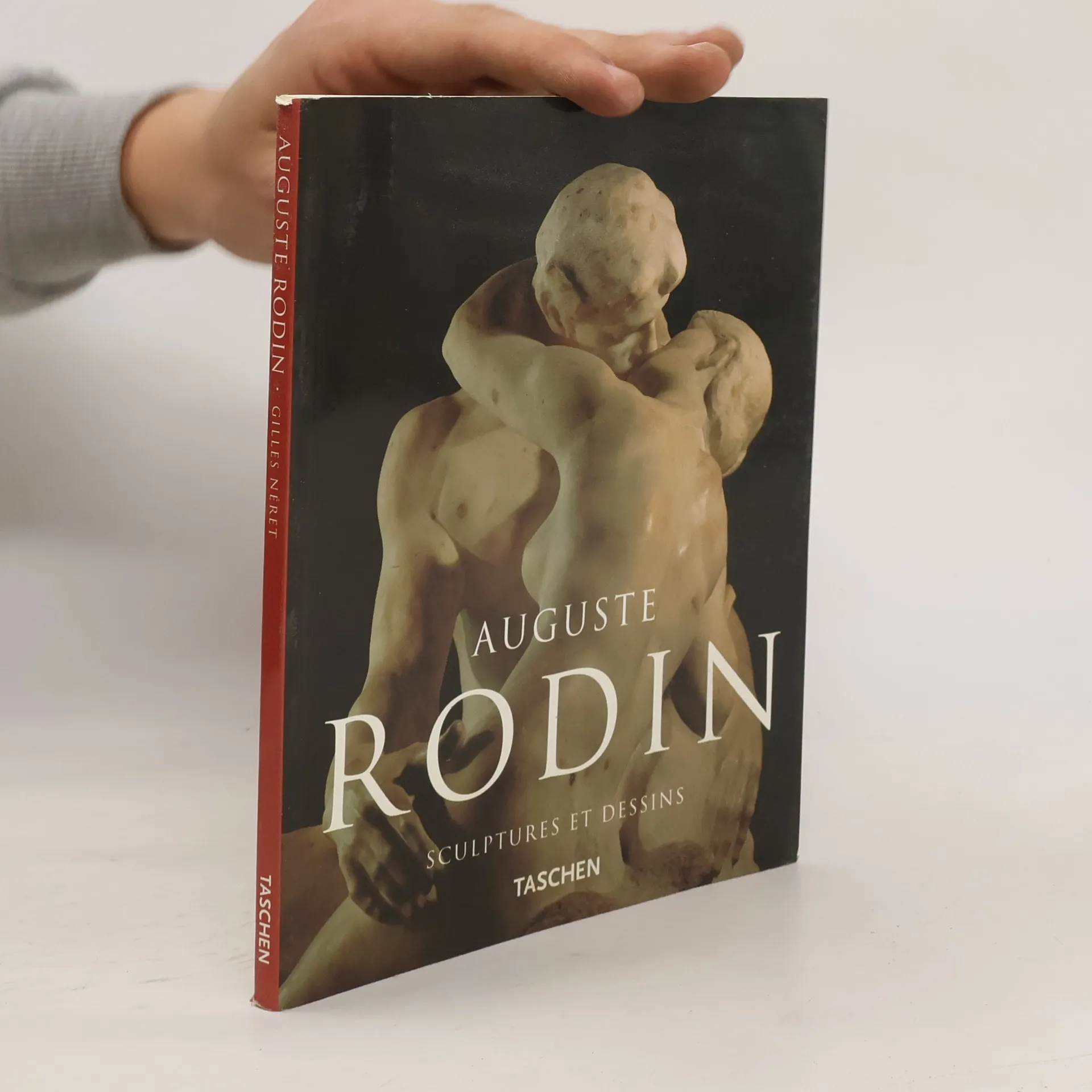
Skulpturen und Zeichnungen
- 92pages
- 4 heures de lecture
Meister in der Nachbildung der Menschengestalt. Die Süße der Sünde aus den Wurzeln des Schmerzes
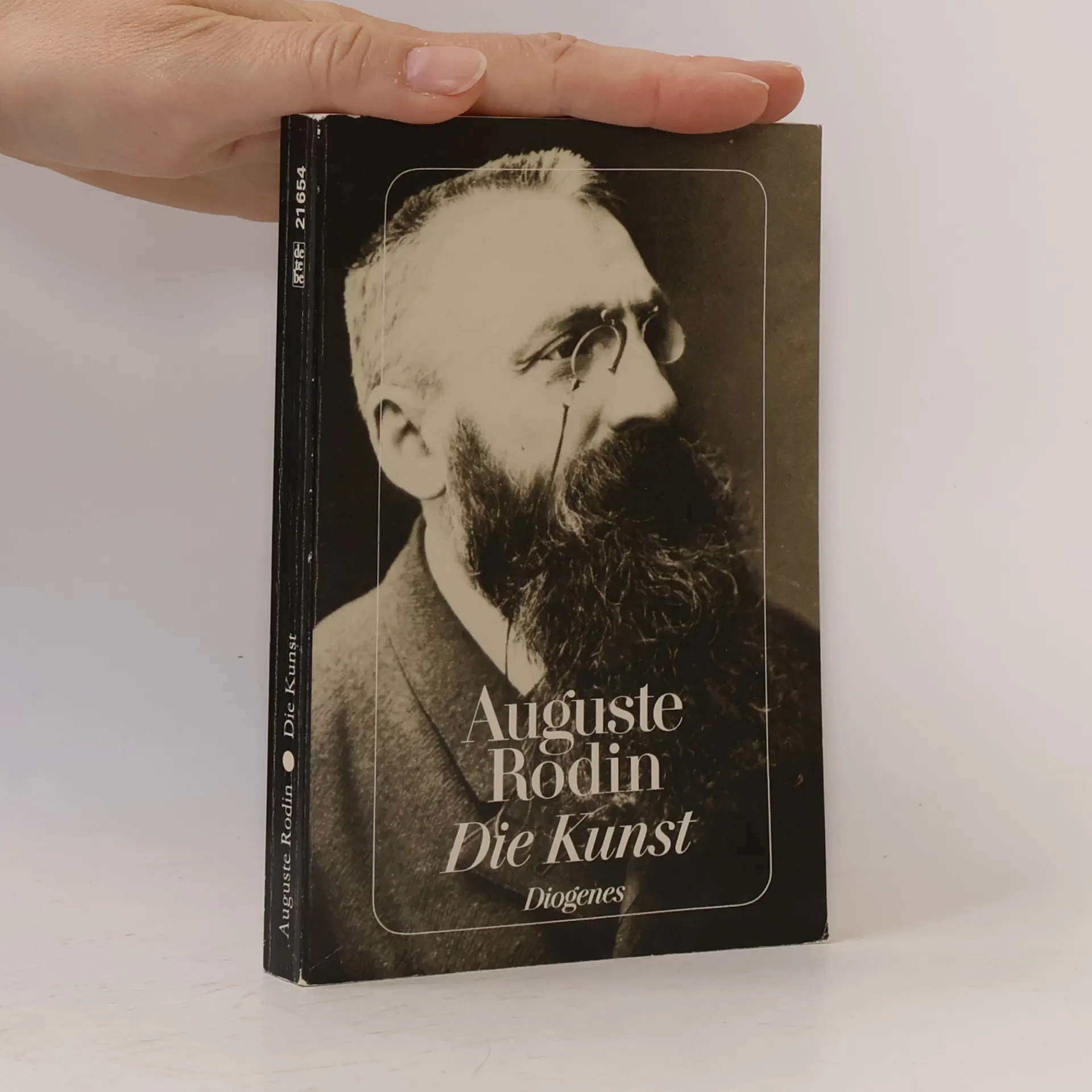
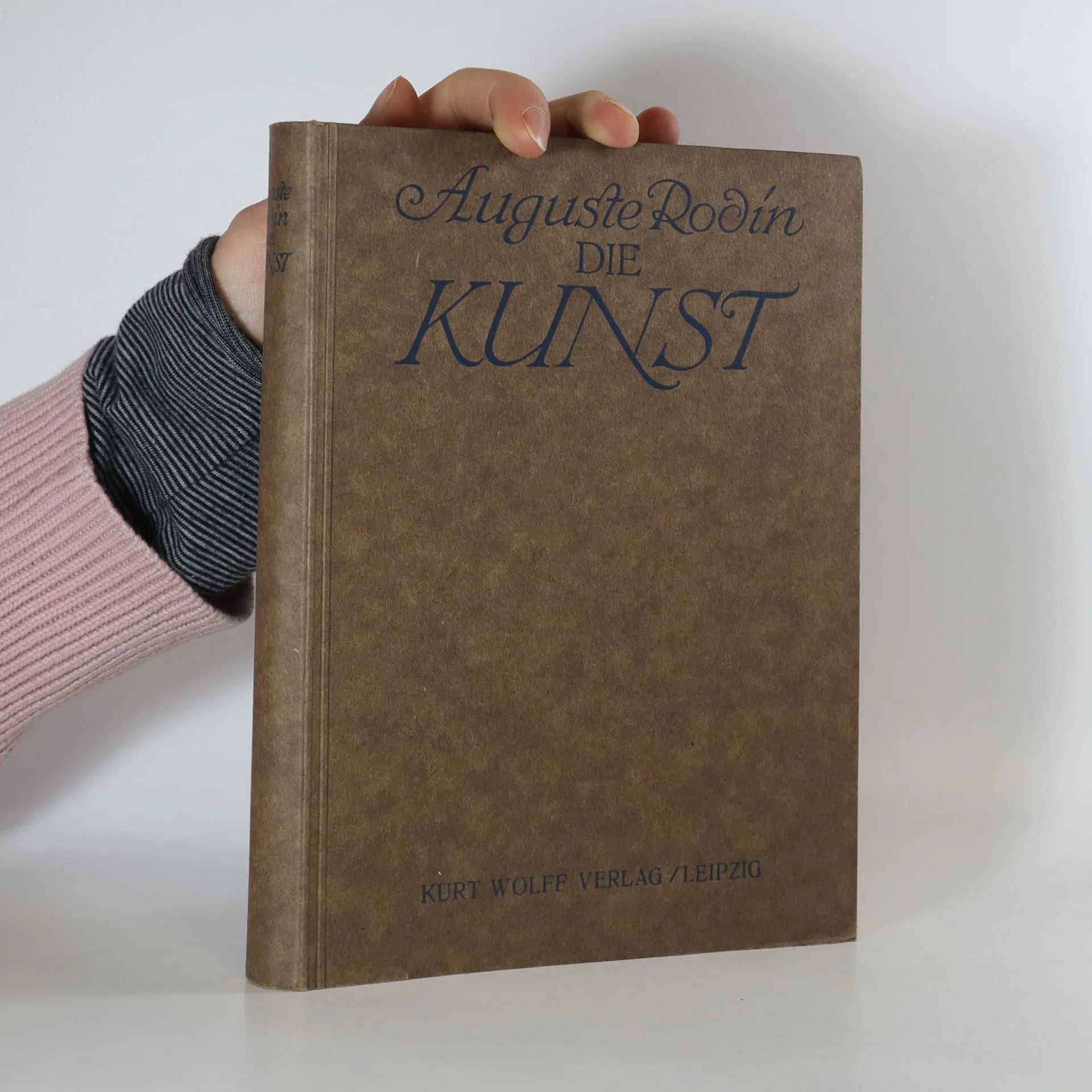
Die Kunst
- 231pages
- 9 heures de lecture
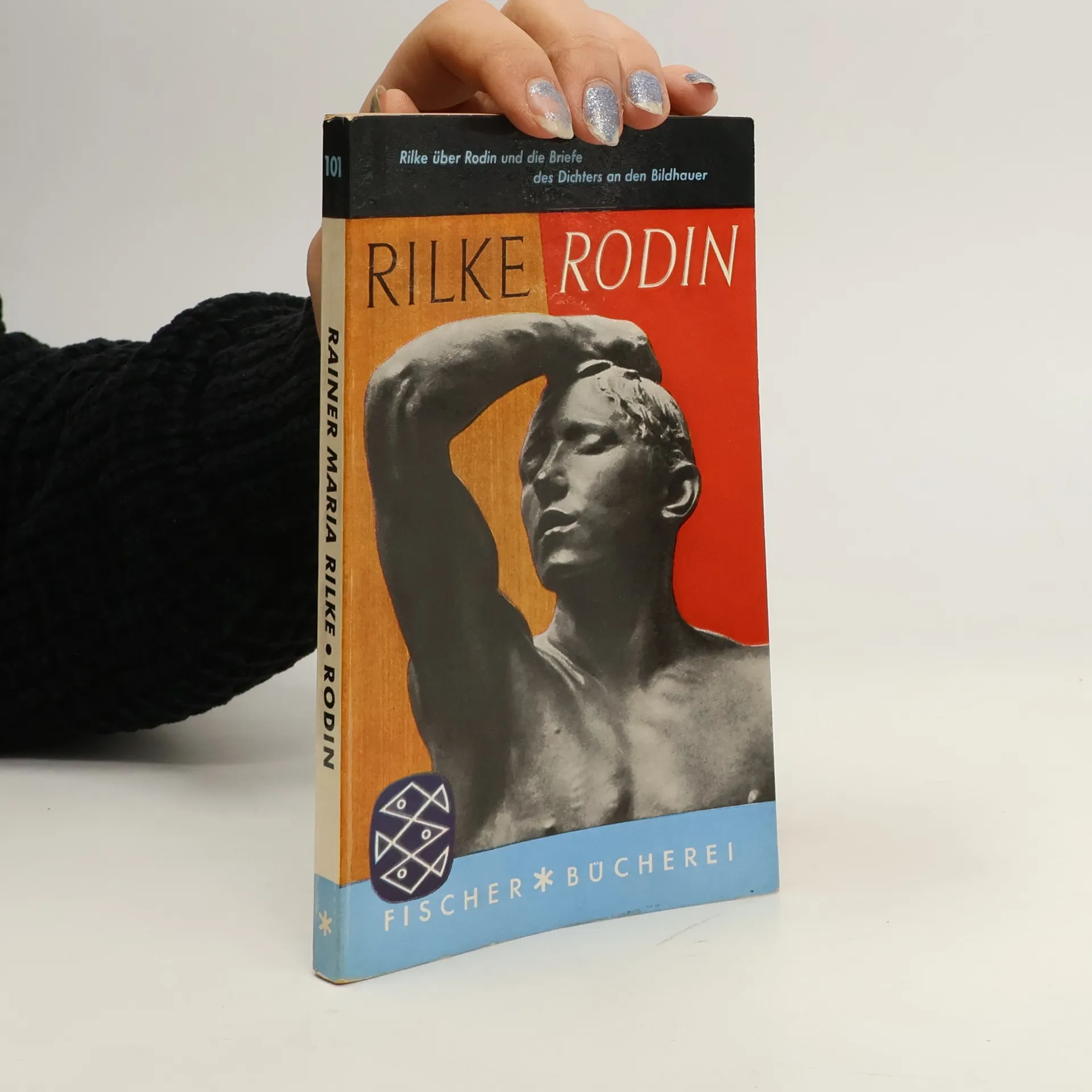
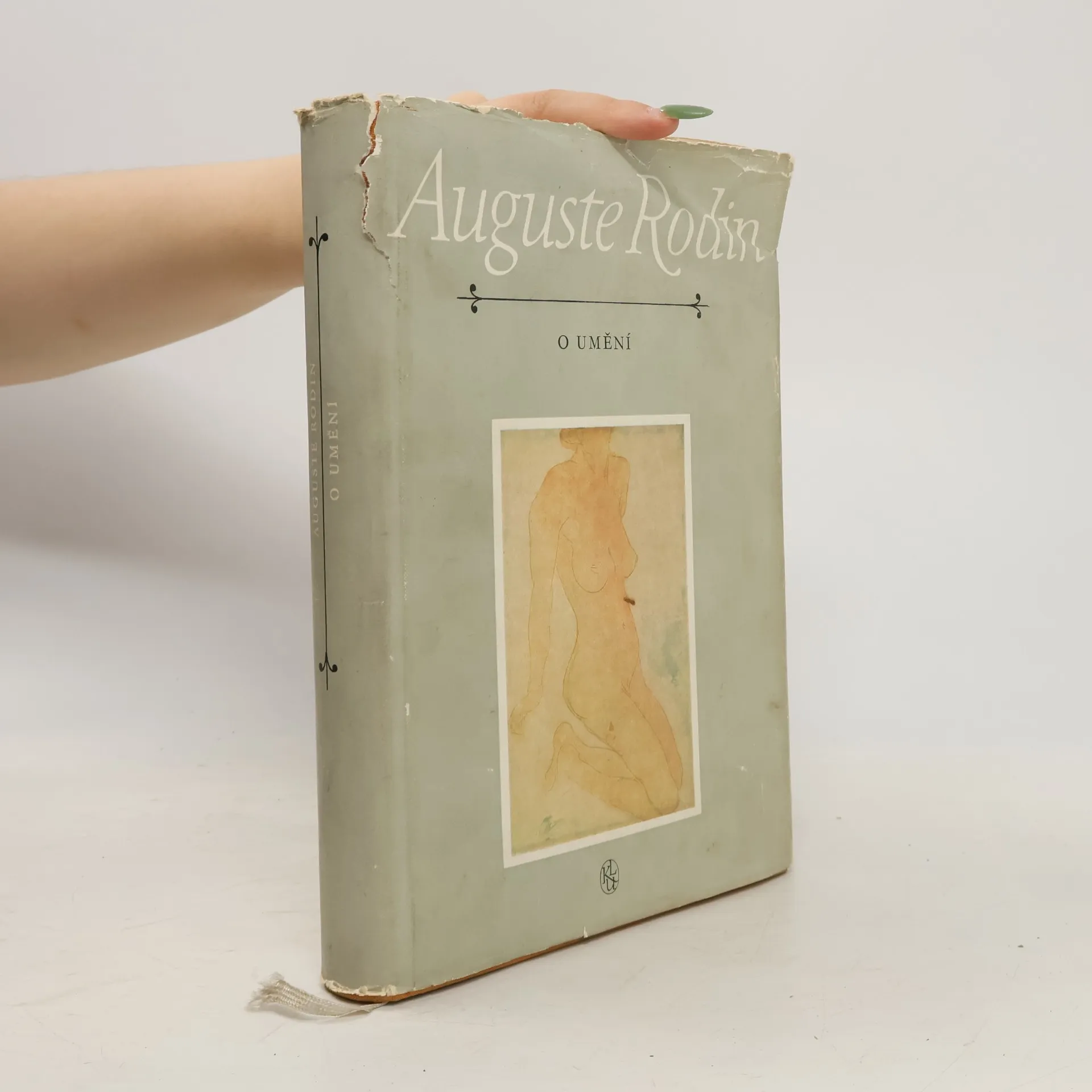
Diese 1911 veröffentlichten Gespräche, sechs Jahre nach Rodins Tod, bieten eine Reise in das Werk und die Technik des Bildhauers, in seine Arbeit „im Dienst der Natur“, die einer griechisch-römischen und kontemplativen Auffassung von Kunst treu bleibt. Der Künstler der „Ähnlichkeit mit der Seele“ enthüllt das Geheimnis seiner Modellierkunst (die Formen in der Tiefe zu betrachten, die Oberfläche muss immer wie die Spitze eines Volumens hervortreten...). Man erkennt besser die Sinnlichkeit, die Vitalität seiner Schöpfungen und ihre Bewegung, die meisterhaft als „Übergang von einer Haltung zur anderen“ definiert wird. Rodin hinterlässt uns hier die bescheidenen und flammenden Seiten seines ästhetischen Testaments.
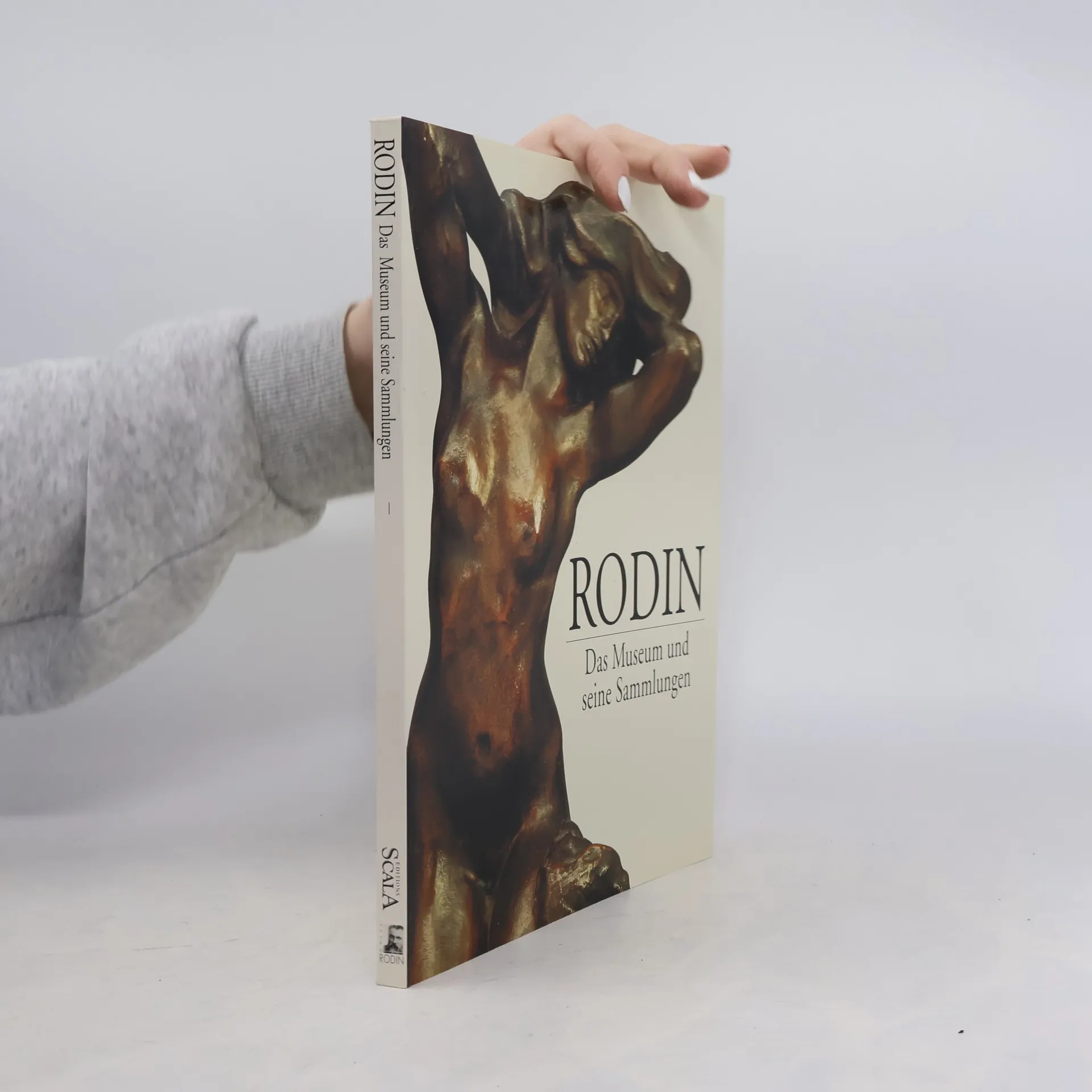
Auguste Rodin
- 96pages
- 4 heures de lecture
Aus Ton, Bronze und Marmor hat Rodin das menschliche Wesen gestaltet, die Frau besungen, alle Leidenschaften, alle Freuden, alle Laster zum Leben erweckt. Seine Figuren, "in welche der Sünde Süße stieg aus den Wurzeln des Schmerzes" (Rilke). haben die Zeit überdauert und ziehen uns mehr denn je in ihren Bann
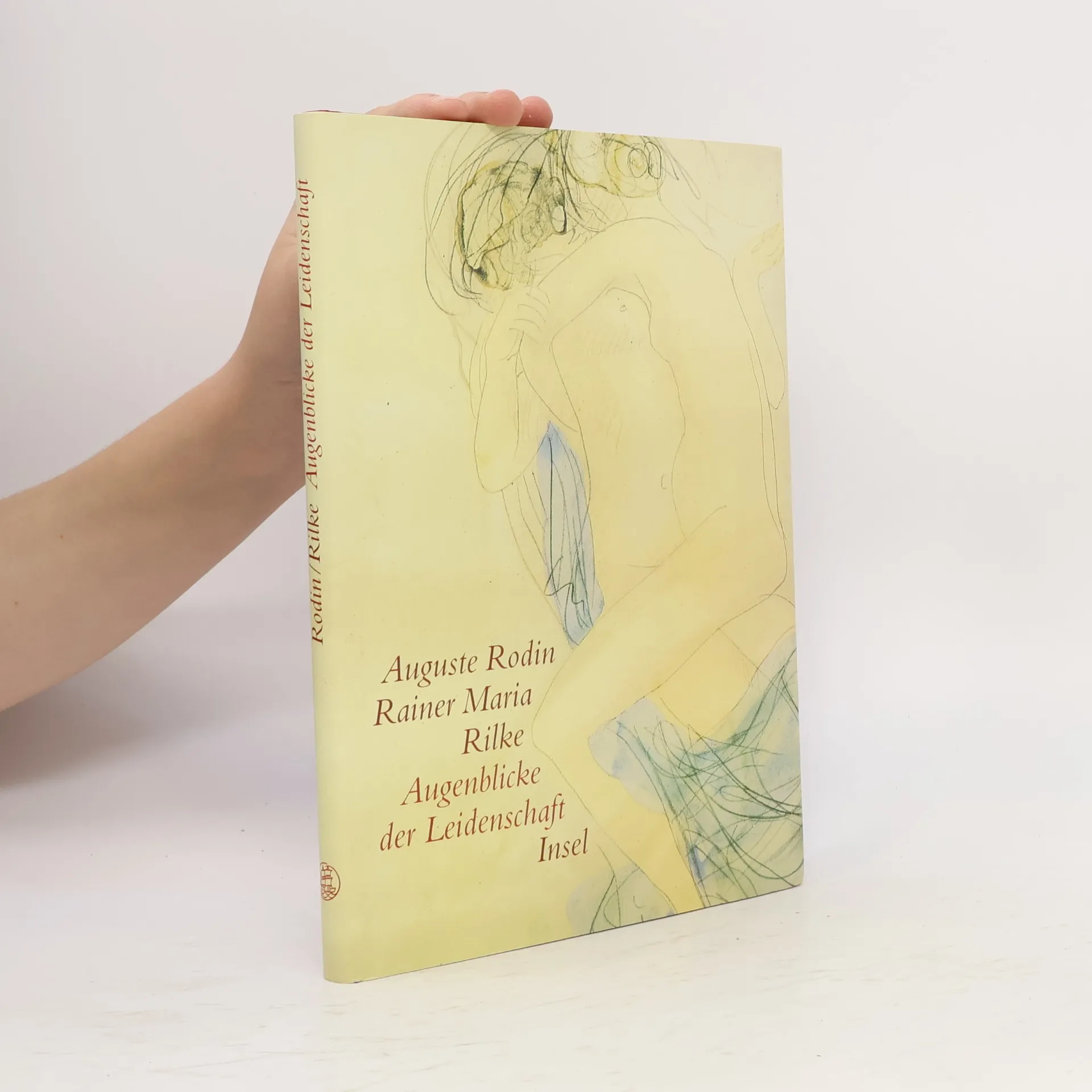
Augenblicke der Leidenschaft
- 117pages
- 5 heures de lecture
Die Ausgabe vereint erstmals eine Auswahl aus Rodins Aktzeichnungen mit thematisch verwandten Texten Rainer Maria Rilkes zu einer, wie es im Nachwort von Annette Ludwig heißt, »Apotheose des Weiblichen«.
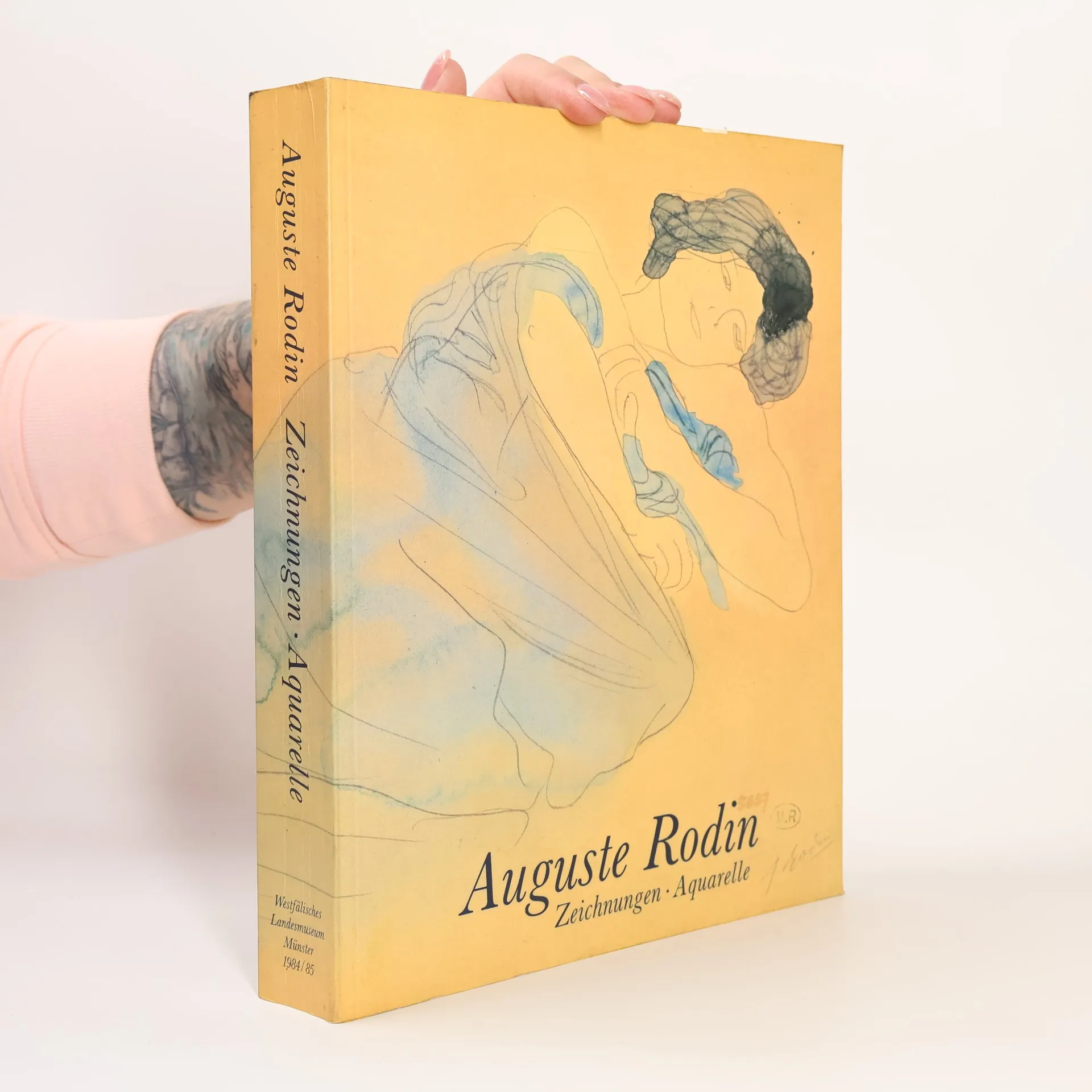
Auguste Rodin, Zeichnungen und Aquarelle
- 421pages
- 15 heures de lecture
German
Katalog wystawy: Paula Modersohn-Becker Museum, Bremen, 27 luty - 21 maj 2000 ; Städtische Museen Heilbronn, 16 czerwiec - 1 październik 2000.
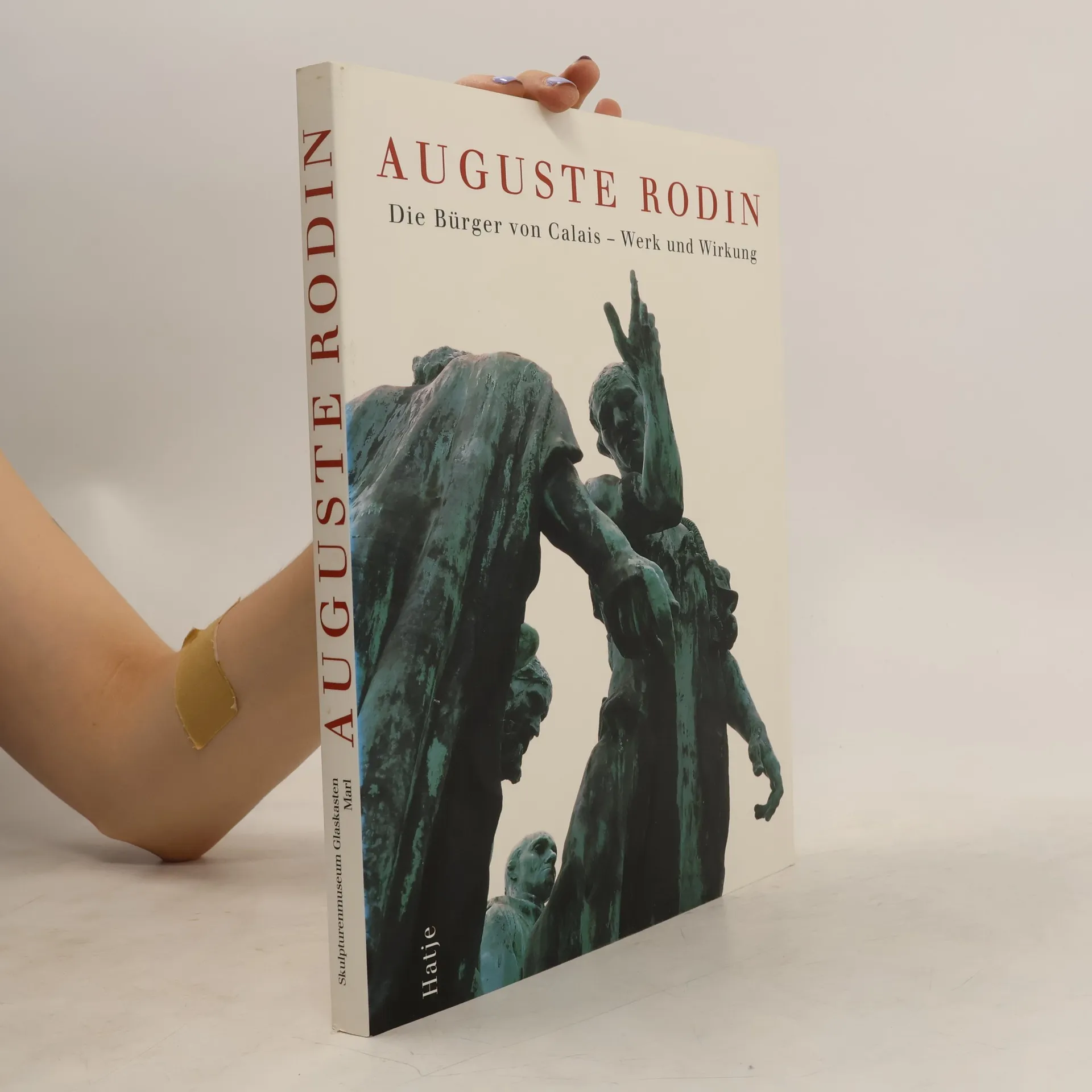
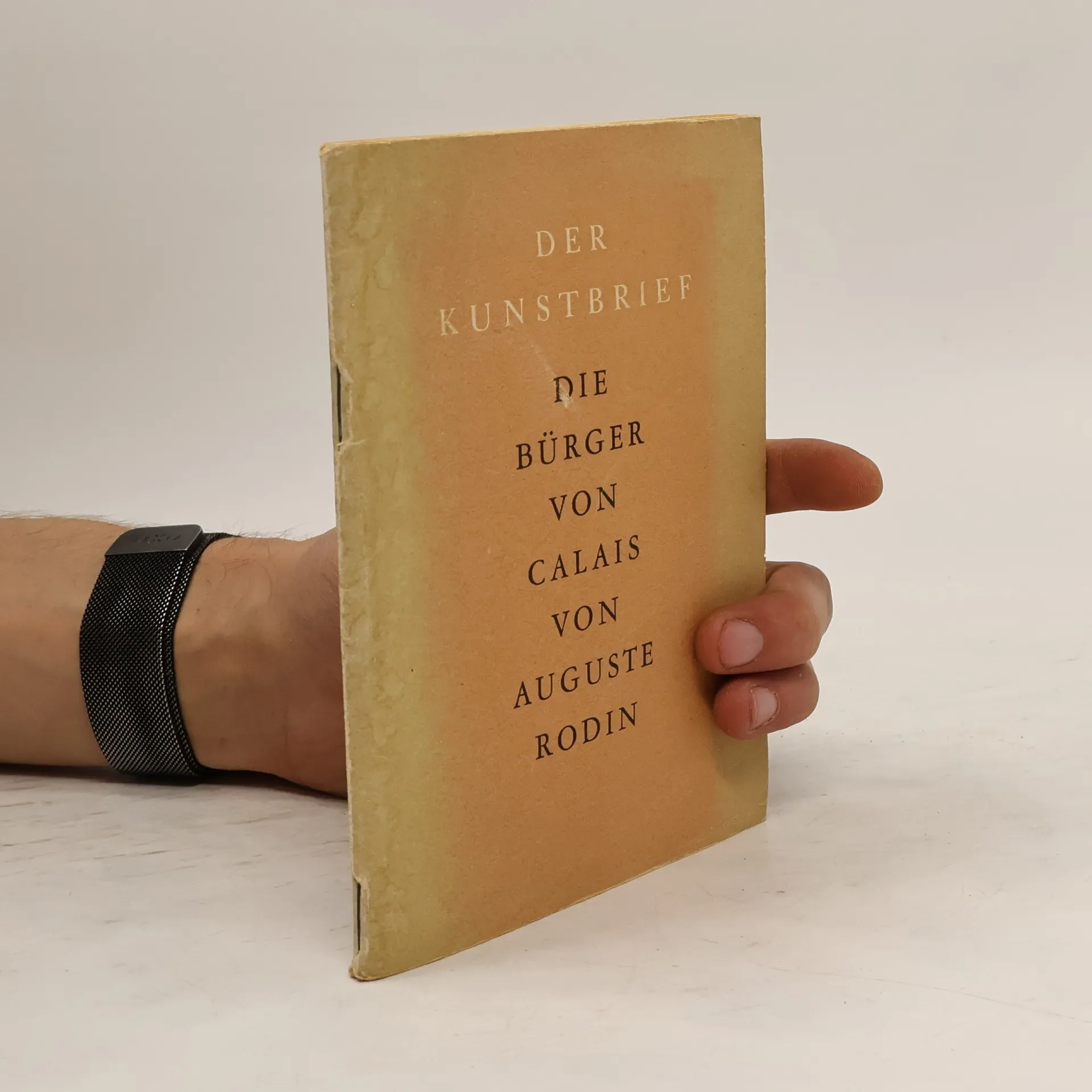
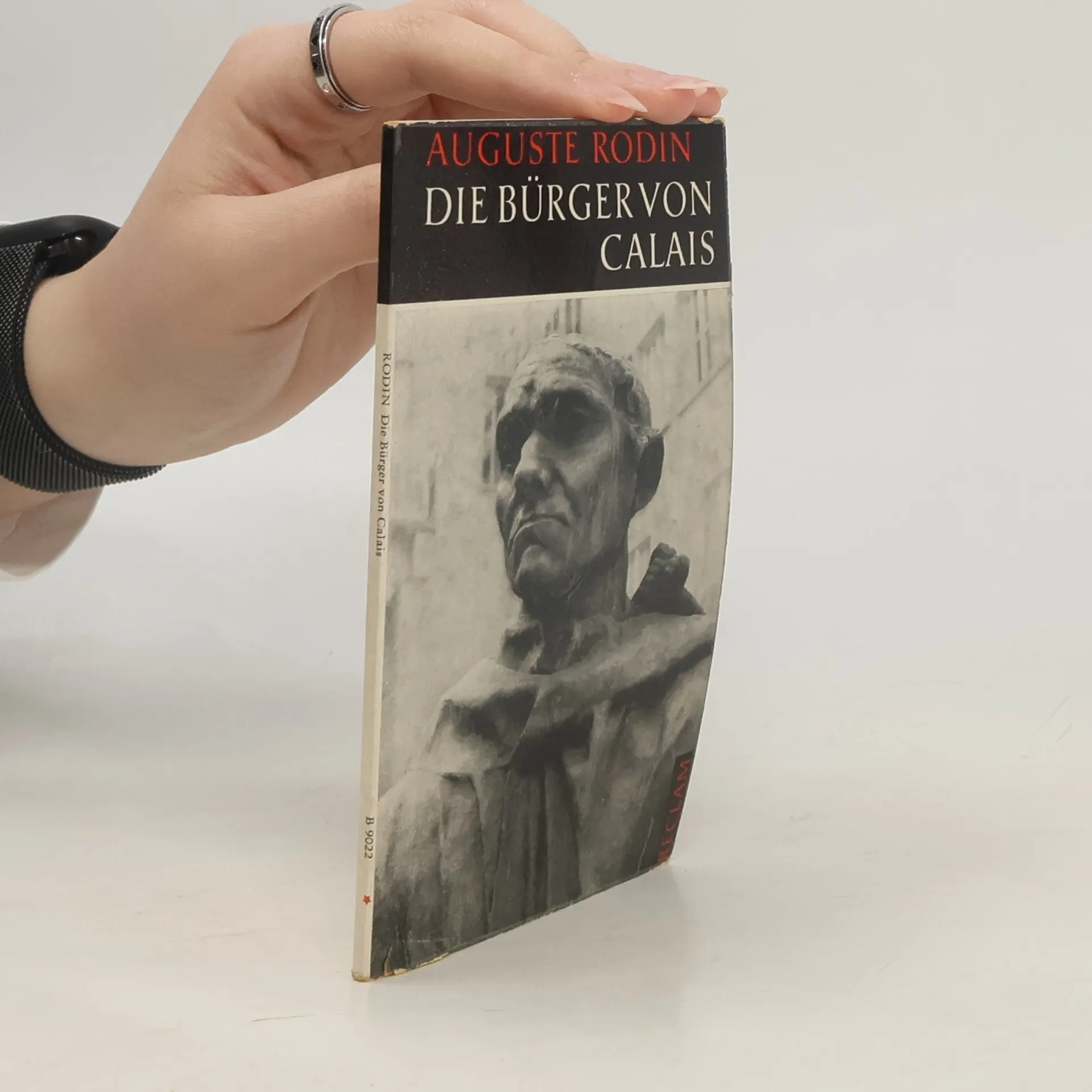
Die Bürger von Calais
Werk und Wirkung
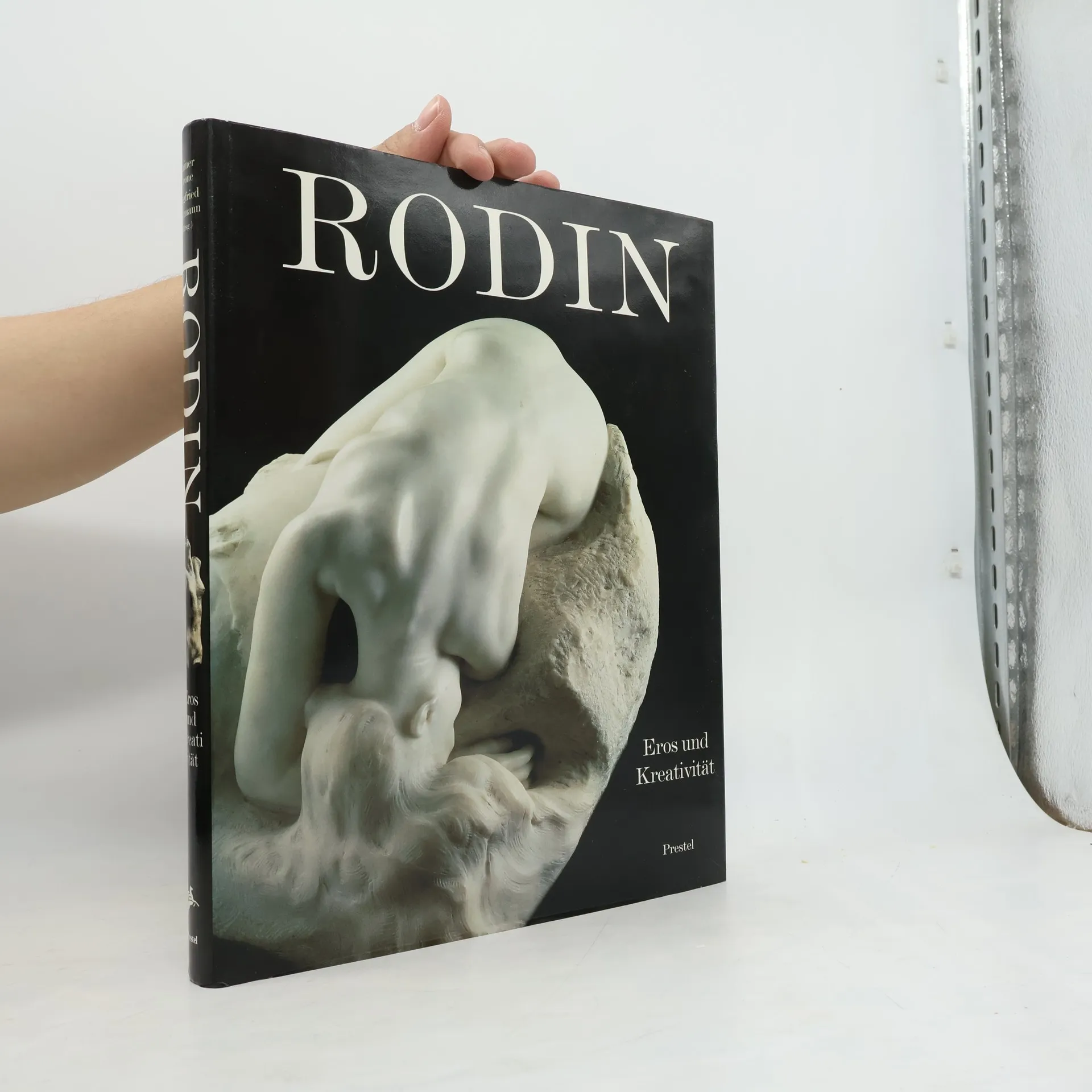
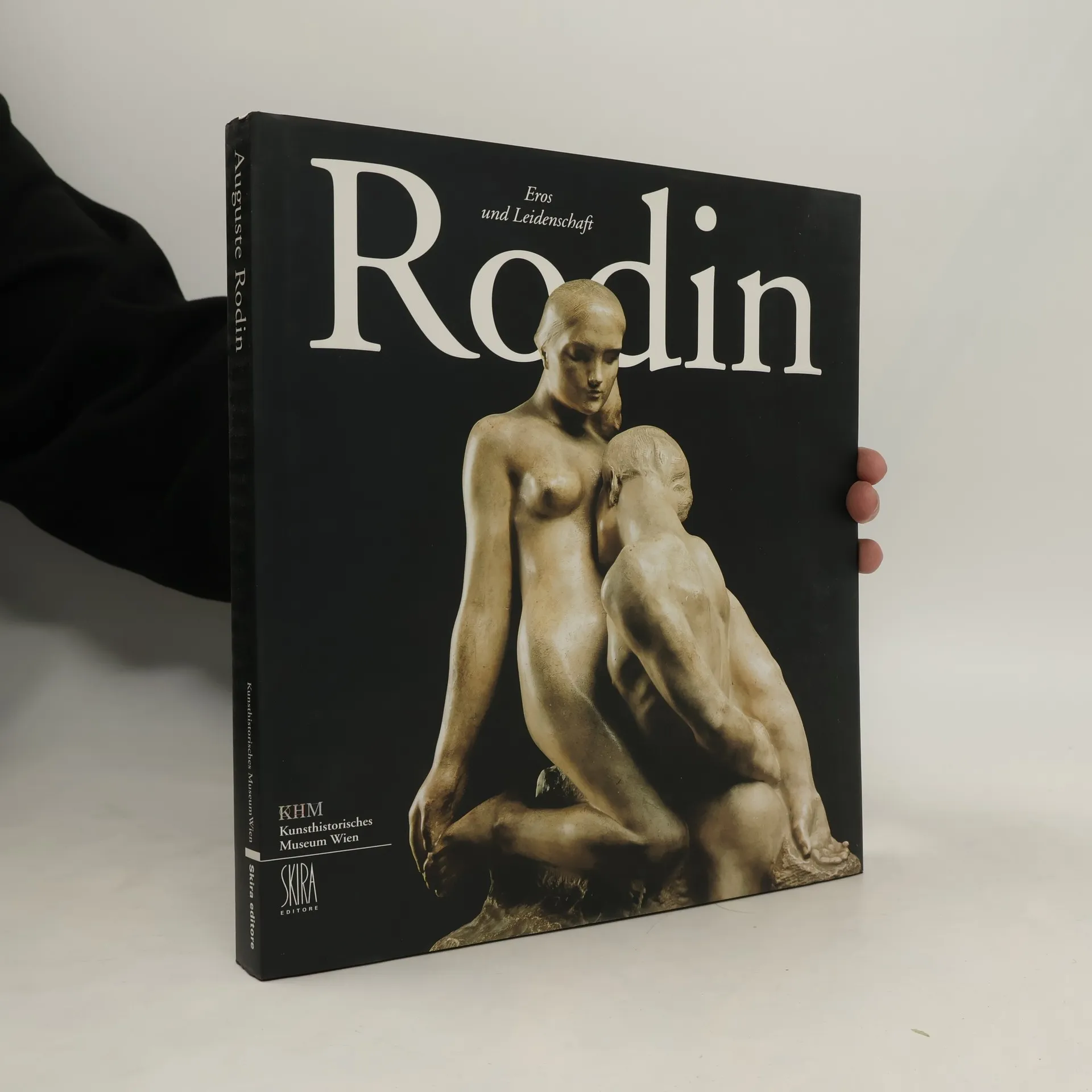
Rodin : Eros und Kreativität
- 235pages
- 9 heures de lecture
August Rodin (1840-1917), dessen Status als der größte Bildhauer des späten neunzehnten Jahrhunderts unbestritten ist, gehört zu den wenigen Künstlern, deren Ruhm sowohl auf öffentlicher als auch auf kritischer Anerkennung beruht. Die Sexualität der Frau erscheint in Rodins Werk sowohl als Bedrohung und Herausforderung als auch als Quelle aller kreativen Inspiration und Leidenschaft. In Wort und Bild bietet dieser Band neue Einblicke in das Werk eines Mannes, der, vielleicht mehr als jeder andere bildende Künstler, Baudelaires und Nietzsches Konzept des modernen Genies verkörperte, dessen Größe auf einer Kombination aus Einfallsreichtum, Leidenschaft und verstörender Originalität basiert.
Lehmbruck, Rodin und Maillol
- 173pages
- 7 heures de lecture
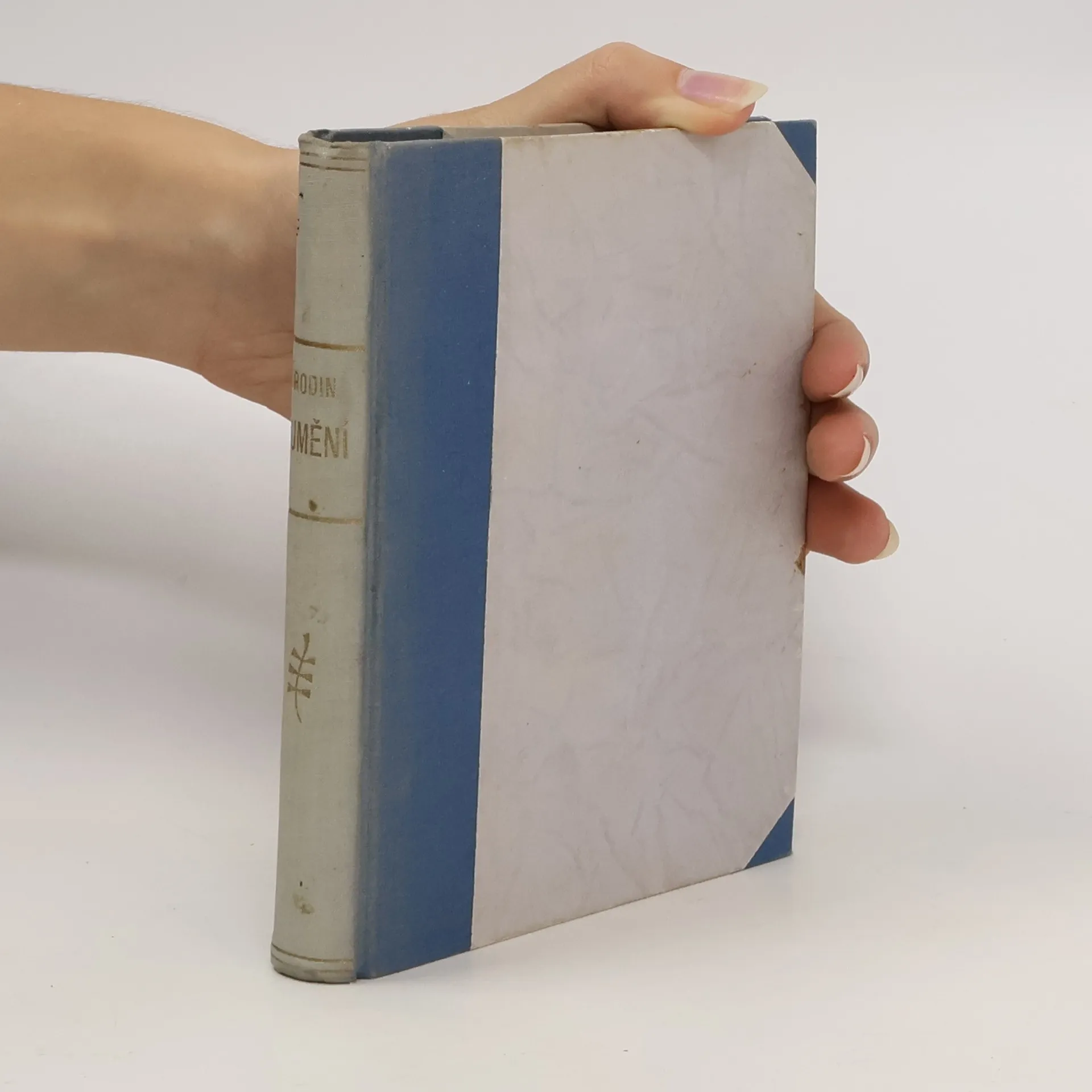
Umění
Rozmluvy s Rodinem
Auguste Rodin: Die Kunst
Gespräche des Meisters
Rodin. Skulpturen. Zeichnungen
Auguste Rodin 1840 - 1917
Auguste Rodin - Aquarelle aus der Sammlung des Musée Rodin, Paris
- 127pages
- 5 heures de lecture
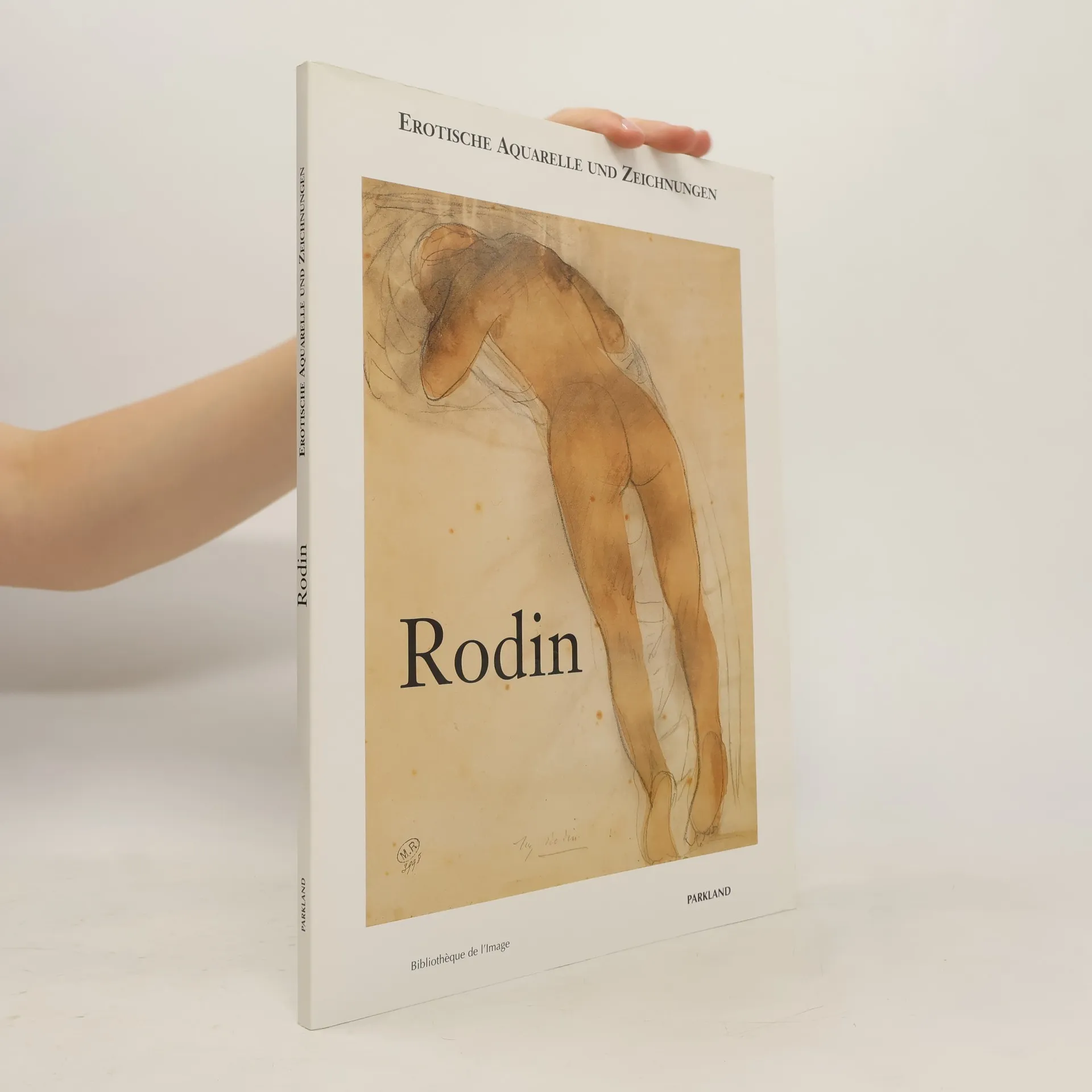
Erotische Aquarelle und Zeichnungen
- 95pages
- 4 heures de lecture
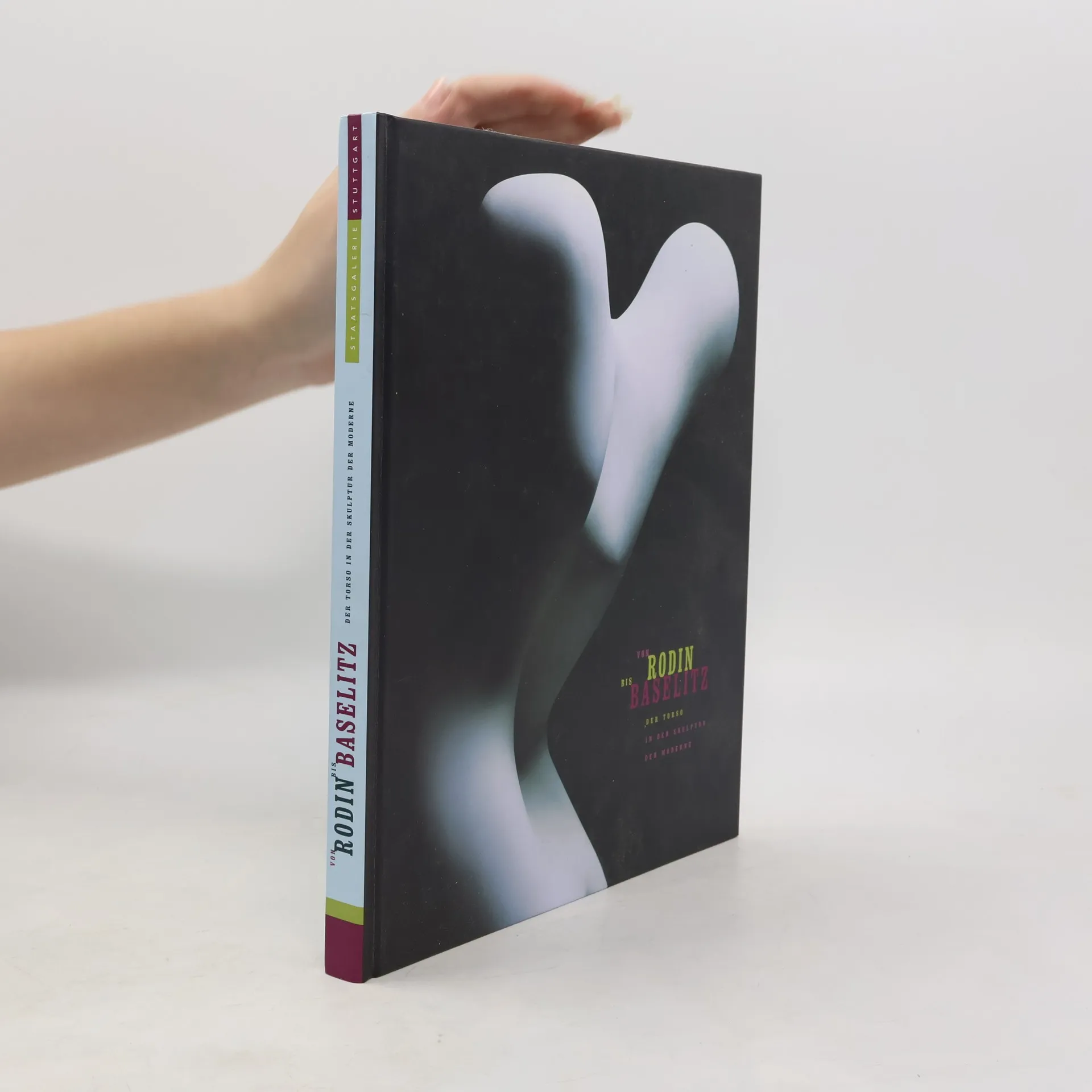
Von Rodin bis Baselitz
- 160pages
- 6 heures de lecture
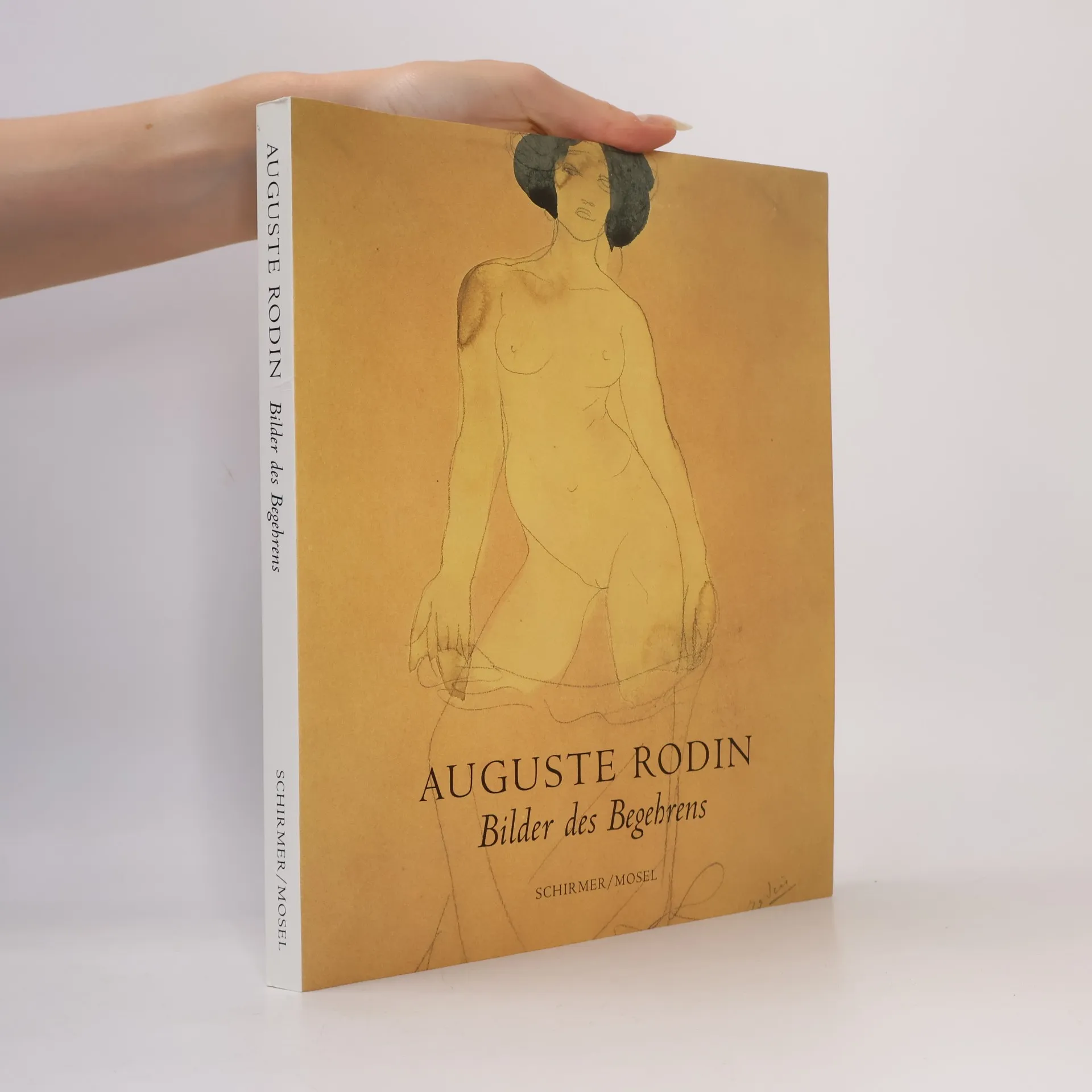
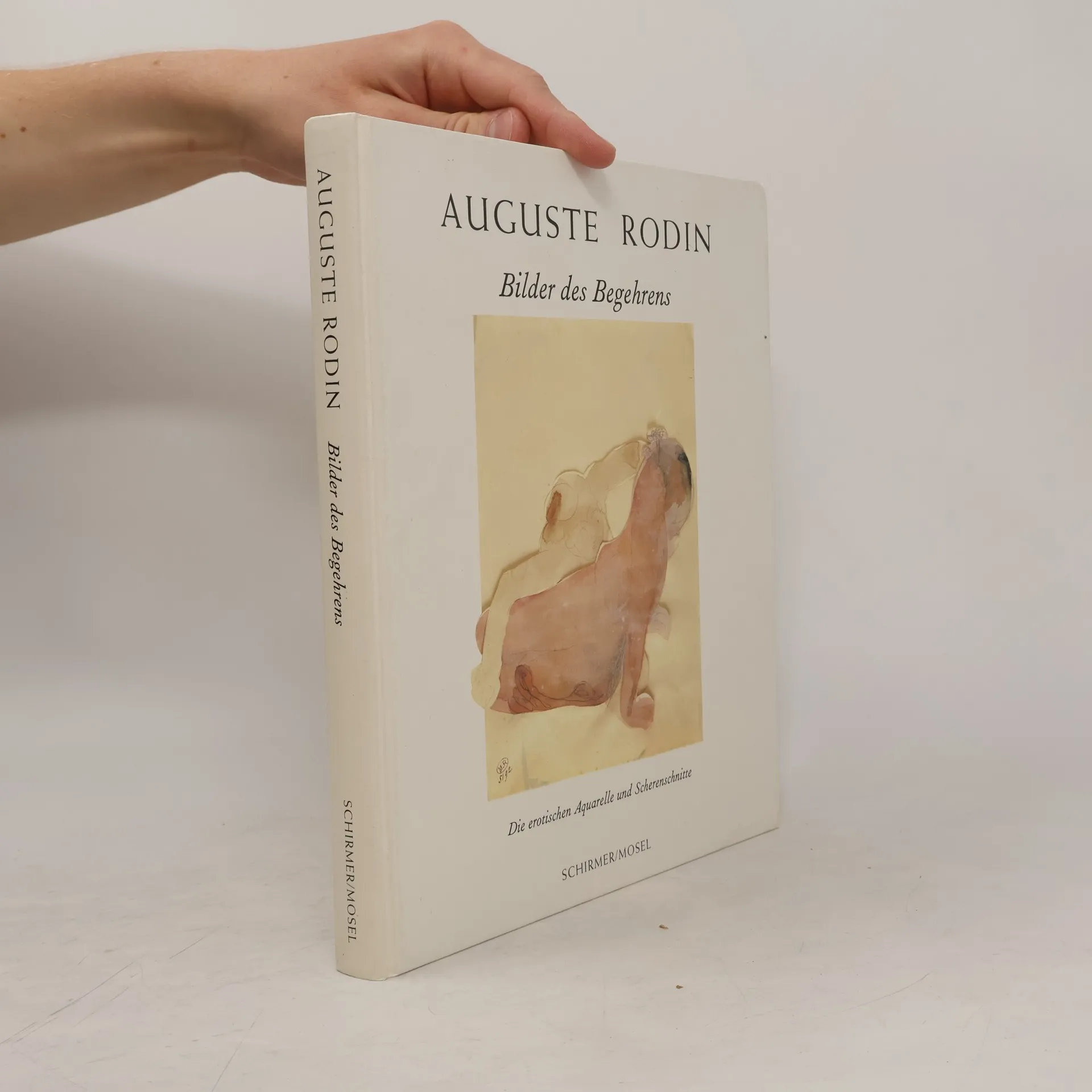
Bilder des Begehrens
Bilder des Begehrens ; die erotischen Aquarelle und Scherenschnitte
- 159pages
- 6 heures de lecture
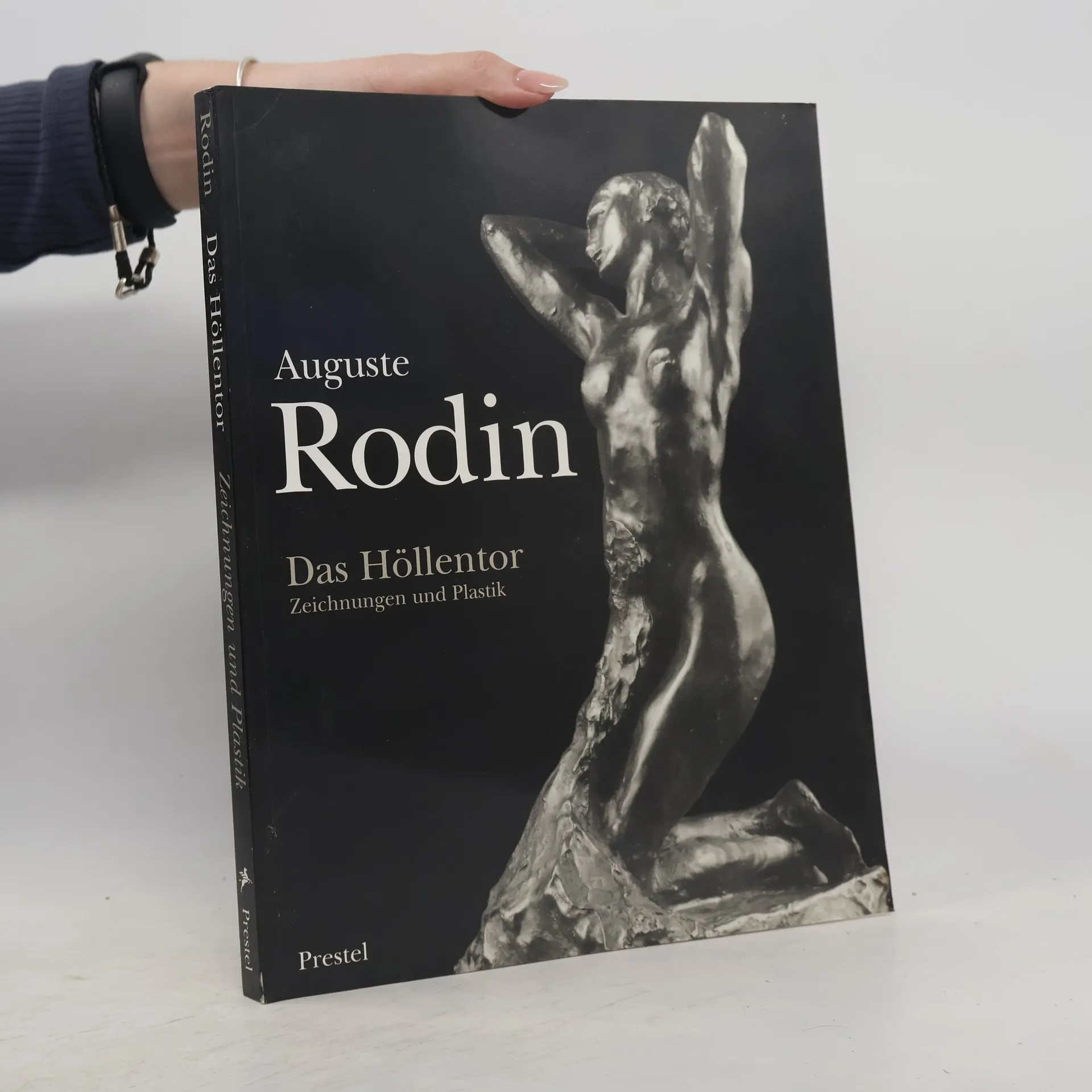
Auguste Rodin, Das Höllentor
- 176pages
- 7 heures de lecture
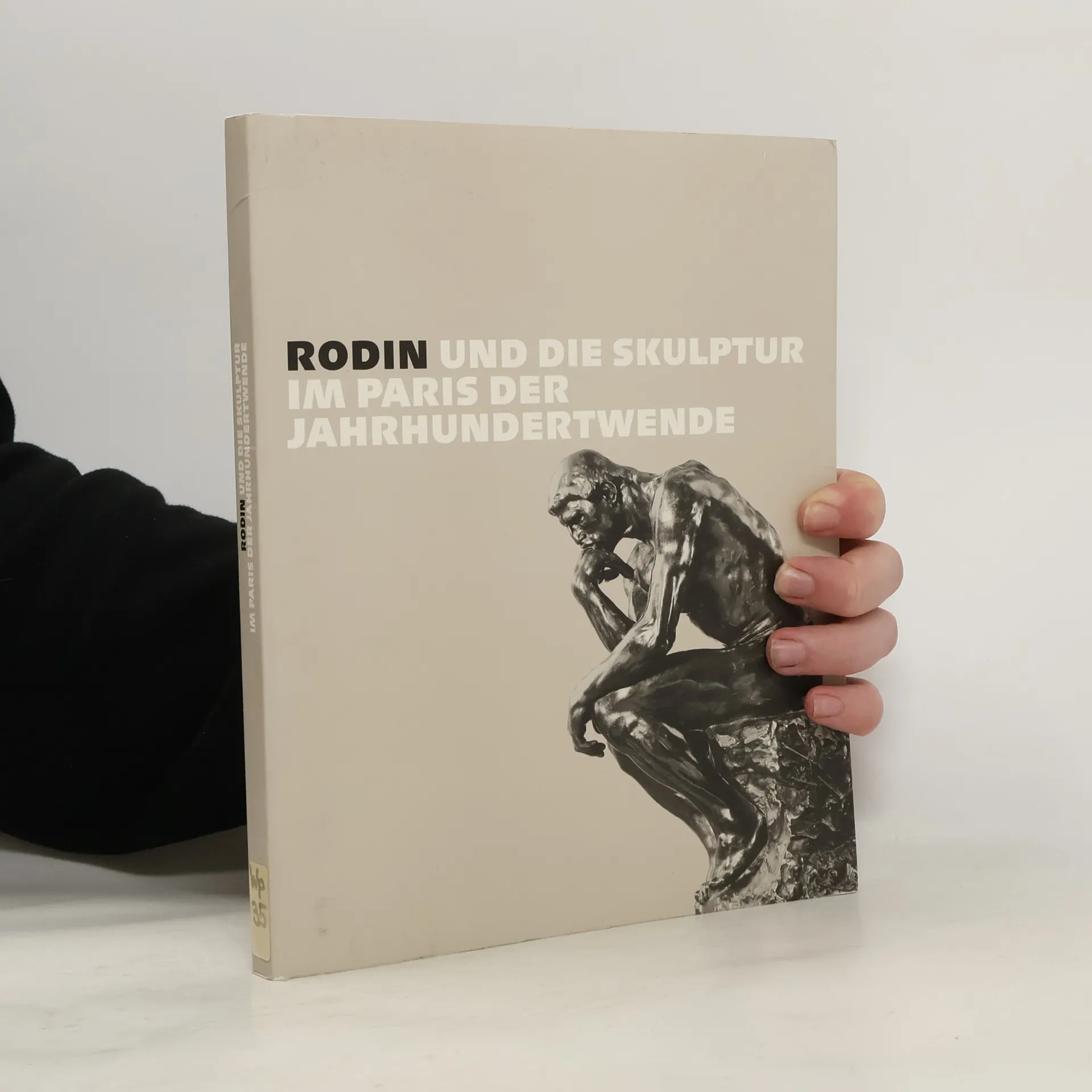
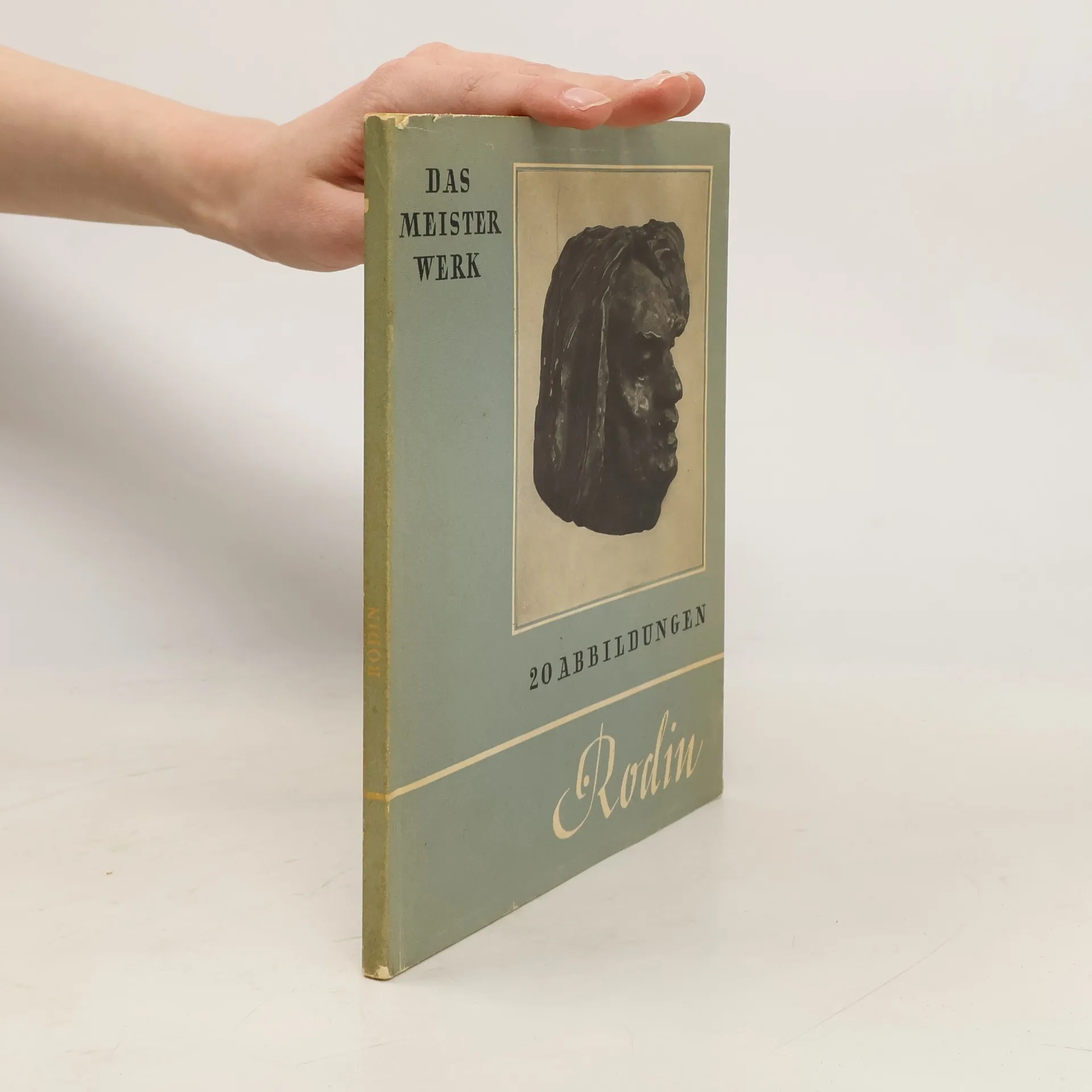
Rodin
- 59pages
- 3 heures de lecture
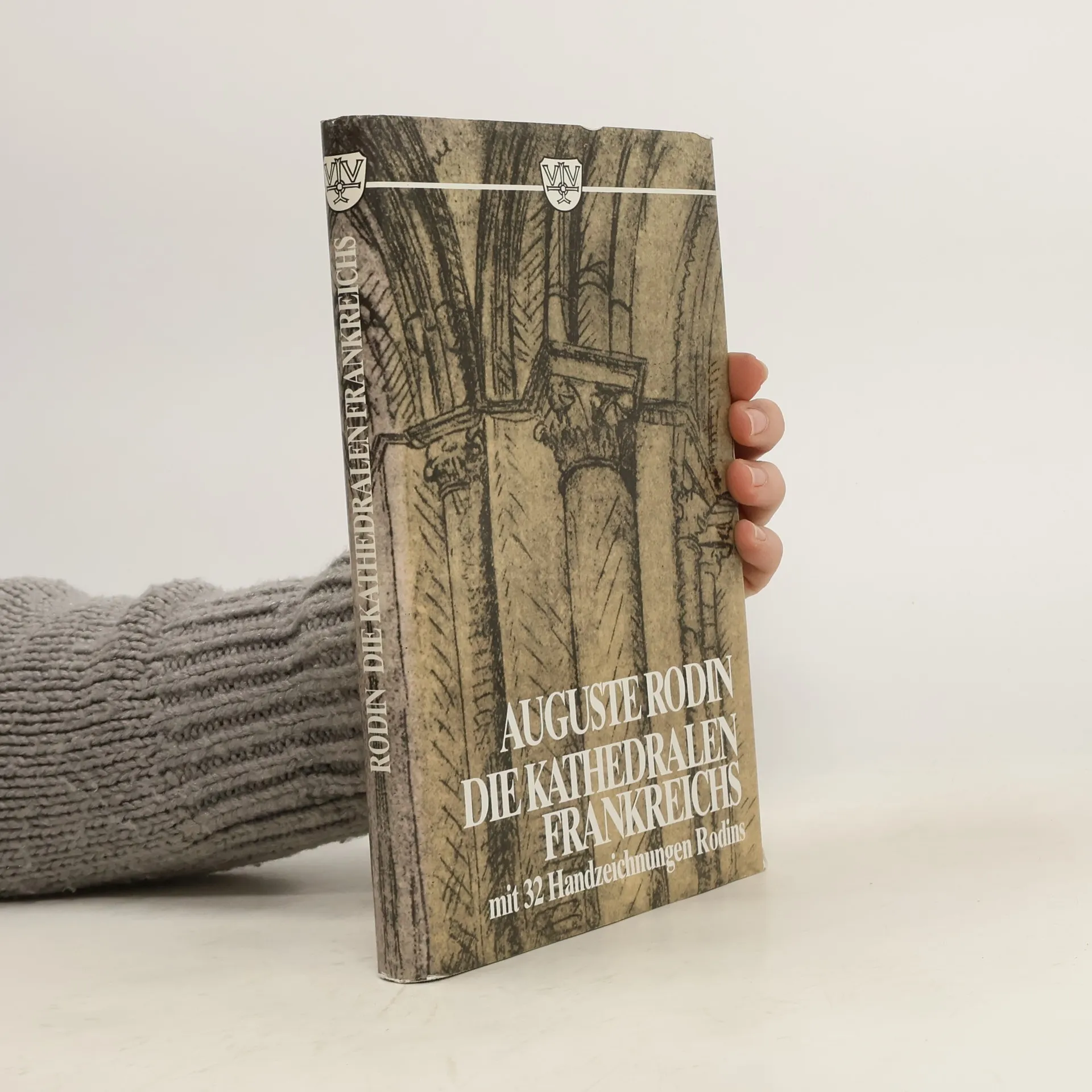
Die Kathedralen Frankreichs
- 236pages
- 9 heures de lecture
/ / Religion / Duits / German / Allemand / Deutsch / hard cover / 18 x 25 cm / 215 .pp /
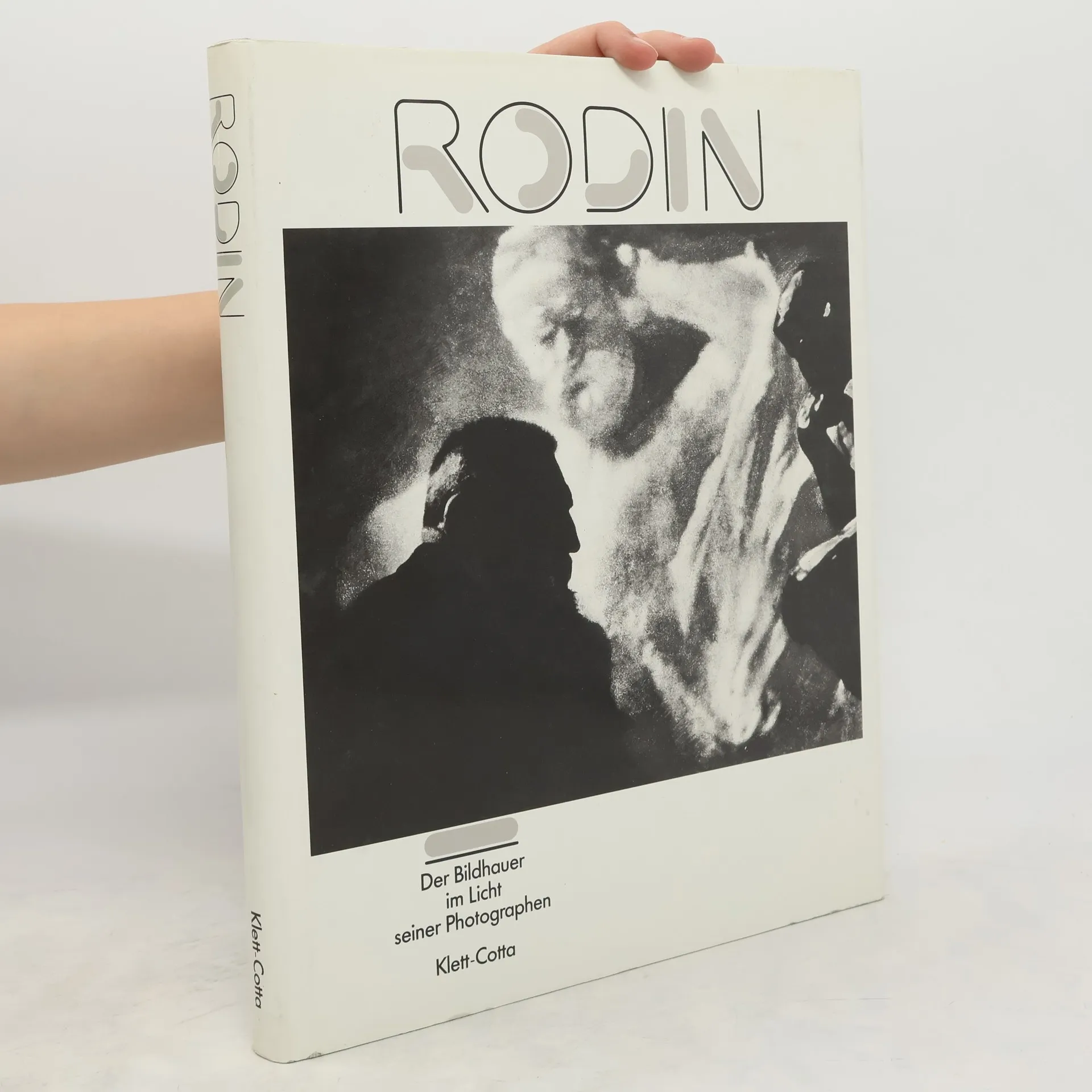
Rodin, Photographien
- 159pages
- 6 heures de lecture
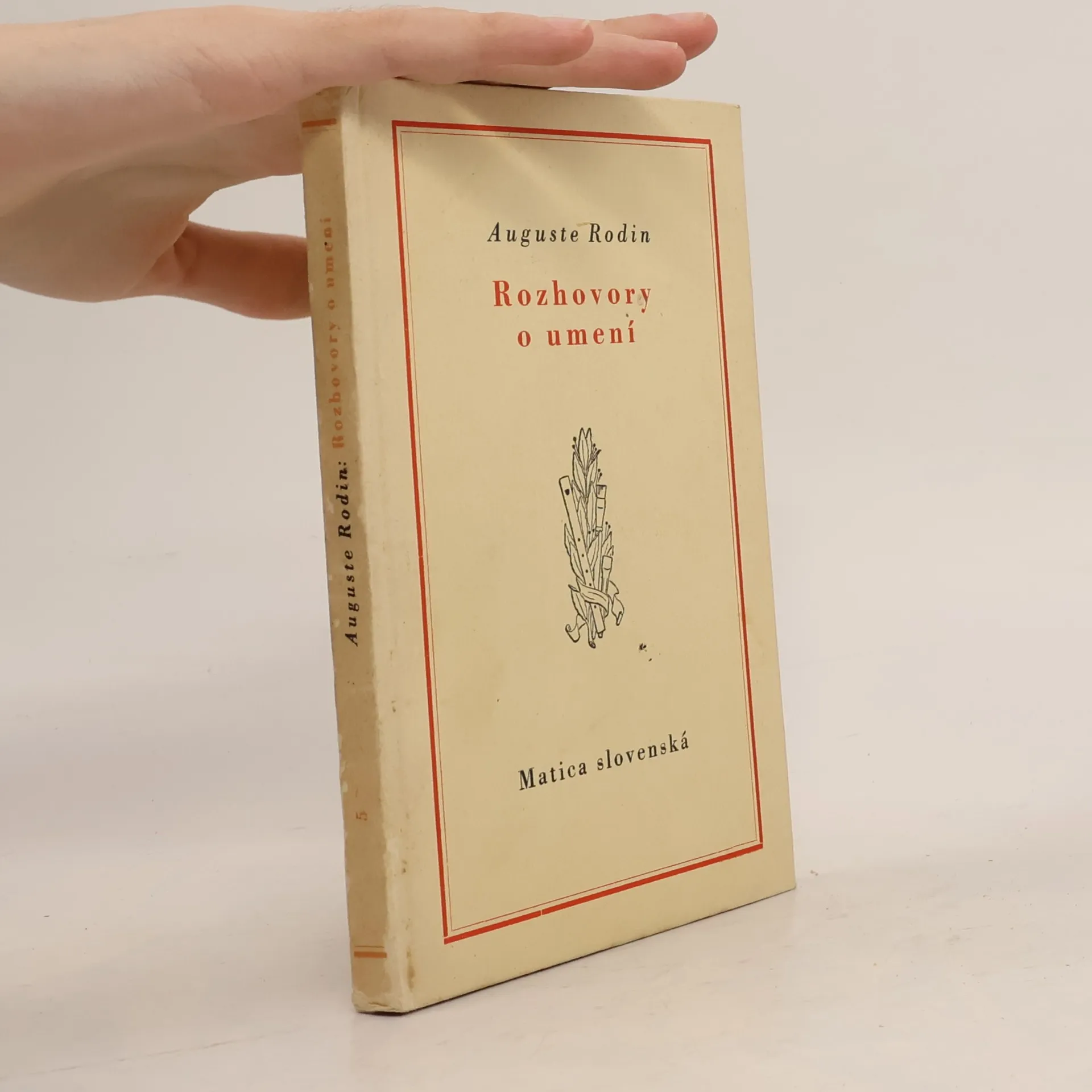
Jedenásť kapitol o umení, ktoré na základe rozhovorov s Augustom Rodinom spísal Paul Gsell.
Érotique Rodin
- 152pages
- 6 heures de lecture
In de nadagen van zijn carrière, kon Auguste Rodin het zich veroorloven om dagelijks vrouwen te laten poseren. Naakt. Hij tekende en aquarelleerde ze met grote snelheid, hun bewegingen steeds volgend. Zijn potlood of penseel bleef onafgebroken in contact met het papier. Rodin zelf noemde ze 'dessins instantanés', 'vluchtige tekeningen'. Hij maakte er vele, in inkt, gouache, waterverf, krijt en potlood. Op zeer intieme wijze maken deze beeldschone schetsen ons getuige van Rodins verering van het menselijk lichaam in beweging. Met deze 'ongepolijste diamanten' was de Franse meester zijn tijd vooruit. Rodins passie voor het vrouwelijk naakt, de vrouwelijke seksualiteit, voor de menselijke emotie en beweging wordt in dit boek onder de loep genomen. In Érotique Rodin worden 74 tekeningen en aquarellen en 20 beelden uit de verzameling van Musée Rodin getoond. Verhelderende essays geven ze een plek in het leven en werk van een van de beroemdste kunstenaars van de 19de eeuw. Exhibition: Singer Museum, Laren, The Netherlands (13.9.2012-13.1.2013)
Bilder des Begehrens
- 159pages
- 6 heures de lecture