Werner Forman Livres
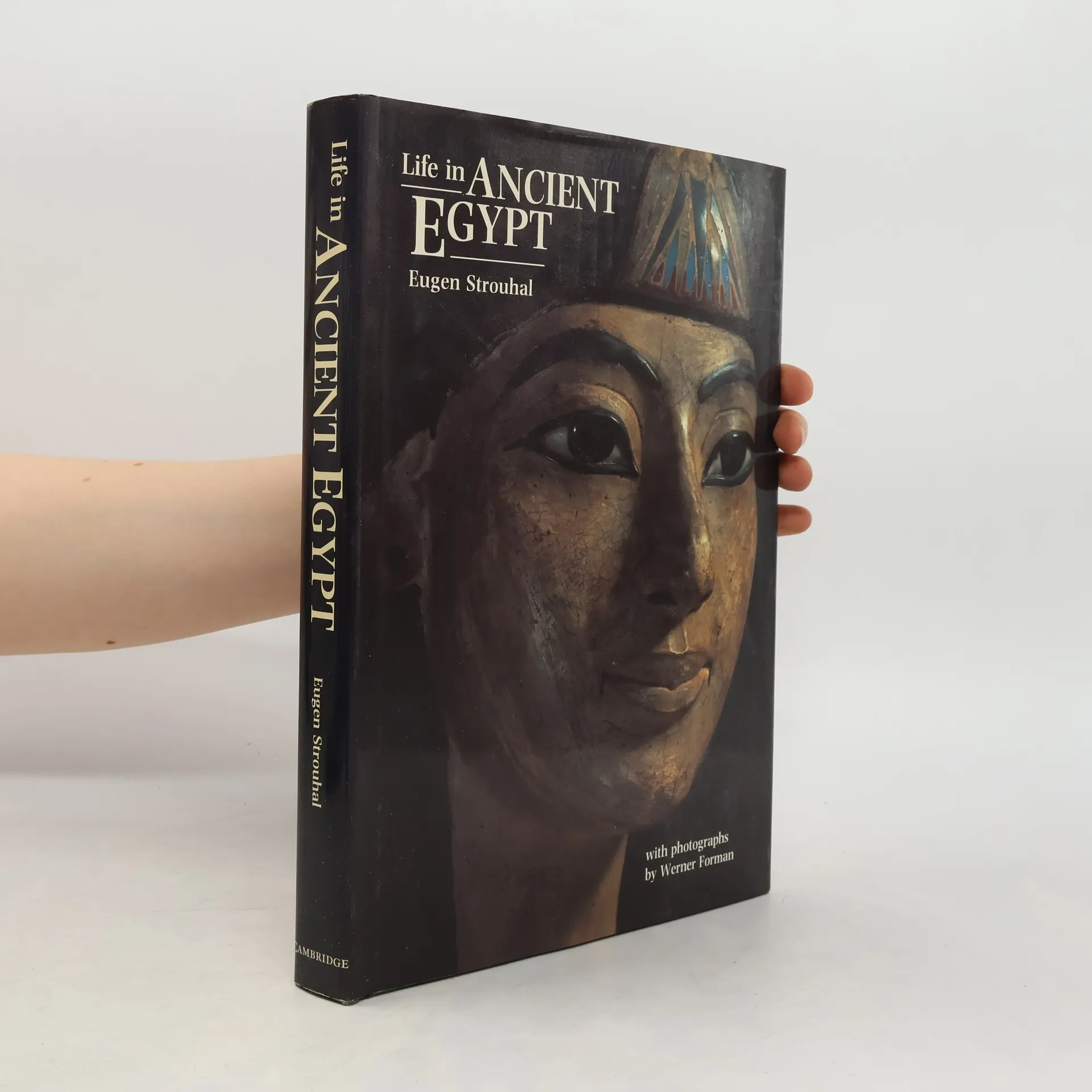
Life in Ancient Egypt
- 279pages
- 10 heures de lecture
This illustrated work draws upon a range of evidence to offer a picture of everyday life in Ancient Egypt. It recreates the life of the Ancient Egyptians - farmers, fishermen, hunters, artisans, builders, priests, scribes and others - from conception and birth to death and burial.
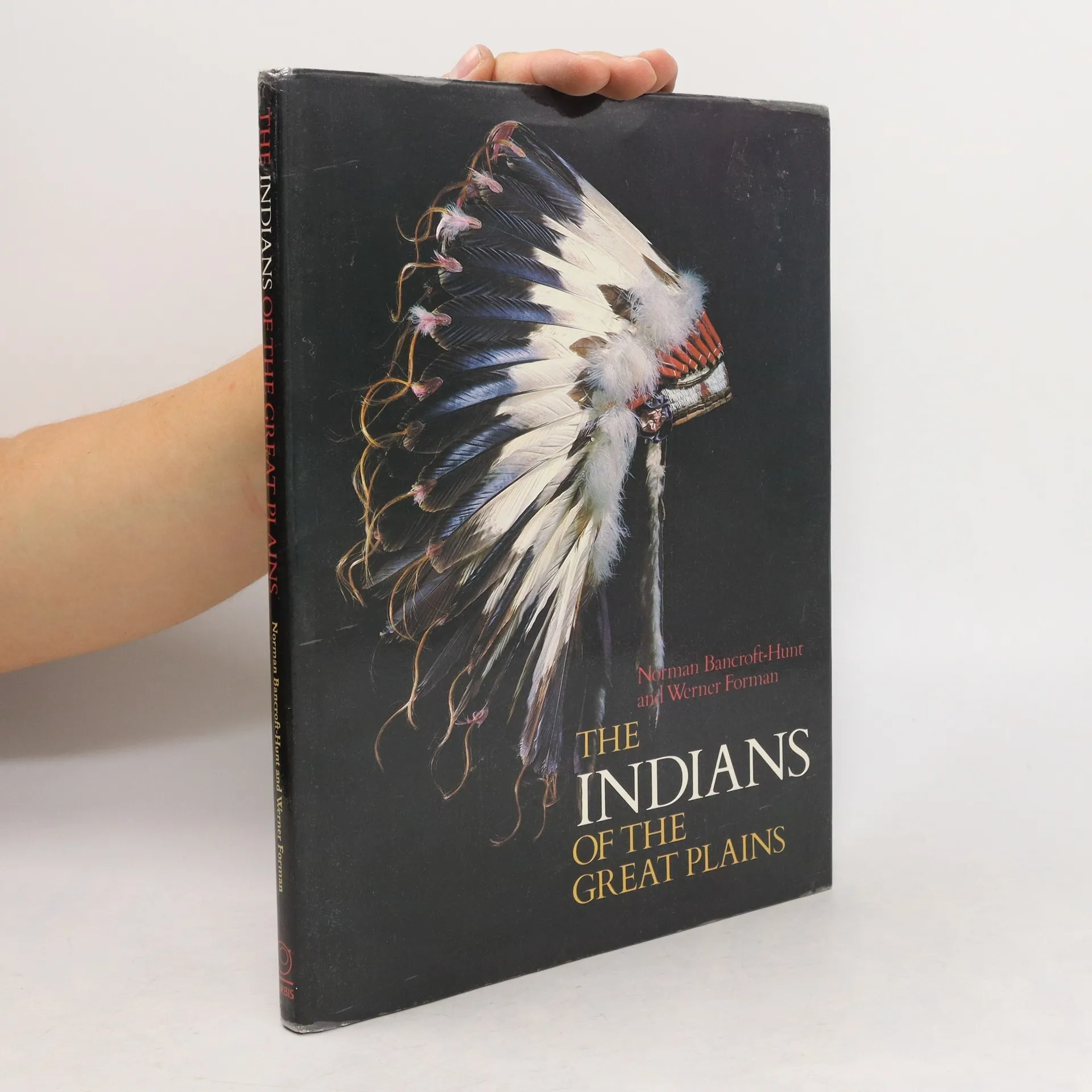
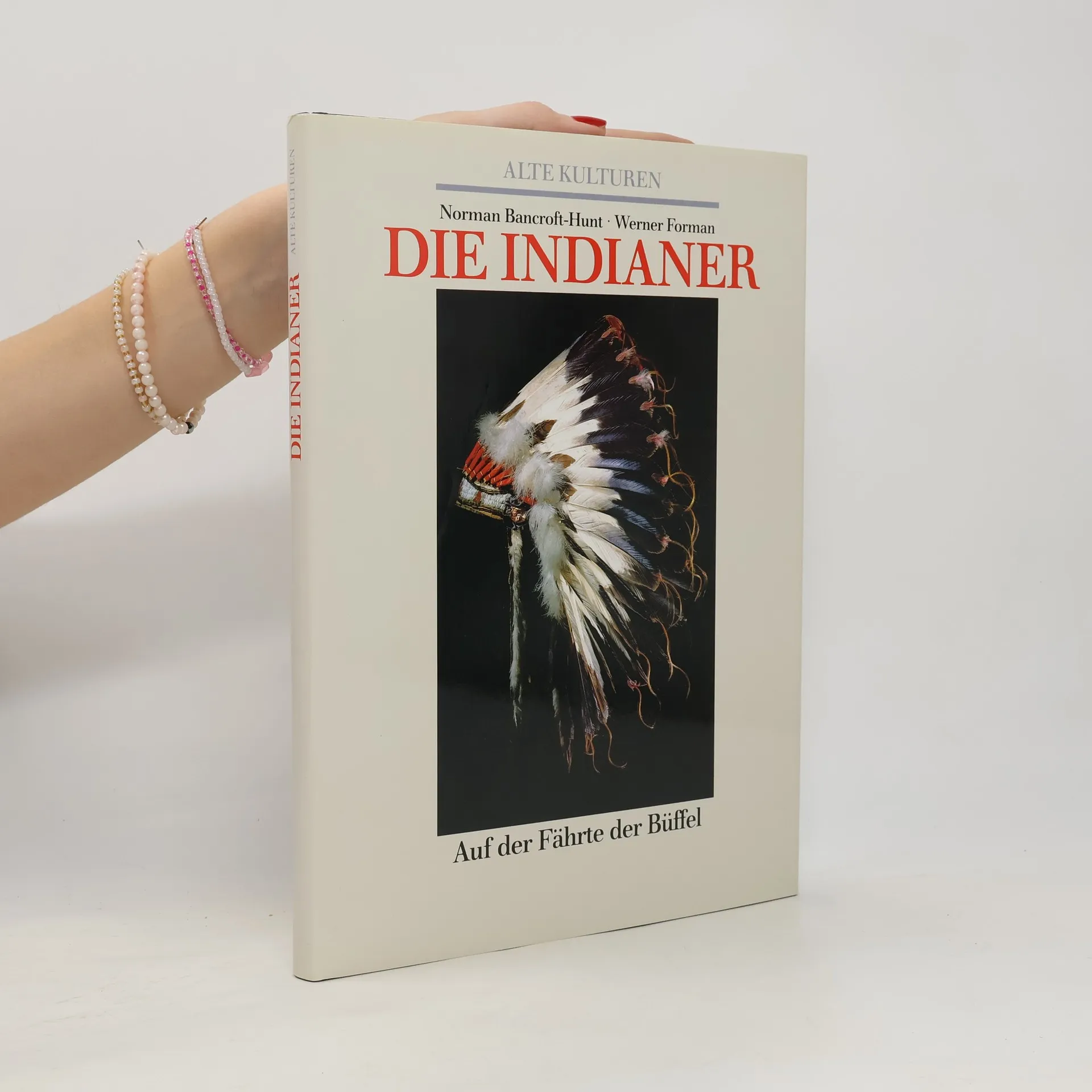
The Indians of the Great Plains
- 128pages
- 5 heures de lecture
The Cheyennes, Arapahos, Crows, Blackfoot, and Sioux are among the many tribes of the Great Plains of North America. This magnificent volume, filled with Bancroft-Hunt's evocative text and Forman's spectacular photography, presents a vivid image of these remarkable civilizations. 112 color photographs.
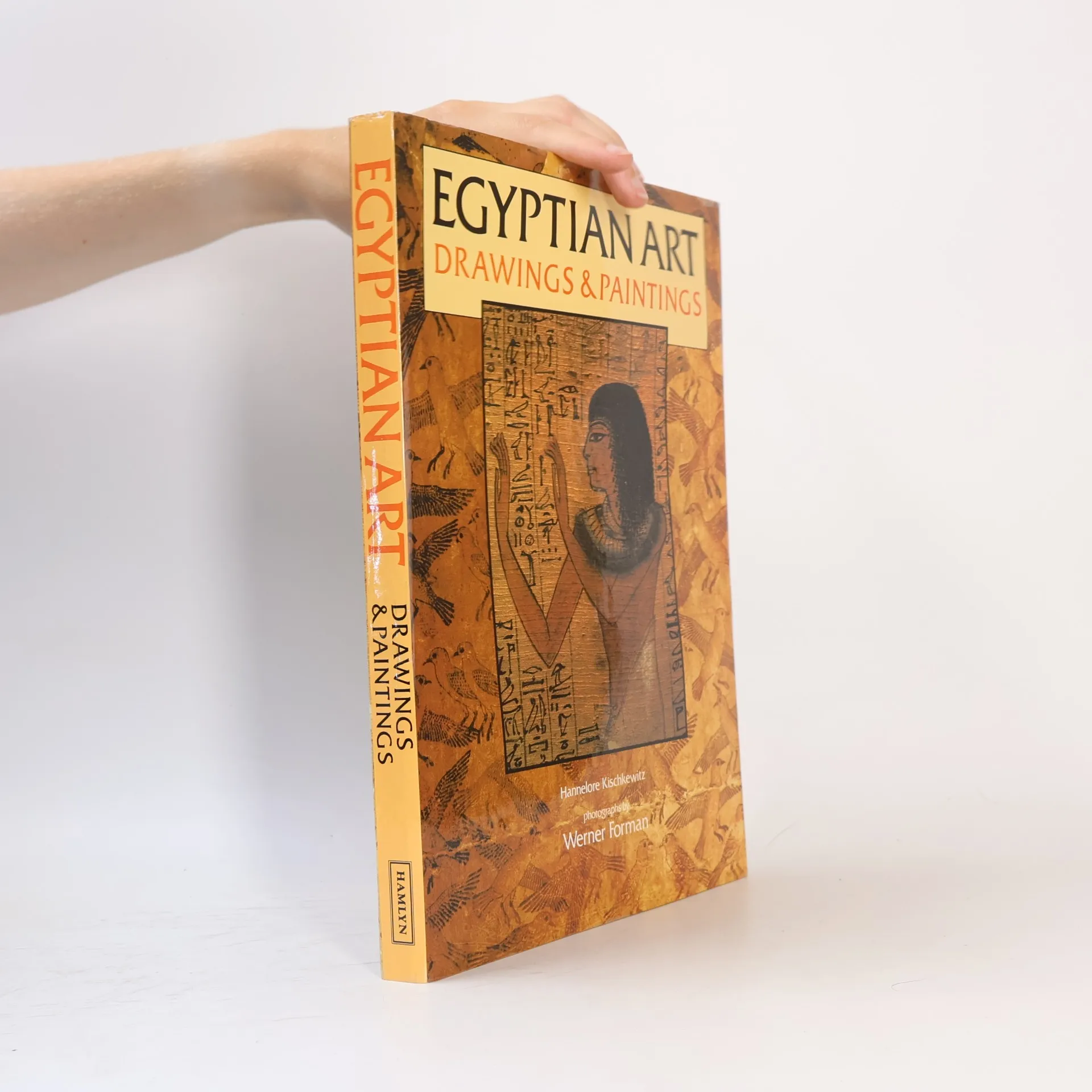
Sacred luxuries: fragrance, aromatherapy, and cosmetics in Ancient Egypt
- 160pages
- 6 heures de lecture
Documents the treasures and ancient arts of pharaonic Egypt, with many of the underlying principles of past aromatherapy techniques still striking a chord today. Exquisite containers are pictured alongside recipes for scents most prized by the elite. Also included are details of fragrant remedies and the origins of aromatherapy, as well as a chapter on the art of ancient Egyptian cosmetics. All the objects in this volume were photographed from private collections and museums in 11 cities around the world.
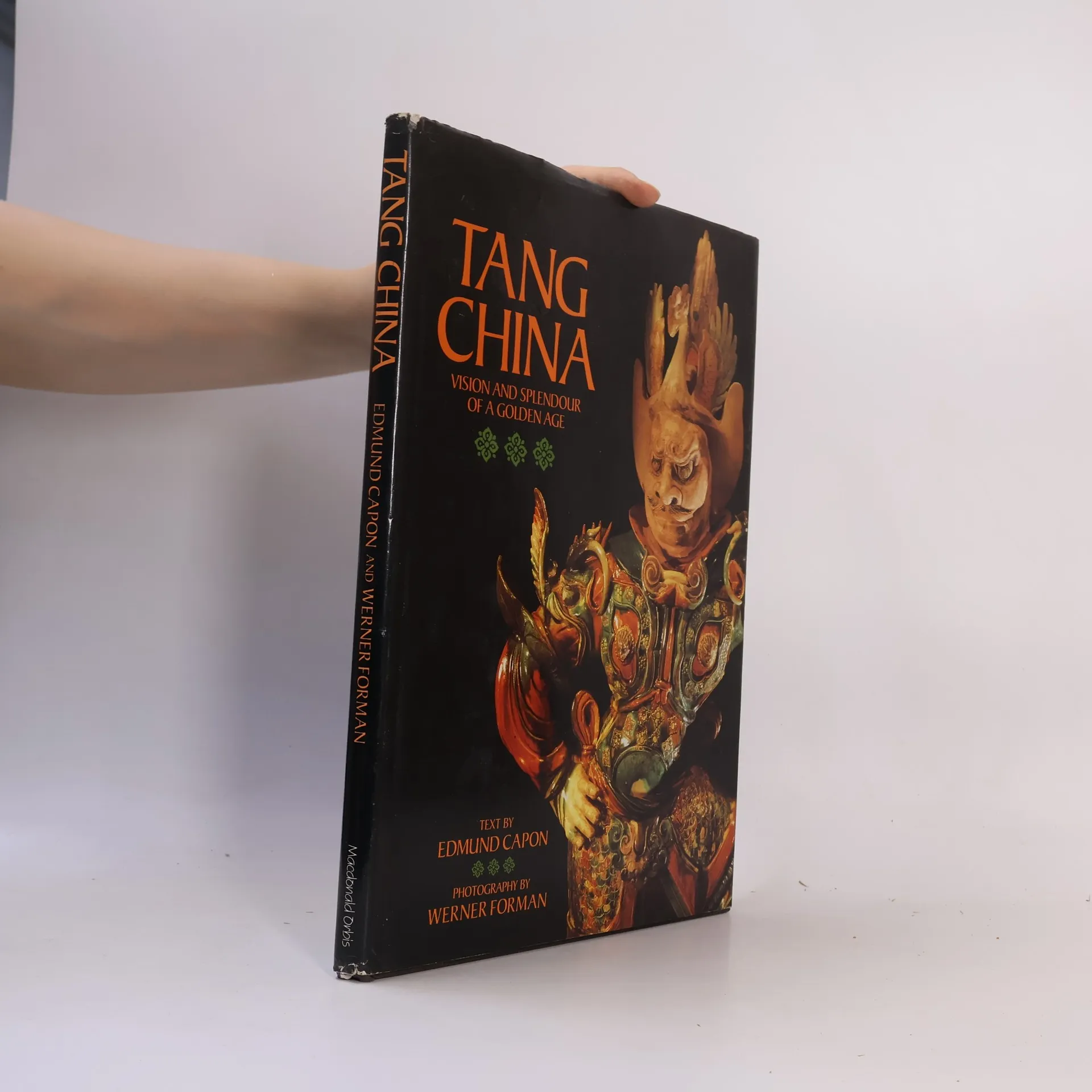
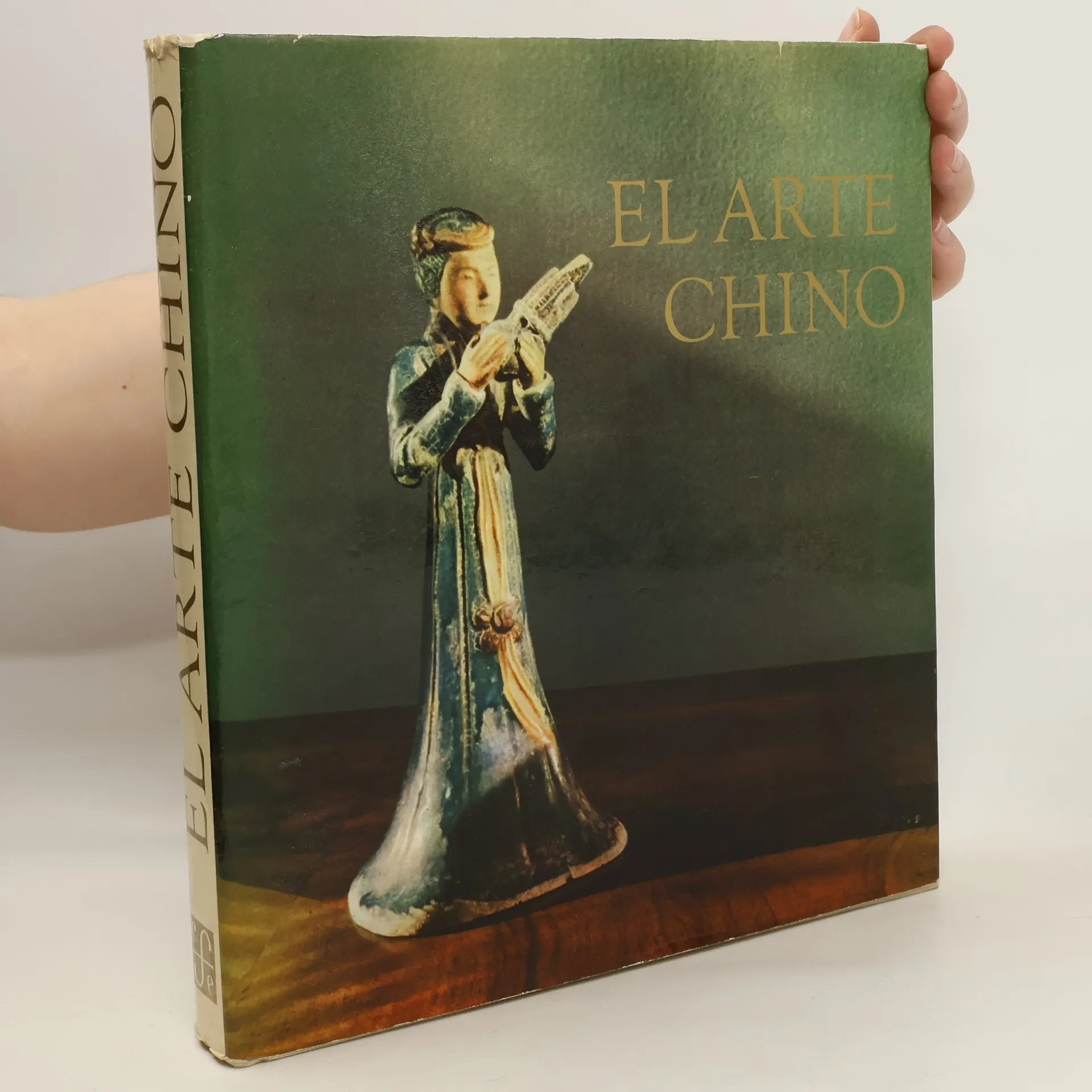
One of the most illustrious and creative eras in China's history, the Tang dynasty flourished for almost three centuries, from AD 618 to 906. The conquest of much of Central Asia and Korea, followed by a period of peace and prosperity, produced a highly cosmopolitan empire: philosophy and customs became more sophisticated, an efficient administrative system developed, printing appeared for the first time, and the arts flourished.In Tang China, Edmund Capon provides an exciting and authoritative insight into the traditions, art and beliefs of this great civilization.
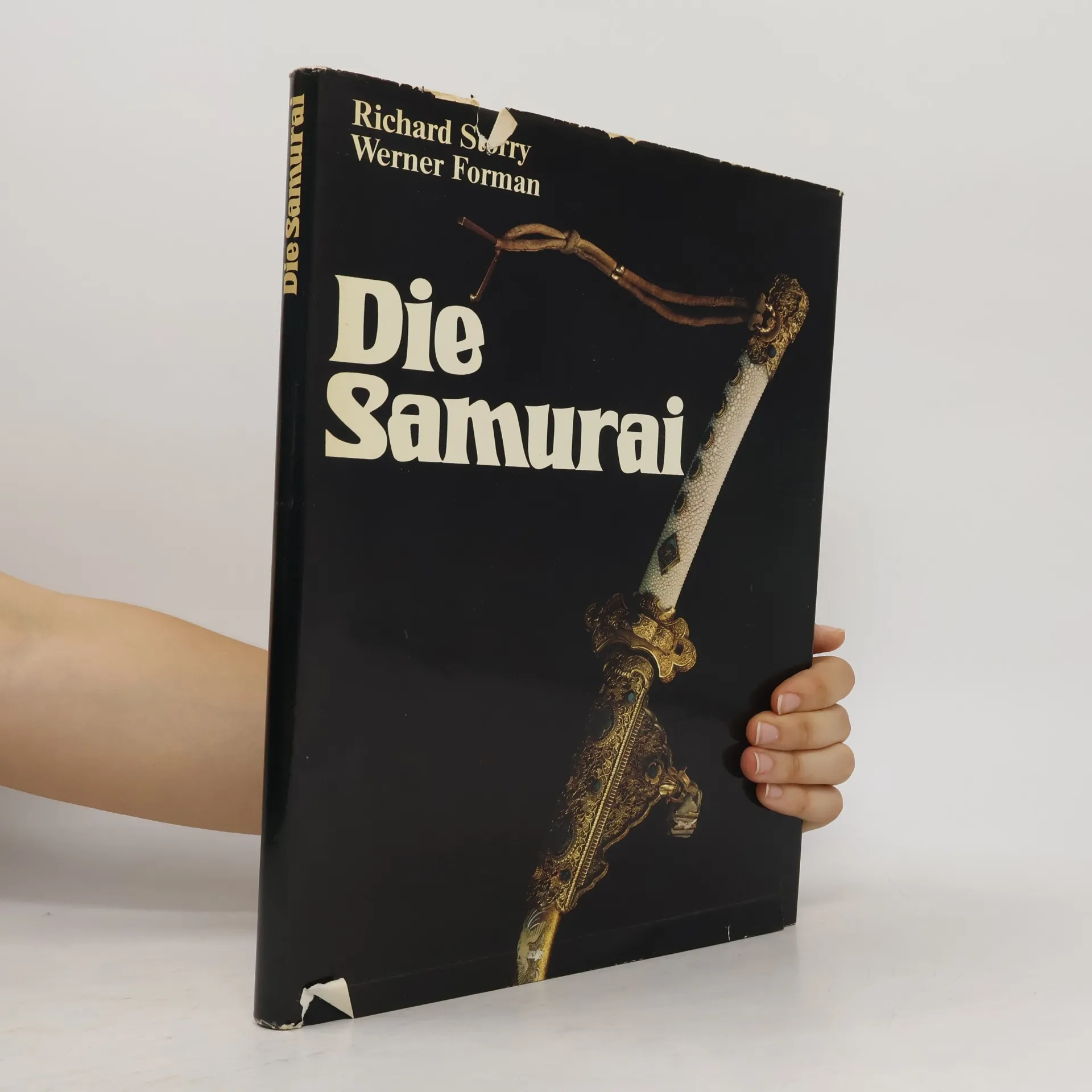
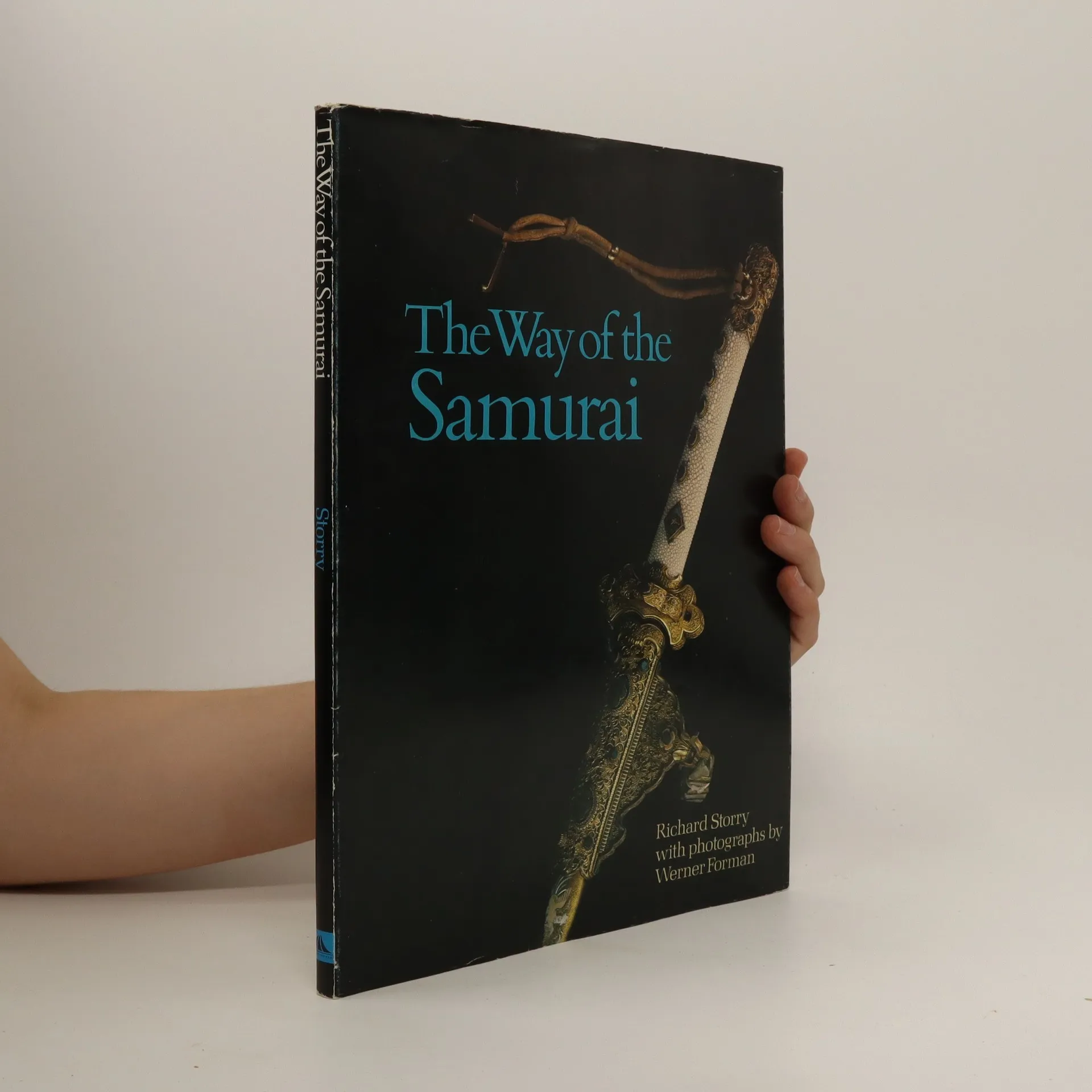
This intriguing portrait of an alien world captures the varying moods of medieval Japan, the way of the samurai.
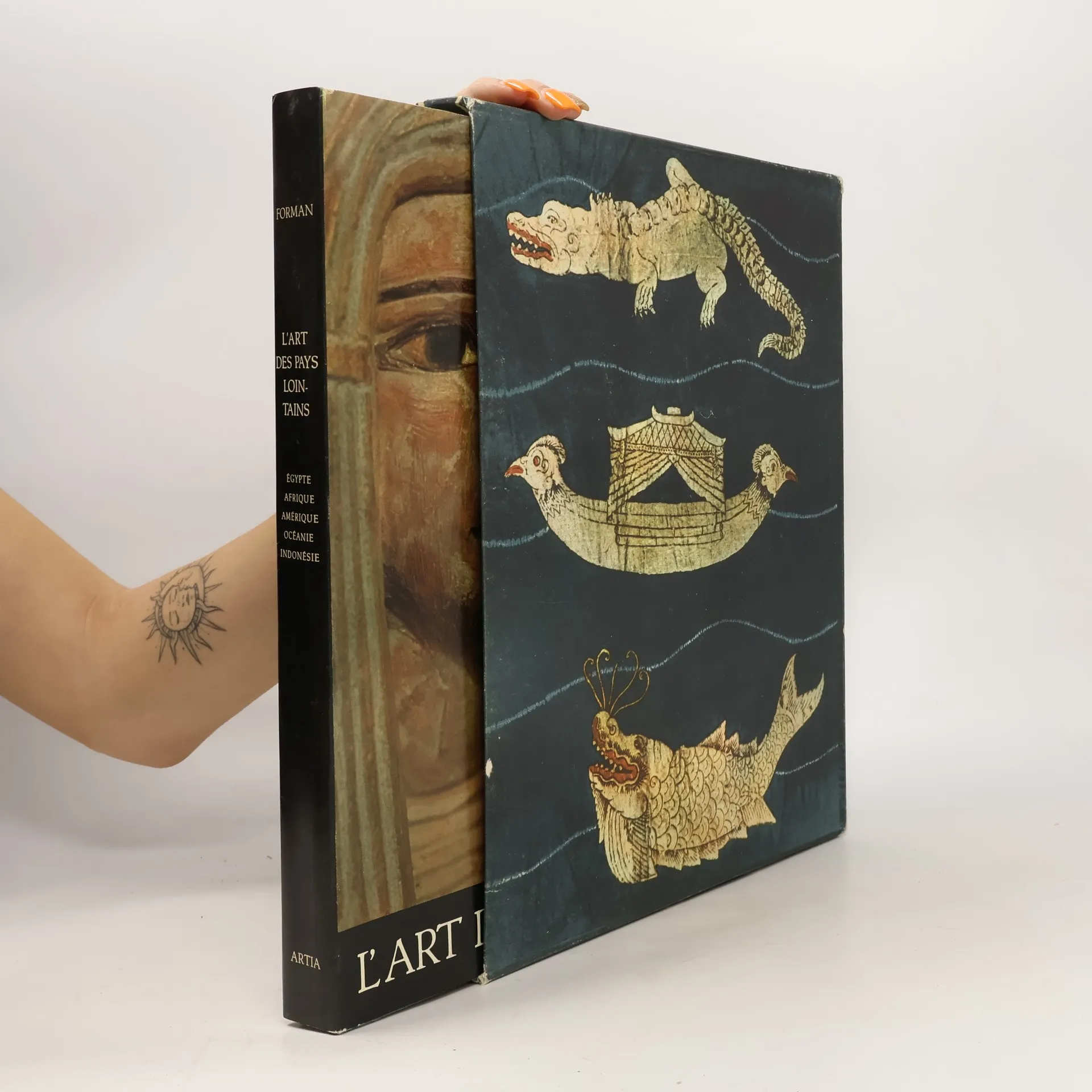
Art of Far Lands
- 362pages
- 13 heures de lecture
Chinese Paper Cut-outs
- 106pages
- 4 heures de lecture
This work has been selected by scholars as being culturally important and is part of the knowledge base of civilization as we know it. This work is in the public domain in the United States of America, and possibly other nations. Within the United States, you may freely copy and distribute this work, as no entity (individual or corporate) has a copyright on the body of the work. Scholars believe, and we concur, that this work is important enough to be preserved, reproduced, and made generally available to the public. To ensure a quality reading experience, this work has been proofread and republished using a format that seamlessly blends the original graphical elements with text in an easy-to-read typeface. We appreciate your support of the preservation process, and thank you for being an important part of keeping this knowledge alive and relevant.
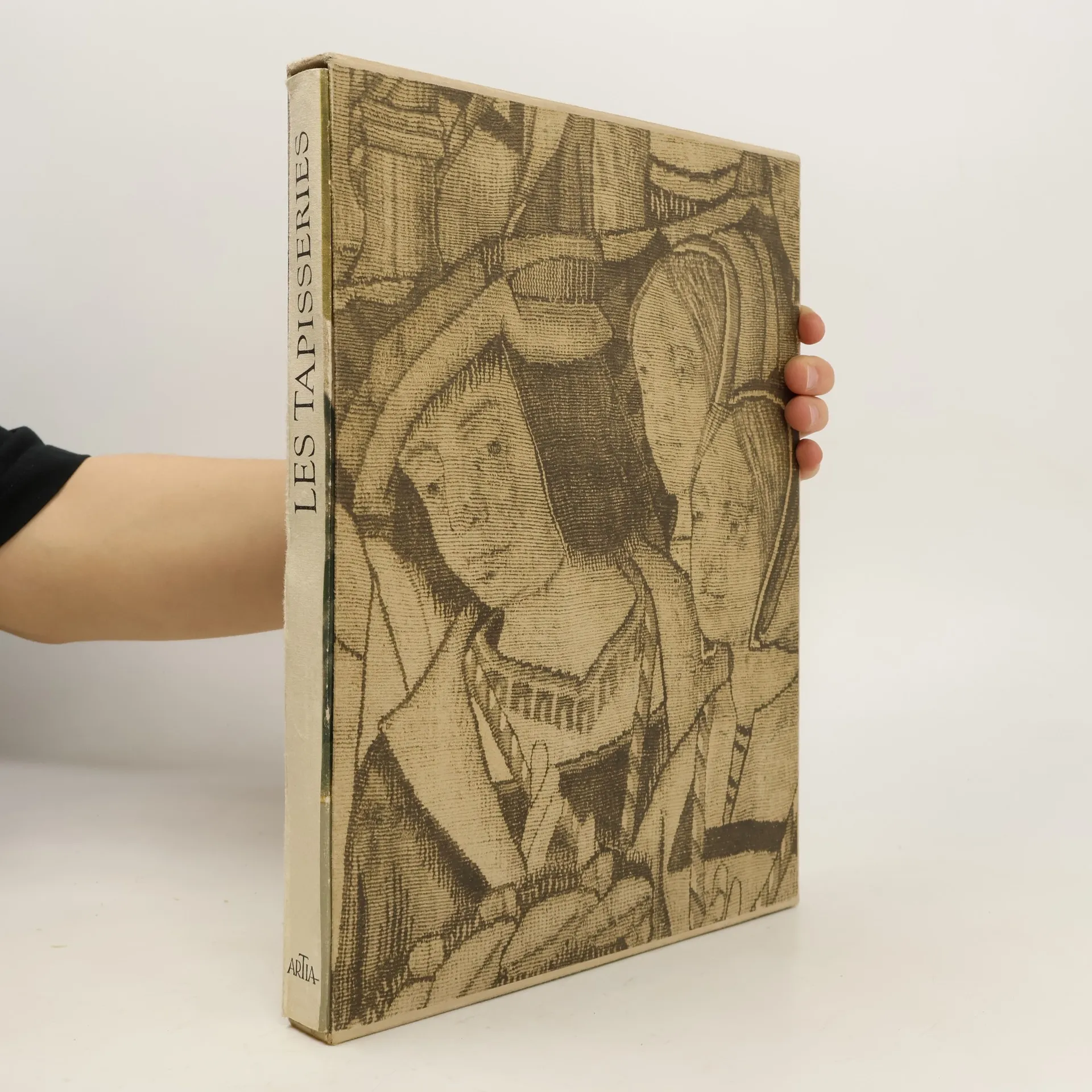
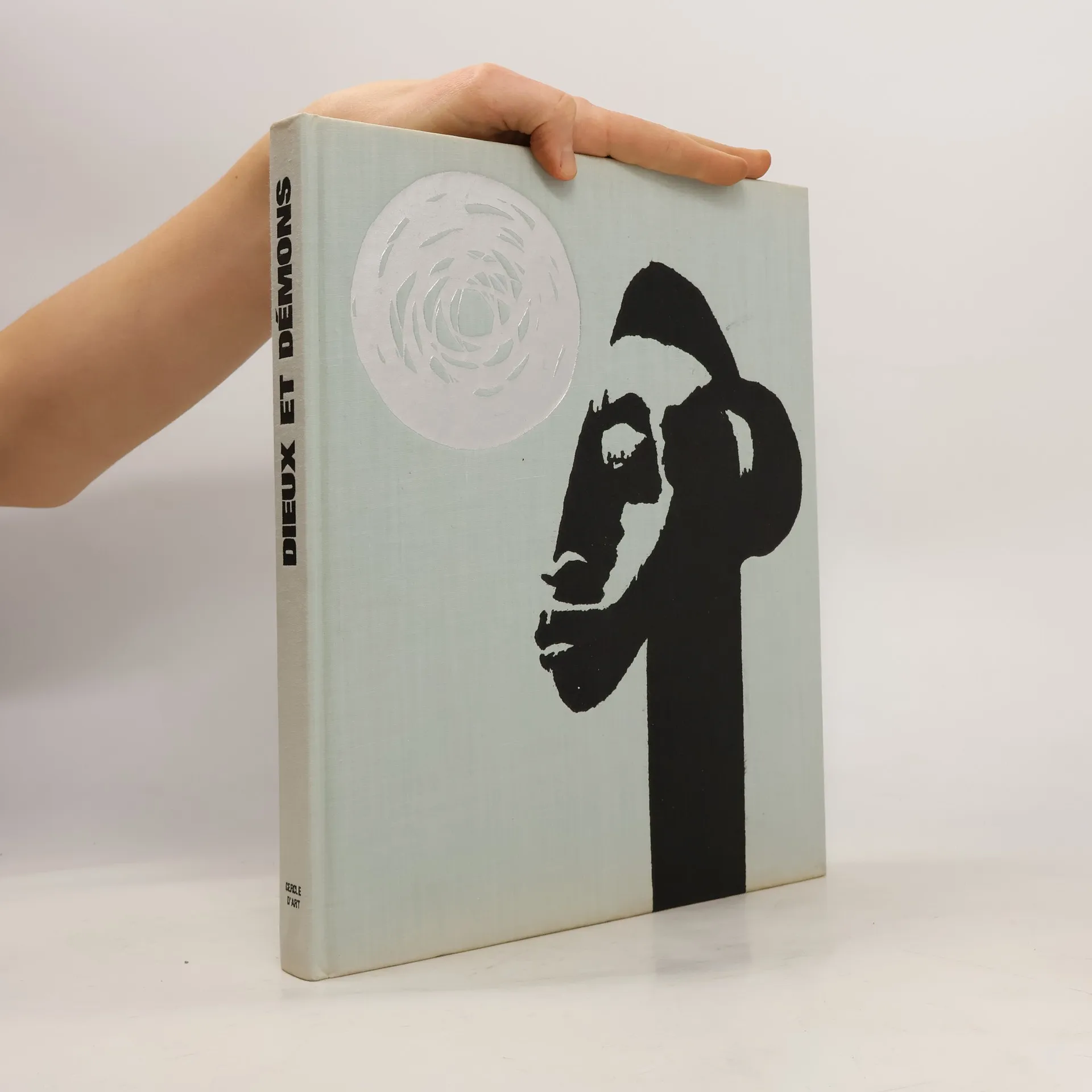
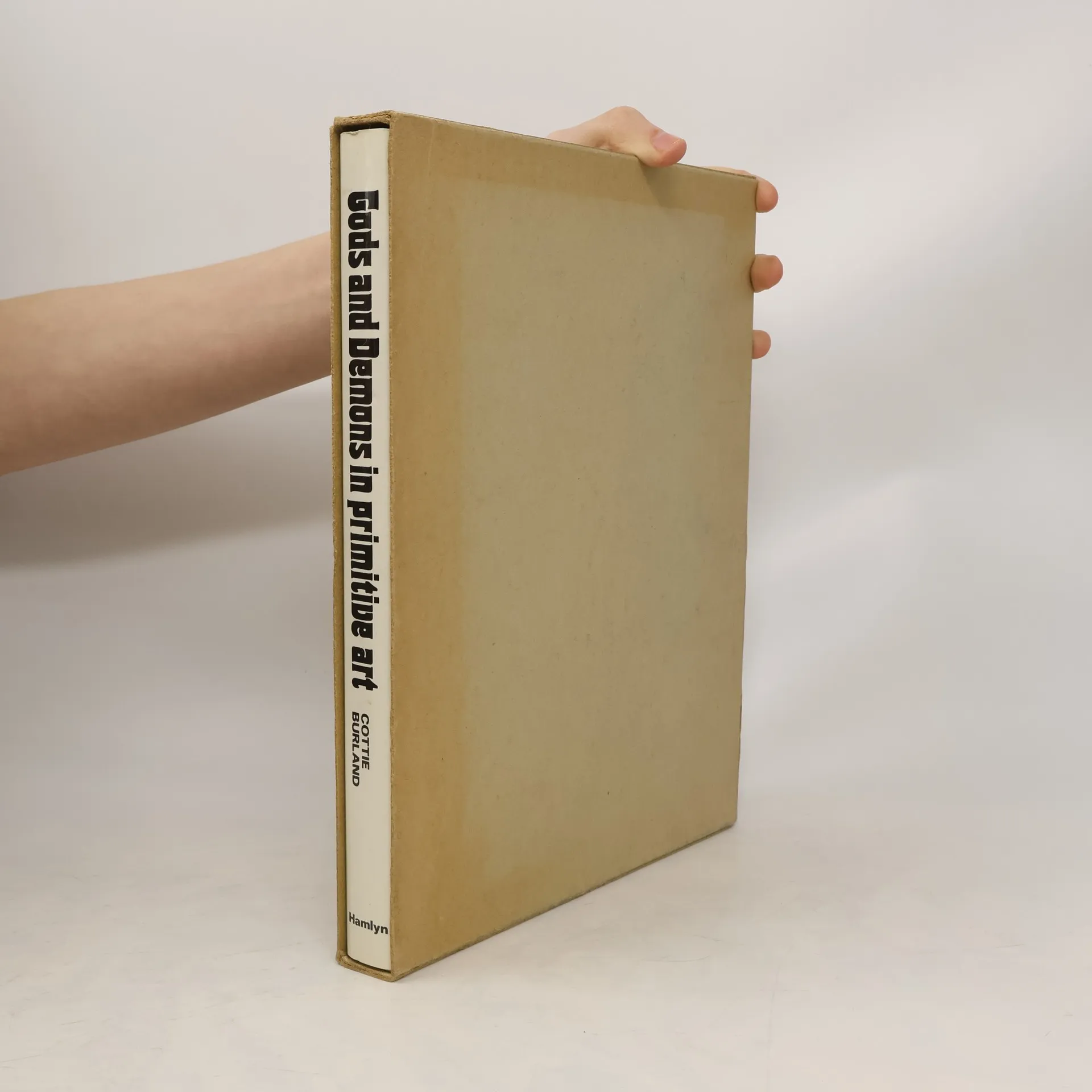
Gods and demons in primitive art
- 194pages
- 7 heures de lecture
With photography by Werner Foreman. Text and photographs are clean, copy is tight and crisp. Dust jacket is edge worn, chipped, and torn. Beautiful design on front embossed black and silver abstract art. 9 1/2" x 11". No marks. Binding is tight, covers and spine fully intact. All edges are clean. NOT ex-library. All books offered from DSB are stocked at our store in Fayetteville, AR. Shipped Under 1 kilogram. Art & Design; 0600338967. ISBN/ 9780600338963. Inventory 024986.
London. 1972. Hamlyn. 32x25. 157p.
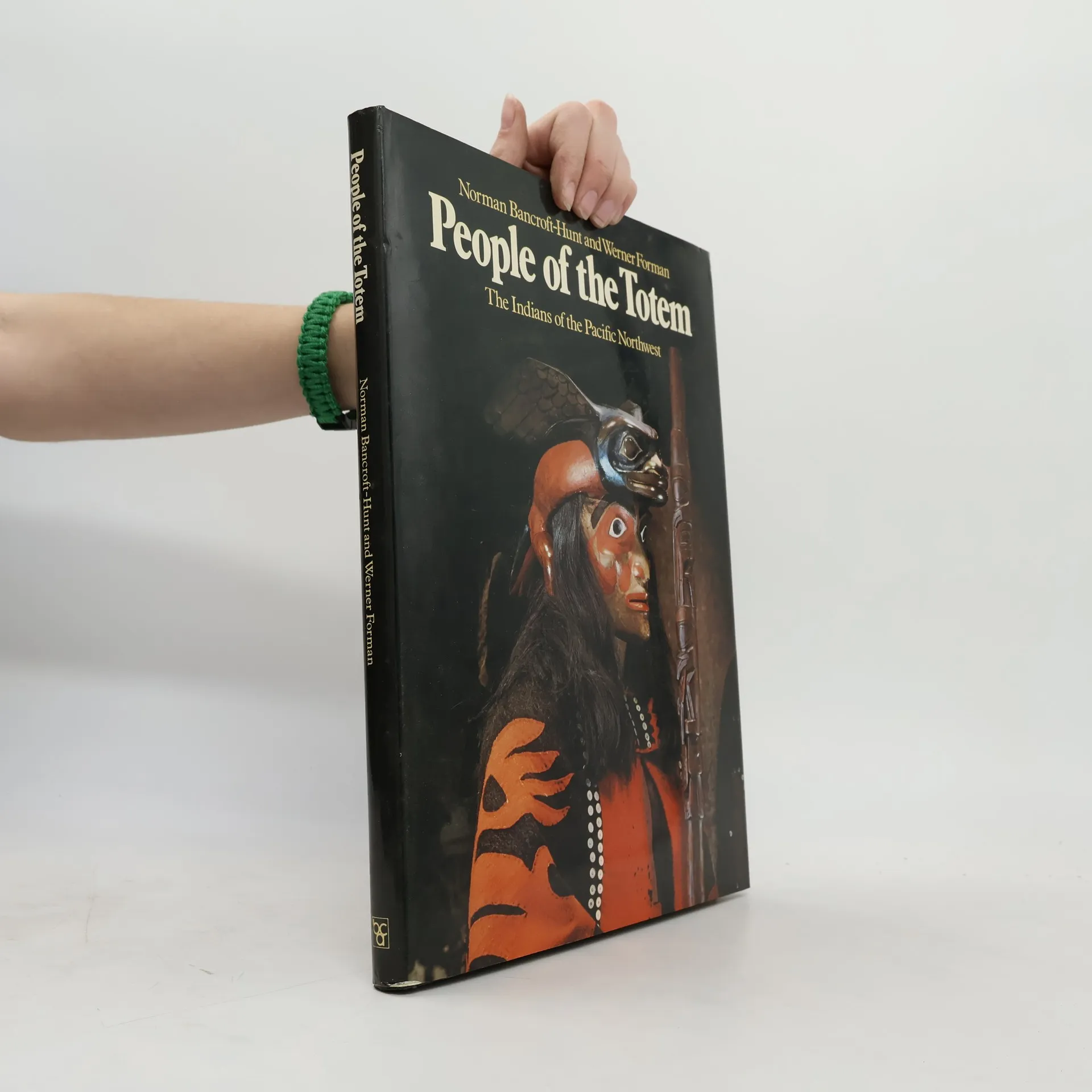
People of the Totem
The Indians of the Pacific Northwest
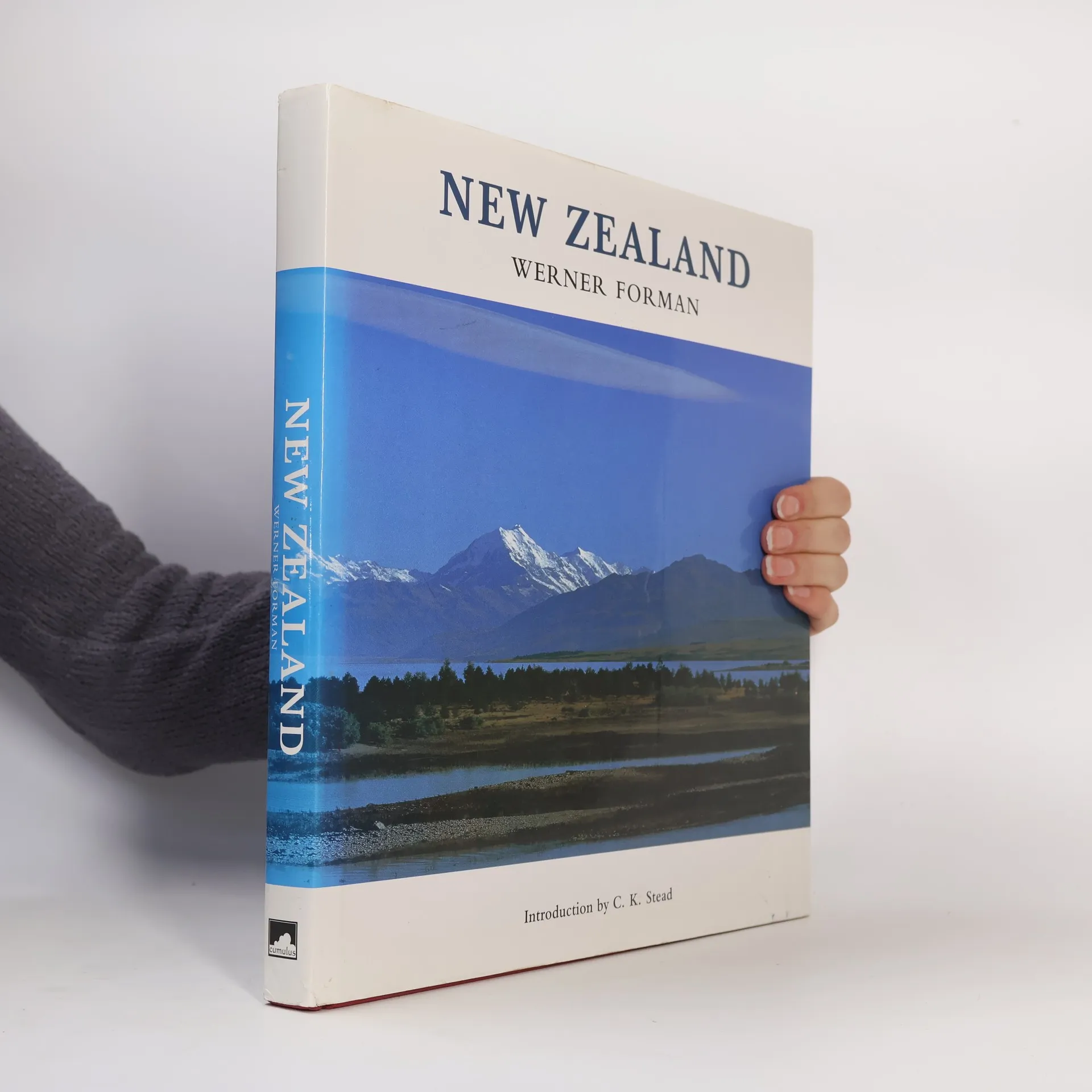
Werner Forman's New Zealand
- 223pages
- 8 heures de lecture
Libro usado en buenas condiciones, por su antiguedad podria contener señales normales de uso
Cultuurgeschiedenis van de Vikingen, met nadruk op hun religie.
Le Festival interceltique de Lorient, tout le monde connaît. Mais d'où provient cette culture, qui dépasse de loin le seul stade linguistique et musical ? Le roi Artur, la tradition du gui, les cultes, bref tout ce que vous avez toujours voulu savoir sur les Celtes, vous le trouverez dans cette incroyable somme d'informations réunies par un des plus grands spécialistes de la question. Ce dictionnaire est bien plus qu'un ouvrage pratique : c'est un ouvrage de référence, déjà un classique. Outre les quelque 2 000 entrées qu'il contient, il comporte deux impressionnantes synthèses, l'une sur les étapes et sources présidant à la redécouverte du passé celtique, et l'autre à un historique composé à partir des données actuellement disponibles sur les anciens Celtes, couvrant la période s'étalant du VIe siècle avant J.-C. jusqu'au début du Ve siècle après J.-C. En intégrant dans son étude toutes les régions d'Europe ayant connu une présence celtique durable ou temporaire, de l'Atlantique aux Carpates, de la mer du Nord au bassin méditerranéen, l'auteur montre ainsi le poids d'une culture et d'une histoire que nous côtoyons tous les jours. Une bibliographie de près de 1 800 ouvrages et articles ainsi qu'une liste de musées consacrés au sujet avec adresses Internet clôturent l'Histoire et dictionnaire des Celtes.
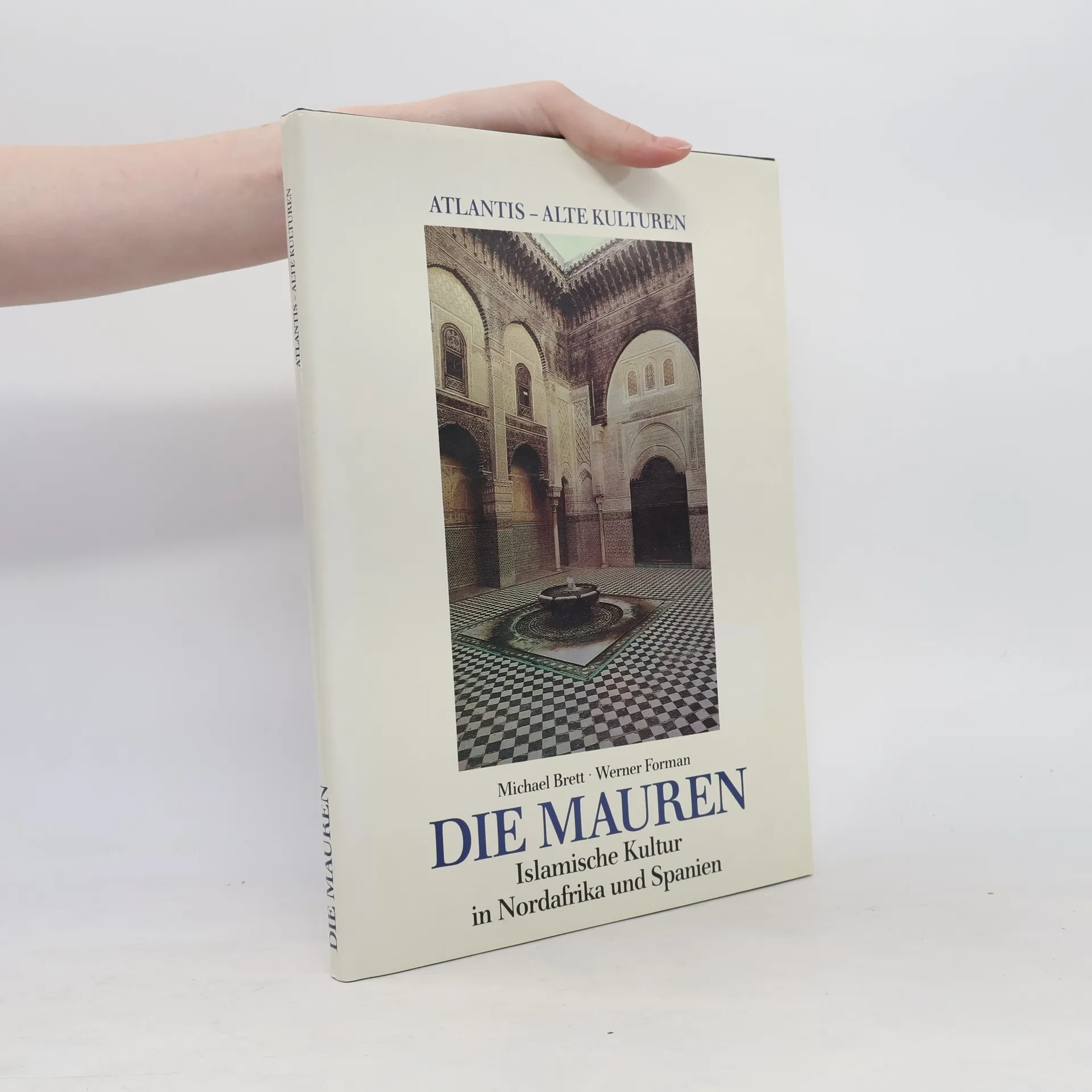
Mauri – Islam na západe
- 128pages
- 5 heures de lecture
Autor pútavo opisuje rozmach a úpadok Andalúzie – rozpráva o všednom živote Maurov i o ich pozoruhodných znalostiach a poznatkoch z oblasti astronómie, matematiky, medicíny, filozofie, poézie a staviteľstva, ktorými ďaleko predstihli vtedajšiu Európu. Už vtedy Mauri položili základy moderne chápaného vzdelávania a vedy.
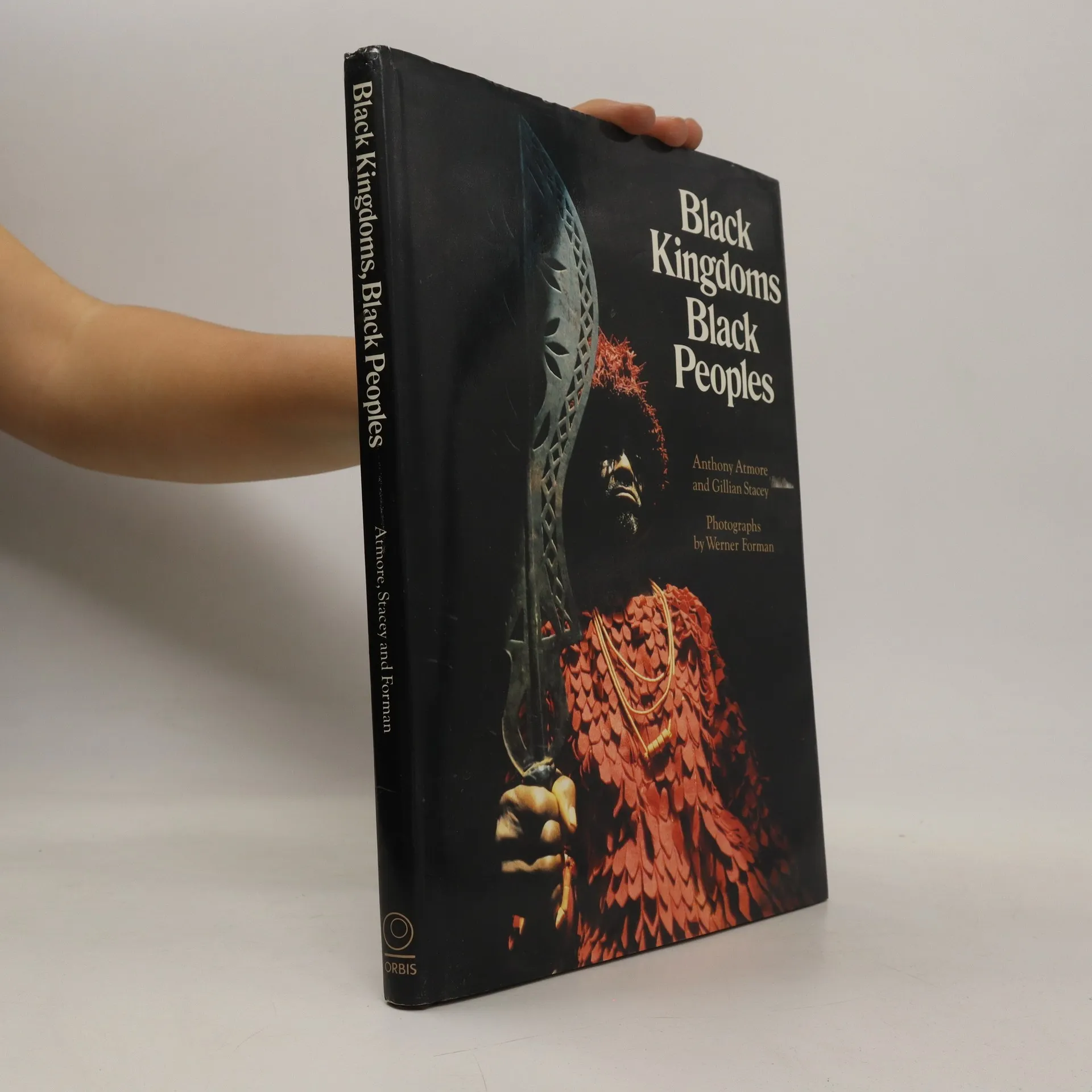
Black Kingdoms, Black Peoples
- 128pages
- 5 heures de lecture
Surveys the histories of the tribes of West Africa and their transformation into the great trading empires south of the Sahara, identifying fundamental attitudes and common beliefs
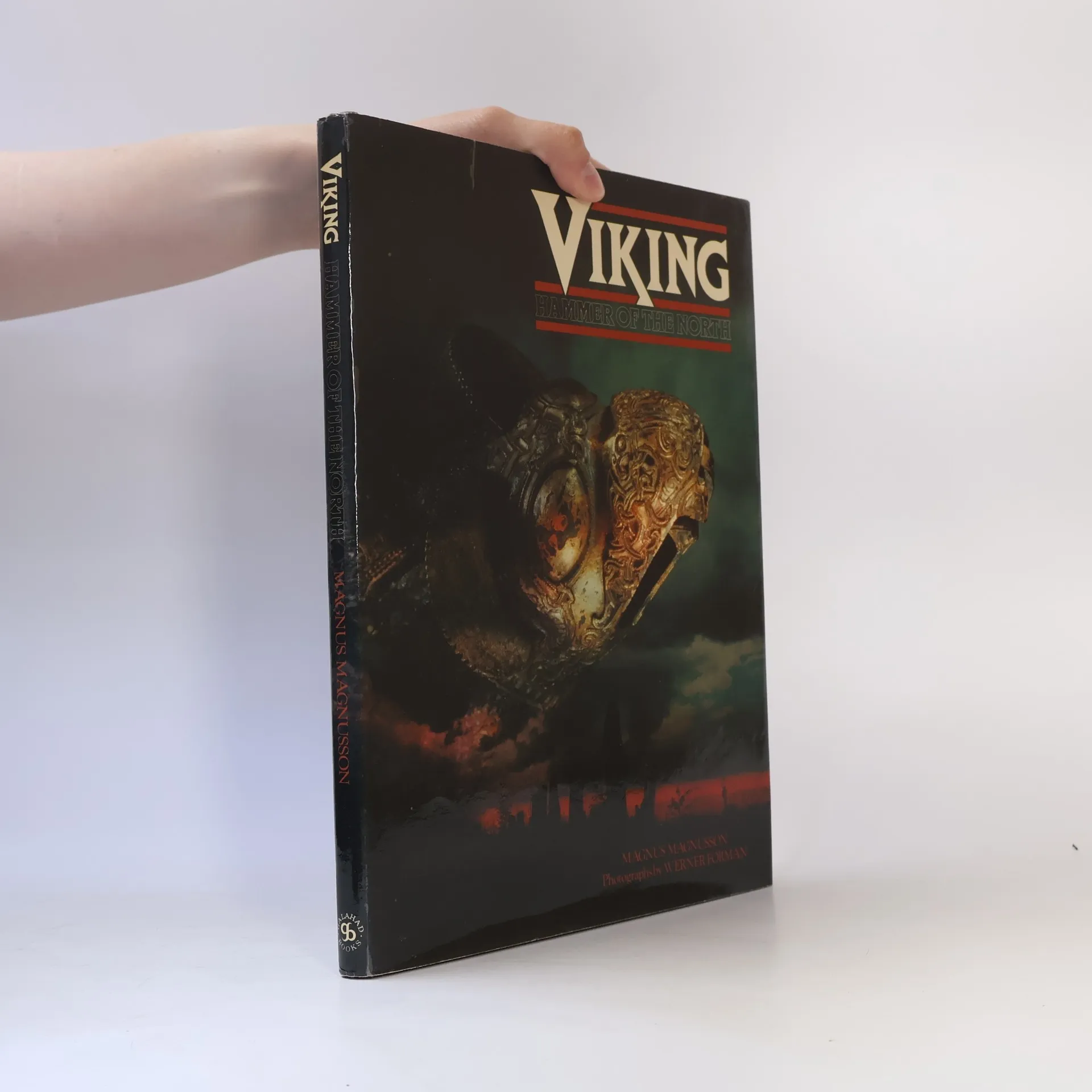
Viking, Hammer of the North
- 128pages
- 5 heures de lecture
Echoes of the Ancient World SeriesContents:PrefaceThe land of Thule: pre-Viking ScandinaviaThe dragon ships: the great age of Viking expansionHammer and cross: the coming of the new religionThe great void: creation and doom in the Viking cosmologyOdin, the all-father: lord of the gallows and lord of the slainStorm and harvest: Thor, Frey, Freyja: gods of the earth and skyLoki and Baldur: the father of lies and the shining godChoosers of the slain: Valkyries and the spirits of the otherworldThe way to Hel: death and its after-lifeSacred stones: Norsemen at worshipThe heroic ethic: the legend of Sigurd and the code of the warrior.
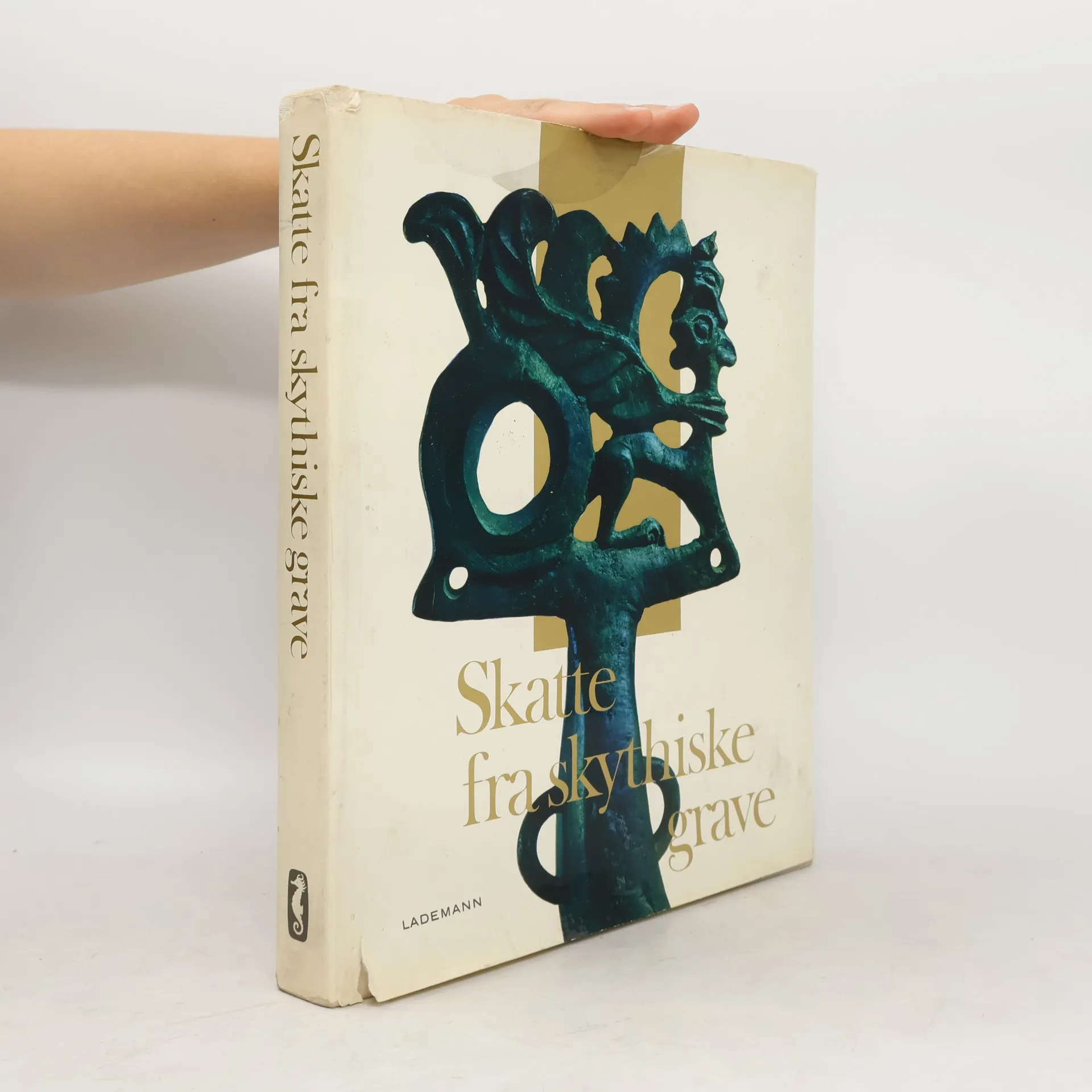
Skatte fra skythiske grave
i Eremitagen, Leningrad
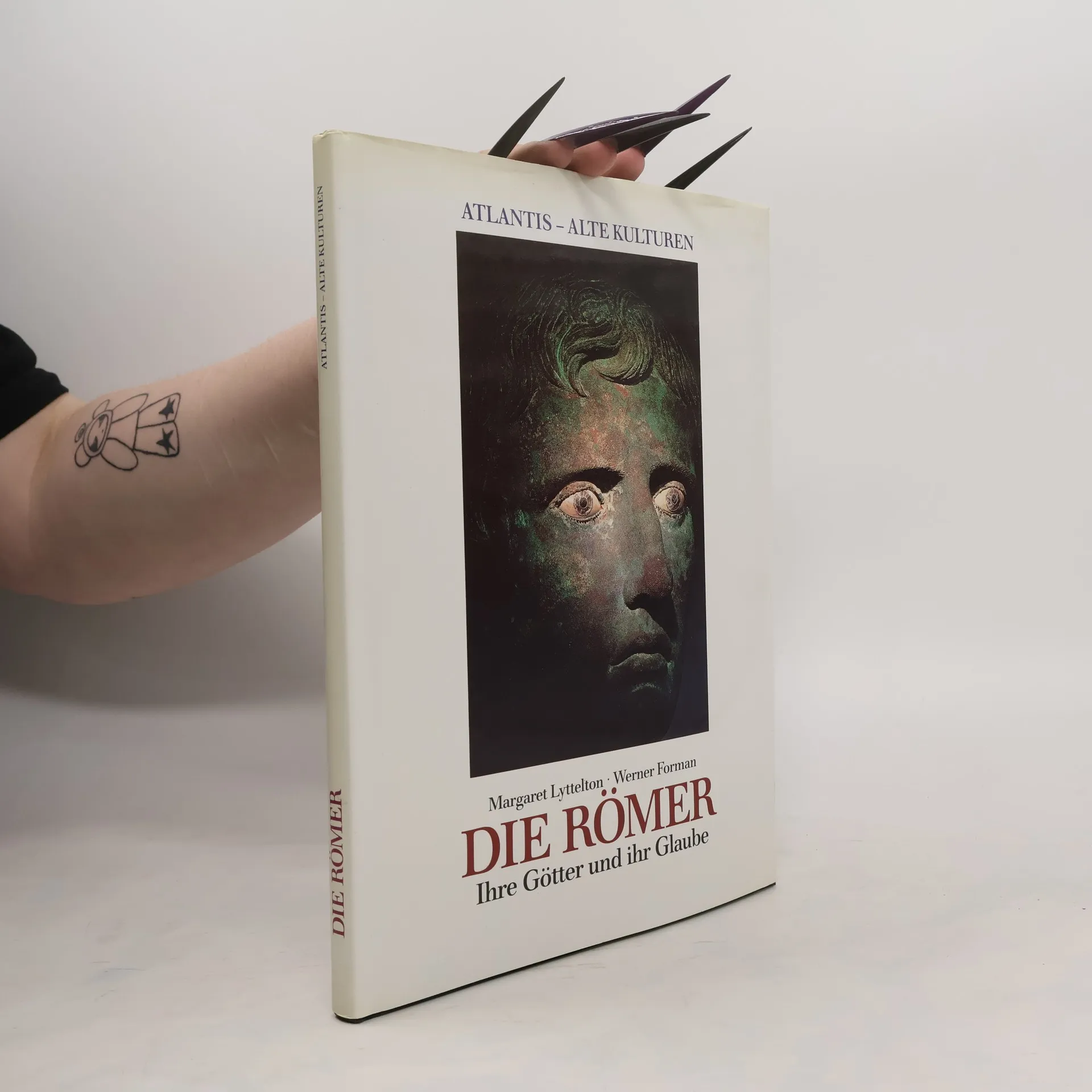
Die Römer. Ihre Götter und ihr Glaube
- 128pages
- 5 heures de lecture
Zauberinsel Bali
Im Land der tausend Tempel
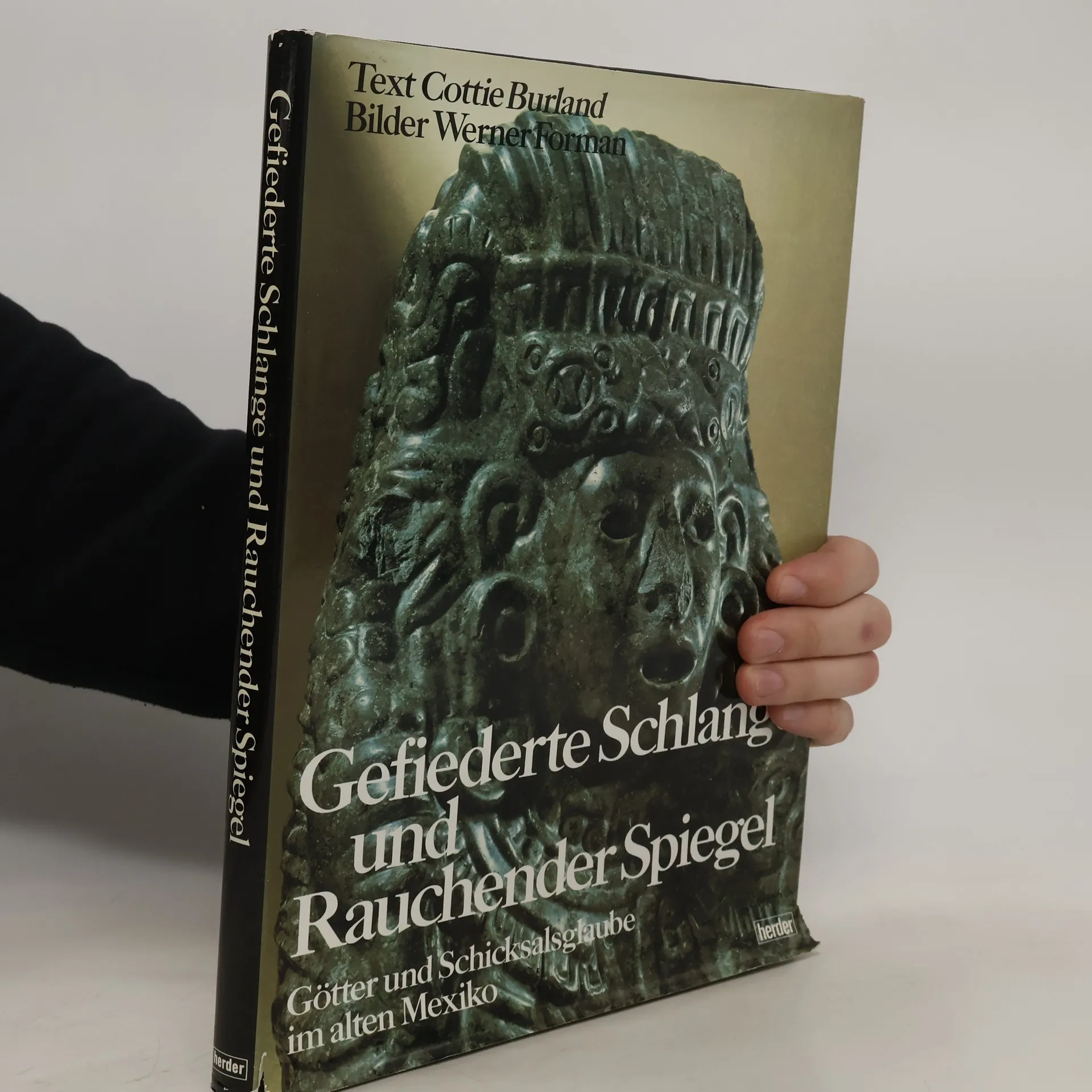
Gefiederte Schlange und Rauchender Spiegel
- 128pages
- 5 heures de lecture
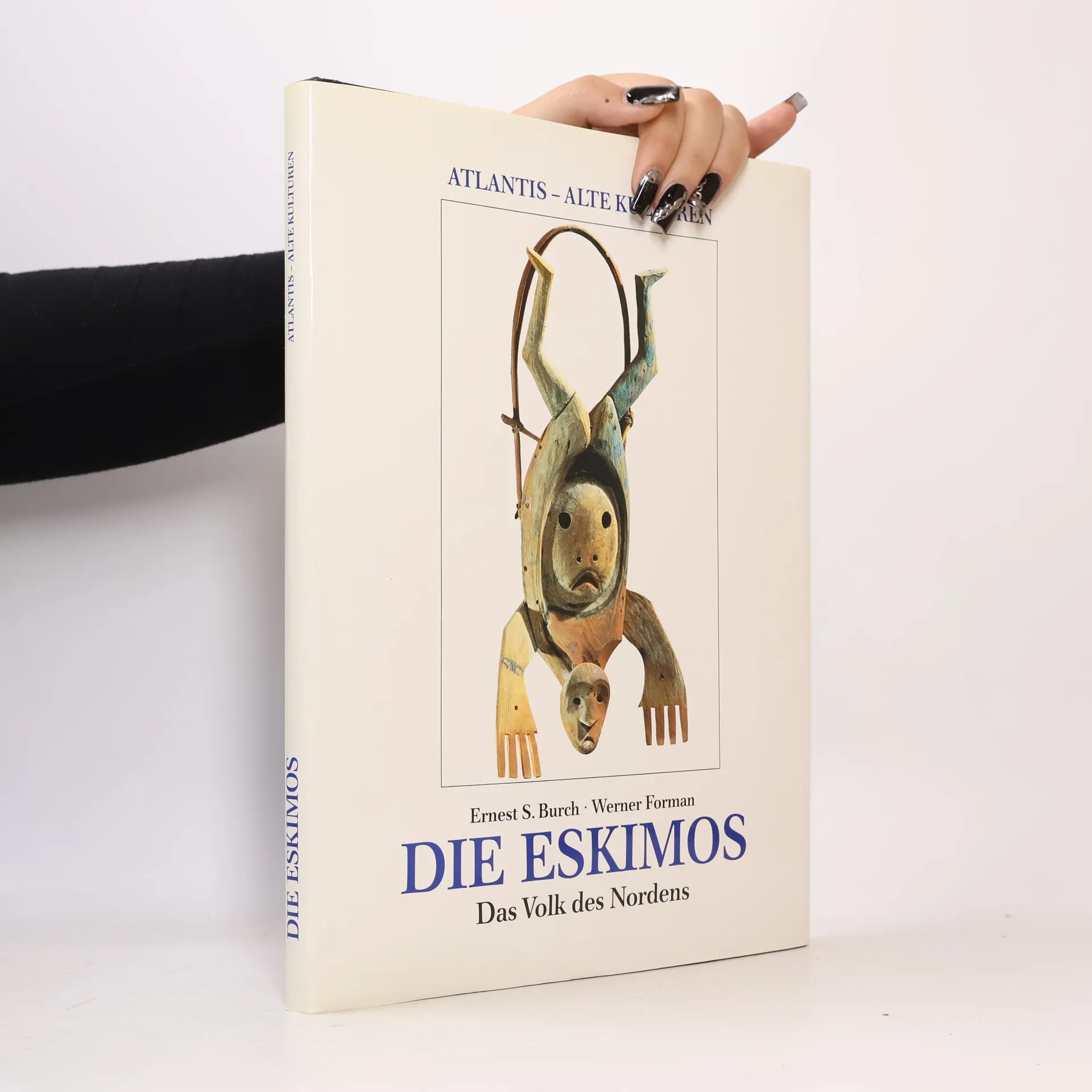
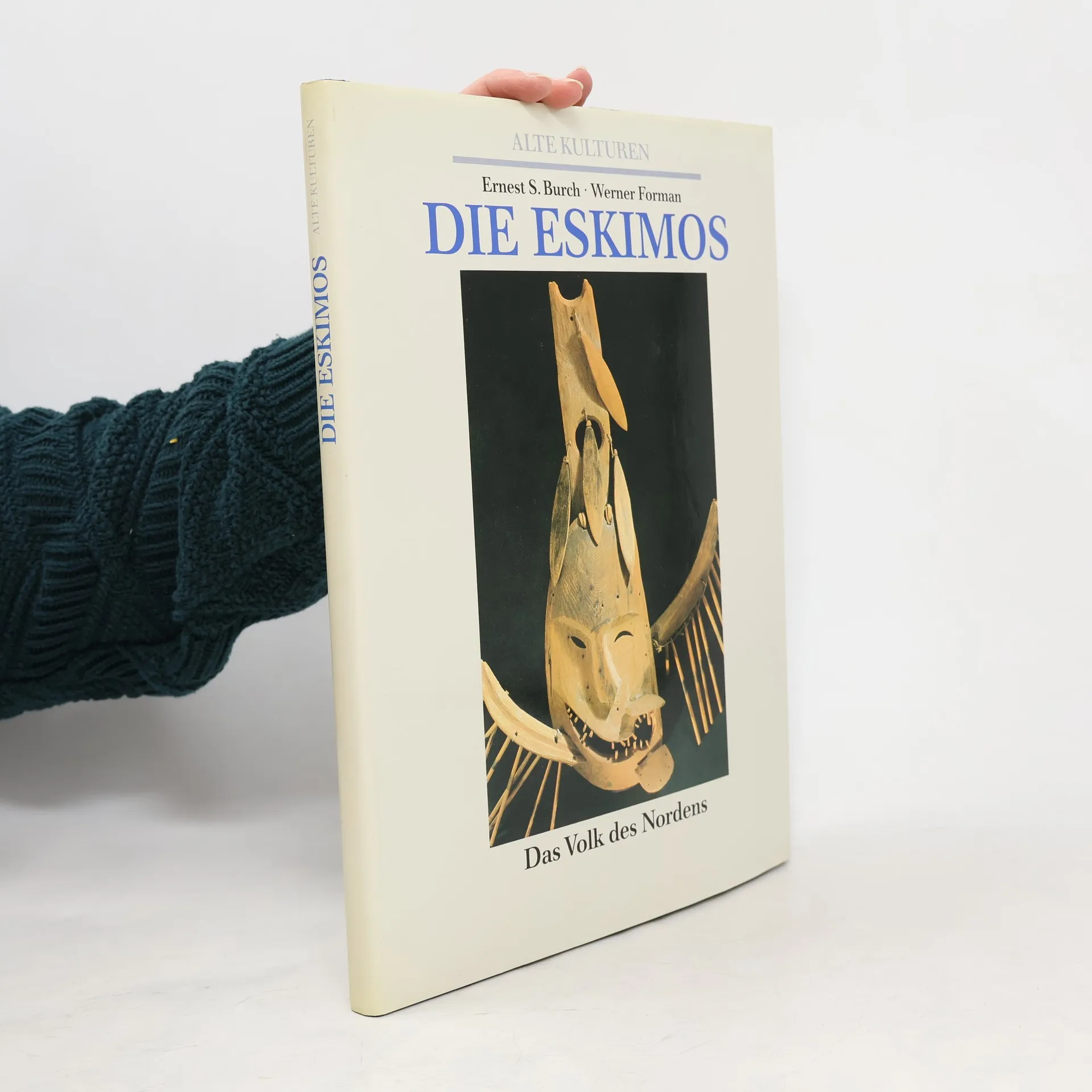
Die Eskimos
Das Volk des Nordens
durchg. farb. Abb., geogr. Reg., Glossar, Bibliogr., Orts- u. Begriffsreg.
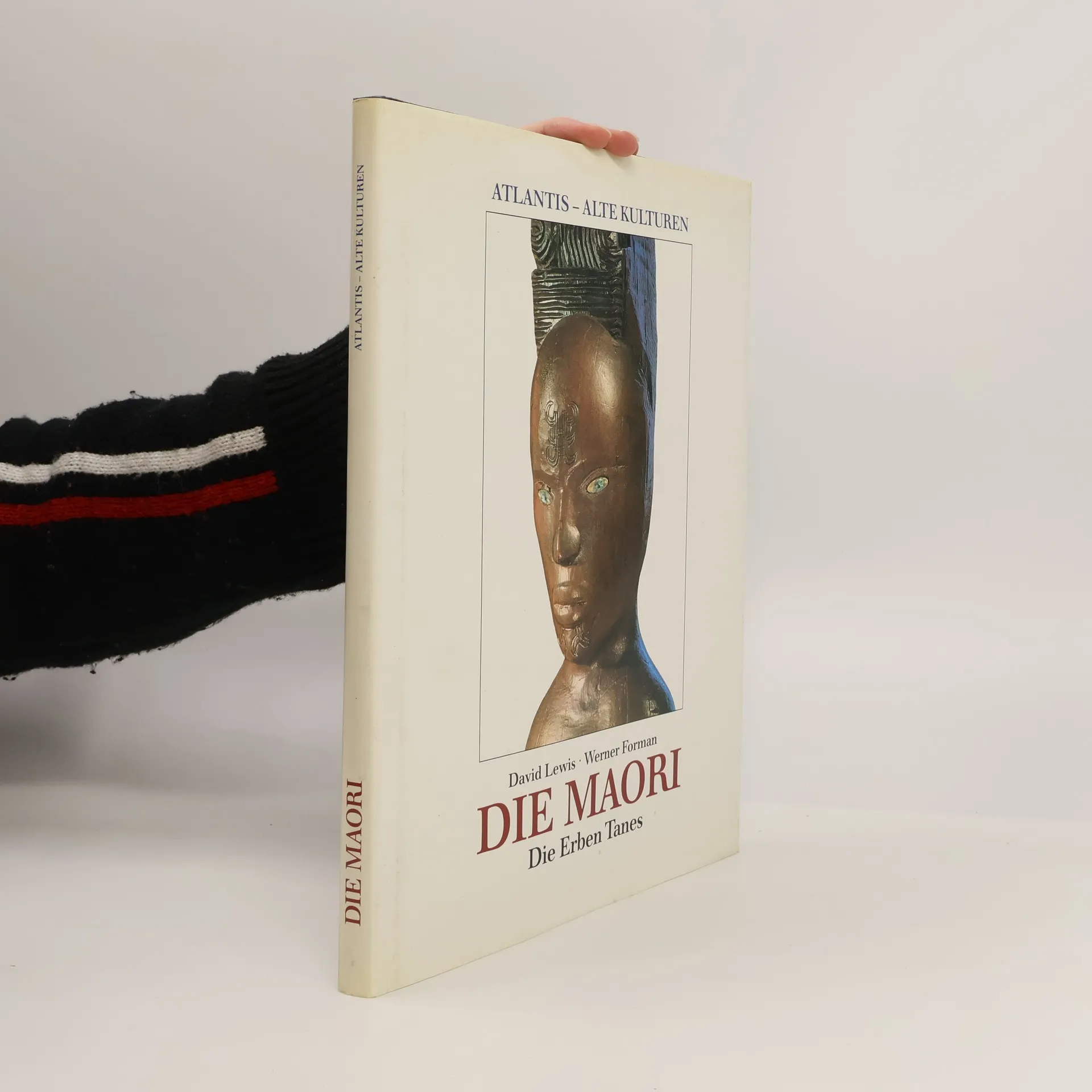
Bild-Text-Band zur Geschichte und Kultur der Maori auf Neuseeland vor der europäischen Einwanderung im 19. Jahrhundert
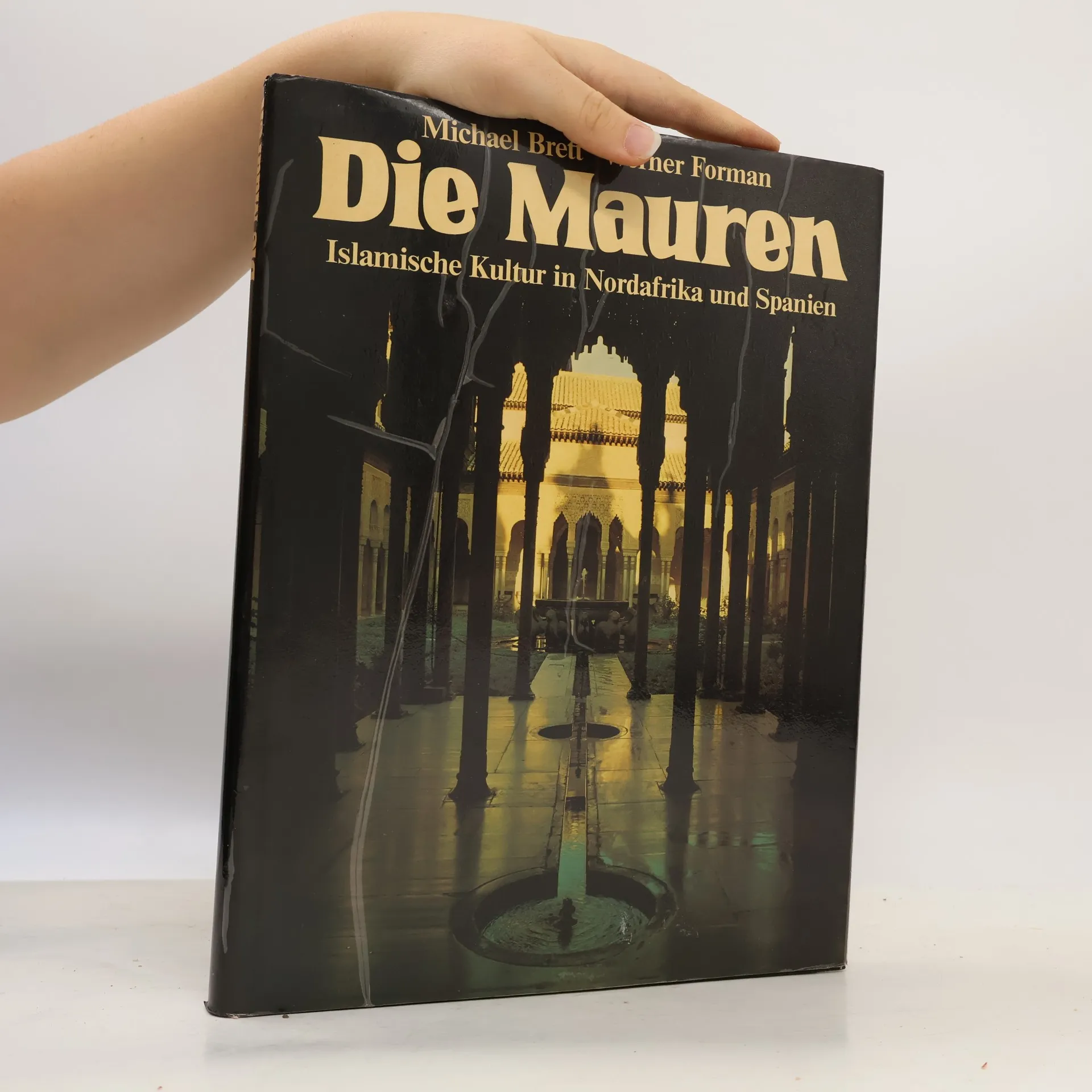
Die Mauren
- 128pages
- 5 heures de lecture
Totempfahl und Maskentanz
- 128pages
- 5 heures de lecture
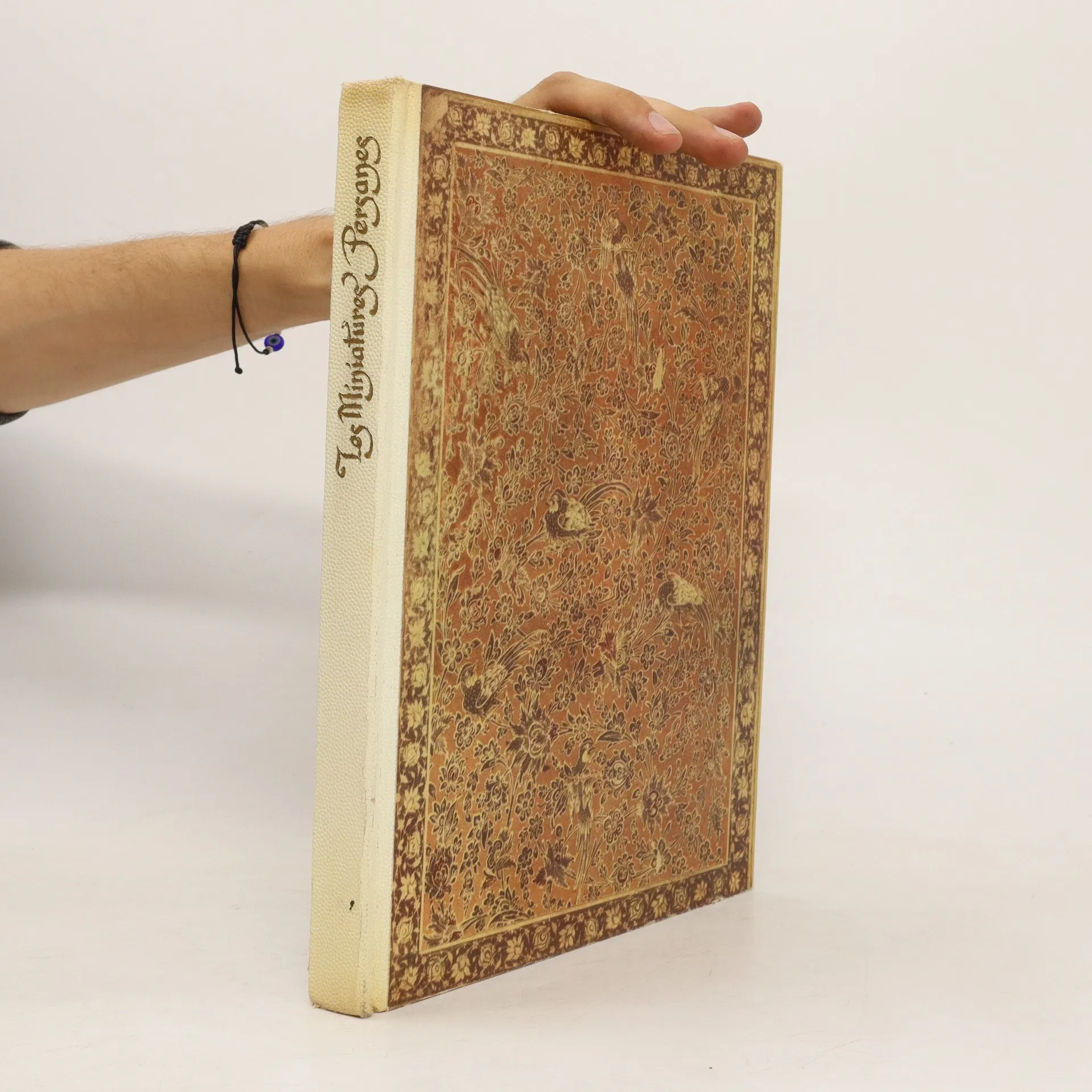
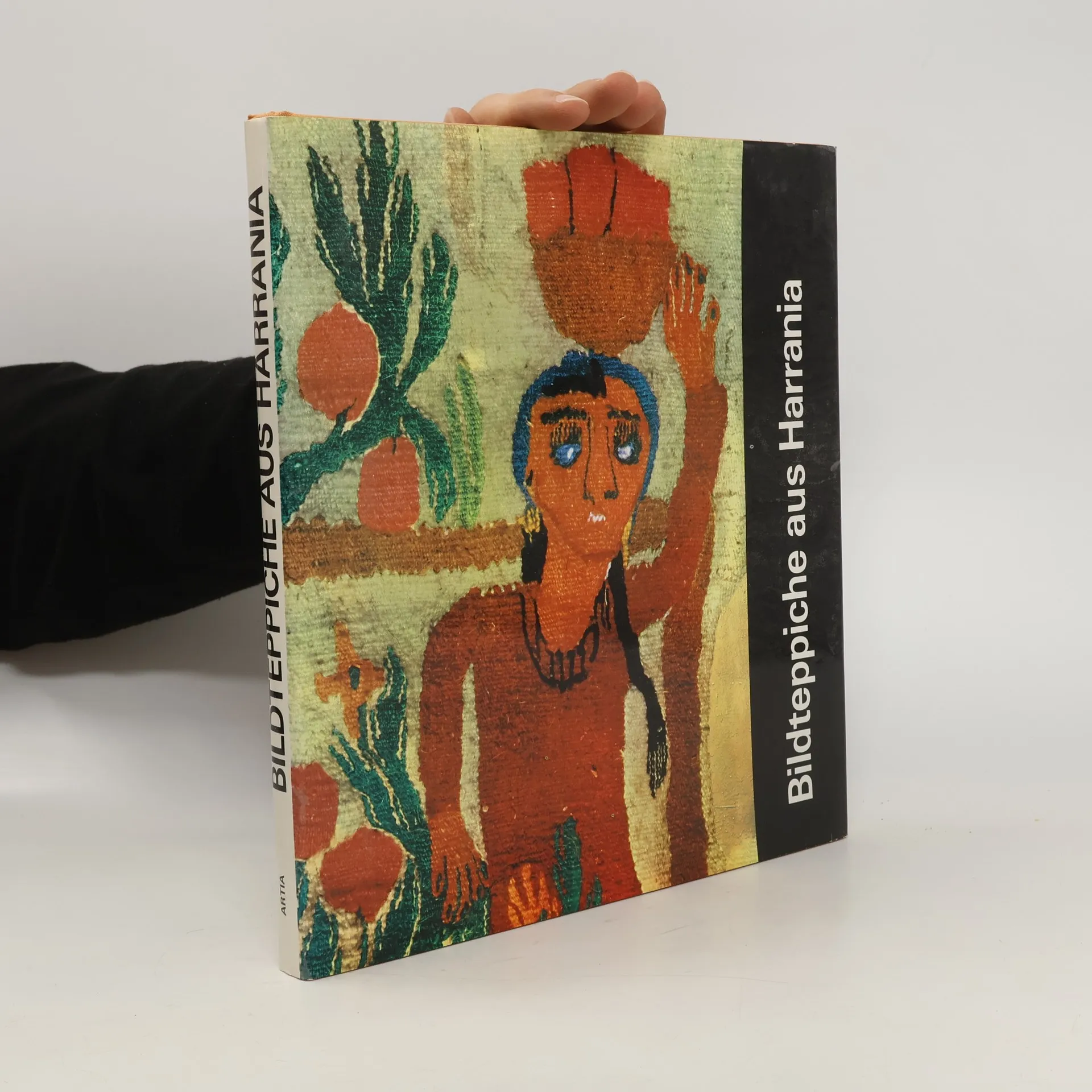
Bildteppiche aus Harrania
- 45pages
- 2 heures de lecture
Götter, Geister und Dämonen
- 207pages
- 8 heures de lecture
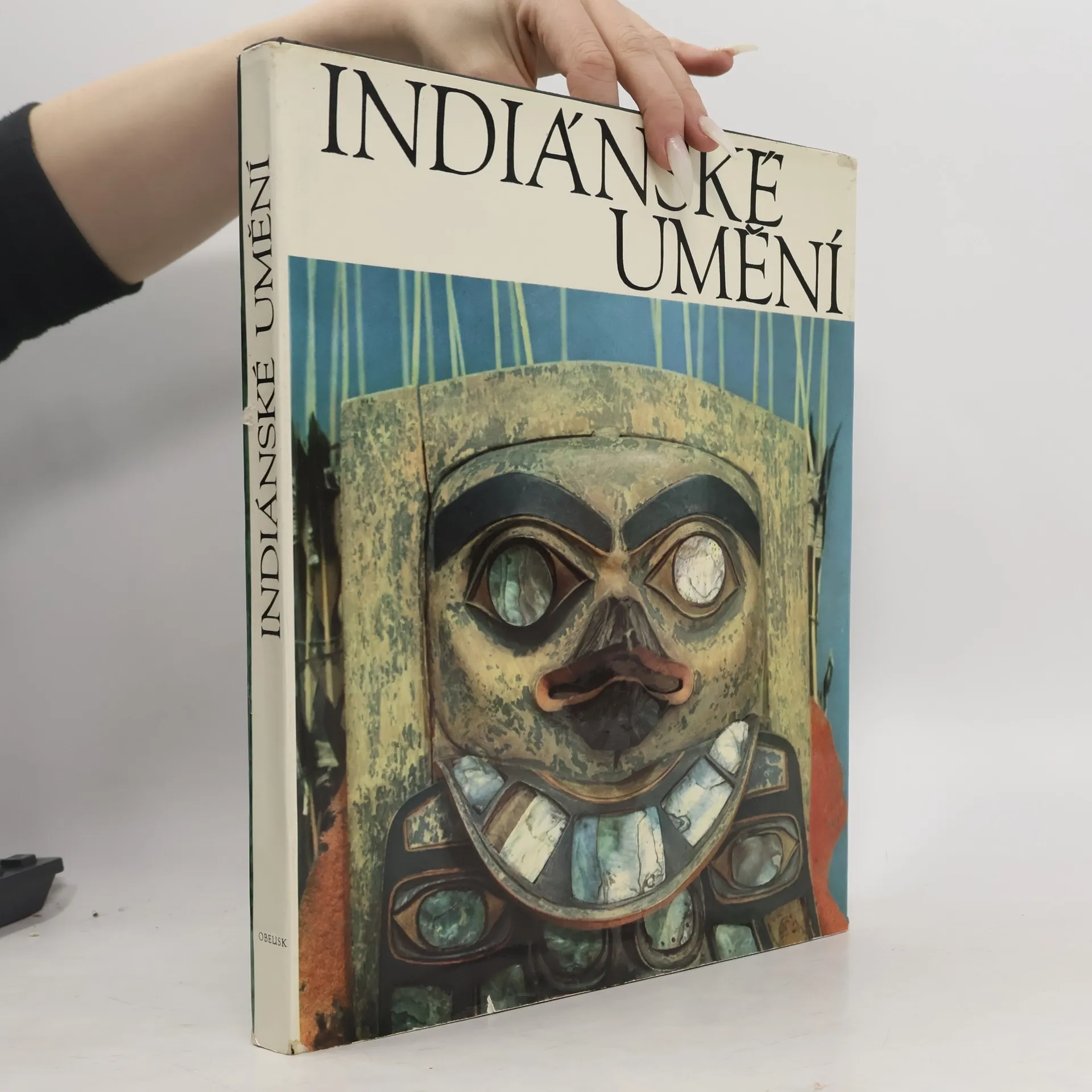
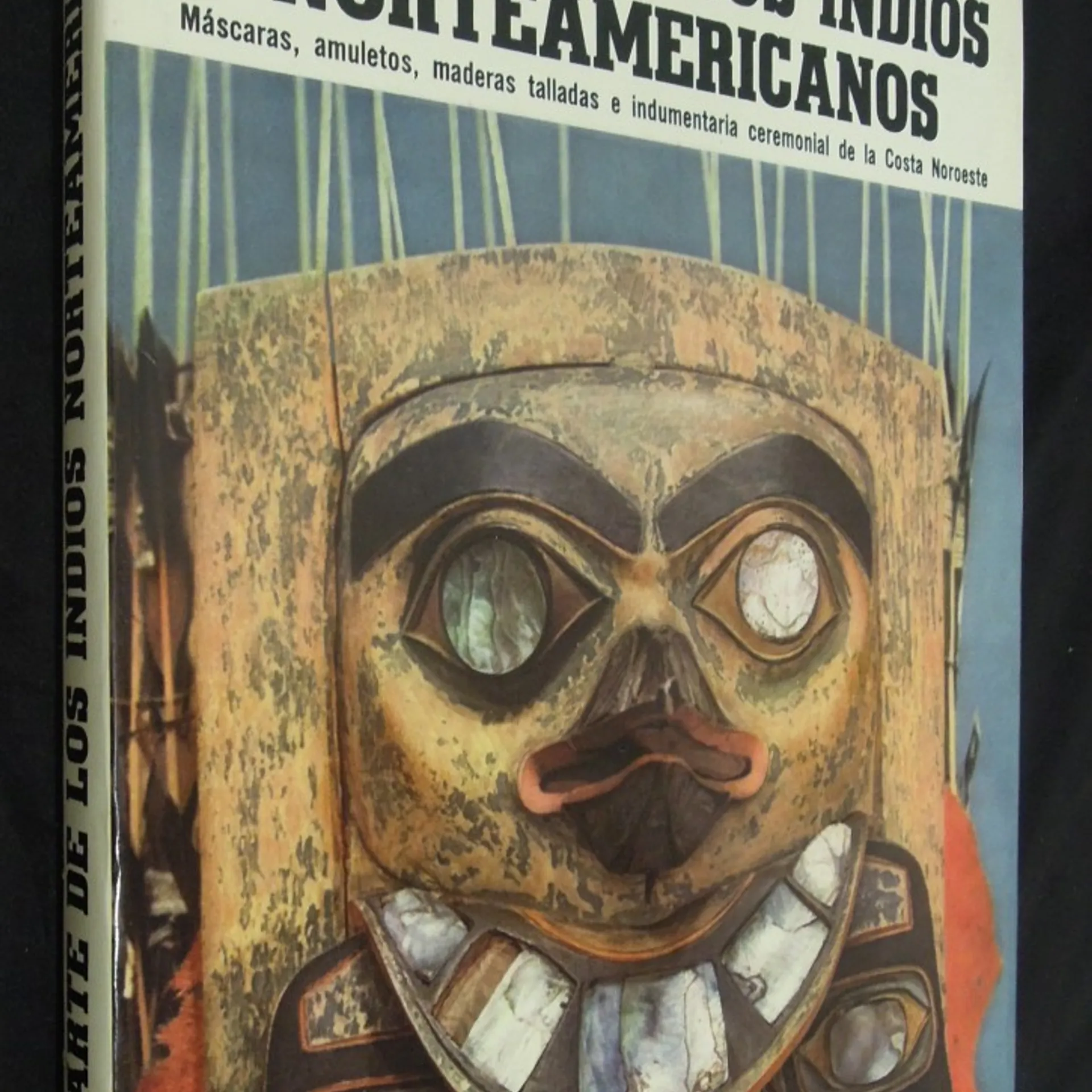
Obrazová publikace mapuje umění indiánských kmenů v severozápadním pobřežním území amerického kontinentu. Obsahuje fotografie exponátů přivezených ruskými námořníky a badateli a chované ve sbírkách Muzea pro antropologii a etnografii v Leningradě, které obsahují hlavně kulturu Tlinkitů.
Soubor fotografií vietnamského umění od nejstarších dob až do 19.století; volně doprovázený textem s kulturně historickým přehledem a rozborem uměleckých děl.
Další kniha známého kreslíře, plná obrázku a humoru.
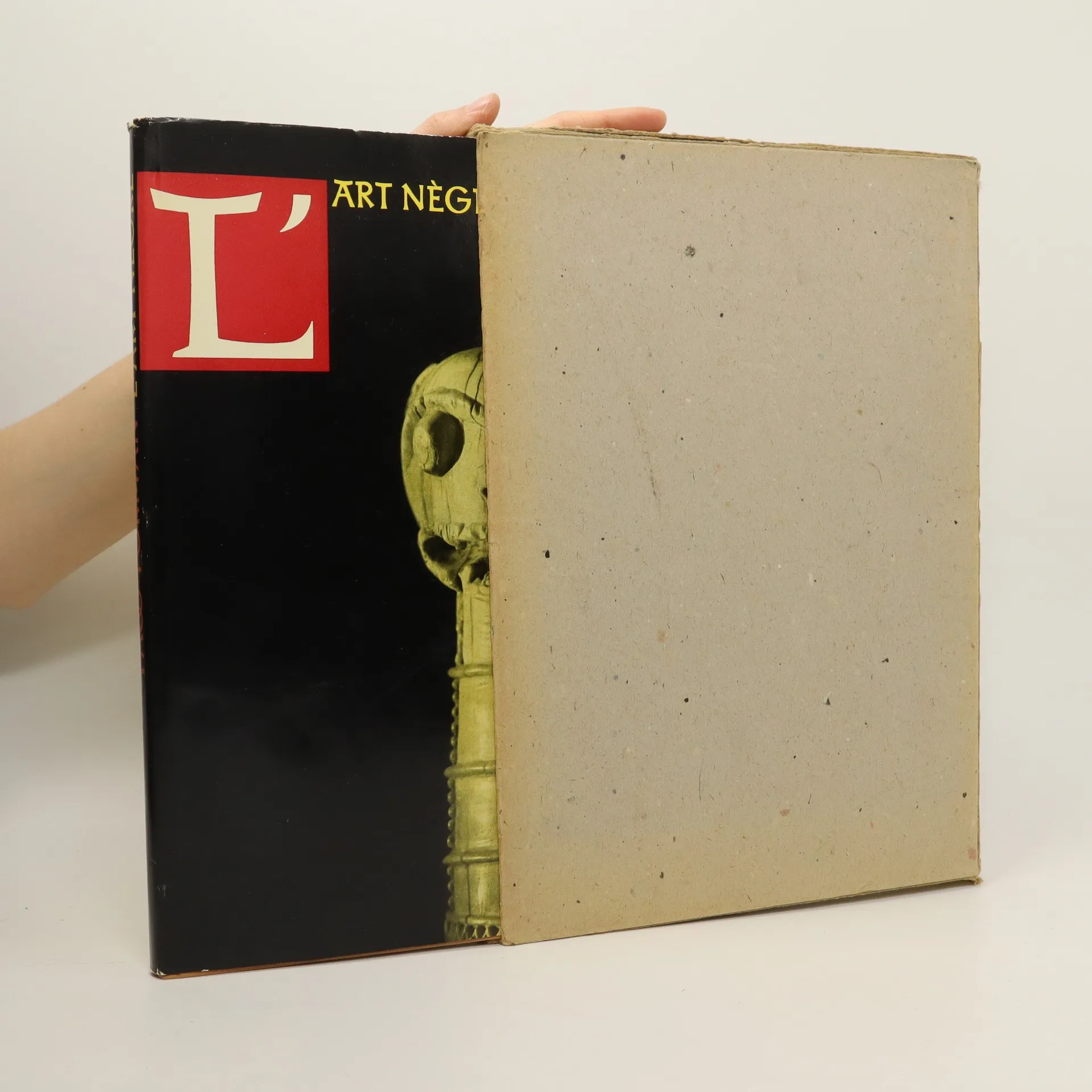
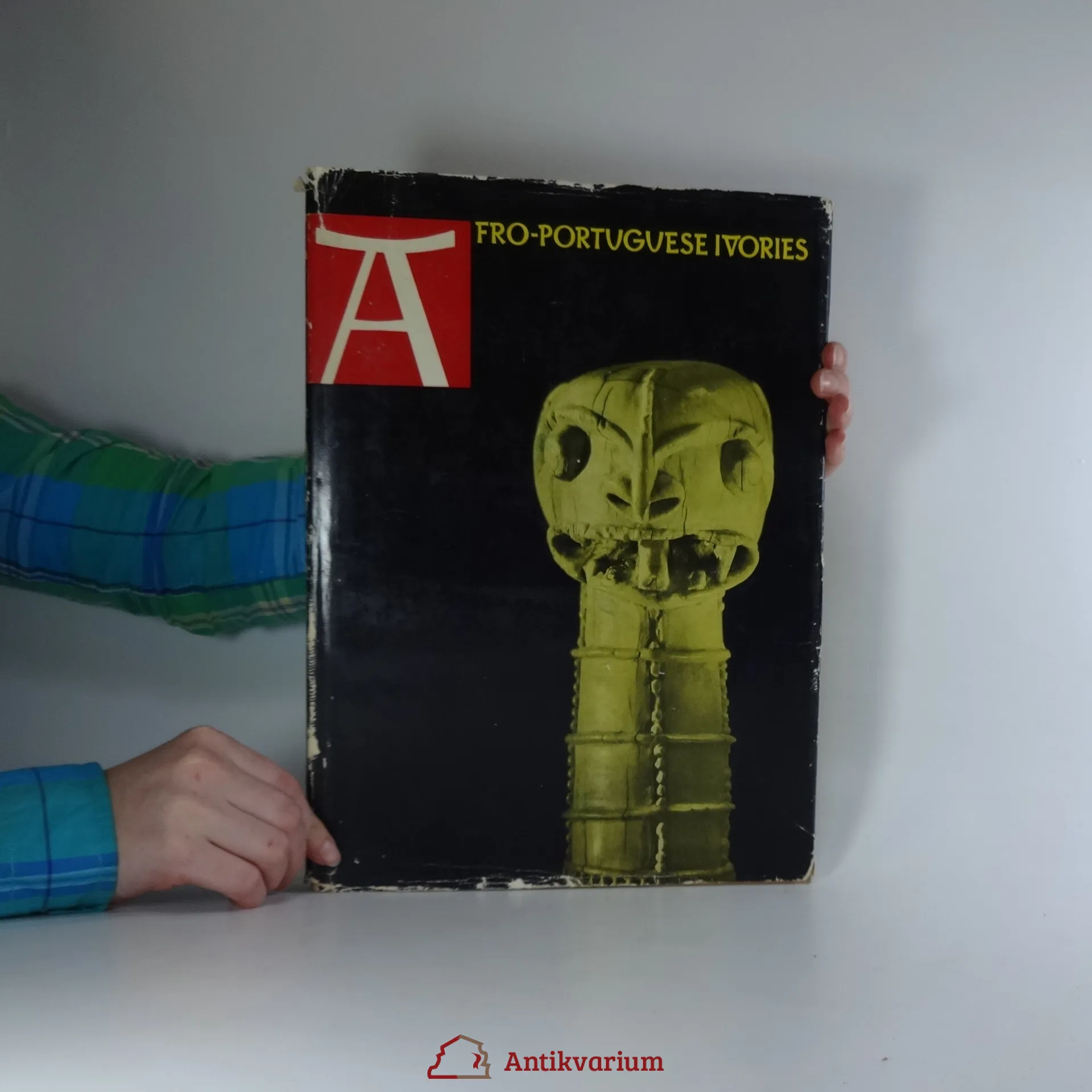
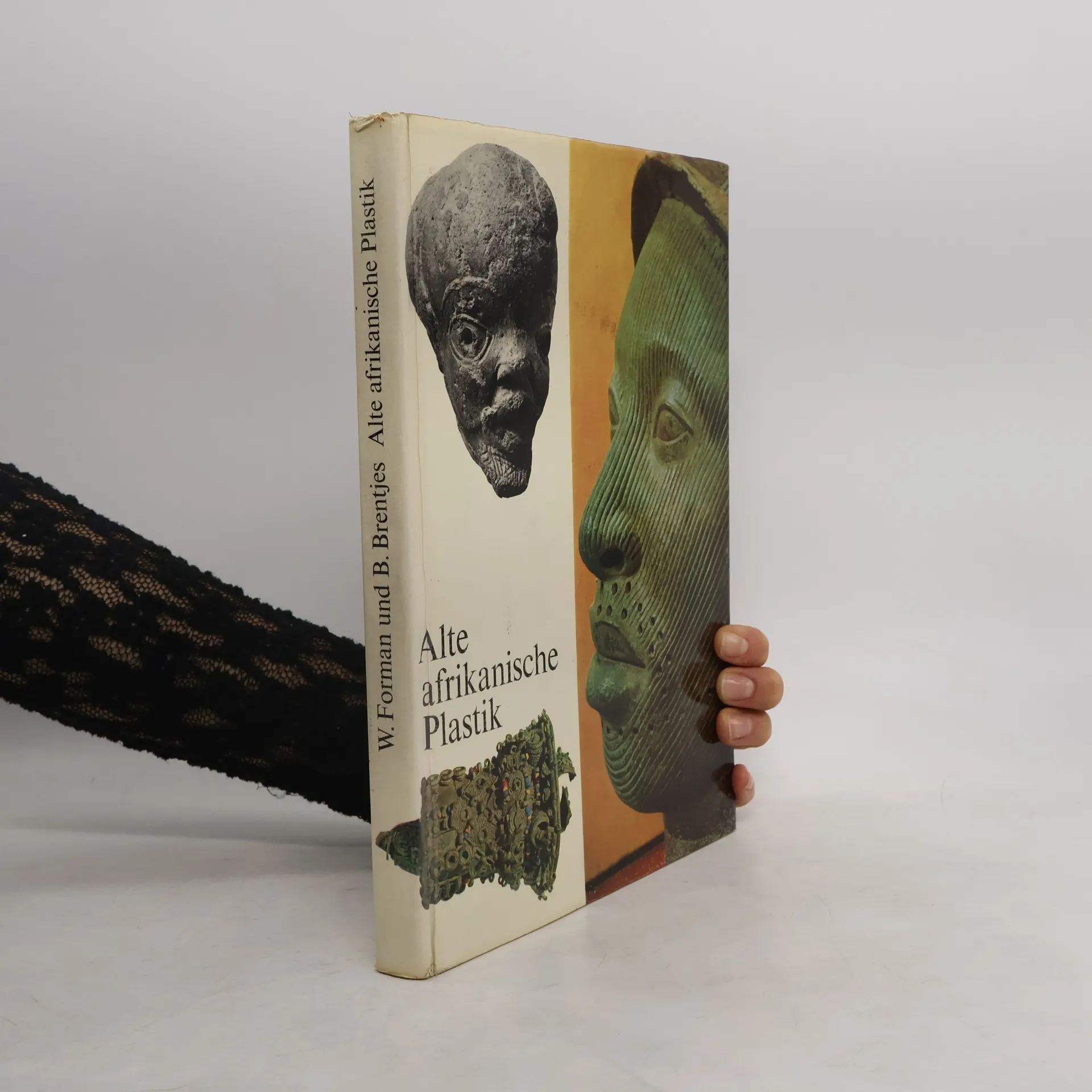
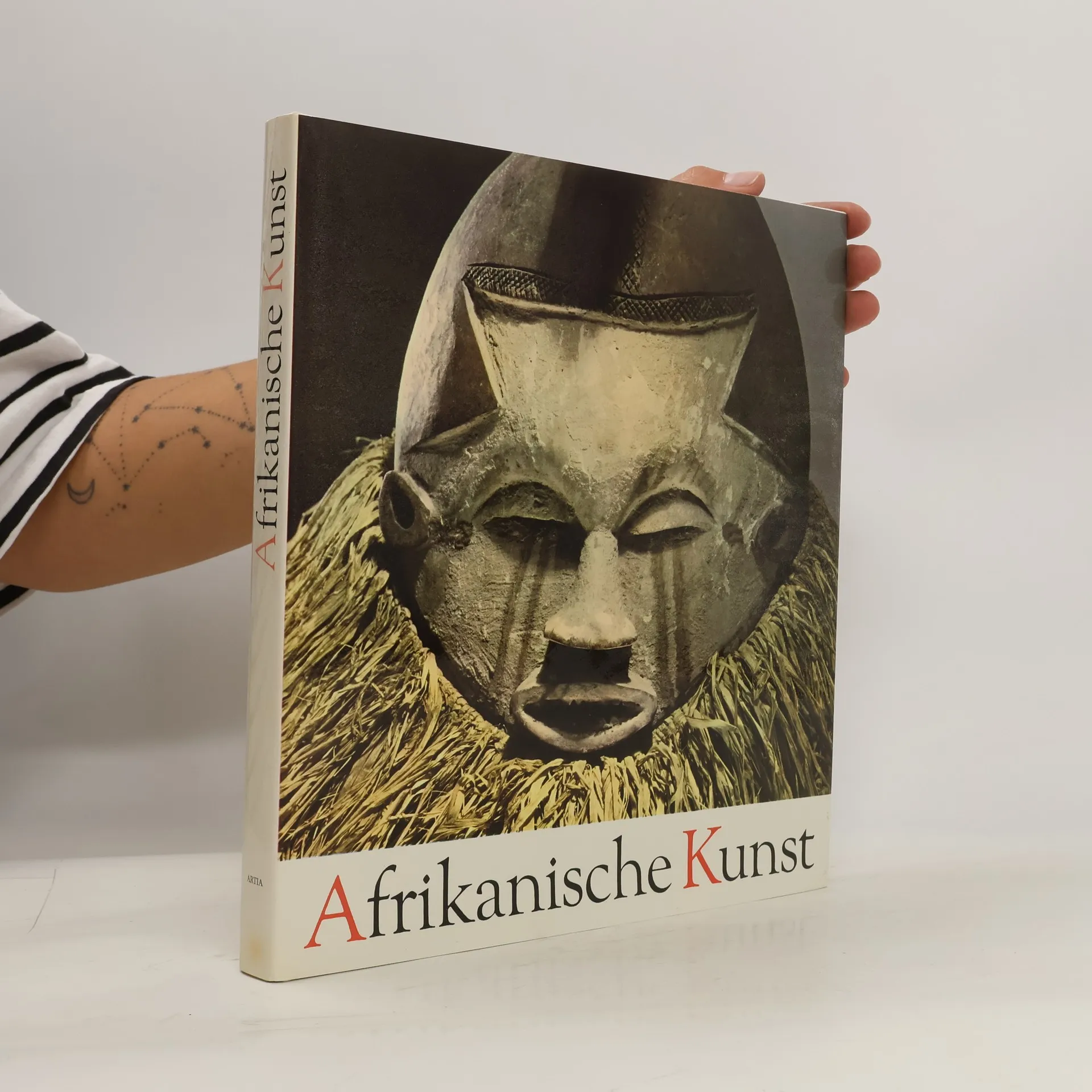
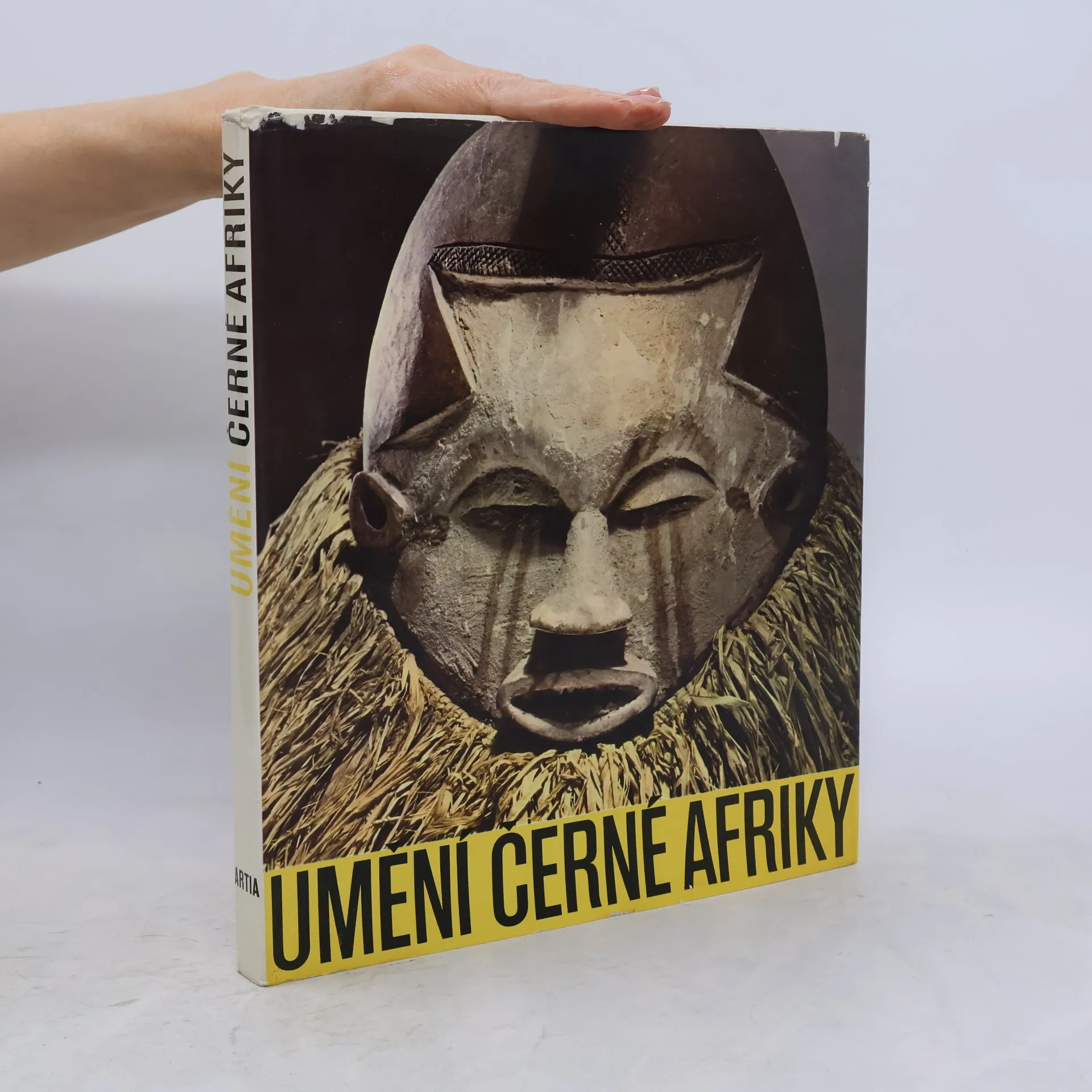
Obrazová publikace, která v černobílých a barevných reprodukcích (celkem 168) zachycuje a průvodním slovem a poznámkami provází vývoj afrického umění od jihoafrické rytiny antilopy přes beninské bronzy z 15.-17. století až k maskám a plastikám 19. a 20. století z Konga, Kamerunu a jiných oblastí; jsou zde reprodukce náčelnických křesel, sedátek, krabiček, nádob apod., výtvorů bohatě dekorovaných a vytvářených s podivuhodným citem pro materiál. Publikace ve výběru zveřejňuje jednu z nejstarších a dosud nepublikovaných sbírek Antropologického a etnografického muzea v Leningradě. - Katalog: Z. Pugačova a I. Golovanova. V knize jsou reprodukce předmětů z Antropologického a etnografického muzea v Leningradě. 42 stran textu, 168 stran fotografií, které pořídil Werner Forman (1921-2010).
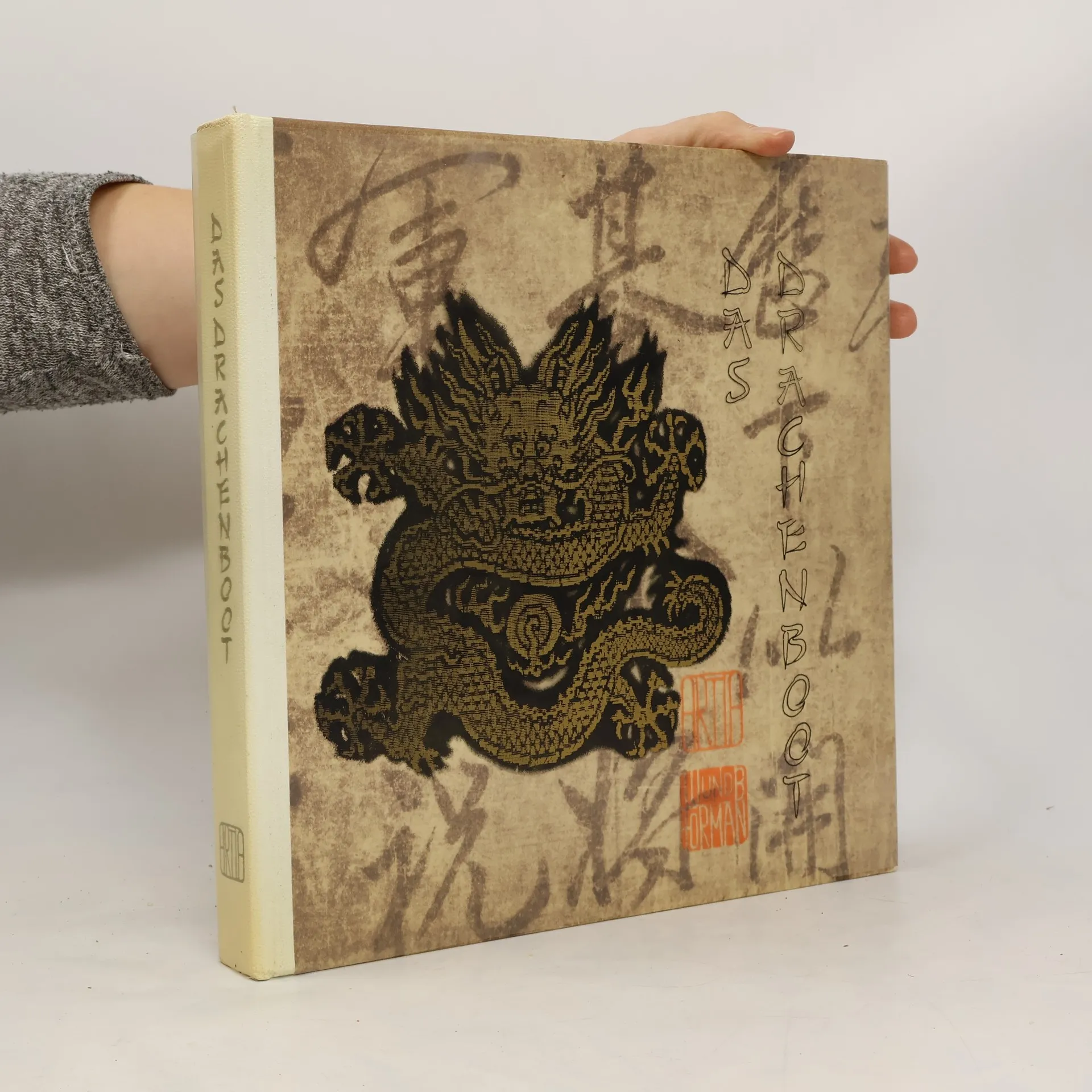
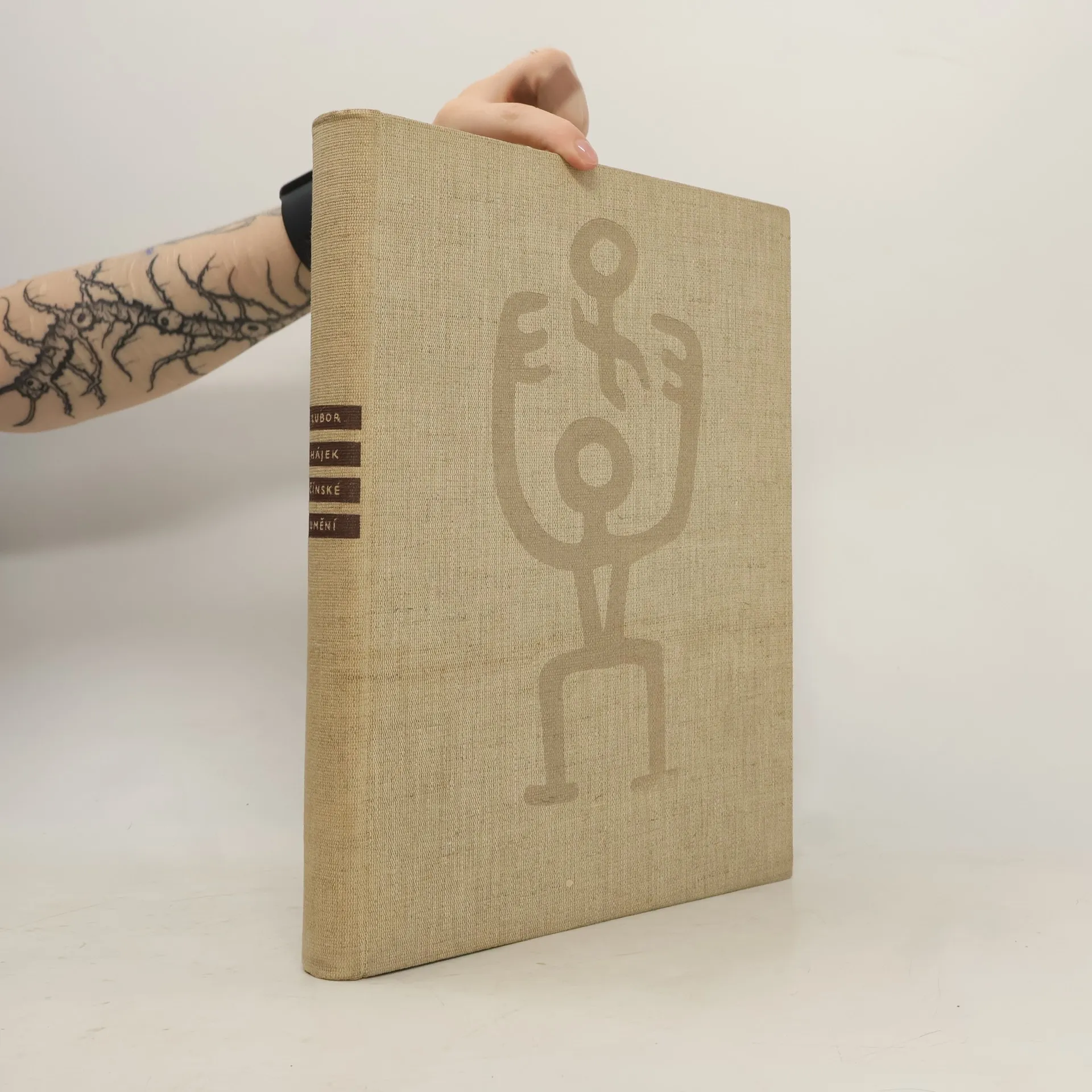
O národní výtvarné tradici čínské. Dílo podává poprvé v české literatuře souborné vylíčení dějin čínského výtvarného umění. Sleduje čínskou výtvarnou tradici od dob předhistorických, důkladně pojednává o bronzech a jiných památkách doby Šangů ve druhém tisíciletí předn. l., o sakrálních nádobách a plastice období čouského a chuajského, o sochařství, keramice a malířství doby chanské, o buddhistickém umění a jeho vyvrcholení za dynastie Tchangů. Zvláštní kapitoly jsou věnovány přehledu čínského malířského umění, dále umění keramického a drobného. Větší část svazku zabírají vyobrazení, reprodukující převážně umělecké předměty z čs. sbírek.
Publikace obsahuje snímky exponátů z českých sbírek mimoevropského umění.
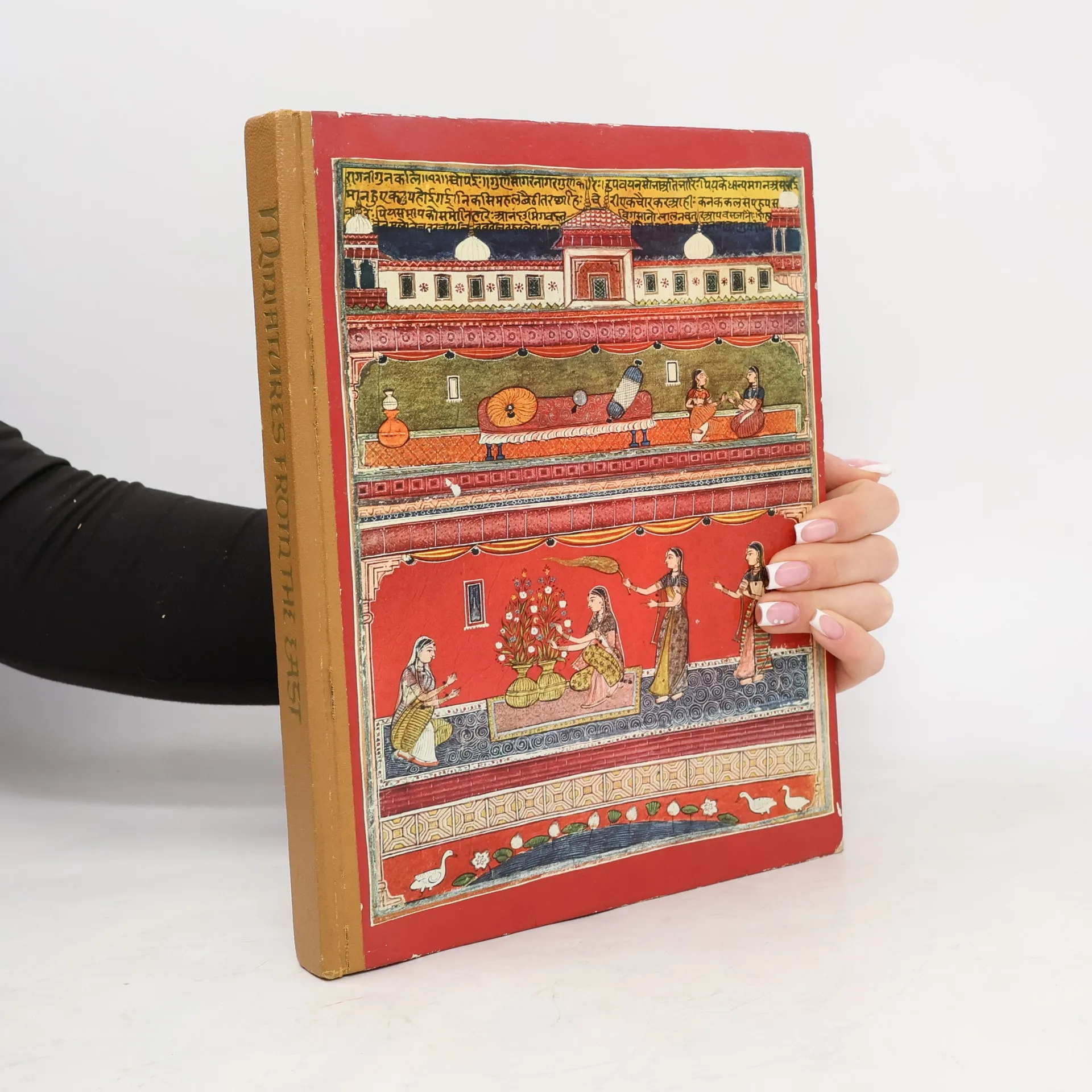
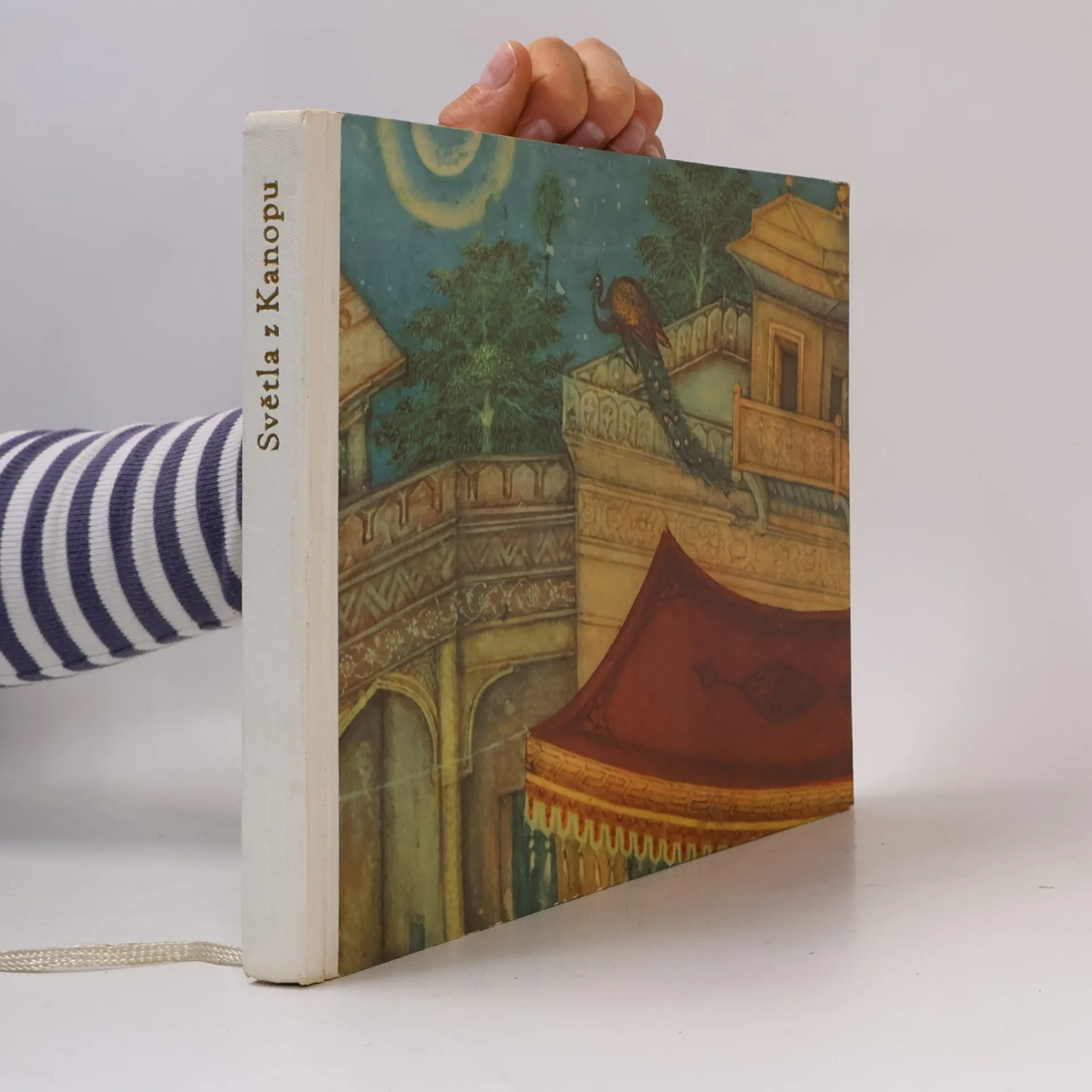
Výbor ze slavné sbírky bajek Kalíla a Dimna; zahrnuje jen ty bajky, které mají ilustrace. Tato sbírka vznikla ve dvanáctém století z pera Abu'l Má'alího a její předlohou byla sanskrtská sbírka Pančatantram, známá též jakoBidpajovy bajky. Po několikerém přepracování v pozdějších stoletích se verzi Abu'l Má'alího vzdalovala a v patnáctém století v díle Husaina Vá'ize dostává s novou odlišnou verzí i nový název Světla z Kanopu. Tohoto názvu užívá i toto české vydání.
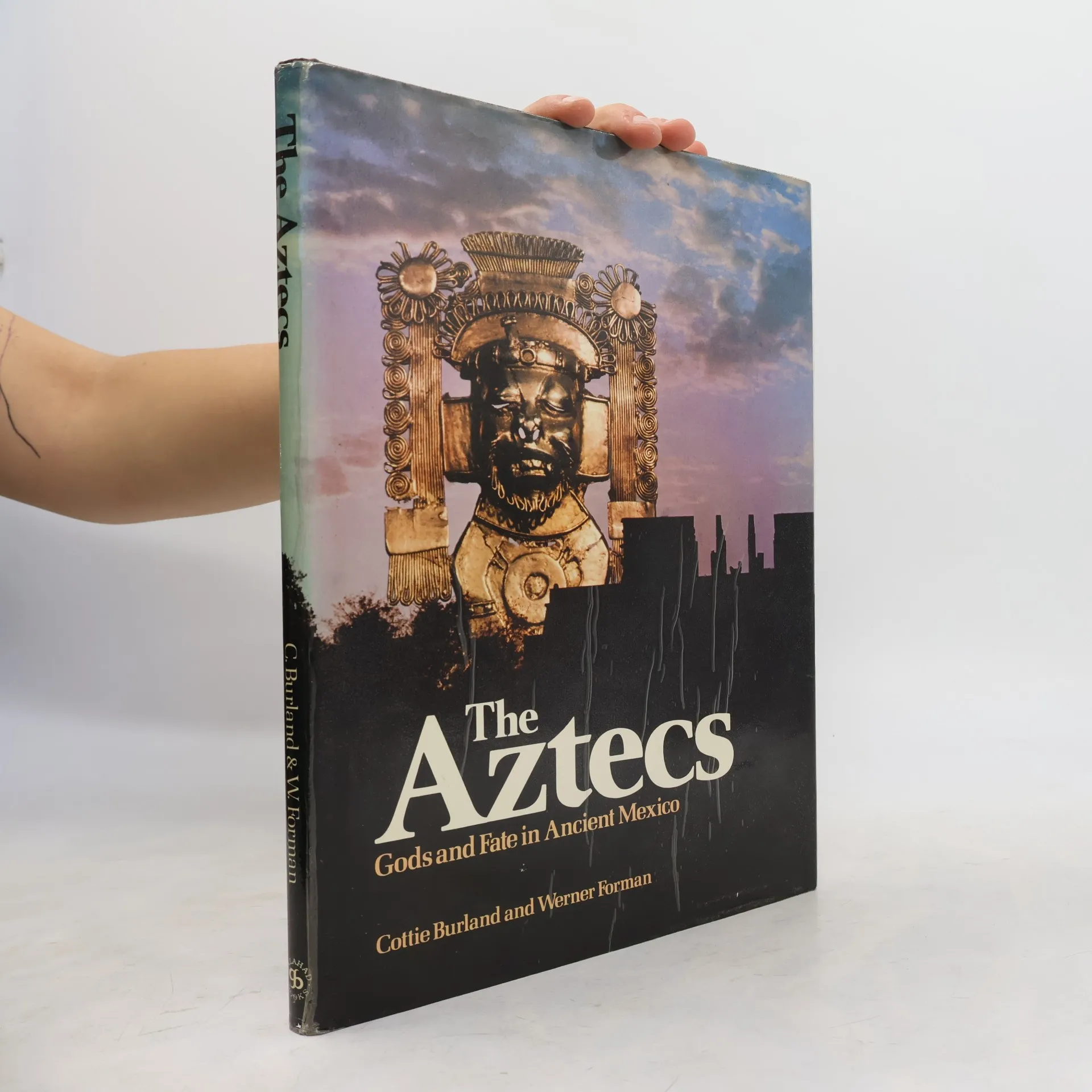
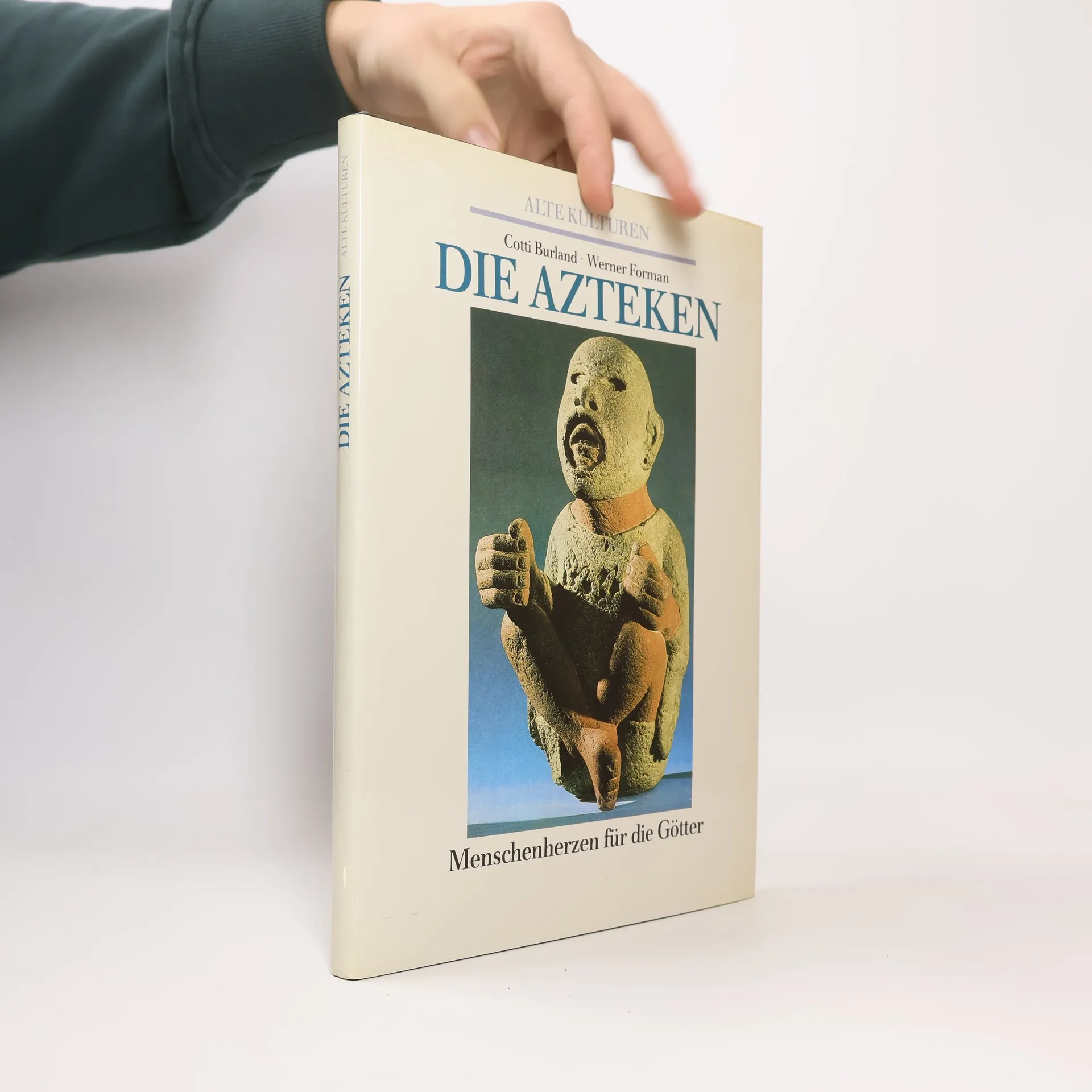
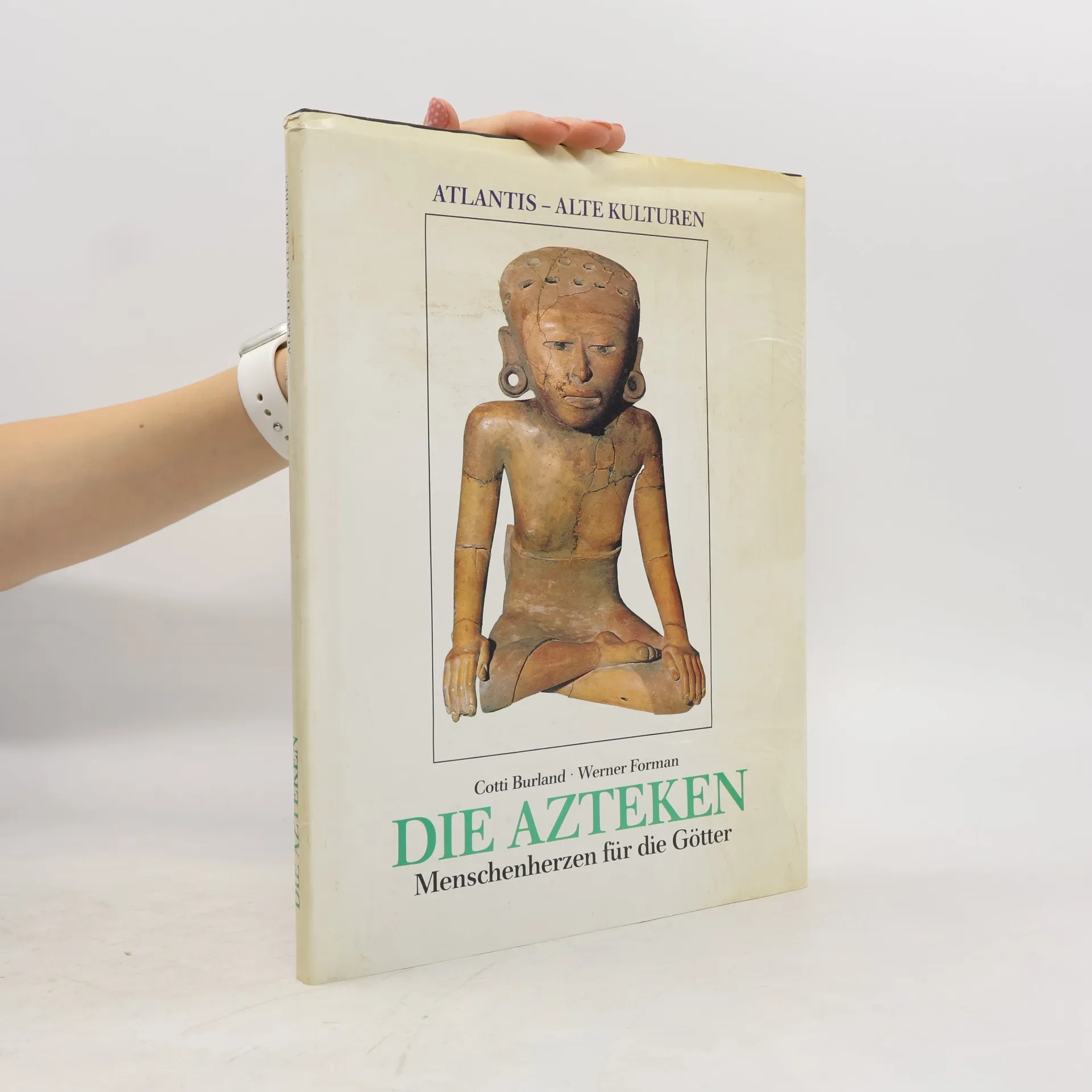
Die Azteken
- 128pages
- 5 heures de lecture
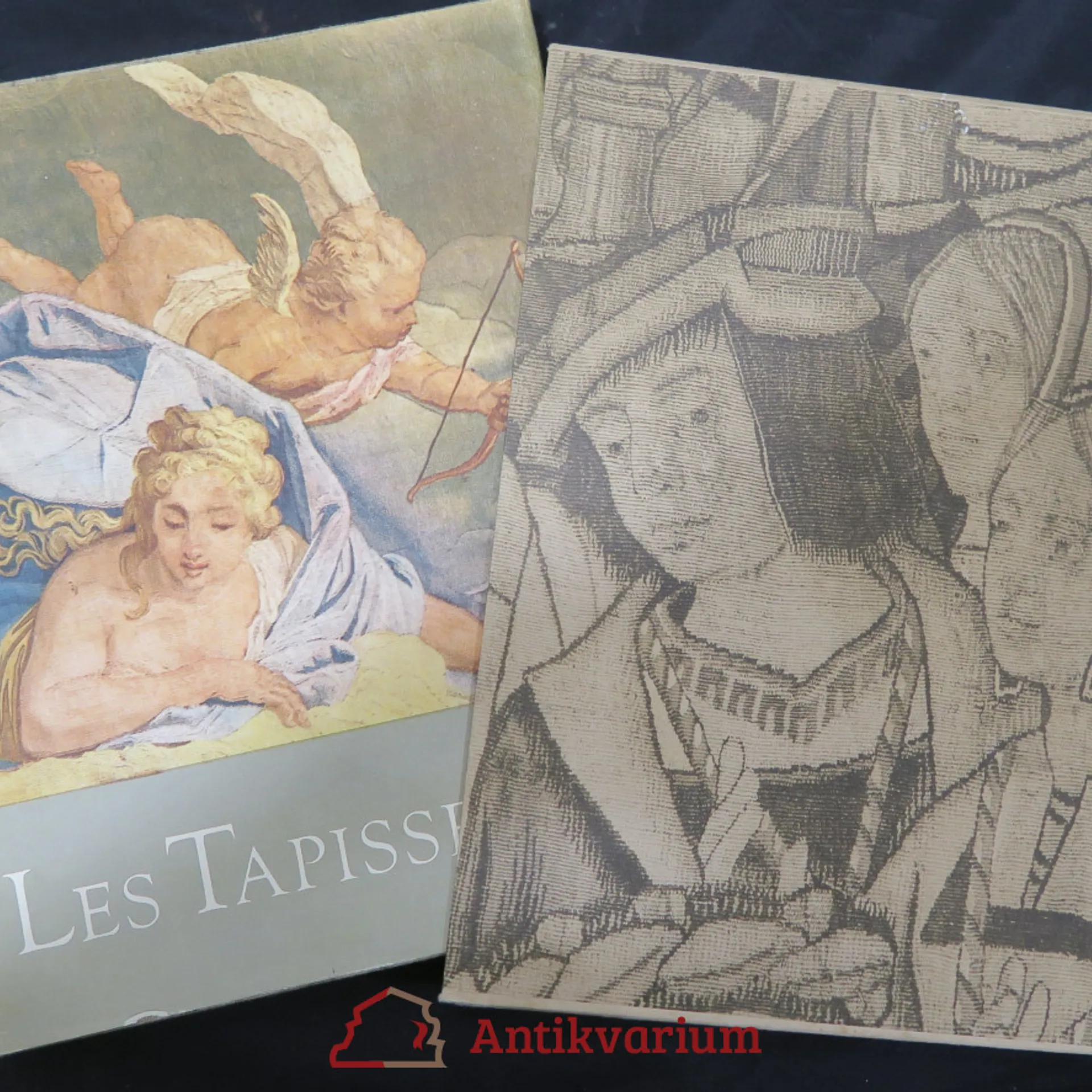
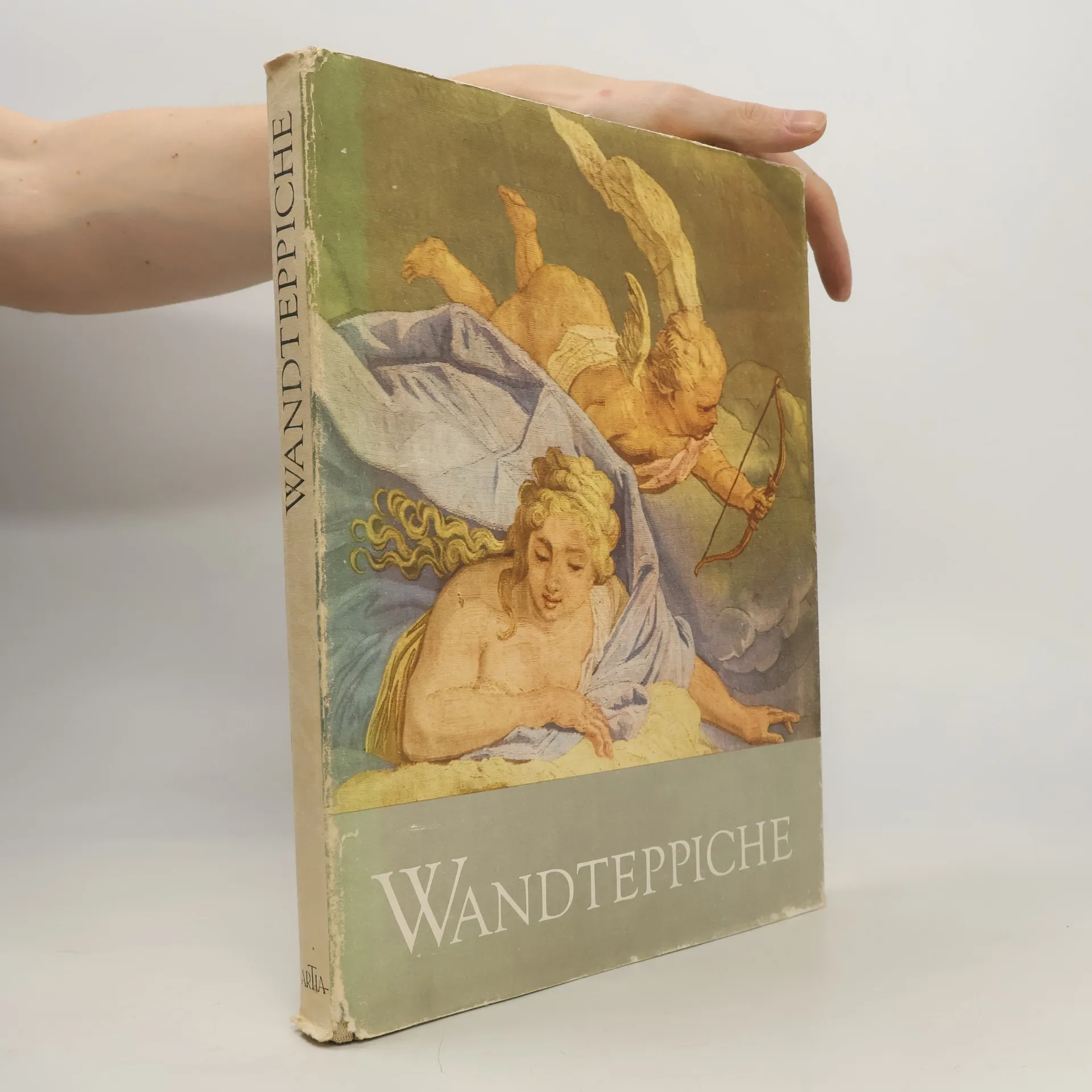
Wandteppiche
Aus tschechoslowakischen Sammlungen
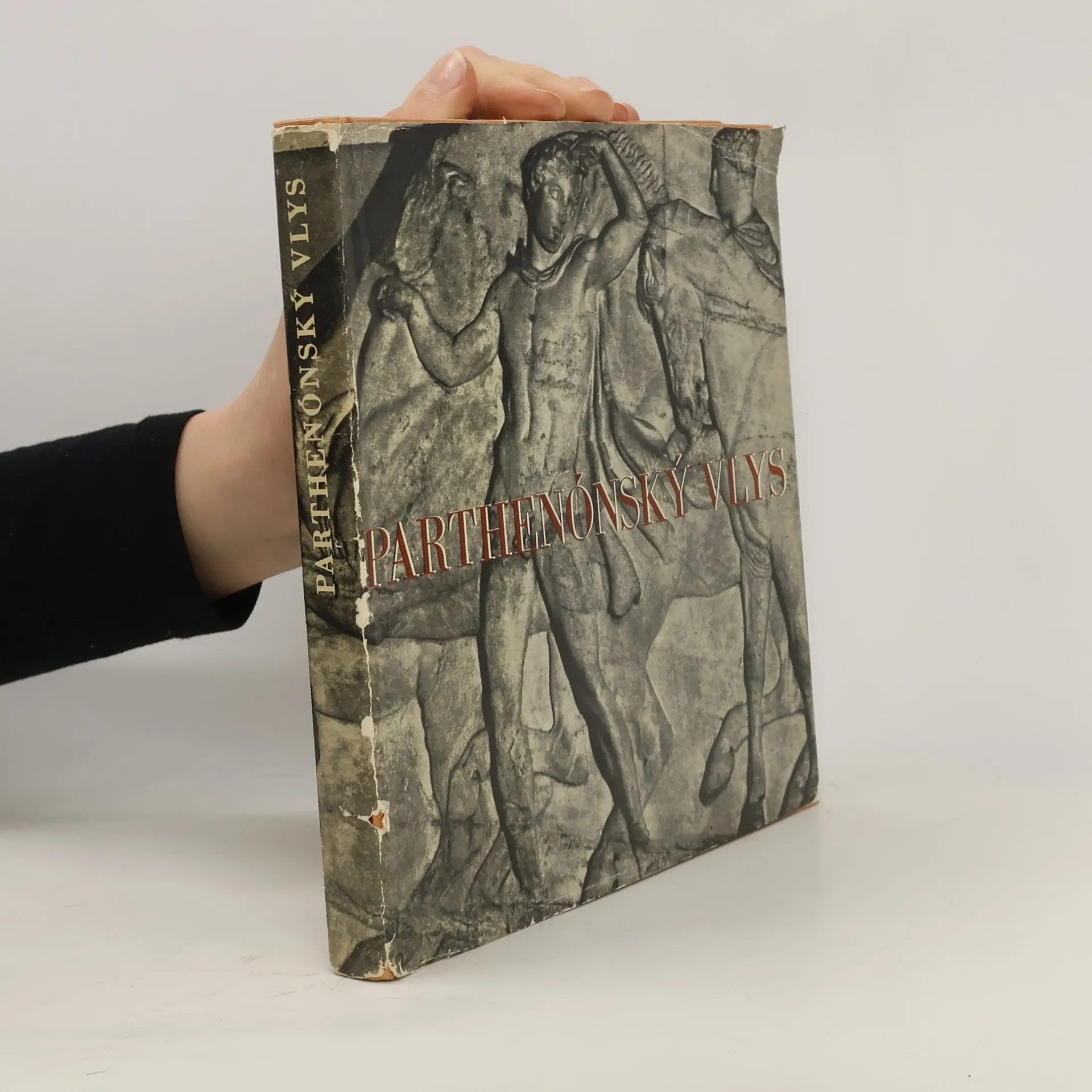
Svazek přináší nejnovější fotografie proslulého díla antického sochařství, a to té jeho podstatné části, která je chována v Britském museu. Celkem je reprodukováno 45 fotografií jednotlivých desek reliéfu i jeho detailů. Připojeny jsou perokresby celého původního vlysu. Průvodní textupozorňuje na umělecké hodnoty díla.
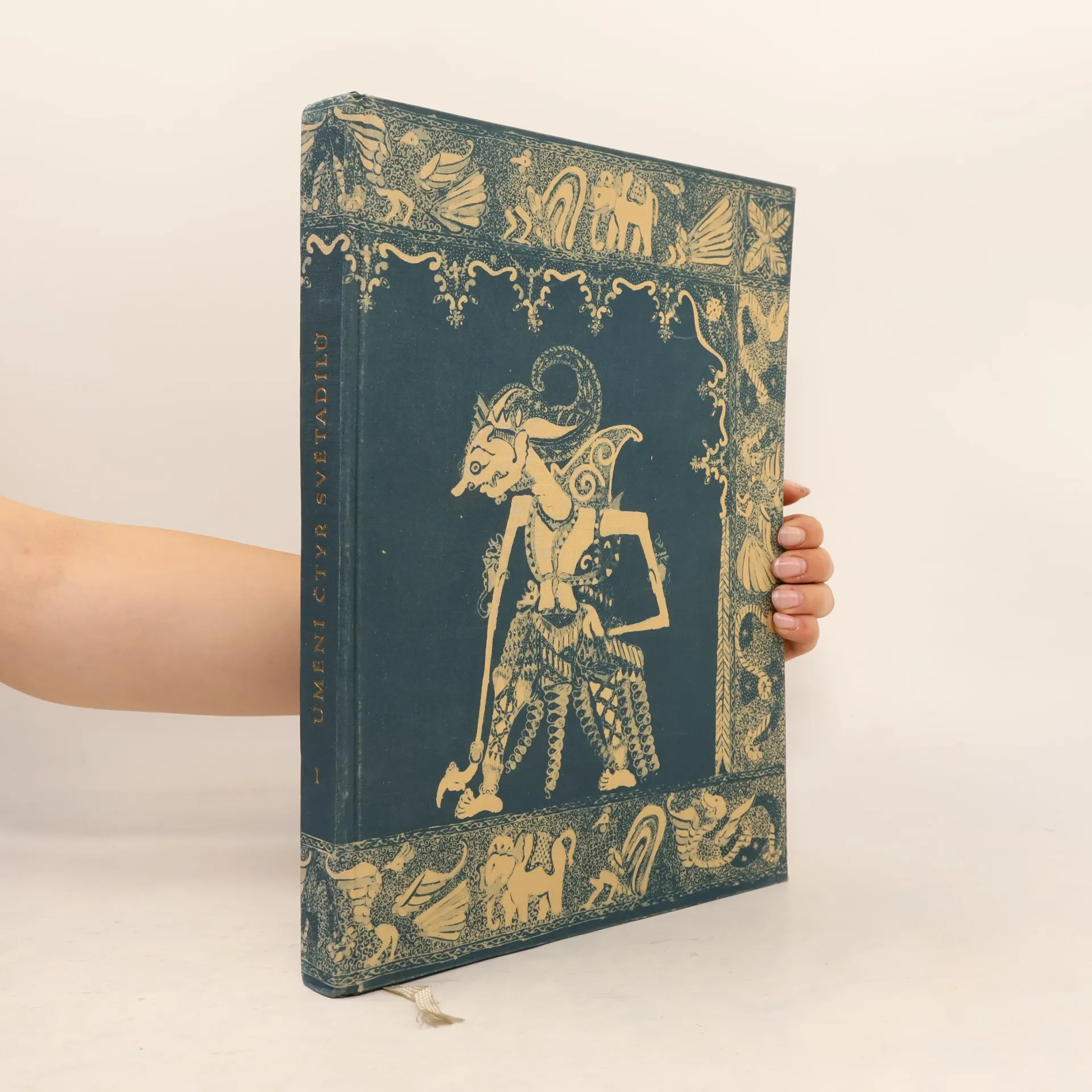
Umění čtyř světadílů I.
Z českých sbírek mimoevropského umění
Fotografie exponátů z českých sbírek mimoevropského umění.
Die Samurai
Die Welt der Ritter im alten Japan








![Parthenónský vlys : [obr. publ.]](https://rezised-images.knhbt.cz/1920x1920/137408.webp)