
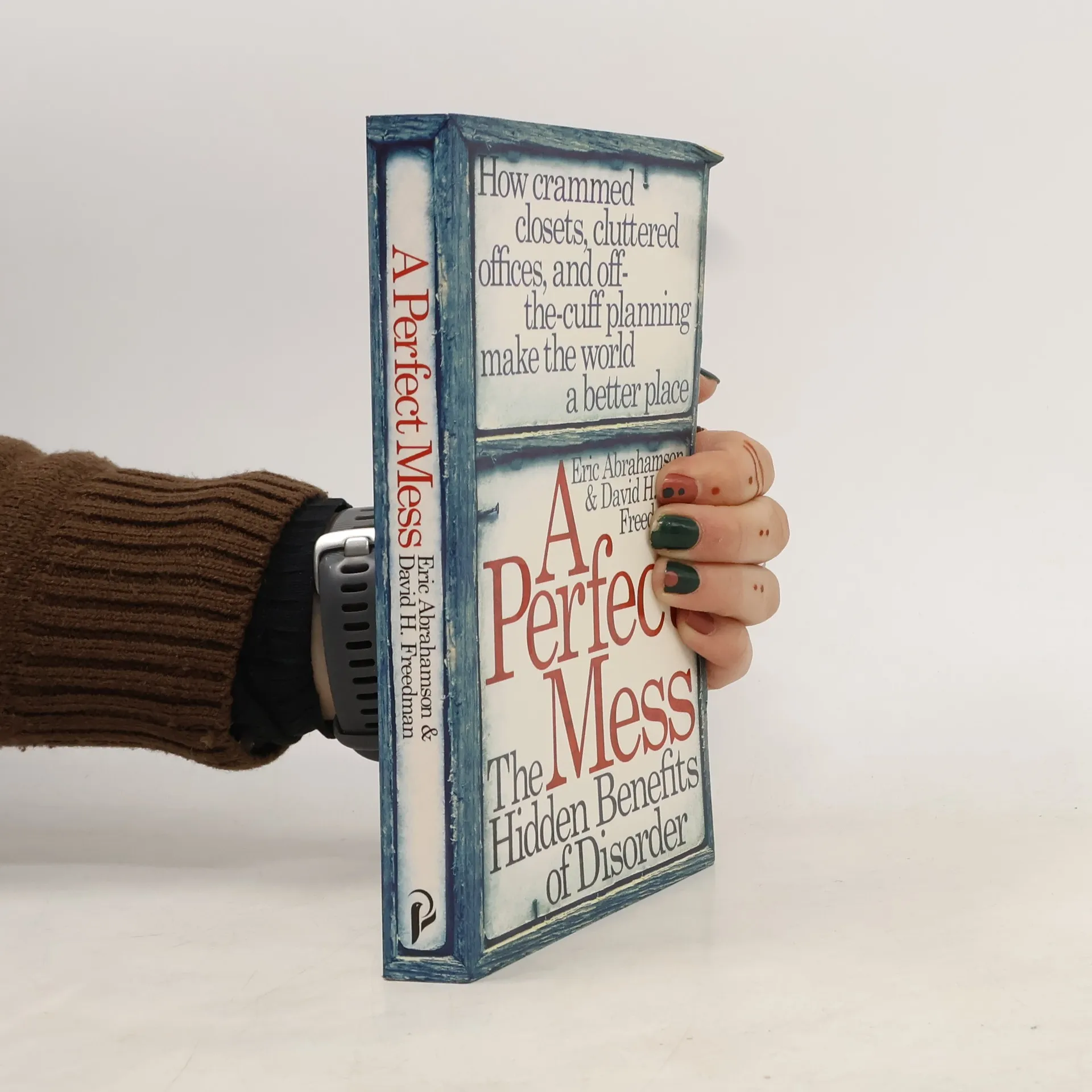
Ever since Einstein's study of Brownian motion, scientists have understood that a little disorder can actually make systems more effective. But most people still shun disorder-or suffer guilt over the mess they can't avoid. No longer! With a spectacular array of true stories and case studies of the hidden benefits of mess, A PERFECT MESS overturns the accepted wisdom that tight schedules, organization, neatness, and consistency are the keys to success. Drawing on examples from business, parenting, cooking, the war on terrorism, retail, and even the meteoric career of Arnold Schwarzenegger, coauthors Abrahamson and Freedman demonstrate that moderately messy systems use resources more efficiently, yield better solutions, and are harder to break than neat ones. Applying this idea on scales both large (government, society) and small (desktops, garages), A PERFECT MESS uncovers all the ways messiness can trump neatness, and will help you assess the right amount of disorder for any system. Whether it's your company's management plan or your hallway closet that bedevils you, this book will show you why to say yes to mess.
Eric Abrahamson Livres
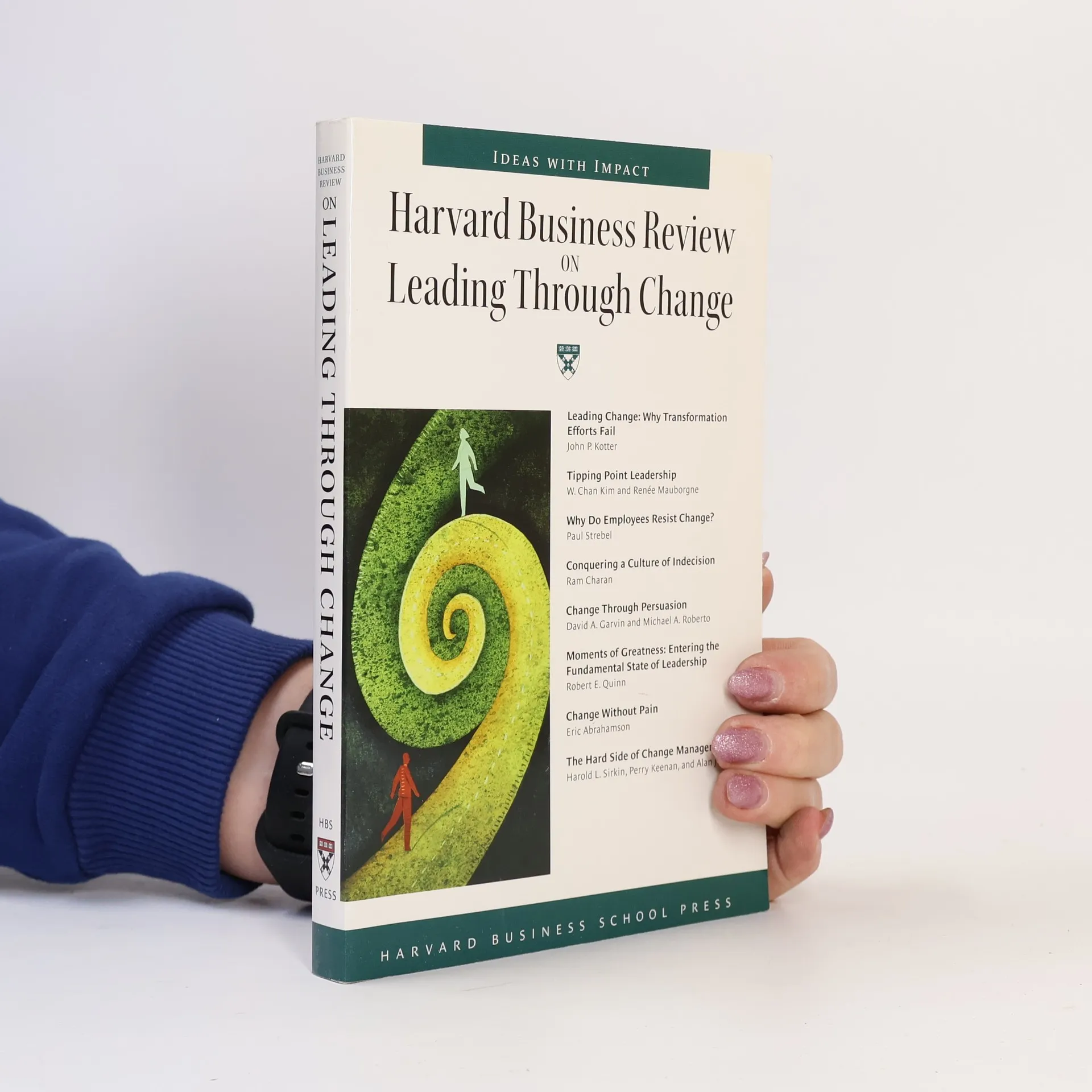
Eric Abrahamson explore la création, la diffusion et le rejet des techniques de gestion innovantes, en examinant leur impact sur les organisations et les employés. Il est particulièrement reconnu pour son travail sur les modes et les tendances des approches managériales. Ses recherches approfondissent la manière dont les organisations et leurs collaborateurs gèrent le changement, et plus récemment, il a étudié les avantages des systèmes modérément désordonnés. Abrahamson vulgarise ces découvertes à travers ses écrits, démontrant comment des situations et des environnements apparemment chaotiques peuvent en réalité conduire à un fonctionnement plus efficace.


Die Autoren zeigen, dass übermäßige Ordnung in Alltag und Arbeit oft mehr kostet als sie nützt. Durch Beispiele aus verschiedenen Bereichen belegen sie, dass Mut zur Unordnung zu mehr Effizienz, Kreativität und Erfolg führen kann. Ordnung kann Zeit, Energie und Geld verschwenden.