Bookbot

Anicius Manlius Severinus Boëthius

    Anicius Manlius Severinus Boëthius
    O základech hudby
    Consolationis Philosophiae. Libri V
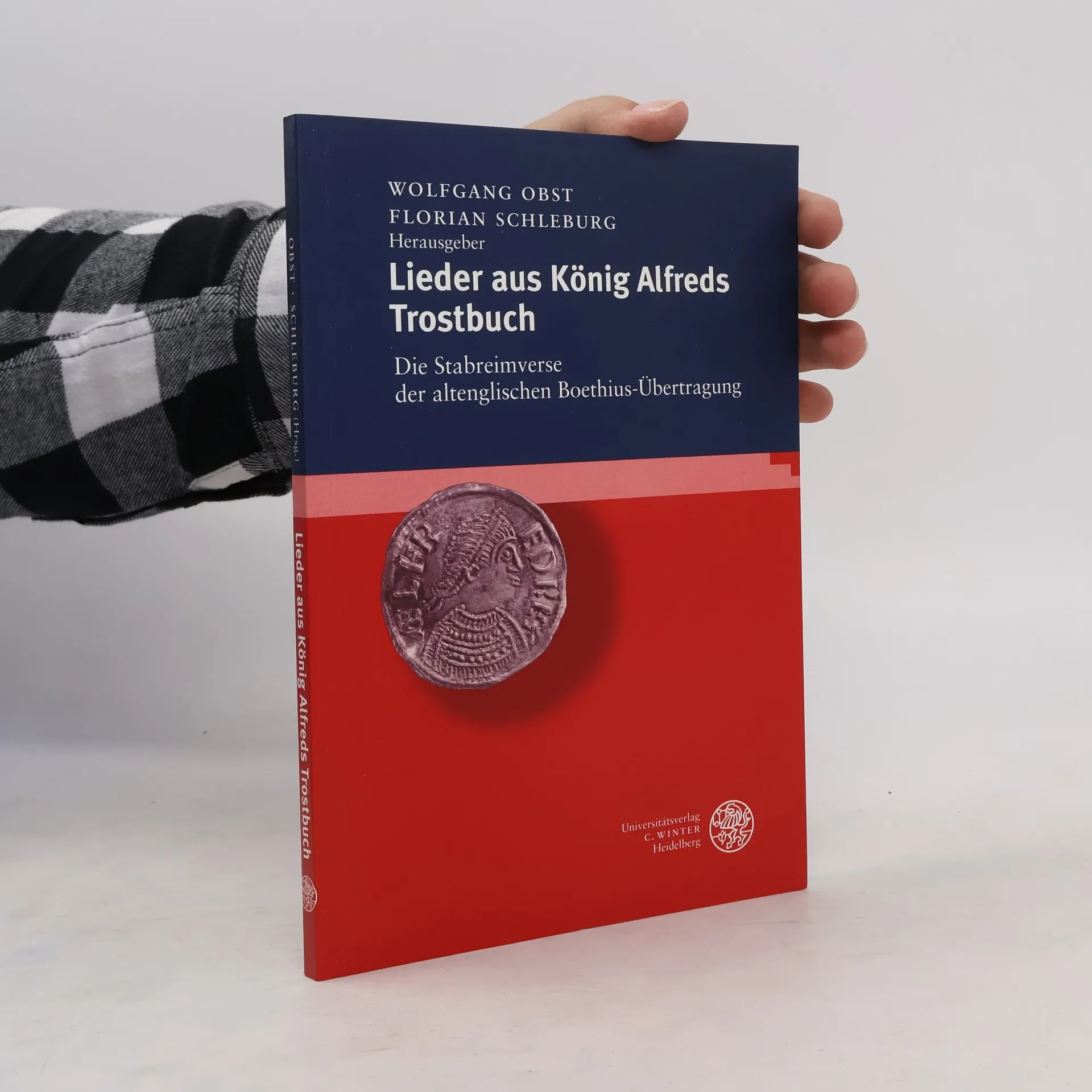
    Lieder aus König Alfreds Trostbuch
    Teologické traktáty
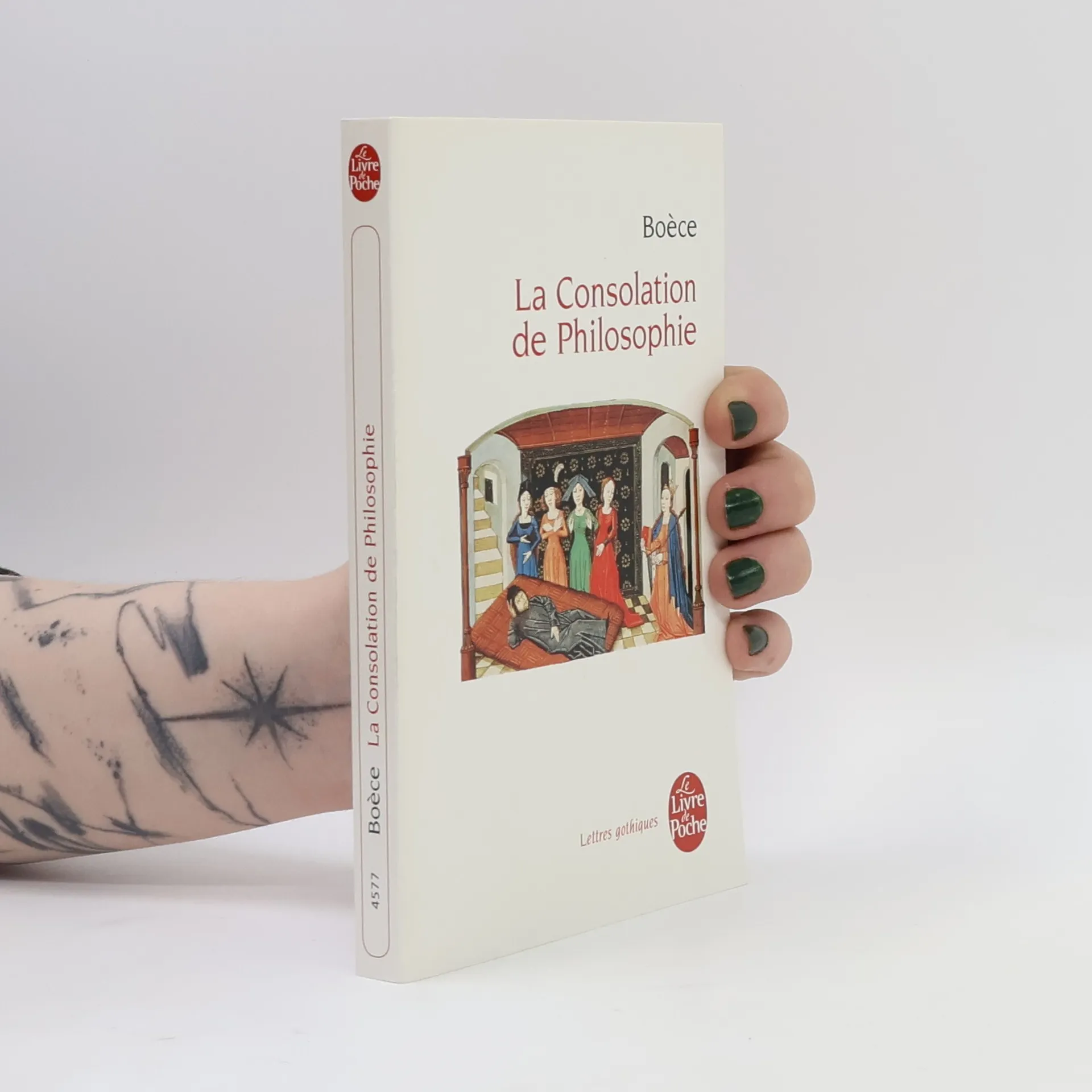
    La consolation de la philosophie
    Traités théologiques
    • Traités théologiques

      Traduction et présentation par Axel Tisserand - Édition bilingue

      • 272pages
      • 10 heures de lecture

      This historic book may contain numerous typos and missing text. Purchasers can often download a free scanned copy of the original book (without typos) from the publisher. Not indexed or illustrated, this is the 1918 edition. The narrative begins with a character reflecting on the profound impact of a speaker's verses, expressing astonishment and a desire for more. The speaker's words have instilled a sense of comfort and resilience against the challenges posed by Fortune. The character, emboldened by this experience, seeks to learn about remedies previously deemed too harsh. The speaker acknowledges the character's attentive disposition and suggests that the forthcoming remedies, while initially bitter, will ultimately reveal their sweetness upon deeper understanding. The dialogue continues with the speaker indicating a journey toward true happiness, which remains elusive due to distractions. The character requests a clear demonstration of this true happiness, to which the speaker agrees, intending to first clarify a more familiar concept before guiding the character toward recognizing the essence of genuine fulfillment. The imagery of labor in agriculture is introduced, symbolizing the effort required to attain rewards, with references to nature and celestial bodies enhancing the metaphor of striving for a better existence.

      Traités théologiques
      4,0
    • La consolation de la philosophie

      • 320pages
      • 12 heures de lecture

      Boethius composed De Consolation Philosophiae in the 6th century while awaiting death by torture, condemned on a charge of plotting against Gothic rule, which he protested as manifestly unjust. Though a Christian, Boethius details the true end of life as the soul's knowledge of God, and consoles himself with the tenets of Greek philosophy, not with Christian precepts. Written in a form called Meippean Satire that alternates between prose & verse, Boethius' work often consists of a story told by Ovid or Horace to illustrate the philosophy being expounded. The Consolation of Philosophy dominated the intellectual world of the Middle Ages. It inspired writers as diverse Thomas Aquinas, Jean de Meun & Dante. In England it was rendered into Old English by Alfred the Great, into Middle English by Geoffrey Chaucer. Later Queen Elizabeth I made her own translation. The circumstances of composition, the heroic demeanor of the author, and the Meippean texture of part prose, part verse have been a fascination for students of philosophy, literature and religion ever since.

      La consolation de la philosophie
      4,0
    • O základech hudby

      • 246pages
      • 9 heures de lecture

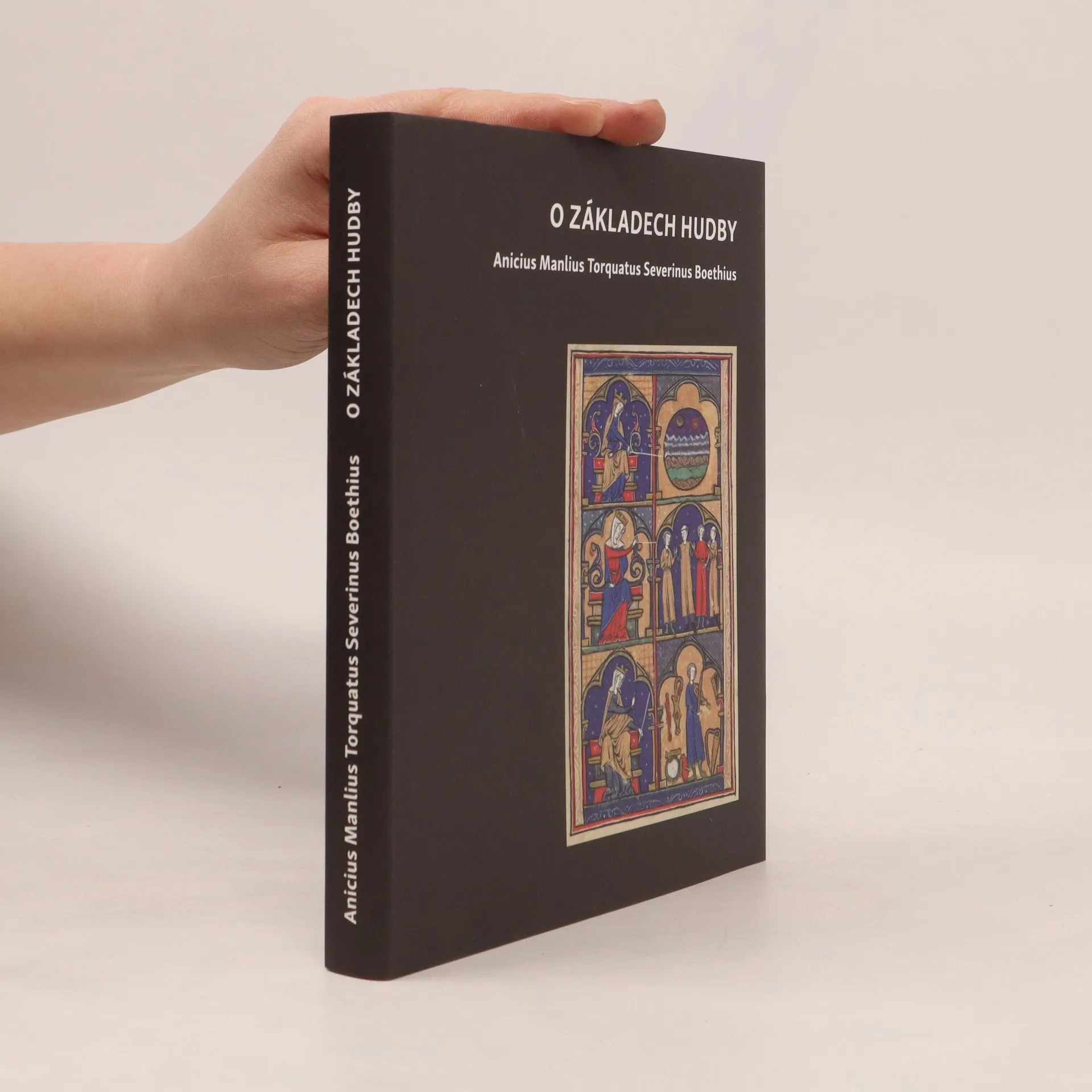
      De institutione musica (O základech hudby) Anicia Manlia Torquata Severina Boethia (cca 480–524) je se svými více než sto šedesáti rukopisnými výskyty suverénně nejrozšířenější hudebně-teoretickou prací evropského středověku. Dosud byla českým čtenářům přístupná pouze coby krátký úryvek ve výboru Boethius – Poslední Říman(1981). Zájemci o hlubší studium Boethiova traktátu tak byli odkázáni buď na latinský originál, nebo na překlady do němčiny, angličtiny, italštiny či francouzštiny. Kniha, kterou nyní držíte v rukou, je tedy první kompletní překlad do českého jazyka. Její základ tvoří text dr. Antonína Burdy (1902–1982), jejž ovšem radikálně přepracoval a upravil dr. Michal Ctibor (*1990). Současně také přibyla nová předmluva, poznámkový aparát a výkladový slovníček nejdůležitějších pojmů. Bližší seznámení s Boethiovým textem je užitečné ze dvou hlavních pohledů. Jednak představuje shrnutí antické hudební teorie, ale také umožňuje hlouběji nahlédnout do disciplíny zvané musica, která tvořila pevnou součást výuky kvadrivia na artistických (filozofických) fakultách, mnohde až na práh novověku. A právě tento aspekt by mohl být pro většinu čtenářů novým a překvapivým.

      O základech hudby
    • Arithmetik

      Edition Antike

      • 336pages
      • 12 heures de lecture

      Boëthius, der bedeutendste spätantike Gelehrte, verfasste um 500 n. Chr. die »Arithmetik«, ein einflussreiches Standardwerk der Mathematik. In der »Edition Antike« wird es erstmals zweisprachig und mit Abbildungen aus dem Bamberger Codex präsentiert, wodurch antike Zahlenkunde für heutige Leser zugänglich wird.

      Arithmetik
    • Trost der Philosophie

      Lateinisch - Deutsch

      • 234pages
      • 9 heures de lecture

      »Trost der Philosophie« von Boethius ist ein bedeutendes philosophisches Werk der Antike, verfasst im 6. Jahrhundert. In Form eines Dialogs zwischen dem Autor und der personifizierten Philosophie bietet es Trost und Weisheit. Es verbindet neuplatonische und stoische Gedanken und war im Mittelalter äußerst einflussreich.

      Trost der Philosophie
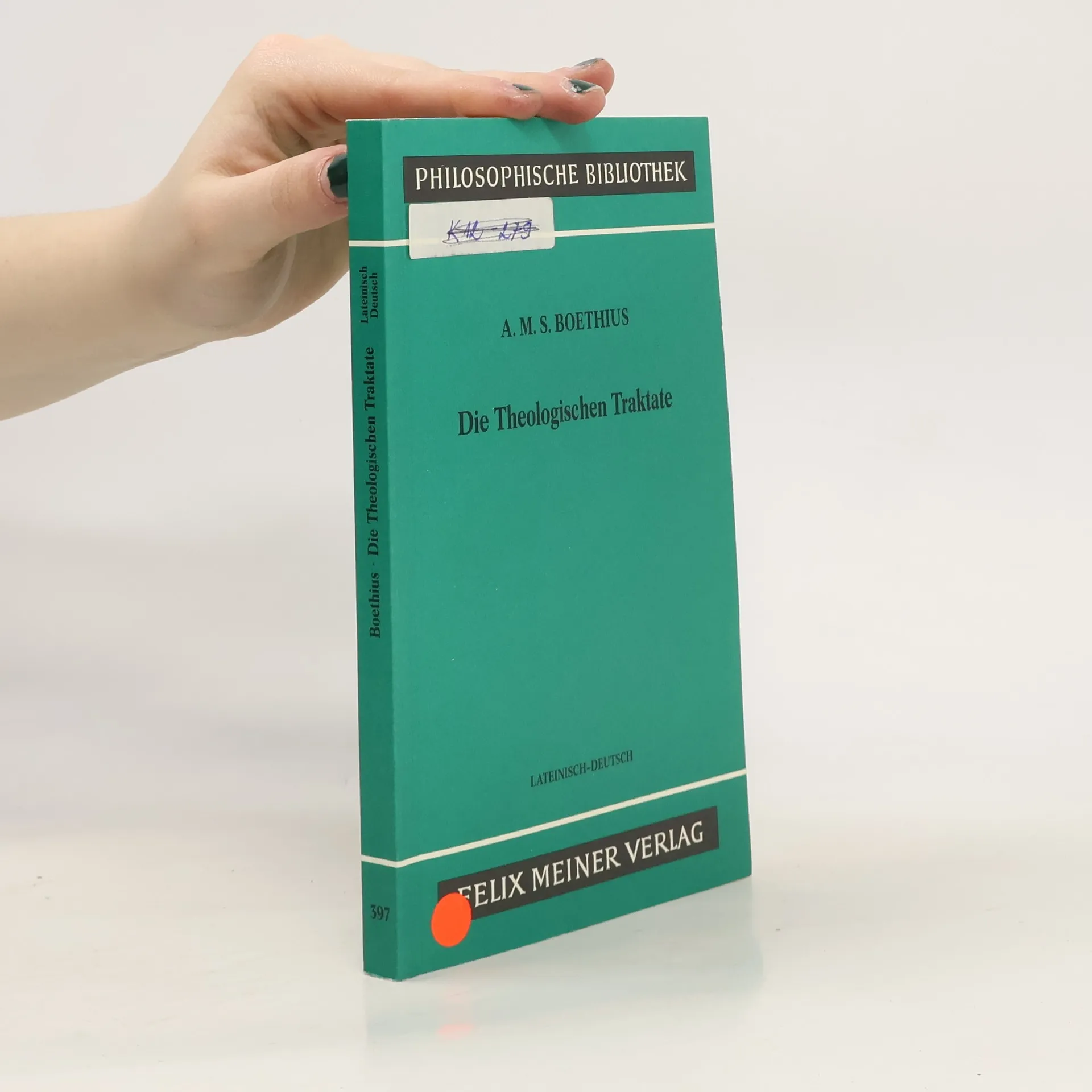
    • Die theologischen Traktate

      Zweisprachige Ausgabe

      Die vollständig in deutscher Übersetzung vorliegenden theologischen Traktate von Boethius bieten einen tiefen Einblick in die Verbindung von neuplatonischer Philosophie und christlicher Dogmatik. Sie sind bislang vor allem Kennern antiker und mittelalterlicher Gedanken bekannt.

      Die theologischen Traktate
    • Trost der Philosophie

      Kleine Bibliothek der Weltweisheit

      • 160pages
      • 6 heures de lecture

      Der Klassiker in einer wunderschönen Ausgabe Der "Trost der Philosophie" gehört zu den berühmtesten Texten der spätantiken Literatur. Zum Tode verurteilt, empfängt Boethius die personifizierte Philosophie. Im Gespräch mit ihr beschwört er noch einmal die große Denktradition der antiken Philosophie als Trostspenderin des Menschen, ehe sie der christlichen Welterklärung weichen muss. Die Kleine Bibliothek der Weltweisheit versammelt berühmte Werke zur klugen und richtigen Lebensführung. Sie befassen sich mit den zeitlos gültigen Fragen: Was überhaupt ist Glück? Was müssen wir tun, wie sollen wir handeln? Wie können wir mit den Rückschlägen des Lebens am besten umgehen? Was sind wir unseren Mitmenschen schuldig? Was ist ein richtiges, ein gerechtes Leben? Jeder dieser Texte ist als Meisterwerk der Weltweisheit und Lebenskunst in das Gedächtnis der Menschheit eingegangen.

      Trost der Philosophie