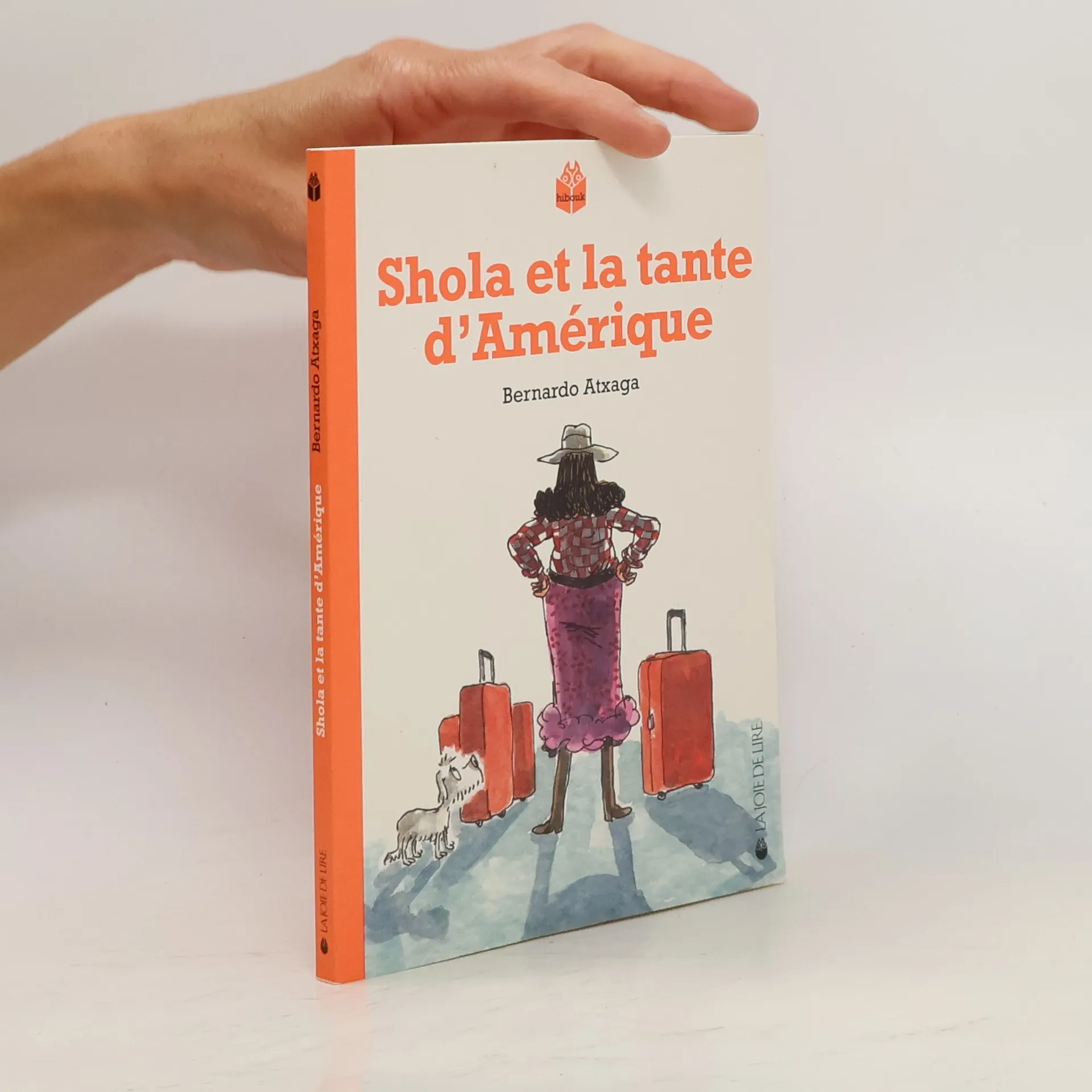
La petite chienne Shola a la belle vie. Elle fait tout ce dont elle a envie, quand elle en a envie et comme elle en a envie. Son maître, Grogó, est particulièrement tolérant avec elle. Mais sa liberté sera-elle du goût de la tante Clémentine, la tante de Grogó qui vit aux Etats-Unis et qui va venir passer quelques semaines chez lui ? Grogó se pose des questions, et Shola aussi, d’autant qu’elle voit réapparaître, sur le porte-manteau, un objet qui avait depuis longtemps disparu de la maison : un collier avec une chaîne…Quand la tante Clémentine arrive, Shola est contrariée. Elle craint d’être attachée, mais surtout elle doit s’adapter au caractère de Clémentine, qui se trouve être, elle aussi, quelqu’un qui fait exactement ce qu’elle veut, comme elle veut et quand elle veut ! De quoi bousculer les habitudes impératrices de Shola. Leur cohabitation mène Shola à prendre conscience que la liberté de l’un se fait souvent au détriment de la liberté de l’autre, et que le compromis est nécessaire.
Bernardo Atxaga Livres
Bernardo Atxaga est une voix importante de la génération d'écrivains basques apparue dans les années soixante-dix, engagés à publier dans leur langue maternelle, l'Euskara. Sa production littéraire est remarquablement diversifiée, couvrant la poésie, le théâtre, les scénarios de films et la littérature jeunesse, démontrant une maîtrise polyvalente de la narration. L'œuvre d'Atxaga est célébrée pour sa finesse stylistique distinctive et sa profonde richesse thématique, explorant souvent les complexités de l'expérience humaine et de l'identité culturelle.


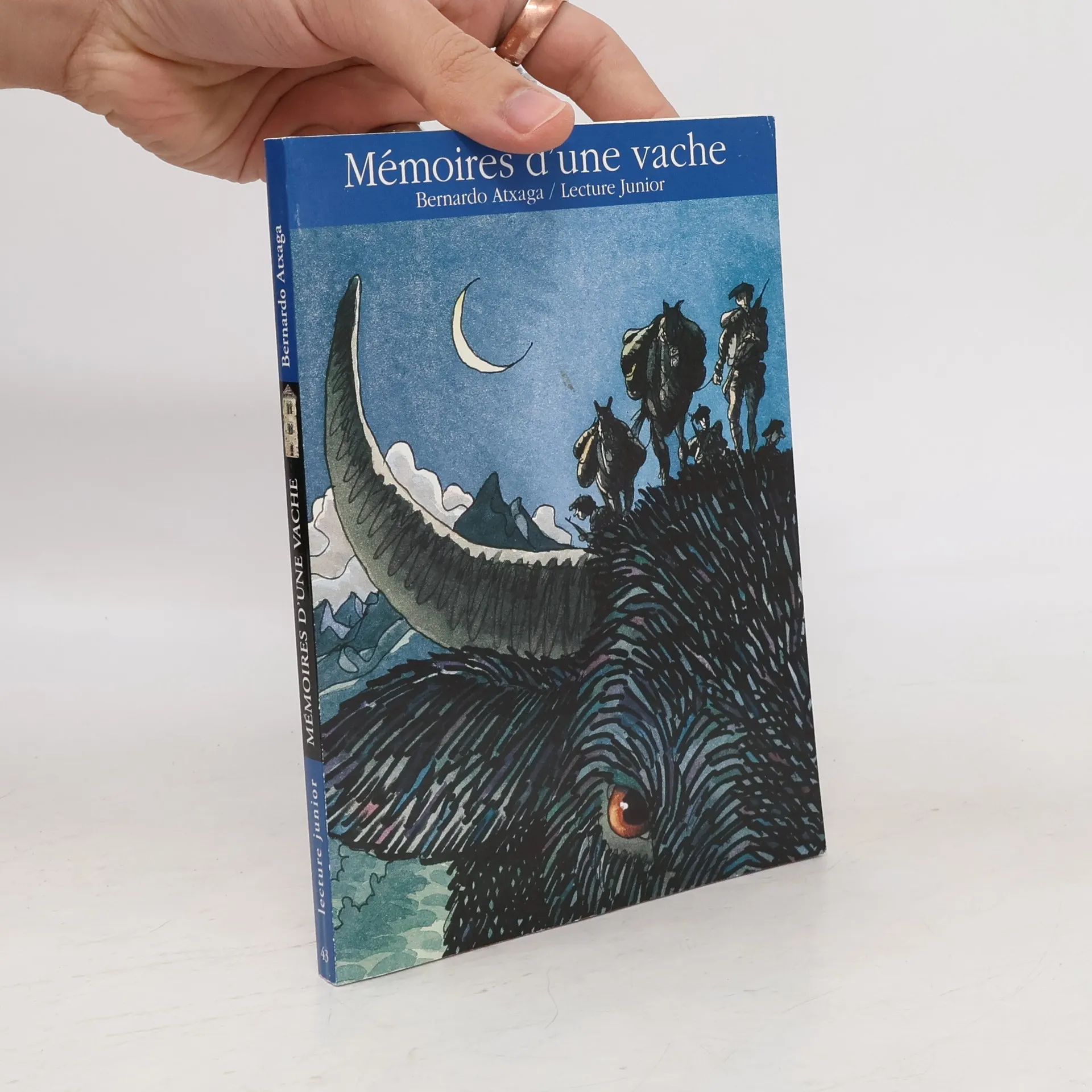
Lecture Junior - 43: Mémoires d'une vache
- 191pages
- 7 heures de lecture
Originally published in Basque as "Behi euskaldun baten memoriak" by Bernardo Atxaga (pen name of Joseba Irazu Garmendia) it was translated into Esperanto by Aitor Arana.
Features poets from Europe who have played a defining role in the development of Basque-language poetry and represent the diversity of poetic voices populating the Basque literary scene.
Shola and the Lions
- 48pages
- 2 heures de lecture
It is clear to Shola that she is not, in fact, a dog. People may have been trying to tell her otherwise for dog years, but a trip to her owner's library finally has her convinced: she is, in fact, descended from the Kings of the Savannah. But how will she take to her new-found lineage? Will she finally get the respect she deserves from her fellow citizens? Most importantly, now that she has been identified as a powerful predator, does this mean no chips again... ever?
Obabakoak
- 336pages
- 12 heures de lecture
One of only a hundred or so books originally written in the Basque language during the last four centuries, Obabakoak is a shimmering, mercurial novel about life in Obaba, a remote, exotic, Basque village.
Memoirs of a Basque Cow
- 224pages
- 8 heures de lecture
One dark and stormy night, Mo hears her Inner Voice urging her to begin writing her memoirs. Having ignored her Inner Voice's advice once before, with near-fatal consequences, she decides, this time, to do as she is told. Mo looks back on her life, beginning with the crucial moment when she met another cow, who introduced herself as La Vache qui Rit, and assured Mo that there was nothing more stupid in this world than a stupid cow. Mo spends her life trying to prove to her friend that, despite being a cow, she is not at all stupid. Besides, she has her Inner Voice and a great desire to live! Set in the aftermath of the Spanish Civil War, in which defeated Republican supporters are still being persecuted by victorious Nationalists. It paints a funny, touching portrait of friendship and freedom and the sometimes-difficult process of finding oneself,
Water over Stones
- 384pages
- 14 heures de lecture
From prize-winning author Bernardo Atxaga, author of Obabakoak and Nevada Days, comes a polyphonic novel following the fortunes and failures of the inhabitants of a small Basque mining town over the course of forty years
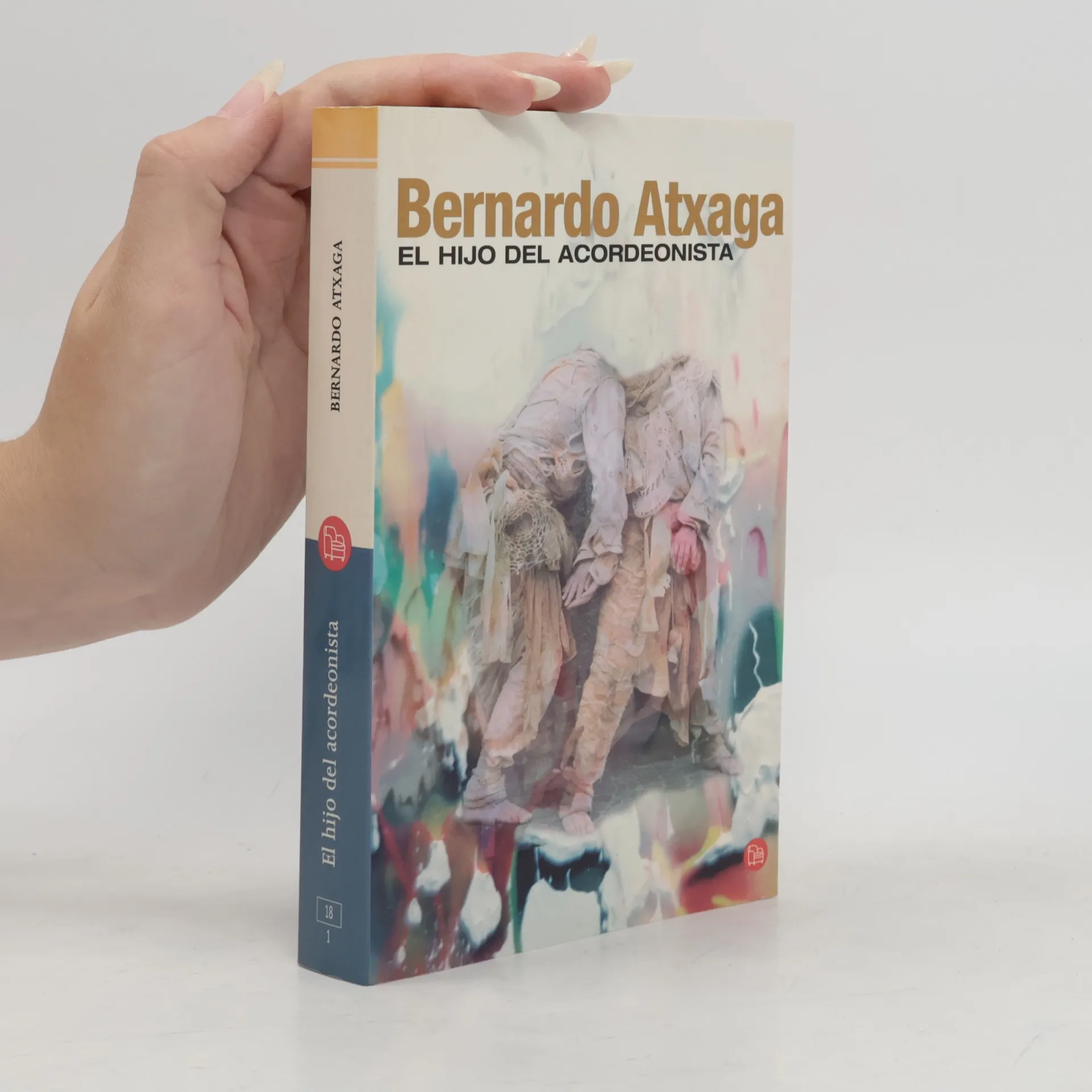
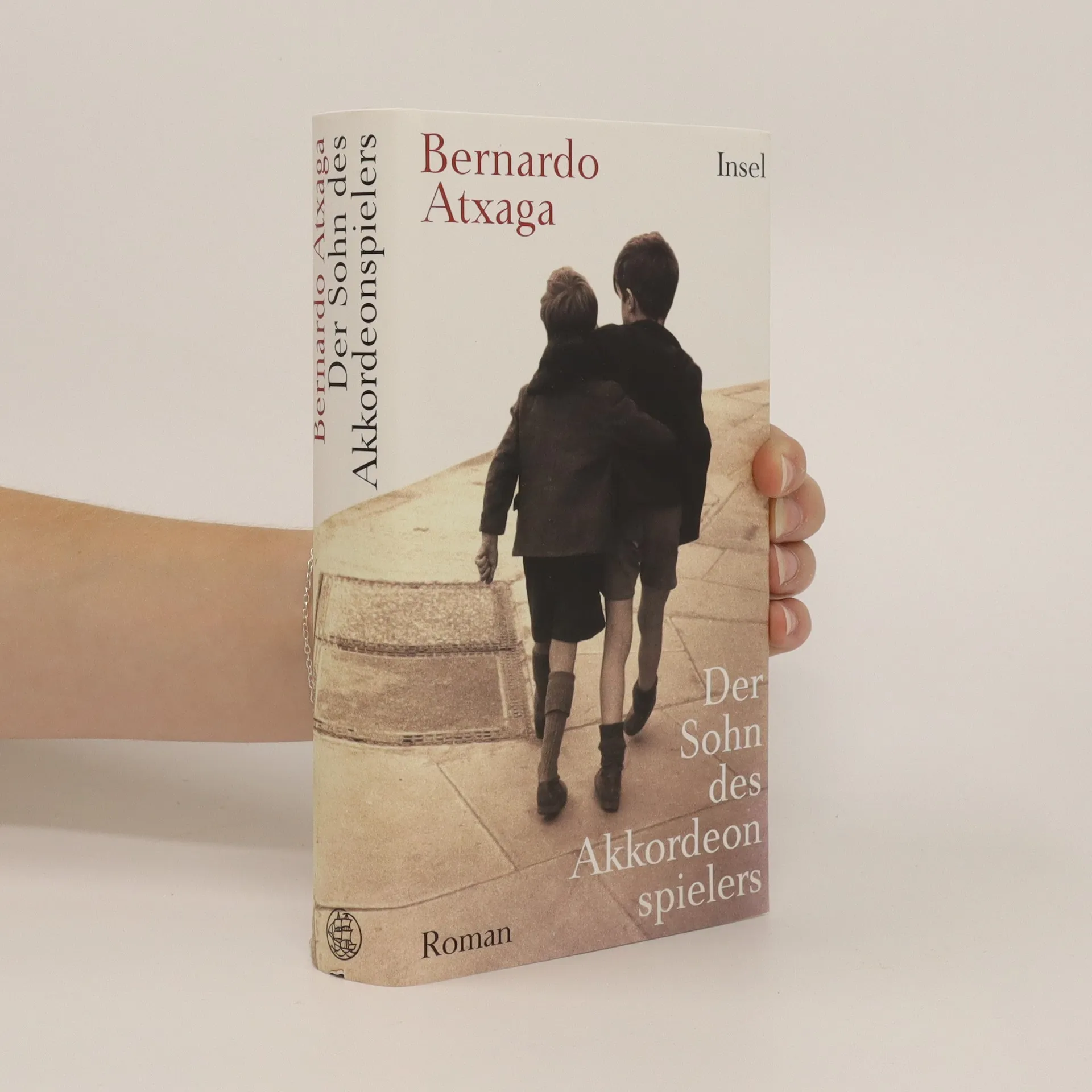
El hijo del acordeonista. Der Sohn des Akkordeonspielers, Spanische Ausgabe
- 480pages
- 17 heures de lecture
David und Joseba, einst in den Sog der ETA verwickelt, treffen sich 20 Jahre später wieder. Sie versuchen, ihre Vergangenheit, Schuldgefühle und den Verrat, der sie damals trennte, zu bewältigen.
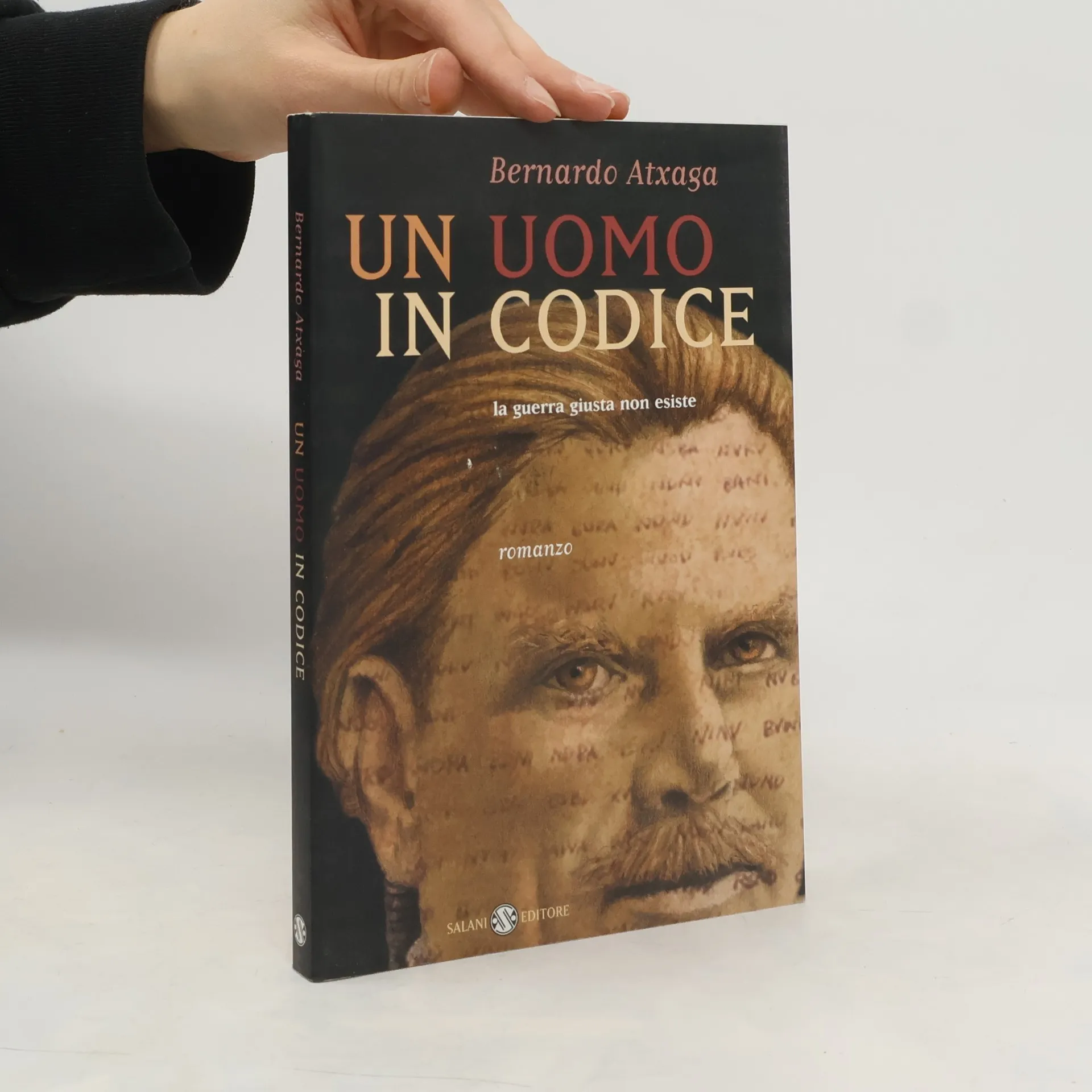
Un uomo in codice
- 134pages
- 5 heures de lecture
Durante la prima guerra carlista, in Spagna, nel 1833, il marinaio Martín Saldías ha una missione: portare un messaggio al generale Zumalacarregui, comandante dei ribelli. Martín ha perfino un nome in codice, Sara, ma non è una spia esperta: è poco addestrato, e ha accettato l'incarico solo per l'ammirazione profonda che nutre verso il generale ribelle. Ma la scarsa esperienza è solo uno dei pericoli che Martín deve affrontare: qualcuno sta tramando per tradire il generale e i suoi uomini, e compromettere definitivamente la causa. Perso in un gioco più grande di lui, assalito dai dubbi, senz'altra certezza che il suo istinto, Martín è costretto a rischiare la vita propria e degli altri, costretto a ignorare affetti e legami, costretto ad ammettere, alla fine, che le guerre giuste non esistono. Età di lettura: da 9 anni.
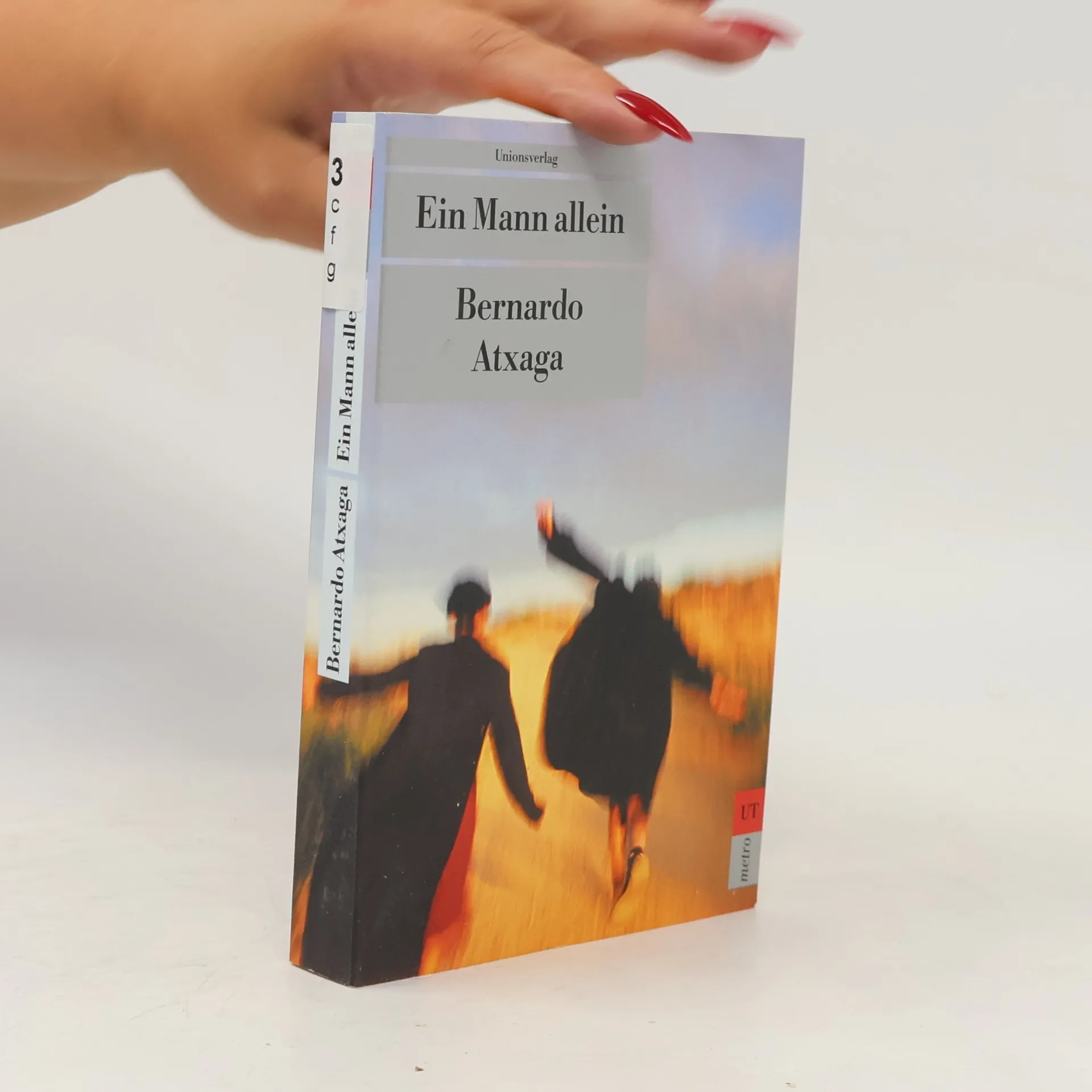
Carlos, der ehemalige Anführer einer militanten Gruppe, führt mit Freunden ein Hotel bei Barcelona, in dem die polnische Mannschaft während der Fußballweltmeisterschaft in Spanien 1982 wohnt. Ohne Wissen seiner Freunde versteckt er zwei Untergrundkämpfer – in Erinnerung an seine eigene aktive Zeit. Doch im Hotel ist auch ein Verräter. Der Kreis von Polizisten zieht sich immer enger, die Bewachung der Polen wird zu einer Belagerung. Wie soll Carlos seiner Vergangenheit entfliehen und die Zukunft leben? Inmitten der Stimmen von Lebenden und Toten setzt er seine Existenz aufs Spiel, als handle es sich um ein unabwendbares Schicksal.
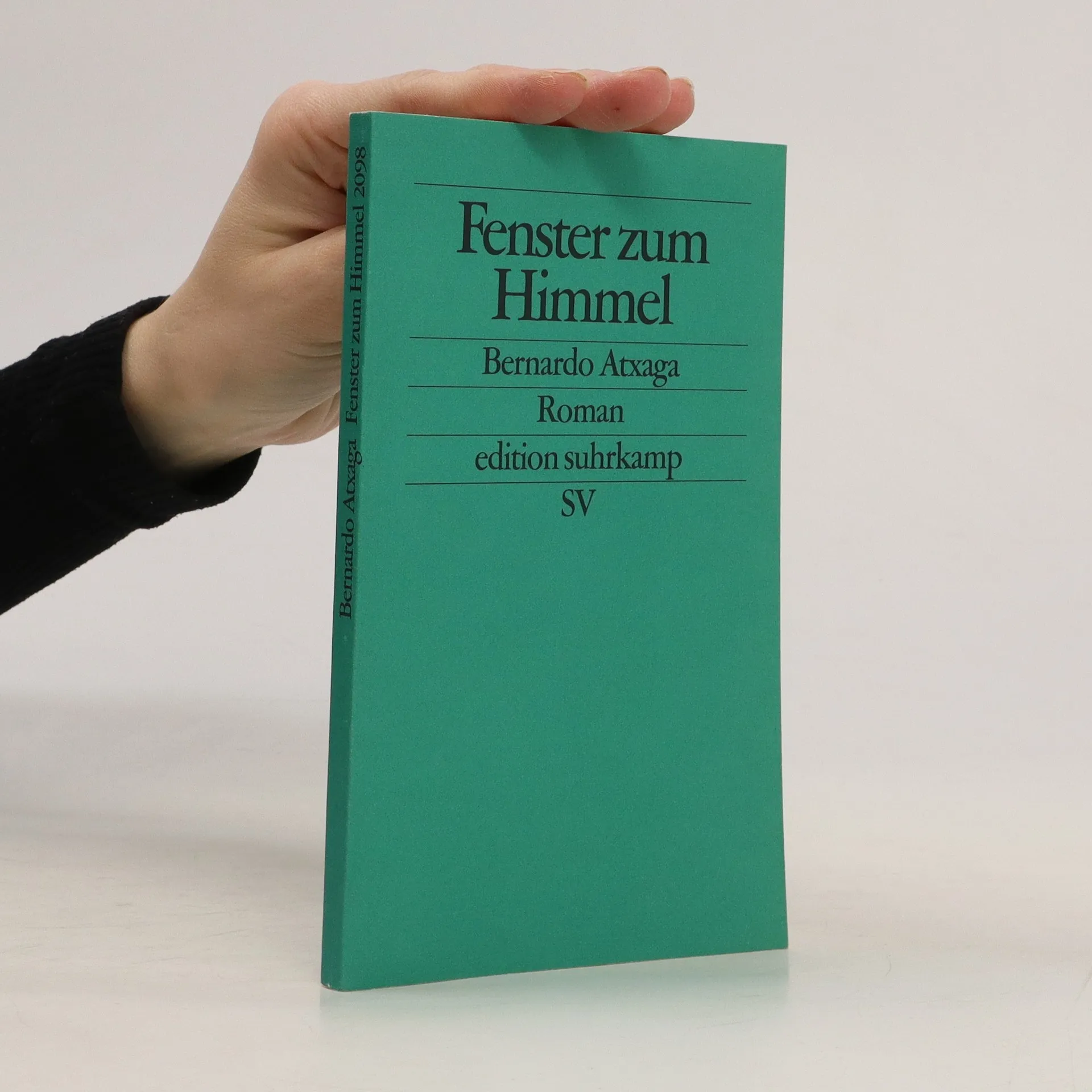
Fenster zum Himmel
- 156pages
- 6 heures de lecture
Es war eine siebenunddreißigjährige Frau, die den letzten Teil ihres Lebens im Gefängnis verbracht hatte. So beginnt "Fenster zum Himmel". Die Protagonistin, die gerade entlassen wurde, kehrt mit dem Bus nach Bilbao zurück. Von dort aus verfolgen wir eine Reise, die gleichzeitig real, emotional und geistig ist. Während eines begrenzten Zeitraums und in einem geschlossenen Raum hat der Leser die Gelegenheit, zusammen mit der Protagonistin einen Weg zu gehen, der keine Pausen zulässt, eine Wanderung zwischen Stimmen und Träumen. Es gibt keine bessere metaphorische Darstellung des Lebens als die Reise. Immer kommen wir von irgendwoher und gehen irgendwohin. In diesem Fall sind sogar die Träume Teil des Weges, sei es, weil sie aus der Vergangenheit geboren werden oder weil sie die leidenschaftlichen Wünsche der Zukunft widerspiegeln.
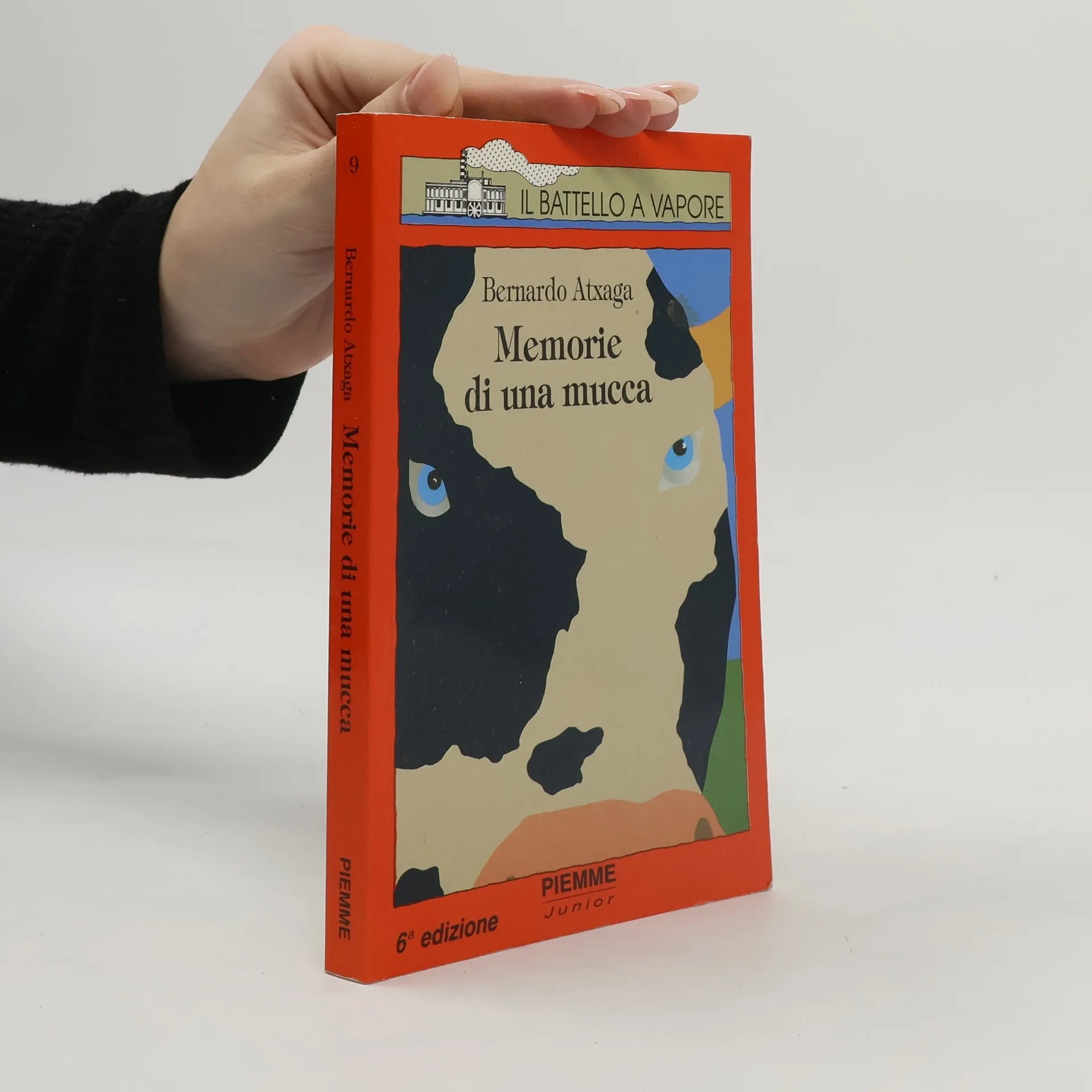
Il Battello a Vapore - 9: Memorie di una mucca - 6ª edizione
- 208pages
- 8 heures de lecture
Originally published in Basque as "Behi euskaldun baten memoriak" by Bernardo Atxaga (pen name of Joseba Irazu Garmendia) it was translated into Esperanto by Aitor Arana.
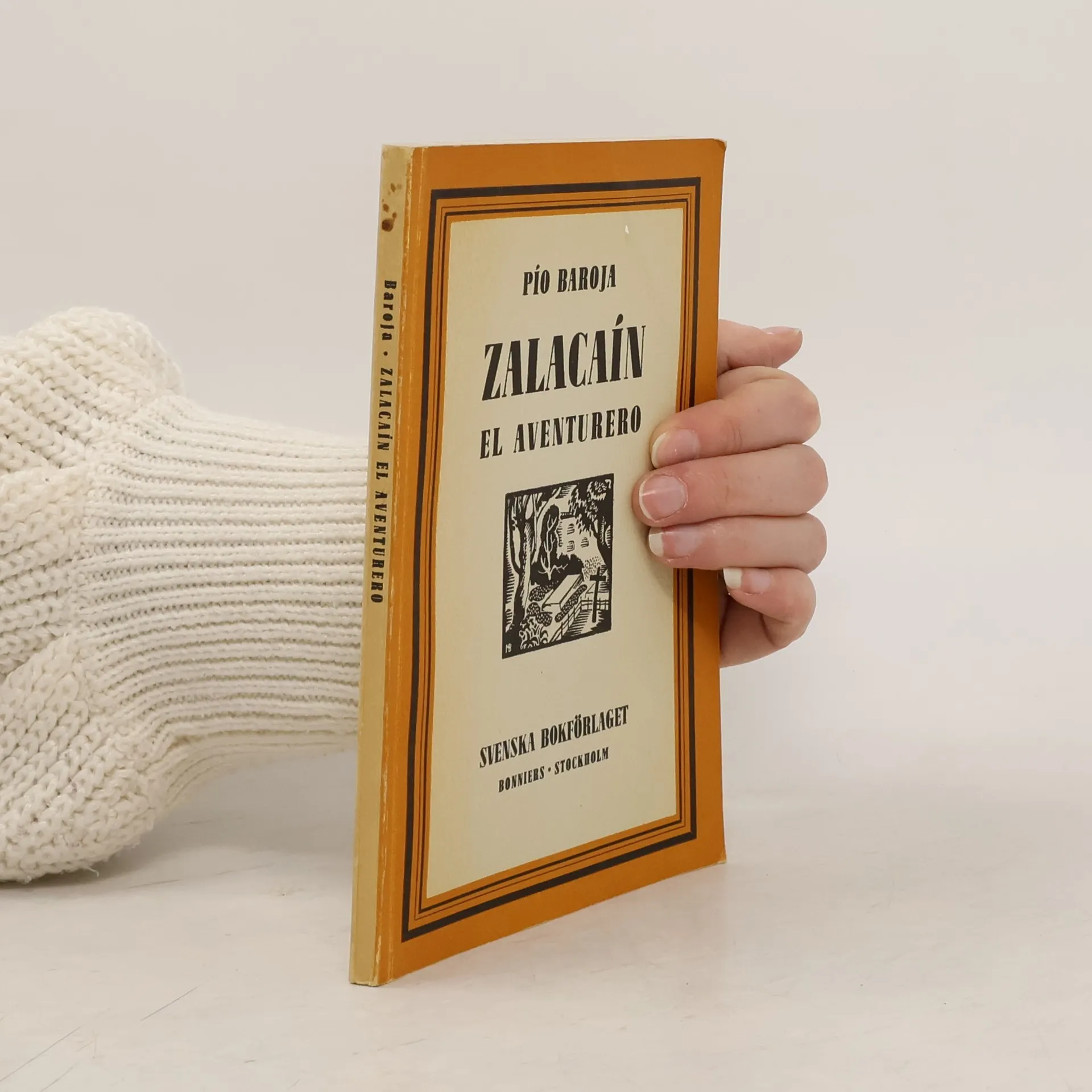
Samlingen Austral presenterar detta verk av Zalacaín el Aventurero, en roman som tillsammans med La casa de Aizgorri och El mayorazgo de Labraz utgör en trilogi från Baskien. Betraktad som ett av de vackraste verken, skildrar den livet för Martín Zalacaín, en slags klassisk hjälte som kämpar mot motgångar och ödet i Baskien under de karlistiska krigen. Zalacaíns barndom utspelar sig i en medeltida vrå fylld av traditioner och legender, tillsammans med en gammal släkting. Hans stridsanda, redan som barn, av att kämpa mot allt och alla, leder honom i ungdomen till att gå med i de karlistiska leden med det enda målet att segra för segerns skull.
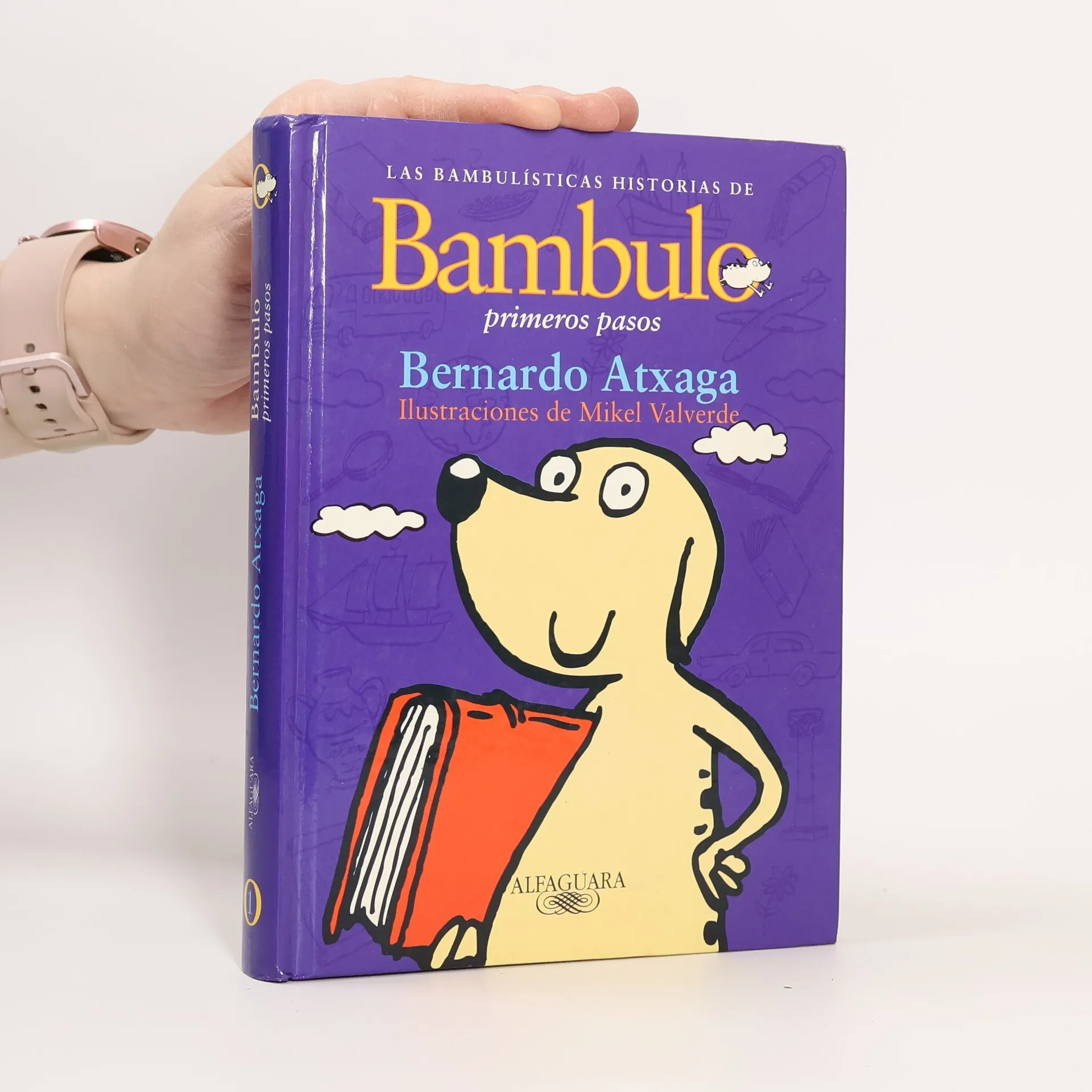
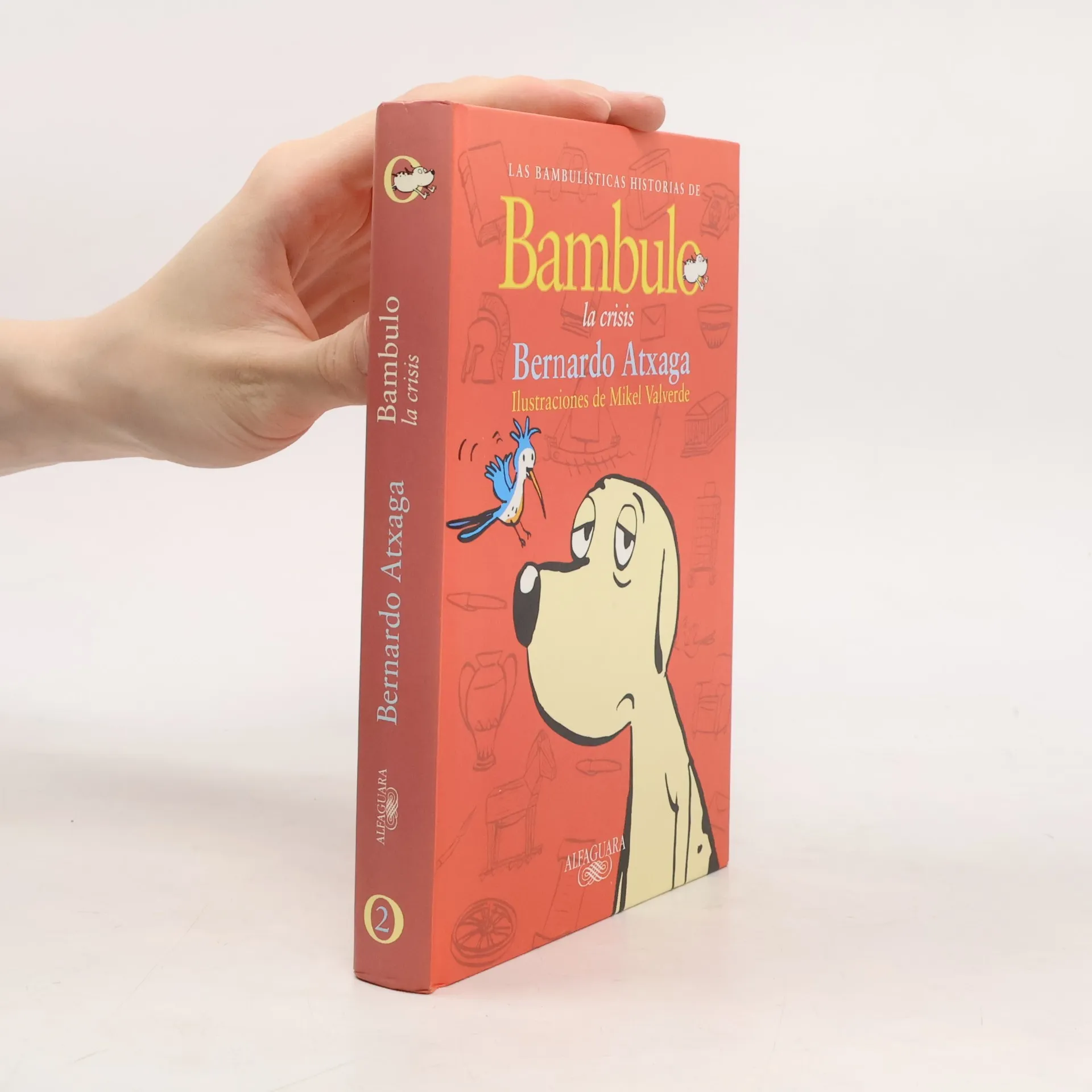
Las bambulísticas historias de Bambulo
- 143pages
- 6 heures de lecture
Un espía llamado Sara
- 150pages
- 6 heures de lecture
El antiguo marinero bilbaíno Martín Saldías se convierte en espía para servir los intereses de don Carlos durante la primera guerra carlista. Tiene que llevar un mensaje que contiene una información muy importante para el desarrollo de la guerra. En el camino, para unos días en un campo militar carlista.
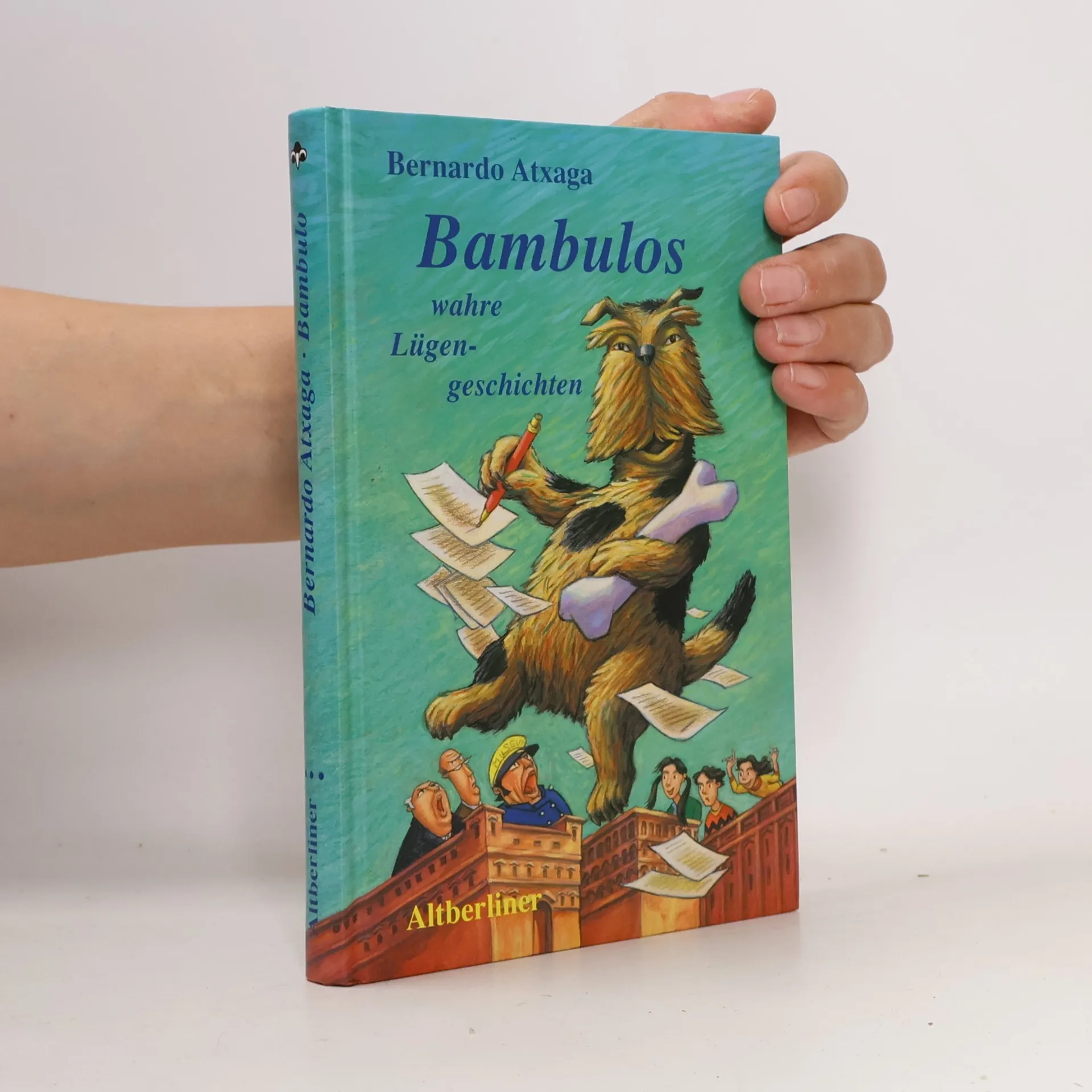
Bambulos wahre Lügengeschichten
- 150pages
- 6 heures de lecture
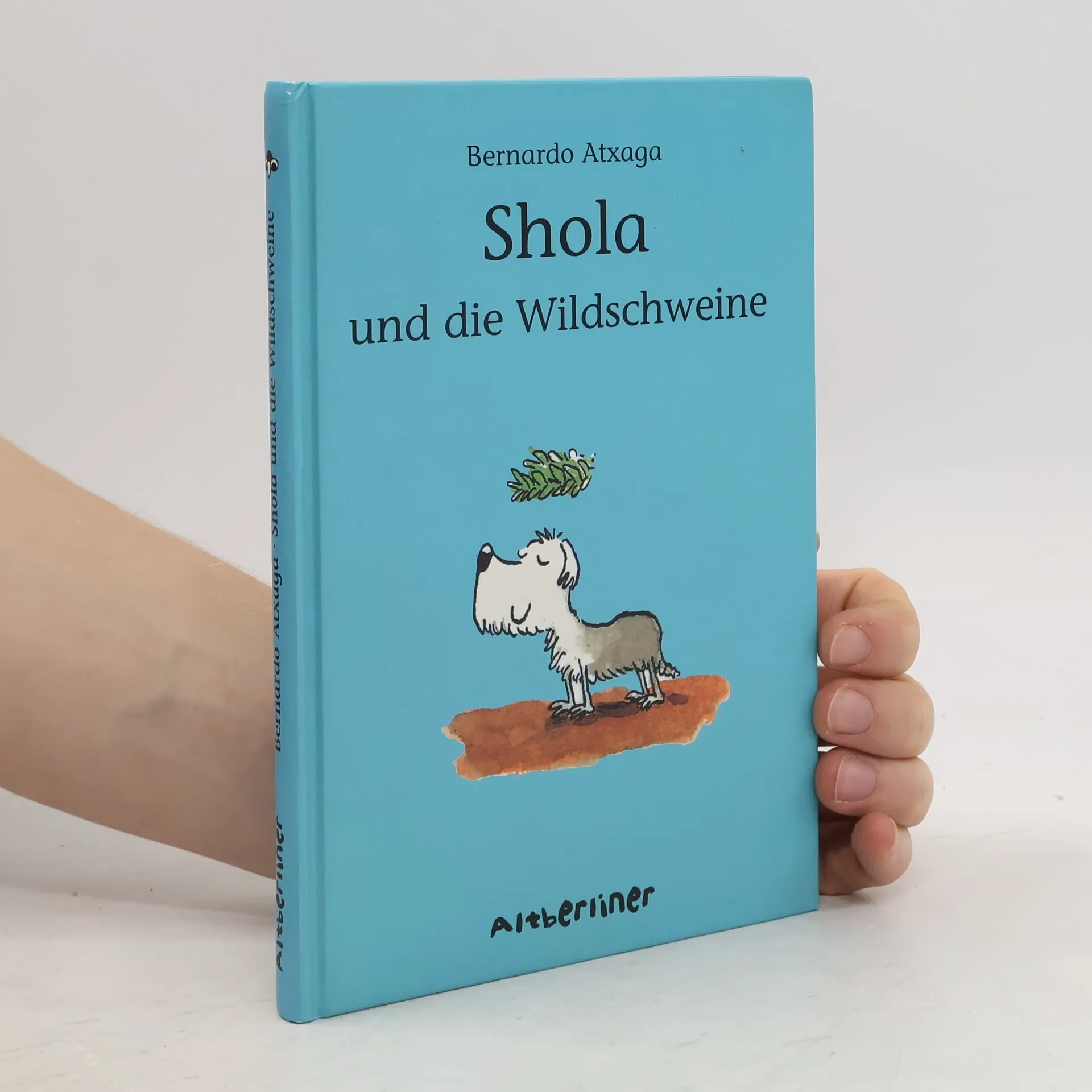
Shola und die Wildschweine
- 79pages
- 3 heures de lecture
Die Hündin Shola ist entschlossen, Herrn Grogó zur Wildschweinjagd zu begleiten. Sie denkt, dass die Wildschweine wie Schafe sind, nur sehr schwarz und mit dicken Köpfen. Nichts weiter. Doch als sie zur Jagd geht, merkt sie, wie falsch sie lag.
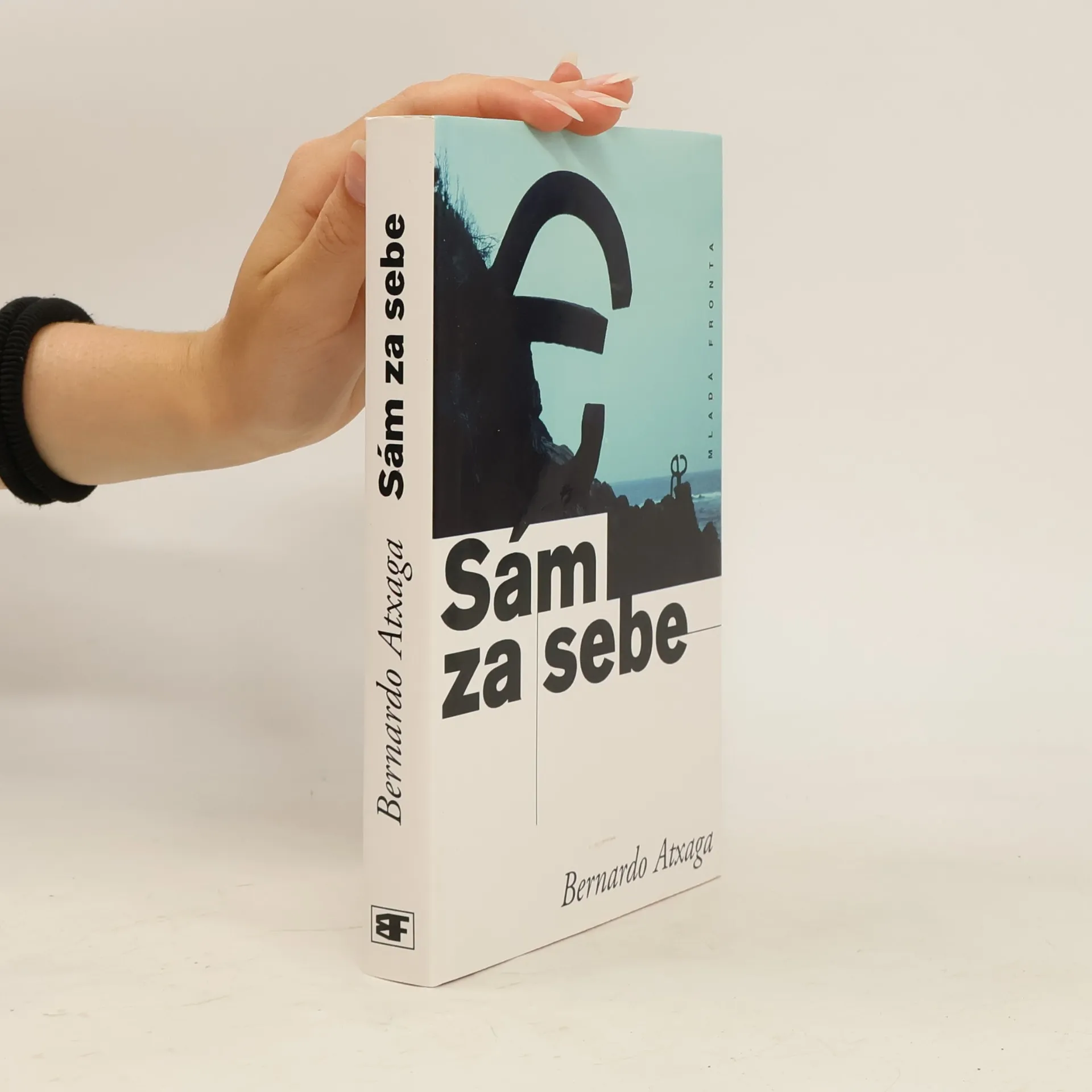
Muž, jemuž říkali Carlos, je Bask. Mládí prožil za frankistické diktatury, na protest vstoupil do teroristické skupiny ETA, podílel se na řadě jejích smrtonosných akcích , byl dopaden a odsouzen. Příchod demokracie mu přináší amnestii.
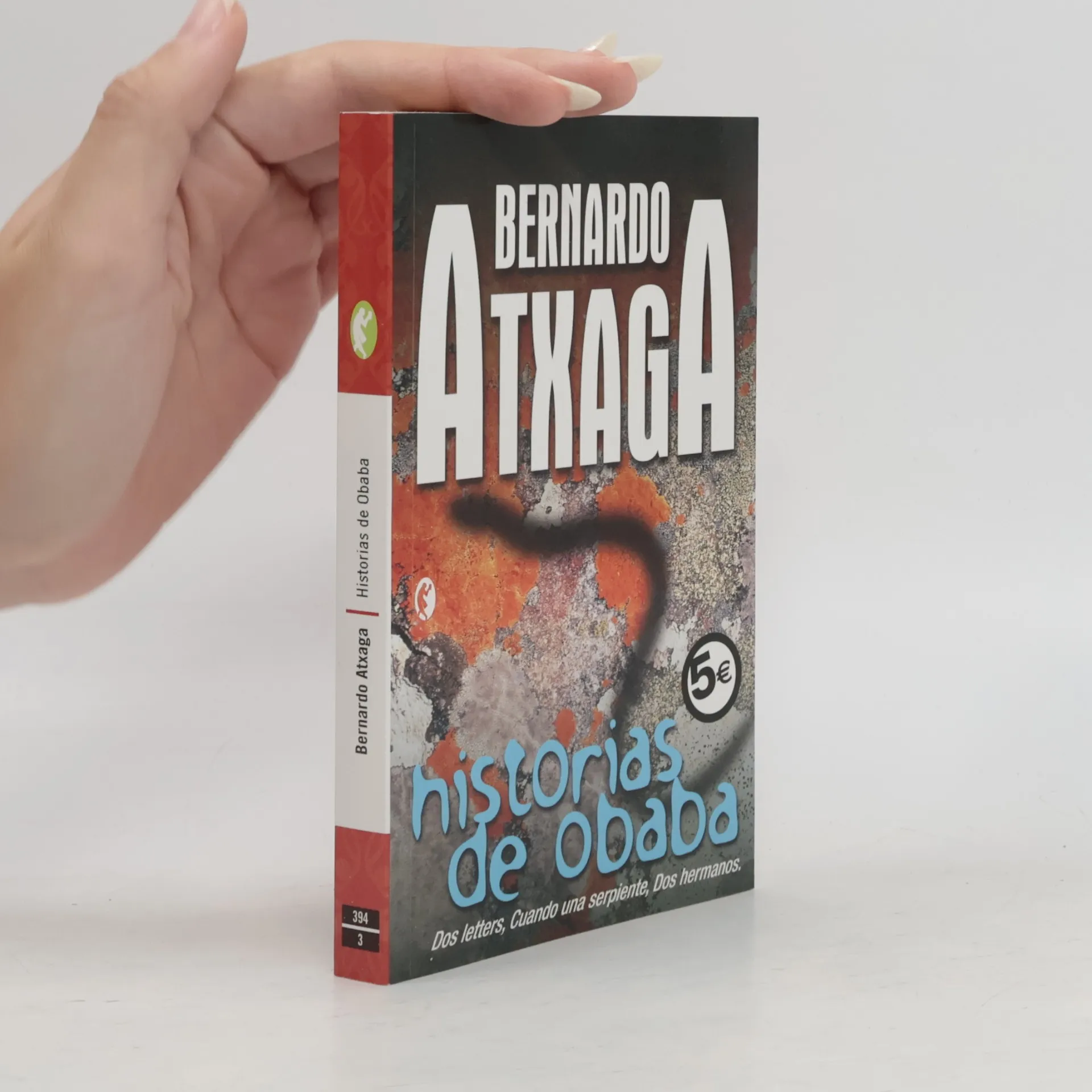
Historias de Obaba
- 261pages
- 10 heures de lecture
Barcelona. 18 cm. 265 p. Encuadernación en tapa blanda de editorial ilustrada. Colección 'Narrativa', numero coleccion(394/3.). Atxaga, Bernardo 1951-. Cuentos. Traducción, Arantxa Sabán (para las dos primeras obras), Bernardo Atxaga (para la tercera). Dos letters ; Cuando una serpiente ; Dos hermanos. Byblos (Serie). 394/3. Traducción, Bernardo Atxaga. Traducción Obabakoak. 394/1 .. Este libro es de segunda mano y tiene o puede tener marcas y señales de su anterior propietario. 8466617361
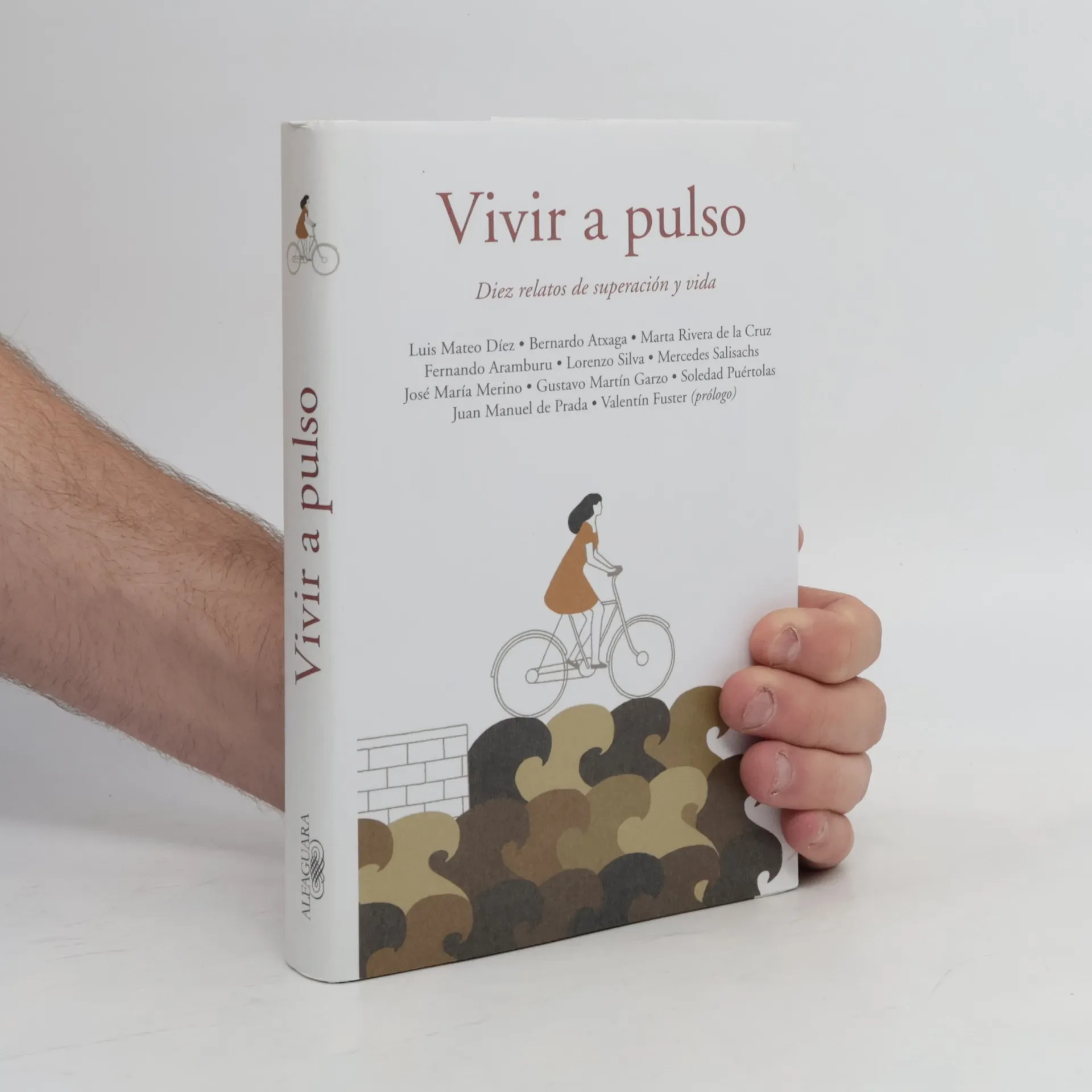
Diez relatos de superación y vida reúne historias conmovedoras escritas por renombrados autores como Luis Mateo Díez, Bernardo Atxaga y Marta Rivera de la Cruz, entre otros. Desde 2007, la Clínica Universidad de Navarra ha presentado anualmente relatos sobre casos médicos narrados por escritores destacados, convirtiendo cada historia en una emotiva obra literaria. En el décimo aniversario de la colección, Alfaguara compila estas narraciones en un solo volumen, celebrando la fuerza que nos impulsa a enfrentar obstáculos considerados insalvables. A través de estas páginas, los autores cuentan las inspiradoras vivencias de personas que, a pesar de sus enfermedades, transforman sus experiencias en ejemplos de superación. Todos los beneficios de la venta se destinarán a Niños contra el Cáncer, una iniciativa de la Clínica Universidad de Navarra que apoya la investigación en cáncer infantil y ayuda a las familias en el diagnóstico y tratamiento de esta enfermedad. Con un enfoque en la resiliencia y la lucha por la vida, el libro invita a reflexionar sobre la capacidad humana de sobreponerse a las adversidades.
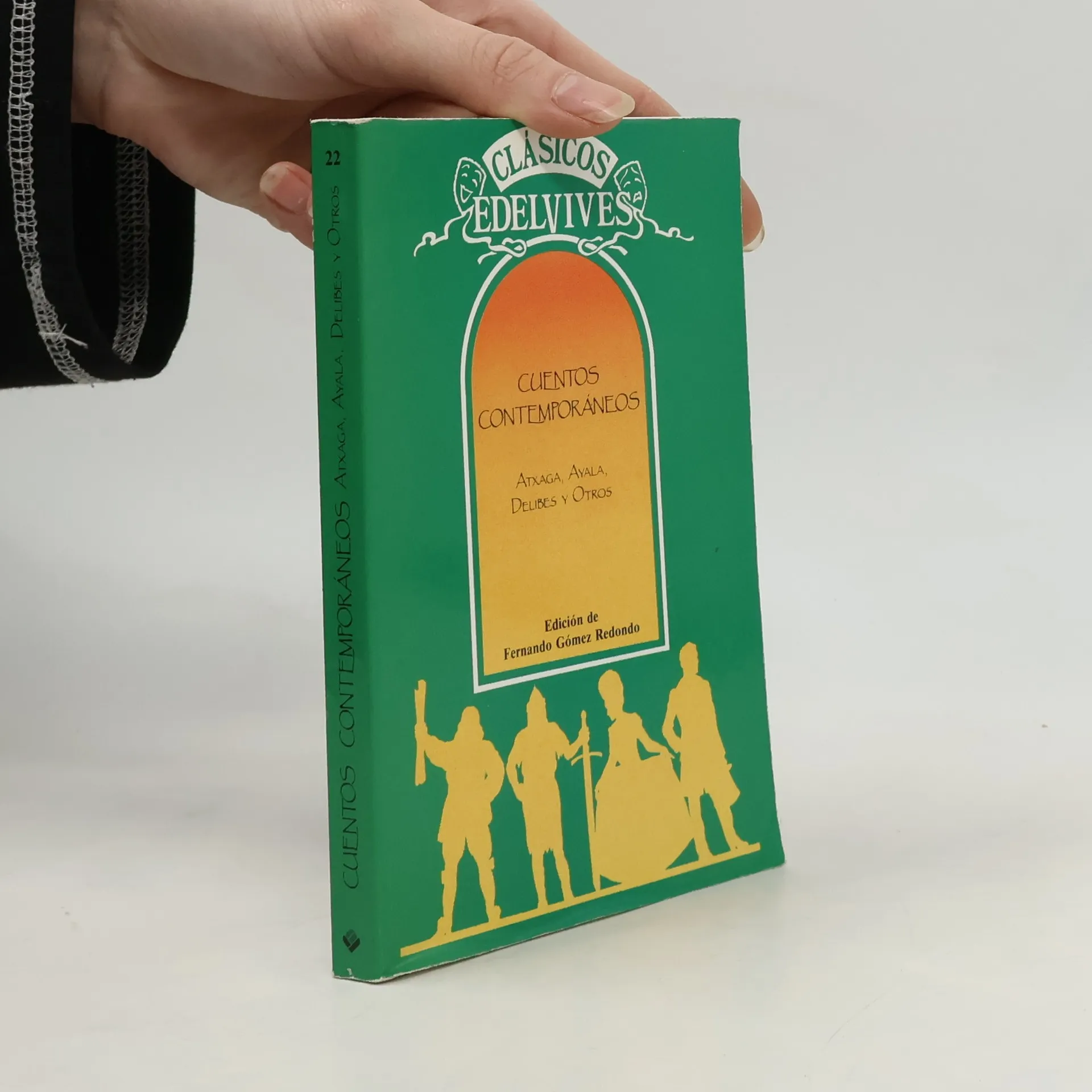
Cuentos contemporáneos
- 172pages
- 7 heures de lecture
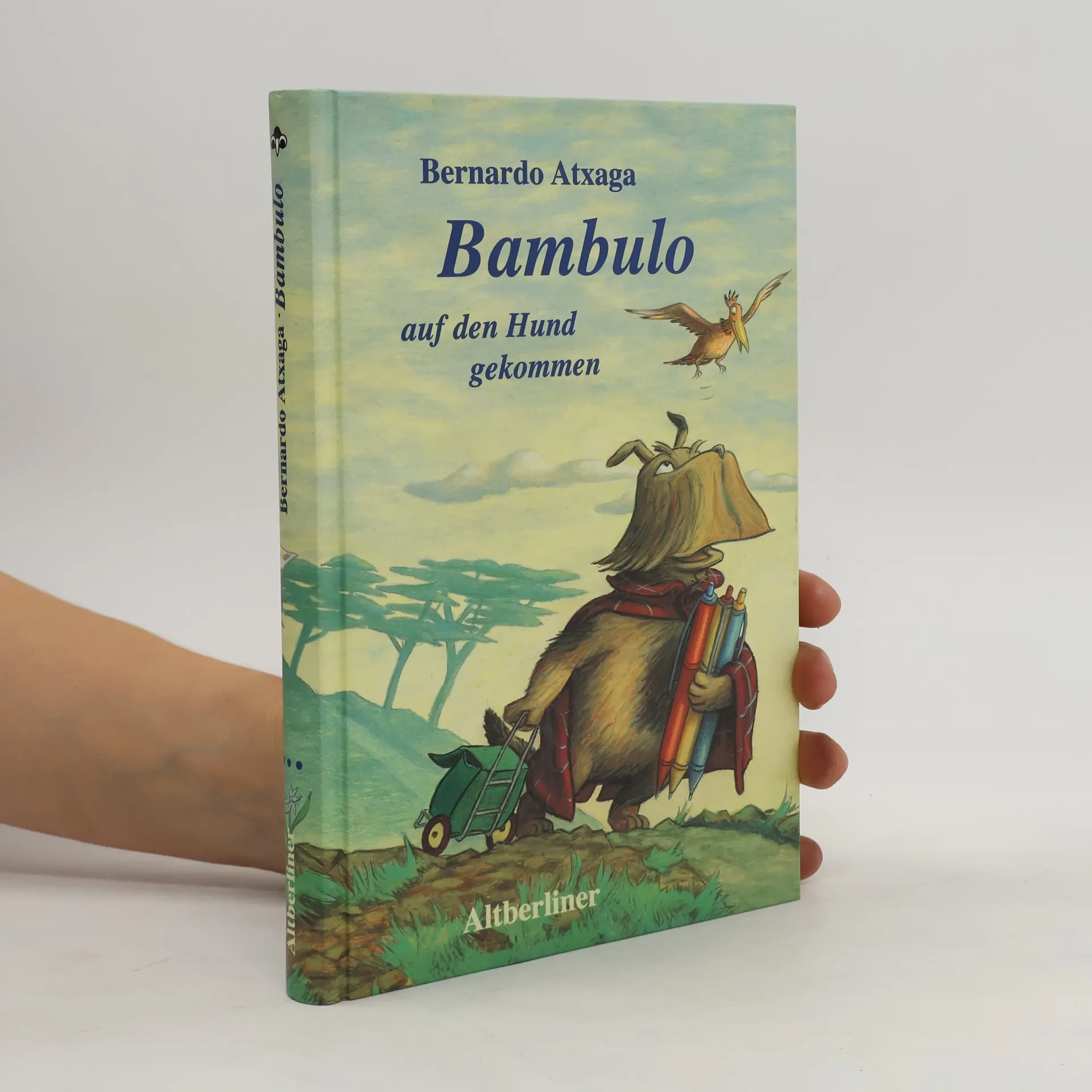
Bambulo auf den Hund gekommen
- 166pages
- 6 heures de lecture