Gita Mehta est une auteure renommée dont l'œuvre explore la riche tapisserie de l'Inde, de sa culture et de son histoire, en examinant l'interaction complexe entre les réalités indiennes et les perceptions occidentales. S'appuyant sur son expérience dans le journalisme et la politique, Mehta apporte une perspective unique à ses écrits, offrant des aperçus profonds de la société indienne. Son style littéraire est connu pour sa capacité à captiver les lecteurs, les transportant au cœur vibrant de l'Inde, ses œuvres résonnant souvent à travers diverses cultures et langues.
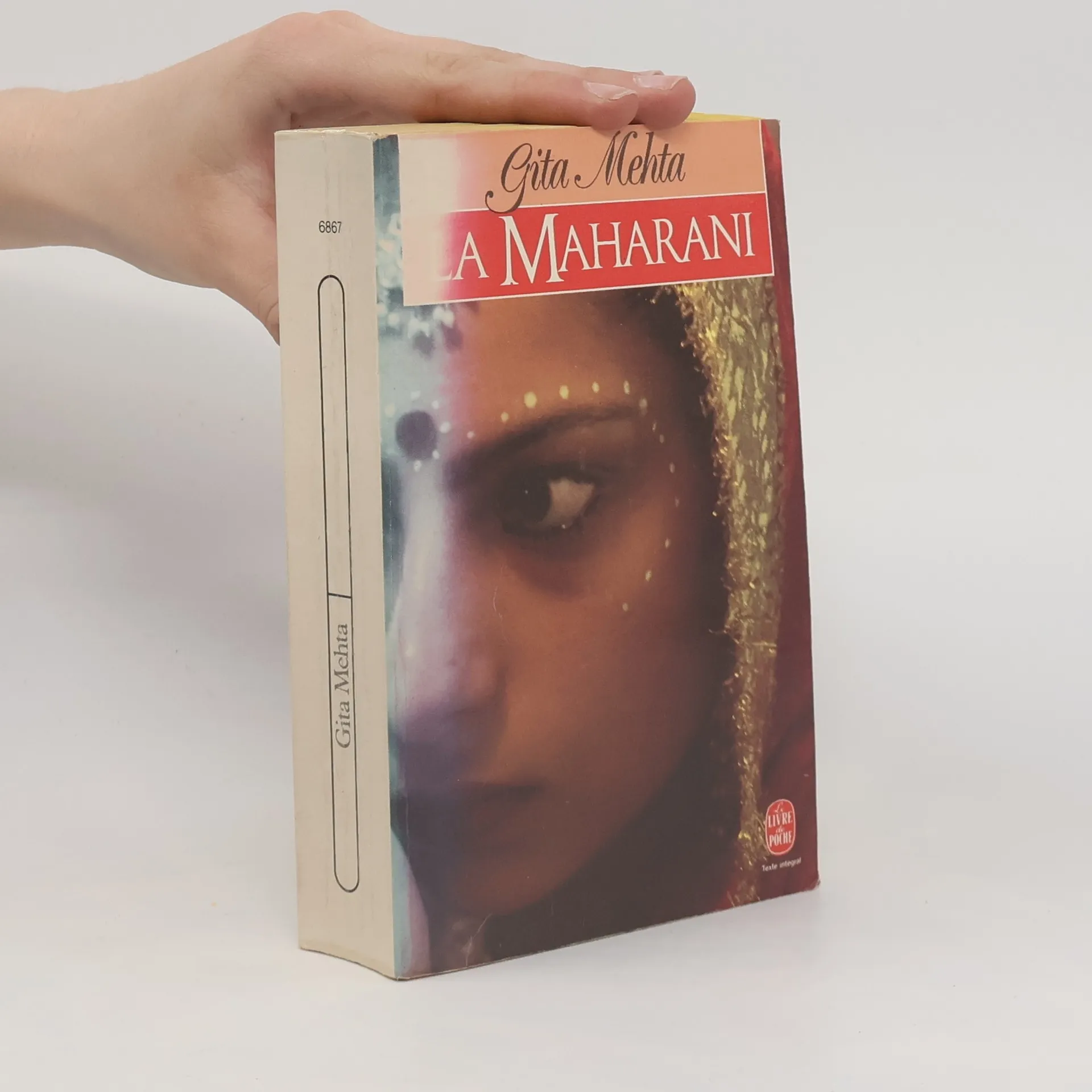
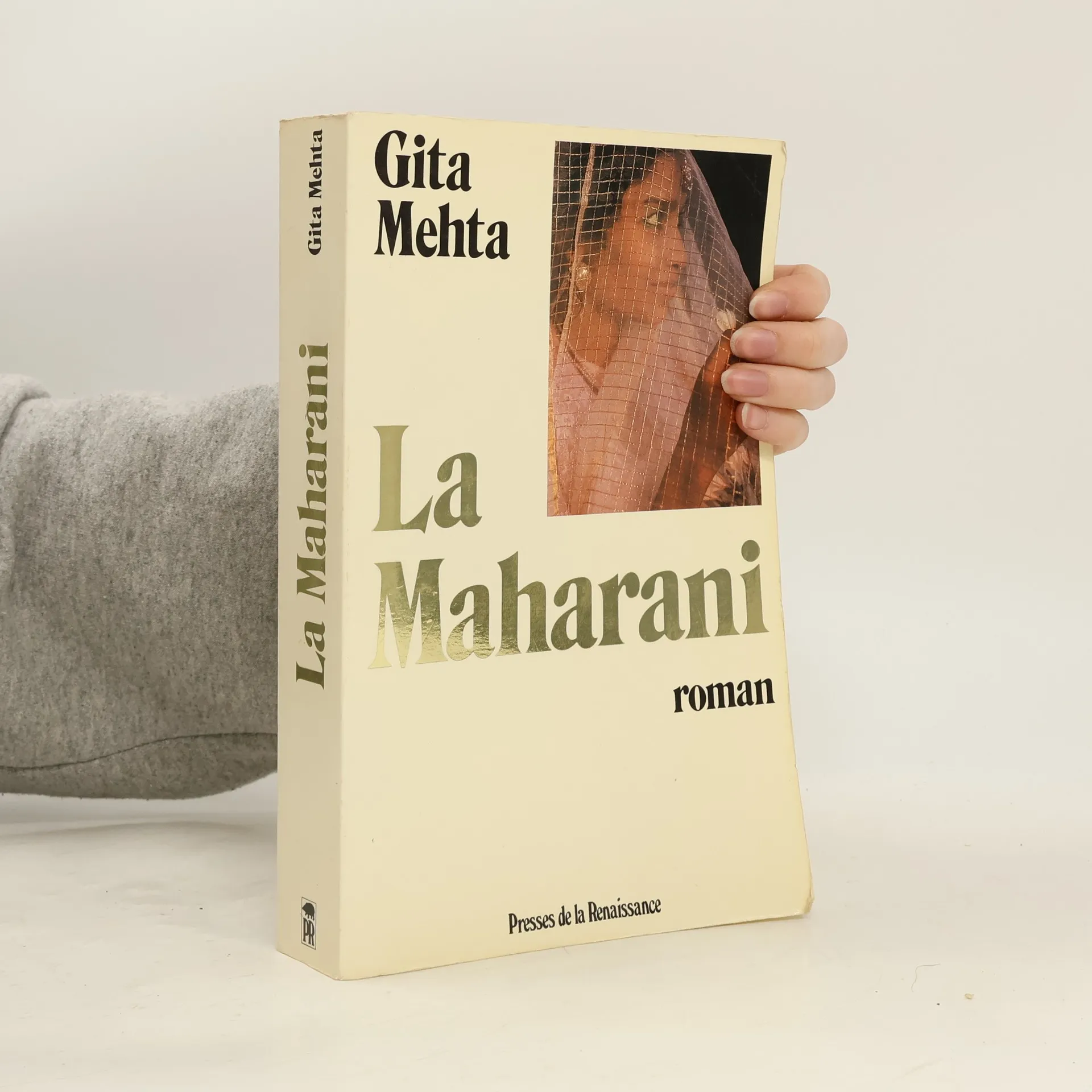
Cinquante ans (1897-1947) dans la vie quotidienne et politique de l'Inde, de l'occupation britannique à l'indépendance, à travers la destinée d'une femme qui résume cette situation. Un fort beau roman inspiré par des faits authentiques.
Jaya Singh is the intelligent, beautiful, and compassionate daughter of the Maharajah and Maharani of Balmer. Raised in the thousand-year-old tradition of purdah, a strict regime of seclusion, silence, and submission, Jaya is ill-prepared to assume the role of Regent Maharani of Sirpur upon the death of her decadent, Westernized husband. But Jaya bravely fulfills her duty and soon finds herself thrust into the center of a roiling political battle in which the future of the kingdom is at stake . . . and her own future as well.
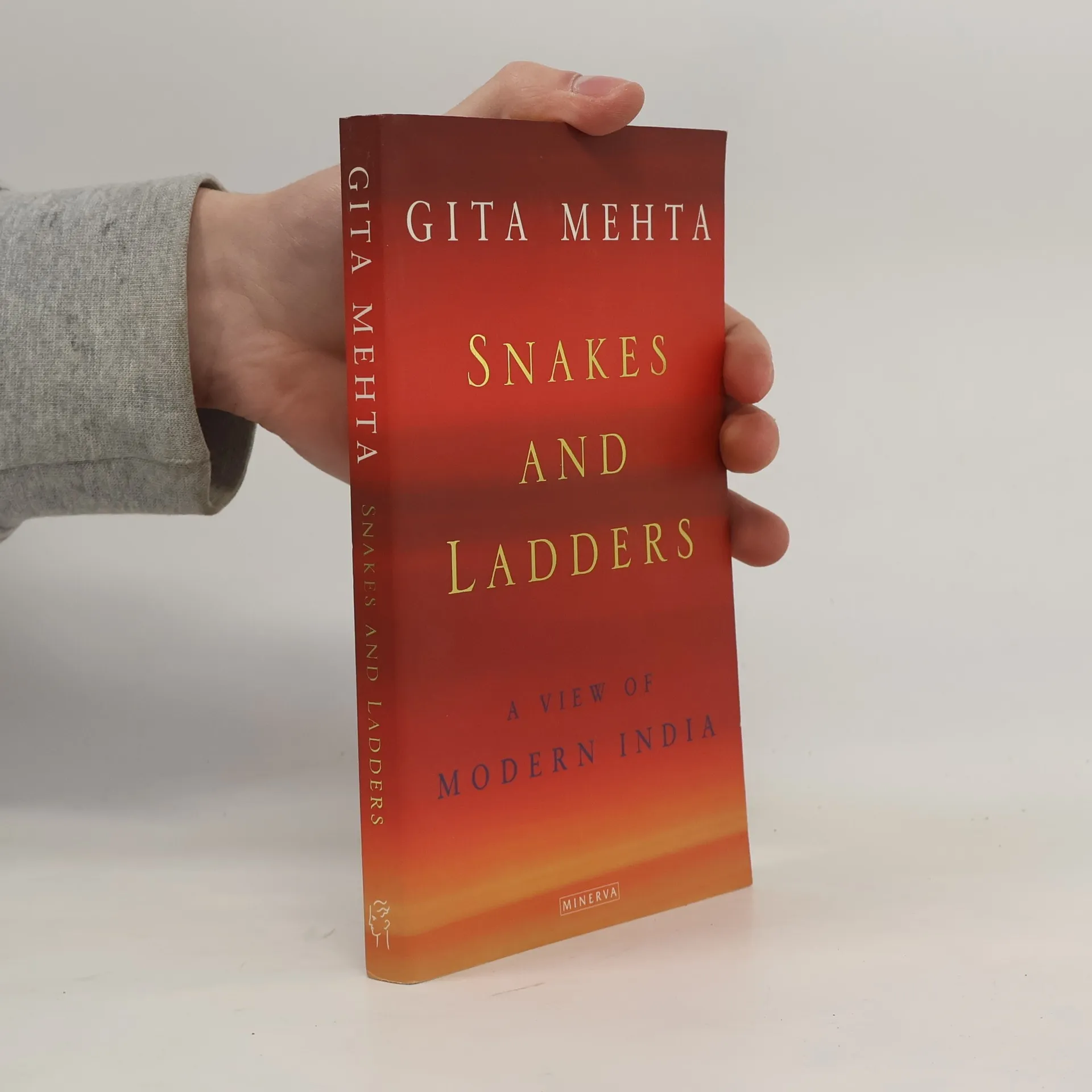
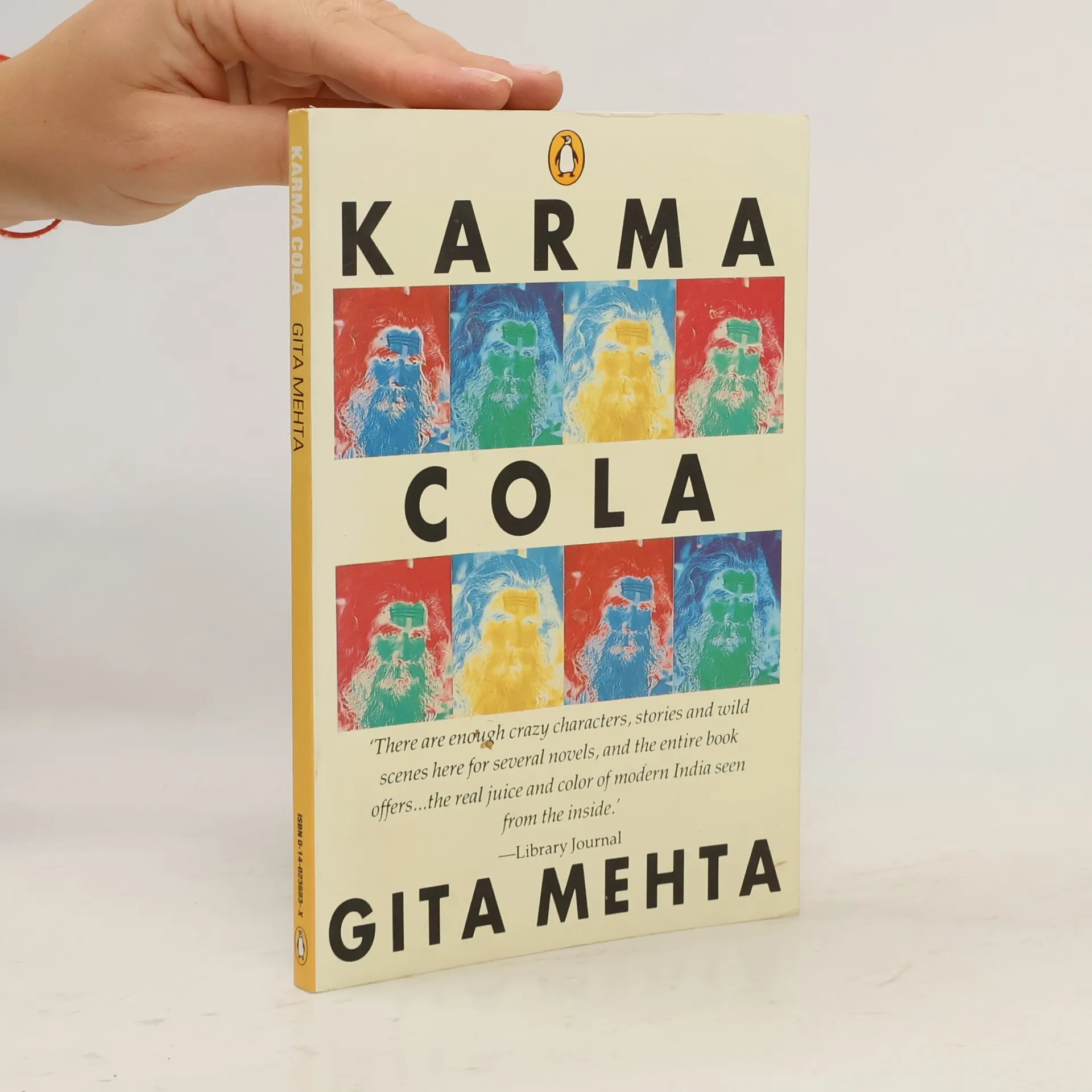
By the world-famous novelist, this fascinating blend of personal memoir, historical anecdote and wry observation offers the indispensable guide and key to contemporary India in the fiftieth year of its independence. Entertaining, informative and passionate, there is no book like it. With a novelist's eye for detail and colour, Gita Mehta writes of the continent of contradictions that is host to one-sixth of the world's population. The world's largest democracy, it still practices the caste system. It's a burgeoning economic superpower, and one of the poorest nations on earth. It has the world's largest film industry, and the world's oldest religions. It is an ancient civilisation celebrating fifty years as a modern nation, entering a new civilisation many believe will belong to China and India. Now, as never before, the world wants to know what contemporary India is all about.
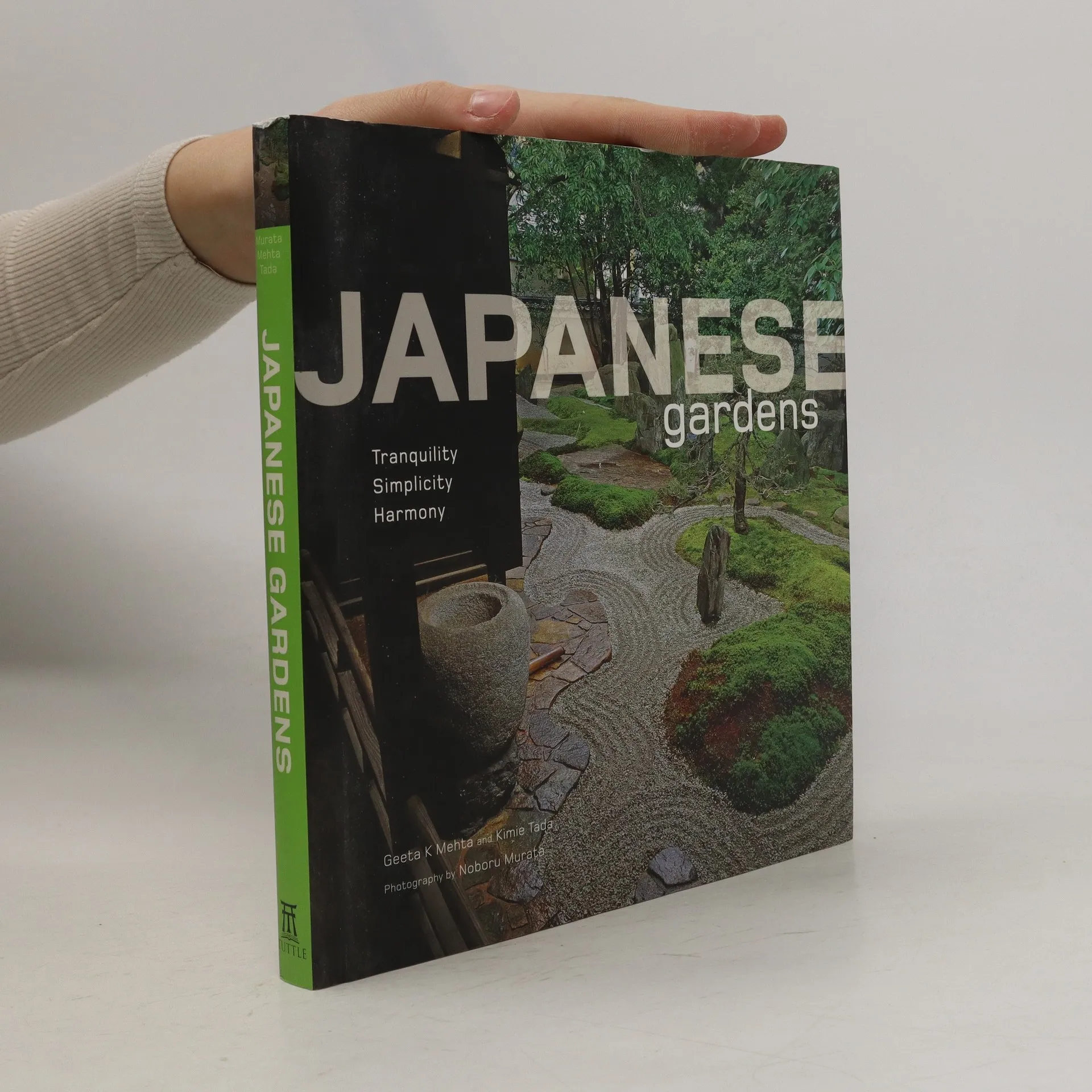
Featuring beautiful photographs and insightful commentary this Japanese gardening book is a must-have for any gardening or zen enthusiast.At the heart of a Japanese garden is harmony with nature. More than simply a landscape of trees and flowering shrubs, a Japanese garden provides a place of serenity and rest, filled with peaceful spots that lend themselves to meditation and contemplation. Japanese Gardens celebrates and illustrates this ideal, showcasing the exquisite natural beauty of more than 20 quintessentially Japanese gardens--big and small, urban and rural, traditional and contemporary.The expert author-and-photographer team behind this book excels at capturing and explaining the essential elements and techniques that distinguish Japanese garden design from that of other countries. The featured sites reflect a cross-section of Japanese culture and history including large feudal period gardens, temple and Zen gardens and private countryside gardens. The mountain flower garden, tea garden, rock garden and bonsai garden alike are all celebrated and appreciated in this beautiful book.
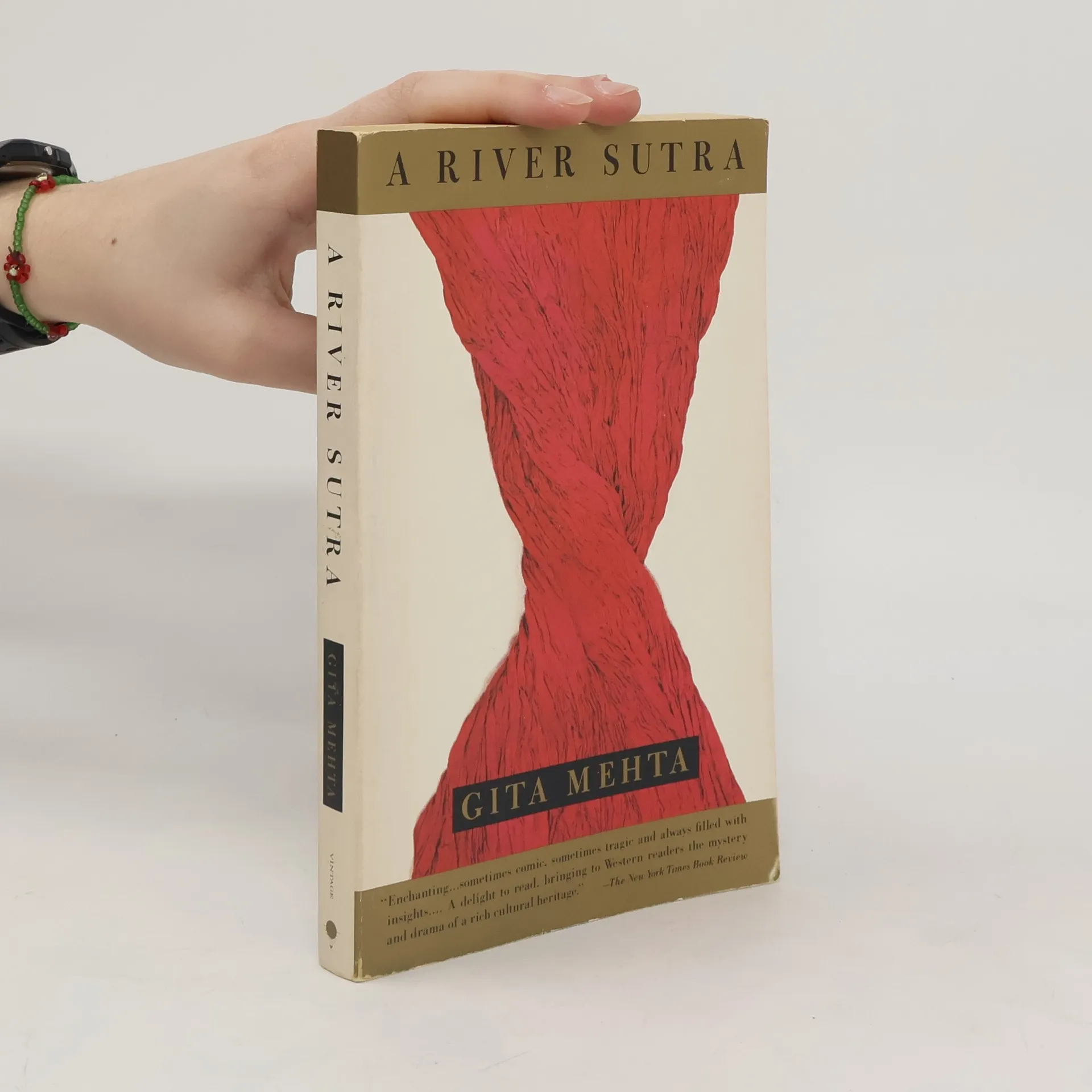
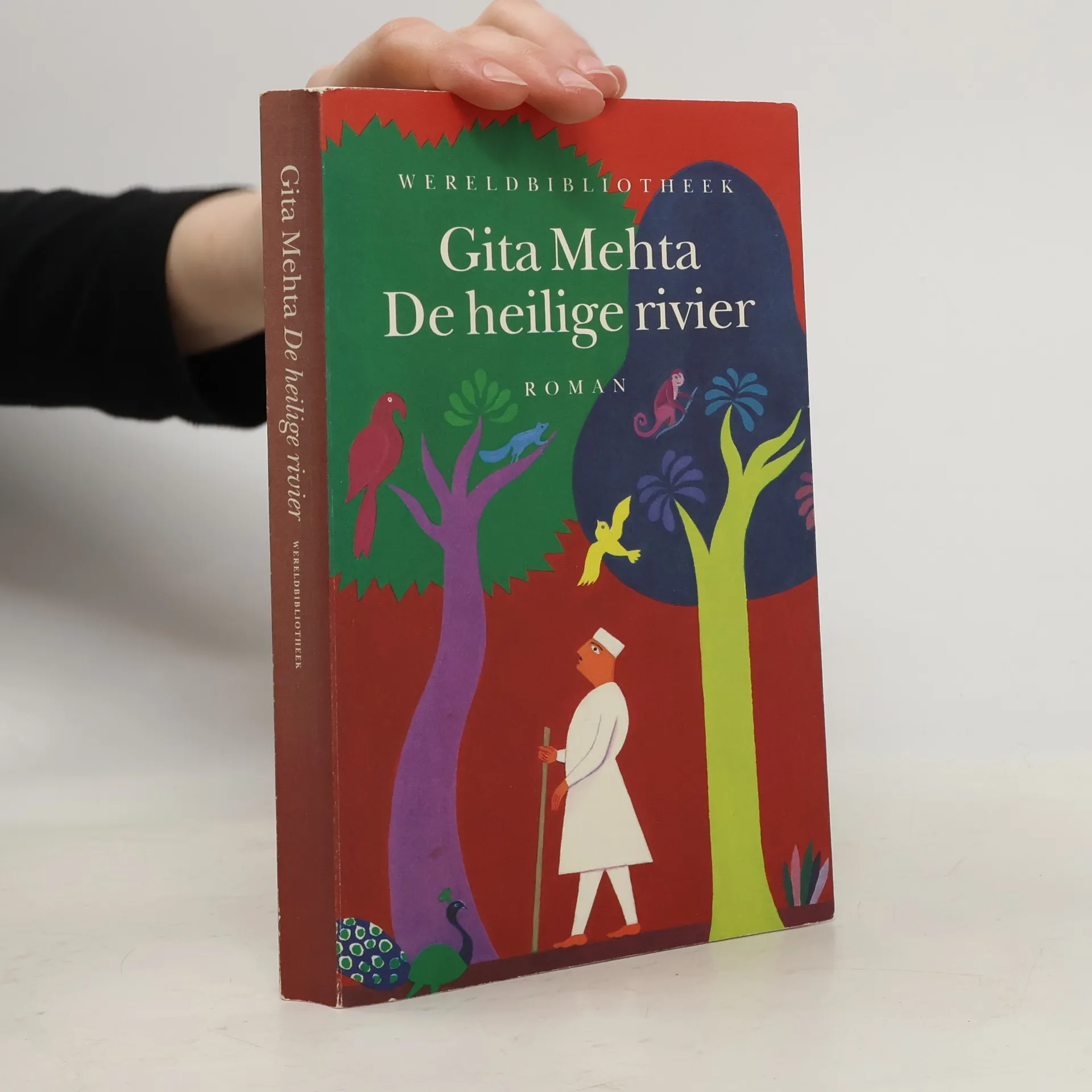
Set on the banks of India's holiest river amid the constant traffic of pilgrims, archaeologists, policemen, priests, and traders, A River Sutra weaves the richness of India into the dangerous lives of its characters. A bureaucrat retires to the sacred river in search of tranquility only to encounter a girl fleeing her kidnappers, a naked ascetic and the child he has saved from prostitution, a teacher who confesses to murder, a millionaire monk, and a musician silenced by desire. Instead of finding serenity, the bureaucrat is forced to confront the powers of mythology, religion, music, and philosophy, and to acknowledge that the holy river has a sanctity more threatening than he can imagine. In this exquisitely written novel, Gita Mehta uses the traditional forms of Indian story-telling to explore the savagery of human love and to illuminate the paradoxes of India
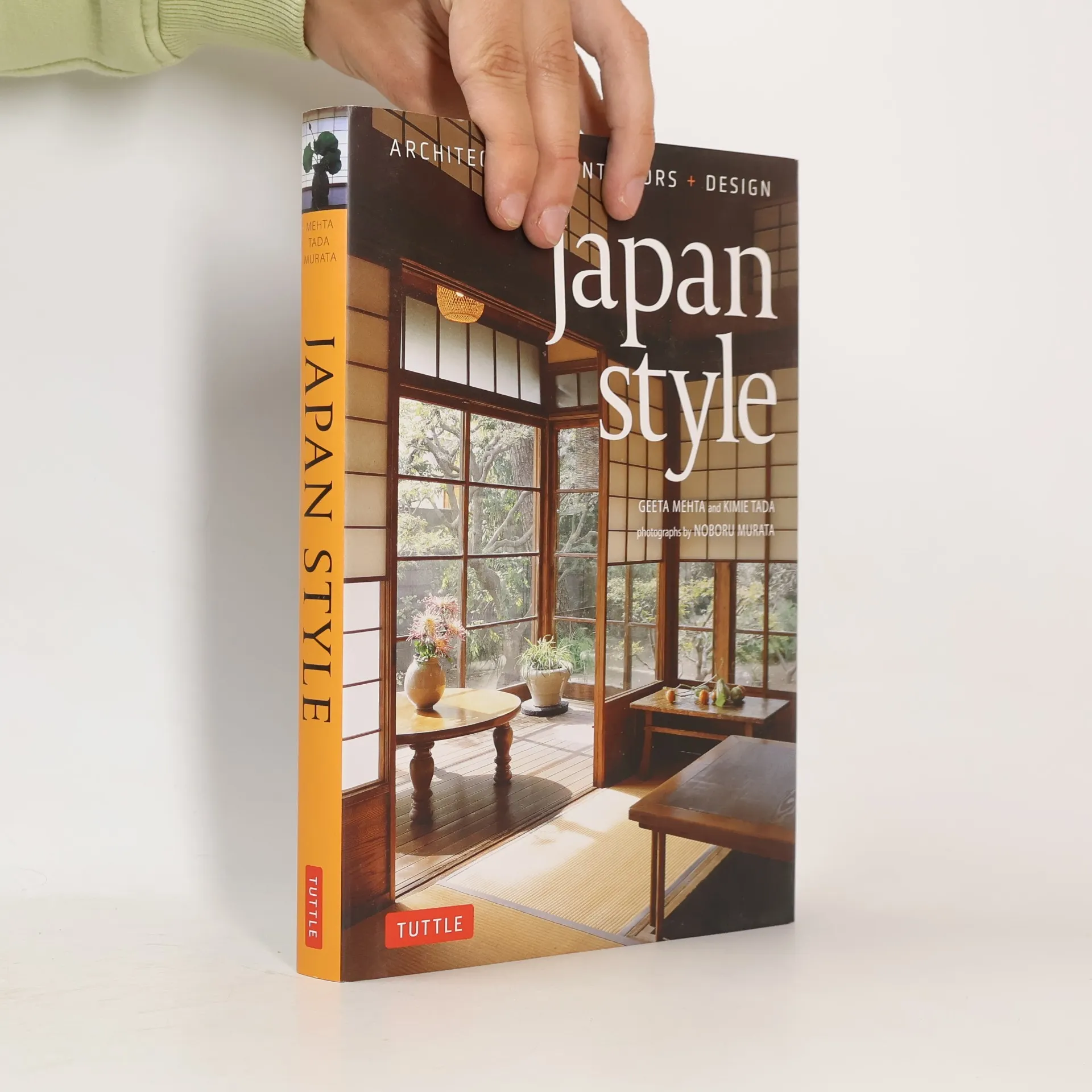
Offering rare glimpses into 20 exquisite traditional homes in Japan, the lavish photographs in this volume demonstrate how Japanese design achieves a timeless tranquility using a few very simple, natural elements.
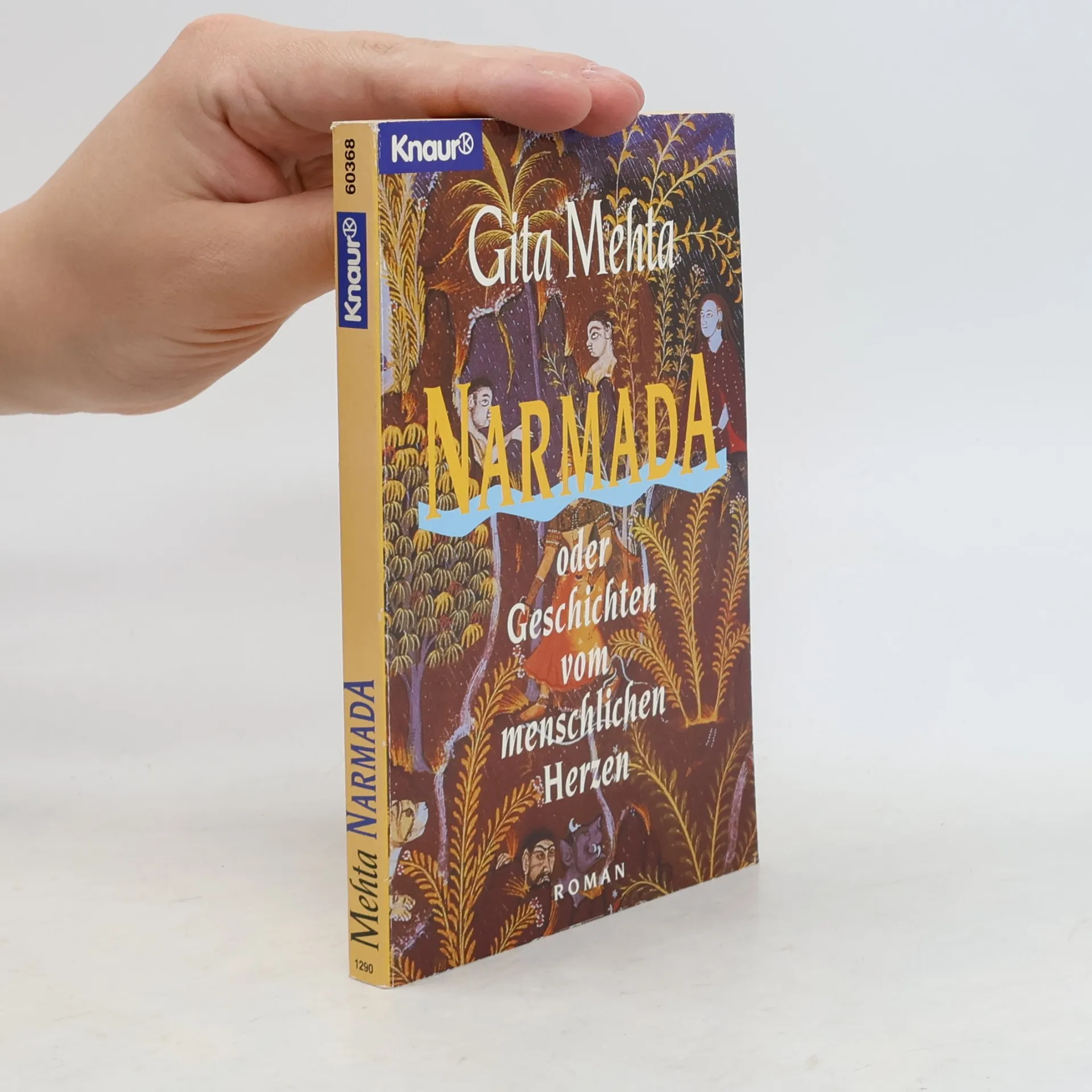
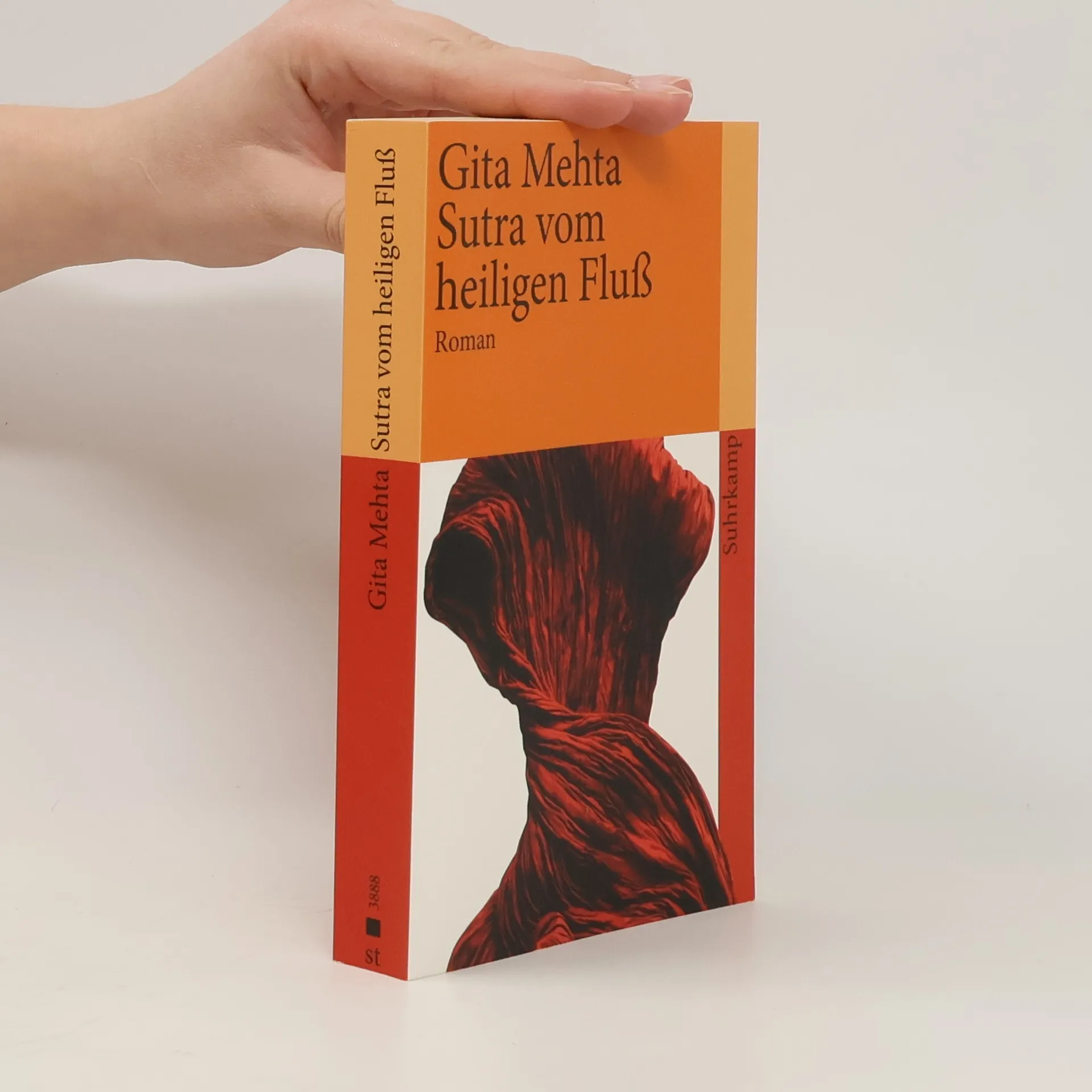
Tief im Dschungel Indiens, am Fluß Narmada, steht eine Herberge. Ihr Verwalter hat sich aus Bombay dorthin zurückgezogen, um dem brodelnden Leben der Metropole zu entfliehen. Doch die Welt holt ihn bald wieder ein: Seine Herberge wird zur Zufluchtsstätte für Menschen, die vor einer Entscheidung stehen und am heiligen Fluß Trost und Hilfe suchen. Da ist der junge Mönch, der seinem reichen Elternhaus den Rücken gekehrt hat, die Kurtisane auf der Suche nach ihrer Tochter, der Verwalter einer Teeplantage, der sich bis zum Wahnsinn in eine seiner Pflückerinnen verliebt hat. Sie alle finden am Ufer des Flusses den Schlüssel zu ihrem Schicksal, und auch der Verwalter der Herberge muß erkennen, daß sein Rückzug in den Dschungel vor allem eines war: eine Hinwendung zum Leben. »Manchmal komisch, manchmal tragisch und immer – wie es sich für eine Sutra, eine Sammlung von Weisheiten, gehört – voller Einsichten in die geistige Natur genauso wie die weltliche Liebe… ein Genuß, der westlichen Lesern das Geheimnis und Drama eines reichen kulturellen Erbes nahebringt.« The New York Times Book Review
Oog in oog met vrouwen is een bloemlezing uit het prachtige werk van schrijfsters uit Afrika, Azië, Latijns-Amerika en het Caribisch gebied. De fragmenten uit proza en poëzie, die zijn samengebracht onder noemers als Leven en Liefde, Werk en spel en Politiek en maatschappij , worden visueel vertaald en verlevendigd door meer dan veertig kleurenfoto's. Daarmee is dit boek een genoegen om te lezen en tegelijk een lust voor het oog.