
Bookbot

Seamus Deane

    9 février 1940 – 12 mai 2021

    Cette auteure est une poétesse, critique, romancière et pédagogue renommée. Son œuvre explore fréquemment les thèmes de l'identité irlandaise et du patrimoine culturel. À travers sa prose et sa poésie distinctives, elle dissèque des relations humaines complexes et des questions sociétales. Son approche de l'écriture est profondément réfléchie et littérairement sophistiquée.

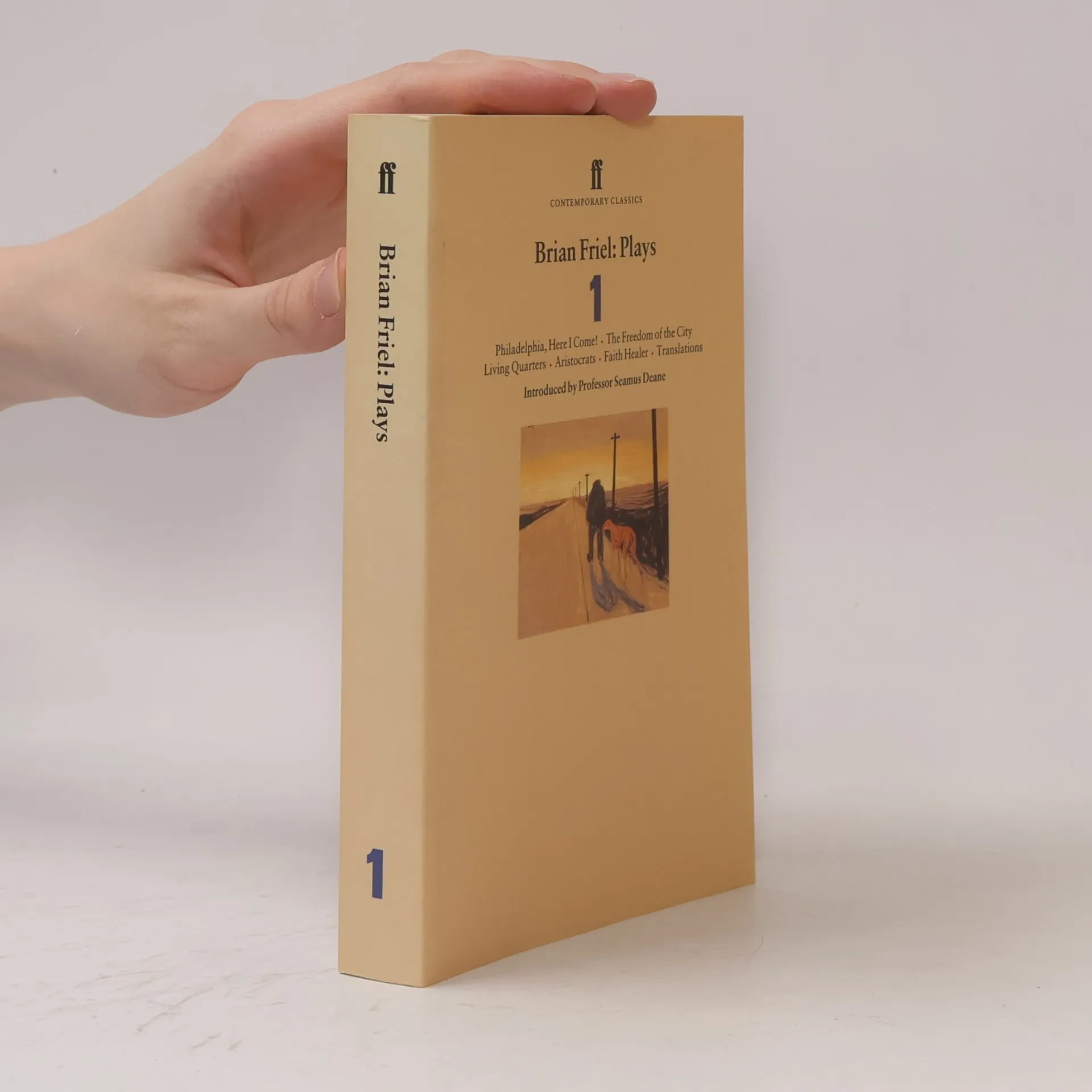
    Plays. Philadelphia, Here I Come!; The Freedom of the City; Living Quarters; Aristocrats; Faith Healer; Translations
    Strange Country
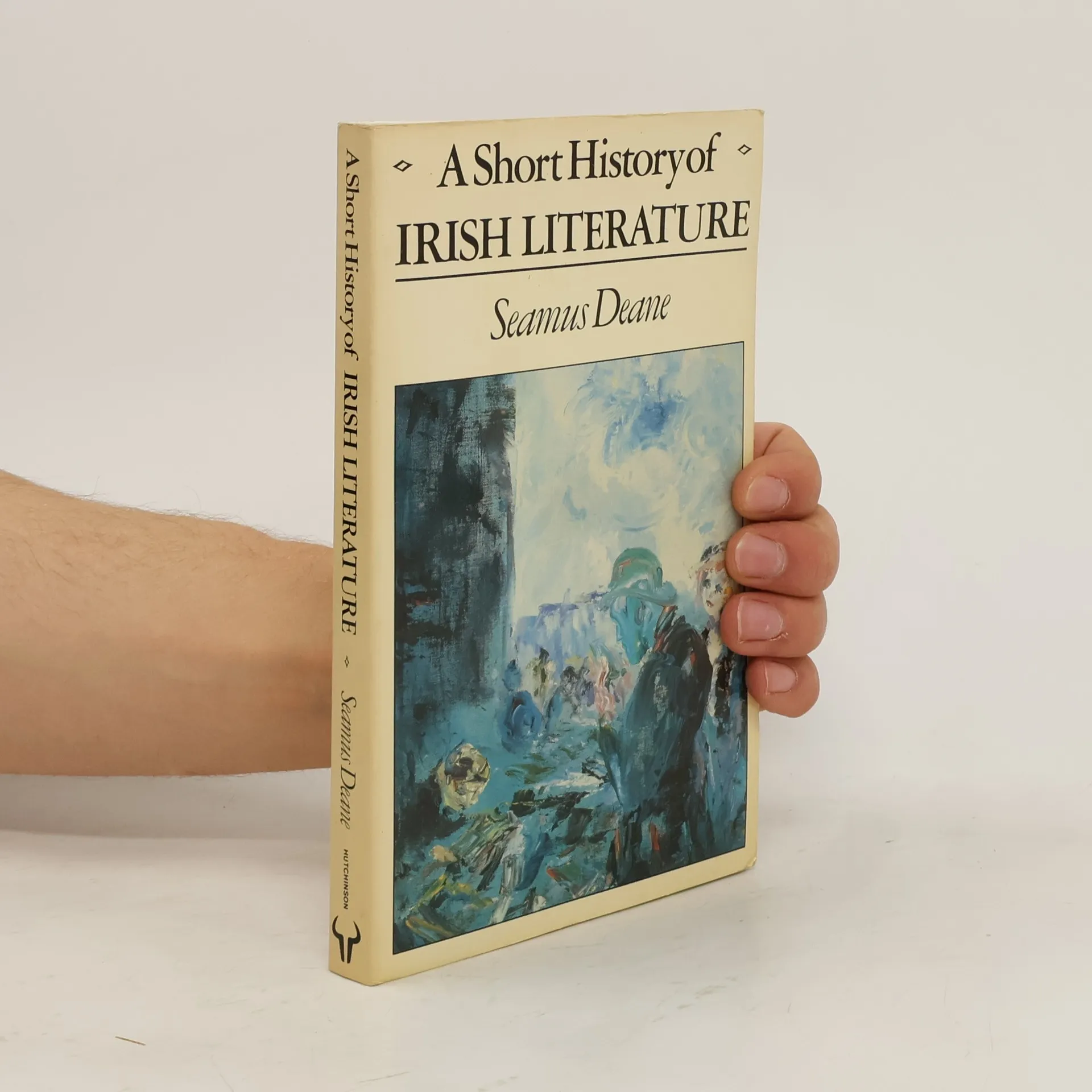
    A Short History of Irish Literature
    Small World
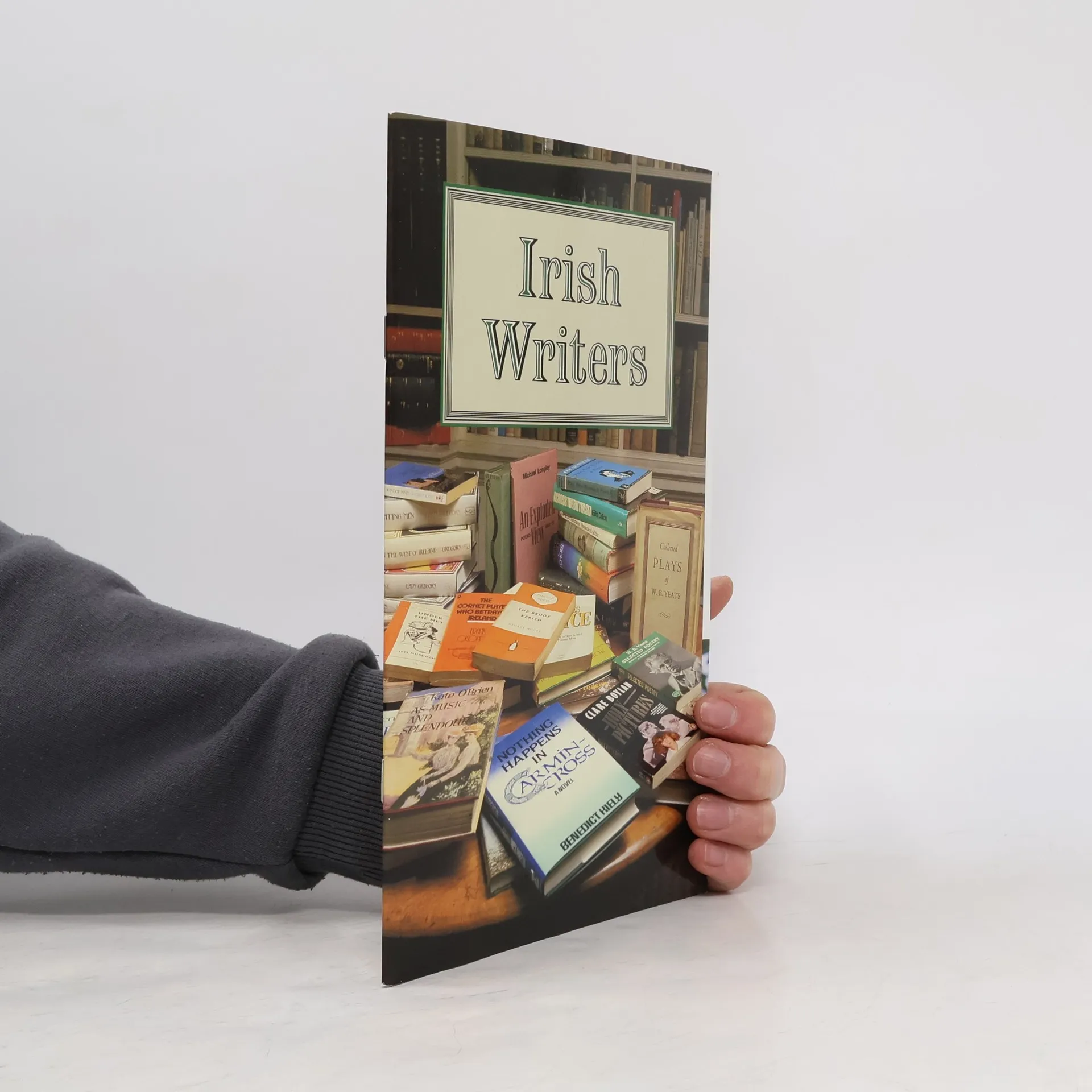
    Irish Writers 1886 - 1986
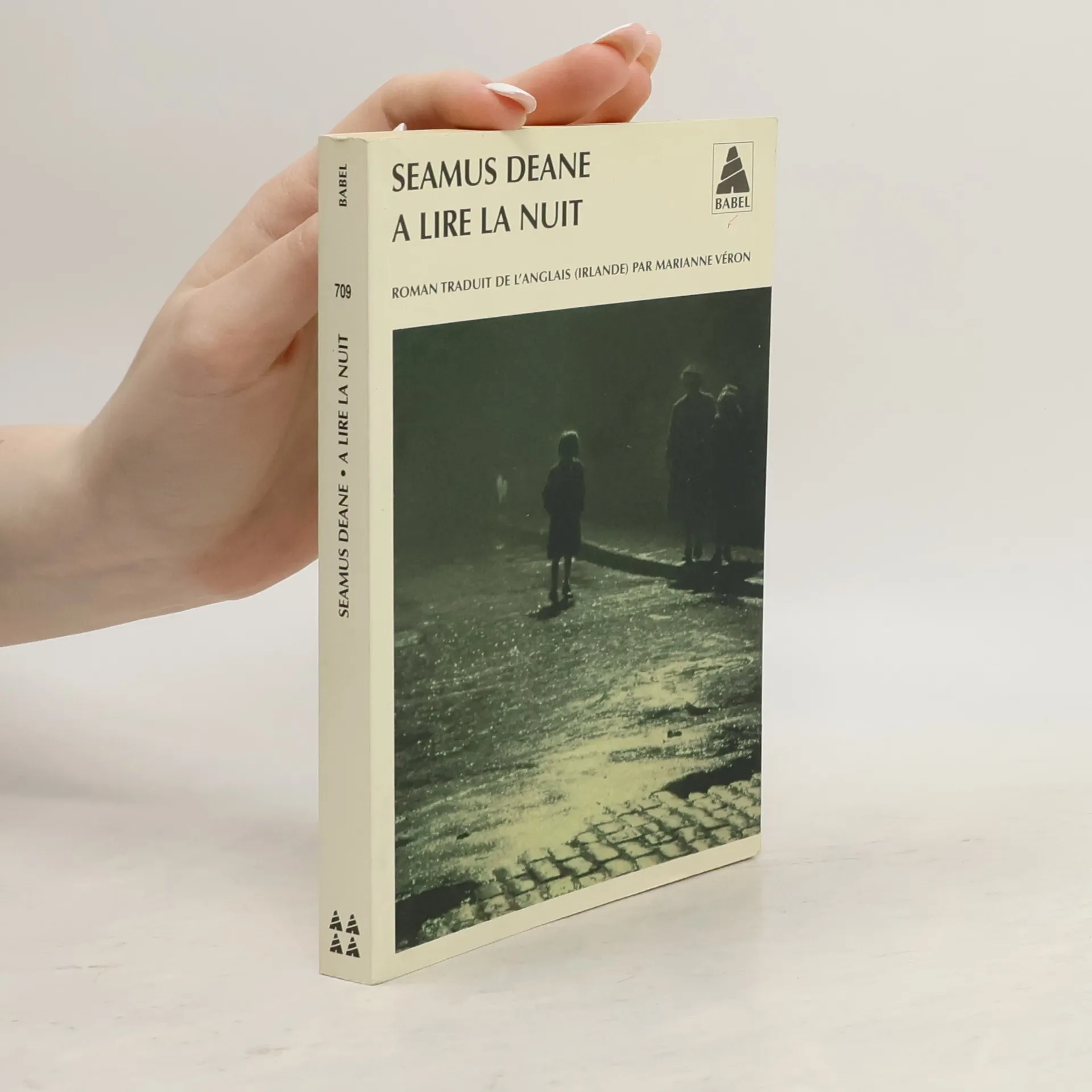
    Babel - 709: À lire la nuit
    • Babel - 709: À lire la nuit

      • 313pages
      • 11 heures de lecture

      Fut-il un héros ou un traître, cet oncle Eddie, volontaire de l'IRA, dont la légende familiale prétend qu'il disparut en 1922 dans l'explosion d'une distillerie ? A Londonderry, dans les années 1950, le jeune narrateur, troisième enfant d'une famille d'ouvriers qui en compte sept, vit sous le joug de ce secret de famille, entre une mère étroitement liée au mystère et un père tenu dans l'ignorance d'une vérité encore plus terrible que celle qu'il croit détenir. C'est par fragments que Seamus Deane restitue l'essence même d'une époque méfiante et troublée, dans une ville au tissu social déchiré par le conflit sanglant entre catholiques et protestants. Vibrant et pudique, son roman mêle magistralement peines familiales et violence politique et propose du "problème irlandais" une lecture lyrique et intime à la fois.
      Babel - 709: À lire la nuit
      3,8
    • Irish Writers 1886 - 1986

      • 24pages
      • 1 heure de lecture

      The Irish Heritage 57 Published to mark the Centenary of Eason and Son Limited

      Irish Writers 1886 - 1986
      4,5
    • A survey of 200 years of Irish writing, this book offers analytic accounts of key Irish works and authors.

      Small World
      4,3
    • A Short History of Irish Literature

      • 282pages
      • 10 heures de lecture

      Seamus Deane, one of Ireland's most important critics, assesses here the place of literature in "a colonial or neo-colonial culture like ours, where the naming of the territory has always been ... a politically charged act." The force of Deane's A Short History of Irish Literature derives precisely from his naming of the territory. With insight, erudition, and a razor-keen style, he locates Irish writers within the island's traumatic history. His aim is to show how literature has been inescapably allied with historical interpretation and with political allegiance.

      A Short History of Irish Literature
      4,0
    • Strange Country

      Modernity and Nationhood in Irish Writing Since 1790

      • 280pages
      • 10 heures de lecture

      The book examines the development of a distinct national tradition in Irish literature, beginning with the impact of Edmund Burke's writings during the French Revolution. It explores key works from authors like Gerald Griffin, Bram Stoker, and James Joyce, highlighting themes of national identity, conflict, and the tension between modernity and tradition. The narrative reveals how Irish print culture, encompassing novels, songs, and poems, navigates the complexities of its colonial legacy, ultimately leading to a deeper understanding of Ireland’s literary achievements.

      Strange Country
      3,9
    • A Portrait of the Artist as a Young Man

      • 288pages
      • 11 heures de lecture

      Playful and experimental, this autobiographical work vividly portrays the emotional and intellectual development of its protagonist, Stephen Dedalus. Edited by Seamus Deane, this edition captures Stephen's Dublin childhood and youth, detailing his quest for identity through art and his gradual emancipation from family, religion, and Ireland. It serves as an oblique self-portrait of the young James Joyce and a universal testament to the artist's "eternal imagination." The narrative explores themes of sexual awakening, religious rebellion, and the essential search for voice and meaning that every emerging artist must confront to fully realize themselves. James Joyce, born in Dublin in 1882 as the eldest of ten children, exiled himself to Paris at twenty to rebel against his upbringing. Although he returned to Ireland briefly, Dublin remained central to his greatest works, including Ulysses and Finnegans Wake. Joyce lived in poverty for much of his life, facing challenges such as near blindness and his daughter's mental illness. If this work resonates with you, consider exploring Joyce's Dubliners, also available in Penguin Modern Classics. Critics have praised Joyce's writing for its vividness and mythic richness, affirming his unique status among novelists for consistently publishing masterpieces.

      A Portrait of the Artist as a Young Man
      3,7