James George Frazer Livres
Sir James George Frazer fut un anthropologue social écossais dont l'œuvre a considérablement influencé les premières étapes des études modernes sur la mythologie et la religion comparée. Sa contribution la plus renommée a documenté et détaillé méticuleusement les similitudes frappantes entre les croyances magiques et religieuses à travers le monde. Frazer a proposé une théorie de l'évolution intellectuelle humaine, suggérant que la croyance progresse à travers des étapes distinctes : de la magie primitive, à la religion, pour finalement aboutir à la science. Ce cadre évolutif a profondément façonné la compréhension du développement de la société humaine.



![La crainte des morts. [Série 1.]](https://rezised-images.knhbt.cz/1920x1920/40030556.webp)
The Golden Bough 3
- 437pages
- 16 heures de lecture
This Elibron Classics title is a reprint of the original edition published by Macmillan and Co., Ltd. in London, 1922.
Stolen Legacy
- 190pages
- 7 heures de lecture
The Teachings of the Egyptian Mysteries Reached Other Lands Many Centuries Before It Reached Athens..."
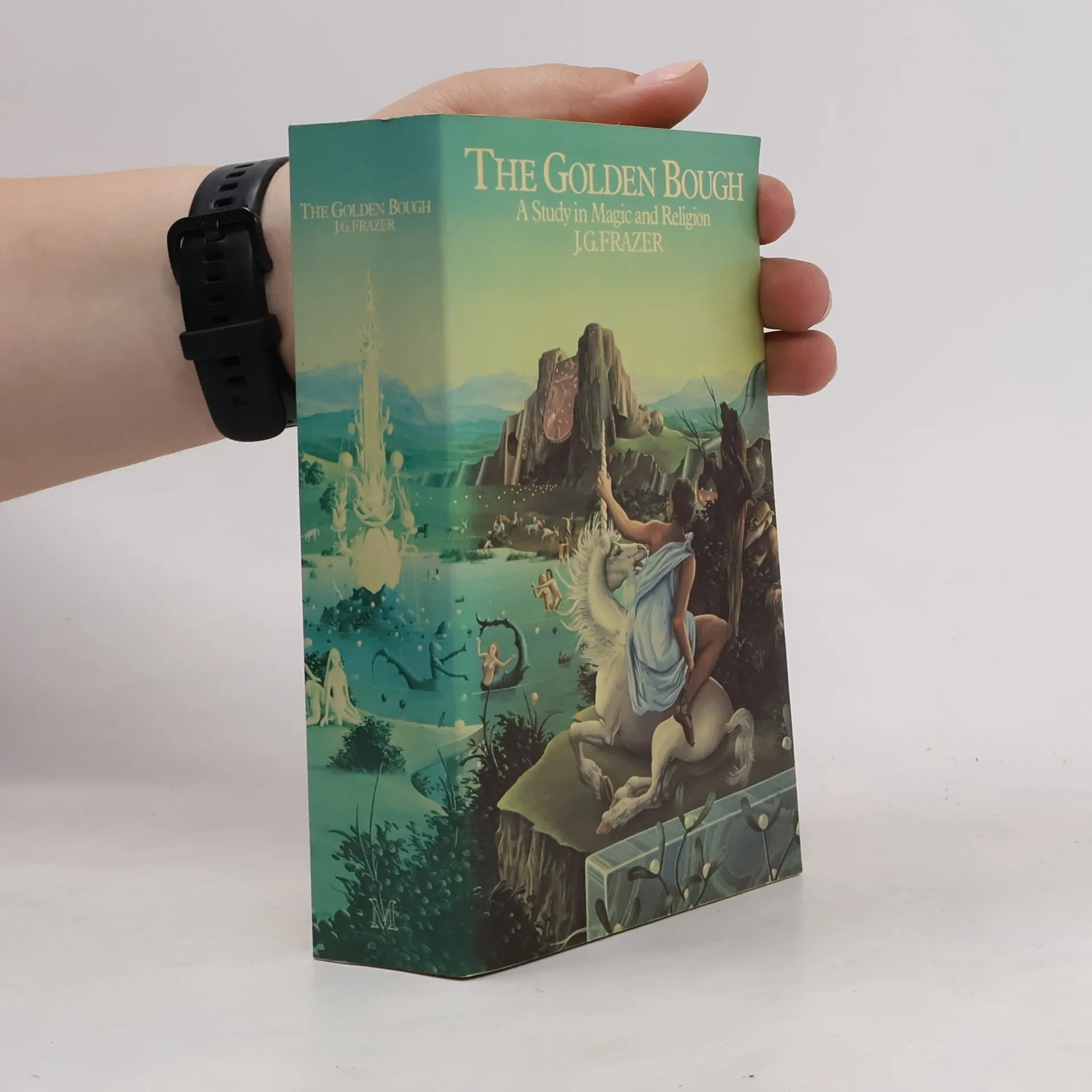
The Golden Bough - A Study in Magic and Religion - Part I, The Magic Art and the Evolution of Kings - Vol. II
- 430pages
- 16 heures de lecture
Focusing on the scarcity and rising costs of early 20th-century literature, this initiative aims to republish classic works in modern, affordable editions. Each book retains the original text and artwork, preserving the historical essence while making them accessible to contemporary readers.
Exploring the intersections of religion, magic, folklore, and mythology, this classic work by J.G. Frazer delves into the beliefs and practices that shape human culture. Originally published in 1913, it offers valuable insights into ancient traditions and their relevance. Obscure Press aims to make such rare texts accessible by republishing them in high-quality, modern editions while preserving the original content and illustrations. This effort highlights the enduring significance of these foundational ideas in understanding human society.
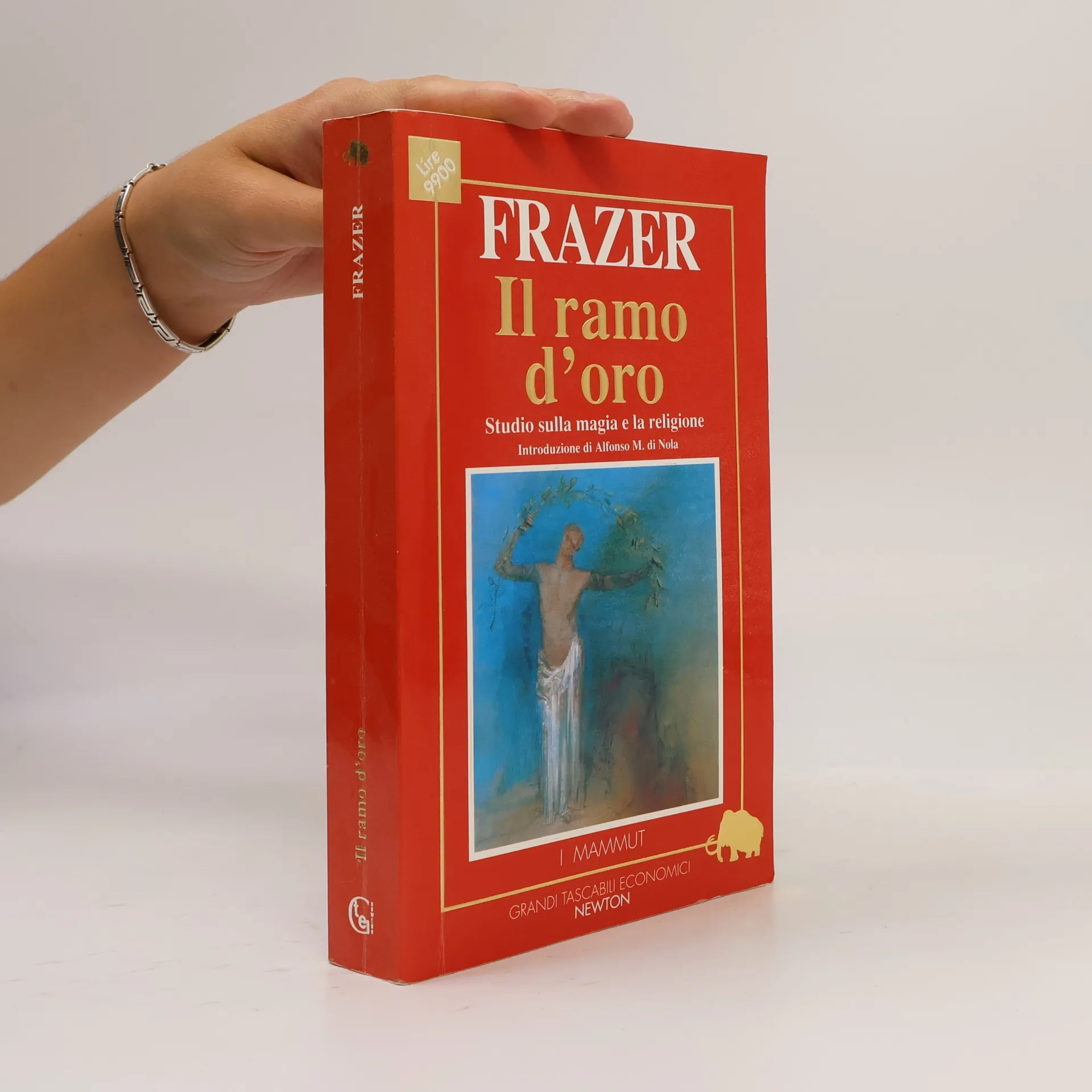
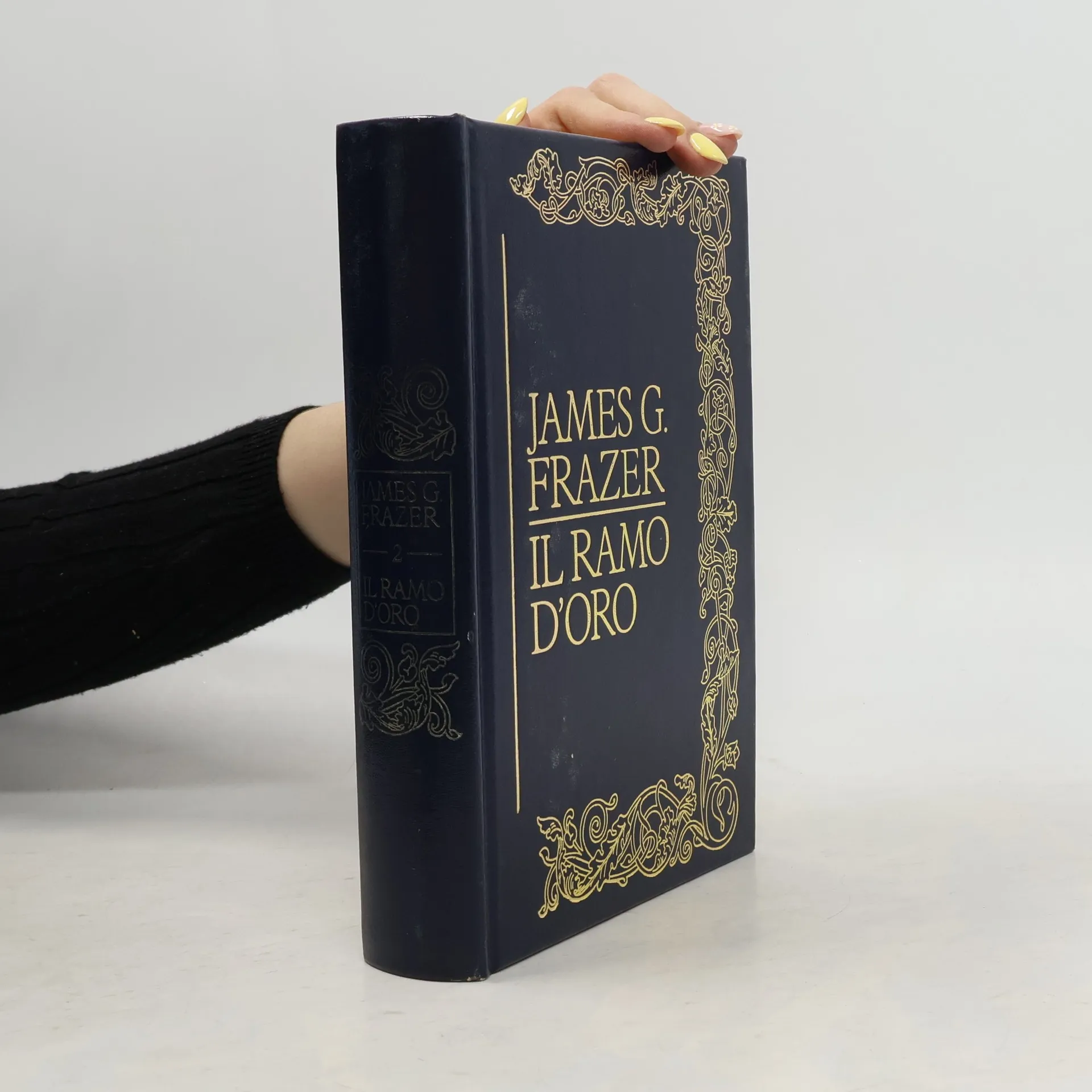
Golden Bough a Study In Magic and Religion
- 992pages
- 35 heures de lecture
A classic study of the beliefs and institutions of mankind, and the progress through magic and religion to scientific thought, The Golden Bough has a unique status in modern anthropology and literature. First published in 1890, The Golden Bough was eventually issued in a twelve-volume edition (1906-15) which was abridged in 1922 by the author and his wife. That abridgement has never been reconsidered for a modern audience. In it some of the more controversial passages were dropped, including Frazer's daring speculations on the Crucifixion of Christ. For the first time this one-volume edition restores Frazer's bolder theories and sets them within the framework of a valuable introduction and notes. A seminal work of modern anthropology, The Golden Bough also influenced many twentieth-century writers, including D H Lawrence, T S Eliot, and Wyndham Lewis. Its discussion of magical types, the sacrificial killing of kings, the dying god, and the scapegoat is given fresh pertinence in this new edition.
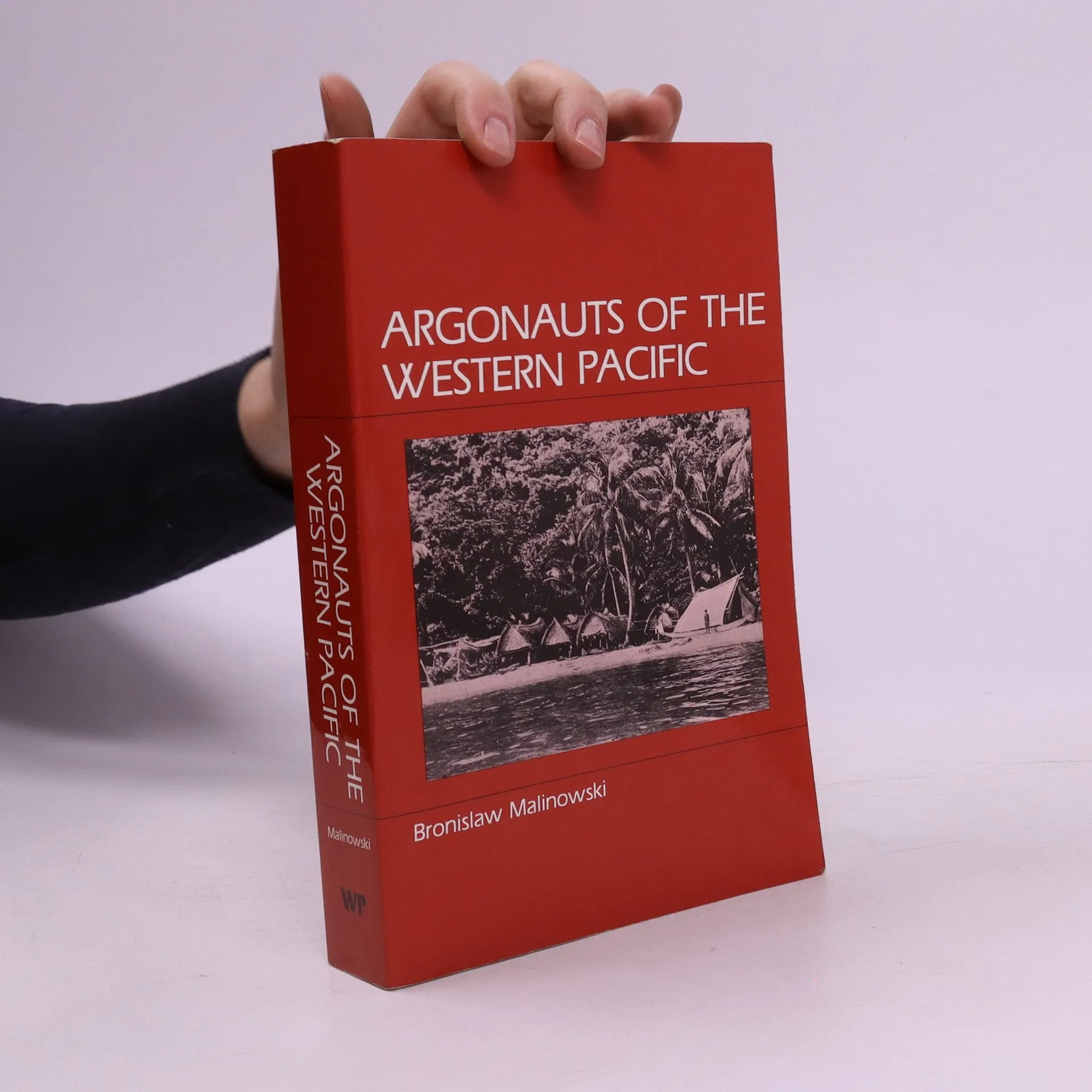
Argonauts of the Western Pacific
- 527pages
- 19 heures de lecture
Bronislaw Malinowski's pathbreaking Argonauts of the Western Pacific is at once a detailed account of exchange in the Melanesian islands and a manifesto of a modernist anthropology. Malinowski argued that the goal of which the ethnographer should never lose sight is 'to grasp the native's point of view, his relation to life, to realise his vision of his world.' Through vivid evocations of Kula life, including the building and launching of canoes, fishing expeditions and the role of myth and magic amongst the Kula people, Malinowski brilliantly describes an inter-island system of exchange - from gifts from father to son to swapping fish for yams - around which an entire community revolves. A classic of anthropology that did much to establish the primacy of painstaking fieldwork over the earlier anecdotal reports of travel writers, journalists and missionaries, it is a compelling insight into a world now largely lost from view. With a new foreword by Adam Kuper.
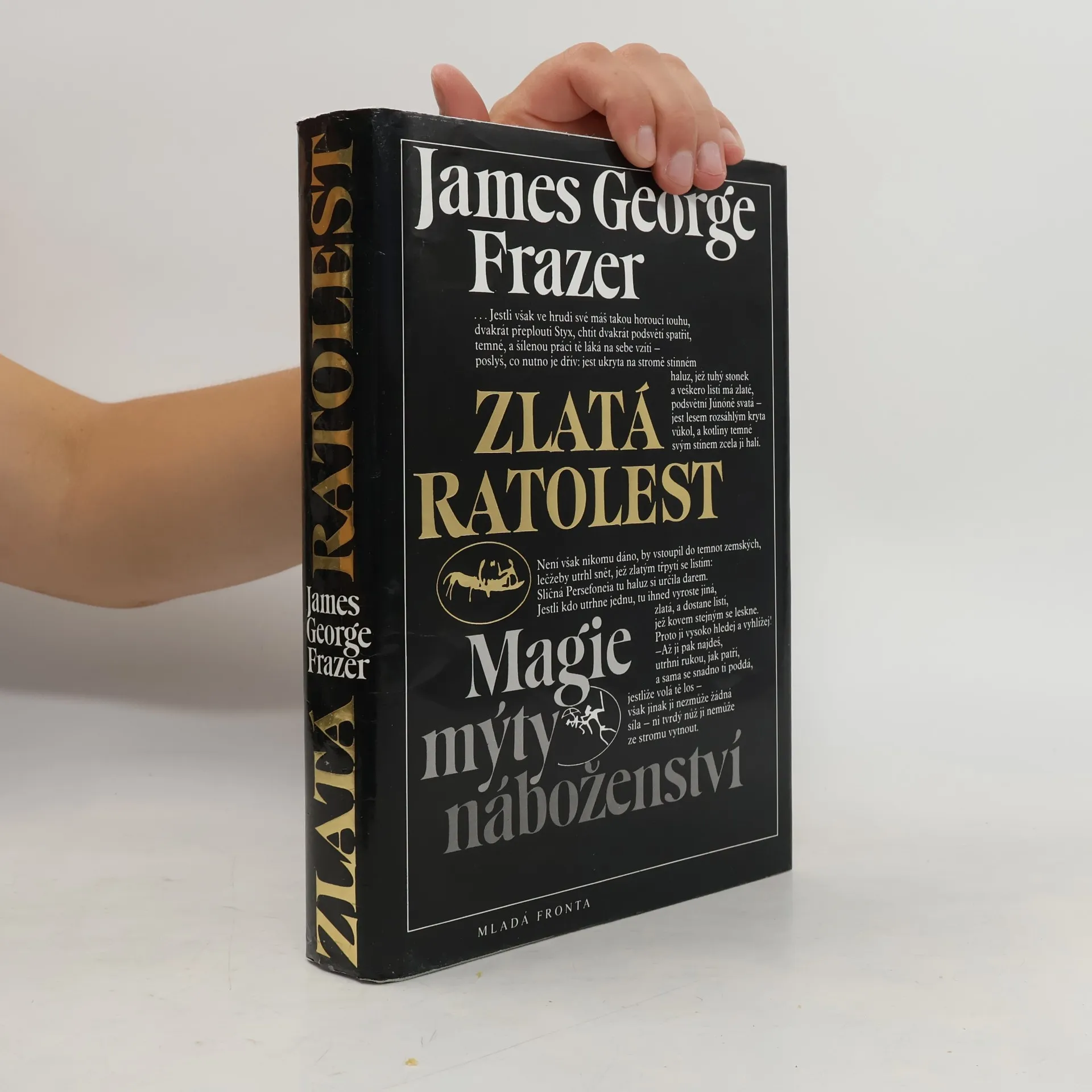
Kniha významného anglického badatele v oblasti etnografie a kulturní antropologie se zaměřuje na magické a mystické myšlení v méně rozvinutých společnostech. Legendární dílo patří k základním textům světové etnografie a od svého vydání si získalo uznání odborníků i čtenářské veřejnosti díky svému fundamentálnímu zpracování a literární kvalitě. Studie o magii, založená na rozsáhlém etnografickém materiálu, přináší obraz magického myšlení, rituálů, mýtů, orální slovesnosti, zvyků a tradic. Materiál dramaticky zpracovává témata jako posvátnost, vegetační kult, tabuizované činnosti, démony, lidské oběti a další. Autor do svých základních představ vkomponoval množství údajů z folklóru, klasické antiky, starověkých kultur a vyvodil z nich bohatý celek, přibližující exotické prostředí. Dílo ovlivnilo vývoj mnoha vědních oborů, včetně religionistiky a folkloristiky. První české vydání v roce 1977 čelilo ideologickým překážkám, a proto vyšlo v malém nákladu, který byl rychle stažen. Překladatelé nesměli publikovat, a tak vydání zaštítila Libuše Boháčková. Slovo úvodem napsal Josef Kandert. Druhé vydání.
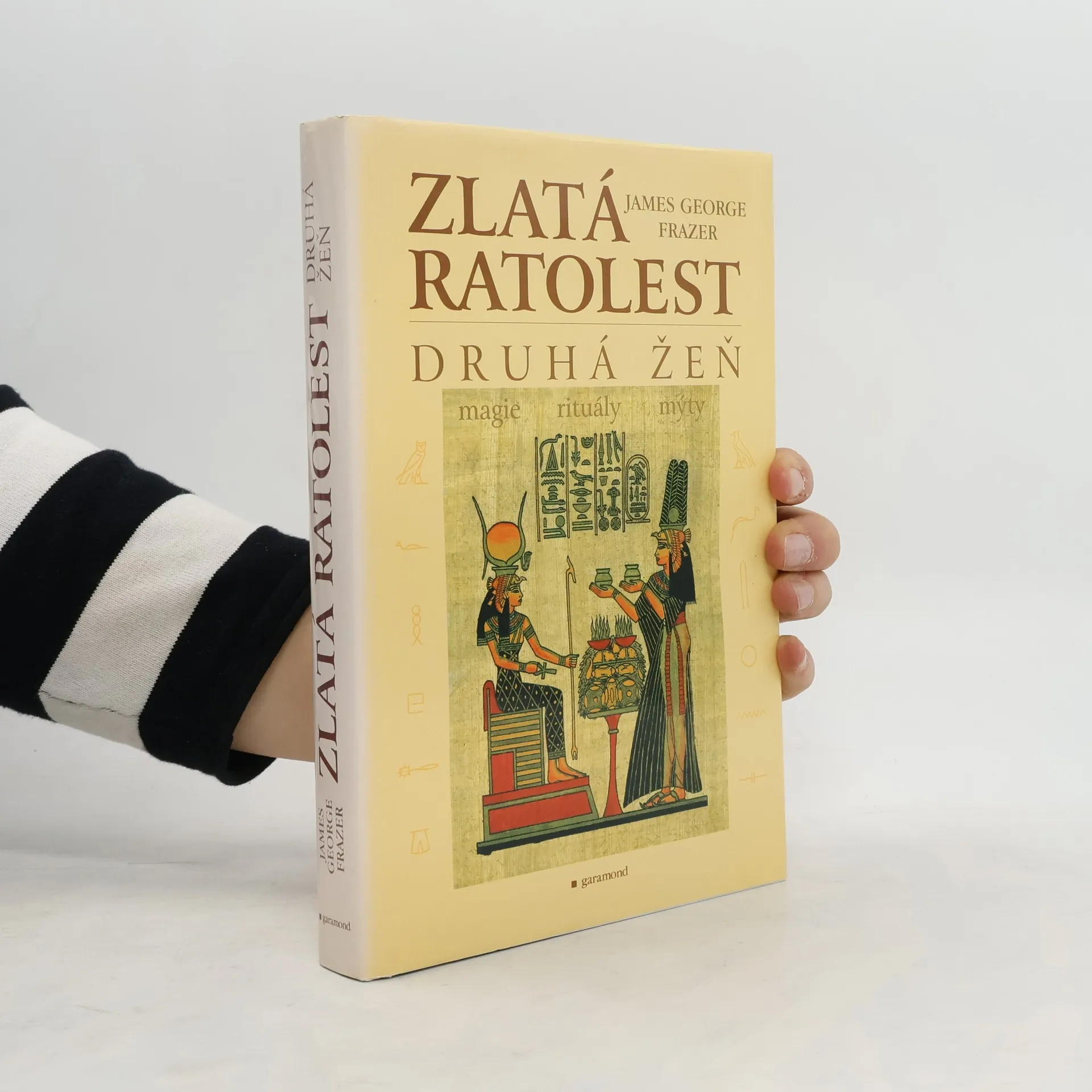
Zlatá ratolest. 2., Druhá žeň
- 294pages
- 11 heures de lecture
Zlatá ratolest – Druhá žeň
- 296pages
- 11 heures de lecture
Druhá žeň, pokračování Zlaté ratolesti, je jedním ze záklaních děl světové etnografie, které ovlivnilo názory několika generací na myšlení, mýty, rituály a magii ze všech koutů světa. V Druhé žni doplnil J. G. Frazer nové poznatky a údaje vycházející ze soustavného studia po vydání základního korpusu Zlaté ratolesti. Mnohá témata jsou zde rozvinuta a podložena přesnými citacemi a odkazy, proto mají také některé kapitoly v obou knihách stejný název, jiné jsou úplně nové a původní.
V knize se významný světový antropolog a mytolog J. G. Frazer soustředil na soupis původních vyprávění a příběhů primitivních etnik a starověkých národů všech světadílů, která líčí získání ohně lidmi. Frazer se omezuje na prostý sled vyprávění bez kritického hodnocení, což propůjčuje knize výlučně narativní charakter, a mýty rozděluje pouze na období, kdy lidé oheň neměli, kdy ho nějakým způsobem, většinou od zvířat nebo bohů získali, a kdy ho uměli již sami rozdělávat.
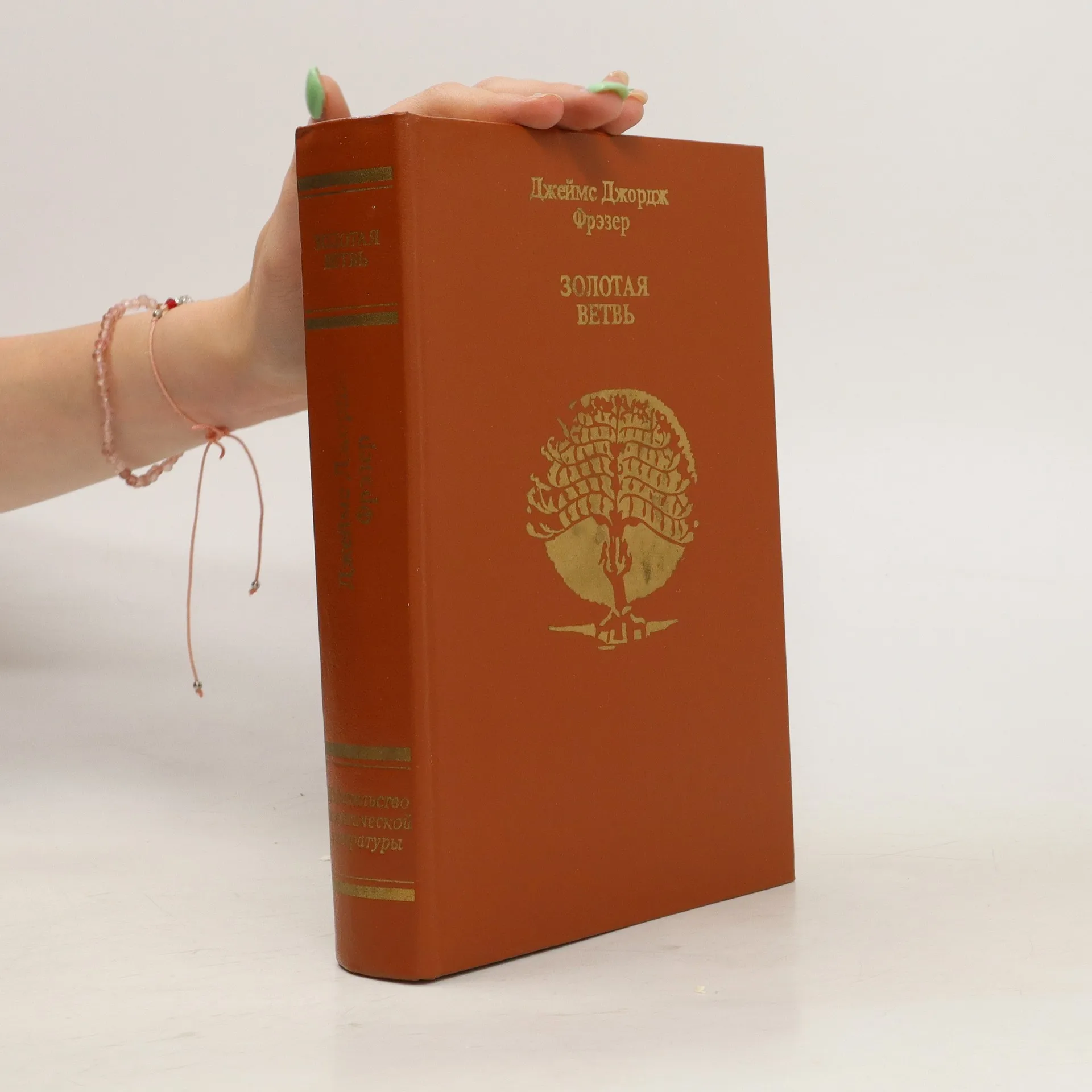
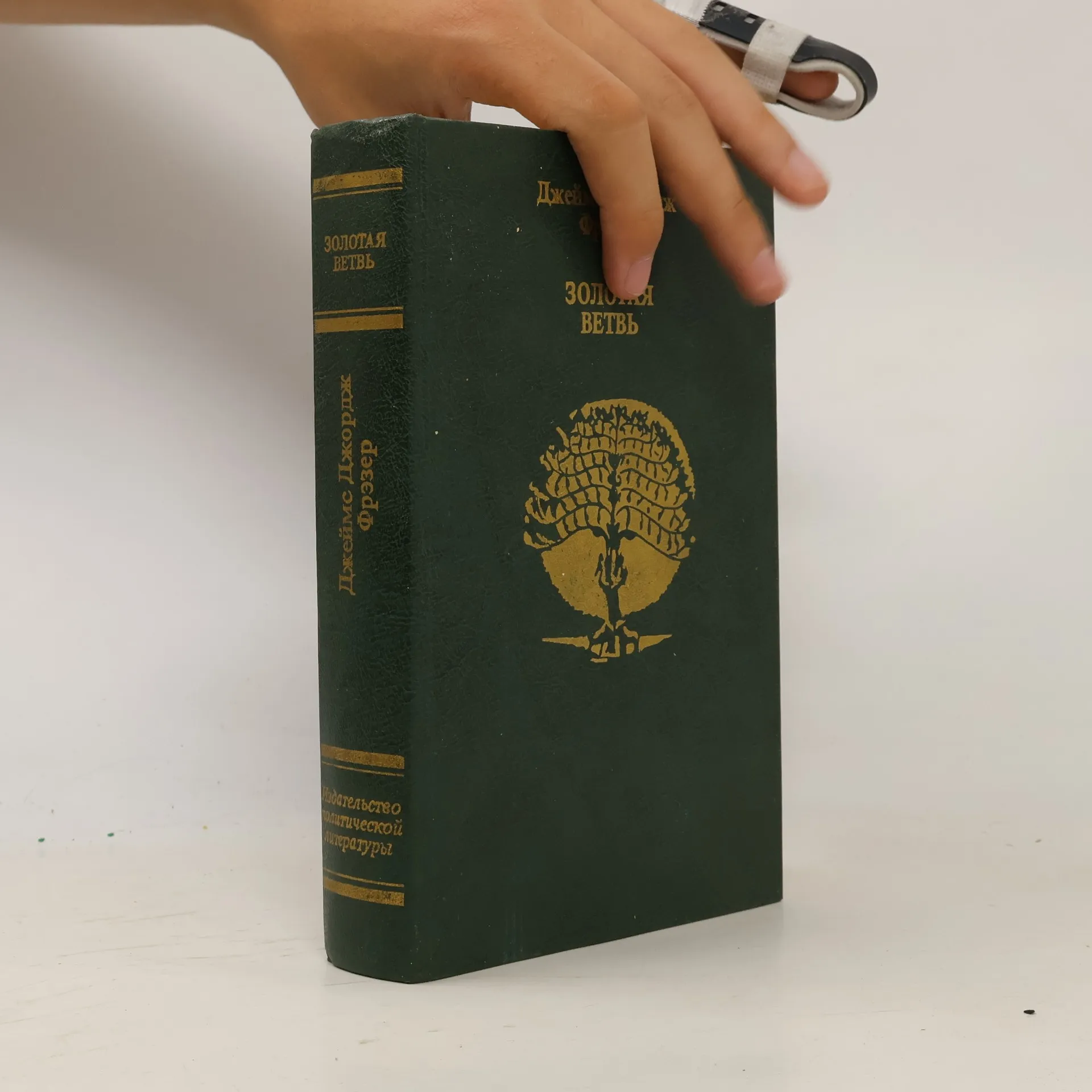
Золотая ветвь
- 781pages
- 28 heures de lecture
Этот фундаментальный труд широко известного английского этнографа и религиоведа представляет непреходящую ценность для всех, занимающихся историей религий и фольклористикой. Автор, опираясь на собранный им богатый фактический материал, рассматривает различные обряды, системы запретов-табуу, тотемизм, аграрные и огненные культы и доказывает магическое происхождение царской власти, взаимосвязь современных религий и первобытных верований. Книга рассчитана на широкий круг читателей, интересующихся мифологией и историей религий.
Złota gałąź. Studia z magii i religii
- 518pages
- 19 heures de lecture
"Złota gałąź" sir Jamesa Georga Frazera uważana jest za jedną z najważniejszych książek antropologii społecznej, a na pewno jest już pozycją klasyczną w tej dziedzinie wiedzy. Przywołując obraz J.M.W. Turnera zatytułowany "Złota gałąź" ("The Golden Bough", 1834) Frazer rozpoczyna snuć opowieść o pewnym tajemniczym rytuale odbywającym się cyklicznie nieopodal jeziorka, zwanego przez starożytnych "Zwierciadłem Diany".
Золотая ветвь
Исследование магии и религии