L'explosion ne se produira pas aujourd'hui. Il est trop tôt… ou trop tard. Je ne viens pas armé de vérités décisives. Mon esprit n'est pas traversé par des éclairs de lumière significatifs. Néanmoins, je pense, avec sérénité, qu'il serait bon que certaines choses soient dites. Frantz Fanon, ayant grandi en Martinique postcoloniale et exerçant comme médecin dans des cliniques psychiatriques, éclaire dans son œuvre la dimension psychologique de l'homme colonisé. Il aborde l'aliénation résultant de la situation coloniale, où Noirs et Blancs agissent de manière névrotique et complémentaire. Le monde des Blancs devient une norme inaccessibile pour les Noirs. Fanon engage une réflexion théorique avec des philosophes et psychanalystes, notamment autour du stade du miroir de Lacan et de la phénoménologie du regard de Sartre. Plus tard, il s'engage dans le mouvement d'indépendance algérien et devient posthumément célèbre grâce à son manifeste anticolonialiste. Sa réflexion psychanalytique sur la colonialité a été redécouverte dans les années 1980.
Ziauddin Sardar Livres
Ziauddin Sardar est un auteur prolifique dont l'œuvre navigue à l'intersection des études islamiques, de la science et des relations culturelles. Son écriture explore les dynamiques complexes entre l'Orient et l'Occident, se concentrant souvent sur l'expérience asio-britannique et sur la manière dont l'islam façonne l'identité contemporaine. Sardar est reconnu pour son approche sceptique mais perspicace de la religion et de la société, puisant dans une riche tradition intellectuelle. Ses contributions encouragent les lecteurs à contempler les rencontres culturelles et les possibilités de compréhension dans un monde de plus en plus interconnecté.





Weaving an informative travelogue with an illuminating autobiography, this account combines the history of Asians in Great Britain with the author’s personal recollections. From the arrival of the first Indian in 1614 to the young extremists in Walthamstow mosque in 2006, this portrait conveys a vivid and rich chronicle of a people’s past. The author’s own life is also explored, describing his carefree childhood in Pakistan, his family's emigration to a racist Britain in the 1950s, and his adulthood straddling two cultures. Authentic and strikingly honest, this record also considers vital questions such as Are arranged marriages a good thing? Does the term "Asian" obscure more than it conveys? Do Vindaloo and Balti actually exist? and Is multiculturalism an impossible dream?
At the time when the view of Islam is so often distorted and simplistic, Desperately Seeking Paradise - self-mocking, frank and passionate - is essential reading
American Dream. Global Nightmare
- 304pages
- 11 heures de lecture
This title brings into sharp focus the merger of celebrity, corporate power, government and empire which has become an essential part of America's belief in itself as a nation.
The No-nonsense Guide to Islam
- 144pages
- 6 heures de lecture
This guide explains Islamic history, the Qur’an, sharia law, and Islam’s relationship with the West. It analyzes the struggle within the faith for a more humane interpretation of the religion, issues surrounding women, democracy, and economic development, and the outlook post-9/11 and the Iraq war. Merryl Wyn Davies is a writer, anthropologist, and TV producer. The author of Knowing One Shaping an Islamic Anthropology, she also co-authored the international bestseller Why Do People Hate America? Ziauddin Sardar is a writer, broadcaster, and cultural critic. His works include Postmodernism and the Other, Orientalism, and Why Do People Hate America?, written with Merryl Wyn Davies.
Introducing Mathematics
- 176pages
- 7 heures de lecture
Introducing Mathematics traces the story of mathematics from the ancient world to modern times, describing the great discoveries and providing an accessible introduction to such topics as number-systems, geometry and algebra, calculus, the theory of the infinite, statistical reasoning and chaos theory.
Introducing Media Studies
- 176pages
- 7 heures de lecture
The media has become a condition of our existence. Introducing Media Studies explores media history and the complex relationship between the media, ideology, knowledge, and power, presenting a coherent view of the media industry, media theory, and methods in media research.
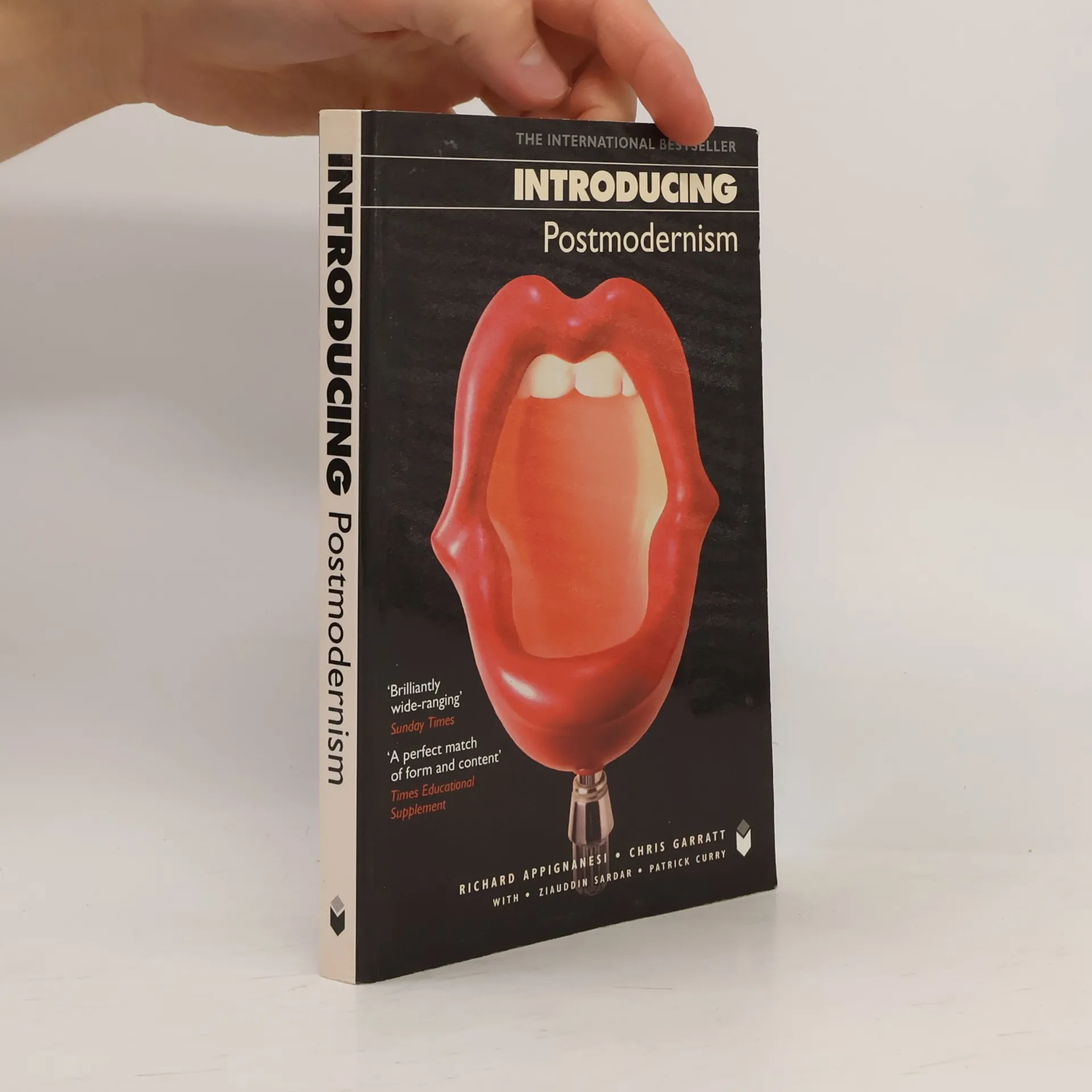
Introducing Postmodernism
- 189pages
- 7 heures de lecture
Postmodernism seemed to promise an end to the grim Cold War era of nuclear confrontation and oppressive ideologies. This expanded edition brilliantly elucidates this hall of mirrors with Richard Appignanesi's witty and easy-to-follow text and the inspired cartoonist Chris Garratt.
Provides an incisive tour through this complex subject, charting its origins in Britain and its migration to the U.S.A.
Many people do hate America, in the Middle East and the developing countries as well as in Europe. Sardar and Davies explore the global impact of America's foreign policy and its corporate and cultural power.
Introducing Chaos
- 176pages
- 7 heures de lecture
Sardar examines the roots of chaos in modern mathematics and physics, and explores the relationship between chaos and complexity—the new unifying theory which suggests that all complex systems evolve from a few simple rules.
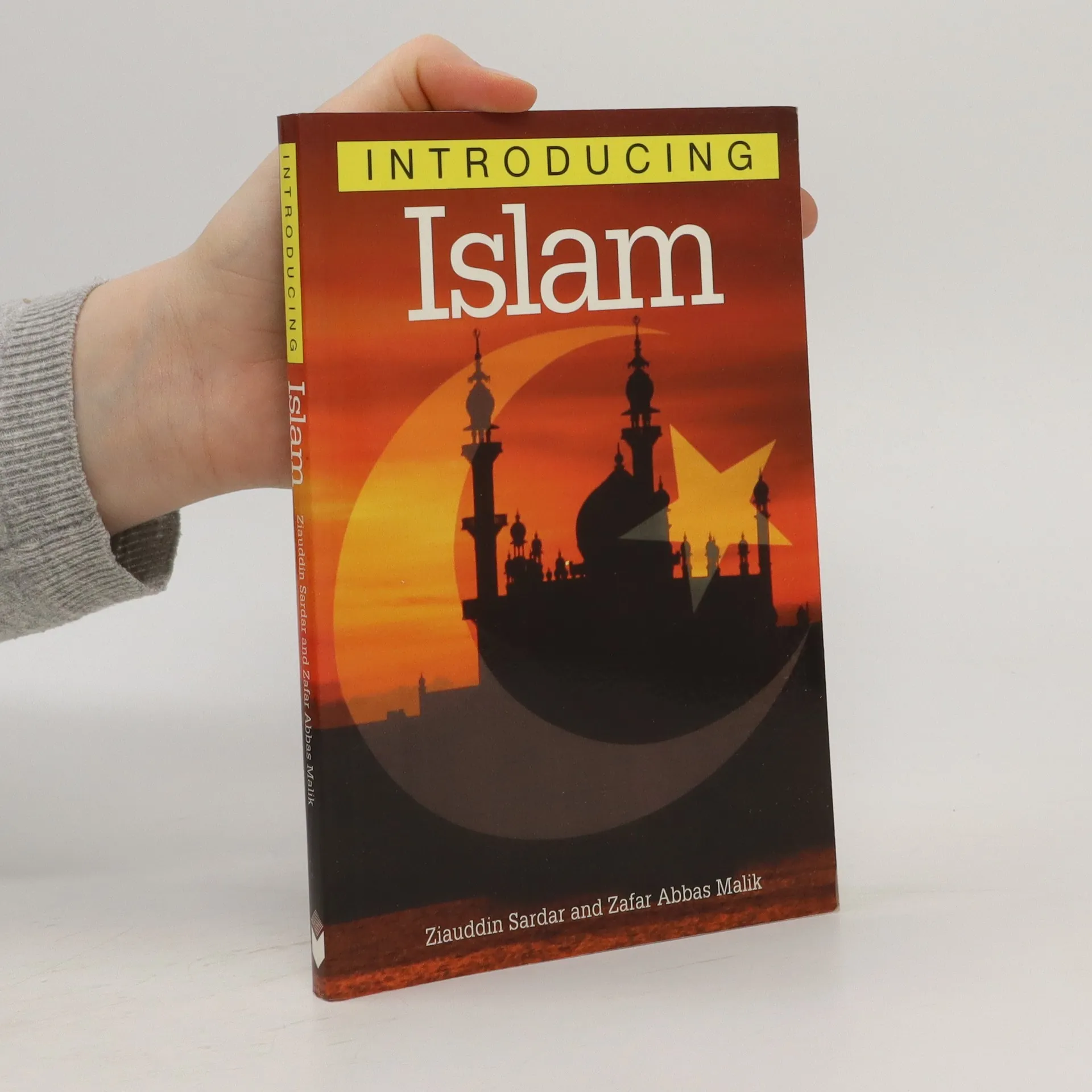
Introducing Islam
- 176pages
- 7 heures de lecture
Recounts the history of Islam from birth of Prophet Muhammad in the 6th century to its status as a global culture and political force today. Explains the nature and message of the Quar'an, outlines the basic features of Islamic law, and assesses the impact of colonialism on Muslim societies.
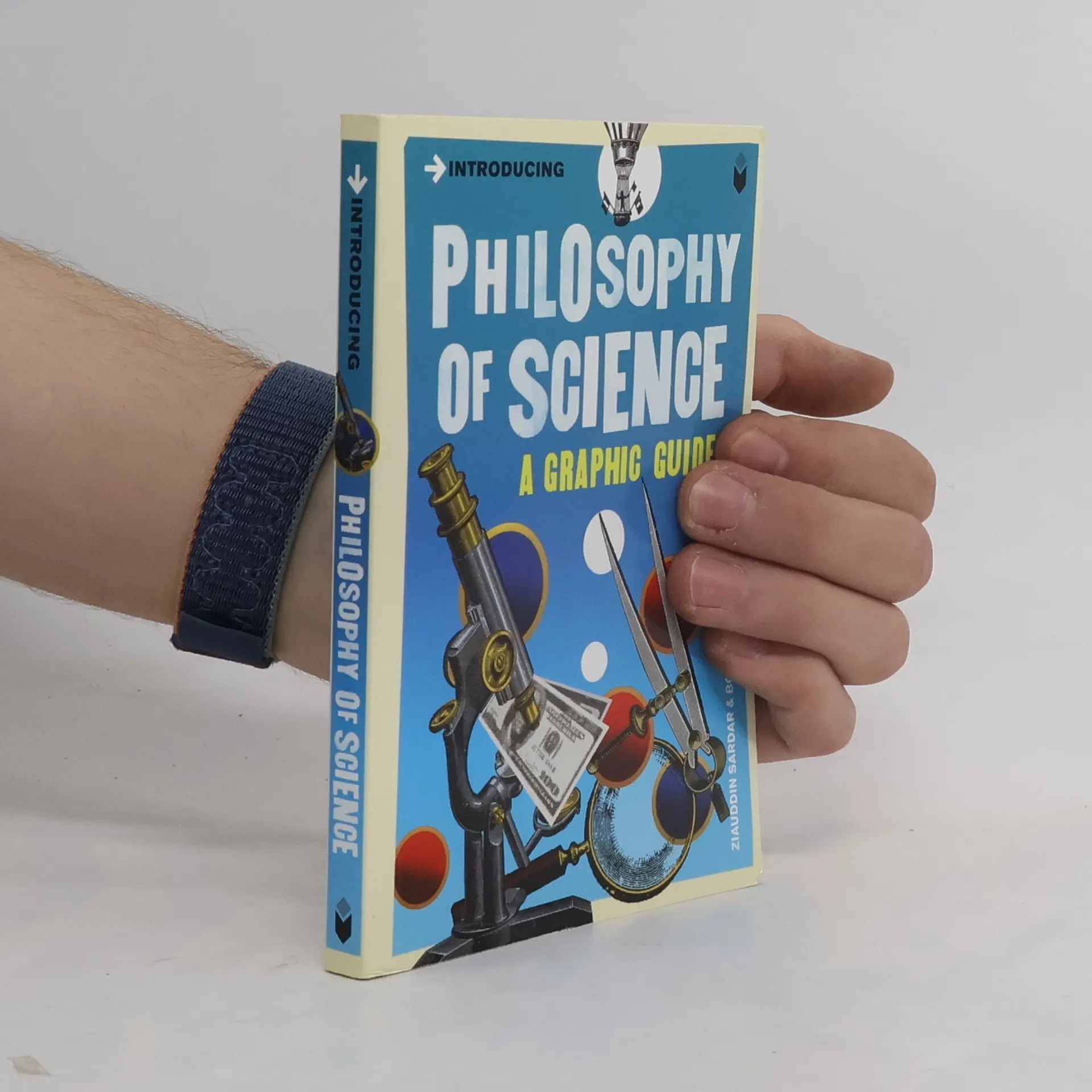
Introducing Philosophy of Science
- 176pages
- 7 heures de lecture
Unique graphic introductions to big ideas and thinkers, written by experts in the field.
Critical Muslim 13: race
- 256pages
- 9 heures de lecture
Hassan Mahamdallie argues that racism is twenty-first century's main problem, Shannon Shah detects racial overtones within Islam, Robert Irwin examines race and racism in the Arabian Nights, Hugh Kennedy uncovers the ninth century Zanj slave uprisings, Sejad Mekic looks for signs of hope in Bosnia, Sadiyya Shaikh explores religious imaginaries of ibn Arabi, Avaes Mohammad evokes parallel lives in Blackburn, Gary MacFarlane revisits the Christian fundamentalism of abolitionist John Brown, Ziauddin Sardar has unsavoury encounters in Saudi Arabia, and Naima Khan accuses South Asian Muslims of looking down on Africans.About Critical A quarterly publication of ideas and issues showcasing groundbreaking thinking on Islam and what it means to be a Muslim in a rapidly changing, interconnected world. Each edition centers on a discrete theme, and contributions include reportage, academic analysis, cultural commentary, photography, poetry, and book reviews.Also in this Ruth Waterman's photographs of Bosnia, an epic poem on Bhopal, poetry by Dorothea Smartt, a short story by Aiysha Jahan, race relations in Trinidad and our list of ten political organisations that promote Islamophobia.
Muhammad: All That Matters
- 154pages
- 6 heures de lecture
Ziauddin Sardar's brilliant new book is ideal for students or general readers who want to know all that matters about Muhammad.
Thomas Kuhn a vědecké války
- 80pages
- 3 heures de lecture
Autor v krátkosti shrnuje základní postuláty Kuhnovy knihy "Struktura vědeckých revolucí", která se stala přelomem v pohledu na fenomén vědy. Pozitivistický přístup, který vědu chápal jako objektivní, nehodnotový způsob poznávání, se náhle mění a dochází ke snaze zařadit vědu a vědecké prostředí do kontextu konrétní společenské struktury.
Islám je jedno z největších světových náboženství, jež v průběhu bezmála 1500 let přispělo nepřehlédnutelným způsobem k rozvoji humanity. Toto náboženství, které vyznává přibližně pětina lidstva, je v západním světě vnímáno stále více jako fundamentalistické, bigotní a násilné, a je často spojováno s vlnou světového terorismu posledních let. Kniha Islám ukazuje odlehčenou, současně však fundovanou formou komiksu, že skutečné poselství tohoto světového náboženství je zmíněnému obrazu vzdáleno. Zpřístupňuje čtenáři dějiny islámu od působení proroka Muhammada až po rozvinutí tohoto náboženství v globální kulturní a politickou sílu dnešního světa. Seznamuje se základními myšlenkami koránu i islámského právního systému. Ukazuje také hledání současných muslimů jak žít dnes svou víru a ideály islámu v globalizovaném světě.
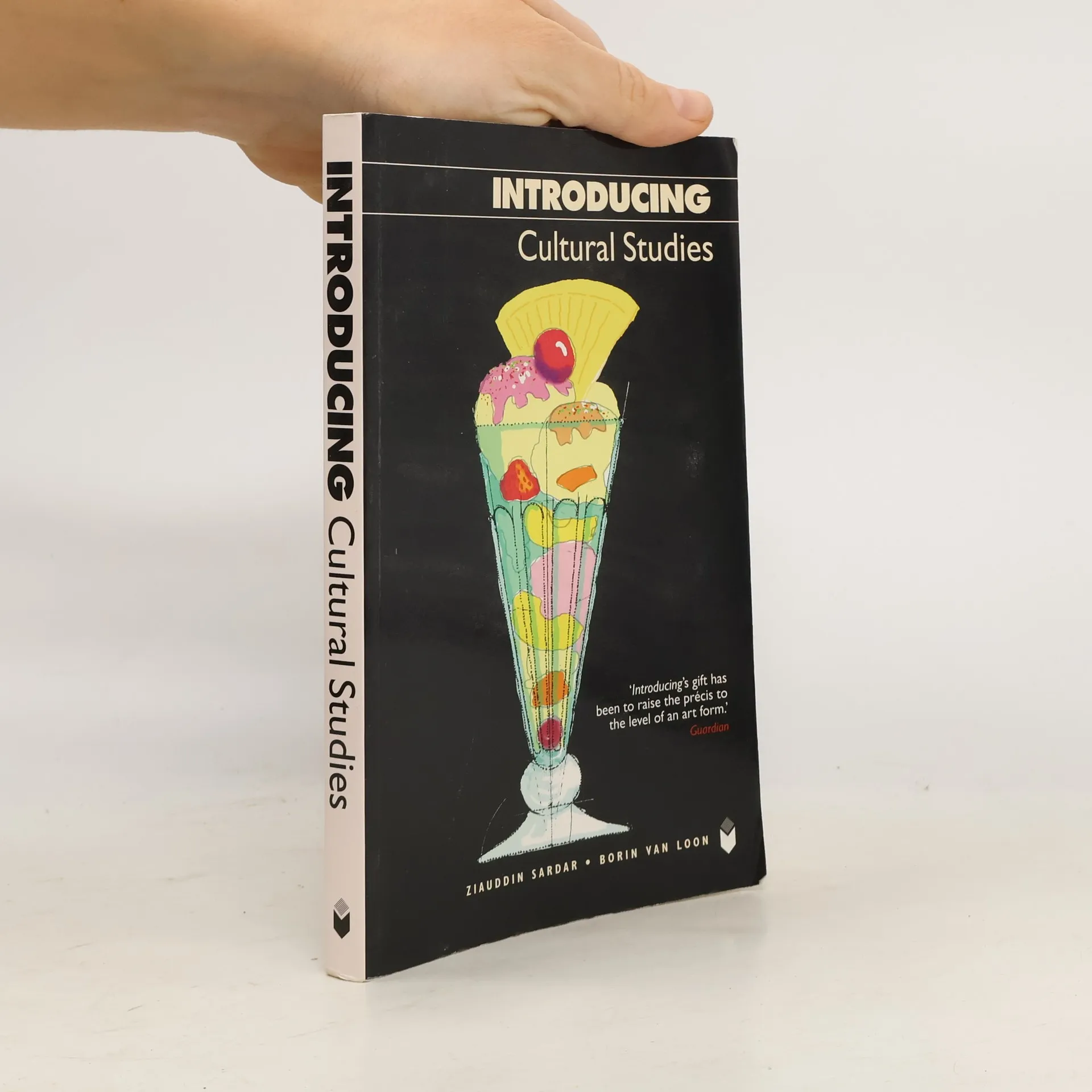
Pe masura ce inaintam in noul mileniu, studiile culturale se anunta ca o revolutie academica majora. Dar ce sunt, mai exact, studiile culturale si cum este elaborata aceasta „disciplina“? Ea pretinde a fi o non-disciplina - o abordare critica radicala pentru intelegerea identitatii rasiale, nationale, sociale si de gen. Aceasta carte ofera o calatorie pe terenul minat al acestui domeniu complex, care isi are originea in Marea Britanie si care migreaza catre Statele Unite, Canada, Franta, Australia si sudul Asiei, examinand ideile principalilor sai exponenti si furnizand informatii despre particularitatile acestor studii in intreaga lume. De la Gramsci la Raymond Williams, de la discursul postcolonial la politicile diasporei, de la feminism la teoria deviantei, de la tehnocultura si mass-media la globalizare, volumul poate servi ca ghid al conceptelor esentiale ale acestui fascinant domeniu. Este o lectura de baza pentru toti cei preocupati de ritmul accelerat al culturilor vechi, noi si al celor care sunt pe cale sa se formeze.
Woher kommt der Haß auf Amerika?
- 223pages
- 8 heures de lecture
Speist sich der allgegenwärtige Haß auf Amerika nur aus dem Ressentiment der Dummen, Unfähigen und Zurückgebliebenen dieser Welt? Oder wird er durch die ungezügelte Dominanz der ersten 'Hypermacht' der Geschichte geradezu herausgefordert? Sardar und Davies untersuchen die globalen Auswirkungen der militärgestützten Außenpolitik, der neoliberalen Wirtschaftsmacht und der populärkulturellen Hegemonie der USA. Sie kontrastieren diese Auswirkungen mit dem amerikanischen Selbstbild. Deutschland hat den Vereinigten Staaten von Amerika viel zu verdanken. Nicht nur die Befreiung vom Faschismus, sondern auch eine stabile Demokratie, Rechtsstaat und Wohlstand. Dennoch müssen die dramatischen Auswirkungen der amerikanischen Hegemonie auch in Deutschland reflektiert werden. Woher kommt der Haß auf Amerika? trägt mit seiner nüchternen Analyse dazu bei, daß der Haß nicht angestachelt wird, sondern daß es zu einem Verständigungsprozeß zwischen den Völkern kommt – der Bedingung für einen vernünftigen Interessenausgleich. 'Eine fundierte, gut und verständlich geschriebene Lektüre. Ihre Analyse der oftmals `guten Absichten´, aber `schlechten Taten´der Amerikaner ist beeindruckend.' BRIGITTE 25/2003 'Die provokanten Einsichten in das Innenleben der amerikanischen Nation machen das Buch zu spannender Lektüre. Der Blick über den politischen Tellerrand schafft immer wieder verblüffende Aha-Effekte.' SPIEGEL-Special