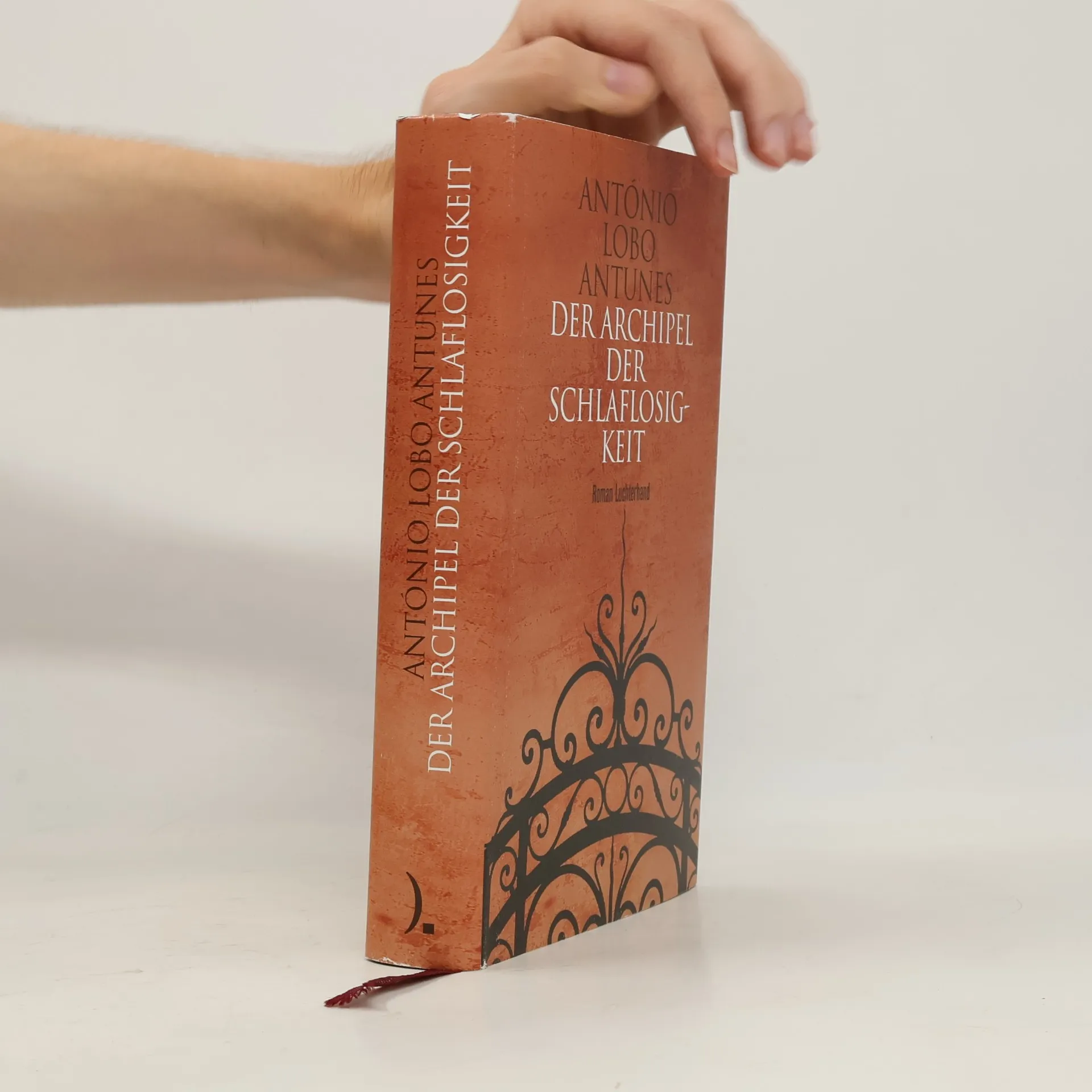
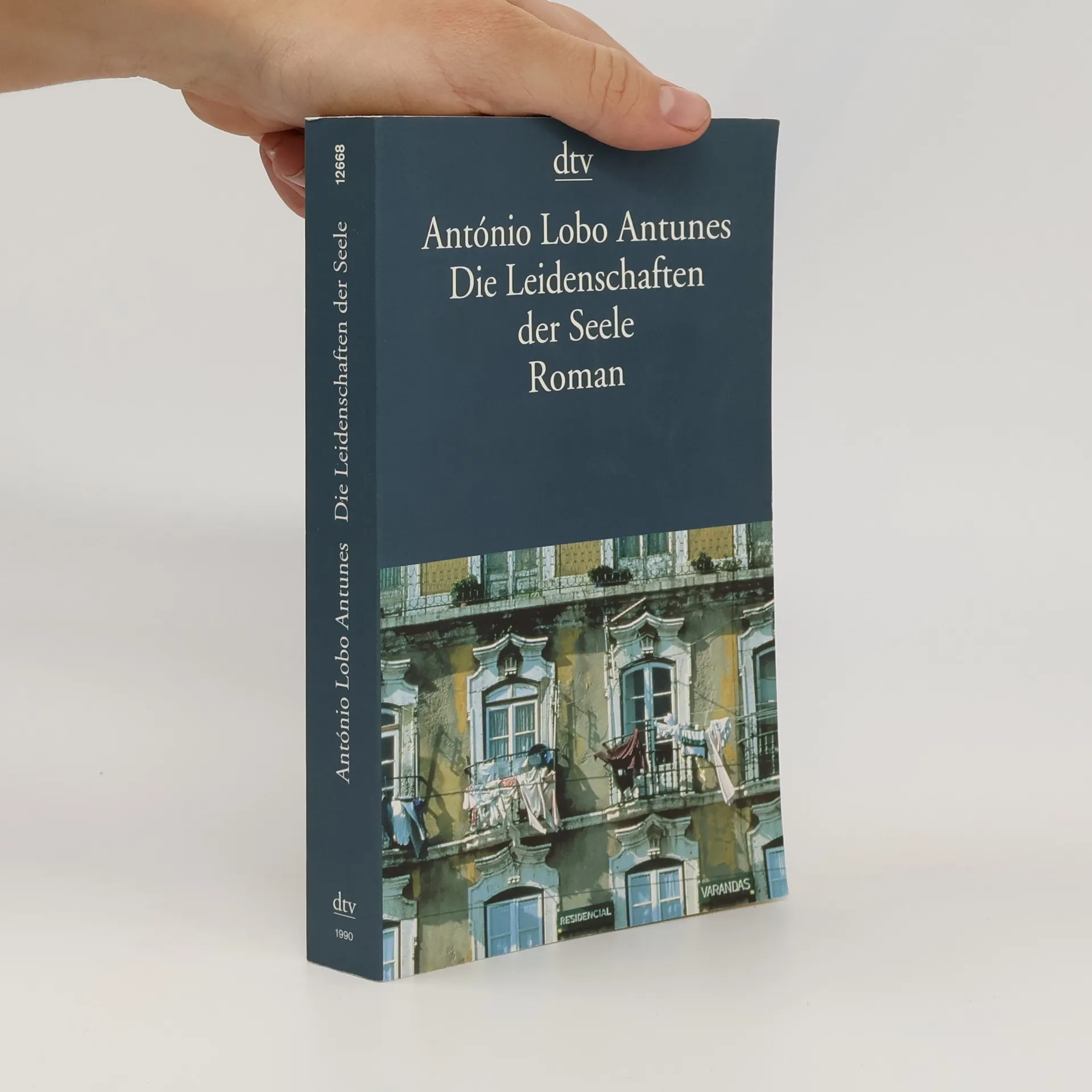
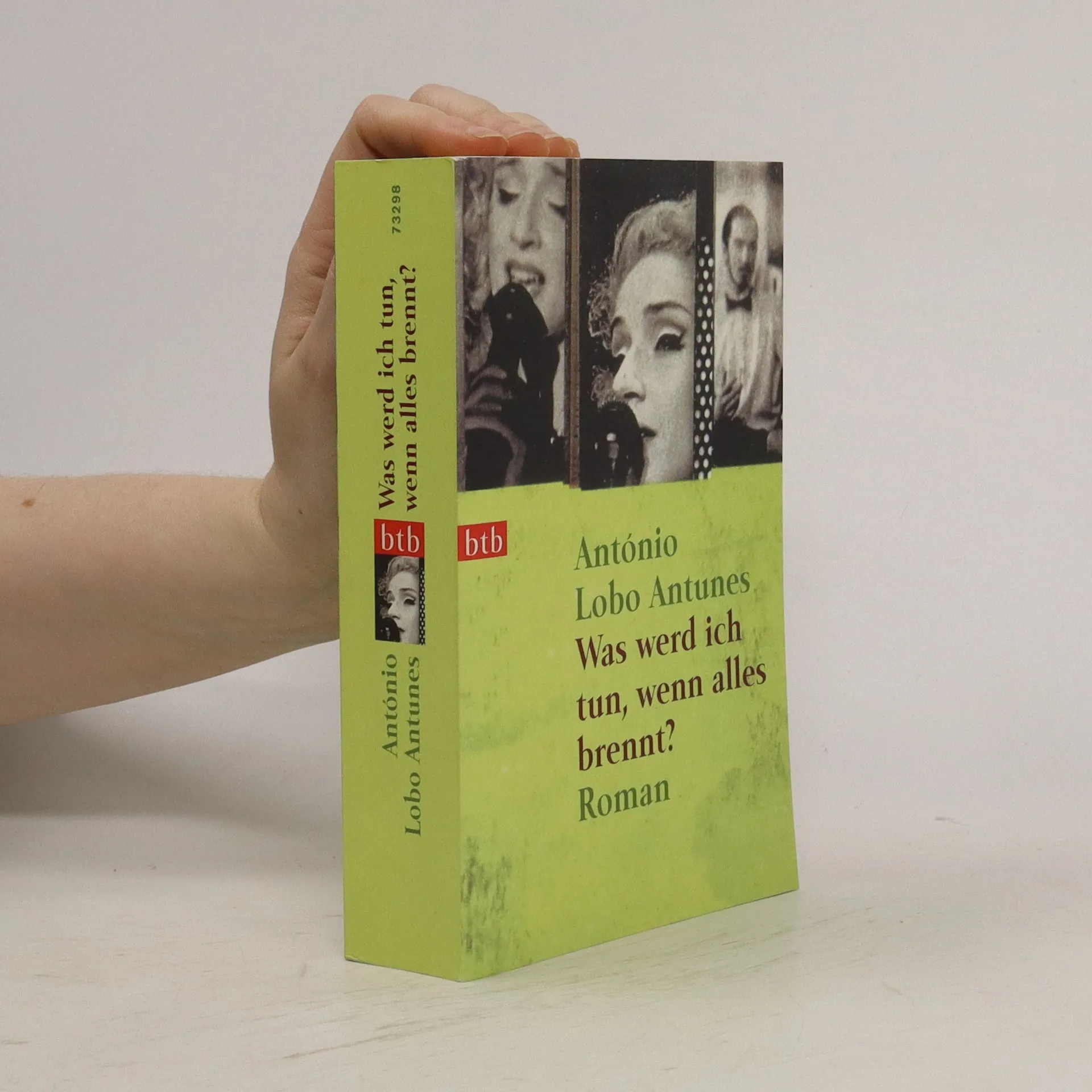
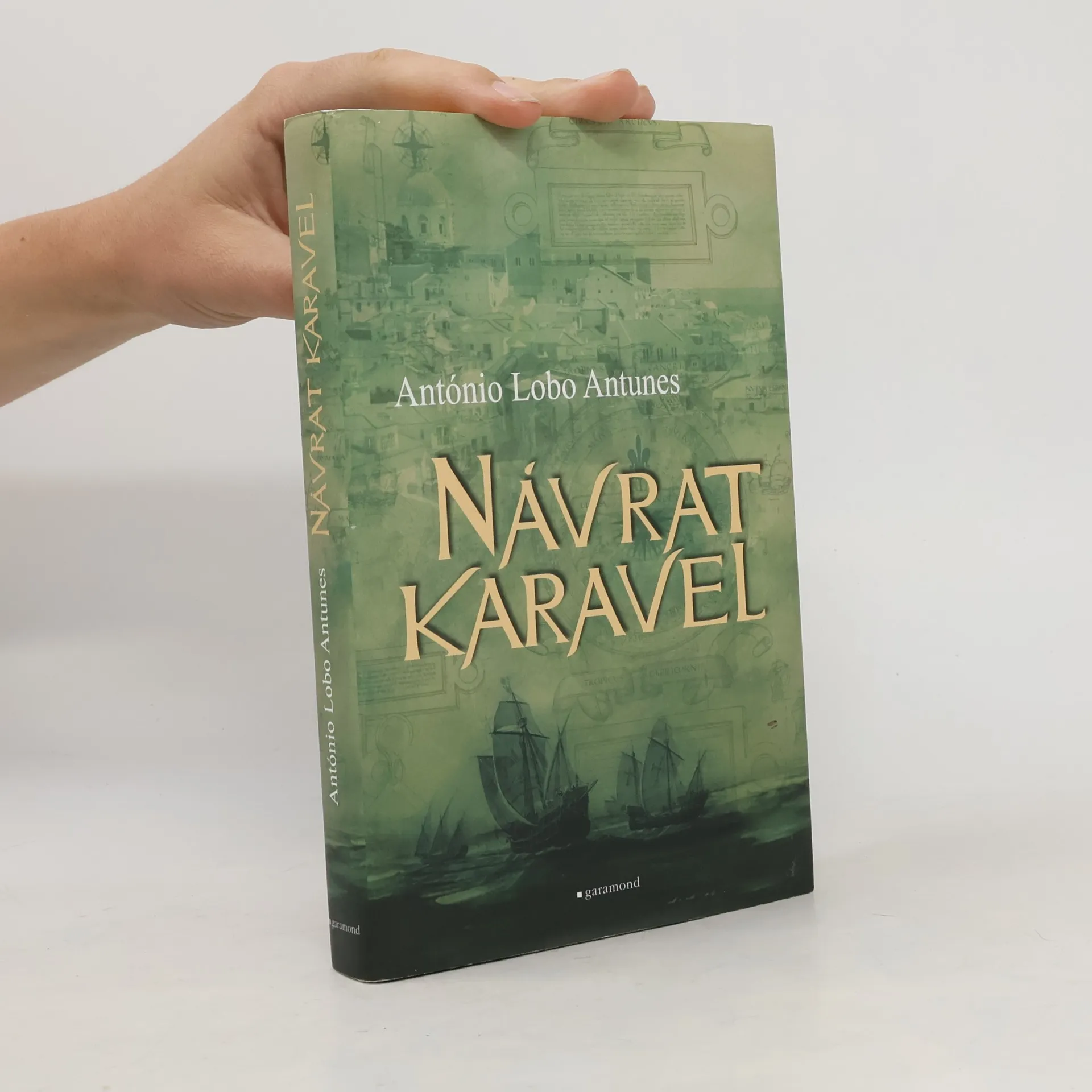
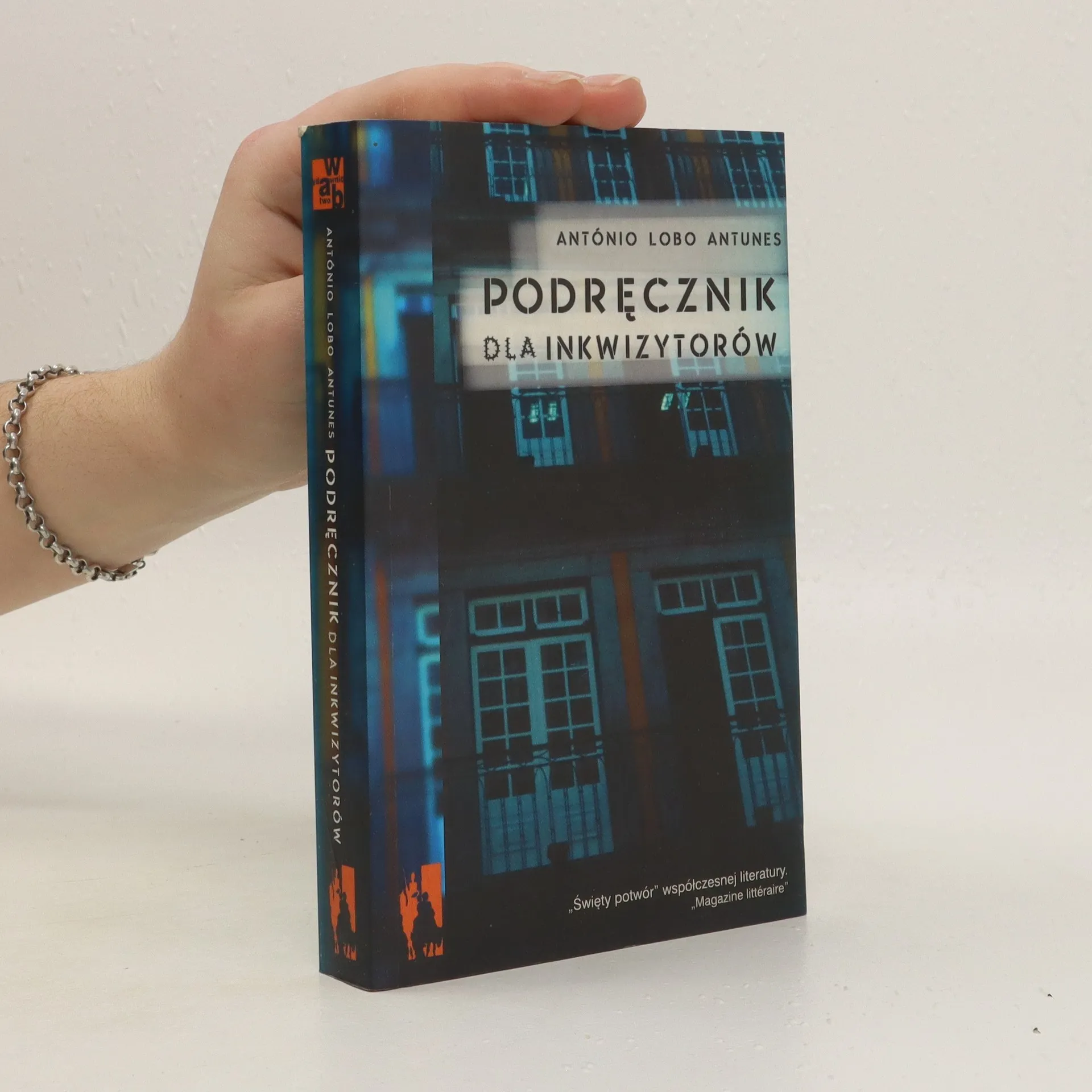
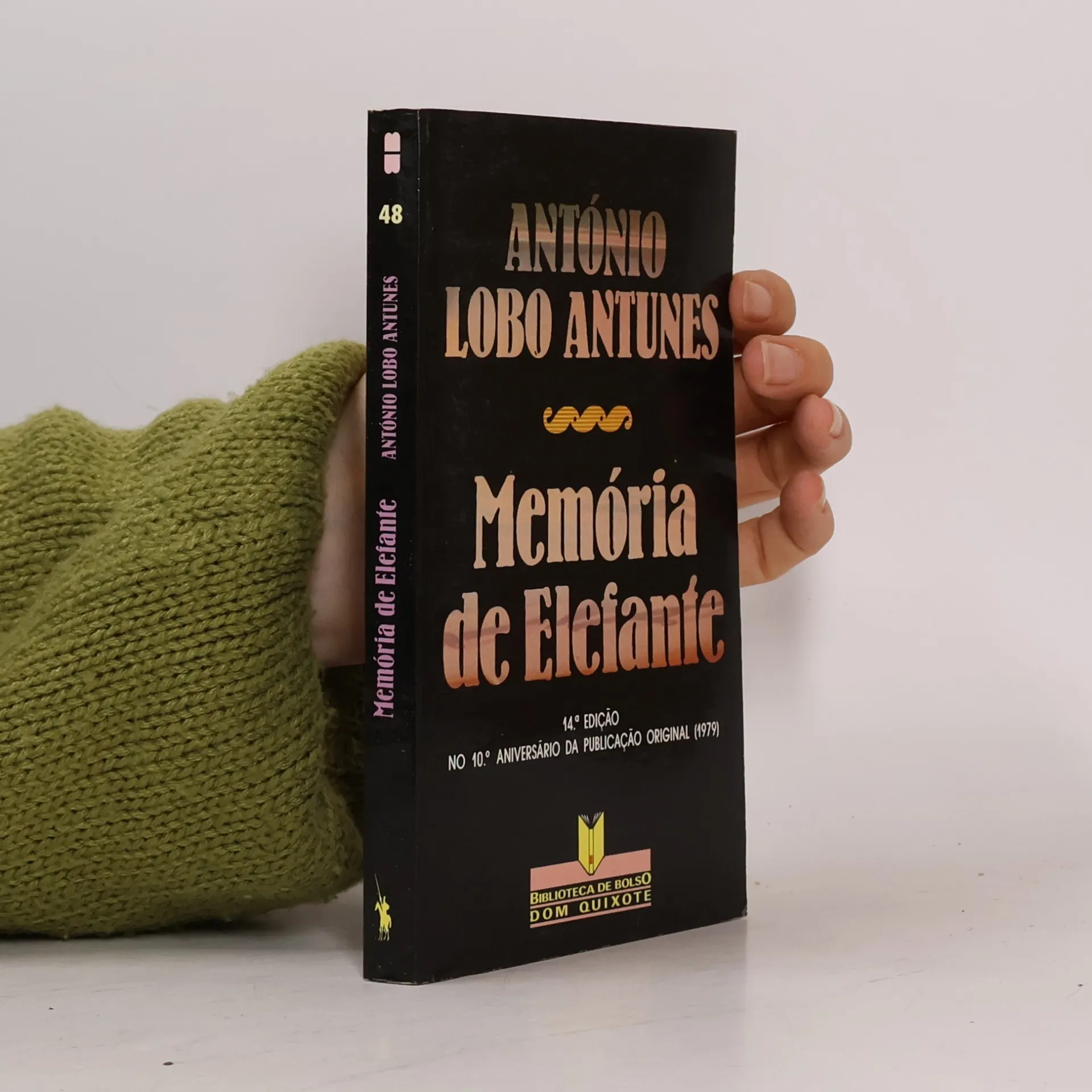
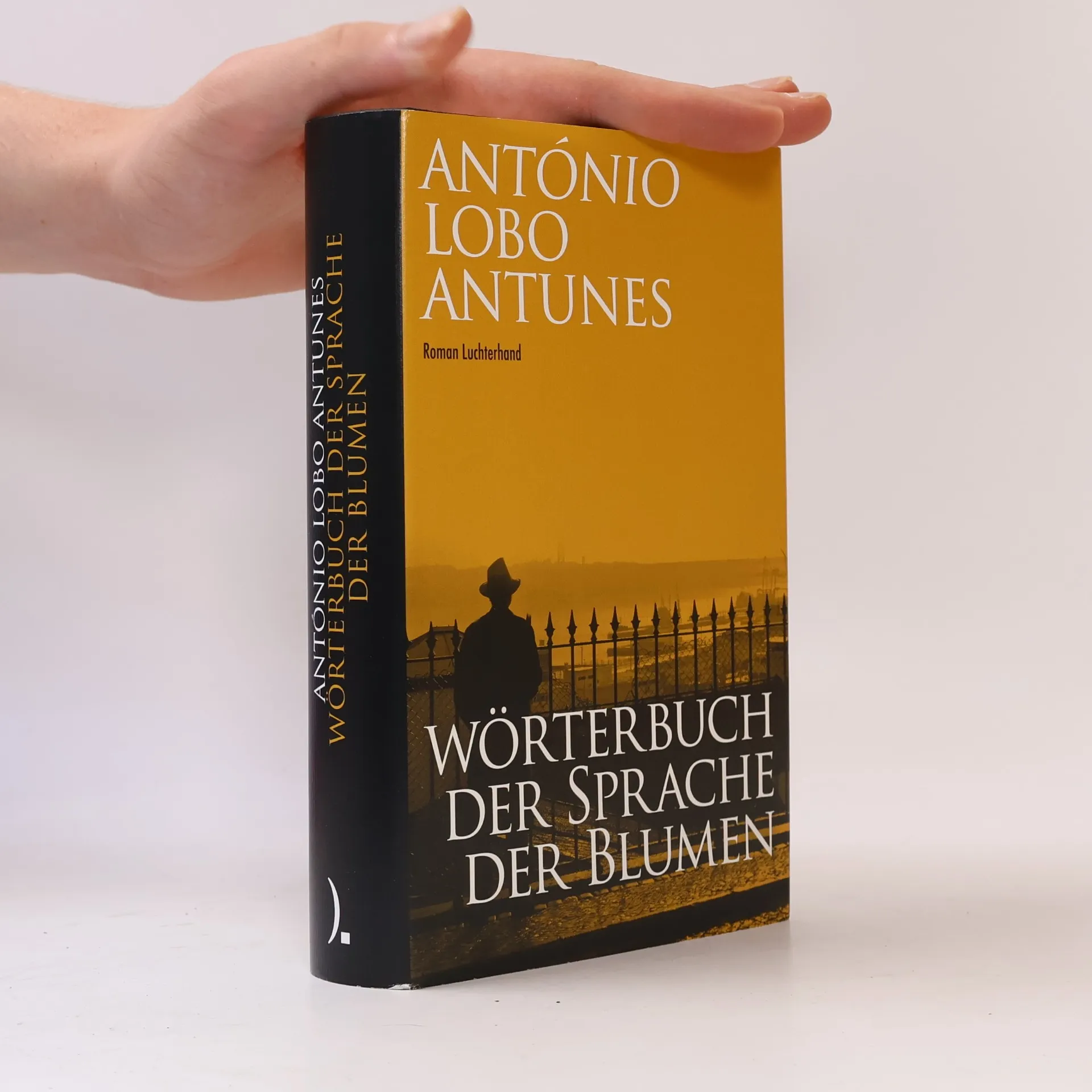
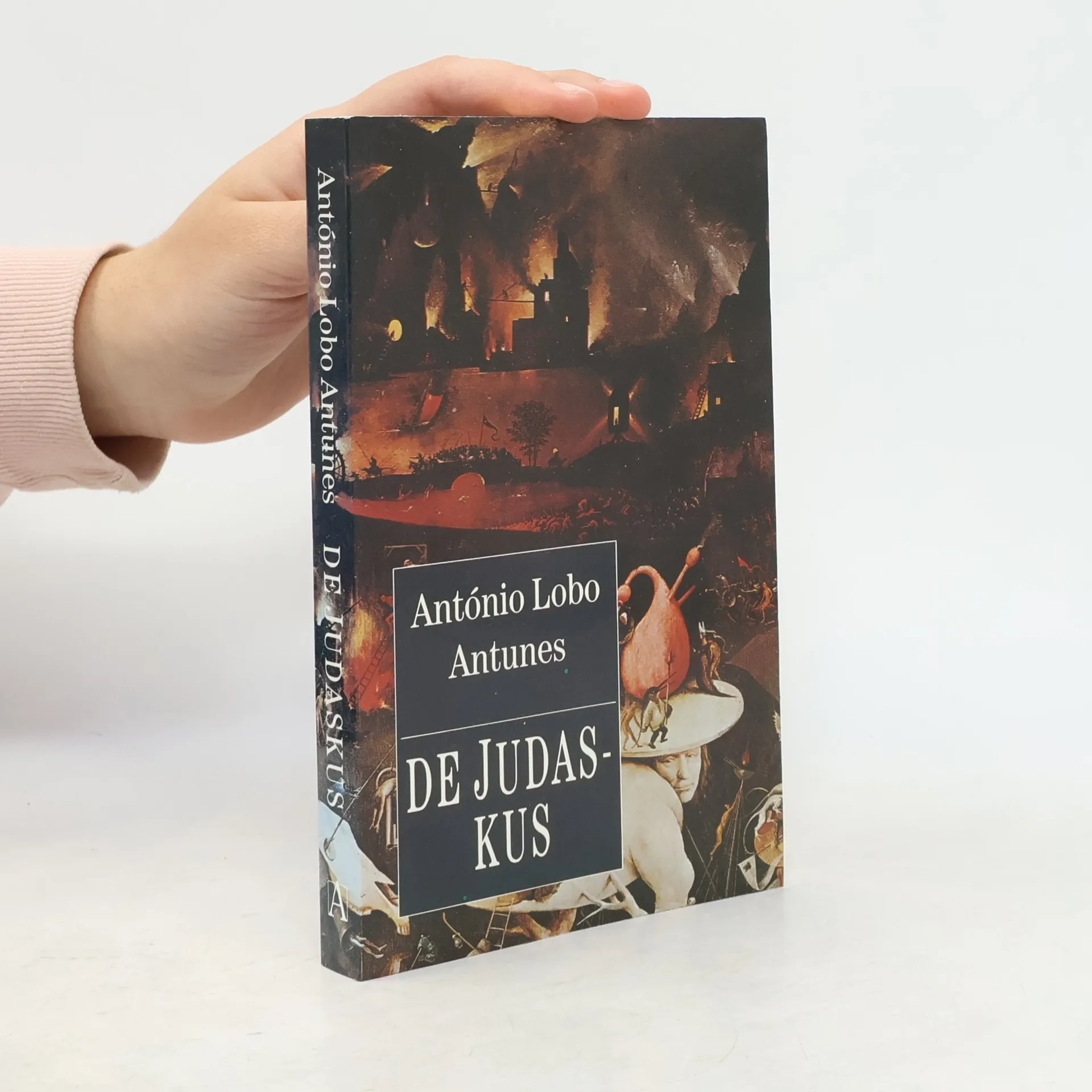
António Lobo Antunes a forgé un héritage littéraire profondément marqué par ses expériences de la guerre d'Angola et sa pratique de toute une vie en tant que psychiatre. Sa prose dense et exigeante, fortement influencée par des géants littéraires tels que William Faulkner et James Joyce, aborde des thèmes profonds tels que la mort, la mémoire et la psyché humaine avec une intensité farouche. Le vaste corpus d'œuvres d'Antunes, traduit dans de nombreuses langues, constitue une contribution significative et captivante à la littérature contemporaine.
As the socialist revolution closes in, a once-wealthy Portuguese family is accused of economic sabotage and must escape across the border to Spain. But the patriarch lies dying, and his greedy son-in-law is scheming to secure the remains of the crumbling estate for himself. Only other family members keep getting in the way.
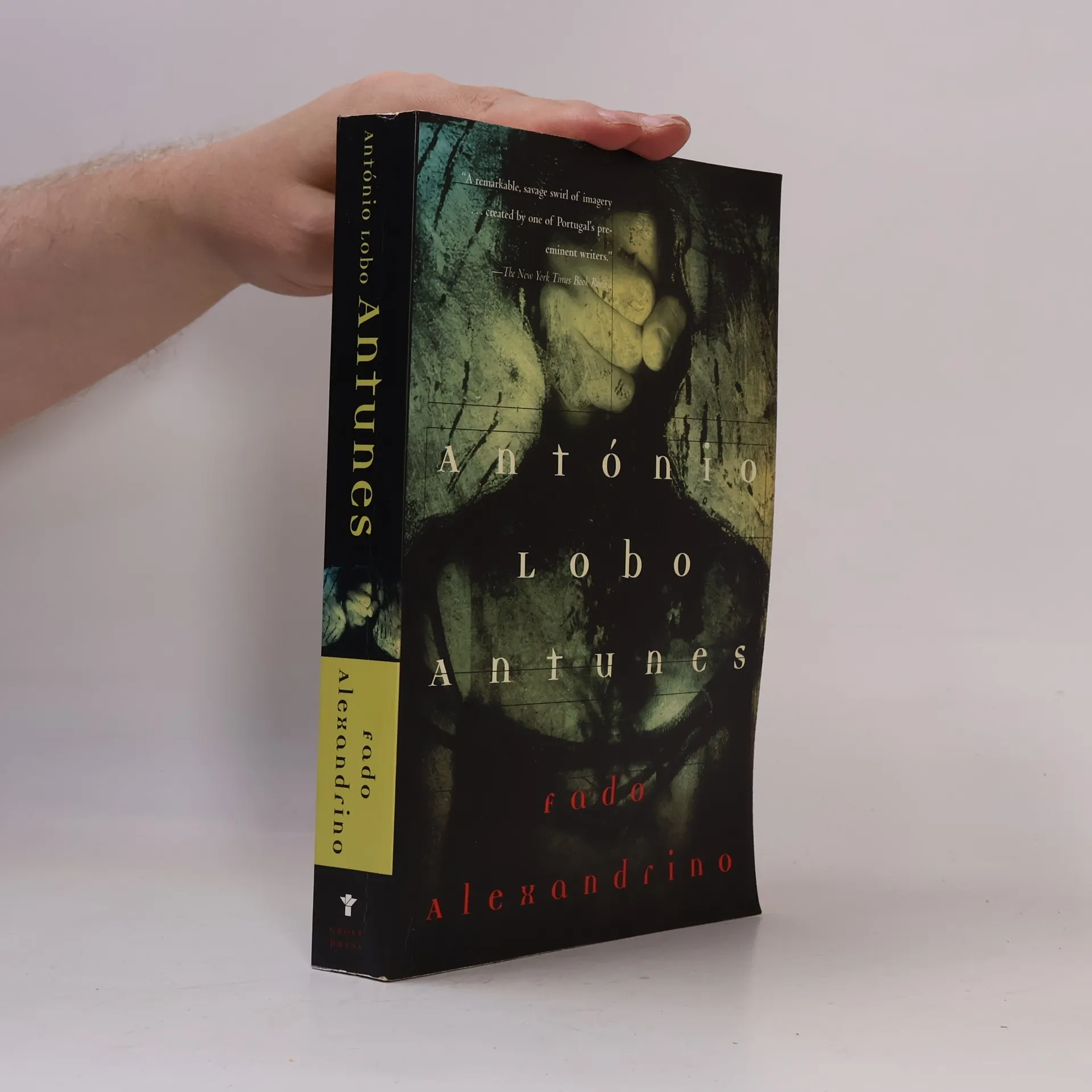
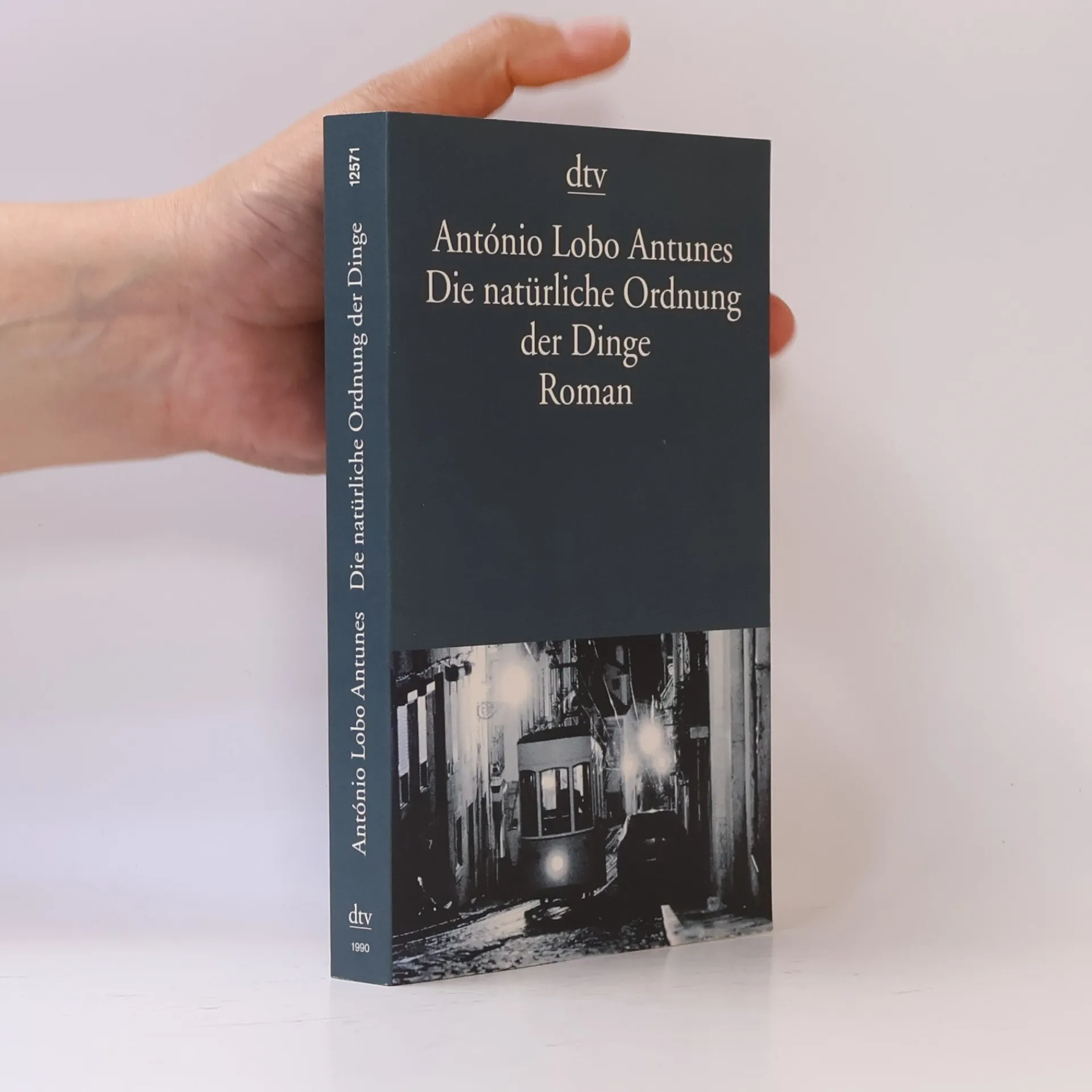
António Lobo Antunes' eleventh novel intricately explores the decline of a family and society under four decades of totalitarianism. The protagonist, Senhor Francisco, a powerful state minister and confidant of Salazar, anticipates becoming prime minister after Salazar's stroke in 1968. However, he is passed over for Marcelo Caetano, prompting him to retreat to his farm in Setúbal, where he plots a coup with other disgruntled ex-ministers and old army officers. Ultimately, it is younger officers who execute the peaceful Revolution of the Flowers in 1974, ending the dictatorship. Paranoid and isolated, Francisco accuses his farm workers of communism and drives them away, left alone to defend his crumbling estate against imagined threats.
The narrative begins with Francisco in a nursing home, paralyzed and reflecting on his life. His only true love was his wife Isabel, who left him when their son João was young. Francisco's relationships with various women fail to fill the void left by Isabel. He becomes obsessed with a shop girl, Milá, who resembles her, creating a farcical illusion of a family life. As the regime collapses, the fallout affects all around him, including Milá and her mother, who return to despair, and his children, who face their own struggles. Isabel, too, is left alone, a casualty of love rather than politics.
In contrast, Titina, the housekeeper, emerges as a symbol of hope. Unattractive and uneducated, sh
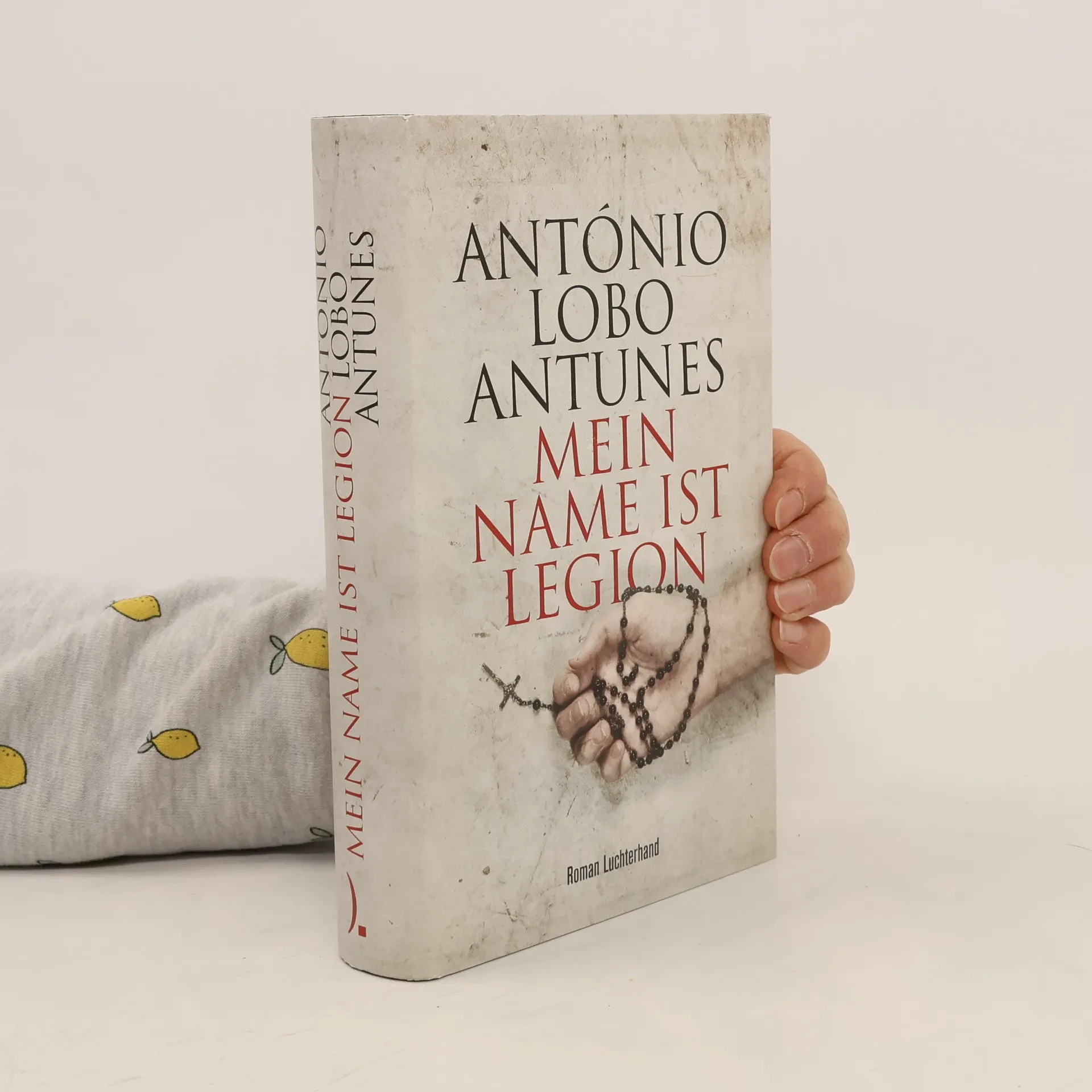
'In this new work by the foremost Portuguese novelist, the reunion of five men on the tenth anniversary of their battalion's return from Mozambique, Portugal's Vietnam, ends in a fatal stabbing - which ultimately serves as an act of liberation for the corrupt city of Lisbon.' Newsday
Set against the backdrop of the Angolan Civil War, this novel explores the complexities of post-colonial Angola following its independence in 1975. It delves into the ethnic tensions and international pressures that complicate the nation’s transition, highlighting the power struggles among three main liberation movements. The narrative intricately weaves the historical context of the People's Movement for the Liberation of Angola (MPLA), its roots, and its connections to broader geopolitical influences, reflecting on the socio-economic challenges faced by the country.
In diesen kurzen, ursprünglich für eine portugiesische Tageszeitung geschriebenen Geschichten zeigt sich Lobo Antunes, der in seinen Romanen die Abgründe der menschlichen Seele erforscht, von seiner sonnigen Seite. Heitere Episoden aus der Kindheit, Spazi
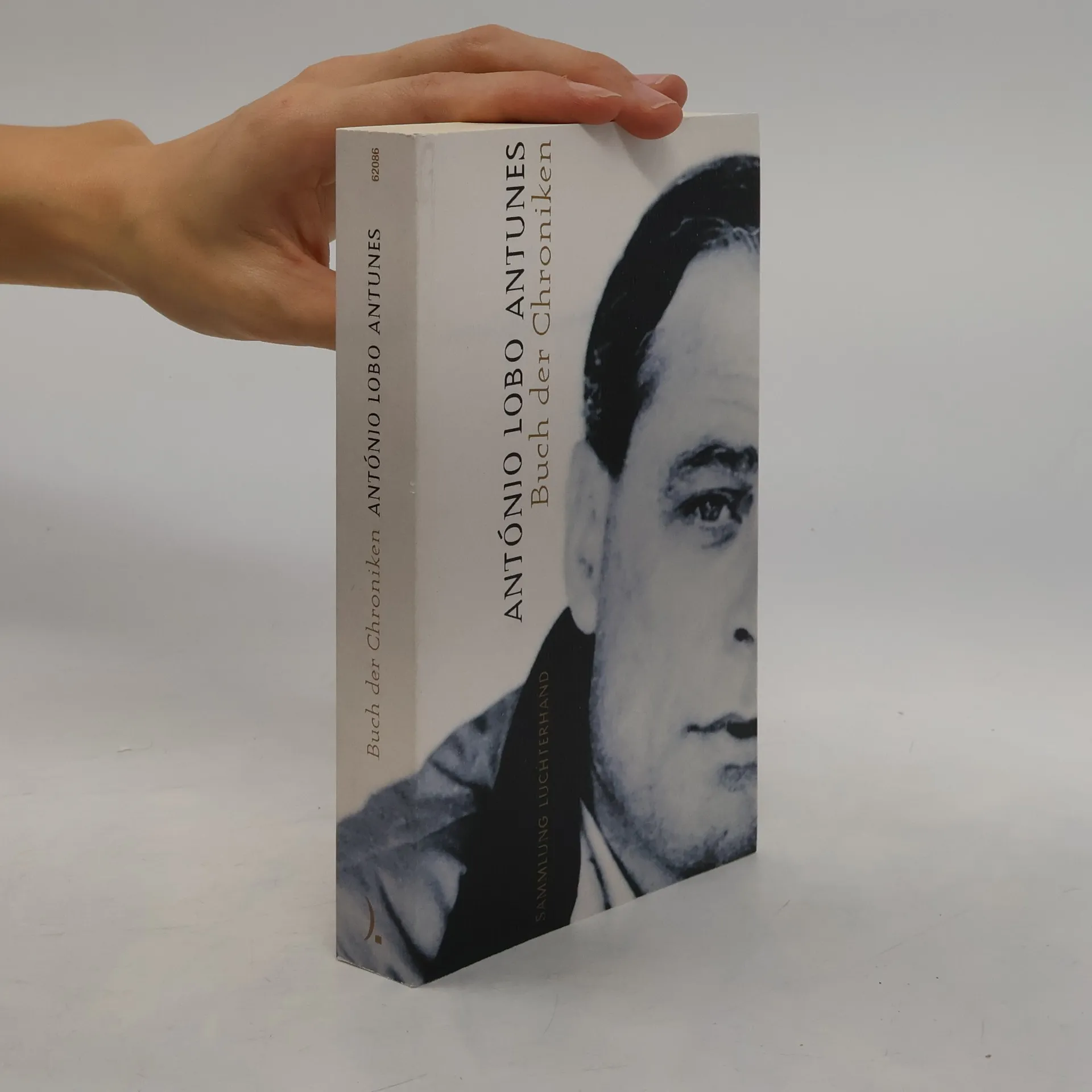
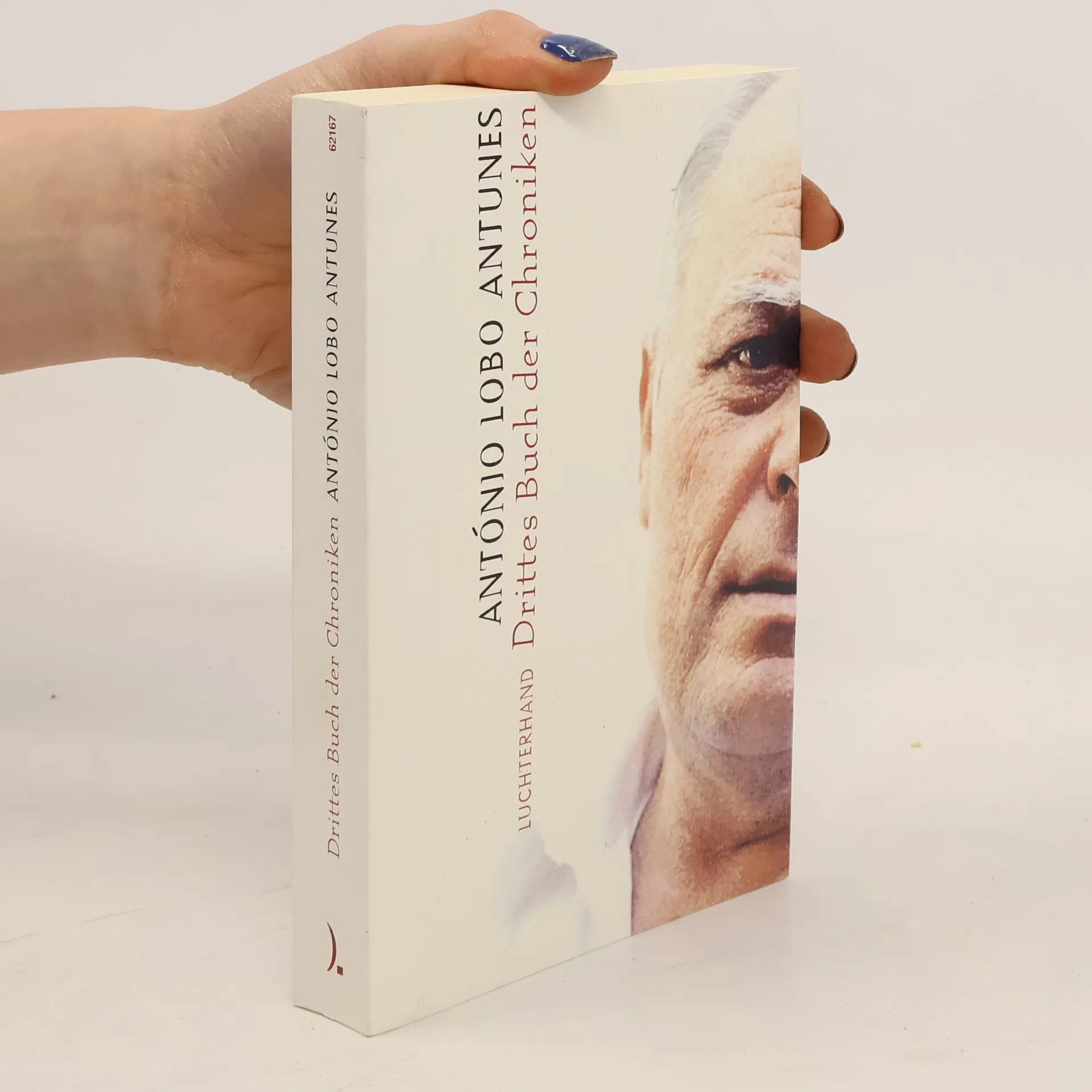
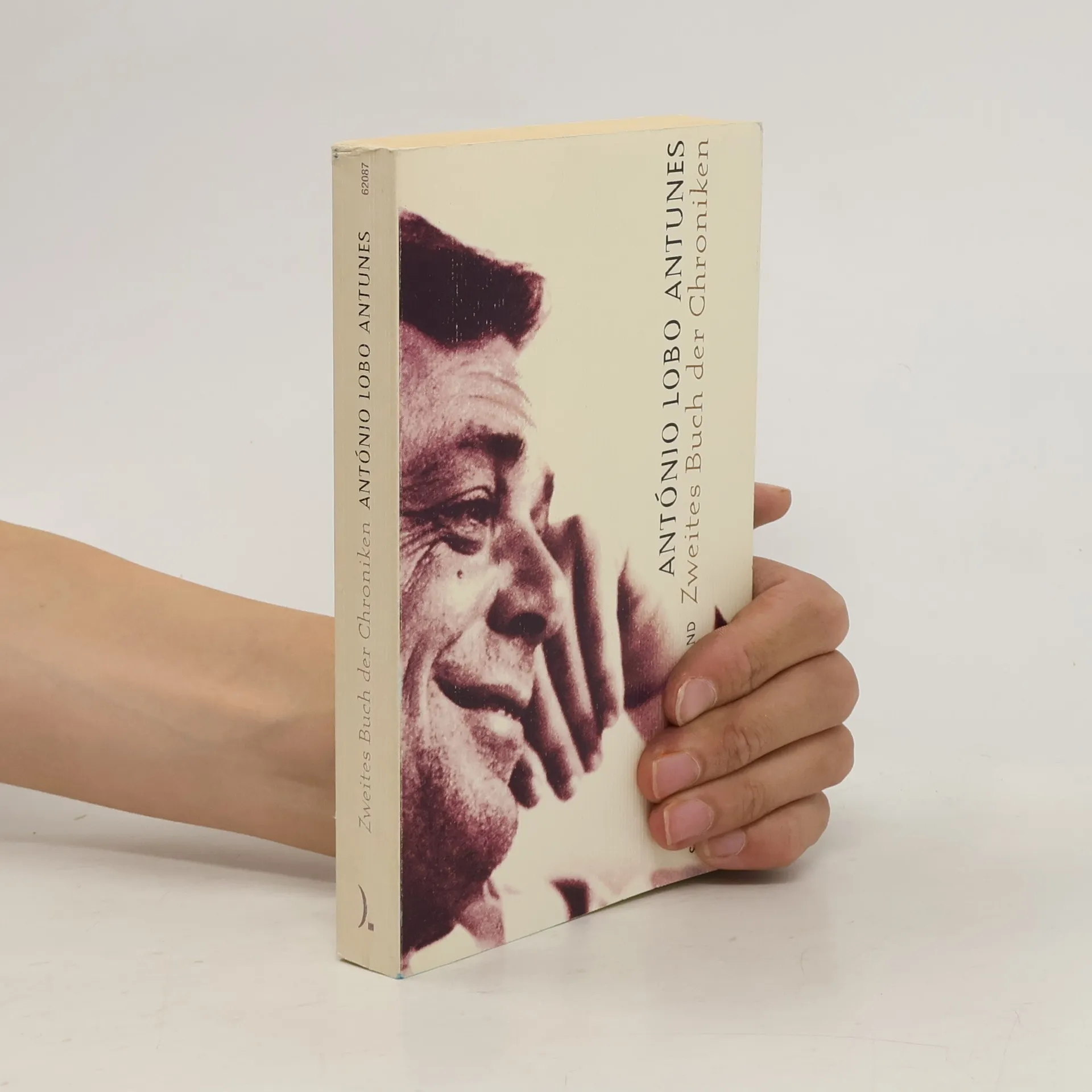
Weise und leicht, traurig und poetisch, erbarmungslos und ironisch António Lobo Antunes ganz In 69 kleinen Geschichten, Phantasien und Reflexionen spricht der Autor von Kindheits- und Lebenserinnerungen, von Krankheit und Tod, von der Literatur und seiner Sicht auf die Welt. Er denkt über Sherlock Holmes und Virginia Woolf nach, über die Verbindung von Geld und Seele, die Harmonie der Welt, über die portugiesische Landschaft und über die Liebe.
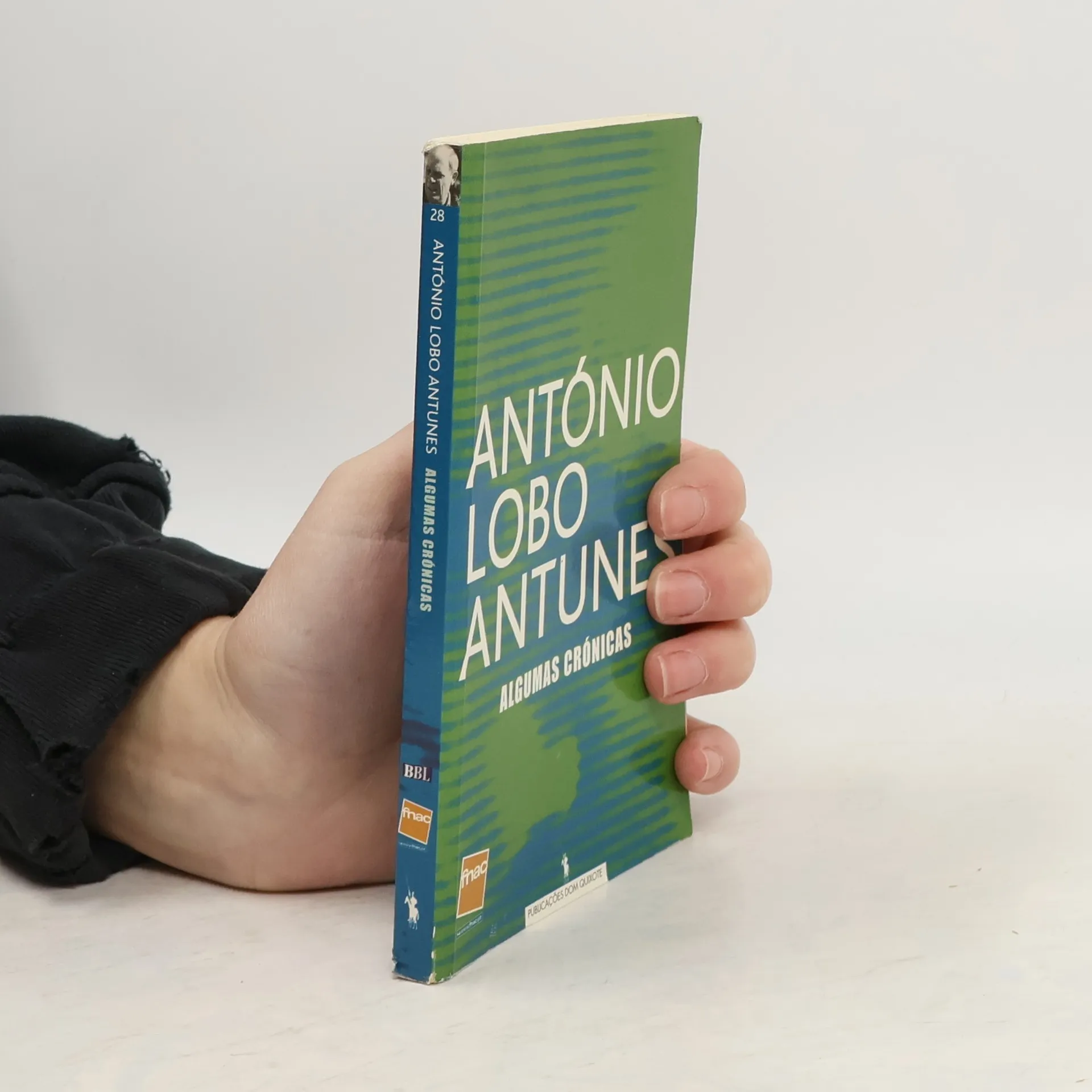
A presente seleção resulta do "Livro de Crónicas" de António Lobo Antunes, publicado em 1998. Com ela pretende o editor dar a ler a um público ainda mais vasto algumas das crónicas do autor.
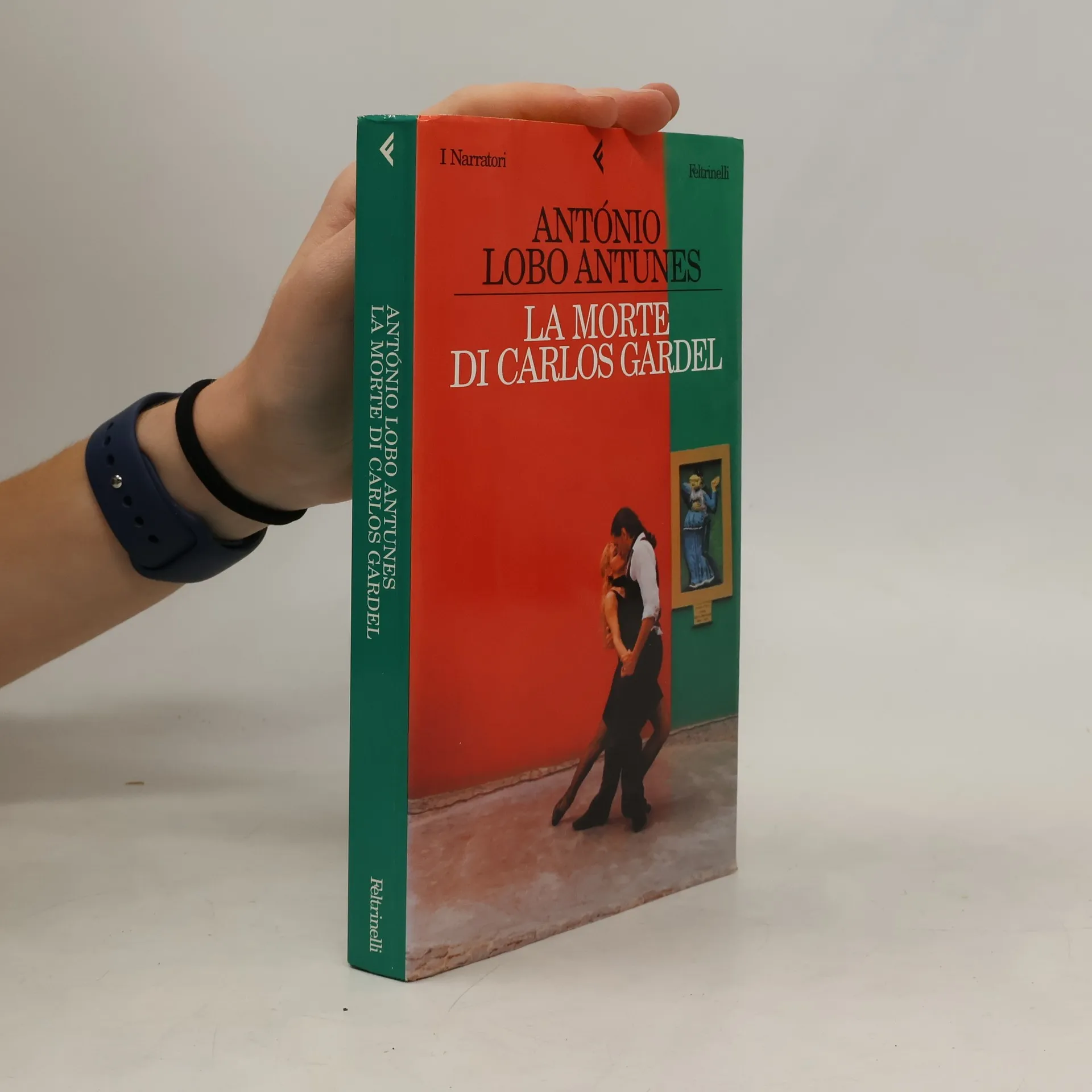
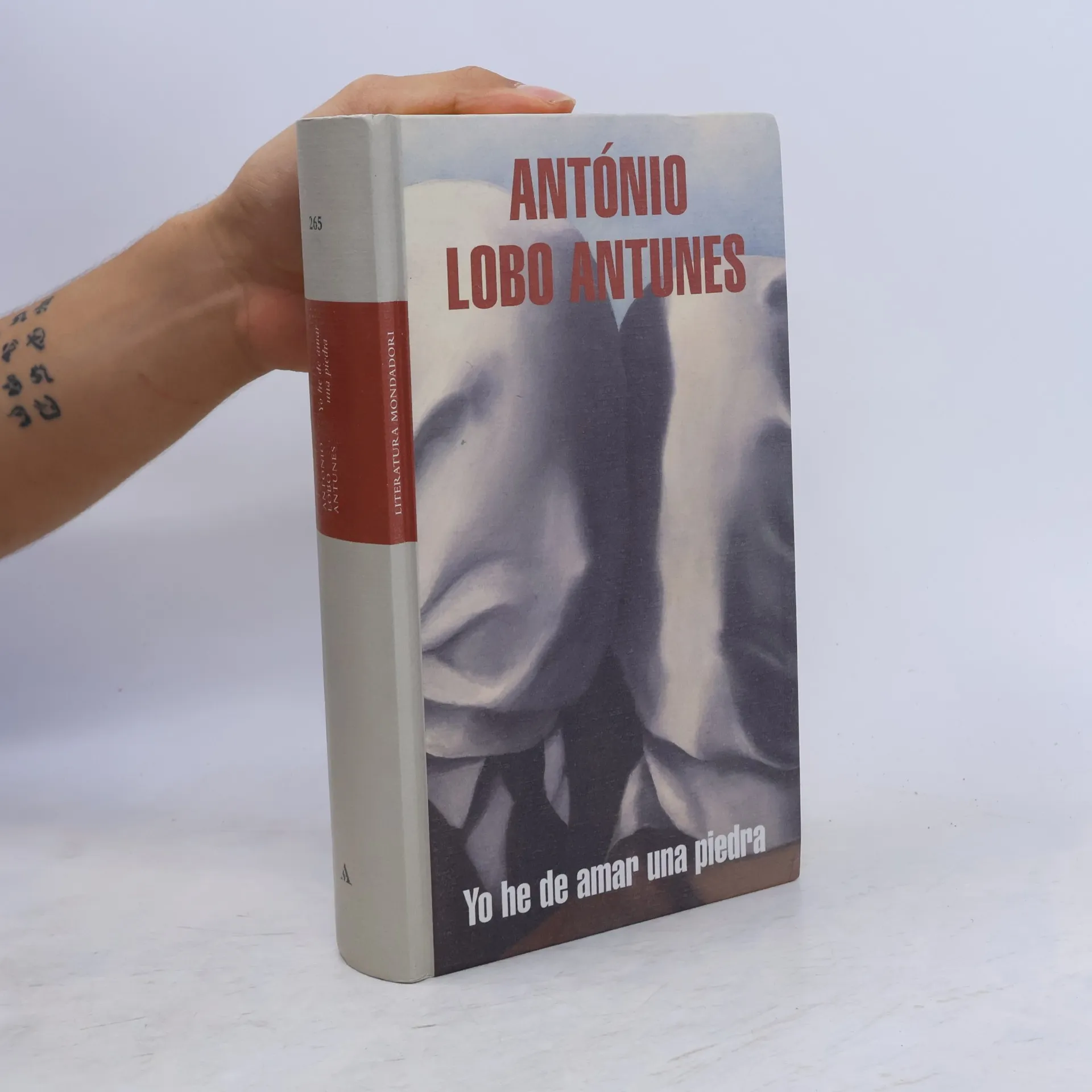
Alvaro è un ammiratore ossessivo di Carlos Gardel e vive immerso in un mondo di suoni inaccessibile agli altri. Sua moglie Claudia lo ha da tempo abbandonato, il figlio Nuño va a pernottare ogni tanto da lui quando la madre vuole stare da sola con il nuovo compagno. Il ragazzo non prova un vero affetto per il padre ed è divorato dalla gelosia nei confronti della madre. La sua infelicità lo porta infine all'eroina ed è attorno al suo letto in ospedale che si riunisce la famiglia. Ma la morte di Nuño non cambia niente e per Alvaro, sempre più solo nel suo rifiuto del mondo, Carlos Gardel diventa l'unica presenza viva.
Das Leben in all seinen Formen, die Anekdoten der Kindheit und die Erinnerung an verschwundene Freunde, eine Straße in Lissabon, ein Baum im Familiengarten, eine Reise nach Italien, eine Nacht in einem Hotel in München, die Verleihung eines Literaturpreises, die Inspiration, die Schwierigkeit zu schreiben... Das Leben von António Lobo Antunes in all seinen Aspekten bildet das Universum der Chroniken, die der portugiesische Autor seit Jahren in verschiedenen Publikationen auf der ganzen Welt anbietet. Diese Chroniken und die, die in zukünftigen Bänden veröffentlicht werden, stellen das Nächste dar, was einer Autobiografie eines der entscheidenden Schriftsteller der weltweiten Literaturszene ähnelt.
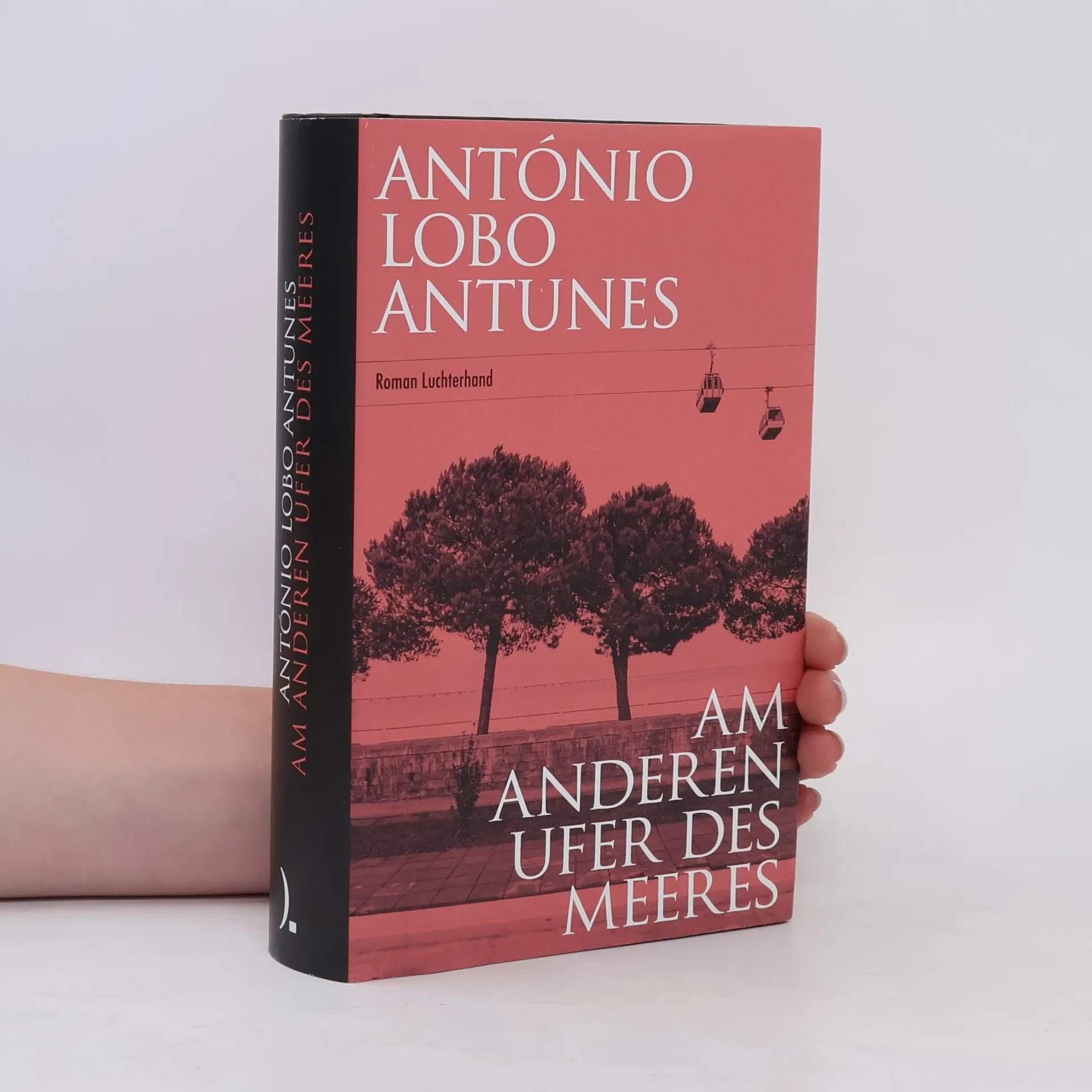
In einem Elendsviertel von Lissabon treffen eine Jugendgang, bestehend aus Schwarzen, Farbigen und Osteuropäern, auf die Polizei, die mit der Situation überfordert ist, sowie auf die leidenden Bewohner. Der Autor fängt die sozialen Verwerfungen der globalisierten Moderne ein und verleiht den Menschen am Rande der Gesellschaft starke Stimmen. Ein kurz vor der Pensionierung stehender Polizist verfasst einen Bericht über die kriminellen Taten der Gang, während er sich an seine eigene Kindheit, seine gescheiterte Ehe und seine entfernt lebende Tochter erinnert. Allmählich kommen auch andere Stimmen aus dem Viertel zu Wort, die unter den polizeilichen Maßnahmen ebenso leiden wie unter den Übergriffen der Gang, die Tankstellen und Supermärkte überfallen und Drogen handeln. Die Mitglieder der Gang selbst äußern sich ebenfalls. Leser erleben hautnah die Wut und Verzweiflung von Menschen, die im Schatten der Gesellschaft leben, deren Leben von Konflikten zwischen Mann und Frau, Reich und Arm, Schwarz und Weiß geprägt ist. Der Autor thematisiert Migration, Entfremdung und den Zusammenprall verschiedener Kulturen und findet eindringliche, poetische Stimmen für die Zukurzgekommenen, die überall durch das Raster fallen, nicht nur in Portugal.
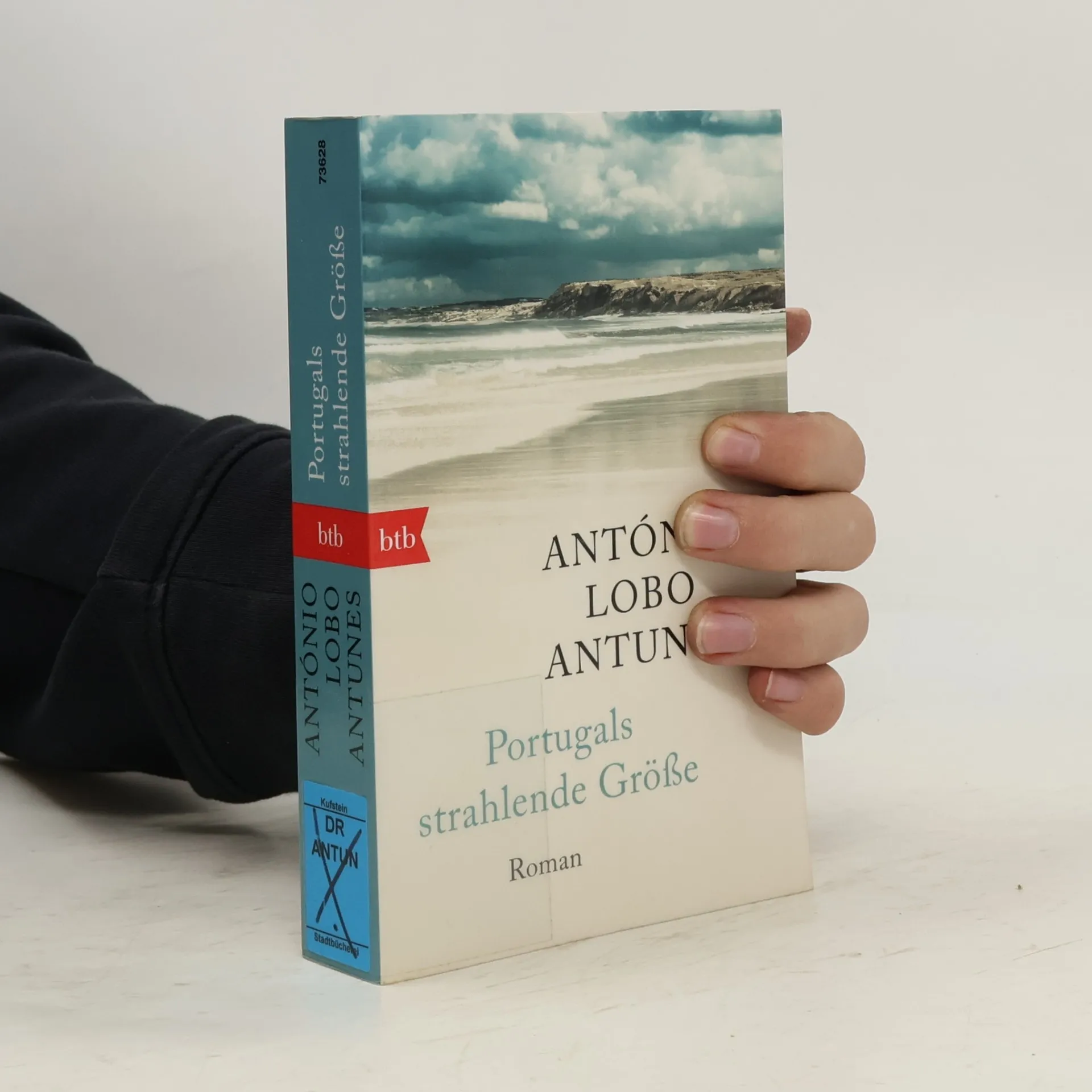
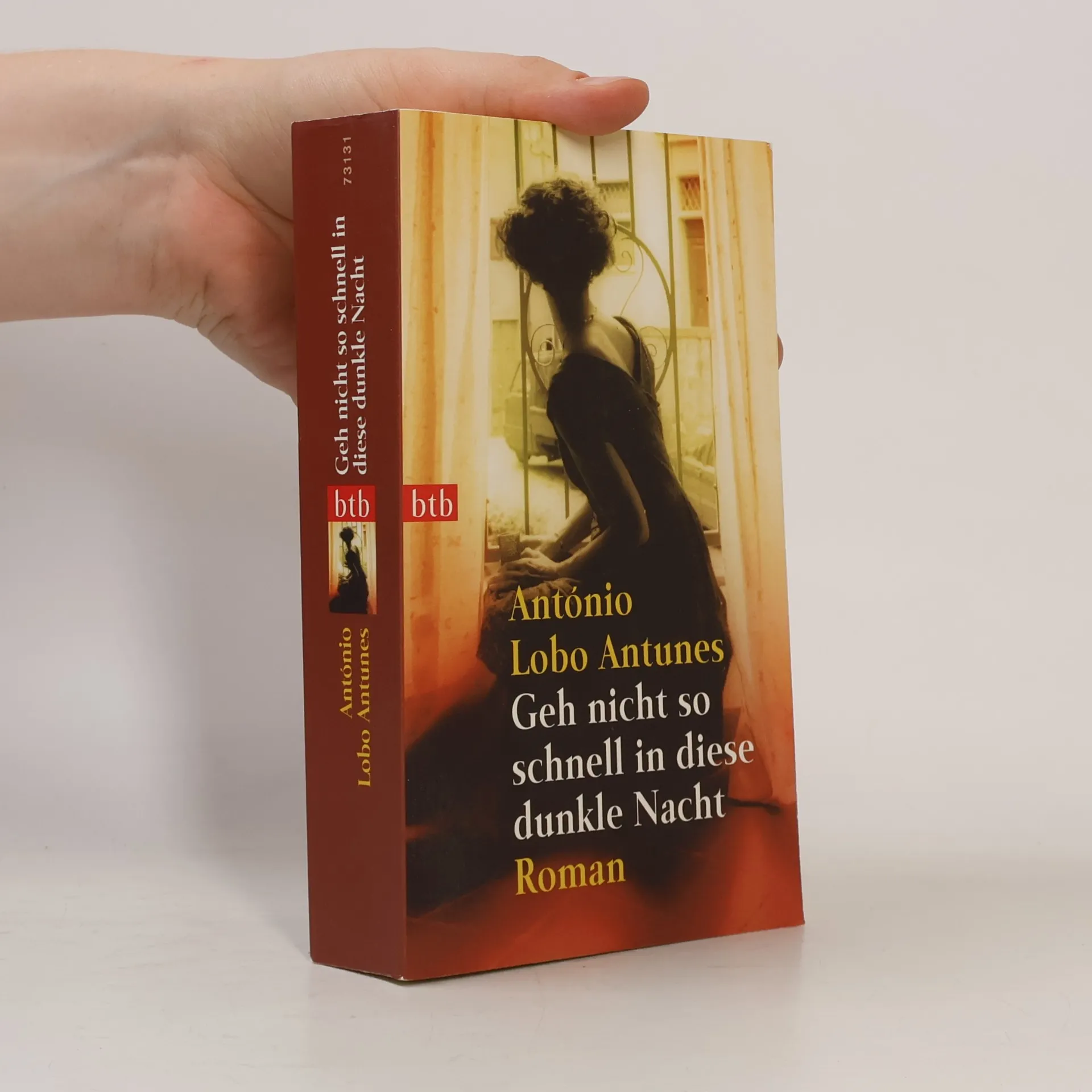
Es ist Weihnachten, und Carlos hat seine Geschwister und seine Mutter in die winzige Wohnung in einem armen Vorortviertel Lissabons eingeladen, sie haben sich fünfzehn Jahre nicht gesehen. Doch der Sekt wird warm, keiner kommt, sie waren nie eine glückliche Familie. Als Kolonialisten lebten sie schon in Angola mehr schlecht als recht; der Vater Amadeu war ein Säufer, die Mutter Isilda eine Mätresse. Und die Kinder? Carlos ist Mischling, Resultat einer Affäre des Vaters, Rui ist geistig behindert, Clarisse verkauft ihren Körper. Der Bürgerkrieg hat sie aus Afrika verscheucht, aber Schuld, Gewalt und Hass tränken ihre Erinnerungen und treiben sie in den Untergang - auch wenn ihre Nationalhymne stets „Portugals strahlende Größe“ beschwört ...
Was bleibt vom Leben, wenn man alles verloren hat? Eine Frau Anfang fünfzig fährt für ein Wochenende an den Strand. Das Ferienhaus ihrer Familie, an der Atlantikküste nördlich von Lissabon gelegen, ist verkauft worden, und sie möchte Abschied nehmen, ihren Erinnerungen an die Kindheit, an die gemeinsamen Sommer dort nachhängen. Doch die Vergangenheit bricht regelrecht über sie herein, und der Kurzurlaub gerät ihr zur Abrechnung über ihr Leben, zur Rückschau auf das ganze Drama ihrer Existenz. In diesen drei Tagen weichen ihre Erinnerungen an die glücklichen Zeiten der Kindheit einem immer bedrohlicheren Strudel der Verzweiflung …
Die Geschichte der gutbürgerlichen Familie Valades: Jorge, der, eines Putschversuches bezichtigt, im Gefängnis durch Selbstmord endet, der Bruder Fernando, der es zu nichts bringt, die zwei blassen Schwestern Anita und Teresinha und Julieta, die dritte Schwester, die ein Leben lang im Dachboden eingesperrt bleibt, weil sie nicht des Vaters Kind ist. Lobo Antunes schreibt mit diesem Roman eine Geschichte seines Landes fort, in deren Zentrum die Frage nach dem Zusammenhang zwischen patriarchalischer Familie und autoritärem Staat steht.
Der neue Roman des Weltliteraten aus Portugal ist ein Glanzstück der polyphonen Stimmenführung. Alle Mieter eines ganz normalen Wohnhauses in Lissabon kommen hier zu Wort, erzählen aus ihrem Leben, von ihrer Vergangenheit, ihren Sehnsüchten und Ängsten. Sie kommen aus Portugal, Afrika oder der Ukraine, sie sind jung oder alt, einsam oder krank oder wütend, und sie wissen wenig voneinander. Was sie eint, ist die verzweifelte Suche nach Sinn, nach Wärme, nach Liebe.
Uważana za arcydzieło Antonia Lobo Antunesa powieść "Zadupia" opowiada
historię portugalskiego lekarza nękanego wspomnieniami z wojny, który jak
dawni żeglarze, opowie swoją historię każdemu, kto zechce jej posłuchać.
Wpisując się w tradycję Williama Faulknera i Gabriela Garcii Marqueza, Lobo...
číst celé
Like his creator, the narrator of this novel is a psychiatrist who loathes psychiatry, a veteran of the despised 1970s colonial war waged by Portugal against Angola, a survivor of a failed marriage, and a man seeking meaning in an uncaring and venal society. The reader joins Antunes on a journey both real and phantasmagorical as he travels by car from a vacation in the Algarve back to his hated work as a psychiatrist at a Lisbon mental institution. In the course of one long day and evening, he carries on an imaginary conversation with his daughter Joanna, observes with surreal vision the bleak countryside of his nation, recalls the horrors of his involuntary role in the suppression of Angolan independence, and curses the charlatanism of contemporary psychiatric "advances" that destroy rather than heal.
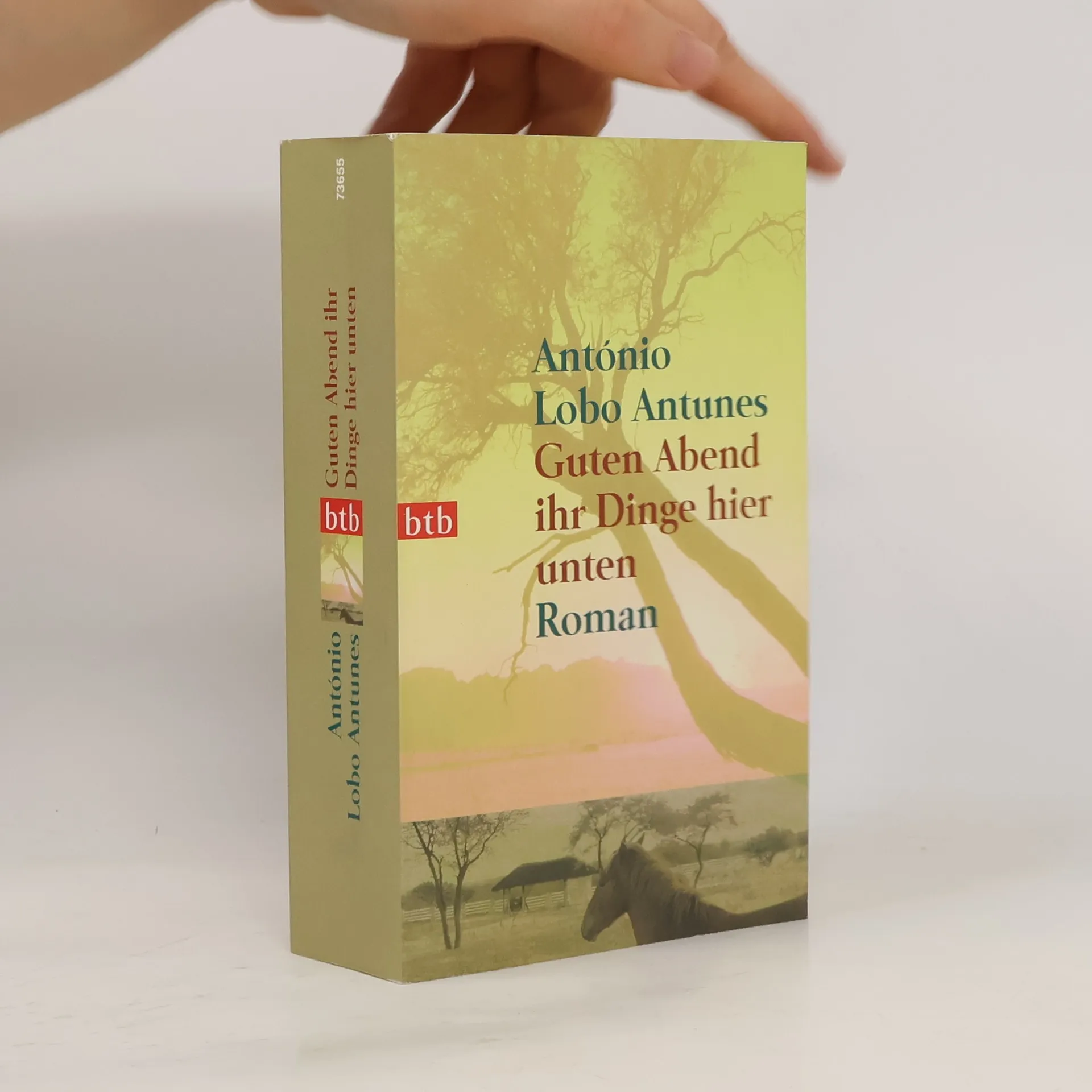
„Guten Abend ihr Dinge hier unten“ ist nichts Geringeres als ein Porträt Angolas in den letzten vierzig Jahren, von der Kolonialzeit unter portugiesischer Herrschaft und ihrem Ende in einem blutigen Bürgerkrieg bis zu Korruption und Gewalt in der Gegenwart. Zu Wort kommen die Schwachen, die Betrogenen, die Verlassenen …
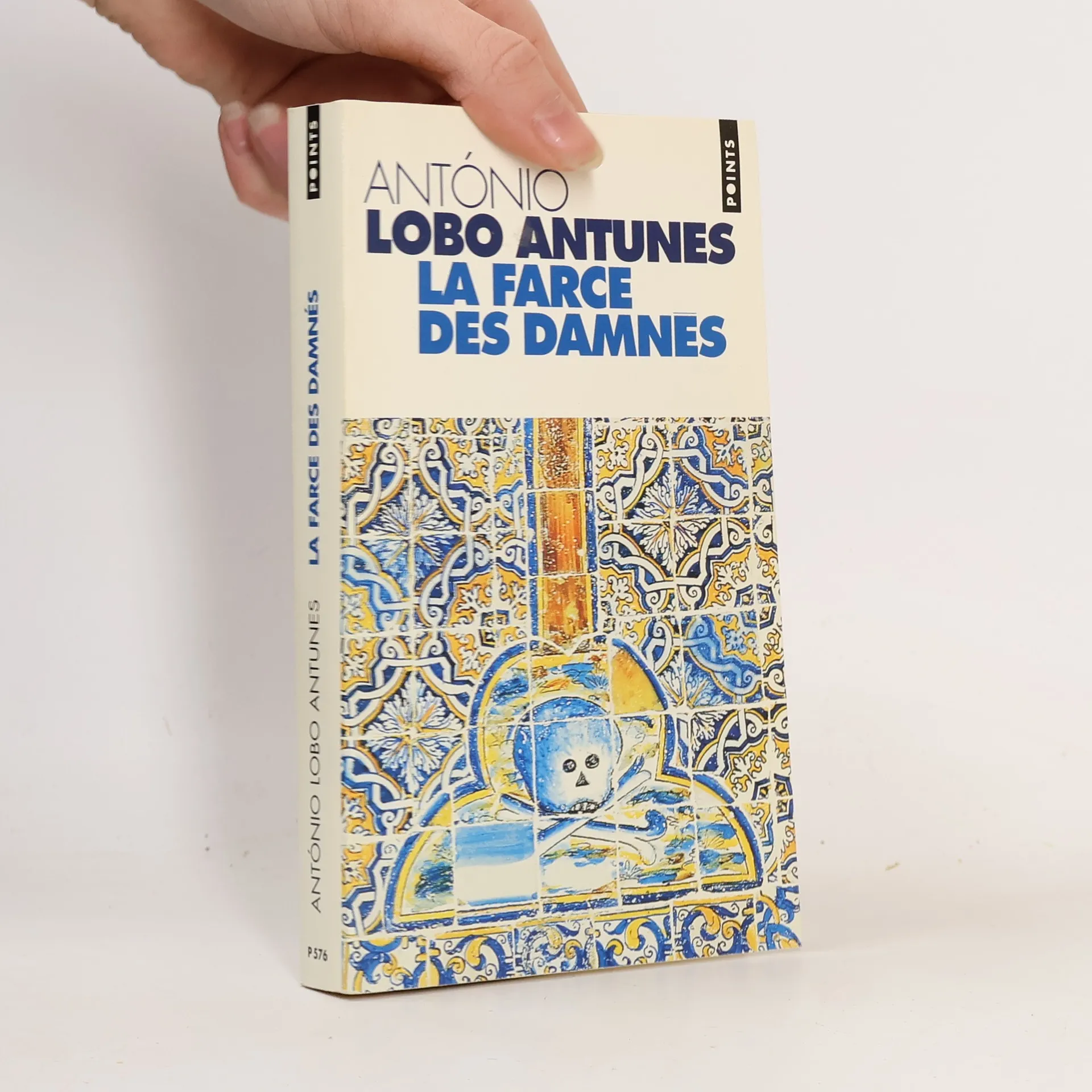
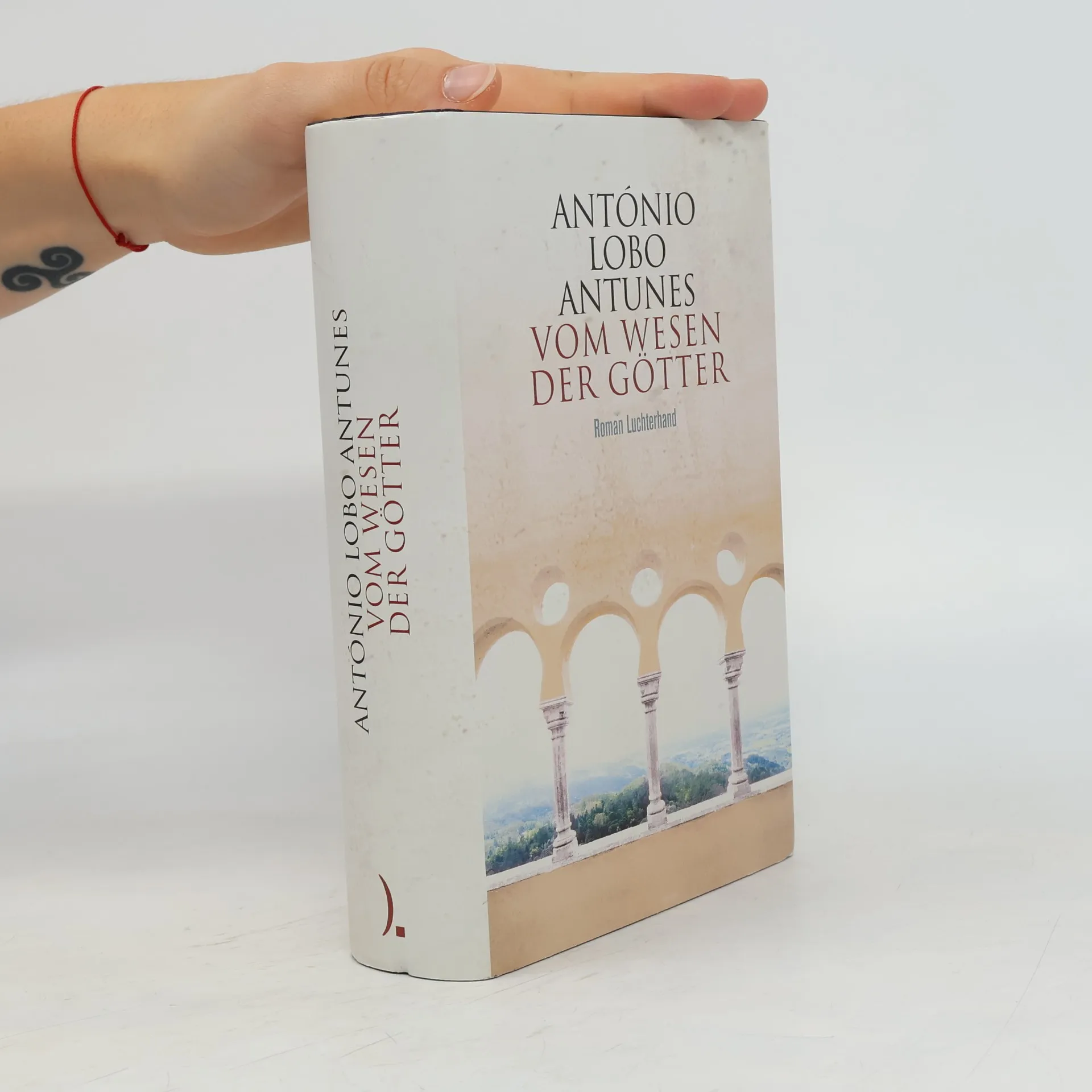
Ein Landgut in Trafaria, südlich von Lissabon, wird über ein halbes Jahrhundert von drei Generationen einer portugiesischen Familie geprägt, die unter der tyrannischen Herrschaft des patriarchalischen Großvaters leidet. Der Roman beginnt mit seiner Beerdigung, einem Mann, der das Gut mit Kälte, Rücksichtslosigkeit und Gewalt zu wirtschaftlichem Erfolg geführt hat. Seine gefühllose Gier, sowohl materiell als auch sexuell, prägt ihn bis ins hohe Alter. Er nimmt sich, was er will, unterdrückt und betrügt seine Frau und verachtet seine Familie, die er als schwach erachtet. Zusammen mit seinem gefürchteten Verwalter und dem Priester herrscht er mit harter Hand über das Gut und seine Bewohner, während der Verfall des Anwesens unaufhaltsam voranschreitet. Der Wendepunkt kommt, als sein jüngster Enkel auf das Erbe verzichtet und versucht, seinen Bruder zu retten, wodurch der Teufelskreis aus Unterdrückung und Angst durchbrochen wird. Die Erzählung thematisiert archaische Gewalt und reflektiert den Aufstieg und Niedergang des Landes sowie die Suche nach Liebe und menschlicher Wärme in einer grausamen Welt, in der selbst Gott den Menschen nicht mehr helfen kann.
António Lobo Antunes schrieb fast täglich an seine Frau, während er in den siebziger Jahren in Angola stationiert war. Die Veröffentlichung dieser Briefe erfüllt den letzten Willen seiner Frau und bietet ein persönliches Zeitdokument. Lobo Antunes’ Nachrichten aus dem Kolonialkrieg, ergänzt durch Faksimiles und Fotos, fungieren als Tagebuch, Literatur, Kriegsbericht und Liebesgeschichte. Der portugiesische Kolonialkrieg in Angola, den er über zwei Jahre hautnah erlebte, war für ihn eine traumatische Erfahrung, die sein literarisches Schaffen prägte. In diesen Briefen hören wir zum ersten Mal seine unverfälschte, private Stimme aus dieser Zeit. Von Januar 1971 bis März 1973 war er als Militärarzt in Angola und schrieb, abgesehen von wenigen Unterbrechungen, fast täglich an seine Frau, die er 1966 kennengelernt und 1970 geheiratet hatte. Mit 28 Jahren, isoliert von seiner Heimat und seinen Lieben, plante er die Zukunft, berichtete von familiären Ereignissen und äußerte seine Liebe. Zudem schickte er Wunschlisten für Tabak, Essen und Bücher, zitierte Literatur, diskutierte Theater und schilderte das Leben der Bevölkerung in Angola sowie die Schrecken des Krieges. Seine Töchter, Maria José und Joana, haben den Wunsch ihrer Mutter erfüllt, die Briefe zu veröffentlichen und nennen es »Das Buch der Liebe unserer Eltern«. Es ist ein einzigartiges Dokument eines großartigen Schriftstellers.
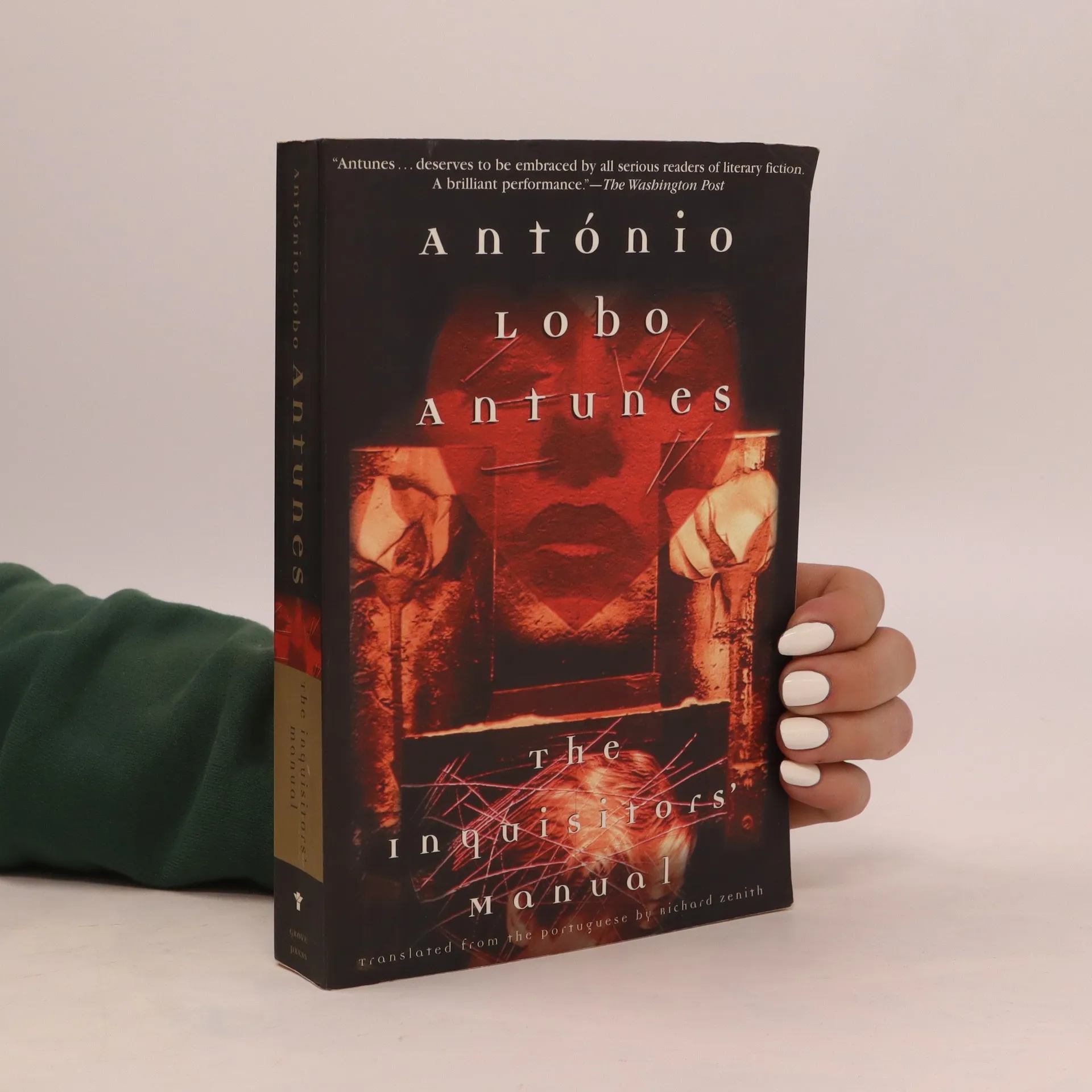
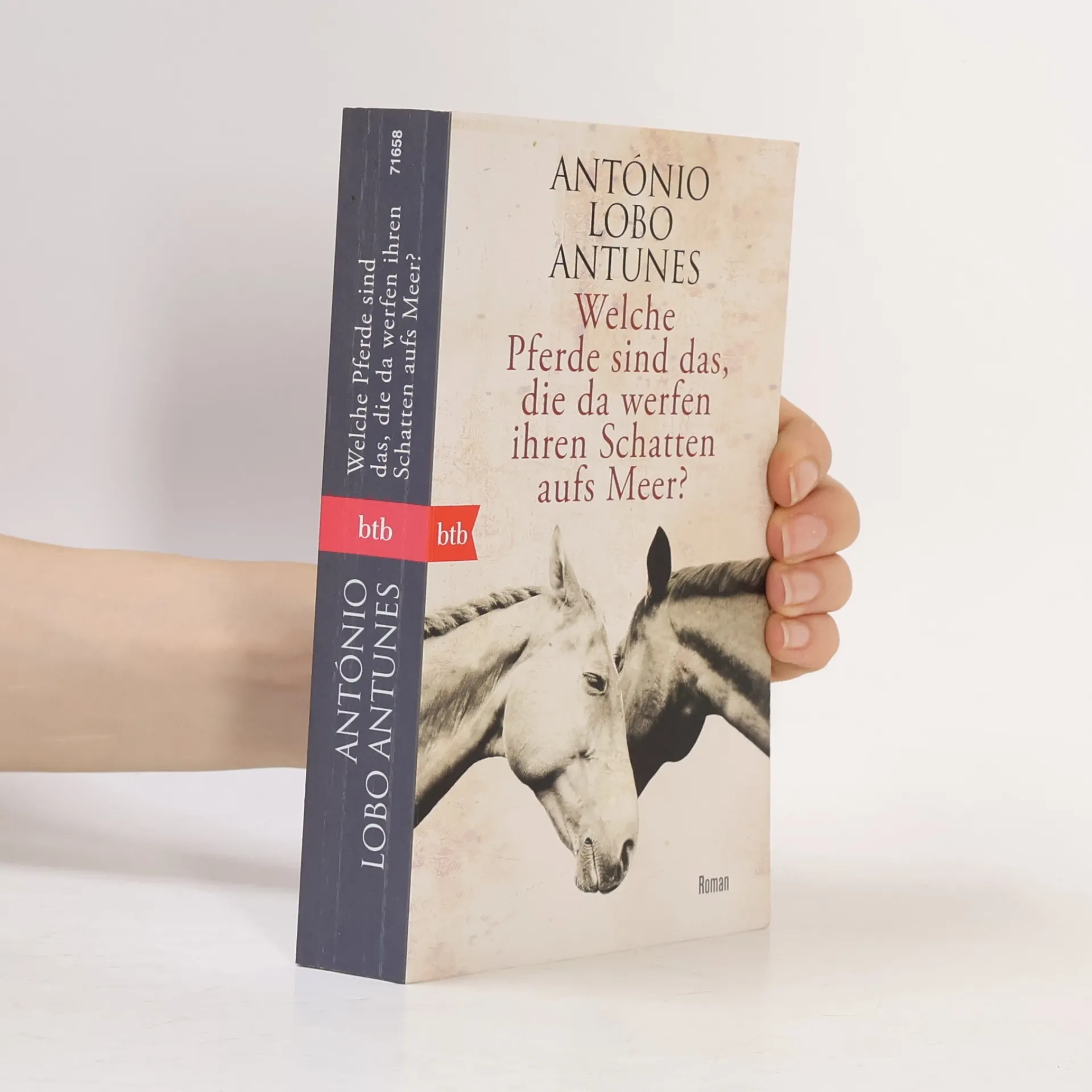
Portugal, Ende der achtziger Jahre. Als ein Bombenleger verhaftet wird, setzt man einen Ermittlungsrichter auf ihn an, der den Mann namens Antunes noch aus der Kindheit kennt. Doch das Verhör zwischen Richter und Angeklagtem läuft aus dem Ruder, bald weiß niemand mehr, wer wem die Fragen stellt.
«Na Balada da Praia dos Cães, oferece-nos uma obra-prima mas, como nos seus restantes livros, torna-se necessário um paladar exigente a fim de compreender isso. Para falar do romance precisava de muita conversa, e prefiro que seja o leitor a entendê-lo e a dar-se conta, por si, das subtilezas, alçapões e achados desta prosa com vários níveis de leitura e compreensão. Como tudo o que José Cardoso Pires nos deixou. Por favor, leiam-no: é uma imensa prenda que darão a vós mesmos.» Do Prefácio de António Lobo Antunes
Zu Lebzeiten war Carlos eine tragischschillernde Figur und hat als Drag Queen die Lissabonner Nachtclubszene beherrscht. Zu seinem furiosen, vielgestaltigen neuen Roman ließ sich Lobo Antunes von einer realen Figur inspirieren. Er geht den Selbstzweifeln und Verirrungen eines Mannes nach, mischt dessen Geschichte mit den Stimmen seiner Freunde, seines Sohnes in einem farbenprächtigen Kaleidoskop, das stets neue Bilder eines maßlosen Lebens erstehen lässt.
Das Schicksal des berühmtesten Transvestiten Portugals – ein schillernder Roman um den Zusammenhang zwischen Geschlecht und Identität.
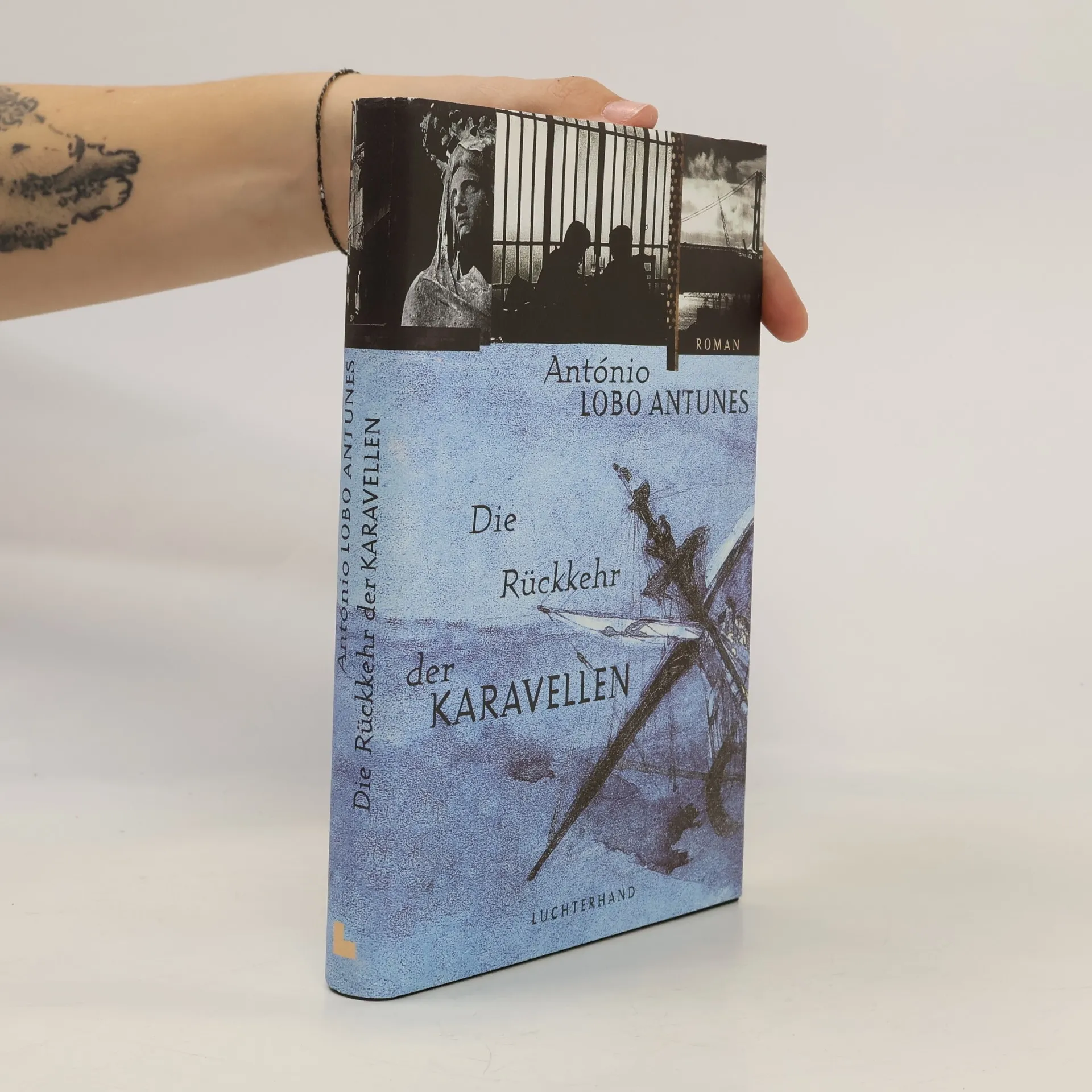
Lisabon, 70. léta dvacátého století: v duchu magického realismu ožívají velké postavy portugalských mořeplavců a kolonistů: Luís de Camões, Vasco da Gama, Pedro Álvares Cabral a ostatní, dnes již zapomenutí hrdinové portugalské historie. Postavy mořeplavců bloudí po proměněném a jim neznámém Lisabonu a očekávají návrat lodí ze zámořských výprav a obnovení slávy kdysi mocného Portugalska. Nostalgická i kritická připomínka kdysi slavné koloniální doby od jednoho z nejznámějších současných portugalských spisovatelů. Za kritické zpodobnění Portugalska jako koloniální mocnosti a nedotknutelných hrdinů-mořeplavců se v době vydání románu snesla na jeho hlavu vlna kritiky.
In Lissabon rasen Pferdekarren und Autos aneinander vorbei, während Öltanker und Karavellen vor Anker liegen. Die großen Seefahrer der Frühen Neuzeit mischen sich mit neugierigen Touristen in den engen Gassen der Altstadt. António Lobo Antunes präsentiert in diesem karnevalesken Roman den portugiesischen Nationalmythos neu und etabliert sich international. Die Legende von König Sebastian, der seit 1578 als tot geglaubt wird, wird aufgegriffen. Das fromme portugiesische Volk wartet noch immer auf seine Rückkehr. Antunes lässt bedeutende Entdeckungsreisende wie Pedro Alves Cabral, Vasco da Gama und Luís de Camões erneut den Atlantik überqueren, während sie zwischen modernen Öltankern und Flugzeugträgern nach Lissabon steuern. Cabral landet im Rotlichtviertel, Gama verdient seinen Lebensunterhalt mit kleinen Gaunereien, und Camões beginnt seine Lusiaden auf einem Kellnerschreibtisch. Diese Männer diskutieren mit den Menschen von heute über die Entwicklung der Neuen Welten. Antunes schafft eine Gleichzeitigkeit des Ungleichzeitigen, indem er mal tropisch und barock, mal lapidar und sarkastisch erzählt, während er ironische und komische Akzente setzt.
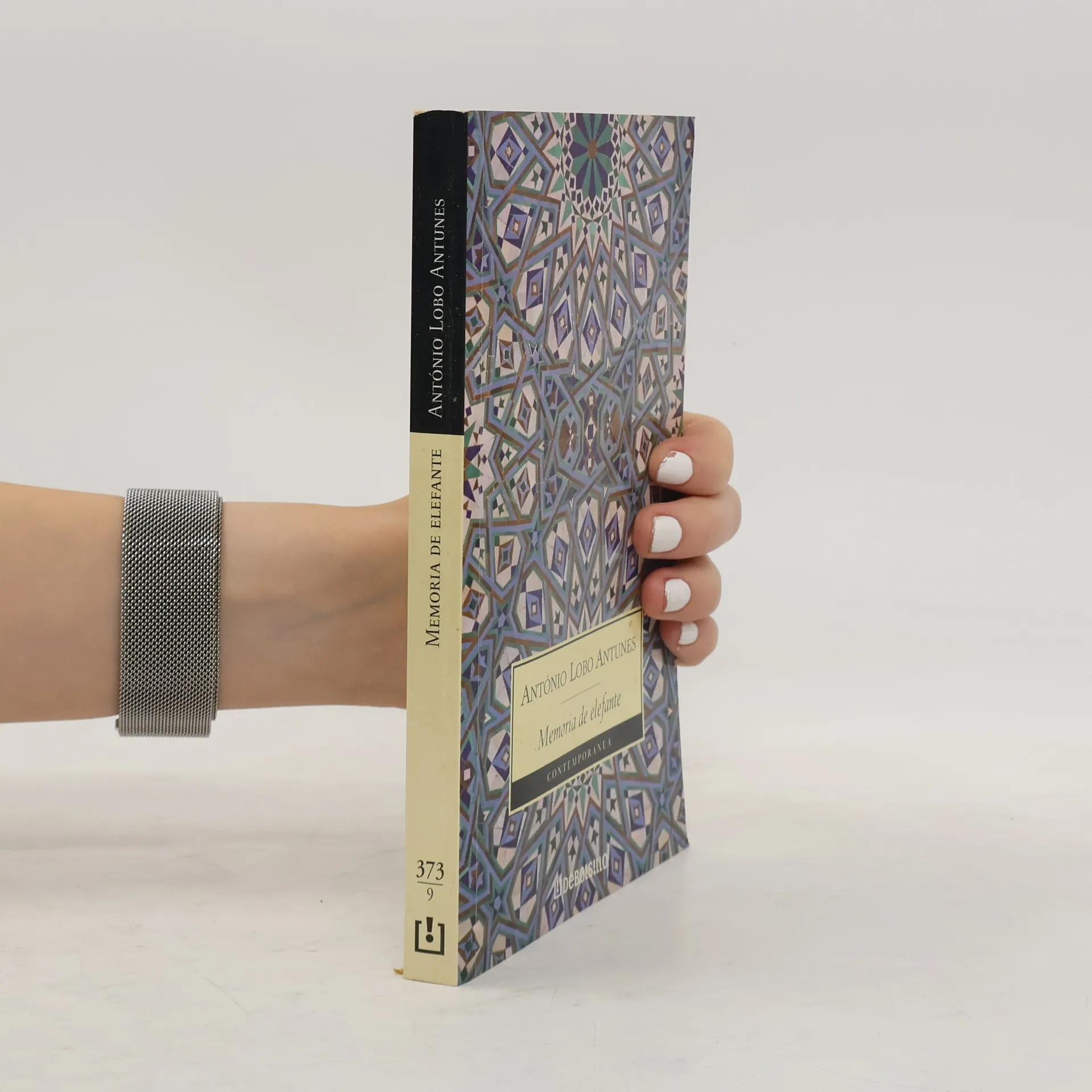
Memoria de elefante , primera novela de António Lobo Antunes, es el retrato de una crisis existencial. El protagonista, un psiquiatra residente en Lisboa cuya verdadera vocación es la escritura, cuenta, a través de una voz exuberante, facetas y capítulos de su vida, haciendo hincapié en los aspectos más íntimos y comprometidos. A lo largo de un día y una noche el héroe y narrador de esta historia pone de manifiesto la voluntad de escucharse a sí mismo, y de este modo hallar definitivamente una identidad perdida tiempo atrás. Memoria de elefante anuncia la llegada de un autor que destaca por la originalidad en su forma de contar, y lo que es aún más un escritor que provoca en el lector una forma insólita de leer. La crítica ha «Una novela que alcanza un nivel e intensidad admirables, que se impone con una convicción en el análisis del alma humana que envidiarían Camus o Dostoievski.» Francisco Solano, Babelia, El País «António Lobo Antunes es un privilegio insólito en el panorama de la literatura mundial. Sus libros son auténticos milagros que consiguen hacer auténtica poesía de las materias más comunes, que logran contar lo que no es contable, atrapar la memoria como pequeñas pulsiones emocionales.» Ignacio Echevarría « Memoria de elefante es un modelo perfecto de opera prima por su ambición y su deseo de lucimiento, y sobre todo es un aviso del talento que llegaría después.» Javier Aparicio Maydeu, Letras Libres
Ein meisterhafter Roman von António Lobo Antunes über Erinnerungen, Rassismus und die Sehnsucht nach einem anderen Leben. Er beleuchtet den portugiesischen Kolonialkrieg in Angola durch die Perspektiven eines Soldaten, eines Bezirksverwalters und der Tochter eines Plantagenbesitzers, die alle mit ihrer Vergangenheit ringen.
Der Weltliterat António Lobo Antunes wird 80 Jahre alt. Sein neuer Roman ist ein geniales Sprachkunstwerk - eine Reise ins Unbewusste von fünf Männern, die durch ein grausames Verbrechen vereint sind. Ein Geschäftsmann wurde ermordet und sein Körper in Schwefelsäure aufgelöst, um jeden Beweis zu eliminieren. Zu ihrer Verteidigung wiederholen die fünf Angeklagten immer wieder: »Keine Leiche, kein Verbrechen.« Der Autor dringt ins intimste Innere der Verdächtigen vor, er öffnet die Türen zu ihren Kindheitserinnerungen und Traumata, schält allmählich ihre Persönlichkeiten heraus und enthüllt, wie und warum das Verbrechen geschah. Inspiriert von einer wahren Begebenheit, entwirft Lobo Antunes mit seiner unvergleichlichen Sprachkunst die Stimmen von fünf menschlichen Monstern.
Ein sprachgewaltiger Roman über die sogenannte feine Gesellschaft Portugals zurzeit des Diktators Salazar: Die besseren Familien Portugals residieren in Cascais, einem westlich von Lissabon gelegenen Badeort, insbesondere in der Quinta da Marinha, wo man den Atlantik rauschen hört und die Dünen hinter den Pinien sieht. Hier spielt sich das gesellschaftliche Leben ab, hier wohnt man in herrschaftlichen Villen. Da gibt es den „Senhor Doutor“, einen reichen Unternehmer und Vertrauten des Diktators Salazar, der sich mit Härte und Lieblosigkeit aus einfachen Verhältnissen nach oben gekämpft hat. Seine Frau lebt zurückgezogen im obersten Stock, die Tochter des Hauses, „Senhora“ genannt, wurde vom Butler gezeugt und verbringt ihre Tage damit, ihr Hündchen zu streicheln und Bücher zu lesen, die ihr eine Buchhändlerin aus dem Ort vorbeibringt. Und dann gibt es noch eine junge Fadosängerin, deren Gefühle nicht erwidert werden …
In diesem Roman taucht António Lobo Antunes in den Alentejo ein, das große Herzstück Portugals zwischen der Algarveküste und dem Tal des Flusses Tejo. Hier singen die Bauern vom Meer, obwohl sie es selbst nie gesehen haben; hier züchtet eine Großgrundbesitzerfamilie seit Generationen Stiere für den Kampf, doch nun droht der Ruin. Meisterlich fängt Lobo Antunes diese untergehende Welt ein, in all ihren so unterschiedlichen, melancholischen oder wütenden Stimmen, in funkelnden Bildern.
Portugal nach fünfzig Jahren Diktatur: Rui S., missratener Sohn einer wohlhabenden Familie, findet keinen Platz für sich in diesem Land, weder bei den Reichen noch bei den Armen, weder bei den Intellektuellen noch bei den Kommunisten. Lobo Antunes’ bissiger und zugleich todtrauriger Roman erzählt mit verschiedenen Stimmen das Leben eines Gescheiterten, die Chronik eines Selbstmörders.
Clara ist sich sicher: Ihr Vater hat sie nie geliebt. Doch als er dann nach einem Herzinfarkt todkrank im Krankenhaus liegt, zieht sie sich heimlich auf den Dachboden zurück und stöbert in seinen alten Sachen, um ihm ein letztes Mal nahe zu kommen. Sie findet eine Truhe, die dem Vater gehört, angefüllt mit Erinnerungsstücken, Fotos, kleinen Zettelchen und kitschigen Figürchen. Langsam nähert sie sich der Familiengeschichte, die ja auch ihre eigene ist.
14.ª Edição no 10.º Aniversário da Publicação Original (1979)
188pages
7 heures de lecture
O livro acompanha a crise existencial do narrador, um psiquiatra que mora em Lisboa – alter ego do próprio Lobo Antunes. Regressado de Angola e separado da mulher e das filhas, o protagonista revela ao longo da narrativa – que transcorre em um único dia – sua grande mágoa em relação ao casamento fracassado.
Am Ende ihres Lebens sieht sich eine zurückgezogen lebende Theaterschauspielerin mit einer unheilbaren Krankheit konfrontiert, die ihr Gedächtnis beeinträchtigt. Es wird immer schwerer für sie, sich an bestimmte Ereignisse in ihrem Leben zu erinnern, und nicht nur das, manchmal fällt ihr der eigene Name nicht mehr ein. Sie hat die Stimmen so vieler verschiedener Charaktere angenommen, so viel erlebt, und jetzt scheint sich ihre Identität aufzulösen, in ihrem Inneren verschwimmen Vergangenheit und Gegenwart. Wo ist die Grenze zwischen den anderen und ihrer eigenen Stimme, wer ist sie selbst?