A sweeping and nuanced materialist history of Western political thought
Ellen Meiksins Wood Ordre des livres (chronologique)
1 janvier 1942 – 14 janvier 2016
Ellen Meiksins Wood fut une historienne et une universitaire marxiste. Avec Robert Brenner, elle a articulé les fondements du Marxisme Politique, une tendance de la théorie marxiste qui place l'histoire au centre de son analyse. Son travail a provoqué un éloignement des structuralismes et de la téléologie au profit de la spécificité historique en tant que processus contesté et praxis vécue. Les écrits de Wood, parfois en collaboration avec son mari Neal Wood, ont mis l'accent sur la contingence historique et la lutte inhérente à la transformation sociale, offrant un engagement profond avec les dynamiques de l'histoire.


Liberty and Property: A Social History of Western Political Thought from the Renaissance to Enlightenment
- 325pages
- 12 heures de lecture
The formation of the modern state, the rise of capitalism, the Renaissance and Reformation, the scientific revolution and the Age of Enlightenment have all been attributed to the “early modern” period. Nearly everything about its history remains controversial, but one thing is certain: it left a rich and provocative legacy of political ideas unmatched in Western history. The concepts of liberty, equality, property, human rights and revolution born in those turbulent centuries continue to shape, and to limit, political discourse today. Assessing the work and background of figures such as Machiavelli, Luther, Calvin, Spinoza, the Levellers, Hobbes, Locke and Rousseau, Ellen Wood vividly explores the ideas of the canonical thinkers, not as philosophical abstractions but as passionately engaged responses to the social conflicts of their day.
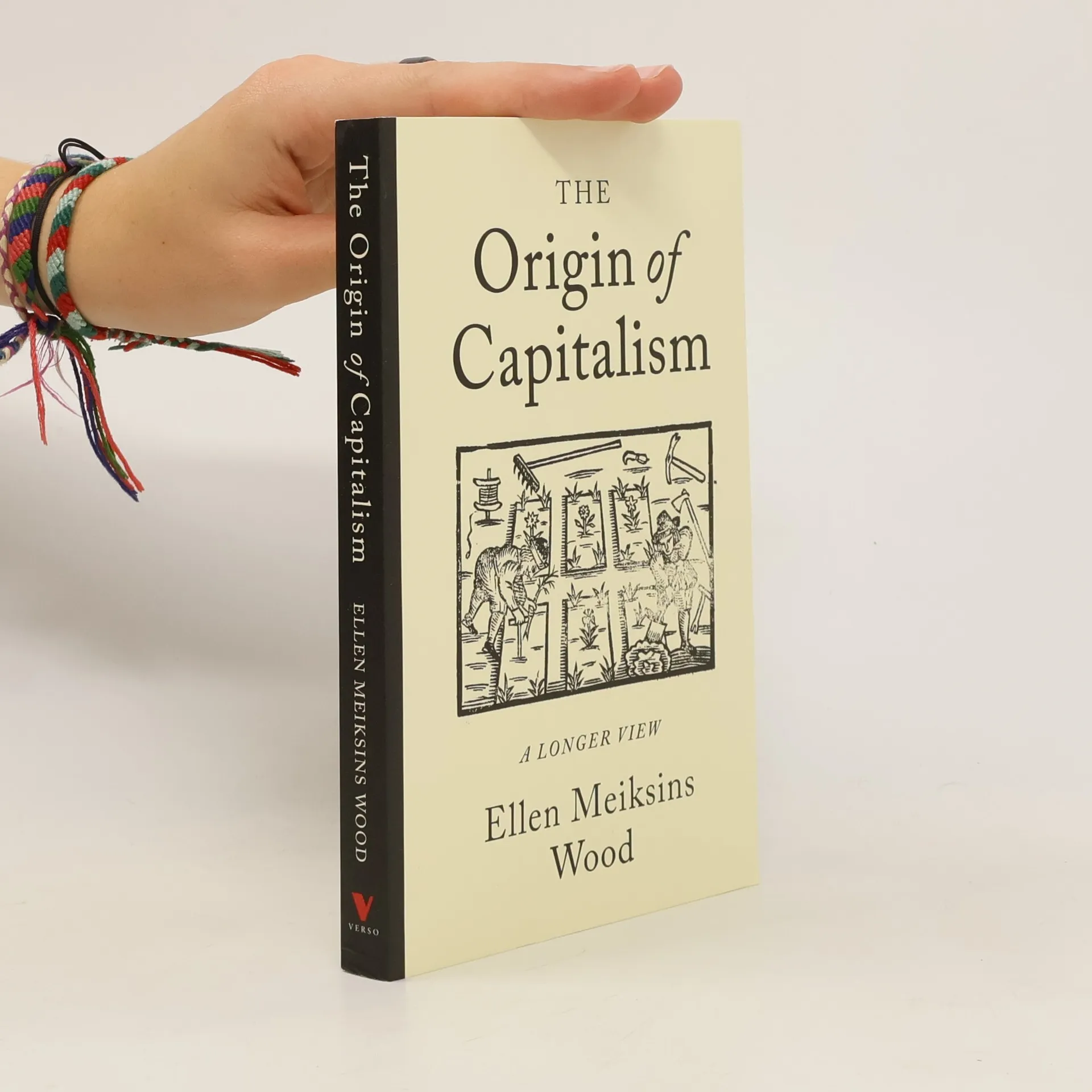
The Origin of Capitalism
- 213pages
- 8 heures de lecture
The Origin of Capitalism was one of those 'Aha!' moments. Wood was an extraordinarily rigorous and imaginative thinker, someone who breathed life into Marxist political theory and made it speak-not to just to me but to many others-at multiple levels: historical, theoretical, political. -Corey Robin, Jacobin The writing is so supple and accessible, and the argument so persuasive, it's like watching a cloudy mixture of ideas being turned into a clear solution. -Adrienne Rich This extremely valuable book offers an insightful tour of the historical debates surrounding the transition from feudalism to capitalism ... a must-read for anyone with even the remotest interest in the origins of capitalism, or economic thought in general, from undergraduates through professionals. - Choice Brilliant book ... Into the central thread of her argument, Ellen Meiksins Wood has woven a wonderfully rich texture of comment on the arguments and debates that preceded her ... not just a valuable new interpretation of an old history, it carries important lessons for our own times. - Spokesman
Demokratie contra Kapitalismus
- 304pages
- 11 heures de lecture
Die Historikerin und politische Denkerin Ellen Meiksins Wood argumentiert, dass Theorien der „postmodernen“ Fragmentierung, „Differenz“ und Kontingenz kaum Platz für die Idee des Kapitalismus bieten, geschweige denn, ihn zu kritisieren. In diesem Buch setzt sie sich zum Ziel, das kritische Programm des historischen Materialismus zu erneuern, indem sie seine grundlegenden Konzepte und seine Geschichtstheorie auf originelle und einfallsreiche Weise neu definiert. Sie nutzt diese Konzepte, um die Spezifität des Kapitalismus als System sozialer Beziehungen und politischer Macht zu identifizieren. Darüber hinaus untersucht sie das Konzept der Demokratie in der antiken und modernen Welt, betrachtet dessen Verhältnis zum Kapitalismus und wirft Fragen auf, wie Demokratie über die ihr auferlegten Grenzen hinausgehen könnte.
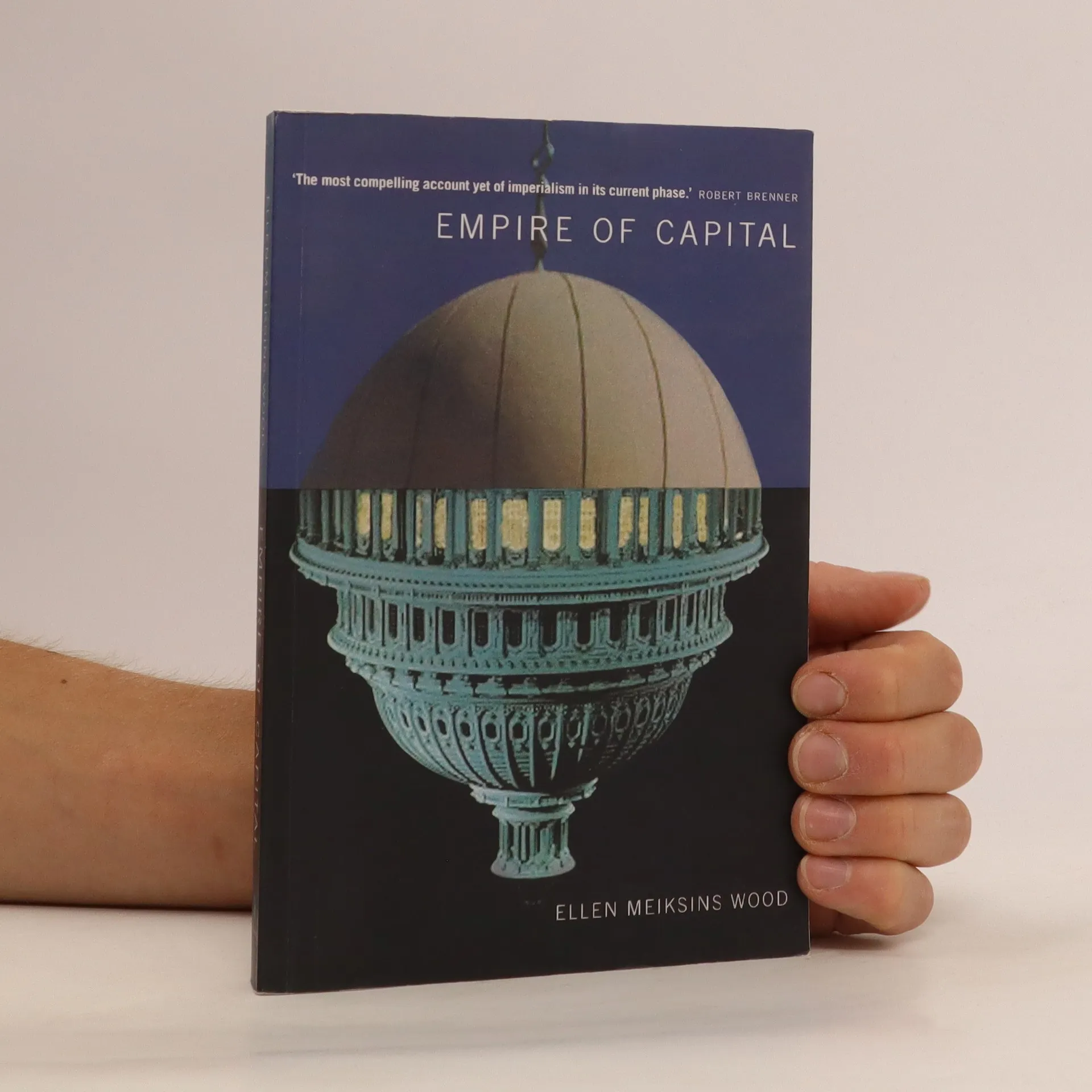
Empire of capital
- 240pages
- 9 heures de lecture
What does imperialism mean in the absence of colonial conquest and imperial rule?
This work offers a contemporary reinterpretation of Marxism, arguing that it remains a powerful lens for critically analyzing capitalism. It delves into the relevance of Marxist theory in understanding modern economic structures and social dynamics, highlighting its strengths in addressing contemporary issues. The author presents a compelling case for why Marxism continues to be a vital framework for critique and discussion in today's capitalist society.
Masters of the Universe? NATO's Balkan Crusade
- 240pages
- 9 heures de lecture
NATO’s war on Yugoslavia in the spring of 1999 was unleashed in the name of democracy and human rights. This view was challenged by the world’s three largest countries, India, China and Russia, who saw the bombing of Serbia and Kosovo as a naked attempt to assert US dominance in an unstable world.In the West, media networks were joined by substantial sectors of left/liberal opinion in supporting the war. Nonetheless, a wide variety of figures emerged to challenge the prevailing consensus. Their work, gathered here for the first time, forms a collection of key statements and anti-war writings from some of democracy’s most eloquent dissidents—Noam Chomsky, Harold Pinter, Edward Said and many others—who provide carefully researched examinations of the real motives for the US action, dissections and critiques of the ideology of ‘humanitarian warfare’, and chartings of the unnecessary tragedy of a region laid to waste in the pursuance of Great Power politics.This reader presents some of the most important texts on NATO’s Balkan crusade and forms a major intervention in the debate on global geo-political strategy after the Cold War.
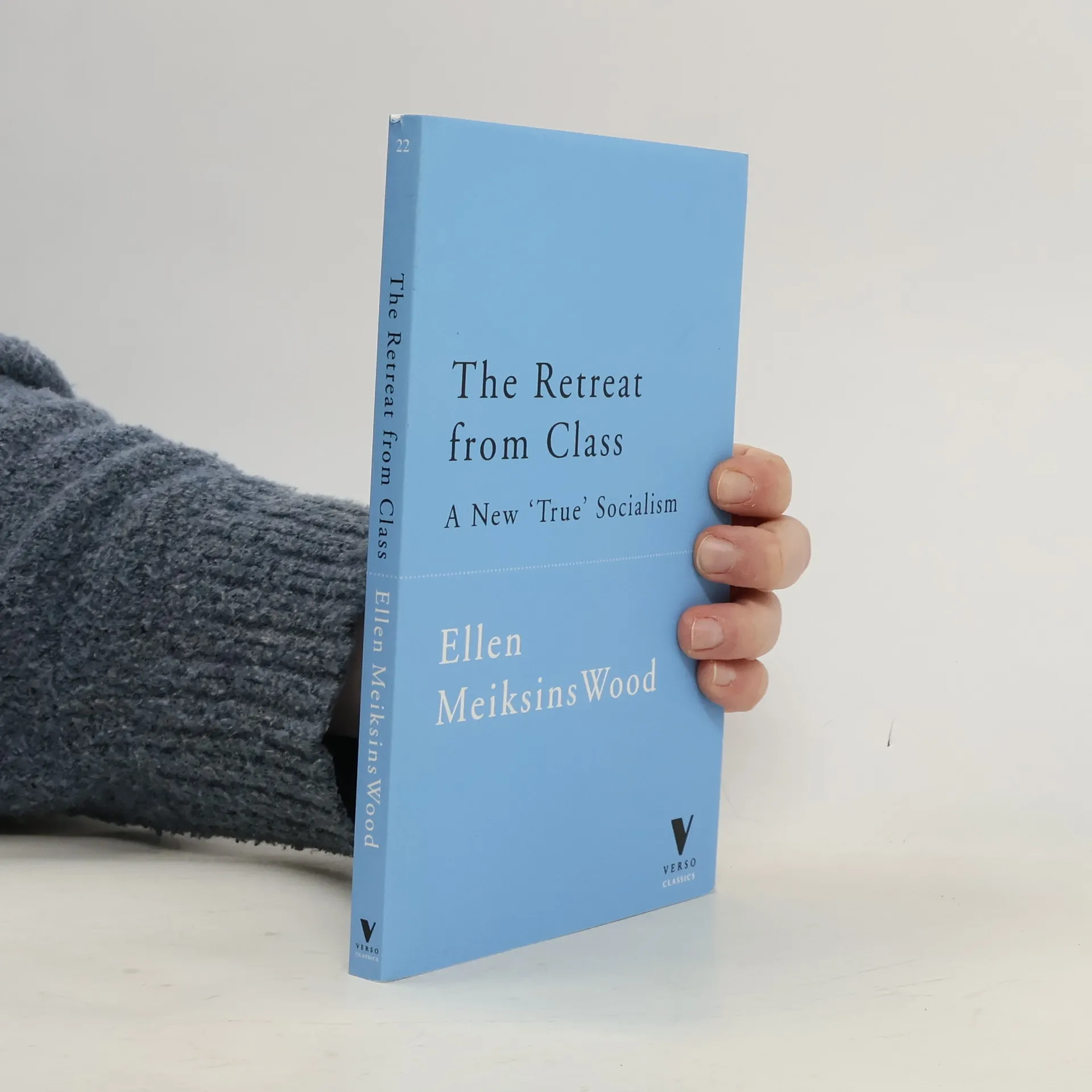
The Retreat from Class
- 160pages
- 6 heures de lecture
A survey of influential trends in contemporary Marxist theory which examines the relationship between class, politics and ideology. The introduction discusses the relevance of the text in a post-Soviet world and argues for a re-examination of class politics.
Peasant-citizen and slave
The foundations of Athenian democracy
The controversial thesis at the center of this study is that, despite the importance of slavery in Athenian society, the most distinctive characteristic of Athenian democracy was the unprecedented prominence it gave to free labor. Wood argues that the emergence of the peasant as citizen, juridically and politically independent, accounts for much that is remarkable in Athenian political institutions and culture.From a survey of historical writings of the eighteenth and nineteenth centuries, the focus of which distorted later debates, Wood goes on to take issue with recent arguments, such as those of G.E.M. de Ste Croix, about the importance of slavery in agricultural production. The social, political and cultural influence of the peasant-citizen is explored in a way which questions some of the most cherished conventions of Marxist and non-Marxist historiography. This book will be of great interest to ancient historians, classicists, anthropologists and political theorists, as well as to a wider reading public.