William James Livres






Presents two works of political philosophy: Nicolò Machiavelli's "The Prince" and Thomas Hobbes's "Leviathan," and includes biographical introductions
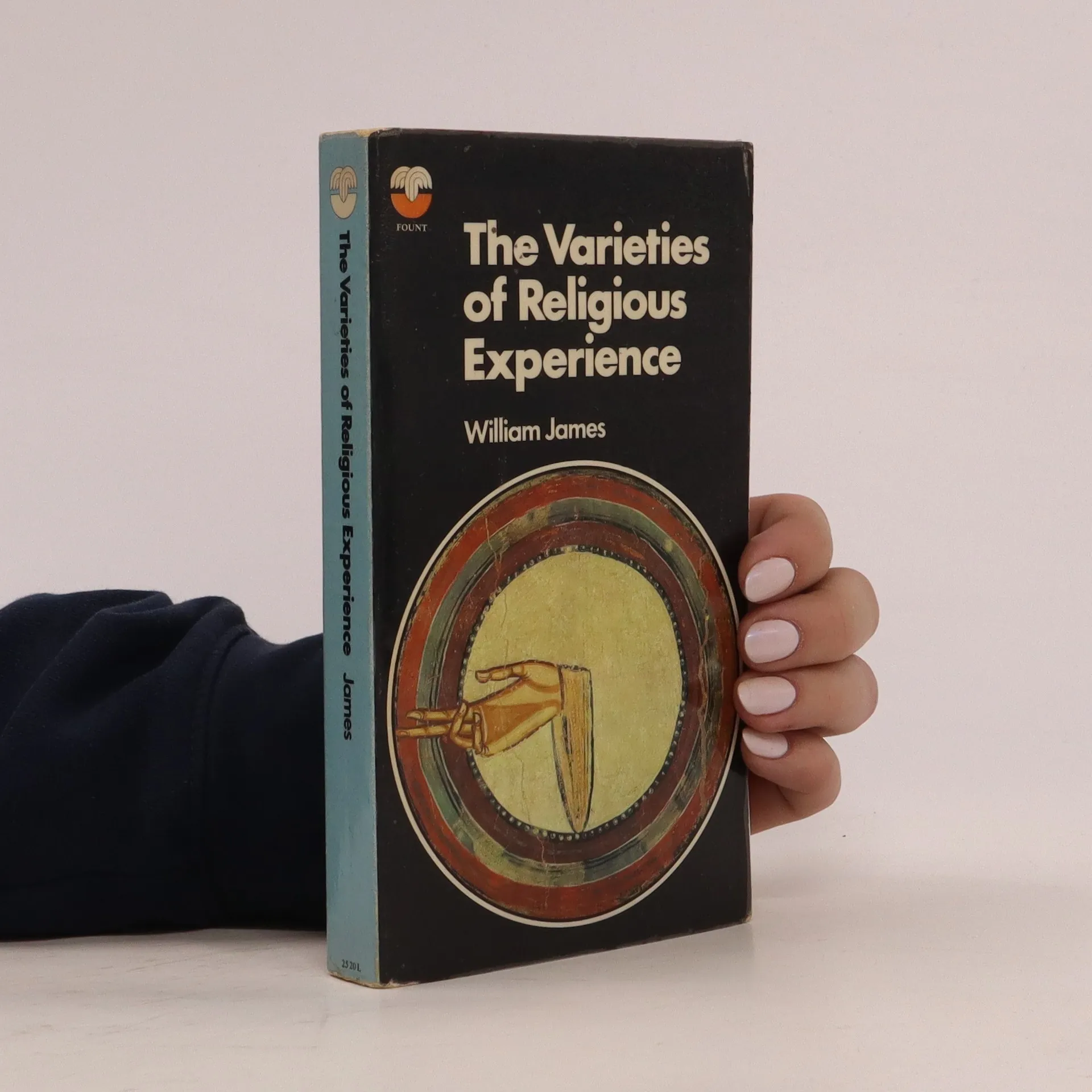
Focusing on the subjective nature of religious experience, this treatise explores the psychological aspects of belief in a transcendent reality, whether conceived as God or a higher spiritual force. Originally presented in the Gifford Lectures at Edinburgh University, it offers a comprehensive overview of the religious imagination, transcending specific creeds and theologies. Its insights remain relevant across various religious contexts, including Christianity, Judaism, Islam, Buddhism, and New Age beliefs, making it a timeless study in the psychology of faith.
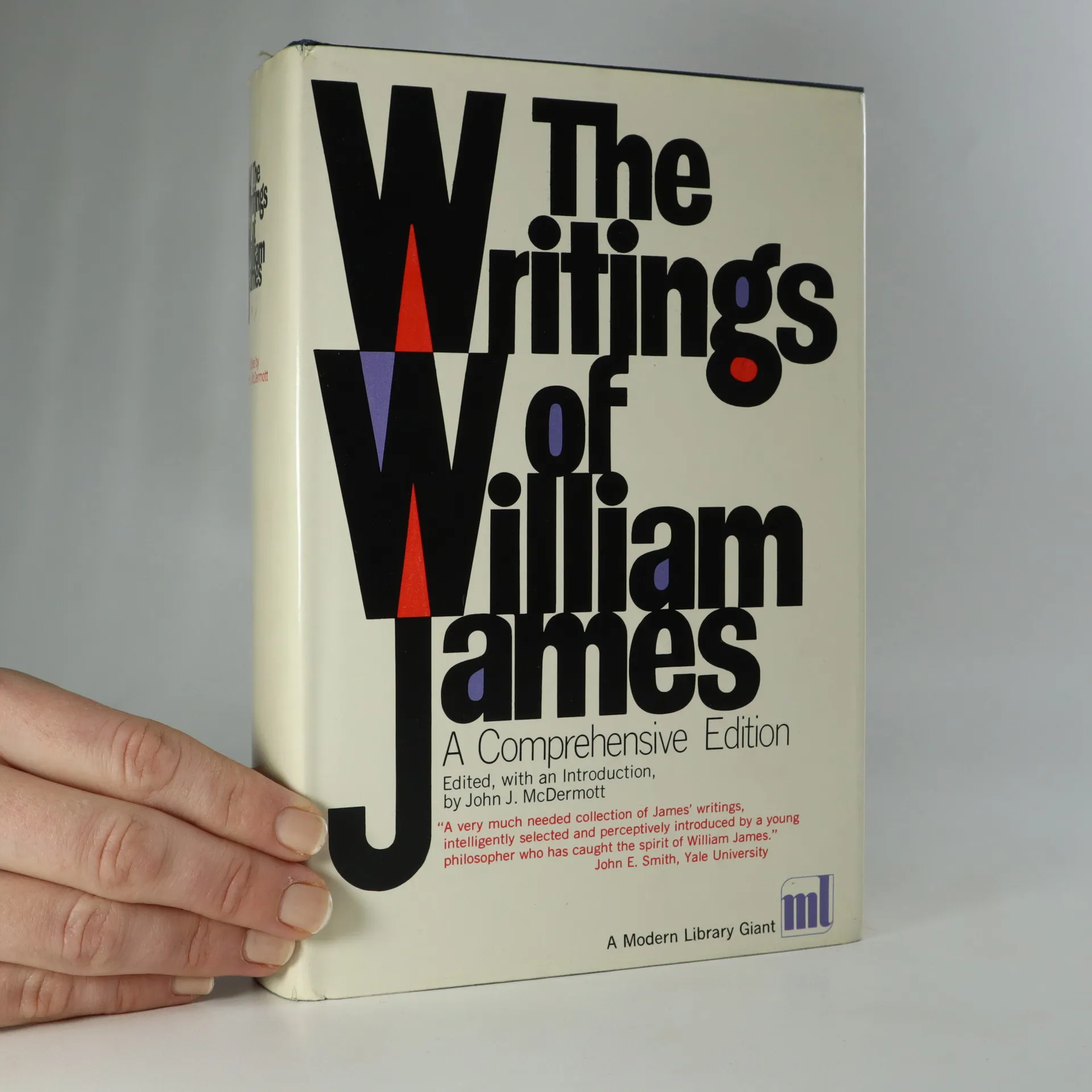
The Writings of William James
A Comprehensive Edition - Edited, With an Introduction and a New Preface.
- 912pages
- 32 heures de lecture
In his introduction to this collection, John McDermott presents James's thinking in all its manifestations, stressing the importance of radical empiricism and placing into perspective the doctrines of pragmatism and the will to believe. The critical periods of James's life are highlighted to illuminate the development of his philosophical and psychological thought. The anthology features representive selections from The Principles of Psychology, The Will to Believe , and The Variety of Religious Experience in addition to the complete Essays in Radical Empiricism and A Pluralistic Universe . The original 1907 edition of Pragmatism is included, as well as classic selections from all of James's other major works. Of particular significance for James scholarship is the supplemented version of Ralph Barton Perry's Annotated Bibliography of the Writings of William James , with additions bringing it up to 1976.
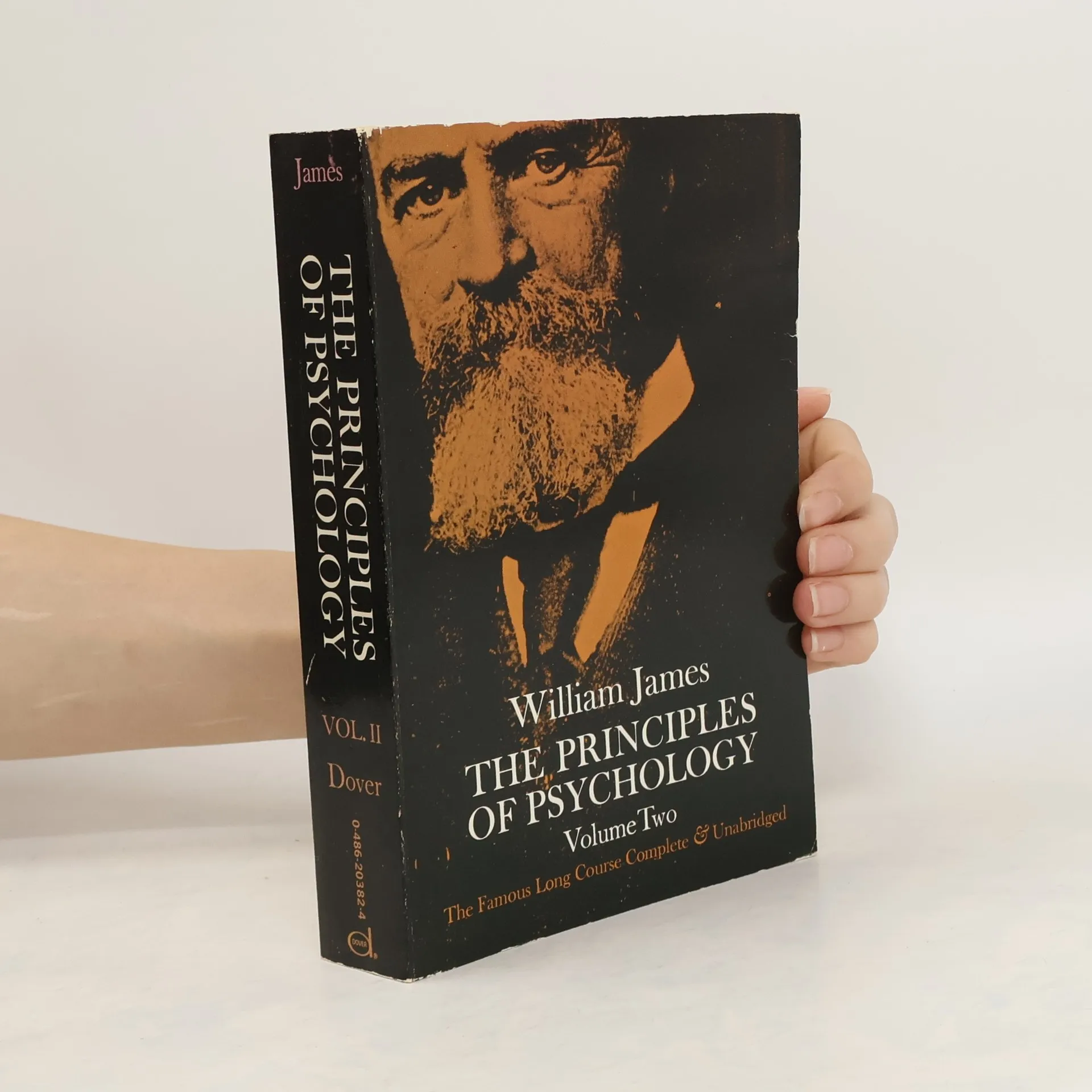
"For the psychologist, standard reading, to all readers, a classic of interpretation." — Psychiatric Quarterly This is the first inexpensive edition of the complete Long Course in Principles of Psychology, one of the great classics of modern Western literature and science and the source of the ripest thoughts of America’s most important philosopher. As such, it should not be confused with the many abridgements that omit key sections. The book presents lucid descriptions of human mental activity, with detailed considerations of the stream of thought, consciousness, time perception, memory, imagination, emotions, reason, abnormal phenomena, and similar topics. In its course it takes into account the work of Berkeley, Binet, Bradley, Darwin, Descartes, Fechner, Galton, Green, Helmholtz, Herbart, Hume, Janet, Kant, Lange, Lotze, Locke, Mill, Royce, Schopenhauer, Spinoza, Wundt, and scores of others. It examines contrasting interpretations of mental phenomena, treating introspective analysis, philosophical interpretations, and experimental research. Although the book originally appeared nearly 75 years ago, it remains unsurpassed today as a brilliantly written survey of William James’ timeless view of psychology. "Rereading James brings a sense of perspective and even a little humility to our regard for more modern achievements." — Journal of Consulting Psychology
This is the first inexpensive edition of the complete Long Course in Principles of Psychology, one of the great classics of modern Western literature and science and the source of the ripest thoughts of America’s most important philosopher. As such, it should not be confused with the many abridgements that omit key sections. The book presents lucid descriptions of human mental activity, with detailed considerations of the stream of thought, consciousness, time perception, memory, imagination, emotions, reason, abnormal phenomena, and similar topics. In its course it takes into account the work of Berkeley, Binet, Bradley, Darwin, Descartes, Fechner, Galton, Green, Helmholtz, Herbart, Hume, Janet, Kant, Lange, Lotze, Locke, Mill, Royce, Schopenhauer, Spinoza, Wundt, and scores of others. It examines contrasting interpretations of mental phenomena, treating introspective analysis, philosophical interpretations, and experimental research. Although the book originally appeared nearly 75 years ago, it remains unsurpassed today as a brilliantly written survey of William James’ timeless view of psychology.
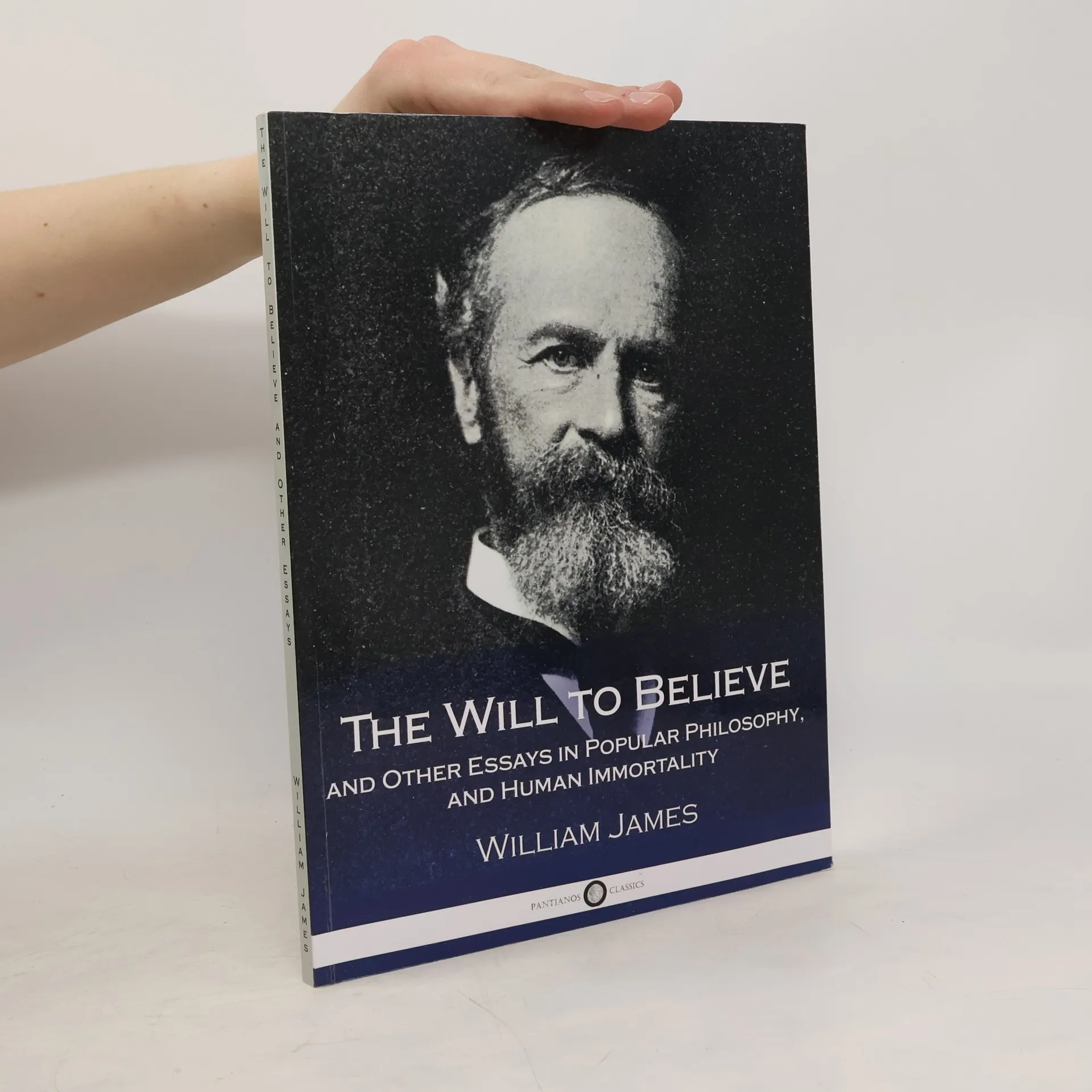
The Will to Believe. Human Immortality
- 402pages
- 15 heures de lecture
The work of William James contributed greatly to the burgeoning fields of psychology, particularly in the areas of education, religion, mysticism and pragmatism. The brother of novelist Henry James and of diarist Alice James, William wrote several powerful essays expressing his ideas on the pragmatic theory of truth, sentience, and human beings' right to believe. In "The Will to Believe", James suggests that what a person holds to be true or attainable may exist through that person's belief in them, regardless of a lack of physical evidence. In a sense, he advocates the theory of self-fulfilling prophesies. "Human Immortality" was a speech delivered during the annual Ingersoll Lectureship, given in memory of George Goldthwait Ingersoll, in 1897 at Harvard University. These works are a prime example of the powerful influence William James has had on modern psychology, and are still recognized today for their brilliance and revolutionary impacts on the field.
Be Not Afraid of Life
- 384pages
- 14 heures de lecture
In his review of Sick Souls, Healthy Minds, New York Times Book Review editor John Williams emphasizes the importance of engaging directly with William James's work. He suggests that while contemporary theorists can help modern readers, James's original writings are powerful enough to resonate on their own. This collection aims to showcase the most accessible of James's writings, framed within an existential context that speaks to today's search for meaning in a world often dismissive of traditional significance. James's insights address what he termed "the modern predicament," a culture marked by excess and dissatisfaction. The anthology mirrors the structure of Kaag's work and revolves around the central question: Is life worth living? It features selections that highlight James as an existentialist who champions human freedom, promotes a healthy-minded psychology, and invites exploration of consciousness. His unique perspective on truth, rooted in practical meaning, and openness to mystical experiences make him a thinker whose ideas are highly relevant today. This compilation serves as a vital resource for those seeking to understand and apply James's profound insights to contemporary life.
Habit
- 76pages
- 3 heures de lecture
Exploring the psychology of habitual behavior, this treatise delves into the science of habits, highlighting their benefits, drawbacks, and methods of negation. Written by influential philosopher and psychologist William James, the work is accessible and ideal for students and psychology enthusiasts. The modern edition includes a new biography of James, making it a valuable resource for those interested in his contributions to American philosophy. This volume is part of a growing collection of vintage works that are being republished for today's readers.
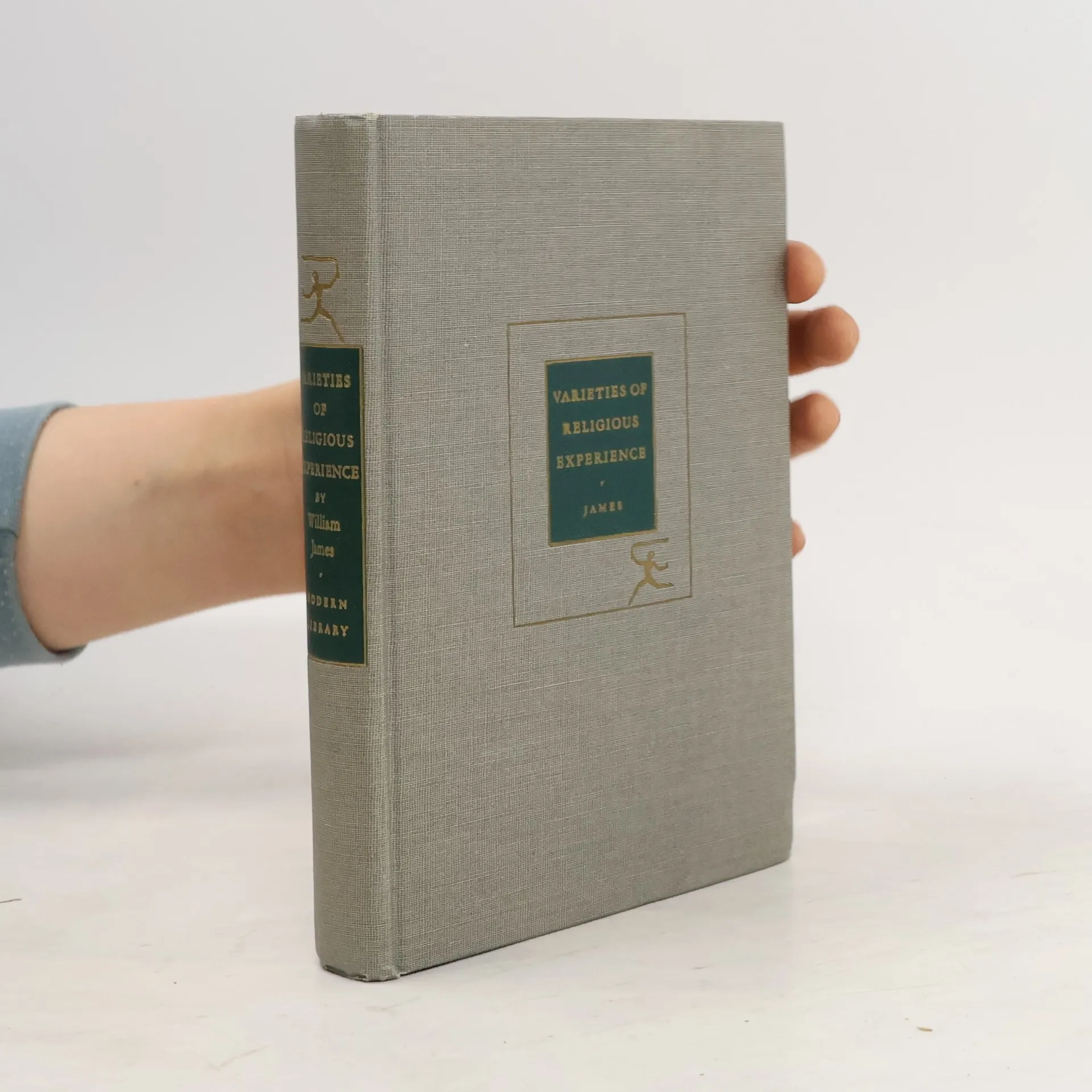
The Varieties of Religious Experience came about as the result of William James's legendary lecture series at The University of Edinburgh. It consisted of 20 Lectures, 2 courses of 10 lectures each. In this series, James examines in detail the nature of religion, expanding on pragmatism in the process. As part of the canon of modern philosophy and psychology, these lectures are both classic and relevant.
Pragmatism and The Meaning of Truth
- 400pages
- 14 heures de lecture
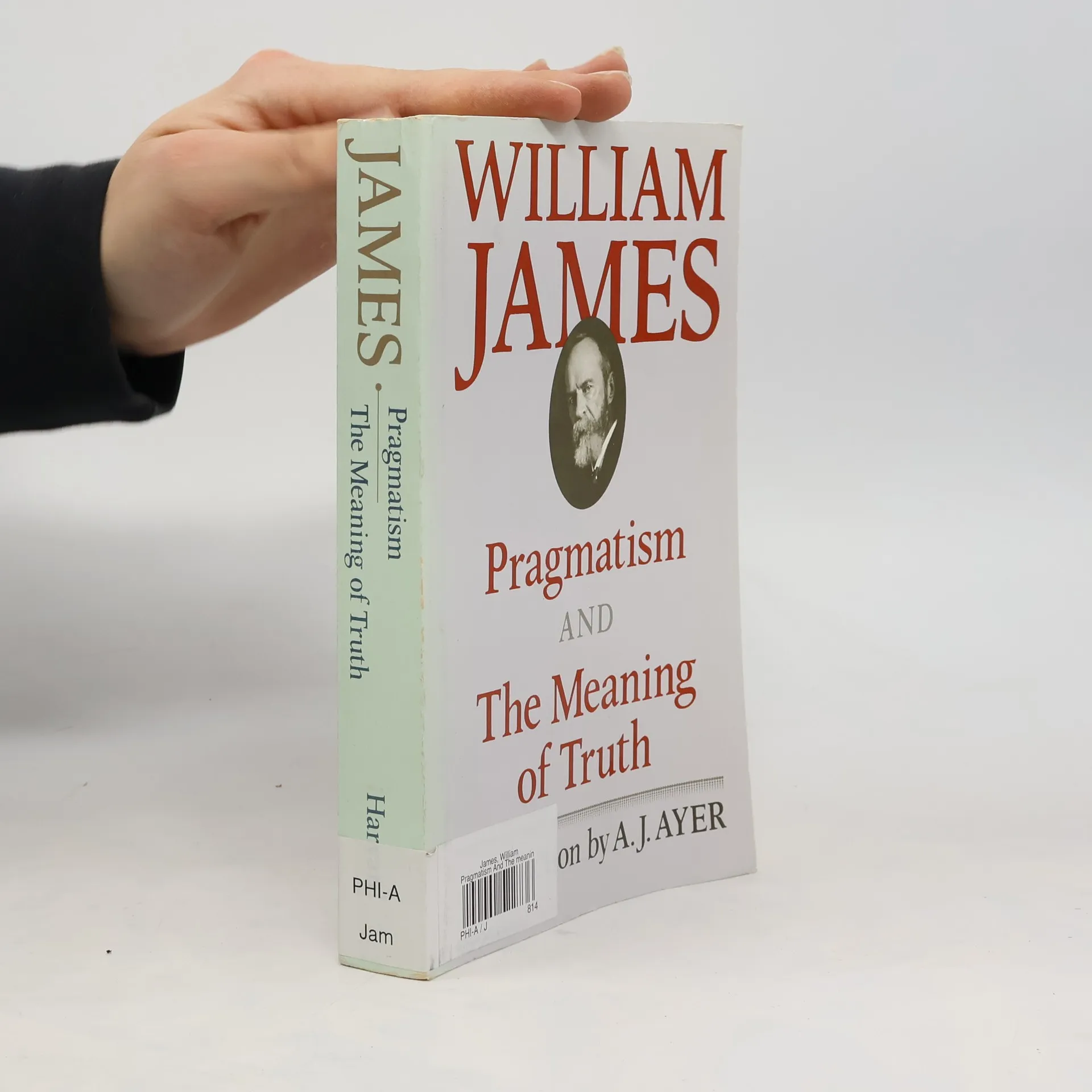
Pragmatism is the most famous single work of American philosophy. Its sequel, The Meaning of Truth , is its imperative and inevitable companion. The definitive texts of both works are here available for the first time in one volume, with an introduction by the distinguished contemporary philosopher A. J. Ayer.In Pragmatism , William James attacked the transcendental, rationalist tradition in philosophy and tried to clear the ground for the doctrine he called radical empiricism. When first published, the book caused an uproar. It was greeted with praise, hostility, ridicule. Determined to clarify his views, James collected nine essays he had written on this subject before he wrote Pragmatism and six written later in response to criticisms by Bertrand Russell and others. He published The Meaning of Truth in 1909, the year before his death.These two works show James at his best full of verve and good humor. Intent upon making difficult ideas clear, he is characteristically vigorous in his effort to make them prevail.
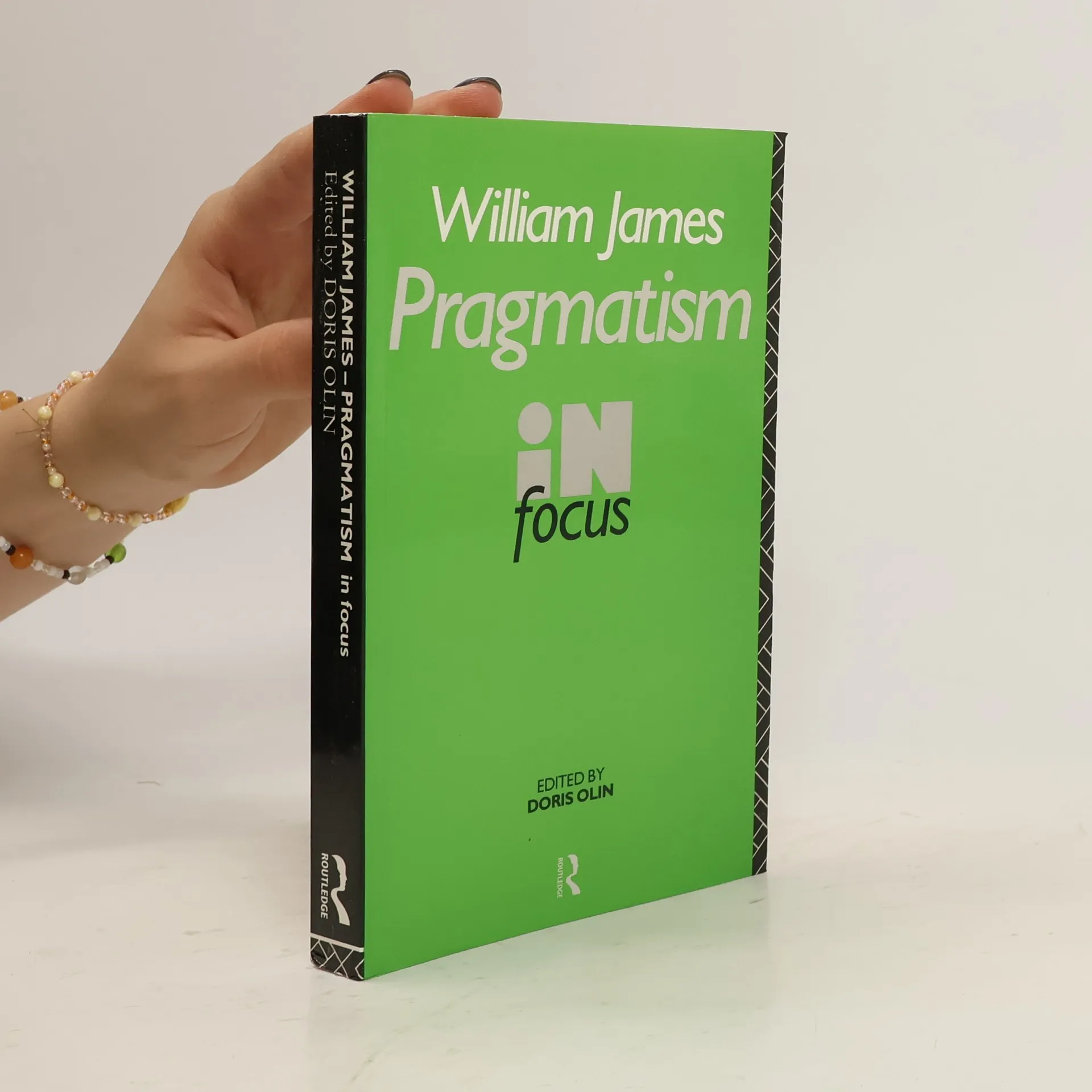
Routledge Philosophers in Focus Series: William James Pragmatism in Focus
- 240pages
- 9 heures de lecture
The original 1907 text is accompanied with a series of critical essays from scholars including Moore and Russell. In the introduction Olin evaluates the strength of the criticisms made against James.
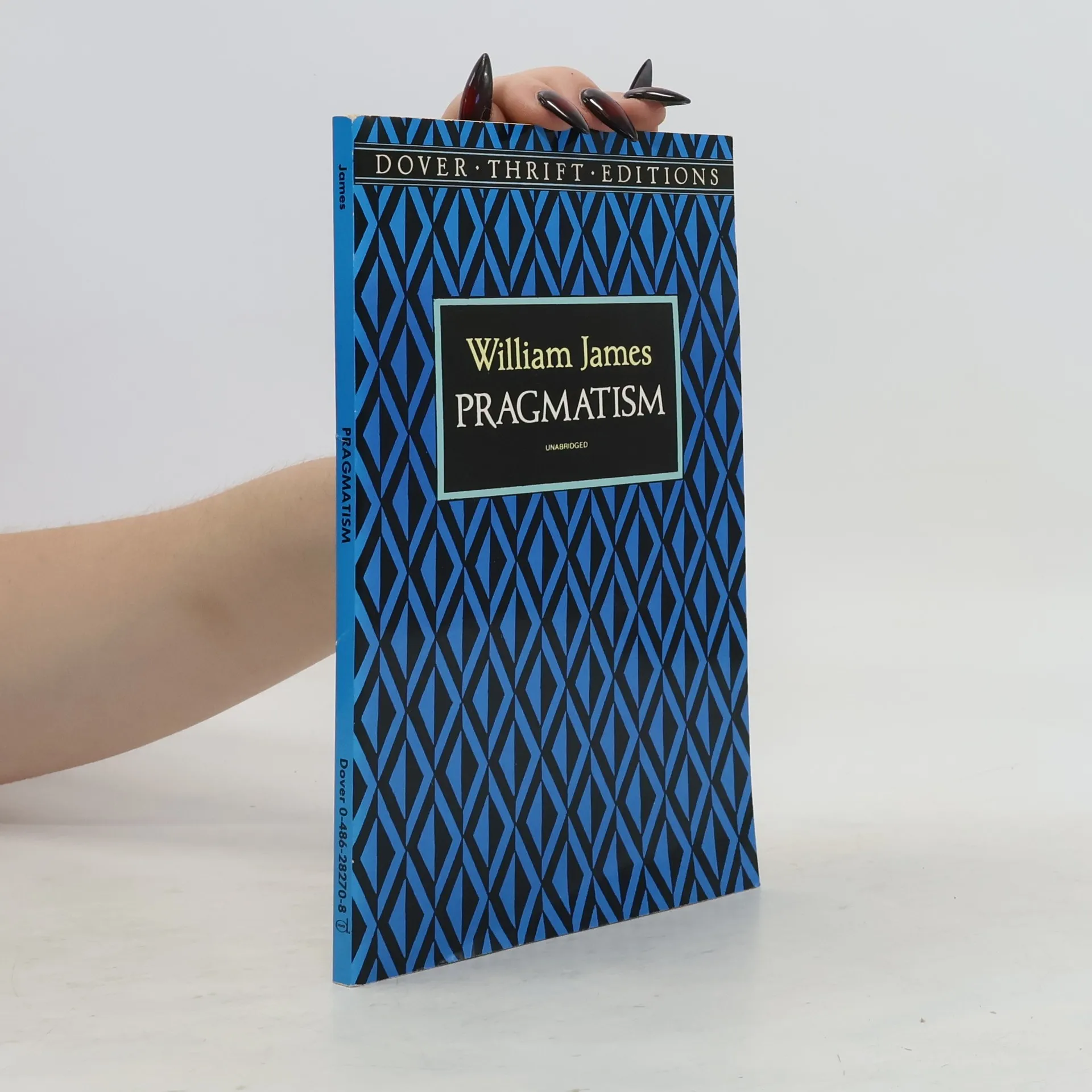
A profoundly influential figure in American psychology, William James (1842–1910) was also a philosopher of note, who used Charles S. Peirce's theories of pragmatism as a basis for his own conception of that influential philosophy. For James, this meant an emphasis on "radical empiricism" and the concept that the meaning of any idea — philosophical, political, social, or otherwise — has validity only in terms of its experiential and practical consequences. James propounded his theories of pragmatism in this book, one of the most important in American philosophy. In a sense, he wished to test competing systems of thought in the "marketplace of actual experience" to determine their validity, i.e. whether adopting a particular philosophical theory or way of looking at the world makes an actual difference in individual conduct or in how we perceive and react to the varieties of experience. In these pages, James not only makes a strong case for his own ideas, but mounts a powerful attack against the transcendental and rationalist tradition. For anyone interested in William James or the history of American philosophical thought, Pragmatism is an essential and thought provoking reference. In this handy, inexpensive edition, it will challenge and stimulate any thinking person.
Talks to Teachers on Psychology
- 160pages
- 6 heures de lecture
Still-vital lectures on teaching deal with psychology and the teaching art, the stream of consciousness, the child as a behaving organism, education and behavior, native and acquired reactions, habit, association of ideas, attention, memory, acquisition of ideas, perception, will, and more. The three addresses to students are "The Gospel of Relaxation," "On a Certain Blindness in Human Beings," and "What Makes a Life Significant?" Preface. 2 black-and-white illus.
The Will to Believe
- 130pages
- 5 heures de lecture
The work of William James contributed greatly to the burgeoning fields of psychology, particularly in the areas of education, religion, mysticism and pragmatism. The brother of novelist Henry James and of diarist Alice James, William wrote several powerful essays expressing his ideas on the pragmatic theory of truth, sentience, and human beings' right to believe. In "The Will to Believe", James suggests that what a person holds to be true or attainable may exist through that person's belief in them, regardless of a lack of physical evidence. In a sense, he advocates the theory of self-fulfilling prophesies. "Human Immortality" was a speech delivered during the annual Ingersoll Lectureship, given in memory of George Goldthwait Ingersoll, in 1897 at Harvard University. These works are a prime example of the powerful influence William James has had on modern psychology, and are still recognized today for their brilliance and revolutionary impacts on the field.
Great Ideas - 75: On a Certain Blindness in Human Beings
- 128pages
- 5 heures de lecture
William James's strong beliefs in a pragmatic theory of truth - that truth is only as relevant as its effect on us - lead to these absorbing essays on fact and belief. Within them is a fascinating theory of reality that suggests nothing is truly 'real' without examination through human empathy and experience.
The Varieties of Religious Experience
A Study in Human Nature (Hardcover)
- 270pages
- 10 heures de lecture
Focusing on the psychology of mystical experiences, this treatise delves into the nature of religious experiences and their significance. William James analyzes various aspects of these phenomena, exploring how they shape individual perception and understanding of spirituality. Through a thoughtful examination, he seeks to bridge the gap between science and religion, offering insights into the profound impact of such experiences on the human psyche.
This book is a large print reproduction of a historical work, designed specifically for individuals with impaired vision. The publishing house Megali focuses on enhancing accessibility in reading, ensuring that important texts are available to a wider audience.
The Varieties of Religious Experience - The Classic Masterpiece in Philosophy, Psychology, and Pragmatism
- 452pages
- 16 heures de lecture
William James's exploration of religion in this collection stems from his renowned lecture series at The University of Edinburgh, where he delivered 20 insightful lectures. He delves into the essence of religious experience while intertwining his philosophical views on pragmatism. This work stands as a significant contribution to modern philosophy and psychology, offering timeless insights into the complexities of faith and belief.
The Varieties of Religious Experience, a Study in Human Nature (Annotated)
Easy-to-read Layout
- 640pages
- 23 heures de lecture
Exploring the complexities of human nature, this work delves into the diverse expressions of religious experience across cultures and individuals. It offers profound insights into how these experiences shape beliefs and influence behavior, making it a significant contribution to the understanding of spirituality and psychology. The text encourages readers to reflect on their own beliefs and the universal quest for meaning, highlighting the rich tapestry of human experiences related to faith and spirituality.
Focusing on accessibility, this publication by Megali emphasizes the importance of making historical works available in large print. It aims to enhance the reading experience for individuals with impaired vision, ensuring that significant literary contributions remain accessible to all.
A Pluralistic Universe
- 192pages
- 7 heures de lecture
This collection features a diverse array of literary works, ranging from renowned classics by Shakespeare and the Brontë sisters to lesser-known treasures by authors like Edith Wharton and James Fenimore Cooper. It serves as a tribute to literary pioneers and aims to introduce readers to a variety of genres and styles, celebrating both indie writers and timeless literature across different eras.
The author, a psychologist rather than a theologian or scholar of religion, finds the religious tendencies of humans to be as intriguing as any aspect of their mental makeup. In 1901, during a series of lectures at the University of Edinburgh on "natural religion," he defined religion as the feelings, acts, and experiences of individuals in solitude, particularly in relation to the divine. This perspective shifts the focus from institutional definitions to personal experiences, leading to a significant exploration of spirituality. The resulting work is regarded as one of the most important texts in psychology and a profound contemplation of spirituality, praised by critics as one of the finest nonfiction works of the 20th century. Through his analytical approach, the author examines religious experiences from diverse sources, proposing a pluralistic framework where the divine encompasses multiple qualities. This perspective promotes an intellectual call for religious tolerance and respect, a message that remains relevant and vital across the decades.
Webster's New World Dictionary: The 100,000 Entry Concise Edition of the American Language
- 882pages
- 31 heures de lecture
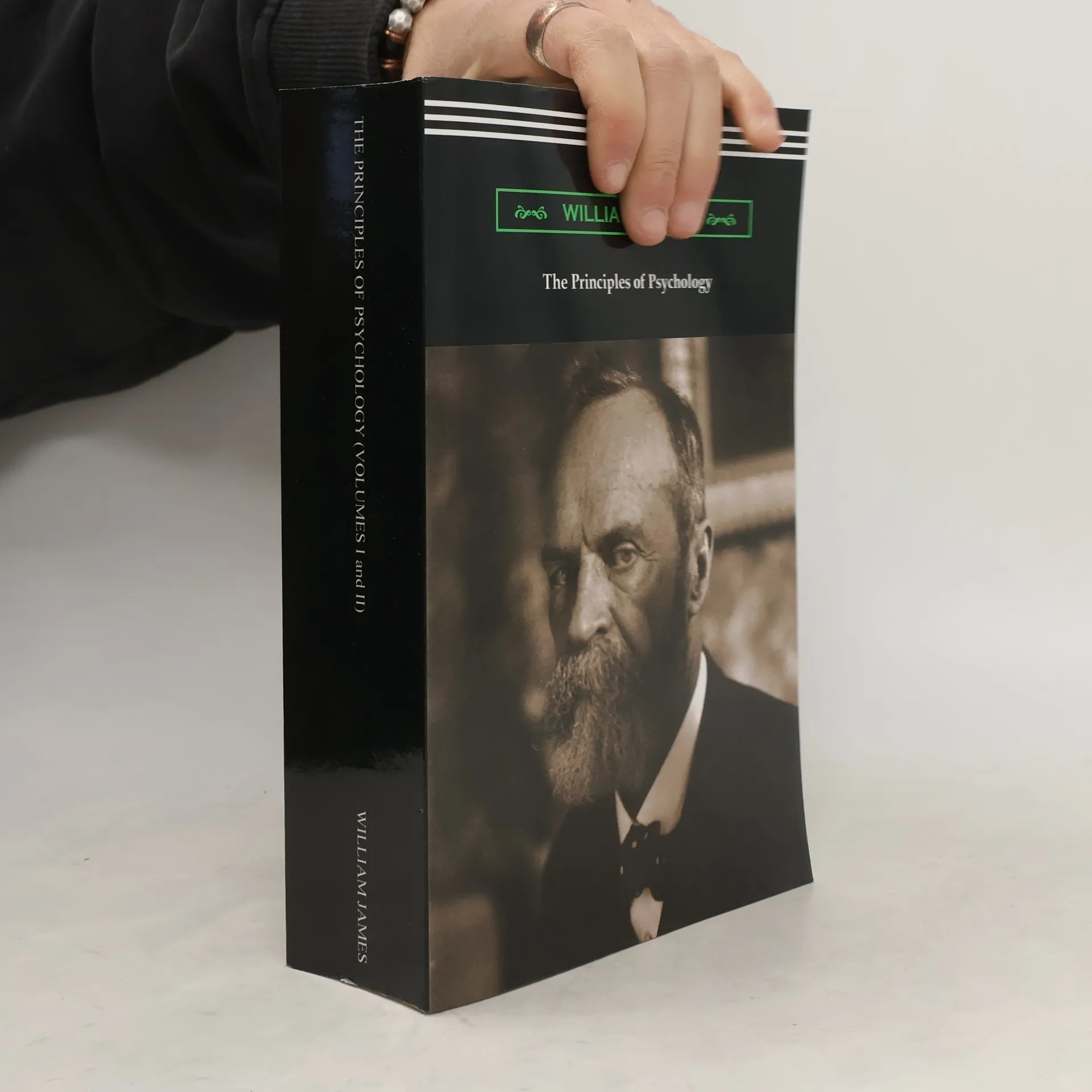
The Principles of Psychology (Volumes I and II)
- 934pages
- 33 heures de lecture
William James' "Principles of Psychology" is a seminal work that synthesizes his extensive research over twelve years, laying the groundwork for modern psychology. Influenced by Darwinian evolution and German psychological theories, James explores the interplay of nature and nurture in development, a concept embraced by contemporary psychologists. His insights into brain processes, consciousness, and behavior predate Freud's theories, making this text foundational in social psychology. Originally published in two volumes in 1890, this edition presents the complete work in one premium format.
Druhy náboženské zkušenosti (v originále The Varieties of Religious Experience: A Study in Human Nature) je kniha amerického psychologa Williama Jamese. Je sestavena z editovaných přednášek, které James pronesl v rámci tzv. Giffordových přenášek na University of Edinburgh ve Skotsku na samém počátku 20. století. James ve své knize klade důraz na prožívání náboženské zkušenosti v životě jednotlivce. Pozitivně vnímá velké množství nejrůznějších náboženství, jelikož lidé jsou natolik rozdílní, že není možné, aby všichni vyznávali jedno univerzální náboženství. Je si také vědom toho, že je veliký rozdíl ve vnímání náboženství (náboženských prožitků) vědce a stoupence daného náboženství.
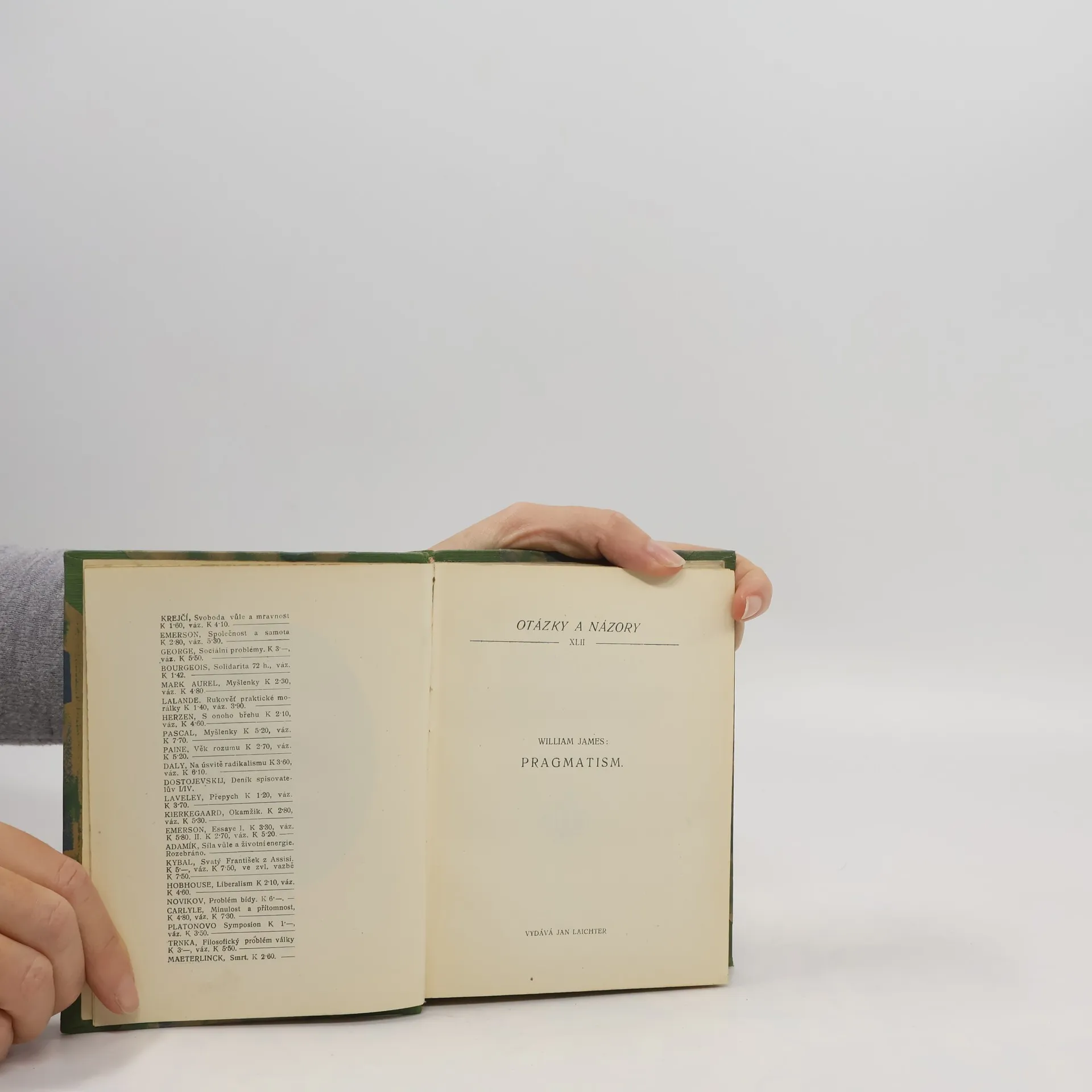
Pragmatism. Nové jméno pro staré způsoby myšlení
Populární přednášky o filosofii
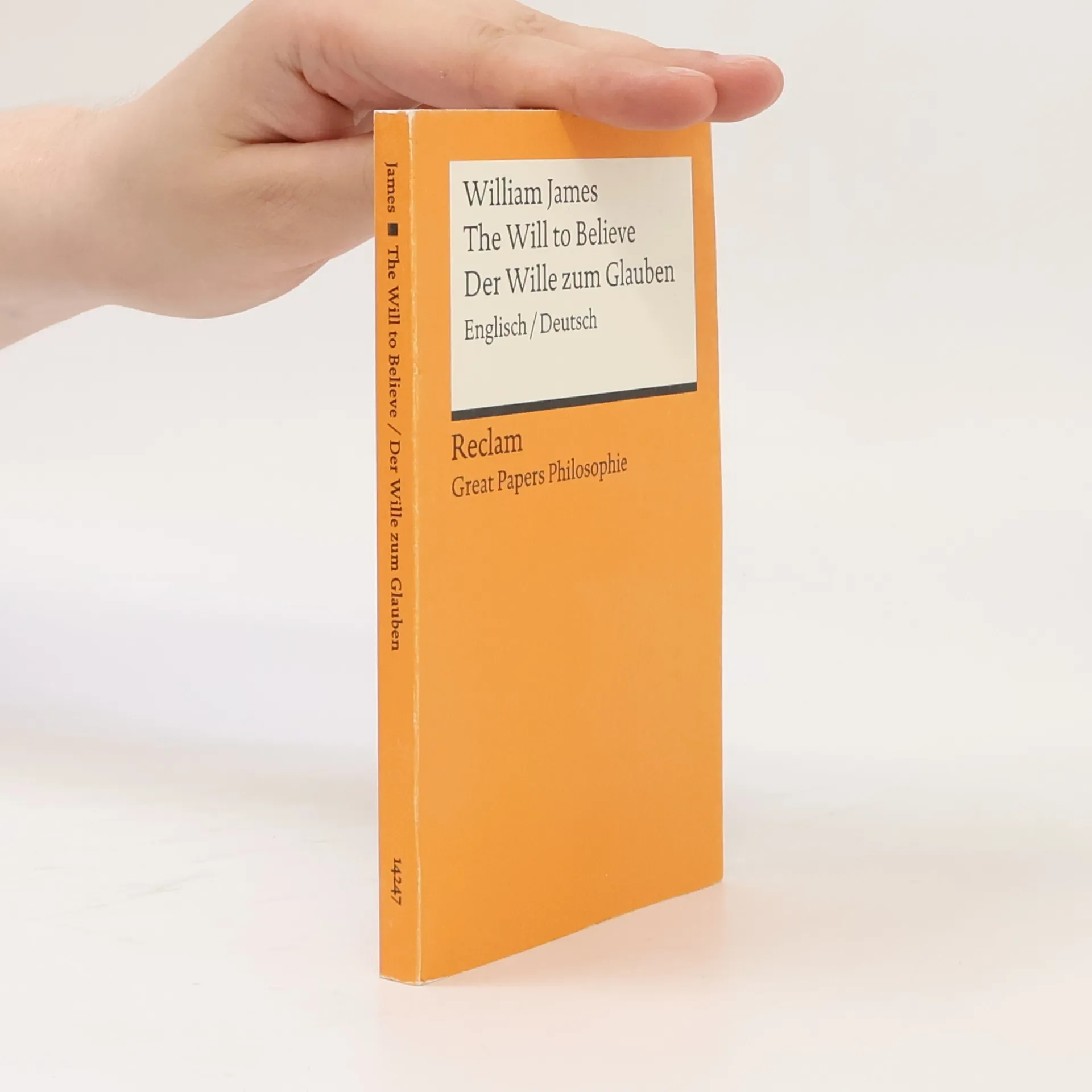
The Will to Believe / Der Wille zum Glauben
- 120pages
- 5 heures de lecture
The moral equivalent of war
- 128pages
- 5 heures de lecture
Der Sinn des Lebens
- 191pages
- 7 heures de lecture
William James (1842–1910) gehört zu den wichtigsten Philosophen des angelsächsischen Sprachraums. In den hier versammelten Texten (teilweise zum ersten Mal ins Deutsche übertragen) geht er verschiedenen Aspekten des Themas 'Lebenssinn' nach. So stellt er u. a. die Frage, was menschliches Leben sinnvoll erscheinen lässt oder wie die Ethik zu einem sinnvollen Leben beitragen kann. Ethische Haltungen etwa können nur wirksam sein, wenn Menschen frei sind, sie zu befolgen, und wenn sie für ihr Wollen verantwortlich sind. In 'Der Wille' spürt James den verschiedenen Bedeutungen nach, welche der Wille und seine Freiheit haben können. Eine Grenze menschlichen Lebenssinns ziehen Tod und Endlichkeit des Lebens. Doch ist damit zugleich der unüberschreitbare Rahmen für den menschlichen Geist festgelegt? In 'Menschliche Unsterblichkeit' wirft James die auch heute noch wissenschaftlich nicht entscheidbare Frage auf, ob Geist unabhängig von Gehirnprozessen existieren kann.
Pragmatizmus
- 569pages
- 20 heures de lecture
Obsah: Predhovor k Malej antológii filozofie 20. storočia (František Mihina - Emil Višňovský) PRAGMATIZMUS VČERA A DNES (Emil Višňovský — František Mihina) Klasický pragmatizmus CHARLES SANDERS PEIRCE (František Mihina) — Upevňovanie viery — Ako vyjasniť naše idey — Princípy fenomenológie — Základy pragmatizmu — Logika ako semiotika: teória znakov — Filozofia a vedy: klasifikácia — Uniformita WILLIAM JAMES (František Mihina) — Prúd myslenia — Existuje „vedomie“? — Radikálny empirizmus — Pragmatizmus a radikálny empirizmus — Pragmatizmus a zdravý rozum — Pragmatistická koncepcia pravdy — Pragmatistický výklad pravdy a jeho nesprávne pochopenia — Pragmatizmus a humanizmus — Pragmatizmus a náboženstvo — Vôľa veriť JOHN DEWEY (Emil Višňovský) — Prečo študovať filozofiu? — Filozofia a americký národný život — Vplyv darvinizmu na filozofiu — Vplyv pragmatizmu na výchovu — Filozofia výchovy — Potreba obnovy filozofie — Skúsenosť a filozofická metóda — Súkromné a verejné — Indivíduum v kultúrnej kríze — Únik z ohrozenia — Model skúmania — Budúcnosť filozofie v nalej ére vedy (Jej rola nikdy nebola väčšia) Neopragmatizmus RICHARD RORTY (Emil Višňovský) — Čo je pragmatizmus — Pragmatizmus a filozofia — Pragmatizmus je politický skrz-naskrz Vybraná bibliografia k štúdiu filozofie pragmatizmu Edičná poznámka Menný register...
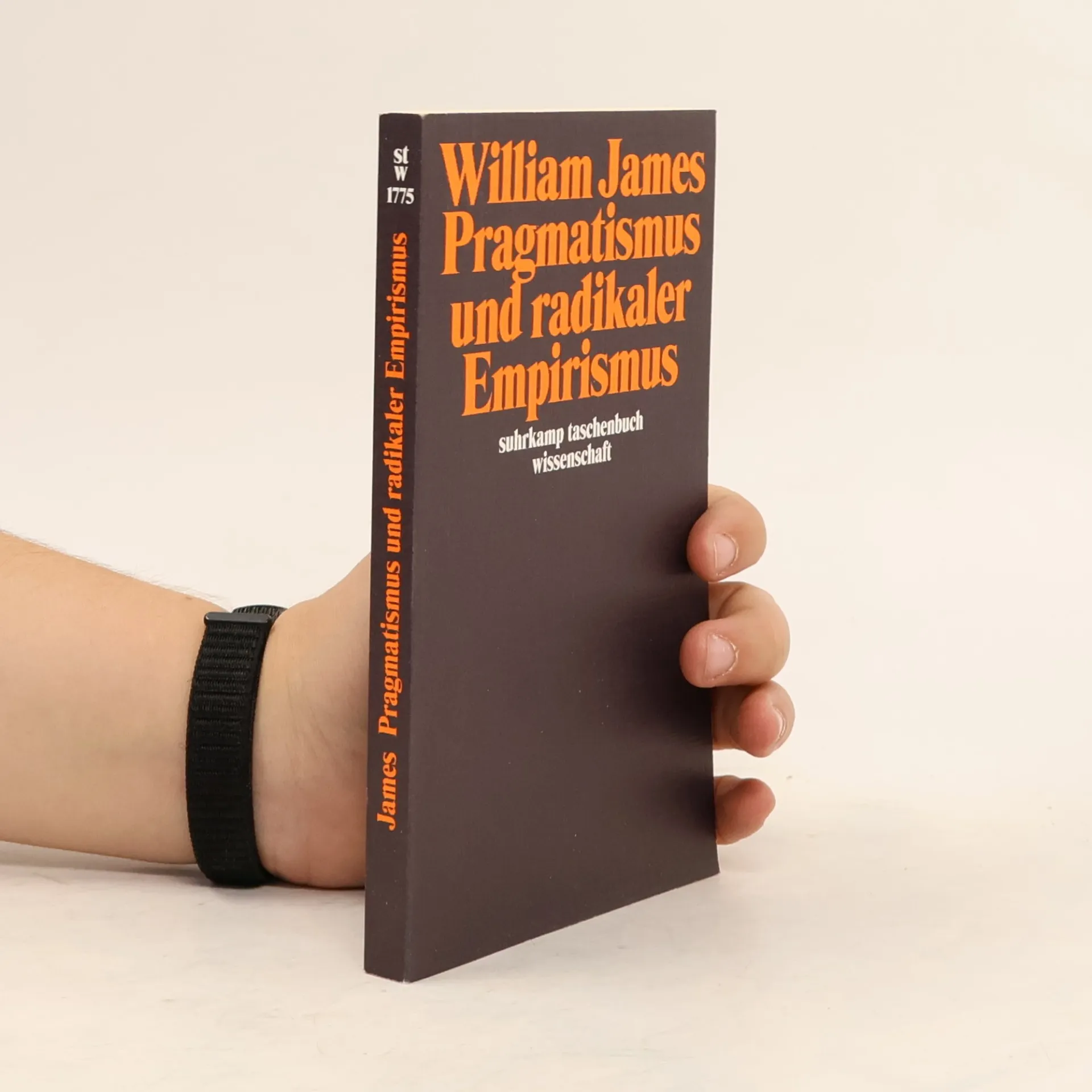
Suhrkamp Taschenbuch Wissenschaft - 1775: Pragmatismus und radikaler Empirismus
- 201pages
- 8 heures de lecture
Der Band versammelt erstmals in deutscher Sprache vorliegende Aufsätze zum Pragmatismus und radikalen Empirismus, die James als originellen, aber auch systematischen Denker präsentieren. Ein Nachwort des Herausgebers führt in beide Positionen ein, berücksichtigt aber auch die Bedeutung der James'schen Psychologie für die Entwicklung seiner Philosophie.
Das pluralistische Universum
Vorlesungen über die gegenwärtige Lage der Philosophie
- 228pages
- 8 heures de lecture
Fenomenologische klassieken - 2: Vormen van religieuze ervaring
Een onderzoek naar de menselijke aard
- 399pages
- 14 heures de lecture
William James, een invloedrijke psycholoog en filosoof, wordt beschouwd als de grondlegger van de moderne psychologie. Dit werk, zijn bekendste, is talloze keren herdrukt en blijft een belangrijke referentie. James biedt scherpe observaties die in de loop der jaren alleen maar aan kracht hebben gewonnen. Met een unieke verzameling autobiografisch materiaal van mensen met verschillende religieuze achtergronden, onderzoekt hij de religieuze gevoelens die mensen ervaren in hun innerlijk leven. Hij behandelt thema's zoals de werkelijkheid van het onzichtbare, optimistische en pessimistische religieuze houdingen, innerlijke conflicten, de zieke ziel, hergeboorte en heiligheid. Mystiek wordt door James voor het eerst benaderd als een unieke menselijke ervaring, niet te herleiden tot andere psychische fenomenen. Hij laat kerk en dogma buiten beschouwing en richt zich op onze beleving van de werkelijkheid, ons gedrag en vooral ons gevoel en intuïtie. James' schrijfstijl is helder, principieel en objectief, met een persoonlijke betrokkenheid. Zijn ironie voegt een extra laag toe aan zijn betoog, waardoor de lezer zich verbonden voelt met een groot denker en schrijver. James reflecteert op zijn eigen mystieke ervaringen en de noodzaak om deze los te koppelen van zijn christelijke achtergrond om ze te kunnen begrijpen.