Pierre Restany Livres

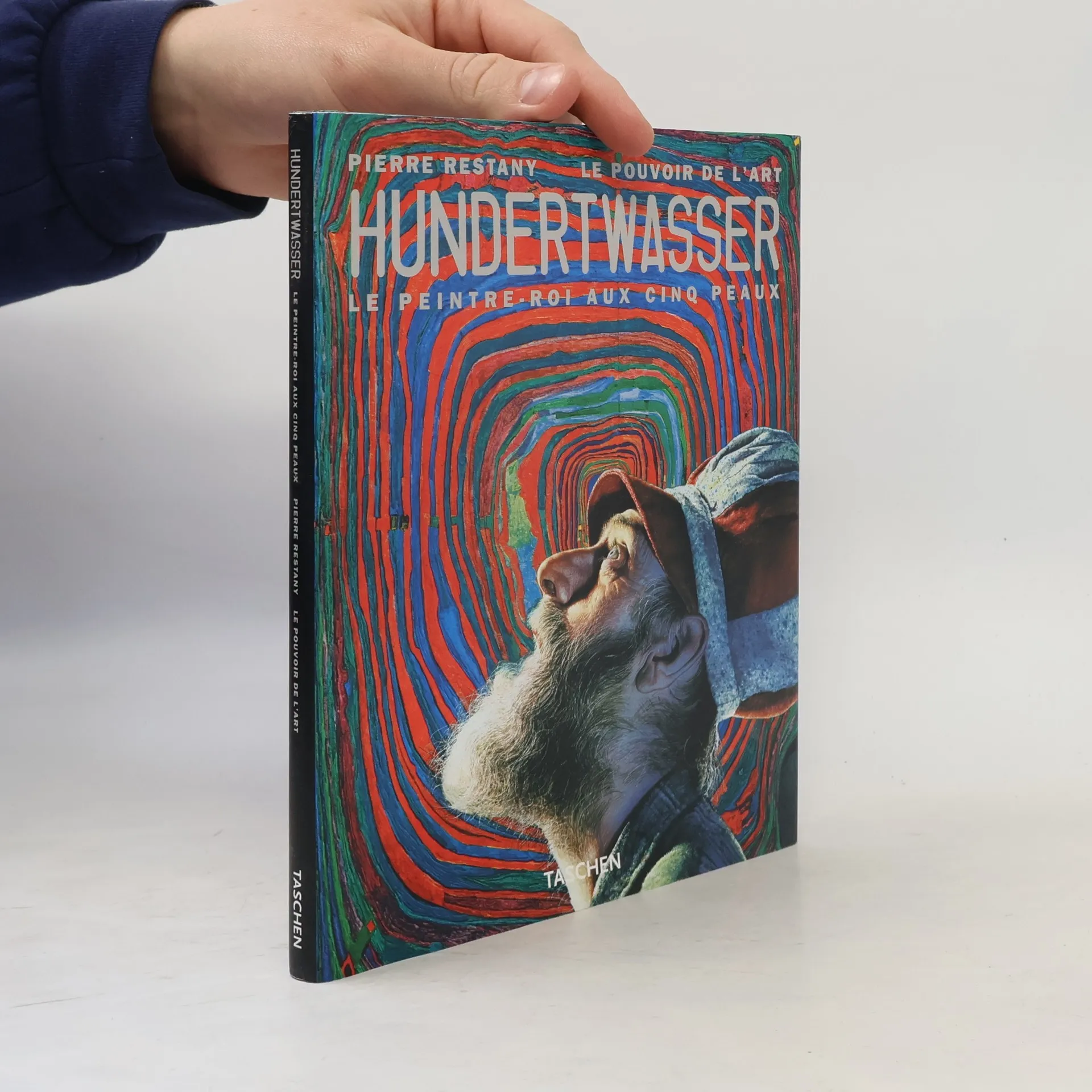
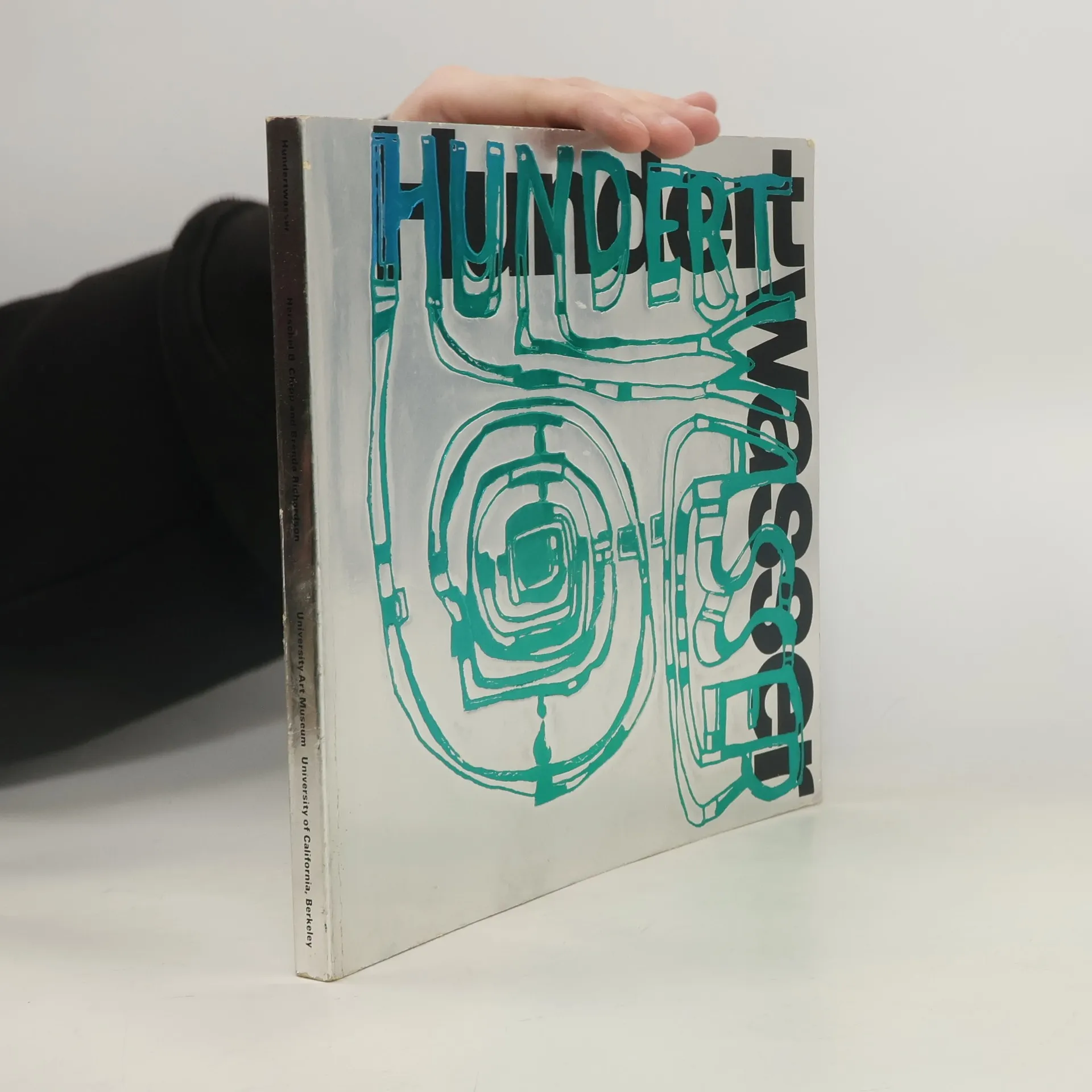

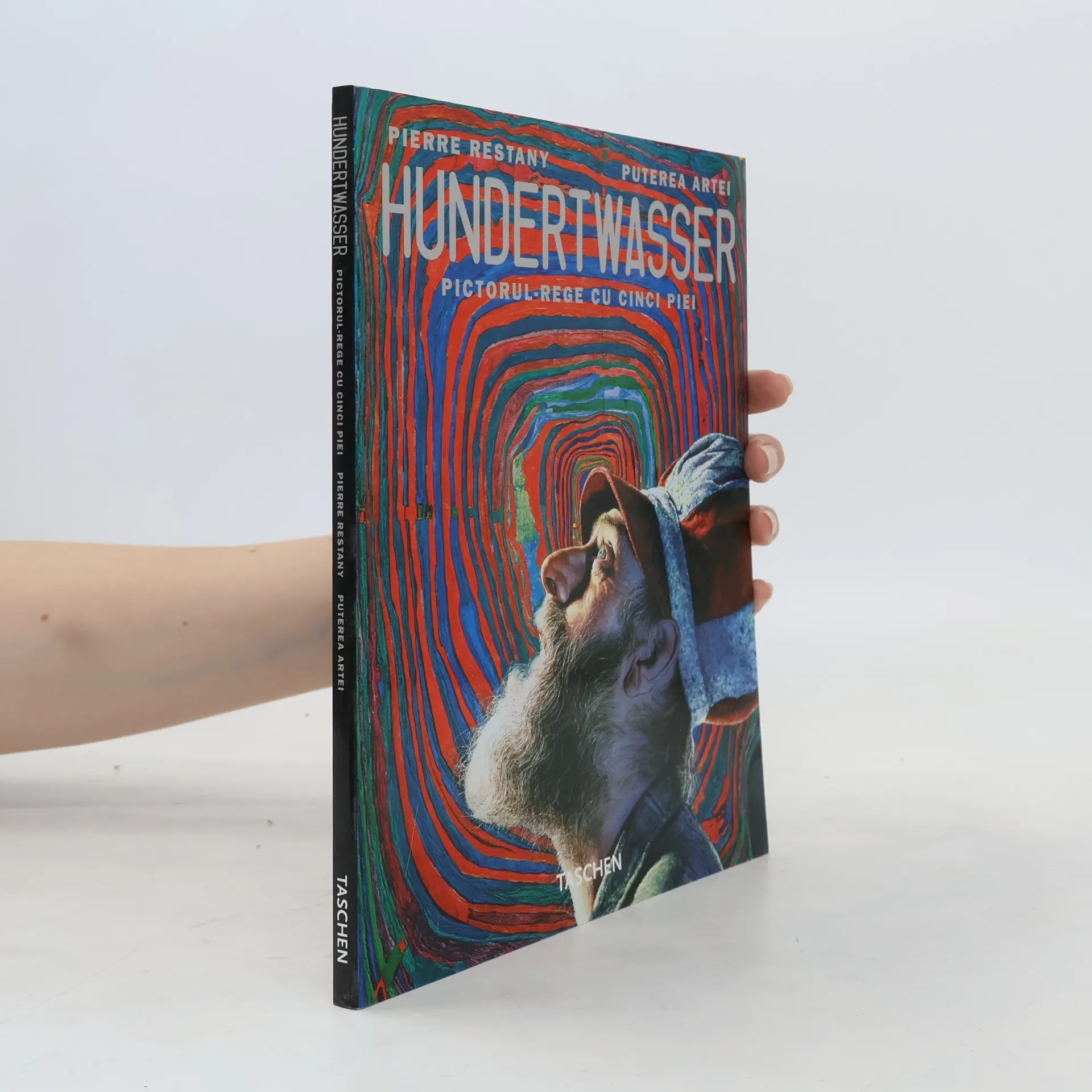
Hundert Wasser
- 95pages
- 4 heures de lecture
L'engagement d'un artiste non-conformiste, chantre d'un mode de vie alternatif qui bouleverse la conception des rapports entre l'homme et la nature. Les structures organiques et la profusion de couleurs qui dominent son style reflètent une vision sereine et optimiste de l'époque actuelle.
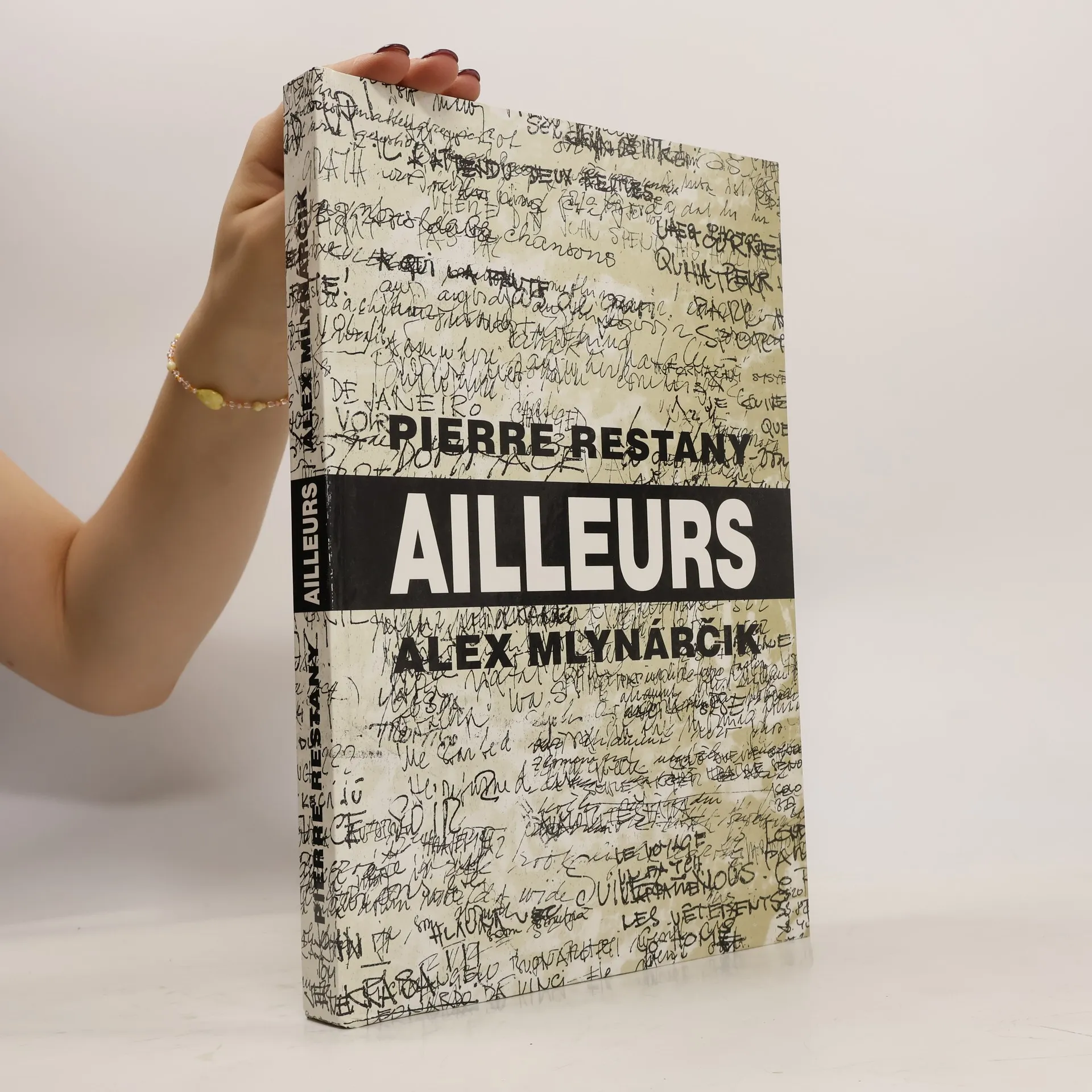
Ailleurs
- 283pages
- 10 heures de lecture
Hundertwasser
Le peintre-roi aux cinq peaux
Fernando Botero
- 96pages
- 4 heures de lecture
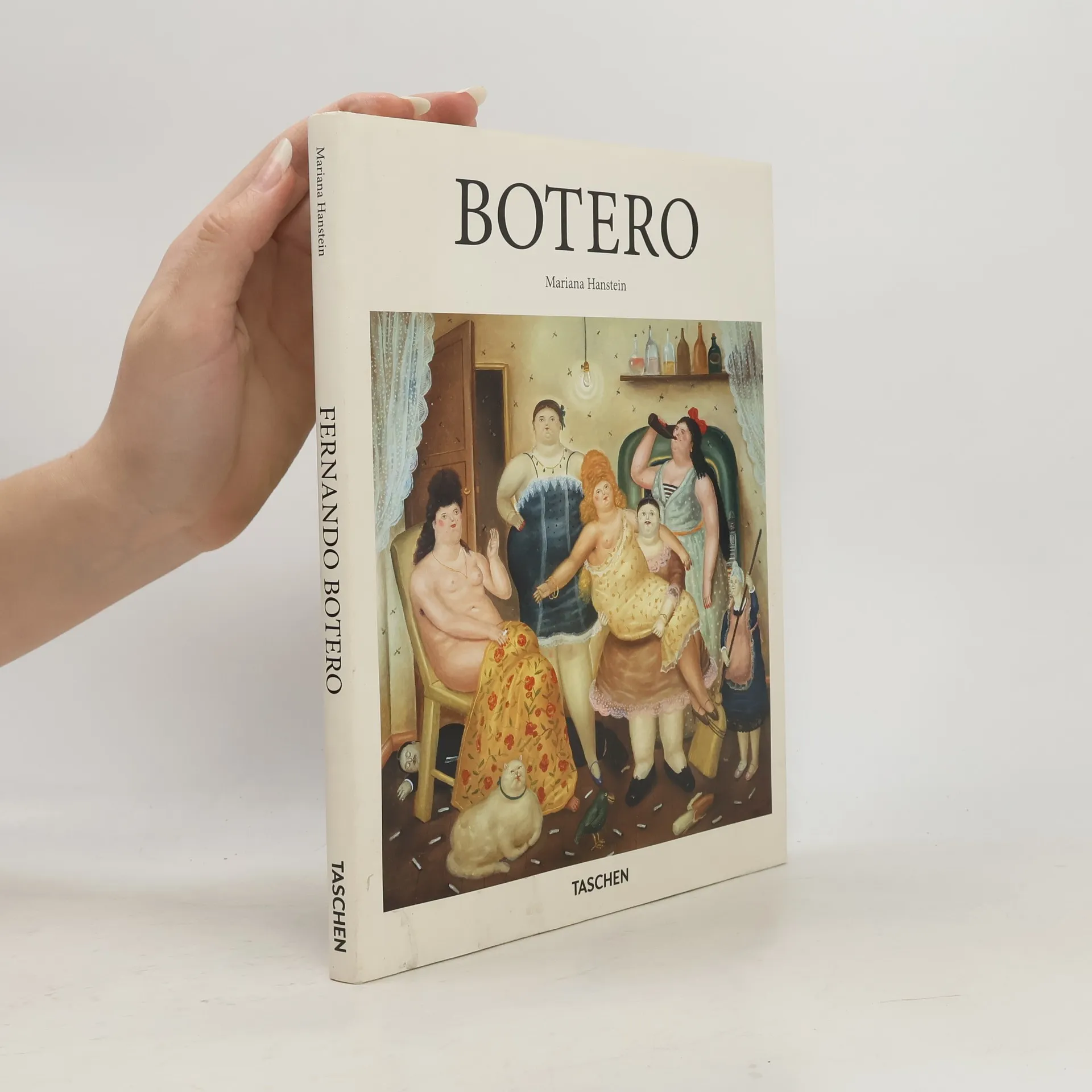
Meet Fernando Botero, the world-renowned elder statesman of Colombian art, famed for his voluptuous figurative style. This essential artist introduction takes in all the critical insight, irony, and curvaceous flesh that round out Boterismo.
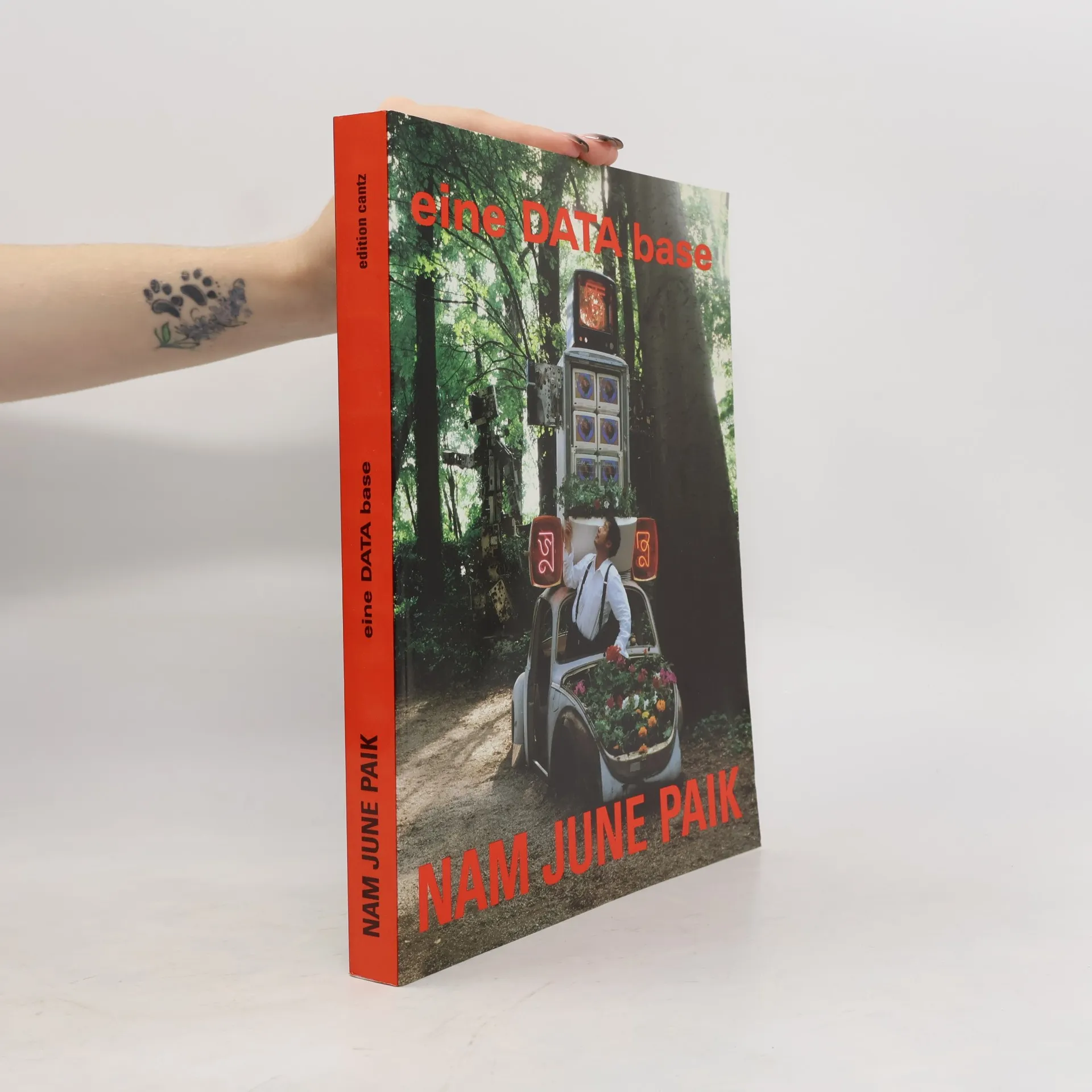
A visually profound and highly personal portrait of Paik, enriched with recollections by John Cage, Laurie Anderson, and other friends.
SITE, a "multidisciplinary architecture and environmental organization", designed large scale commercial buildings that combine architecture, art, and technology with contemporary issues such as "ritual, irony, humor, entropy, disorder, and social/political statement. 112 pages, with a list of SITES projects, a bibliography, and 14 "Selected Projects" , briefly described and summarized in a black/white section, then more fully displayed in 79 pages of mostly color plates. An example? The Forest Building, a large Best catalog outlet, planned for a previously forested area, is fronted by the regulation sprawling parking lot placed in a natural clearing, but trees surround and almost obscure the edges of the building, and pop up through the roof as well; a nearby bank has a roof designed of about 35% trees rather than 100% asphalt. Fun and fascinating, but also thought-provoking architecture.
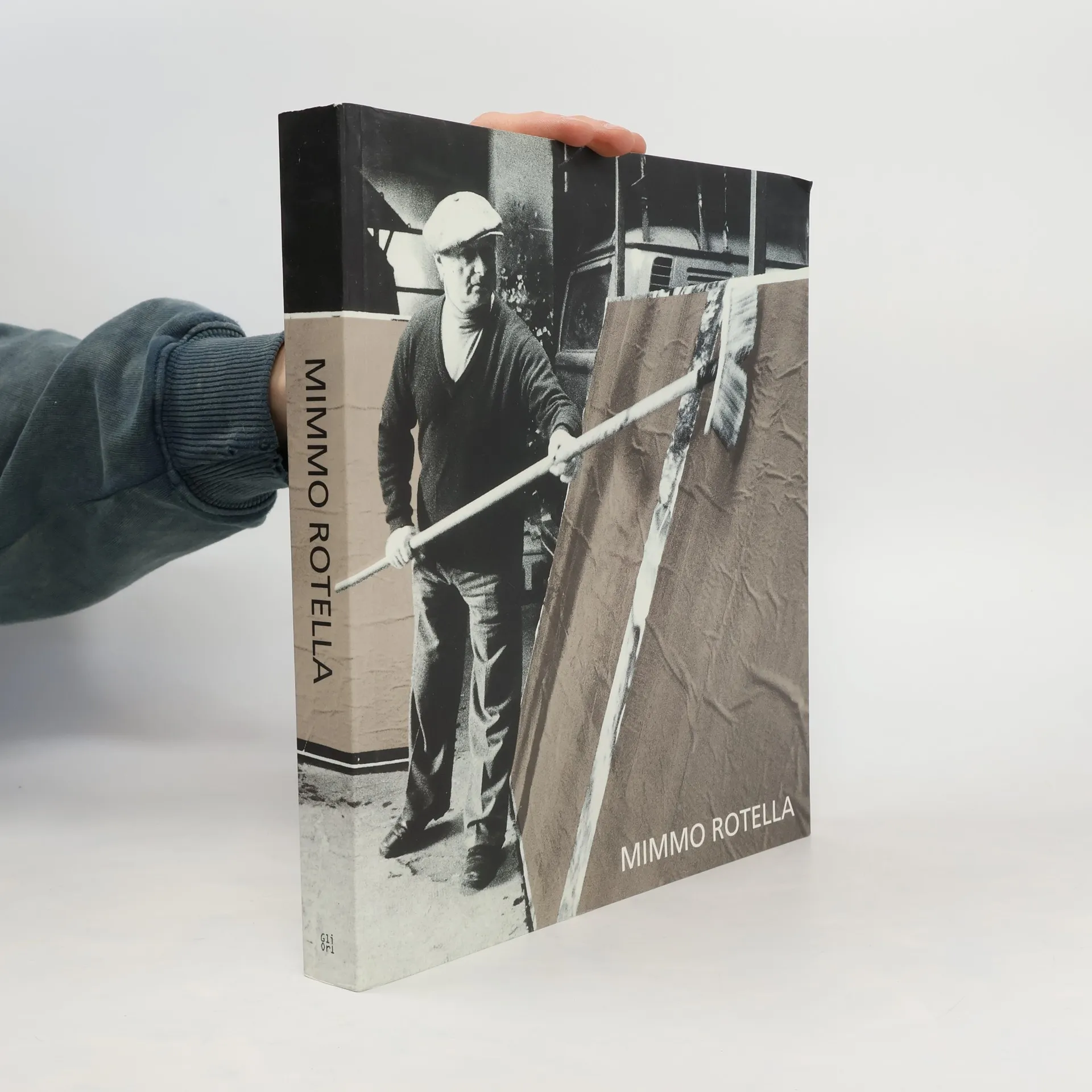
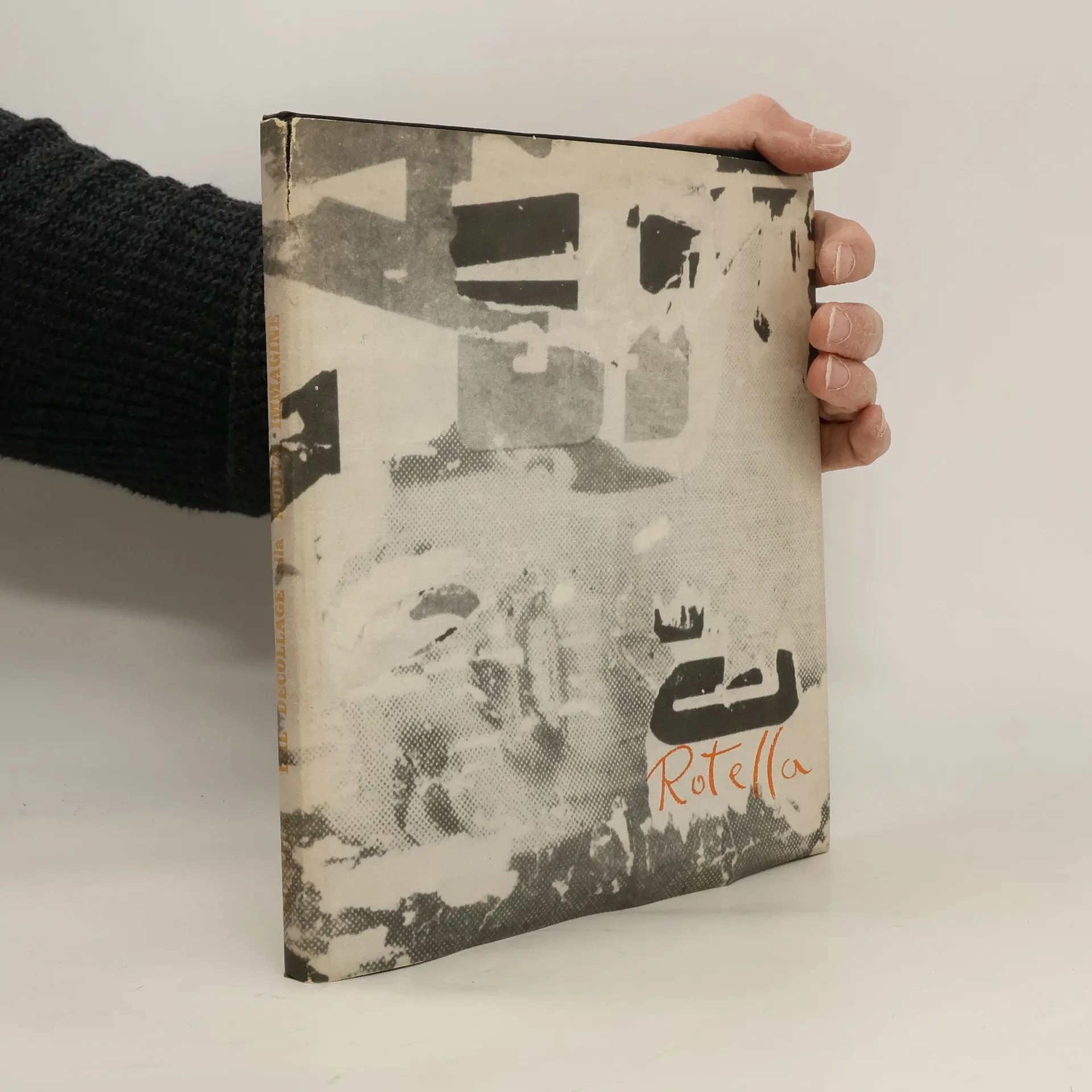
Mimmo Rotella
- 344pages
- 13 heures de lecture
G.H. Rothe
- 271pages
- 10 heures de lecture
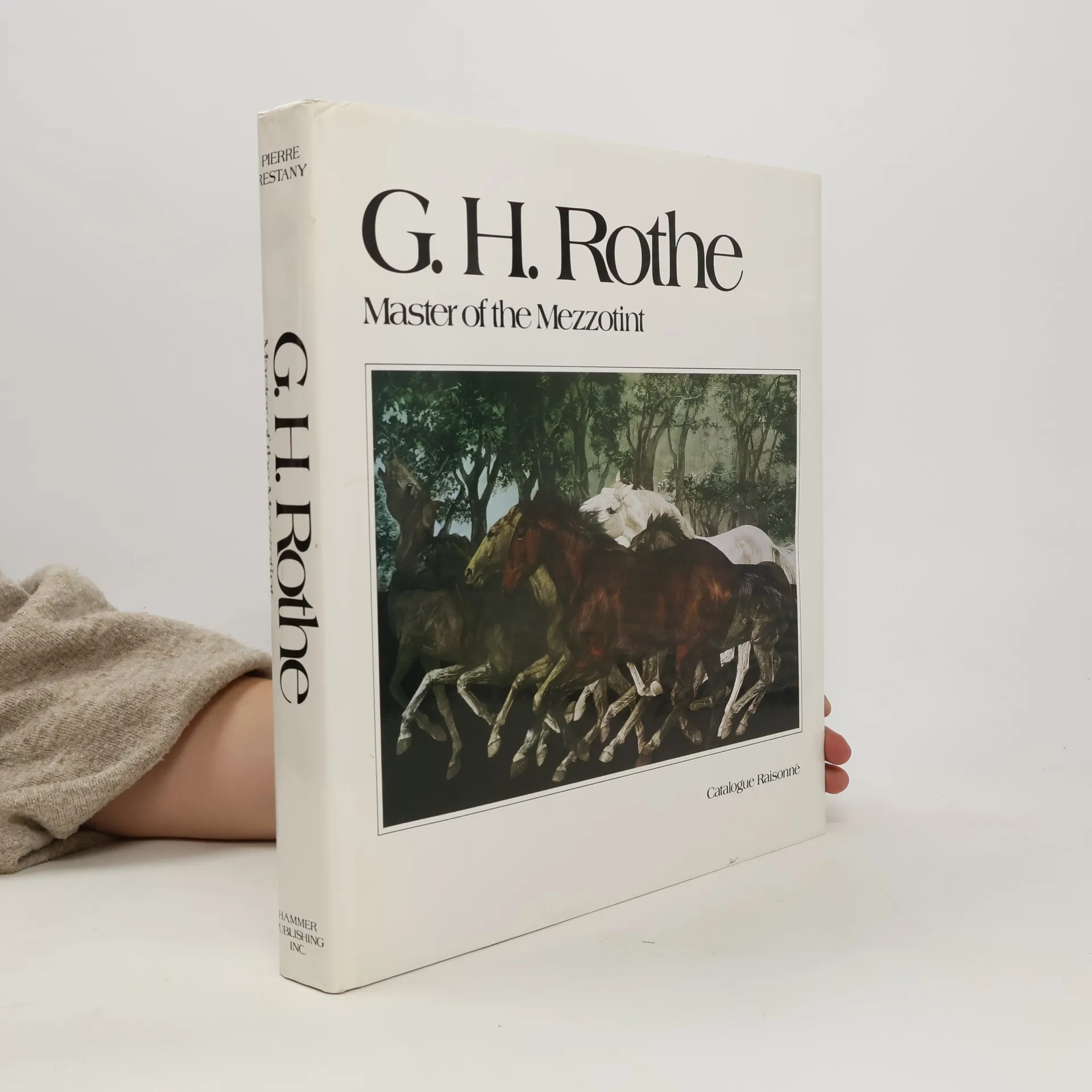
271 pages, illustrated throughout. This Catalogue Raisonne of G.H. Rothe's mezzotints has been divided into the following Dance, Horses, Still Life, Landscapes, Figurative. The images within each section have been listed in chronological order, according to published dates.
The paintings and architecture by the artist Friedensreich Hundertwasser are nothing less than revolutionary with respect to nature and individual creativity. His work is not about silent conformity, but about life itself: each individual, in society and in the environment. With their strong, colorful formal vocabulary, Hundertwasser?s works allow nature its space. Even beyond his artwork, though, the Austrian environmentalist fought for new ideas and ideals. In many conversations, lectures, letters, and manifestos, he formulated his notions?from recycling, the greening of roofs and façades, and the democratization of living space?in order to lend them weight. What seemed like a utopia to his contemporaries is now urgently virulent and surprisingly current. Commemorating the twentieth anniversary of Hundertwasser?s death, this attractive book compiles his statements, excerpts from his manifestos, his paintings, examples of his utopian architecture, and his ideas for the future.
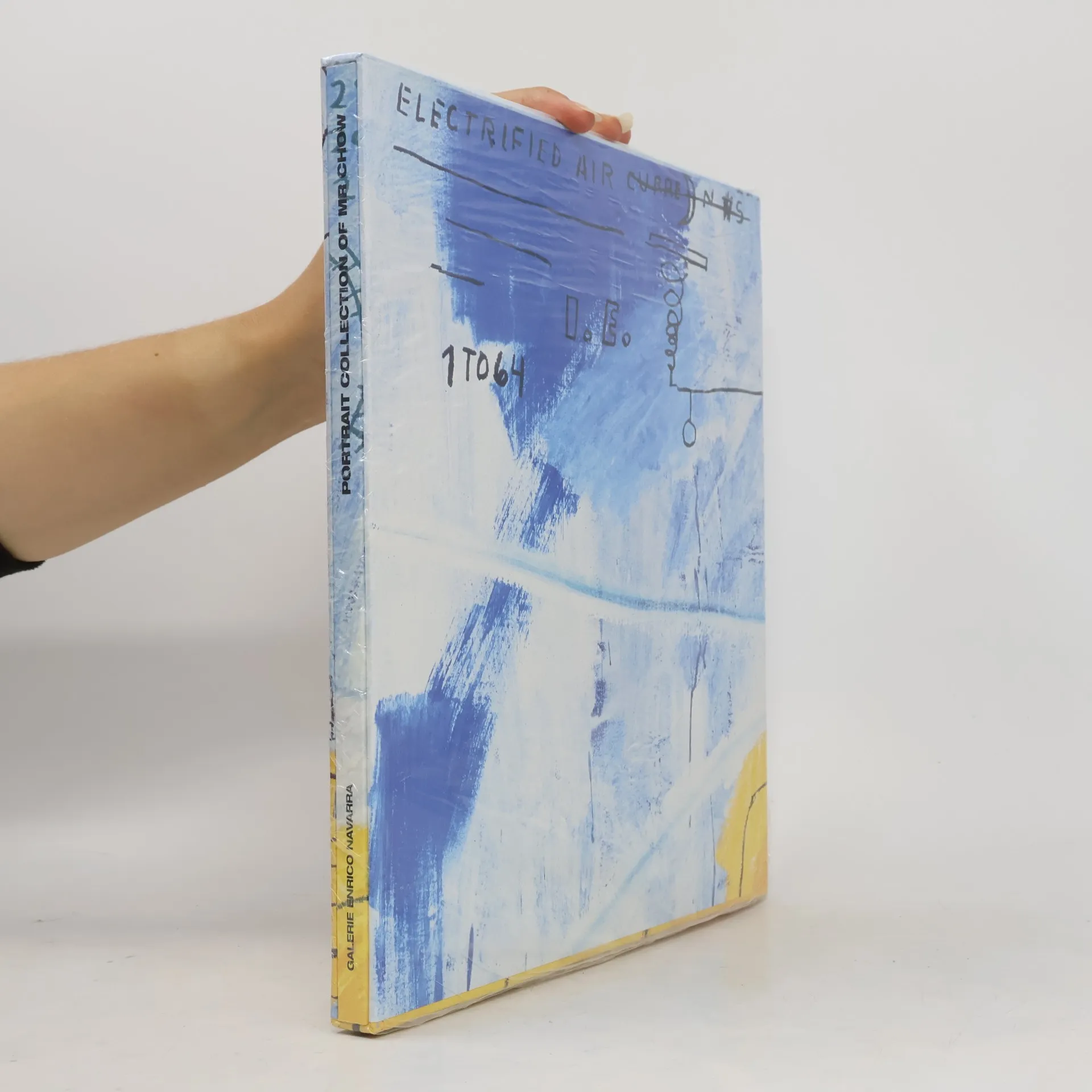
Portrait Collection of Mr Chow
- 127pages
- 5 heures de lecture
Als Yves Klein 1962 im Alter von nur 34 Jahren an einem Herzinfarkt starb, war er bereits eine Legende. Schon früh hatte Klein die zunehmende Bedeutung der Medien erkannt, die er gekonnt für sich zu nutzen wusste. Im Gegensatz zu vielen seiner Zeitgenossen verstand er die Fotografie nicht als reines Mittel zur Dokumentation. Sie diente ihm vor allem zur Inszenierung. Klein kontrollierte, wer ihn fotografieren durfte und wie er fotografiert wurde. So schaffte er den Mythos eines Künstlerlebens, das nicht mehr zwischen Werk und Künstler, nicht mehr zwischen Kunst und Leben unterschied. Das Buch versammelt annähernd 300 Aufnahmen und Werkabbildungen, von denen viele hier zum ersten Mal überhaupt publiziert werden. Neben Aufnahmen namhafter Fotografen – u. a. von René Burri, Harry Shunk und János Kender oder Charles Wilp – zeigt das Buch auch Fotos von Weggefährten und Freunden und wirft so einen intimen Blick hinter die Kulissen, zeigt die Entstehung der berühmten Anthropometrien und Feuerbilder, begleitet Klein bei der Arbeit, im Studio und auf Reisen. Mit zahlreichen Aufnahmen aus Kleins Privatarchiv erzählt das Buch so die sehr persönliche Geschichte eines ganz und gar außergewöhnlichen Künstlers.
Hundertwasser. Pictorul-rege cu cinci piei
- 96pages
- 4 heures de lecture
Miloslav Moucha
- 48pages
- 2 heures de lecture
Obrazy – grafiky – objekty. Miloslav Moucha est un peintre, graphiste et écrivain reconnu mondialement. Cette publication retrace son parcours, des débuts à Litvínov, à son émigration à Paris en 1968, puis son retour en République tchèque après la révolution de velours, jusqu'aux récents confinements. Elle explore également son œuvre, les questions artistiques qu'il a abordées et ses inspirations : la philosophie, la géométrie et la Bible.
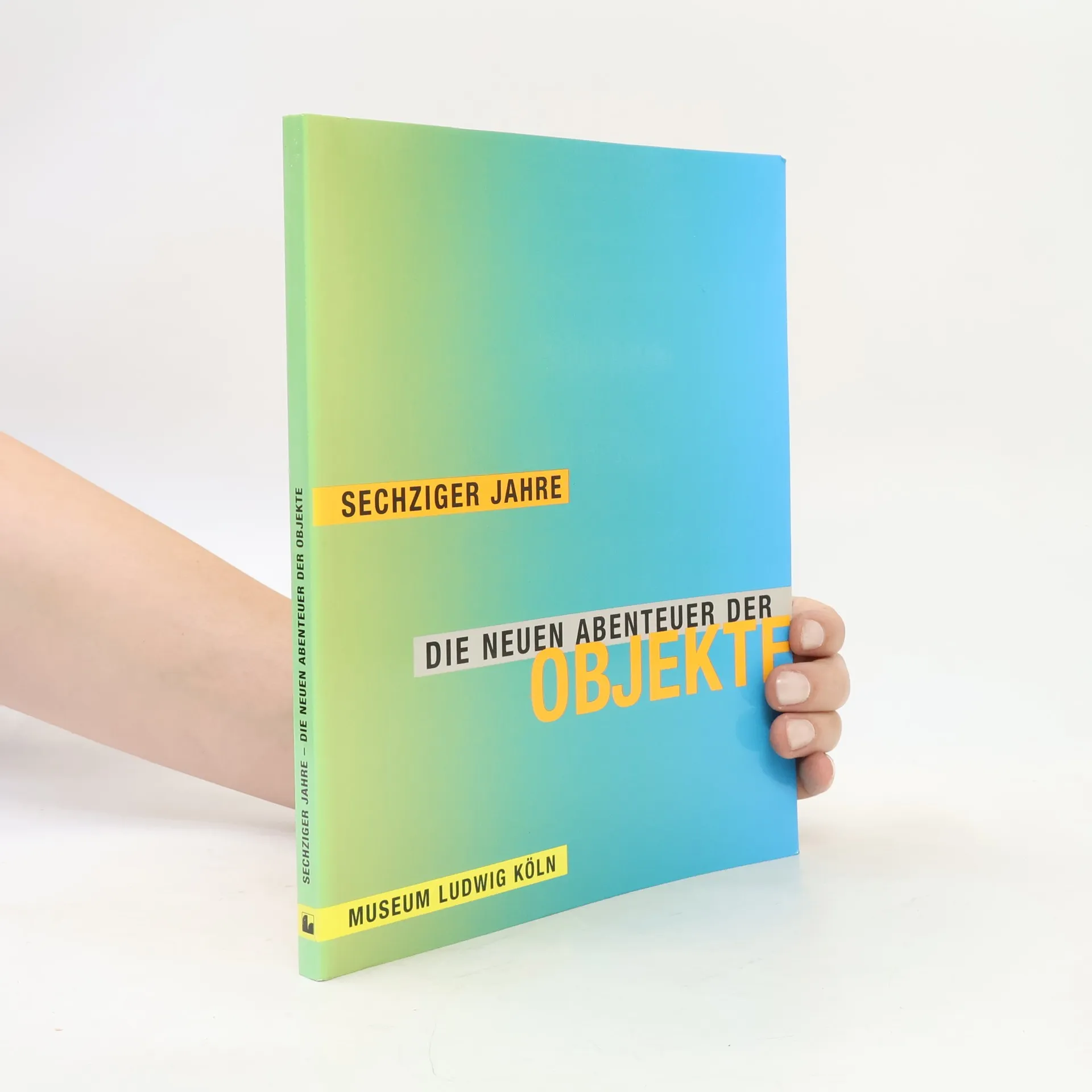
Sechziger Jahre - Die neuen Abenteuer der Objekte
- 116pages
- 5 heures de lecture
Rotella
Dal decollage alla nuova immagine.