

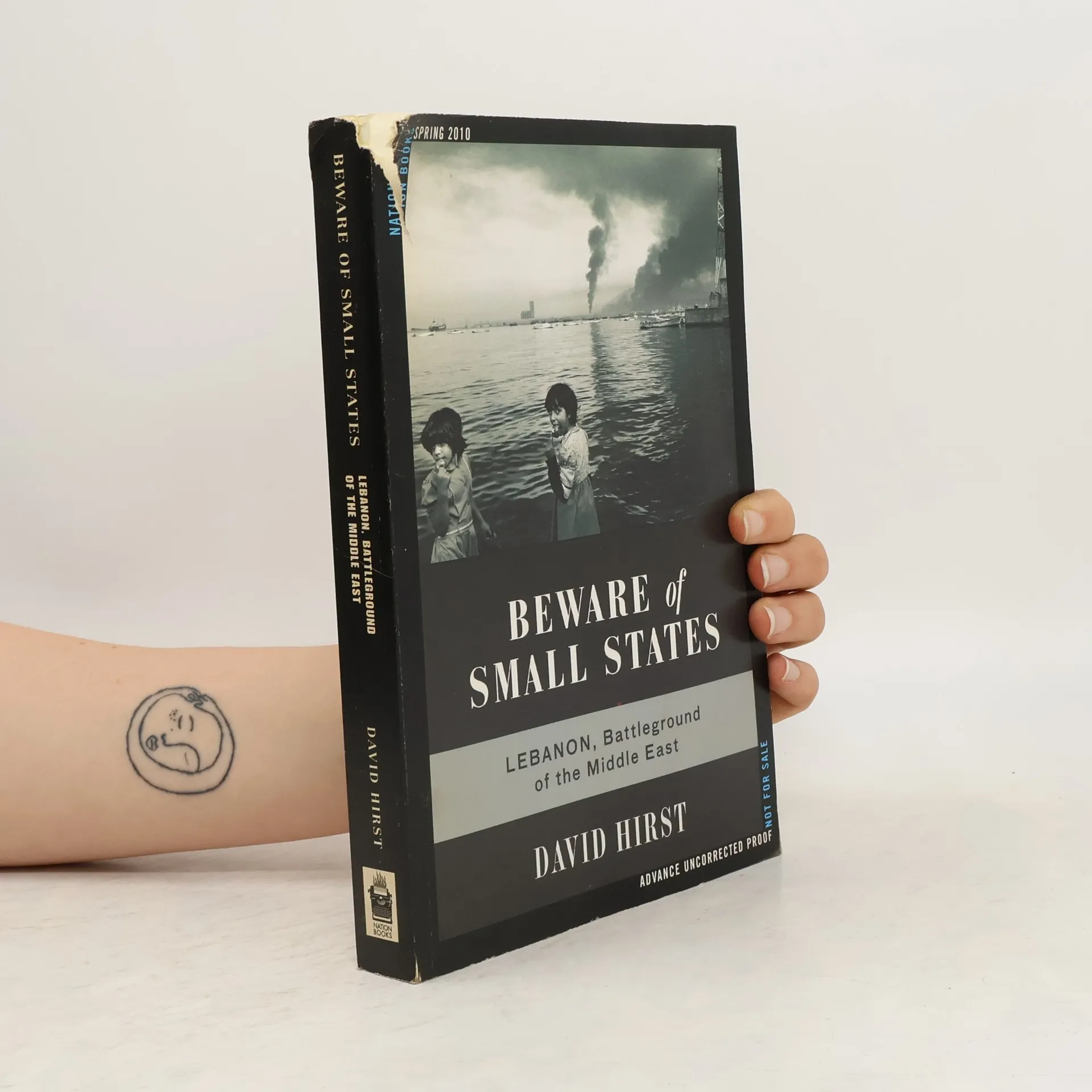
Lebanon, a country no bigger than Connecticut, has become a battleground for the political, strategic and ideological conflicts of its neighbors and the great powers. It has come to reflect the broad historical experiences of the modern Middle East. Beware of Small States is an elegant and incisive history of Lebanon culminating with the 2006 war between Israel and Hezbollah and its aftermath. David Hirst—a former Middle East correspondent for The Guardian , whose tough, skeptical voice has earned him death threats and seen him banned from six Arab countries—crafts a narrative that is essential for anyone wishing to understand the current political climate of the Middle East.
David Hirst Ordre des livres (chronologique)
1 janvier 1936
David Hirst est un correspondant chevronné du Moyen-Orient dont les reportages offrent une plongée profonde dans les dynamiques politiques et sociales complexes de la région. Fort de décennies d'expérience sur le terrain, son écriture fournit une analyse pointue et une perspective perspicace sur les événements qui façonnent le Moyen-Orient contemporain. Le travail de Hirst perce le bruit, offrant aux lecteurs une vision claire des réalités souvent obscurcies par la propagande. Il apporte une compréhension unique à la tapisserie complexe du Moyen-Orient.

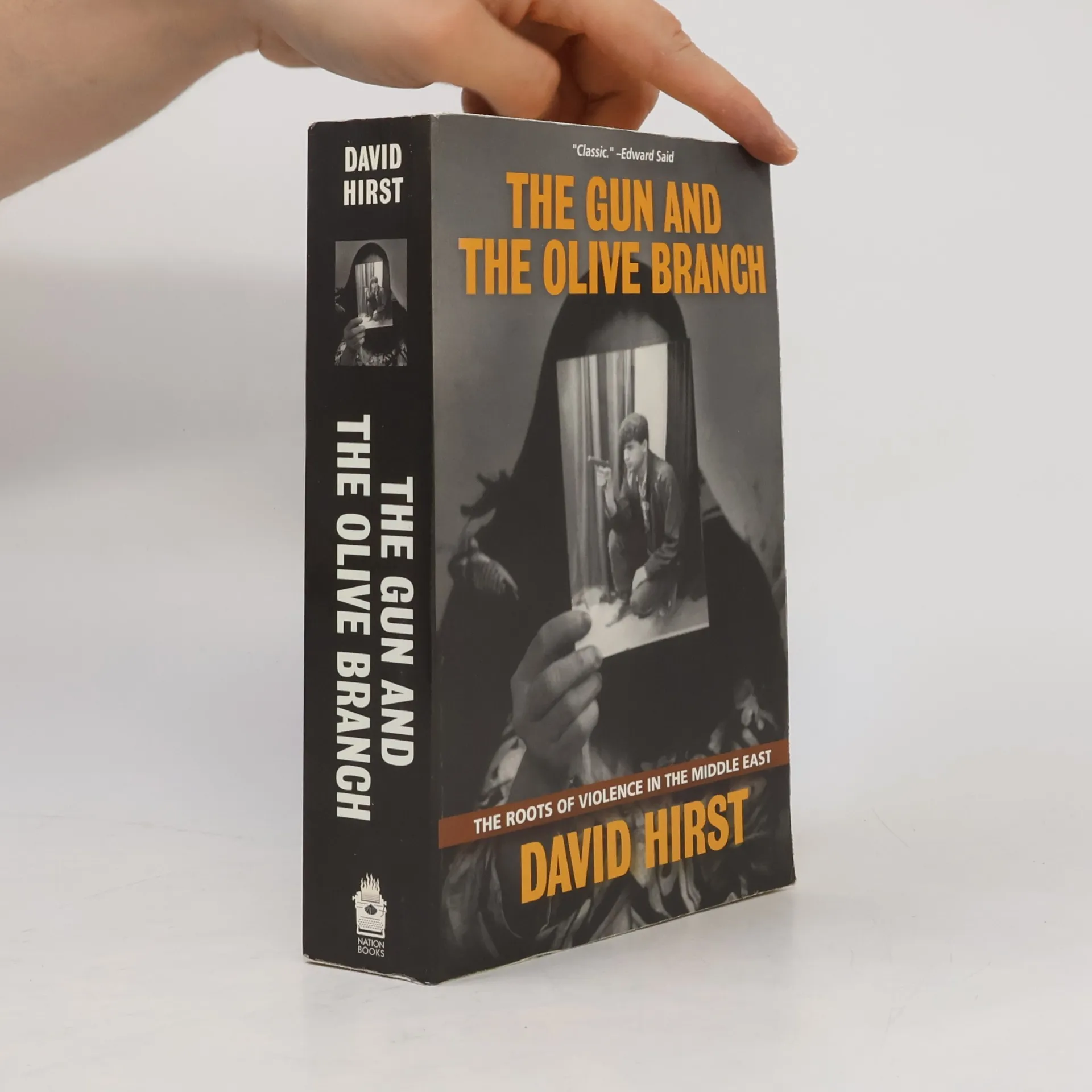
The Gun and the Olive Branch: The Roots of Violence in the Middle East
- 400pages
- 14 heures de lecture
More than a decade before Israel's New Historians revolutionized the study of Israeli history, English journalist David Hirst wrote The Gun and the Olive Branch, a classic, myth-breaking general history of the Israeli-Palestinian conflict. Hirst, former Middle East correspondent of the Guardian, traces the origins of the terrible conflict back to the 1880s to show how Arab violence, although often cruel and fanatical, is a response to the challenge of repeated aggression. The Gun and the Olive Branch is an absorbing, potentially controversial, history of the Middle Eastern conflict that is indispensable to anyone with an interest in world politics and by partisans of both sides. This classic and controversial account of the origins of the Middle East conflict returns to print updated with a lengthy introduction that reflects on the course of recent Middle Eastern history—especially the abortive Israeli-Palestinian peace process and 9/11.