
A childhood in a privileged household in 1950s Havana was joyous and cruel, like any other-but with certain differences. The neighbour's monkey was liable to escape and run across your roof. Surfing was conducted by driving cars across the breakwater. Lizards and firecrackers made frequent contact. Carlos Eire's childhood was a little different from most. His father was convinced he had been Louis XVI in a past life. At school, classmates with fathers in the Batista government were attended by chauffeurs and bodyguards. At a home crammed with artifacts and paintings, portraits of Jesus spoke to him in dreams and nightmares. Then, in January 1959, the world changes: Batista is suddenly gone, a cigar-smoking guerrilla has taken his place, and Christmas is cancelled. The echo of firing squads is everywhere. And, one by one, the author's schoolmates begin to disappear-spirited away to the United States. Carlos will end up there himself, without his parents, never to see his father again. Narrated with the urgency of a confession, WAITING FOR SNOW IN HAVANA is both an ode to a paradise lost and an exorcism. More than that, it captures the terrible beauty of those times in our lives when we are certain we have died-and then are somehow, miraculously, reborn.
Carlos Eire Livres
Carlos Eire est un historien éminent dont les travaux éclairent l'histoire sociale, intellectuelle, religieuse et culturelle de l'Europe médiévale tardive et moderne. Il apporte une profonde compréhension des complexités de ces périodes, offrant une analyse perspicace qui révèle la tapisserie complexe des sociétés passées. L'approche distinctive d'Eire rend l'enquête historique rigoureuse et attrayante pour le lecteur.

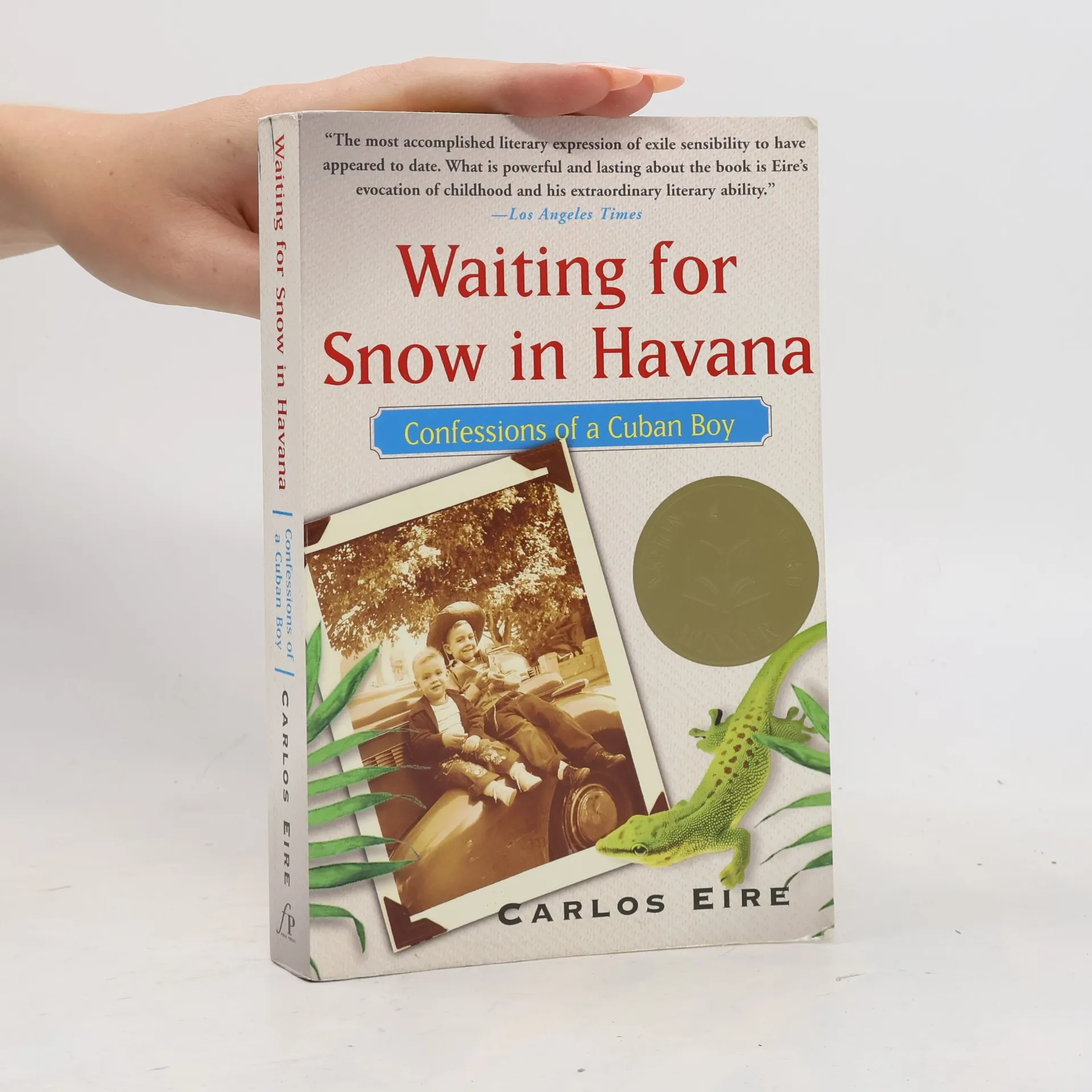


Waiting for Snow in Havana
- 400pages
- 14 heures de lecture
A survivor of the Cuban Revolution recounts his pre-war childhood as the religiously devout son of a judge, and describes the conflict's violent and irrevocable impact on his friends, family, and native home.
An award-winning historian’s examination of impossible events at the dawn of modernity and of their enduring significance