
Bookbot

Giuseppe Ungaretti

    8 février 1888 – 1 juin 1970

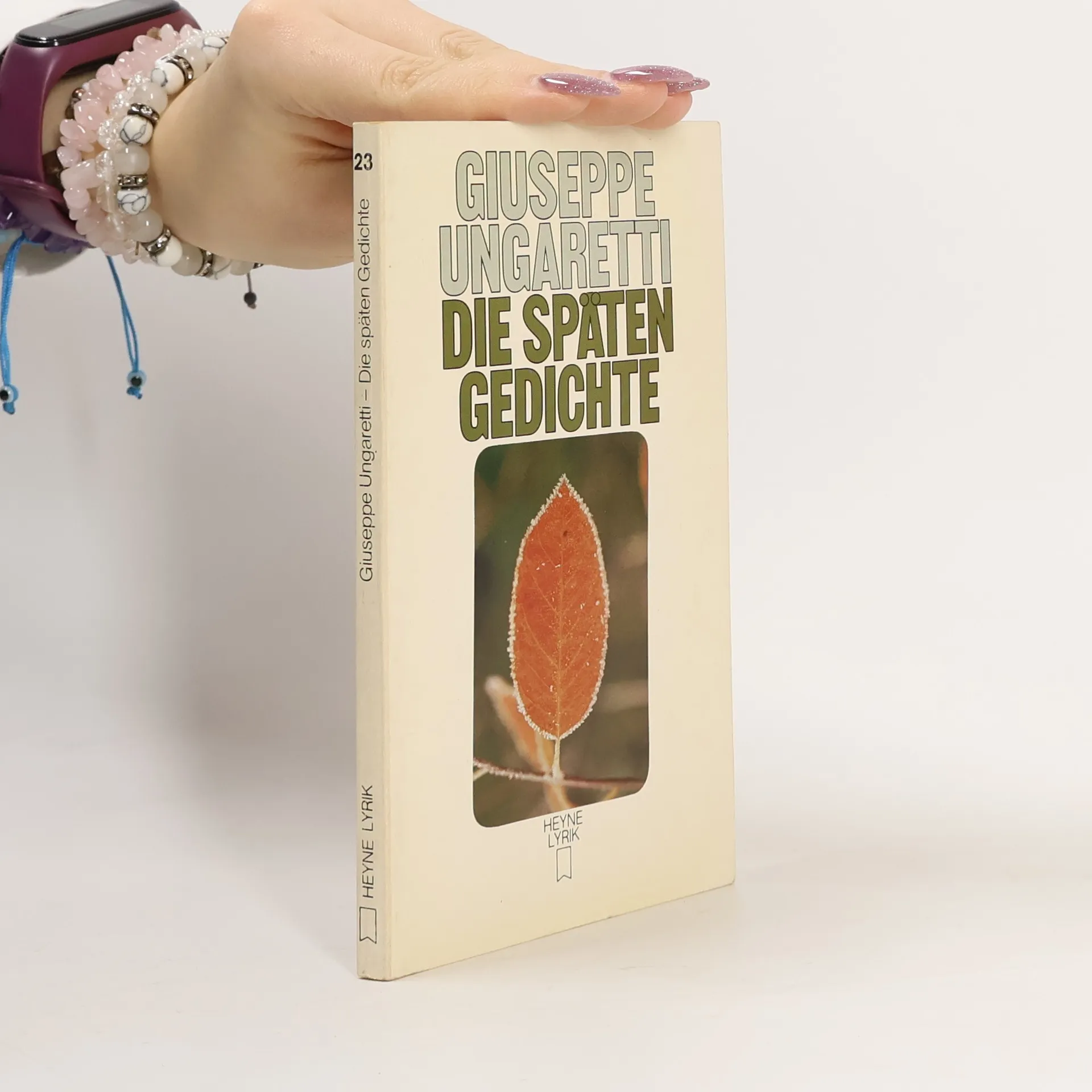
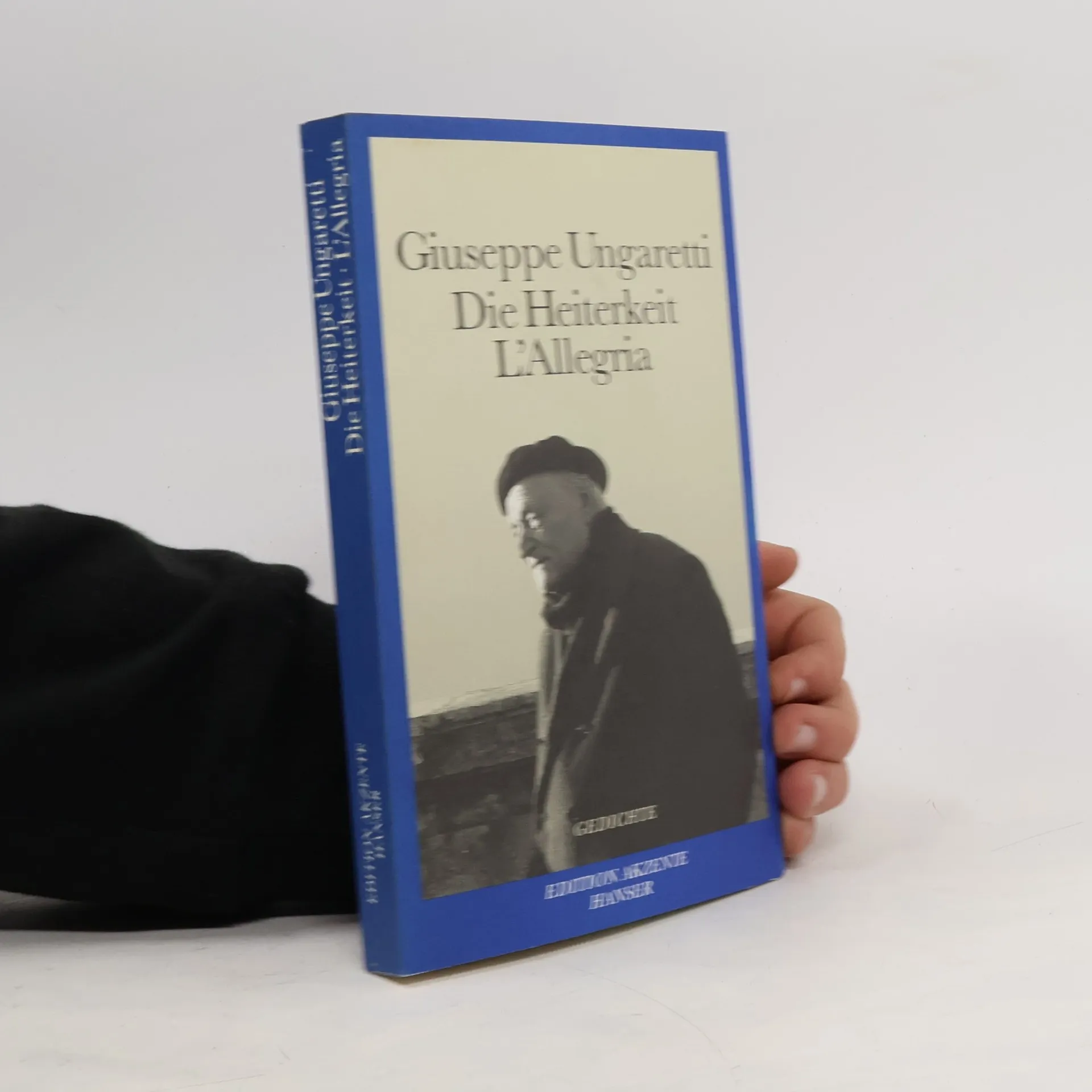
    Giuseppe Ungaretti fut un poète moderniste italien dont l'œuvre a laissé une empreinte indélébile dans la poésie du XXe siècle. Profondément influencé par le symbolisme et initialement proche du futurisme, son écriture a évolué vers un style distinctif connu sous le nom d'ermétisme. Ungaretti s'est fait connaître comme poète depuis les tranchées de la Première Guerre mondiale, capturant la réalité brute et l'expérience humaine avec une intensité profonde. Sa poésie se caractérise par sa concision, sa quête de l'essence du langage et sa contemplation de l'existence, ce qui a solidifié son statut de figure clé de l'avant-garde littéraire italienne.

    Giuseppe Ungaretti
    Veselí
    Vita d'un uomo : tutte le poesie
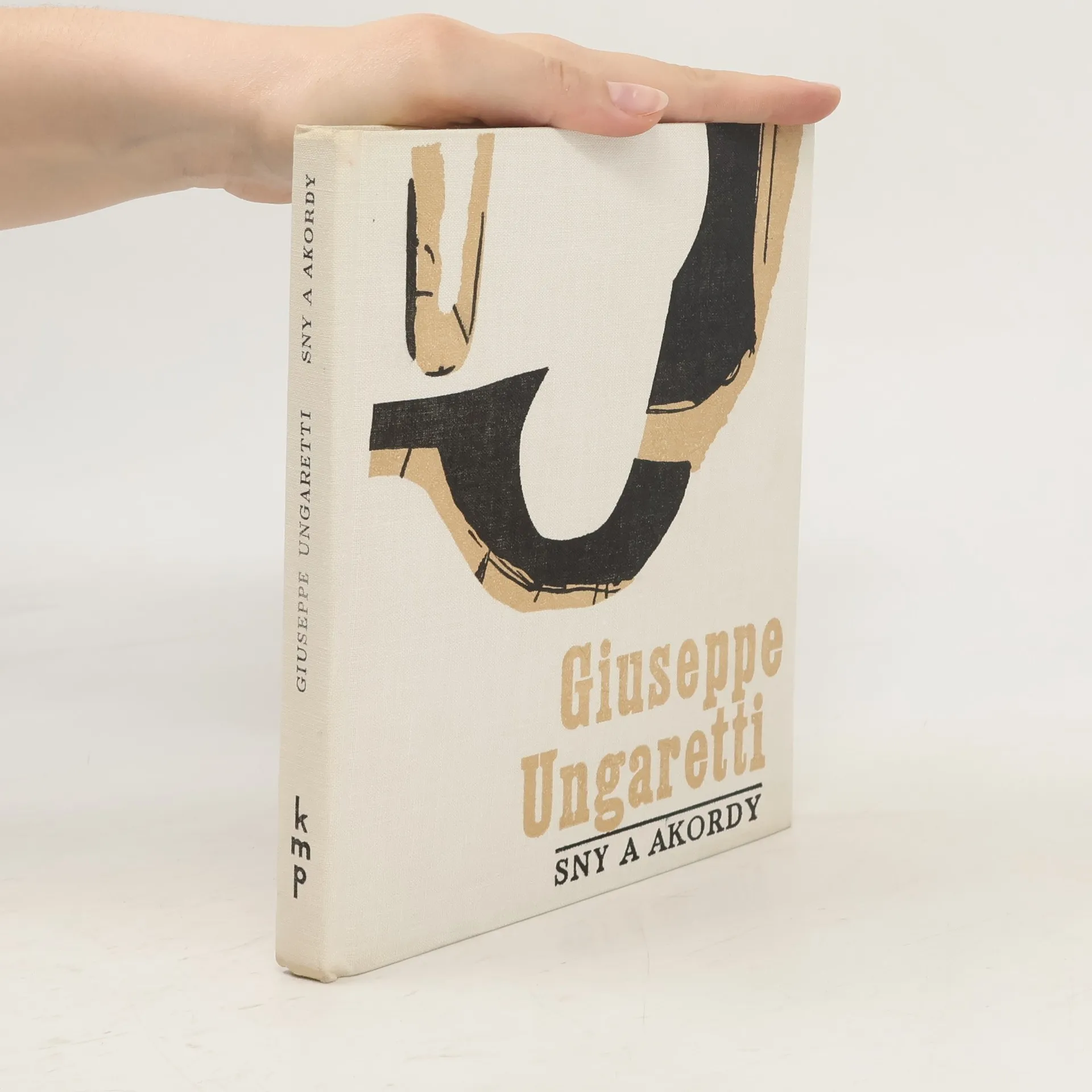
    Sny a akordy
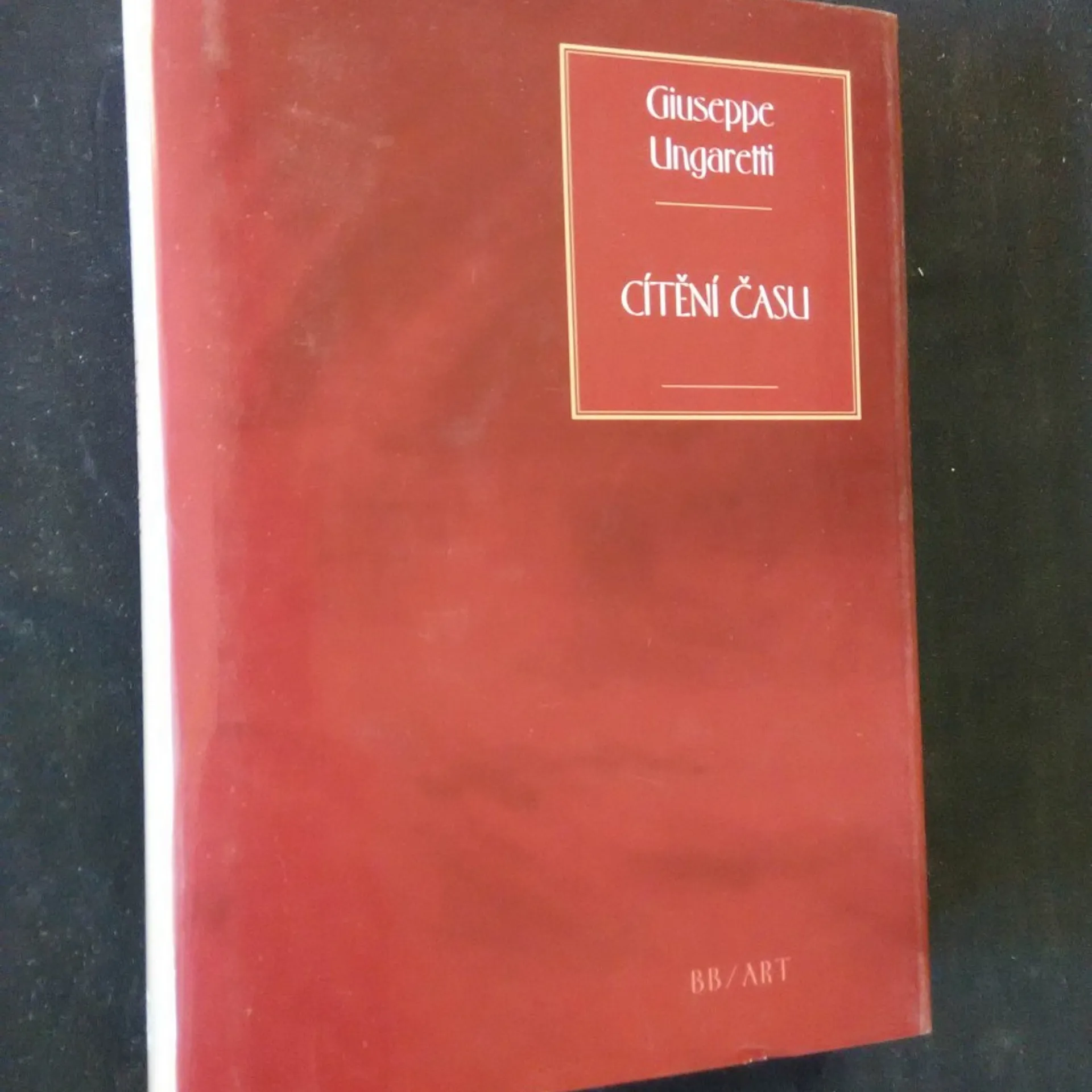
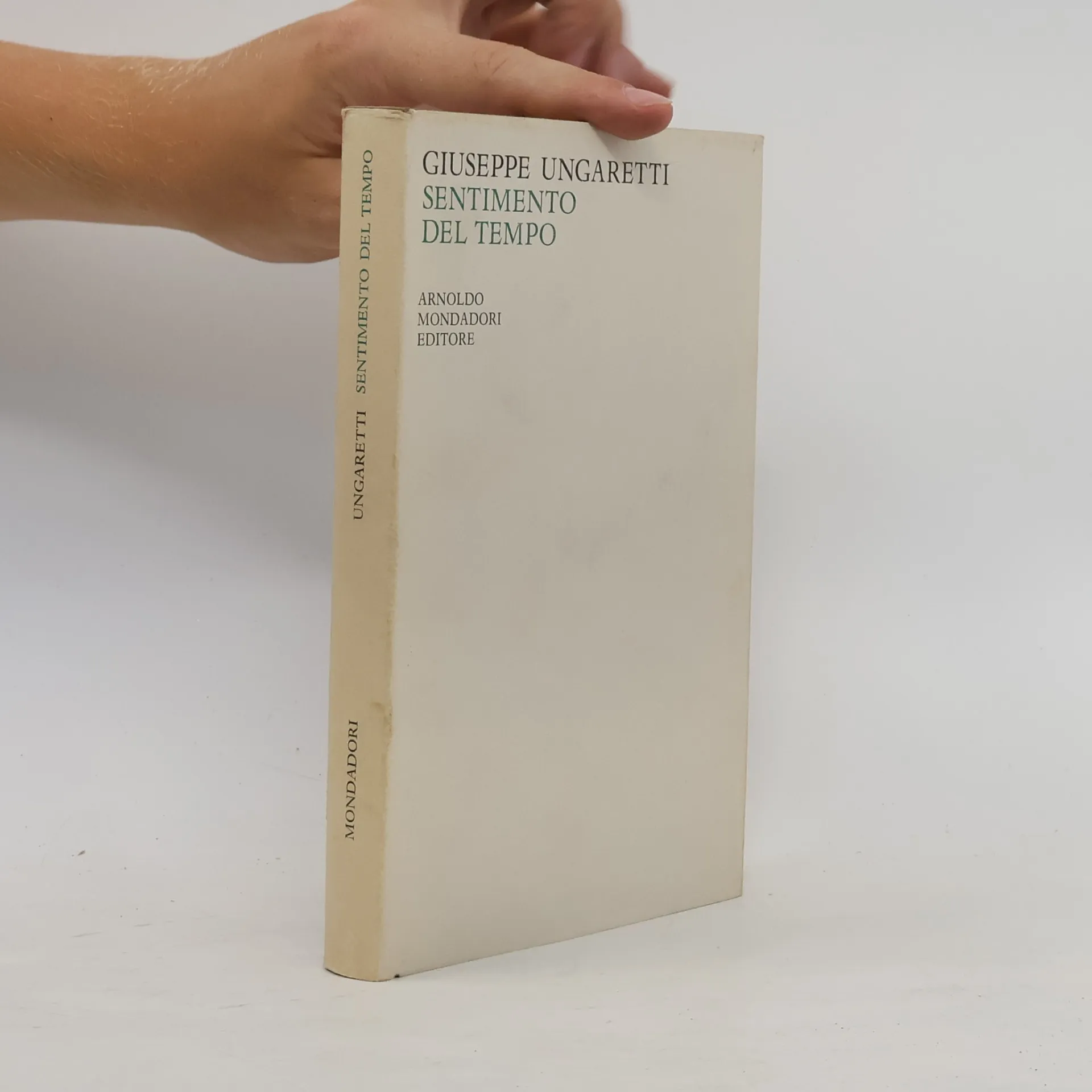
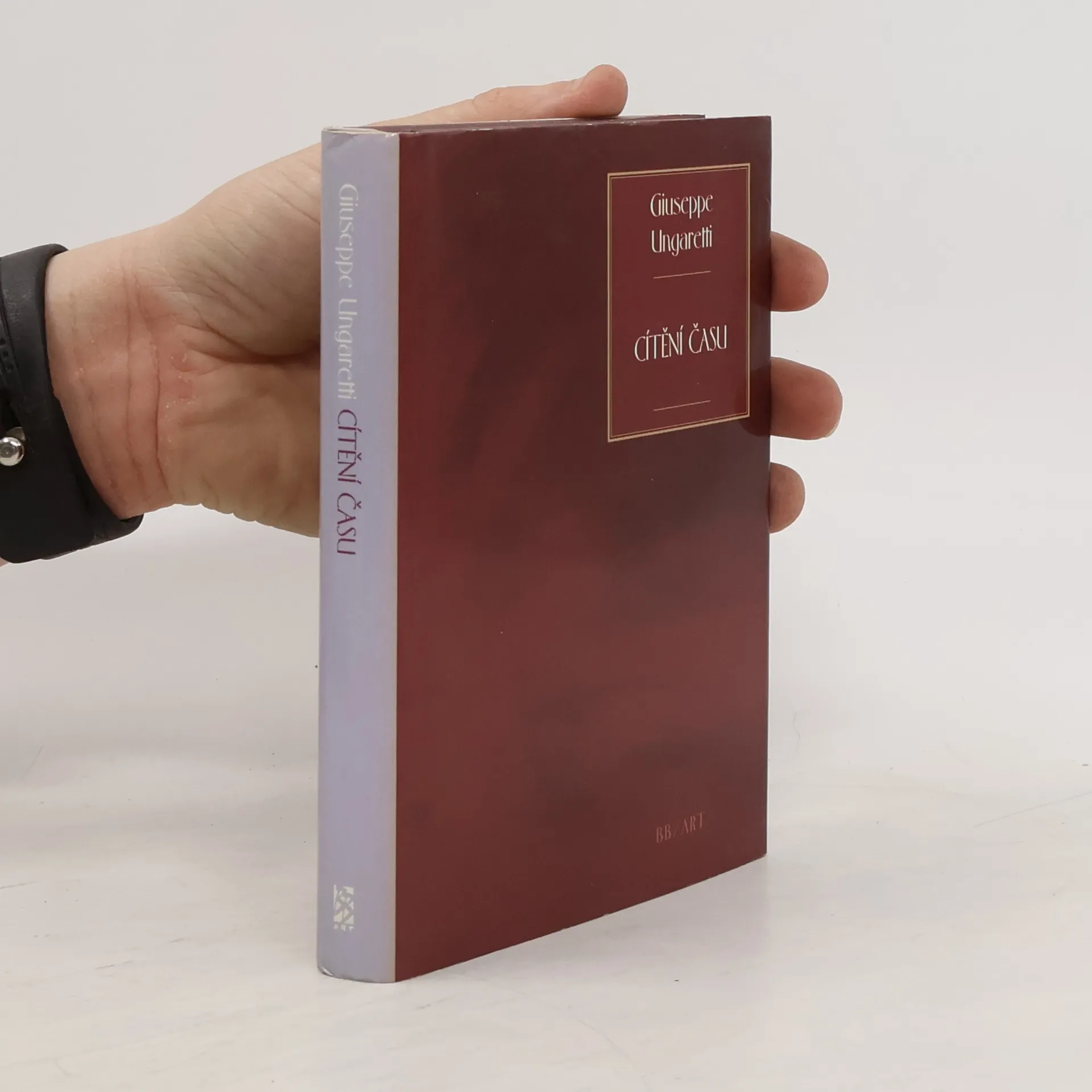
    Cítění času
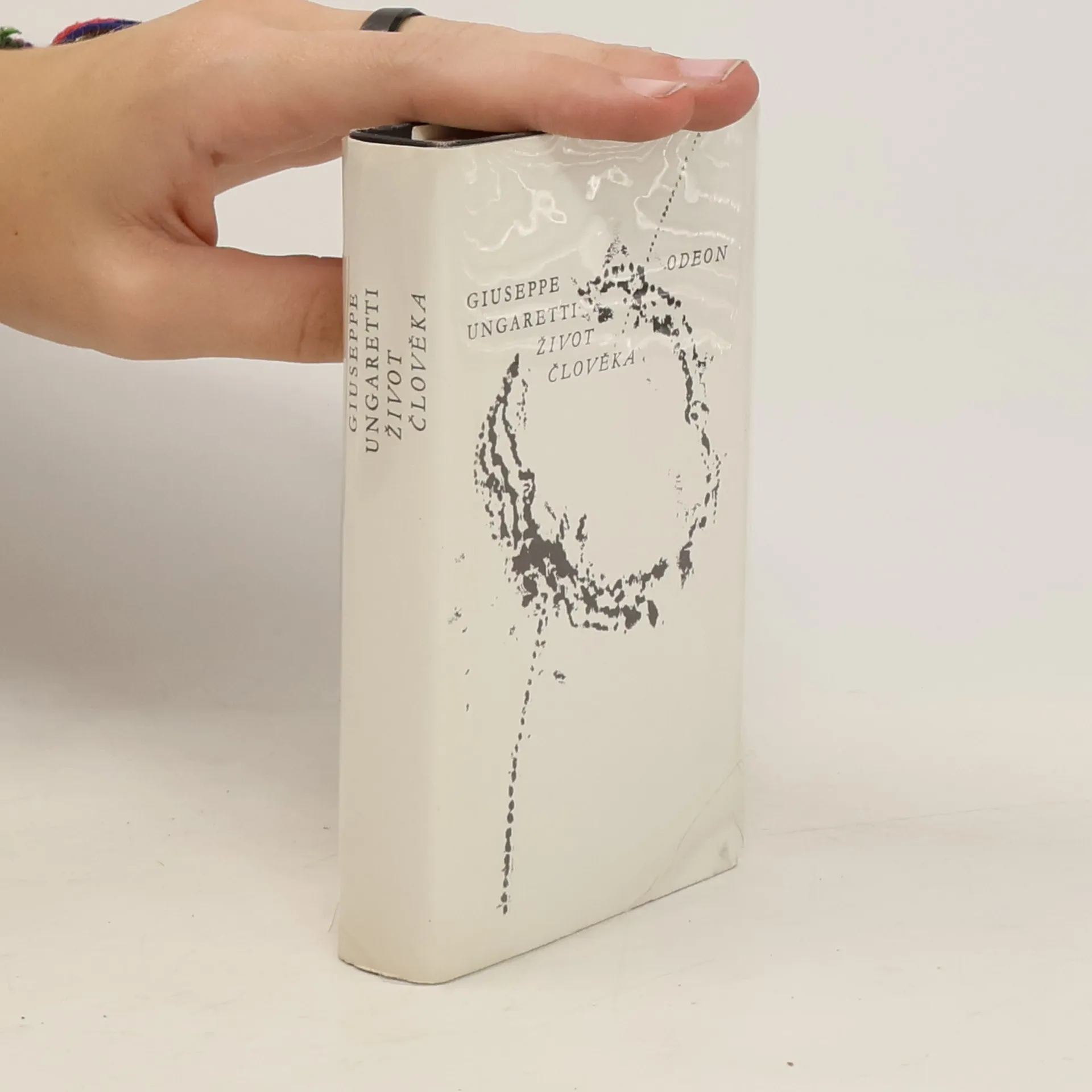
    Život člověka
    Allegria
    • Allegria

      • 204pages
      • 8 heures de lecture
      4,4(67)Évaluer

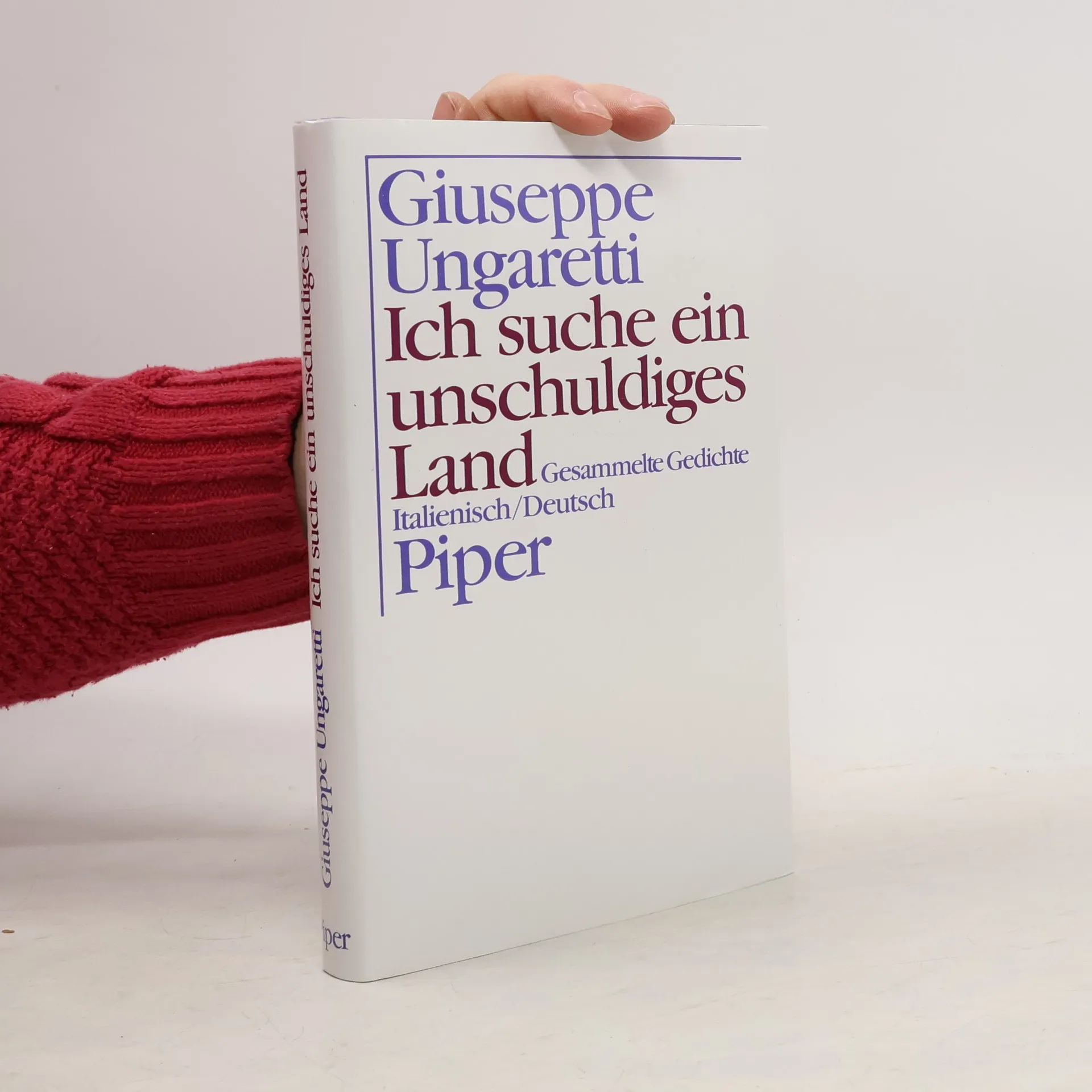
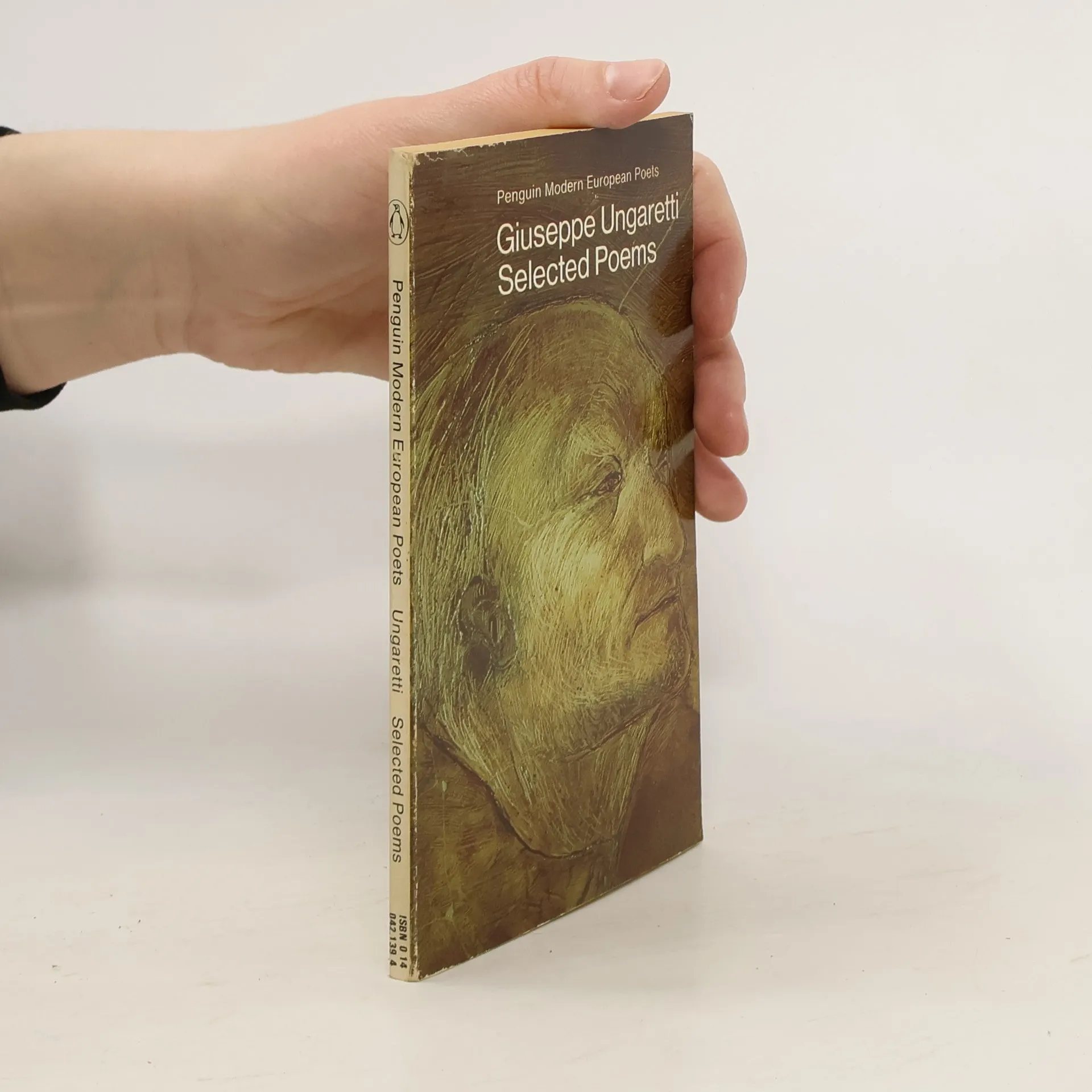
      Geoffrey Brock, whose translations have won him Poetry magazine's John Frederick Nims Memorial Prize and a Guggenheim Fellowship, finally does justice to these slim, concentrated verses in his English translation, alongside Ungaretti's Italian originals. Famed for his brevity, Giuseppe Ungaretti's early poems swing nimbly from the coarse matter of tram wires, alleyways, quails in bushes, and hotel landladies to the mystic shiver of pure abstraction. These are the kinds of poems that, through their numinous clarity and shifting intimations, can make a poetry-lover of the most stone-faced non-believer. Ungaretti won multiple prizes for his poetry, including the 1970 Neustadt International Prize for Literature. He was a major proponent of the Hermetic style, which proposed a poetry in which the sounds of words were of equal import to their meanings. This auditory awareness echoes through Brock's hair-raising translations, where a man holding vigil with his dead, open-mouthed comrade, says, "I have never felt / so fastened / to life."
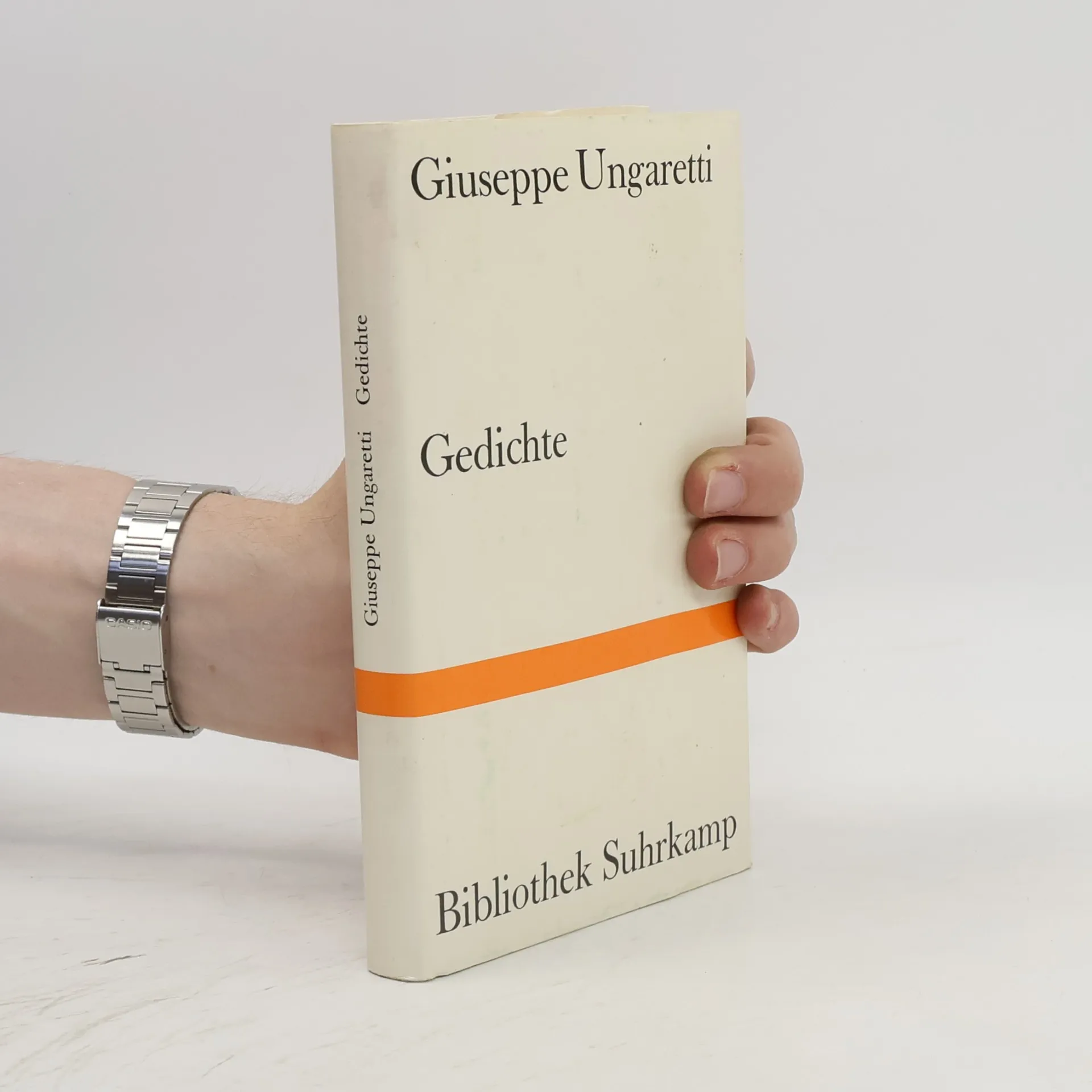
      Allegria
    • Výbor z poezie významného představitele moderní italské lyriky.

      Život člověka
    • Giuseppe Ungaretti (1888–1970) hrál v italské poezii podobnou obrodnou úlohu jako jeho současníci G. Apollinaire ve Francii a T. S. Eliot v anglosaském světě. Apollinaira znají ovšem čeští básníci i čtenáři zásluhou překladů K. Čapka už od 20. let minulého století, zatímco Eliotova náročná poezie vstoupila do jejich povědomí mnohem později. A Ungarettiho tvorba jako by u nás zůstávala bez odezvy ještě déle – aspoň na první pohled. Jenže cesty poezie jsou nevyzpytatelné. Ve skutečnosti totiž stačil sešitek Ungarettiho veršů přeložených kdysi Z. Kalistou spustit stavidla poezie například v Bohumilu Hrabalovi. Hlásí se k tomu v jedné vzpomínce on sám. I proto stojí za to číst Ungarettiho znovu.

      Cítění času
    • Výber z textov básnika, ktorého devízou je „Budem sprievodcom ku šťastiu“.

      Sny a akordy
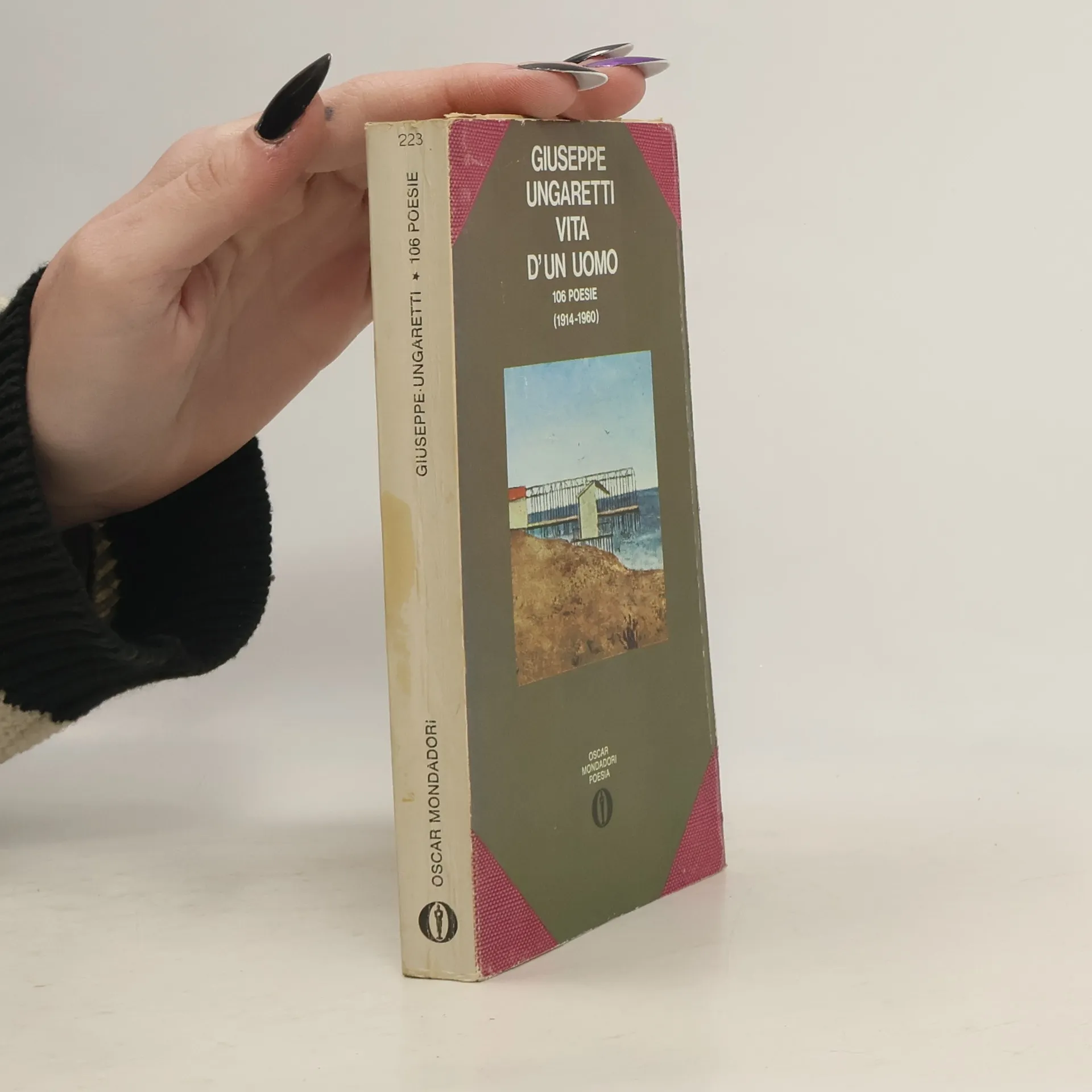
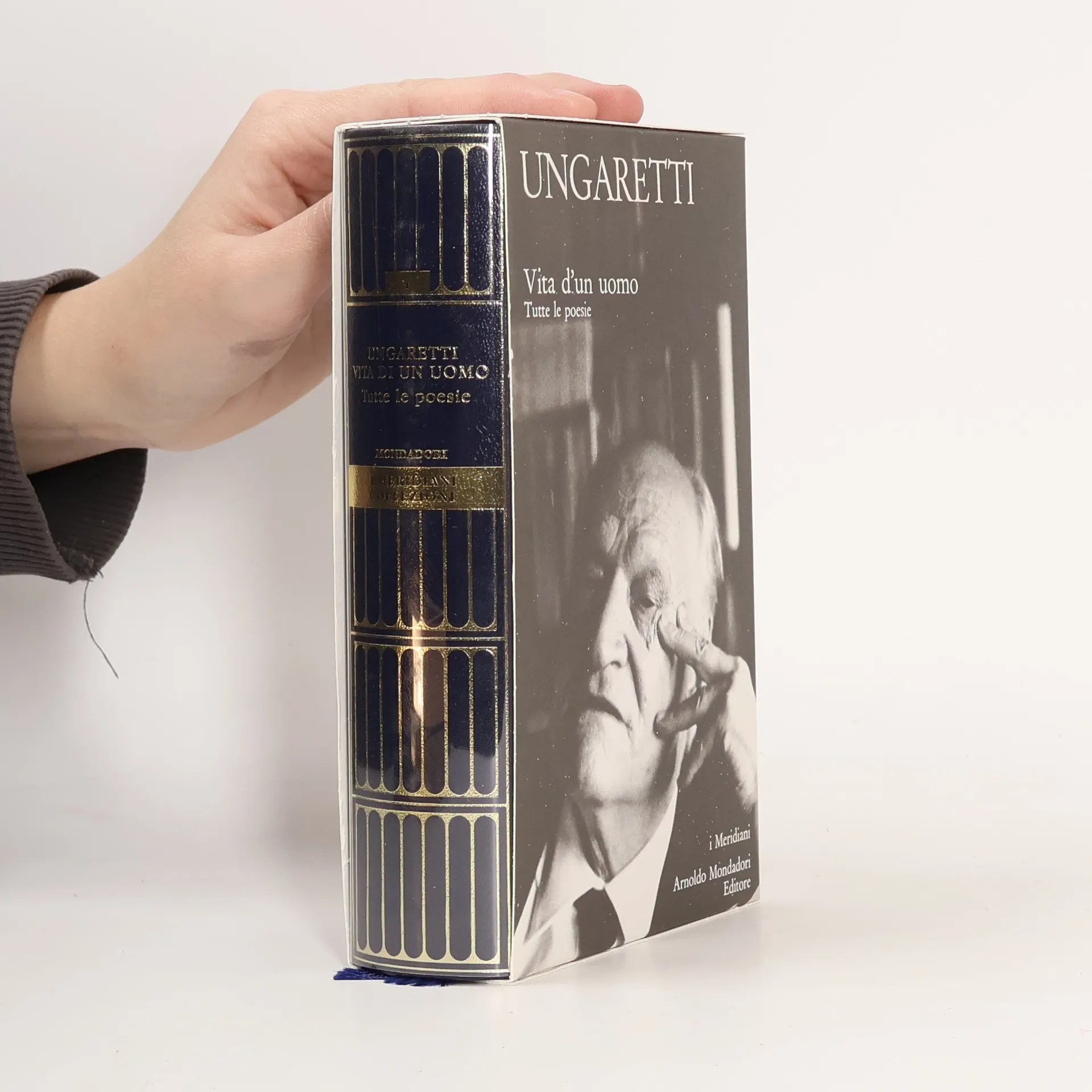
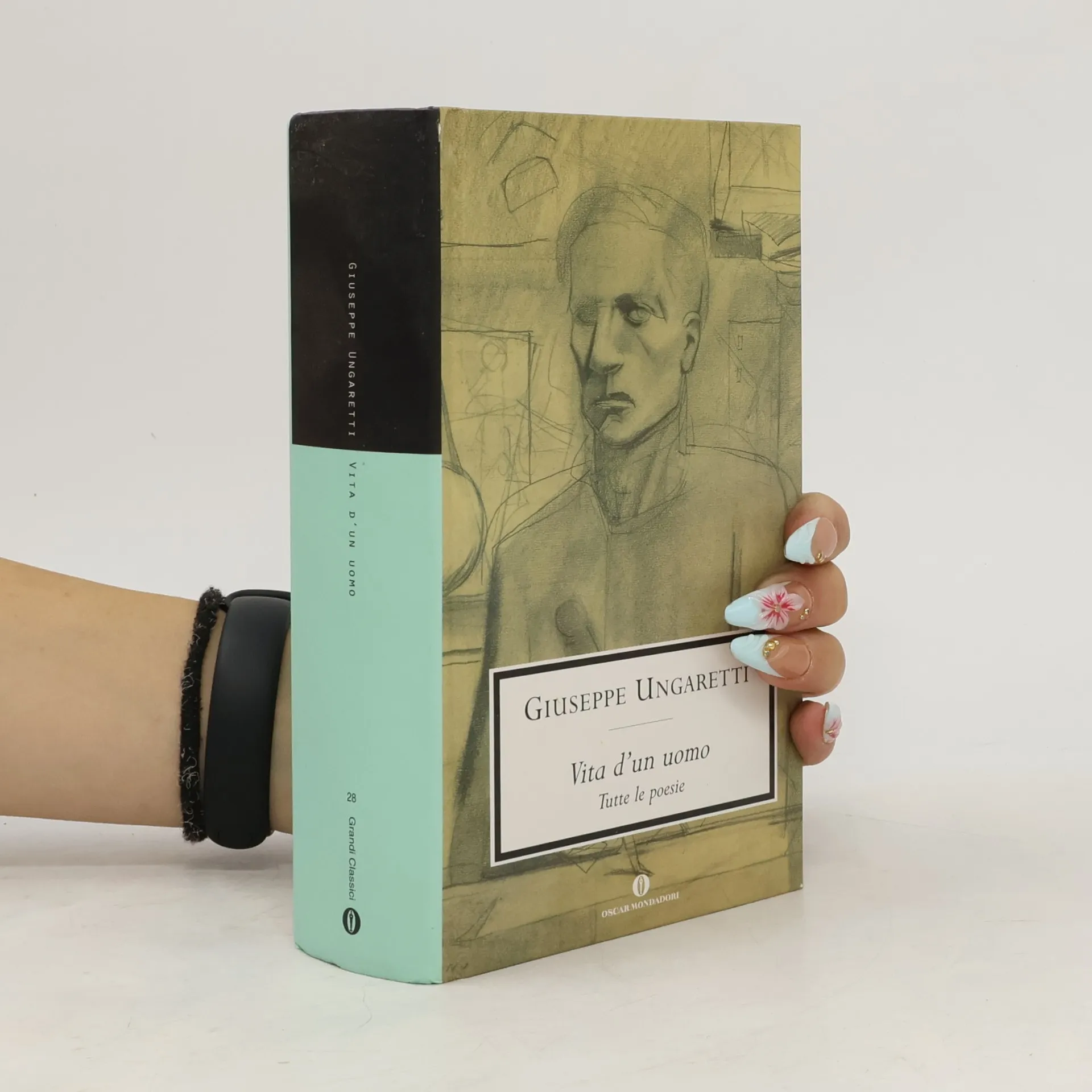
    • Voluto dallo stesso autore nel 1969, il volume raccoglie sotto il significativo titolo di Vita d'un uomo l'intera produzione lirica di Ungaretti, da L'Allegria fino al Taccuino del Vecchio, oltre ad alcuni componimenti sparsi mai usciti in raccolta e alle fondamentali traduzioni di classici, da Shakespeare a Mallarmé. Dall'esperienza tragica ed epocale della Grande Guerra, in cui Ungaretti si riconobbe "docile fibra dell'universo", alla riscoperta della tradizione poetica e artistica italiana che domina le più complesse liriche di Sentimento del Tempo, fino alla conquista della fede che accompagnò la vecchiaia del poeta. In questi componimenti è racchiusa l'intera esistenza di un uomo, ma soprattutto di un poeta.

      Vita d'un uomo : tutte le poesie
    • Veselí

      • 131pages
      • 5 heures de lecture
      3,0(1)Évaluer

      Sbírka veršů významného představitele italské poezie 20. století, která získala definitivní podobu v roce 1931.

      Veselí