
Bookbot

Jeremy Rifkin

    26 janvier 1945
    Jeremy Rifkin
    The Empathic Civilization. The Race to Global Consciousness in a World in Crisis
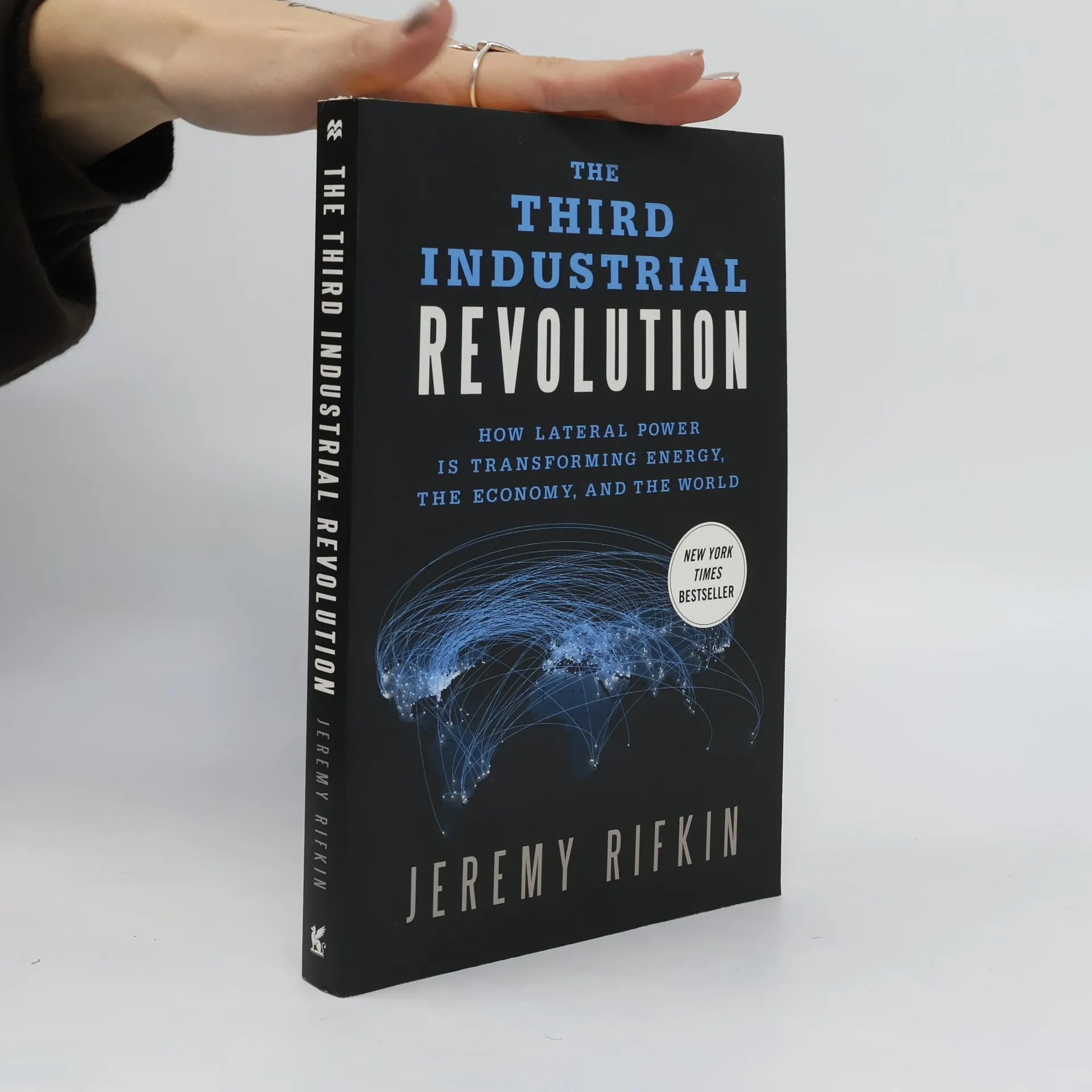
    The Third Industrial Revolution
    The Age of Resilience
    La nouvelle société du coût marginal zéro
    Le rêve européen
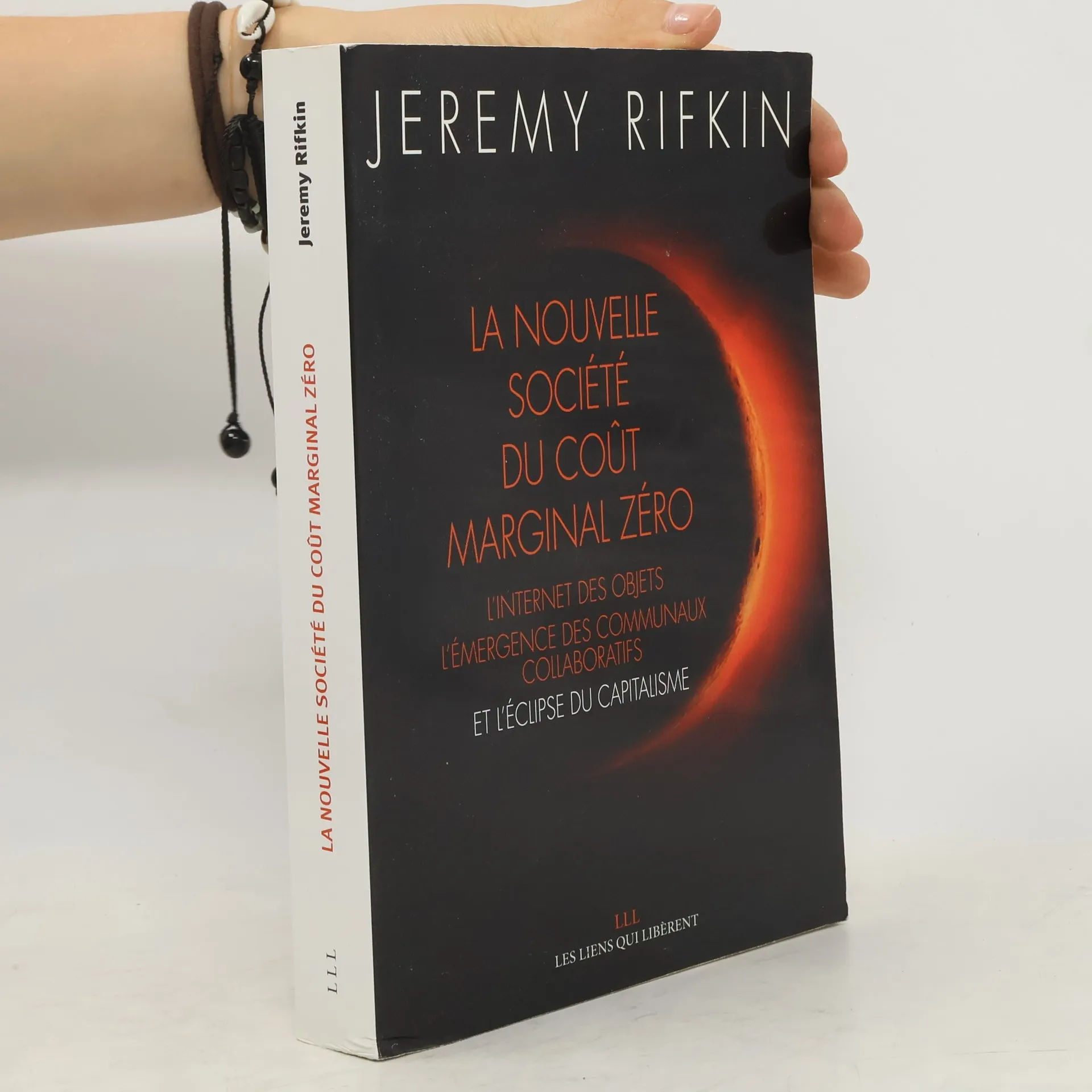
    La nouvelle société du coût marginal zéro
    • La nouvelle société du coût marginal zéro

      L'internet des objets, l'émergence des communaux collaboratifs et l'éclipse du capitalisme

      • 510pages
      • 18 heures de lecture

      Les règles du grand jeu de l'économie mondiale sont en pleine mutation. Le capitalisme s'essouffle, laissant place à un nouveau paradigme : les communaux collaboratifs. Cette économie émergente valorise l'usage plutôt que la propriété, avec des initiatives comme l'auto-partage, le crowdfunding, et le couchsurfing, où des milliards de personnes s'engagent dans des dimensions sociales essentielles. Des millions d'organisations autogérées contribuent à créer le capital social de la société. Aujourd'hui, l'essor de l'internet des objets optimise les valeurs de cette autogestion. L'internet des objets est déjà omniprésent, avec des capteurs sur les ressources naturelles et dans nos vies quotidiennes, alimentant un réseau mondial intégré. Parallèlement, le capitalisme, affaibli par sa quête de productivité, voit le coût marginal de production d'un bien devenir quasi nul, rendant les produits presque gratuits et tarissant le profit. L'émergence d'une classe de "prossomateurs" - consommateurs devenus producteurs - marque, selon Jeremy Rifkin, la fin de l'ère capitaliste d'abondance. Bien que rien ne soit certain, le capitalisme tente de contrer cette évolution en multipliant les barrières. Le changement climatique représente également une menace. Ce texte appelle à une action individuelle et collective, tout en esquissant un nouveau paradigme collaboratif vers une société intelligente et durable.

      La nouvelle société du coût marginal zéro
      3,9
    • Le rêve européen

      ou comment l'Europe se substitue peu à peu à l'Amérique dans notre imaginaire

      • 576pages
      • 21 heures de lecture

      Et si l?Europe n?était pas seulement notre chance mais celle du monde entier ?Il fut un temps, pas si lointain, où le rêve américain justifiait toutes les révoltes contre l?état des choses. Mais aujourd?hui, il semble bien que le rêve européen soit en passe de se substituer à lui dans les esprits et dans les coeurs.D?un côté, la tradition américaine, fondée sur le patriotisme, attachée à la réussite individuelle, à la croissance quel qu?en soit le prix, aux valeurs réputées suprêmes du travail et de la religion. De l?autre, une formation culturelle qui nous a appris à faire toute sa place à la collectivité, à la responsabilité de l?Etat à l?égard des plus vulnérables, à la qualité de la vie, au développement durable.Faut-il dès lors s?étonner qu?à l?ère des connexions globales et de la mise en réseau de la planète, alors que l?environnement et la sécurité collective nous préoccupent plus que jamais, le monde entier regarde vers l?Europe, ce lieu d?une expérience inédite et qui porte tant de promesses ?

      Le rêve européen
      3,6
    • The Age of Resilience

      • 336pages
      • 12 heures de lecture

      The Age of Resilience: Reimagining Existence on a Rewilding Earth is a wide-ranging look at the political, economic and cultural effects of the global shift from an economy based on efficiency to one based on resilience. Humans have long believed we could force the natural world to adapt to us; only now are we beginning to face the fact that it is we who will have to adapt to survive and thrive in an unpredictable natural world. A massive transformation of our economy (and with it the way we live our lives) has already begun. In The Age of Resilience, Jeremy Rifkin describes this great transformation and its profound effect on the way we think about the meaning of our existence, our economy, and how we govern ourselves as the earth rewilds around us. In The Age of Resilience, Jeremy Rifkin--a world-renowned expert and global governmental advisor on the impact of technological changes on human life and the environment--has written the defining work on the impact of climate change on the way humans organize their lives.

      The Age of Resilience
      4,0
    • The Third Industrial Revolution

      • 302pages
      • 11 heures de lecture

      "In this New York Times bestseller, the author takes us on a journey into a new economic era where hundreds of millions of people produce their own green energy in their homes, businesses, and factories and share it with each other on an 'energy Internet.' Rifkin's Third Industrial Revolution vision has been taken up by the European Union and China and endorsed by the United Nations. In this book, the author goes behind the scenes to meet the heads of state, global CEOs, social entrepreneurs, and NGO leaders who are pioneering the new economic paradigm."--Back cover

      The Third Industrial Revolution
      4,1
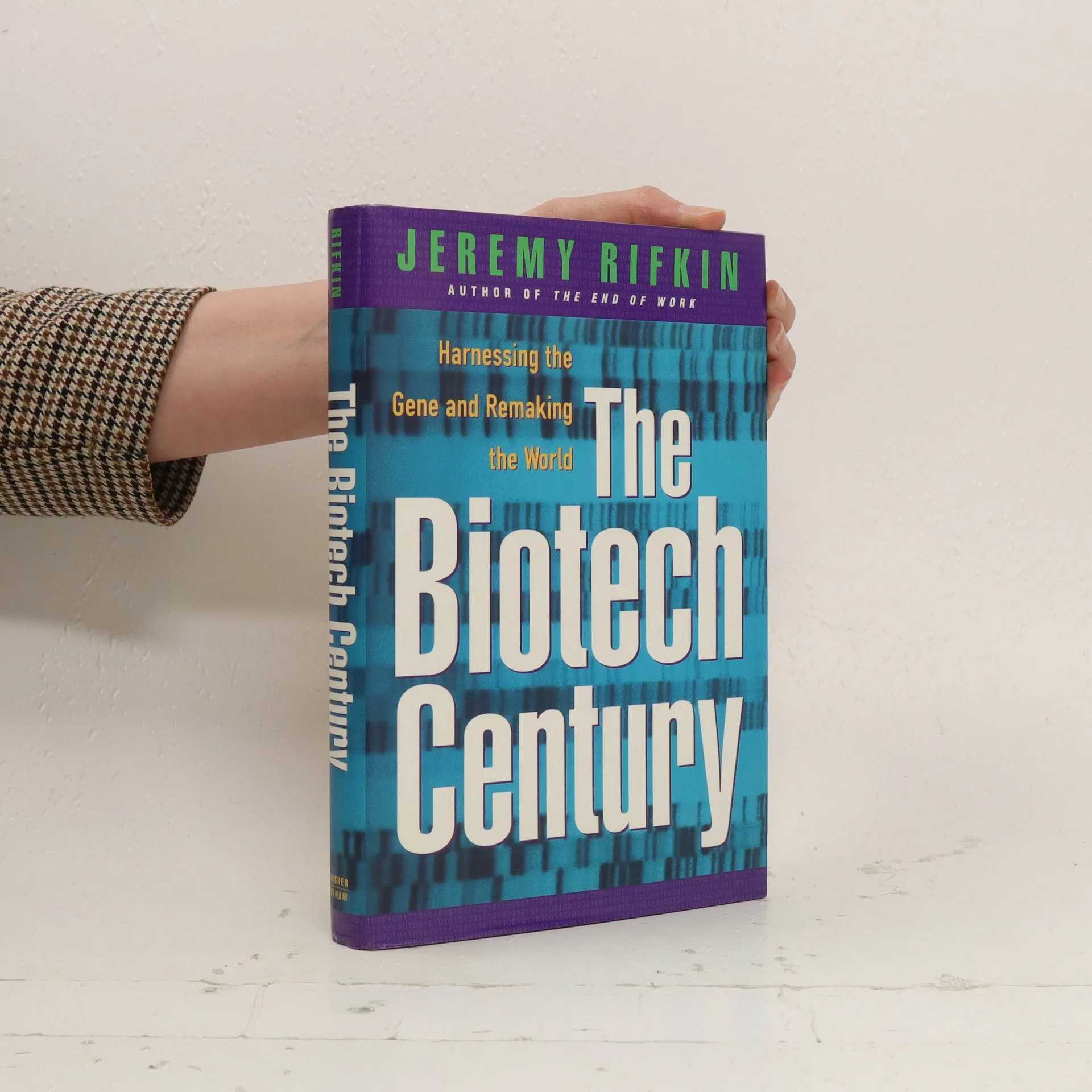
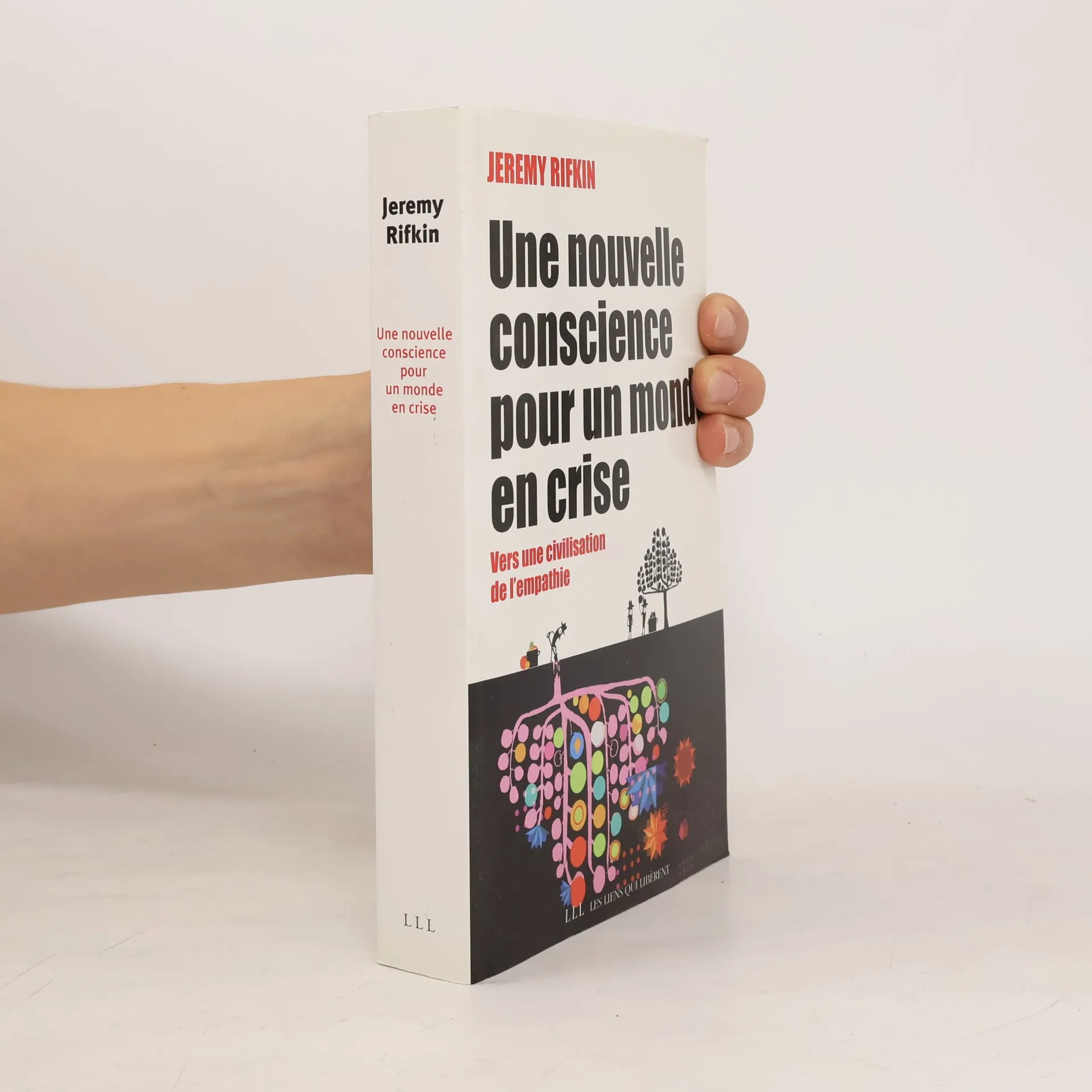
    • Global empathy in time to avoid the collapse of civilization and save the planet? One of the most popular social thinkers of our time, Jeremy Rifkin is the bestselling author of "The European Dream", "The Hydrogen Economy", "The End of Work", "The Biotech Century", and "The Age of Access". He is the president of the Foundation on Economic Trends in Washington, D.C.

      The Empathic Civilization. The Race to Global Consciousness in a World in Crisis
      4,0
    • The Age of Access

      • 312pages
      • 11 heures de lecture

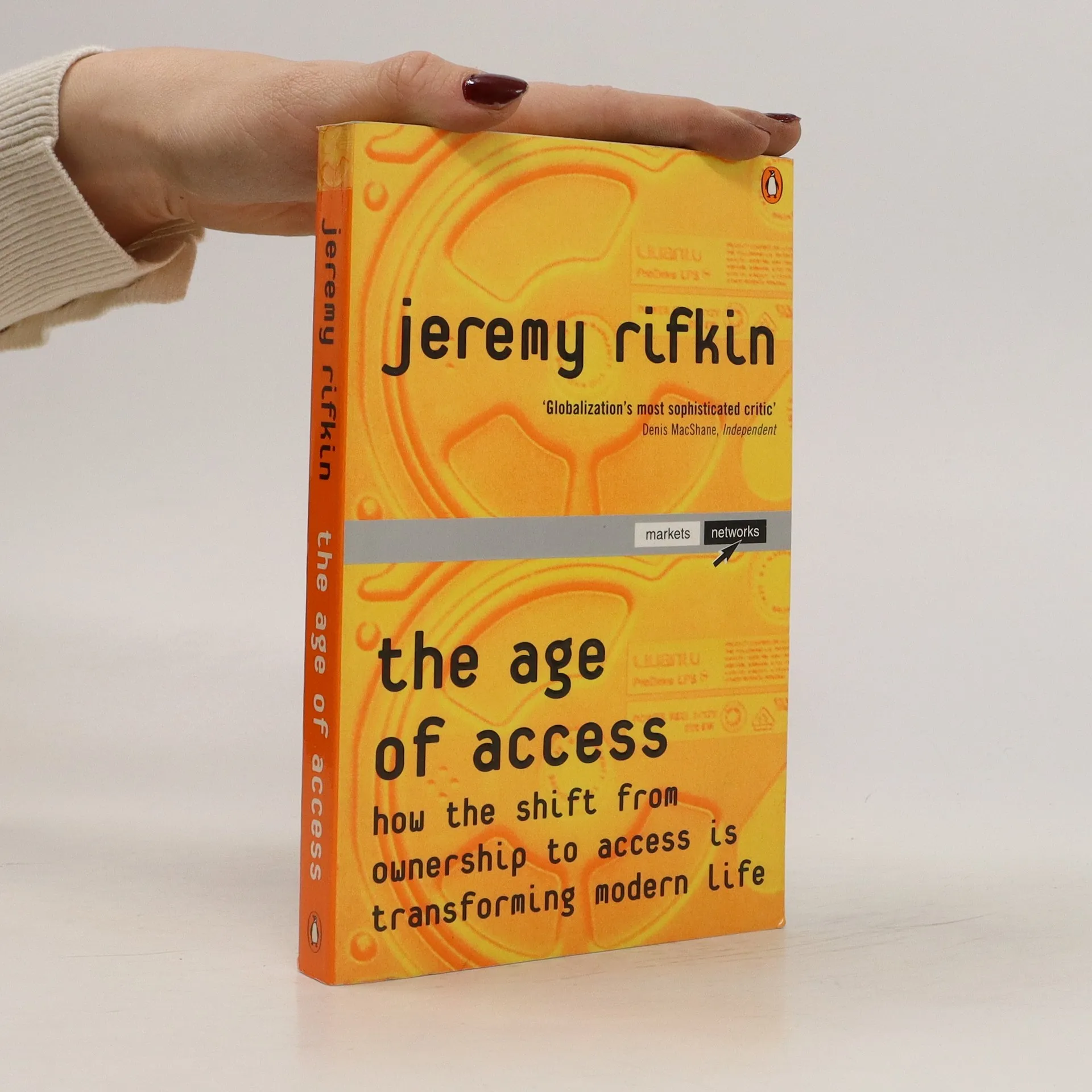
      Imagine waking up one day to find that virtually everything you do has become a paid for experience. It is part of a fundamental change taking place in the nature of business, contends Jeremy Rifkin. After several hundred years as the organising principles of civilisation, the traditional market systems is beginning to break down. On the horizon looms the age of access, where we trade experiences instead of objects.

      The Age of Access
      3,9
    • The Green New Deal

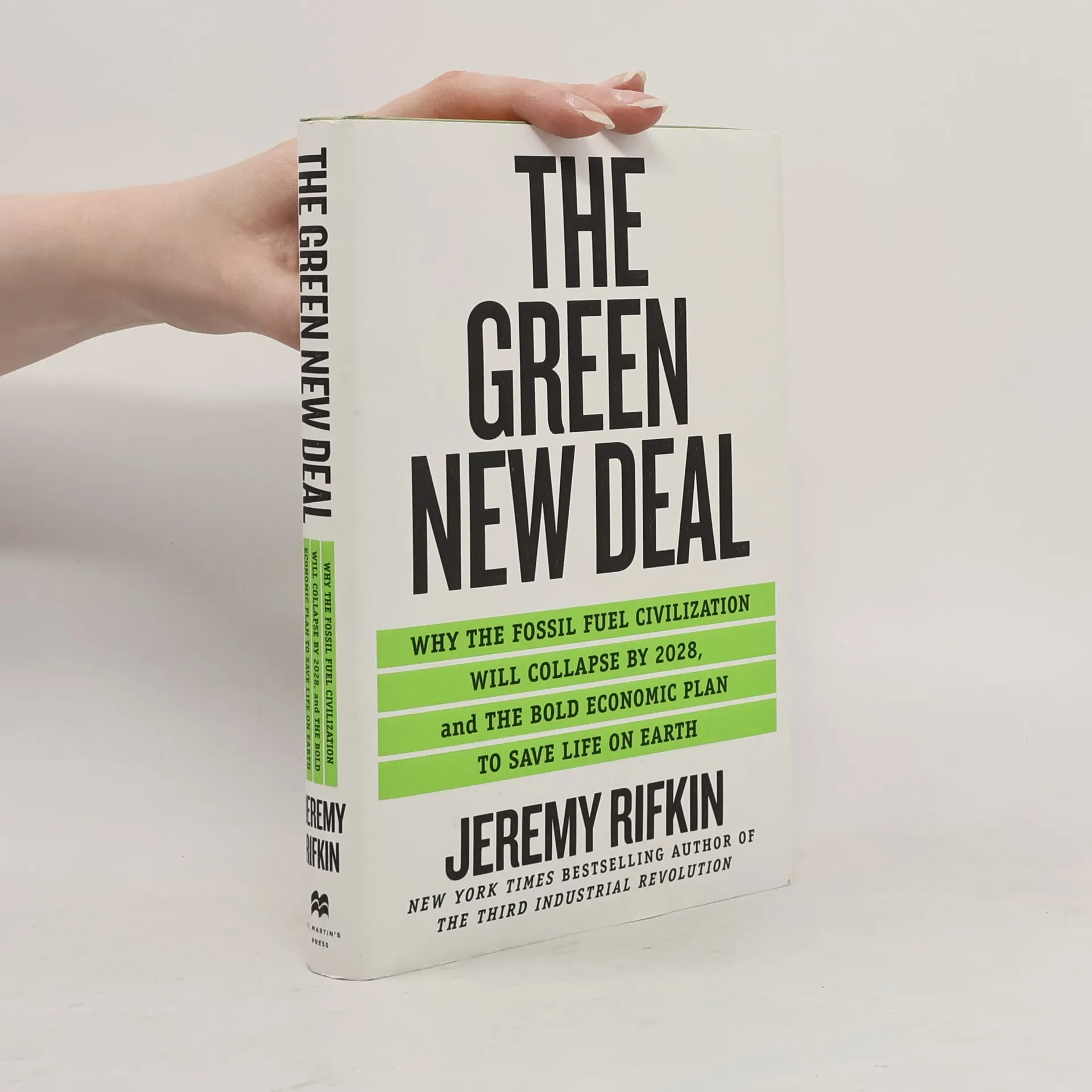
      Why the Fossil Fuel Civilization Will Collapse by 2028, and the Bold Economic Plan to Save Life on Earth

      • 290pages
      • 11 heures de lecture

      A new vision for America's future is gaining momentum as a younger generation leads a national conversation around a Green New Deal, aiming to revolutionize society. Millennials, the largest voting bloc, are taking charge on climate change issues. While the Green New Deal sparks political debate, a parallel movement within the business community is emerging, poised to disrupt the global economy. Key sectors are rapidly shifting away from fossil fuels toward cheaper solar and wind energies, creating new business opportunities and jobs. Alarmingly, studies warn of trillions in stranded fossil fuel assets, potentially leading to a carbon bubble that could burst by 2028 and threaten the fossil fuel civilization. The marketplace is evolving, and governments must adapt to thrive. A renowned economic theorist presents a political narrative and economic plan for the Green New Deal, highlighting the urgency of this moment. The intersection of a potential fossil fuel assets bubble and a green political vision could enable a significant transition to a post-carbon ecological era, crucial for preventing catastrophic climate change. With extensive experience in implementing Green New Deal-style transitions in the EU and China, the author shares insights on transforming the global economy to sustain life on Earth.

      The Green New Deal
      3,7
    • The End of Work

      • 400pages
      • 14 heures de lecture

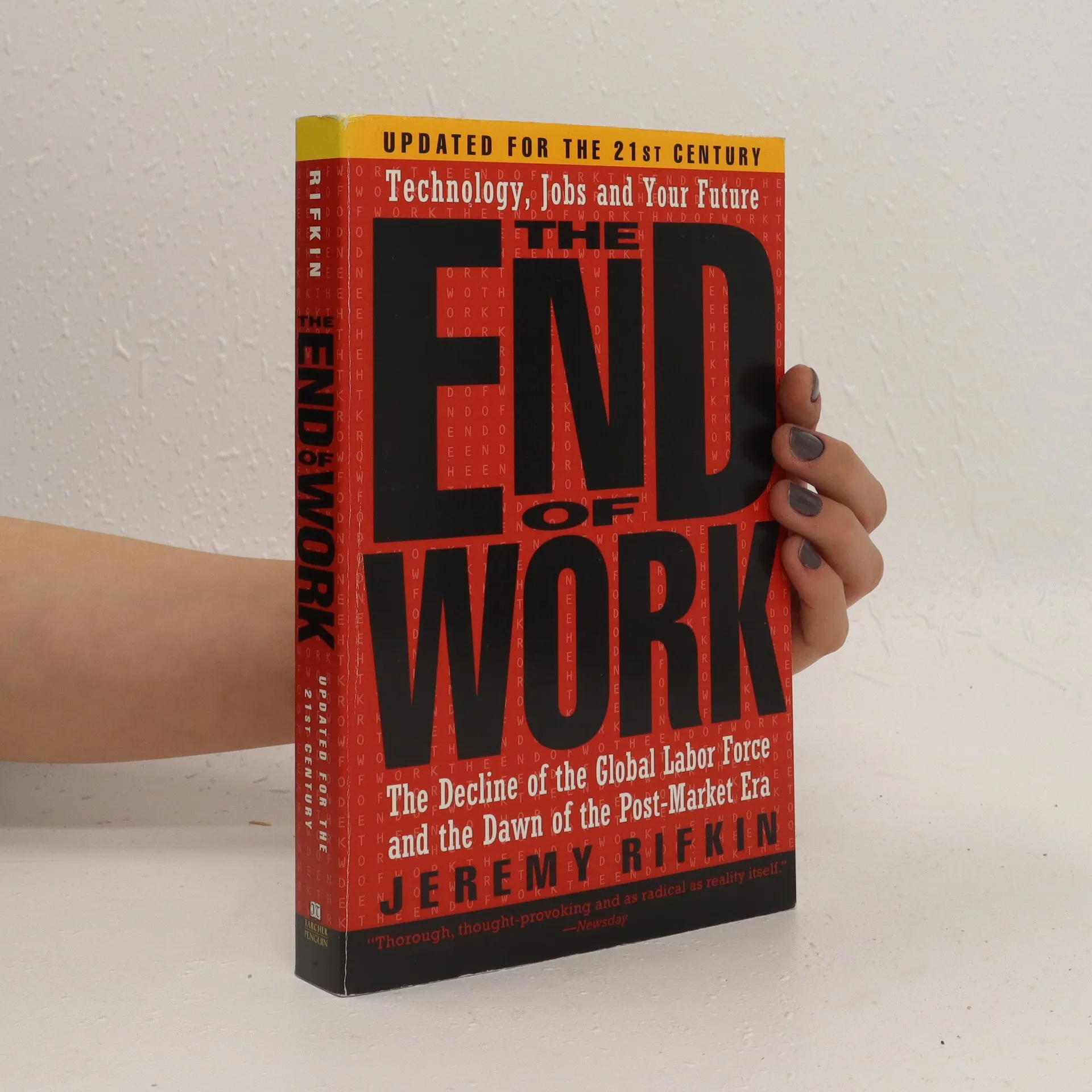
      An analysis of the potentially catastrophic implications of the growing worldwide unemployment crisis explains how we can avoid economic collapse, create conditions for a new more humane social order, and redefine the role of the individual in the new technological society. Original. 30,000 first printing.

      The End of Work
      3,6
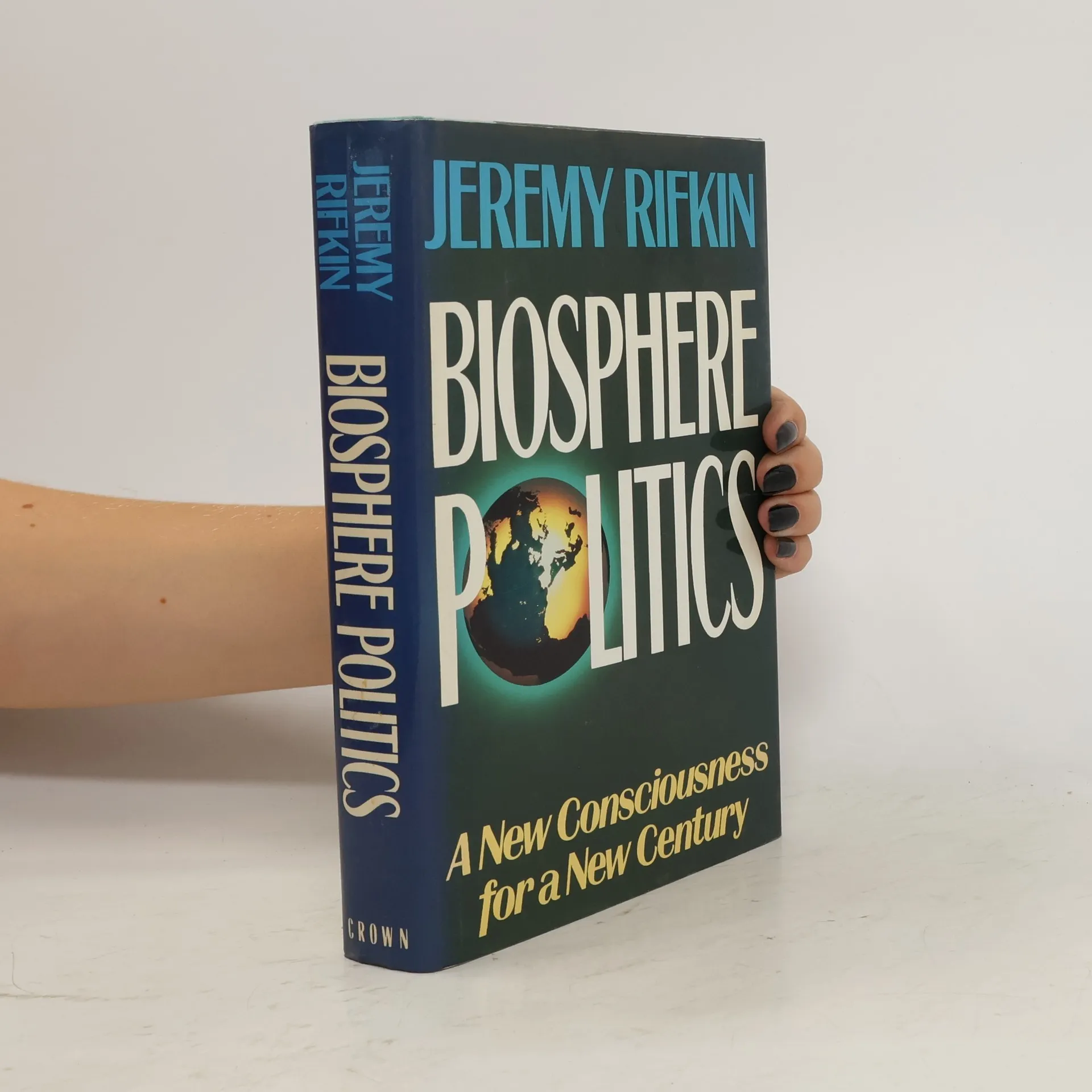
    • Biosphere Politics

      • 388pages
      • 14 heures de lecture

      Challenges conventional visions of the future by suggesting a new course for society based on humanity's responsibilities to the living earth

      Biosphere Politics
      3,3
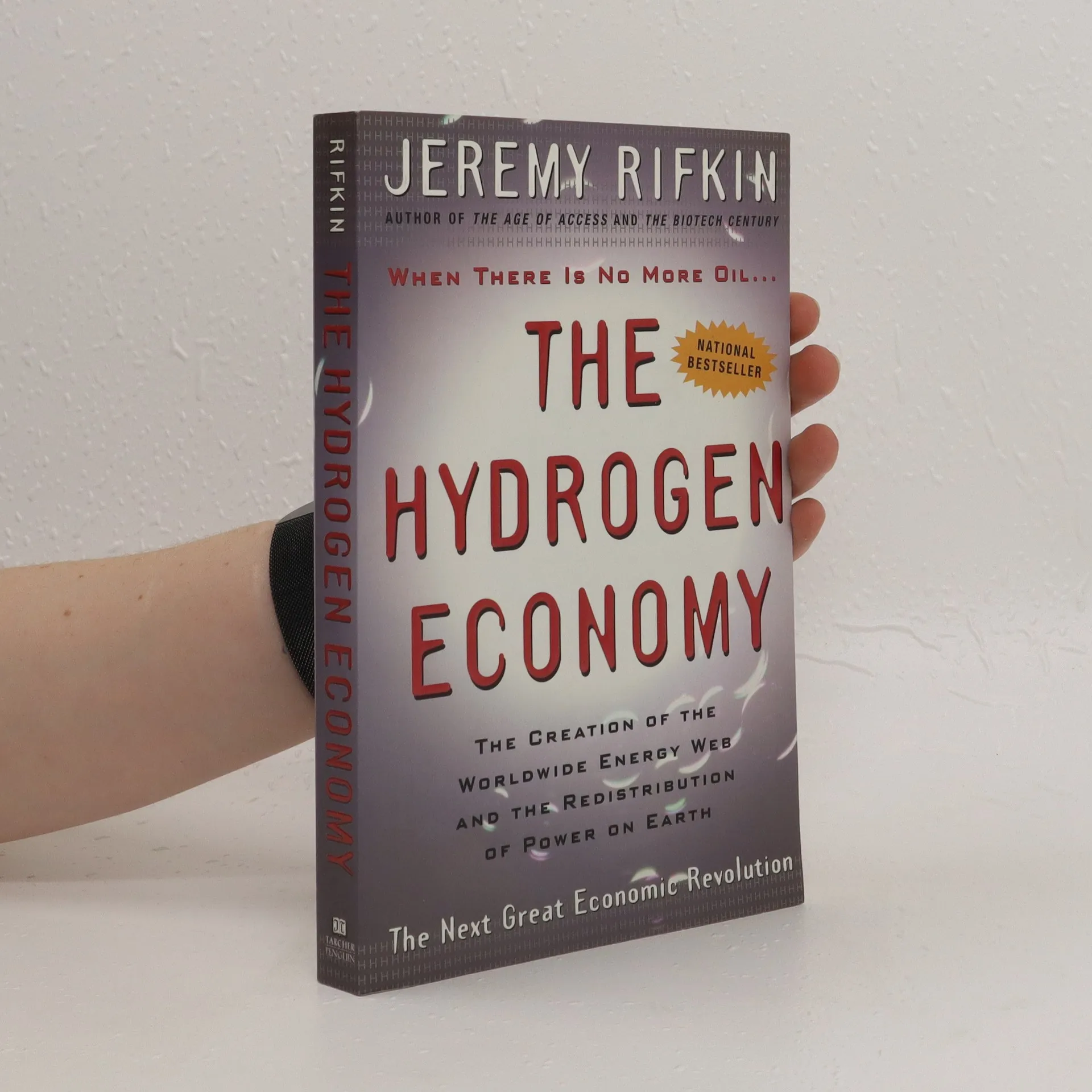
    • The Hydrogen Economy

      • 304pages
      • 11 heures de lecture

      The road to global security," writes Jeremy Rifkin, "lies in lessening our dependence on Middle East oil and making sure that all people on Earth have access to the energy they need to sustain life. Weaning the world off oil and turning it toward hydrogen is a promissory note for a safer world." Rifkin's international bestseller The Hydrogen Economy presents the clearest, most comprehensive case for moving ourselves away from the destructive and waning years of the oil era toward a new kind of energy regime. Hydrogen-one of the most abundant substances in the universe-holds the key, Rifkin argues, to a cleaner, safer, and more sustainable world.

      The Hydrogen Economy
      3,7
    • Vlivný americký ekonom a vizionář Jeremy Rifkin dokládá nevyhnutelnost dekarbonizace, decentralizaci v energetice a nástup nových ekologických ekonomických systémů. Kniha je povinnou četbou pro ty, kteří v Zelené dohodě pro Evropu vidí příležitost i výzvu. Rifkin zdůrazňuje nutnost transformace hospodářských systémů, které se dosud opíraly o fosilní paliva, a uvádí konkrétní příklady, včetně aktuálního problému Evropy: závislosti na ruském plynu a ropě. I když to může zpomalit proces dekarbonizace, roste potřeba alternativních, obnovitelných zdrojů energie. Rifkin nabízí řešení klimatických změn prostřednictvím transformace globální a lokální ekonomiky, přičemž jednotlivá odvětví mohou přejít na udržitelnou solární a větrnou energii. Tento přechod představuje výjimečnou příležitost, nikoli újmu. Klíčovou roli v této proměně sehrají informační technologie a "chytrá" řešení, což povede k nové organizaci práce, vzniku nových profesí a změně hodnot ve společnosti. Kniha obsahuje příspěvky odborníků z Česka a výběr úspěšných projektů reagujících na evropský Green Deal.

      Green Deal. Strašák, nebo jedinečná šance?
      2,8
    • Jeremy Rifkin warnt vor den Folgen einer Zivilisation, die im Widerspruch zur Natur steht. Der Klimawandel führt zu einem Massensterben, und Rifkin fordert eine Neubewertung unseres Platzes im Universum. Sein Buch „Planet Aqua“ regt an, unser Verhältnis zur Natur, Gesellschaft und Wirtschaft zu überdenken und uns an natürliche Wasserkreisläufe anzupassen.

      Planet Aqua. Unser Zuhause im Universum neu denken
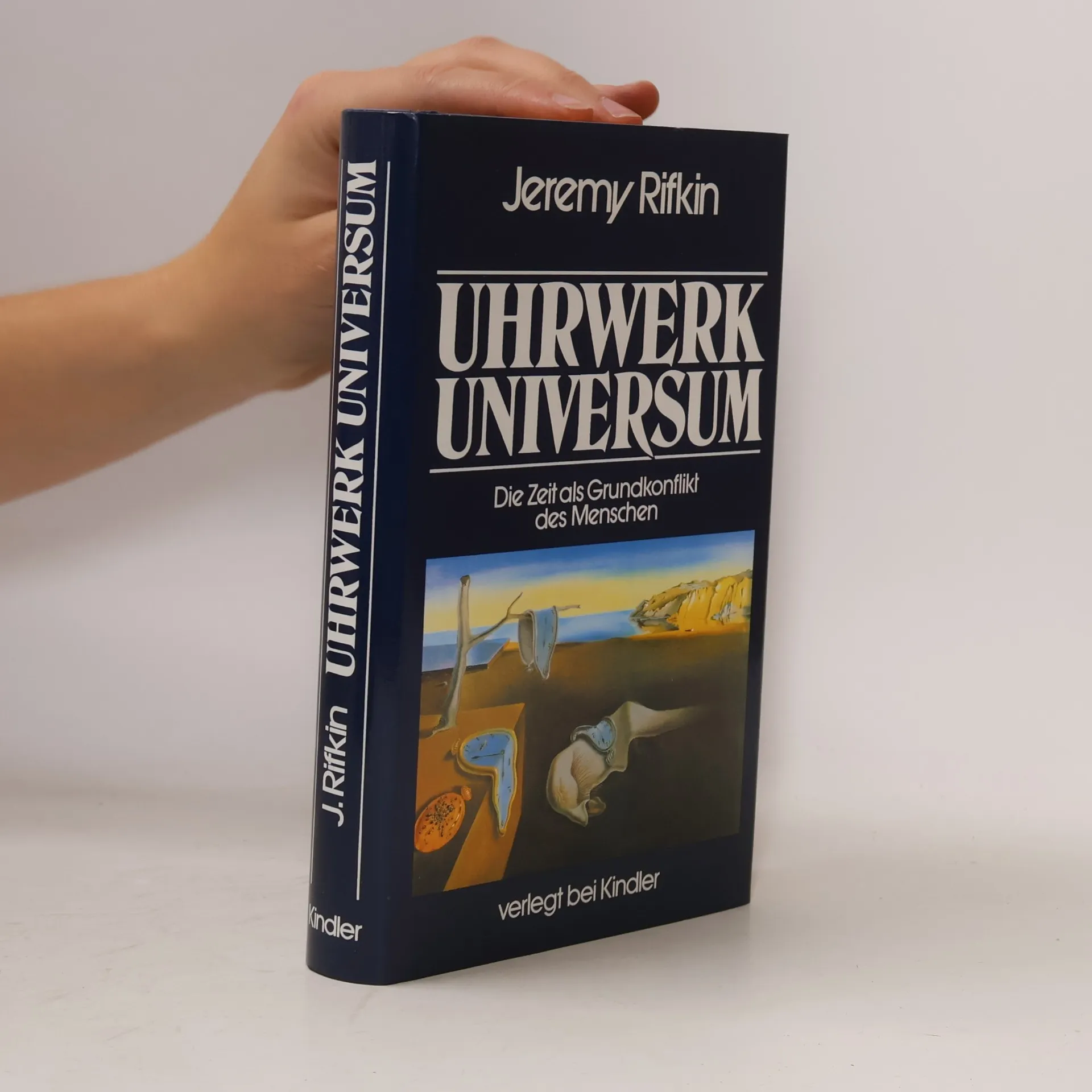
    • 'Guerre del Tempo' ist ein populärwissenschaftliches Werk, in dem Jeremy Rifkin, einer der führenden Experten für die Umwelt-, Sozial-, Wirtschafts- und Kulturfolgen neuer Technologien, die Auffassung von Zeit mit der Entwicklung der Gesellschaft in Beziehung setzt. Ausgehend von der Beobachtung, dass jedes Lebewesen eine eigene natürliche und angeborene Zeitauffassung hat, betrachtet der Autor die sozialen und ökologischen Auswirkungen, die durch Veränderungen dieser 'natürlichen' Auffassung verursacht werden. Solche Veränderungen werden durch wissenschaftliche und technologische Innovationen sowie politische und wirtschaftliche Faktoren induziert, wie zum Beispiel die Erhöhung des Arbeitstempos infolge der industriellen Revolution und dem Aufkommen des digitalen Zeitalters; genetische Manipulationen in der Landwirtschaft; die Ausbeutung von Energiequellen und so weiter. Der Autor warnt schließlich vor den Risiken, die durch die übermäßige Suche nach Effizienz, Produktivität und Schnelligkeit entstehen.

      Uhrwerk Universum
    • Das Imperium der Rinder

      • 277pages
      • 10 heures de lecture

      Von der heiligen Kuh bis zu Steaks, die im Garten gegrillt werden, erzählt dieses Buch die komplexe, zentrale Beziehung zwischen Menschen und Rindern über die Jahrhunderte der westlichen Geschichte. Rifkin verknüpft die Themen Tiermissbrauch, Umweltzerstörung und öffentliche Gesundheit in diesem überzeugenden Werk. Fotografien und Strichzeichnungen.

      Das Imperium der Rinder