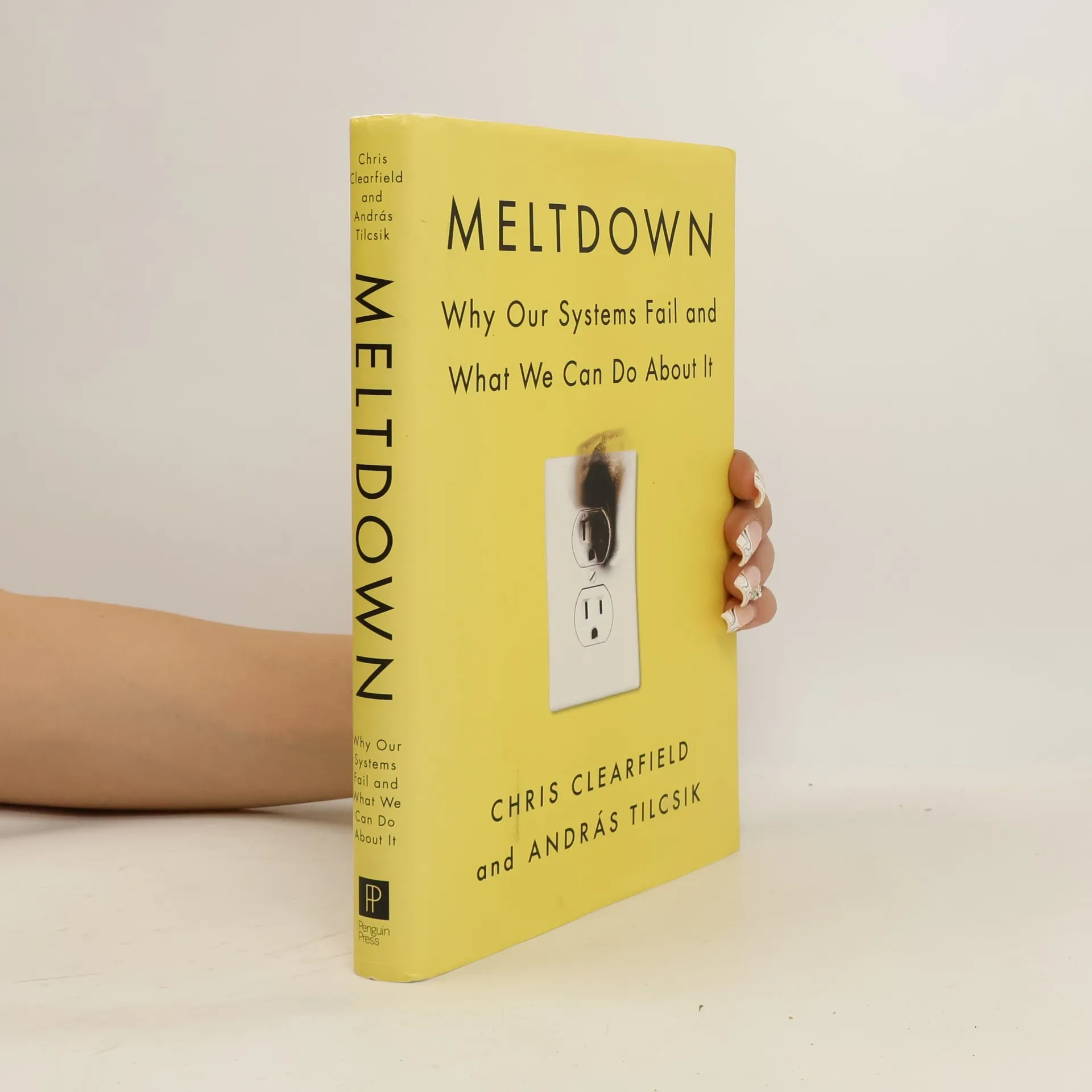
Chris Clearfield, un passionné de science et ancien trader de produits dérivés, s'est orienté de la prise de risque à l'écriture à leur sujet. Il est coauteur d'un ouvrage qui explore pourquoi nos systèmes échouent et ce que nous pouvons faire à ce sujet, s'appuyant sur sa profonde compréhension des systèmes complexes et du comportement humain qui y évolue. Ses réflexions sont également nourries par sa perspective unique en tant qu'instructeur de vol certifié, offrant un regard distinct sur la gestion des risques et la prise de décision.
Prečo naše systémy zlyhávajú a čo s tým dokážeme urobiť?
Zrážka v systéme metra Washingtonu D.C. Neúmyselné predávkovanie v najmodernejšej nemocnici. Spečené sviatočné jedlo. Prelomový pohľad na to, ako zložitosť spôsobuje zlyhanie vo všetkých druhoch moderných systémov – od sociálnych médií po leteckú dopravu. Pochopením toho, čo sa za týmito zlyhaniami skrýva, môžeme navrhnúť lepšie systémy, zvýšiť produktivitu našich tímov a transformovať spôsob rozhodovania v práci i doma.
This groundbreaking book explores how complexity leads to failures in modern systems, from social media to air travel, and offers practical solutions to prevent meltdowns in both business and life. Through engaging narratives, it reveals that seemingly unrelated disasters—like a metro crash, a hospital overdose, or a burnt holiday meal—share common causes. By understanding these failures, we can improve systems, enhance team productivity, and make better decisions at work and home.
The authors, Chris Clearfield and Andras Tilcsik, combine cutting-edge social science with captivating stories, taking readers from the Volkswagen scandal to the Oscars and beyond. They illustrate how the increasing complexity of our systems fosters conditions for failure, highlighting the paradox of progress: while modern systems enhance our capabilities, they also become susceptible to unexpected breakdowns and misconduct.
This book is not just about identifying failures; it offers solutions for managing chaos, whether in a team or a family setting. It discusses how simple design changes can enhance safety, how a brief exercise can avert major disasters, the advantages of teams with fewer experts in risk management, and the importance of diversity as a safeguard against failure. Ultimately, it provides an eye-opening perspective that will transform your understanding of our complex world and your role within it.