The Perdiccas Years, 323 320 BC
- 384pages
- 14 heures de lecture
Most detailed military narrative of wars of the Alexander's Successors.


Tristan Hughes explore les liens complexes entre la mémoire, le lieu et l'identité. Sa prose, façonnée par ses expériences au Canada, au Pays de Galles et dans le monde universitaire, offre des aperçus profonds de la psyché humaine. Hughes mêle avec brio des thèmes introspectifs à des récits captivants, invitant les lecteurs à réfléchir sur des questions existentielles plus profondes. Son œuvre représente une fusion unique de tradition littéraire et de sensibilité contemporaine.



Most detailed military narrative of wars of the Alexander's Successors.
On 11 June 323 BC in Babylon, Alexander the Great breathed his last. He left one of the largest empires the world had seen, stretching from Greece to the Punjab. Alexander the Great's death in Babylon that fateful day in June 323 BC triggered an unprecedented crisis. Within a couple of days, Macedonian blood had stained the walls of the chamber in which he died. Within a couple of weeks, Babylon had witnessed the first siege of the post Alexander age. Within a couple of months, a major revolt had erupted on mainland Greece. Within a couple of years, theaters of conflict had arisen across the length and breadth of what was once Alexander's empire. From a Spartan adventurer attempting to forge his own empire in North Africa, to a vast horde of veteran Greek mercenaries heading home from ancient Afghanistan. From a merciless, punitive campaign against some of the most infamous brigands of the time to a warrior princess raising an army and pressing ahead with her own power play during this ancient Game of Thrones. What followed Alexander's death was an imperial implosion. This book attempts to explain why it happened.
Román Věž, talentovaného waleského autora, je zasazen do prostředí ostrova Anglesey. Ten je z dávné historie známý jako centrum keltských učitelů a kněží – druidů, z raného středověku jako bašta nezávislých velšských knížat a dnes jako tradiční region, kde se stále – i přes erozivní působení globalizačních a asimilačních procesů – uchovává kontinuita velšského jazyka, kultury a způsobu života. Věž autorova románu bývala kdysi větrným mlýnem, potom zříceninou, dnes je nákladně a okázale renovována. Tento symbol něčeho trvalého i měnícího se v Hughesově vyprávění stává objektem, s nímž jsou po jednotlivých kapitolách spojeny prolínající se osudy hlavních postav. Hughesův román Věž tak představuje vynikající psychologickou sondu vztahu lidí a místa i poetickou evokaci krajiny.
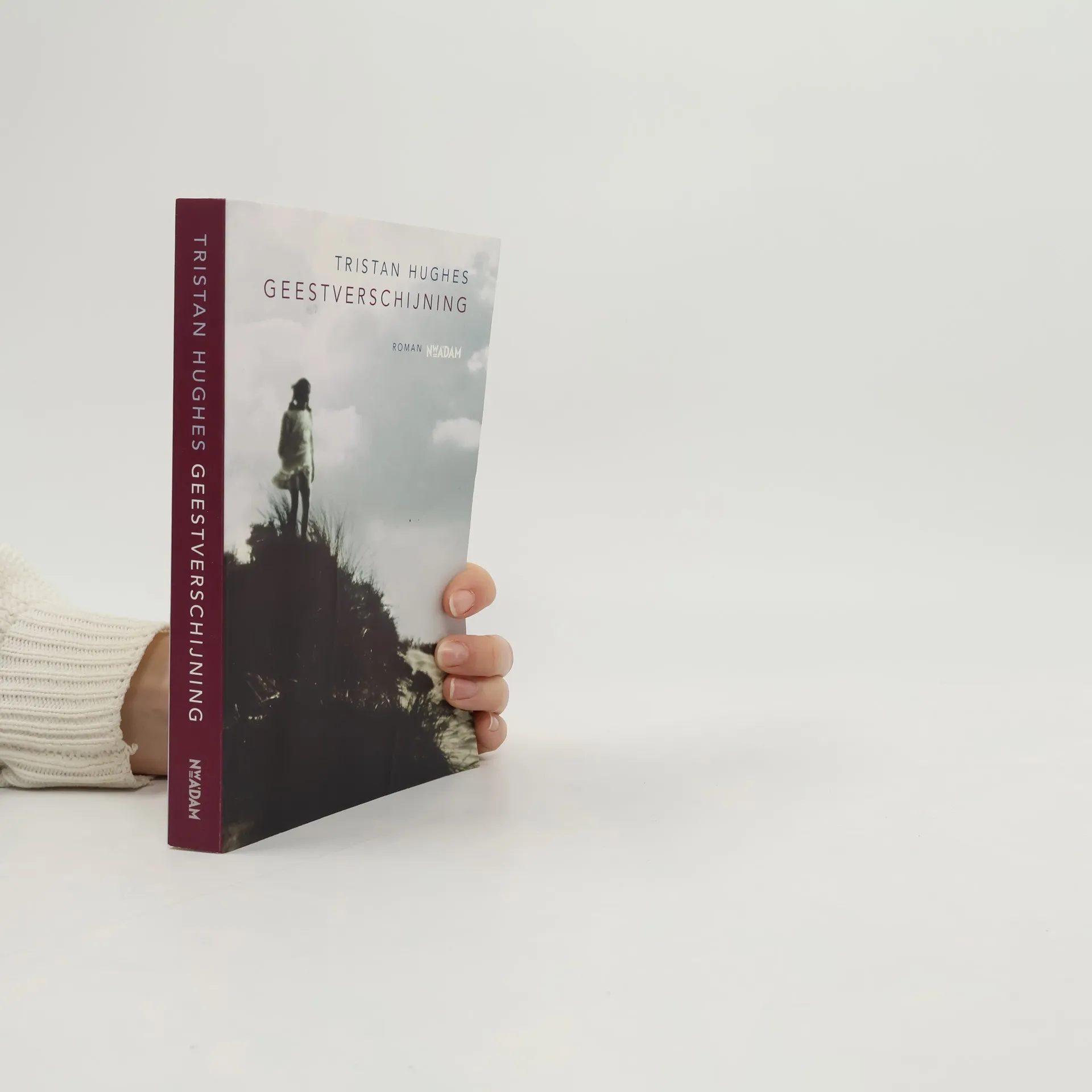
Drie twintigers uit een klein dorp in Wales ontmoeten elkaar tien jaar nadat ze, aanvankelijk met hun vieren, ieder hun eigen weg zijn gegaan.