This Element provides an introduction to the position of mathematical
pluralism that it is the view that there is an irreducible plurality of pure
mathematical structures, each with their own internal logics; and that qua
pure mathematical structures they are all equally legitimate.
Convincingly shows capitalism's role in creating current socio-economic problems. Shows how Buddhist and Marxist notions of persons are mutually complementary. Provides an analysis of the corrosiveness of top-down power structures and why they should be eliminated in a post-capitalist state.
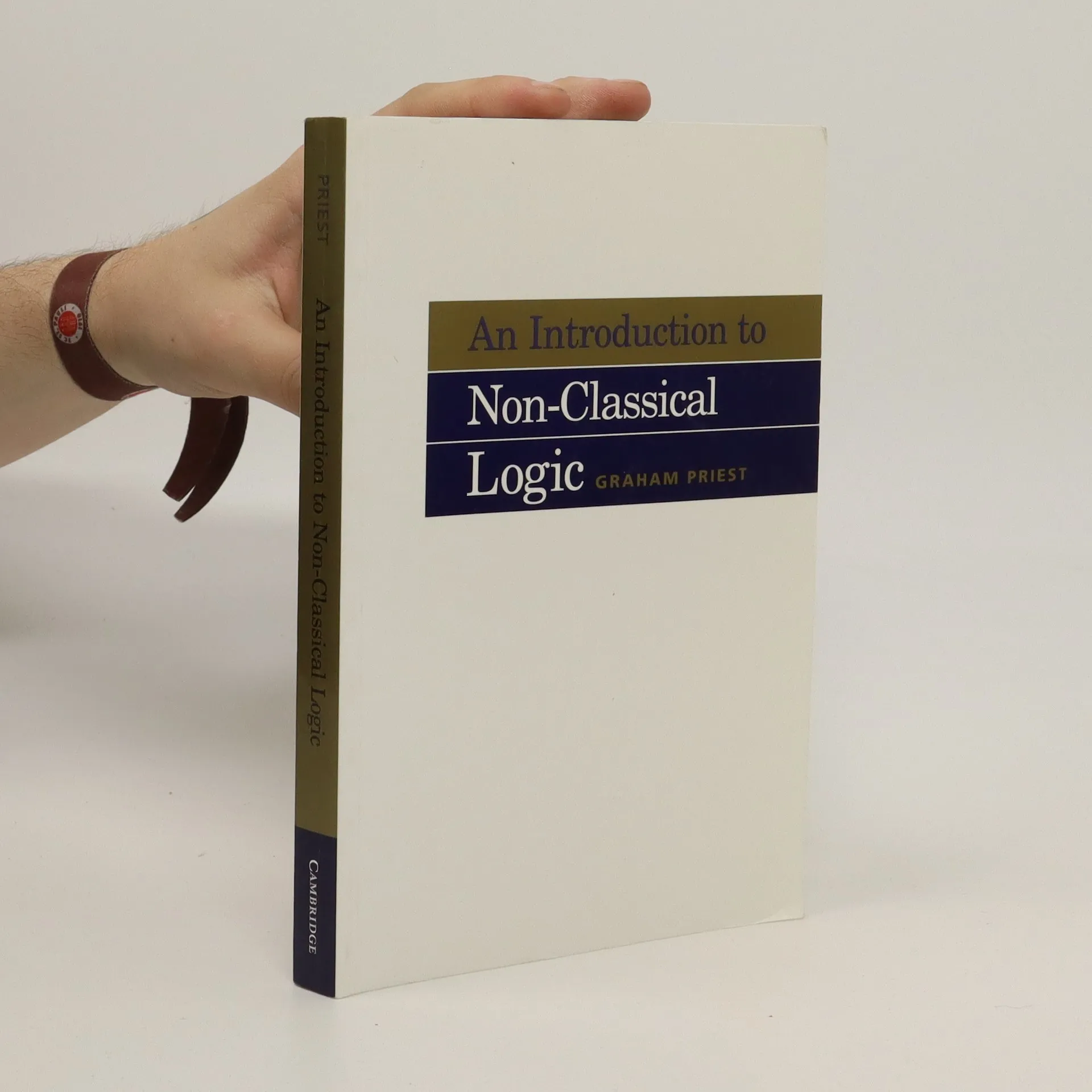
This book is an introduction to non-classical propositional logics. It brings together for the first time in a textbook a range of topics in logic, many of them of relatively recent origin, including modal, conditional, intuitionist, many-valued, paraconsistent, relevant and fuzzy logics. The material is unified by the underlying theme of world-semantics. All of the topics are explained clearly and accessibly, using devices such as tableaux proofs, and their relation to current philosophical issues and debates is discussed. Students with a basic understanding of classical logic will find this an invaluable introduction to an area that has become of central importance in both logic and philosophy, but which, until now, could be studied only through the research literature. It will interest those studying logic, those who need to know about non-classical logics because of their philosophical importance, and, more widely, readers working in mathematics and computer science.
Is it possible for reality as a whole to be part of itself? Can the world appear within itself without thereby undermining the consistency of our thought and knowledge-claims concerning more local matters of fact? This is a question on which Markus Gabriel and Graham Priest disagree. Gabriel argues that the world cannot exist precisely because it is understood to be an absolutely totality. Priest responds by developing a special form of mereology according to which reality is a single all-encompassing whole, everything, which counts itself among its denizens. Their disagreement results in a debate about everything and nothing: Gabriel argues that we experience nothingness once we overcome our urge to contain reality in an all-encompassing thought, whereas Priest develops an account of nothing according to which it is the ground of absolutely everything. A debate about everything and nothing, but also a reflection on the very possibility of metaphysics.
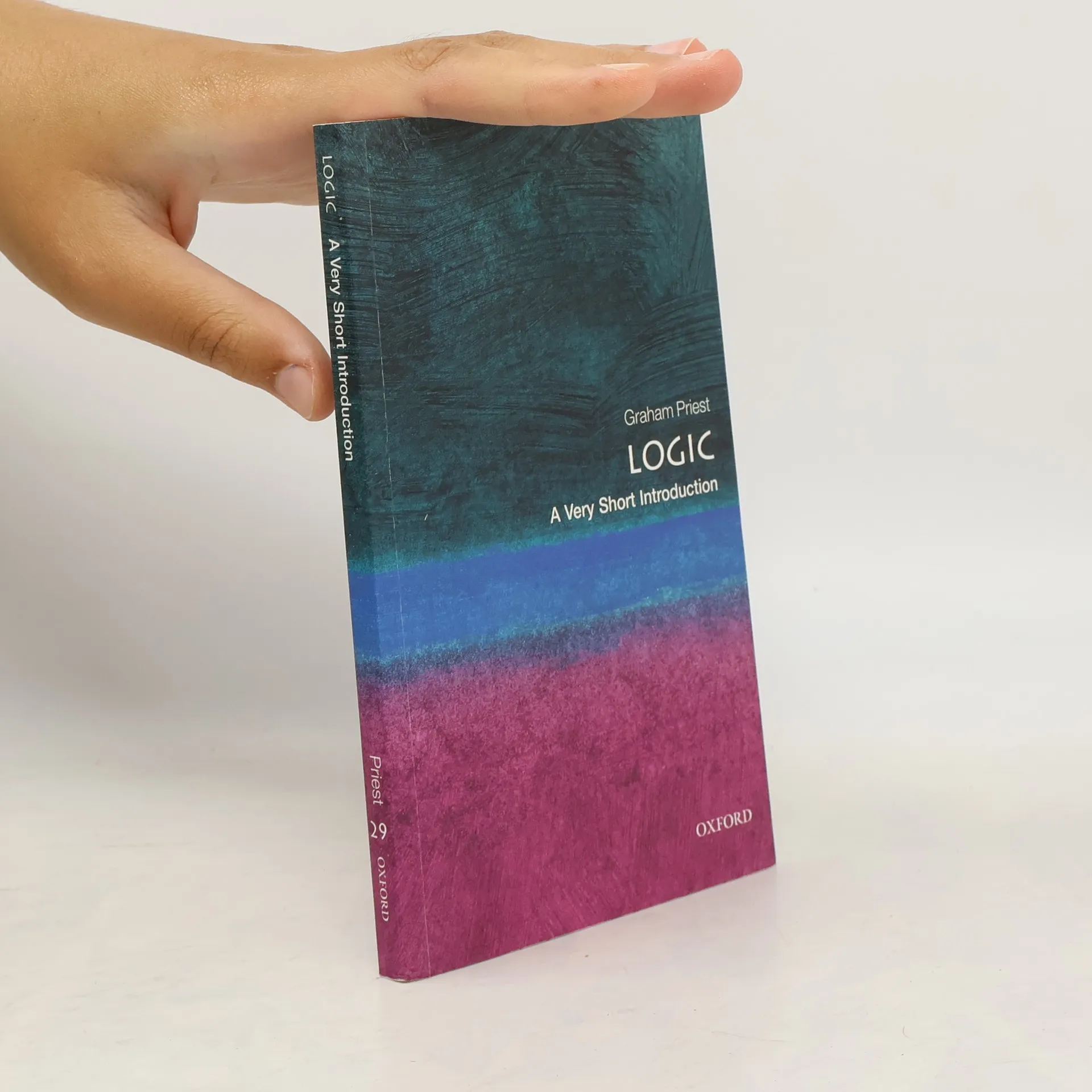
Logic is often perceived as having little to do with the rest of philosophy, and even less to do with real life. In this lively and accessible introduction, Graham Priest shows how wrong this conception is. He explores the philosophical roots of the subject, explaining how modern formal logicdeals with issues ranging from the existence of God and the reality of time to paradoxes of probability and decision theory. Along the way, the basics of formal logic are explained in simple, non-technical terms, showing that logic is a powerful and exciting part of modern philosophy.About the Combining authority with wit, accessibility, and style, Very Short Introductions offer an introduction to some of life's most interesting topics. Written by experts for the newcomer, they demonstrate the finest contemporary thinking about the central problems and issues in hundredsof key topics, from philosophy to Freud, quantum theory to Islam.
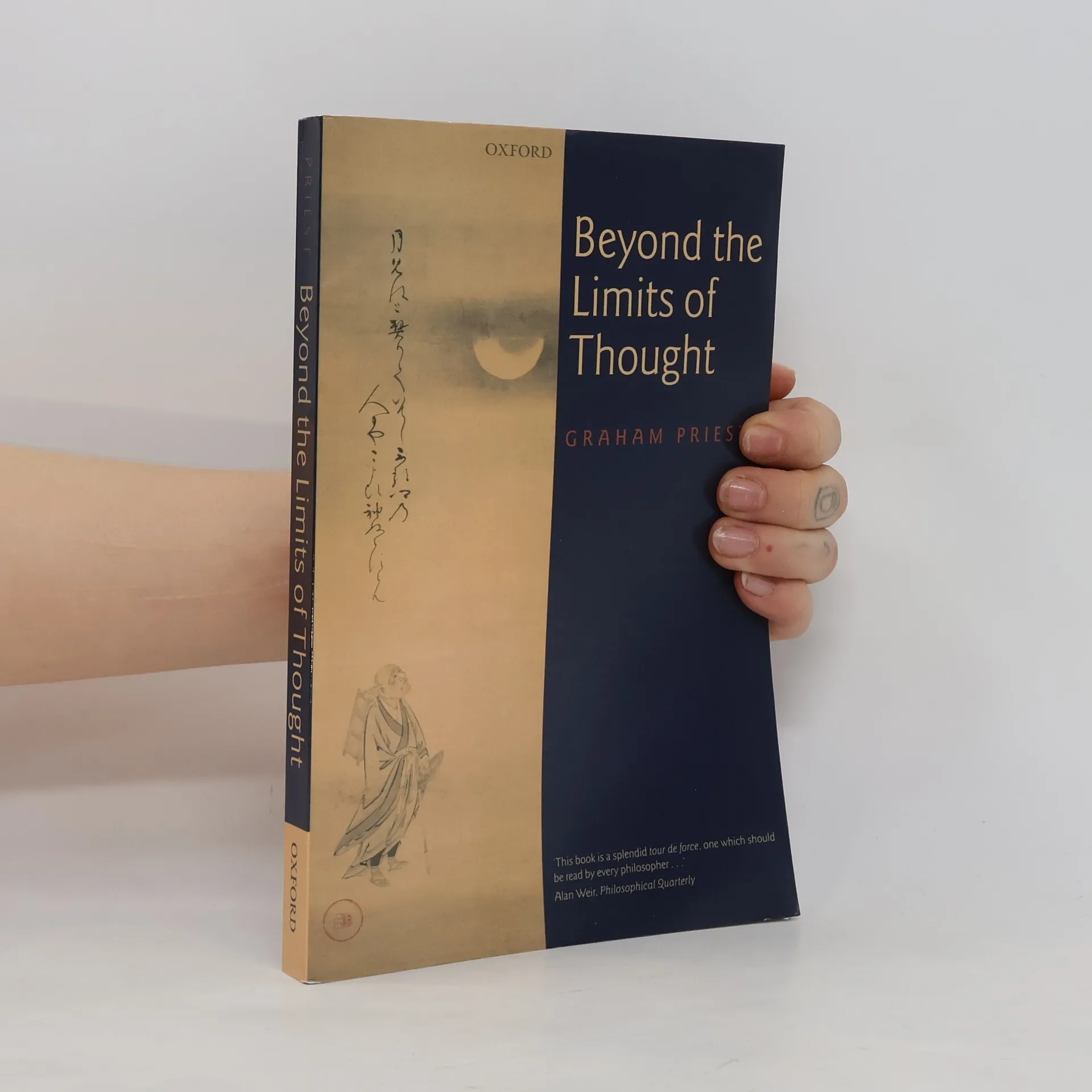
This second and extended edition of Priest's classic includes new chapters on Heidegger and Nagarjuna, as well as reflections on reactions to the first edition. Praise for previous edition: "a splendid tour de force , one which should be read by every philosopher..."-- Philosophical Quarterly "[H]ighly entertaining and provocative...an engaging and instructive tour through some of the most perplexing features of our own conceptual finitude..."-- TLS