
Bookbot

Rob Eastaway

    1 janvier 2000

    Robert Eastaway est un auteur dédié à la vulgarisation des mathématiques. Ses œuvres explorent le monde fascinant des nombres et de la logique, dans le but de le rendre accessible à un large public. Il révèle la beauté et les applications pratiques des concepts mathématiques d'une manière claire et captivante. À travers ses publications et ses conférences, il inspire les lecteurs et les auditeurs à découvrir les mathématiques comme une discipline agréable et accessible.

    Rob Eastaway
    Why Do Buses Come in Threes ?
    Maths on the Back of an Envelope
    How Long Is a Piece of String?
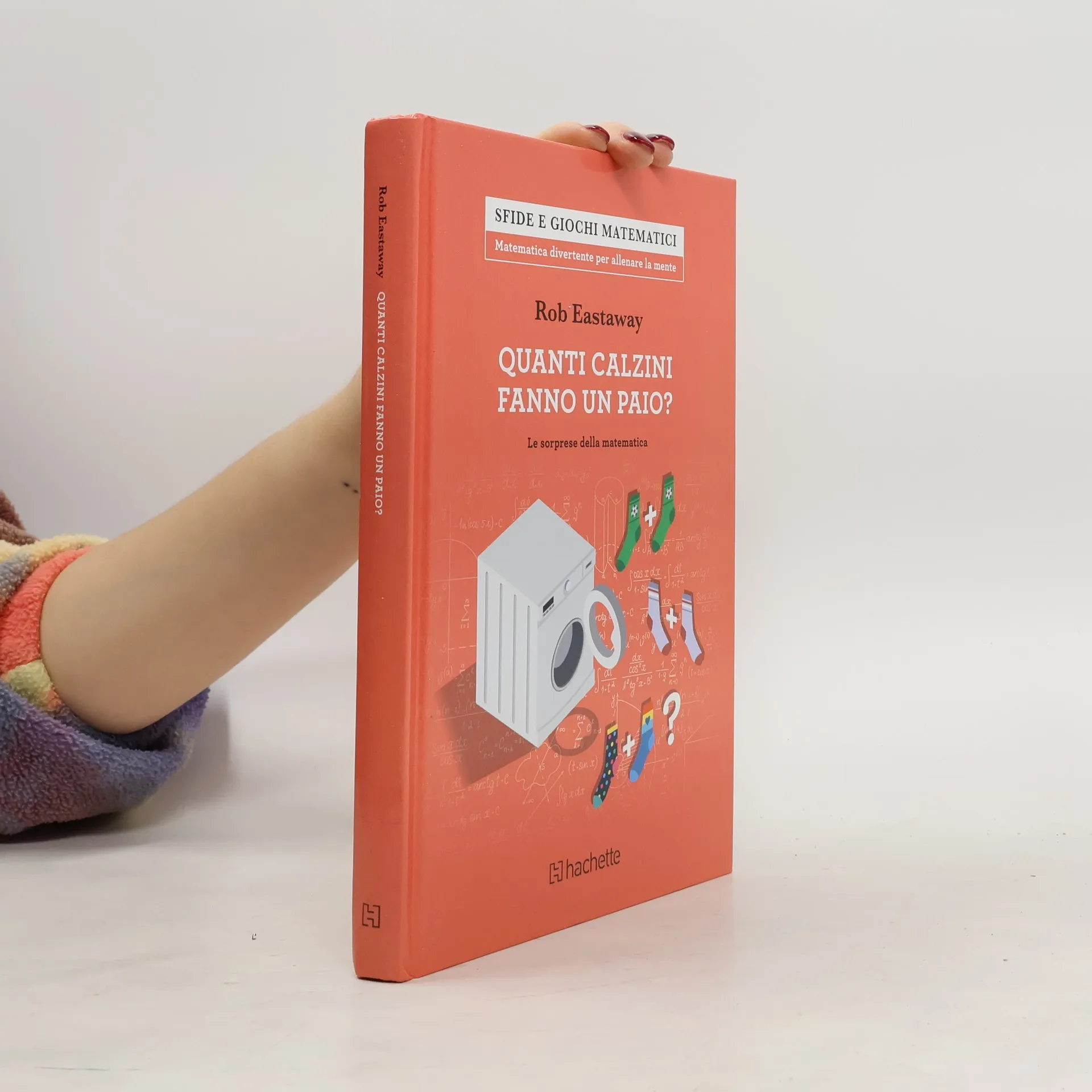
    How Many Socks Make a Pair?
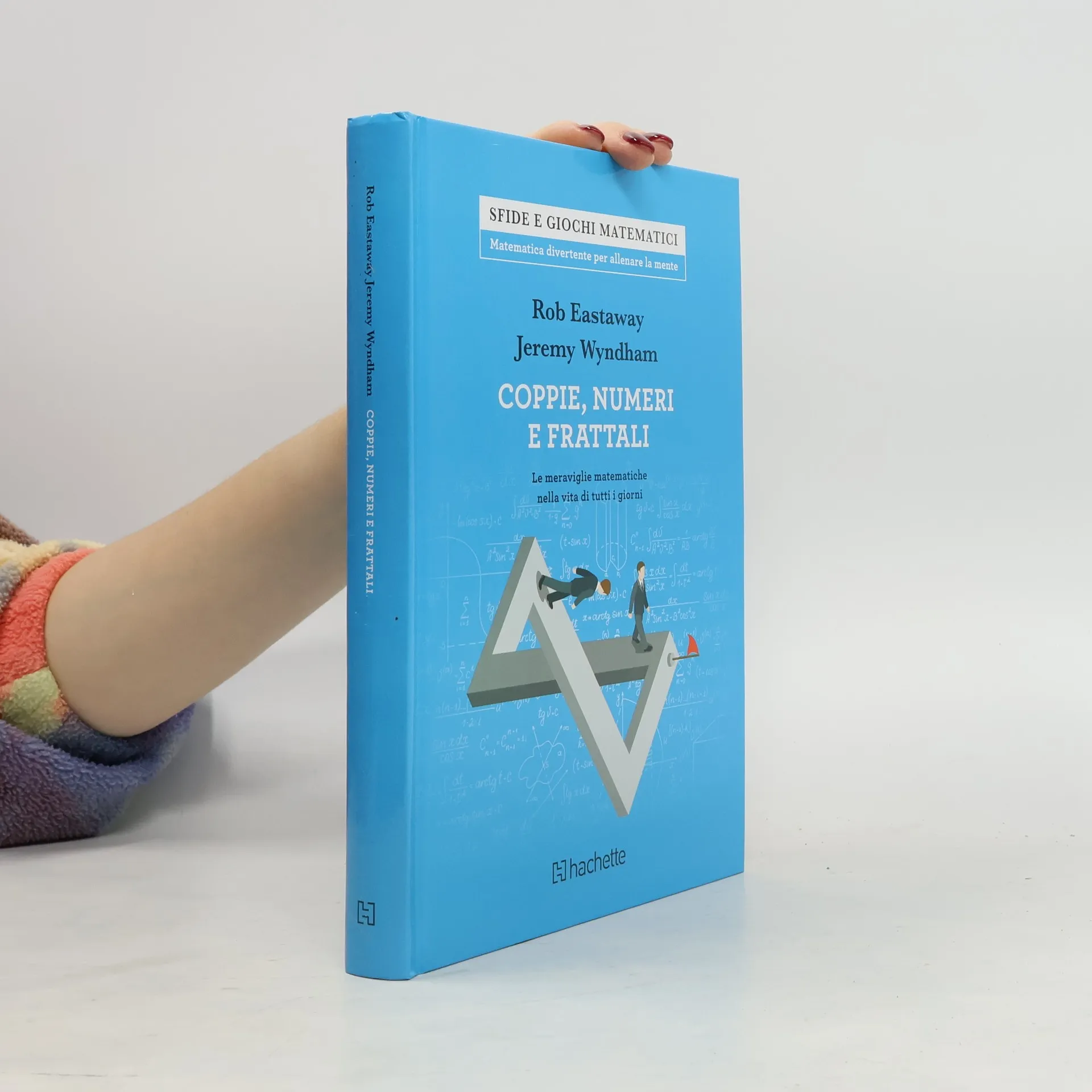
    Maths for Mums and Dads
    The Hidden Mathematics of Sport
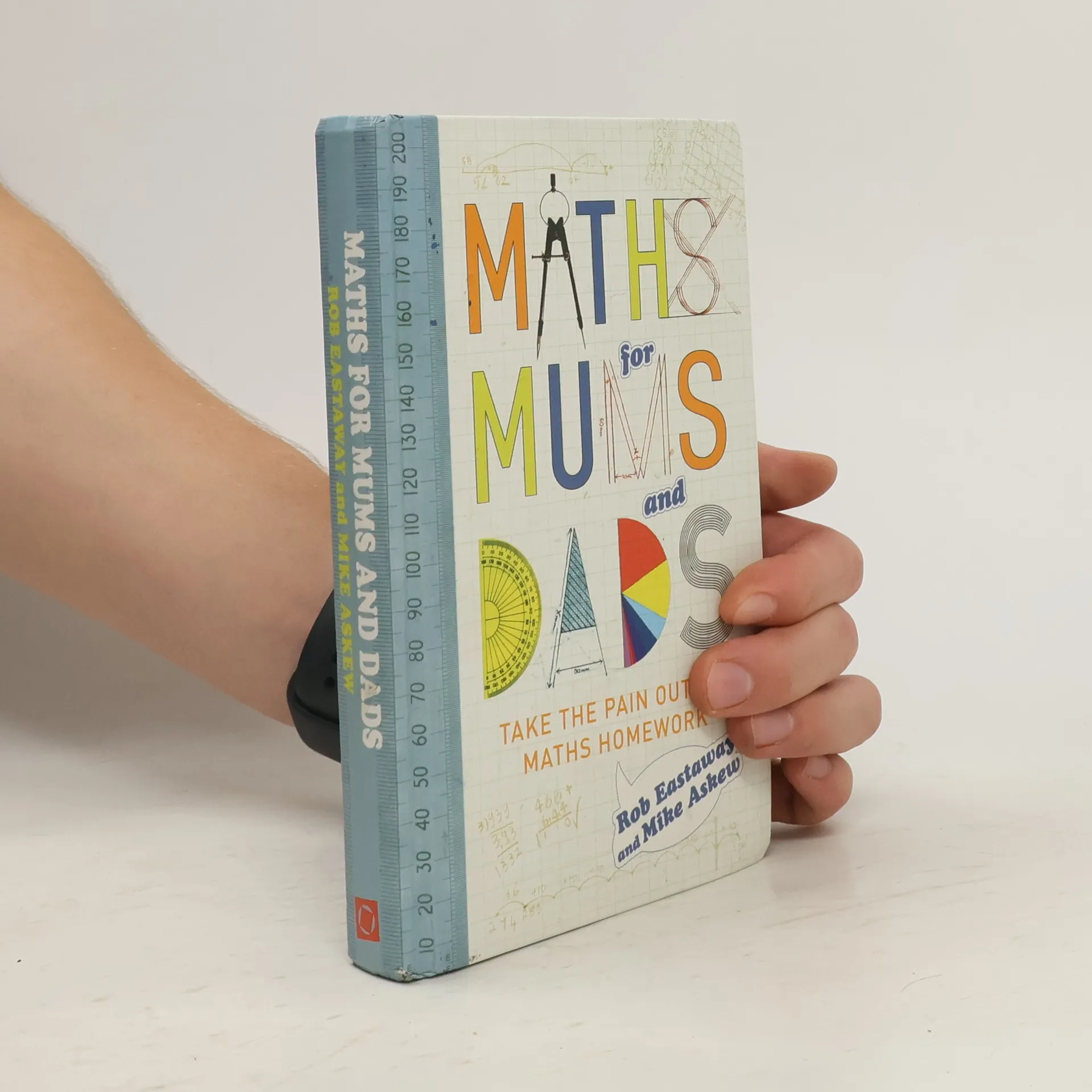
    • Maths for Mums and Dads

      • 368pages
      • 13 heures de lecture
      4,1(84)Évaluer

      Many parents are not confident helping their children with math homework, partly because math is taught differently today. This reassuring book covers the dilemmas and problems parents are likely to be confronted with up to the end of primary school.
      Maths for Mums and Dads
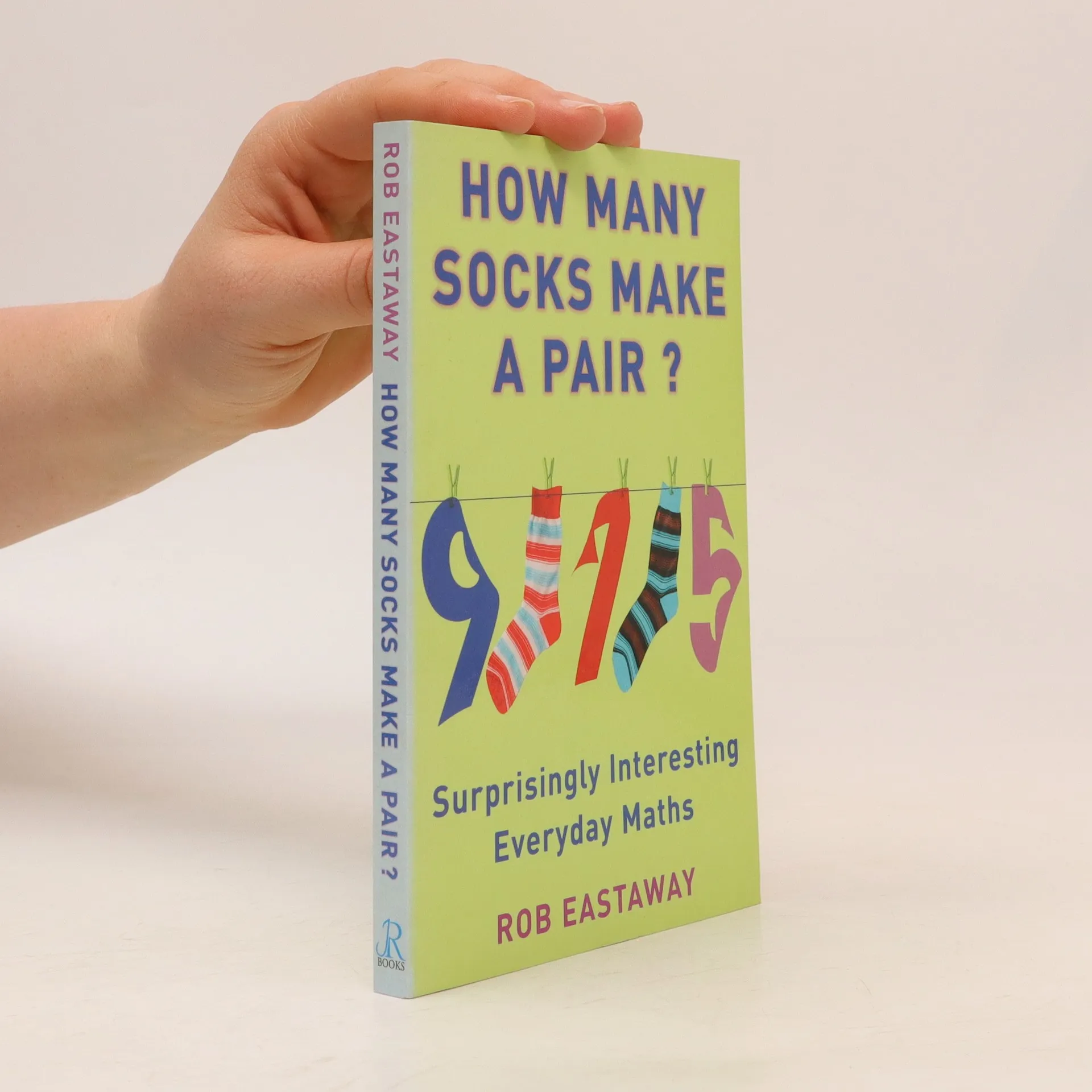
    • "With plenty of ideas you'll want to test out for yourself, this engaging and refreshing look at mathematics is for everyone. If you already like maths, you'll discover plenty of new surprises. And if you've never picked up a maths book in your life, this one will change your view of the subject forever."--Jacket.

      How Many Socks Make a Pair?
    • How Long Is a Piece of String?

      • 182pages
      • 7 heures de lecture
      3,9(200)Évaluer

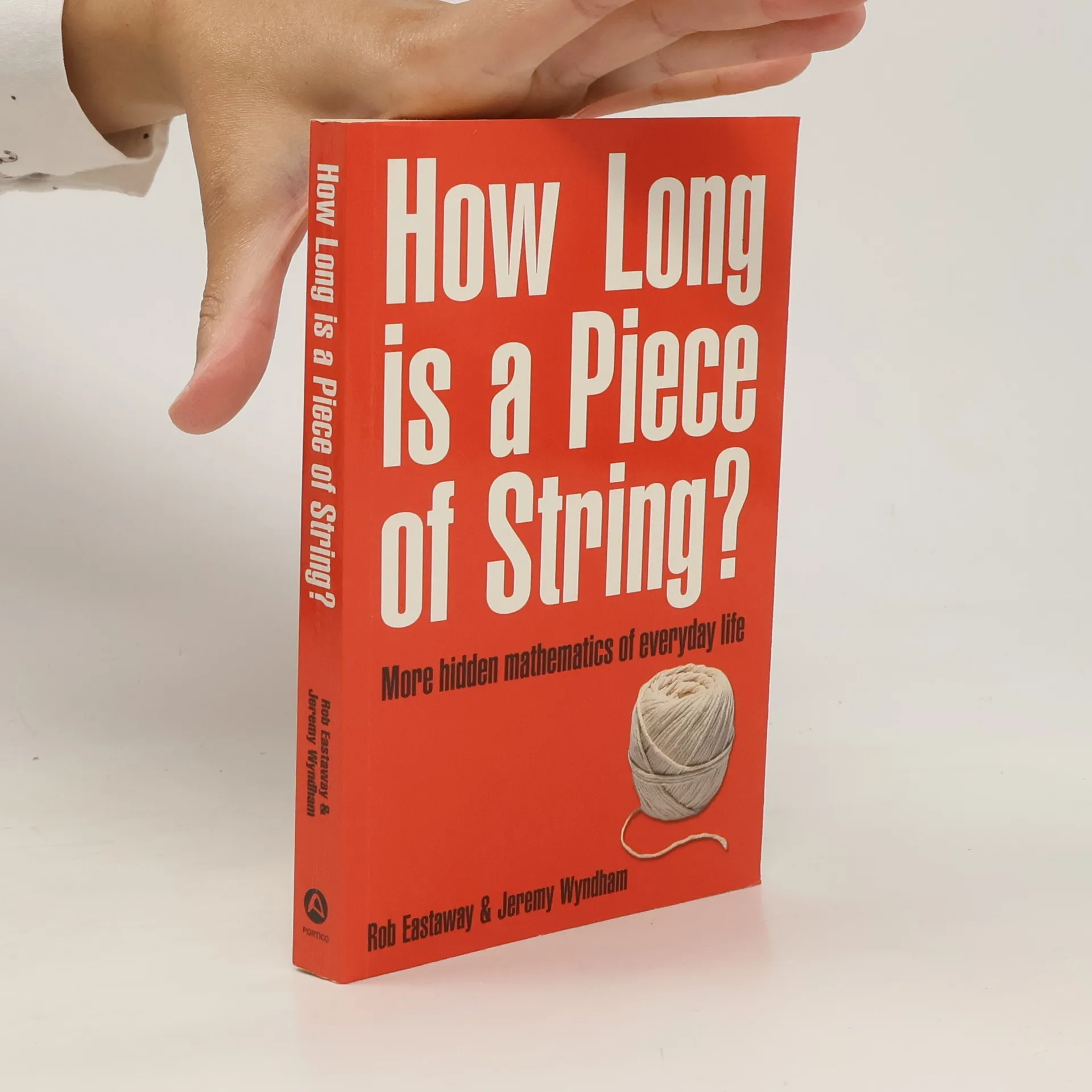
      In this sequel to Why Do Buses Come in Threes?, you will find that many intriguing everyday questions have mathematical answers. Discover the astonishing 37% rule for blind dates, the avoidance tactics of the gentleman's urinal, and some extraordinary scams that have been devised to get rich quick. Also included are the origins of the seven-day week and the seven-note scale, an explanation of why underdogs win, clever techniques for detecting fraud, and the reason why epidemics sweep across a nation and disappear just as quickly. Whatever your mathematical ability, this fun, thought-provoking book will illuminate the ways in which math underlies so much in our everyday lives.

      How Long Is a Piece of String?
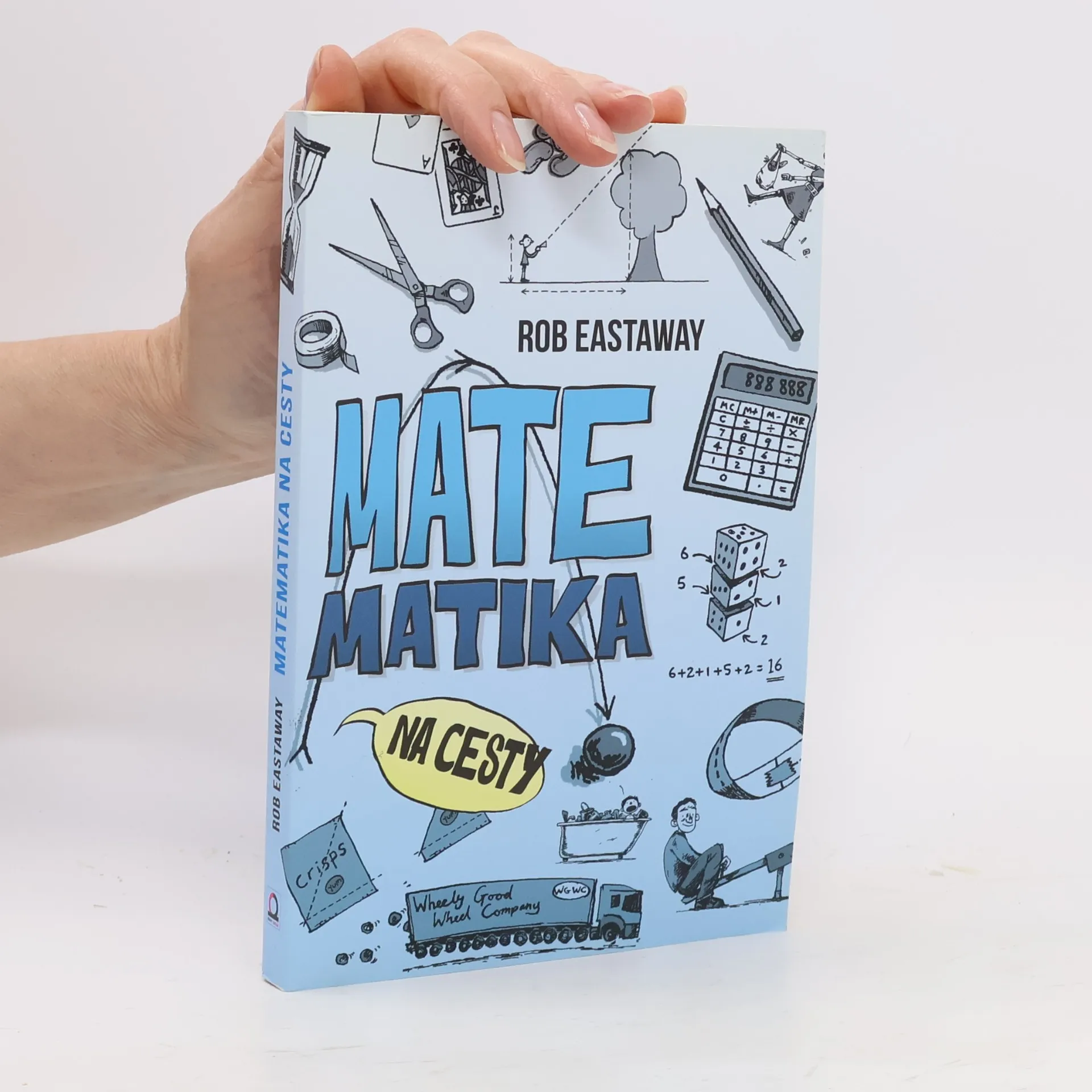
    • 'Another terrific book by Rob Eastaway' SIMON SINGH 'A delightfully accessible guide to how to play with numbers' HANNAH FRY How many cats are there in the world? What's the chance of winning the lottery twice? And just how long does it take to count to a million? Learn how to tackle tricky maths problems with nothing but the back of an envelope, a pencil and some good old-fashioned brain power. Join Rob Eastaway as he takes an entertaining look at how to figure without a calculator. Packed with amusing anecdotes, quizzes, and handy calculation tips for every situation, Maths on the Back of an Envelope is an invaluable introduction to the art of estimation, and a welcome reminder that sometimes our own brain is the best tool we have to deal with numbers.

      Maths on the Back of an Envelope
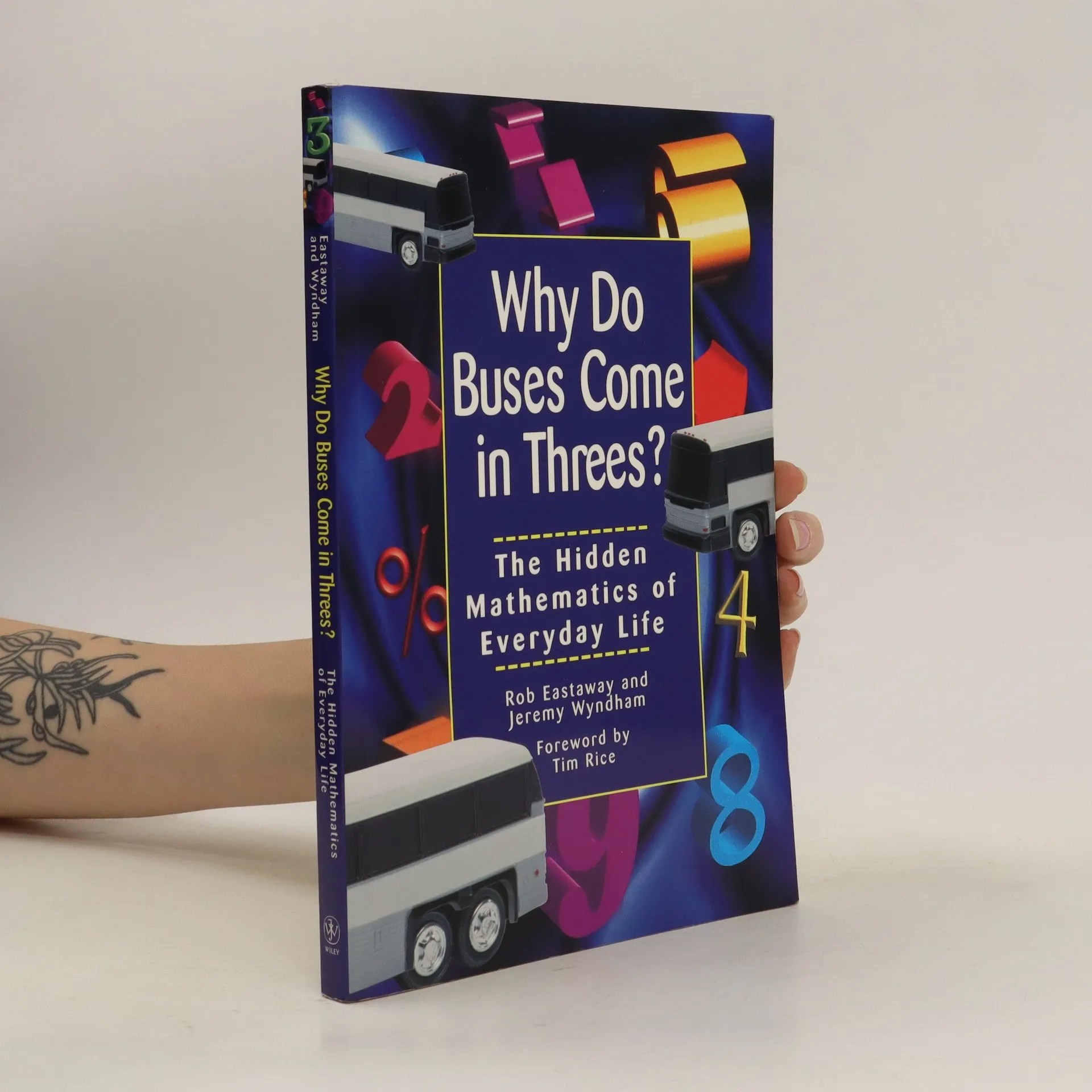
    • With a foreword by Tim Rice, this book will change the way you see the world. Why is it better to buy a lottery ticket on a Friday? Why are showers always too hot or too cold? And what's the connection between a rugby player taking a conversion and a tourist trying to get the best photograph of Nelson's Column? These and many other fascinating questions are answered in this entertaining and highly informative book, which is ideal for anyone wanting to remind themselves – or discover for the first time – that maths is relevant to almost everything we do. Dating, cooking, travelling by car, gambling and even life-saving techniques have links with intriguing mathematical problems, as you will find explained here. Whether you have a PhD in astrophysics or haven't touched a maths problem since your school days, this book will give you a fresh understanding of the world around you.

      Why Do Buses Come in Threes ?
    • Headscratchers

      The New Scientist Puzzle Book

      • 240pages
      • 9 heures de lecture
      Headscratchers
    • Headscratchers

      • 240pages
      • 9 heures de lecture

      A mind-bending collection of puzzles from the New Scientist published in book form for the first time

      Headscratchers
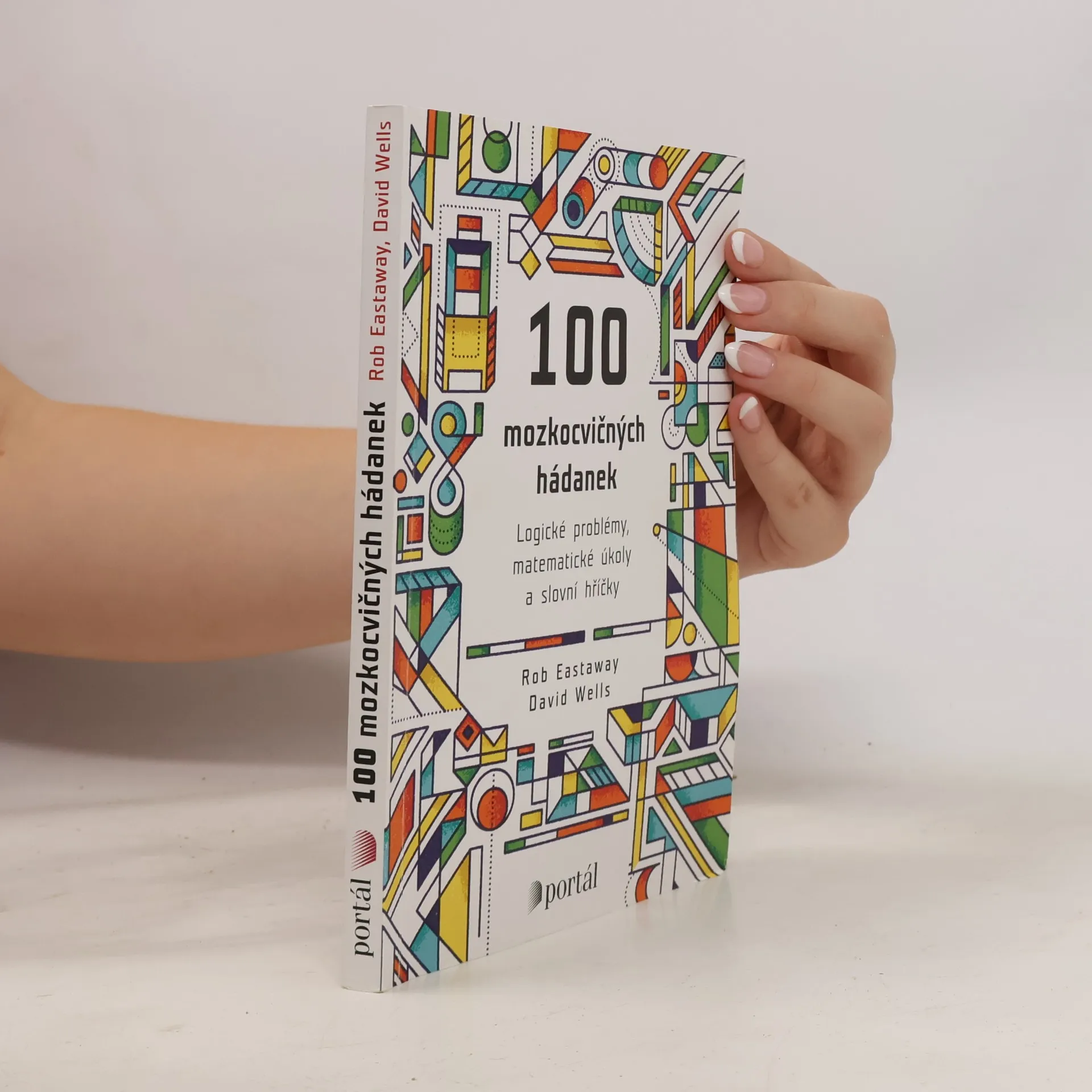
    • 100 mozkocvičných hádanek

      • 160pages
      • 6 heures de lecture
      4,7(3)Évaluer

      Jestli nechcete, aby se vám prášilo na mozkové závity a aby vaše neurony usychaly nudou, pořiďte si tuto knihu. Stovka vtipných hádanek, které se nikdy neochodí a jež navíc napnou vaše synapse až k prasknutí. S touto knihou se nikdy nebudete nudit!

      100 mozkocvičných hádanek