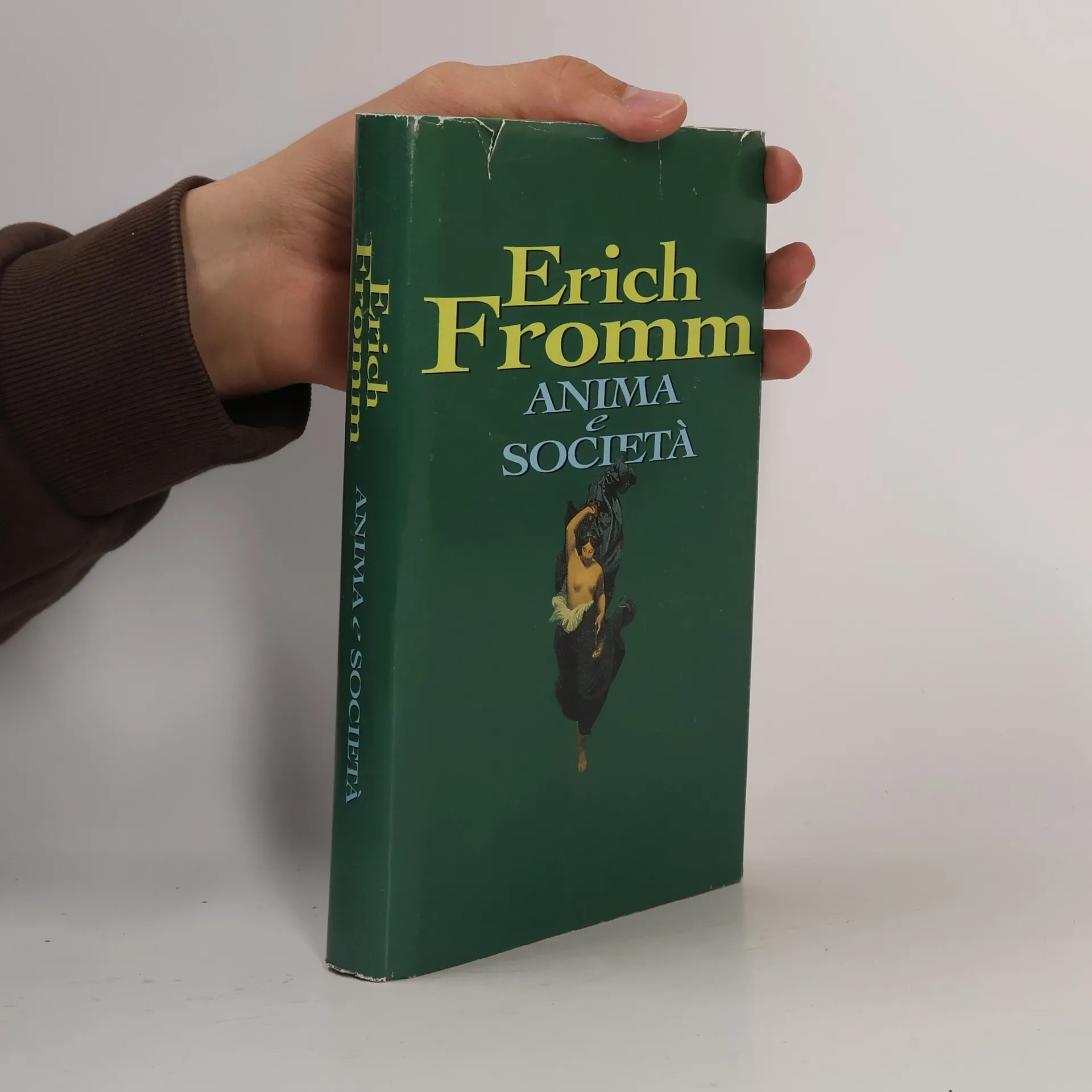
L'être humain, prostřednictvím průmyslového rozvoje, může vytvořit zcela nový svět, v němž příroda slouží pouze jako materiál pro nové stvoření. Analýza lidského charakteru však ukazuje, že průmyslový systém se opírá o maximalizaci slastného pocitu, egoismus a chtivost. Radikální hedonismus a neomezený egoismus mají své kořeny v triumfu módu "vlastnění". Člověk tento způsob existence chápe jako svou přirozenost. Fromm se snaží konfrontovat dva základní módy existence a definovat jejich vzájemné odlišnosti. Východisko z neuspokojivého stavu lidského jedince i společnosti nachází v hluboké subjektivní změně. Její základní rys zosobňuje ochotu opustit důraz na vlastnictví a pouze "plně být", tedy potlačit egoistické a hedonistické aspekty charakteru svobodným uvědoměním si sounáležitosti se vším vnějším světem. Na tomto základě může vzniknout nová společnost, jejíž existence přinese šanci na záchranu.
Erich Fromm Livres
Erich Fromm fut un psychanalyste et philosophe social qui explora l'interaction entre la psychologie et la société. Sa théorie présente un mélange unique de Freud et Marx, Fromm examinant comment les forces biologiques et sociales façonnent la psyché humaine. Il s'est penché sur la manière dont les systèmes sociaux et économiques influencent la personnalité et le comportement d'un individu. Son œuvre a exploré les profondeurs de la nature humaine dans le contexte des structures sociétales.


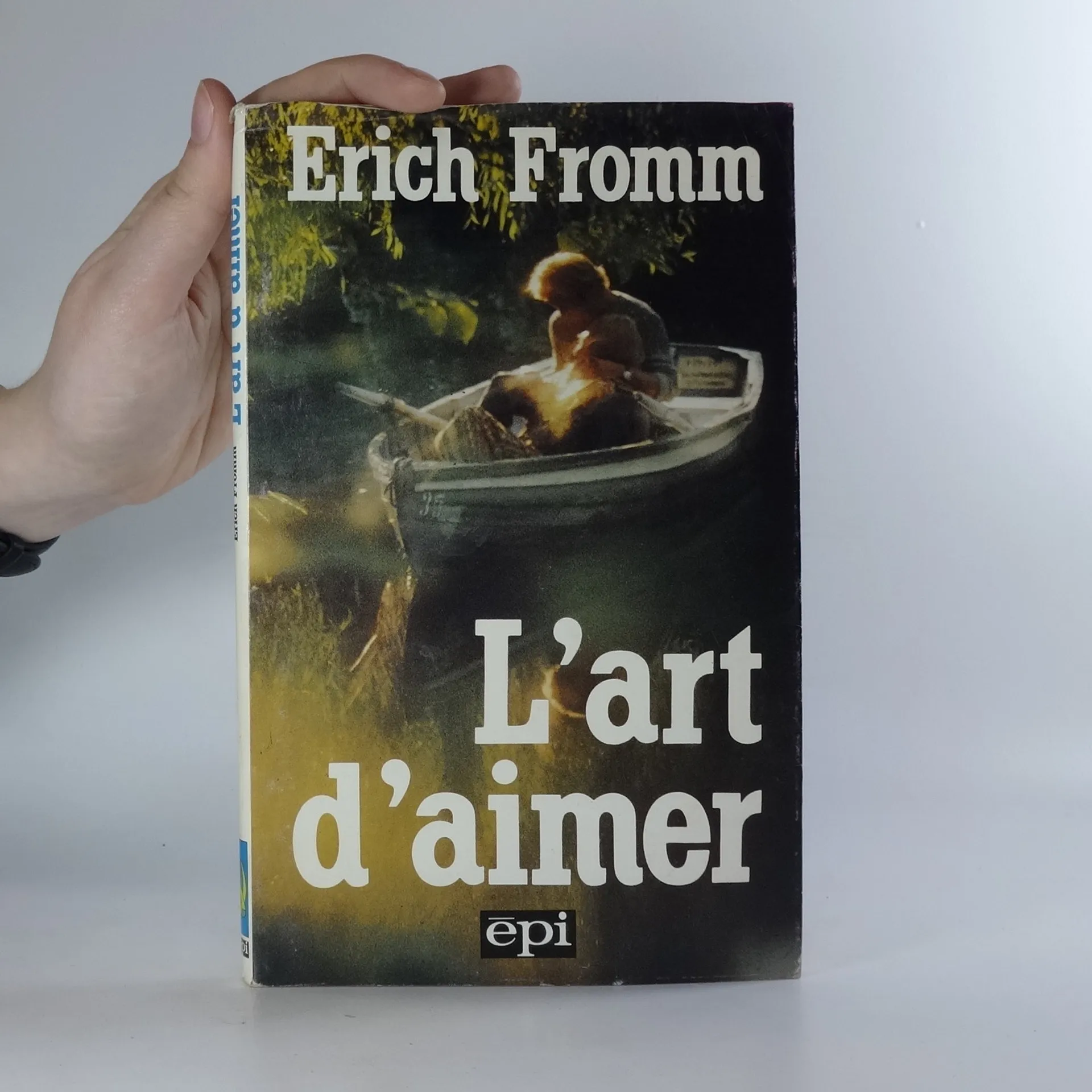

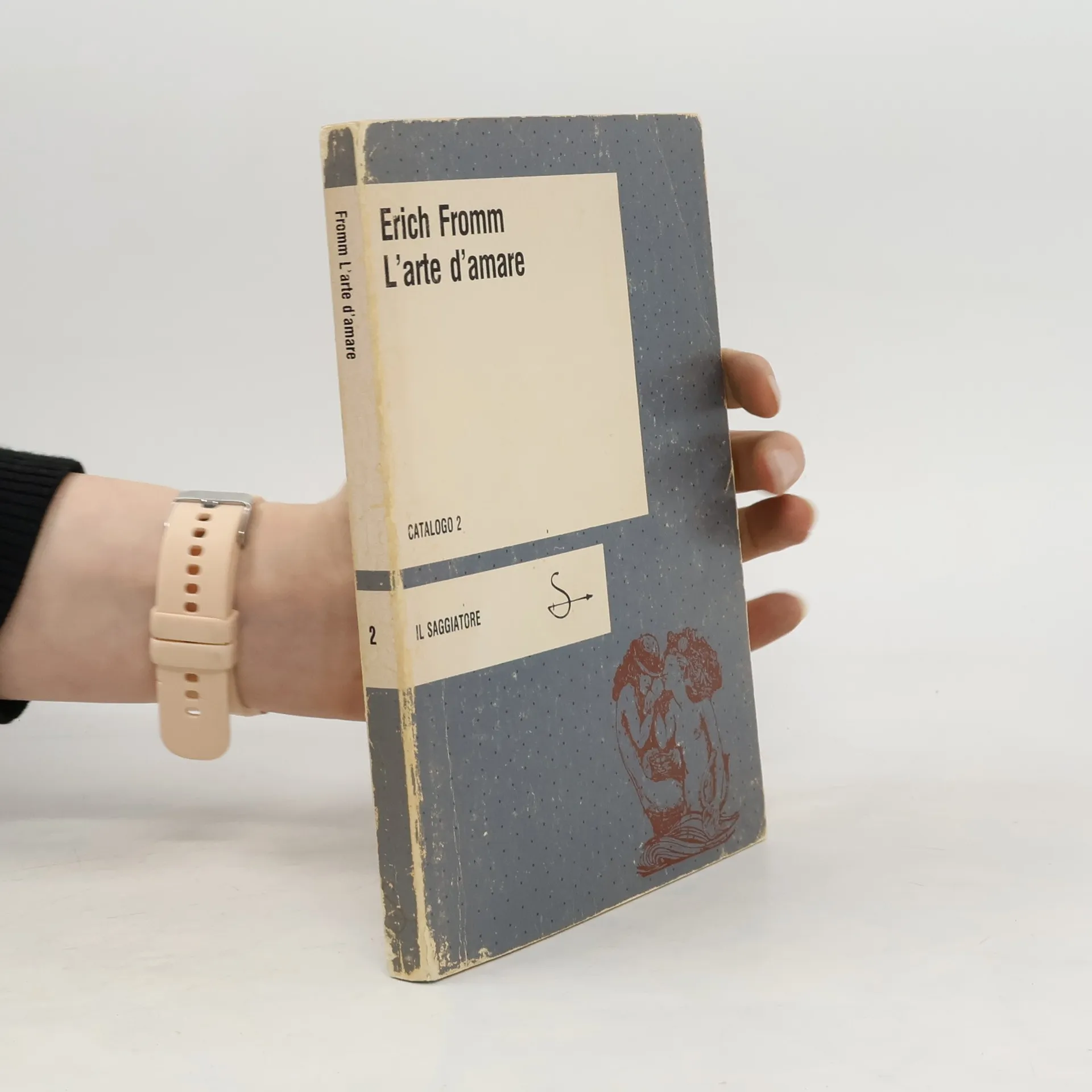
L'amour est omniprésent, dans nos vies. Et pourtant, d'après Erich Fromm, l'amour ne serait pas un sentiment à la portée de n'importe qui. Prenant le contrepied de la vision romantique, passionnelle et incontrôlable de l'amour dont nous avons hérités, ce philosophe et psychanalyste repense les amoureux comme les acteurs et les architectes d'un sentiment. Car pour aimer, comme pour exceller en musique, en médecine ou dans un art martial, il faut acquérir un ensemble de connaissances théoriques à mettre en pratique. Et selon Erich Fromm, il faut cesser d'être les marionnettes de l'amour et en devenir des artistes accomplis. En empruntant autant à la psychanalyse qu'à à la sagesse orientale cet essai critique le système capitaliste dans lequel l'amour est réduit à un bien de consommation. En dénonçant notre tendance à transformer l'humain en marchandise et la relation de couple en équipe qui doit viser la performance, Erich Fromm signe un texte aussi puissant et pertinent dans les années 60, qu'aujourd'hui. Loin des recettes toutes faites, le psychanalyste entend signaler les écueils à éviter et suggérer des voies pour accéder à une forme d'union épanouissante, harmonieuse et durable.
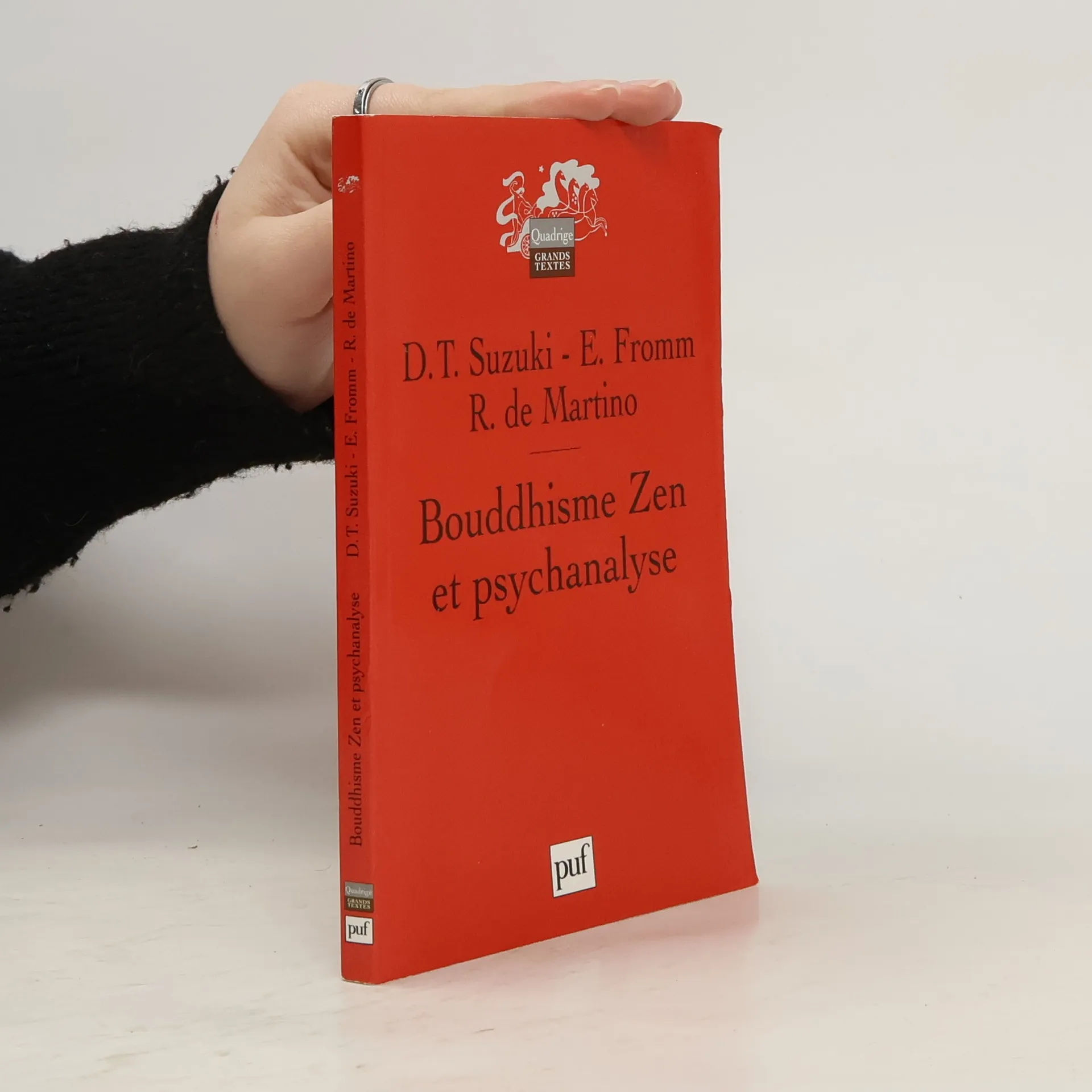
Quadrige Grands Textes: Bouddhisme Zen et psychanalyse
- 192pages
- 7 heures de lecture
Cette étude à plusieurs voix sur les nombreux points de contact entre deux écoles de pensée a priori très éloignées l'une de l'autre est présentée ici dans sa septième édition.
The book is a key to understanding Marx. Few thinkers have been as misunderstood as Karl Marx, and few ideas have been as misused as socialism. In this work, psychoanalyst Erich Fromm provides an in-depth introduction to the thinking of the young, humanistic philosopher. Fromm illustrates that Marx envisioned a human being who finds fulfillment in liberation from societal constraints. Marx's early writings depict a humanistic real utopia that has been perverted in the context of existing socialism. Fromm's original edition made these early writings accessible to the American public for the first time. In the introduction, Fromm clarifies many misunderstandings and misinterpretations of Marx, shedding light on his views and values regarding the concept of humanity. These insights are crucial for understanding the recent history of East and West and remain relevant in light of contemporary conflicts.
First published in 1968, the year of international-student confrontation and revolution, this classic challenges readers to choose which of two roads humankind ought to the one, leading to a completely mechanized society with the individual a helpless cog in a machine bent on mass destruction; or the second, being the path of humanism and hope.
Originally published: New York: Farrar & Reinhart, 1941.
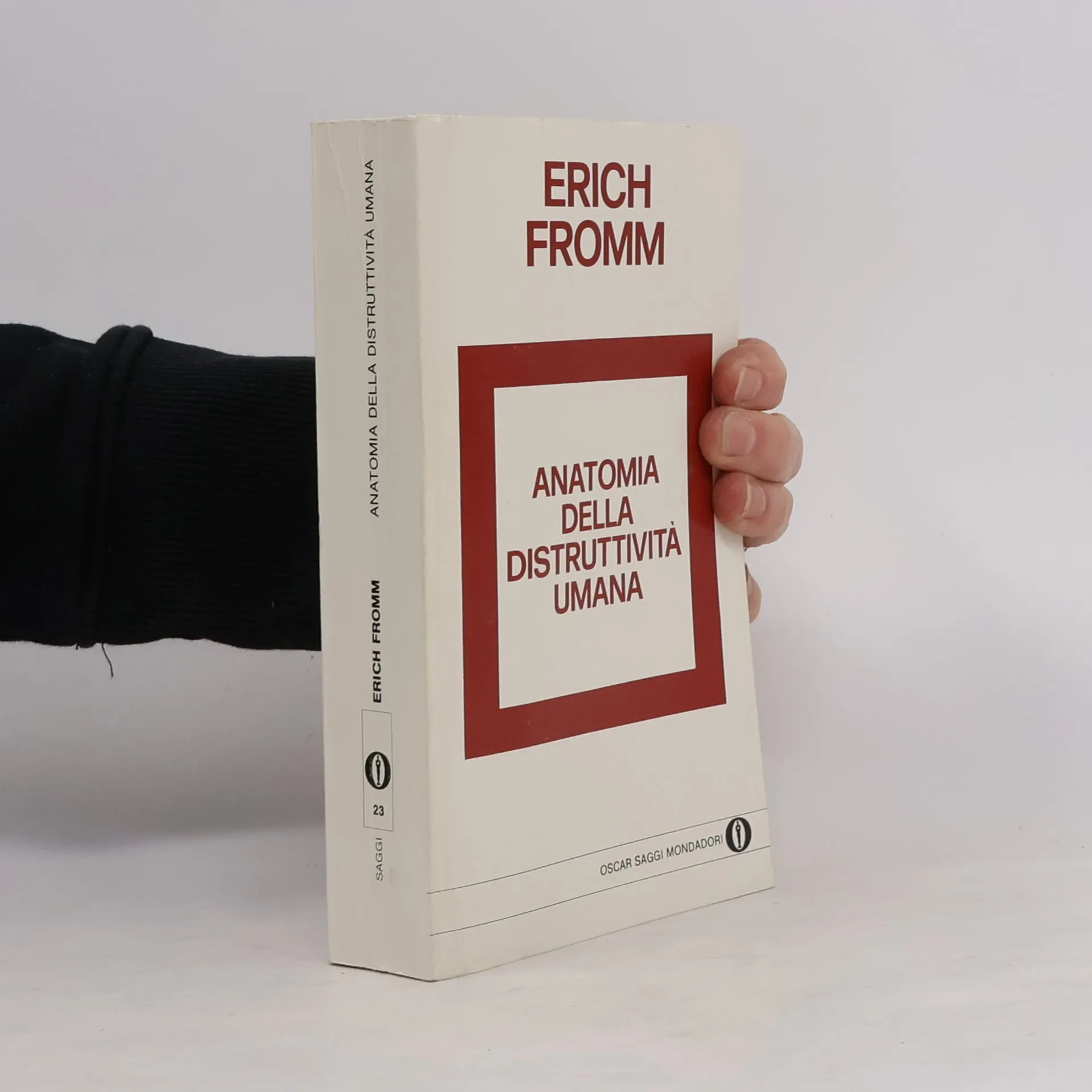
In a world in which violence in every form seems to be increasing, Erich Fromm has treated this problem with deep perception in the most original and far-reaching work of his brilliant career. Fromm asks: what is there in the conditions of human existence to lead man to the orgies of destruction and violence in which he has indulged? By drawing on the findings of anthropology, palaeontogy, psychology and history; and including striking character analyses of Stalin, Hitler and Himmler, he shows how the failure to use our capacity for love and reason results in the development of the reverse: we wish to control life absolutely, or to destroy it.
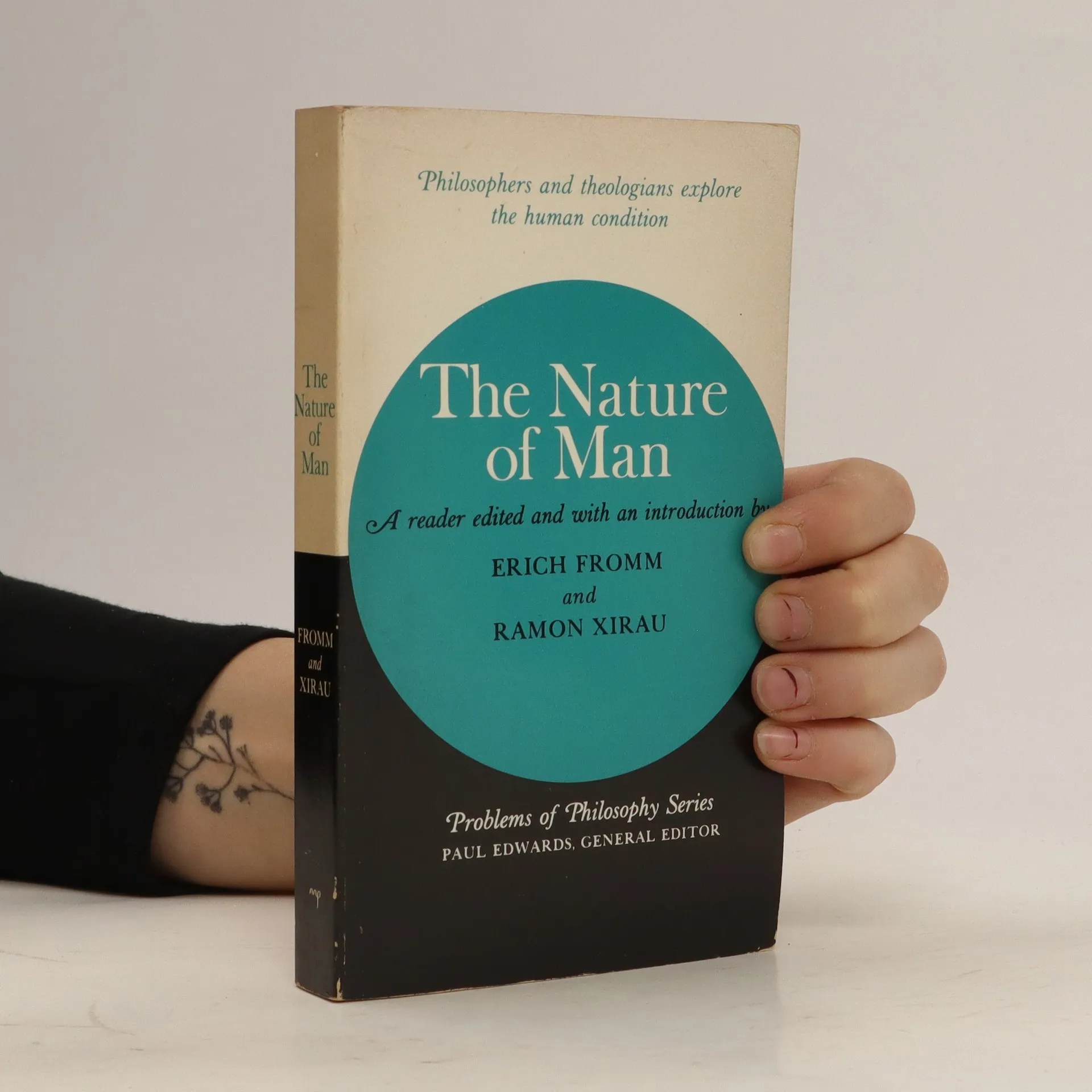
The Nature of Man
- 416pages
- 15 heures de lecture
ForewordIntroductionThe Upanishads --Gautama --Shin Ichi Hisamatsu --The Bible --Heraclitus --Empedocles --Sophocles --Socrates and Plato --Aristotle --Lucretius --Epictetus --Plotinus --Sextus Empiricus --Saint Gregory of Nyssa --Saint Augustine --Saint Thomas Aquinas --Meister Eckhart --Nicolaus Cusanus --Marsillo Ficino --Pietro Popponazzi --Giovanni Pico della Mirandola --Erasmus of Rotterdam --Martin Luther --Thomas More --Juan Luis Vives --Paracelsus --Saint Teresa of Avila --Saint John of the Cross --Michel de Montaine --Rene Descartes --Baruch Spinoza --Blaise Pascal --Gottfried Wilhelm Leibniz --Francis Bacon --Thomas Hobbes --John Locke --David Hume --Giambattista Vico --Jean-Jacques Rousseau --Immanuel Kant --Georg Wilhelm Friedrich Hegel --Johann Gottfrid Herder --Jeremy Bentham --Arthur Schopenhauer --Auguste Comte --Ralph Waldo Emerson --Ludwig Feuerbach --Karl Marx --Soren Kierkegaard --Friedrch Nietzsche --William James --John Dewey --Sigmund Freud --Carl Gustav Jung --Henri Bergson --Edmund Husserl --Alfred North Whitehead --Miguel de Unamuno --Antonio Machado --Max Scheler --Nicolas Berdyaev --Pierre Teilhard de Chardin --Jose Ortega y Gasset --Martin Heidegger --Francisco Romero --Lewis Mumford --Erich Fromm --Jean Paul Sartre --Simone Weil --Edith Stein --Adam Schaff --David RiesmanBibliography
The revision of psychoanalysis
- 149pages
- 6 heures de lecture
It was Erich Fromm's conviction that psychoanalysis needs to retain Freud's essential insight into the unconscious while replacing his mechanistic-materialistic philosophy with a humanistic one. In this book, never before published in English, Fromm presents such a revision of psychoanalysis, one that is both humanistic and dialectical. The Revision of Psychoanalysis is Fromm's long-expected account of his own personal way of understanding and practicing psychoanalysis. Of special interest to today's readers are his continuing efforts to understand the meaning of sexuality, his critique of Herbert Marcuse's vision of psychoanalysis, and the implications of a Freudian analytical social psychology for the reform of social arrangements. The book is essential reading for psychologists and for social and political theorists in many disciplines. For psychoanalysts, it provides Fromm's most provocative and unique recommendations for the revision of psychoanalysis.
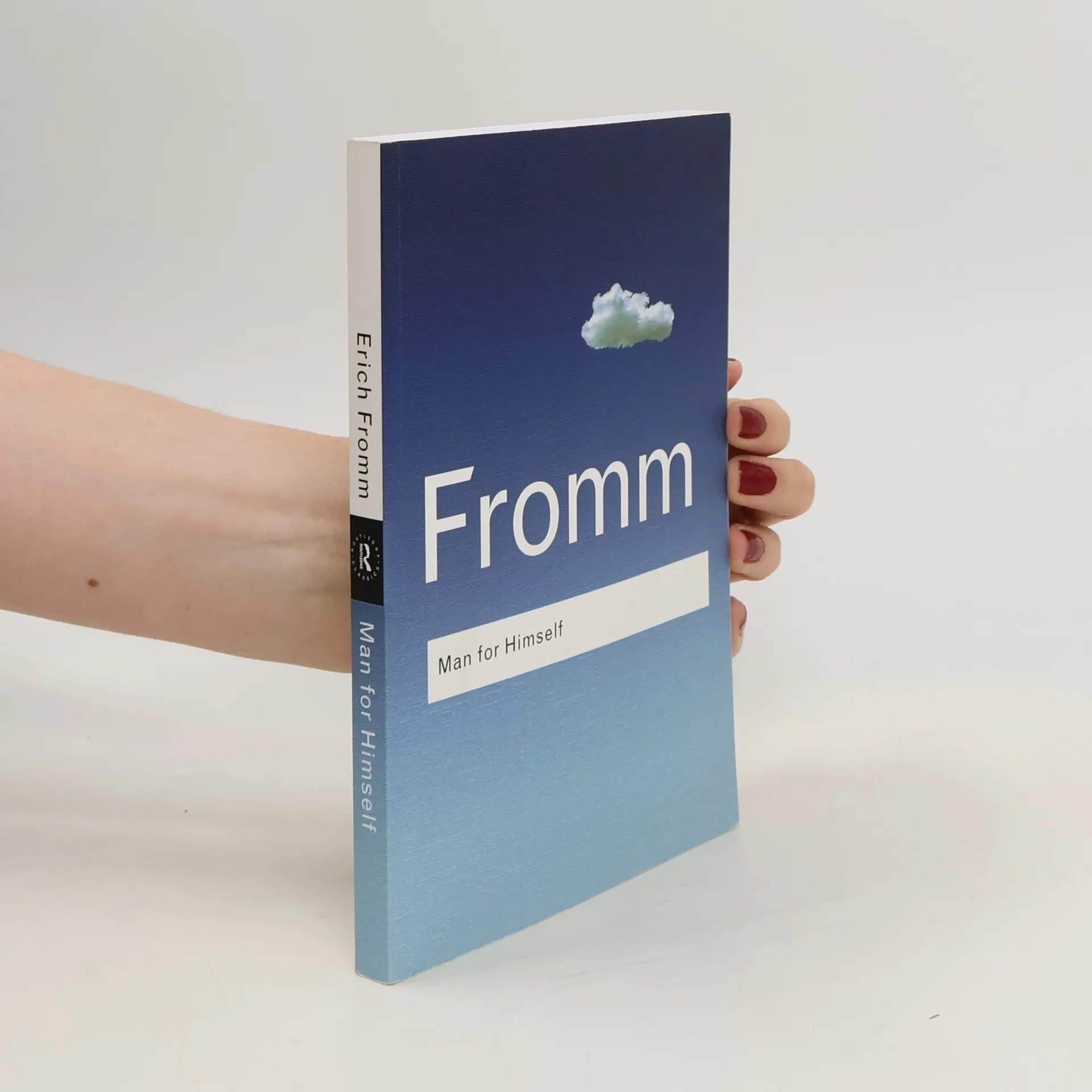
Erich Fromm fought long and hard for the rights and freedoms of the individual. He also recognized that fundamental to this pursuit is the promotion of self-knowledge. In encouraging people to analyze their own behavior, Fromm identified the crucial link between psychology and ethics that underpins all our actions. Moreover, he saw in this a way out of the meaningless impasse which he regarded as the plight of the modern human race. The task that Fromm sets himself, therefore, in Man for Himself is no less than to identify "what man is, how he ought to live, and how the tremendous energies within man can be released and used productively." The resulting book is ample witness to Fromm's success. It makes for exciting, illuminating, even life-changing reading.
Pathology of Normalcy
- 168pages
- 6 heures de lecture
Modern man's pathology of normalcy -- The concept of mental health -- The humanistic science of man -- Is man lazy by nature?
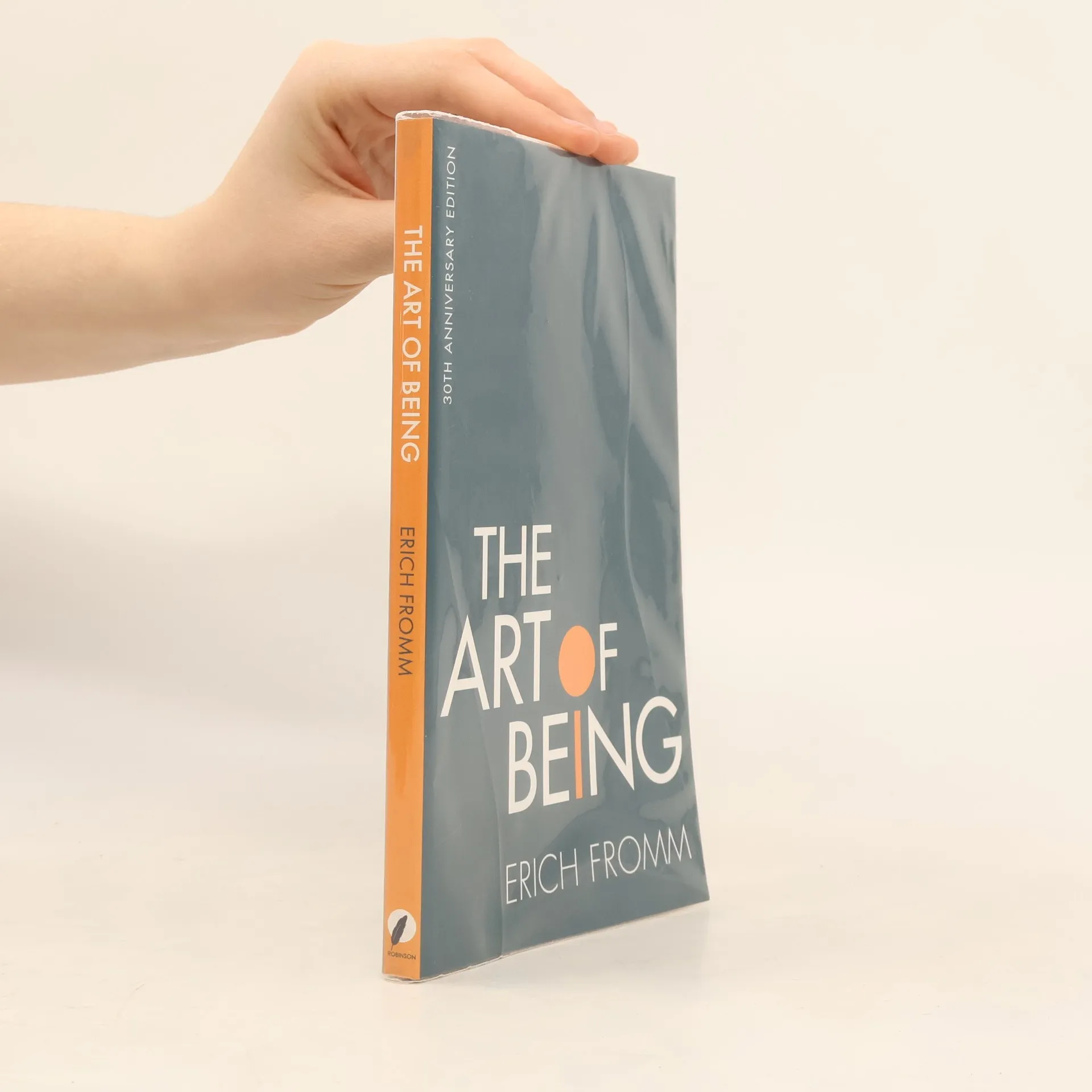
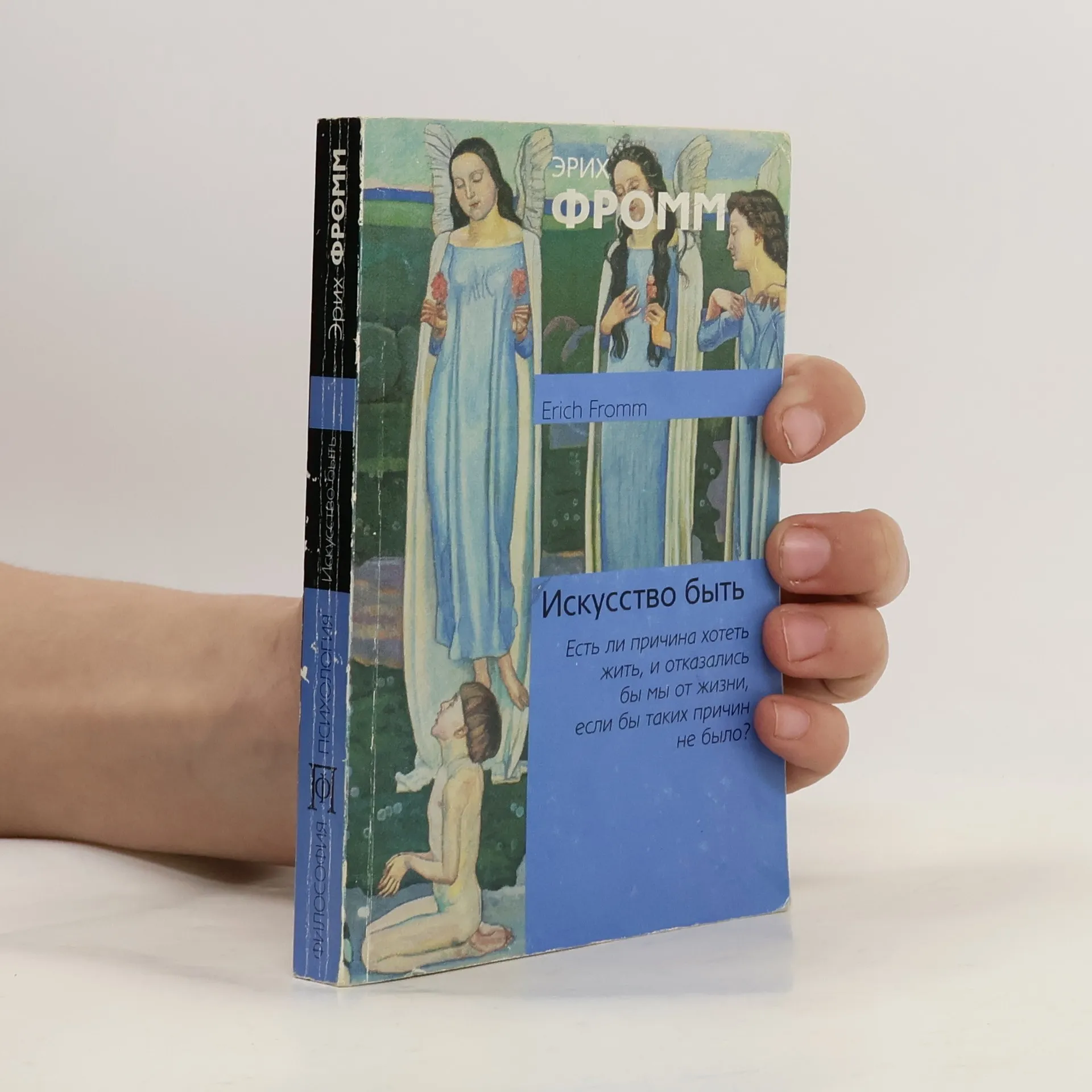
The Art of Being
- 144pages
- 6 heures de lecture
A classic from one of the masters of psychotherapy, Erich Fromm.[Bokinfo].
The Sane Society
- 424pages
- 15 heures de lecture
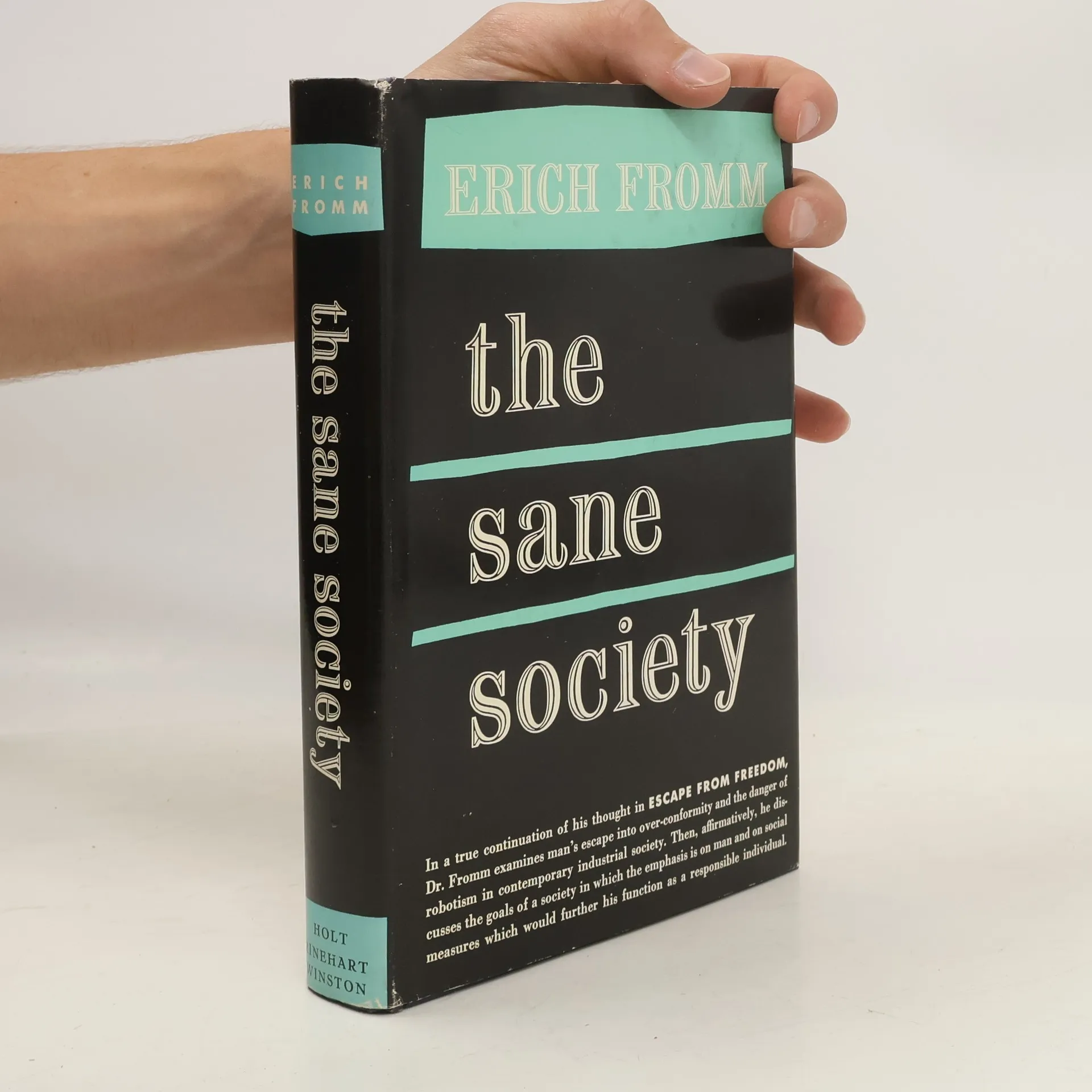
This critique of contemporary capitalism established Fromm as one of the most controversial political thinkers of his generation, and was originally published to wide acclaim and even wider disapproval. schovat popis
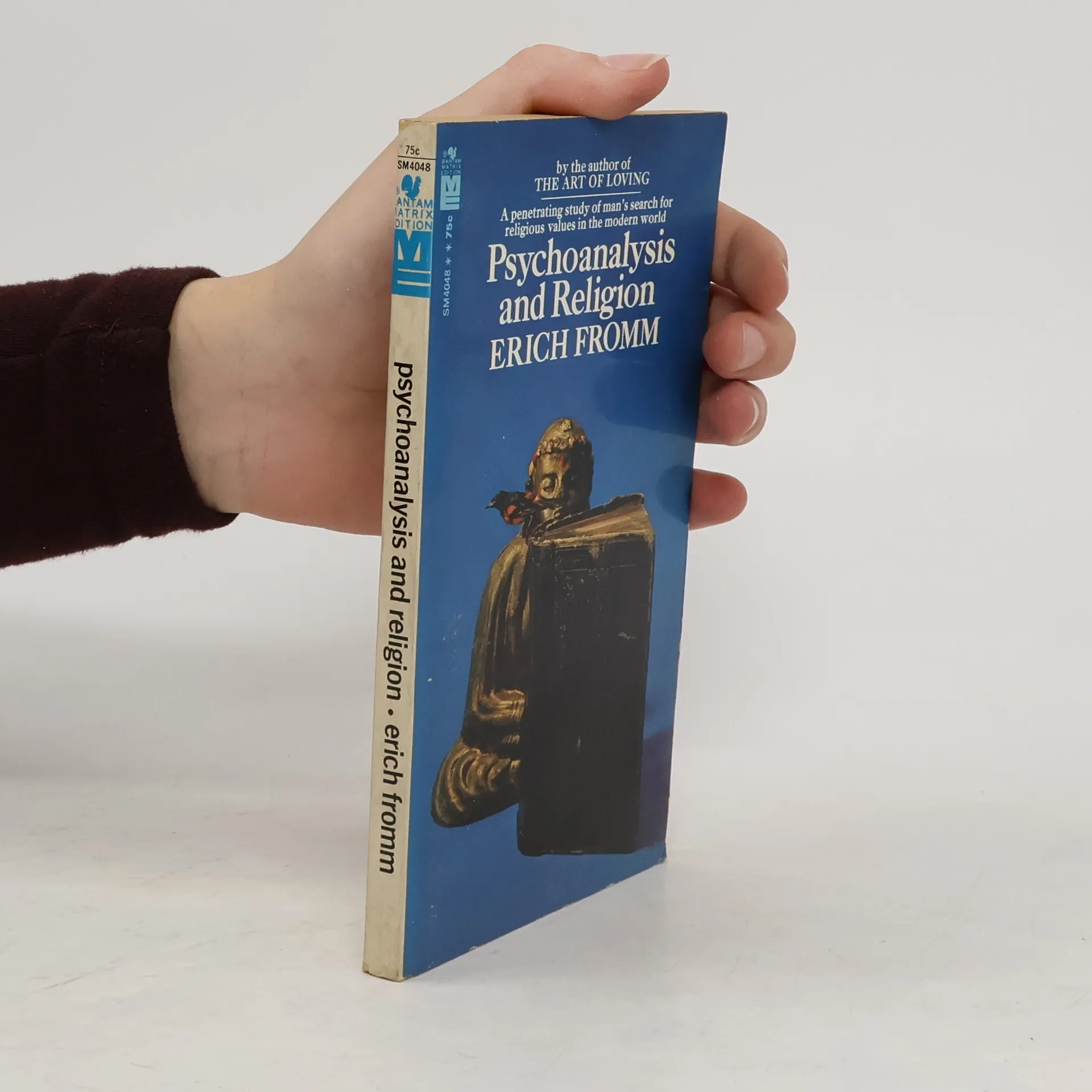
In this classic work a noted psychoanalyst assesses the persistent tension between traditional religion and the underlying philosophy of psychoanalysis, which many believe regards the satisfaction of instinctive and material wishes as the sole aim of life.
Libres enfants de Summerhill
- 337pages
- 12 heures de lecture
« Summerhill, c’est l’aventure d’une école autogérée fondée en 1921 dans la région de Londres. Son fondateur, le psychanalyste A. S. Neill, a mis les découvertes psychanalytiques au service de l’éducation. Il s’est dressé contre l’école traditionnelle soucieuse d’instruire mais non pas d’éduquer. Il s’est dressé contre les parents hantés par le critère du succès (l’argent). Il s’est insurgé contre un système social qui forme, dit-il, des individus “manipulés” et dociles, nécessaires à l’ensemble bureaucratique hautement hiérarchisé de notre ère industrielle. » Maud Mannoni. Libres enfants de Summerhill, publié aux Éditions François Maspero en 1970, dix ans après sa première publication à New York et dans le bouillonnement de l’après-Mai 68, est devenu en quelques années un best-seller et s’est vendu à plus de 400 000 exemplaires. Depuis sa parution, l’expérience éducative originale décrite dans cet ouvrage a suscité de nombreux débats pédagogiques et a contribué à lancer la question des droits de l’enfant. L’école autogérée de Summerhill, malgré les controverses dont elle a pu et continue de faire l’objet, accueille toujours des pensionnaires.
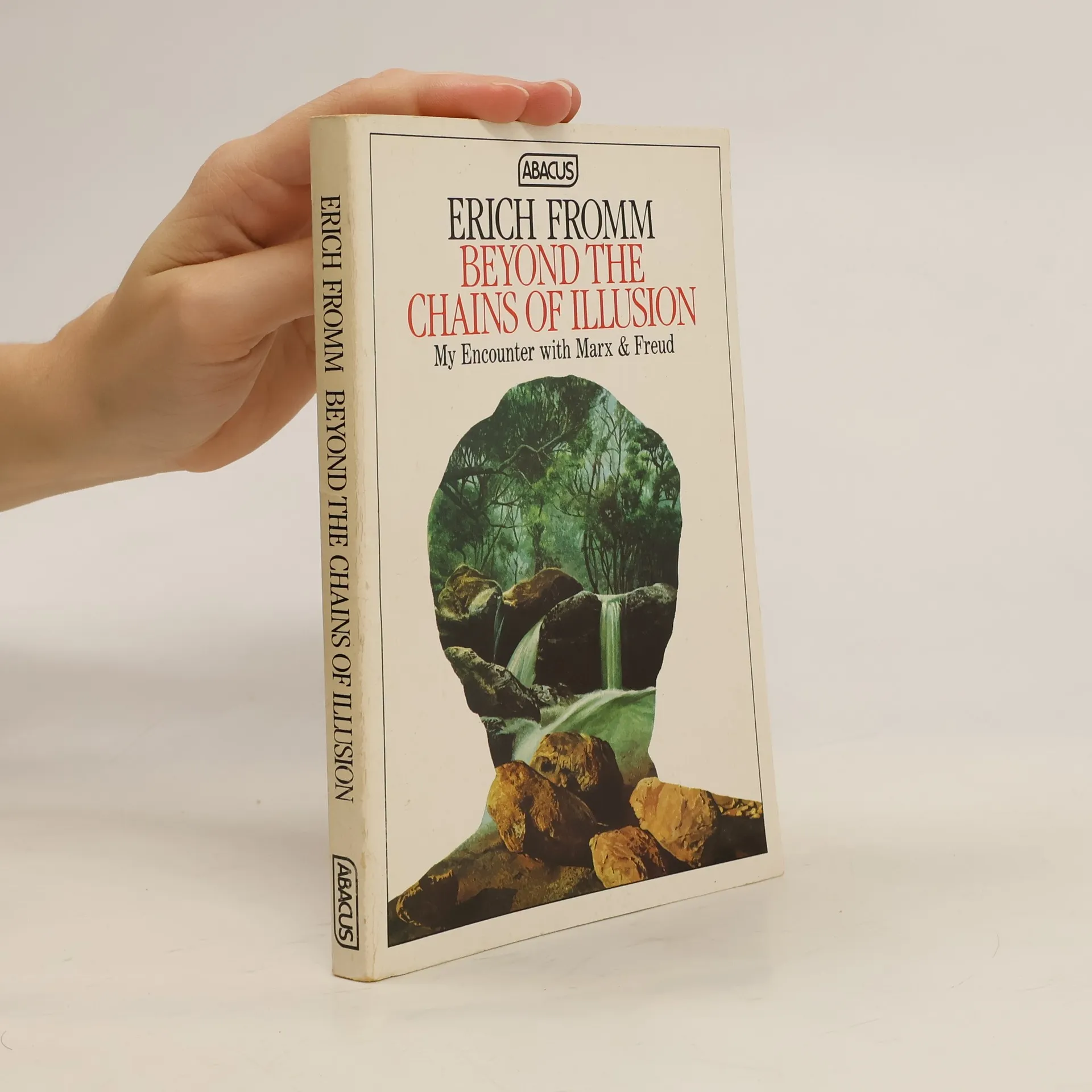
Beyond the Chains of Illusion
My Encounter with Marx and Freud
First published in 1962, this is Erich Fromm's personal reflection on the overarching influence of Freud and Marx on his own life work.
On Disobedience: Why Freedom Means Saying \"no\" to Power
- 112pages
- 4 heures de lecture
"By the acclaimed psychologist ... Erich Fromm's On Disobedience persuasively examines how saying 'no' to power is essential to individual meaning and the preservation of a free society."--Back cover
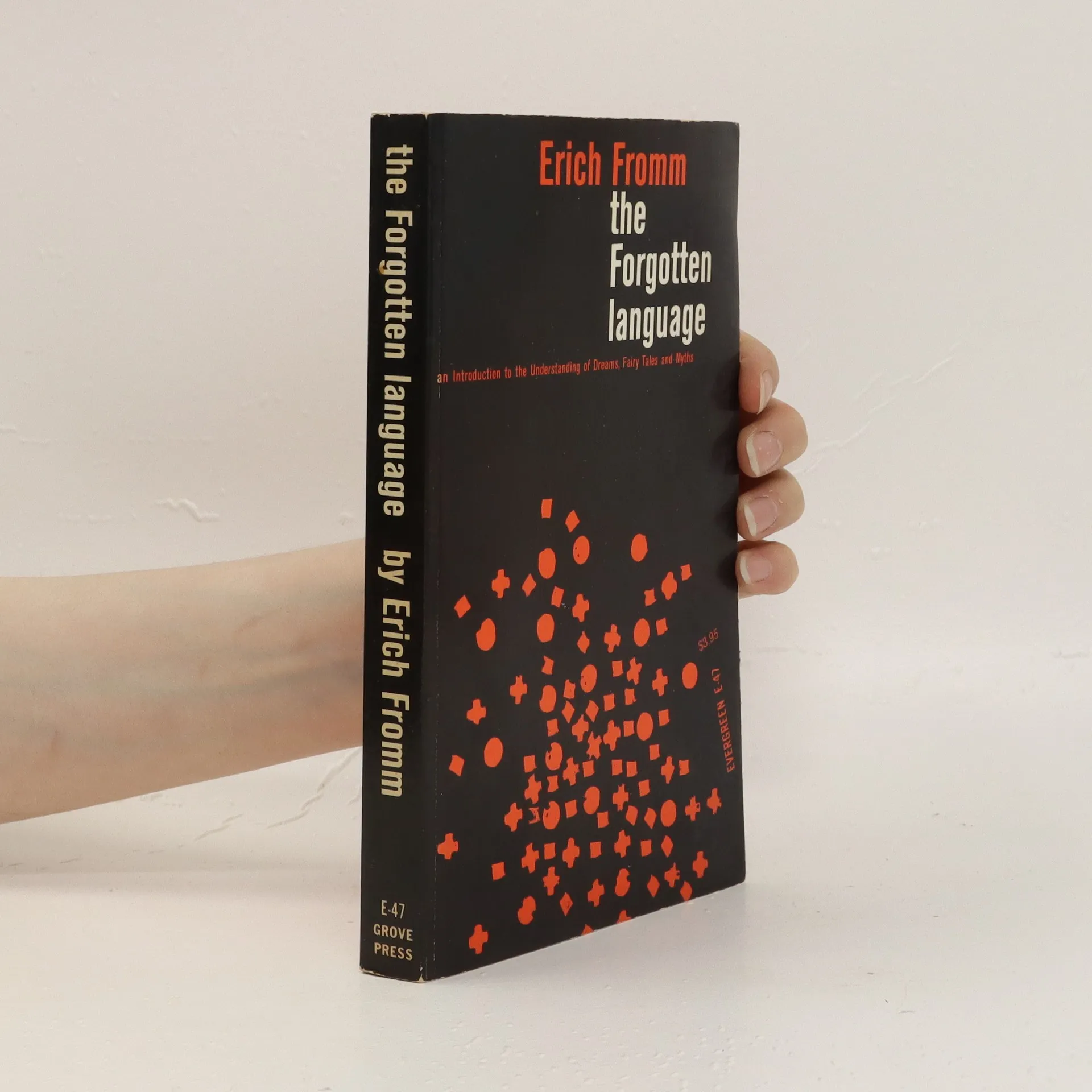
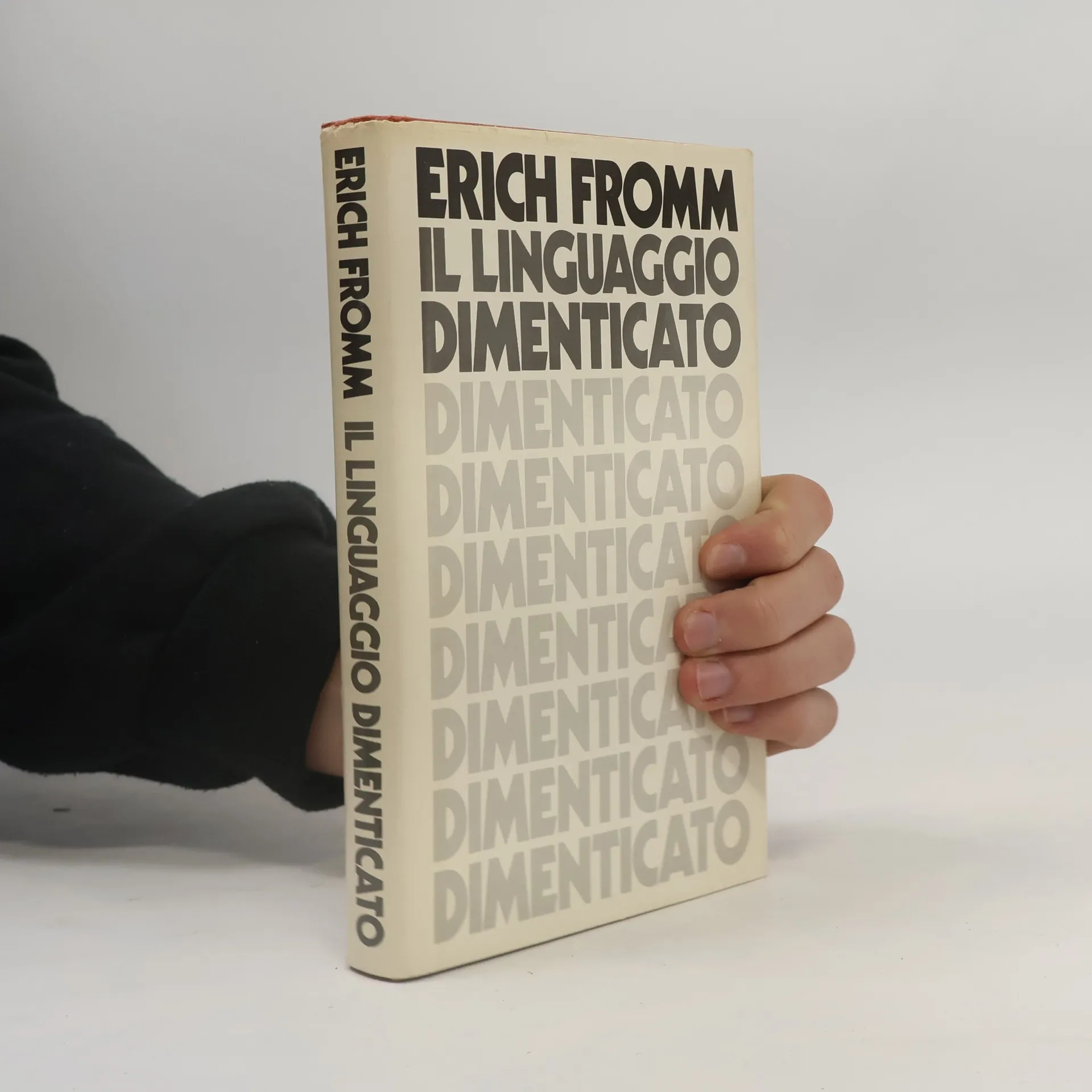
The Forgotten Language
An Introduction to the Understanding of Dreams, Fairy Tales and Myths
- 263pages
- 10 heures de lecture
Renowned psychoanalyst Erich Fromm investigates the universal language of symbols, expressed through dream and myths, and how it illuminates our humanity In this study, Erich Fromm opens up the world of symbolic language, “the one foreign language that each of us must learn.” Understanding symbols, he posits, helps us reach the hidden layers of our individual personalities, as well as connect with our common human experiences. By grasping the symbolic language of dreams, Fromm explains, we can then also understand the deeper wisdom of myths, art, and literature. This also gives us access to what we, and our society, usually repress. Fromm shares the history of dream interpretations, and demonstrates his analysis of many types of dreams.
Fromm's penetrating critique of Freud's contributions to modern thought enumerates his greatest discoveries while analyzing the ways in which these discoveries were narrowed and distorted by Freud's philosophical and personal premises
s/t: A Radical Interpretation of the Old Testament & Its Tradition
This book is a counterpart to the classic The Art of Loving. Whereas the main topic there was man's capacity to love, the main topic here is his capacity to destroy, his narcissism, and his incestuous fixations. Whereas the topic of non-love fills most of these pages, the problem of love is taken up in a new and broader sense, namely, the love of life. The love of life, independence, and the overcoming of narcissism form "a syndrome of growth" against "a syndrome of decay" formed by love of death and malignant narcissism.
Love, Sexuality, and Matriarchy: About Gender
- 220pages
- 8 heures de lecture
Collects the renowned psychoanalyst's lectures and writings on problematic relations between men and women
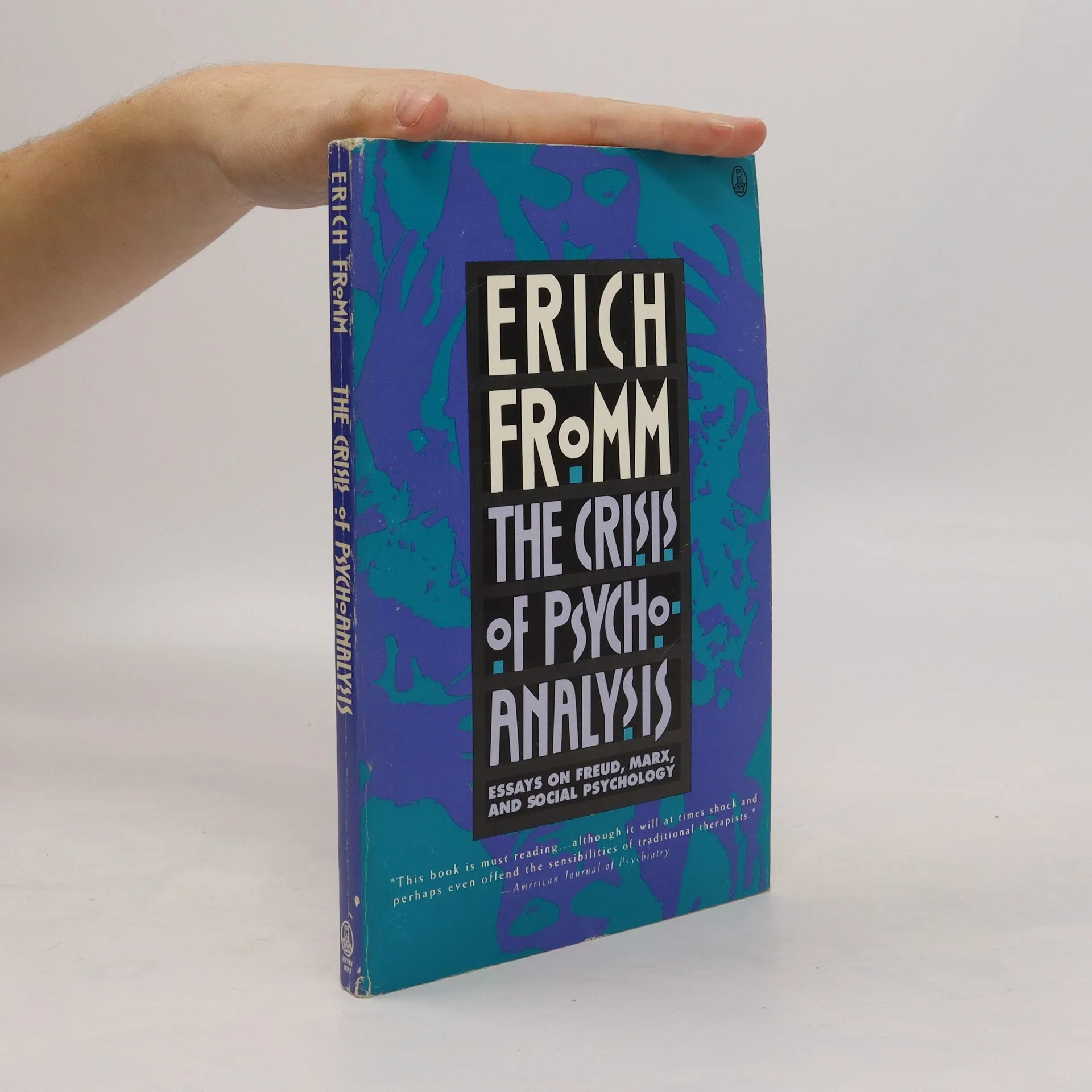
The crisis of psychoanalysis
- 192pages
- 7 heures de lecture
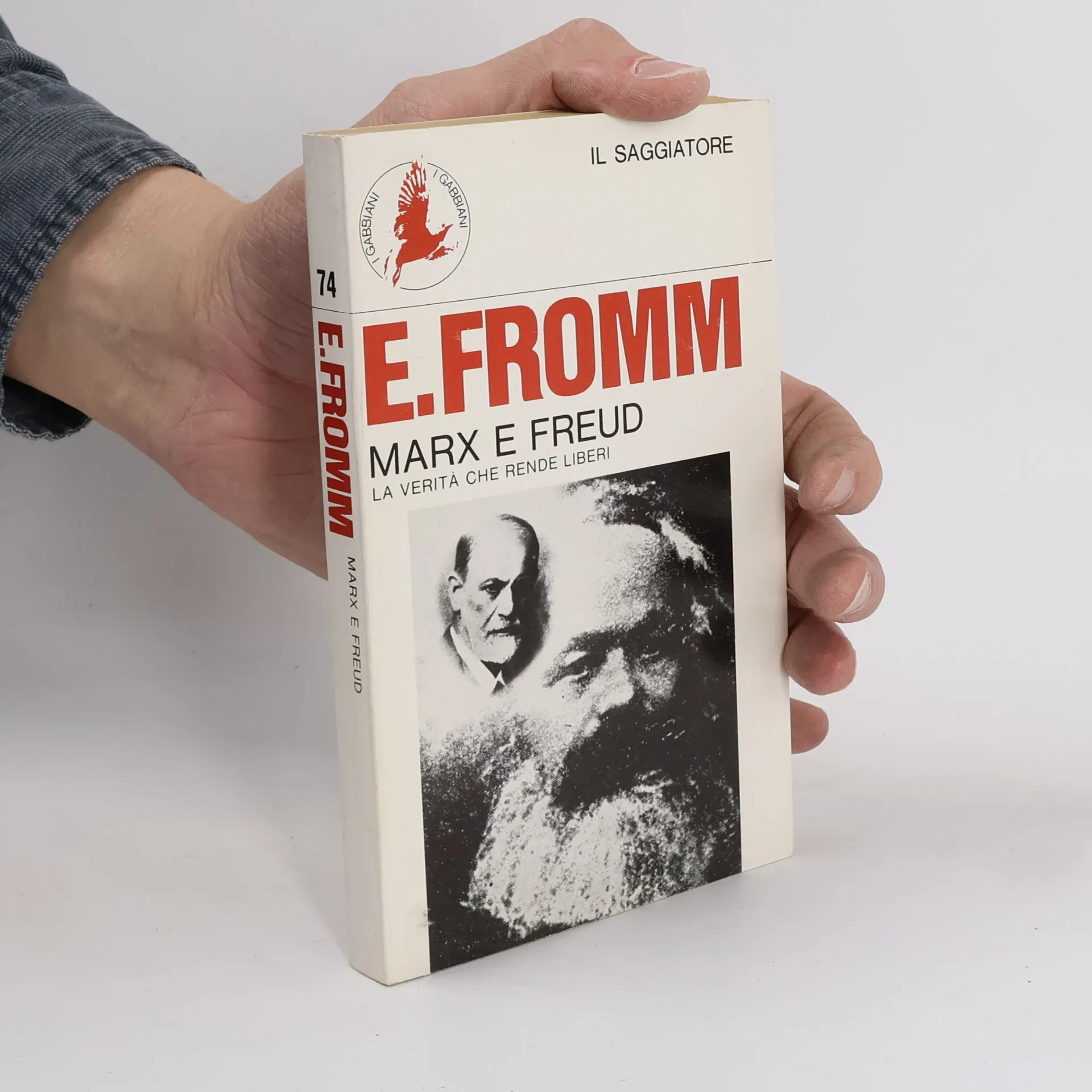
Examines the sociological factors influencing the evolution of psychoanalysis and discusses the relation between the theories of Freud and Marx
In the belief that political and economic conditions largely determine the psychological structure of man, Erich Fromm comments in this book on significant events such as the evolution of German politics, the Vietnam War, the Arab-Israeli conflict, terrorism, and many other topics, always considering the sociopsychological factors of action and the moral and human dimension of political decision-making. As Rainer Funk states in the introduction, "To understand the way of thinking, feeling, and acting of a man, one must know his passionate struggles, which are almost always hidden, and which for Erich Fromm are primarily manifestations of a process of identification with the demands of a particular culture, for which the man himself is essentially responsible." Therefore, those familiar with Fromm's thought will not be surprised that throughout his life he has been interested in politics and has participated in it according to his possibilities as a psychoanalyst and social psychologist. This selection of his unpublished writings offers an impression of how Fromm assumed this political responsibility.
The Vision of Dhamma: Buddhist Writings of Nyanaponika Thera
- 370pages
- 13 heures de lecture
Written by a Westerner whose life experience was as a Buddhist monastic, this collection of essays conveys a friendly spirit, in the manner of a wise and practical teacher. (Note: This title was previously published under ISBN 9781928706038. Due to technical issues a new ISBN had to be assigned. Rest assured that both versions of this title are exactly the same.)
The Art Of Listening
- 208pages
- 8 heures de lecture
Focusing on the author's warm empathy and humanistic perspective, this book offers insights into the author’s interactions with patients rather than delving into psychoanalytic techniques. It presents a compassionate approach to understanding human experiences, making it a valuable read for those interested in psychological perspectives that prioritize emotional connection and understanding.
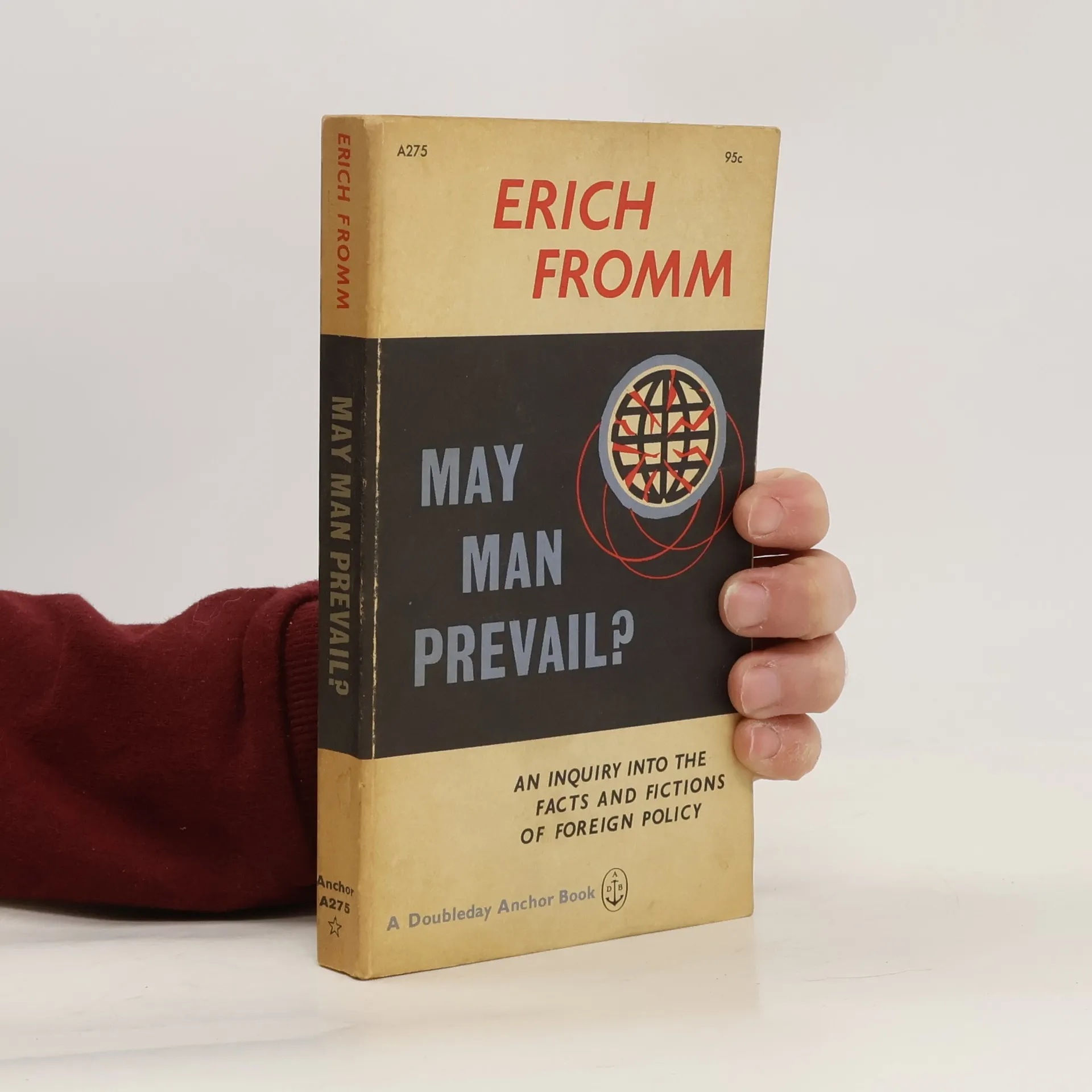
May man prevail?
An Inquiry into the Facts and Fictions of Foreign Policy
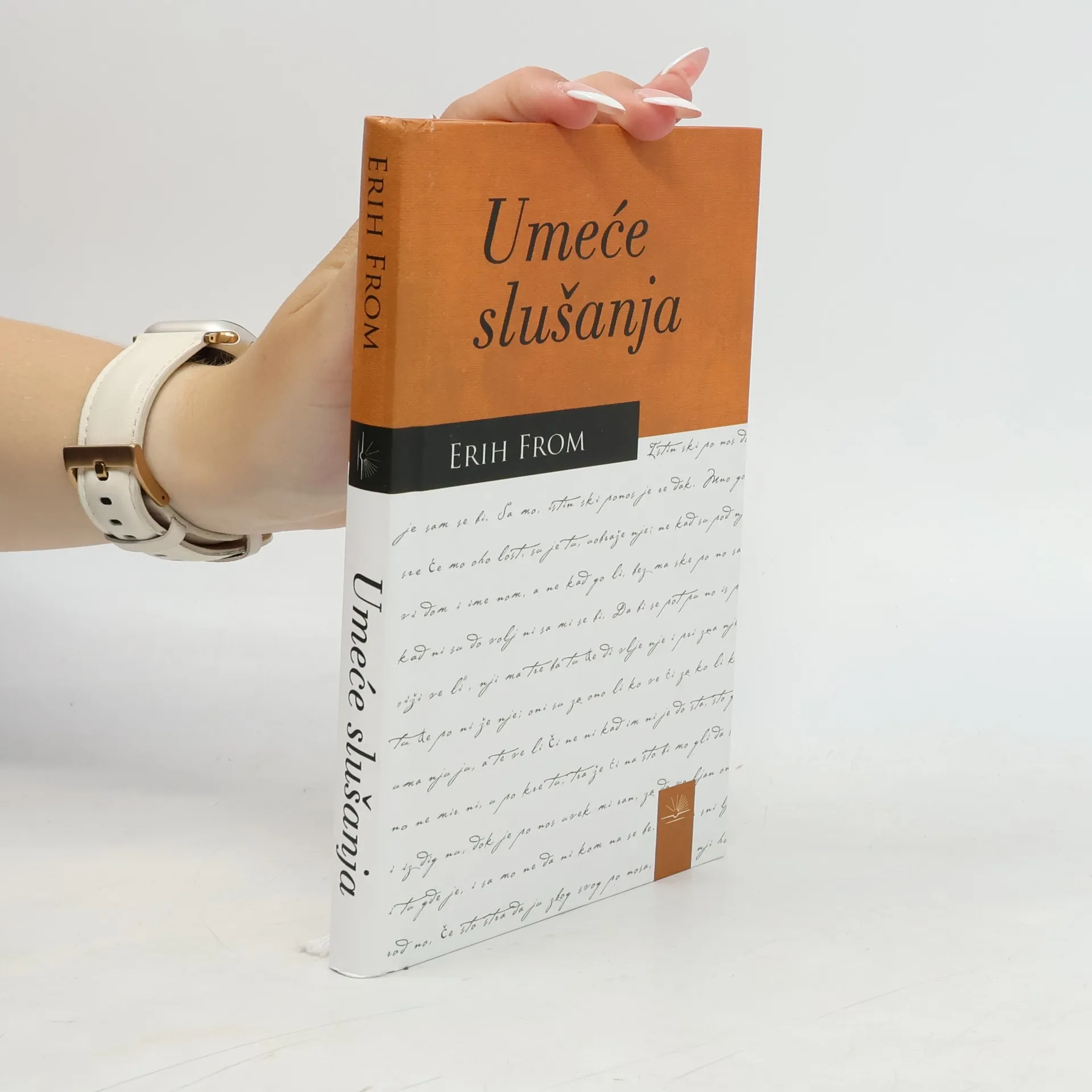
Umeće slušanja
- 189pages
- 7 heures de lecture
Mada se smatra društvenim kritičarem, Erih From je prije svega bio psihoanalitičar našeg vremena. Ovi spisi spajaju dva aspekta razmišljanja, pokazujući kako on gradi na temelju frojdijanske teorije i kako je modfikuje svojim humanističkim stavovima. Erih From se više od pedeset godina bavio psihoanalizom; više od četrdeset godina bio je aktivan u Njujorku i Meksiko Sitiju kao učitelj, supervizor i predavač na institutima za psihoanalitičku obuku.
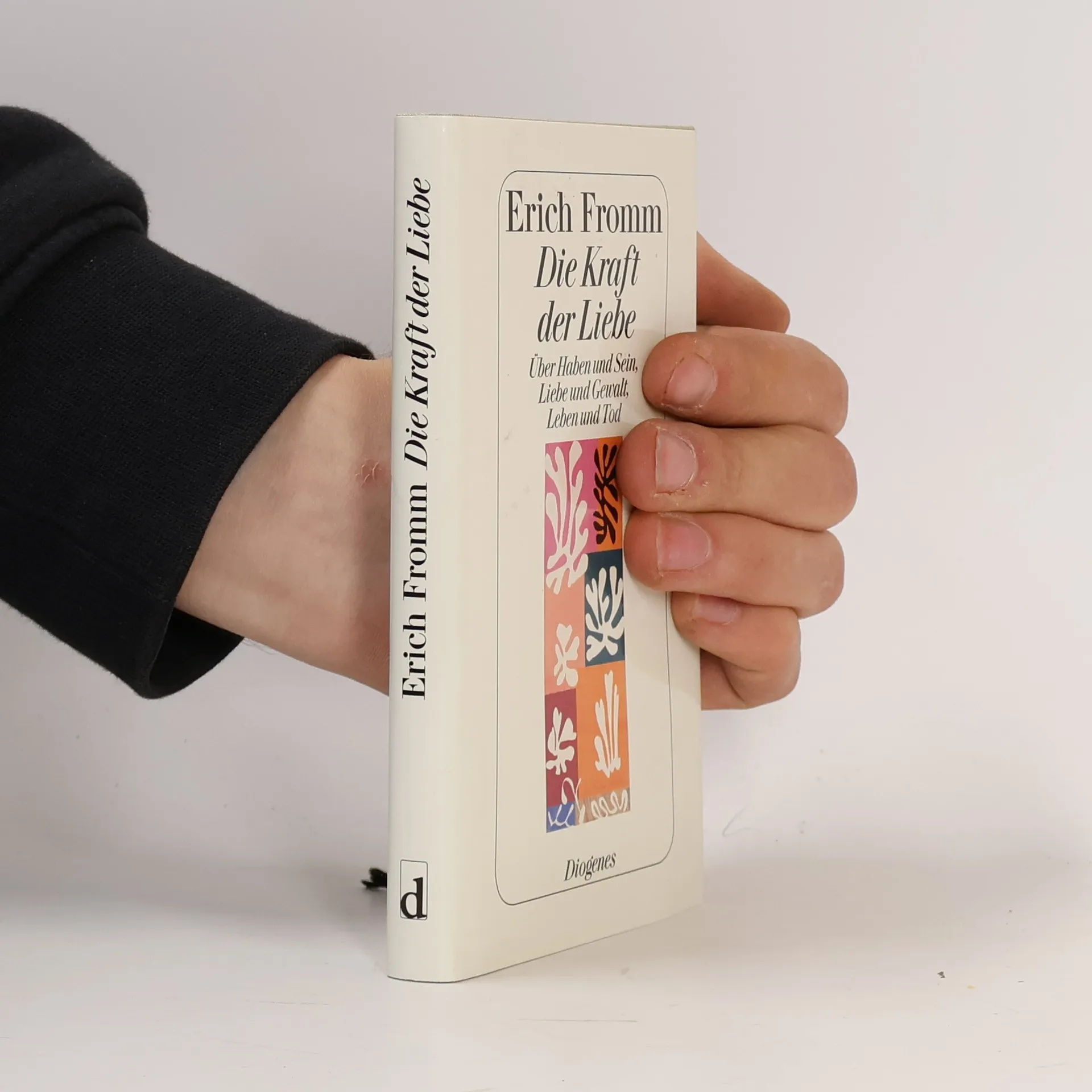
Die Kraft der Liebe
Über Haben und Sein, Liebe und Gewalt, Leben und Tod
Einsichten und Gedanken aus Erich Fromms Werk - aus seiner Tätigkeit als Psychoanalytiker, aus seiner Erfahrung als Mensch.
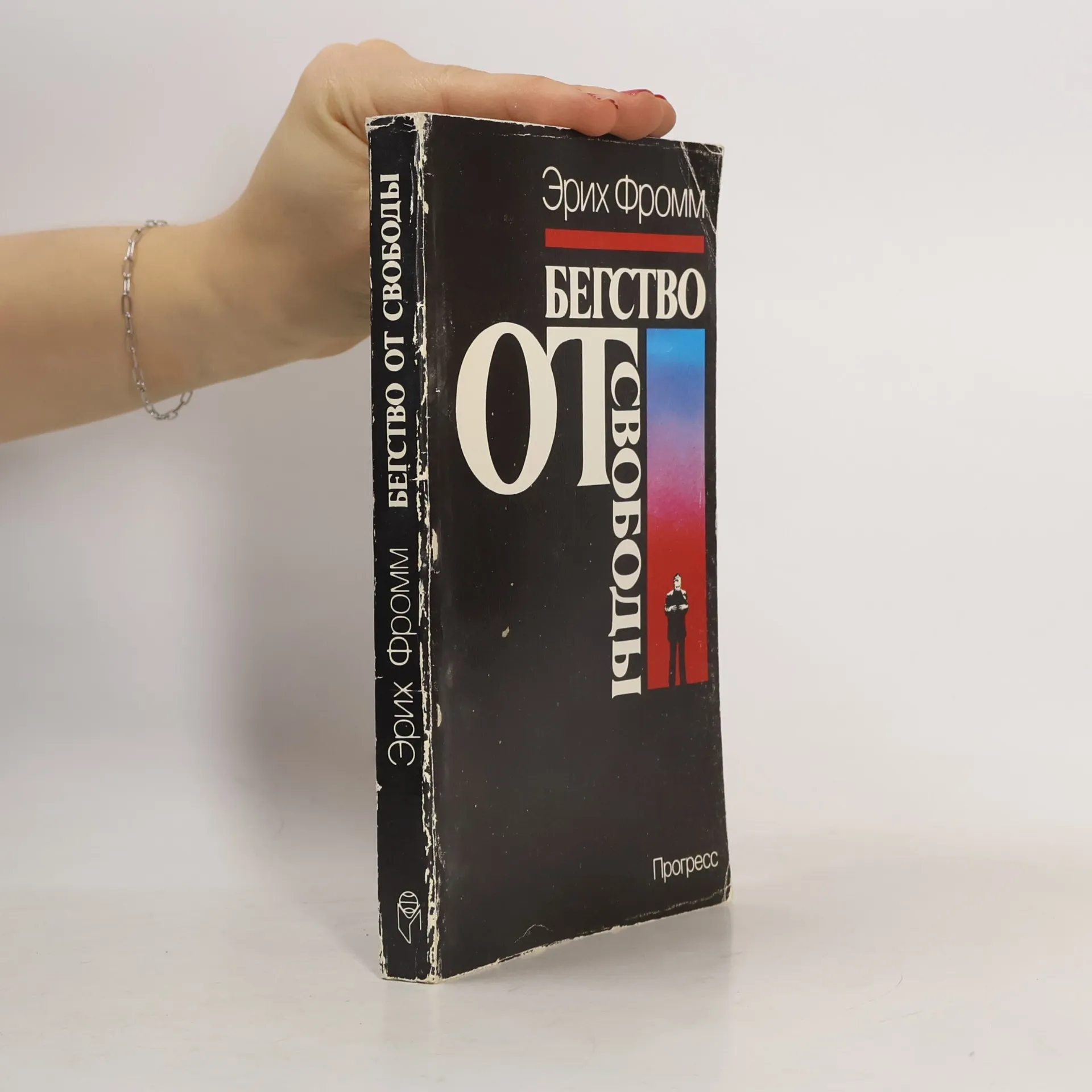
Бегство от свободы
- 271pages
- 10 heures de lecture
Эрих Фромм - выдающий мыслитель ХХ века, один из основателей неофрейдизма. Работы Фромма пользуются широчайшей популярностью во всем мире - еще при жизни основные его труды, посвященные этическим и социально-психологическим вопросам природы человека, выдержали десятки переизданий миллионными тиражами. Одна из основополагающих работ Эриха Фромма - "Бегство от свободы" - посвящена психологическим аспектам власти, зависимости и обретения личностей независимости. "Может ли свобода стать бременем, непосильным для человека, чем-то таким, от чего он старается избавиться? Почему для одних свобода - заветная цель, а для других - угроза?". "Не существует ли - кроме врожденного стремления к свободе - и инстинктивной тяги к подчинению?.. Не является ли подчинение источником некоего скрытого удовлетворения; а если так, то в чем состоит его сущность?"
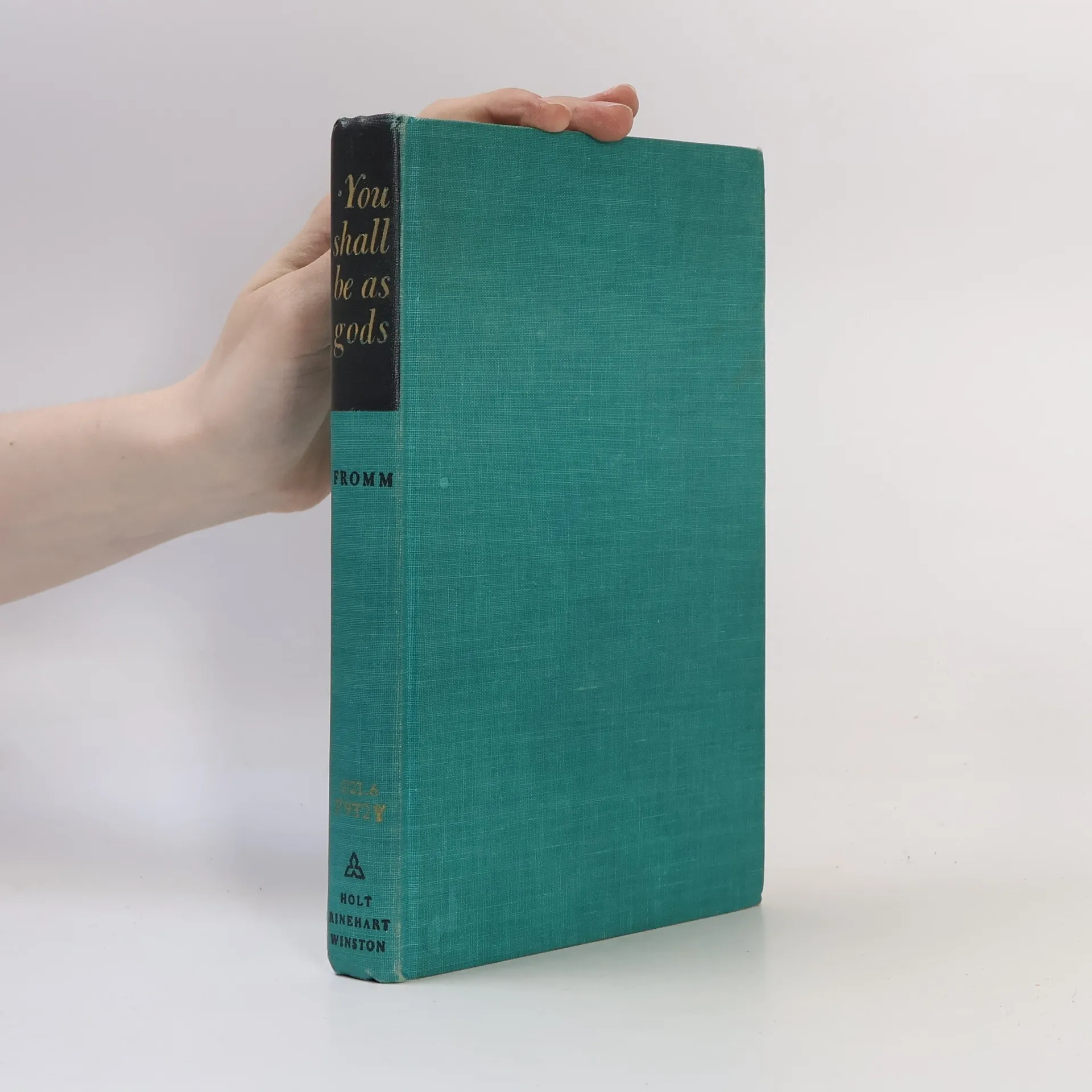
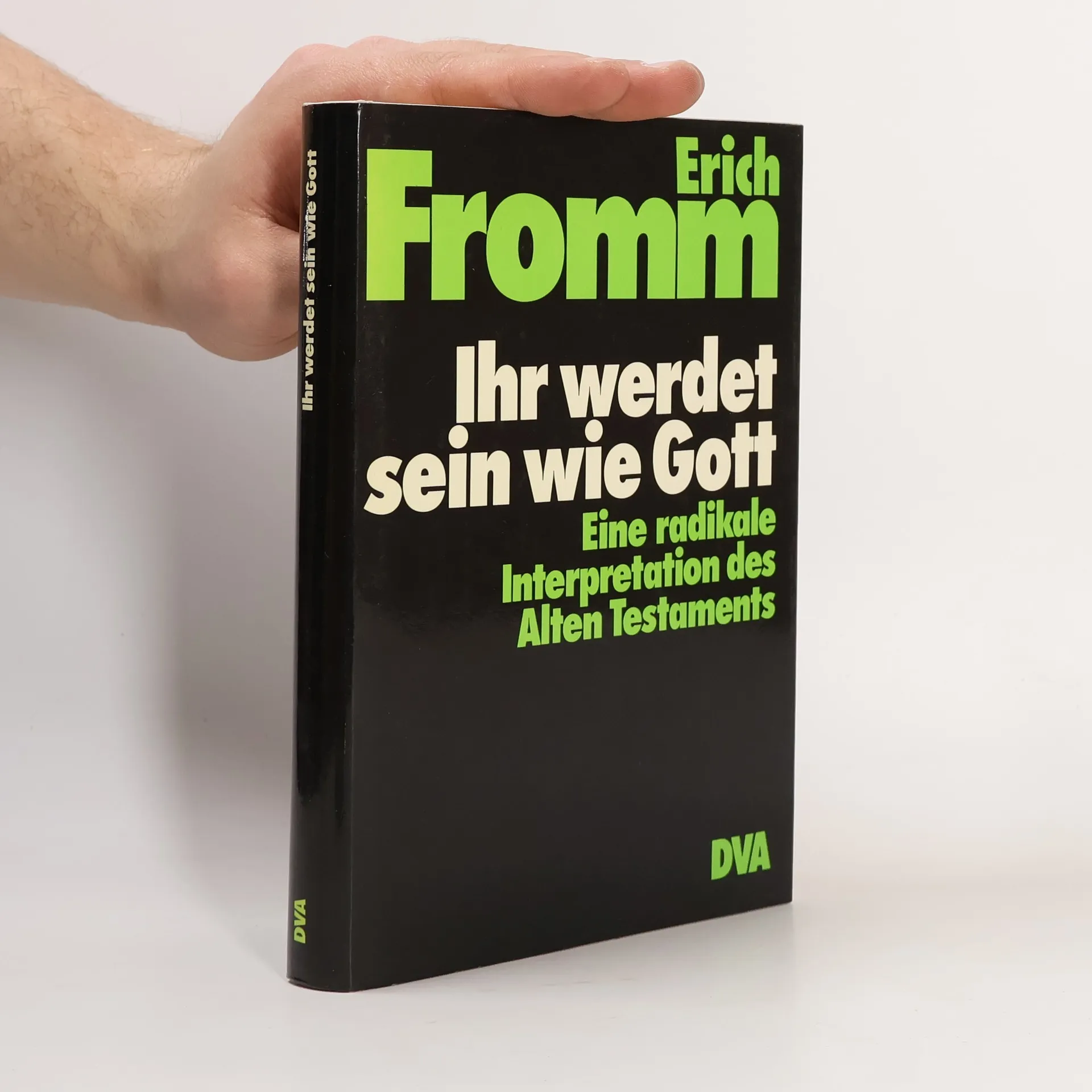
Ihr werdet sein wie Gott
Eine radikale Interpretation des Alten Testaments und seiner Tradition
- 216pages
- 8 heures de lecture
Erich Fromm betrachtet das Alte Testament als ein revolutionäres Werk, das eine zeitlose Vision für die Menschheit bietet. Seine humanistische Interpretation zeigt, wie die Bibel als Beispiel für die Entwicklung menschlicher Kräfte und die Förderung einer friedlichen Welt verstanden werden kann.
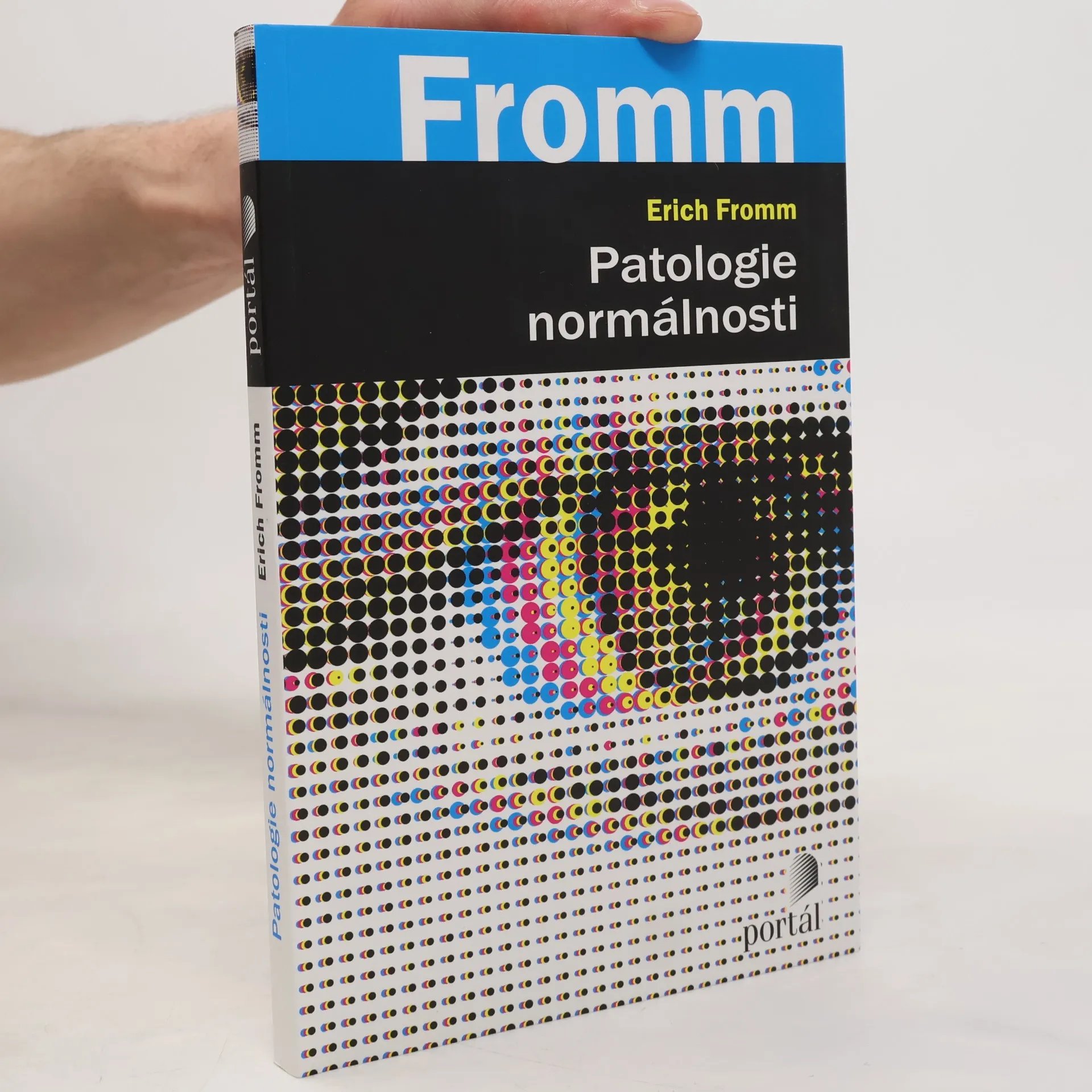
Patologie normálnosti
- 192pages
- 7 heures de lecture
Na základě čeho je člověk duševně zdravý? Tak se ptá Erich Fromm ve svých přednáškách z let 1953–1974. To, co je ve společnosti přijato jako normální, může být podle autora ve skutečnosti patologické. V důsledku toho jedinec, který se vyznačuje společensky přijatou patologií, je vnímán jako adaptovaný člen společnosti, a naopak někdo vlastně duševně zdravý může trpět vyloučením do té míry, že se u něj projeví duševní nemoc. A tak je v nemocné společnosti, jež je dnes primárně řízena ekonomickými požadavky, podle Fromma tím zdravým a přizpůsobeným autoritářský, marketingový či nekrofilní charakter. K těmto úvahám přispěl Frommův pobyt v Mexiku, který mu dovolil nutný odstup od průmyslové společnosti soudobých Spojených států amerických. V Mexiku se totiž setkal s lidmi, kteří si dovolují být „líní“ a dávají přednost volnému času před vyděláváním peněz. Fromm zároveň ukazuje, že líný i aktivní je člověk ze svých vnitřních příčin, a tedy nemusí být k aktivitě nucen.
Authentisch leben
- 159pages
- 6 heures de lecture
Wissen, was die eigene Person ausmacht. Bewusst aus eigenen Quellen leben. An die seelischen Ressourcen kommen, keine Fassadenexistenz führen, sondern intensiv fühlen: „Freude - das Ergebnis intensiven Lebens“ (E. Fromm).
Эрих Фромм - крупнейший мыслитель XX века, один из великой когорты "философов от психологии" и духовный лидер Франкфуртской социологической школы. Труды Эриха Фромма актуальны, ибо основной темой его исследований было раскрытие человеческой сущности
Worte wie Wege
- 160pages
- 6 heures de lecture
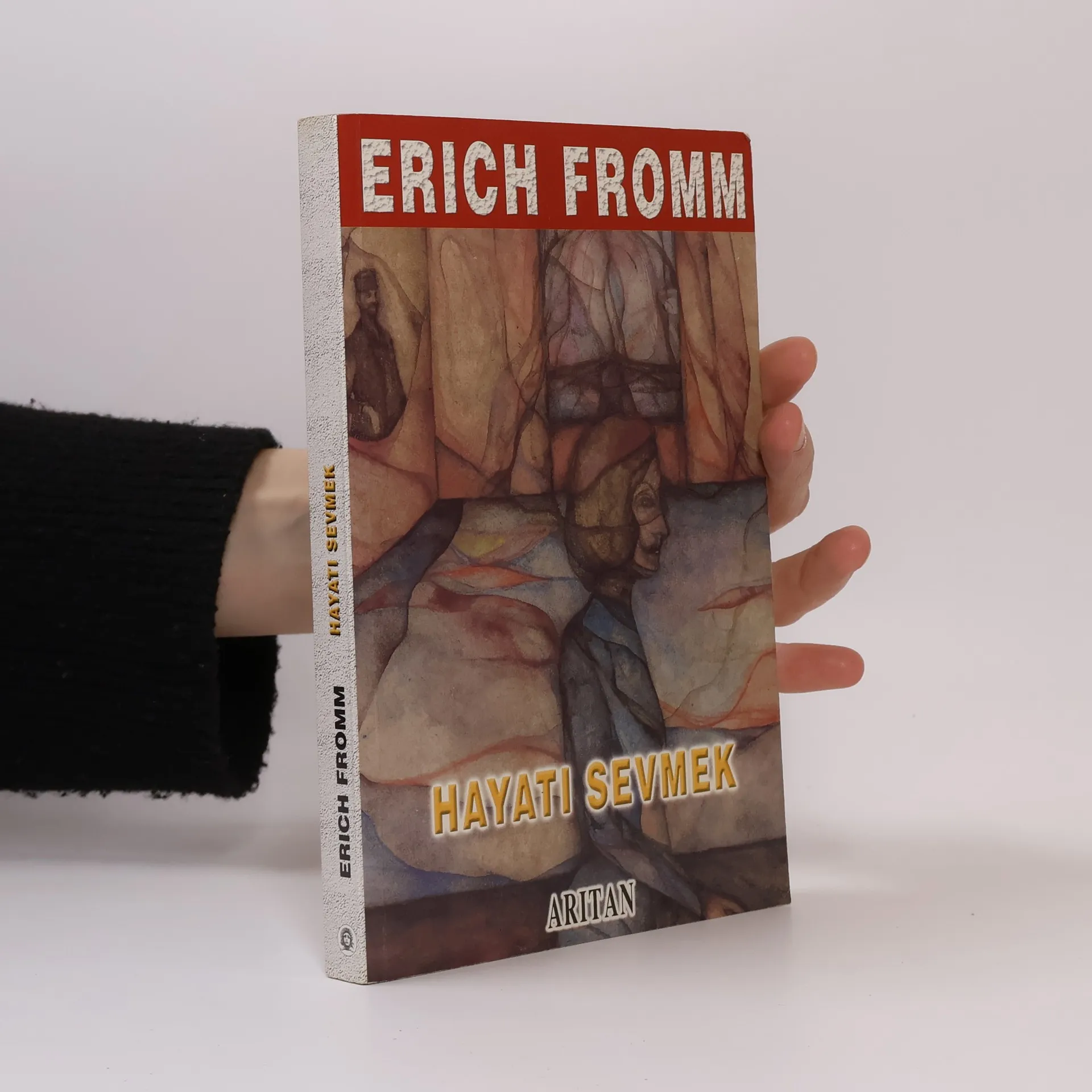
Hayatı Sevmek
- 293pages
- 11 heures de lecture
"Refah Toplumu" diye de adlandırabileceğimiz 20. yüzyılın teknolojik açıdan gelişmiş toplum düzeni, yüzyılın başındaki beklentilerin aksine, insanları mutlu edemedi. O zamanlar daha çok şeye "sahip olmak"ın, insanların ihtiyacı olan her türlü manevi doyumu onlara sağlayacağı düşünülüyordu. Ama görüldü ki, "olmak" ve "mutluluk" ayrı bir kalitedir ve bir yerden sonra "sahip olmak" ve "çok tüketim" ile de ters bir orantı içine girmektedir. Bu nedenle 21. yüzyıl öncesinde insanı gerçek özellikleri ile tanımak ve onun kendi güçlerini geliştirmesine imkan veren bir toplum yapısı kurmak gerekmektedir.
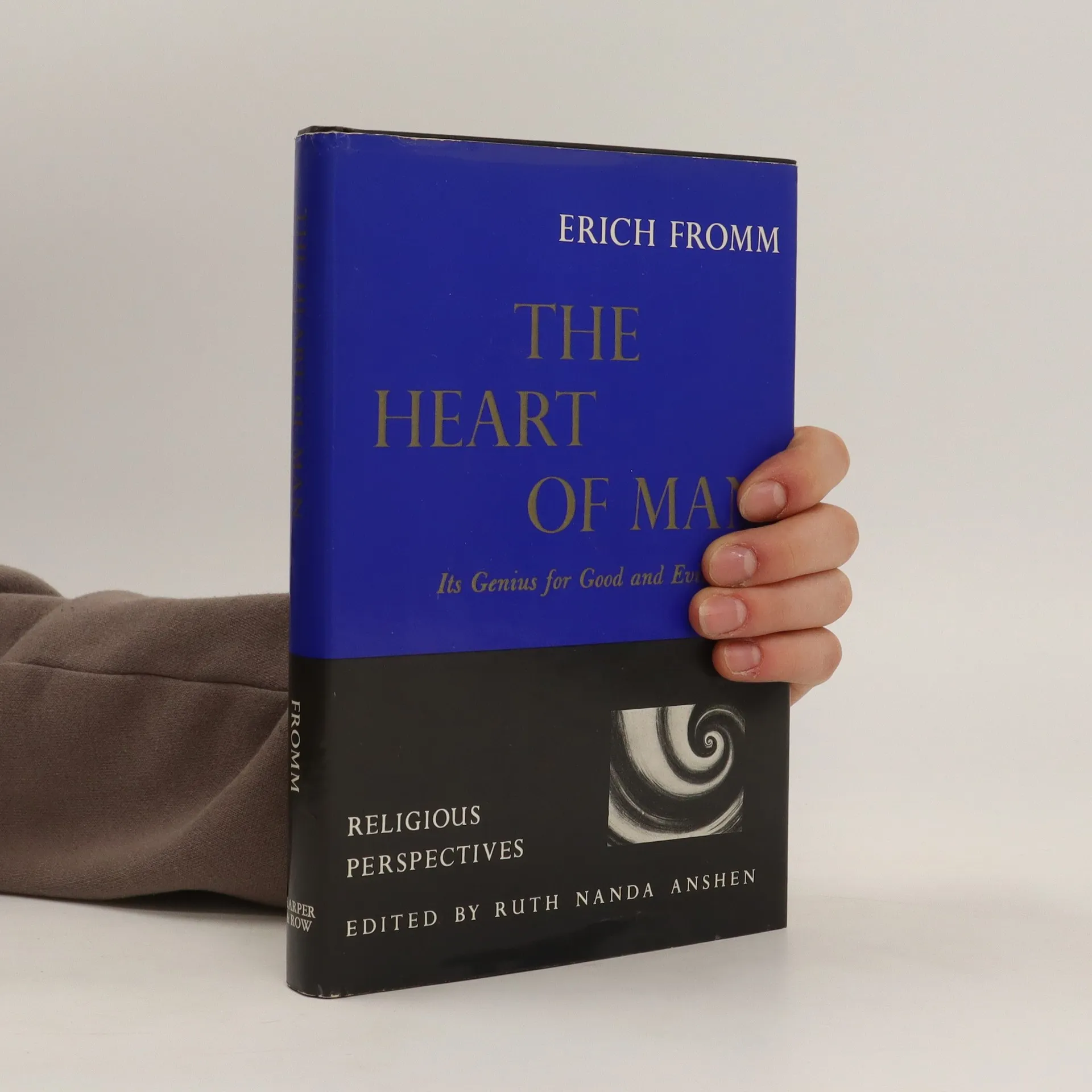
Popular - 76: El corazón del hombre
Su potencia para el bien y para el mal
- 182pages
- 7 heures de lecture
Este libro recoge ideas que fueron expuestas en algunos de los libros anteriores de Erich Fromm e intenta darles mas amplio desarrollo. El autor trata de demostrar que los mayores descubrimientos de Freud, el complejo de Edipo, el narcisismo y el instinto de la muerte, son aun poderosos y significativos.
В своей работе "Душа человека" Эрих Фромм сосредоточил внимание на изучении сущности зла, отмечая, что эта книга является в некотором смысле противоположностью другой, пожалуй, самой известной его книги - "Искусство любить". Рассуждая о природе зла, он приходит к выводу, что стремление властвовать почти всегда перетекает в насилие, и главную опасность для человечества представляют не "садисты и изверги", а обыкновенные люди, в руках которых сосредоточена власть.
Eine tiefgreifende Kritik am Materialismus zugunsten eines Lebens mit Sinn. Das Leben im modernen Zeitalter begann, als die Menschen nicht mehr dem Willen der Natur ausgeliefert waren, sondern die Kontrolle über sie übernahmen. Wir bauten Pflanzen an, um nicht mehr auf das Sammeln angewiesen zu sein, und produzierten Flugzeuge, Züge und Autos für den Transport. Mit Fernsehern und Computern müssen wir das Haus nicht mehr verlassen, um die Welt zu sehen. Irgendwo in diesem Prozess ging die natürliche Neigung der Menschheit von einem Sein und dem Ausüben unserer eigenen menschlichen Fähigkeiten und Kräfte zu einem Haben über, indem wir Objekte besitzen und Werkzeuge nutzen, die unsere eigenen Fähigkeiten zum Denken, Fühlen und unabhängig Handeln ersetzen. Fromm argumentiert, dass positive Veränderungen – sowohl sozial als auch wirtschaftlich – aus dem Sein, Lieben und Teilen hervorgehen werden.
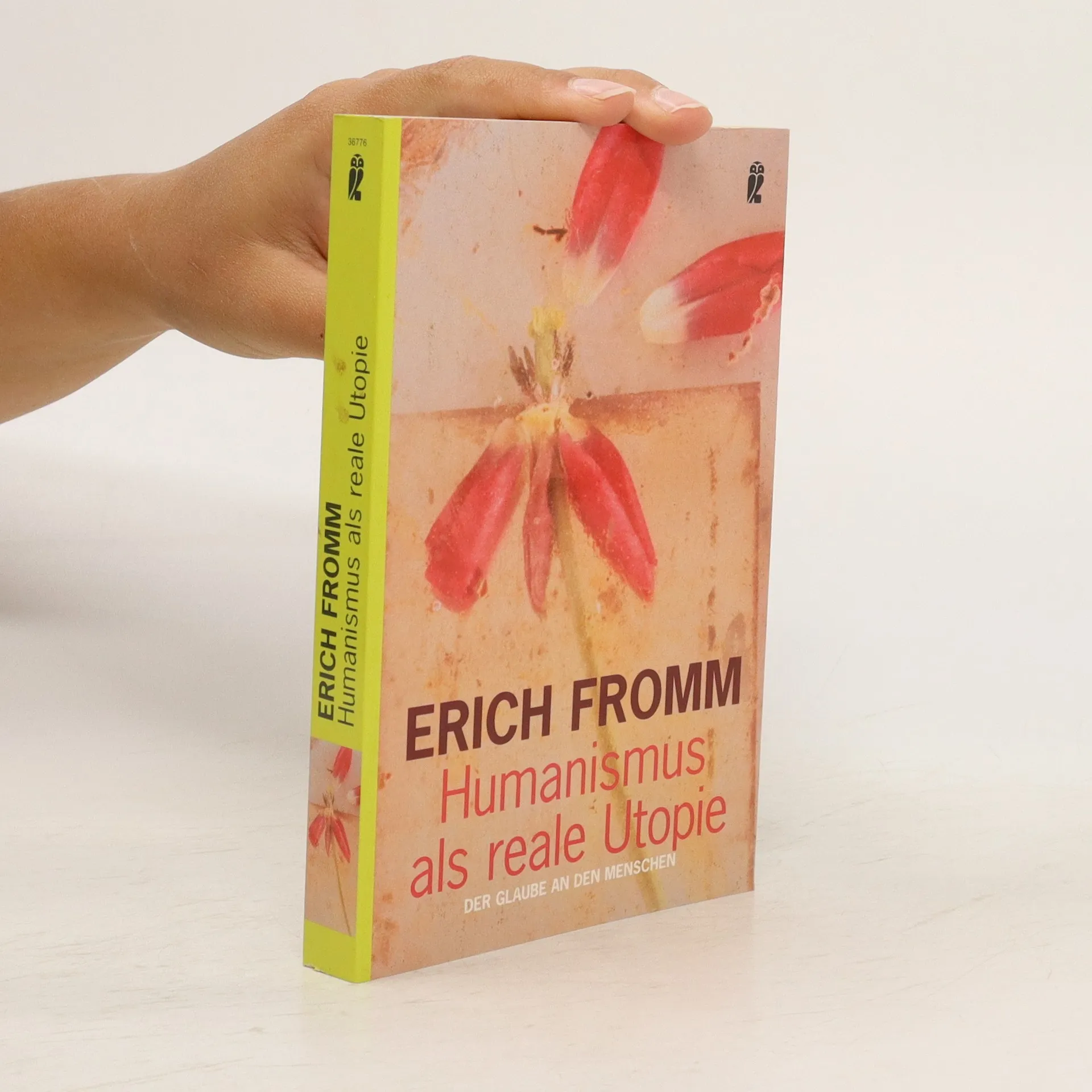
Humanismus als reale Utopie
Der Glaube an den Menschen
Humanismus als konkret erlebter Glaube an den Menschen - das ist Erich Fromms Ideal. In den vorliegenden Schriften aus seinen letzten fünfzehn Lebensjahren formuliert er dieses Ideal neu. Fromm ist einer der bedeutendsten Humanisten des 20. Jahrhunderts und gleichzeitig ein unerbittlicher Kritiker der Industriegesellschaft.
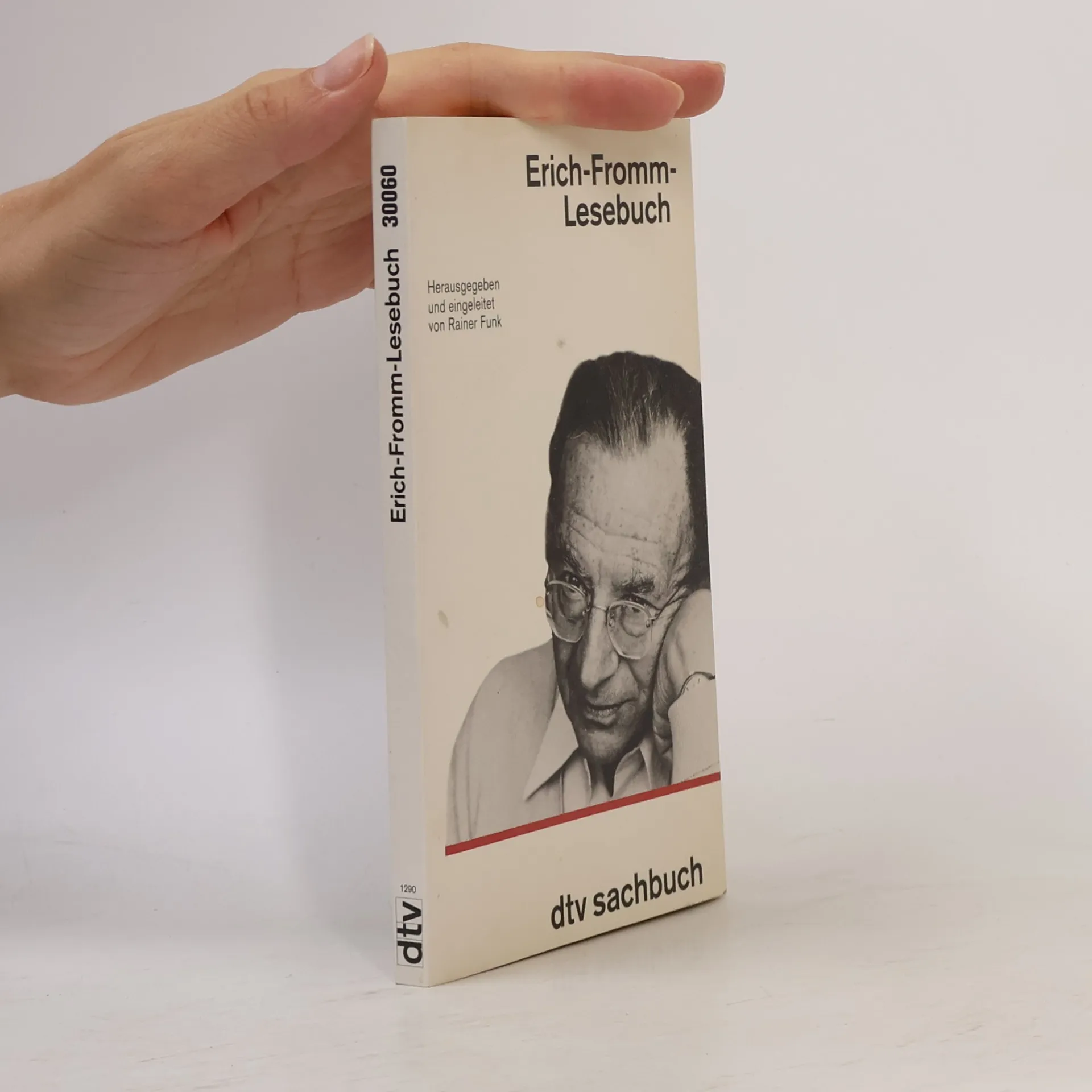
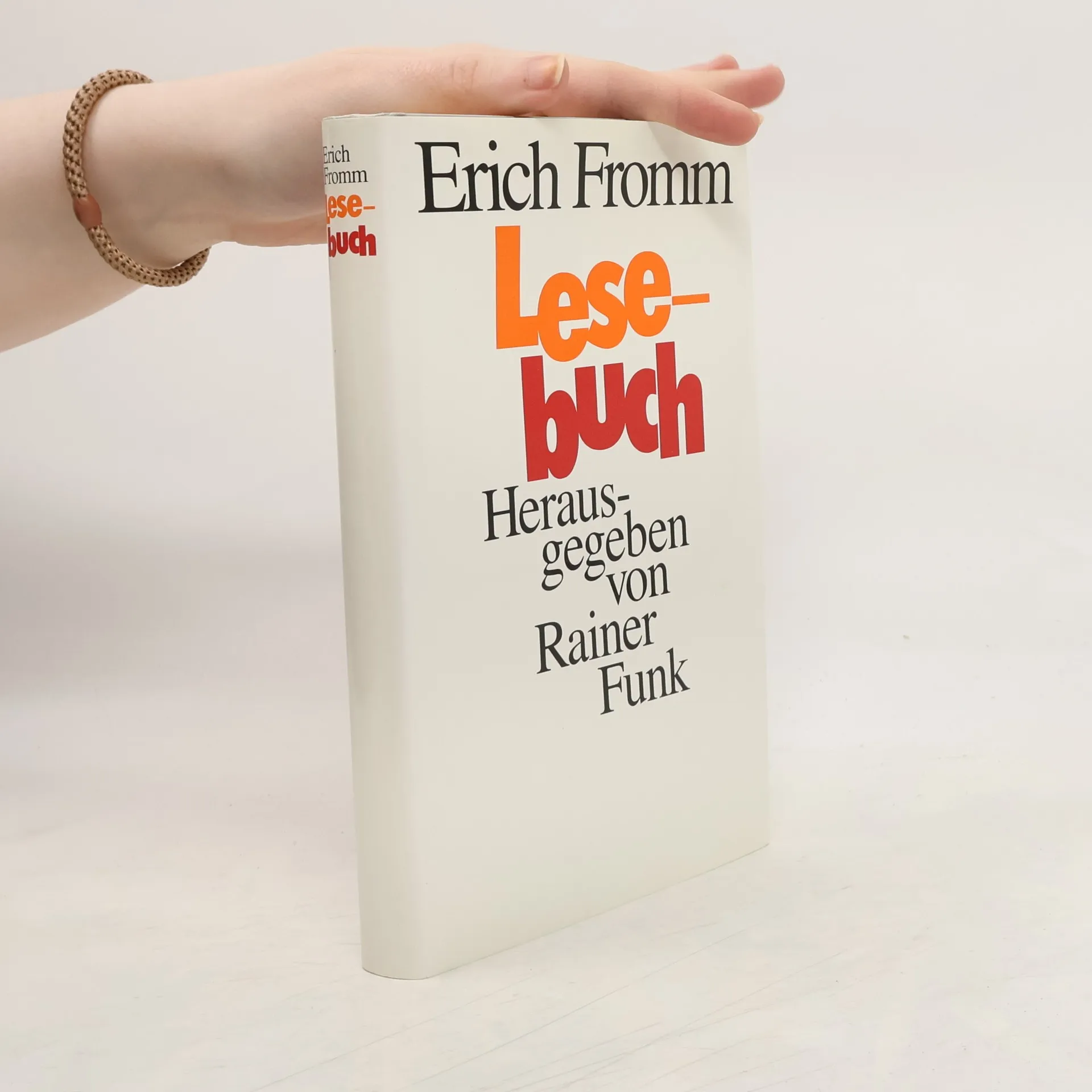
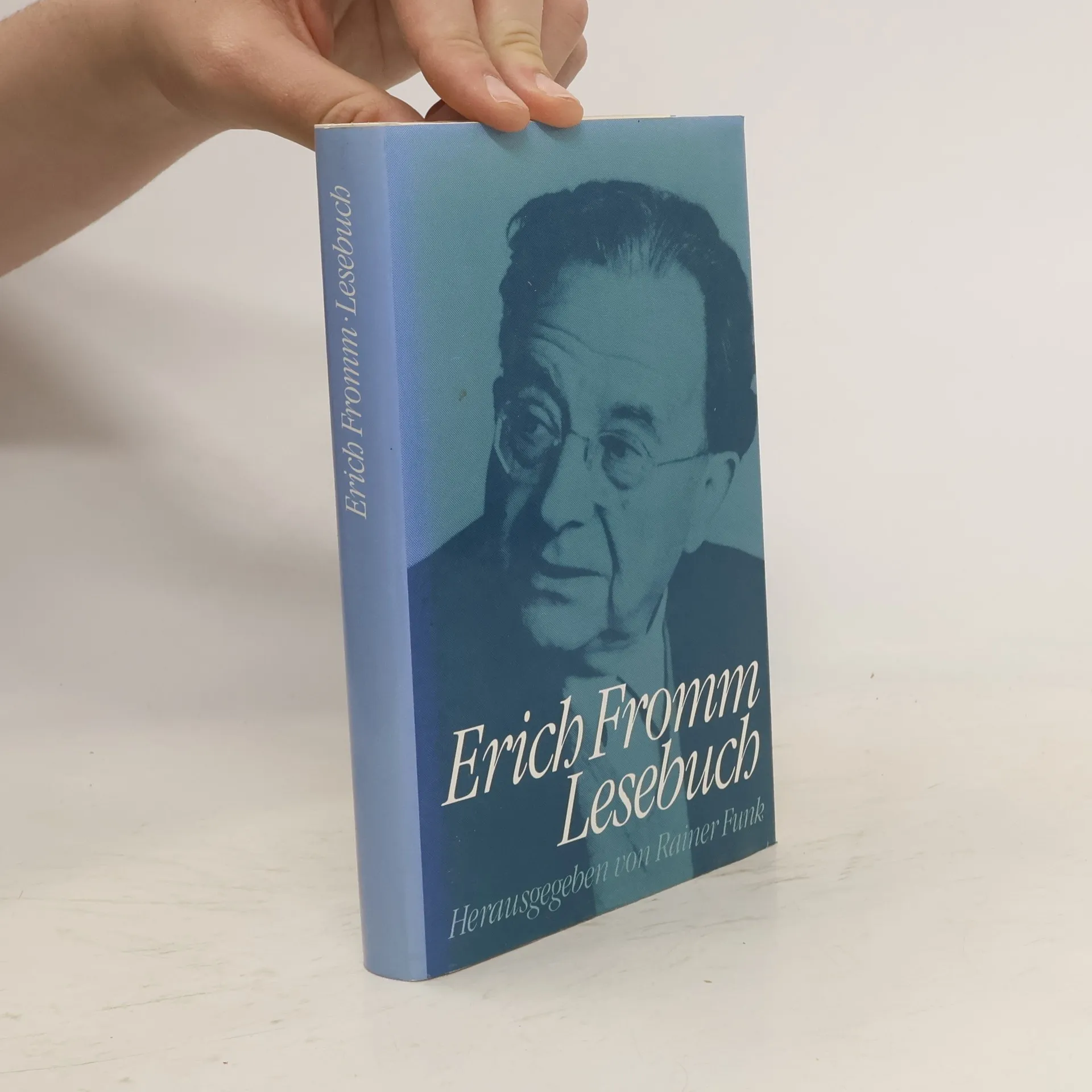
Erich-Fromm-Lesebuch
- 190pages
- 7 heures de lecture
Hrsg. Funk, Rainer 190 S. N.-A.
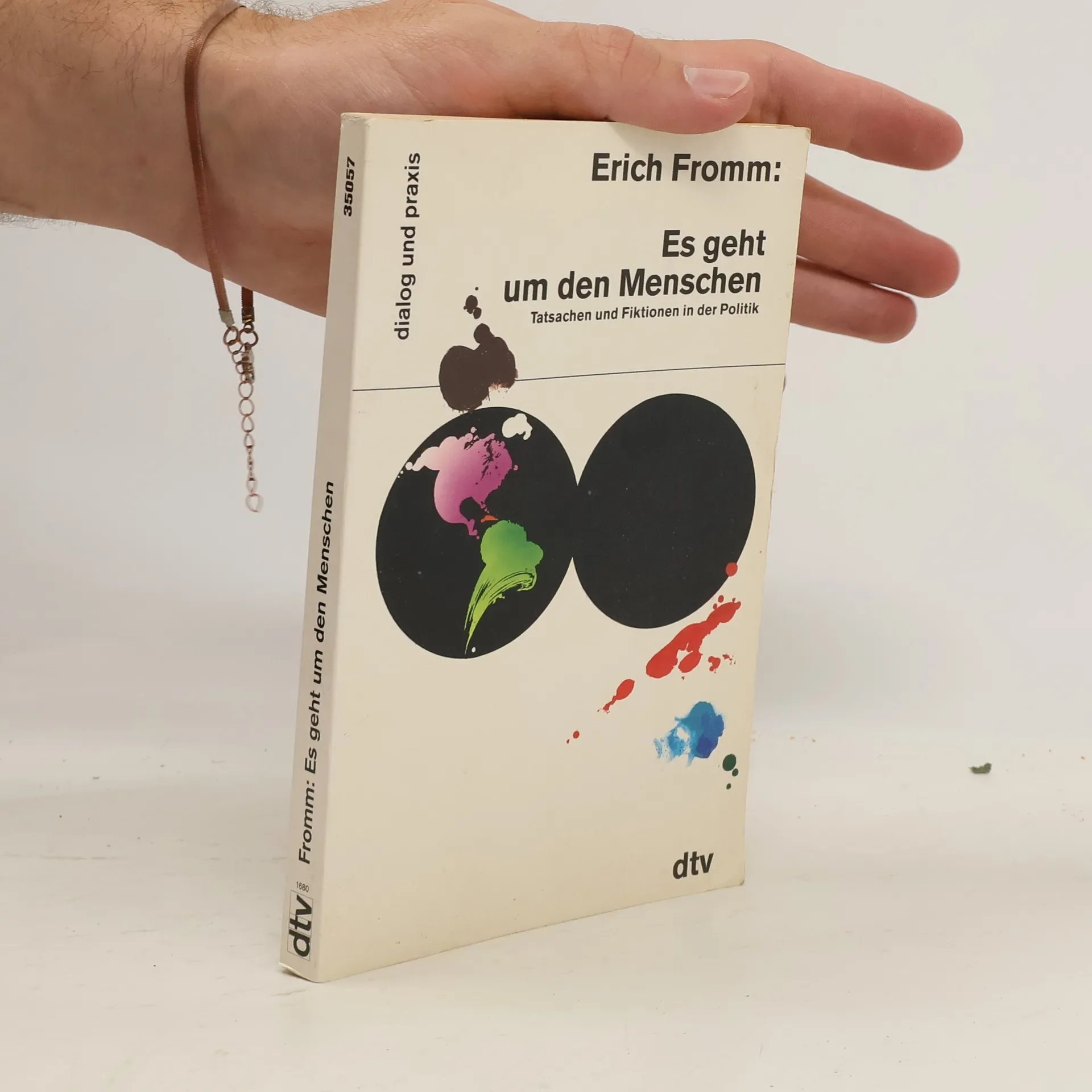
Es geht um den Menschen
- 241pages
- 9 heures de lecture
Mit Scharfsicht analysiert der Psychoanalytiker und Sozialphilosoph Erich Fromm die Beziehungen zwischen den Weltmächten Sowjetunion und USA zur Zeit des Kalten Krieges. Ein Dokument seines intensiven politischen Engagements und zugleich das bedeutende Werk des großen Humanisten darüber, was Politik ist und was sie sein könnte.
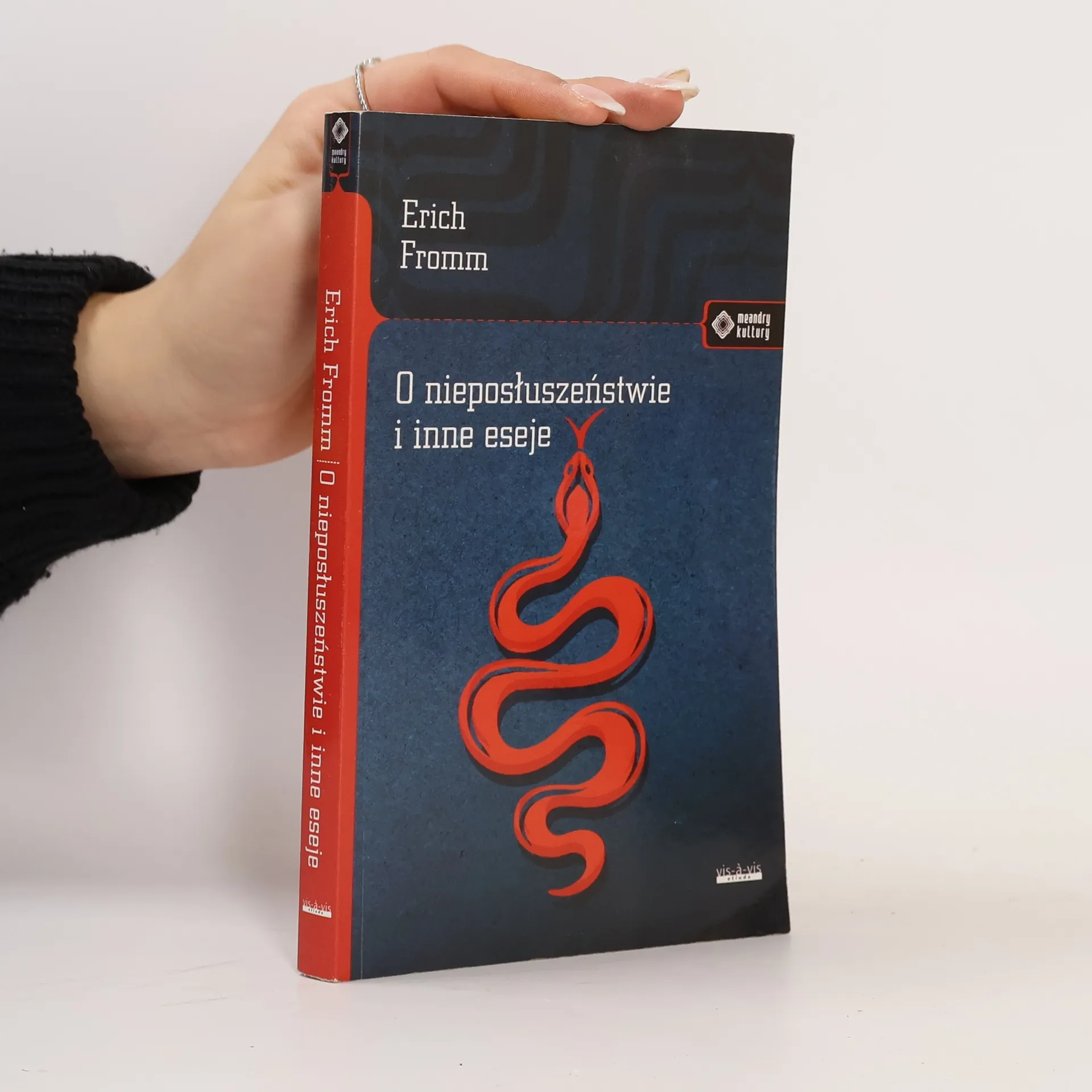
Meandry Kultury: O nieposłuszeństwie i inne eseje
- 176pages
- 7 heures de lecture
W "O nieposłuszeństwie" Erich Fromm pisze, że autorytarne dyktatury XX wieku wyprodukowały "człowieka organizacji", który ślepo podąża za dyrektywami, niezależnie od ich obrzydliwości. Jednocześnie w zachodnich demokracjach pojawił się rodzaj konformizmu, wywołany bardziej subtelnymi środkami masowego konsumpcjonizmu. W demokracjach, gdzie władza do wprowadzenia nieodwracalnej destrukcji spoczywa w rękach nielicznych, jednostka musi również zachować zdolność do sprzeciwu i powiedzenia "nie" tym, którzy sprawują władzę. W obliczu tych konformistycznych presji, w jakiejkolwiek formie się pojawiają, nowoczesny człowiek musi dążyć do autentycznego wyrazu, aby zachować swoje najgłębsze poczucie siebie. Fromm dostrzega, że zarówno kapitalizm, jak i totalitarny komunizm zmierzają w kierunku życia negującej biurokracji przemysłowej, i krytykuje jeden system za ignorowanie, a drugi za zdradzenie ideałów prawdziwego humanistycznego socjalizmu, w którym ludzie mają pierwszeństwo przed rzeczami, życie przed własnością, a praca przed kapitałem. "O nieposłuszeństwie" jest dziełem znaczącym XX wieku, które pokolenia czytelników będą traktować jako źródło inspiracji.
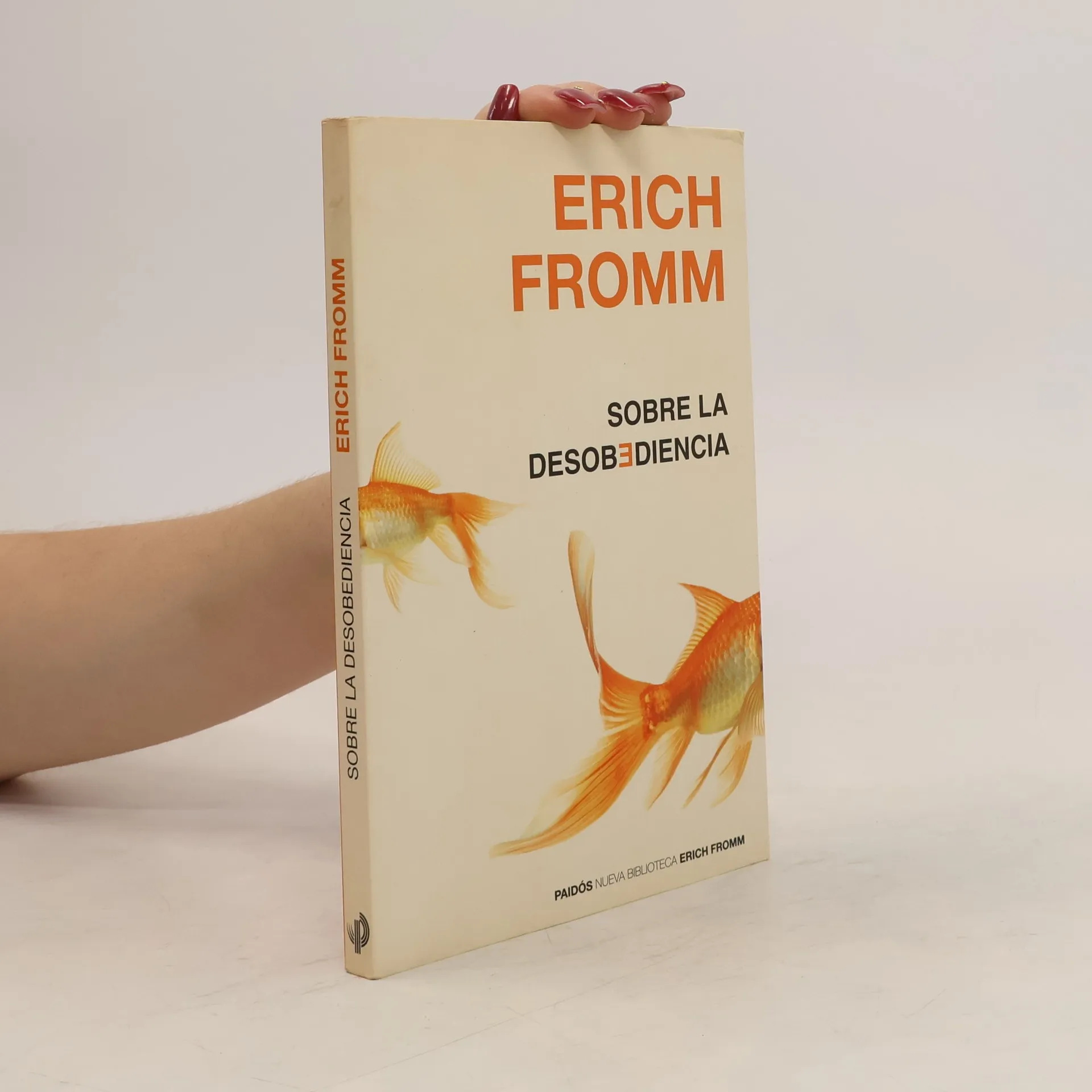
Sobre la desobediencia
- 208pages
- 8 heures de lecture
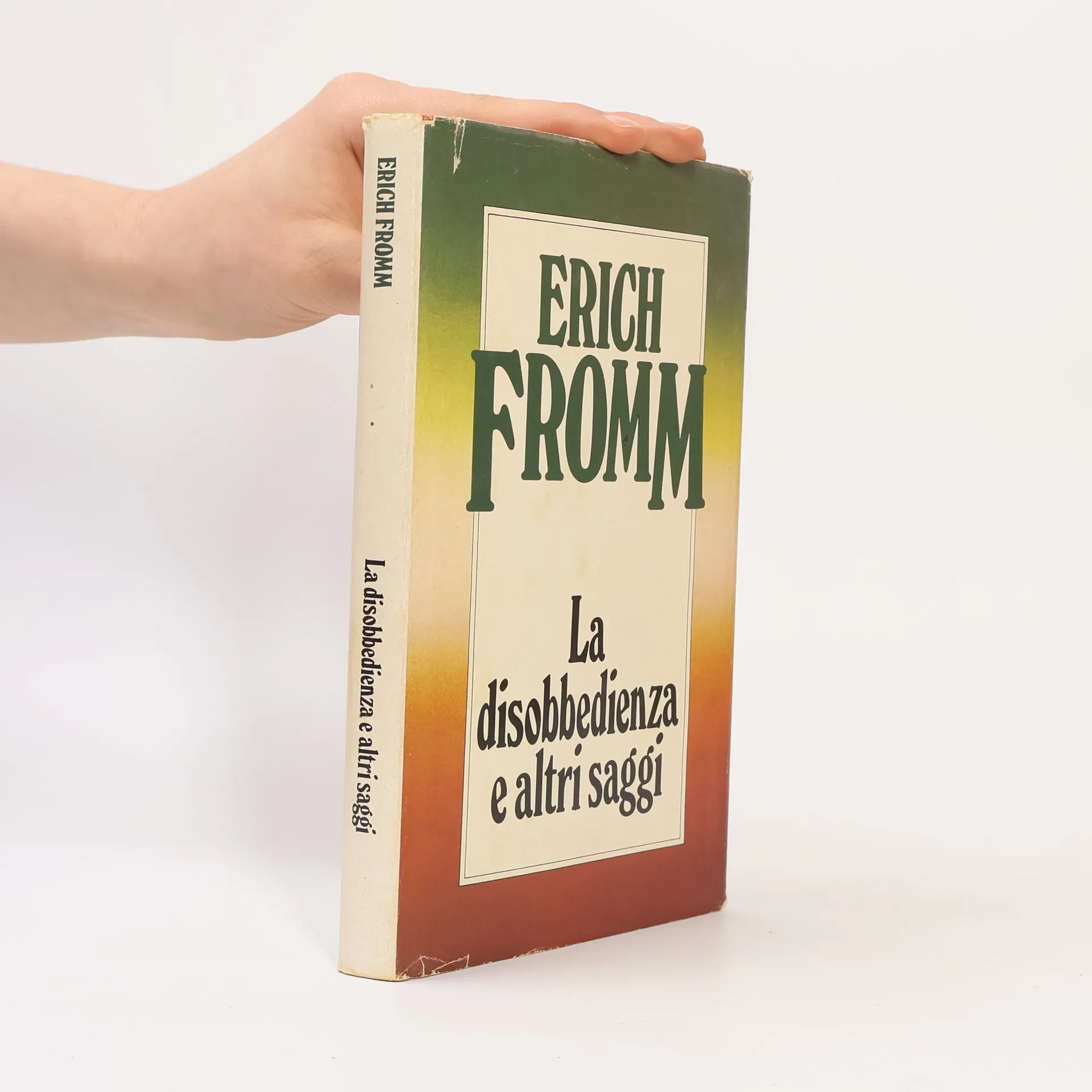
Qué significa ser obediente a la naturaleza humana y al objetivo de la sociedad, y desobediente a todo tipo de ideales e ideologías políticas: he aquí el problema central de este conjunto de ensayos, reunidos por el autor poco tiempo antes de su muerte, en 1980, un manifiesto personal que sintetiza las ideas fundamentales de una de los más importantes psicólogos y sociólogos del siglo XX. Fromm expone aquí su concepción de los requerimientos básicos para una vida humana plenamente realizada (necesidades de relación, de enraizamiento, de trascendencia y de identidad), y critica las estructuras sociales que obstaculizan su cumplimiento. Describe cómo las naciones técnicamente avanzadas han logrado un nuevo tipo de individuo -el homo consumens, un hombre consagrado a la posesión y al consumo, pero solitario, aburrido y ansioso: un hombre-organización peligrosamente obediente- y afirma que tanto el capitalismo como el comunismo totalitario se mueven hacia una burocracia industrial negadora de la vida, el primero por ignorar, y el otro por traicionar, los ideales de un socialismo auténticamente humanista en el cual los individuos prevalezcan sobre las cosas, la vida sobre la propiedad y el trabajo sobre el capital.
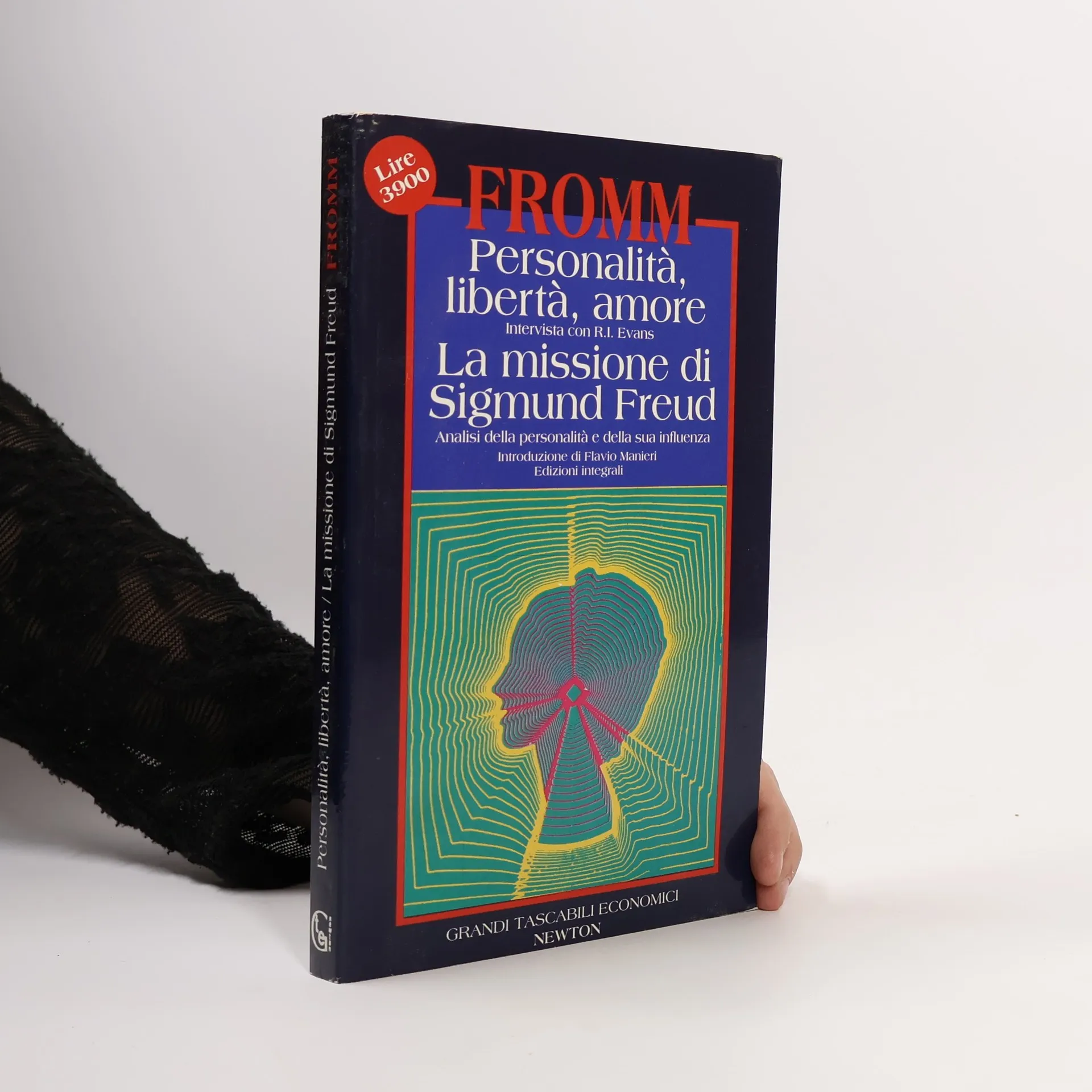
Personalità, libertà, amore-La missione di Sigmund Freud
- 188pages
- 7 heures de lecture
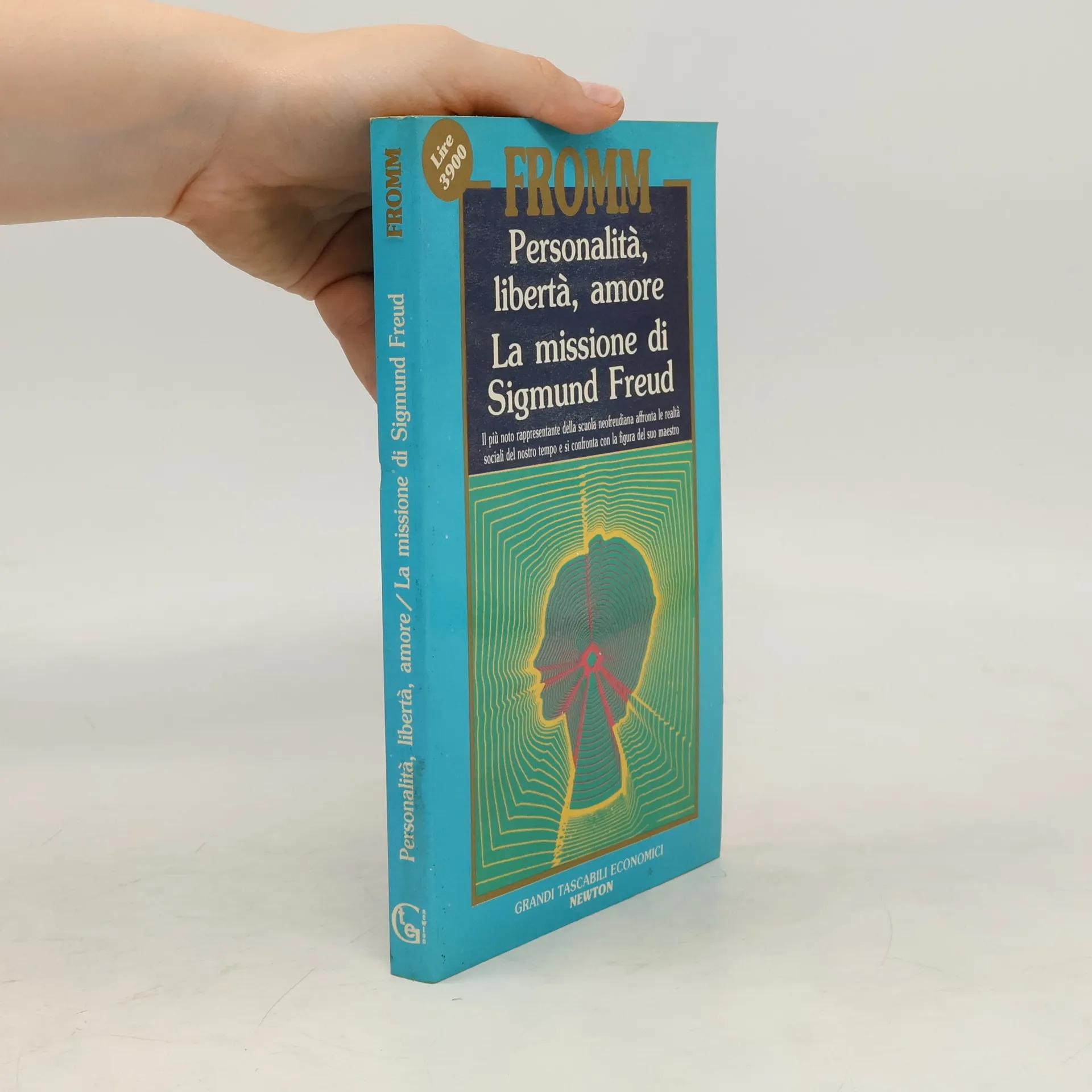
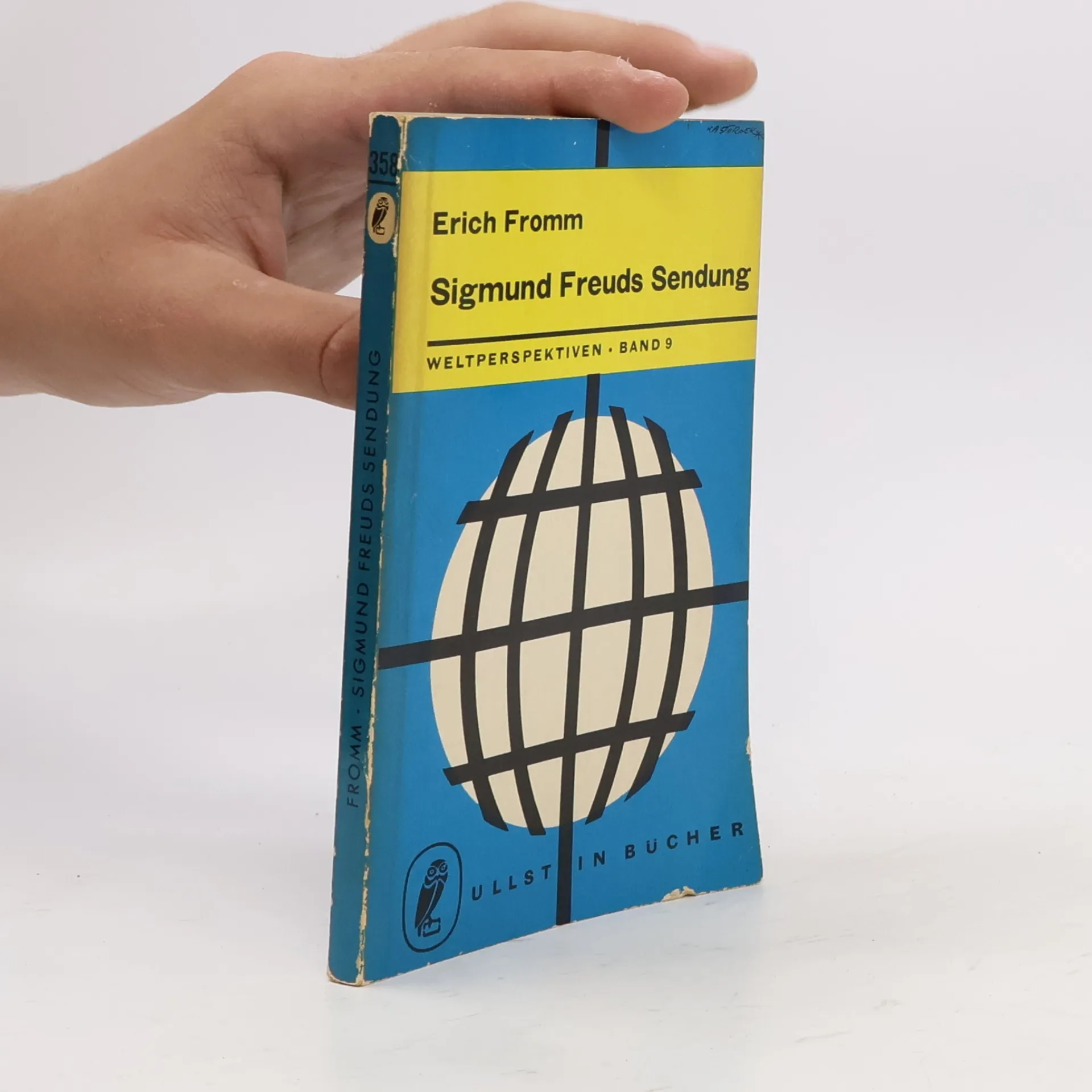
«Ogni tentativo di comprendere l’uomo deve fare i conti con le sue tre componenti: il bagaglio biologico e istintuale, le influenze della società in cui vive e i problemi etico-religiosi che deve affrontare». In questa prospettiva di indagine così sinteticamente illustrata, le due opere qui raccolte costituiscono nel loro insieme una presentazione sistematica del pensiero di Erich Fromm. In Personalità, libertà, amore, il grande psicoanalista espone le sue idee e i risultati delle sue ricerche: da quelle sulla personalità produttiva e improduttiva a quelle sull’alienazione, dall’esistenzialismo alle tecniche di psicoterapia. Ne La missione di Sigmund Freud, Fromm si confronta con la figura del suo maestro, con il suo insegnamento, con la sua straordinaria eredità.
Chi è l'uomo? "La vita consiste nel nascere continuamente. Ma è una tragedia che la maggior parte di noi muoia prima di aver iniziato a vivere." Erich Fromm ha dedicato la sua vita a rispondere a domande fondamentali sull'esistenza umana. Per lui, la domanda "Chi è l'uomo?" porta direttamente al cuore del problema. I contributi in questo volume si basano su conferenze e conversazioni trasmesse inizialmente in radio, e trasmettono i pensieri fondamentali di Fromm su questioni sociali e psicologiche. L'alto grado di autenticità e la potenza del linguaggio rivelano quanto Fromm fosse permeato da una profonda comprensione e amore per l'umanità. "Il vero pentimento e la vergogna ad esso associata sono l'unica esperienza umana in grado di impedire che lo stesso crimine venga ripetuto. In loro assenza, si ha l'impressione che il crimine non sia mai stato commesso... Da millenni, l'uomo vive in un sistema in cui il vincitore non deve pentirsi, poiché il potere è equiparato al diritto."
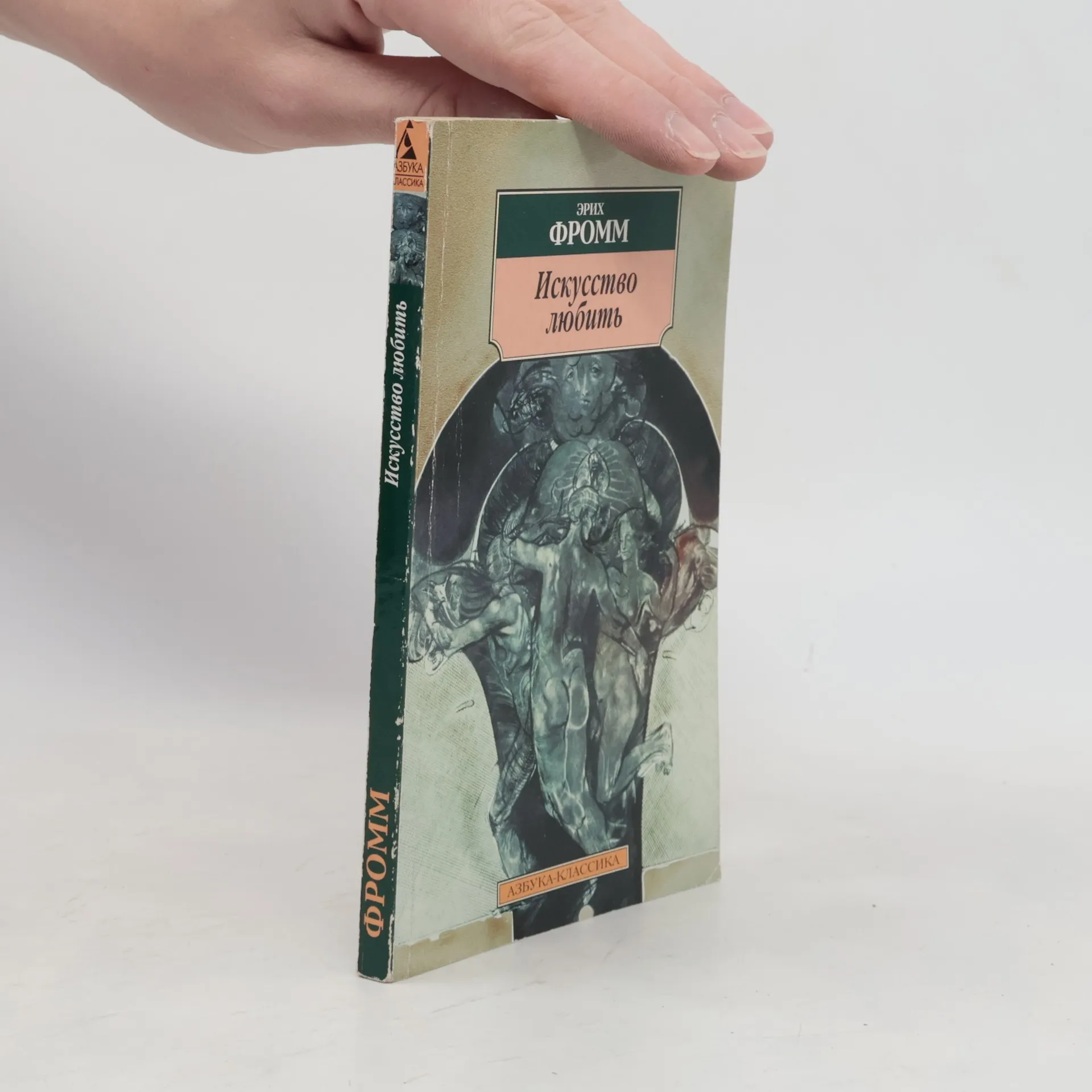
Азбука-Классика: Искусство любить
- 219pages
- 8 heures de lecture
The fiftieth Anniversary Edition of the groundbreaking international bestseller that has shown millions of readers how to achieve rich, productive lives by developing their hidden capacities for love Most people are unable to love on the only level that truly matters: love that is compounded of maturity, self-knowledge, and courage. As with every art, love demands practice and concentration, as well as genuine insight and understanding. In his classic work, The Art of Loving , renowned psychoanalyst and social philosopher Erich Fromm explores love in all its aspects—not only romantic love, steeped in false conceptions and lofty expectations, but also brotherly love, erotic love, self-love, the love of God, and the love of parents for their children.
Aver o essere?
- 285pages
- 10 heures de lecture
Contro la brama del possesso, contro l'avidità del potere, lo spreco, la violenza, la prospettiva di un diverso atteggiamento verso la natura e la società, basato sull'altruismo e sull'amore. L'opera più significativa di Erich Fromm (1900-80).
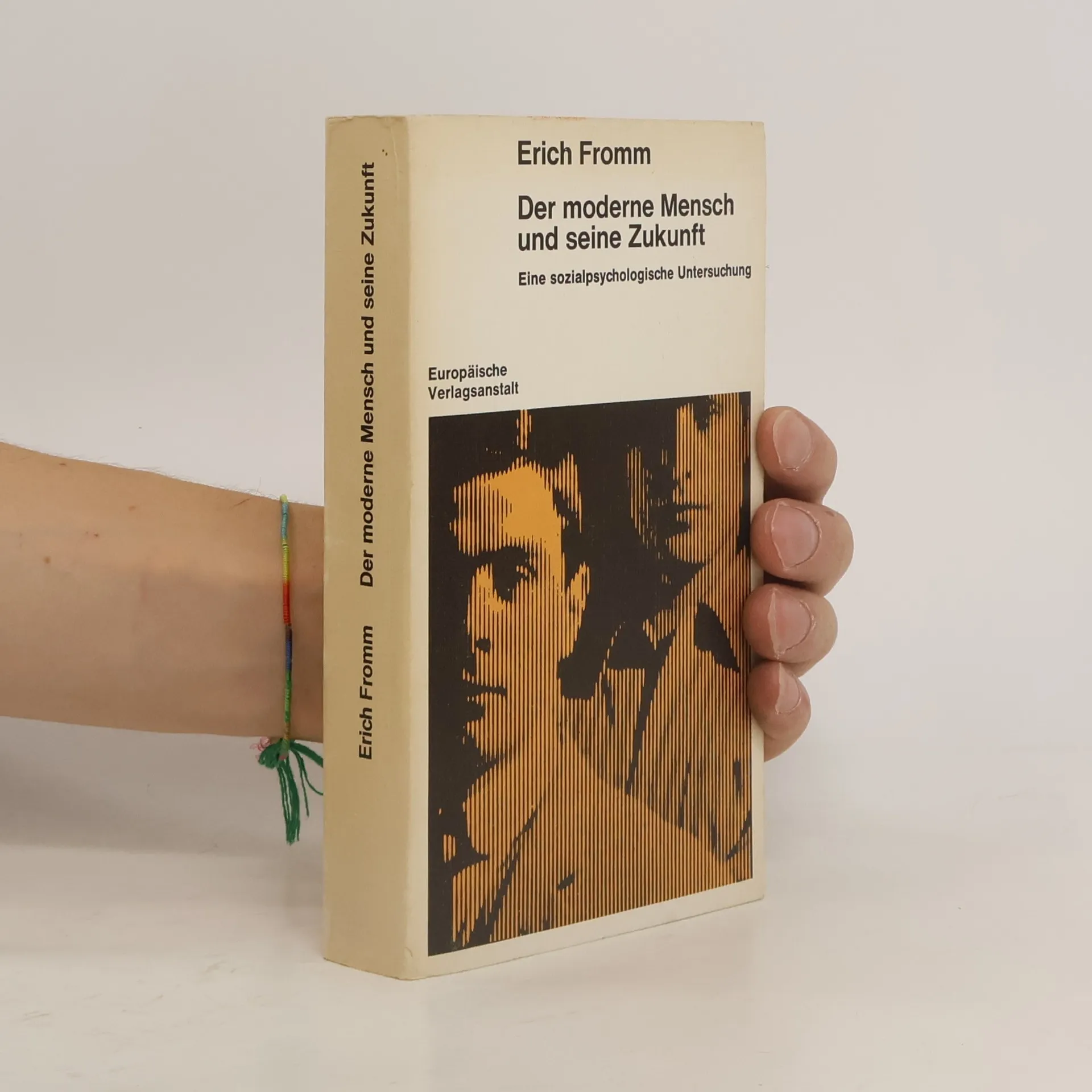
Der moderne Mensch und seine Zukunft
eine sozialpsycholgische Untersuchung
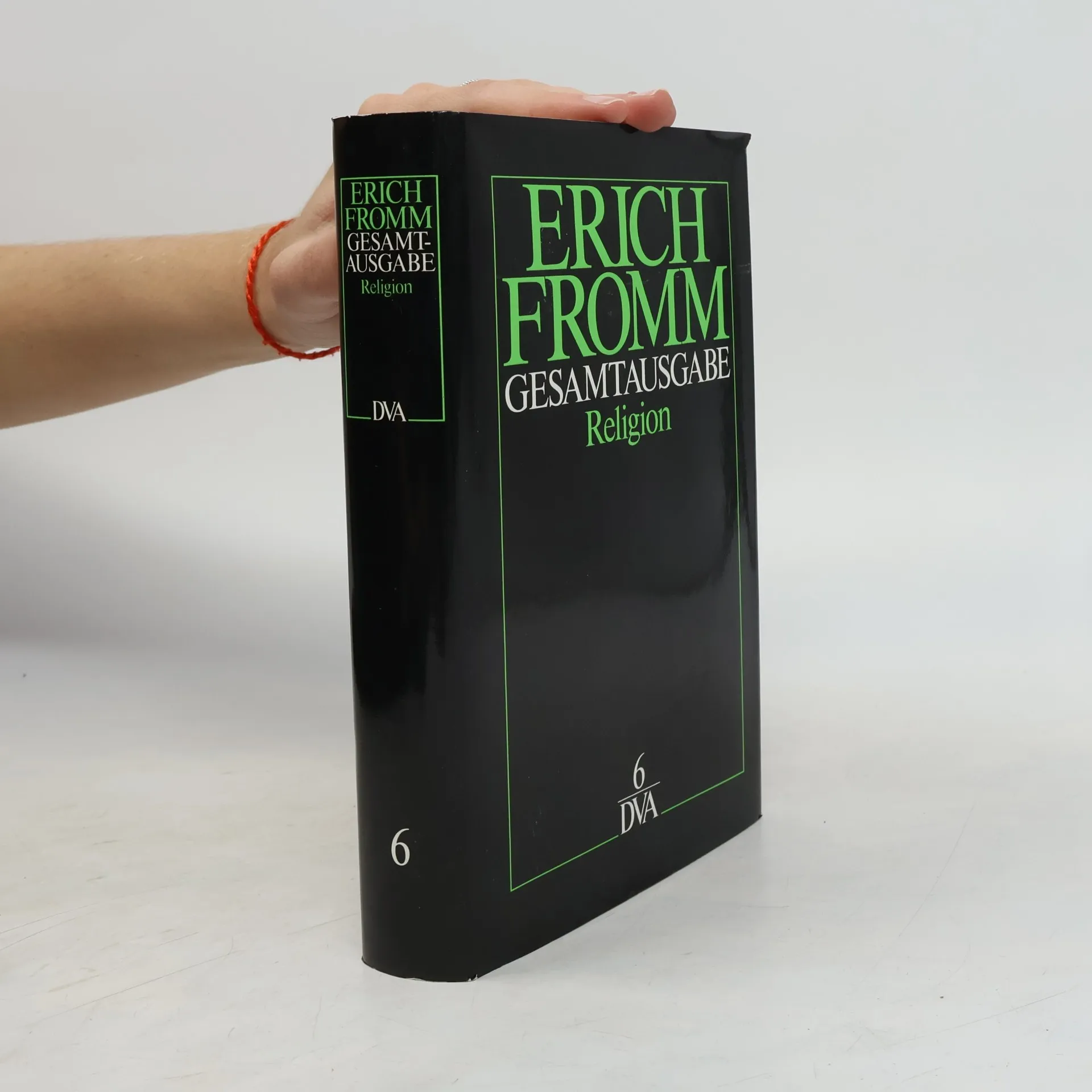
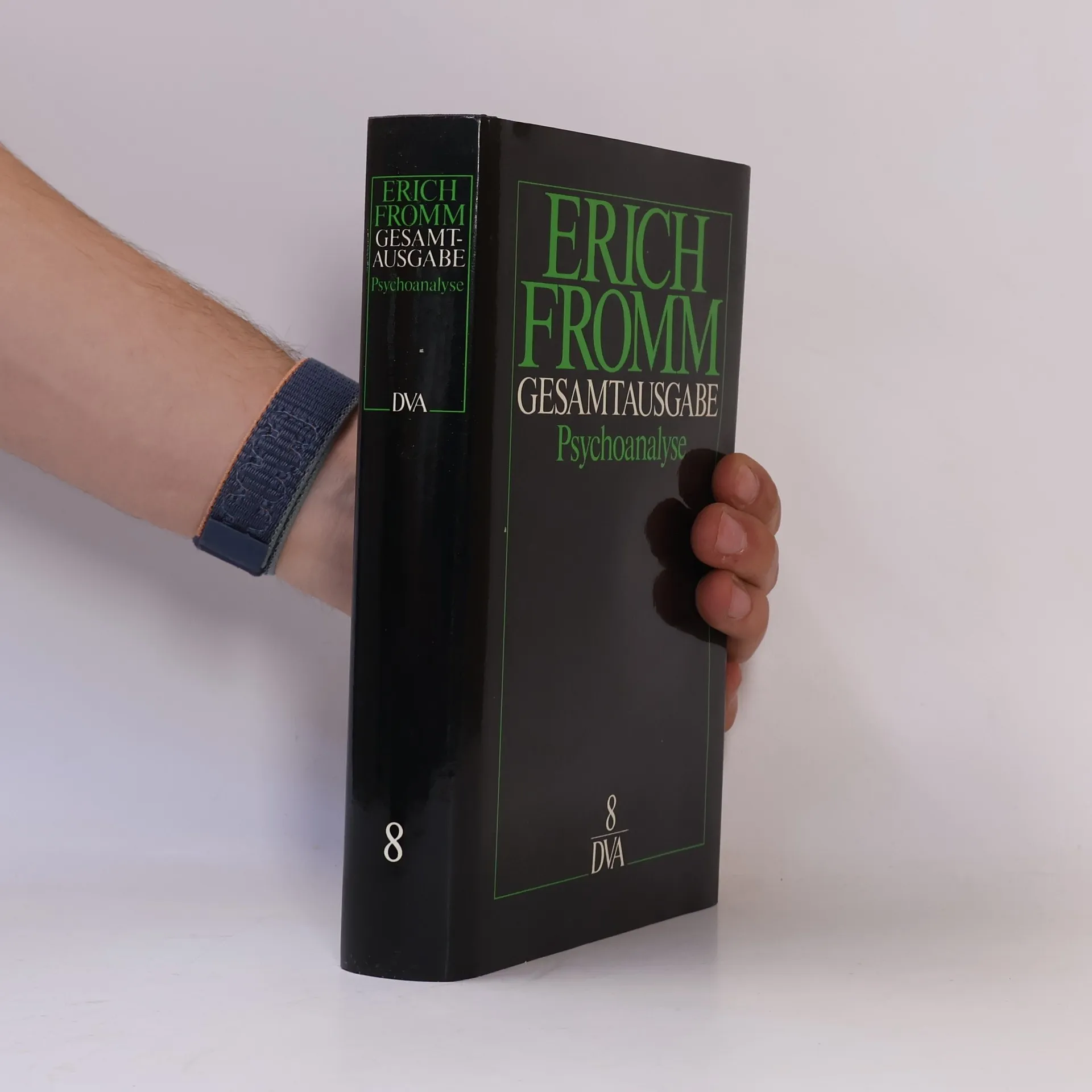
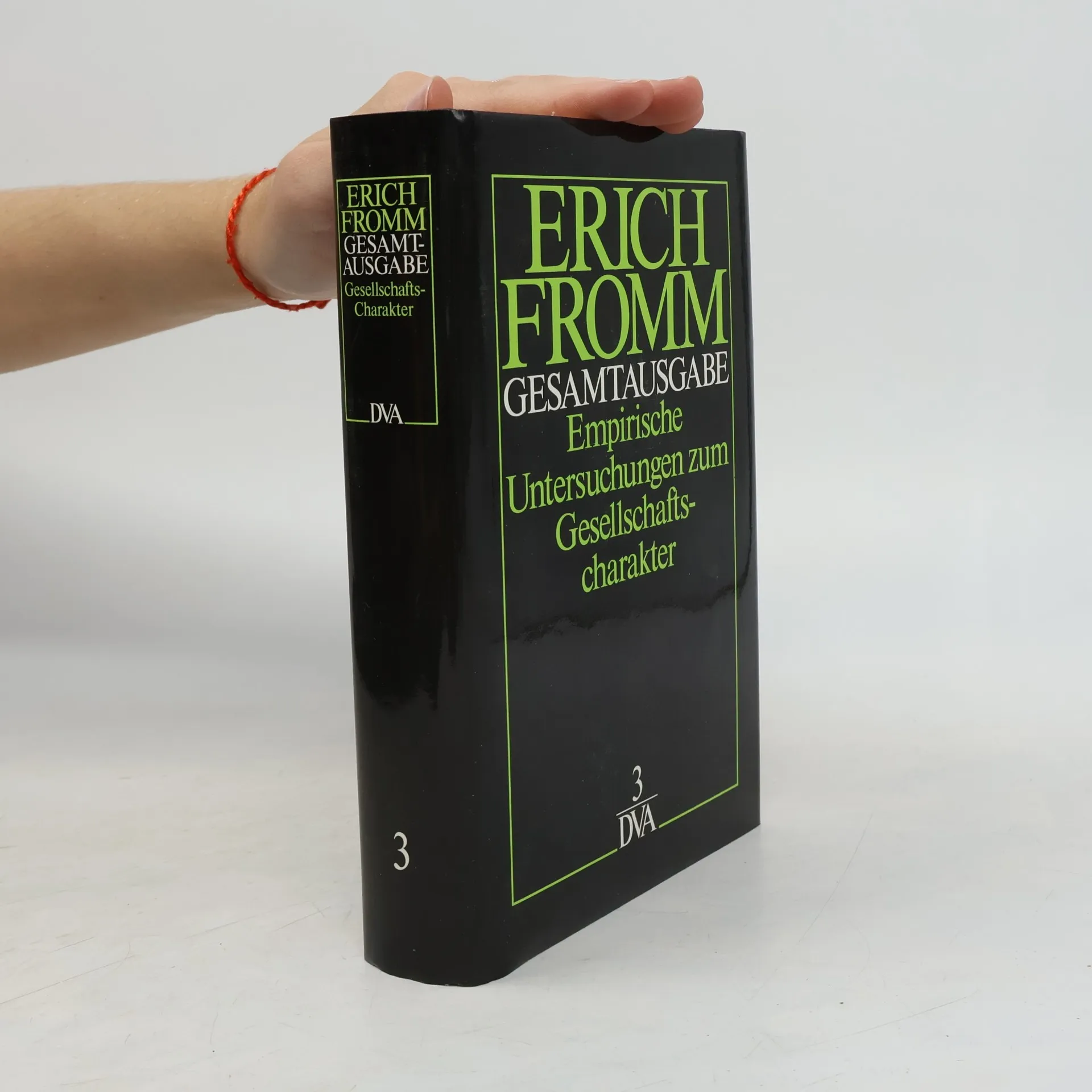
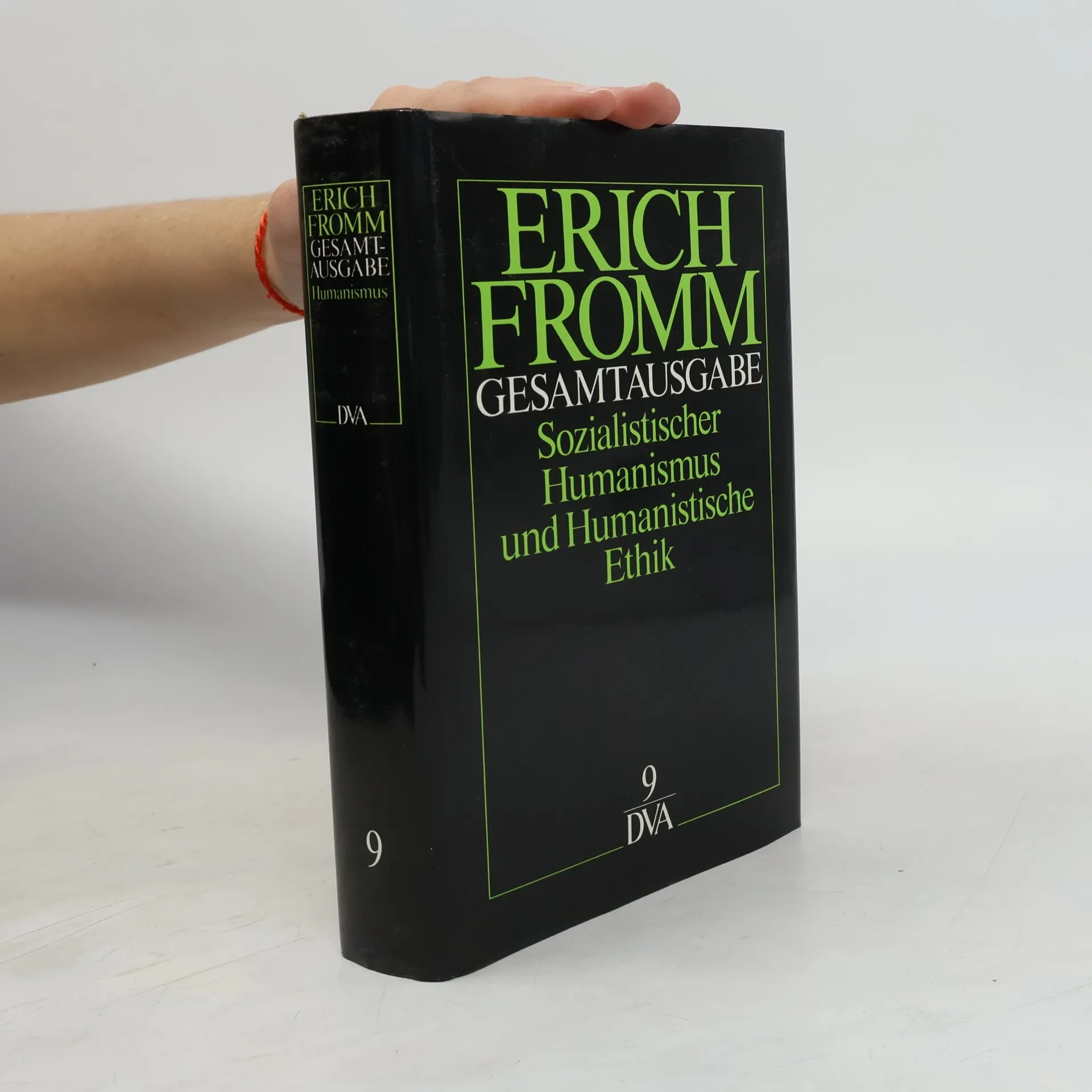
Gesamtausgabe. Religion 6
- 401pages
- 15 heures de lecture
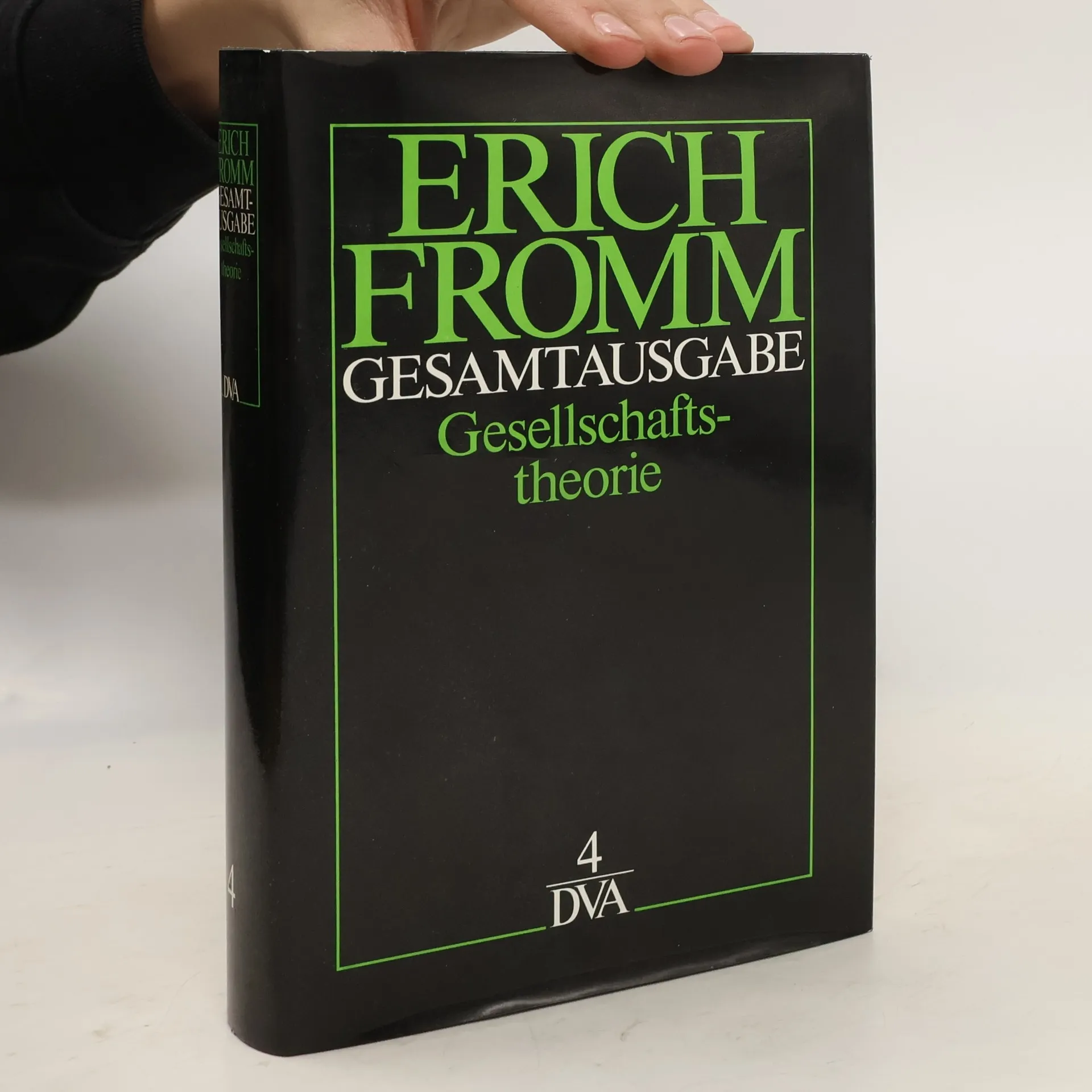
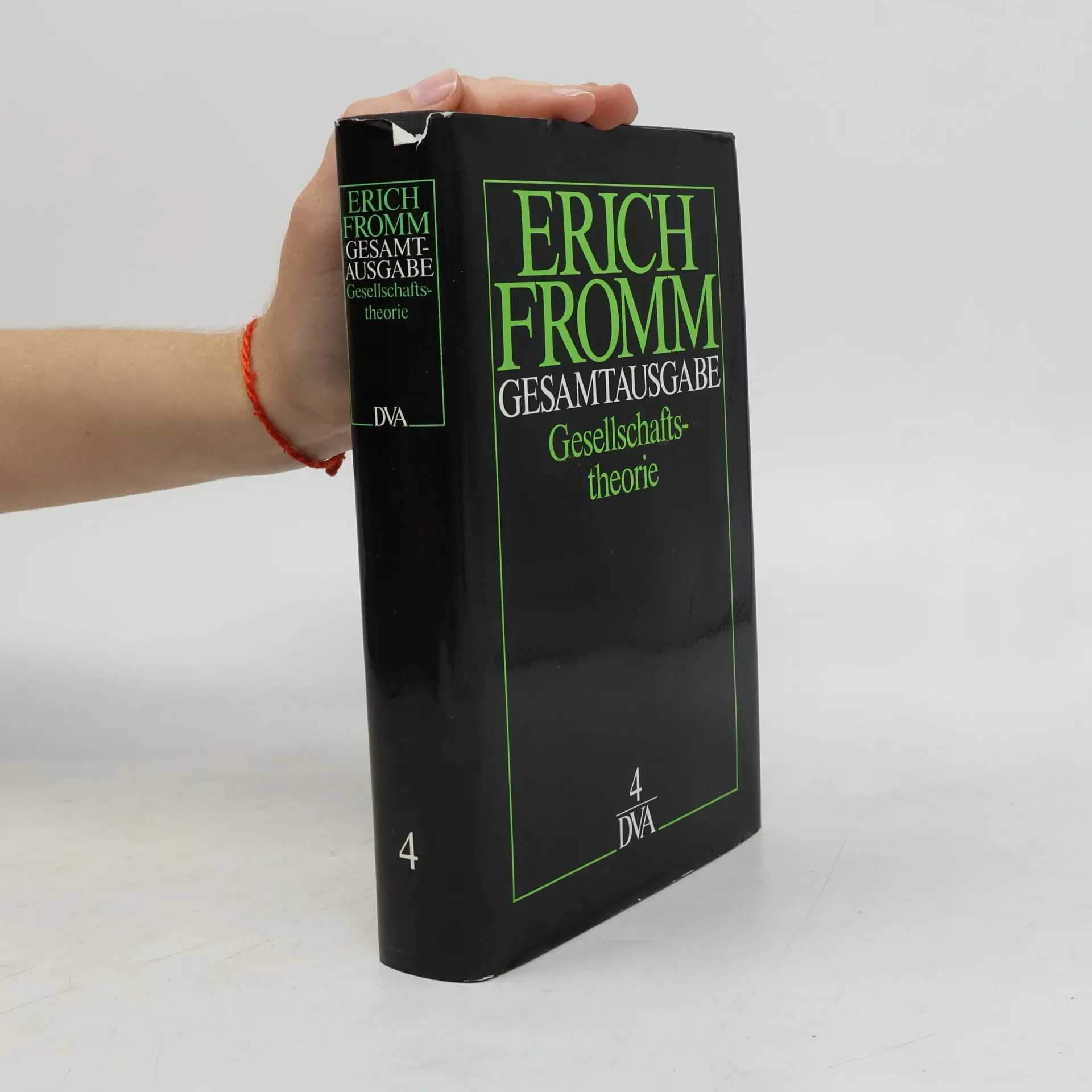
Gesamtausgabe 4
- 424pages
- 15 heures de lecture
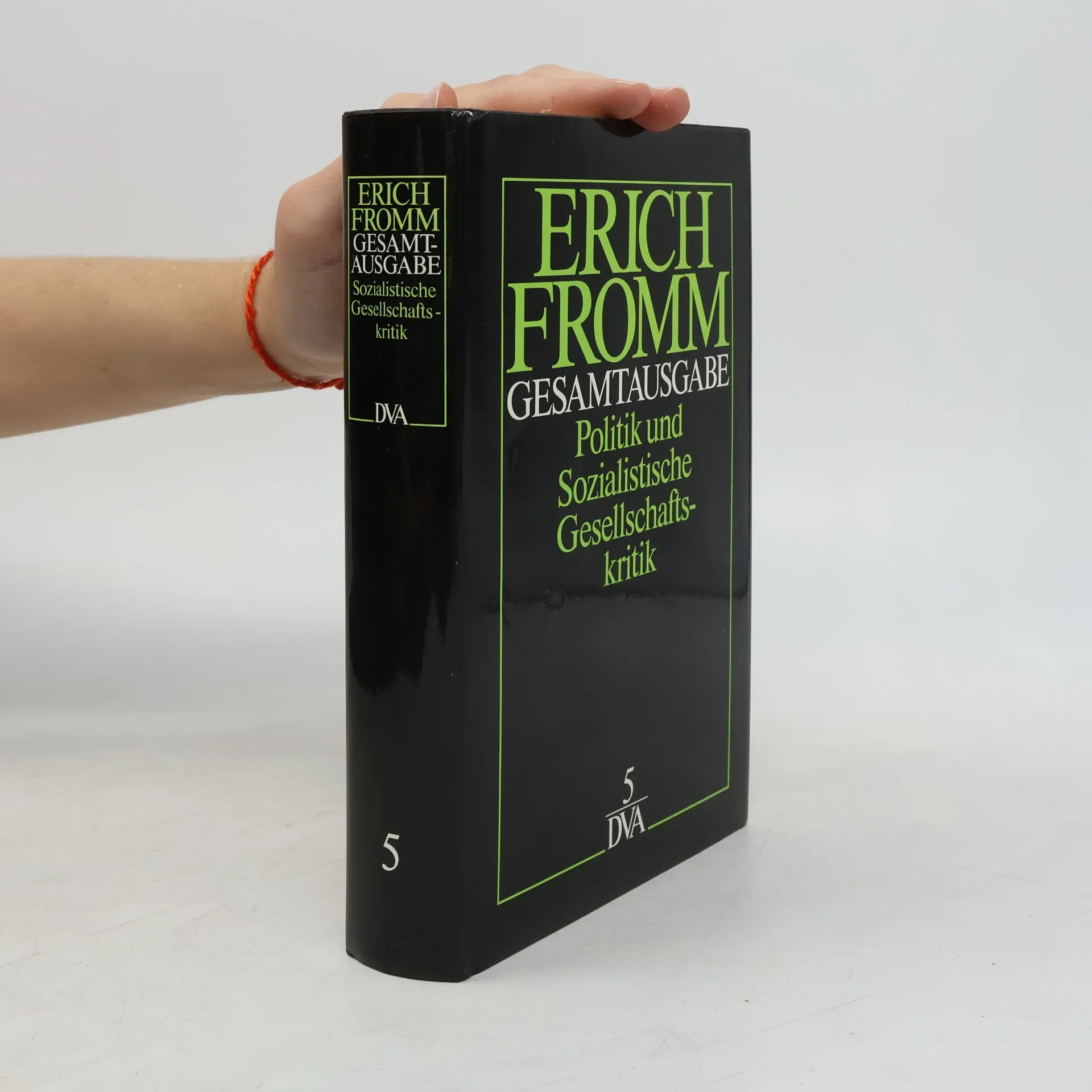
Gesamtausgabe 5. Politik und Sozialistische Gesellschaftskritik
- 480pages
- 17 heures de lecture
Gesamtausgabe. Religion 8
- 401pages
- 15 heures de lecture
Gesamtausgabe. Aggressionstheorie 7
- 452pages
- 16 heures de lecture
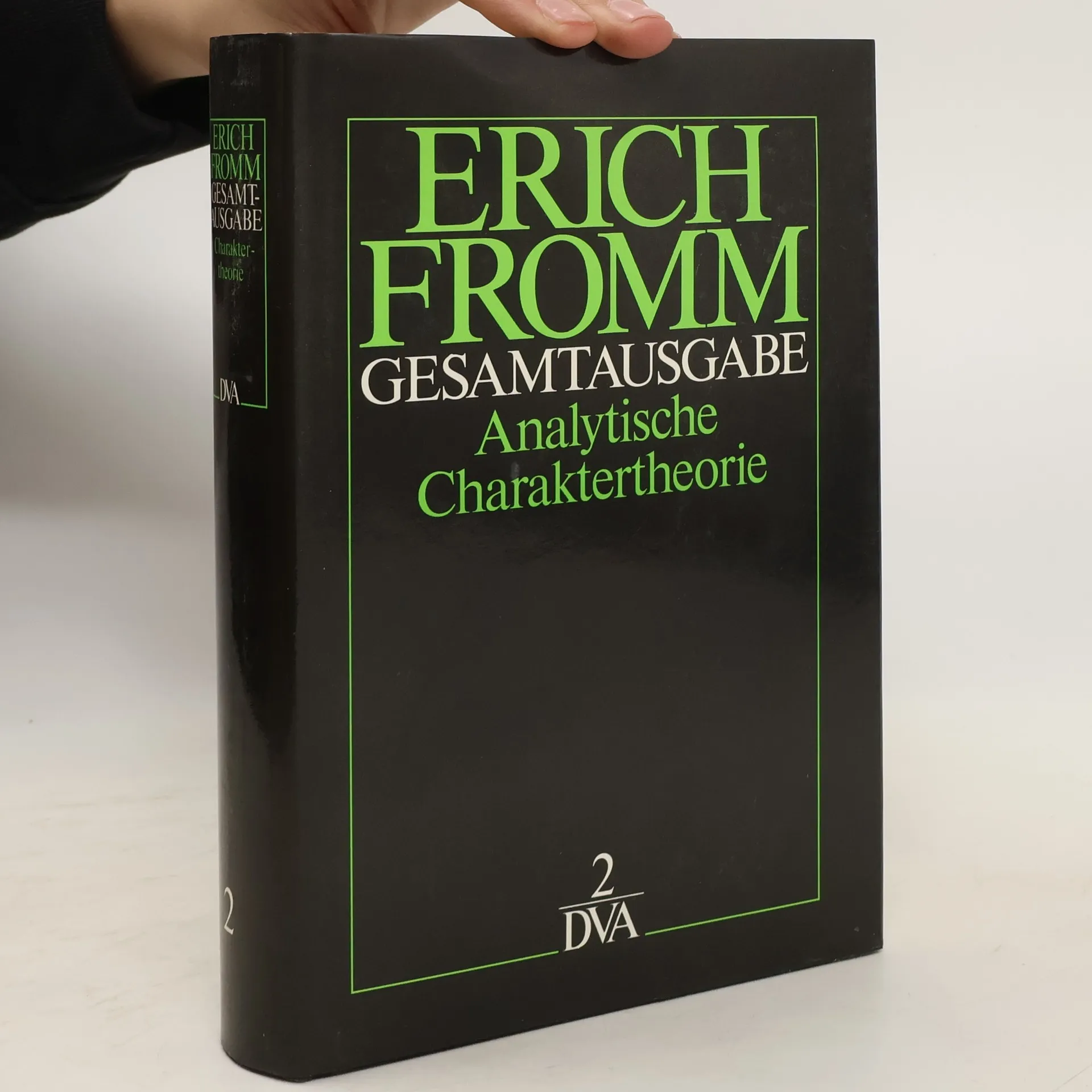
Gesamtausgabe 2. Analytische Charaktertheorie
- 459pages
- 17 heures de lecture
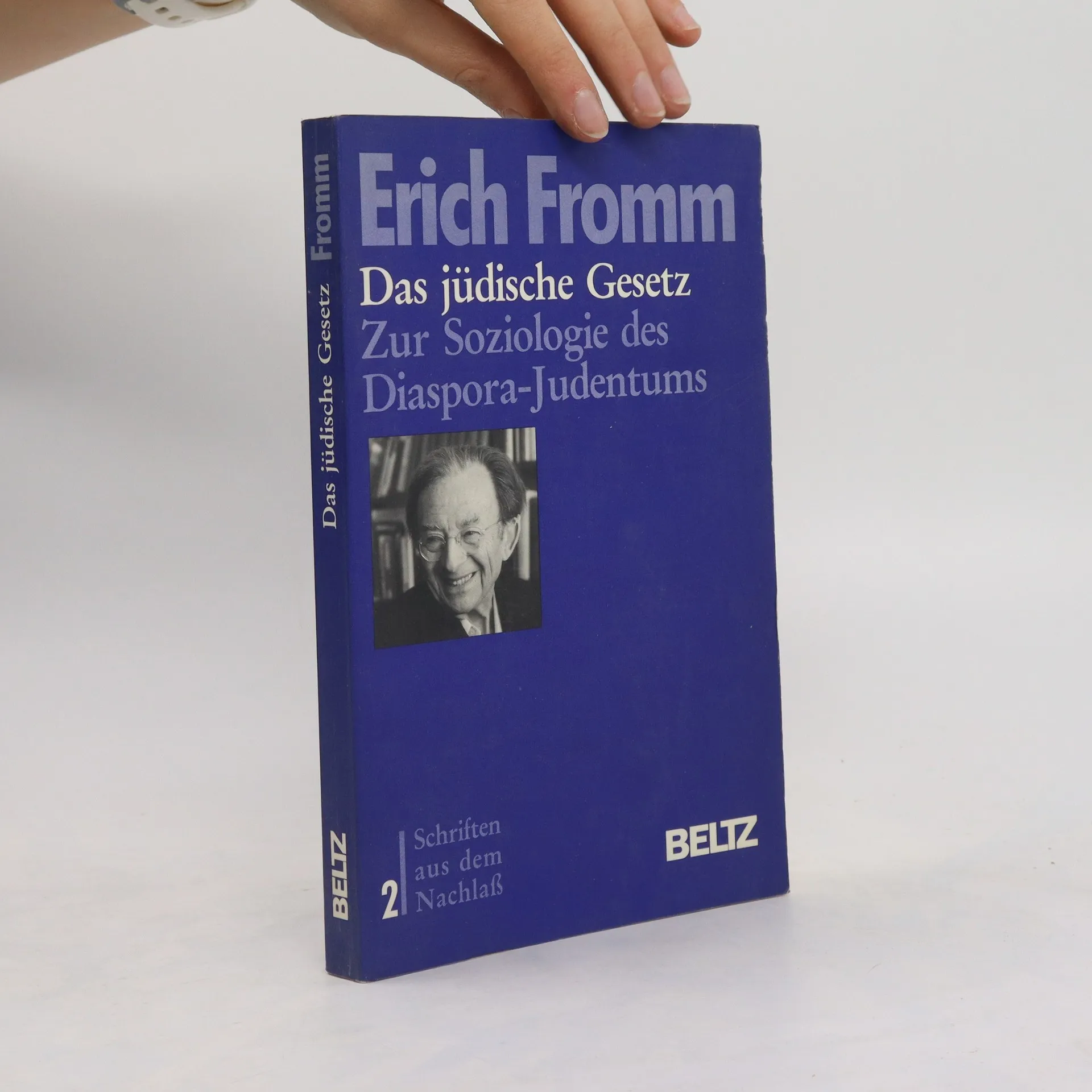
Das jüdische Gesetz 2
- 202pages
- 8 heures de lecture
s/t: Zur Soziologie des Diaspora-Judentums=The Jewish Law: On the Sociology of Diaspora Jewry: Dissertation of 1922
Erich Fromm untersucht in seinem bedeutendsten Werk die Liebe als Kunst, die Wissen und Mühe erfordert. Er beleuchtet verschiedene Aspekte der Liebe, darunter romantische Liebe, Elternliebe, Nächstenliebe, Erotik, Eigenliebe und die Liebe zu Gott, und stellt die gängigen Missverständnisse in Frage.