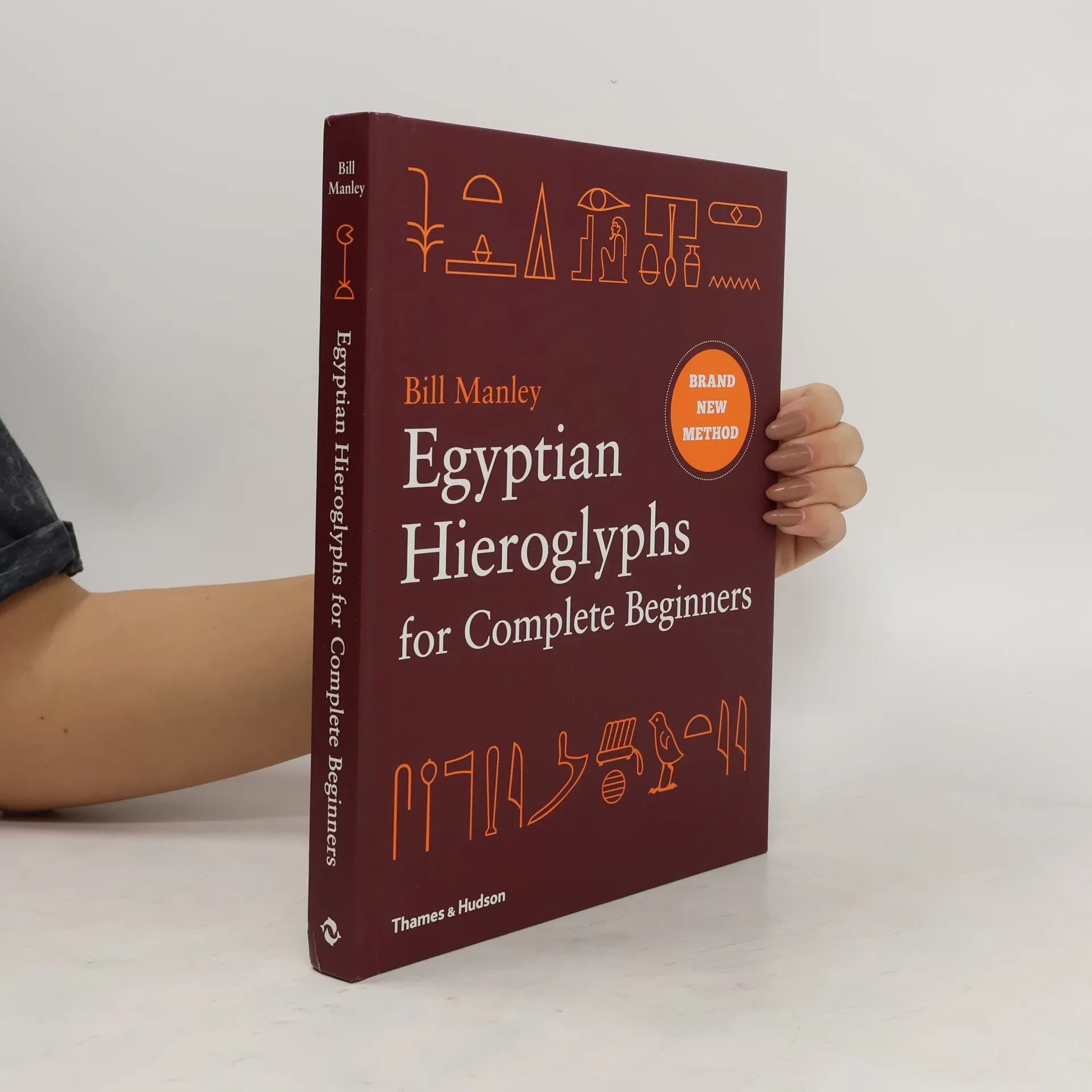
Bill Manley est un égyptologue distingué dont les recherches approfondies et l'enseignement ont profondément enrichi l'étude de l'Égypte ancienne. Sa carrière a été consacrée à rendre accessibles des sujets historiques et linguistiques complexes, comme en témoigne son travail influent sur les écritures et les hiéroglyphes égyptiens. À travers ses publications captivantes, il fait découvrir les merveilles de l'Égypte ancienne à un large public, révélant les mystères et la grandeur de cette ancienne civilisation avec clarté et perspicacité.
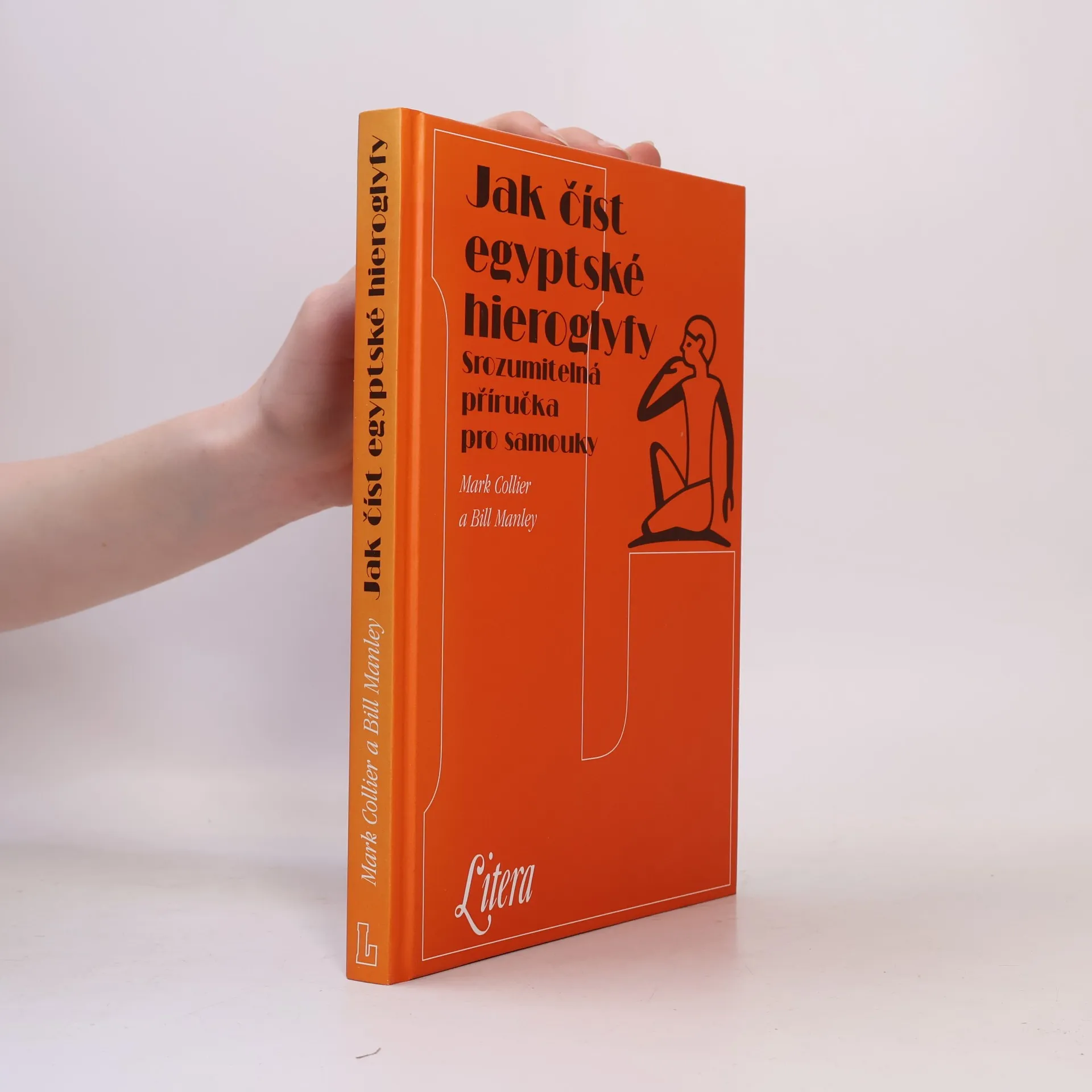
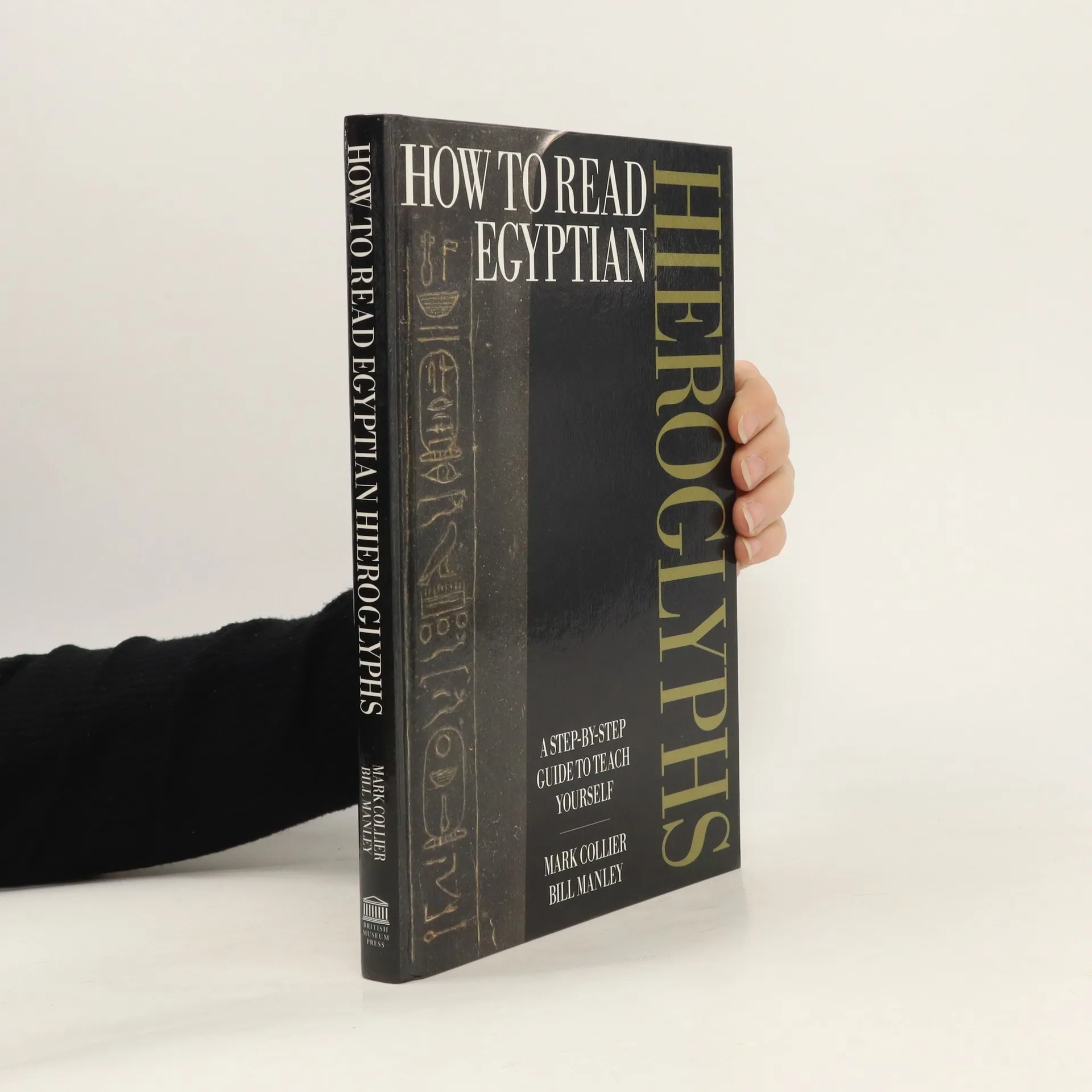
Presents a fresh approach to reading ancient Egyptian hieroglyphs, this
introduction assumes no previous knowledge of grammar or ancient languages,
but guides readers through the inscriptions, from simple to more complex,
supported by full explanations and translations. It explains the mysteries of
hieroglyphs without jargon or technical terms.
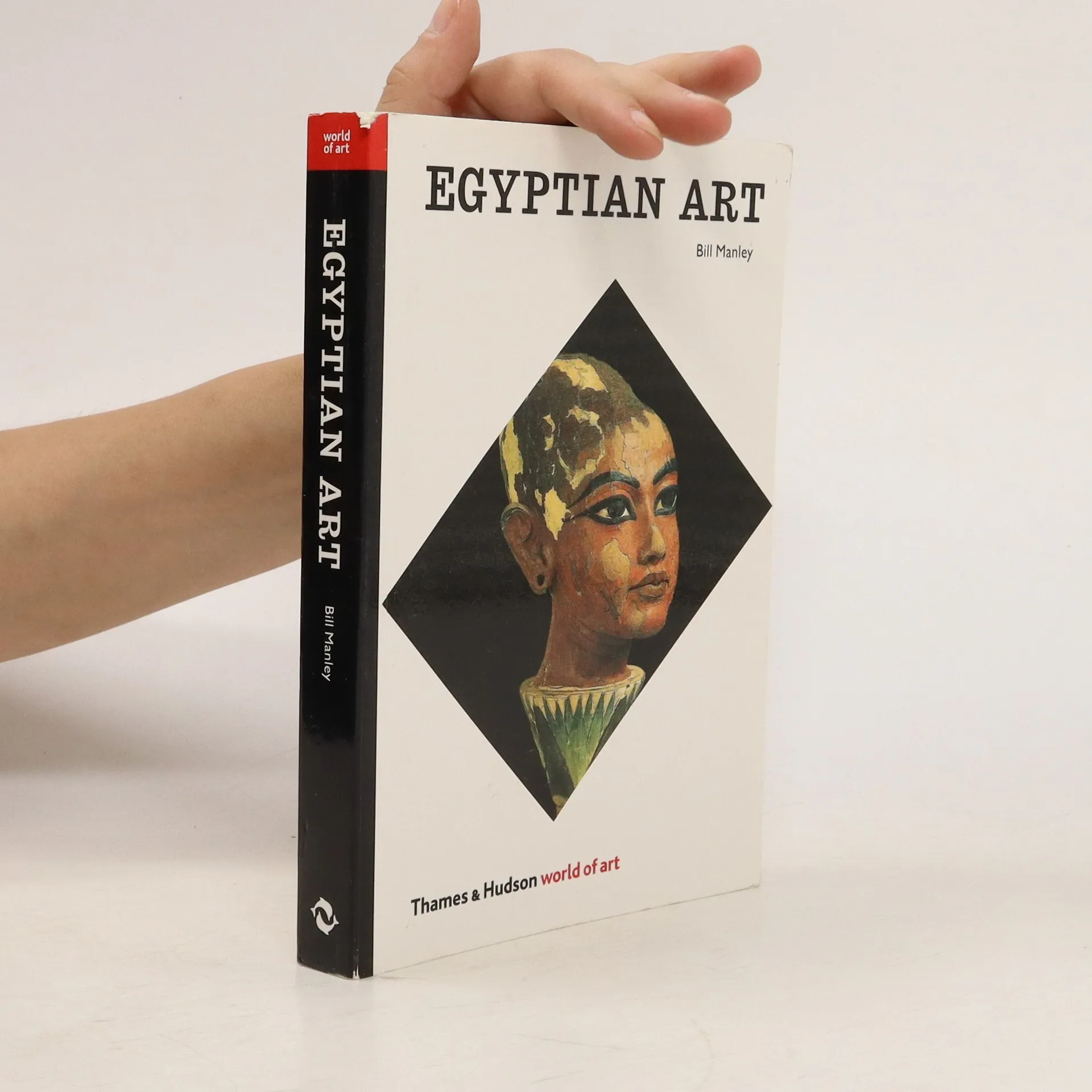
An insightful volume delving into the enduringly compelling art of ancient Egypt, from a new historical perspective The art and architecture of Egypt during the age of the pharaohs continue to capture the imagination of the modern world. Among the great creative achievements of ancient Egypt are a set of constant forms: archetypes in art and architecture in which the origins of concepts such as authority, divinity, beauty, and meaning are readily discernible. Whether adapted to fine, delicate jewelry or colossal statues, these forms maintain a human face—with human ideas and emotions. These artistic templates, and the ideas they articulated, were refined and reinvented through dozens of centuries, until scenes first created for the earliest kings, around 3000 BCE, were eventually used to represent Roman emperors and the last officials of pre-Christian Egypt. Bill Manley’s account of the art of ancient Egypt draws on the finest works through more than 3,000 years and places celebrated masterpieces, from the Narmer palette to Tutankhamun’s gold mask, in their original contexts in the tombs, temples, and palaces of the pharaohs and their citizens.
A new translation of a philosophical and practical advice classic of the ancient world, The Teaching of Ptahhatp, written in Egypt four thousand years ago and still relevant for modern readers today.
Hieroglyphs are pictures used as signs in writing. When standing before an ancient tablet in a museum or visiting an Egyptian monument, we marvel at this unique writing and puzzle over its meaning. Now, with the help of Egyptologists Mark Collier and Bill Manley, museum-goers, tourists, and armchair travelers alike can gain a basic knowledge of the language and culture of ancient Egypt.Collier and Manley's novel approach is informed by years of experience teaching Egyptian hieroglyphs to non-specialists. Using attractive drawings of actual inscriptions displayed in the British Museum, they concentrate on the kind of hieroglyphs readers might encounter in other collections, especially funerary writings and tomb scenes. Each chapter introduces a new aspect of hieroglyphic script or Middle Egyptian grammar and encourages acquisition of reading skills with practical exercises.The texts offer insights into the daily experiences of their ancient authors and touch on topics ranging from pharaonic administration to family life to the Egyptian way of death. With this book as a guide, one can enjoy a whole new experience in understanding Egyptian art and artifacts around the world.
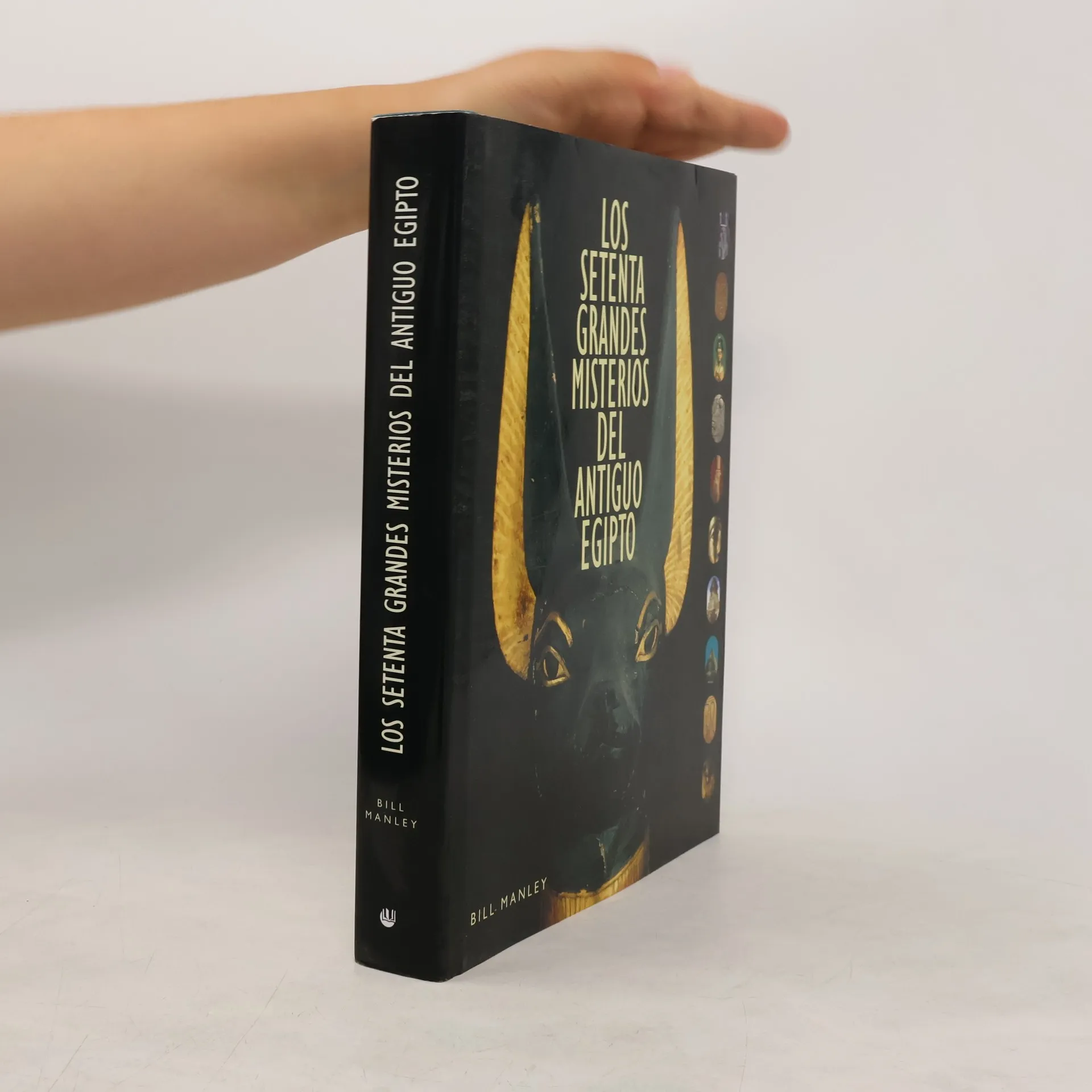
Ninguna otra cultura ha dejado testimonios tan diversos y espectaculares de tiempos tan remotos como la egipcia. A pesar de doscientos años de investigación arqueológica en el país de las pirámides, muchas preguntas sobre esta antigua civilización siguen sin respuesta. A través de las 70 preguntas más frecuentes, se abordan setenta temas relacionados con el antiguo Egipto de manera comprensible y detallada. La fascinación por esta milenaria cultura del Nilo y su estudio permanece intacta. Se tratan tanto grandes cuestiones científicas, como el origen de los antiguos egipcios, la invención de la escritura y el origen de las pirámides, como temas populares, como el misterio de Tutankamón, la creación de la Esfinge y la verdad sobre Cleopatra. En un lenguaje claro y accesible, se presenta el estado actual del conocimiento, se aclaran temas complejos y se retrata el debate académico sobre cuestiones controvertidas, manteniéndose siempre al día con la investigación y transmitiendo los enigmas de Egipto de manera tan emocionante que se despierta el deseo de convertirse en arqueólogo.
Have you ever wished that you could read the beautiful hieroglyphic script of ancient Egypt for yourself? Now you can, with the help of this practical step-by-step guide. It is suitable for complete beginners, or for anyone who would like to improve their knowledge of the language and culture of ancient Egypt. Mark Collier and Bill Manley have many years of experience teaching non-specialists at courses around the UK, so their approach is tried and tested. From the very beginning you will be introduced to genuine texts from ancient monuments. Each chapter introduces a new aspect of the ancient Egyptian language's hieroglyphic script and encourages you to develop your growing reading skills with practical exercises. The authors concentrate on a fascinating and rewarding group of monuments - funerary inscriptions, coffins and tomb scenes. The texts and supporting notes offer a first-hand insight into topics such as the pharaonic administration, family life in ancient Egypt, and ancient Egyptian approaches to death and the afterlife. With this book as your guide, you will be able to read with confidence the monuments reproduced in this book, and Egyptian monuments on display around the world.