
Bookbot

Zora Obstová

    1 janvier 1972
    Zora Obstová
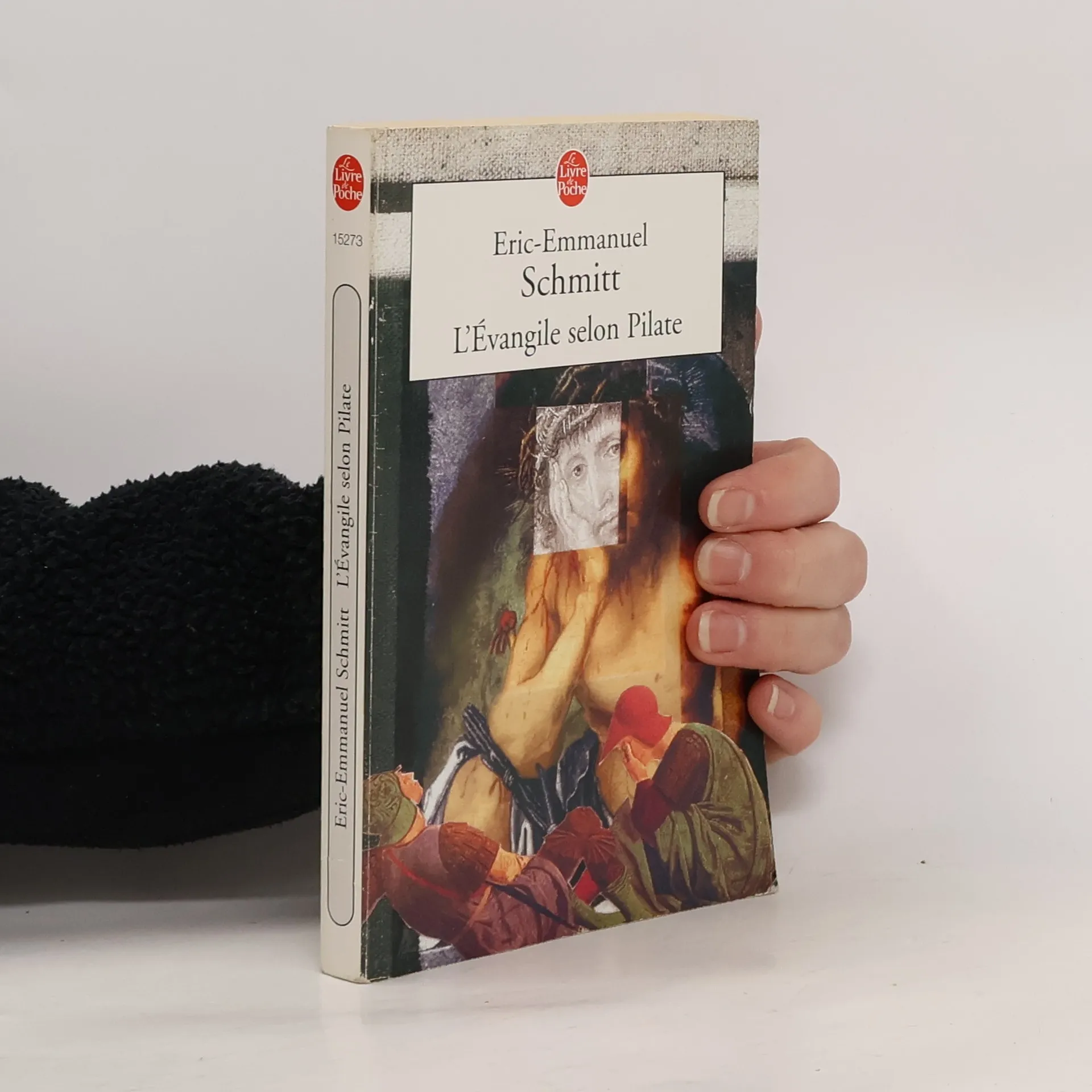
    L'évangile selon Pilate
    Le jardin de Badalpour
    Pinocchiova dobrodružství
    On beauty : a history of a Western idea
    Věk katedrál : umění a společnost 980-1420
    On Ugliness
    • 2024

      L'évangile selon Pilate

      • 282pages
      • 10 heures de lecture
      4,0(2571)Évaluer

      Première partie : Dans le jardin des oliviers, un homme attend que les soldats viennent l'arrêter pour le conduire au supplice. Quelle puissance surnaturelle a fait de lui, fils de menuisier, un agitateur, un faiseur de miracles prêchant l'amour et le pardon ? Deuxième partie : Trois jours plus tard, au matin de la Pâque, Pilate dirige la plus extravagante des enquêtes policières. Un cadavre a disparu et est réapparu vivant ! Y a-t-il un mystère Jésus ou simplement une affaire Jésus ? A mesure que Sherlock Pilate avance dans son enquête, le doute s'insinue dans son esprit. Et avec le doute, l'idée de foi.
      L'évangile selon Pilate
    • 2023

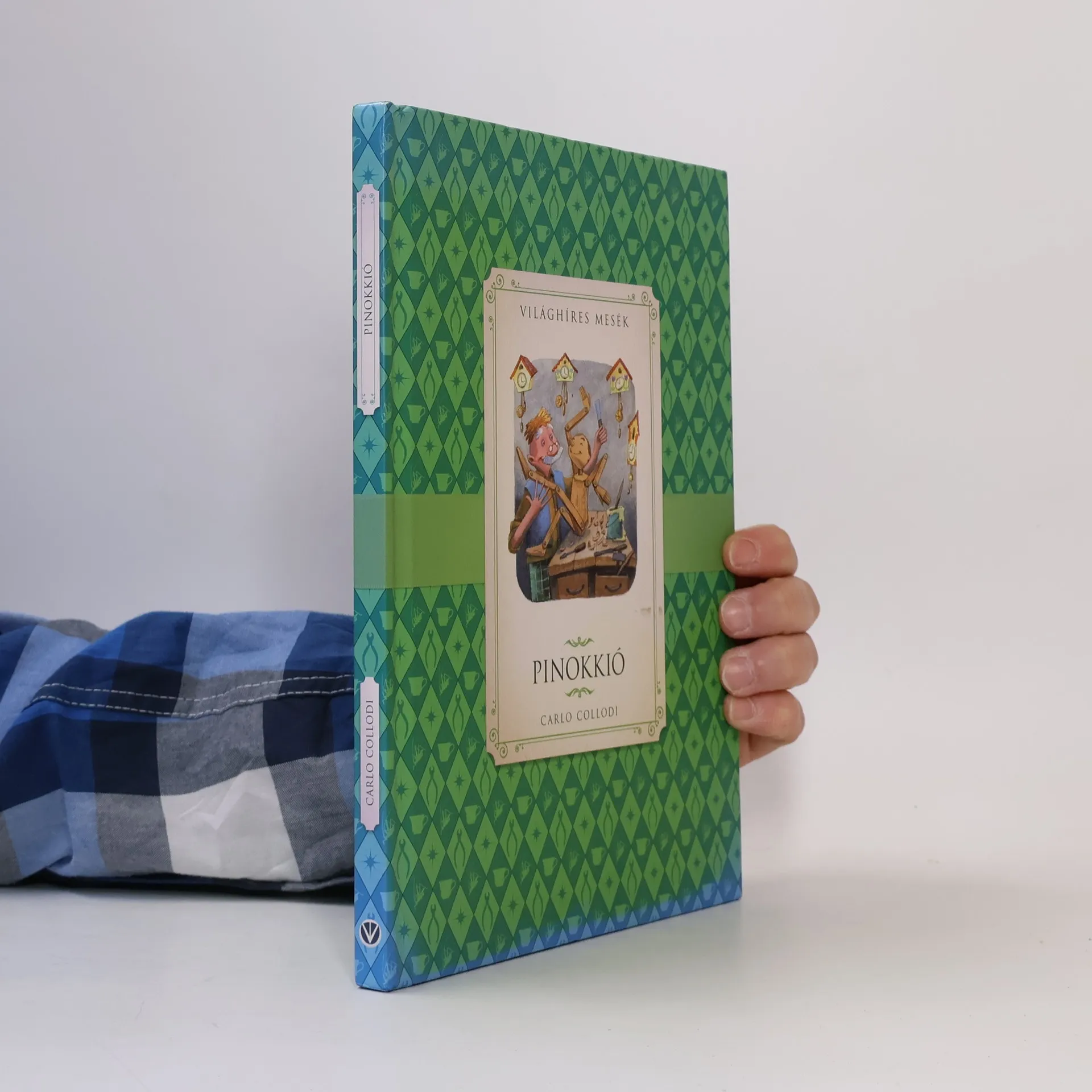
      Velká klasická pohádka s neobyčejným hrdinou – dřevěným panáčkem s dlouhým nosem – se proslavila po celém světě. Panáček, kterého vyřezal pan Geppetto z polínka a pojmenoval ho Pinocchio, ožil a podstoupil neuvěřitelná dobrodružství, z nichž mnohdy vyvázl jen taktak.

      Pinocchiova dobrodružství
    • 2022

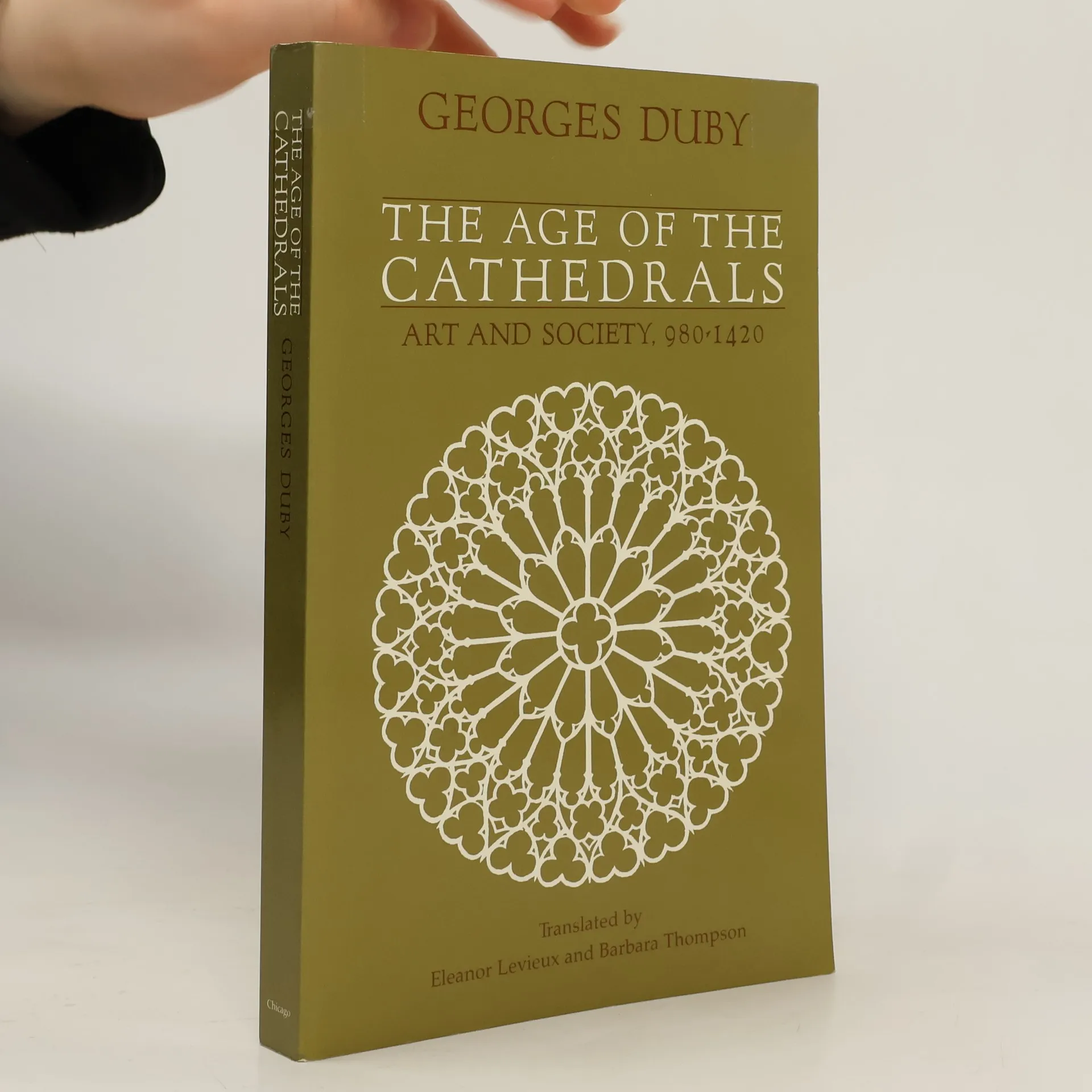
      Umění a společnost 980–1420. Základní práce francouzského medievalisty, autora i u nás známé vynikající knihy Neděle u Bouvines, přináší jedinečný a u nás zcela netradiční pohled na dějiny středověkého umění. Katedrála jako sociální prostor, v němž se v nejrozvinutější podobě uplatnily dobové představy o uspořádání středověkého světa i vesmíru, Dubymu posloužila jako středobod uvažování o době mezí 8. až 14. stoletím, především v prostředí západní Evropy. Na příkladě proměn umělecké výzdoby katedrál a vývoje jejich architektonického ztvárnění autor mistrným způsobem zachycuje vztah člověka k Bohu, ke smrti a k posmrtnému životu, probuzení se lidské individuality a vedle toho i syrovost středověkého světa v jeho každodenním snažení a strádání.

      Věk katedrál : umění a společnost 980-1420
    • 2022

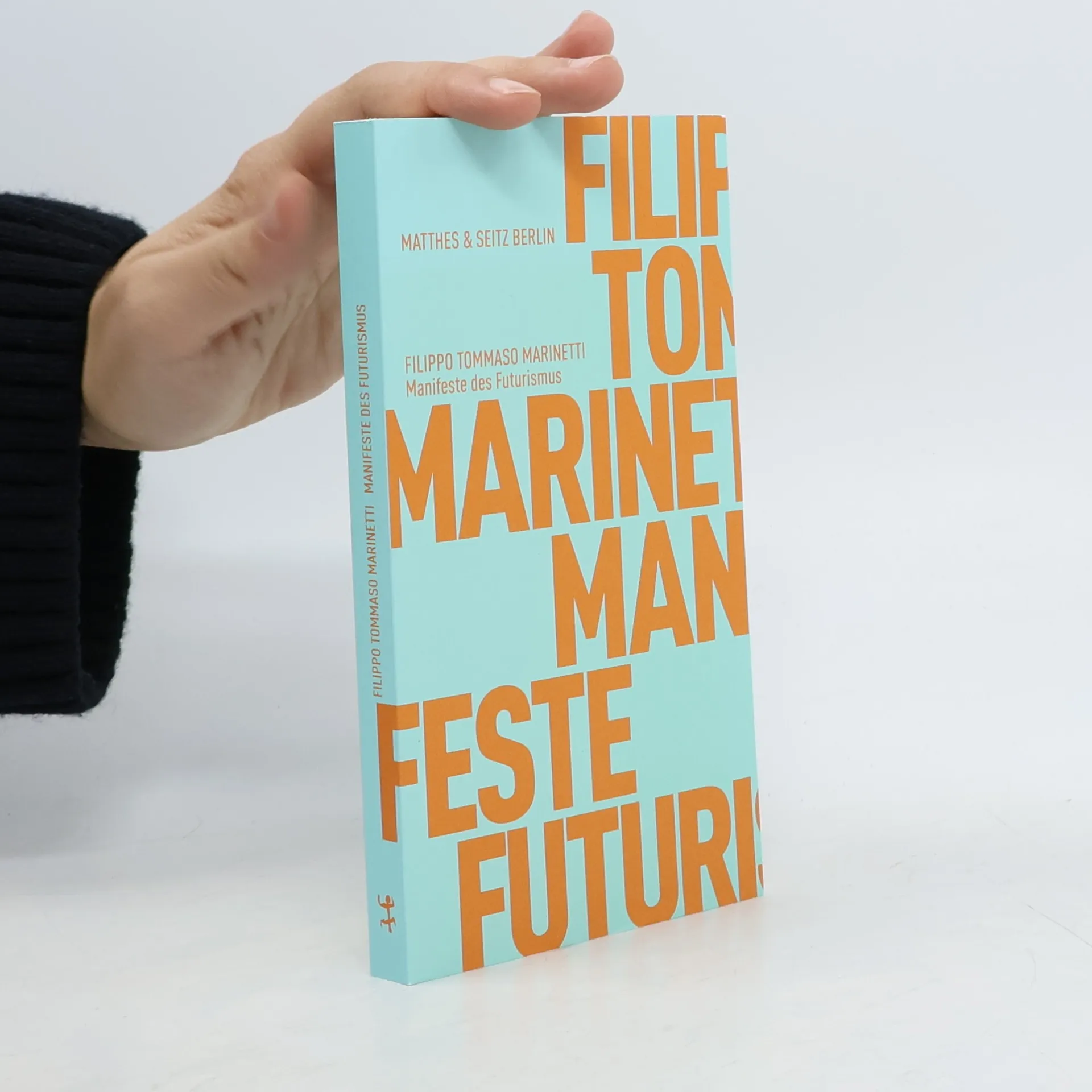
      Filippo Tommaso Marinettis Manifeste des Futurismus, veröffentlicht am 20. Februar 1909 im Pariser Figaro, gilt als Initialzündung der europäischen Avantgardebewegungen und hatte eine ungeheure Folgewirkung. Es war der Aufruf zur bedingungslosen Ausrottung des Alten, um dem Neuen Raum zu verschaffen. Noch im selben Jahr legte der Autor, der zu einem Glutkern der fatalen Verflechtung von Politik und Kunst(-theorie) wurde, mit einem weiteren Manifest nach: Tod dem Mondschein. Darin radikalisiert er seinen Aufruf und zeichnet die Vision einer glorreichen Zukunft. Der vorliegende Band versammelt alle weiteren bis 1944 verfassten Manifeste Marinettis. Sie zeugen von seiner Kühnheit und instinktiven Hellsichtigkeit, verweisen im Lichte der Geschichte zugleich auf die fatalen Folgen seiner Forderungen, stellen aber darüber hinaus auch die Frage nach der Kunst in unserer heutigen Gesellschaft.

      Manifeste des Futurismus
    • 2016

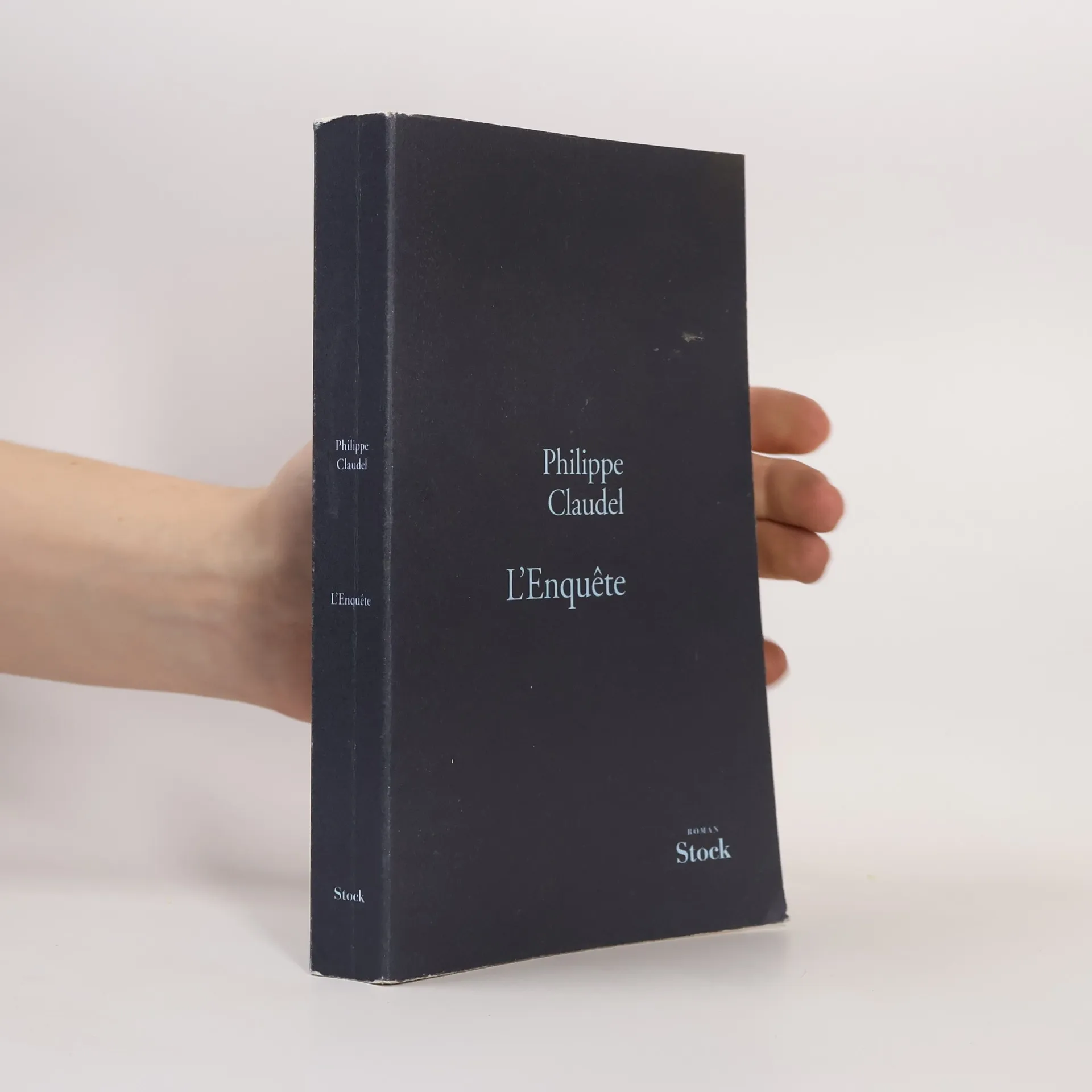
      "Nous traversons des temps difficiles, vous n'êtes pas sans le savoir. Très difficiles. Qui pourrait prévoir ce que nous allons devenir, vous, moi, la planète... ? Rien n'est simple. Un peu d'eau ? Non ? Comme vous voulez. Après tout, si vous permettez, je peux bien me confier à vous, à mon poste, on est bien seul, terrible-ment seul, et vous êtes une sorte de médecin, n'est-ce pas ? Pas vraiment..., murmura l'Enquêteur. Allez, ne soyez pas si modeste !" reprit le Responsable en lui tapant sur la cuisse. Puis il inspira longuement, ferma les yeux, expira l'air, rouvrit les yeux. "Rappelez-moi le but exact de votre visite ? A vrai dire, ce n'est pas vraiment une visite. Je dois enquêter sur les suicides qui ont touché l'Entreprise. Les suicides ? Première nouvelle... On me les aura sans doute cachés. Mes collaborateurs savent qu'il ne faut pas me contrarier. Des suicides, pensez donc, si j'avais été au courant, Dieu seul sait ce que j'aurais pu faire ! Des suicides ?"

      L'Enquête
    • 2015

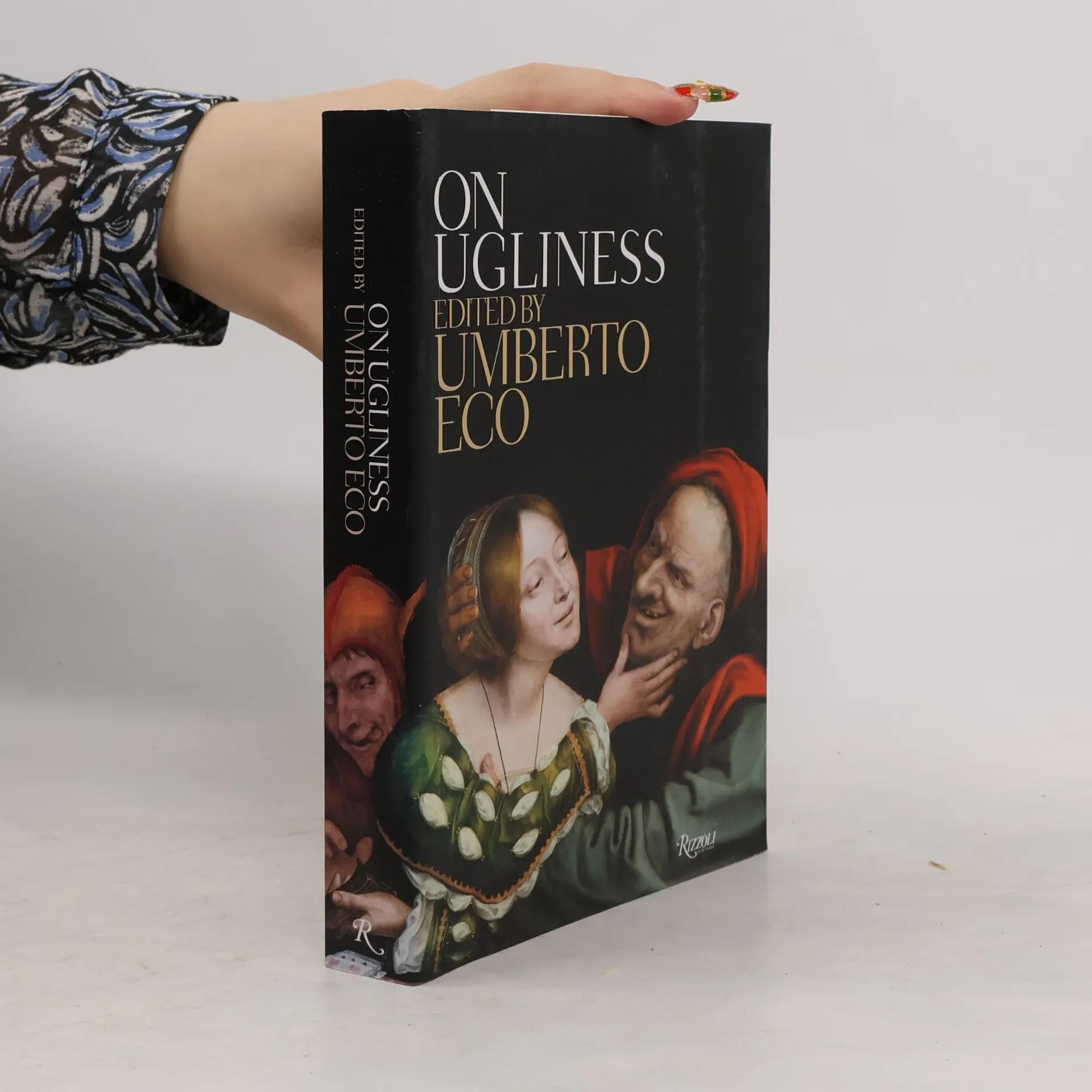
      On Ugliness

      • 456pages
      • 16 heures de lecture
      4,6(276)Évaluer

      In the mold of his acclaimed History of Beauty, renowned cultural critic Umberto Eco’s On Ugliness is an exploration of the monstrous and the repellant in visual culture and the arts. What is the voyeuristic impulse behind our attraction to the gruesome and the horrible? Where does the magnetic appeal of the sordid and the scandalous come from? Is ugliness also in the eye of the beholder? Eco’s encyclopedic knowledge and captivating storytelling skills combine in this ingenious study of the Ugly, revealing that what we often shield ourselves from and shun in everyday life is what we’re most attracted to subliminally. Topics range from Milton’s Satan to Goethe’s Mephistopheles; from witchcraft and medieval torture tactics to martyrs, hermits, and penitents; from lunar births and disemboweled corpses to mythic monsters and sideshow freaks; and from Decadentism and picturesque ugliness to the tacky, kitsch, and camp, and the aesthetics of excess and vice. With abundant examples of painting and sculpture ranging from ancient Greek amphorae to Bosch, Brueghel, and Goya among others, and with quotations from the most celebrated writers and philosophers of each age, this provocative discussion explores in-depth the concepts of evil, depravity, and darkness in art and literature.

      On Ugliness
    • 2015

      On beauty : a history of a Western idea

      • 438pages
      • 16 heures de lecture
      4,4(336)Évaluer

      'On Beauty' is neither a history of art, nor a history of aesthetics but Umberto Eco draws on the histories of both these disciplines to define the ideas of beauty that have informed sensibilities from the classical world to modern times.

      On beauty : a history of a Western idea
    • 2013

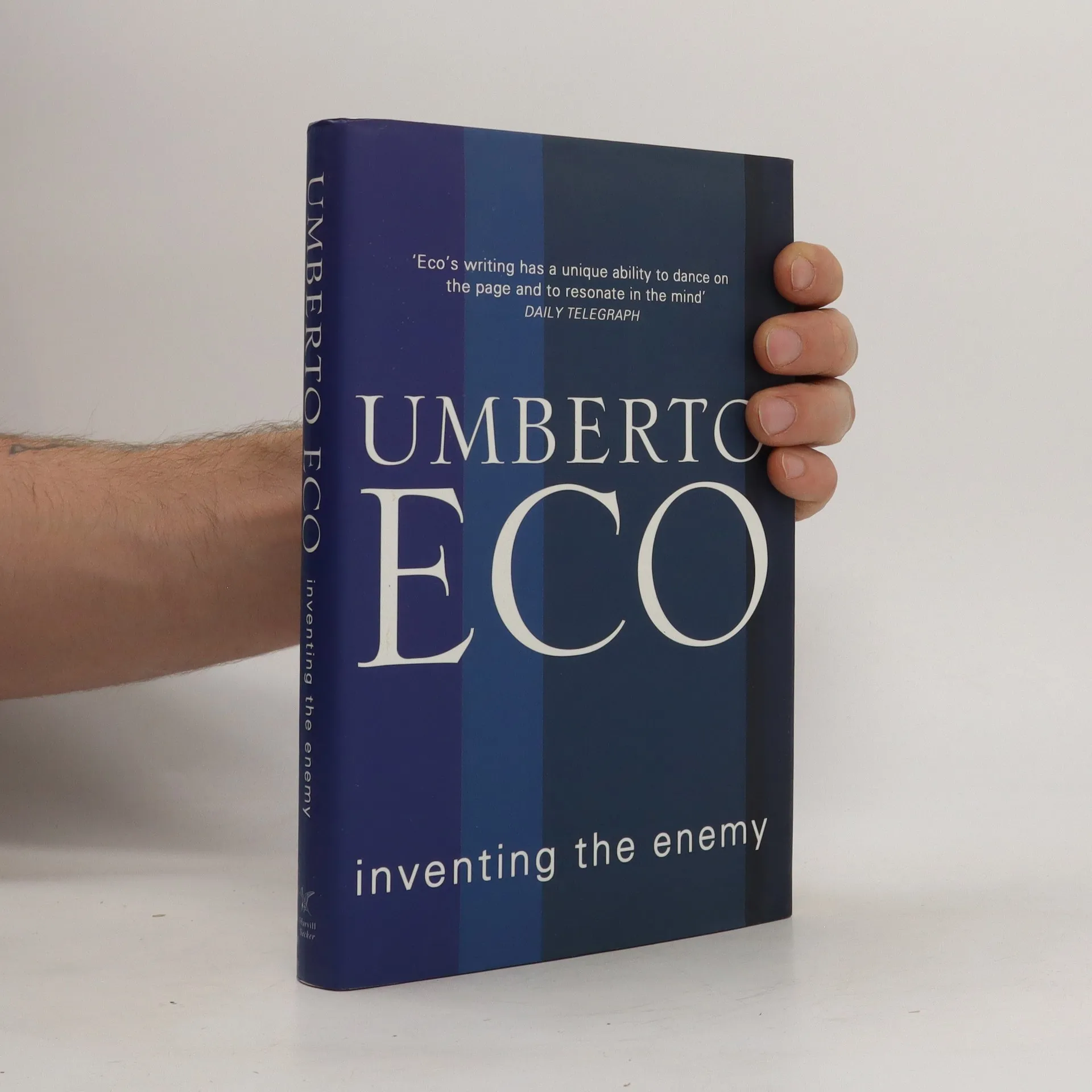
      Inventing the Enemy

      And Other Occasional Writings

      • 240pages
      • 9 heures de lecture
      3,5(68)Évaluer

      'Inventing the Enemy and Other Occasional Writings' covers a range of topics on which Umberto Eco has written and lectured over the last ten years, from the discussion of ideas that have inspired his earlier novels to a disquisition on the theme that runs through his most recent novel, that every country needs an enemy, and if it doesn't have one, must invent it.

      Inventing the Enemy
    • 2008

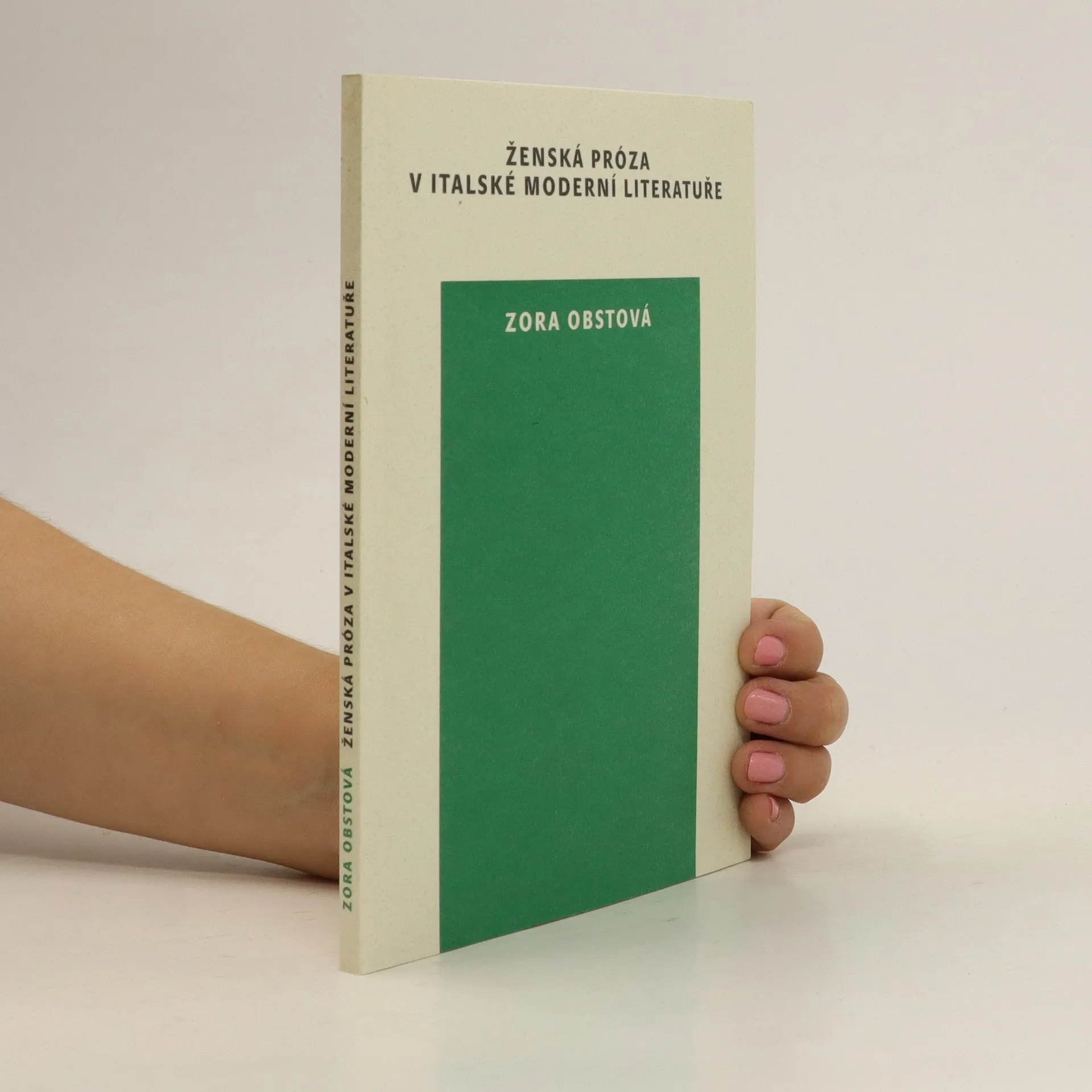
      Autorka ve své knize zachycuje vývoj tvorby italských prozaiček od druhé poloviny 19. století, kdy se ženy začaly odvažovat prvních nesmělých krůčků na poli literatury, jež byla po dlouhá staletí téměř výhradní doménou mužů, až po dnešní dobu, kdy se poměr mezi spisovateli a spisovatelkami víceméně vyrovnal a mnohé autorky co do počtu prodaných výtisků předstihují mužské autory. Zároveň hledá odpověď na otázku, zda mezi tvorbou jednotlivých autorek existuje vnitřní souvislost, zda existují styčné body mezi jednotlivými díly, zda má moderní ženská literatura v Itálii privilegovaný styl, privilegovaná témata či žánry. Zvláštní pozornost je věnována nejvýraznějším představitelkám italské ženské prózy, jako byly Matilde Seraová, Grazia Deleddová, Natalia Ginzburgová, Anna Maria Ortesová či Elsa Morantová.

      Ženská próza v italské moderní literatuře
    • 2004