György Dragomán est un auteur hongrois célèbre pour sa prose évocatrice et son exploration profonde de thèmes tels que la mémoire, l'identité et l'impact durable de l'histoire sur l'individu. Son style littéraire distinctif se caractérise par sa profondeur atmosphérique et sa perspicacité psychologique, attirant les lecteurs dans des récits complexes. À travers son œuvre, Dragomán explore les complexités des relations et la résilience de l'esprit humain face à l'adversité. Son écriture offre une expérience captivante et immersive, consolidant sa réputation en tant que voix importante de la littérature contemporaine.
"From an award-winning and internationally acclaimed European writer, and for fans of The Tiger's Wife: a chilling and suspenseful novel, set in the wake of a violent revolution, about a young girl rescued from an orphanage by an otherworldly grandmother she's never met"-- Provided by publisher
Hiperrealista noir western, igazi tudatmódosító. Felfokozza az érzékelést, kiélesíti a látást: az olvasó azzá válik, amit átél. Ebből a világból nem lehet könnyen kiszakadni: mindenki sebez és sebződik, büntet és bűnhődik, szabadulni akar, mintha volna szabadulás. Fábián, a világvégi városba vezényelt fiatal mérnök hatalmas ellenfélre talál, szerelmes lesz és életet ment, próbál ellentmondani a rossznak - követi a pusztítás nyomait, miközben maga is pusztít. A küzdelem tétje: lehetséges-e kívül kerülni a történelmen.
Eleven-year-old Djata makes sure he is always home on Sundays. It is the day the State Security came to take his father away, and he believes it will be a Sunday when his father is finally sent home again. In the mean time, Djata lives out a life of adventure. He plays wargames in flaming wheat fields; hunts for gold in abandoned claymines; watches porn in a backroom at the cinema, and plays chess with an automaton. But lurking beneath his rebel boyhood, pulling at his heartstrings, is the continued absence of his father. When he finally uncovers the real truth, he risks losing his childhood for ever.
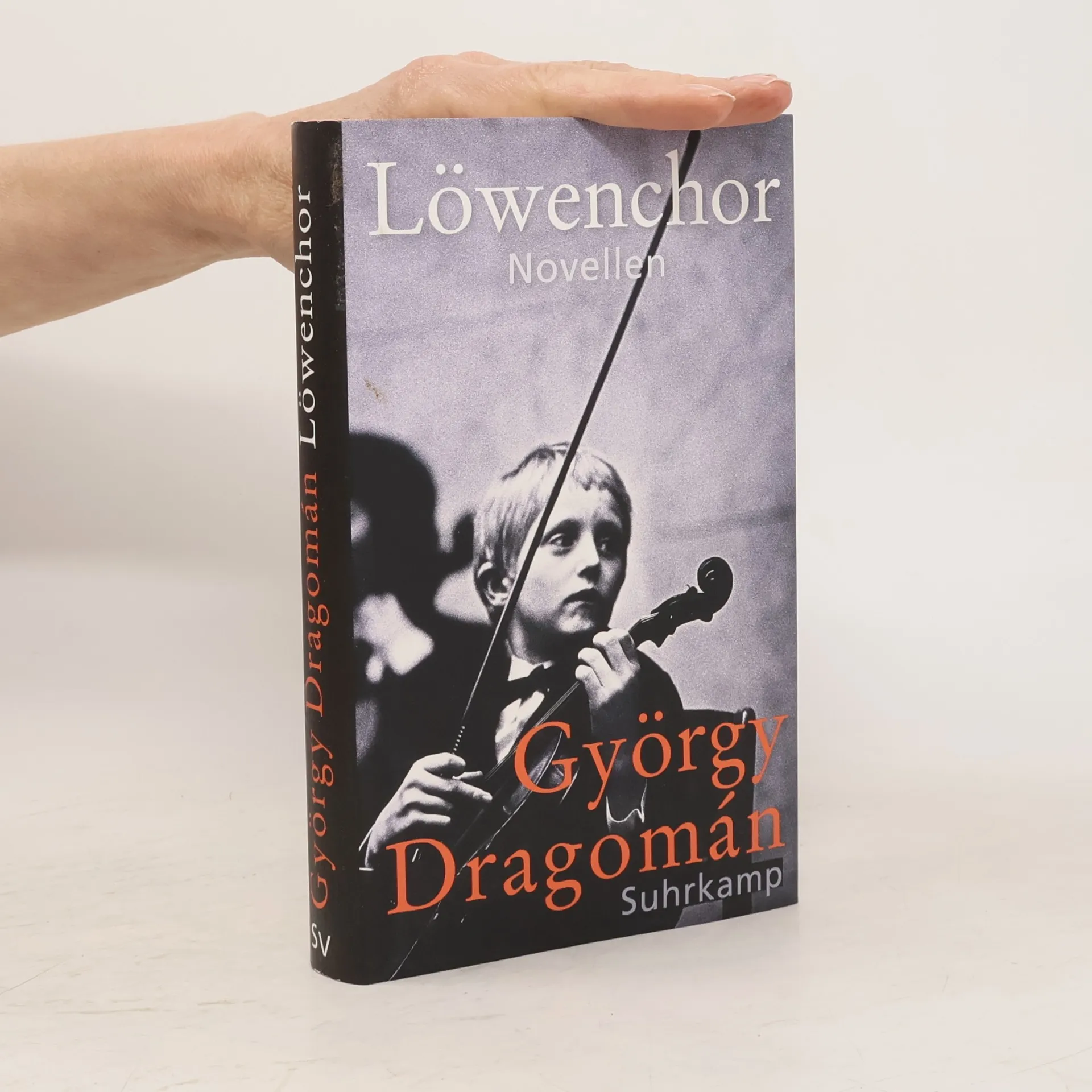
Nach der Beerdigung seiner Mutter kehrt Ferenczi nicht in die leere Wohnung zurück, sondern fliegt nach Madrid. Auf dem Hotelbalkon an der Puerta del Sol, während von unten »Tanzmusik, Freudenmusik und Trauermusik« heraufdringt, geht ihm durch den Kopf, wie anders das Leben verlaufen wäre, hätten die kommunistischen Behörden seinen Eltern nicht die Hochzeitsreise nach Spanien verweigert – das Hotel an der Puerta del Sol war schon gebucht. Sein Vater wäre nicht in den Bergen verunglückt, und seine Mutter hätte ihre Gesangskarriere gemacht, statt putzen zu gehen. Wie Stimmen einer Partitur verflechten sich die langen, dichten Sätze und lassen Sequenzen der Vergangenheit und Gegenwart einander durchdringen. »Dass der Schmerz irgendwann nachließ, davon handelte die Musik«, sagt eine Sängerin, die ihr Leben lang mit Ella Fitzgeralds Cry me a river auftritt und Glück und Qual einer Musikerexistenz bis zum Ende durchstehen muss. Musik als Leidenschaft, Wunschtraum und Fluch, als Katalysator des Übersinnlichen und als Auslöserin von Katastrophen – all diese Motive wandern durch die zwanzig Novellen, aus denen György Dragomán seinen mächtigen Löwenchor zusammengestellt hat.