Dans cette œuvre, Goytisolo aborde des personnages et des thèmes anticonformistes : des esprits mordants et innovants comme l'Arcipreste de Hita et Cervantes, le mépris du fanatisme, un regard impitoyable sur les nationalismes, la littérature orale des places marocaines et le langage subversif qui évoque l'humour noir de Quevedo s'attaquant à Góngora. Une voix valeureuse qui récupère et nous restitue cet espace riche de discussion indispensable à tous.
Juan Goytisolo Livres
6 janvier 1931 – 4 juin 2017
Juan Goytisolo s'est imposé comme une voix majeure de la littérature espagnole contemporaine, repoussant constamment les limites de la fiction traditionnelle. Ses premières œuvres abordaient la critique sociale, mais son exil et sa vie ultérieure au Maroc ont suscité une approche plus expérimentale. Goytisolo a magistralement mêlé poésie, peinture, fiction et non-fiction, explorant les possibilités du langage et du genre. Son style unique et sa profonde remise en question de l'identité et de la nature narrative font de son œuvre une contribution significative aux lettres modernes.

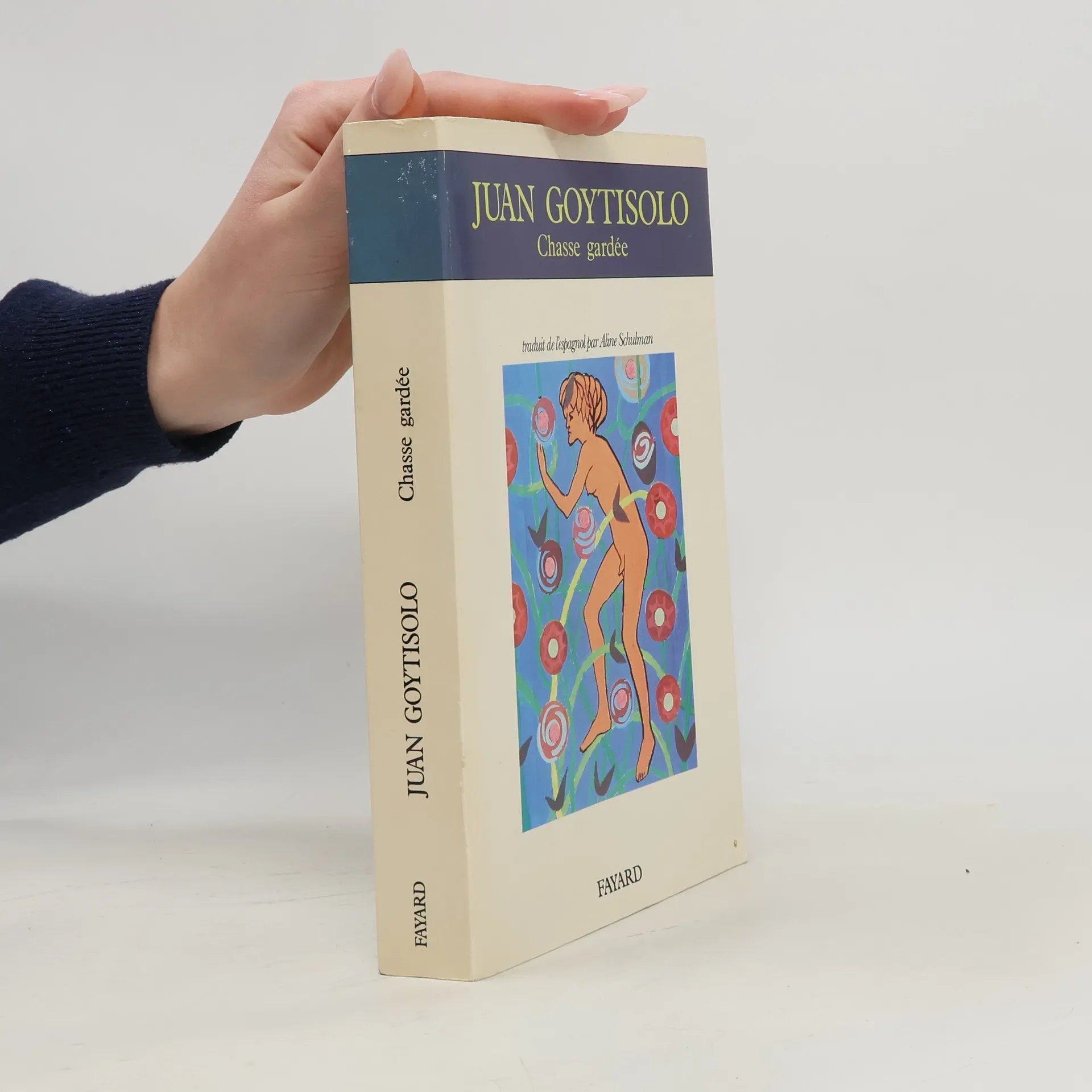
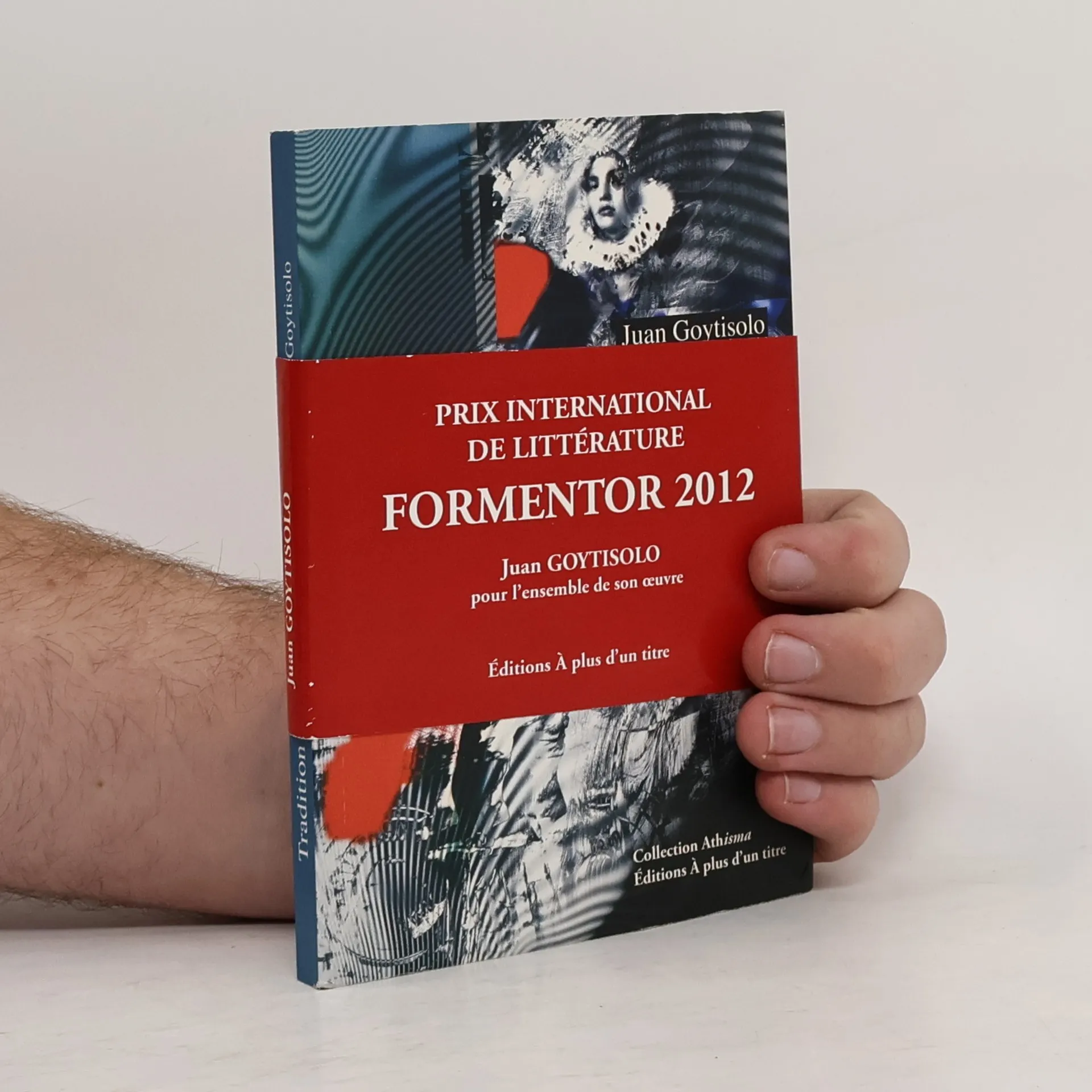
Chronique de lucidité et de désamour, de mémoire libérée de la prison du souvenir, Coto vedado est une œuvre dont la valeur témoignage est parallèle à celle du sujet pour l'auteur. Coto vedado est un texte autobiographique, avec le rigueur (ou la sincérité) des véritables autobiographies, celles où les événements encadrent et nourrissent des odyssées spirituelles, où il n'existe pas de secrets à dévoiler mais des paysages à explorer, où le choc fulgurant avec l'insolite cède place à un parcours réfléchi (comme "se dérouler") sur le chemin de la propre conscience. Vives mémoires d'une époque sombre, subtile réflexion sur le métier de vivre, cette œuvre s'ancre fermement dans le domaine de la morale ; cela la rend profondément exemplaire. Comme, encore une fois, seules peuvent l'être les meilleures autobiographies.
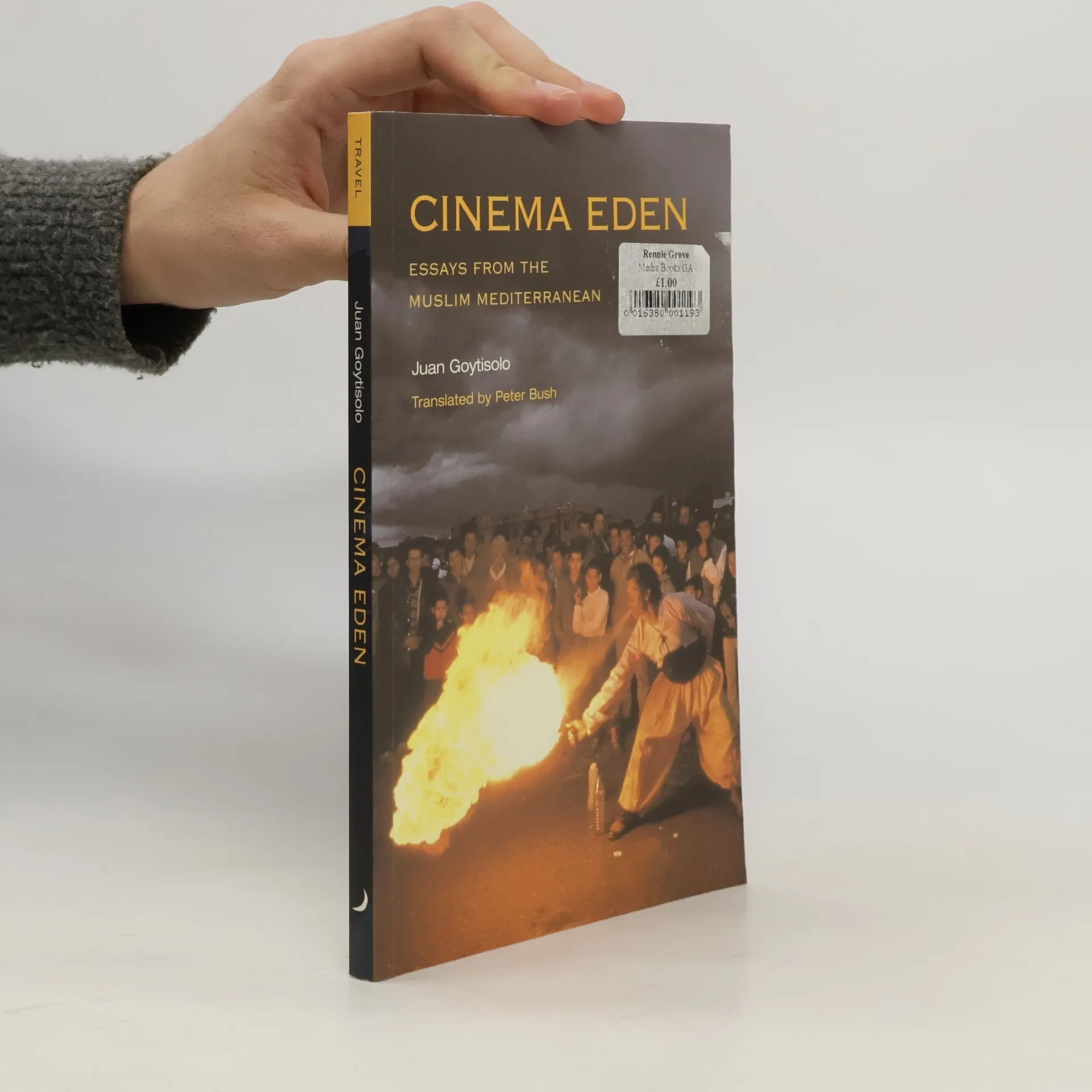
To many, Juan Goytisolo is Spain's greatest living novelist and her sternest critic. An exile from his native land for over forty years (he left Madrid in 1957 to escape Franco's regime), he has mercilessly sought to overturn Spain's Catholic homogeneity by remembering the cultural influence of her medieval and Jewish populations. Few European writers know the Islamic shores of the Mediterranean as intimately as he does. In these essays about Morocco, Turkey, and Egypt, Goytisolo celebrates a world where ritual matters and tradition is alive, where saints live, story-tellers weave their enchantments nightly, and where honor and dignity preserve the importance of the individual. Goytisolo is to Spanish writing what Almodovar is to Spanish cinema. These essays are a fine reading of the vast, heterogeneous mosaic of Islam against the everyday truculent images of the mass media. "A deliciously pretentious aesthete, Goytisolo unashamedly romanticizes popular Islamic life in beguiling, immensely readable, poetic prose."-Publishers Weekly
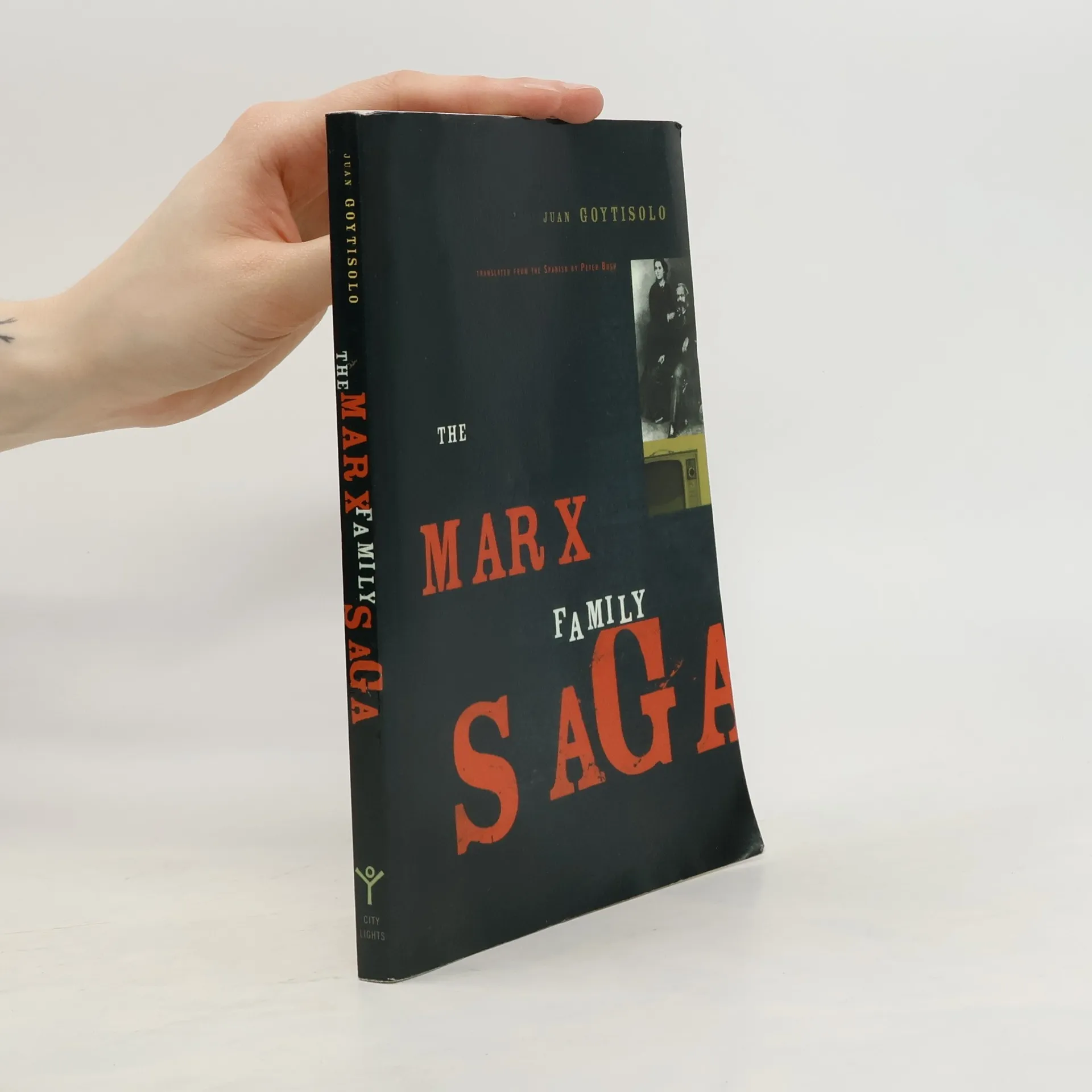
The Marx Family Saga
- 185pages
- 7 heures de lecture
The narrative features Karl and Jenny Marx in a surreal setting, where they engage with contemporary issues while watching a documentary. As Albanian refugees seek a better life, the story explores Karl's reflections on the failure of ideologies tied to his legacy. It delves into the Marx family's evolving social status, highlighting their move from Dean Street to Highgate, while humorously acknowledging their persistent struggles with poverty. The book intertwines historical figures with modern dilemmas, creating a thought-provoking commentary on legacy and aspiration.
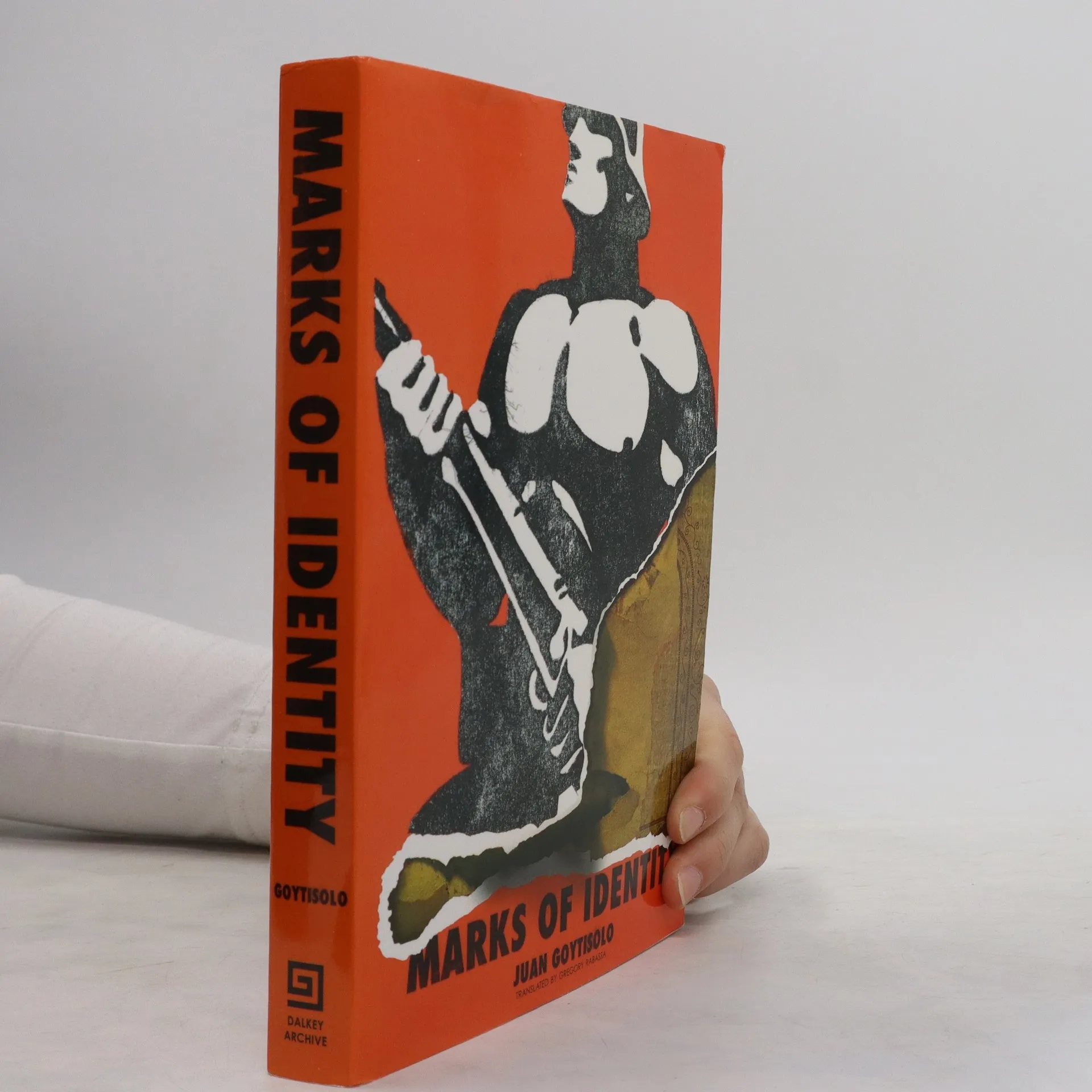
Marks of Identity
- 352pages
- 13 heures de lecture
An exile returns to Spain from France to find that he is repelled by the fascism of Franco's Spain and drawn to the world of Muslim culture. In Marks of Identity, Juan Goytisolo, one of Spain's most celebrated novelists, speaks for a generation of Spaniards who were small children during the Spanish Civil War, grew up under a stifling dictatorship, and, in many cases, emigrated in desperation from their dying country. Upon his return, the narrator confronts the most controversial political, religious, social, and sexual issues of our time with ferocious energy and elegant prose. Torn between the Islamic and European worlds around him, he finds both ultimately unsatisfactory. In the end, only displacement survives.
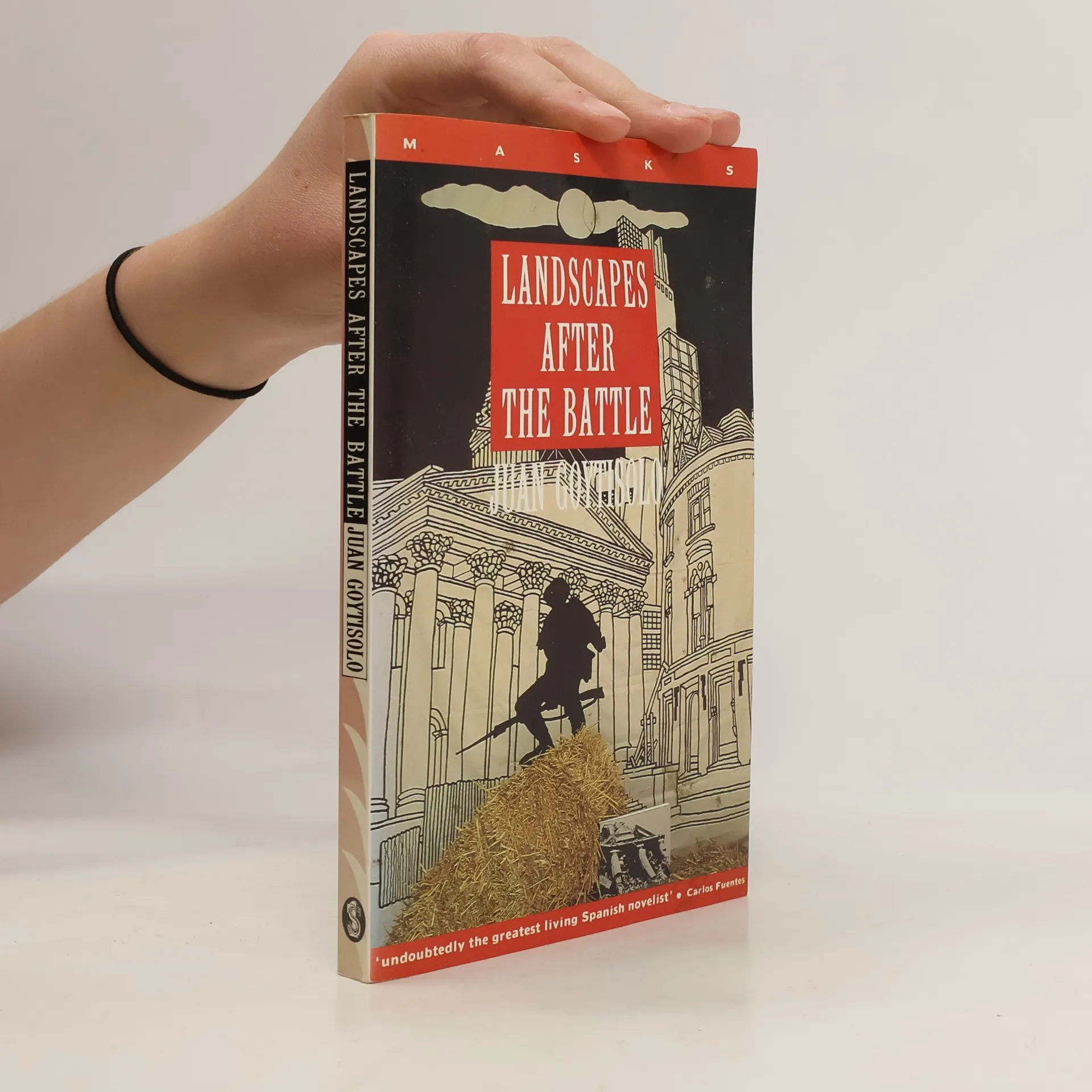
Landscapes After the Battle
- 176pages
- 7 heures de lecture
Trapped in his apartment in an immigrant district of Paris, the narrator is far from the high life of museums, elegant restaurants and boutiques. Within this imprisonment, his thoughts oscillate between revolutionary terrorism and pre-pubescent sexuality - a concern he shares with Lewis Carroll. Mirroring the conventions of Arabic texts, Landscapes After the Battle is to be understood from the perspective of its end; an end where the relationship between writer, the reader and the written is revealed as playful and humorous. The appearance of the comic in a novel by Juan Goytisolo is unexpected; like Dracula at a haemophiliacs? convention.
Gaudí in Kappadokien
- 105pages
- 4 heures de lecture
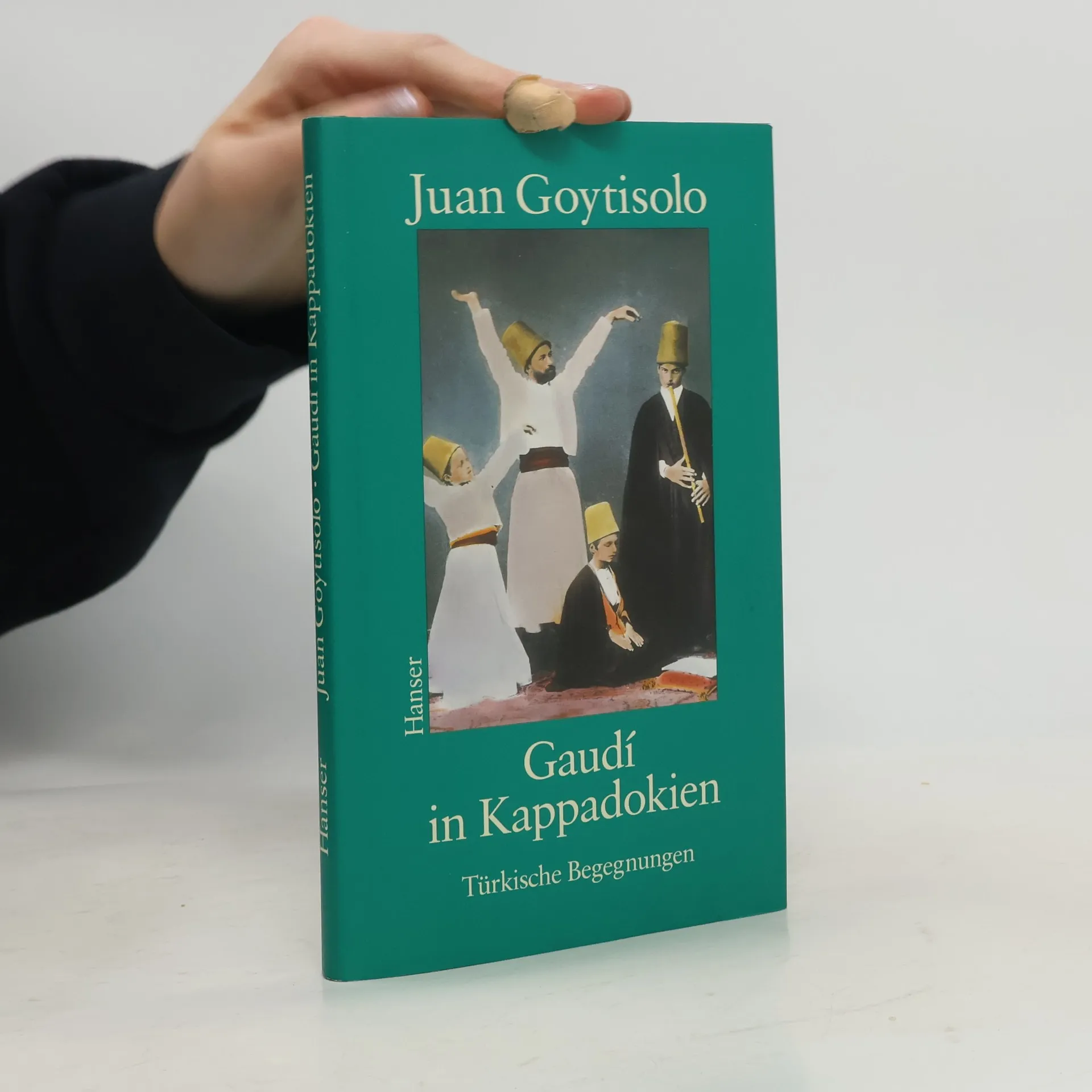
Die vier Episoden dieses Buches sind eine Liebeserklärung Juan Goytisolos an die Türkei: in bizarren Felsformationen findet er den Geist des katalanischen Architekten Gaudís wieder, in Konya spürt er dem Ursprung der tanzenden Derwische nach. Die sinnliche Qualität des Ringkampfes und das lärmende Labyrinth Istanbuls werden zum Gegenstand seiner unersättlichen Neugier.
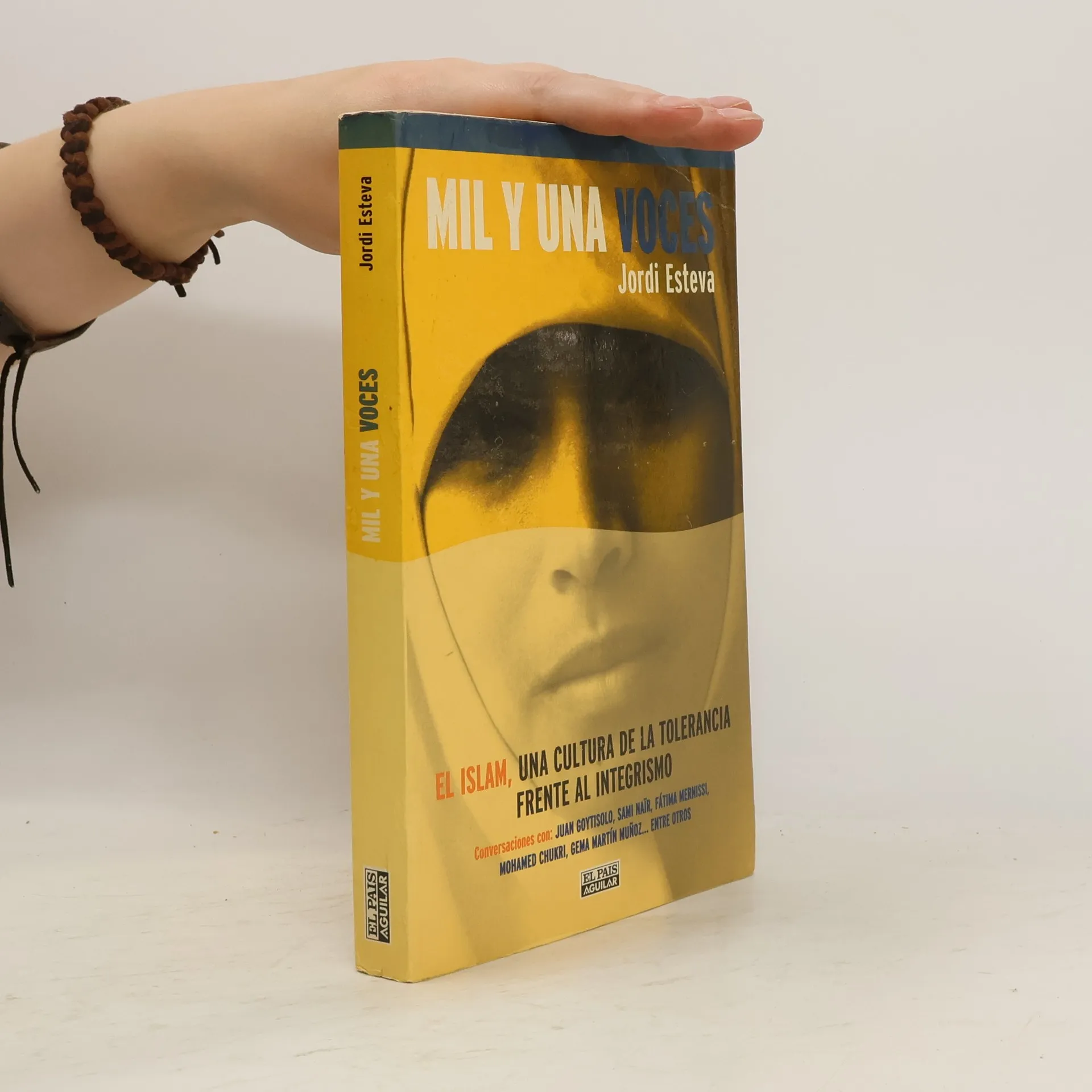
Cuando desde Occidente se habla de la cultura árabe, no siempre se hace la necesaria distinción entre sociedad civil y religión. El desconocimiento que esto origina desemboca en una retahíla de tópicos y mitos negativos que nada tiene que ver con la fértil civilización arabo-musulmana, a la que tanto debe esa misma cultura occidental. Pero tampoco se puede obviar las contradicciones y conflictos que la apropiación política de la religión ha originado en determinados países del Sur y de Oriente. Para dar respuesta a todos estos interrogantes, "Mil y una voces" dibuja el mosaico, amplio y complejo a la vez, de la cultura que también ha demostrado ser la cultura de la tolerancia.
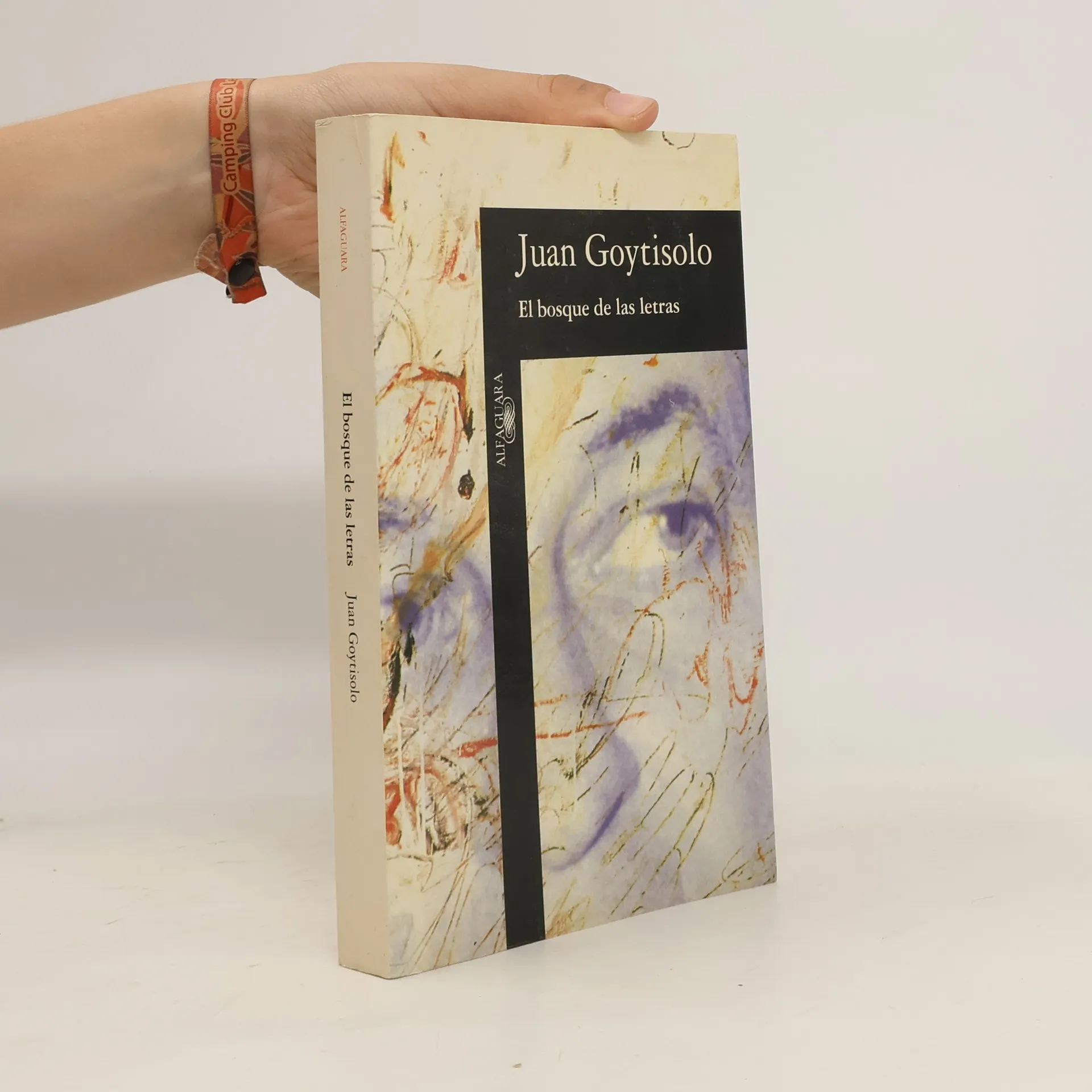
En El bosque de las letras, Juan Goytisolo analiza en su sustancia la obra de varios autores: sor Juan Inés de la Cruz, Carlos Fuentes, Manuel Puig, Severo Sarduy... La conclusión, por caminos diversos, es siempre la misma: la defensa de los valores individuales y de las minorías, de todo lo mezclado, mestizo o heterogéneo, aunque sólo sea para hacer frente a la insidiosa «normalización» que nos imponen los medios de comunicación, la omnipresente economía de mercado y los nacionalismos. Es decir: la tolerancia contra los dogmas que excluyen todo lo que no se ajusta a sus creencias y principios. La literatura concebida como escritura o palabra poética jamás daría sus flores y sus frutos si no se integrara así, como la integra Goytisolo, en el conjunto de la cultura y de la sociedad. El bosque de las letras, territorio fecundo y estimulante, es el paraje ideal donde refugiarnos contra la desolación del verbo. En este bosque se dan cita y juntan fuerzas para su lucha todas las esperanzas de la literatura.
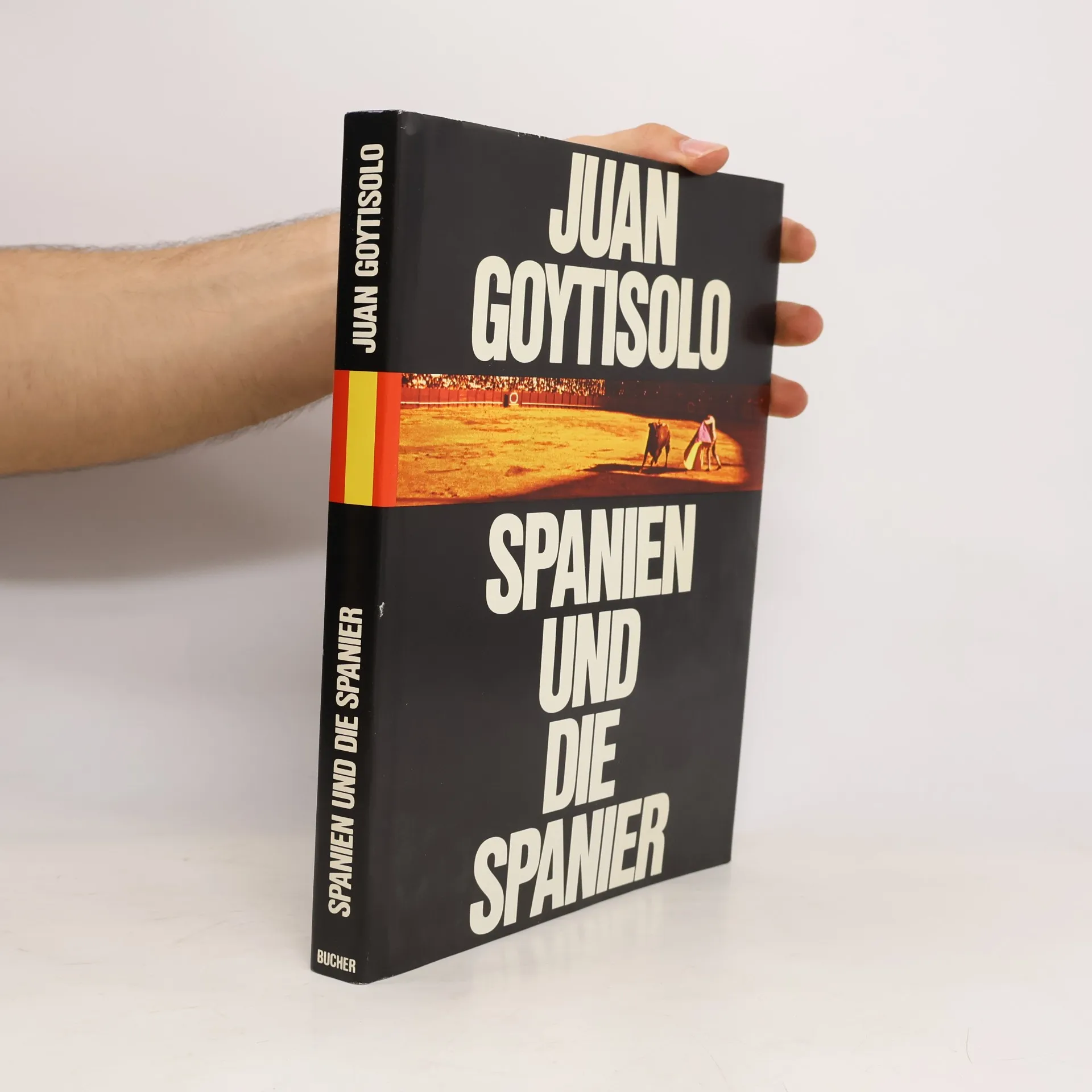
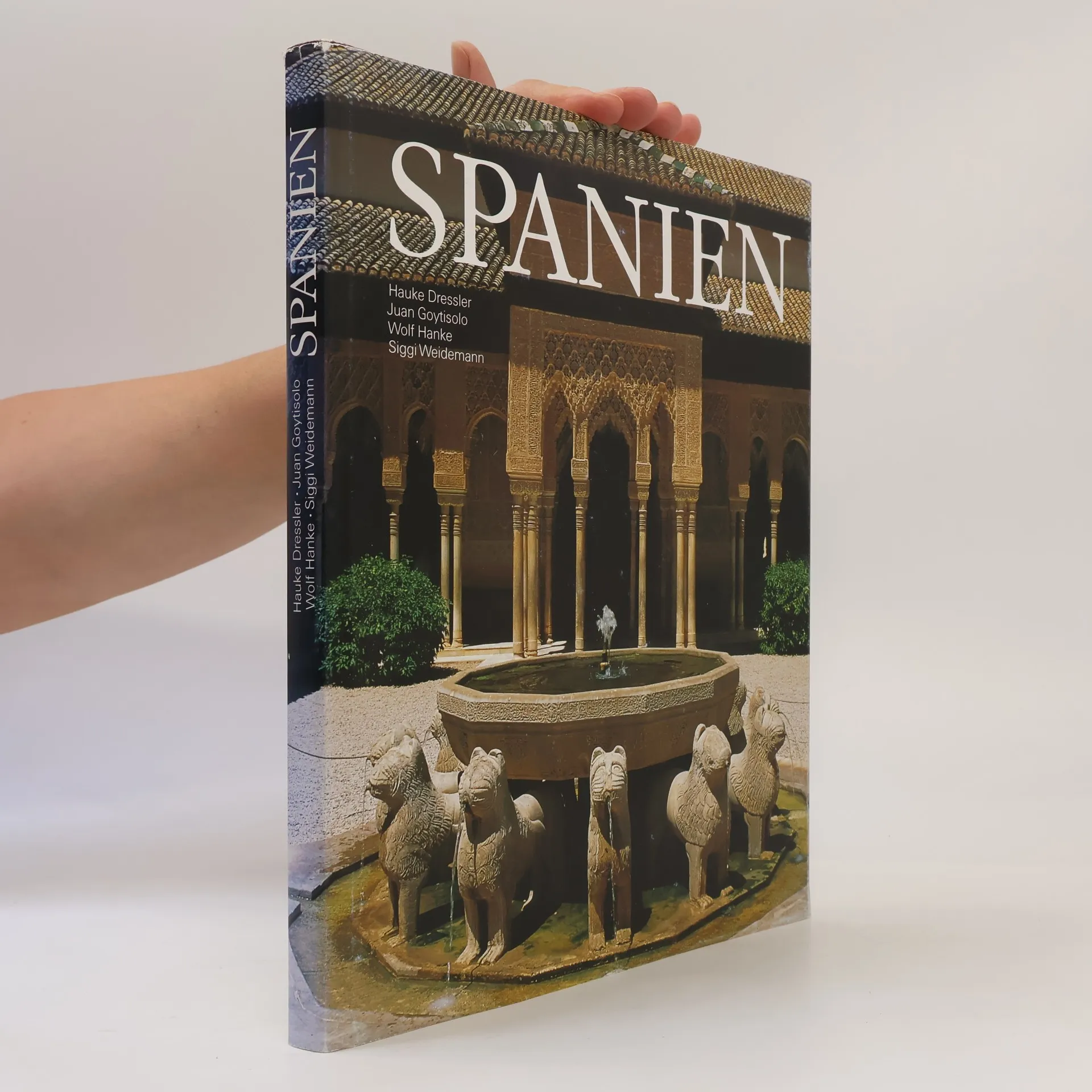
Juan Goytisolo konfrontiert in seinem Essay die in ganz Europa verbreiteten Vorstellungen über Spanien, die Mythen und Selbsttäuschungen, die die Spanier im Lauf der Jahrhunderte sich und der Mitwelt eingeredet haben, mit der historischen Wahrheit und der spanischen Lebenswirklichkeit, die noch in vielem die Spuren der verhängnisvollen Fehler der Vergangenheit zeigt: der Verdrängung des maurischen und jüdischen Erbes, das Kreuzzugsdenken und die Abkapselung gegenüber dem liberalen Streben nach wirtschaftlichem Fortschritt und geistiger Emanzipation. Im Spanischen Bürgerkrieg vollzieht sich für Goytisolo das Gleichnis von Kain und Abel, dem mit dem Franco-Regime eine Zeit des moralischen Genozids folgte, die als schwere Hypothek auf der Zukunft der jungen Demokratie lastet.Zahlreiche Fotos halten mit faszinierender Eindringlichkeit das zeitlose Spanien fest: seine so vielgestaltige Landschaft, die großartigen Zeugnisse seiner Architektur und Kunst wie das Gesicht seiner städtischen und ländlichen Kultur.
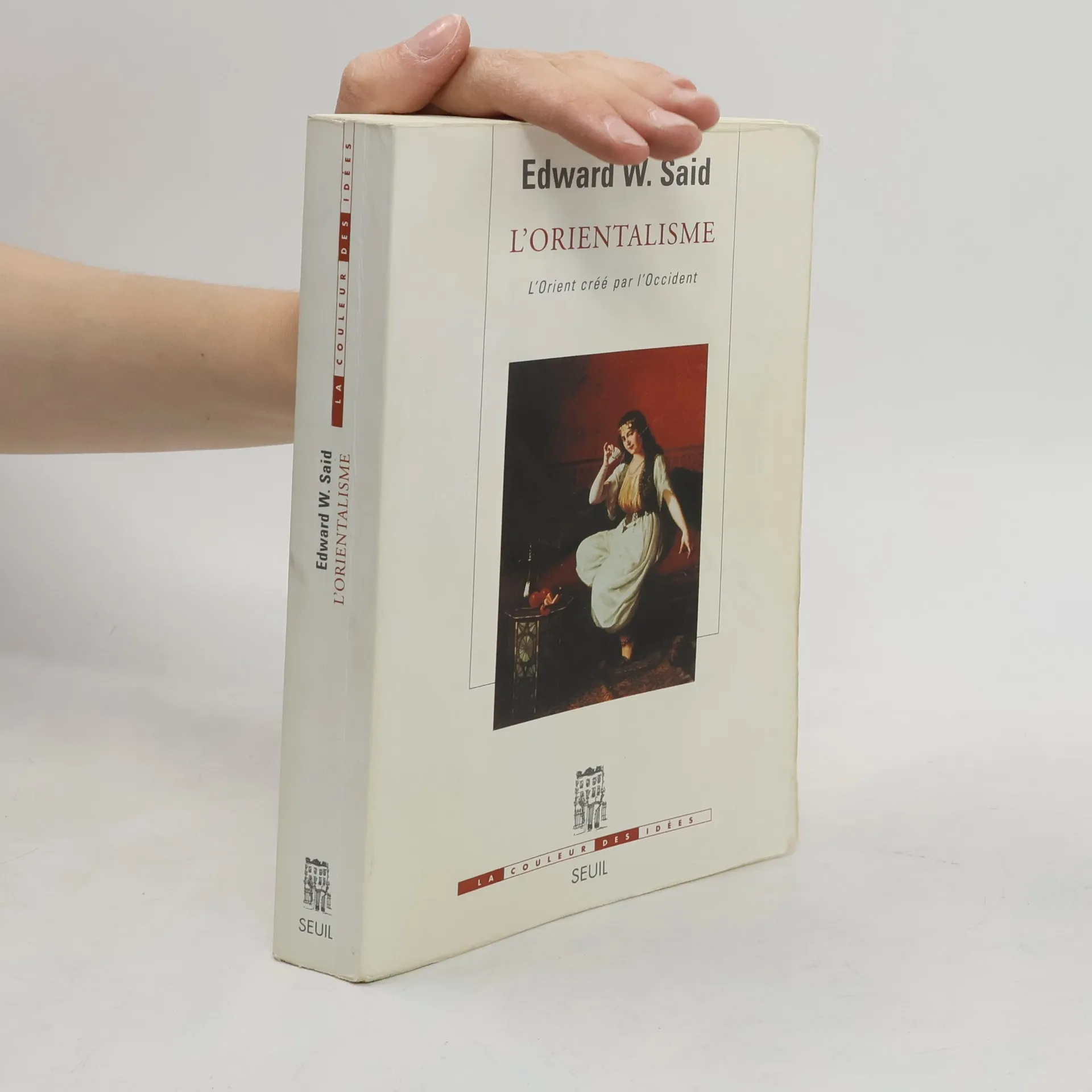
D'Eschyle à Kissinger, de Marx à Barrès, l'Occident a tenu un discours sur l'Orient. Mais, puisque "l'Orient " n'existe pas, d'où vient ce discours et comment expliquer son étonnante stabilité à travers les âges et les idéologies ? " L'Orient " est une création de l'Occident, son double, son contraire, l'incarnation de ses craintes et de son sentiment de supériorité tout à la fois, la chair d'un corps dont il ne voudrait être que l'esprit. À étudier l'orientalisme, présent en politique et en littérature, dans les récits de voyage et dans la science, on apprend donc peu de choses sur l'Orient, et beaucoup sur l'Occident. Le portrait que nous prétendons taire de l'Autre est, en réalité, tantôt une caricature, tantôt un complément de notre propre image. L'idéologie orientaliste s'est échappée depuis longtemps déjà du cabinet des savants pour précéder Napoléon dans sa conquête de l'Égypte ou suivre la guerre du Liban. C'est de ce discours qu'on trouvera ici la magistrale archéologie, augmentée de la préface que l'auteur rédigea en 2003 pour le vingt-cinquième anniversaire de la publication originale de l'ouvrage.
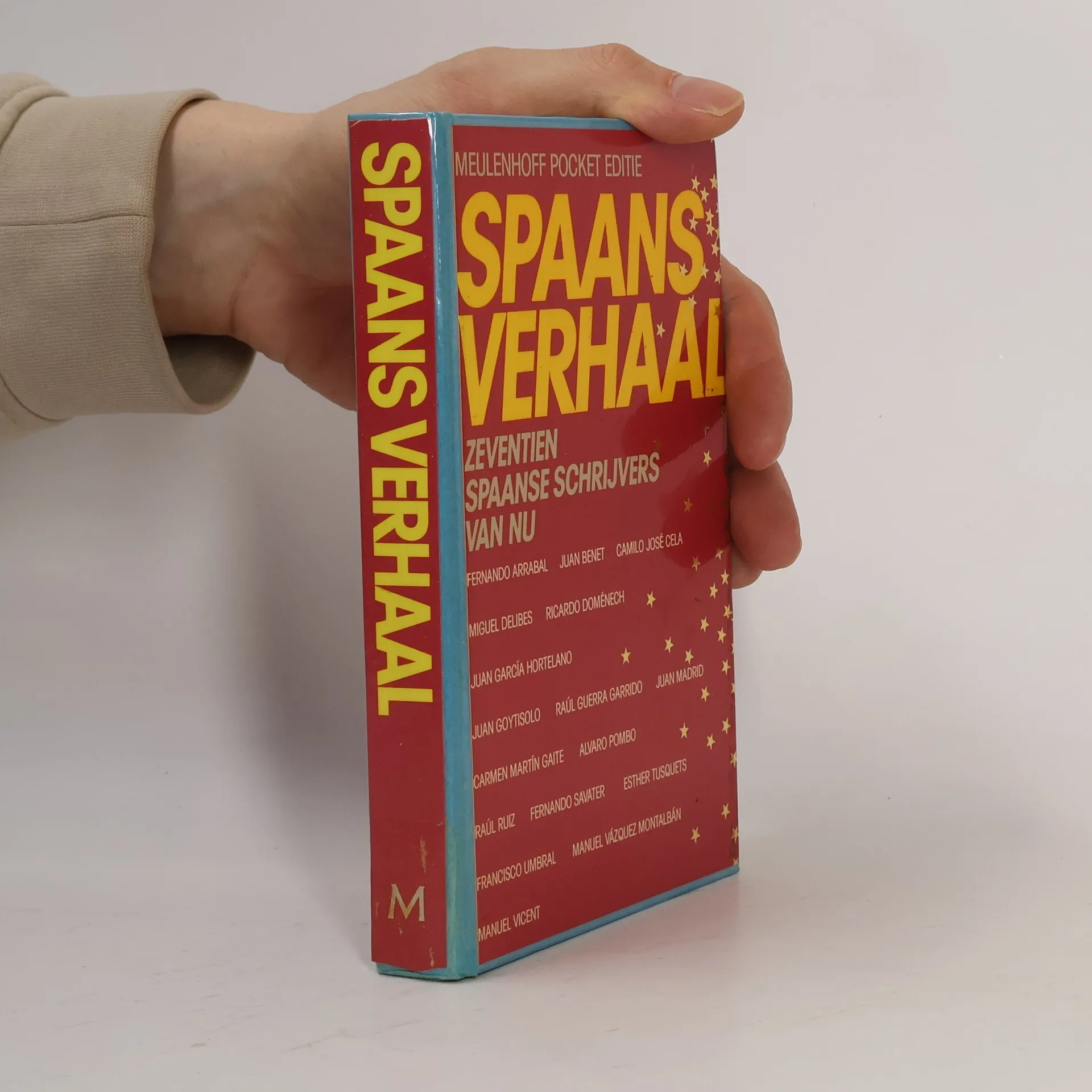
Spaans verhaal, zeventien Spaanse schrijvers van nu
- 225pages
- 8 heures de lecture
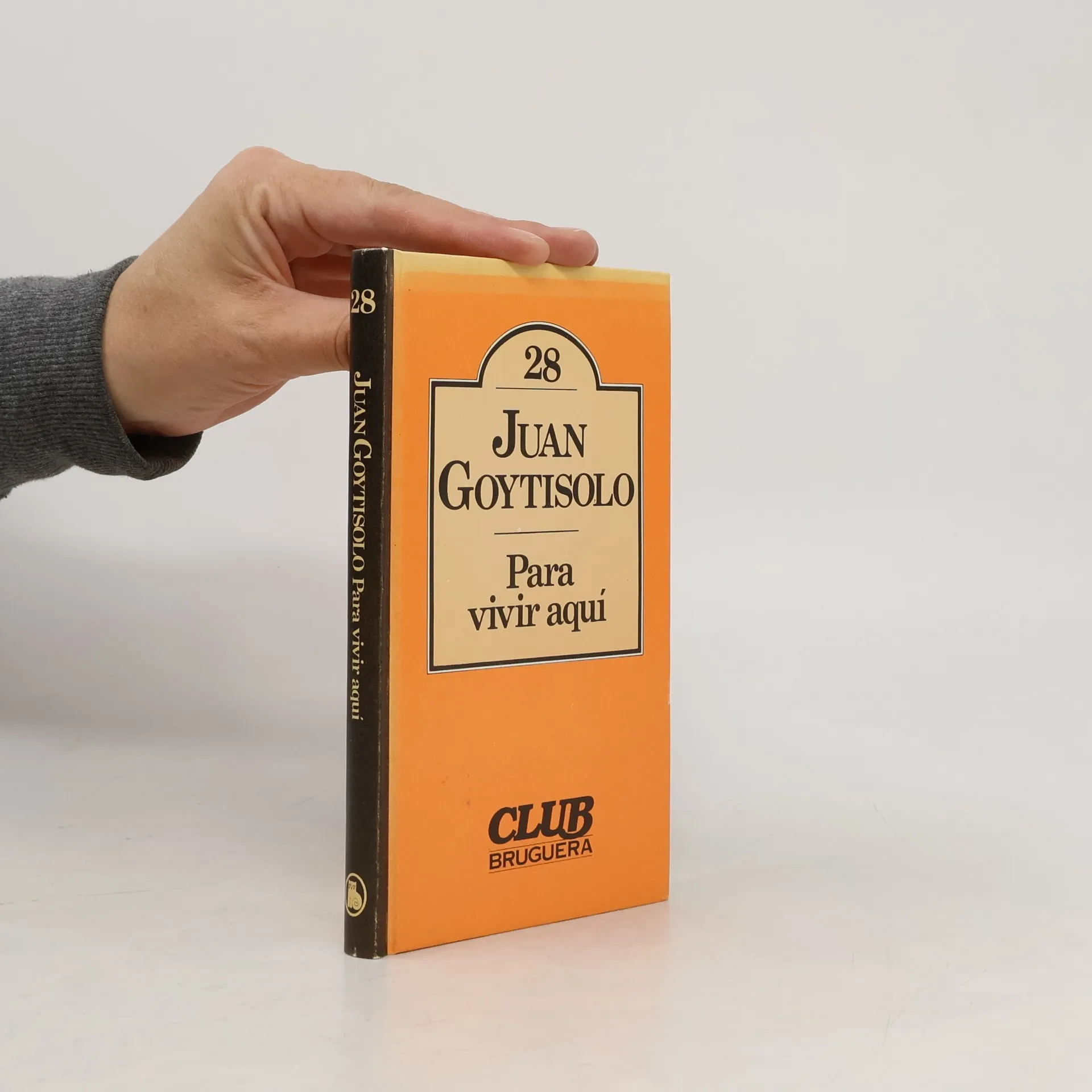
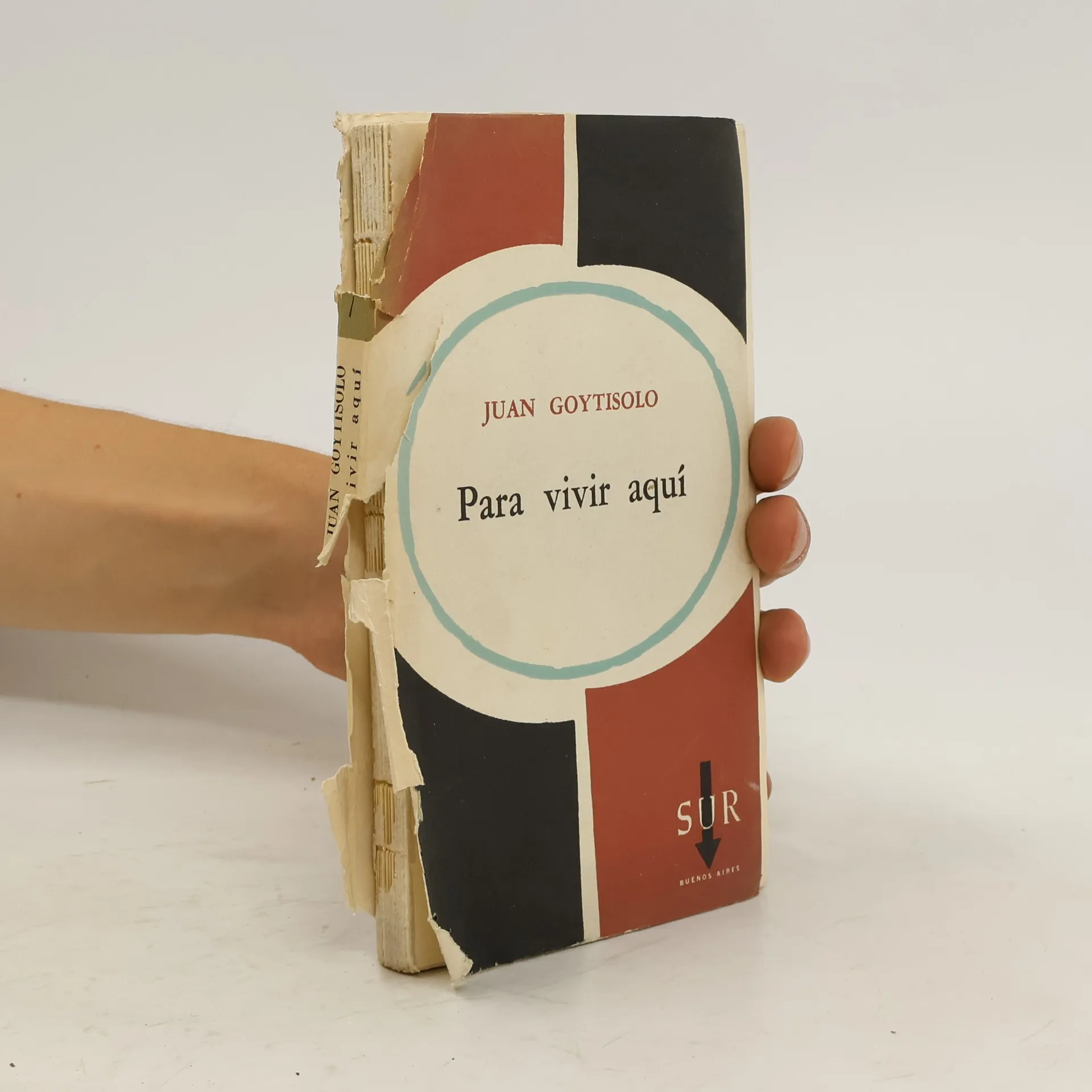
Club Bruguera - 28: Para vivir aquí
- 186pages
- 7 heures de lecture
'Para vivir aquí', conjunto de relatos de marcado calado social que forma parte del ciclo que incluye 'La isla' y 'Fin de fiesta', muestra a través de un sutil contrapunto la distancia definitiva que Goytisolo establece entre la burguesia, resignada a una abulia y el conformismo, y las clases trabajadoras, ahogadas por el subdesarrollo. Los títulos incluidos son los siguientes:-Cara y cruz-Suburbios-Otoño, en el puerto, cuando llovizna-El viaje-La guardia-la ronda-Los amigos-Aquí abajo
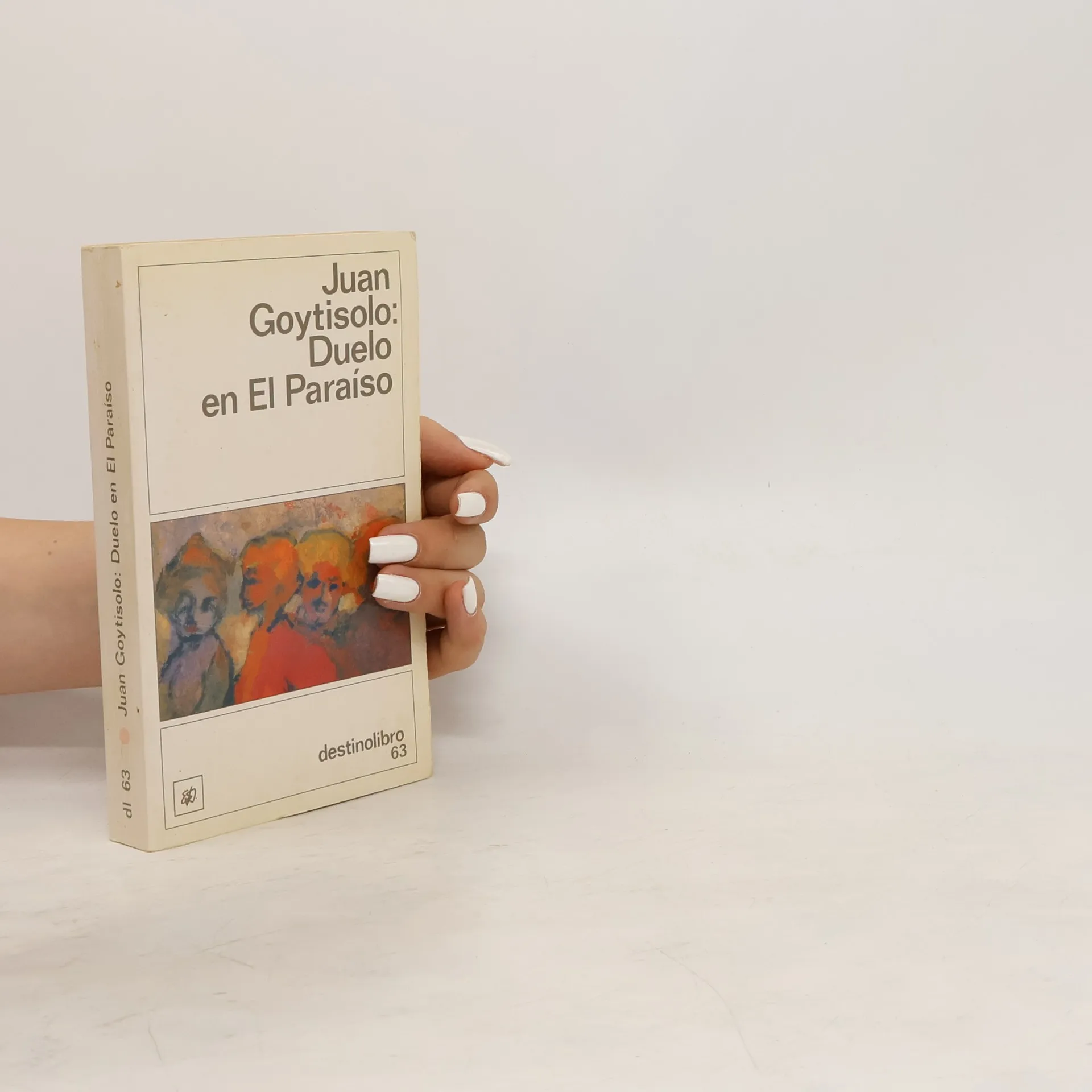
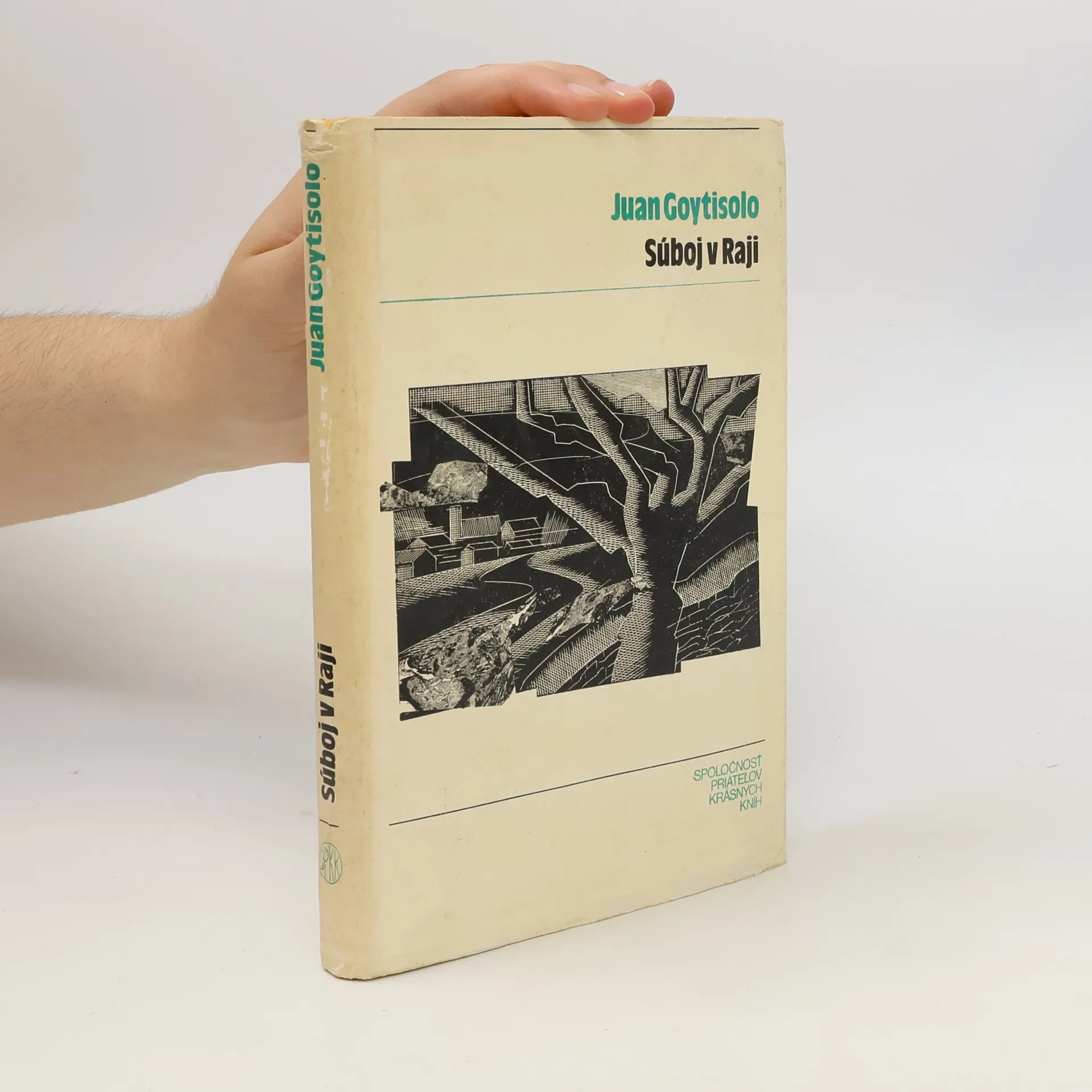
Duelo En El Paraiso
- 282pages
- 10 heures de lecture
En plena Guerra Cívil, el jovencito Abel decide fugarse de casa de su abuela, con quien no se lleva bien, para recalar en casa de su tía abuela Estanislaa, quien vive en El Paraíso, una decadente casa señorial, ubicada en el Pirineo catalán, que simboliza los fracasos de esa familia. Abel se ha quedado huérfano y en casa de su tía abuela le acogen por piedad, aunque en verdad no recibe demasiada atención. Abel toma contacto con la gente del entorno: los soldados republicanos ahí guarnecidos, los vagabundos y los otros niños ahí refugiados. La Guerra se ha hecho notar en los niños y ha terminado por afectar su sentido de la brutalidad. Tanto es así, que al oír las tremendistas consignas que escuchan por la radio, pondrán en marcha una idea que traerá consigo trágicas consecuencias.
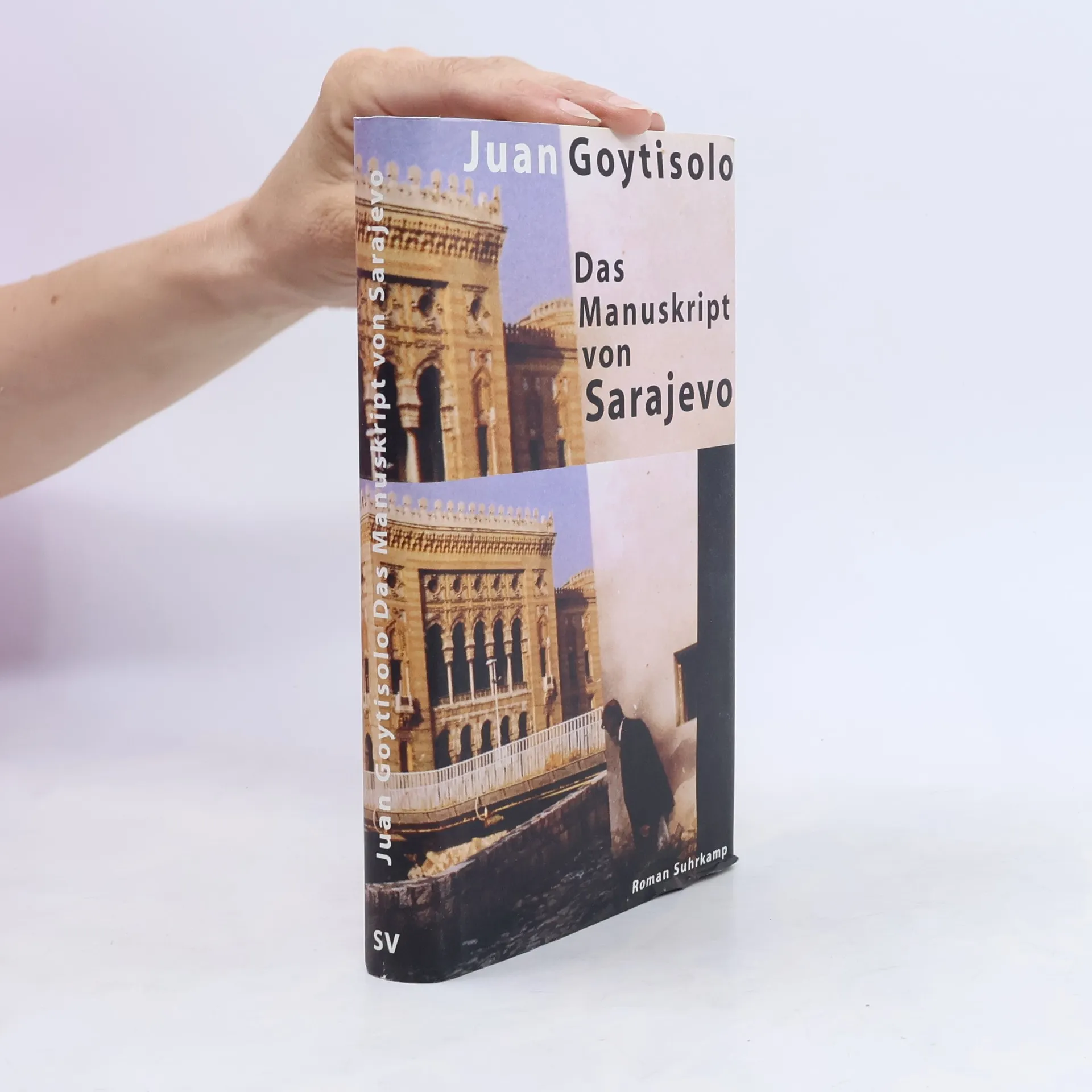
Das Manuskript von Sarajevo. Roman
- 191pages
- 7 heures de lecture
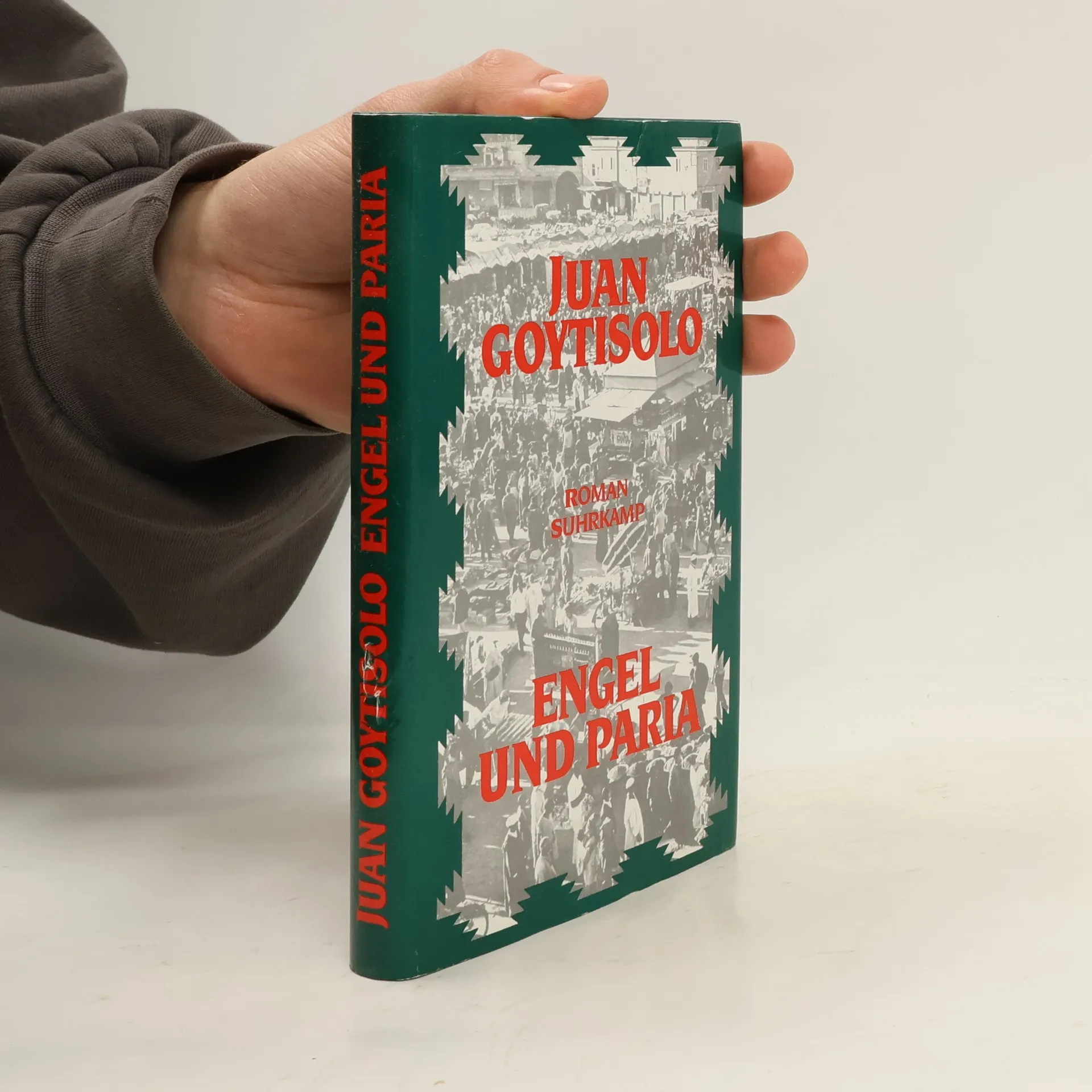
Engel und Paria. Roman
- 188pages
- 7 heures de lecture
In Marrakesch erzählt ein Märchenerzähler von der unmöglichen Liebe zwischen einem gefallenen Engel und einem Paria, der aus der Gesellschaft ausgestoßen ist. Ihre Reise führt sie von der Sahara über Paris bis nach Pittsburgh und symbolisiert den Weg zur persönlichen Freiheit.
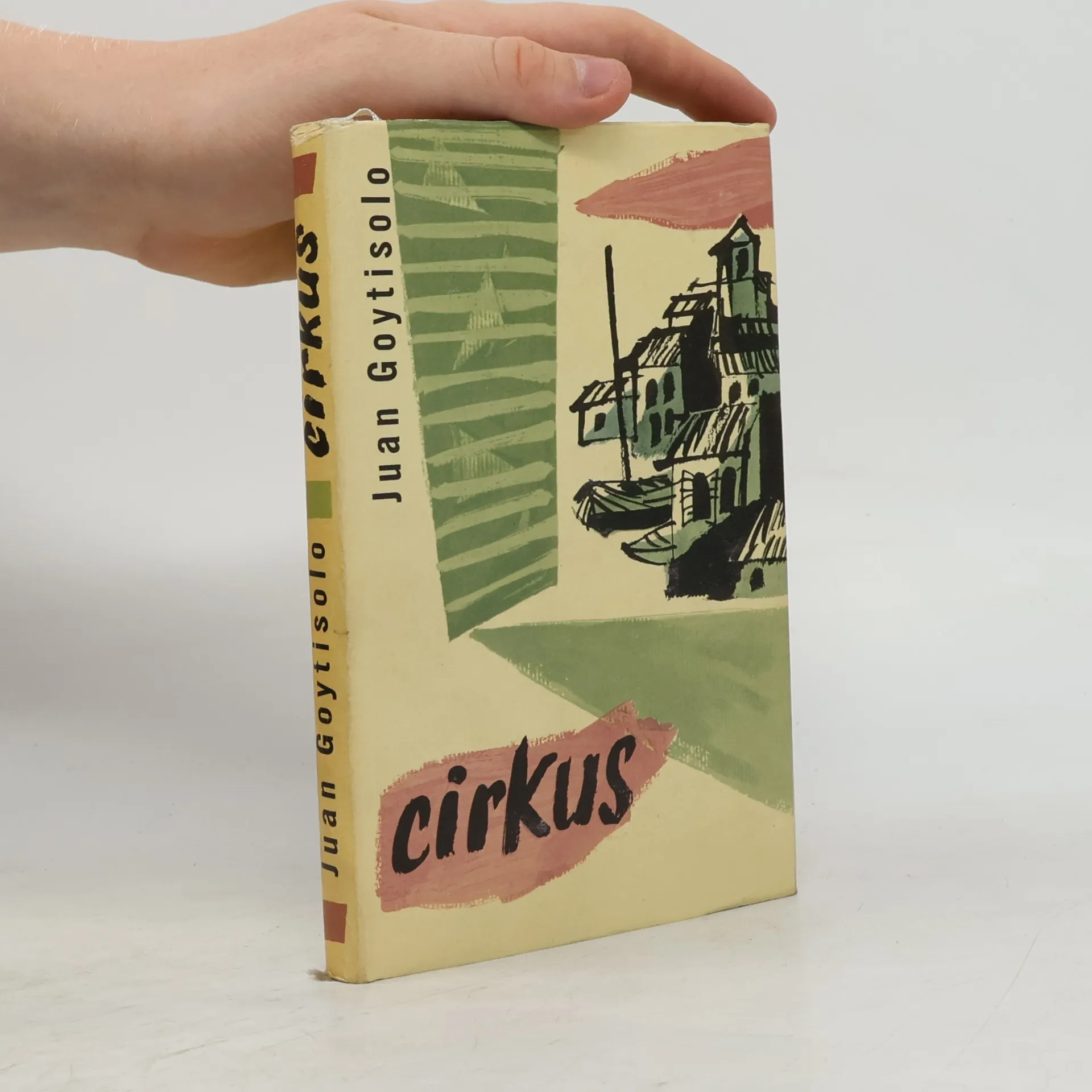
Román ze španělské současnosti poutavě líčí život katalánského městečka, bezduché hemžení jeho honorace, vliv amerikanismu na dospívající mládež i marné protesty jednotlivců proti přežilému společenskému zřízení...
Protagonistka románu Claudia sa usiluje stáť nad prostredím, ktoré ju obklopuje, a díva sa naň s ironickým odstupom. V snahe ostať verná sebe odmieta žiť s Rafaelom, ktorý ju podvádza, ale súčasne nemá dosť síl od neho odísť, takže pred spoločnosťou hrá úlohu zhovievavej a chápavej manželky. Úsilie zachovať si zvyšok ľudskej dôstojnosti uprostred morálne zvrátenej spoločnosti, vyžívajúcej sa v sexe, alkohole a promiskuite, zblíži Claudiu s nadanou a citlivou herečkou Vélezovou, trpiacou komplexmi starnúcej a nemilovanej ženy. Claudia po neúspešnom pokuse začať nový život s Enriquem, s ktorým mala ľúbostný pomer v Paríži, vracia sa k Rafaelovi a v záujme jeho kariéry podvolí sa odcestovať s ním na nové pôsobisko v Spojených štátoch. Kruh sa uzaviera, nič sa nezmenilo, dlhotrvajúca kríza a pomalé umieranie za živa pokračuje.
Román španielskeho autora, jeho dielo charakterizuje nekomfortný postoj k spoločenským pomerom povojnového Španielska. V románe Súboj v Raji, preloženom do mnohých európskych jazykov, sa Goytisolo prejavil ako vynikajúci rozprávač, ktorý sugestívne vniká do psychiky mladého človeka a jeho postojov v kľúčových životných situáciách súčasného sveta.
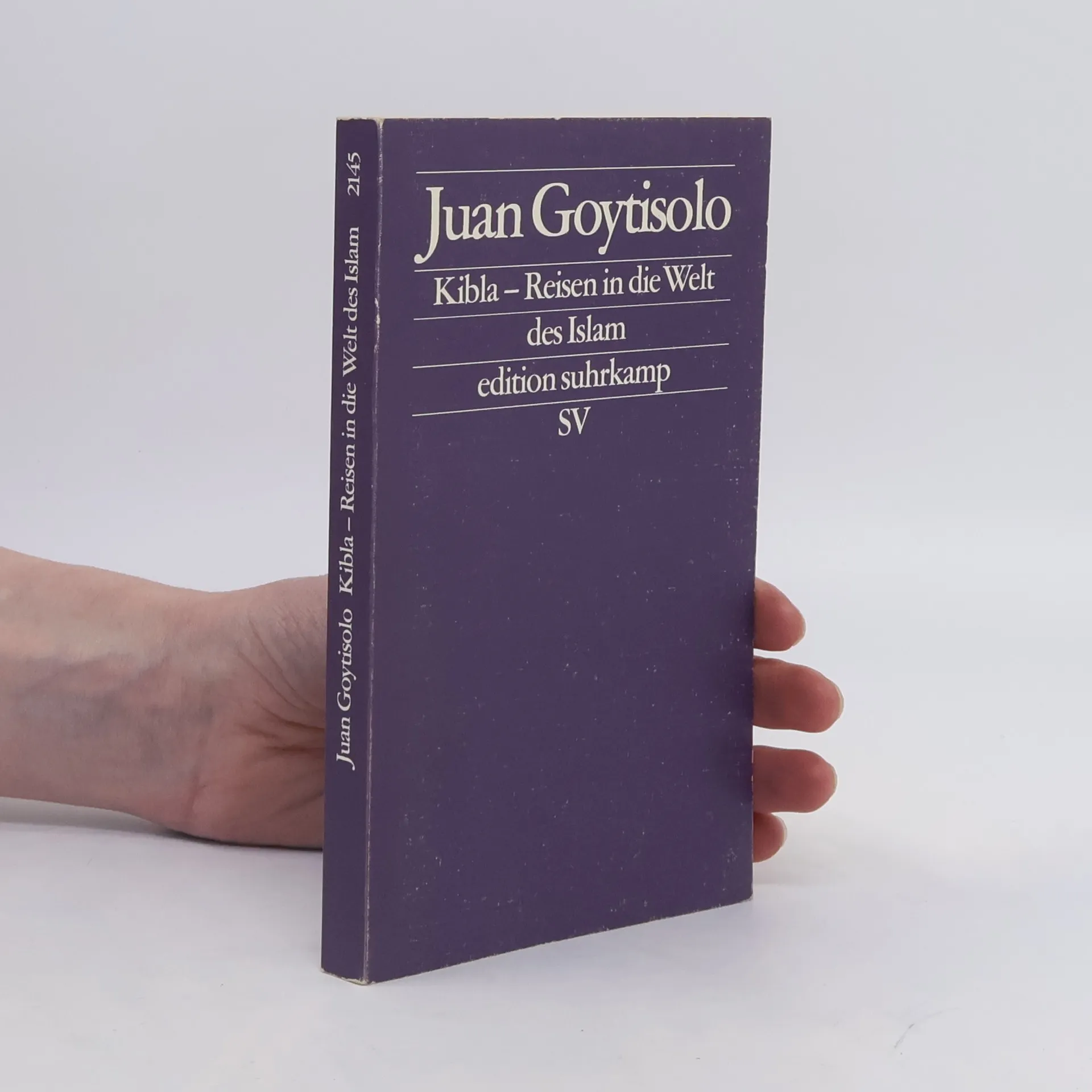
Kibla
- 237pages
- 9 heures de lecture
Juan Goytisolo ist ein Reisender zwischen den Welten. Der Umstand, daß der gebürtige Spanier abwechselnd in Paris und in Marrakesch lebt, prädestiniert ihn zum Mittler zwischen Orient und Okzident. Seine ebenso sachkundigen wie einfühlsamen Essays und Reportagen tragen dazu bei, die Stereotypen und Klischees zu korrigieren, die bis heute das Bild des Islam im Westen prägen, und beleuchten eine Wirklichkeit jenseits der Legenden, die seit Jahrhunderten den Blick des Abendlands auf das Morgenland verstellen. Goytisolo, der die Welt des Islams zwischen Tanger, Timbuktu und Samarkand bereist hat, fordert uns auf, eine faszinierend vielseitige und lebendige Kultur zu entdecken, deren reiches Erbe vielerorts Gefahr läuft, von der wirtschaftlichen und kulturellen Globalisierung überrollt zu werden. Seine Themen reichen von der Geschichte der Muslime in der sich auflösenden Sowjetunion über türkische Busbahnhöfe, die jemenitische Architektur und den Islam in Schwarzafrika bis hin zum Treiben der Gaukler auf dem Djemaa el-Fna in Marrakesch. Dabei versäumt es Goytisolo nicht, auf eine gefährliche Alternative hinzuweisen, die heute für viele muslimische Länder zu einem Teufelskreis zu werden droht: die Alternative, sich zwischen einer die Identität verbürgenden Tradition und Notwendigkeit des Wandels entscheiden zu müssen.
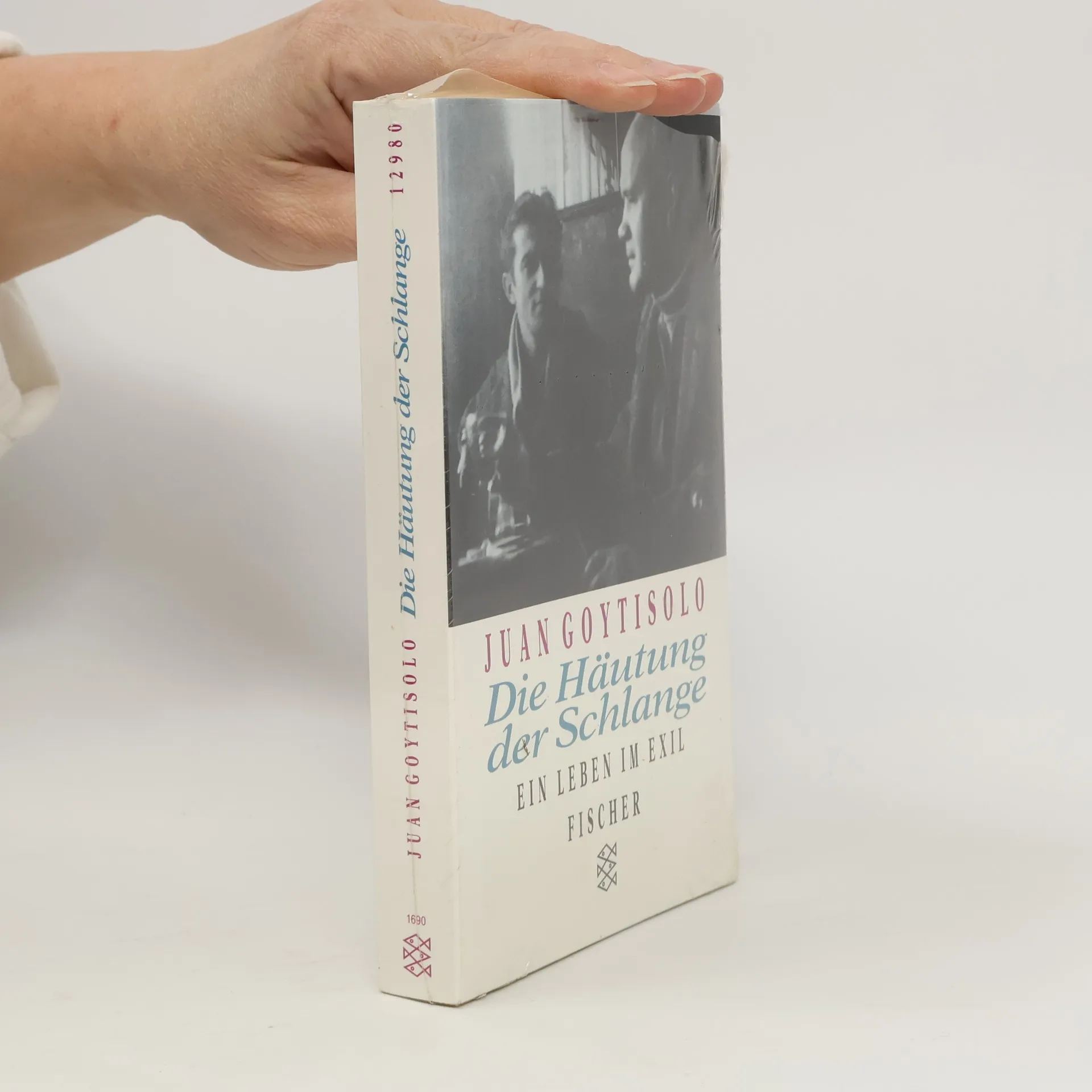
Die Häutung der Schlange
- 368pages
- 13 heures de lecture
Ünlü İspanyol yazar Juan Goytisolo, Yasak Bölge’nin devamı niteliğindeki bu kitabında özellikle 1960 ve 1970’li yıllara ilişkin anılarını anlatıyor. Dönemin Paris edebiyat çevrelerinden Küba’ya ve Sovyetler Birliği’ne yaptığı yolculuğa, Franco’nun İspanya’sından Cortazar, Genet, Sartre ve Beauvoir gibi yazarlara kadar, Goytisolo’nun gözünden ve kaleminden sancılı yıllar. “Akşam yemeğinde sohbetin dönüp dolaşıp Franco’ya karşı somut bir suikast olasılığı üzerinde yoğunlaşması beni hayretler içinde bırakmıştı. Böylesi bir suikastı herhangi bir boğa güreşi alanında gerçekleştirmek onlara mümkün görünüyordu: Misafirlerden biri diktatörün baş köşeye kurulduğu bir boğa güreşini seyretmişti ve ona göre hedefi tutturmak çocuk oyuncağıydı...”
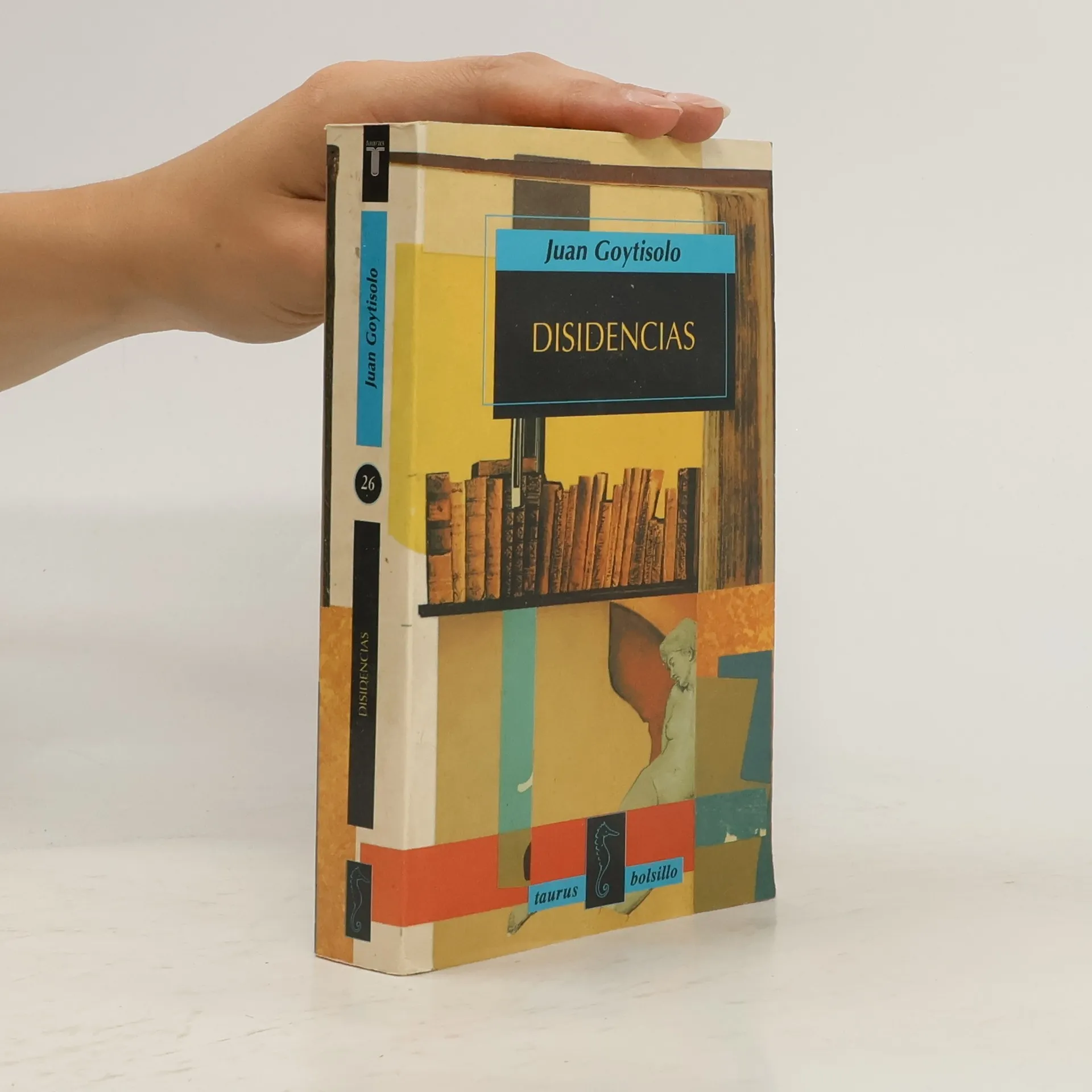
Disidencias
- 396pages
- 14 heures de lecture
En estos artículos del período 1970-1976 Goytisolo se propone disentir, tanto del sistema social y cultural heredado como de todo sistema para, finalmente: disentir de sí mismo. Para hacerlo, elige el lugar del marginal, planteando una serie de identificaciones históricas: Fernando de Rojas Francisco Delicado, Estebanillo González, Blanco White. La mejor misión del escritor es desarrollar al máximo sus contradicciones. Por eso, en estos textos está el mejor Goytisolo, el que suele evadirse de la autorrejezentismo megalómano o la retórica experimentalista, que son sus tentaciones y las de tantos escritores en España y fuera. El Goytisolo que, como sus admirados Sade y Genet, se afirma para disentir de sí mismo.
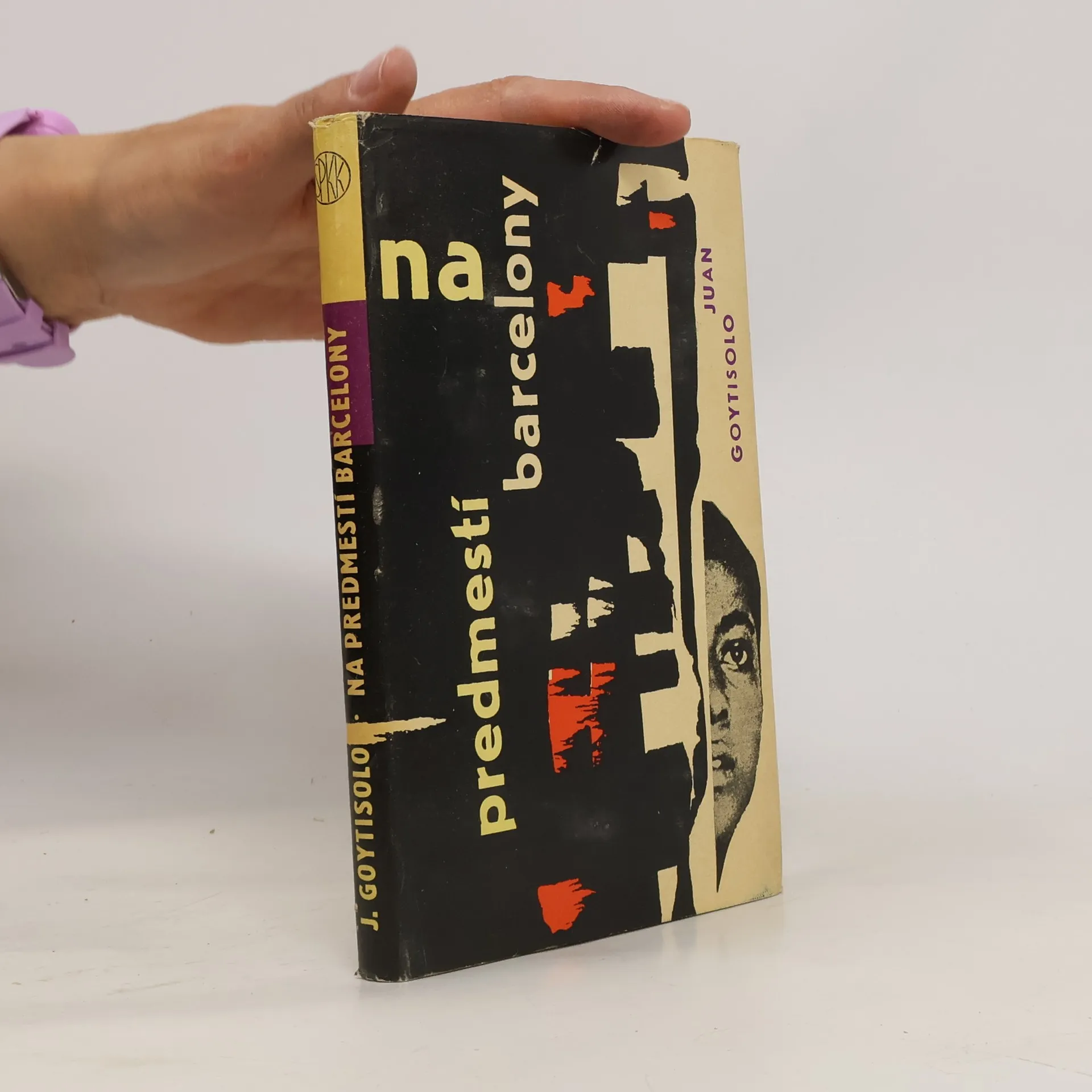
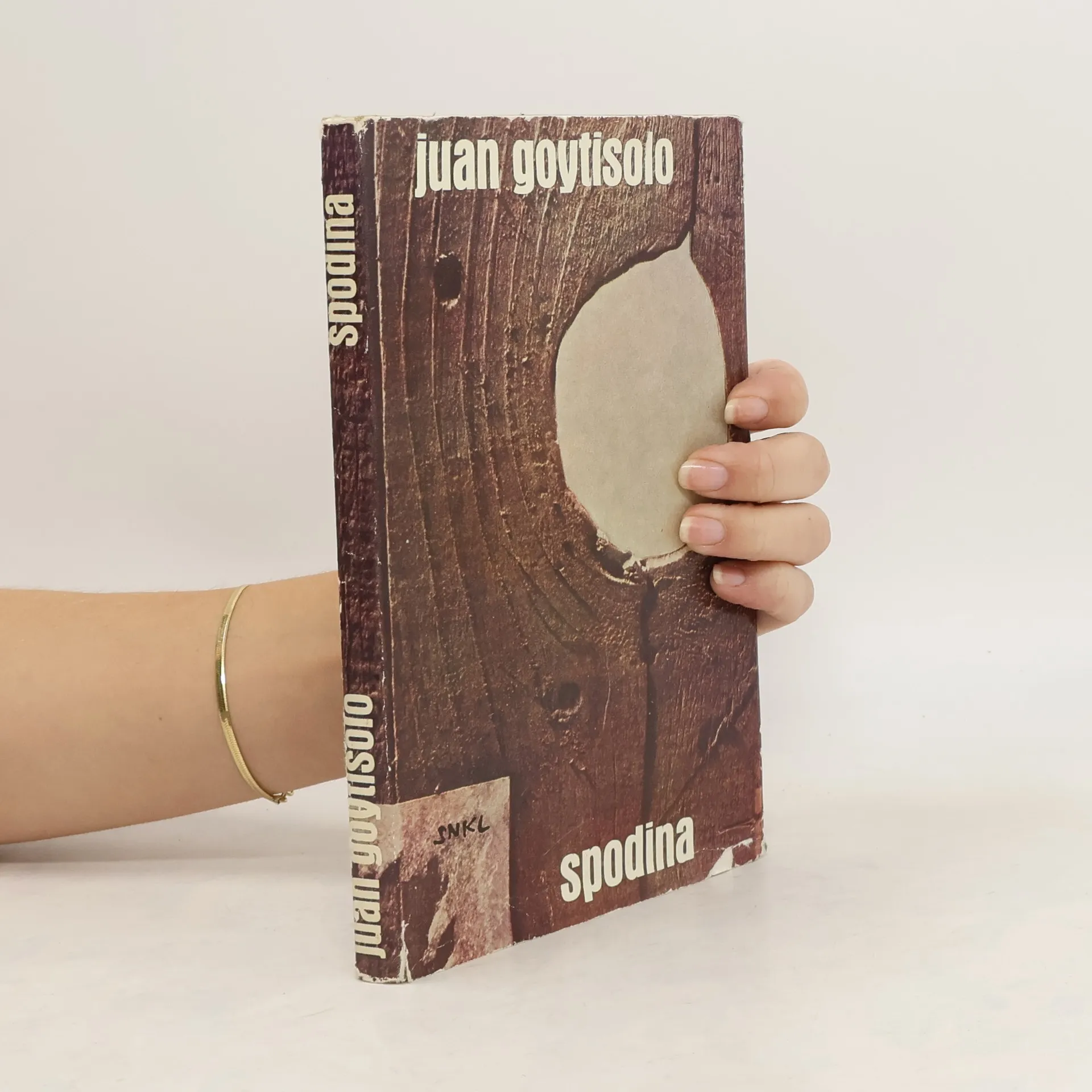
Společenskokritický román. Realistický obraz života mladých lidí z barákové kolonie v předměstí Barcelony, jež bída hmotná nezadržitelně vrhá i v bídu mravní a mění je v chuligány. Jejich osudy zasadil autor do širšího rámce periférie velkoměsta, ve kterém příkře vystupují protiklady života bohatých a chudých a stávají se obžalobou režimu, který se marně snaží zakrýt hmotnou i společenskou vyřazenost zástupů pracujících tím, že je prohlašuje za spodinu.
Pohled do Španělska zotročeného Frankovým diktátorským režimem z pera pokrokového španělského spisovatele, žijícího v Paříži. Za třídenního putování okolím městečka Níjar v Almerijské provincii na jihu Španělska, vyprahlém a chudém kraji bez vody a lesů, měl možnost nahlédnout pod povrch věcí a poznat skutečnou tvář života země a jejích obyvatelů, vykořisťovaných i vykořisťovatelů.
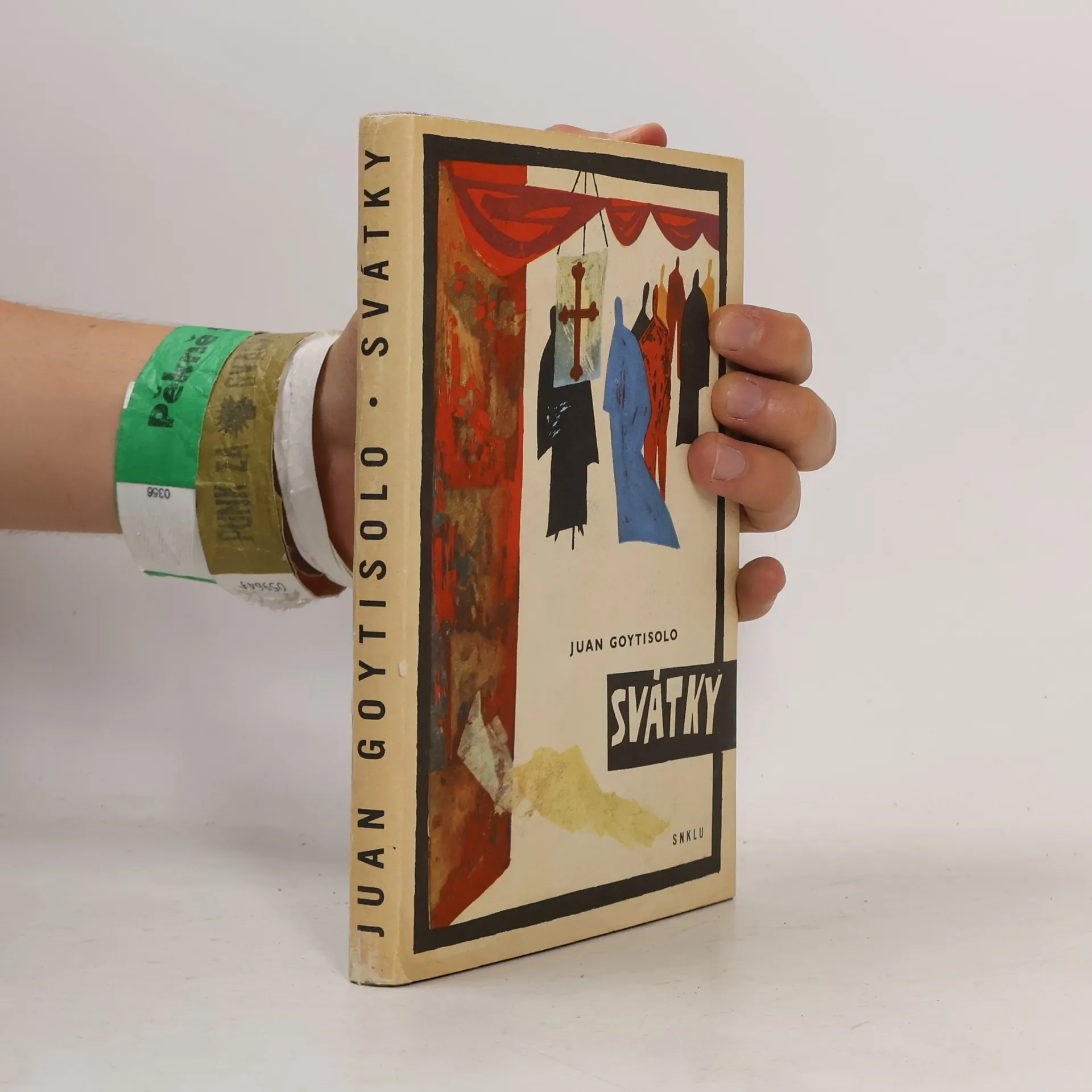
Nezvykle rozvíjené a v beznaděj ústící příběhy drobných lidí, jejichž ponurými rysy zamýšlel autor postihnout pokoření a zbídačení obyvatelstva Frankova Španělska. Dějištěm je Barcelona a časově jsou události rámovány přípravami a počátkem velkých církevních slavností, Světového kongresu víry, jež svým leskem mají oslnit masy a pomoci je udržovat v nevědomosti a nesvobodě. Doslov Eduard Hodoušek.
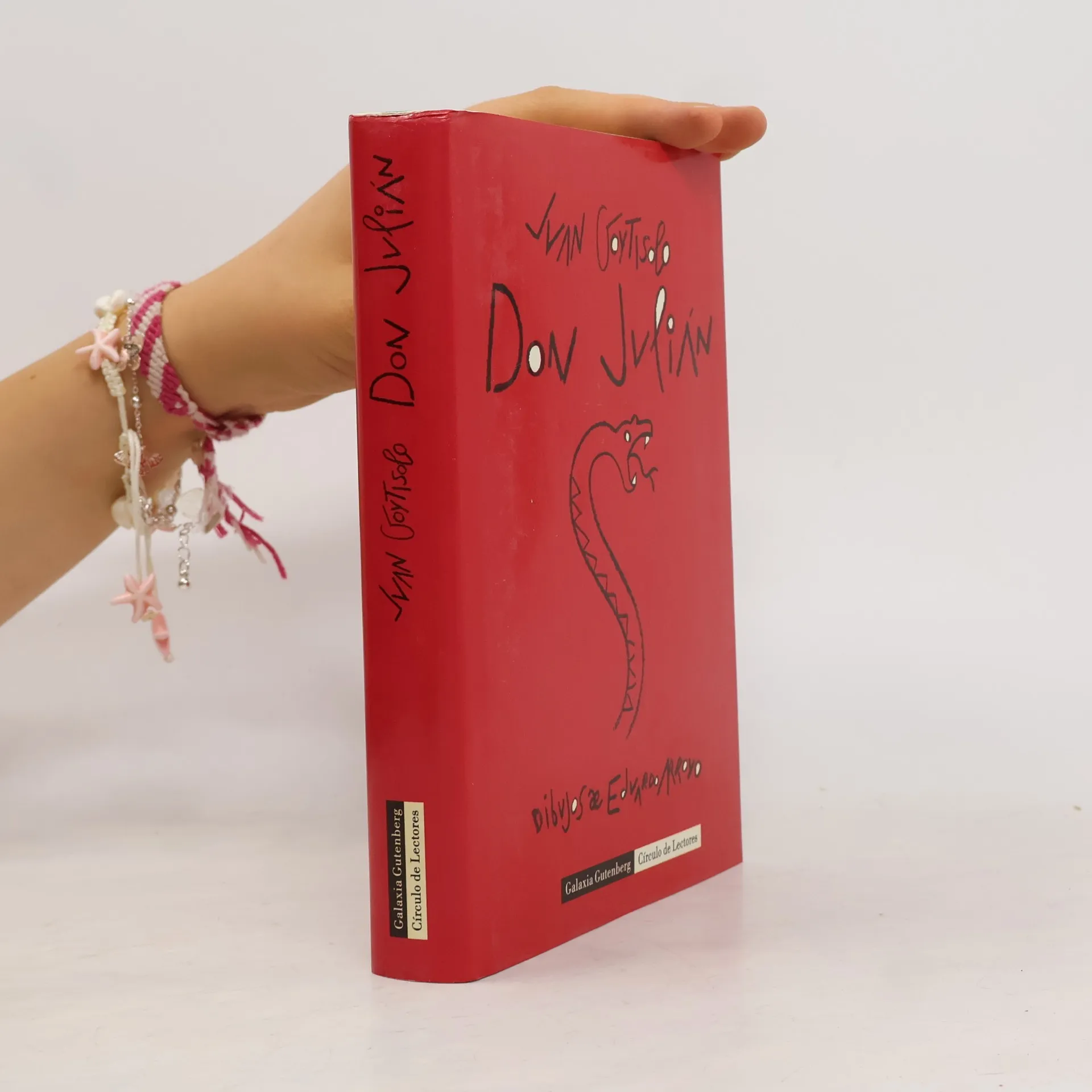
Don Julián
- 282pages
- 10 heures de lecture
Vinculada a Señas de identidad , tanto por lo que tiene de continuación de un designio literario y de exploración personal como por lo que de ruptura con ella supone, Reivindicación del conde don Julián (1970) es una pieza clave en la producción de Juan Goytisolo. Centrada significativamente en torno a la mítica figura del conde godo que abrió la puerta de la Península a los árabes, la novela es a la vez instrumento y testimonio literario de una valiente toma de postura, de una ruptura con las referencias y mitos creadores de la propia experiencia orientada a clausurar una vía y emprender un nuevo camino tanto en el ámbito intelectual como en el de la creación.
Autobiografie van de Spaanse schrijver (1931- ) over de periode van zijn politieke ballingschap in Parijs in de jaren zestig.
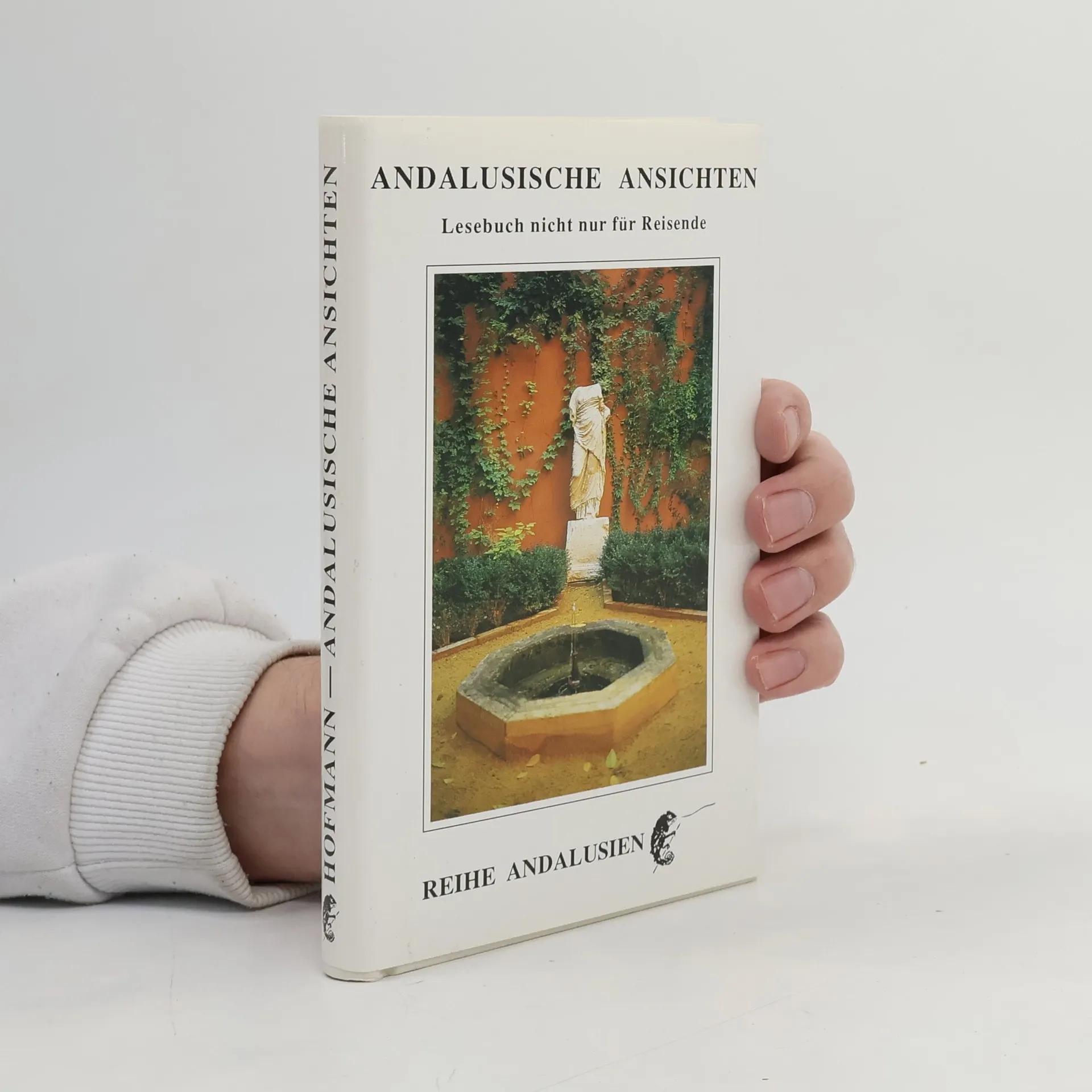
Winfried Jenior, Kassel, 1998. 237 S., Pbd.U. - Band 2 der Reihe Andalusien/sehr gutes Exemplar -
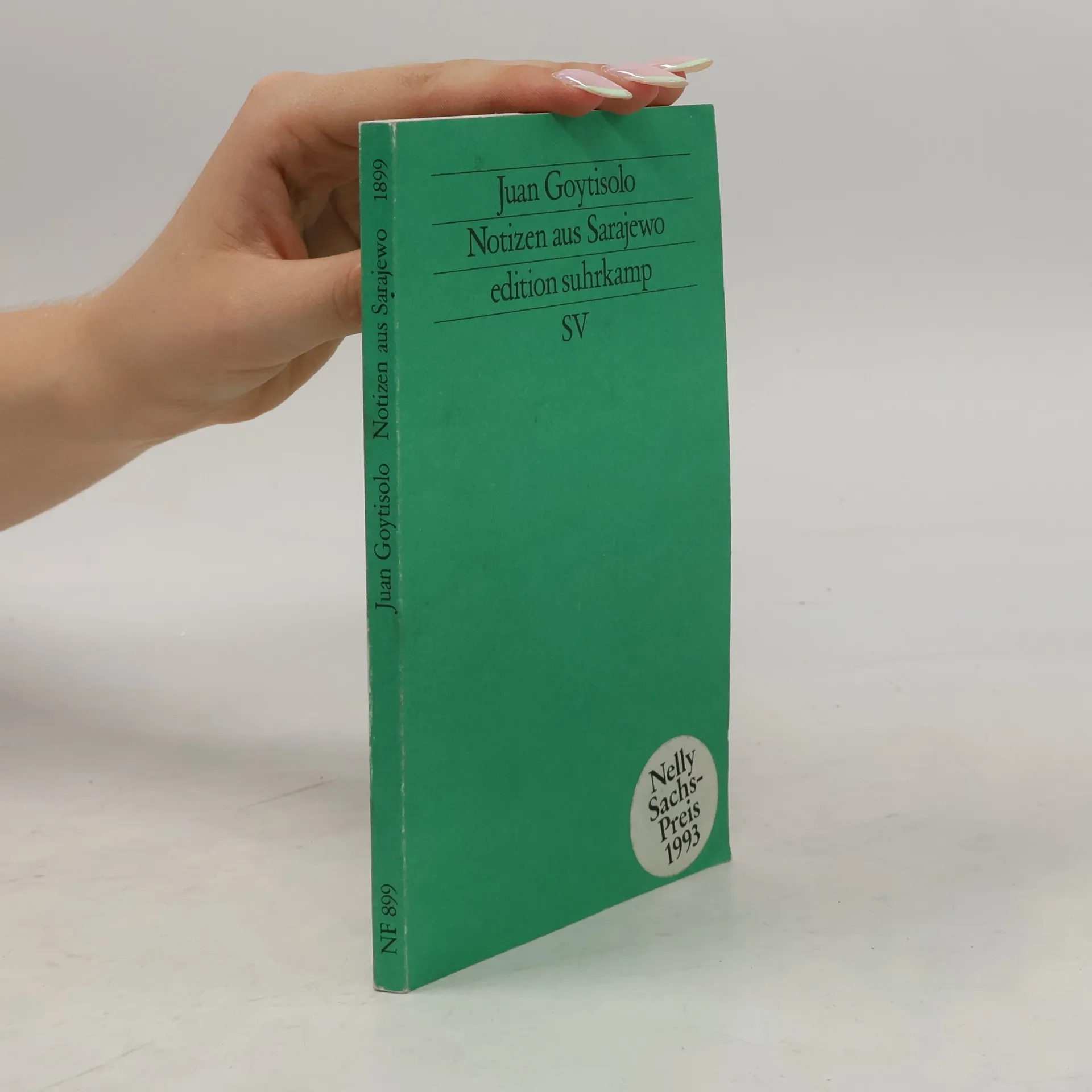
Edition Suhrkamp: Notizen aus Sarajewo
- 139pages
- 5 heures de lecture
Juan Goytisolo verbrachte einige Zeit in dem von serbischen Truppen eingeschlossenen Sarajewo und berichtet in neun Folgen - die in zahlreichen Zeitungen veröffentlicht wurden - vom täglichen Terror und der Verzweiflung der Bewohner, die sich vom restlichen Europa und den Vereinten Nationen im Stich gelassen fühlen. Goytisolo leiht den Opfern seine Stimme und versucht eine Annäherung an das Unbeschreibbare. Seine Notizen aus Sarajewo sind ein Aufruf an die Welt, sich ihrer Verantwortung bewußt zu werden, sie sind „ein Akt persönlicher Zeugenschaft angesichts eines kollektiven Verbrechens in der Mitte Europas“, so die Frankfurter Rundschau, die diese Artikel zuerst publizierte.
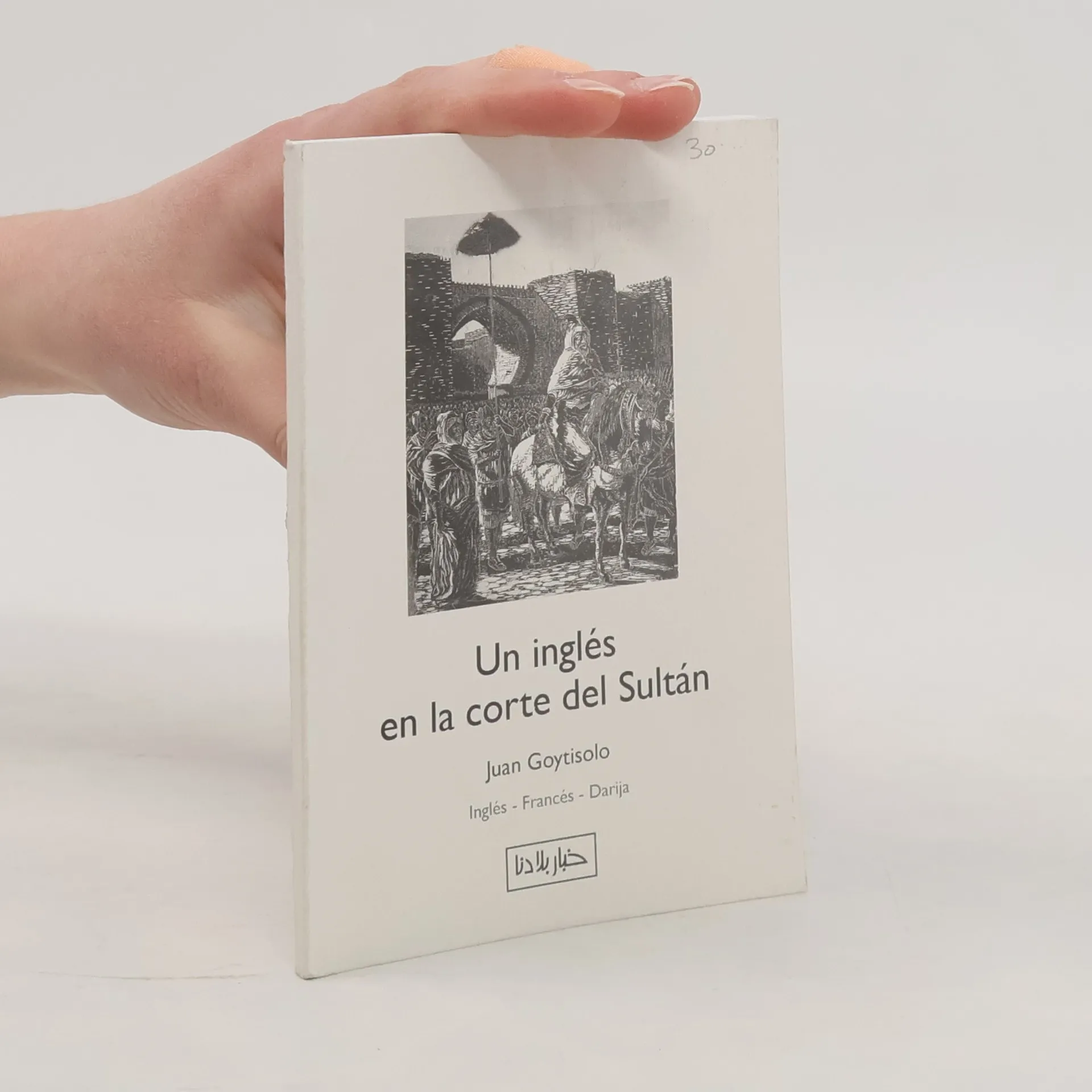
Un inglés en la corte del Sultán
- 12pages
- 1 heure de lecture
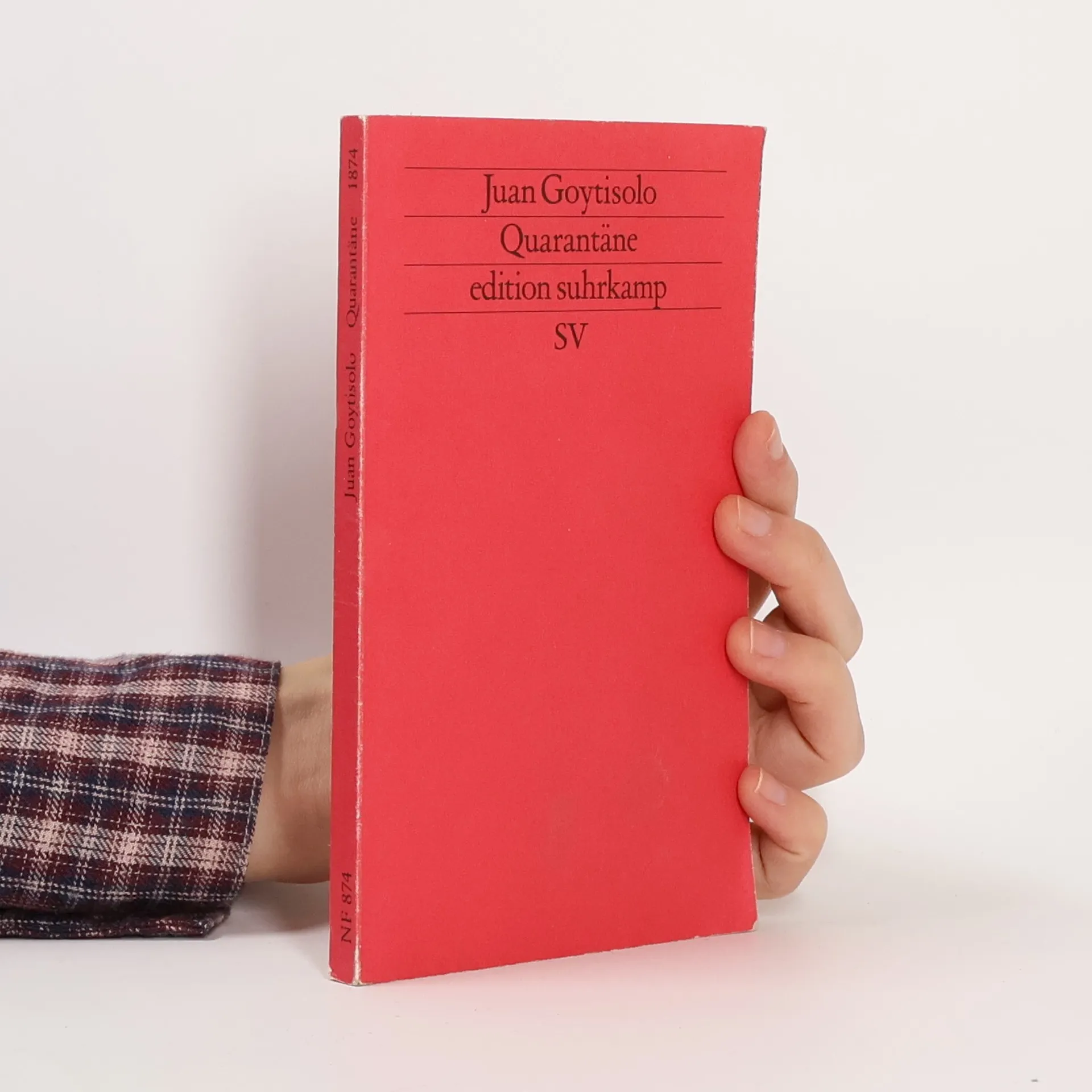
Edition Suhrkamp - 1874: Quarantäne
- 117pages
- 5 heures de lecture
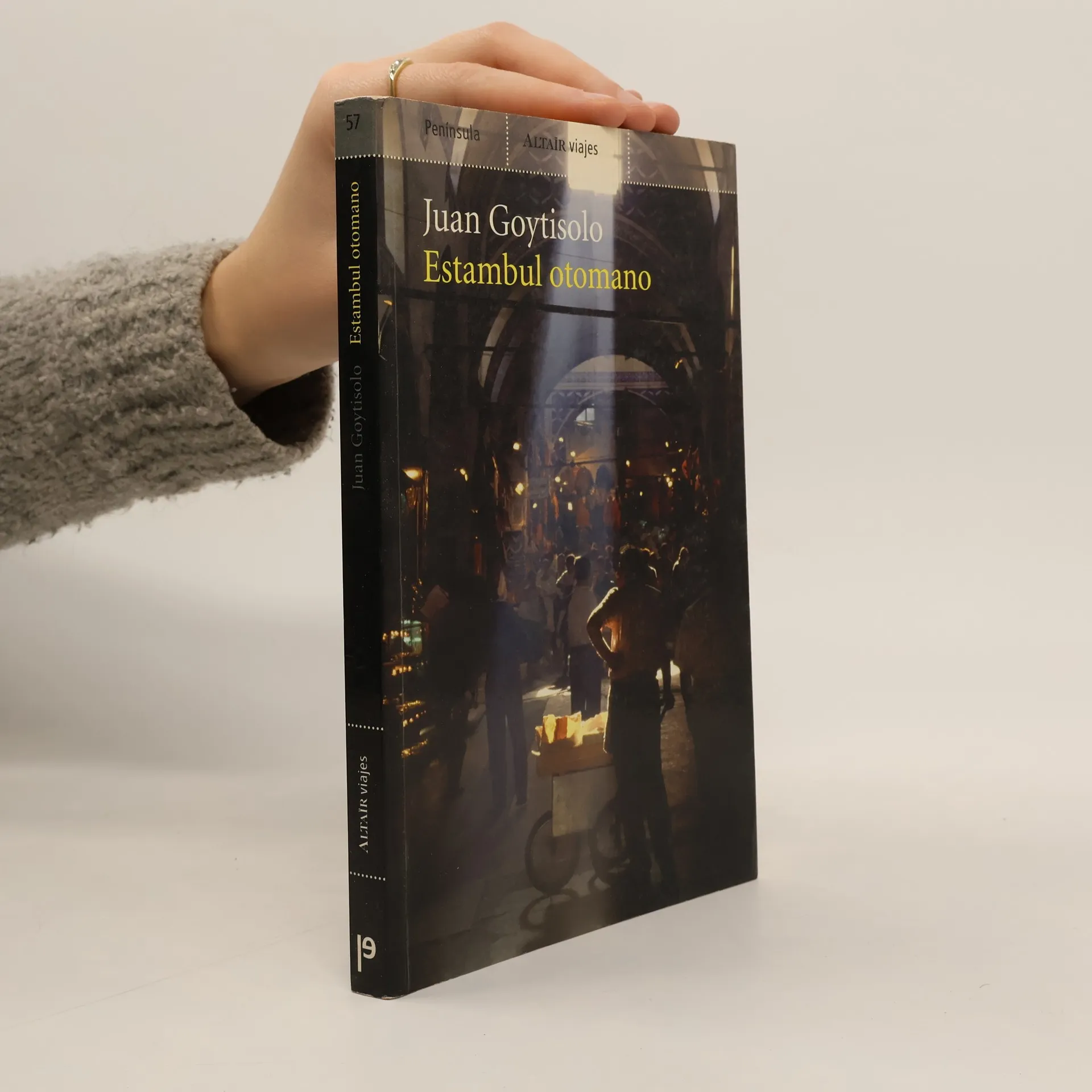
Estambul otomano (Altaïr viajes)
- 144pages
- 6 heures de lecture
Crisol de civilizaciones y gozne geográfico entre Oriente y Occidente, Estambul es el auténtico corazón de Turquía, y la impronta del Imperio otomano, que se remansa a lo largo de los siglos XVI, XVII y XVIII, es su soberbio legado para la cultura universal, a cuya fascinada contemplación y vivencia han acudido y siguen acudiendo escritores y curiosos viajeros de todos los confines del mundo. Juan Goytisolo, con su pasión y maestría literaria características, abre en canal la sociedad del Estambul otomano —de sultanes a jenízaros—, apegada tenazmente a las tradiciones, igualitaria y móvil, y nos da a conocer sus creencias, tradiciones y costumbres, desde su profundo amor a la naturaleza hasta sus rituales de tránsito, desde el hammam hasta el mazarlik, pasando por el Gran Bazar y los caravanserrallos. Asistimos, pues, a la exaltación y reivindicación de una sociedad mucho más libre de lo que se nos ha hecho creer, y sin cuya versatilidad cultural y artística sería imposible entender la literatura y las artes occidentales.
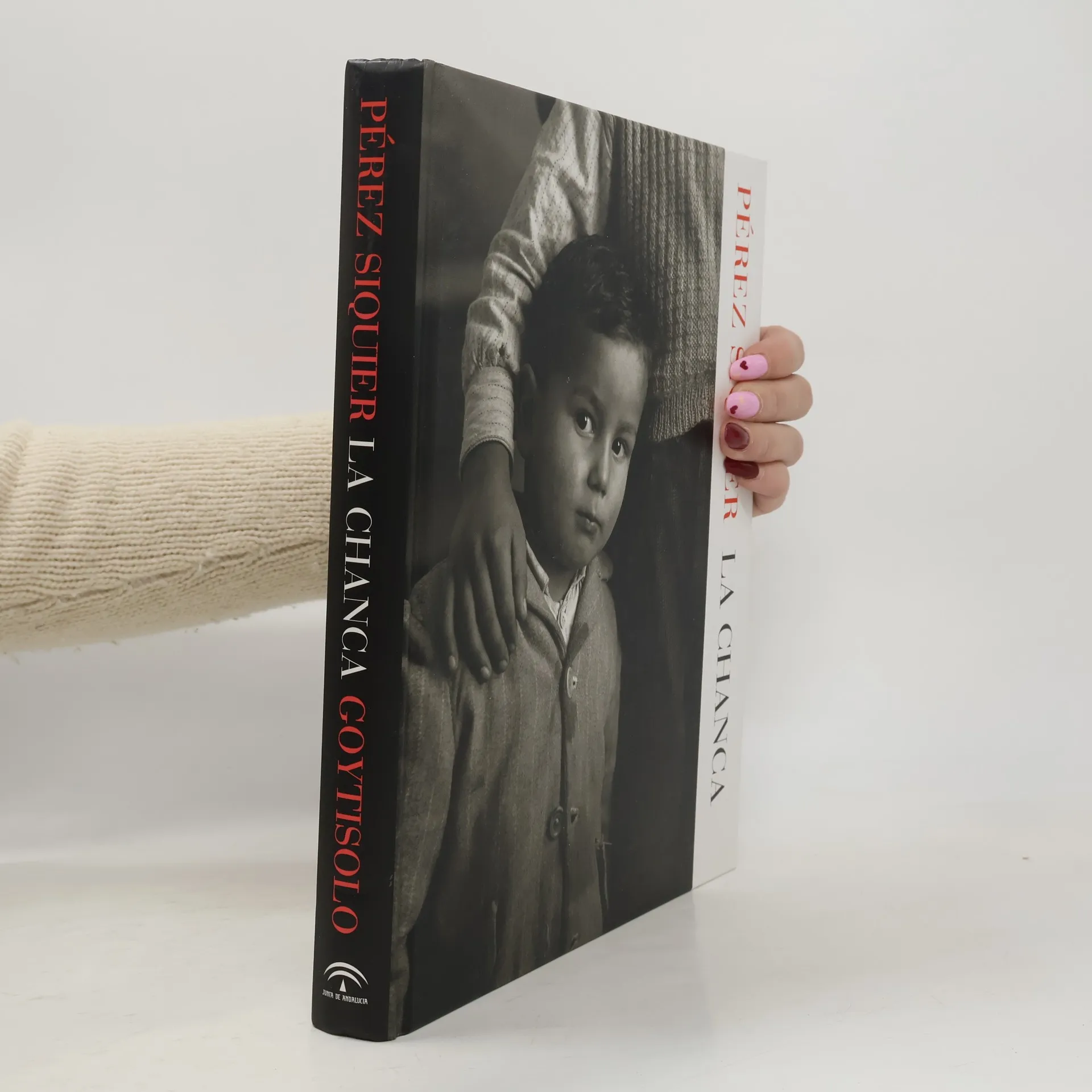
La Chanca. Juan Goytisolo y Pérez Siquier
- 236pages
- 9 heures de lecture
Resumen: recopilación de los dos libros anteriores sobre la Chanca. La literatura y la fotografía enriquecidas ahora con la música de Sensi cantando poemas de Valente acompañada por las guitarras de "Niño de la Manola" y Miguel Angel García.