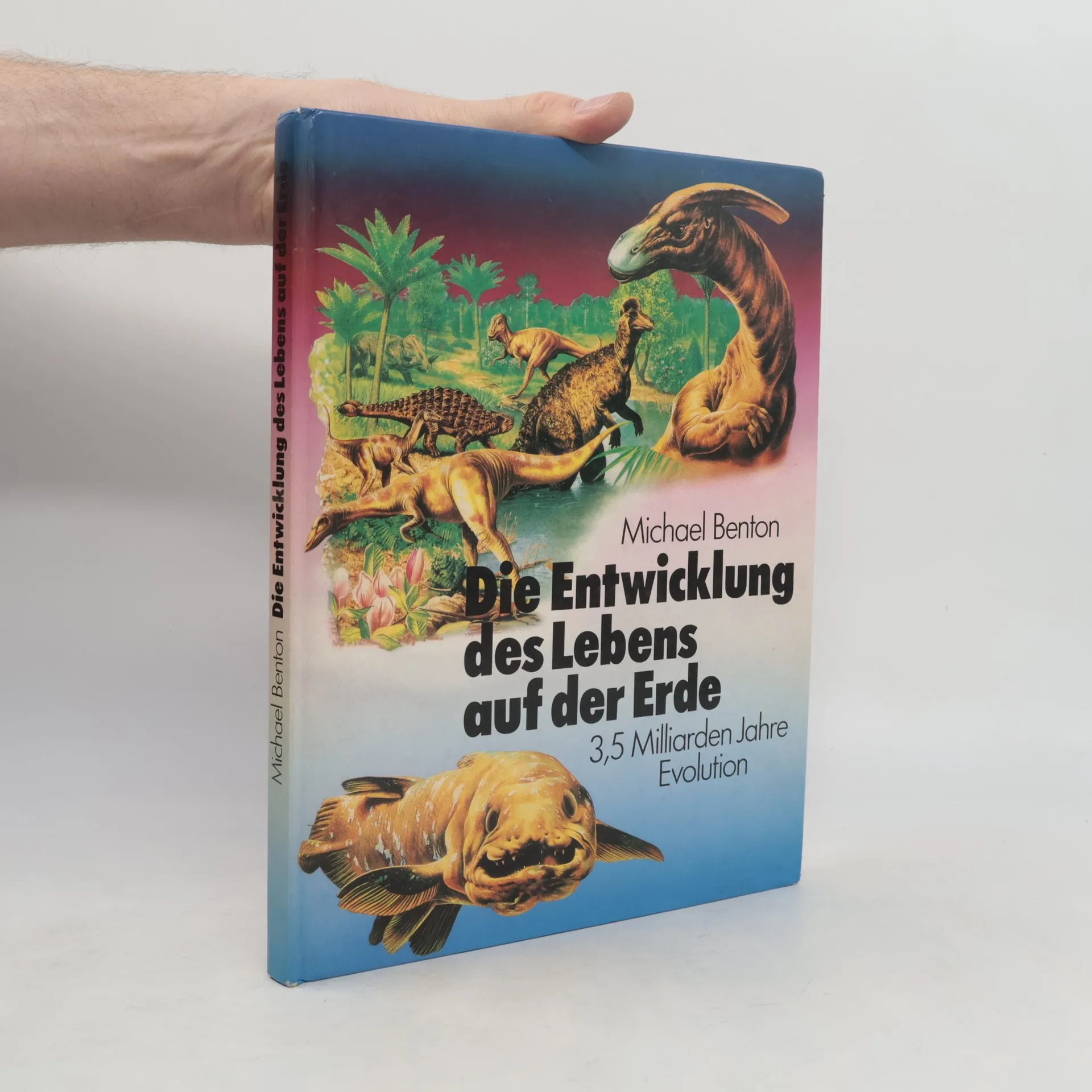
Le professeur Michael J. Benton est une figure de proue en paléontologie des vertébrés à l'Université de Bristol. Ses recherches explorent les mondes fascinants des reptiles anciens, des dinosaures de la période Triasique et du vaste domaine de la macroévolution. Il dirige un groupe de recherche en paléontologie très performant, formant la prochaine génération de scientifiques grâce à sa vaste supervision d'étudiants doctorants.
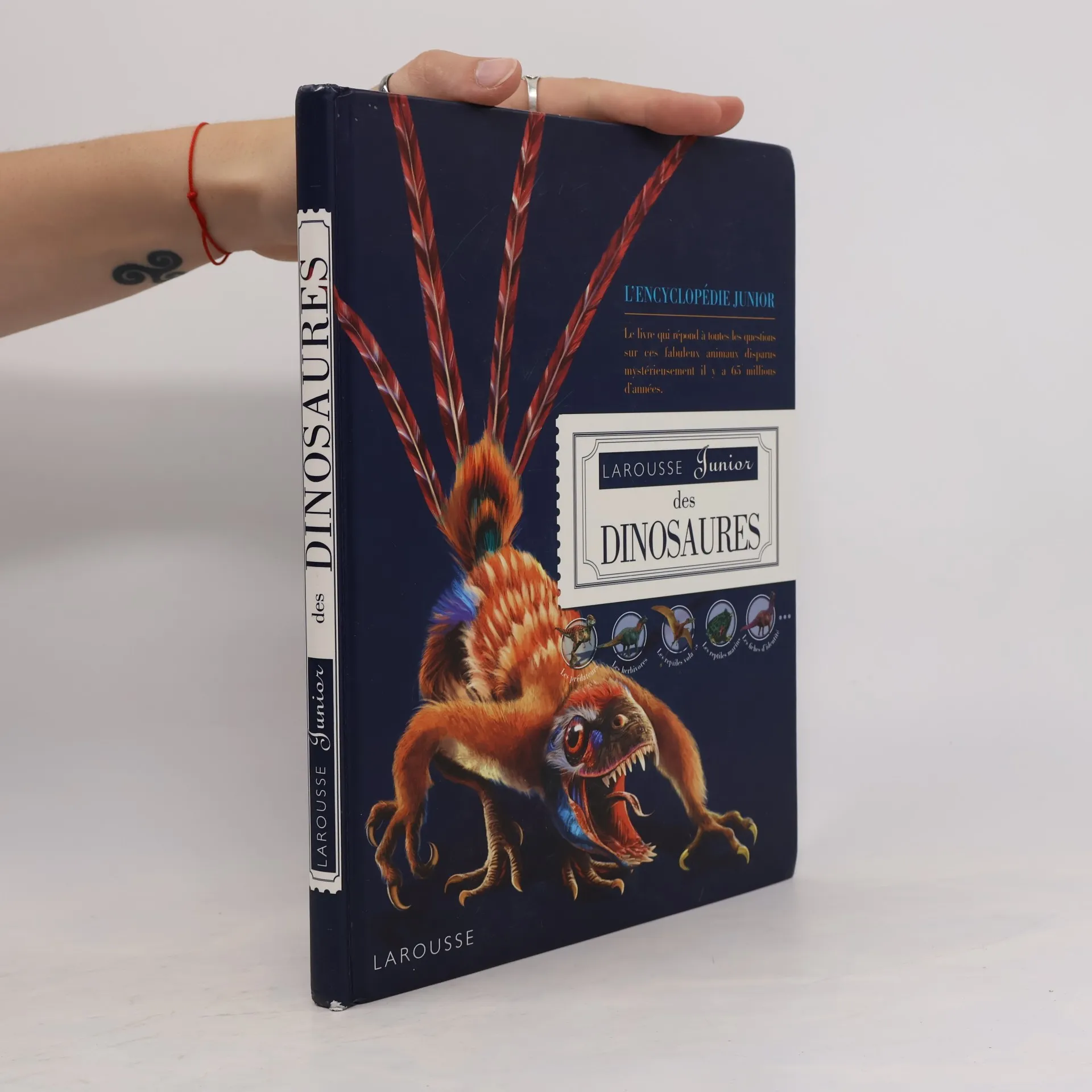
Herbivores ou carnivores, petits ou géants, cuirassés ou à plumes, armés de griffes, de massues ou de longues dents... les dinosaures sont tous différents. Avec 400 illustrations et photos en couleur, des explications sur le mode de vie de ces animaux étonnants et sur leur évolution, la présentation des grands sites de fouilles, les découvertes les plus récentes à travers le monde, des records, des anecdotes et des liens Internet pour en savoir plus. Ils nous surprennent encore !
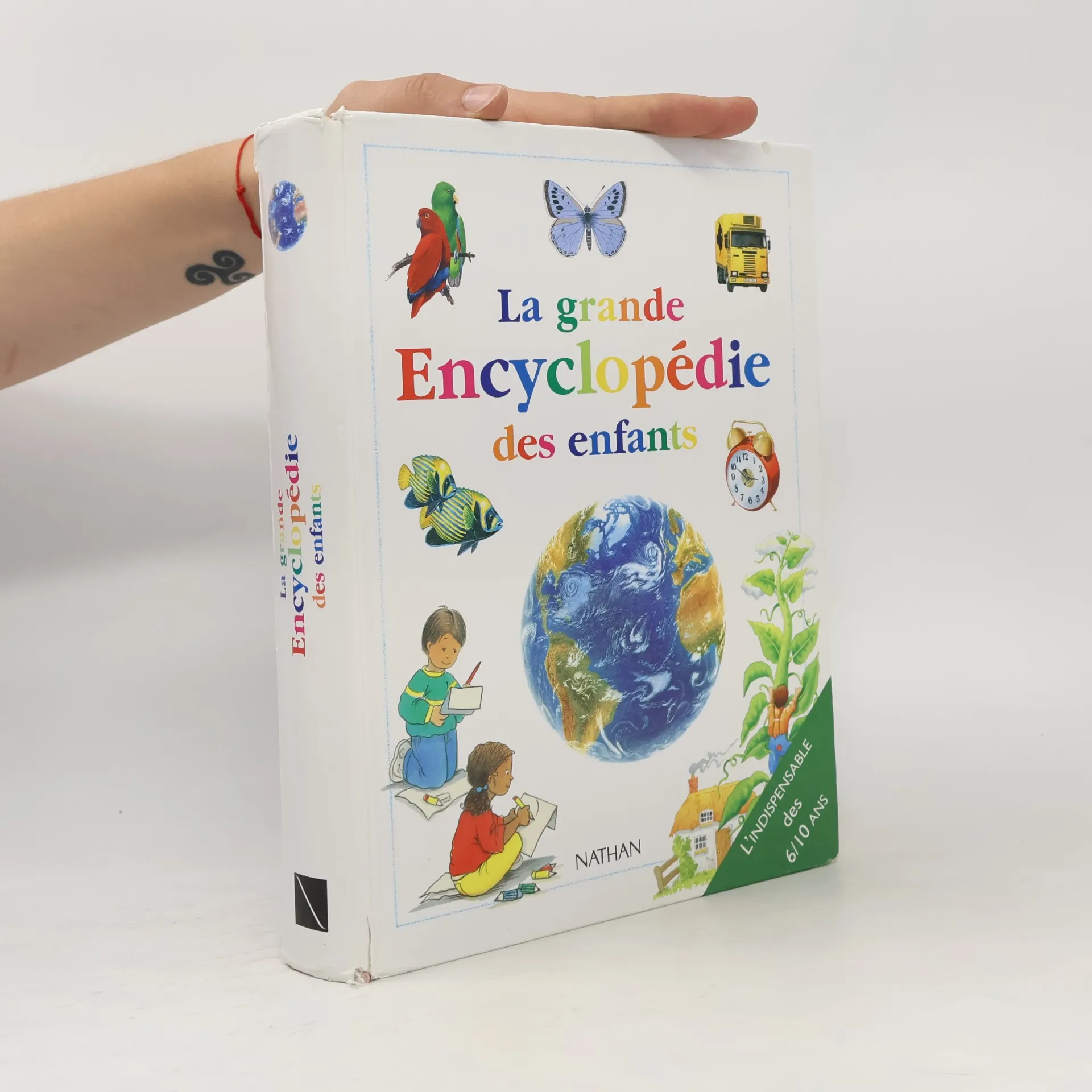
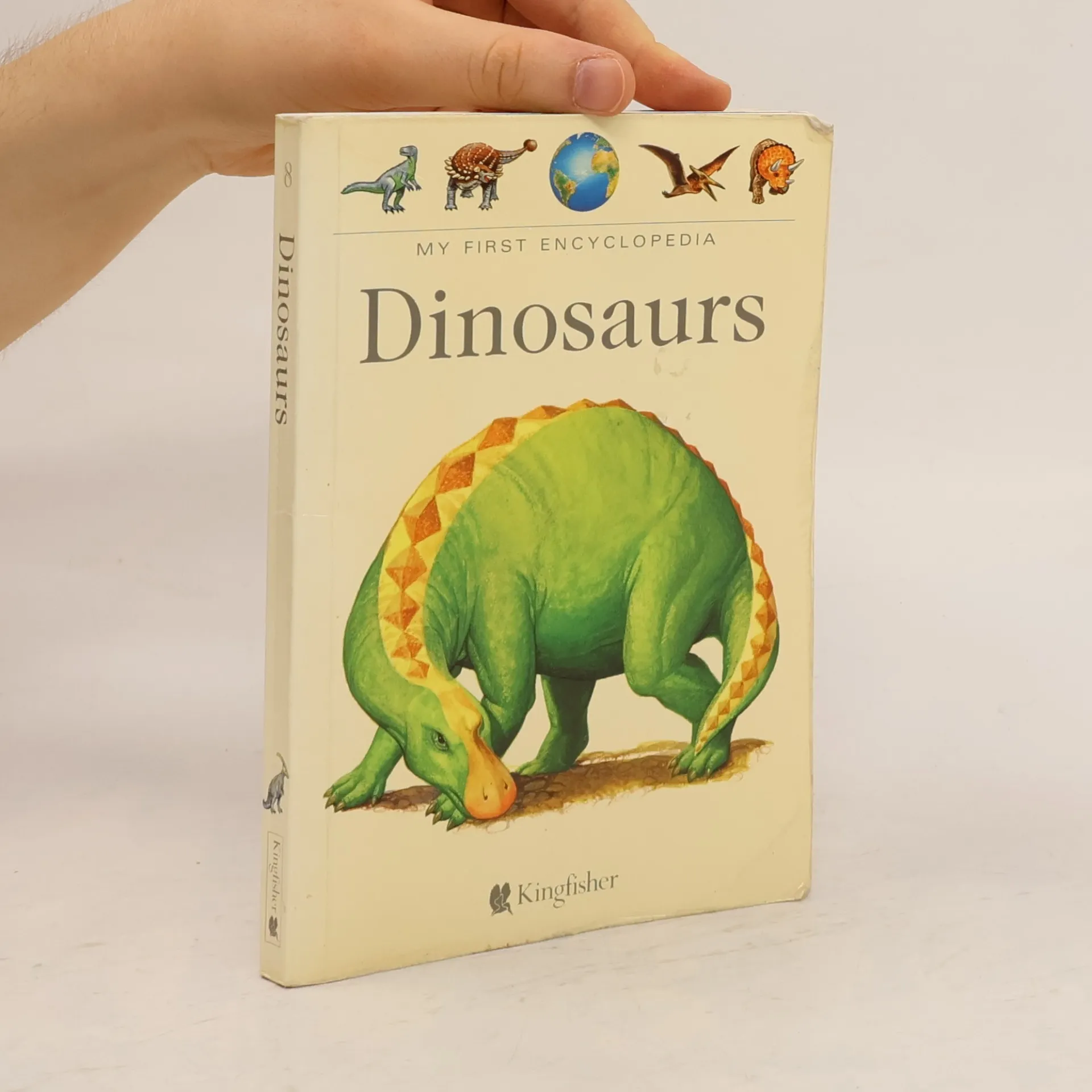
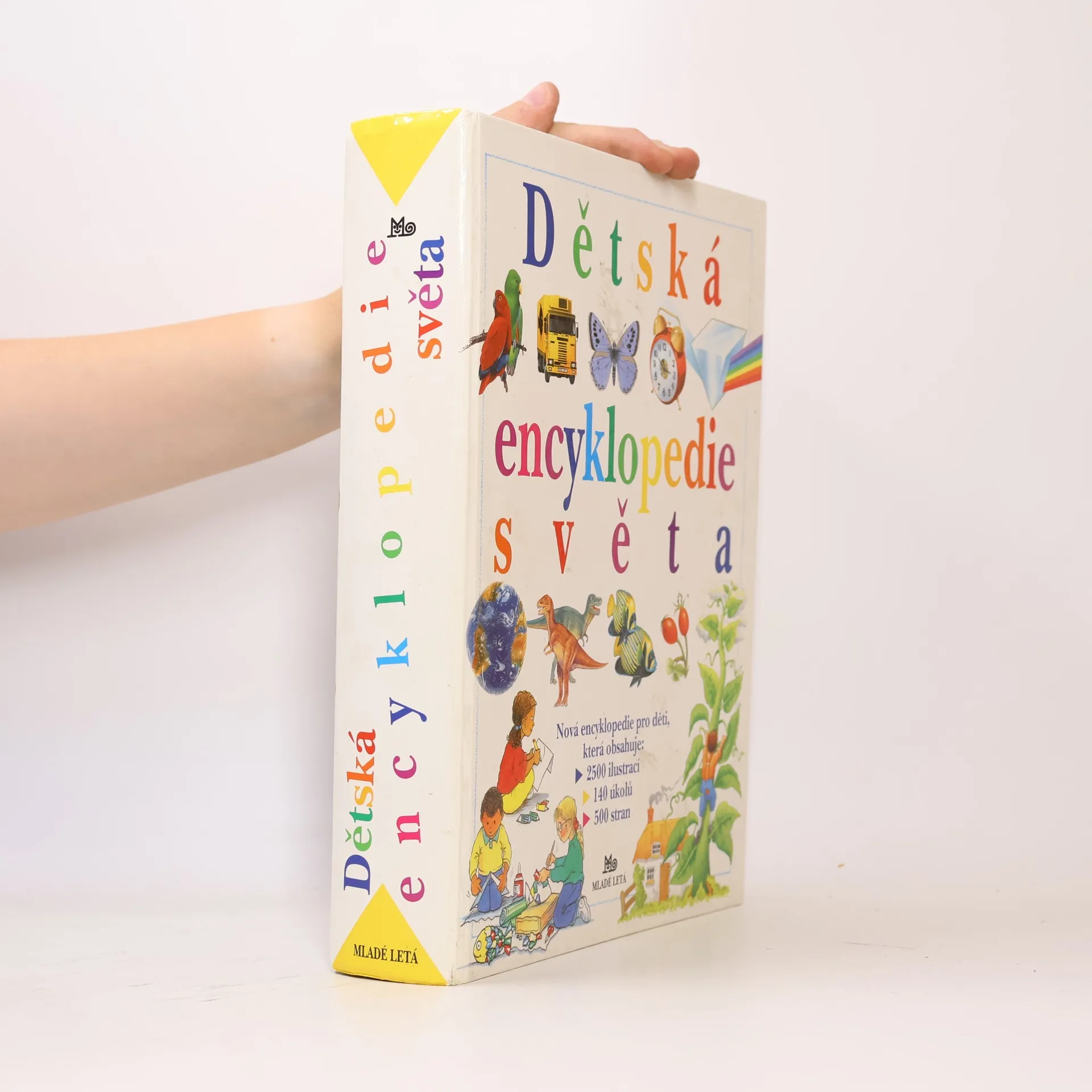
Une encyclopédie en dix grands chapitres La Terre, les continents, les plantes, les animaux, le corps humain, les machines ... Indispensable pour les enfants de 6 à 10 ans, elle comprend 2 500 illustrations, 140 activités et jeux (objets à fabriquer, problèmes à résoudre, expériences...), des résumés d'histoires et de contes du monde entier. Des légendes claires et des repères visuels facilitent la lecture..
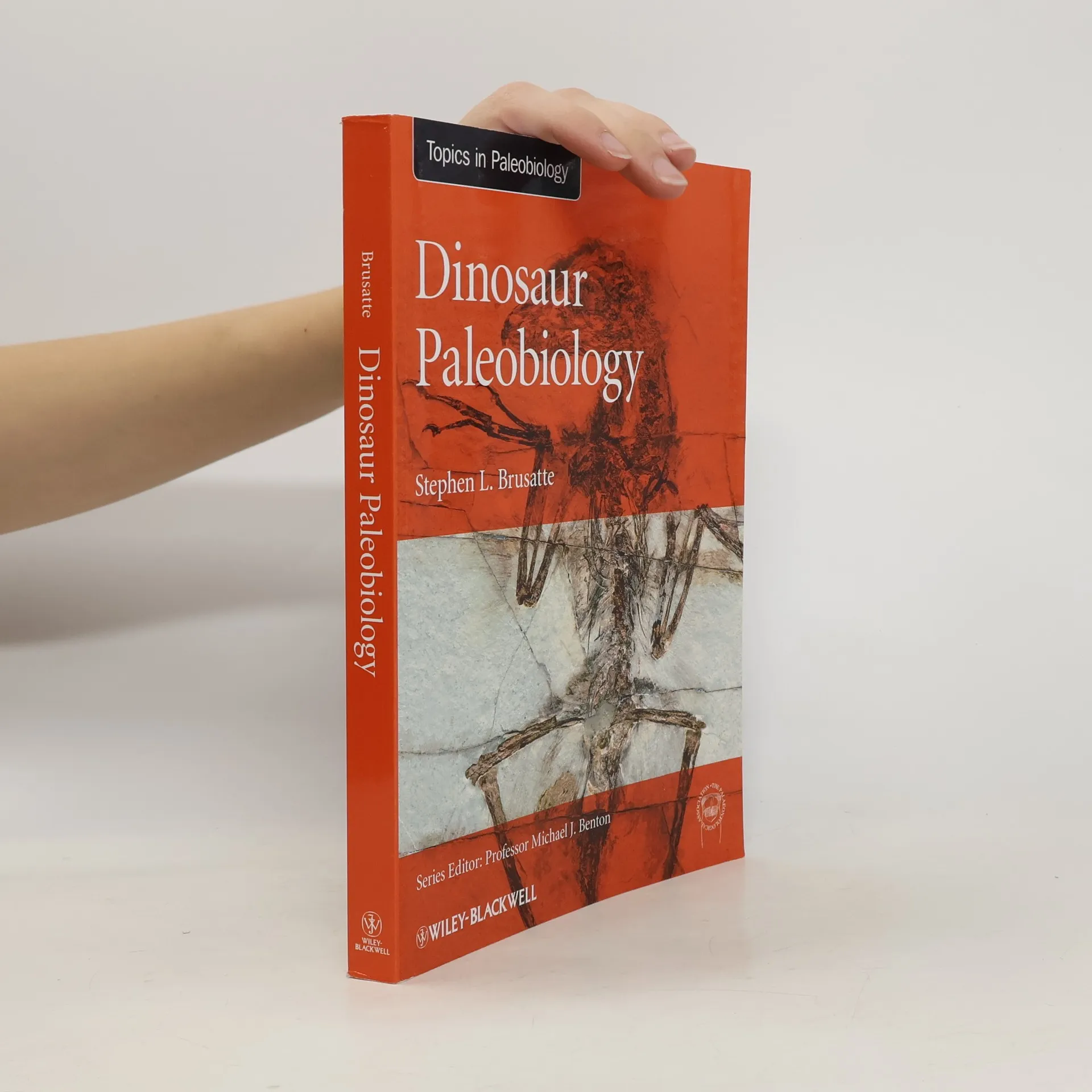
The study of dinosaurs has seen a remarkable resurgence in recent decades, with advancements in understanding their anatomy, biology, and evolution. Paleontologists often possess more knowledge about 100-million-year-old dinosaurs than many current species. This book offers a contemporary overview of dinosaur science for students, researchers, and enthusiasts, covering the latest insights into dinosaur anatomy, phylogeny, and their evolution throughout the Mesozoic era. It emphasizes fossil evidence and methodologies that enable detailed studies of these ancient creatures. As scientific knowledge rapidly evolves, this work aims to summarize current dinosaur science in a technical yet accessible manner, enhanced by vivid photographs and illustrations. Part of the Topics in Paleobiology Series, published with the Palaeontological Association and edited by Professor Mike Benton from the University of Bristol, the series provides a comprehensive summary of existing knowledge, serves as a guide to primary literature, and points to future research directions. It includes volumes on specific groups and overarching themes like ecosystem evolution, significant historical events, climate change, and new techniques such as molecular paleontology. Authored by leading experts, the series targets advanced undergraduates, postgraduates, and researchers in paleontology and biological sciences. Additional resources are available online.
A stunningly illustrated guide to these extraordinary creatures from a world-renowned paleontologist Paleobiology has advanced from a speculative subject to a cutting-edge science. Today, researchers are applying the latest forensic technologies to the fossil record, revealing startling new insights into the lives of dinosaurs. This illustrated guide explores the behavior, evolution, physiology, and extinction of dinosaurs, taking readers inside the mysterious world of these marvelous animals. With specially commissioned illustrations by Bob Nicholls, Dinosaur Behavior explains how the dinosaurs lived and courted, fought and fed, signaled and interacted with each other, and much more. Features a wealth of breathtaking illustrations throughout Offers new perspectives on the prehistoric world inhabited by dinosaurs Sheds light on how dinosaurs actually looked, how they moved, and how fast they ran Explains the feeding habits of carnivores, herbivores, scavengers, and solitary hunters Discusses sight, hearing, smell, spatial orientation, and intelligence Brings to life the social behavior of dinosaurs, from mating and parenting to herd dynamics and migration Takes readers behind the scenes of the latest, most thrilling discoveries
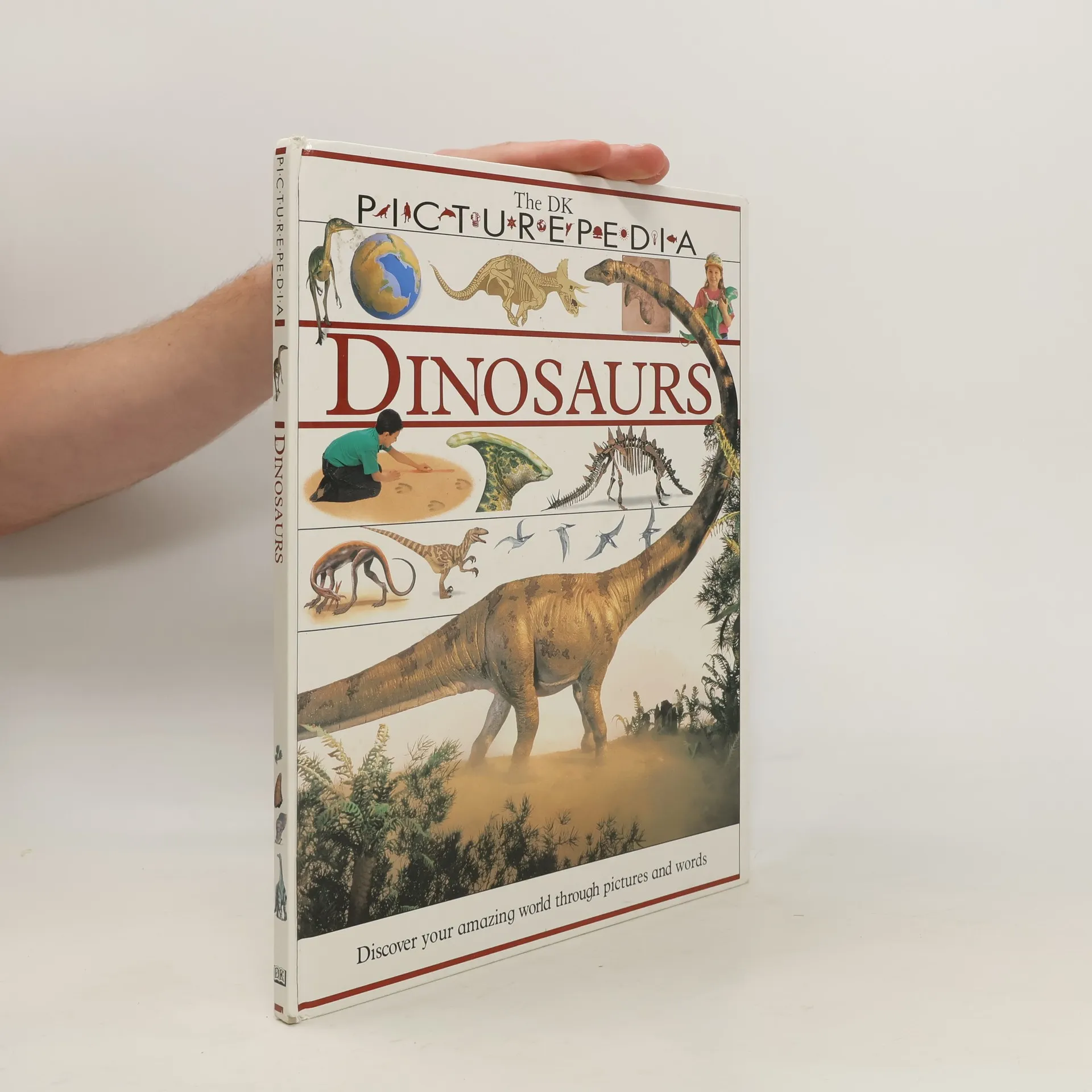
A reference on dinosaurs for children. It contains all the information the young reader needs to understand the story of the dinosaur. Easy-to-follow coding on each section allows access to information and catalogue spreads provide facts and figures. Illustrated feature spreads concentrate on the specific questions most asked about these amazing reptiles.
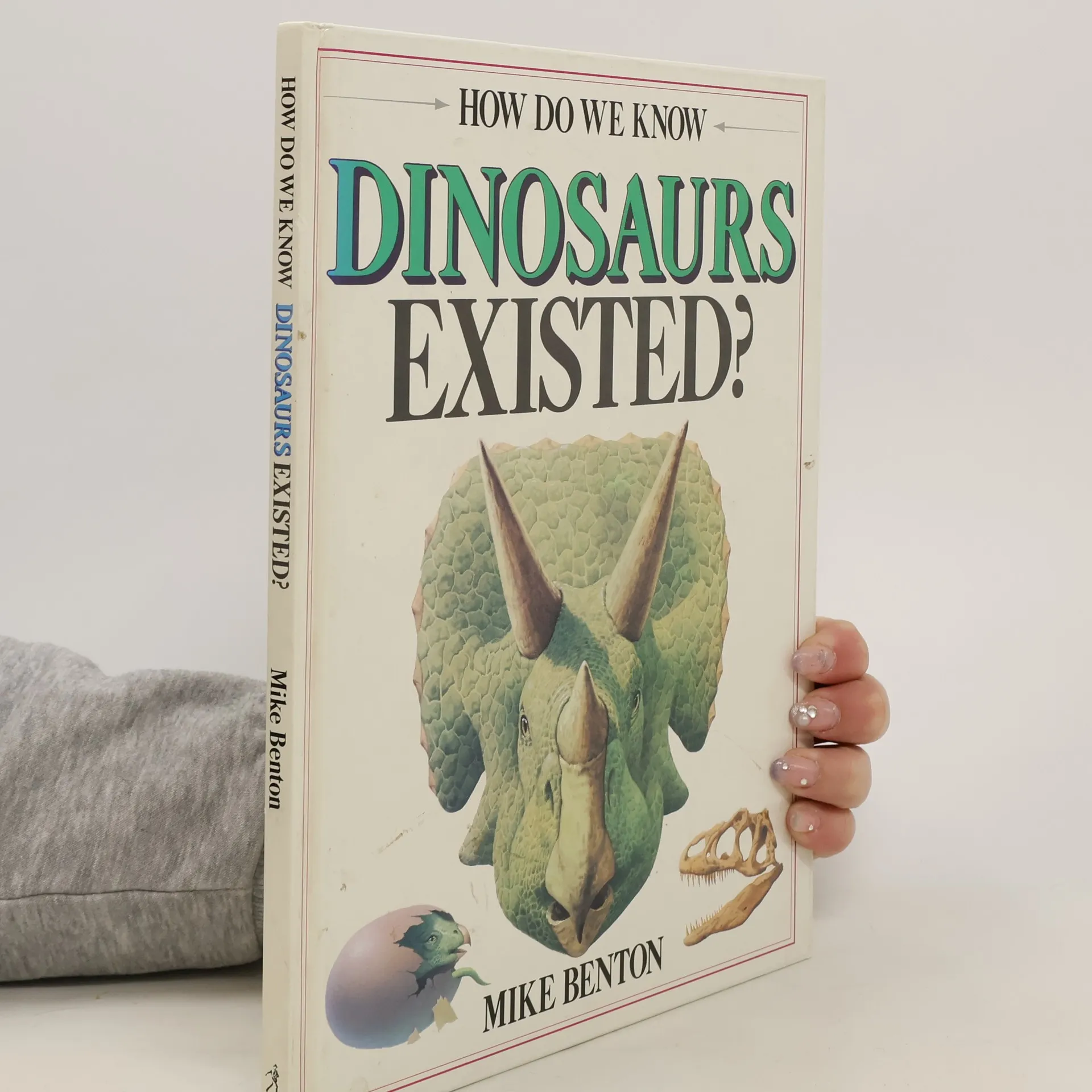
Describes what the study of fossilized remains has told paleontologists about how dinosaurs moved, what colour they were, what they ate, if they slept, how they bred. Suggested level: intermediate, junior secondary.
Focusing on the dynamic field of vertebrate palaeontology, this new edition highlights recent discoveries beyond just dinosaurs, emphasizing significant finds from China. It showcases the international breadth of the discipline, reflecting ongoing research and advancements that keep the subject vibrant and relevant.
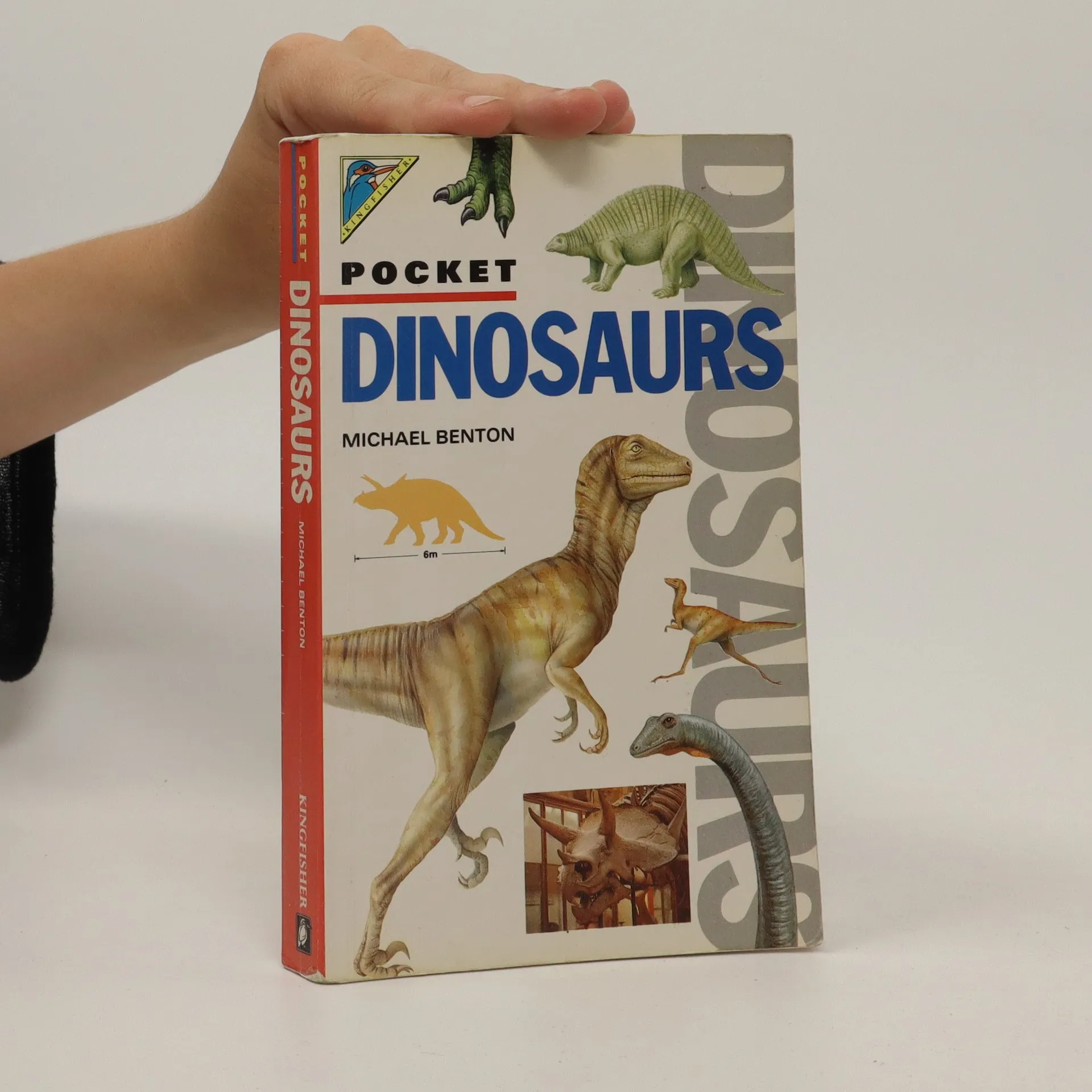
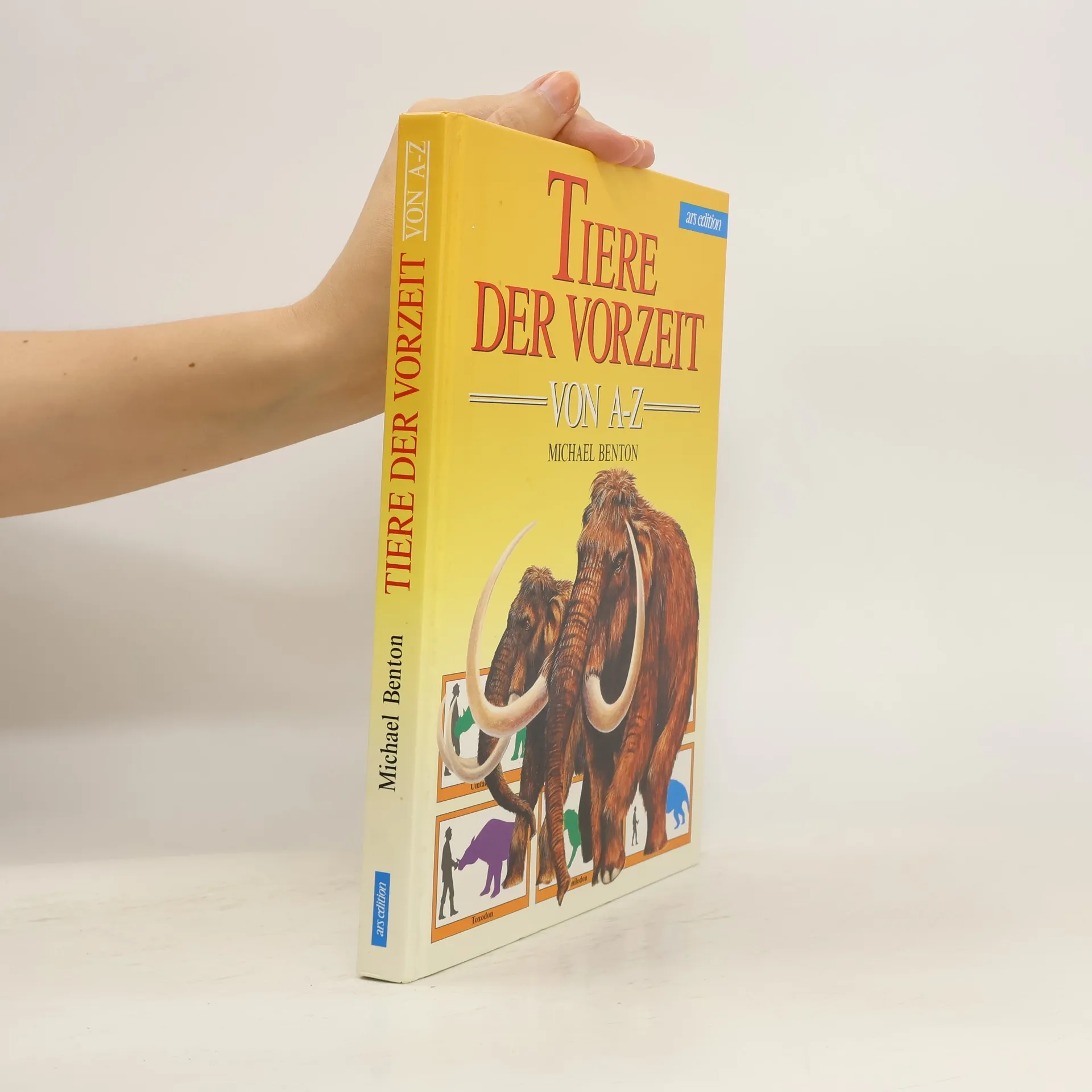
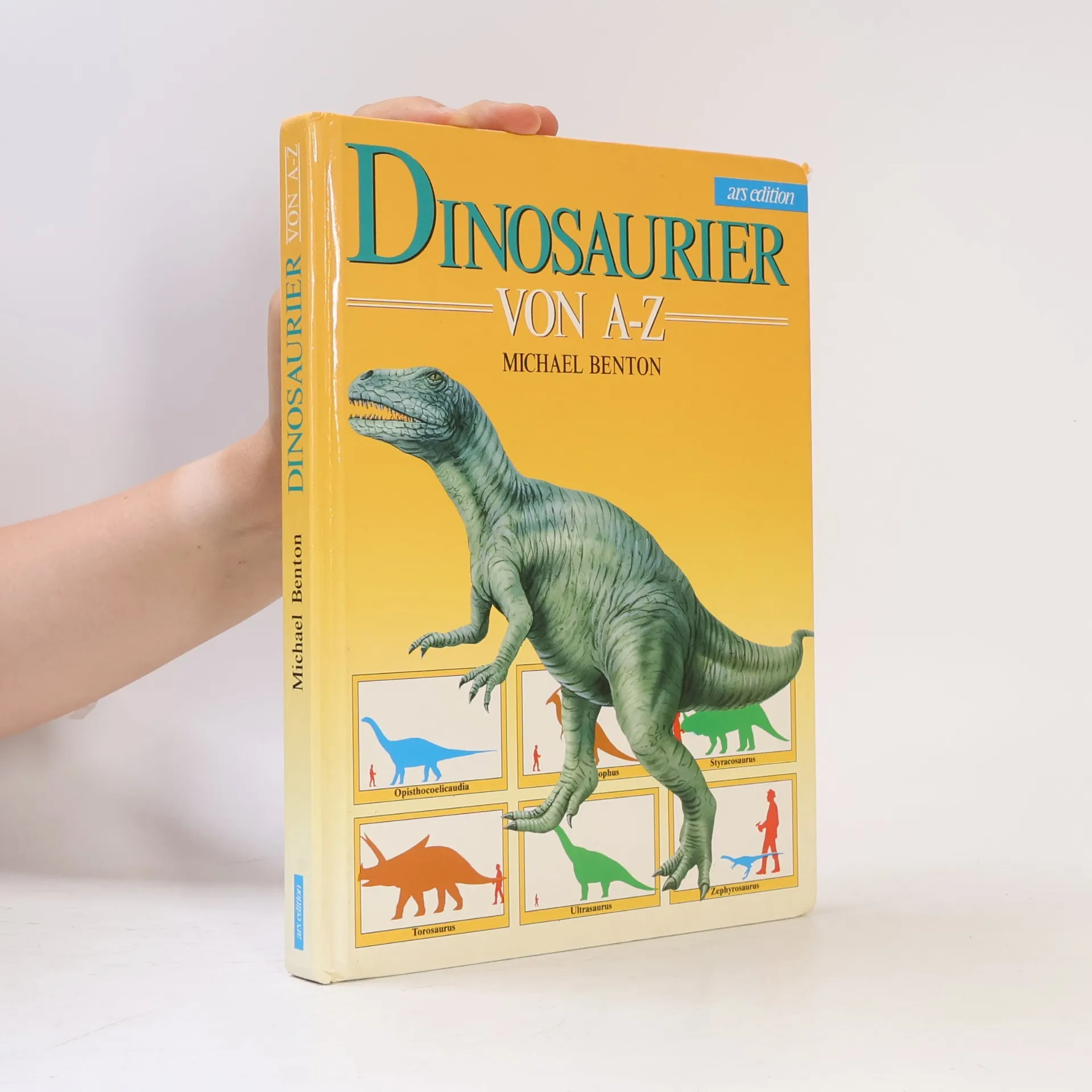
An alphabetically arranged guide to more than 130 varieties of dinosaur. Each one is illustrated in colour, and the information provided includes habitat, distribution, size and shape, pronunciation and meaning of name, and facts and theories about origins, disappearance and discovery.
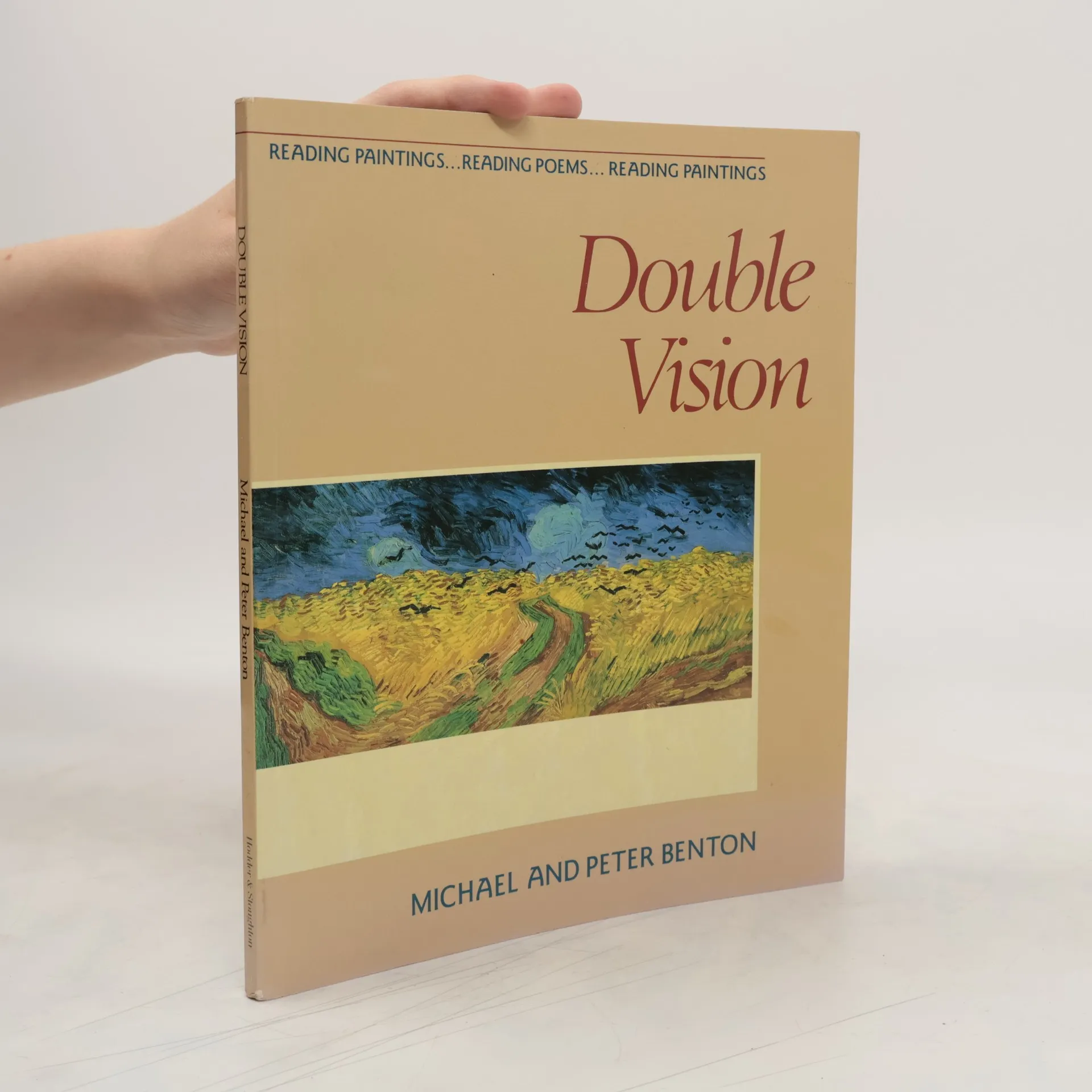
This book for GCSE attempts to help the reader to read paintings and poems. The book displays the work of an artist beside the work of poets who have drawn their inspiration for a particular poem from that particular painting. The work of artists such as Pierre-Auguste Renoir, L.S.Lowry, Jan Van Eyck, Vincent Van Gogh, John Constable, Claude Monet, Pieter Bruegel, Francisco Goya, Salvador Dali and David Hockney, is featured beside the work of poets such as Wendy Cope, Fleur Adcock, Seamus Heaney, Derek Mahon, Sylvia Plath, W.H.Auden, Samuel Taylor Coleridge, Lord Tennyson, William Blake, U.A.Fanthorpe, Ted Hughes and Paul Muldoon.
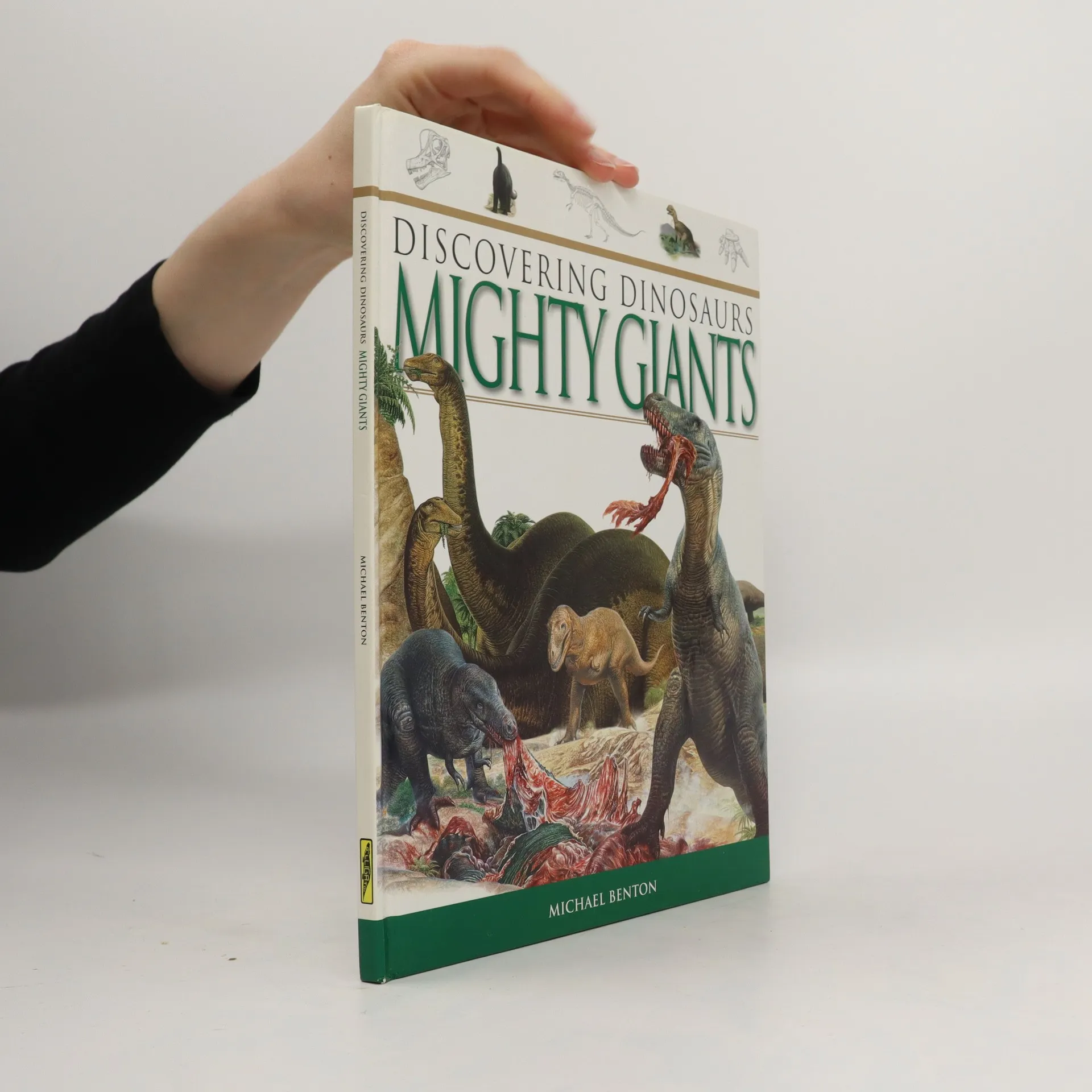
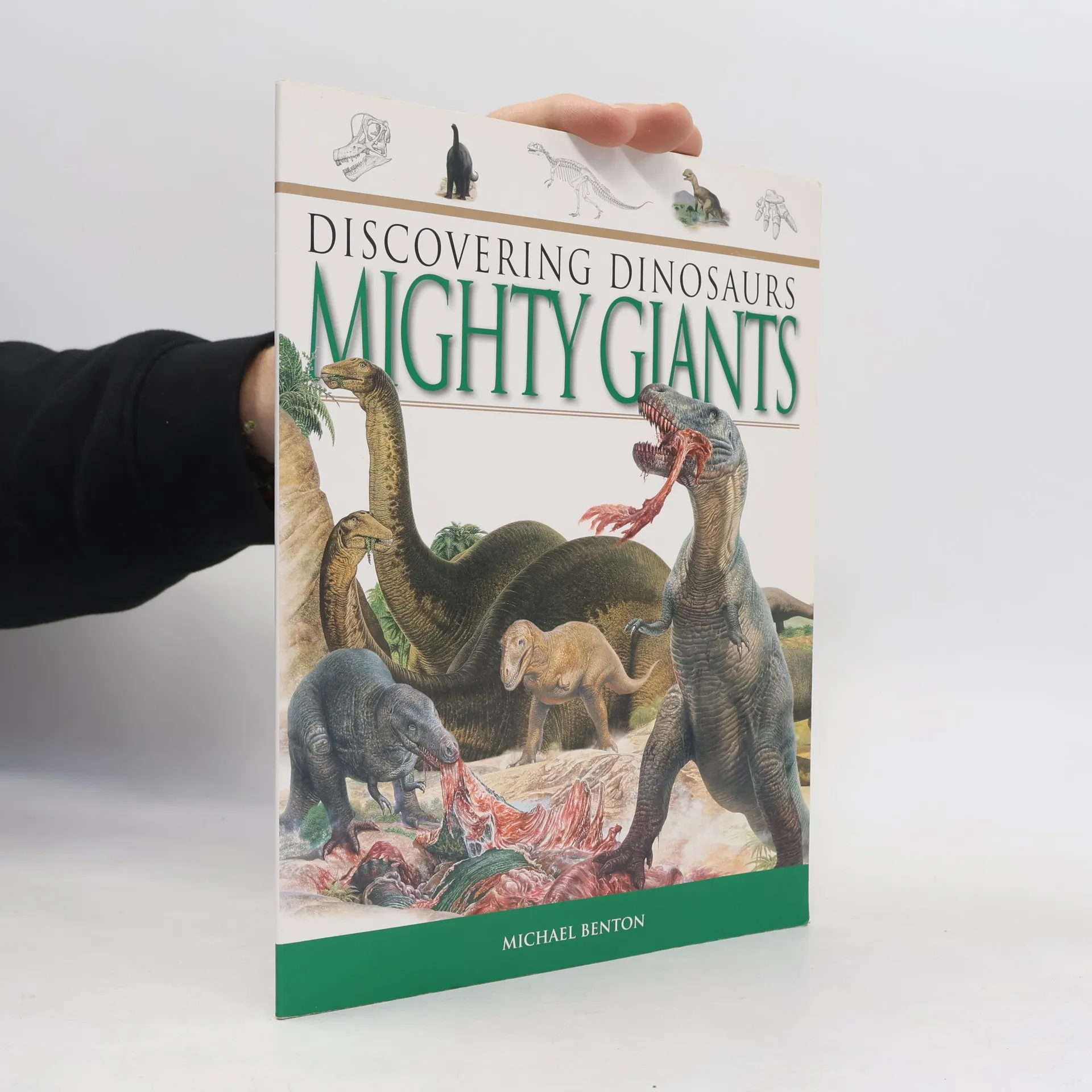
Describes the largest dinosaurs, providing color illustrations, pronunciation guide and details on their physical characteristics, geographic areas, time periods and diets.
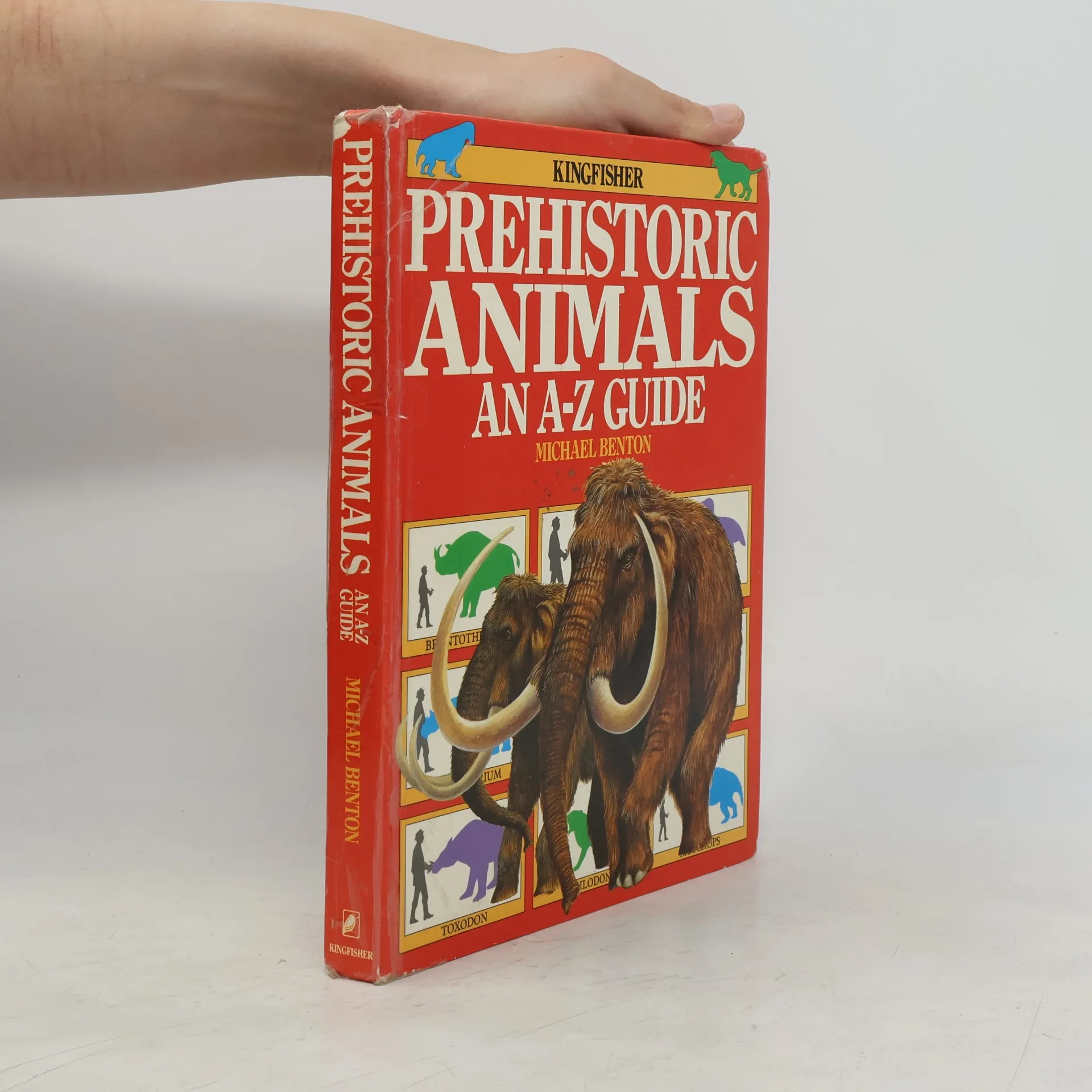
The answer to the young dinosaur lover's prayers, this full-color reference covers the spectrum of dinosaurs from A to Z and shows each dinosaur's height relative to a prehistoric human. Children will spend hours poring over this authoritative guide to over 200 fantastic creatures that once roamed the Earth.
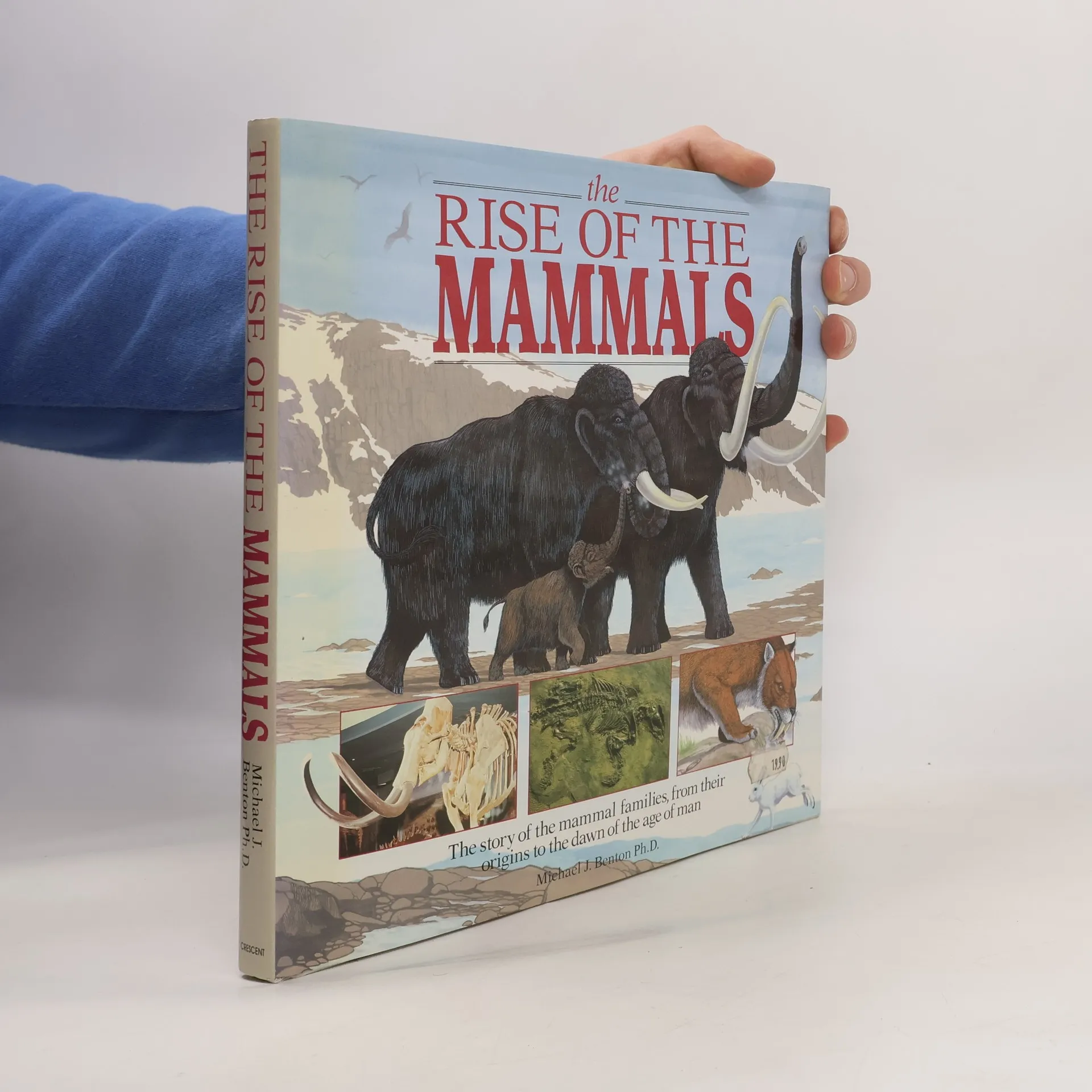
The Story of the Mammal Families, From Their Origins to the Dawn of the Age of Man
144pages
6 heures de lecture
The modern world is dominated by mammals, the most advanced form of animal life. How has this come about? Why do mammals overshadow every form of animal life on the planet? What evolutionary traits led to the modern mammalian faunas? This book answers these and many other questions in an entertaining yet authoritative way. Taking advantage of the latest research and excavations, the text traces the ancestry of the mammals from the earliest reptile ancestors to the dawn of the present era, covering the grotesque giants of the past together with the ancestors of modern animals. It offers a uniquely comprehensive and enjoyable background to the modern world of wildlife, explaining how modern mammal families have evolved and come into being.
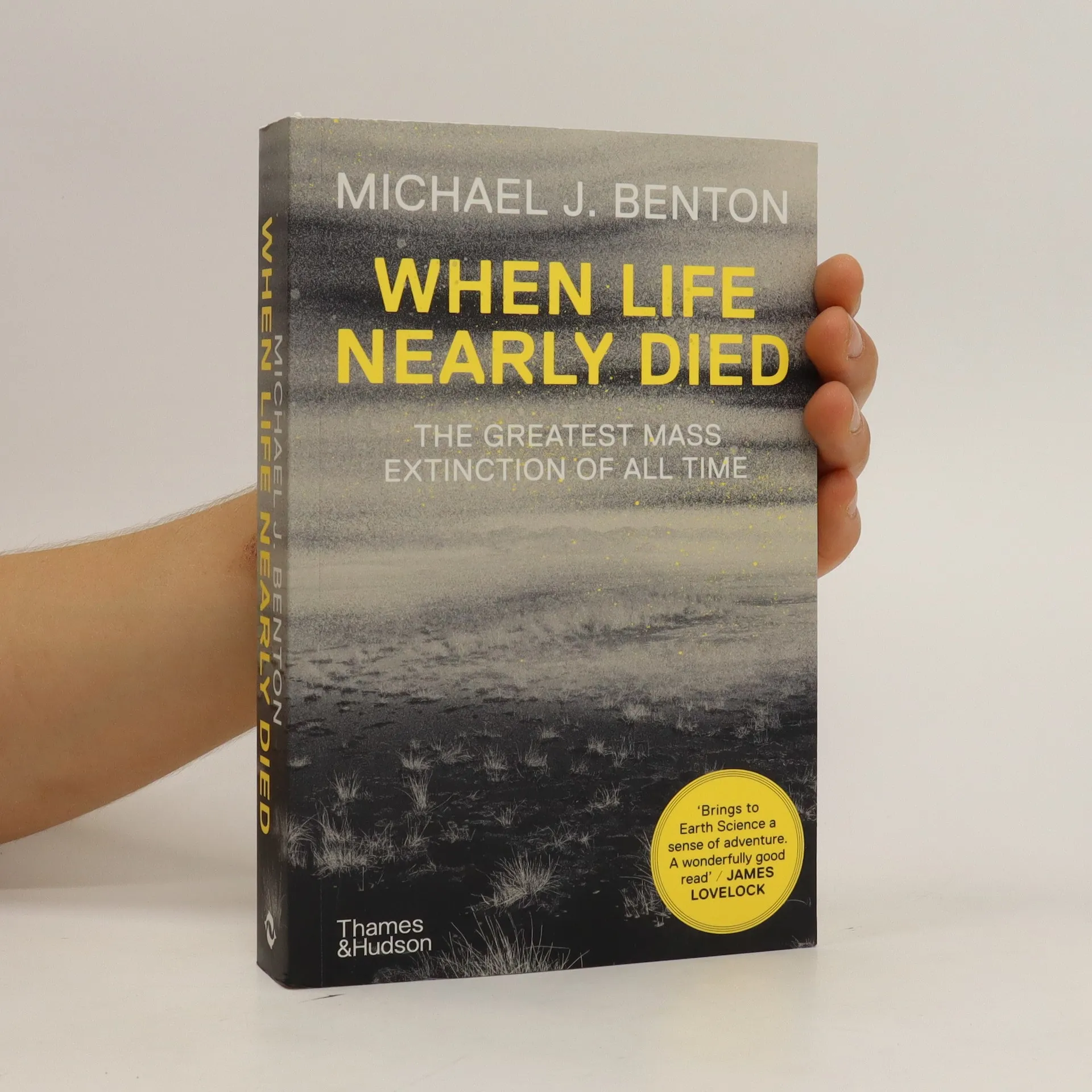
“The focus is the most severe mass extinction known in earth’s history. The science on which the book is based is up-to-date, thorough, and balanced. Highly recommended.” —Choice Today it is common knowledge that the dinosaurs were wiped out by a meteorite impact 65 million years ago that killed half of all species then living. It is far less widely understood that a much greater catastrophe took place at the end of the Permian period 251 million years ago: at least ninety percent of life on earth was destroyed. When Life Nearly Died documents not only what happened during this gigantic mass extinction but also the recent renewal of the idea of catastrophism: the theory that changes in the earth’s crust were brought about suddenly in the past by phenomena that cannot be observed today. Was the end-Permian event caused by the impact of a huge meteorite or comet, or by prolonged volcanic eruption in Siberia? The evidence has been accumulating, and Michael J. Benton gives his verdict at the end of the volume. The new edition brings the study of the greatest mass extinction of all time thoroughly up-to-date. In the twelve years since the book was originally published, hundreds of geologists and paleontologists have been investigating all aspects of how life could be driven to the brink of annihilation, and especially how life recovered afterwards, providing the foundations of modern ecosystems.
This Very Short Introduction presents a succinct and accessible guide to the
key episodes in the story of life on earth - from the very origins of life
four million years ago to the extraordinary diversity of species around the
globe today.
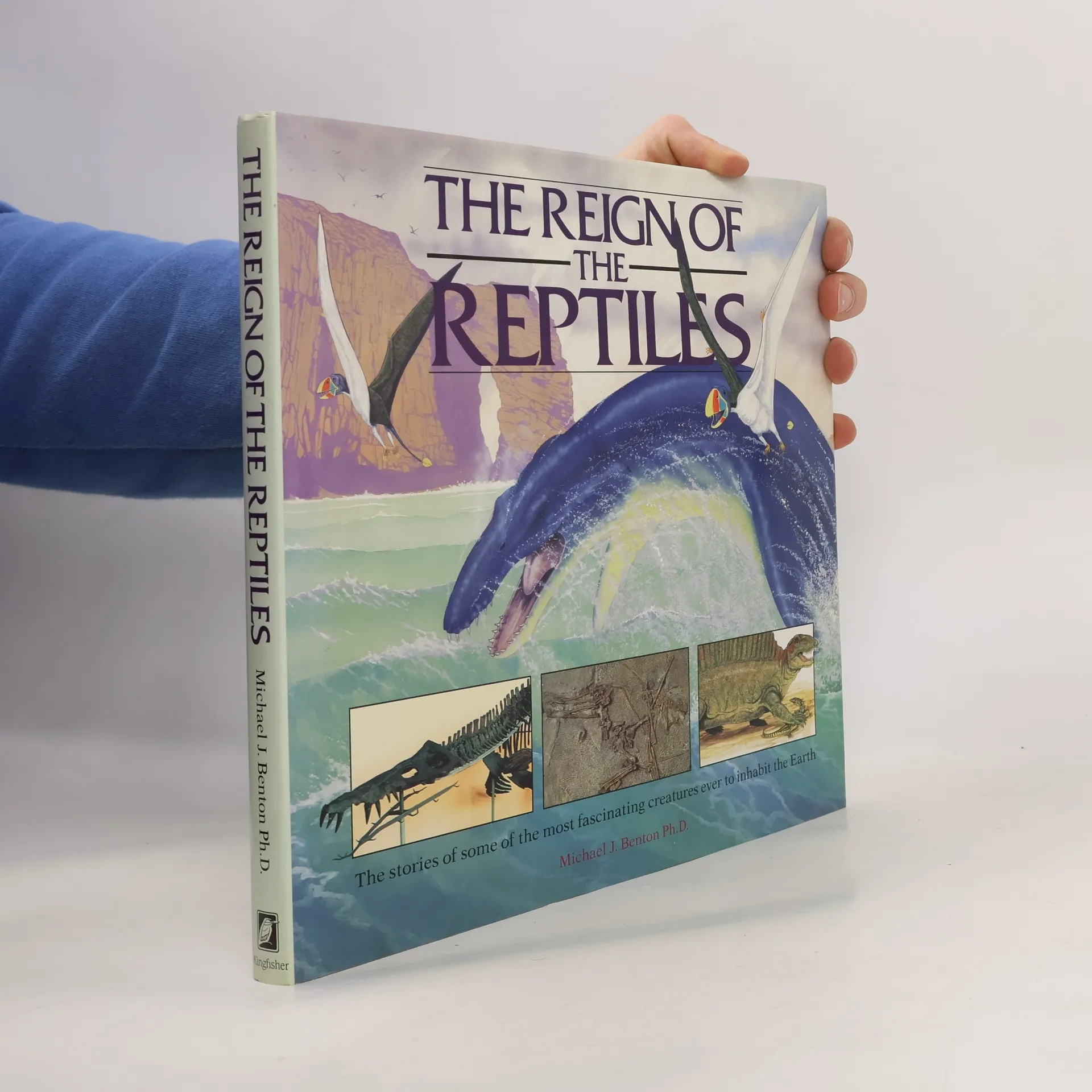
This factbook explains how advanced technology is used to unearth animals that vanished from the face of the earth 65 million years ago and how tiny clues are pieced together to construct these terrible lizards. The book also shows where the world's most famous sites are, and what tales they tell. The dinosaurs explored include a group of Coelophysis swept away in a flash flood in Late Triassic Arizona, Oviraptors that baby-sit in Late Cretaceous Mongolia as well as creatures that shared the dinosaurs' world but somehow survive the catastrophe that wiped out the most spectacular animals ever known.
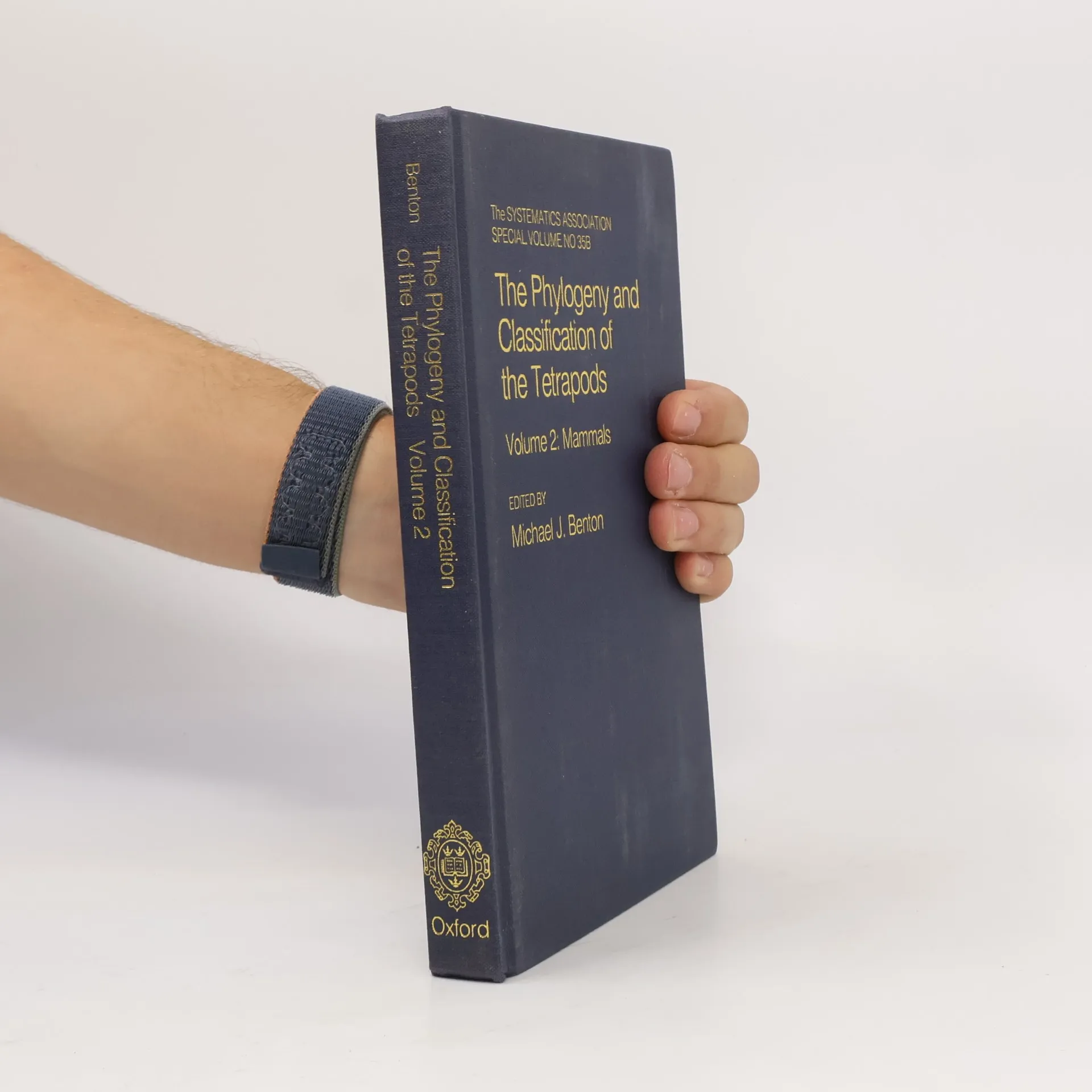
This volume brings together the work of zoologists and palaeontologists from Europe and America who are actively involved in the higher-order systematics of tetrapods (land vertebrates). The relationships and patterns of evolution of the tetrapods are currently much debated, and some keyareas of concern are highlighted here. Together with the second volume, this work also presents the latest and most comprehensive overview of the new surveys of large groups within Tetrapoda recently carried out by biologists and palaeontologists. Contributors apply modern cladistic analyticaltechniques to morphological and molecular data in order to resolve the phylogenetic patterns in much more detail than previously possible. Key questions covered include determining the closest relatives of tetrapods among fish; the relationships of modern amphibians, lizards, snakes, crocodiles,and birds; and the origin and diversification of mammal groups. This is truly a state-of-the-art record of ongoing research, including previously unpublished material by international experts.
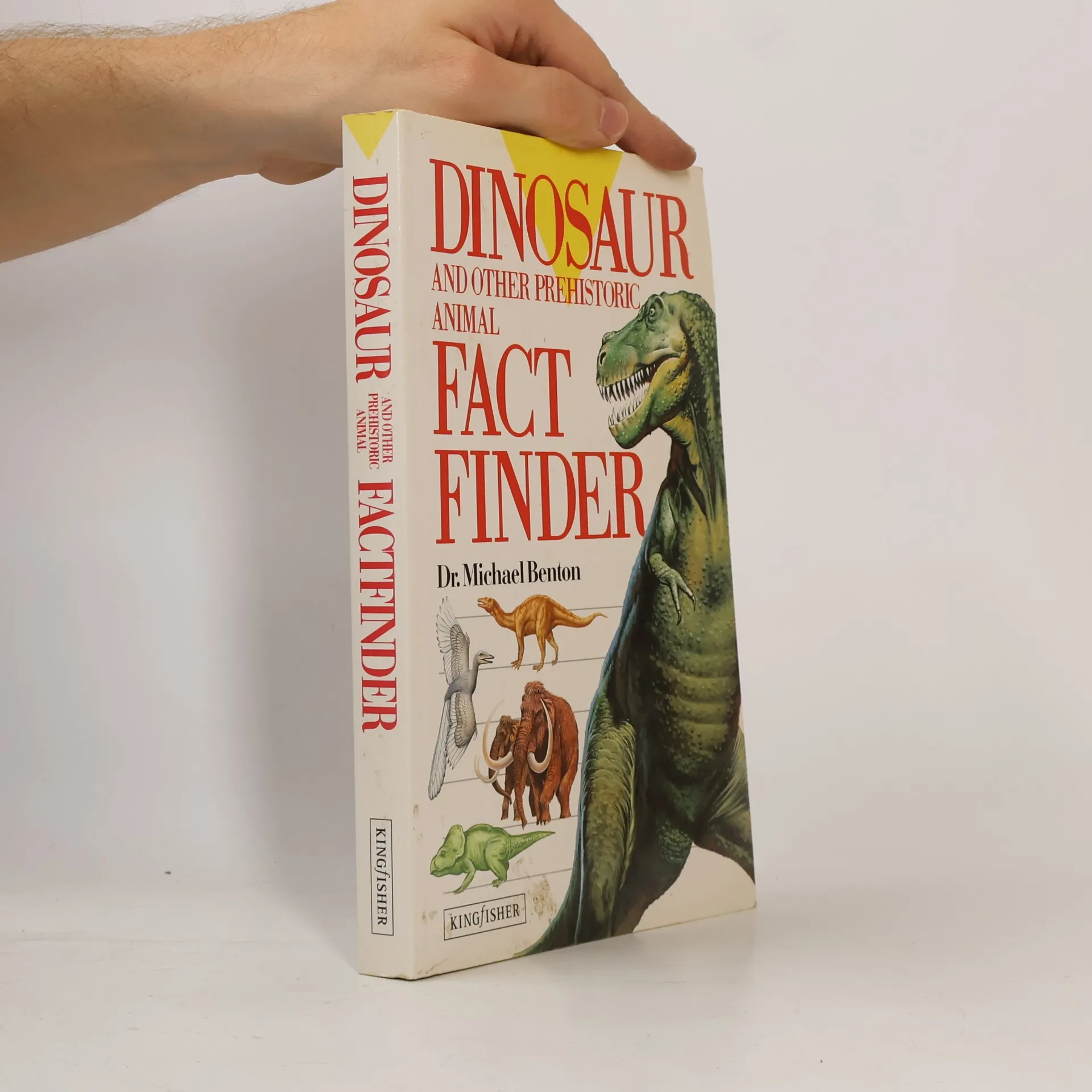
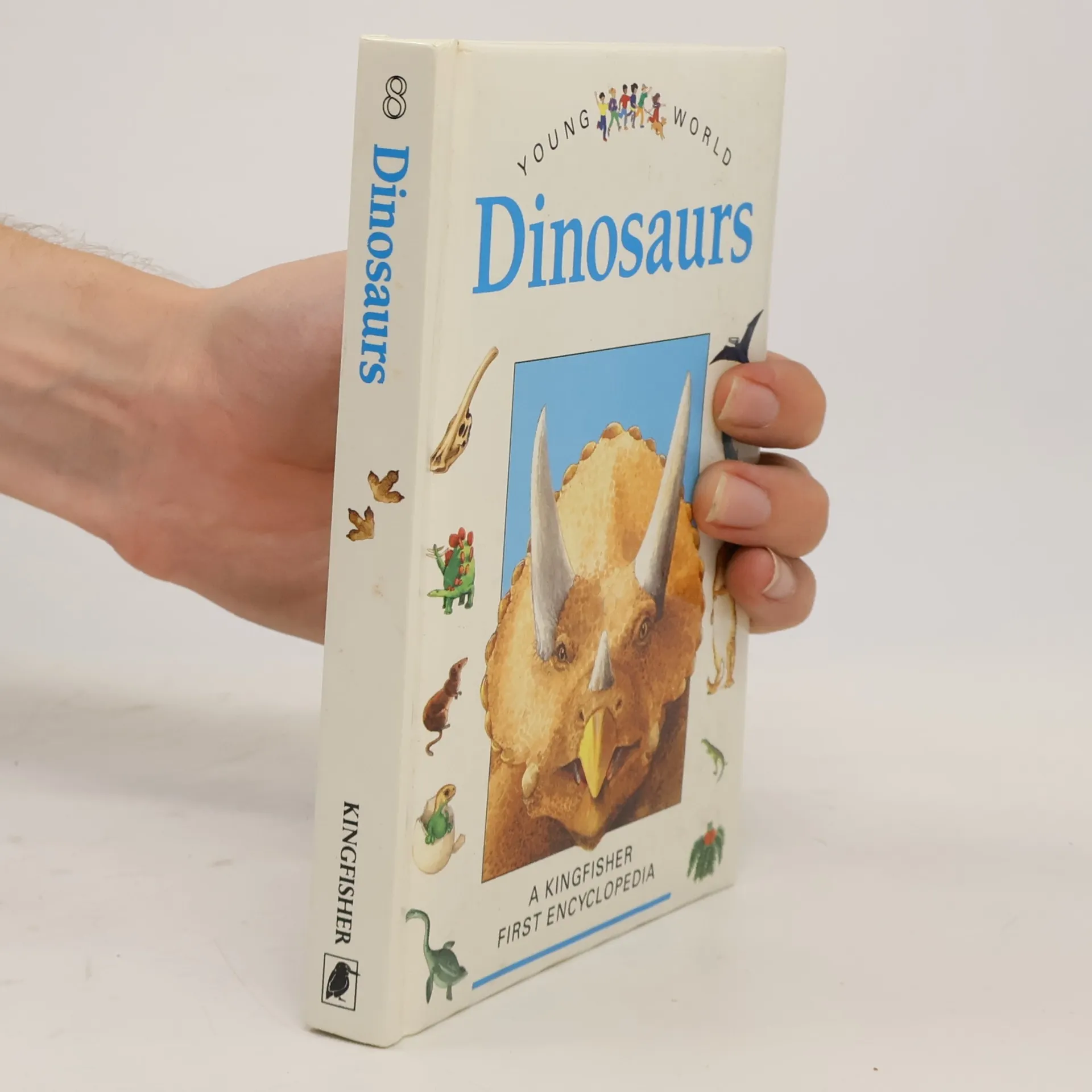
One of a series of reference books to supplement the first years at school which aims to reflect popular topics and the concerns of the National Curriculum. Focusing on dinosaurs and other prehistoric animals, this book tells what they were like, why they disappeared and how they are rediscovered.
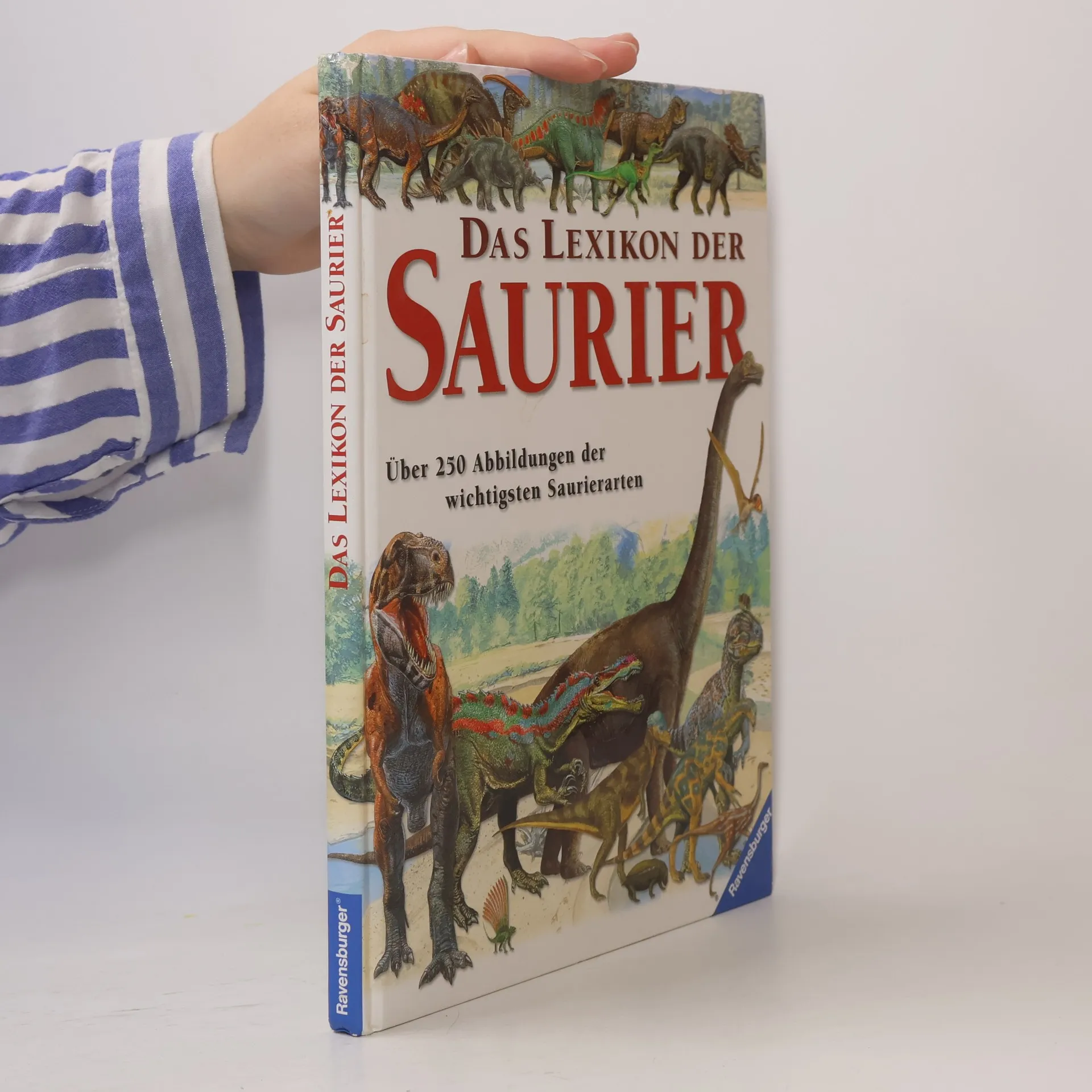
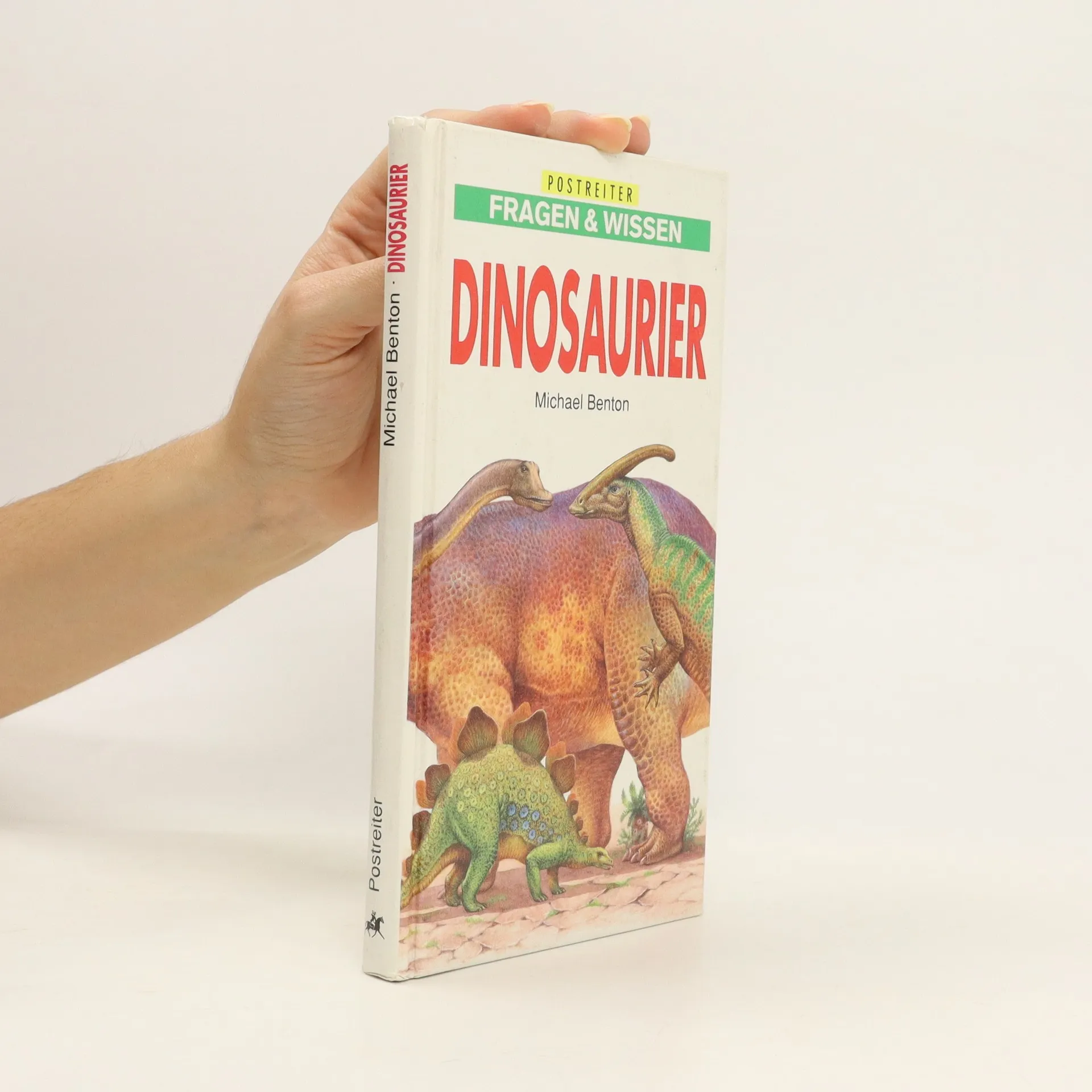
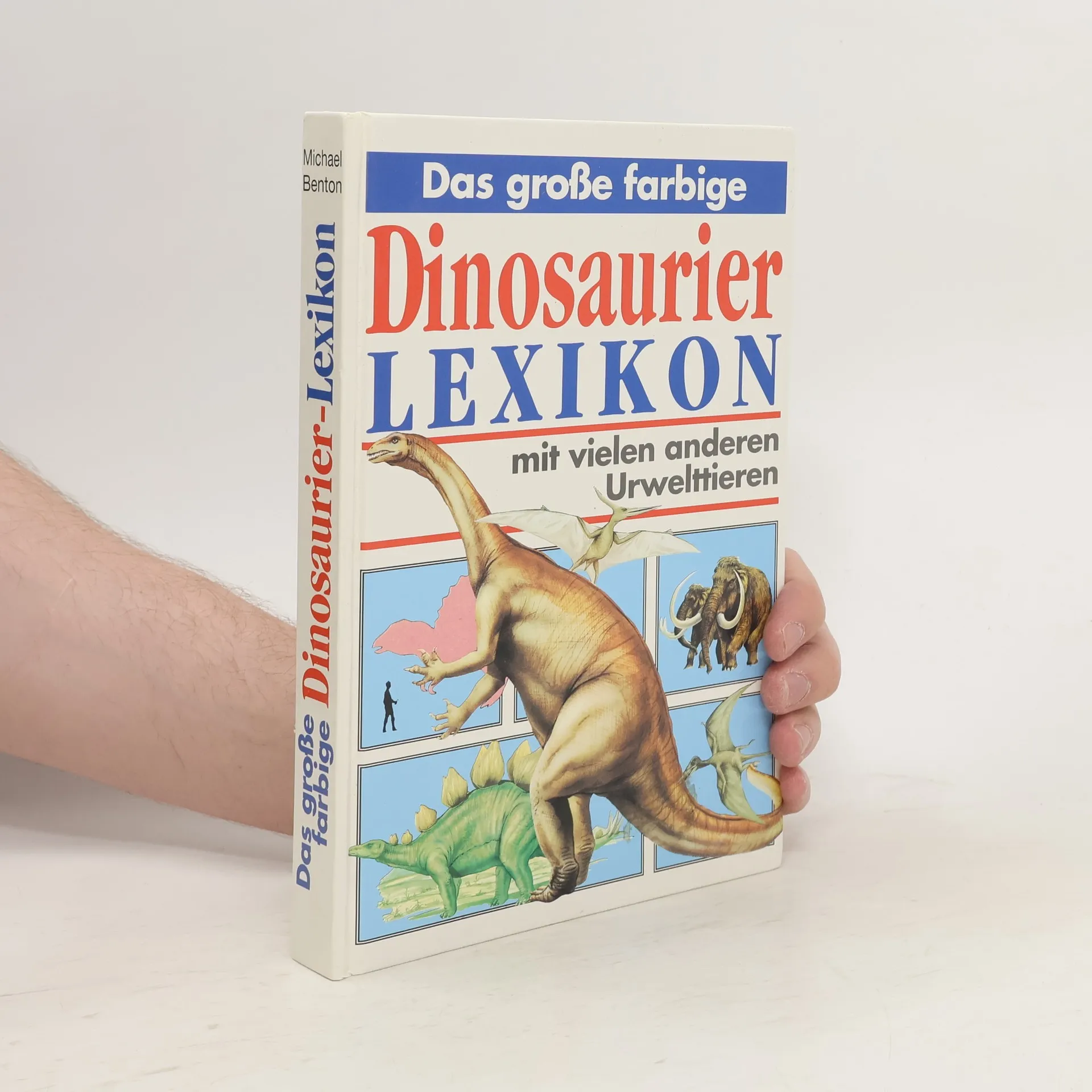
In diesem einzigartigen Nachschlagewerk werden von den ersten Reptilienarten bis hin zu den Dinosauriern alle wichtigen Saurierarten, ihre Ordnungen und Familien dargestellt. Kurze Texte, Infokästen und eine Fülle farbiger Abbildungen zeigen, in welchen Erdzeitaltern die verschiedenen Arten lebten, wie sie aussahen, sich ernährten und verhielten. Das erfolgreiche Lexikon ist inhaltlich überarbeitet und berücksichtigt die neuesten Forschungsergebnisse.
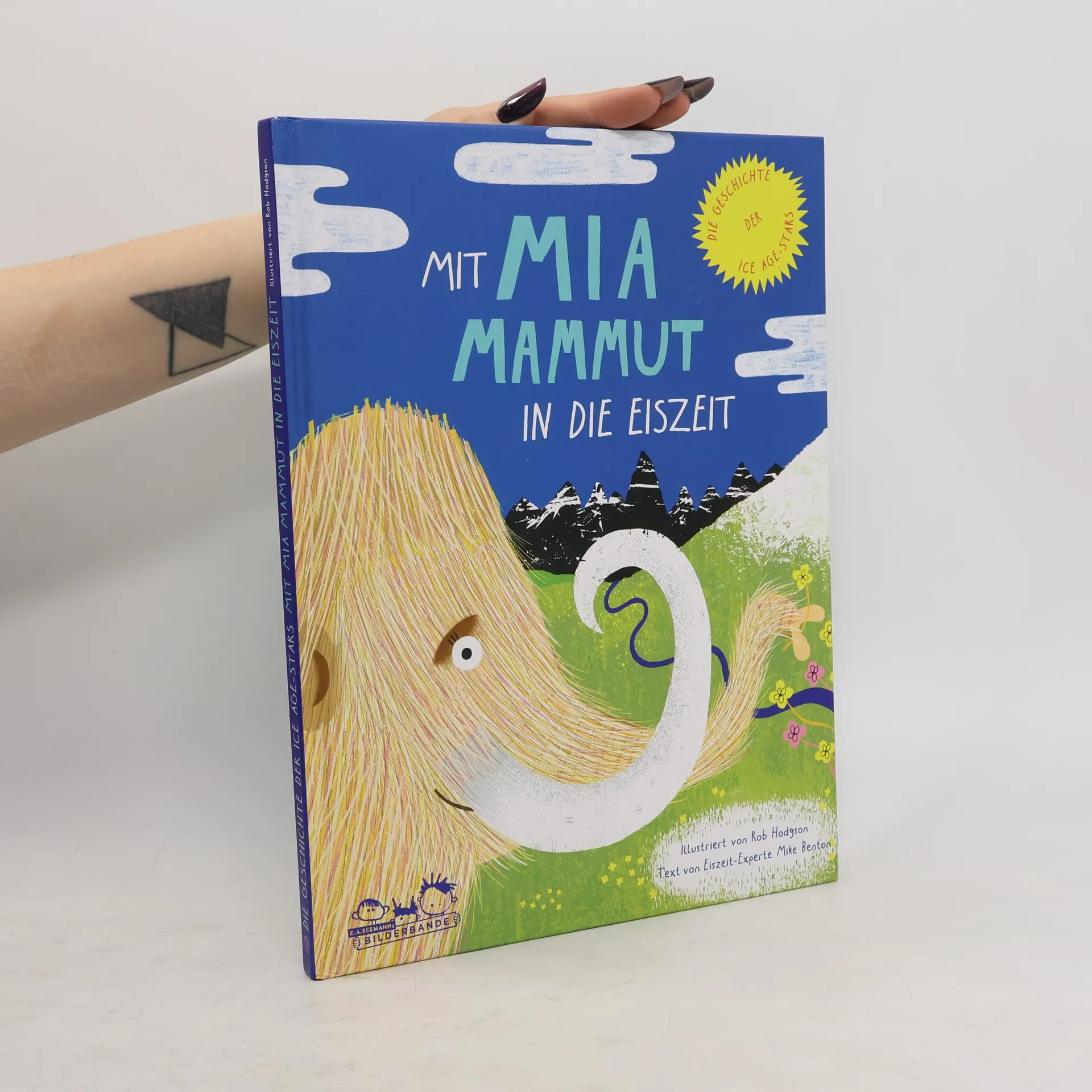
In diesem bunten Sachbuch erzählt ein Mammut spannende Geschichten über Eiszeitbewohner wie Säbelzahntiger und Titanoboa. Mit lustigen Illustrationen werden Kinder ab fünf Jahren spielerisch an Paläontologie und Themen wie Klimawandel herangeführt. Ein Glossar erklärt Fachbegriffe, während die Abenteuer für viel Spaß sorgen.
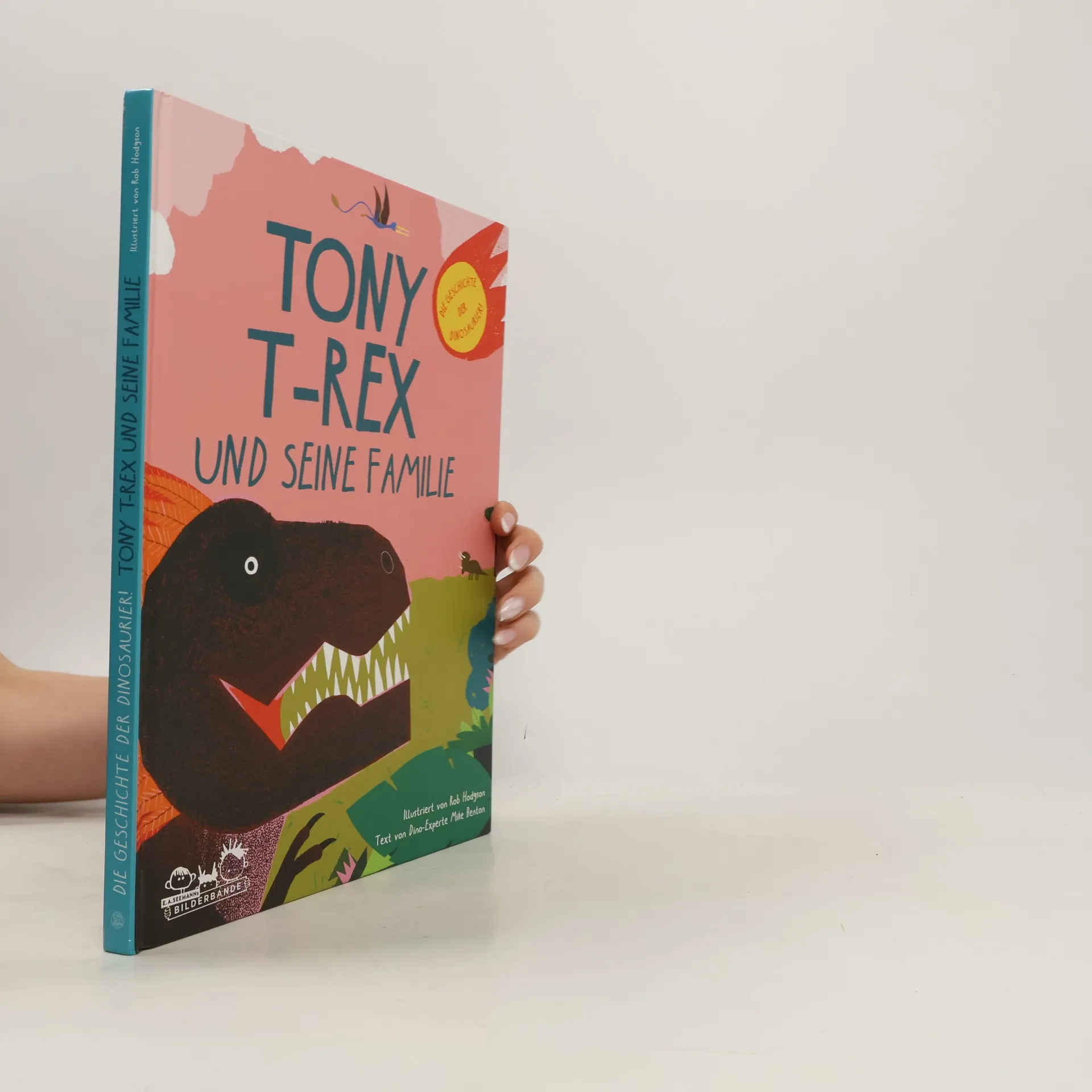
Dieses fantasievolle Bilderbuch entführt Kinder in die Welt der Dinosaurier durch die Erzählungen von Tony T-Rex. Es bietet spannende Einblicke in das Leben der Urzeitriesen, ergänzt durch ein Dino-Glossar, eine Weltkarte und Tipps zum Fossiliensuchen. Ein spielerischer Einstieg in die Paläontologie für Vorschulkinder!
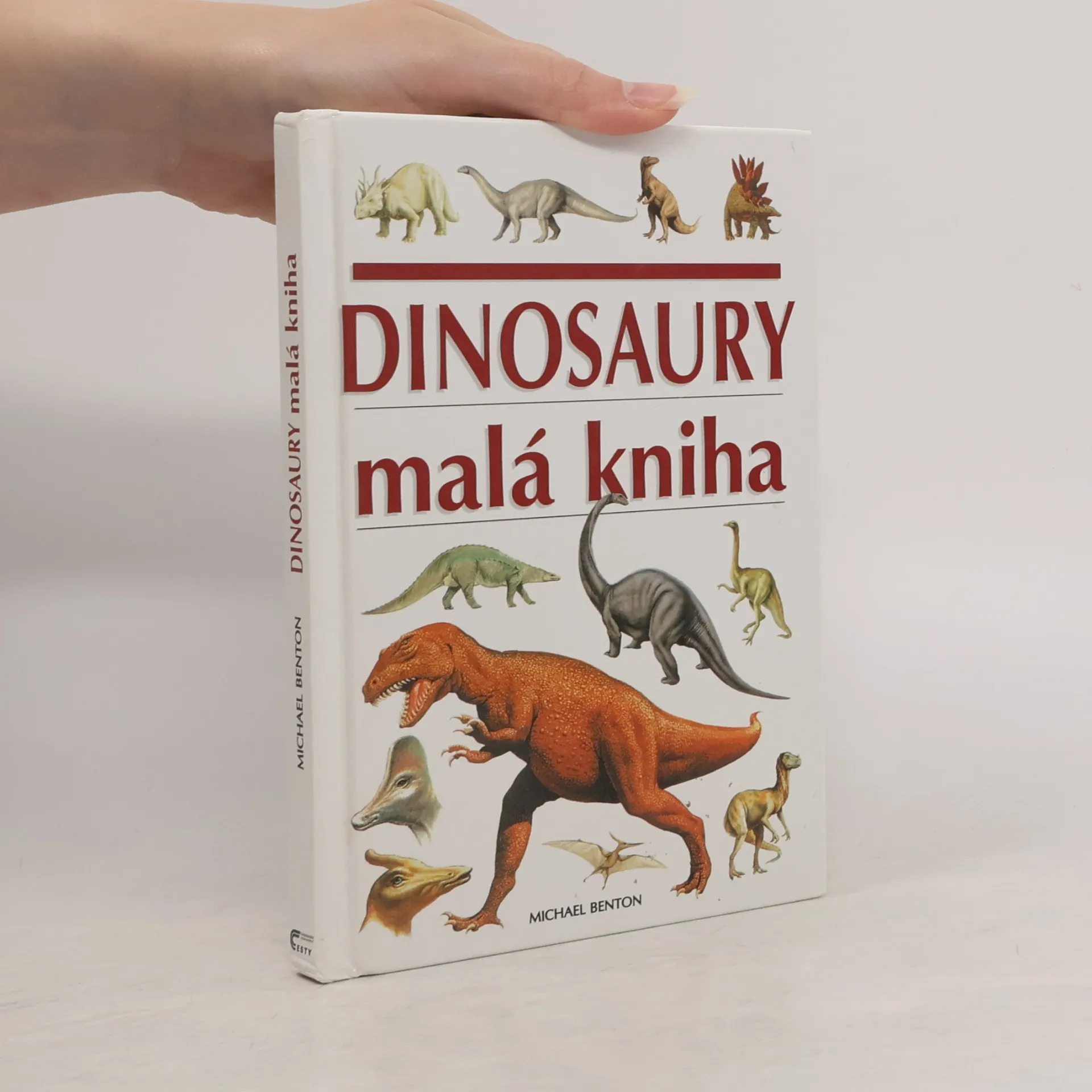
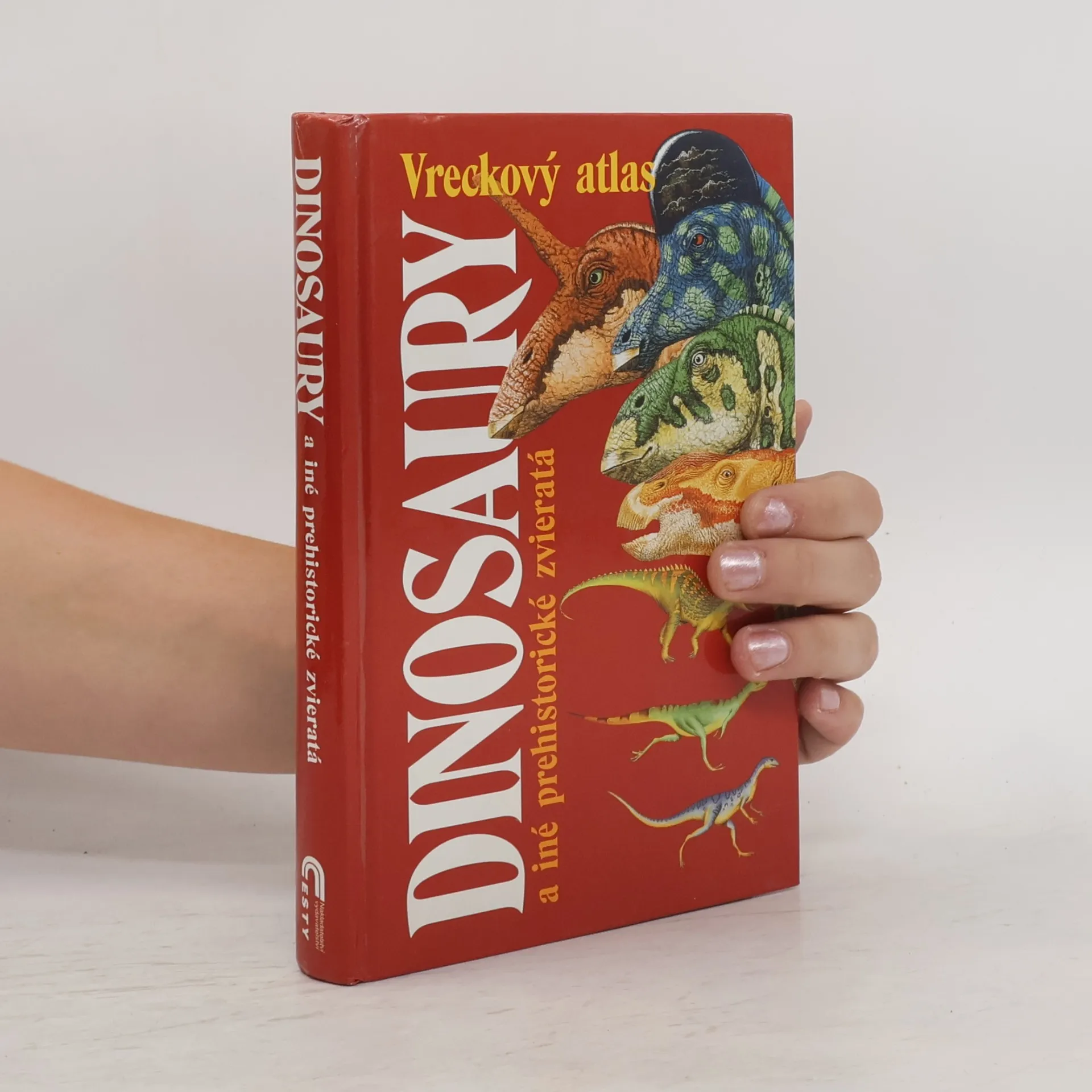
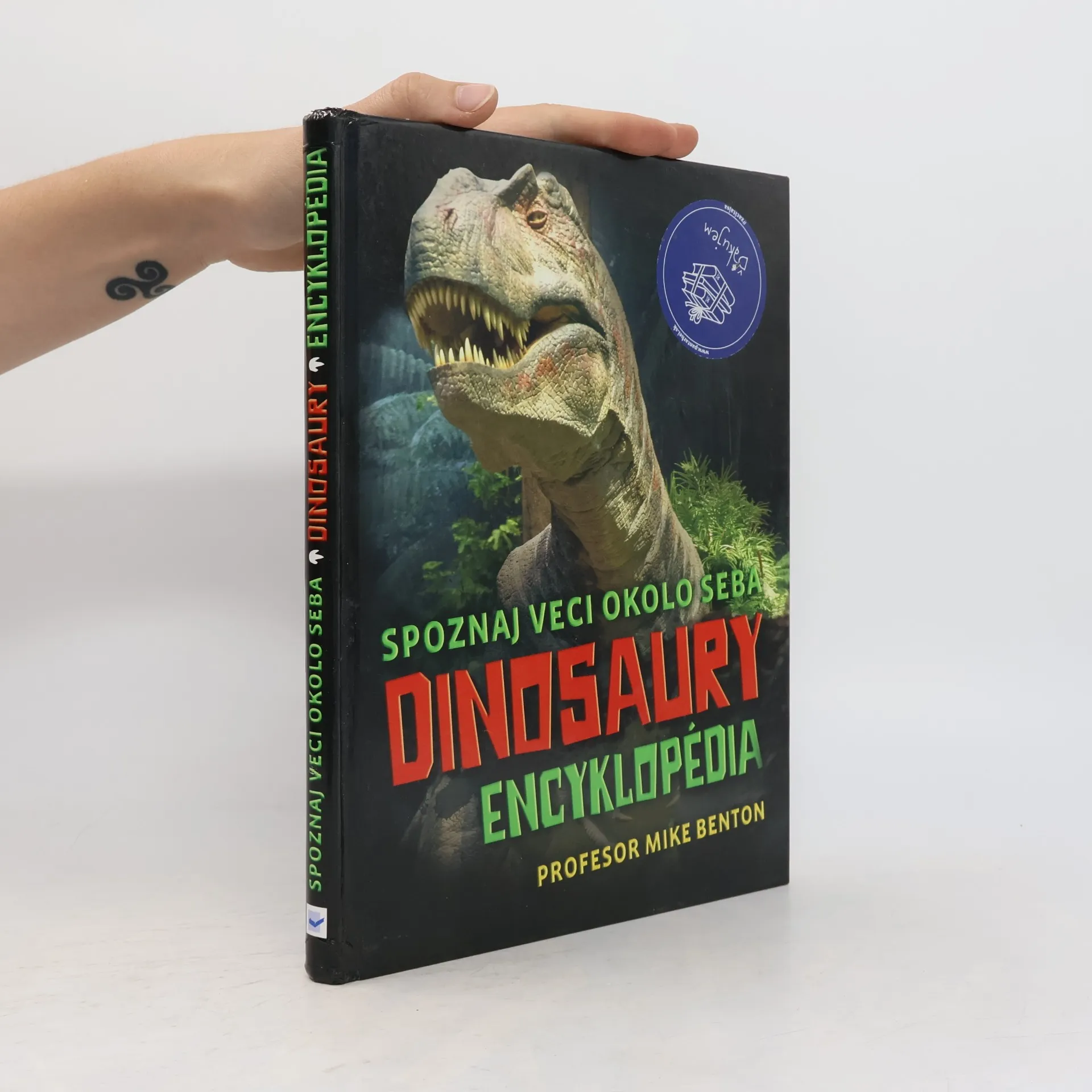
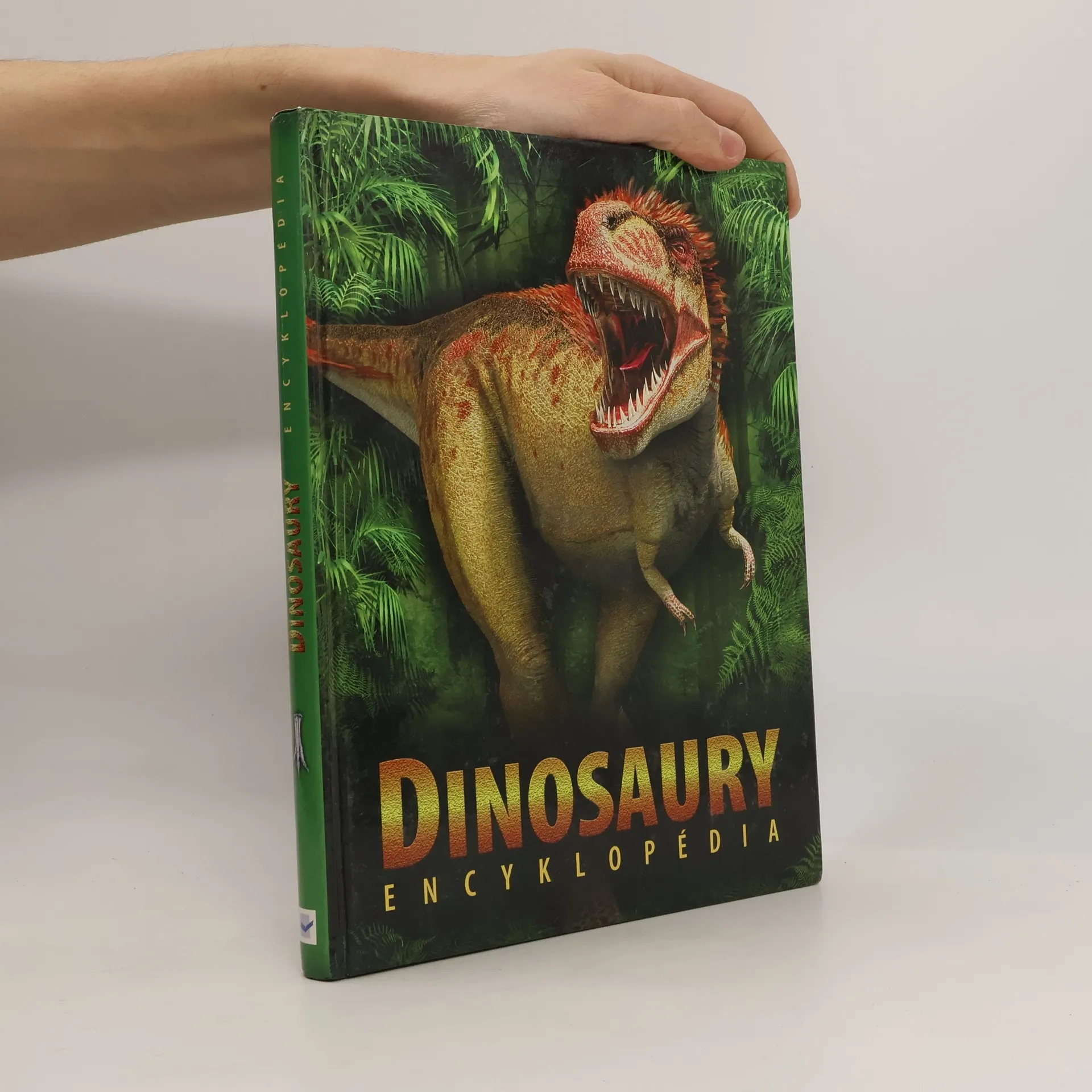
Kniha je určená všetkým, čo sa zaujímajú o praveké zvieratá, ktoré obývali Zem. Obsahuje všetko najdôležitejšie o tom kde, ako a kedy dinosaury žili. Abecedný zoznam viac než 140 rodov dinosaurov s mnohými podrobnosťami i zaujímavosťami ocenia i znalci života týchto vyhynutých tvorov.
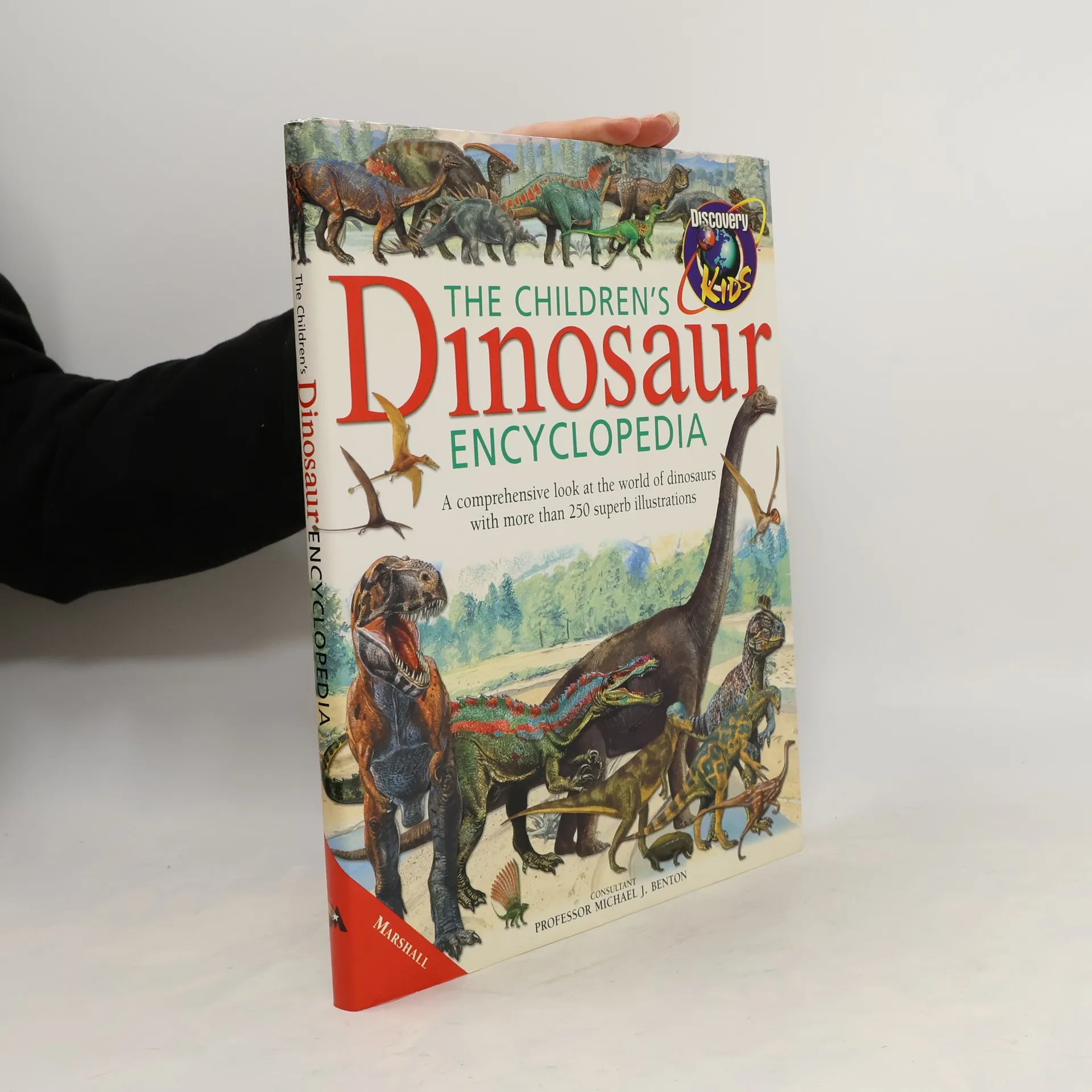
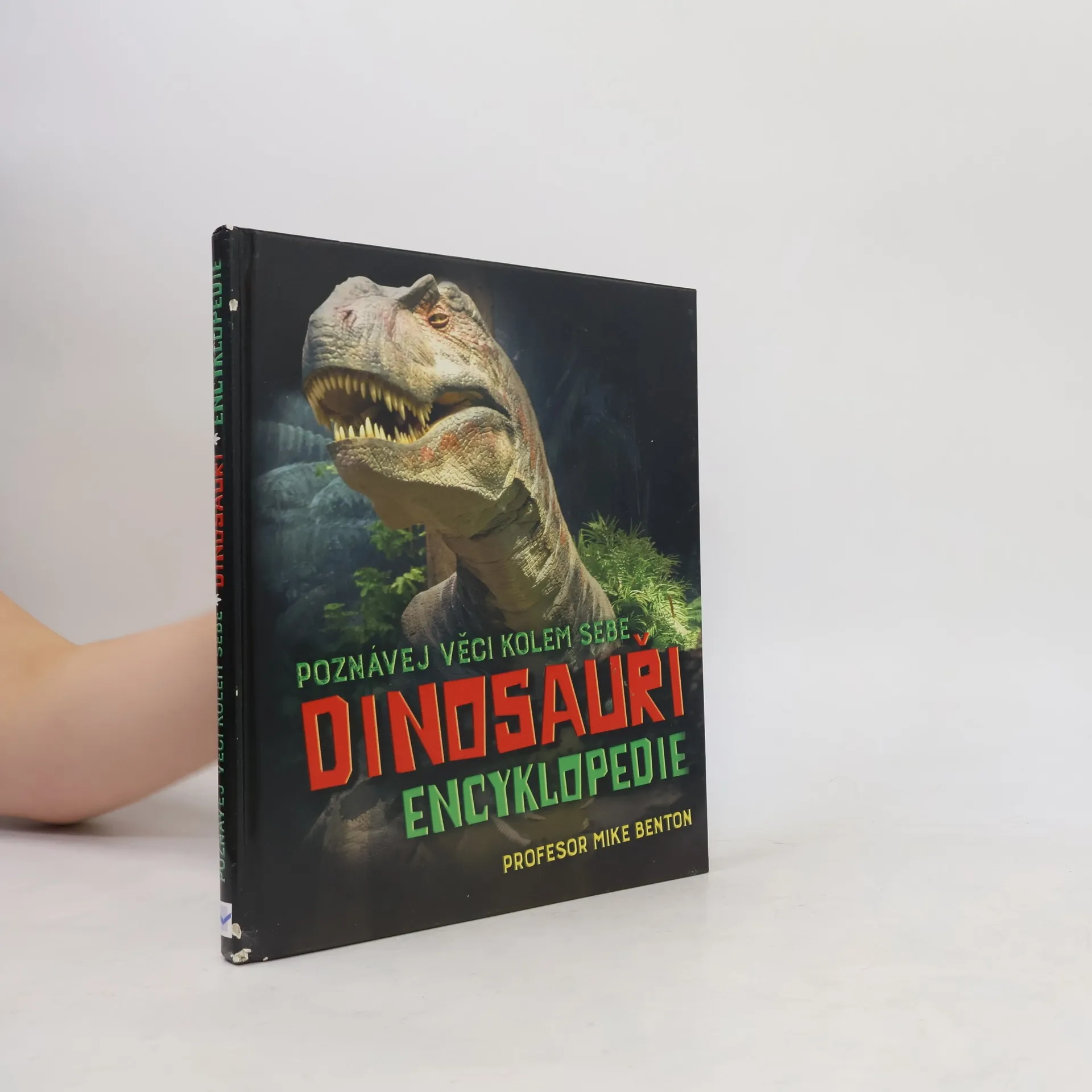
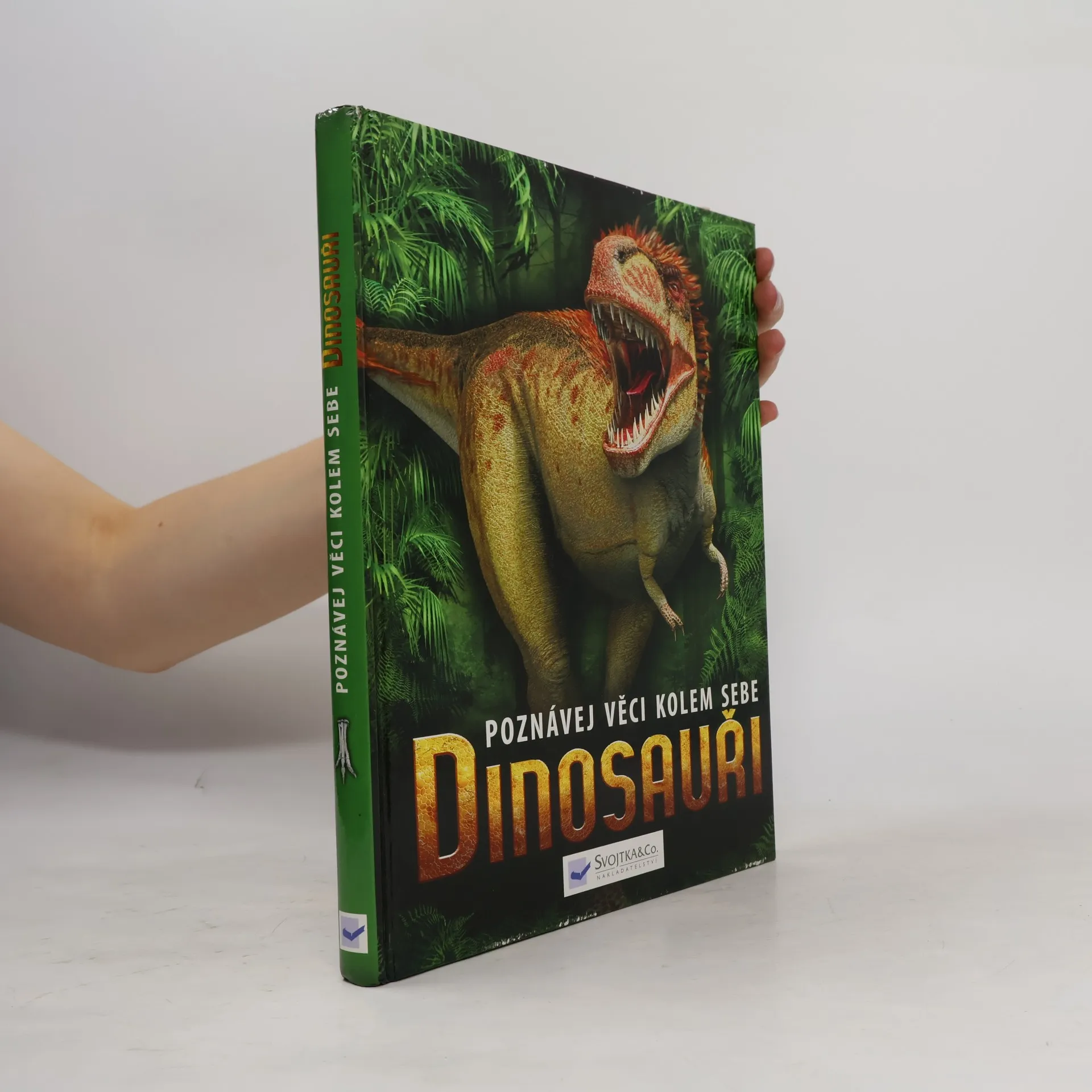
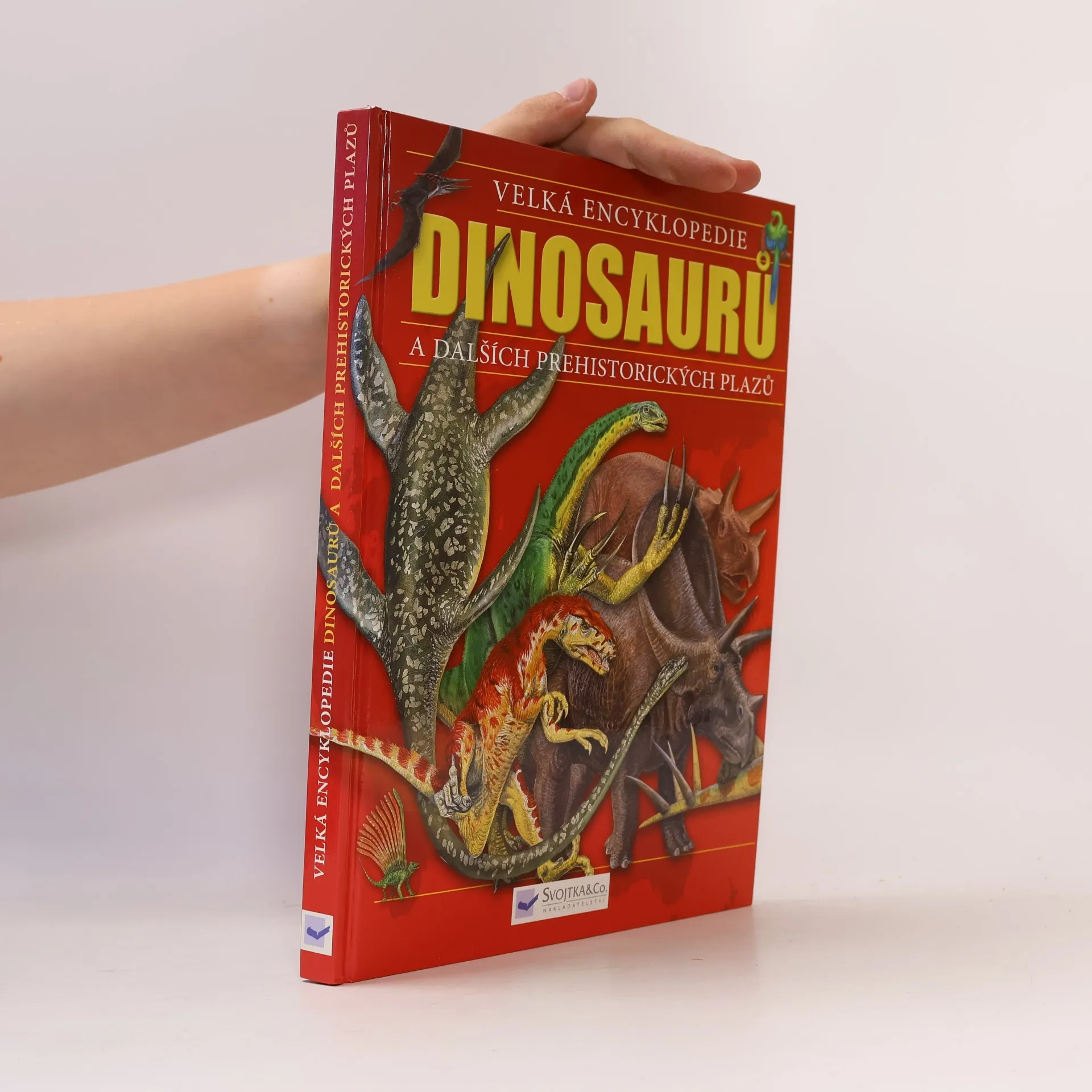
Tato velká encyklopedie dinosaurů přináší obrovské množství poznatků o životě v pravěku a o dinosaurech, kteří vám ožijí před očima. Je srozumitelná, přehledná a plná nejnovějších objevů o dinosaurech ze všech koutů světa. Najdete v ní neuvěřitelně živé obrazové scény, které vás přenesou rovnou mezi dinosaury – uvidíte hrozivé masožravce, dinosauří stáda, ohromné býložravce a mnoho jiných fascinujících tvorů včetně prapředků dnešních ptáků. Obsahuje více než 400 fotografií a ilustrací.
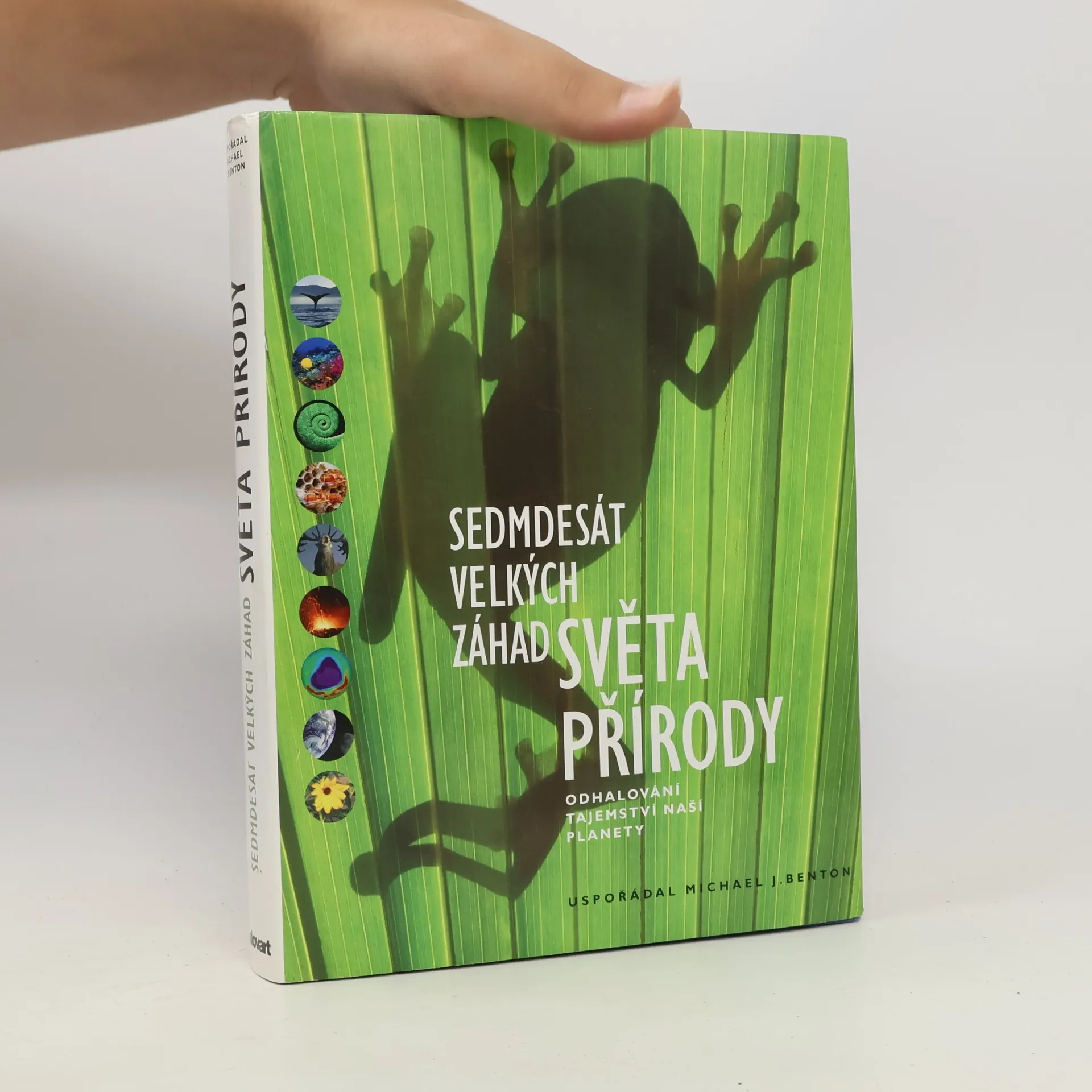
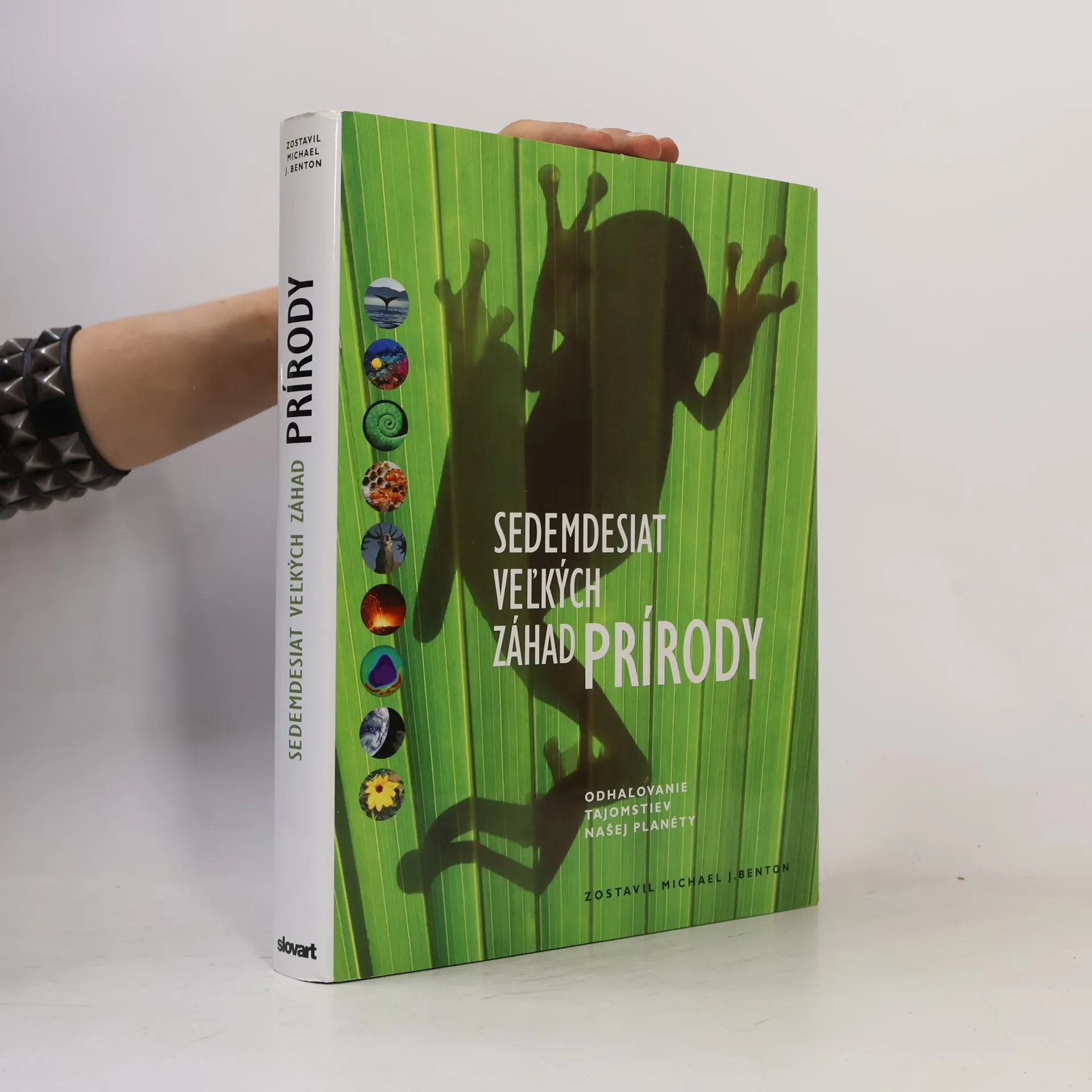
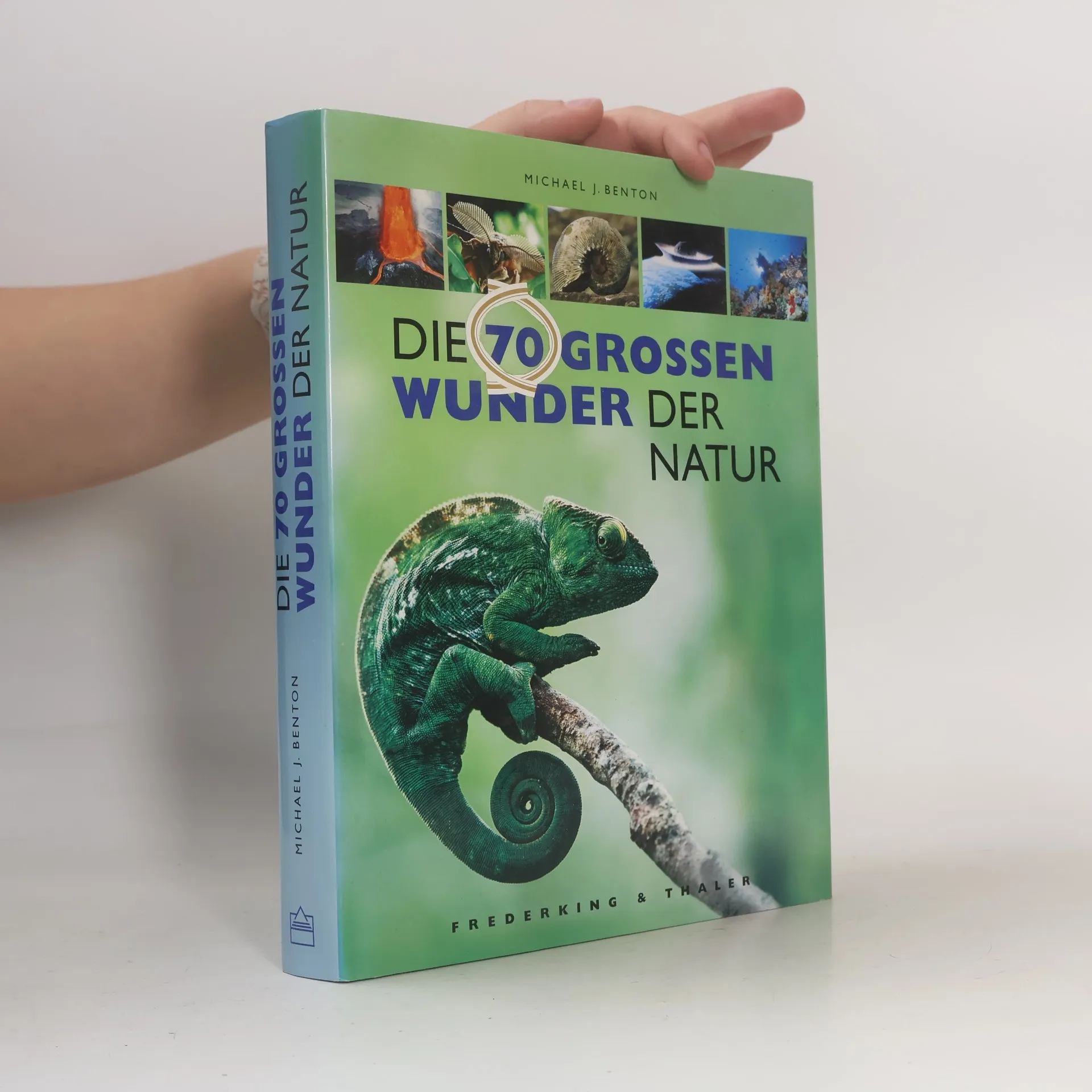
Skoro každý den média naléhavě informují o velkých změnách v životním prostředí, případně jsme sami účastníky těchto změn. Co ale skutečně víme o tom, jak funguje Země nebo život? Co dalšího se ještě musíme naučit? Přes šedesát nejvýznamnějších vědců z celého světa – od Francie, Německa a Nizozemska přes Velkou Británii a Spojené státy až po Indii a Austrálii – umožňuje náhled do špičkových výzkumů a objevů. V sedmi částech se zabývají počátky naší planety a života na ní, myšlenkou evoluce a příslušnými důkazy, biogeografií a přírodními prostředími na Zemi, rostlinami a živočichy, chováním zvířat i budoucností.
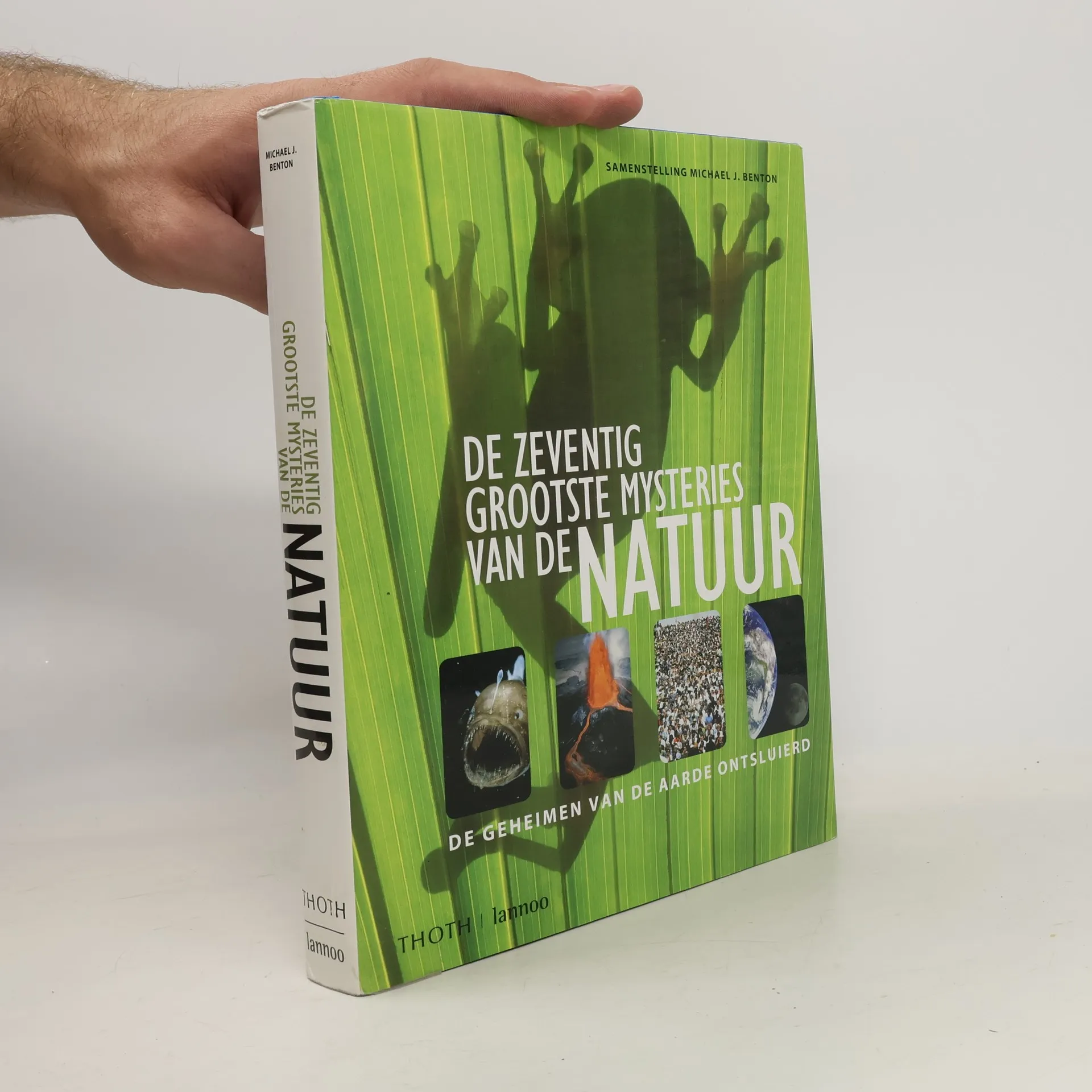
Samenvatting Verbijsterende natuurrampen, de voedsel- en energiecrisis, maar ook de ontdekking van steeds weer nieuwe diersoorten: nooit eerder zijn we ons zo bewust geweest van de noodzaak de wereld om ons heen te begrijpen. Maar wat weten we er eigenlijk van? Dit boek onderzoekt de aarde, van de hoogste bergtop tot de diepzee: het eerste leven, de plantenrijkdom, diergedrag en onze toekomst.
Ďalšia publikácia z mimoriadne obľúbenej edície odhaľuje tajomstvá našej planéty a sústreďuje sa na svet prírody. Zostavovateľ Michael J. Benton zhromaždil tím odborníkov, ktorí sa venujú aktuálnym problémom a otázkam. Zaujíma ich, ako vznikla Zem a život na nej, prečo vyhynuli dinosaury, kto bol najstarší predok človeka, ale aj prečo vybuchujú sopky, dopadajú na zem asteroidy či kométy, čo vieme o Darwinových strnádkach, ktorý žijúci organizmus je najväčší alebo aké ekologické stopy zanechá človek na našej planéte.
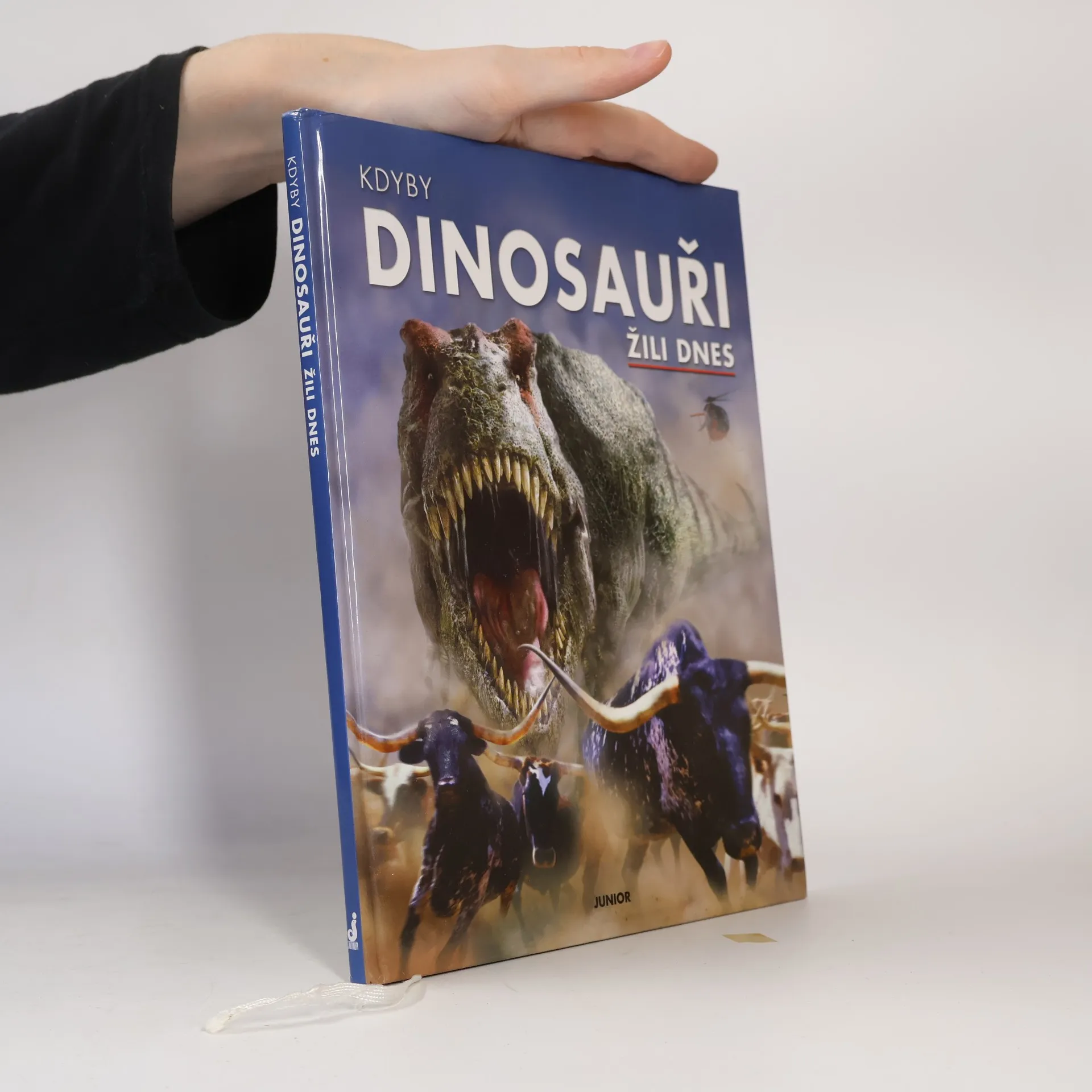
Kdyby dinosauři nevymizeli před 65 miliony let, jak by vypadala Země s největšími živočichy, jací na ní kdy žili? Vydejte se s námi na neobyčejnou cestu oceány, oblohou i po souši a hledejme, kde by mohli dinosauři žít v našem světě. Odborníci využili nejnovější výzkumy, aby vytvořili překvapující scénář střetu dinosaurů s naší civilizací. Neuvěřitelné obrazy fotograficky přesných rekonstrukcí dinosaurů zasazené do současných snímků. Podrobné údaje o většině známých poznatků o dinosaurech. Zhuštěné údaje o všech hlediscích výzkumu dinosaurů od jejich vyhynutí, po poslední fosilní nálezy.
Der Planet Erde und das Leben auf ihm stellen uns oft vor außergewöhnliche Fragen und faszinierende Rätsel. Können Hunde wirklich nur Grautöne sehen? nein, sie sehen Farben, können allerdings Rot und Grün nicht unterscheiden. Stimmt es, dass der Mount Everest noch in die Höhe wächst? nein, aber er ist in den letzten Jahren 6 Meter nach nordosten gewandert. Und wussten Sie, dass an Unterwasservulkanen in 2,5 Kilometern Tiefe Lebewesen unter extremsten Bedingungen existieren können? Dieser Band versammelt Beiträge von über sechzig weltweit führenden naturwissenschaftlern, die in kompakten Texten und eindrucksvollen Bildern die spannendsten Phänomene dieser Welt erklären.
Poznatky z jednotlivých oborů jsou dětem předkládány srozumitelně a poutavě. Velmi pěkně zpracovaná encyklopedie obsahuje deset hlavních témat: Vesmír, Naše planeta Země, Moře, Říše živočichů, Rostliny, Doba dinosaurů, Moje tělo, Stroje, Věda, Lidé a země. Texty doplňují drobné úkoly a krátce převyprávěné pohádky na dané téma.
Tato velká encyklopedie obsahuje podrobný přehled světa dinosaurů s více než 280 skvělými barevnými ilustracemi. Vydejte se tedy mezi prehistorická zvířata a sledujte vývoj nejzajímavějších tvorů, kteří kdy obývali naši planetu. V tomto komplexním průvodci jsou uvedeny nejnovější objevy a výsledky vědeckých výzkumu. Do rukou se vám tak dostává prozatím největší a nejlepší kniha o dinosaurech. U nejdůležitějších rodů dinosaurů jsou vždy uvedeny podrobné informace, jak zvířata vypadala a kde a jak žila. Na mapě světa pak uvidíte, jaká byla naše planeta, když ji dinosauři ovládli. Dramatické ilustrované scény vás přenesou přímo do pravěku!