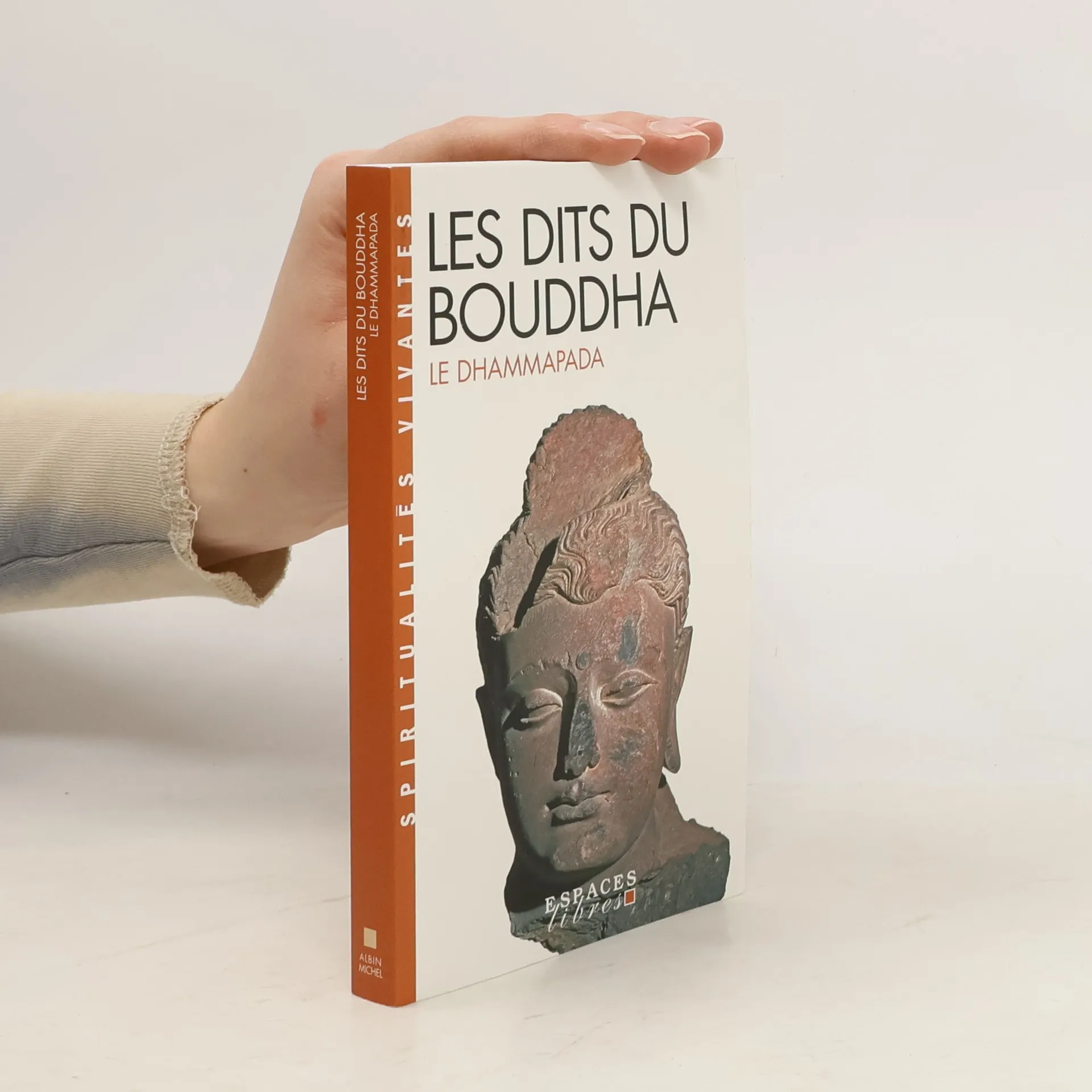
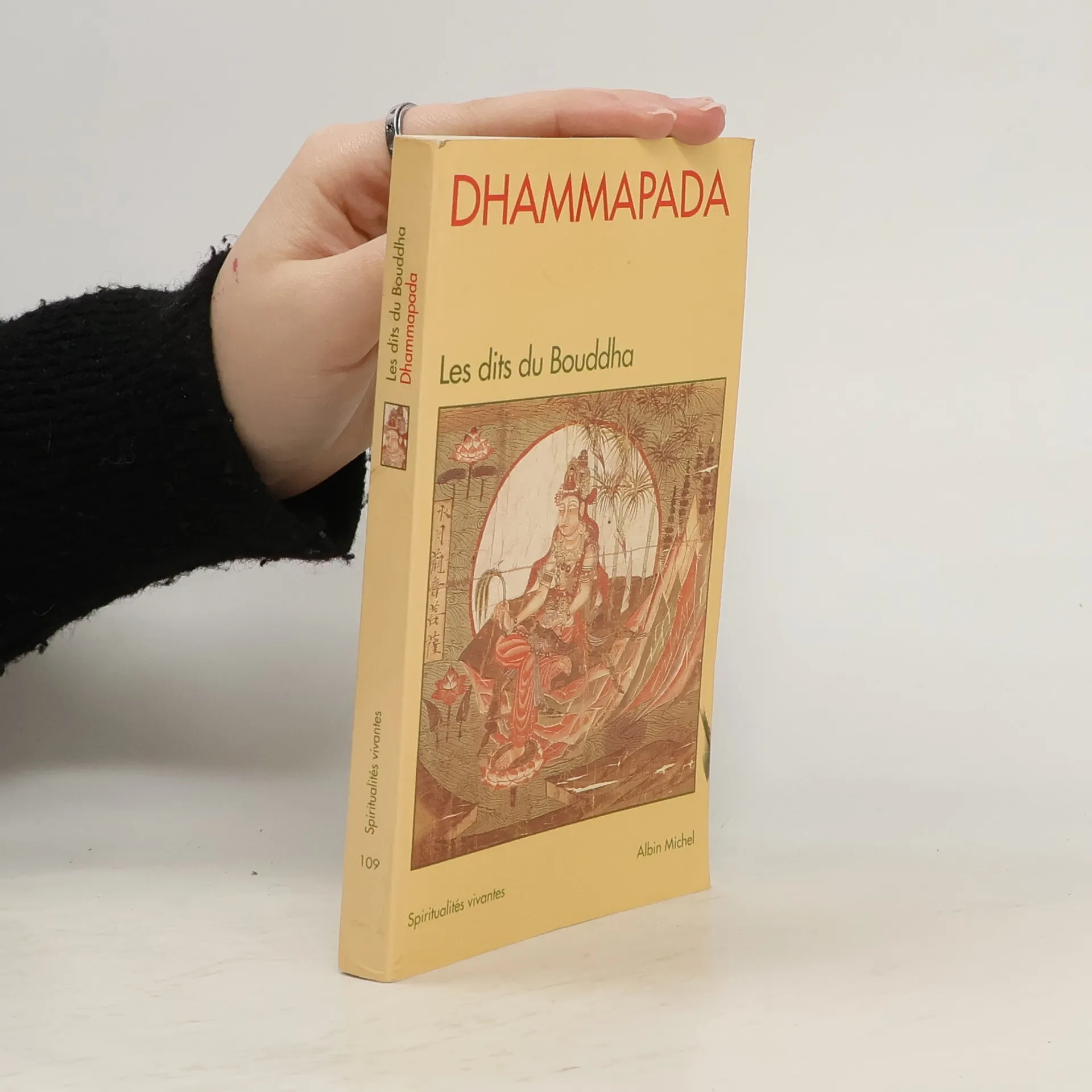
Le Dhammapada (sanskrit : dharmapada), qui peut se traduire par stances du dharma est, dans le canon bouddhique pâli, un livre exceptionnel, le recueil des discours et instructions que le Bouddha a donnés en différentes occasions. Ces aphorismes, dépouillés de toute formulation accessoire, incisifs, denses et profonds, sont très précieux pour qui veut accéder à la compréhension de l'enseignement direct du Bouddha. Le Dhammapada est en quelque sorte un condensé, un compendium, la quintessence du Dharma du Bouddha.
Gautama Buddha Livres
Gautama Bouddha est la figure centrale du bouddhisme, un enseignant spirituel du sous-continent indien dont les enseignements forment la base de cette philosophie mondiale majeure. Sa vie, ses discours et ses règles monastiques furent résumés et mémorisés par ses disciples après sa mort. Les enseignements attribués au Bouddha furent initialement transmis par tradition orale, les écrits apparaissant environ 400 ans plus tard. Son héritage perdure à travers des intuitions et des pratiques spirituelles profondes qui continuent de guider d'innombrables personnes.

Les dits du Bouddha
- 240pages
- 9 heures de lecture
Écrit en pâli au IIIe siècle avant J.-C. et conservé à Ceylan, le Dhammapada (sanskrit : Dharmapada), qui se traduit par versets de la Loi, est l'un des textes fondamentaux les plus célèbres de la littérature bouddhique. Ces vers, d'une profondeur extraordinaire, ont conservé les paroles prononcées par le Bouddha en diverses circonstances de sa longue vie de prêche. Le Dhammapada, qui contient l'essence même de l'enseignement du Bouddha, a été très tôt admis parmi les textes canoniques. Il occupe dans le bouddhisme une place centrale comparable aux Évangiles dans le monde chrétien. Ces aphorismes, dépouillés de toute formulation accessoire, incisifs et denses, sont très précieux pour qui veut accéder à la compréhension de l'enseignement direct du Bouddha. Le Dhammapada est en quelque sorte un condensé, la quintessence du Dharma transmis par le Bouddha.
The Gospel of Buddha
- 228pages
- 8 heures de lecture
Focusing on the life and teachings of Gautama Buddha, this classic text by Paul Carus offers insights into Buddhist philosophy and ethics. It explores key principles such as compassion, mindfulness, and the path to enlightenment, presenting Buddha's wisdom in a way that is accessible to readers. The book serves as both a spiritual guide and a scholarly examination of Buddhism, making it an essential resource for those interested in understanding this influential religion.
Buddha für Gestreßte
- 134pages
- 5 heures de lecture
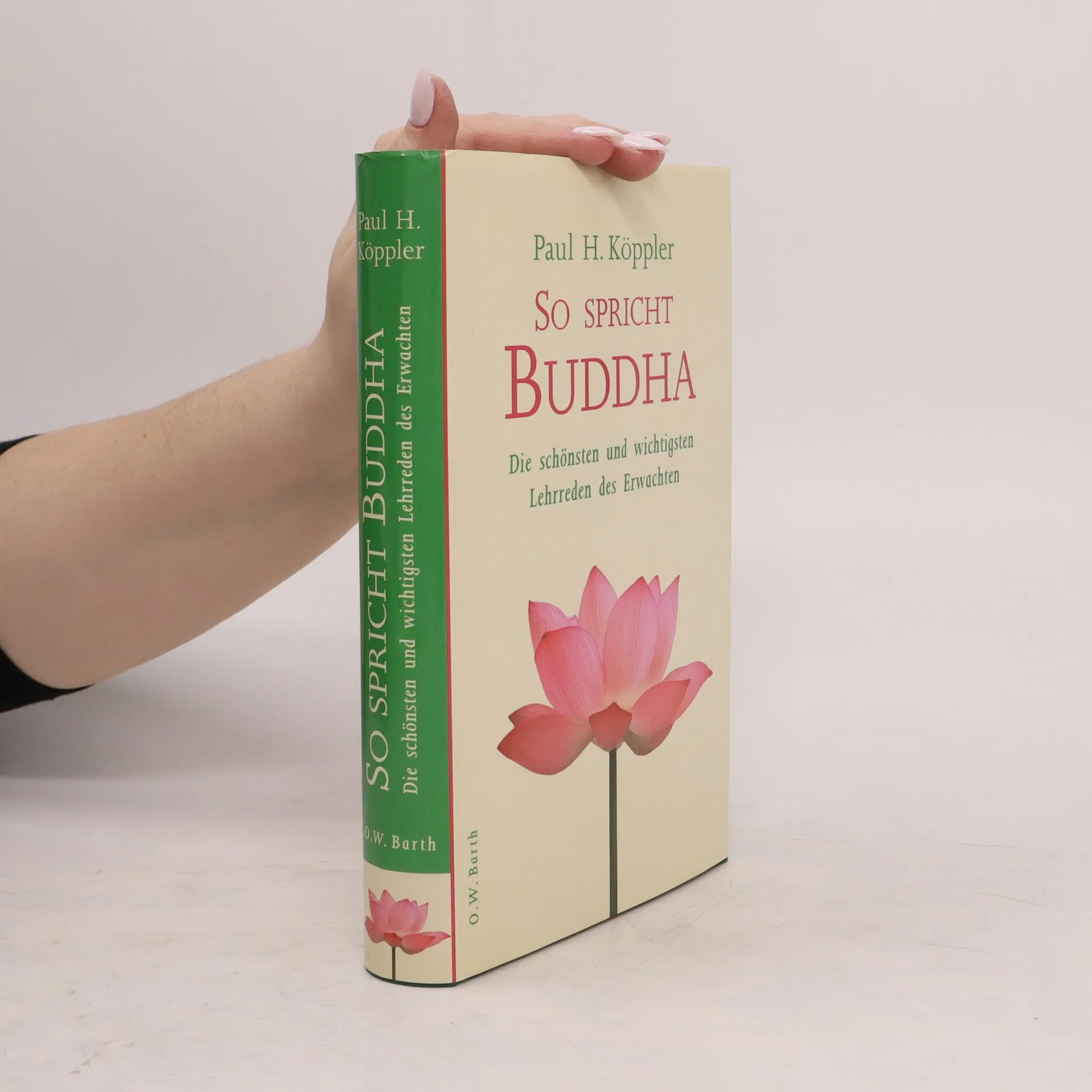
So spricht Buddha
- 400pages
- 14 heures de lecture
Vor etwa 2 500 Jahren sprach der Buddha zu den Menschen, die Rat suchend zu ihm kamen – über die Bestimmung des Menschen, die Ursachen und die Überwindung des Leidens und den Weg zur Erleuchtung. Dabei gab er ihnen immer auch ganz pragmatische Ratschläge zur Lebensführung, „verpackt“ in höchst anschauliche Geschichten und Gleichnisse. Seine Worte wurden von seinen Schülern zunächst mündlich überliefert und erst einige Jahrhunderte nach seinem Tod in verschiedenen Sammlungen schriftlich nieder gelegt. Diese 'Lehrreden' des Erwachten sind die älteste und wichtigste Quelle des Buddhismus. Paul Köppler hat die schönsten und bedeutendsten dieser Lehrreden ausgewählt, thematisch geordnet, erläutert und in zeitgemäßer Sprache wiedergegeben. So erschließen sich auch dem heutigen Leser die zeitlose Weisheit und tiefe Bedeutung der Worte Buddhas.
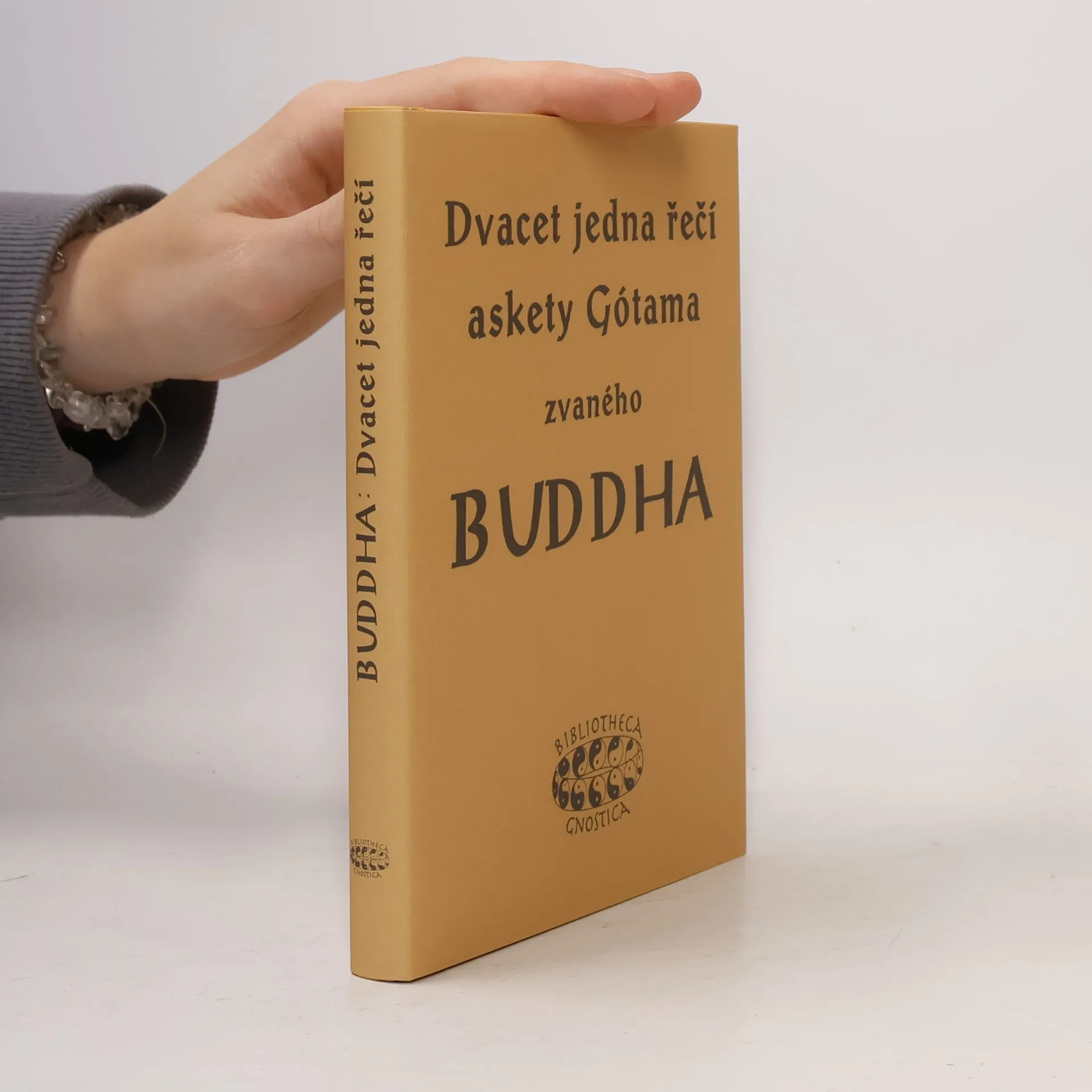
Dvacet jedna řečí askety Gótama zvaného Buddha
- 238pages
- 9 heures de lecture
Vybrané súty pálijského kánonu Tripitaka, svaté buddhistické knihy ortodoxního buddhismu, tzv. théravády (učení starších), která důsledně zastává a ctí myšlenky Buddhovy. 4. vydání obsahující nejstarší Buddhovy proslovy
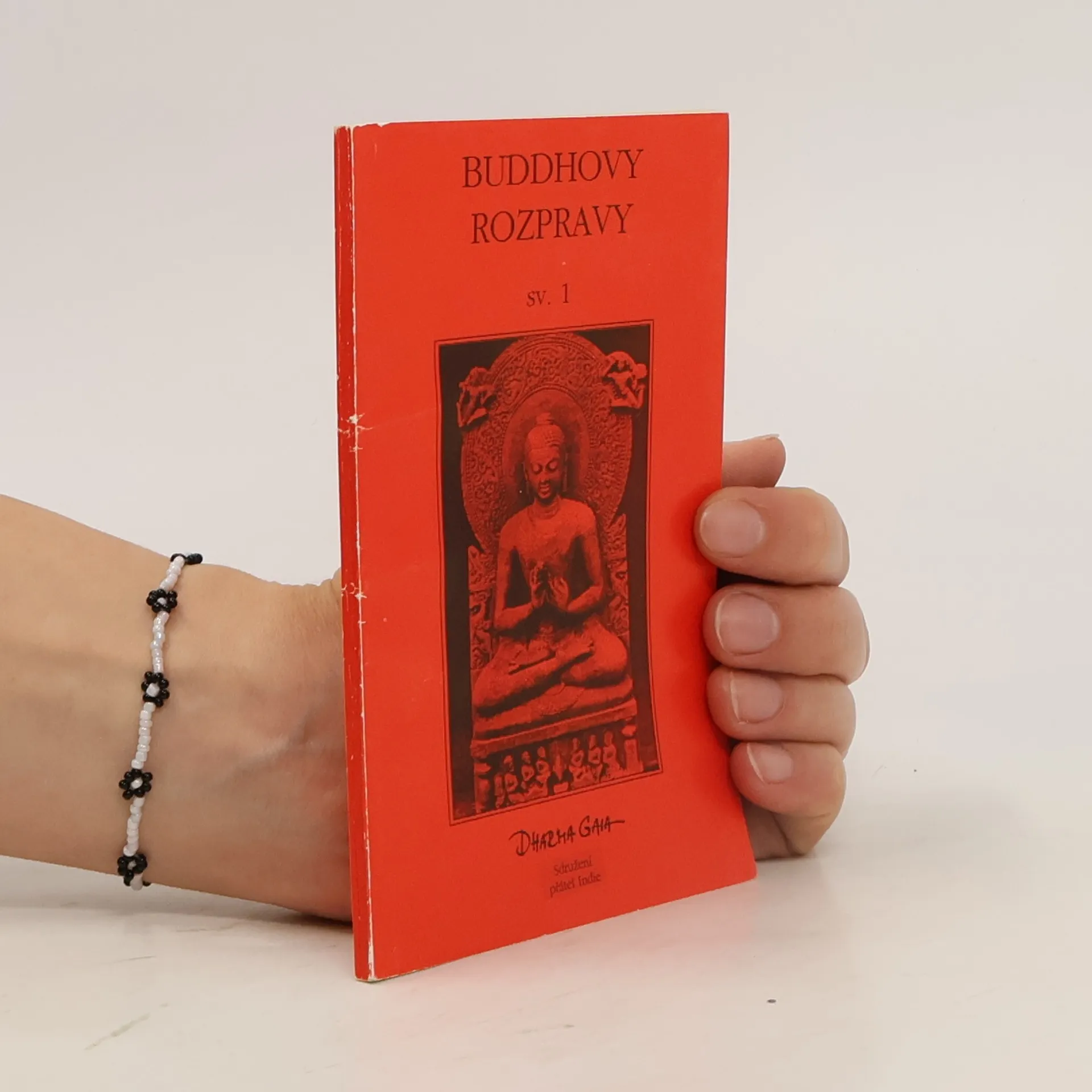
Buddhovy rozpravy sv. 1
- 38pages
- 2 heures de lecture
Pět nejznámějších textů z théravádové pálijské Tipitaky.
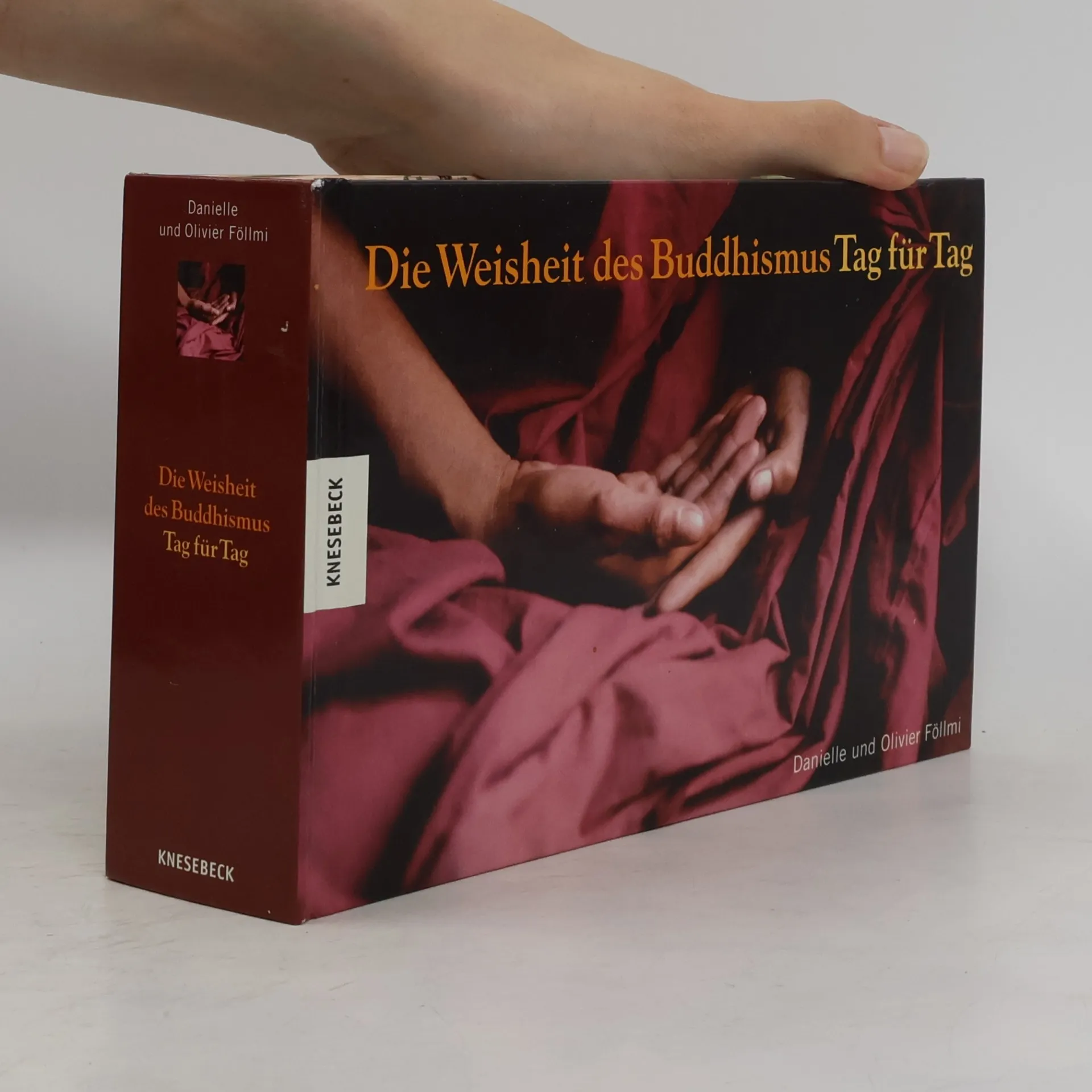
Danielle und Olivier Föllmi, denen der Himalaya zur zweiten Heimat geworden ist, entführen die Leser: innen in diesem spirituellen Wegbegleiter auf eine Reise in die Welt des tibetischen Buddhismus. Für jeden Tag des Jahres präsentieren sie stimmungsvolle Fotografien des Himalaya und seiner Bewohner. Begleitet werden die Fotos von Weisheiten berühmter buddhistischer Meister, unter ihnen Dilgo Khyentse Rinpoche, Matthieu Ricard, Sogyal Rinpoche, Milarepa und der Dalai Lama.
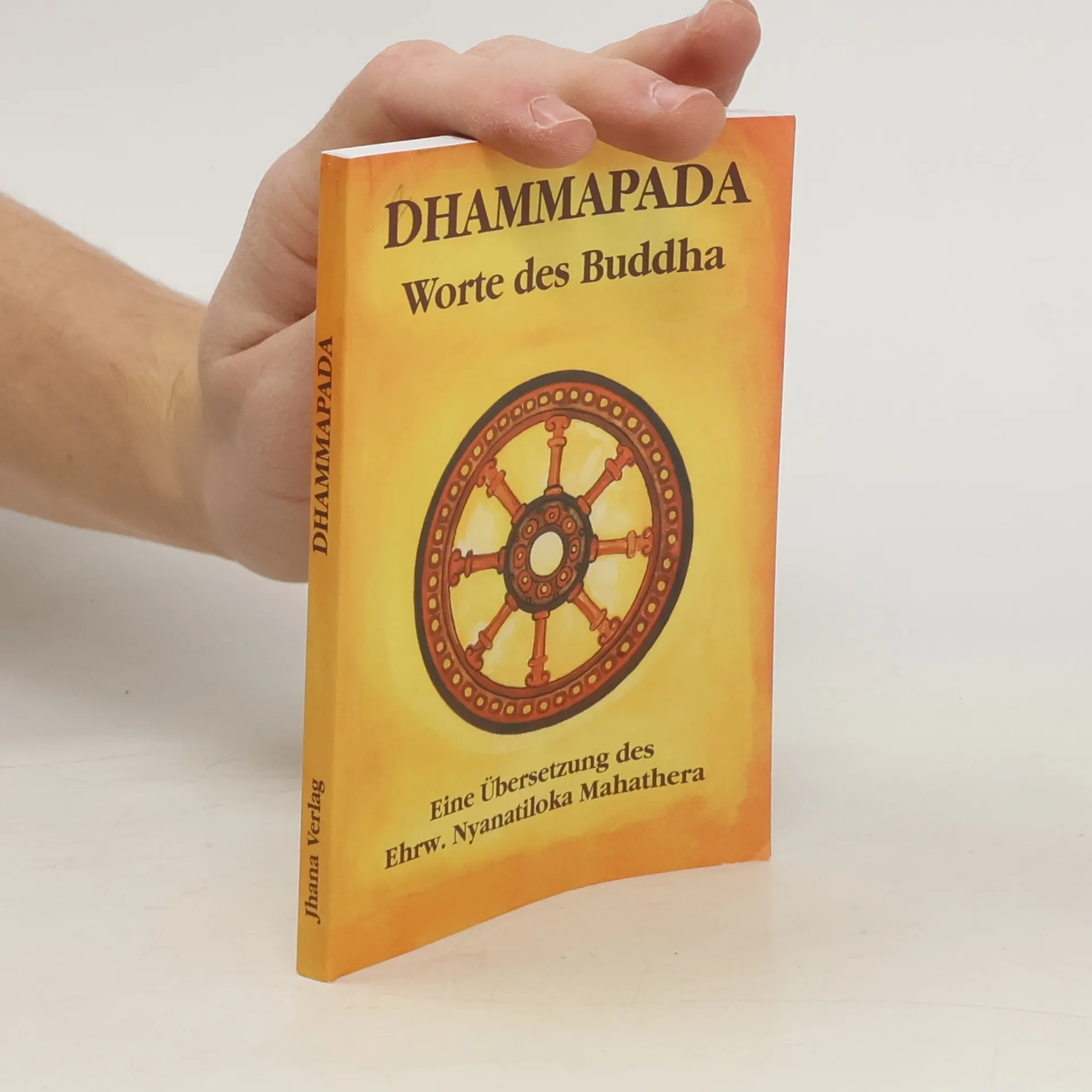
Die Dhammapada (Worte der Weisheit) besteht aus 423 Versen in Pali, welche der Buddha bei 305 Gelegenheiten zum Wohle der Menschheit aussprach. Diese Sprüche wurden in einem Buch zusammengefasst, weil sie durch ihre Schönheit und Wahrheit von besonderer Wichtigkeit sind, um vielen Menschen hilfreich beiseite zu stehen.
Die Reden des Buddha
- 159pages
- 6 heures de lecture
»Was zum Frieden und zur Erleuchtung dient, hat der Buddha die Seinen gelehrt.« Der Heilsweg des Buddha ist ein Weg zur Weisheit und zur Erlösung des Einzelnen. Am Anfang der Lehre stand die Einsicht, dass die Welt in ihrer Vergänglichkeit ein Ort des Leidens sei. Die Lehrtätigkeit des Buddha erfolgte aus unendlichem Mitleid, um Wege aus dem Kreislauf des Leidens zu finden, in dem alle Lebewesen durch ihre Unwissenheit gefangen sind. Die Lehre des Buddha, des „Erwachten“, ist Ausdruck einer Welthaltung, die auf den historischen Buddha Sakyamuni zurückgeht. Dieser indische Prinz, der nach Erfahrungen des Leidens in der Welt und nach der Einsicht in die Ausweglosigkeit einen eigenen „mittleren Weg“ fand und sich seiner eigenen Vorleben vergewisserte, war ein Zeitgenosse Sokrates. Mit einem Nachwort von Helwig Schmidt-Glintzer.
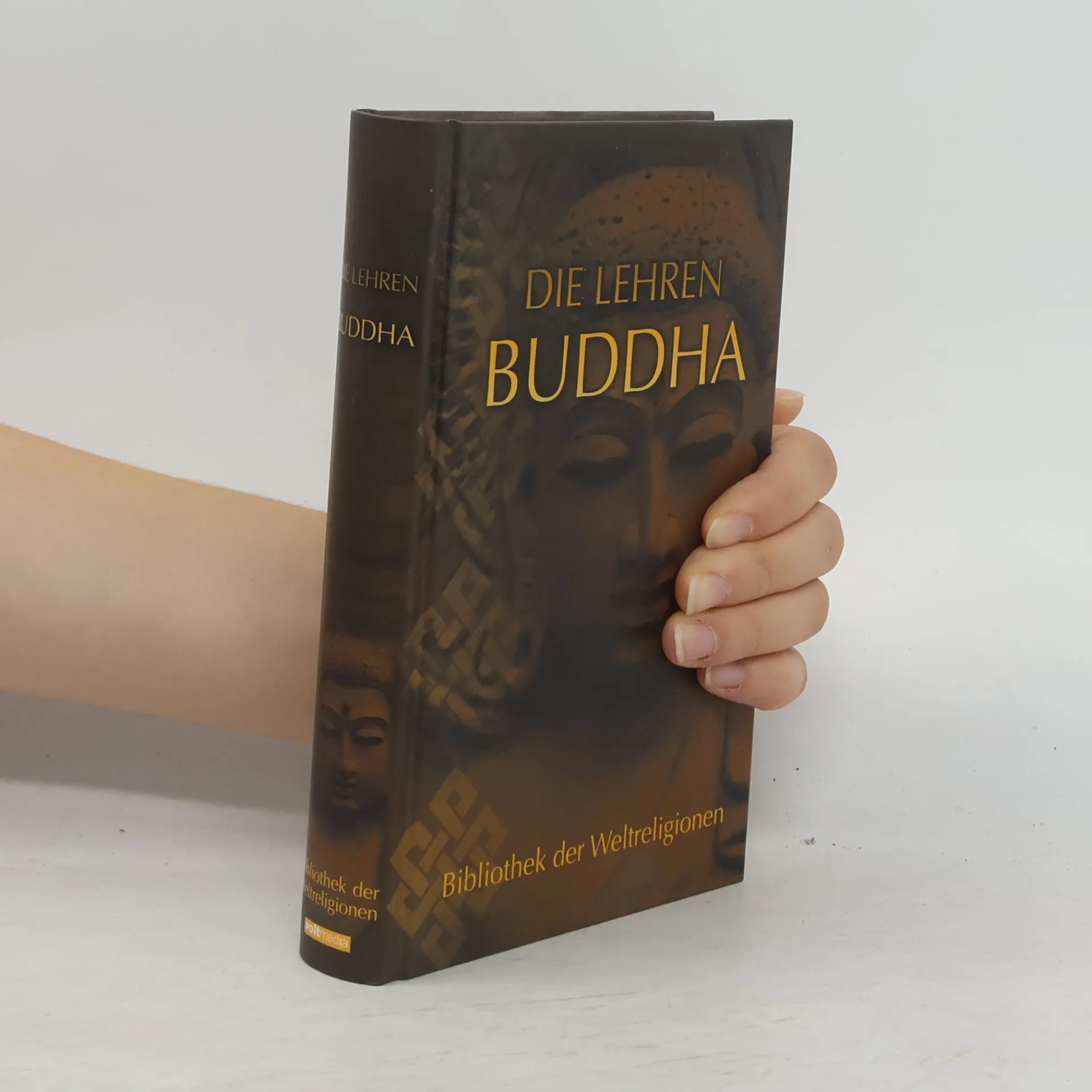
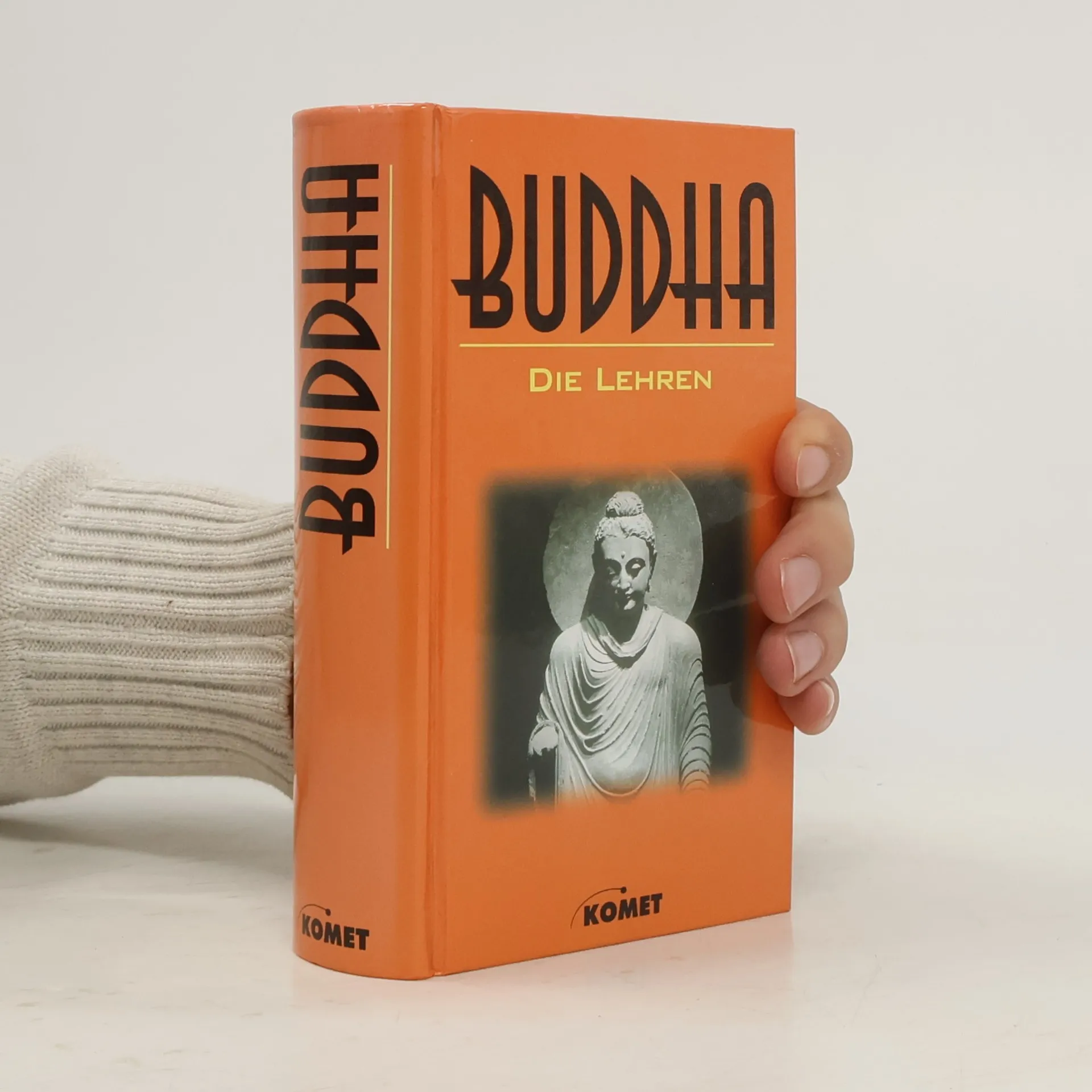
Die Lehren Buddhas bestehen aus Mitschriften der Anhängerinnen Siddharta Gautamas, der durch kontemplative Meditation die Erleuchtung erfuhr. Diese undogmatische und friedliche Religion lehrt die Reinkarnation (Samsara) und besagt, daß ihre Anhängerinnen durch Verbesserung ihres Karmas (Ursache und Wirkung) Erlösung im Nirwana (Verwehung) erfahren können. Gerade in heutiger Zeit bietet der Buddhismus die Möglichkeit, durch Besinnung auf Inneres zu mehr Ausgeglichenheit und Ruhe gelangen zu können.
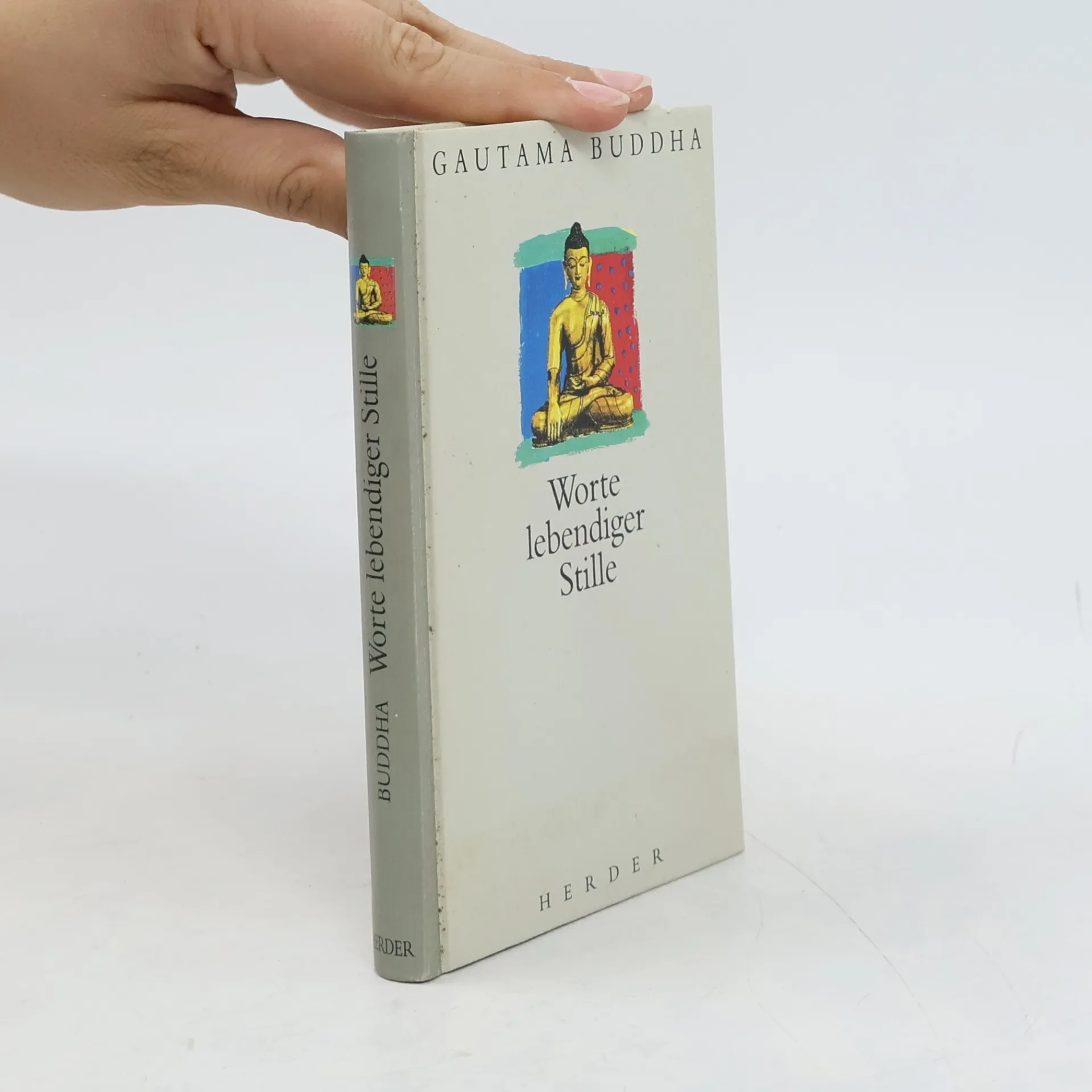
Worte lebendiger Stille
- 127pages
- 5 heures de lecture
Die ausgewählten Worte Gautama Buddhas bieten einen Schlüssel zu mehr Achtsamkeit im Leben und enthalten jahrhundertealte Weisheit. Sie schärfen unsere Wahrnehmung und zeigen, dass in den kleinen Alltagsmomenten der Schlüssel zur Ewigkeit verborgen ist.
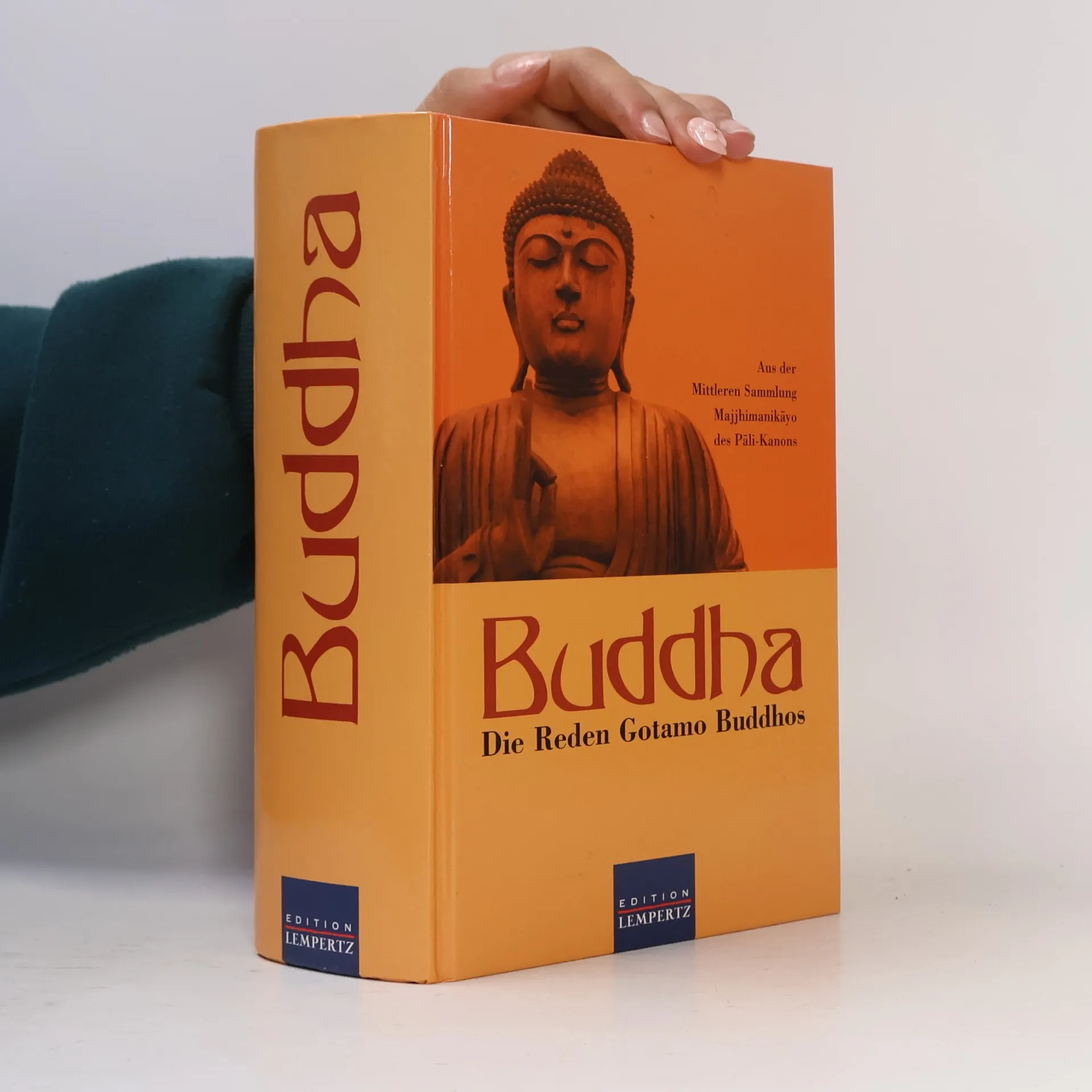
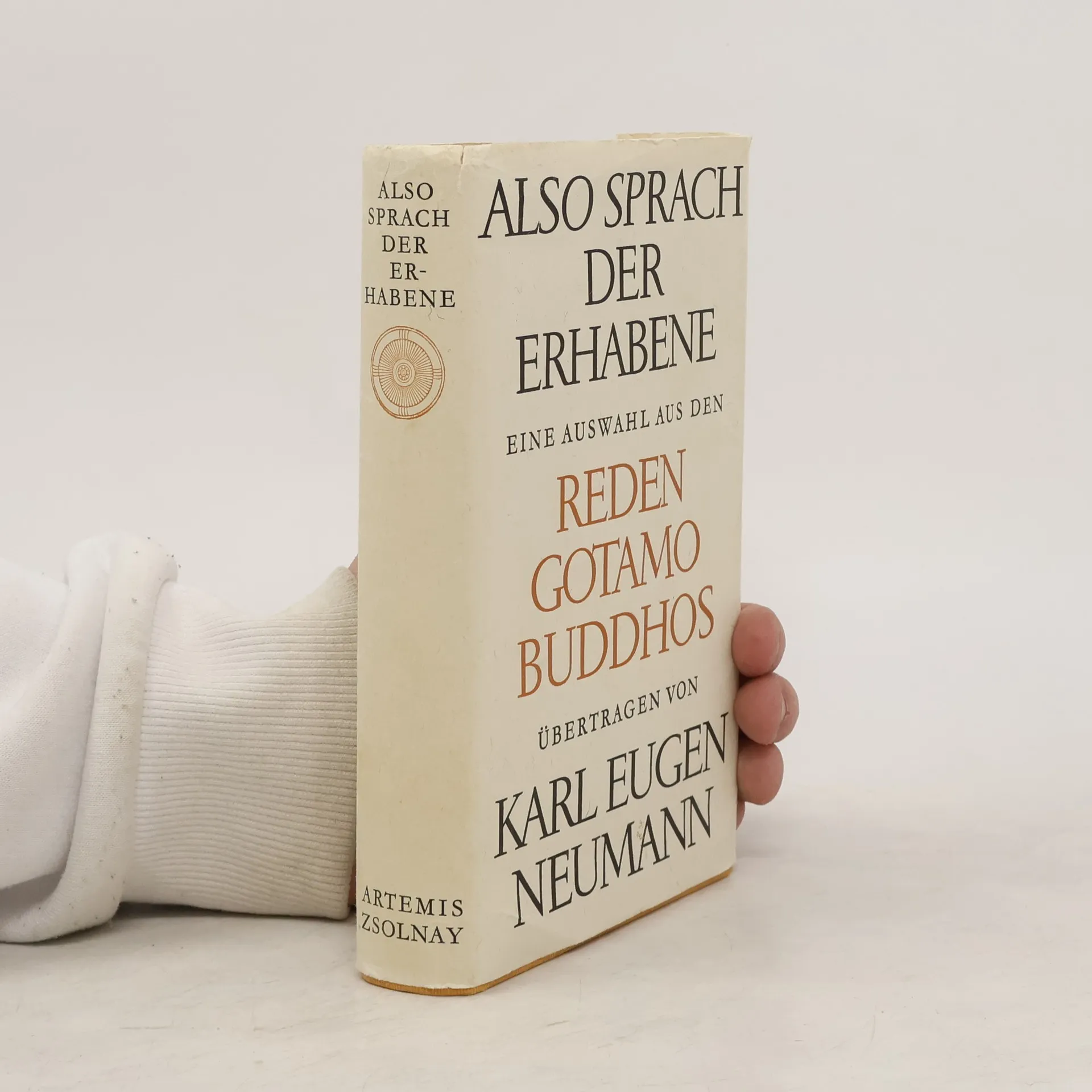
Buddha. Die Reden Gotamo Buddhos
- 1197pages
- 42 heures de lecture
Buddha, auch Siddhartha genannt, hielt nach seiner Erleuchtung seine erste Lehrrede in Isipatana. In den folgenden 45 Jahren sprach er zu verschiedenen Menschen. Dieser Band enthält die bedeutendsten Reden aus der Mittleren Sammlung Majjhimanikayo des Pali-Kanons, übersetzt von Karl Eugen Neumann.
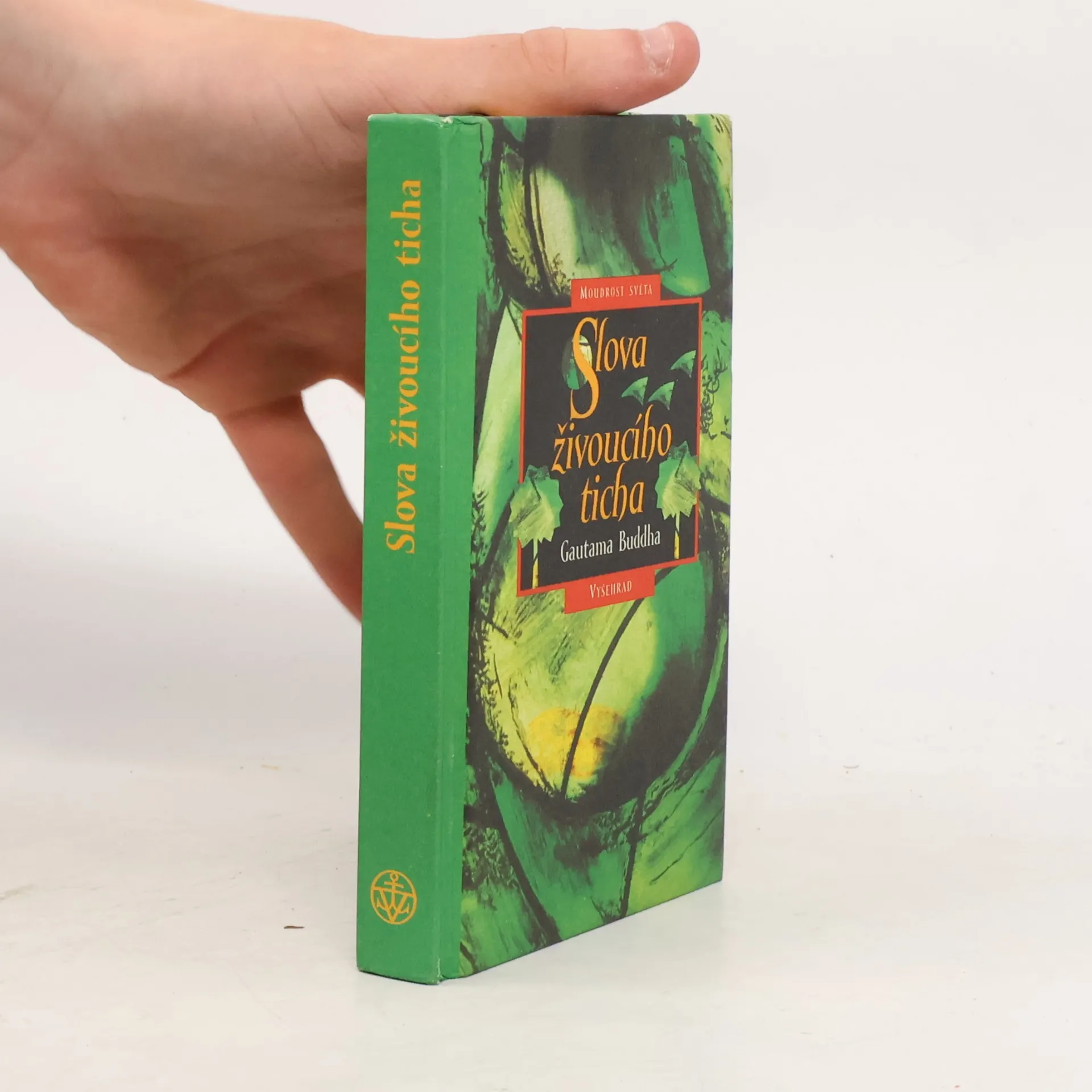
Slova živoucího ticha
- 155pages
- 6 heures de lecture
Kdo čte pravdivá, i v dnešní době stále aktuální slova Gautamy Buddhy (přibl. 561 - 480 př. Kr.(, pociťuje živou sílu ticha, která vychází z životního vědění "Osvíceného". V jeho slovech se člověk setkává s jedním z velkých mistrů a proroků života, kteří dospěli k poznání zjevných i iracionálních stránek světa. Slova Buddhy - zrozená v živém tichu - se dostávají k těm, kteří hledají trvalé životní hodnoty, a u těchto lidí nacházejí pochopení.
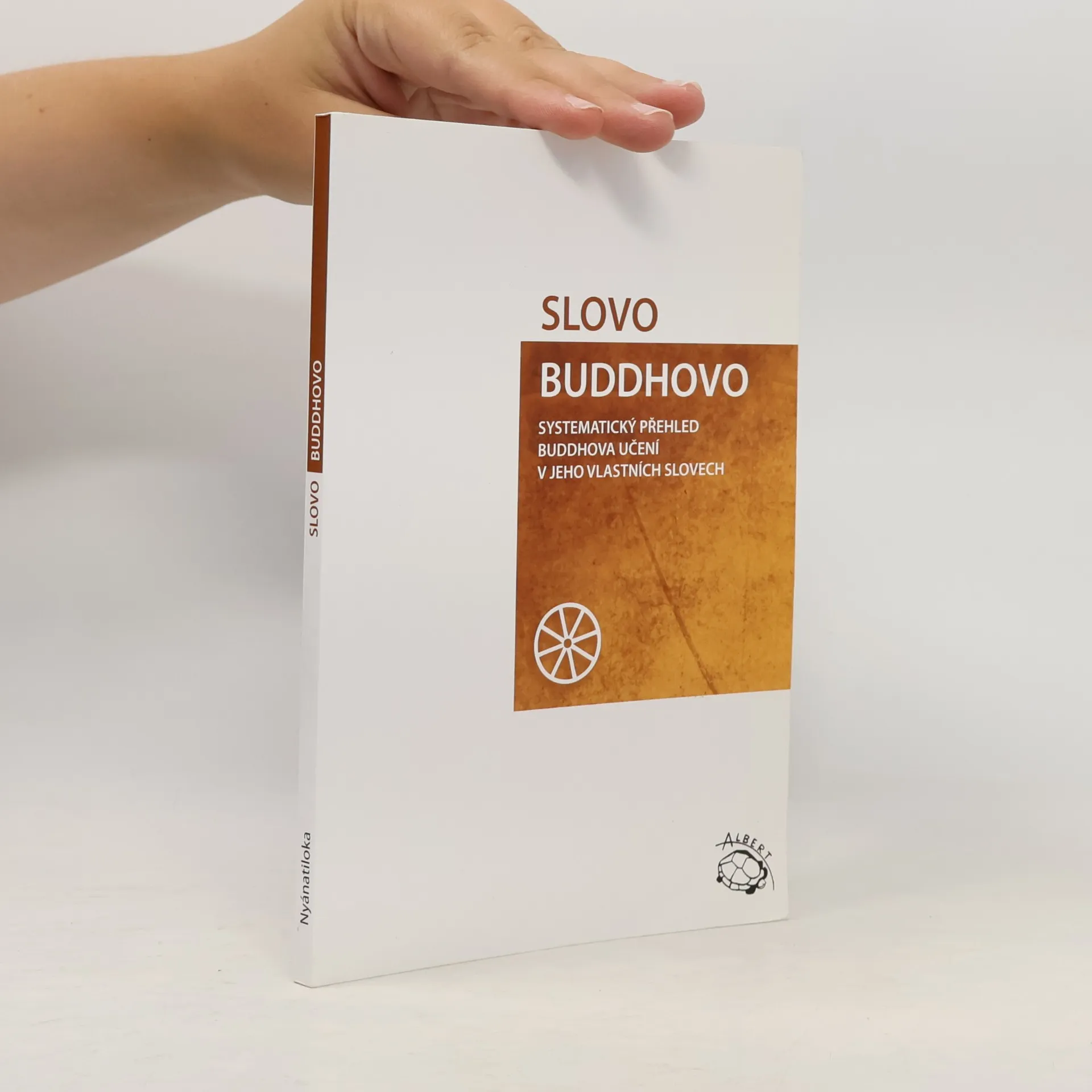
Přehled celého učení v jeho vnitřních souvislostech - a sice ve všeobsáhlém rámci Čtyř ušlechtilých pravd, tedy pravdy utrpení, jeho vzniku, jeho překonání a k jeho překonání vedoucí Ušlechtilé osmičlenné stezky. Systematický přehed Buddhova učení v jeho vlastních slovech vybral, seřadil a vysvětlil ctihodný Nyanatiloka
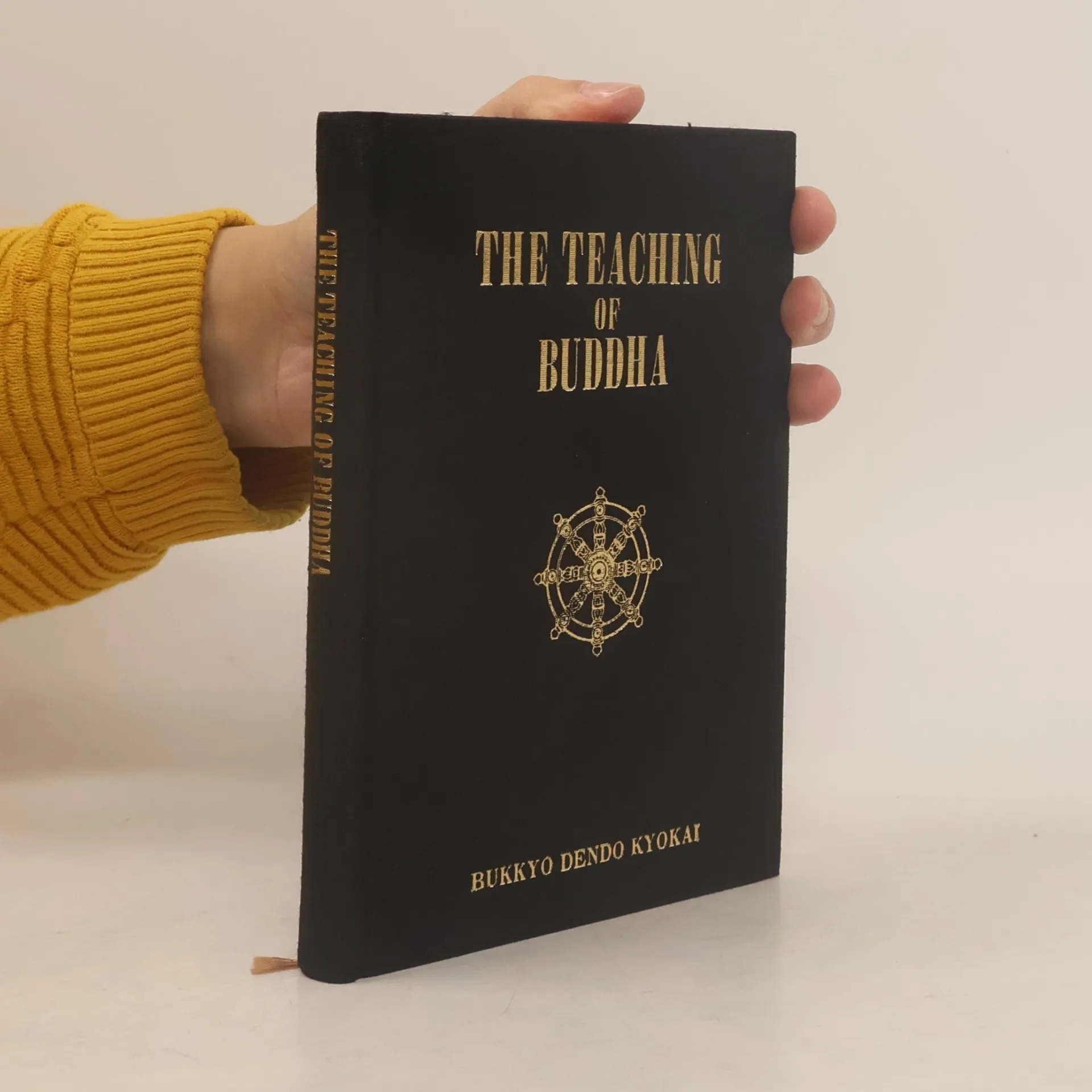
Anyone who has stayed in a hotel in Japan has probably seen a copy of The Teaching of Buddha. First published in 1925, the book was originally edited by Japanese scholars of Buddhism before WWII and distributed widely throughout Japan. The first English edition was published in 1934. The Reverend Dr. Yehan Numata brought out another English edition in 1962, and in 1966, after the establishment of the Bukkyo Dendo Kyokai (BDK) (Society for the Promotion of Buddhism), Dr. Numata assembled a committee of Buddhist scholars to substantially revise and edit a new English-Japanese edition. The Teaching of Buddha has undergone minor revisions and numerous reprintings since. It is now available in more than forty-two languages and over 8 million copies have been distributed and placed in hotel rooms in over fifty countries throughout the world. The Teaching of Buddha is a collection of writings on the essence of Buddhism, selected and edited from the vast Buddhist canon, presented in a concise, easy-to-read, and nonsectarian format. It also includes a brief history of Buddhism, a listing of the source texts, a glossary of Sanskrit terms, and an index.
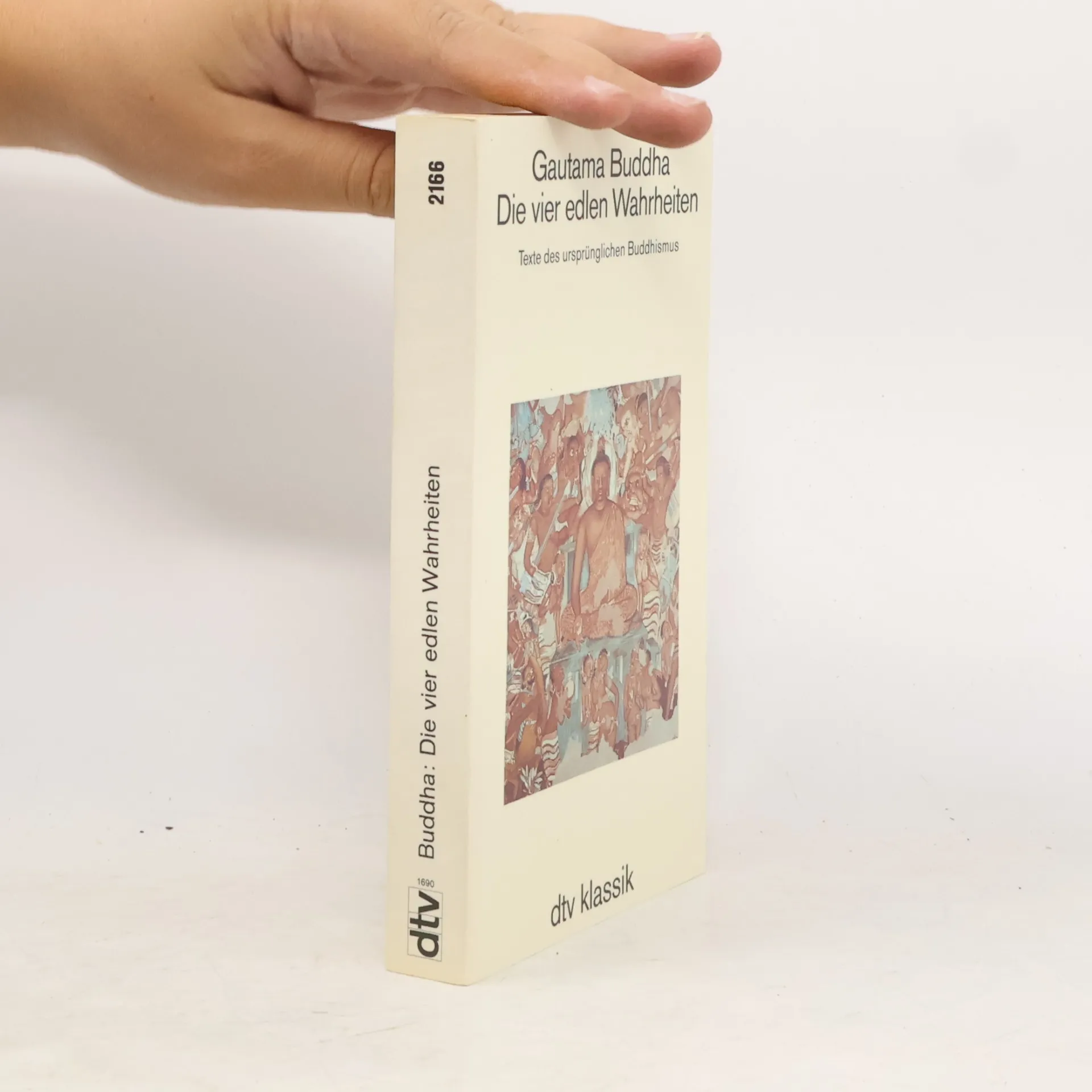
Die vier "edlen Wahrheiten" - die Wahrheiten vom Leiden, von der Leidensentstehung, von der Leidensvernichtung und von dem zur Leidensvernichtung führenden achtteiligen Pfad - bilden das Fundament der buddhistischen Weltanschauung. Sie sind eine Erlösungslehre, die Buddha gepredigt hat und die in den indischen Dialekt des Pali übersetzt auf uns gekommen ist. Der Band enthält eine repräsentative Auswahl aus den kanonischen und nicht-kanonischen Texten des Buddhismus in einer erst in den 80er Jahren entstandenen neuen Übersetzung.
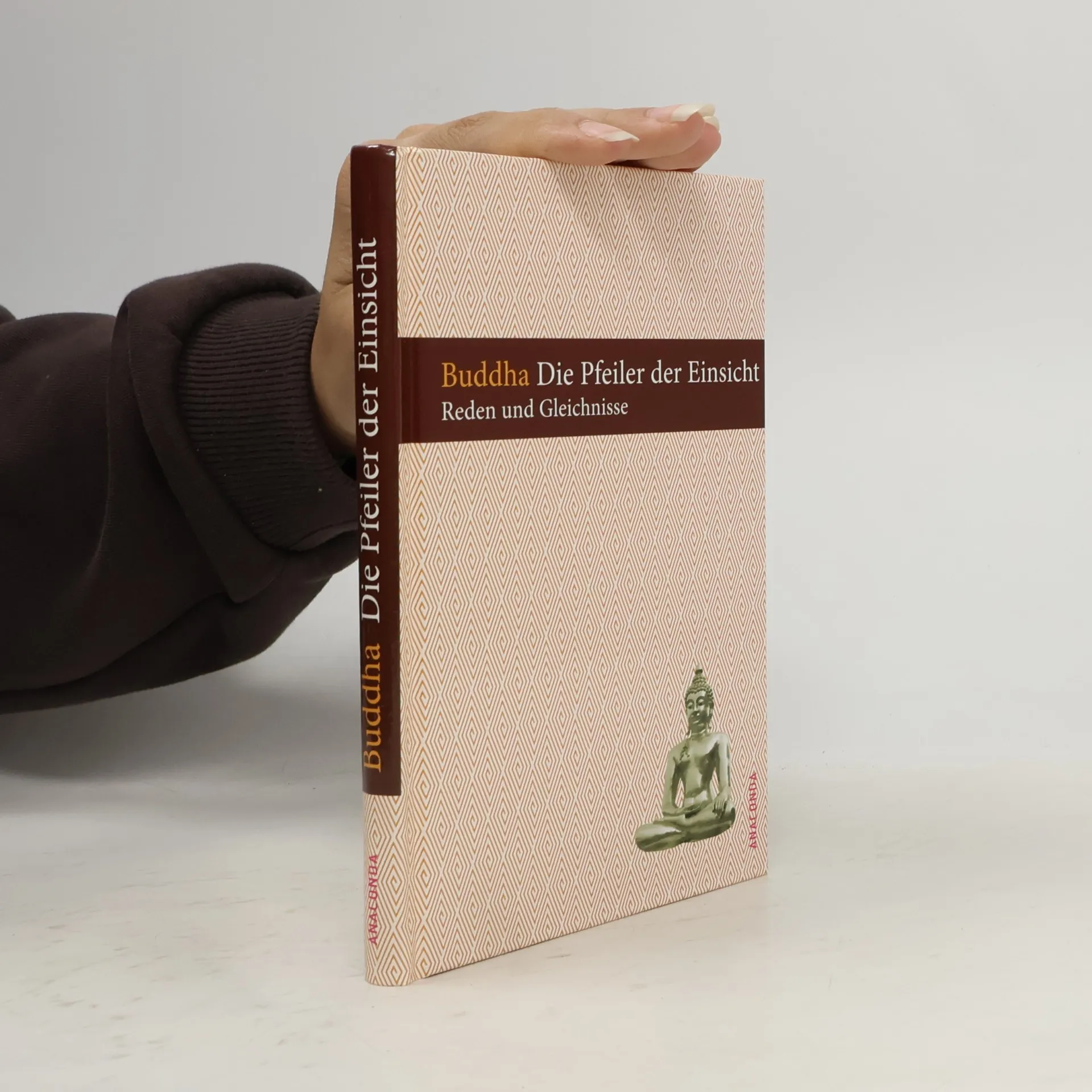
Die Pfeiler der Einsicht. Reden und Gleichnisse
- 111pages
- 4 heures de lecture
Eine Auswahl der bedeutendsten Reden und Gleichnisse von Siddhartha Gotamo, die tiefgreifende Weisheiten und Einsichten vermitteln.
Die in diesem Hrbuch zusammengestellten Lehren Buddhas haben seit Jahrtausenden das menschliche Denken verndert und bewegt. Buddha ist einer der grten Weisheitslehrer der Menschheitsgeschichte. Der Mnch spricht von den vier Wahrheiten, von dem Weg der Reinheit, dem Glck und der groen Stille der Seele. Ein Werk fr alle, die durch meditative und spirituelle Erfahrungen den Weg zu sich selbst finden mchten.
La via per la saggezza, secondo Buddha, passa attraverso un lungo cammino di ascesi e di meditazione, attraverso il quale l'uomo deve liberare la propria coscienza dal male e dagli inutili fardelli della vita materiale, per innalzare il proprio spirito e vivere felice. Attraverso un'omogenea raccolta degli aforismi e dei discorsi di Buddha, questo volume ci introduce nel cuore della dottrina buddhista, aprendoci le porte verso la concezione indiana del mondo e dell'uomo.
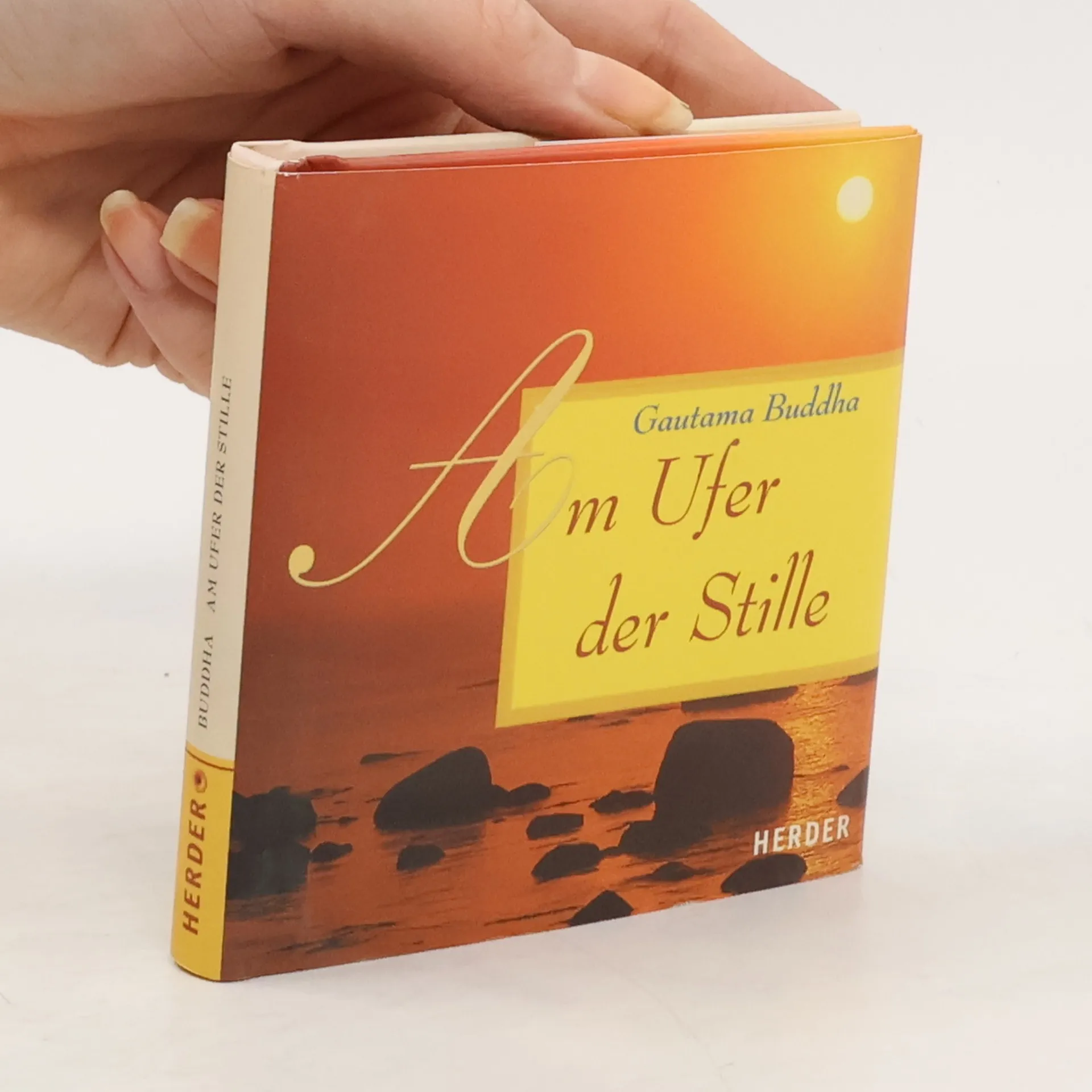
Am Ufer der Stille
- 48pages
- 2 heures de lecture
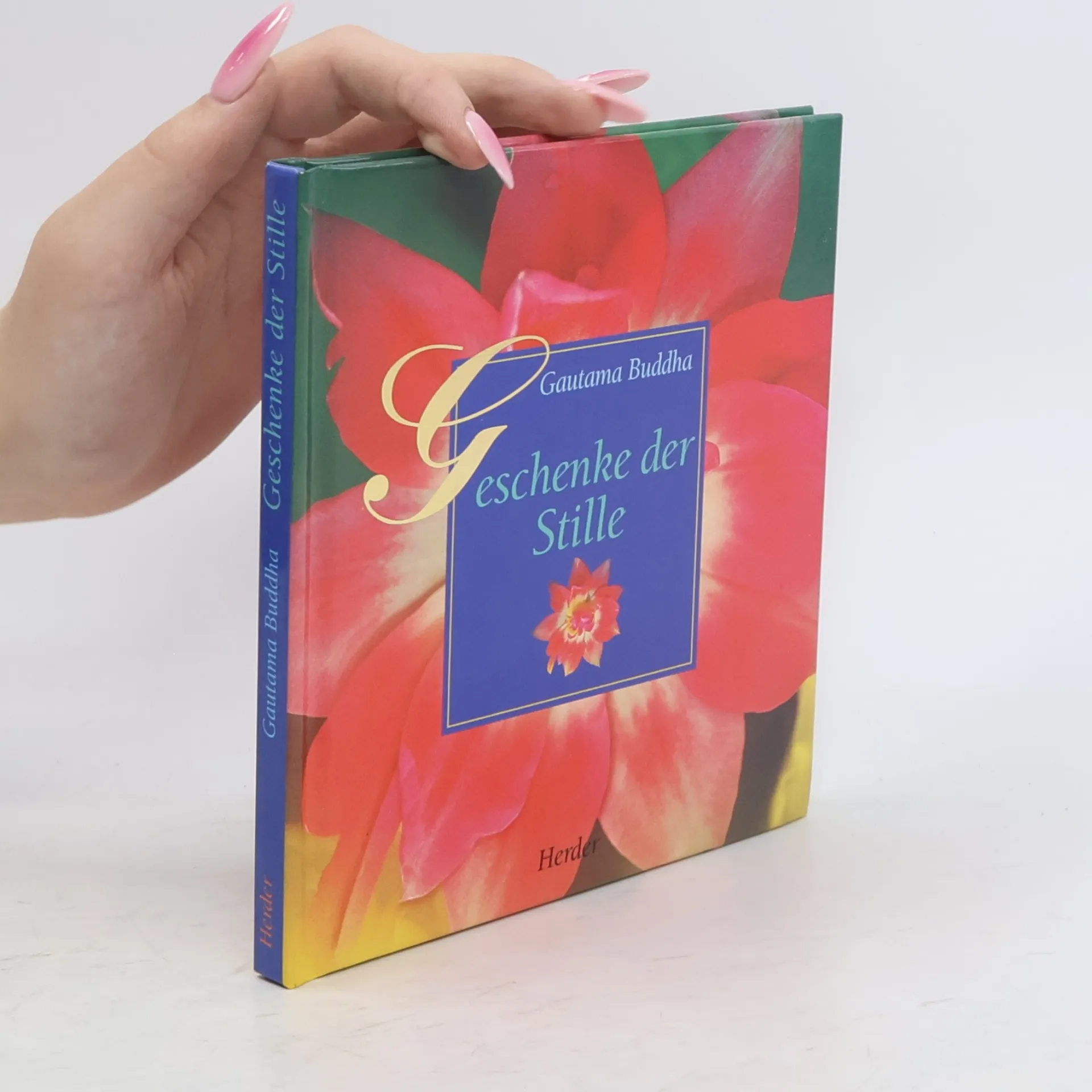
Geschenke der Stille
- 48pages
- 2 heures de lecture
Auswahl aus dem Palikanon
- 667pages
- 24 heures de lecture
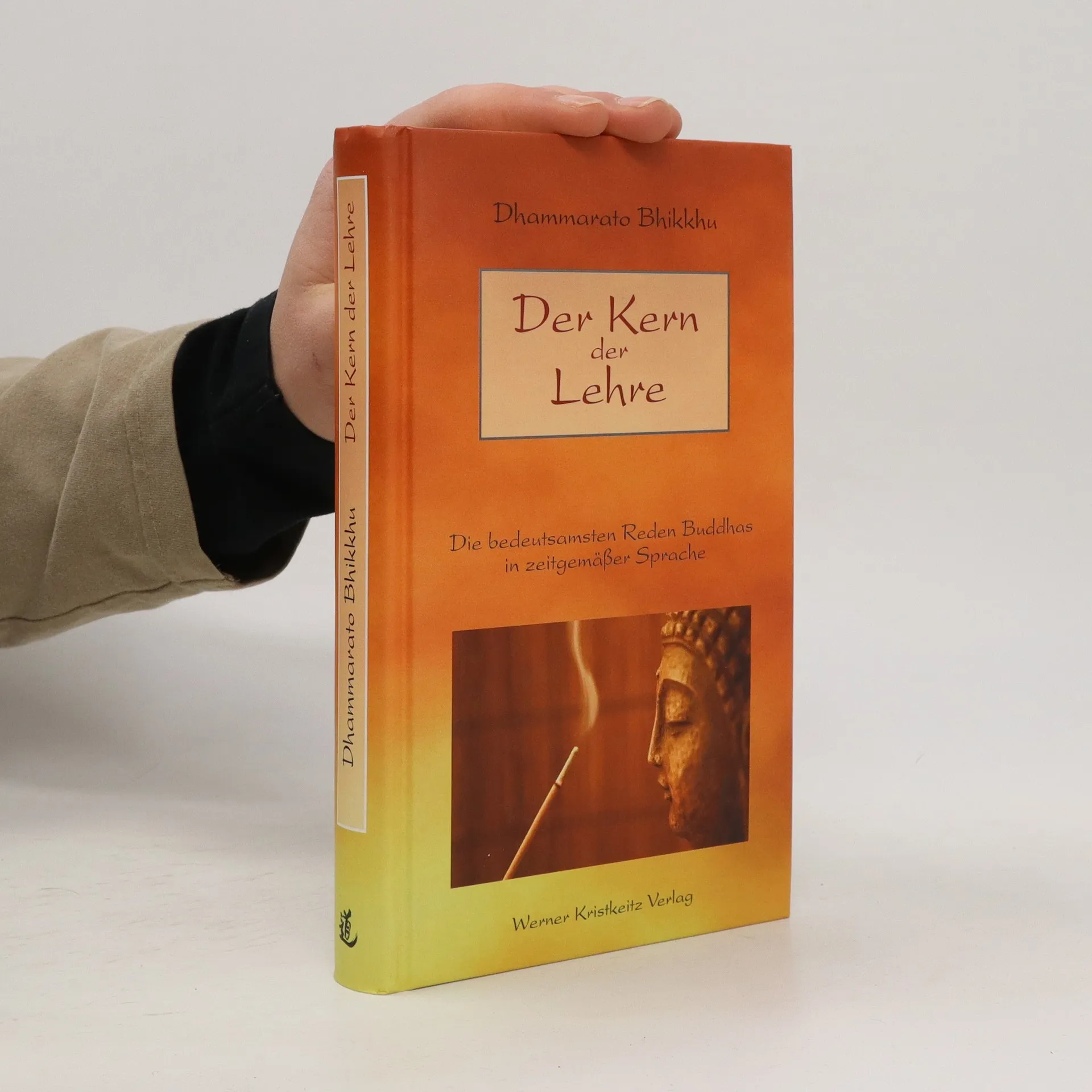
Der Kern der Lehre
Die bedeutsamsten Reden Buddhas in zeitgemäßer Sprache
Um zu verstehen, was der Buddhismus ist und bewirkt, lässt man am besten seinen Stifter zu Wort kommen. Die Quelle dieser in zeitgemäße Sprache komplett neu übertragenen Reden und Dialoge des Buddha ist das überlieferte Wort seiner engsten Jünger, der Pali-Kanon, einer der kostbarsten geistigen Schätze der Menschheit. Doch die bisher erschienenen deutschsprachigen Interpretationen und Übersetzungen des Kanons sind vornehmlich für ernsthaft praktizierende Buddhisten und Experten gedacht. Diese neu übertragene Auswahl der wichtigsten und bedeutsamsten Reden des Buddha soll diesen geistigen Schatz nun auch einem breiteren Publikum eröffnen. In diesen Texten ist alles enthalten, was wir benötigen, um den buddhistischen Weg zu verstehen und zu gehen, damit uns dieser zu einem freieren und unabhängigeren Dasein führt.
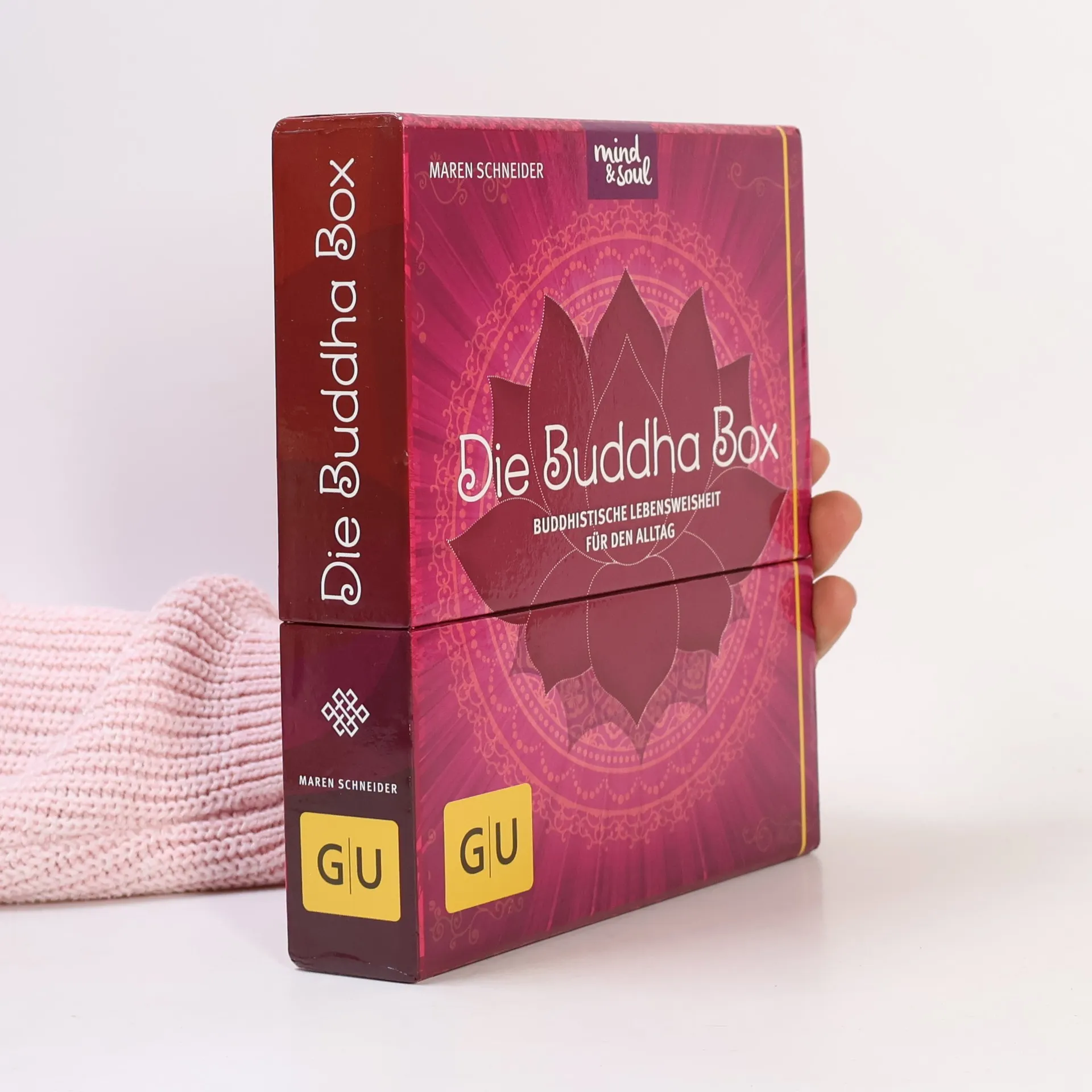
Buddhistische Lebensweisheit für den Alltag Buddha in der Box? Nein, aber ein neues Buch von Bestsellerautorin Maren Schneider, verpackt in einer wunderschönen Box, in der sich auch 59 Karten mit Merksätzen befinden. Die Buddha-Box basiert auf dem Lojong-Training, das seit jeher dazu diente, die Essenz der buddhistischen Philosophie ohne Schnickschnack und aufwändige Rituale in die Praxis umzusetzen. Die Autorin versteht es hervorragend, die im Original teilweise recht sperrig formulierten Sätze in unsere Welt zu übersetzen und Übungen vorzuschlagen, die auch in einen stressigen Alltag gut zu integrieren sind. Wer sich regelmäßig mit den Merksätzen beschäftigt, verändert mit der Zeit fast seine eigene innere Haltung. Statt Abwehr und Missgunst entstehen Offenheit, Großzügigkeit und Freundlichkeit. Die Stimmung wird besser und das Leben erscheint, bei aller Widrigkeit, freundlicher und machbarer. Als Extra gibt es die im Buch beschriebene Tonglen-Meditation von der Autorin angeleitet online zum kostenlosen Download.
Mein Weg zum Erwachen
- 111pages
- 4 heures de lecture
Die Lehrreden des Buddha aus der Angereihten Sammlung. Anguttara- Nikaya.
Anguttara-Nikāya
- 1244pages
- 44 heures de lecture
Buddha beszédei
- 121pages
- 5 heures de lecture
Buddha, Kelet nagy vallásalapítója az első személy az egyébként adatokban nem túlságosan bővelkedő ókori indiai történelemben, akinek életrajzát pontosan ismerjük. Az i.e. 5. és 6. század fordulóján élt, eredeti neve Sziddhárta, és az apró Szakja birodalom vezetőjének a fia volt. Megnősült, gyermeke is született, majd 29 évesen otthonát elhagyva, a világosság keresésének útjára lépett és remetének állt. Megvilágosodása után negyvennégy éven át tanított, halála napjáig Északkelet-India vidékét járva. A válogatott szemelvények Buddha beszédeiből közölnek részleteket, amelyekben "az élethez való ragaszkodás elvetése, a szeretet és a gyűlölet elutasítása olyan szemléletességgel és erkölcsi tisztasággal párosul, amely azt is megérteti, hogyan válhatott tanítása világvallássá." A kötethez a fordító, Vekerdi József írt rövid utószót.
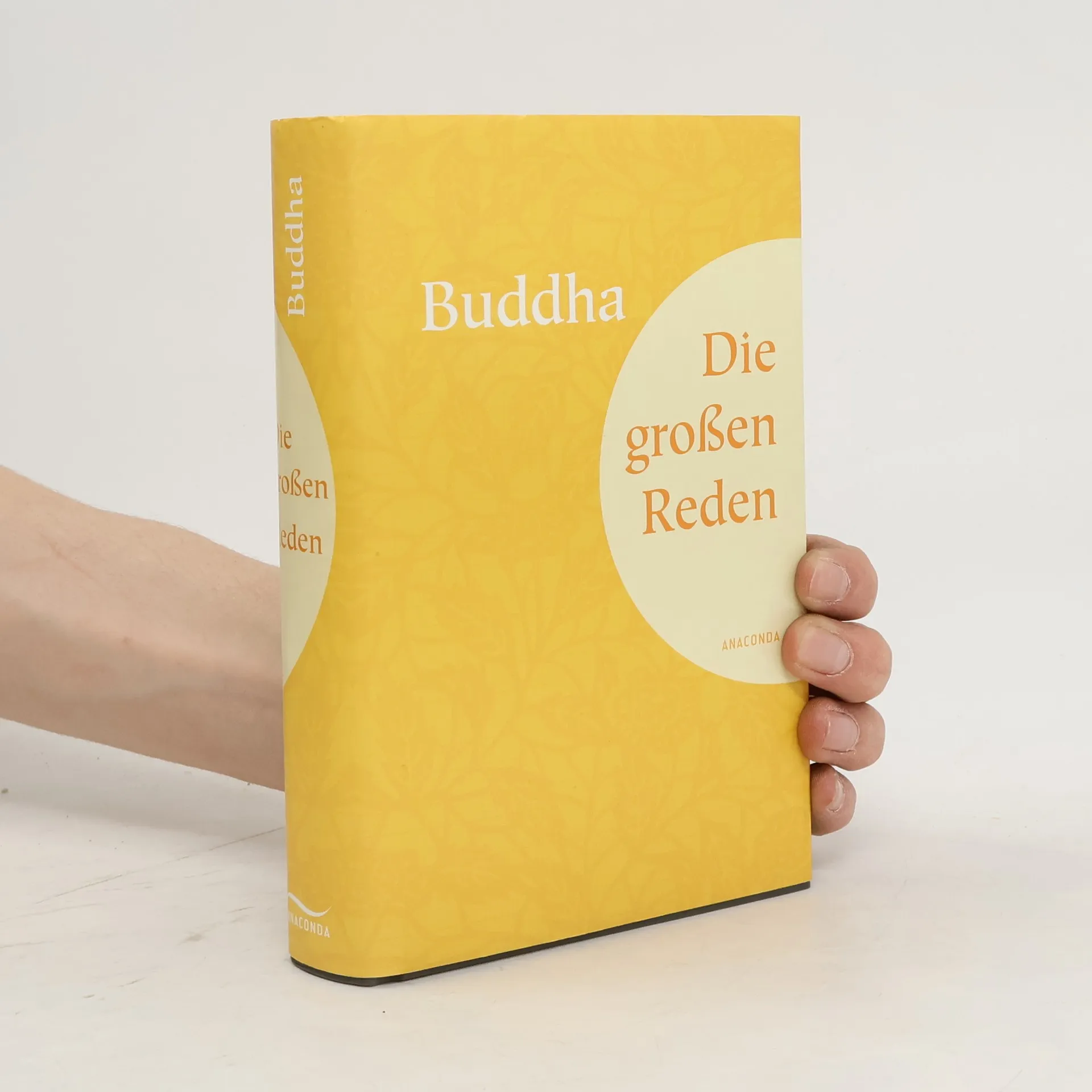
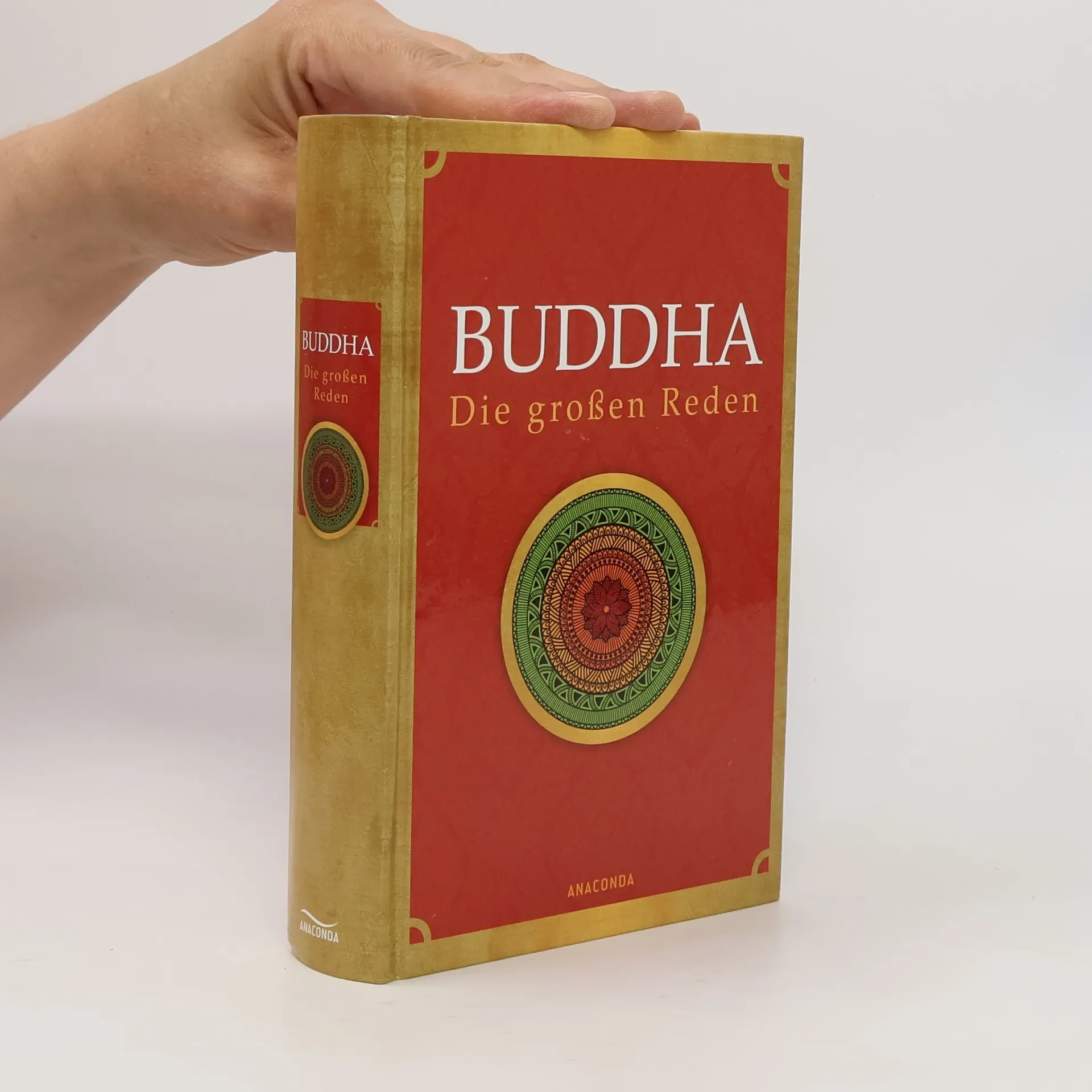
Buddha - Die großen Reden
- 480pages
- 17 heures de lecture
In den großen Lehrreden des Siddhartha Gotama manifestiert sich ein tief empfundenes Wissen um die grundlegenden Belange des Lebens in der Welt. Sie vermitteln die buddhistische Weisheitslehre Altindiens, aus der sich in der Folgezeit der Buddhismus entwickelte, wie wir ihn heute kennen. Immer mehr Menschen auch des westlichen Kulturkreises fühlen sich von seinen Ideen angezogen, die Frieden und Harmonie betonen. Diese Auswahl vereint die wichtigsten und eindrucksvollsten Reden einer der großen Gestalten der Weltreligionen.
Die Gruppierte Sammlung zeichnet sich dadurch aus, daß sie besonders drei Kernkomplexe der Wirklichkeit, die vom Erwachten ausführlich behandelt wurden, gesammelt hat: über die bedingte Entstehung aller Dinge (Buch II), über die Daseinsfaktoren (Buch III) und über das Gebiet der sechs Sinne (Buch IV). Das fünfte und letzte Buch enthält dann die Reden über die praktische Nachfolge und die meditativen Vorgehensweisen.§Insgesamt sind es 56 Gruppen, die in dieser Sammlung thematisch vorgestellt werden. Damit ist eine reiche Fundgrube für Verständnis und Übung in der Lehre des Buddha gegeben.
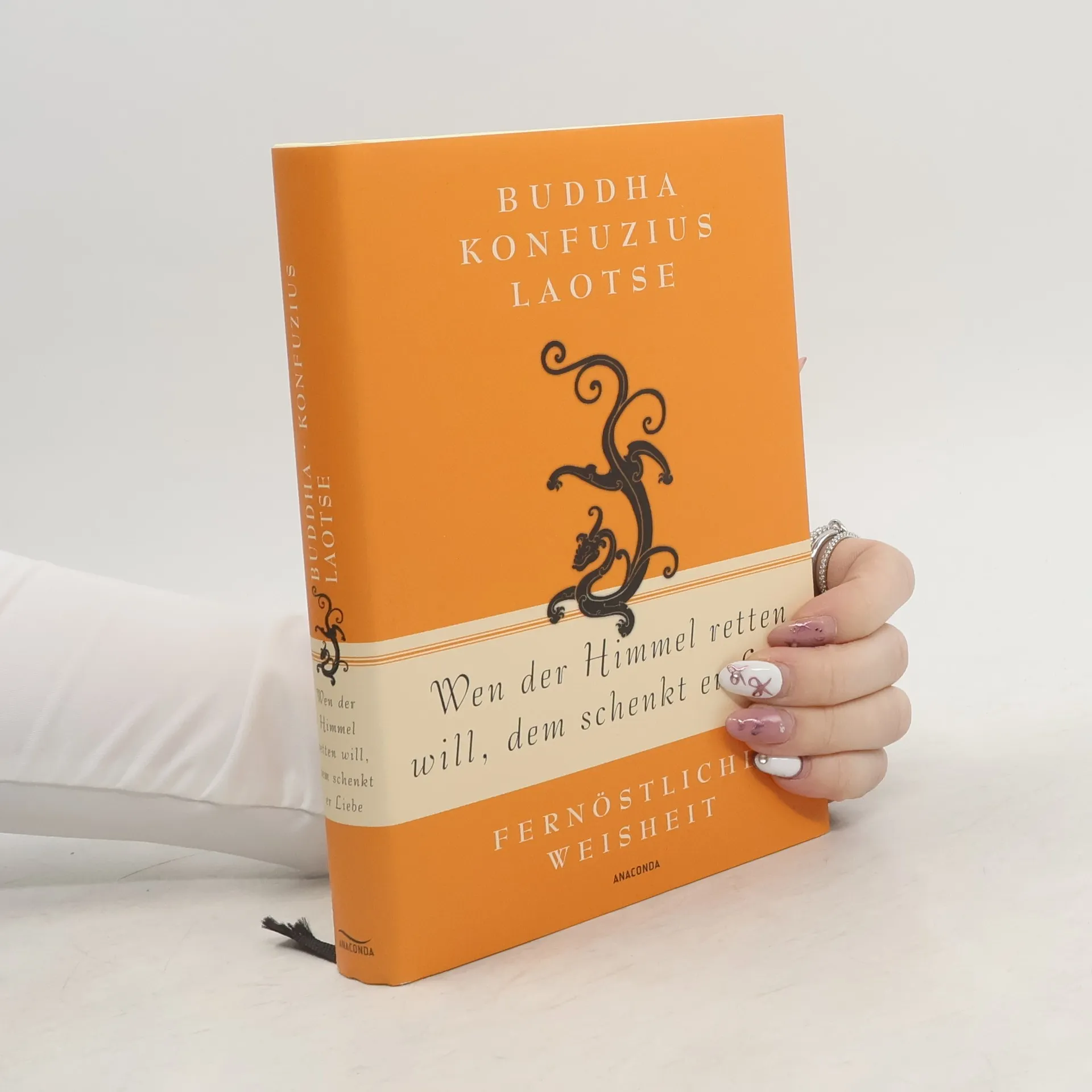
Wen der Himmel retten will, dem schenkt er Liebe
Fernöstliche Weisheit von Buddha, Konfuzius und Laotse
- 256pages
- 9 heures de lecture
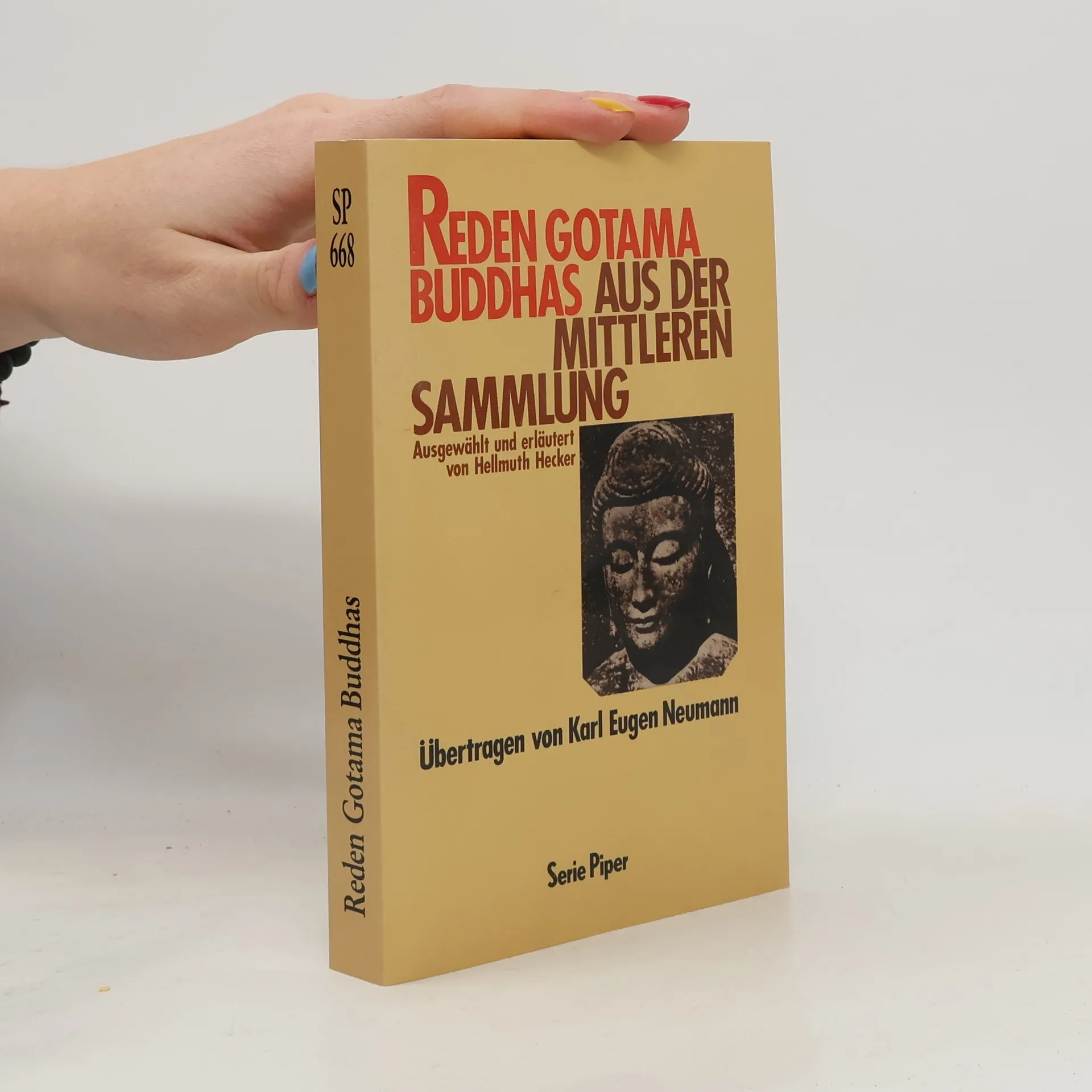
Serie Piper - 668: Reden Gotama Buddhas
- 535pages
- 19 heures de lecture