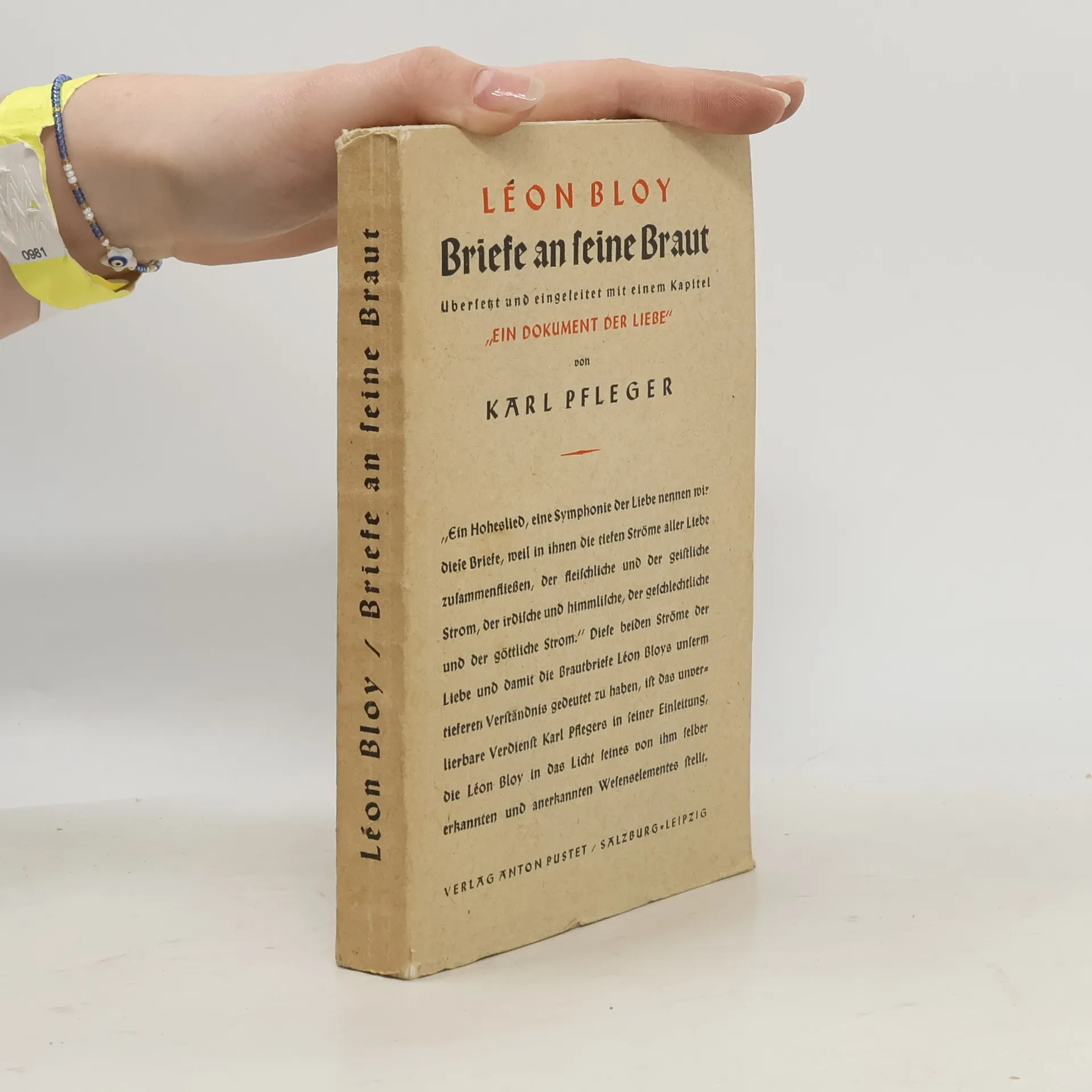
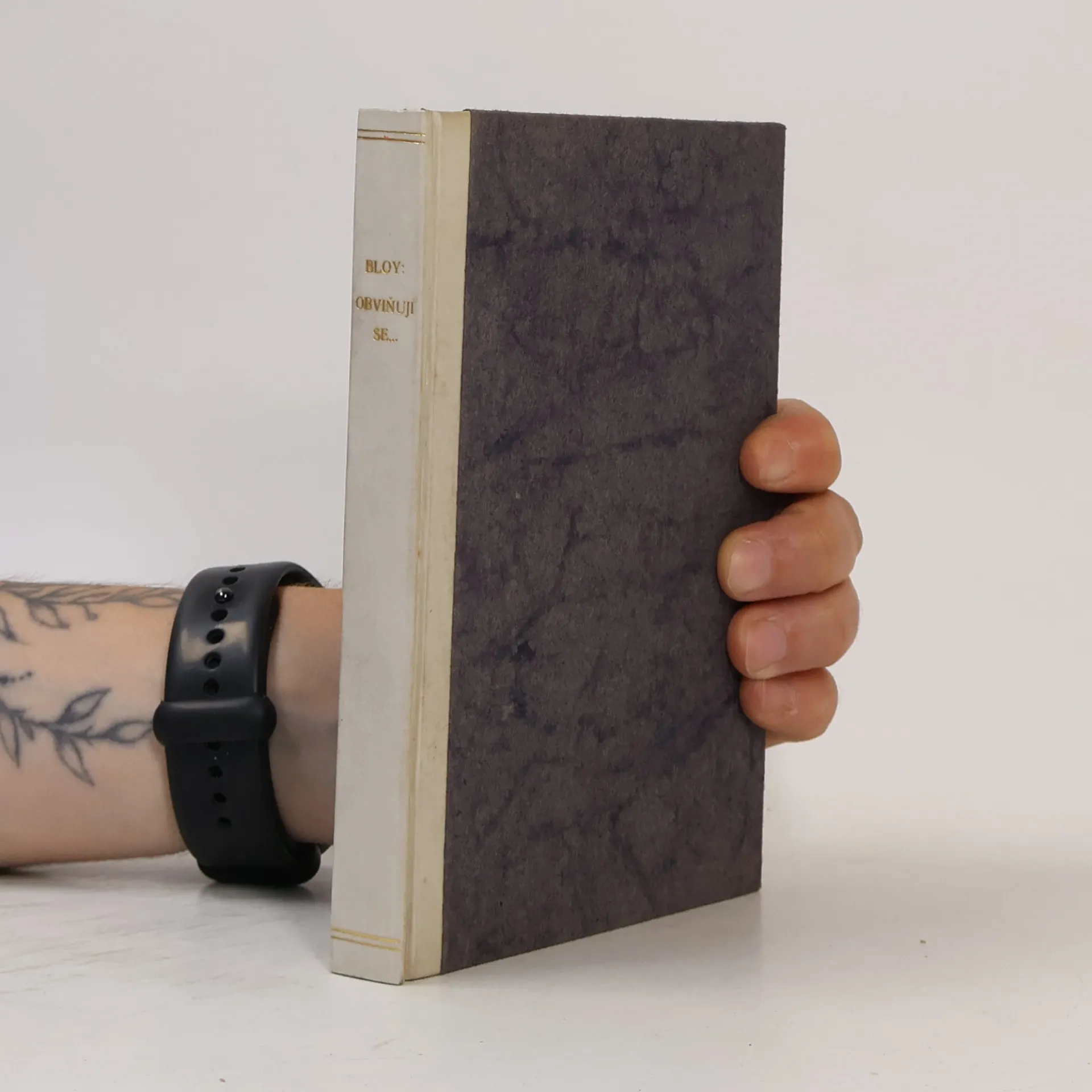
Léon Bloy était un écrivain français dont l'œuvre est profondément ancrée dans la foi catholique et une quête de l'Absolu. Après une jeunesse tumultueuse marquée par la haine de l'Église catholique romaine, il connut une conversion religieuse spectaculaire qui façonna de manière décisive son parcours littéraire. Son écriture reflète une dévotion profonde, souvent caractérisée par une dépendance à la charité, ce qui lui valut le surnom de "mendicant ingrat". Malgré les controverses et les ruptures avec le milieu littéraire de son époque, dues à ses idées radicales et ses attaques virulentes contre le rationalisme, Bloy laissa un héritage significatif à travers son journal et sa vaste correspondance.
Exploring themes of prophecy and salvation, this work delves into the complex relationship between Jews and Christians, particularly in the context of Léon Bloy's earlier writings. It serves as a sequel to The Desperate Man, reflecting on apocalyptic and eschatological ideas while challenging readers to engage with its profound artistry and arguments. The narrative transcends its religious context, suggesting that its insights can resonate universally, making it essential reading for anyone interested in deeper societal and existential questions.
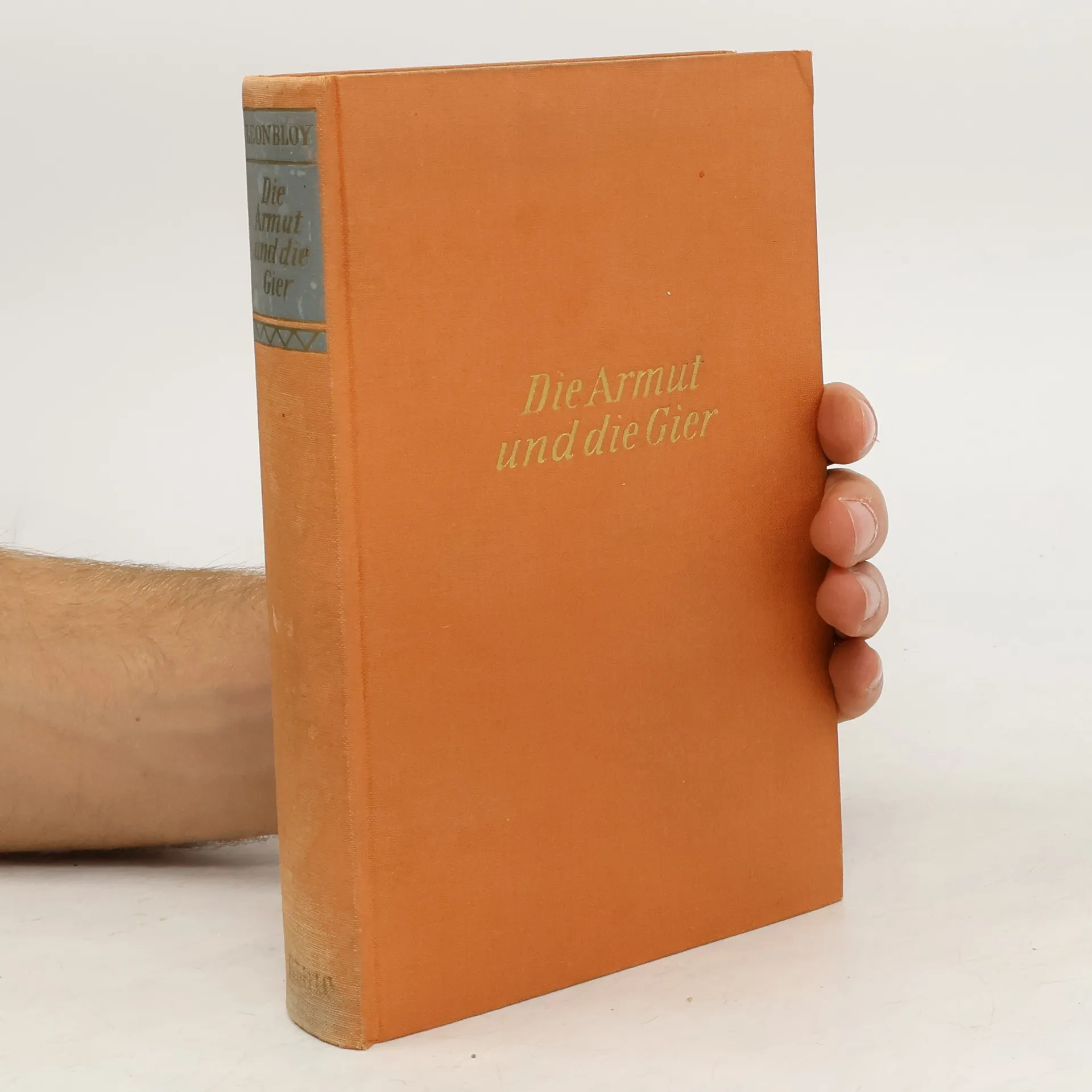
Situé dans le contexte de la France du XIXe siècle, cette œuvre fondamentale de Léon Bloy explore les thèmes de la décadence et de la pauvreté, reflétant les luttes d'un écrivain talentueux. Le récit plonge dans les complexités de la vie, la dépeignant comme un mélange d'aspiration artistique et de difficultés existentielles. En tant que premier roman de Bloy, il jette les bases des thèmes qu'il continuera d'explorer tout au long de sa carrière, mettant en lumière l'impact profond de ses propres expériences avec la pauvreté sur sa voix littéraire.
Focusing on the Macedonian dynasty, this work explores the rise and fall of notable warrior emperors like Nicephorus Phocas and Basil II, who led the Eastern Roman Empire through a Renaissance period marked by conflicts with various peoples. The narrative spans the middle of the tenth to the eleventh century, detailing the empire's military endeavors and cultural revival before the Crusades. The final chapter highlights the last of the Macedonian rulers, the Porphyrogenita empresses Zoe and Theodora, symbolizing the end of an era.
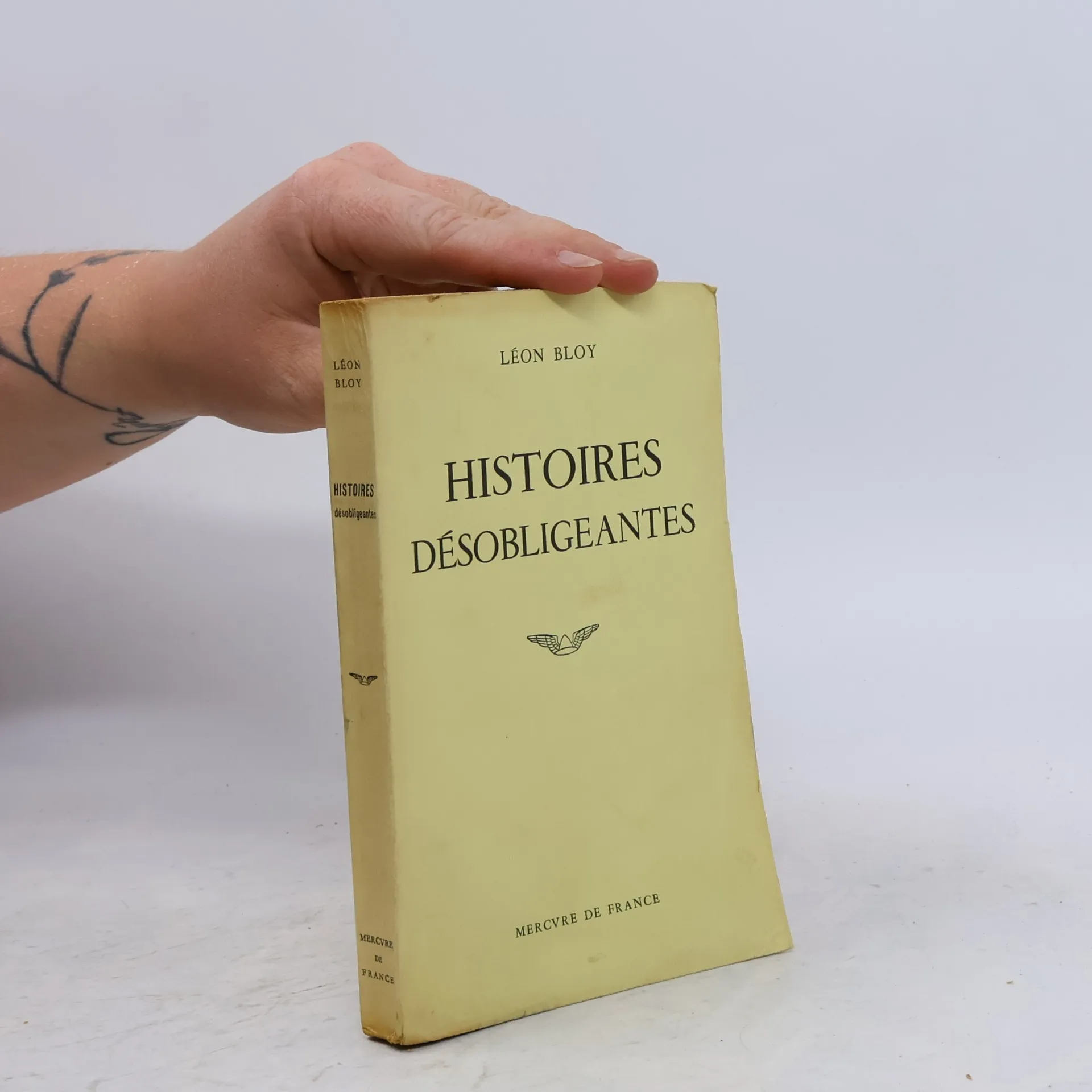
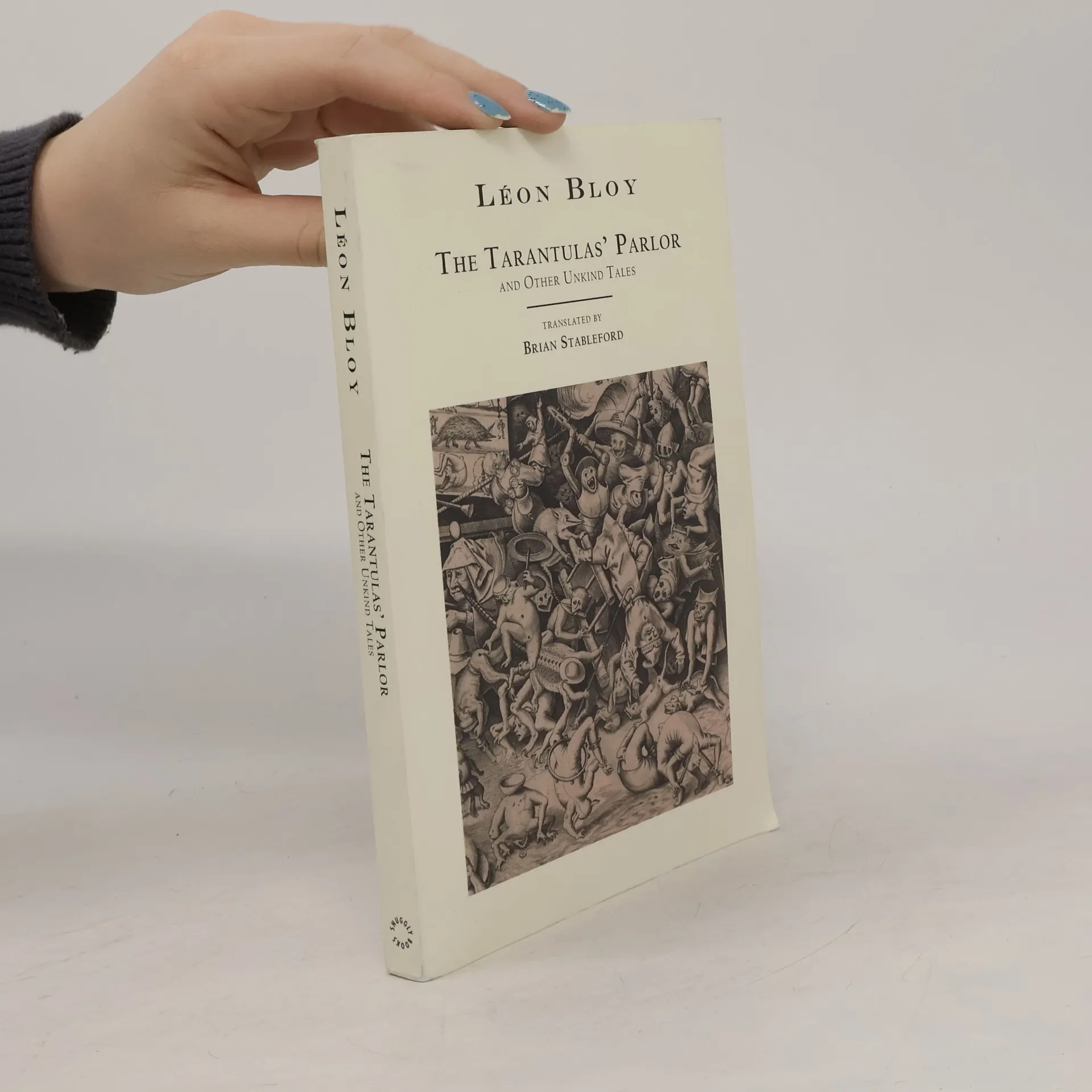
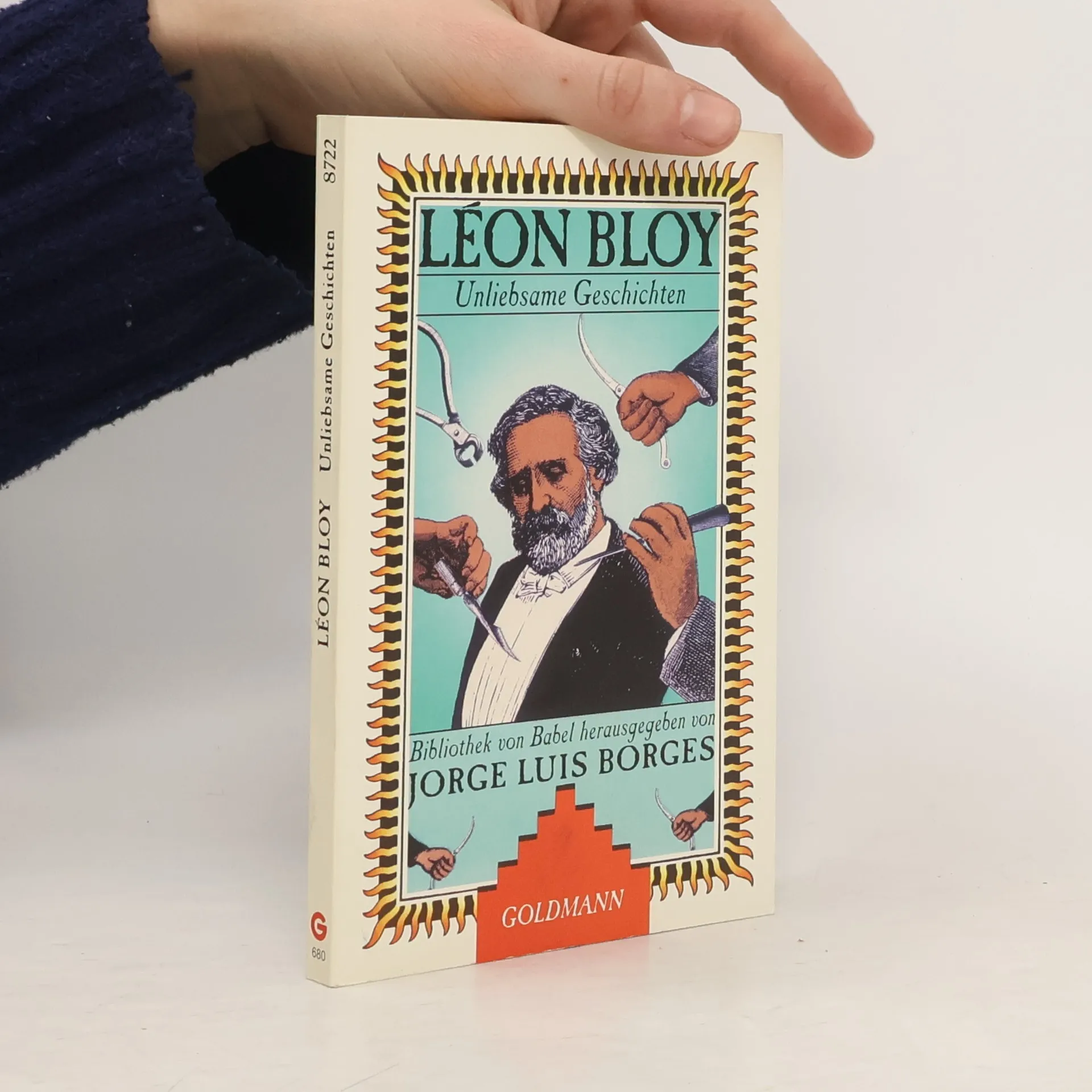
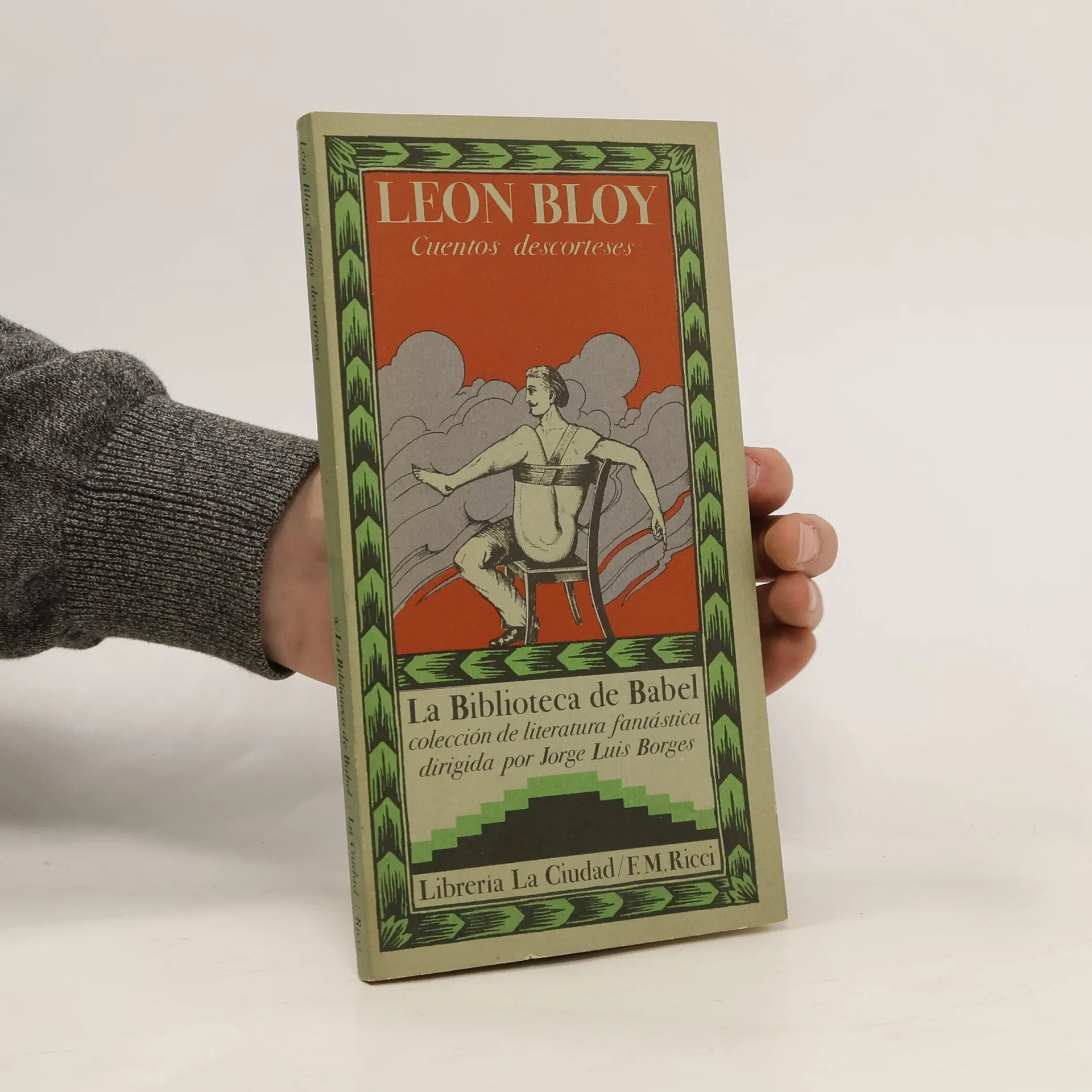
Exploring the boundaries of Decadence, Naturalism, and Symbolism, these stories delve into the lives of the damned and foolish, showcasing their terrible fates and ludicrous situations. The Unkind Tales of Léon Bloy are recognized for their exploratory and experimental nature, contributing significantly to the genre of conte cruel. Praised by Borges, this collection stands out as one of the author's most notable works, capturing the essence of human folly and suffering in a compelling narrative style.
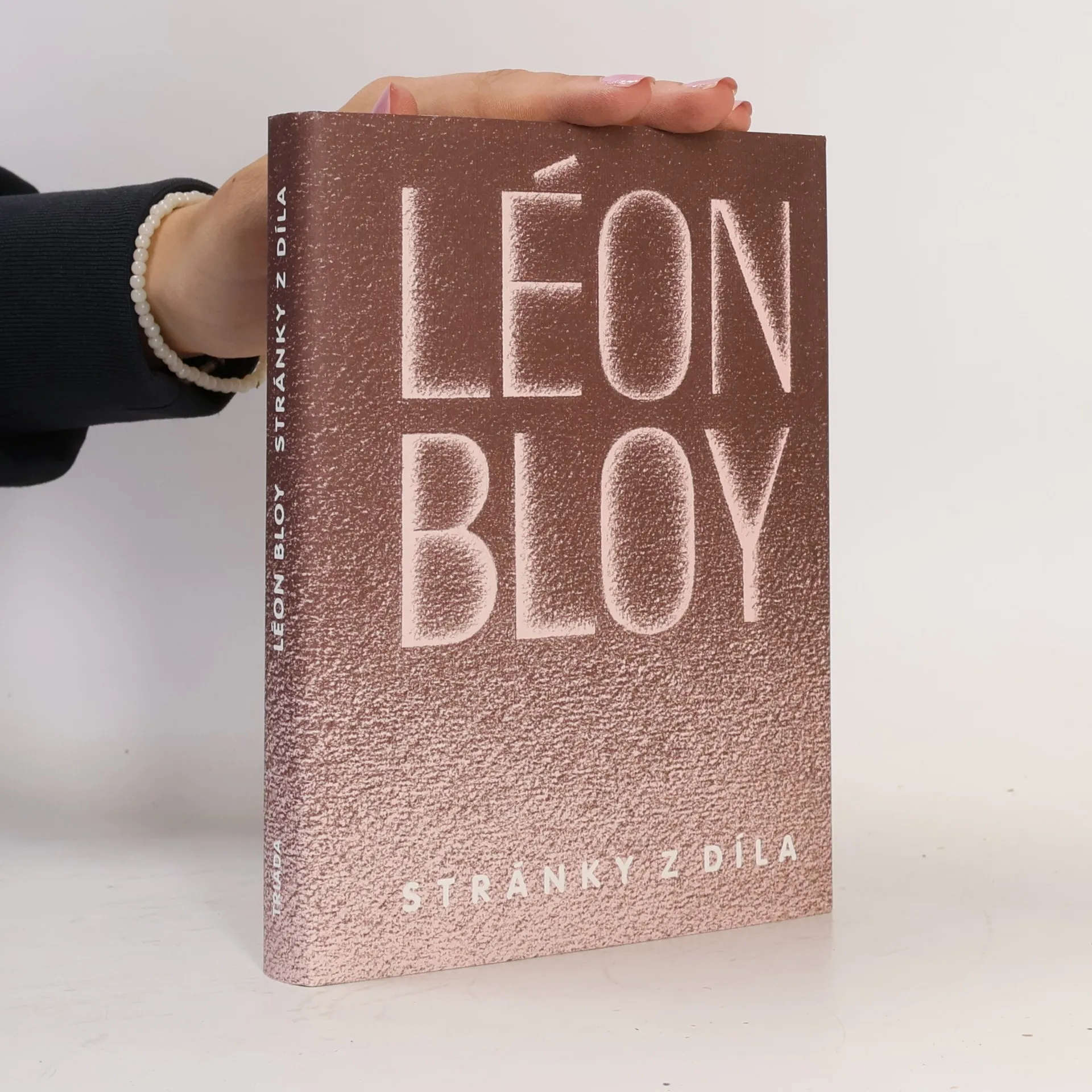
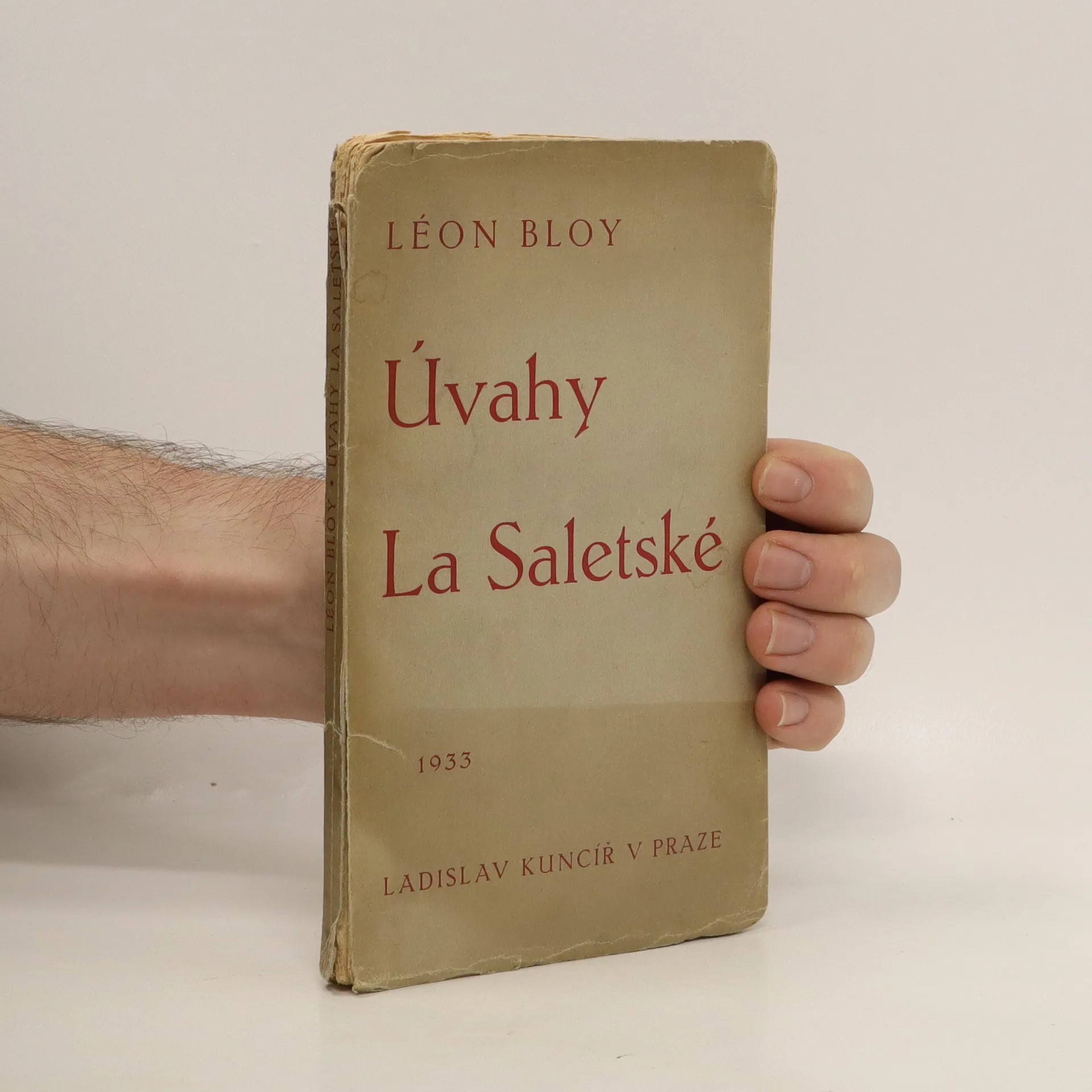
Rozsáhlý výbor z díla francouzského prozaika (1846–1917), které významně
ovlivnilo jak autory počátku 20. století, tak nastupující meziválečnou
generaci ve Francii, stejně jako v českých zemích (J. Florian, J. Deml, J. Čep
aj.), a jehož kvality ocenili i spisovatelé pozdější, například Jorge Luis
Borges. Antologie Raissy Maritainové s předmluvou Jacquesa Maritaina
představuje Léona Bloy ve dvanácti oddílech jako vynikajícího stylistu,
břitkého myslitele a básníka „zázraku Stvoření“.
Léon Bloy - stránky z díla / vybrala Raïssa Maritainová; předmluva Jacques Maritain.
Rozsáhlý výbor z díla francouzského prozaika (1846-1917), které významně ovlivnilo jak autory počátku 20. století, tak nastupující meziválečnou generaci ve Francii, stejně jako v českých zemích (Florian, Deml, Čep aj.), a jehož kvality ocenili i spisovatelé pozdější, například Jorge Luis Borges. Antologie Raissy Maritainové představuje Léona Bloy ve dvanácti oddílech jako vynikajícího stylistu, břitkého myslitele a básníka "zázraku Stvoření". Předmluvu napsal filosof Jacques Maritain. Knihu přeložila Věra Dvořáková, obsahuje též bibliografii L. Bloy a soupis českých knižních překladů. Vychází u příležitosti 160. výročí narození a 90. výročí úmrtí L. B.
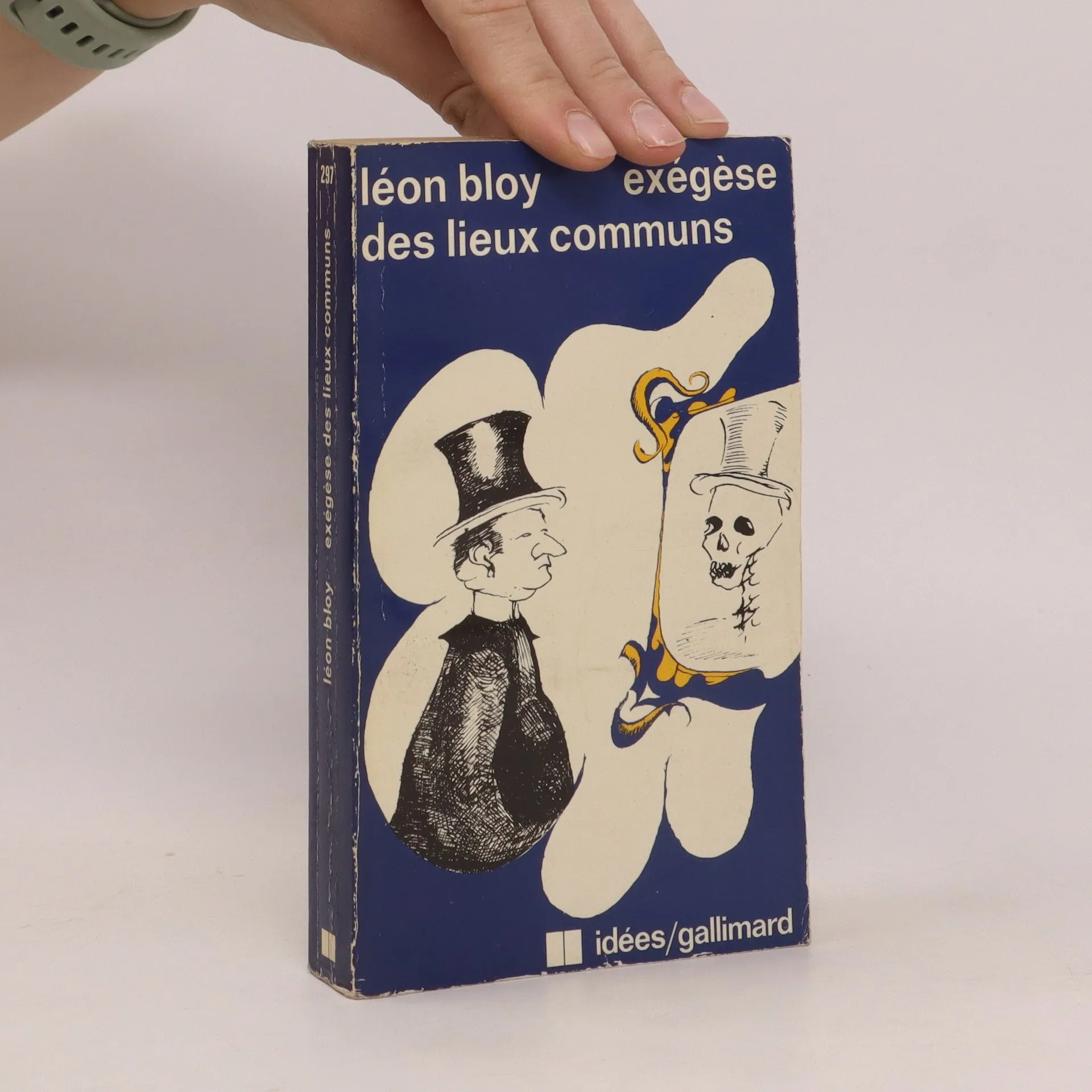
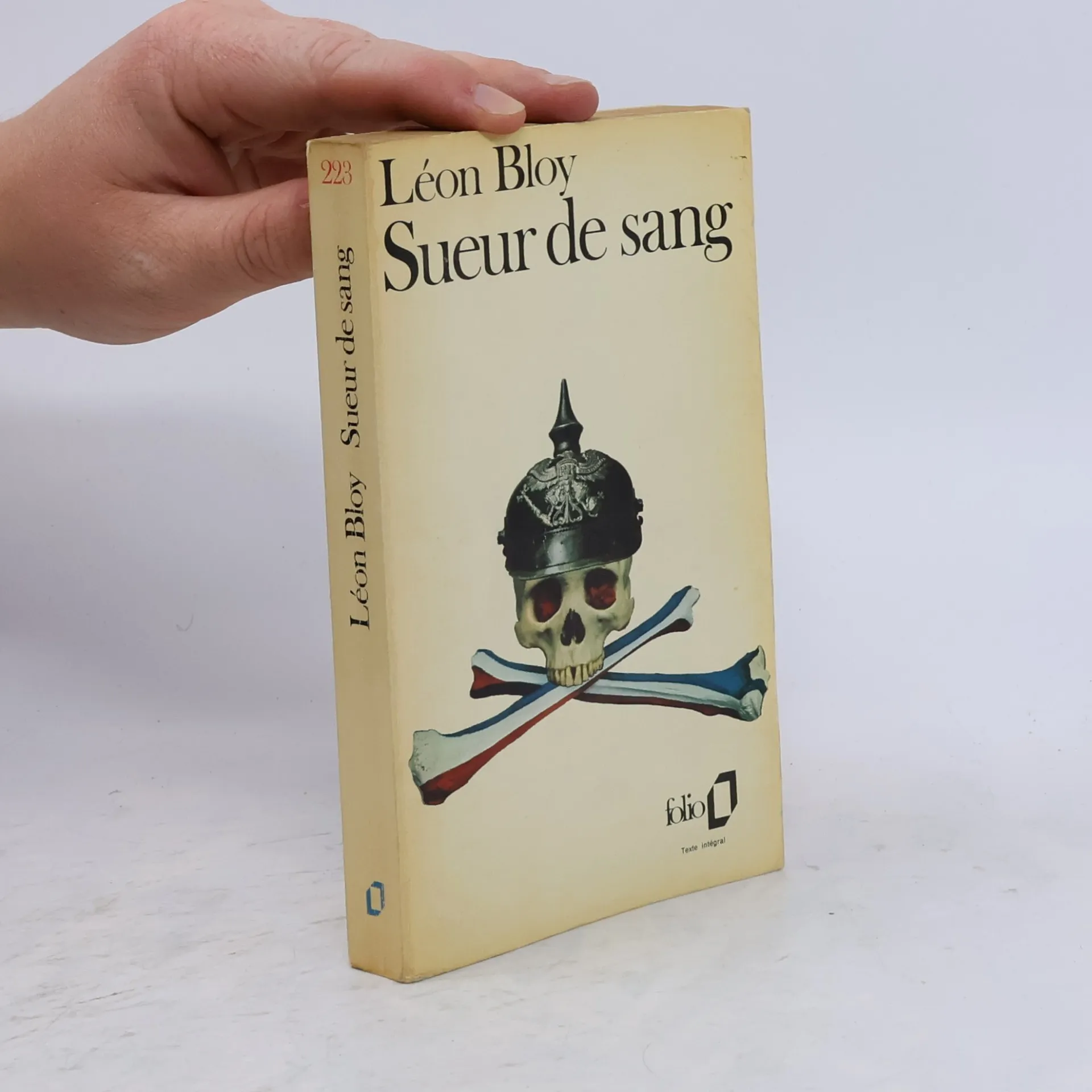
L'ouvrage majeur de Léon Bloy explore la nature de l'homme moderne, qu'il définit comme celui qui ne fait aucun usage de sa capacité de réflexion. Son projet consiste à arracher aux esprits faibles et aux idiots de son époque le langage qui les enferme. Bloy s'attaque à la fausse moralité véhiculée par des formules convenues, cherchant à révéler la supercherie collective dissimulée derrière des expressions apparemment irréprochables. Une des méthodes qu'il emploie consiste à raconter des histoires amoralistes, gonflant ainsi des maximes du quotidien avec des éléments vicieux jusqu'à les faire éclater. Enfin, il utilise également l'art de la satire pour redonner vie à des lieux communs, mêlant aux phrases sucrées de l'autosatisfaction une vérité amère qui fait taire les bavards. Cette approche incisive et provocante fait de son œuvre une critique puissante de la société et de ses conventions.
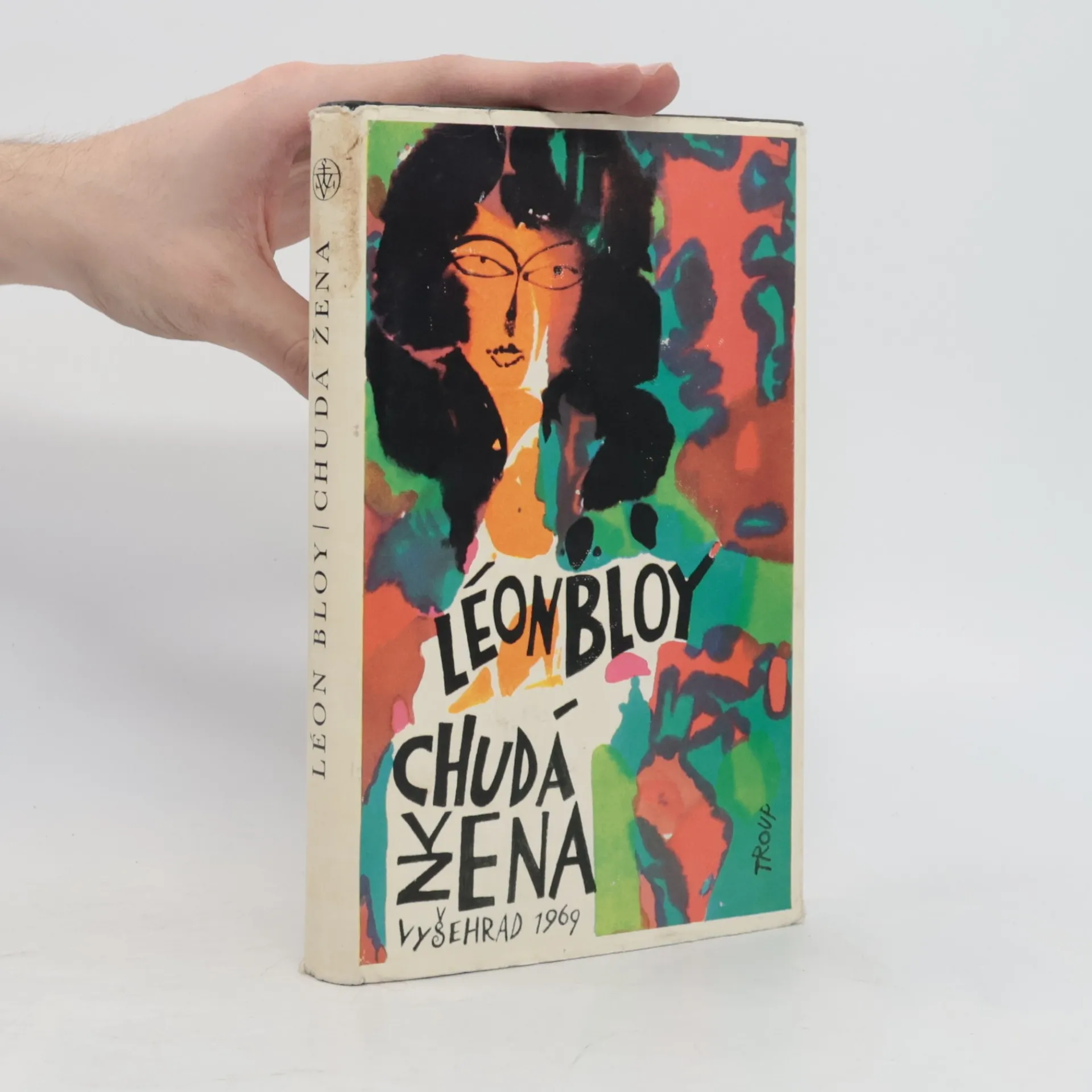
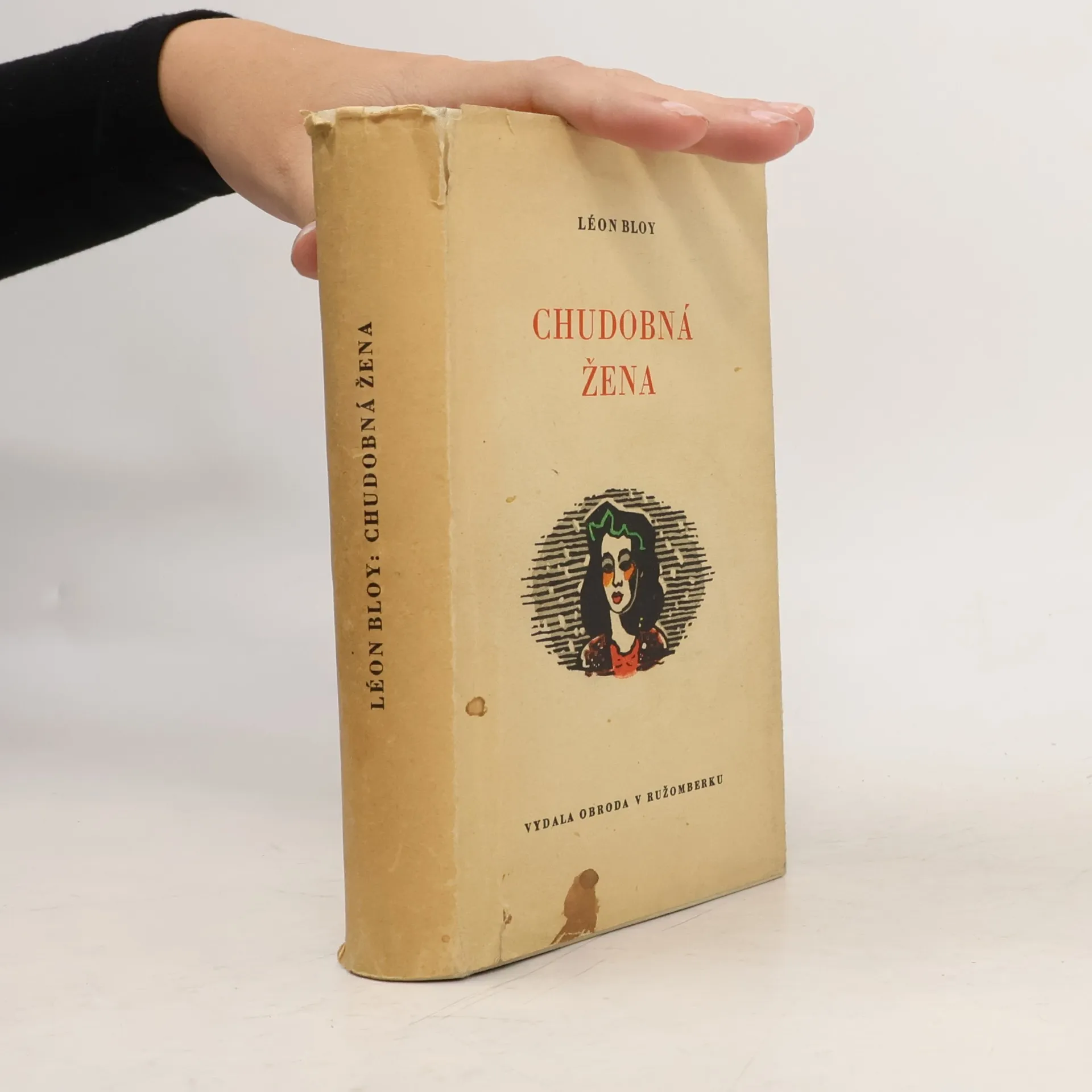
Román Chudá žena je podle mého názoru v první řadě knihou o křesťanském obrácení. Příběh prosté ženy Klotyldy je zpočátku smutné všední vyprávění o lidech v bídě kdesi na pařížském předměstí. Dokonale šedá beznaděj však není bez konce, do děje náhle zasáhne světlo Božího milosrdenství, naděje, jakési „prozření“, rozpoznání skutečných duchovních i mravních hodnot. A život hlavní postavy románu se rázem docela mění...
Autor ve svém posledním díle, v meditacích, které přestal psát pár dnů před smrtí, kryptograficky charakterizuje zrod moderního odbožštělého světa. Je nelítostným kritikem tohoto nového uspořádání, z jehož kapitálu teče krev chudého a které postrádá krásu, bolest, za níž existuje věčnost.
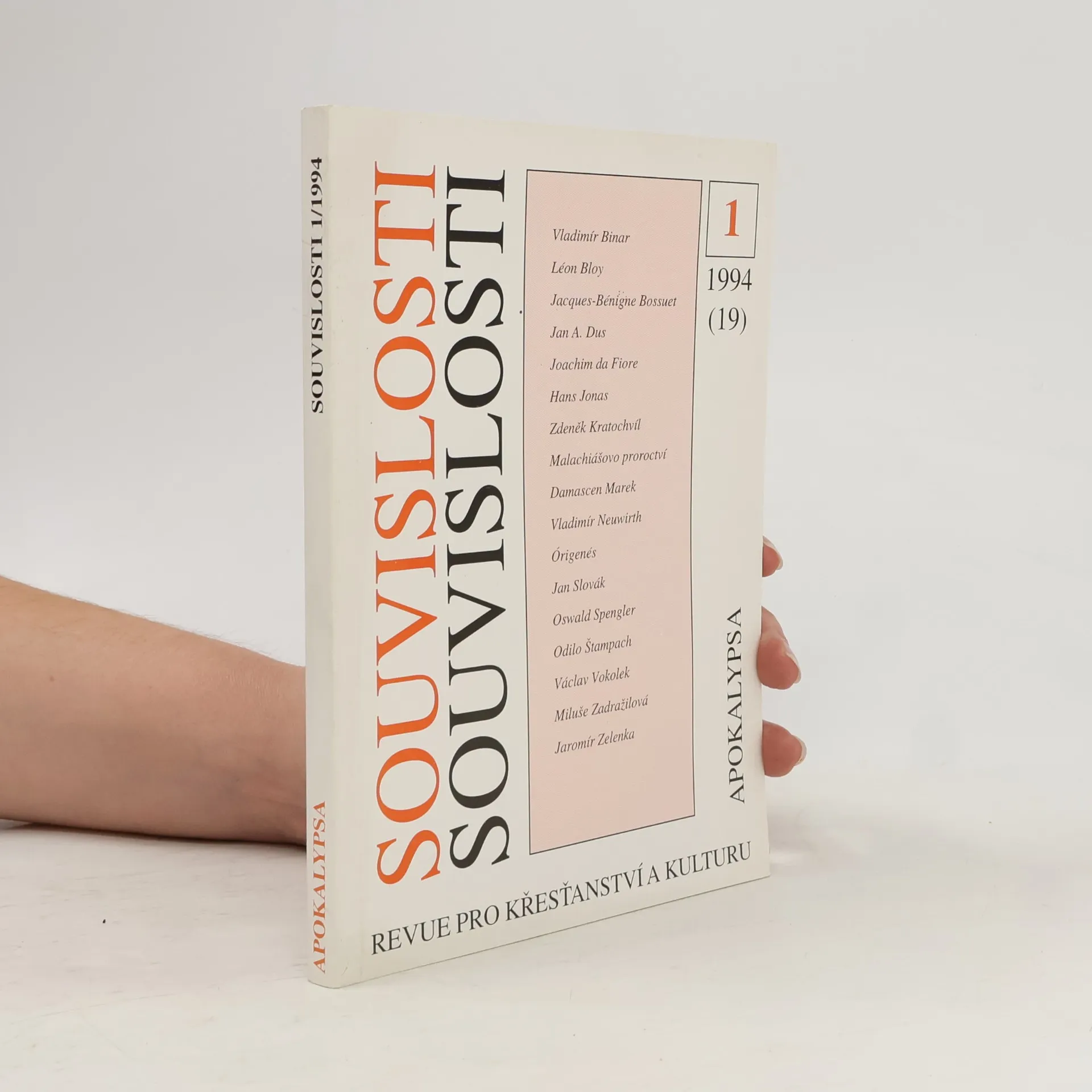
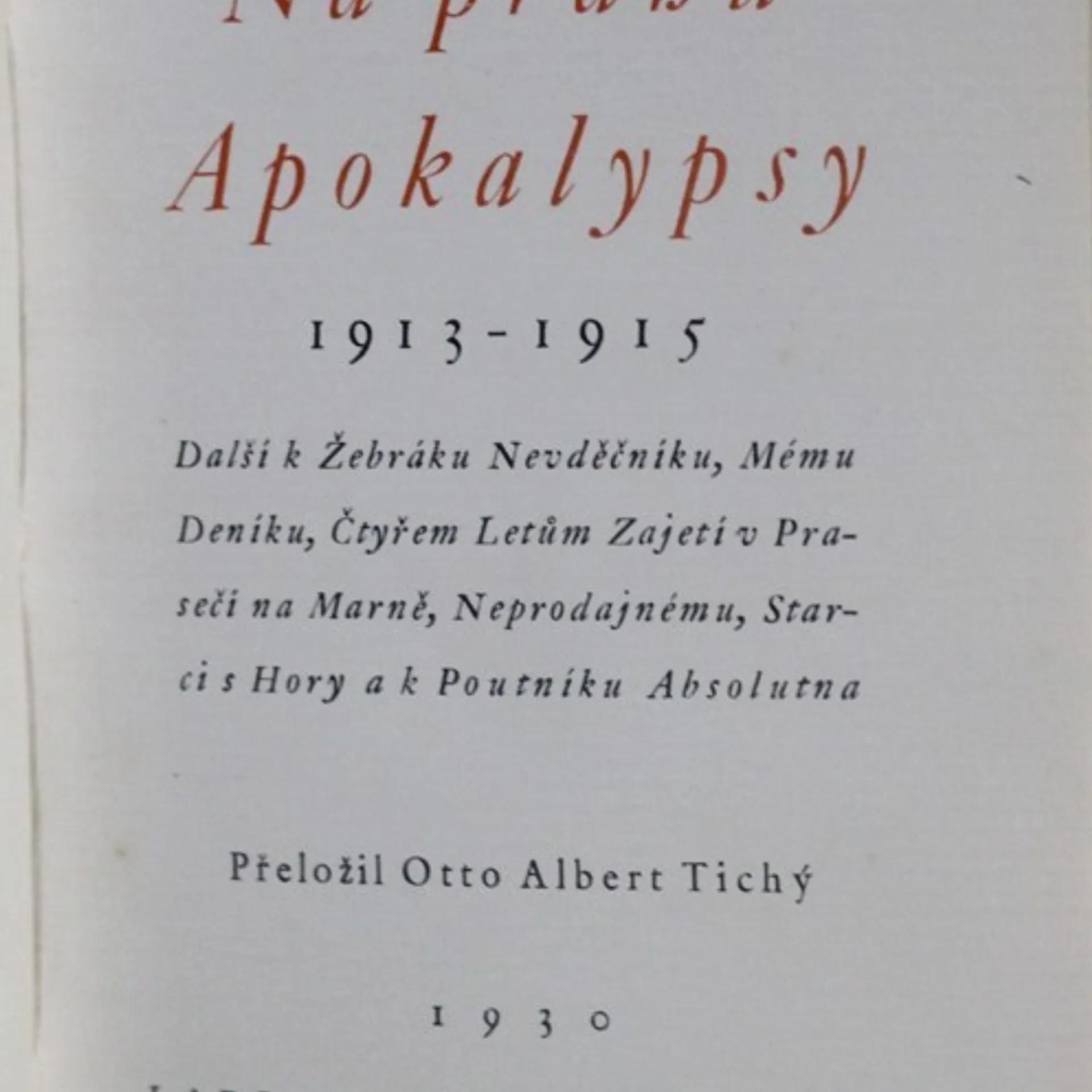
Na prahu Apokalypsy: 1913-1915 : Další k Žebráku Nevděčníku, Mému Deníku, Čtyřem Letům Zajetí v Prasečí na Marně, Neprodajnému, Starci s Hory a k Poutníku Absolutna
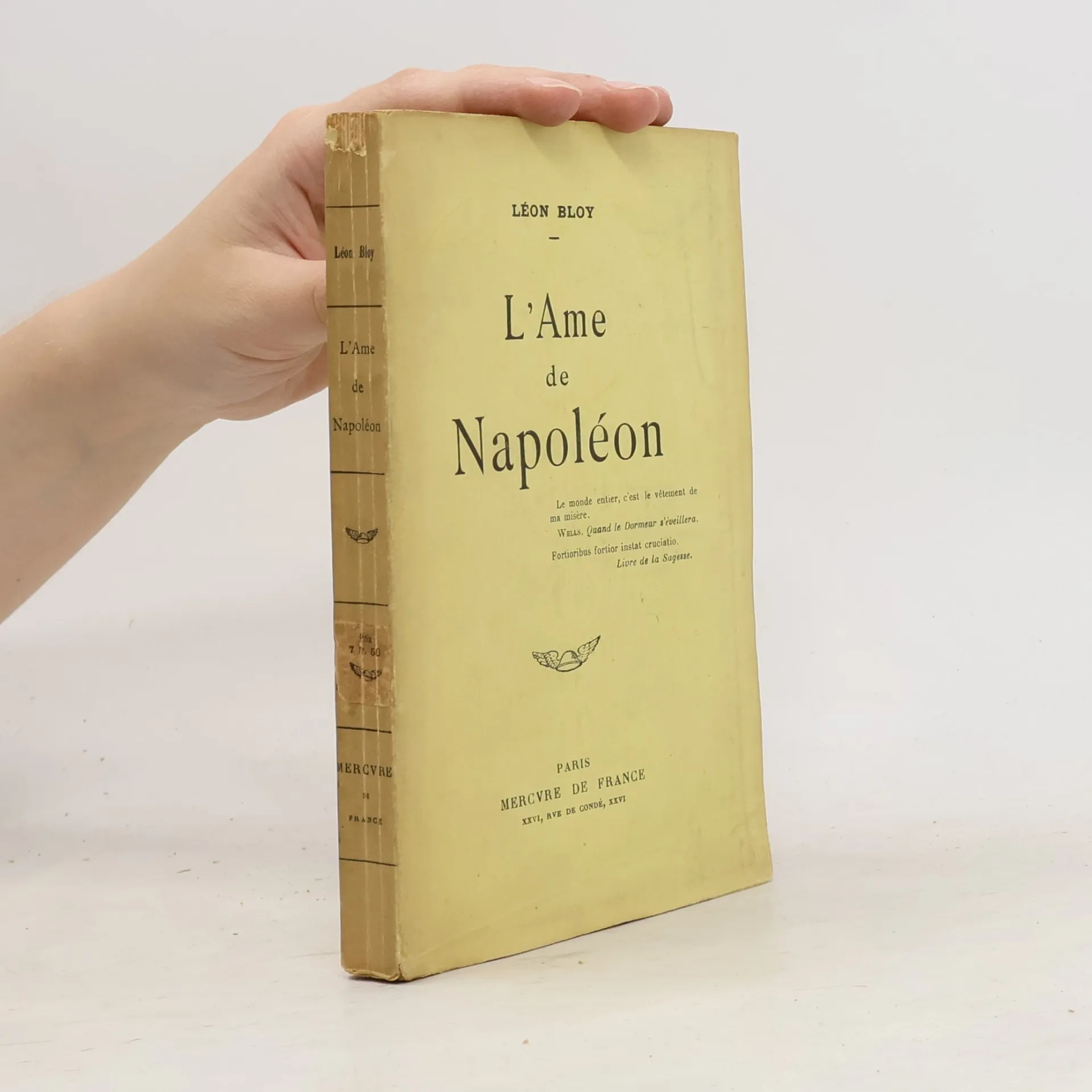
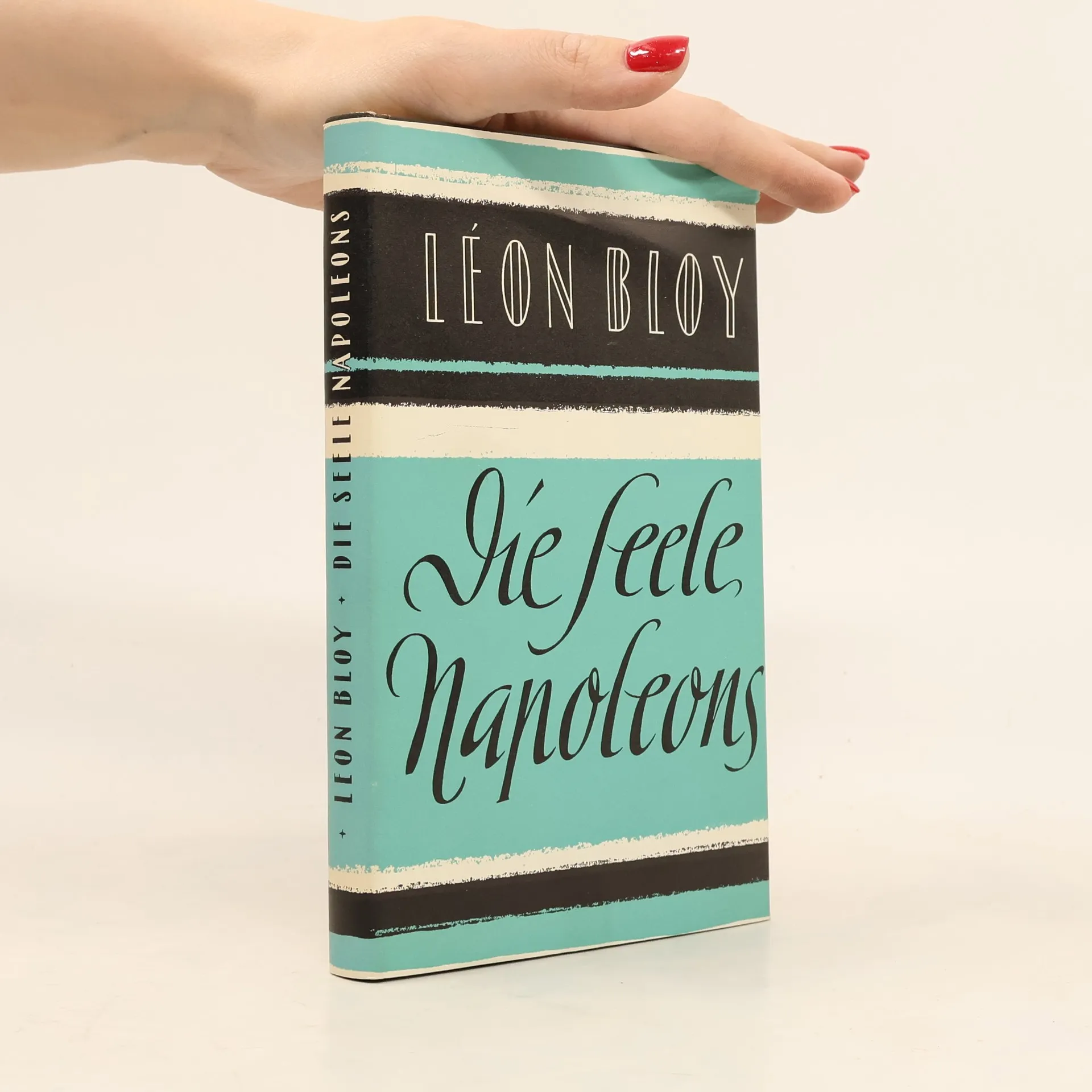
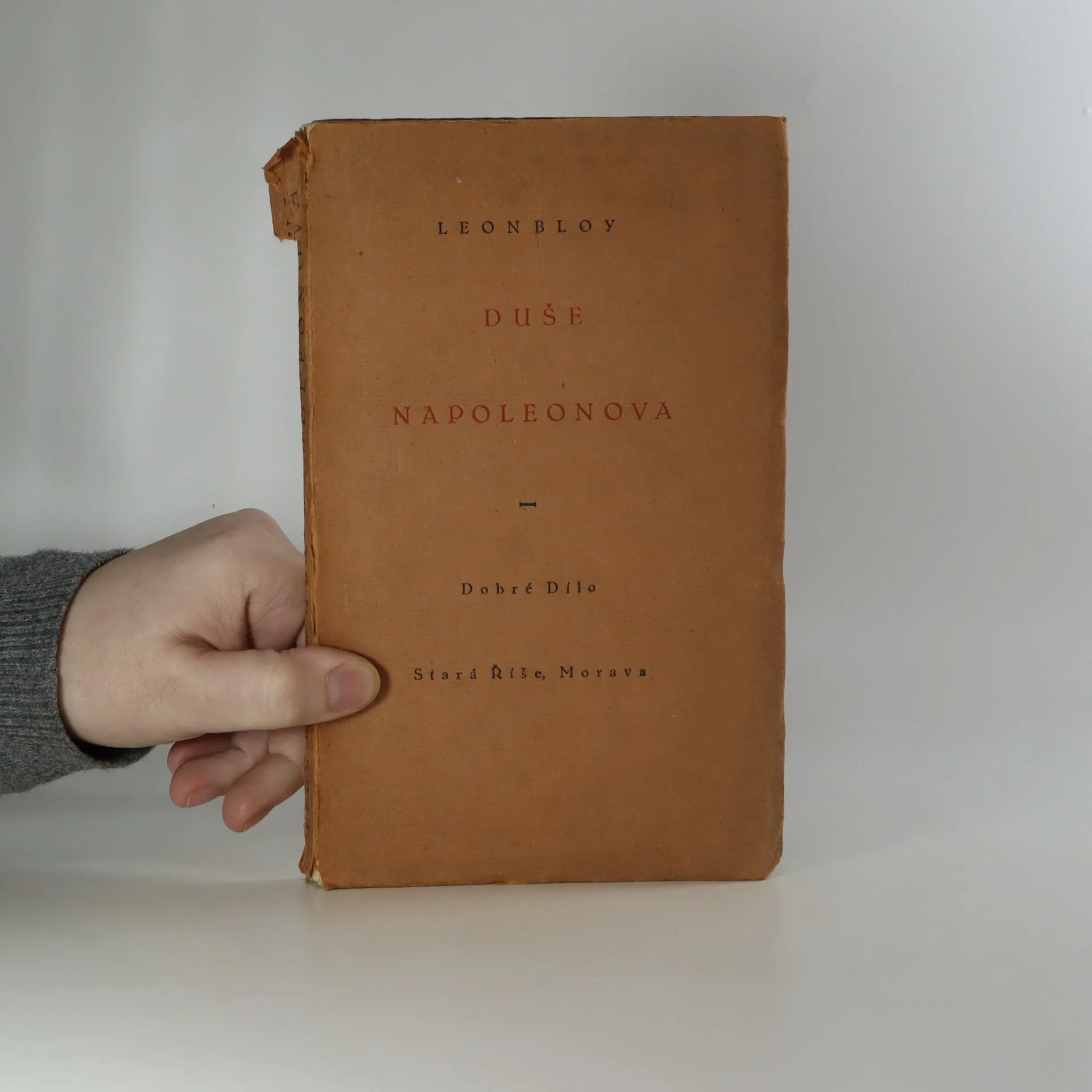
C'était une impossible rencontre. A un siècle de distance, celle d'un empereur, Napoléon, et d'un écrivain maudit, Léon Bloy. L'un croyait à peine au ciel, l'autre, pour ainsi dire, y vivait. L'un voyait dans la religion un simple instrument de gouvernement, un adjuvant de son ambition toute terrestre ; l'autre pratiquait l'extase et l'oubli de soi dans un catholicisme mystique, sombre et flamboyant. L'un mena sa vie comme un météore dont l'éclat illumine encore les imaginations ; l'autre fut un vaincu de l'existence, vivant misérablement dans les emportements vains et les fureurs impuissantes, écrivant faute de vivre et ne vivant jamais bien d'une écriture pourtant magnifique. L'un voyait les humains comme la pâte qu'on modèle pour construire son destin, indifférent aux autres et tout entier dans sa propre légende ; l'autre puisait dans sa foi une immense compassion pour le pauvre, le laid, l'oublié, préférant toujours les humbles aux puissants, apercevant le salut dans le regard des réprouvés. L'un croyait à la force, l'autre à la faiblesse. Et pourtant Napoléon fournit à Léon Bloy le sujet d'un de ses grands livres, l'un des plus étranges et des plus beaux qu'on ait écrits sur l'homme inépuisable. Dans l'océanique bibliographie impériale, L'Ame de Napoléon figure parmi la poignée de curiosités fascinantes, la gerbe de textes hors du commun que le petit général corse a suscités chez les grands écrivains.