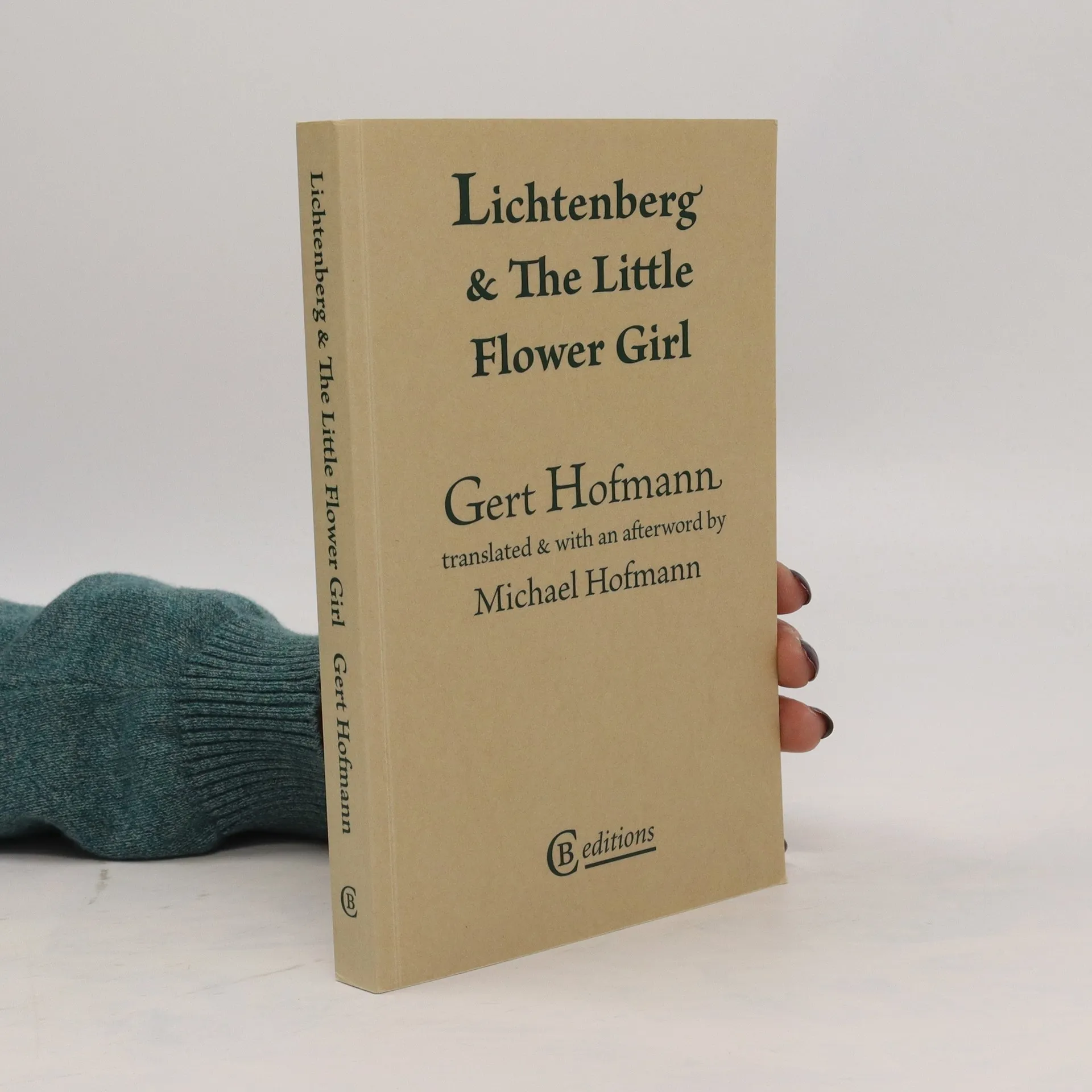
Goethe, Nietzsche, Schopenhauer, Kierkegaard, Wittgenstein, Tolstoy, Einstein... all praised the writings of Georg Christoph Lichtenberg (1742-1799), a mathematician, physicist and astronomer by profession, and an aphorist and satirist on the sly. In Lichtenberg and the Little Flower Girl, novelist Gert Hofmann weaves a wondrous fictionalized tale of Lichtenberg's real-life romance with the model of beauty and sweetness, Maria Stechard, a flower seller he meets one day near his laboratory in Gottingen. The greater part of what I commit to paper is untrue, and the best of it is fiction! exclaims Lichtenberg, our hunchbacked hero. His daily life of wrestling with death, of electricity machines and exploding gases is plunged into new passion the day he encounters the little Stechard girl: Something is found that was lost for a long time. Soon he teaches her to read and write, she helps him keep house... and then? Colored with Lichtenberg's humorous, enlightening meditations on life, death, and everything in-between, Hofmann works a subtle magic in this unusual fable-of-awakening about the transience of human attachments and the resilience of the human spirit.
Gert Hofmann Livres
Gert Hofmann était un écrivain et professeur allemand. Son œuvre a exploré des thèmes complexes avec un style distinctif, laissant une marque notable dans la littérature allemande. Il abordait l'écriture avec une perspective savante mais artistiquement motivée.

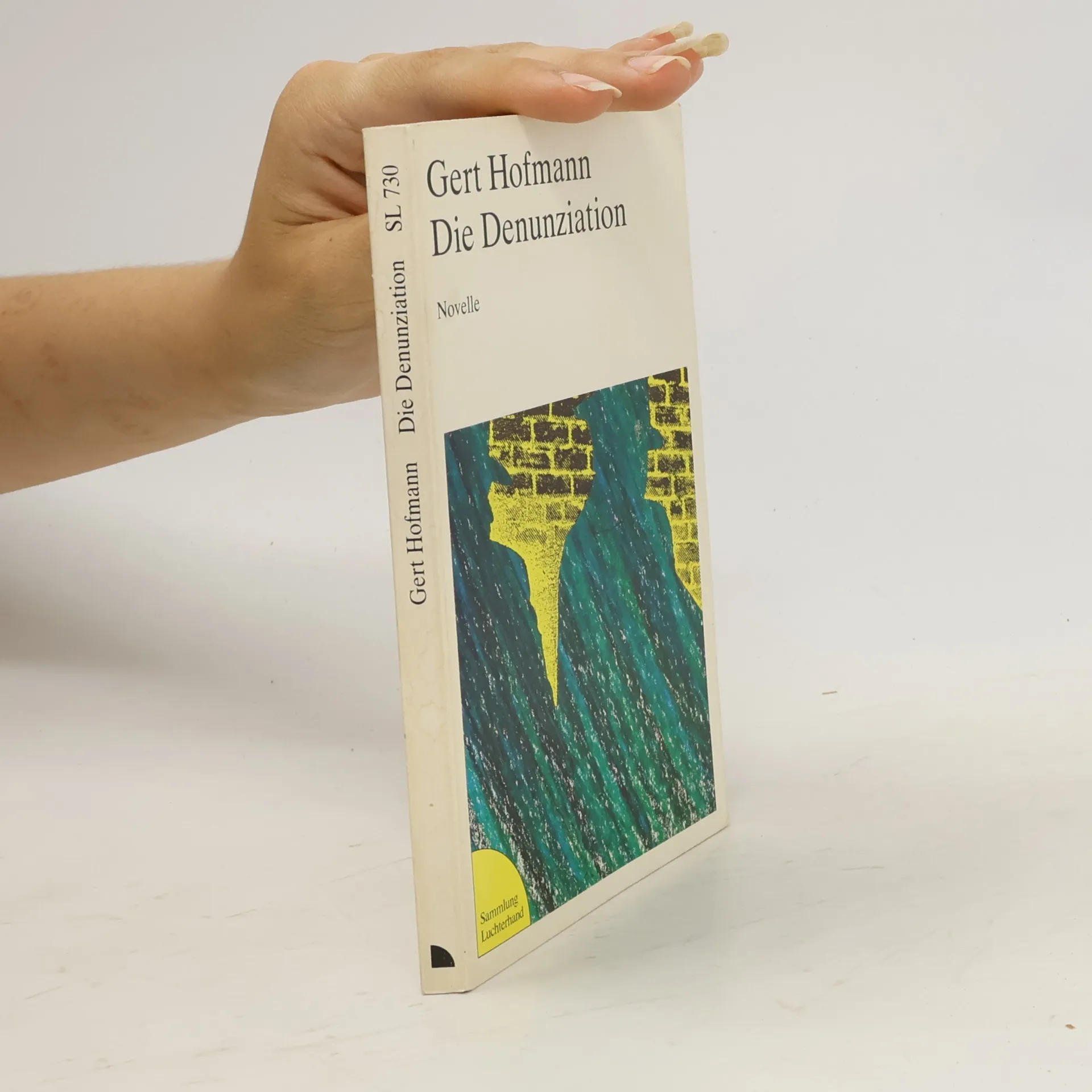

Veilchenfeld
- 145pages
- 6 heures de lecture
Set in late 1930s Germany, the narrative follows the elderly professor Herr Veilchenfeld, who faces humiliation and violence from a group of drunks, with police indifference marking the event as trivial. The story is narrated through the innocent perspective of a young boy, son of the attending doctor, who is unaware of the deeper implications of the events unfolding around him. This poignant tale explores the far-reaching consequences of persecution, affecting both individuals and their communities, and is a significant work newly translated into English.
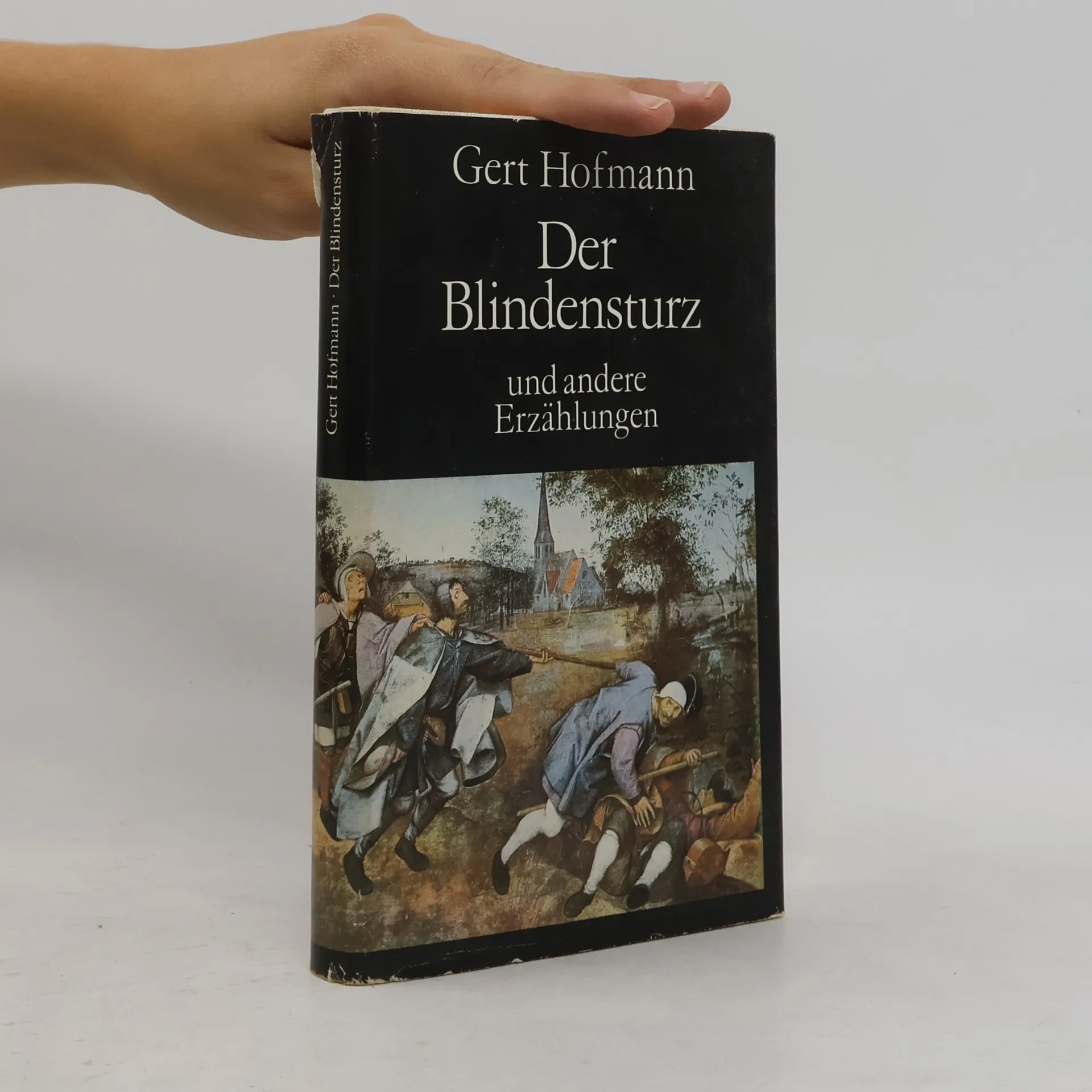
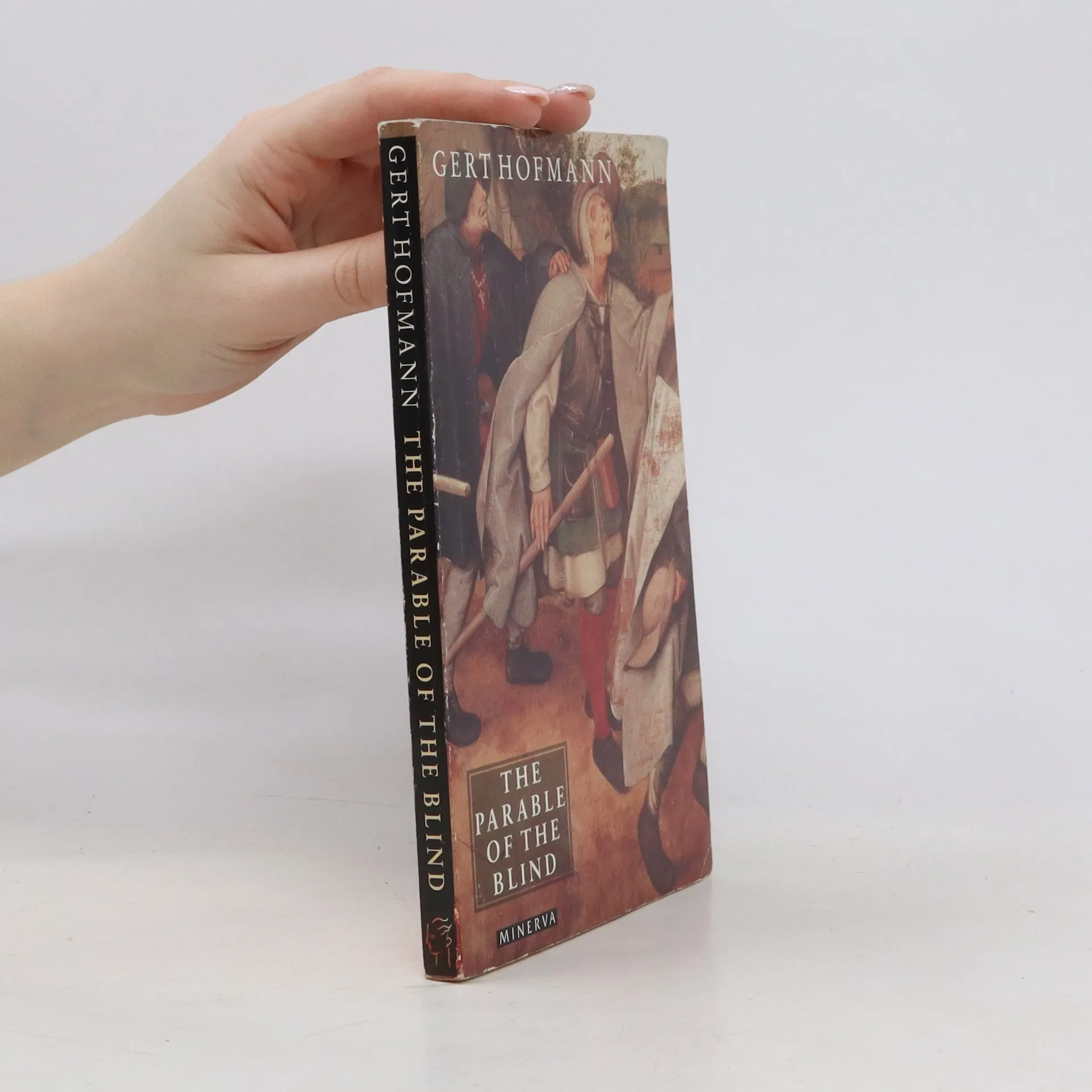
The Parable of the Blind
- 160pages
- 6 heures de lecture
Inspired by Parabel der Blinden (1568), a painting by Netherlandish artist Pieter Bruegel, the novel tells the story of the work's creation from the point of view of the six blind men depicted in the painting. The story is recounted in the present tense, first person plural. The "we" that comprises the six blind men often seems to consist of one entity; however, most of the men have separate names and identities and will sometimes say or do things that distinguish them from the group.
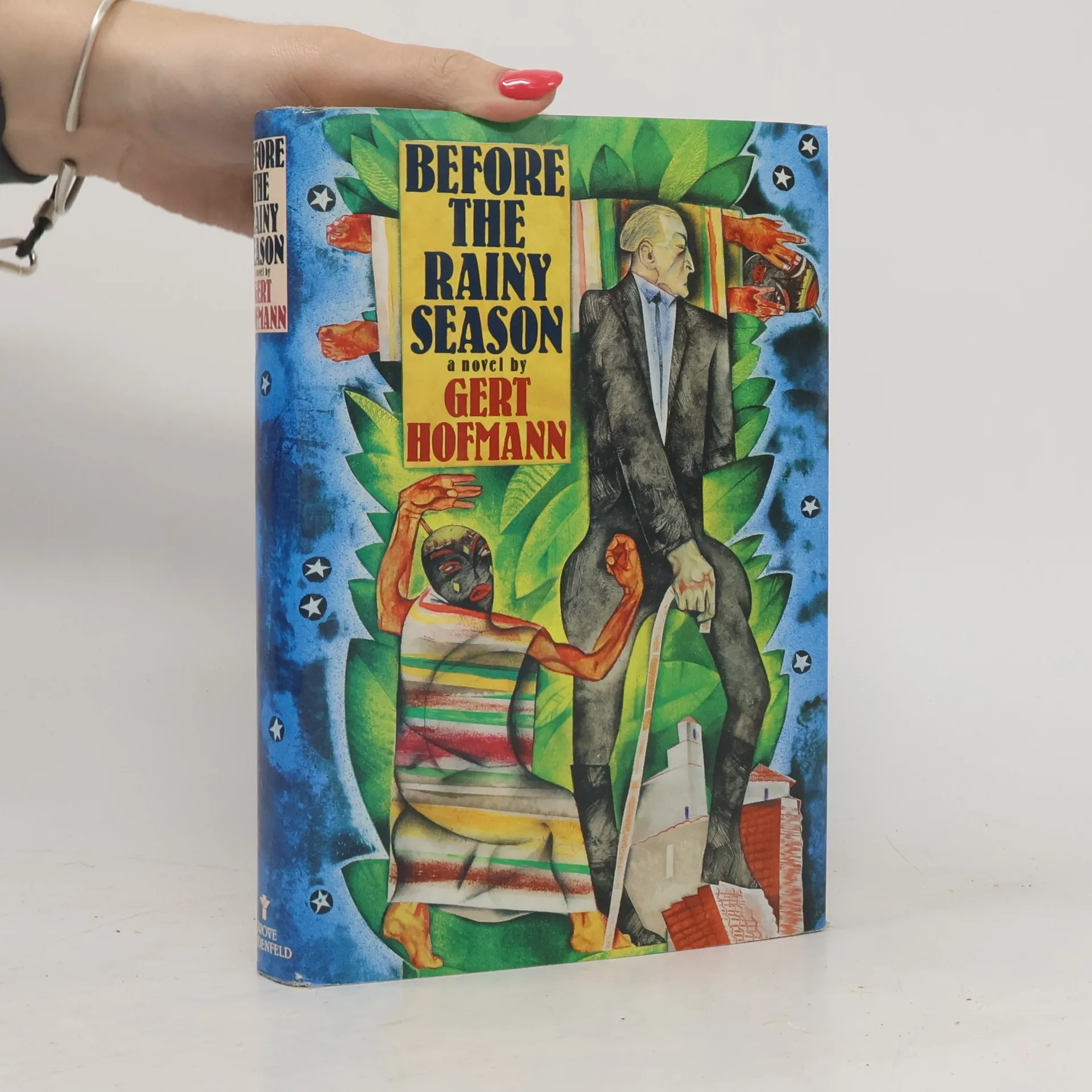
Before the Rainy Season
- 341pages
- 12 heures de lecture
The narrator and his fiancee have come to a remote Bolivian village to inform an exiled elderly man he is free to return to Germany, but end up following the old man through funeral preparations for his murdered brother and listening to bizarre tales
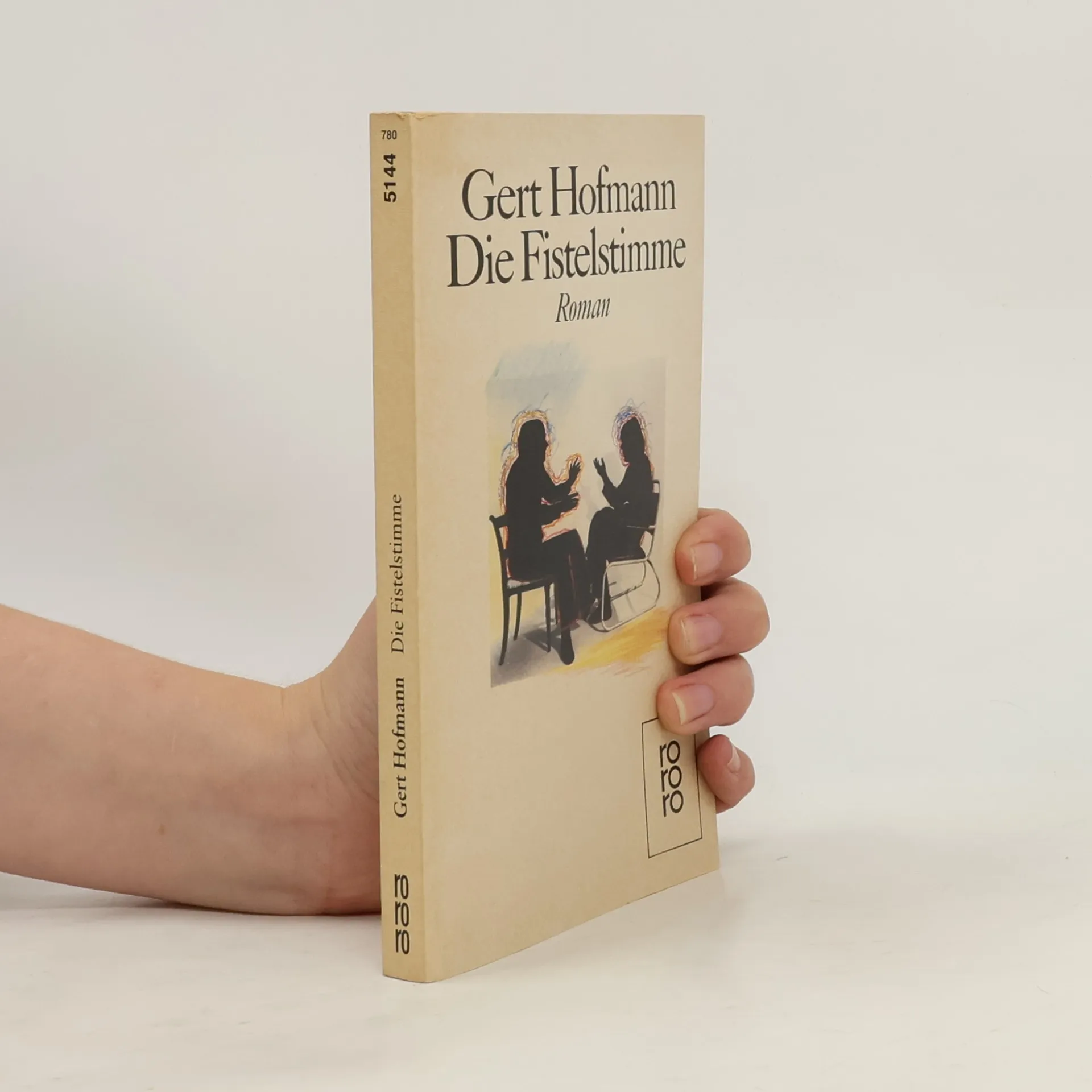
Die Fistelstimme
- 252pages
- 9 heures de lecture
Vier Novellen, in denen vier Schriftsteller als Protagonisten auftreten: Lenz, Casanova, Balzac und Robert Walser. Nicht Neugier, sondern Anteilnahme und Wahlverwandtschaft haben Hofmann bewogen, mit Hilfe seiner Phantasie eine Summe aus seinen Erfahrungen mit den vier Genannten und sich selbst zu ziehen.
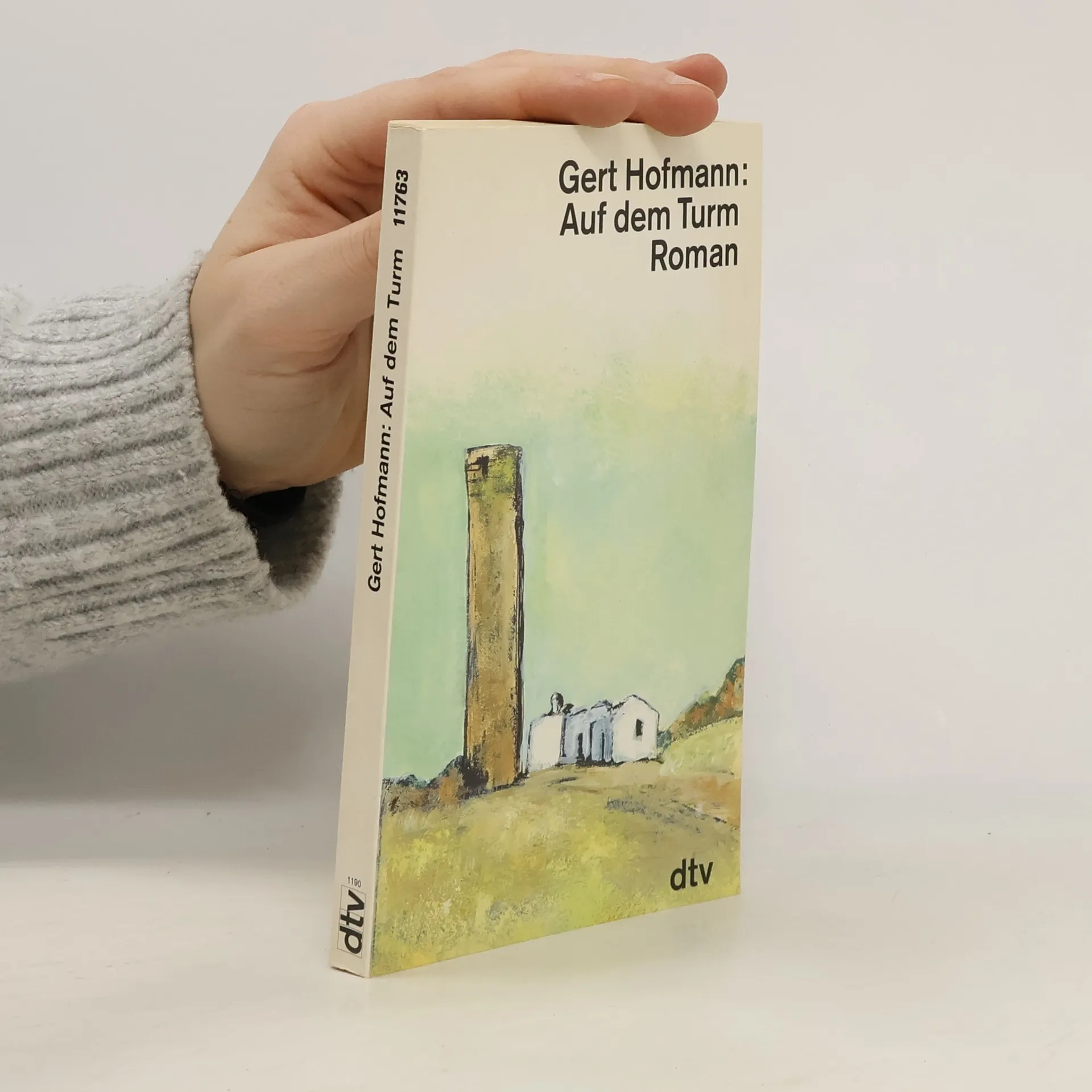
Auf dem Turm
- 216pages
- 8 heures de lecture
Für einen Tag und eine Nacht verschlägt es ein deutsches ehepaar in ein verödetes sizilianisches Dorf. Das Auto muss repariert werden. Maria ist schwanger, und ihr Mann will die Trennung. Die Ängste der Midlife-crisis plagen den Erzähler und seine Frau. In der verdorrten Todeslandschaft Siziliens wird ihre Ehe auf die Probe gestellt.
Gespräch über Balzacs Pferd: Vier Novellen
- 181pages
- 7 heures de lecture
Vier außergewöhnliche Dichter stehen im Mittelpunkt der vier Novellen: Jakob Michael, Reinhold Lenz, Giacomo Casanova, Honoré de Balzac und Robert Walser.
Das Vergessen lebenswichtiger Bezüge und das Nichtvergessenkönnen der Vergangenheit sind die polaren Grundthemen des allegorienreichen, literarischen Romans
Der Autor erzählt eindrucksvoll Geschichten, wie die des Fleischers Netzer, der seiner Tochter das Irrenhaus ersparen will, und Tolstois Sohn, der seinen Vater für das amerikanische Publikum darstellt. Diese Geschichten zeigen die phantastischen Facetten des menschlichen Lebens und das Spiel der Masken im Welttheater.
Der Enkel Gert Hofmann geht als Kind jeden Tag mit dem Großvater ins Kino (23 Sitzplätze, viele Stehplätze), wenn der zum Stummfilm erzählt und Klavier spielt. 'Aufpassen und nicht schlafen jetzt, wir kommen an eine sehr schöne Stelle!' ruft er in den unruhigen Zuschauerraum und bringt, sein Bambusstückchen in der Hand, den Leuten die Romanze auf der 'Hintertreppe' zwischen Fritz Kortner und Henny Porten nahe. Dabei fühlt er sich als Künstler und zu Höherem berufen. Dann kommt der erste Tonfilm nach Limbach. Der Kinobesitzer hofft, mit den sprechenden Bildern mehr Zuschauer ins Kino zu locken. Der Film und der Kinoerzähler sind von da an Feinde: je lauter der eine tönt, desto weniger darf der andere sagen. Bis sich die Nazis in Limbach breitmachen: da hofft der Großvater, daß 'die Bewegung' den deutschen Stummfilm zu ihrer Sache macht - Der Roman wurde von Bernhard Sinkel mit Armin Mueller-Stahl in der Rolle des Großvaters verfilmt.
Das Glück
- 286pages
- 11 heures de lecture
Die Geschichte handelt von einer Kernfamilie: Vater, Mutter, Tochter und Sohn. Doch hinter der Fassade verbirgt sich das Unglück, denn die Mutter ist in Herrn Herkenrath verliebt, was den Vater und Sohn dazu zwingt, das Zuhause zu verlassen. Während die Mutter in ihrem Zimmer Parfüm aufträgt und auf ihren neuen Mann wartet, fragt sich der Vater, warum sein Schreiben nicht erfolgreich ist. Er plant einen weiteren Roman und denkt an die Ablehnungen von Thomas Manns erstem Buch. Bei einem Spaziergang mit seinem Sohn wünschen die Stadtbewohner ihnen Glück, doch der Vater bleibt skeptisch. Die kleine Schwester bleibt zu Hause, während der Sohn sich von den unangenehmen Eigenheiten von Herrn Herkenrath befreien kann und sich fragt, ob sie wirklich nach Russdorf, Berlin oder Afrika fahren werden. Vielleicht gelingt es dem Vater, die Mutter im letzten Moment umzustimmen. Die Zeit drängt, der Umzugswagen ist unterwegs und bald wird die Familie zum letzten Mal bei Kaffee und Krümelkuchen zusammenkommen. Aus der Sicht eines Kindes zeigt die Erzählung eine Familie im Niedergang, die Humor und Spannung mit herzzerreißendem Pathos verbindet.
Vor der Regenzeit
Roman
Hofmanns Roman ist die abenteuerliche, abgründige Geschichte eines Deutschen, der unter dem Namen Don Enrique in Südamerika am Rande des Regenwaldes eine Hazienda besitzt und um den sich Personen verschiedenster Herkunft und Vergangenheit scharen. Trotz aller Bemühungen gelingt es ihm nicht, seine eigene düstere Vergangenheit abzustreifen, die ihn unweigerlich einholt.
Der Blindensturz
und andere Erzählungen
Lebensmuster
- 218pages
- 8 heures de lecture
German