Avec Freakonomics, leur premier livre (Folio actuel numéro 132), Levitt et Dubner ont transformé notre regard sur le monde en appliquant les méthodes de l'économie aux petites bizarreries de la vie quotidienne. SuperFreakonomics aborde une nouvelle série de questions aussi insolites les unes que les autres. La méthode économique n'est ici ni une simple discipline universitaire ni une stricte explication mathématique de l'"économie", mais un instrument dont il faut se servir pour décrire comment nous prenons des décisions : c'est le mariage de la méthode économique et de la curiosité iconoclaste. Finalement, il ressort de toutes ces démonstrations une redoutable évidence : les êtres humains, que l'économie traite en sujets rationnels et calculateurs, ne font qu'obéir aux incitations.
Steven D. Levitt Livres
Steve Levitt est un économiste américain réputé pour ses travaux sur la criminalité, explorant notamment le lien entre l'avortement légalisé et les taux de criminalité. Son approche utilise les principes économiques pour analyser les phénomènes sociétaux, découvrant des corrélations inattendues. Avec un don pour la narration captivante, Levitt rend les concepts économiques complexes accessibles à un large public. Son travail encourage les lecteurs à réfléchir sur le monde de manière nouvelle et non conventionnelle.


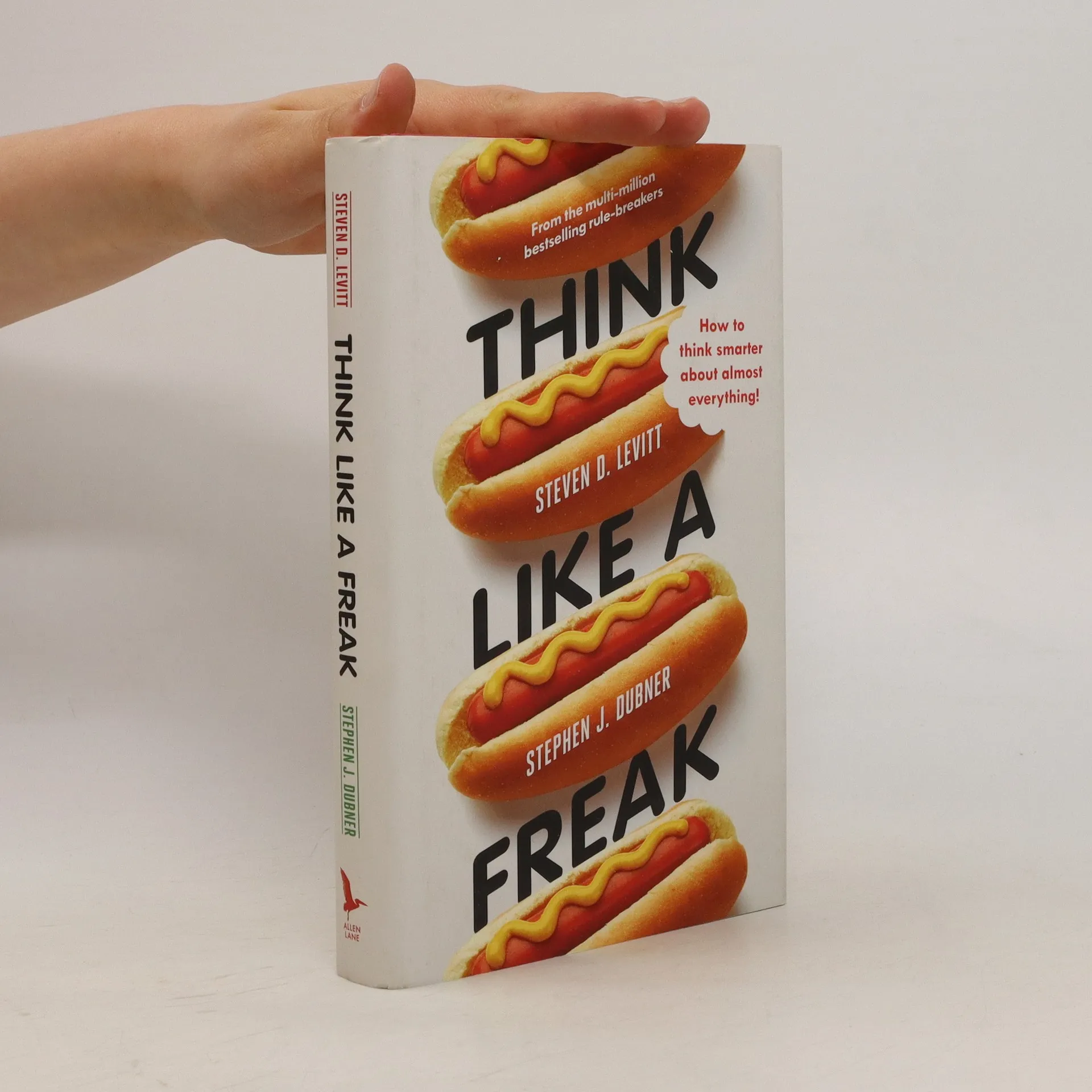
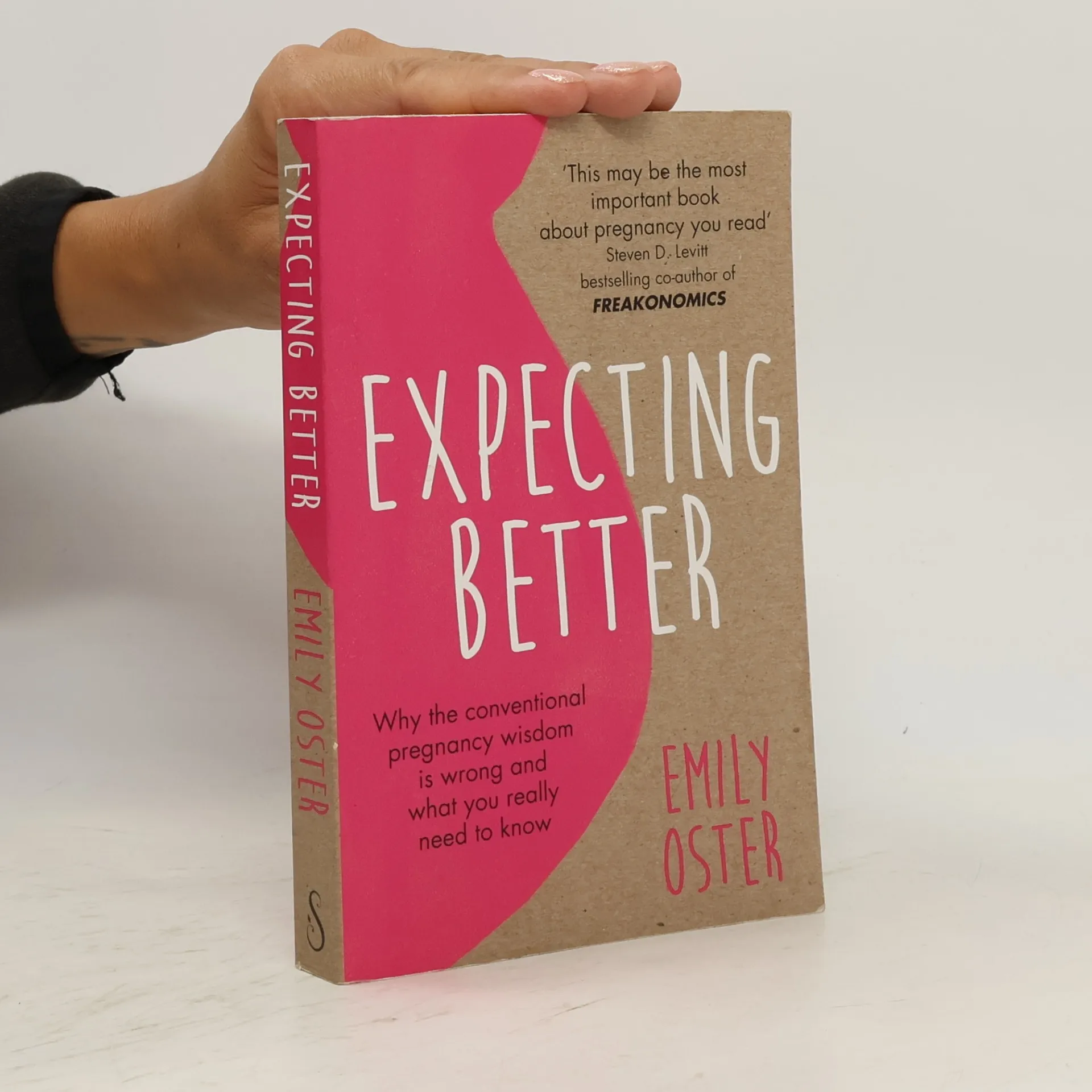
Expecting better
- 336pages
- 12 heures de lecture
A groundbreaking guide to pregnancy: empowers women with the facts and allows them to make their own decisions. FREAKANOMICS meets WHAT TO EXPECT WHEN YOU'RE EXPECTING.
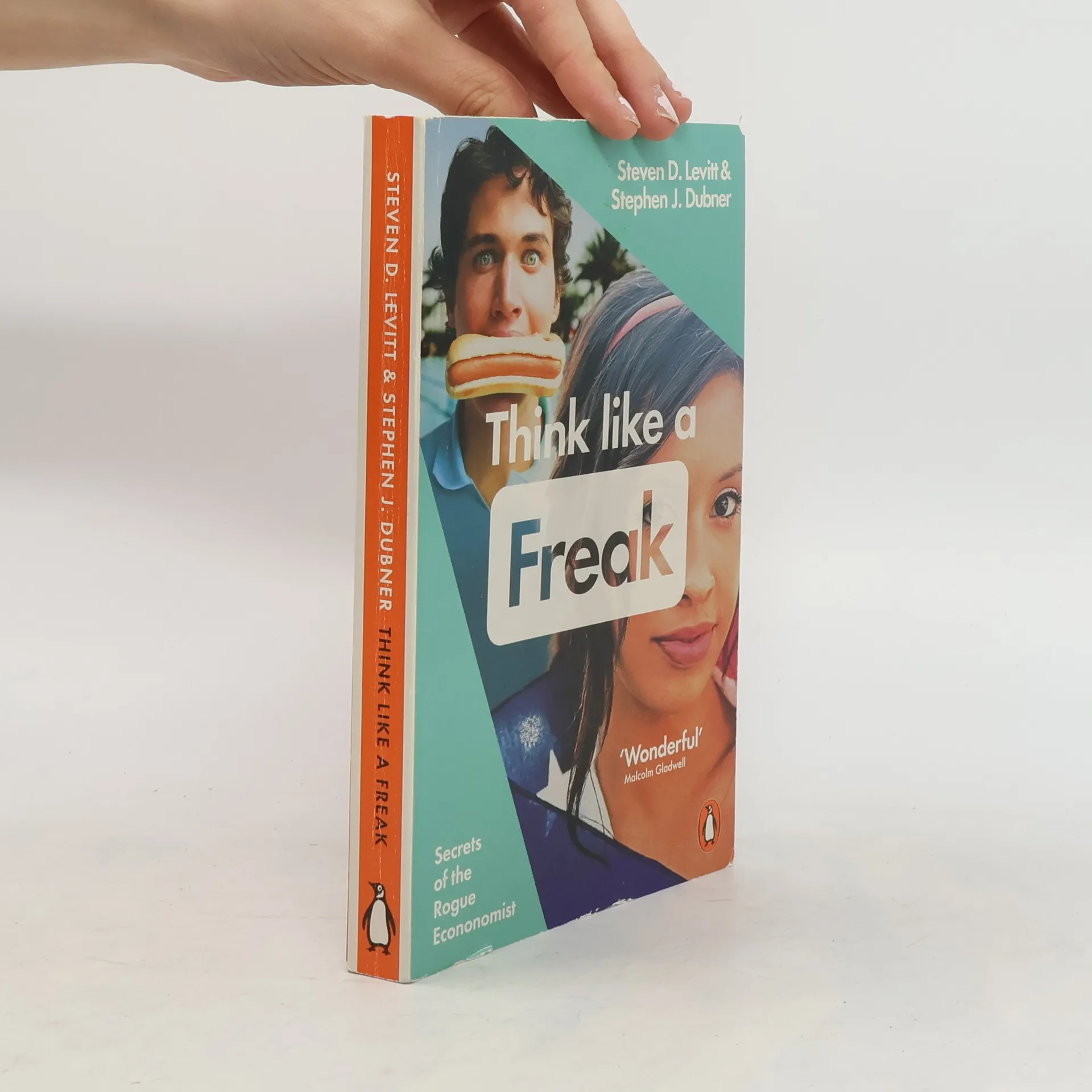
Think Like a Freak
- 256pages
- 9 heures de lecture
The Freakonomics books have come to stand for something- challenging the conventional wisdom; using data rather than emotion to answer questions; and learning to think differently about how the world works. Now Levitt and Dubner have gathered up what they have learned and turned it into a readable and practical toolkit for thinking smarter, harder and different - thinking, that is, like a Freak. Think Like a Freakoffers a philosophy and a methodology, with rules like 'Put Your Moral Compass in Your Pocket,' 'Embrace Your Ignorance,' 'The Upside of Quitting,' 'Think Like a Child', 'Like a Bad Dye Job, The Truth is in the Roots' and 'How to win a fight, Freakonomics-style'. Thinking like a Freak comes in handy for everything from making oodles of money to wiping out diseases to getting your kids to visit you in the nursing home when you're old. This book shows how anyone can do it.
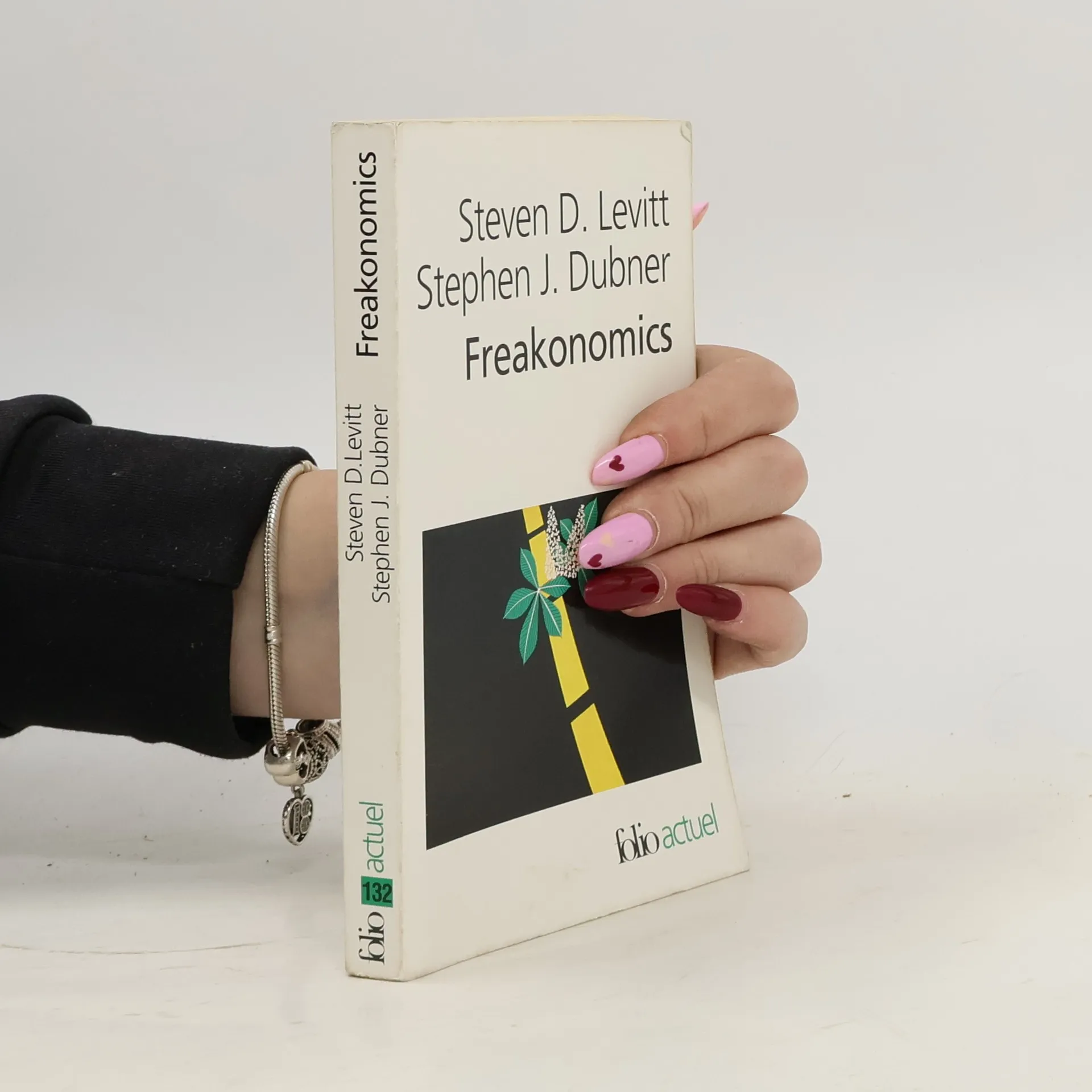
Freakonomics
- 352pages
- 13 heures de lecture
Quel lien entre la législation de l'avortement et la baisse de la criminalité aux États-Unis ? Quelles sont les vraies motivations des agents immobiliers ? Pourquoi les revendeurs de drogue vivent-ils plus longtemps chez leur mère ? L'économie, vue sous cet angle, incongru en apparence, mais qui est celui de la plus sérieuse rationalité des agents, des comportements, des causes et effets, traite de sujets peu conventionnels. Elle a reçu un nom : freakonomics, ou " économie saugrenue ". Elle jette une lumière de biais sur le désordre des événements ; elle met à nu des a priori à prétention de scientificité irréfutable ; elle transforme notre regard sur le monde globalisé, qui nous apparaît, pour finir, moins impénétrable et incompréhensible.
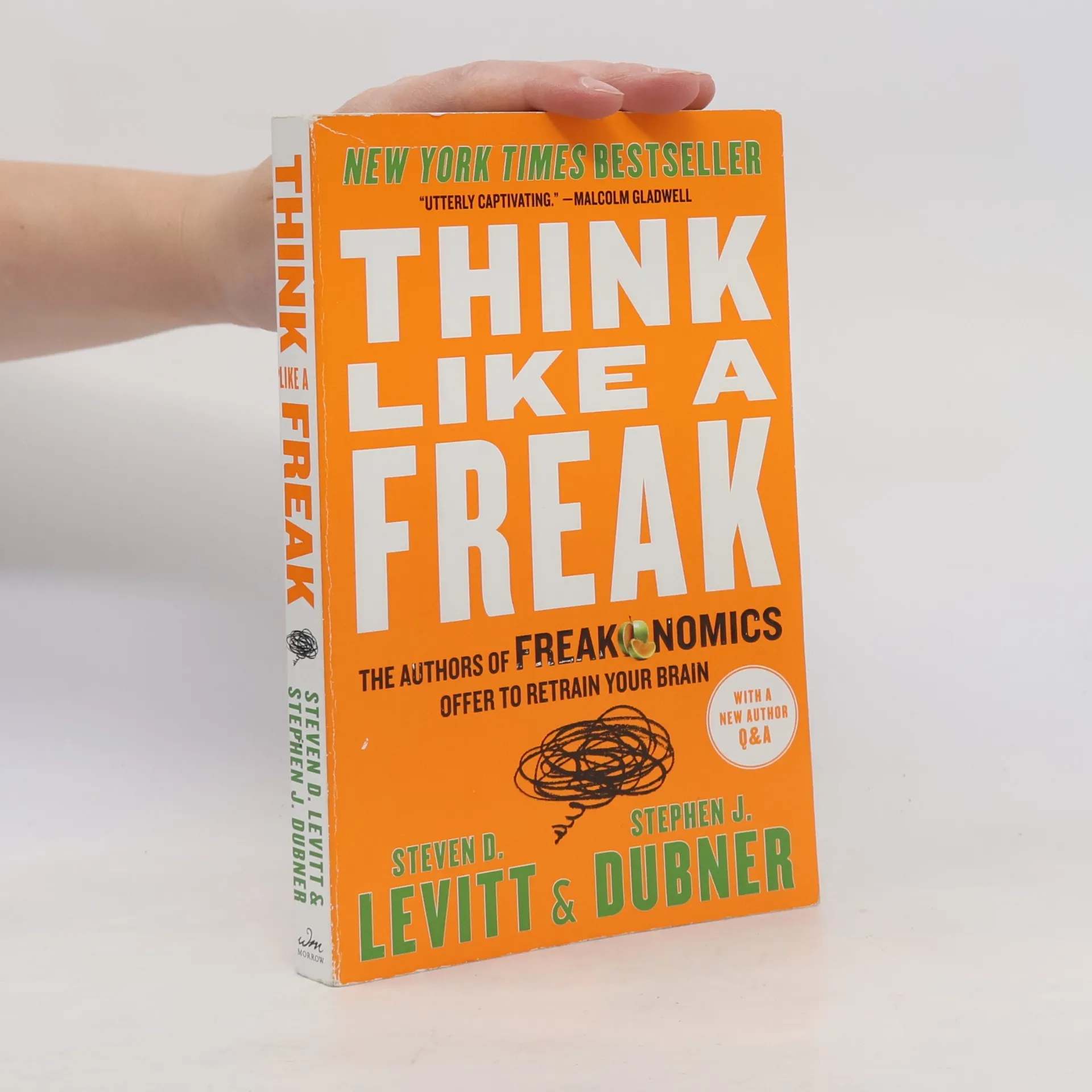
Think Like a Freak: The Authors of Freakonomics Offer to Retrain Your Brain
- 304pages
- 11 heures de lecture
Now in Paperback—the New York Times bestseller—and follow up to the revolutionary bestsellers Freakonomics and SuperFreakonomics—with a new author Q&A. With their trademark blend of captivating storytelling and unconventional analysis, Steven D. Levitt and Stephen J. Dubner take us inside their thought process and teach us all how to think a bit more productively, more creatively, more rationally. In Think Like A Freak, they offer a blueprint for an entirely new way to solve problems, whether your interest lies in minor lifehacks or major global reforms. The topics range from business to philanthropy to sports to politics, all with the goal of retraining your brain. Along the way, you’ll learn the secrets of a Japanese hot-dog-eating champion, the reason an Australian doctor swallowed a batch of dangerous bacteria, and why Nigerian e-mail scammers make a point of saying they’re from Nigeria. Levitt and Dubner plainly see the world like no one else. Now you can too. Never before have such iconoclastic thinkers been so revealing—and so much fun to read.
Superfreakonomics, Illustrated Edition
Global Cooling, Patriotic Prostitutes, and Why Suicide Bombers Should Buy Life Insurance
- 304pages
- 11 heures de lecture
The sequel to SuperFreakonomics expands on the original's exploration of unconventional economic theories and insights. It delves into intriguing topics, blending humor with serious analysis to challenge conventional wisdom. Readers can expect a deeper examination of social behavior, incentives, and the surprising ways in which people respond to various situations. This edition promises to engage and enlighten, making complex ideas accessible and entertaining.
Think Like a Freak: How to Think Smarter about Almost Everything
- 304pages
- 11 heures de lecture
The Freakonomics books have come to stand for challenging conventional wisdom; using data rather than emotion to answer questions. Now Levitt and Dubner have turned what they've learned into a readable and practical toolkit for thinking smarter, harder, and different - thinking, that is, like a Freak. Think Like a Freak offers rules like 'Put Your Moral Compass in Your Pocket,' 'The Upside of Quitting,' 'Just Because You're Great at Something Doesn't Mean You're Good at Everything,' and 'If You Have No Talent, Follow Levitt's Path to Success.'
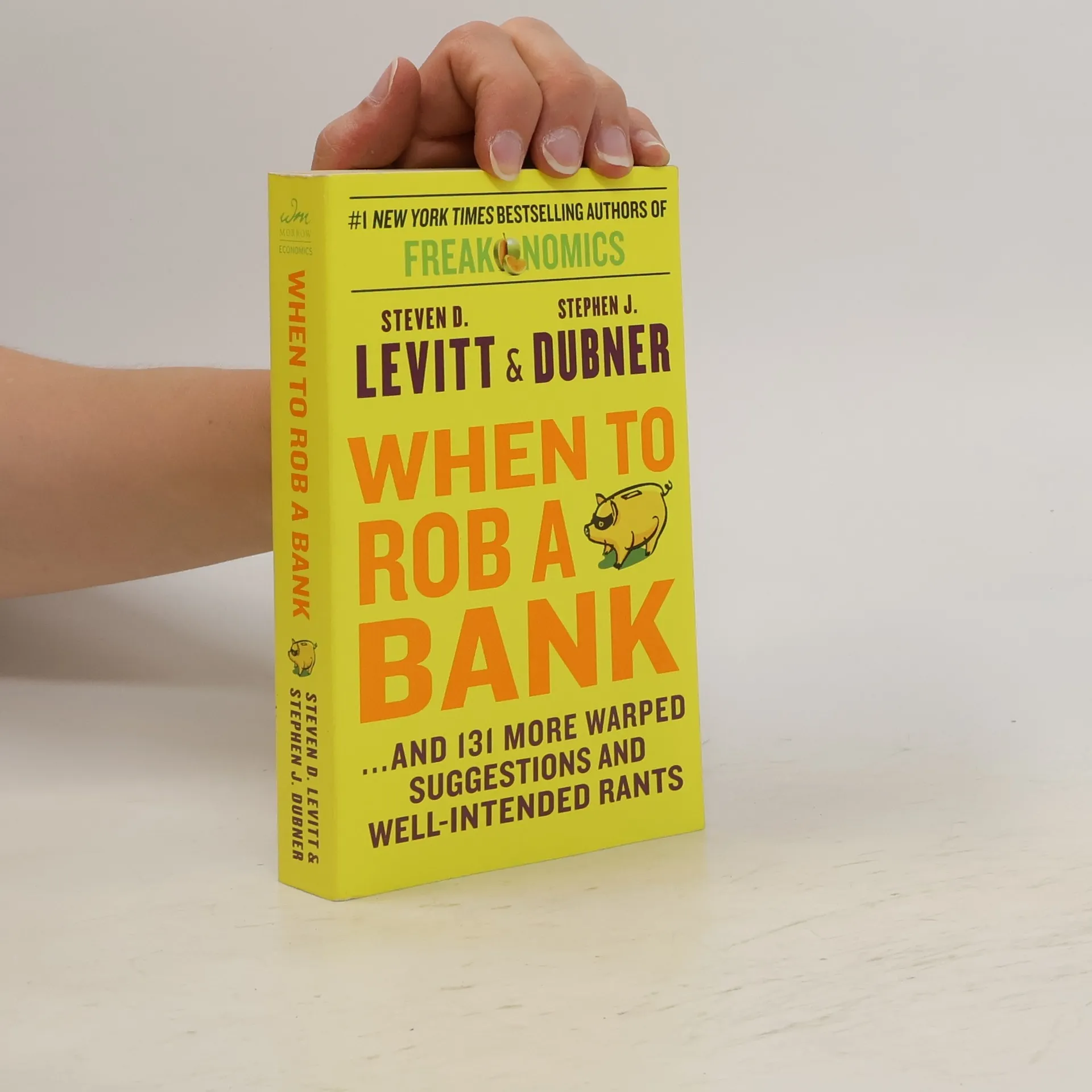
When to Rob a Bank
- 400pages
- 14 heures de lecture
In celebration of the 10th anniversary of a landmark book, this curated collection from the most engaging economics blog offers a perfect solution for fans of the authors. Surprising, erudite, and witty, it showcases the brilliance that has made the authors an international sensation, with over 7 million books sold and 150 million podcast downloads. Since the original book's release, the authors have maintained a blog with a more casual and personal tone, posing offbeat questions like why flight attendants don’t receive tips, how a terrorist might plan an attack, and why KFC often runs out of fried chicken. Over the past decade, they have published more than 8,000 blog posts, many of which they admit were not their best work. However, they have carefully selected the finest entries for this collection. Readers will explore topics such as the nature of lies, effective strategies to reduce gun deaths, the controversial idea of a sex tax, and the humorous conclusion that robbing a bank is not worth the effort. Additionally, insights into the authors’ own interests, including gambling, golf, and the debate over the penny, add a personal touch to the collection.