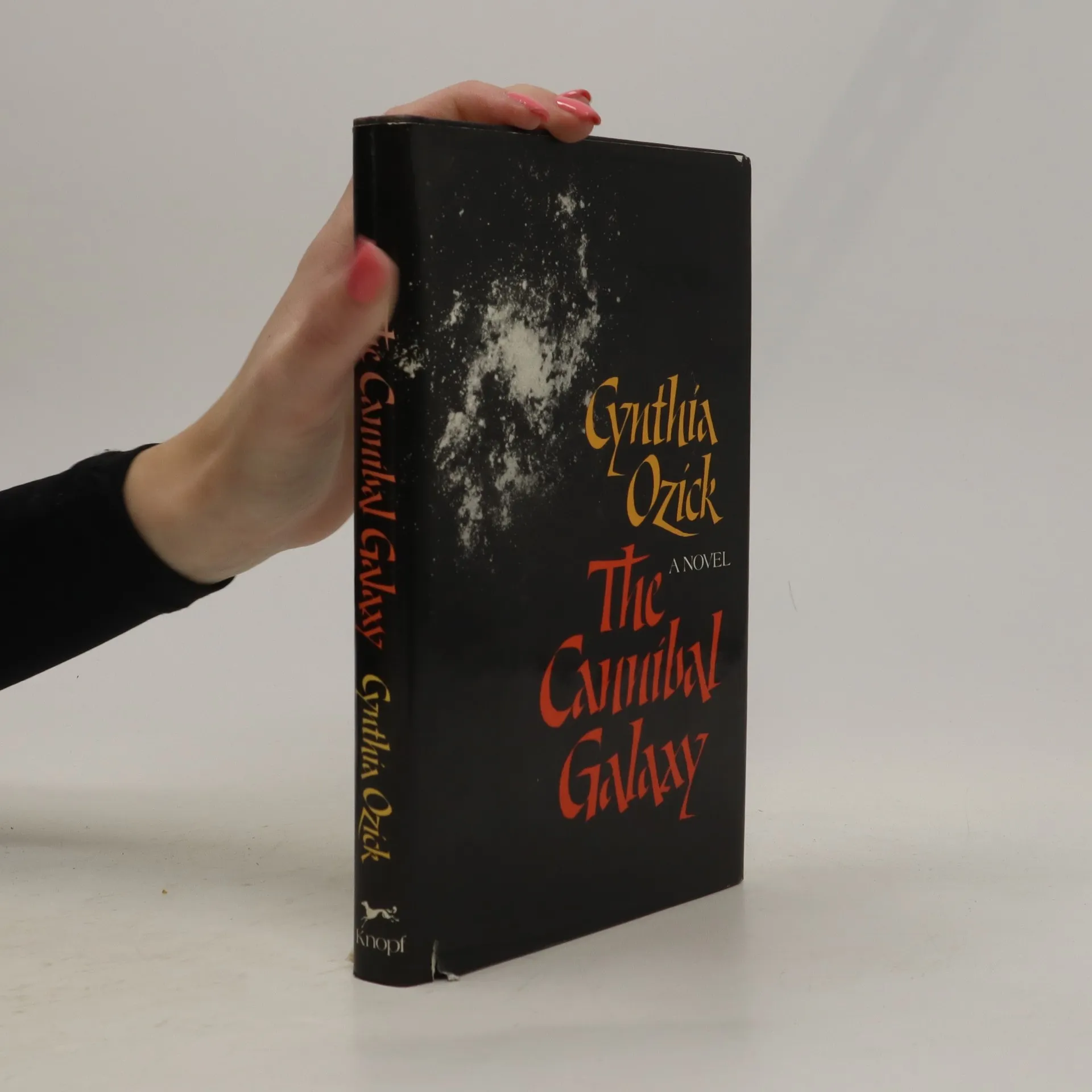
Cynthia Ozick tisse dans ses œuvres les riches fils de la tradition juive et de l'expérience américaine, les explorant avec une profonde perspicacité et précision. Son travail, souvent imprégné de profondeur intellectuelle et d'un sens aigu de l'ironie, dévoile la tension persistante entre la modernité et la foi durable. Ozick capture magistralement les complexités de l'esprit humain et la recherche de sens dans un monde agité. Sa prose distinctive est célébrée pour son art littéraire et son pouvoir d'évoquer des émotions profondes ainsi que des pensées critiques.
" Aussi musicienne que Proust, par son sens des images et des suggestions continues(...) elle sait concentrer en quelques phrases le pervers et le ridicule d'un personnage ". J. M. de Montrémy La Croix " Cynthia Ozick peuple les rues de ses villes de survivants (...) ils ont perdu les racines de leur passé, parce qu'ils ont perdu la langue. Mais ils ne peuvent pas adhérer au présent. Ils ont émigré de la réalité. " Cécile Wajsbrot, Le Magazine Littéraire.
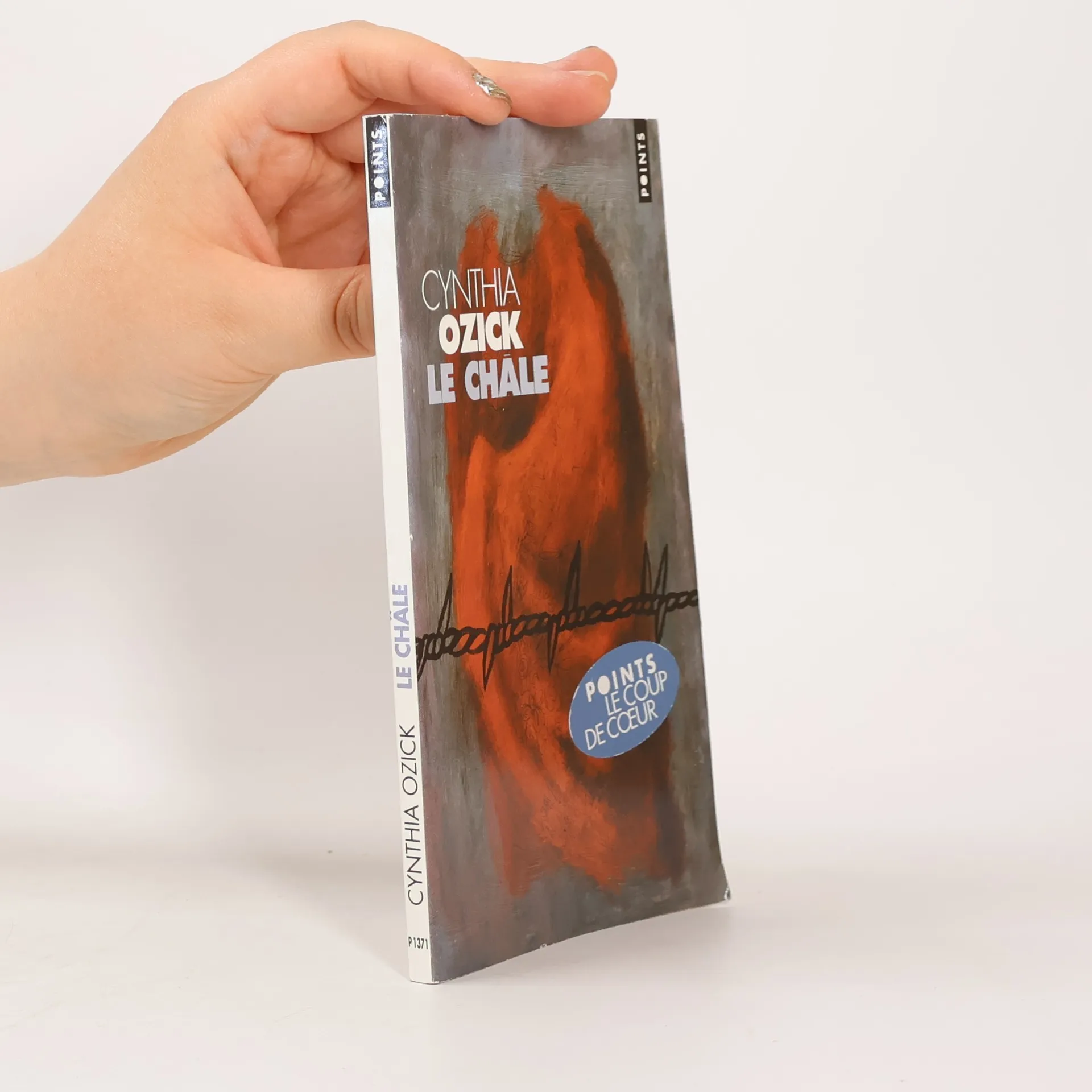
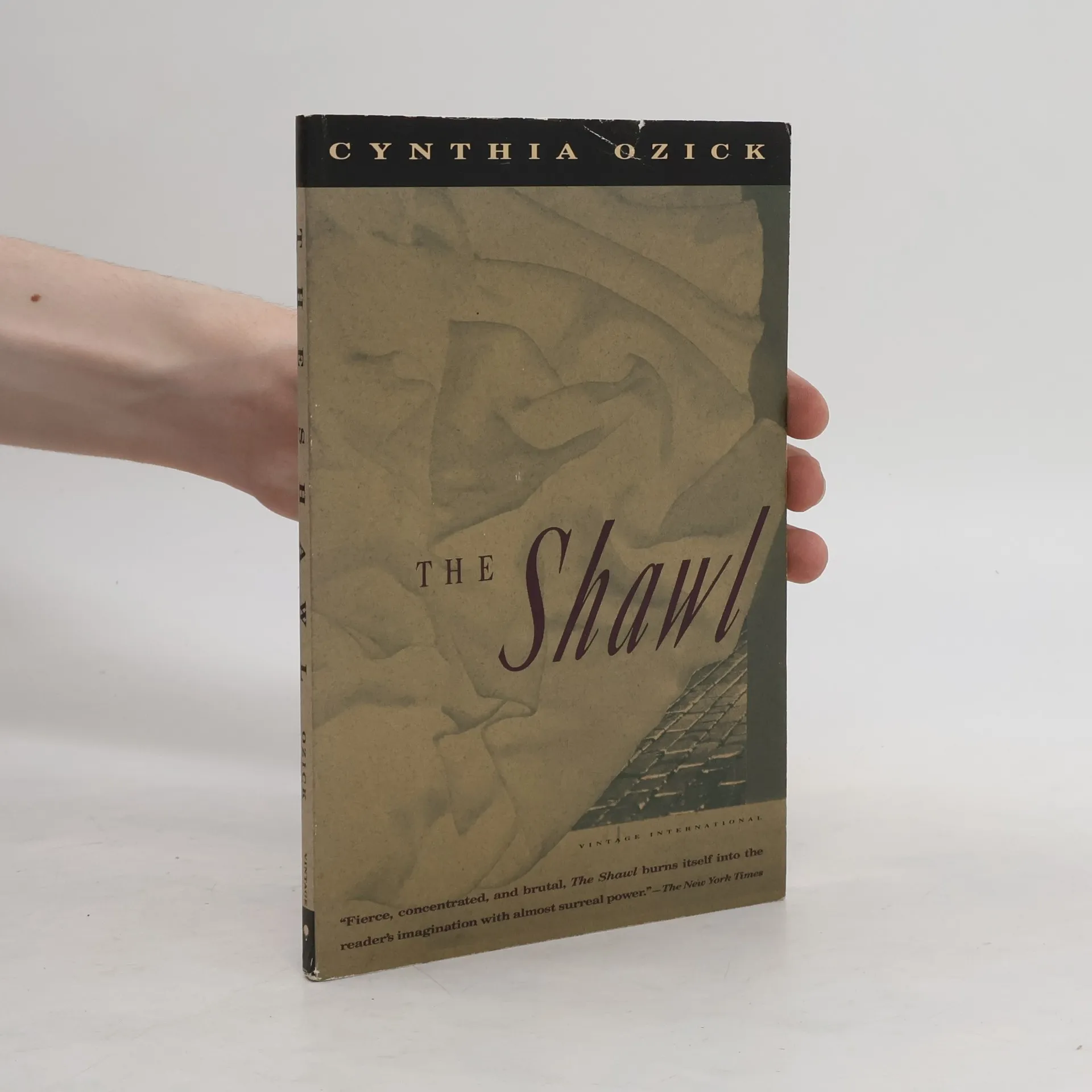
Dans un camp de concentration, Rosa cache Magda, son bébé, dans les plis d'un châle. Mais une jeune fille de quatorze ans, rongée par le froid, s'empare du châle qui dissimule l'enfant. Alors survient l'innommable: un nazi découvre le bébé et le jette contre les barbelés électrifiés du camp. Trente ans plus tard, on retrouve Rosa à Miami. Sa fureur et sa mémoire sont intactes. Jusqu'au jour où un paquet arrive par la poste. C'est le châle. La sobriété de ce récit et son souffle font du souvenir de Rosa un hymne à l'amour au cœur de l'enfer. Le châle, qui a gardé " le goût d'amande et de cannelle de la salive de Magda ", est un rempart contre l'oubli, un appel adressé à chacun de nous pour que demeurent vivantes nos mémoires.
A collection of readings relevant to the development of an intercultural psychology which takes into account the different circumstances, needs, values, constructions of reality, and worldviews and belief systems that significantly shape the experience and behavior of cultural groups. The 34 papers and introductory essay are arranged in four parts: the politics of difference; development, adaption, and the acquisition of culture; self and other in cultural context; and diagnostic assessment, treatment, and cultural bias. Annotation copyright by Book News, Inc., Portland, OR
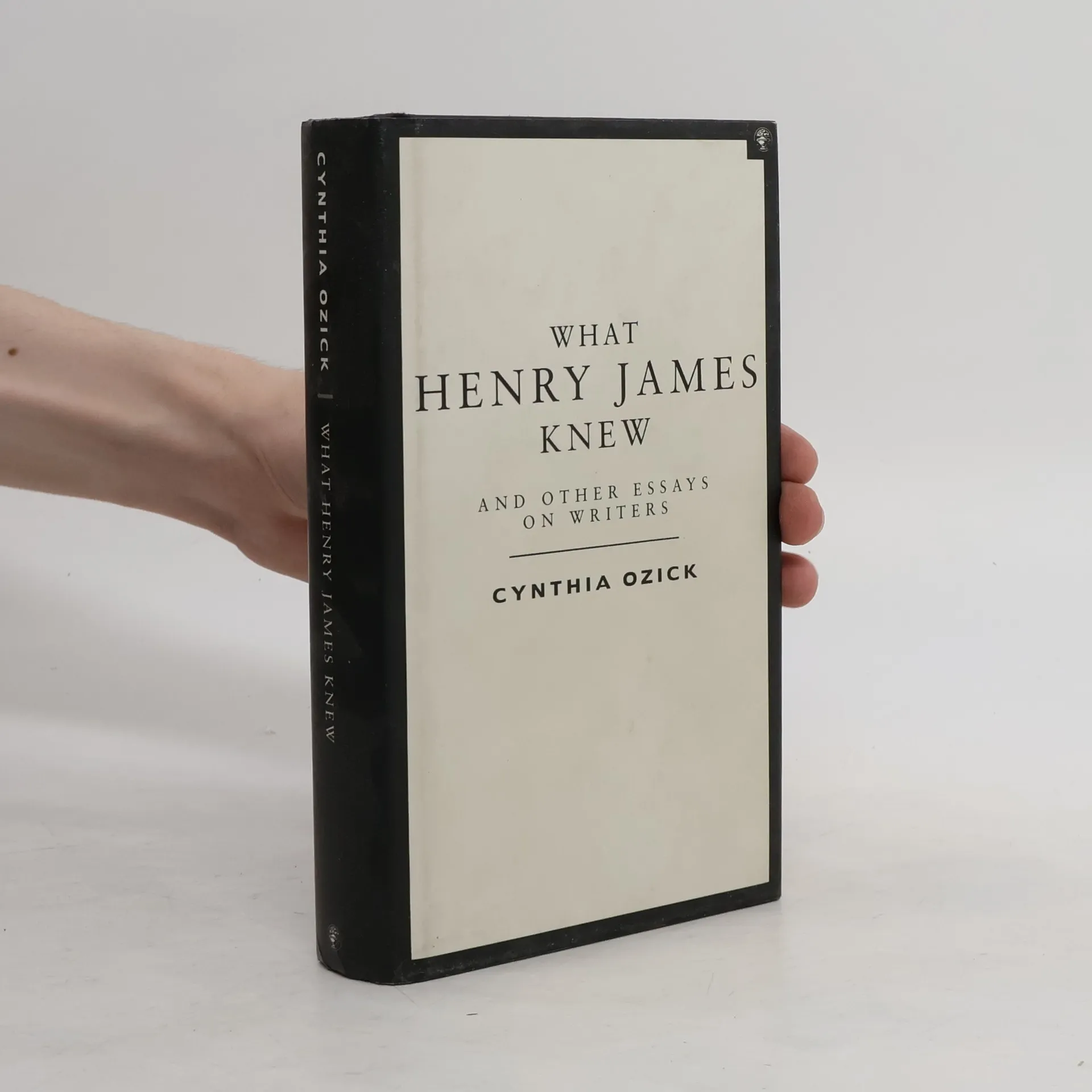
A collection of 21 essays on writers, including Henry James, T.S. Eliot, Virginia Woolf, E.M. Forster, Saul Bellow, Edith Wharton, J.M. Coetzee, Primo Levi, Italo Calvino, Truman Capote, Theodore Dreiser, William Gaddis, I.B. Singer, Gershom Scholem, Bruno Schulz, Gertrude Kolmar and S.Y. Agnon
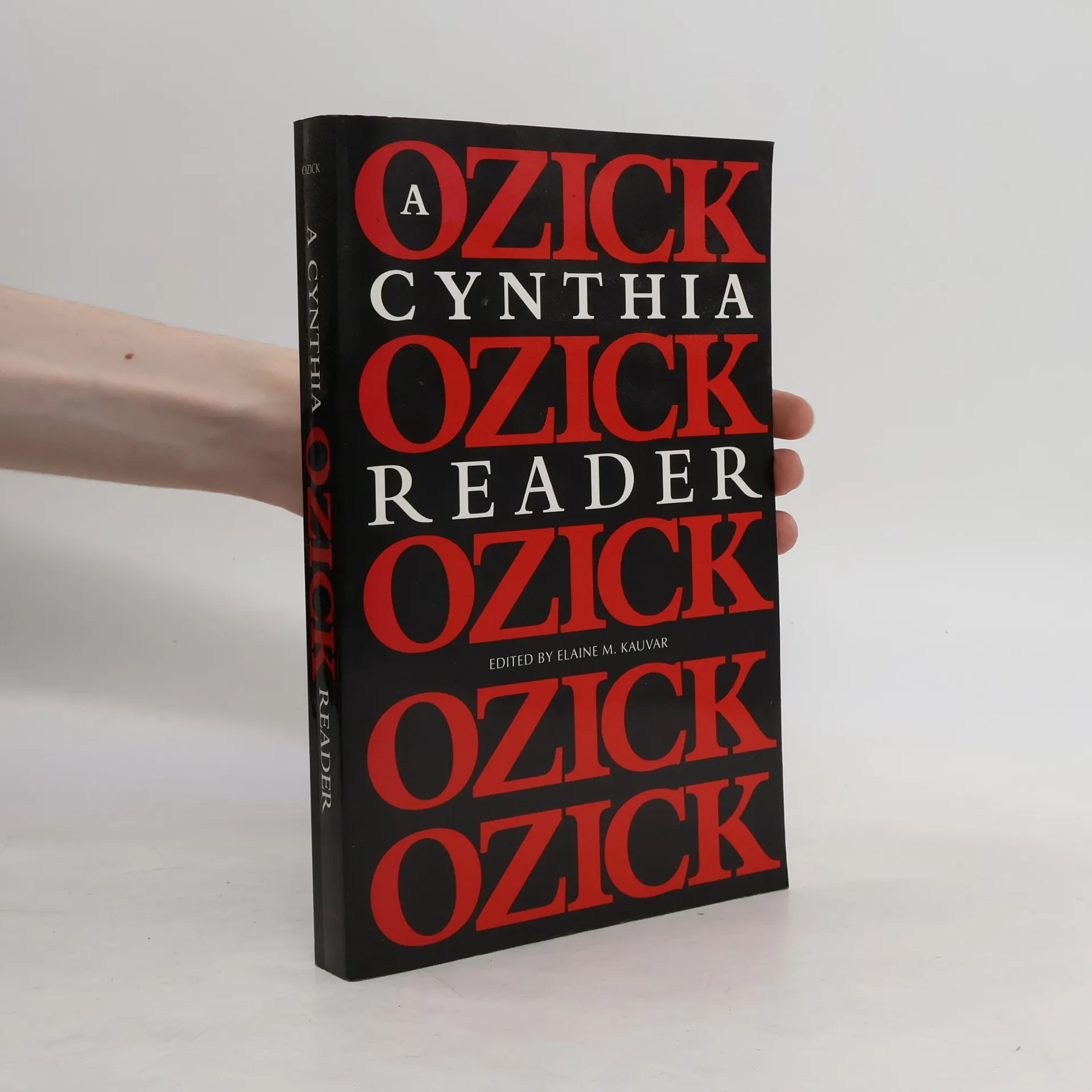
Cynthia Ozick's collection showcases her literary journey through a selection of essays and short stories spanning over fifty years. In her essays, she tackles profound literary and moral questions while reflecting on the works of renowned authors. The included short stories reveal her stylistic brilliance and unique blend of history and myth, featuring titles such as "A Hebrew Sibyl" and "The Conversion of the Jews." This compilation serves as a testament to her deep engagement with literature and her insightful perspectives on the human experience.
""[Ozick's] range of influences is obvious in the fine selections of poems and short stories as well as essays from Art & Ardor (1983) and Metaphor and Memory (1989) that Kauvar has so sensitively chosen."" --Booklist ""[This collection reflects] the imaginative, inventive, and insightful Ozick. Some of the best of Ozick as poet, essayist, and fiction writer is represented in A Cynthia Ozick Reader."" --Library Journal ""Gathered here are some bristling, incandescent tales and thorny essays that show Ozick at her finest."" --The Seattle Times Cynthia Ozick is among the ten most important writers in North America today. This Reader brings her manifold talents together in a sampler of the many genres she explores. The poems, stories, and essays in this collection burst with all the energy of her capacious imagination. For those who have always lauded her, the Reader offers a representative selection; those new to Cynthia Ozick's work will revel in the discovery of a major writer.
From the winner of the National Book Critics Circle Award comes a story about the Holocaust that "burns itself into the reader's imagination with almost surreal powers" (The New York Times). "Read this great little book of Cynthia Ozick's: It contains dazzling staggering pages filled with sadness and truth." —Elie Wiesel, Chicago Tribune A devastating vision of the Holocaust and the unfillable emptiness it left in the lives of those who passed through it.
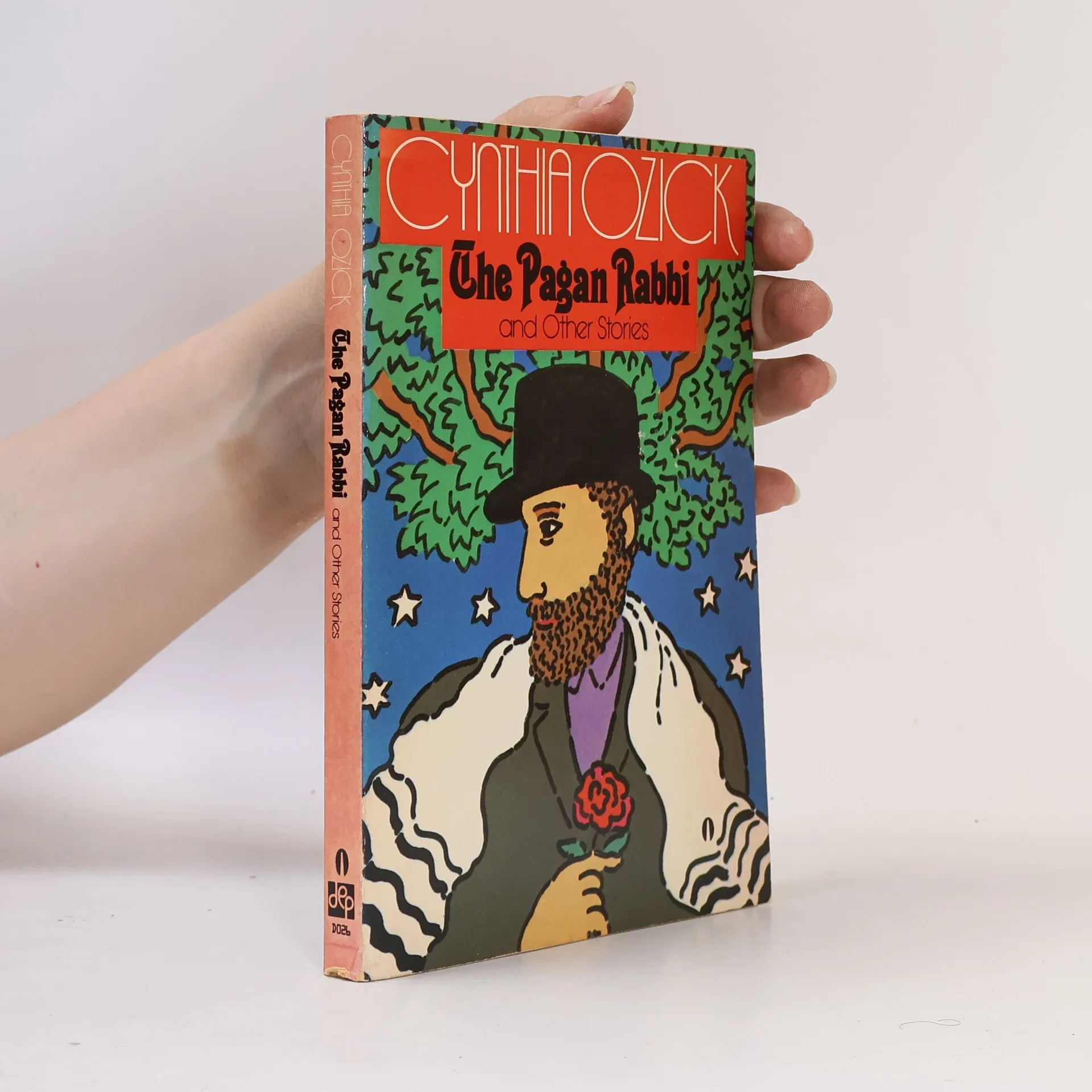
Ozick is a kind of narrative hypnotist. Her range is extraordinary; there is seemingly nothing she can't do. Her stories contain passages of intense lyricism and brilliant, hilarious, uncontainable inventiveness.
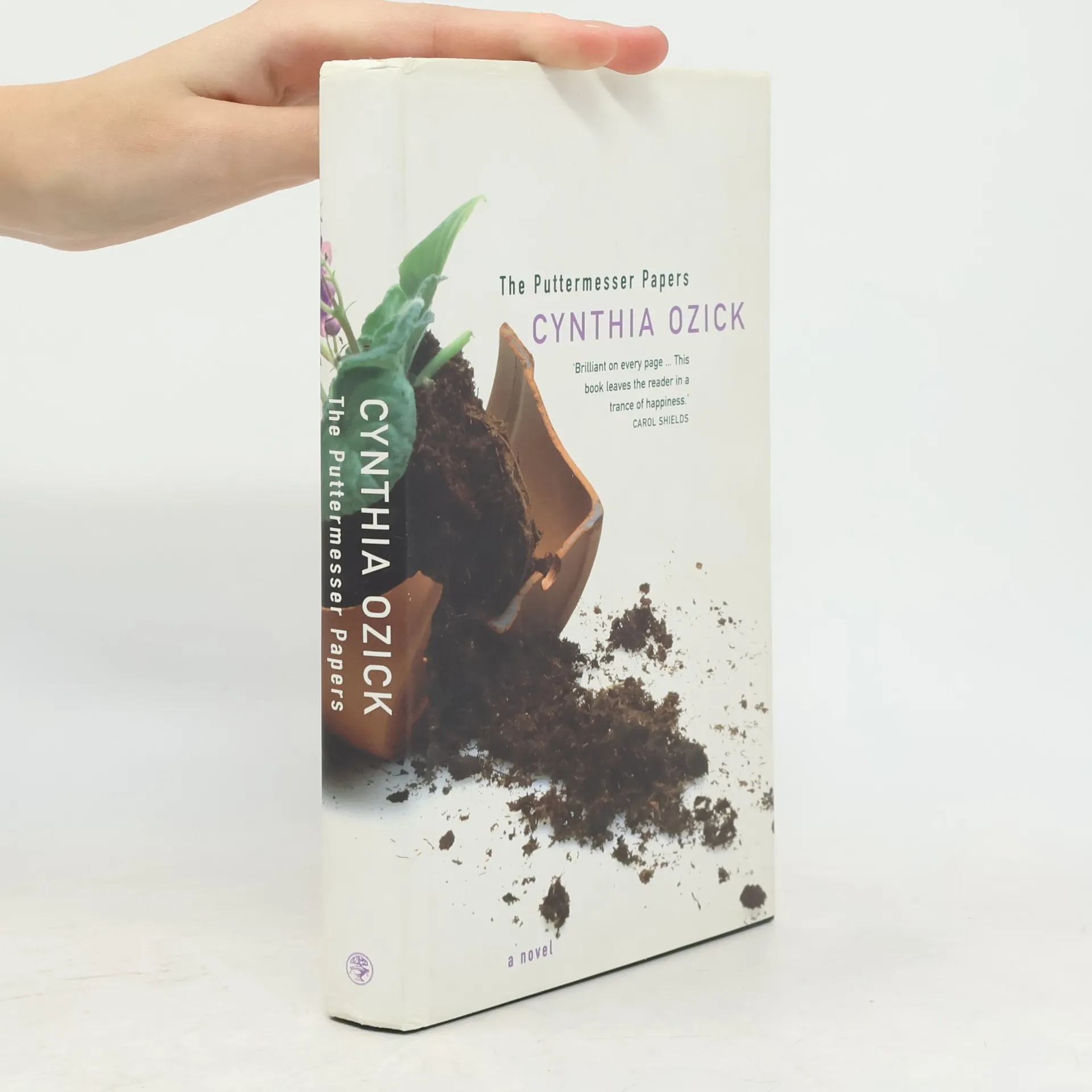
Yearning for a life of the mind, Ruth Puttermesser finds herself mired in the lowest circles of city bureaucracy. Her love life hopeless, her fantasies more influential than wan reality, she nevertheless turns out to be the best mayor New York City has ever elected. Soon enough, though, paradise gained becomes paradise lost, and--even for a wistful visionary like Puttermesser--the problem of disappointment remains unresolved.
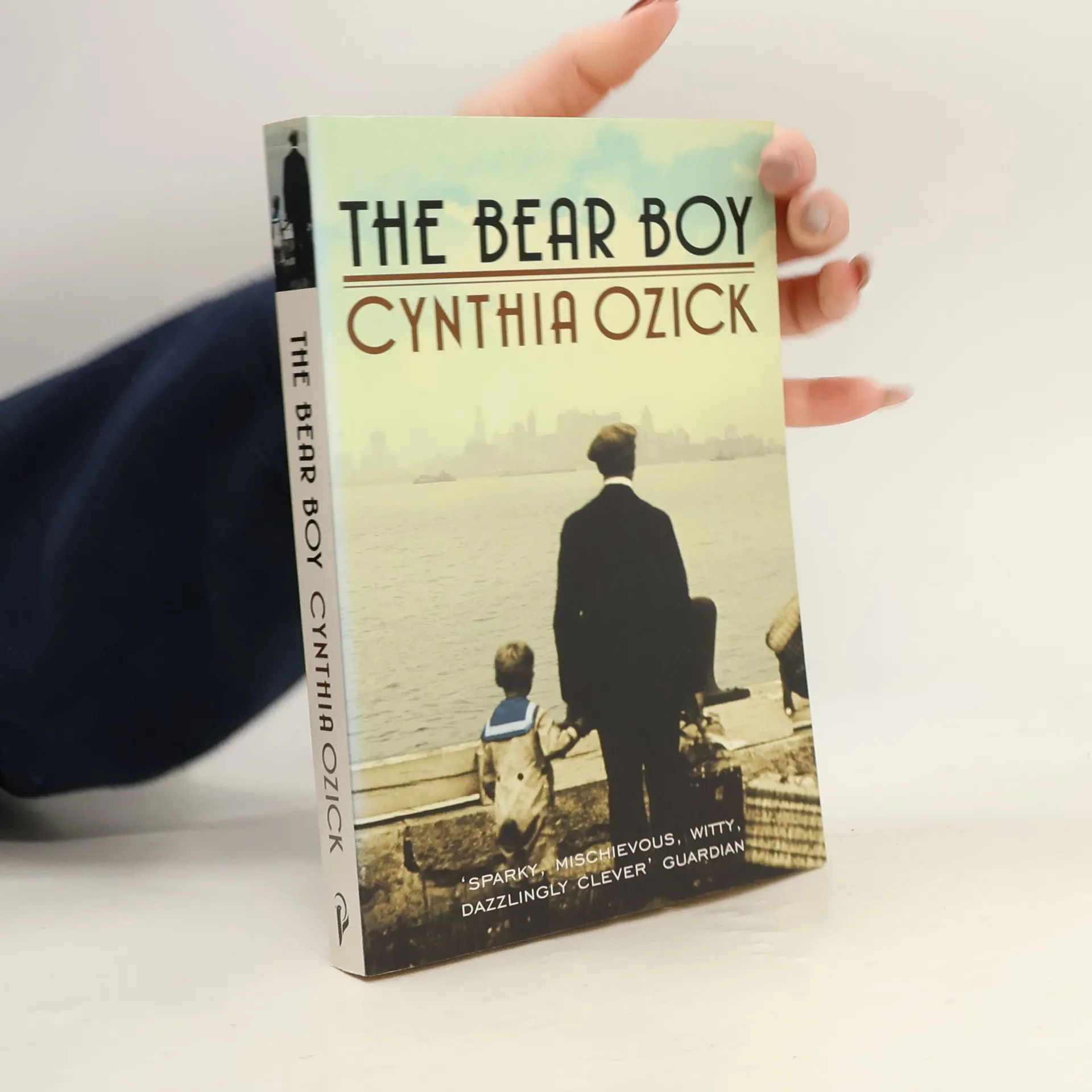
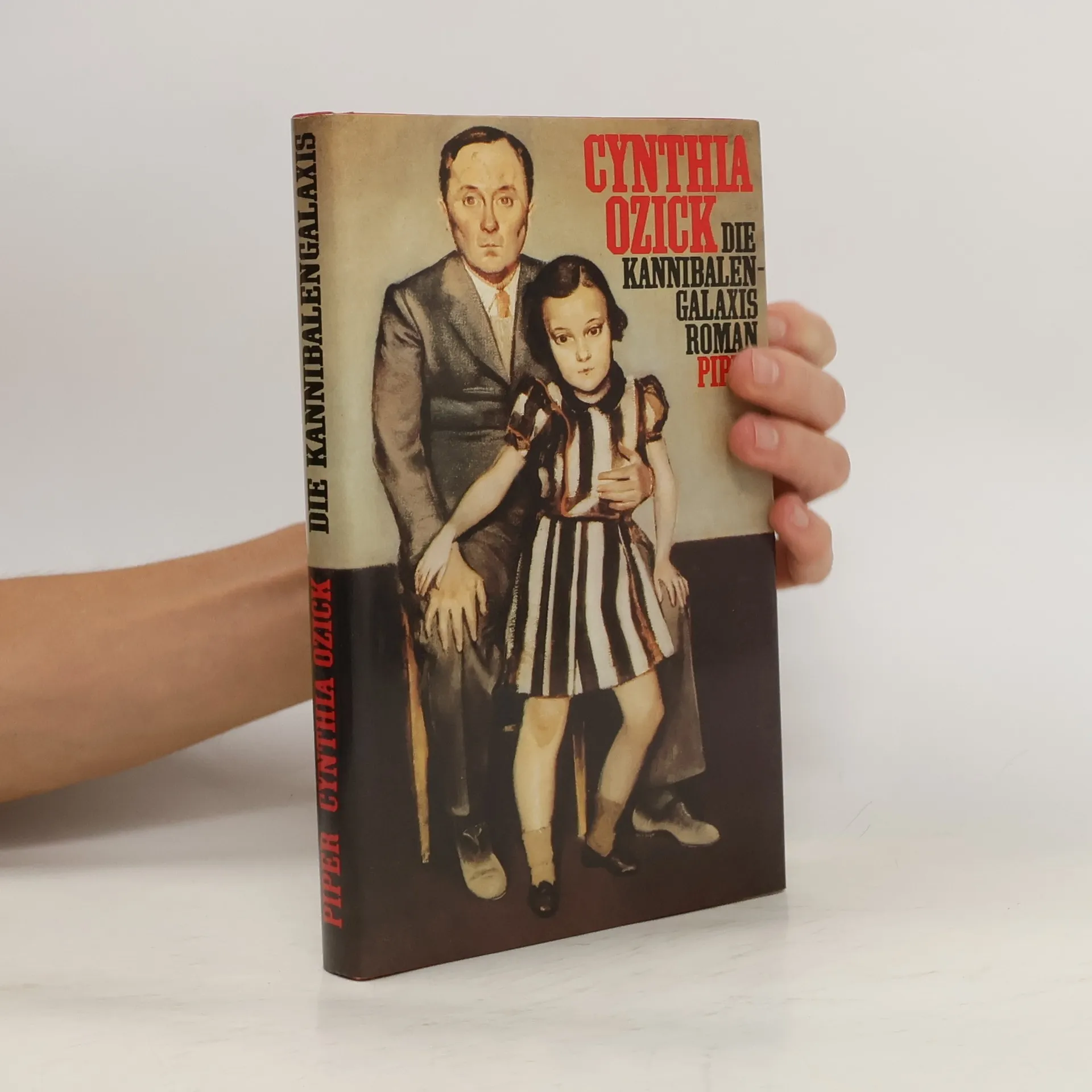
In the outskirts of the Bronx in 1930s New York, the Mitwisser clan are German refugees who survive at the whim of their vagabond benefactor, James A'Bair. James is heir to the fortune amassed by his father, the author of a wildly popular series of children's books called The Bear Boy. Into their chaotic household comes Rose Meadows, orphaned at the age of eighteen. Employed as an assistant to the eccentric Professor Mitwisser, Rose's position within the family is precarious, especially when the arrival of James threatens the fragile balance of the household.
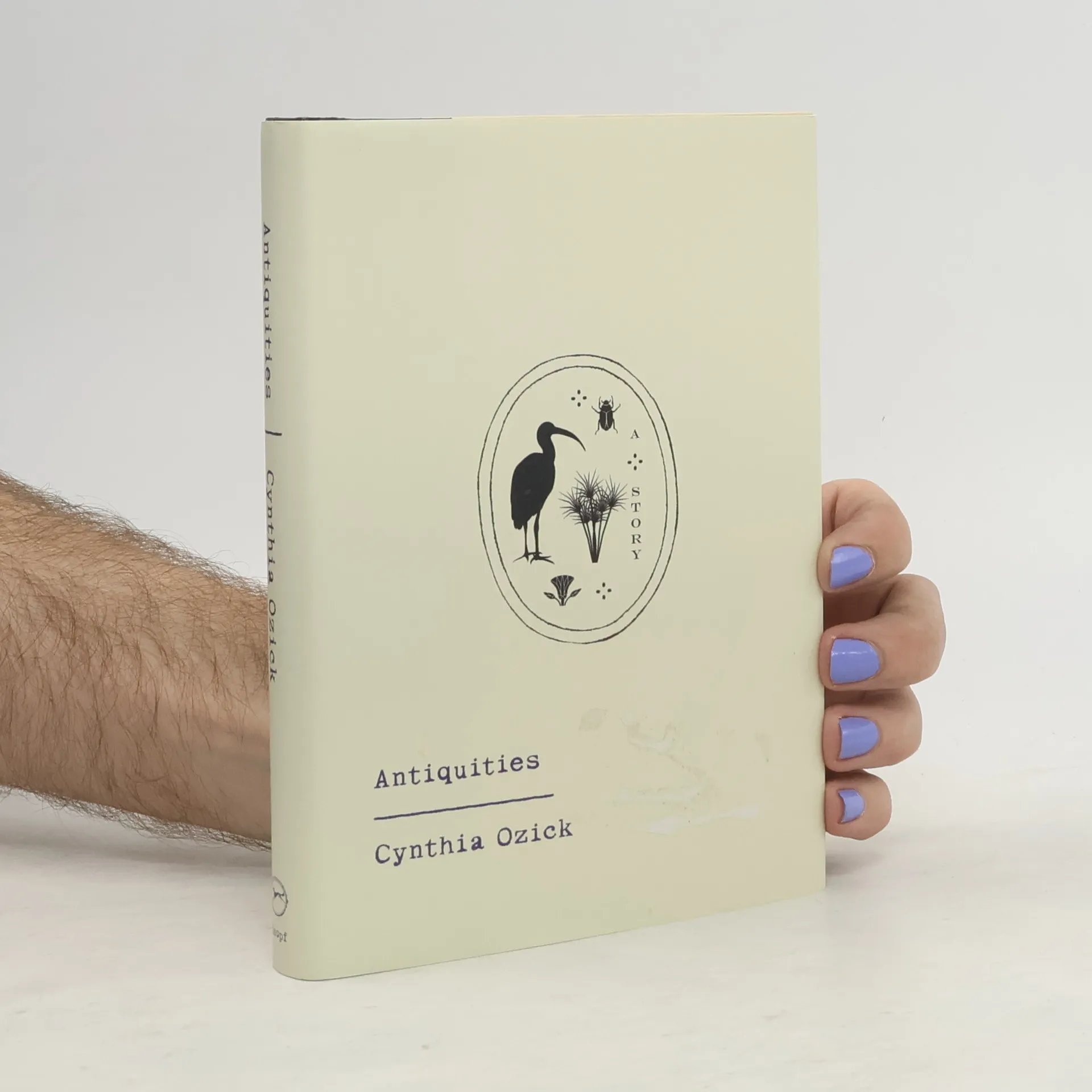
"From one of our most pre eminent writers, a tale that captures the shifting meanings of the past, and how our experience colors those meanings. Lloyd Wilkinson Petrie, one of the seven surviving trustees of the now defunct (for 34 years) Temple Academy for Boys, is preparing a memoir of his days at the school, intertwined with a description of present events. As he navigates, with faltering recall, between the subtle anti-semitism that pervaded the school's ethos and his fascination with his own family history-in particular, his illustrious cousin, the renowned archaeologist Sir Flinders Petrie (check out his Wikipedia entry!), the source of his interest in antiquity-he reconstructs the story of his encounter from his school days with a younger student named Ben-Zion Elefantin, who seems to belong to a lost ancient Jewish sect. From this seed emerges one of Ozick's most wondrous tales, one that displays her delight in Jamesian irony and the mythical flavor of a Kafka parable, woven into her own distinct voice"--
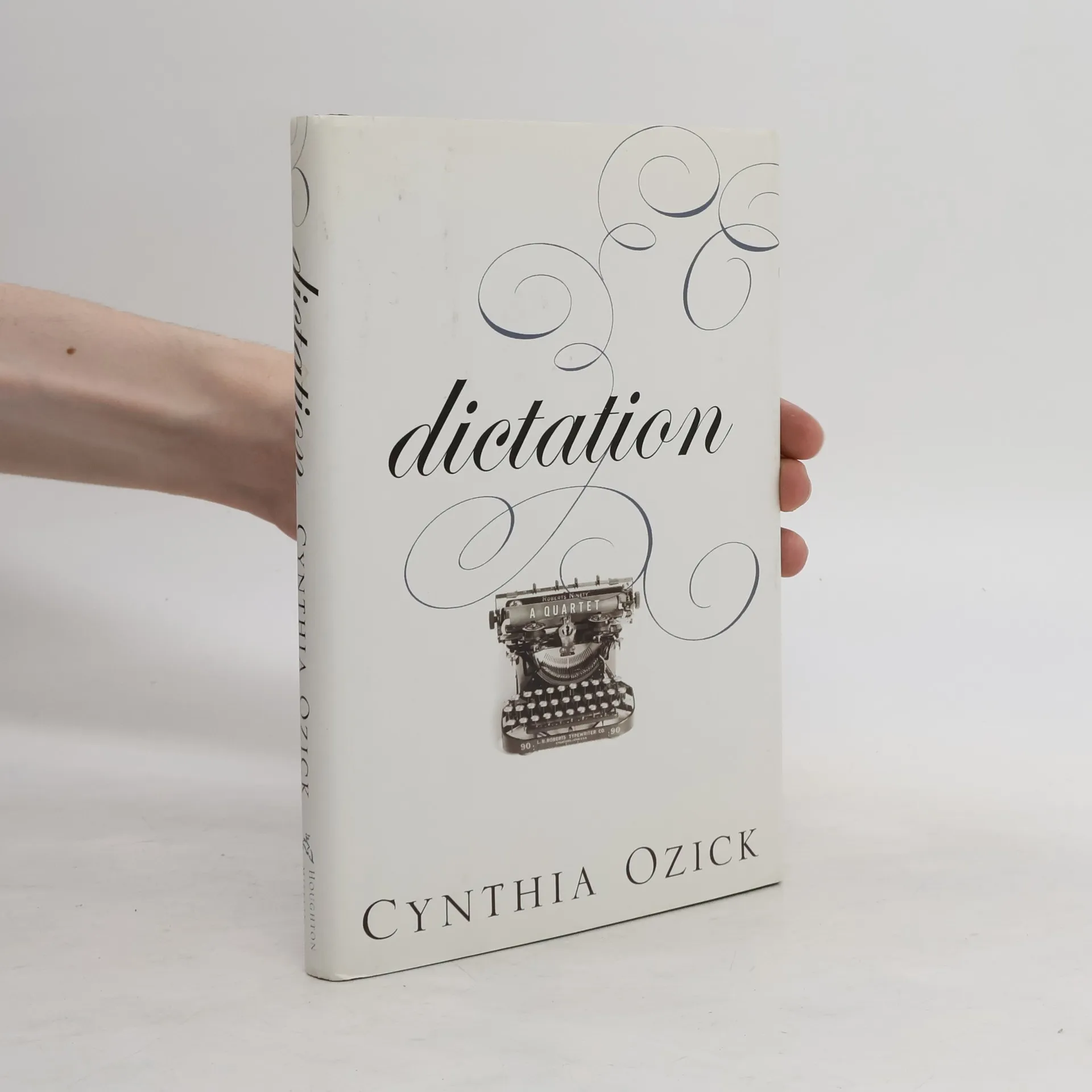
Four stories of comedy, deception, and revenge, including one previously unpublished, from the acclaimed author of Heir to the Glimmering World.Cynthia Ozick’s new work of fiction brings together four long stories that showcase this incomparable writer’s sly humor and piercing insight into the human heart. Each starts in the comic mode, with heroes who suffer from willful self-deceit. These not-so-innocents proceed from self-deception to deceiving others, who do not take it lightly. Revenge is the consequence -- and for the reader, a delicious, if dark, recognition of emotional truth.The glorious new novella “Dictation” imagines a fateful meeting between the secretaries to Henry James and Joseph Conrad at the peak of their fame. Timid Miss Hallowes, who types for Conrad, comes under the influence of James’s Miss Bosanquet, high-spirited, flirtatious, and scheming. In a masterstroke of genius, Ozick hatches a plot between them to insert themselves into posterity.Ozick is at her most devious, delightful best in these four works, illuminating the ease with which comedy can glide into calamity.
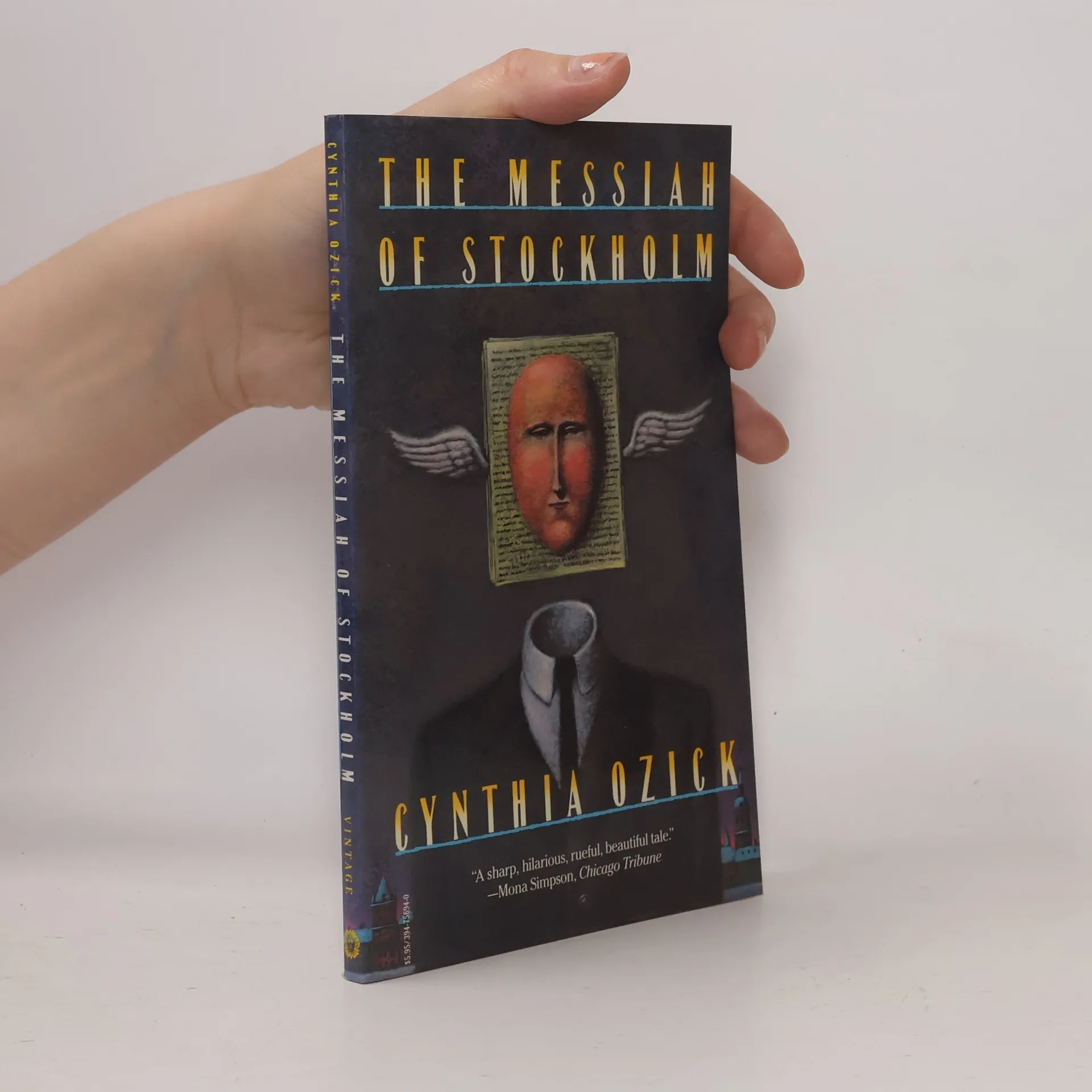
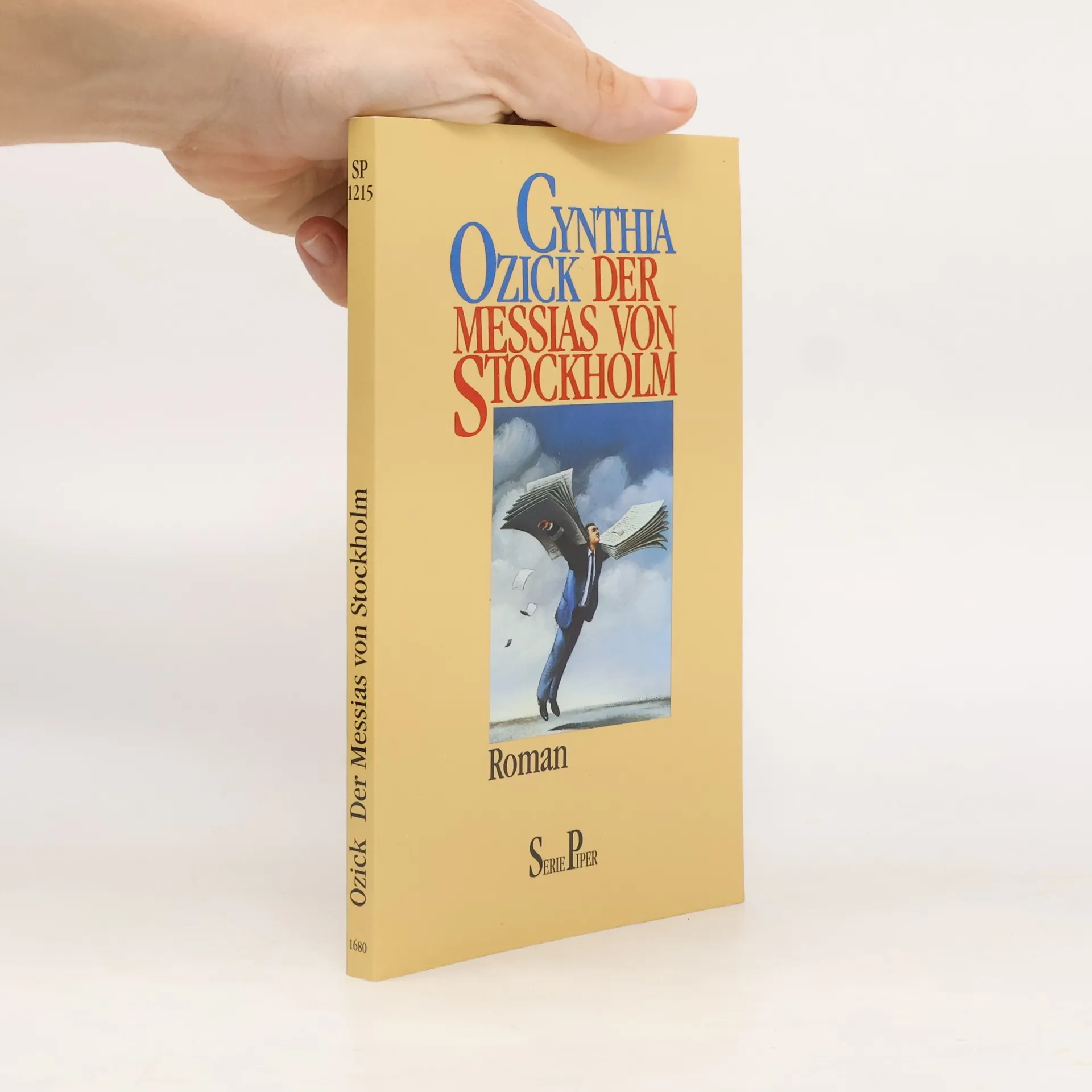
A small group of Jews weave a web of intrigue and fantasy around a book reviewer's contention that he is the son of Borus Schultz, the legendary Polish writer killed by the Nazis before his magnum opus, THE MESSIAH, could be brought to light.
The conflicts of common people in everyday situations are revealed from many angles in a collection of stories assembled to offer an impression of contemporary American life
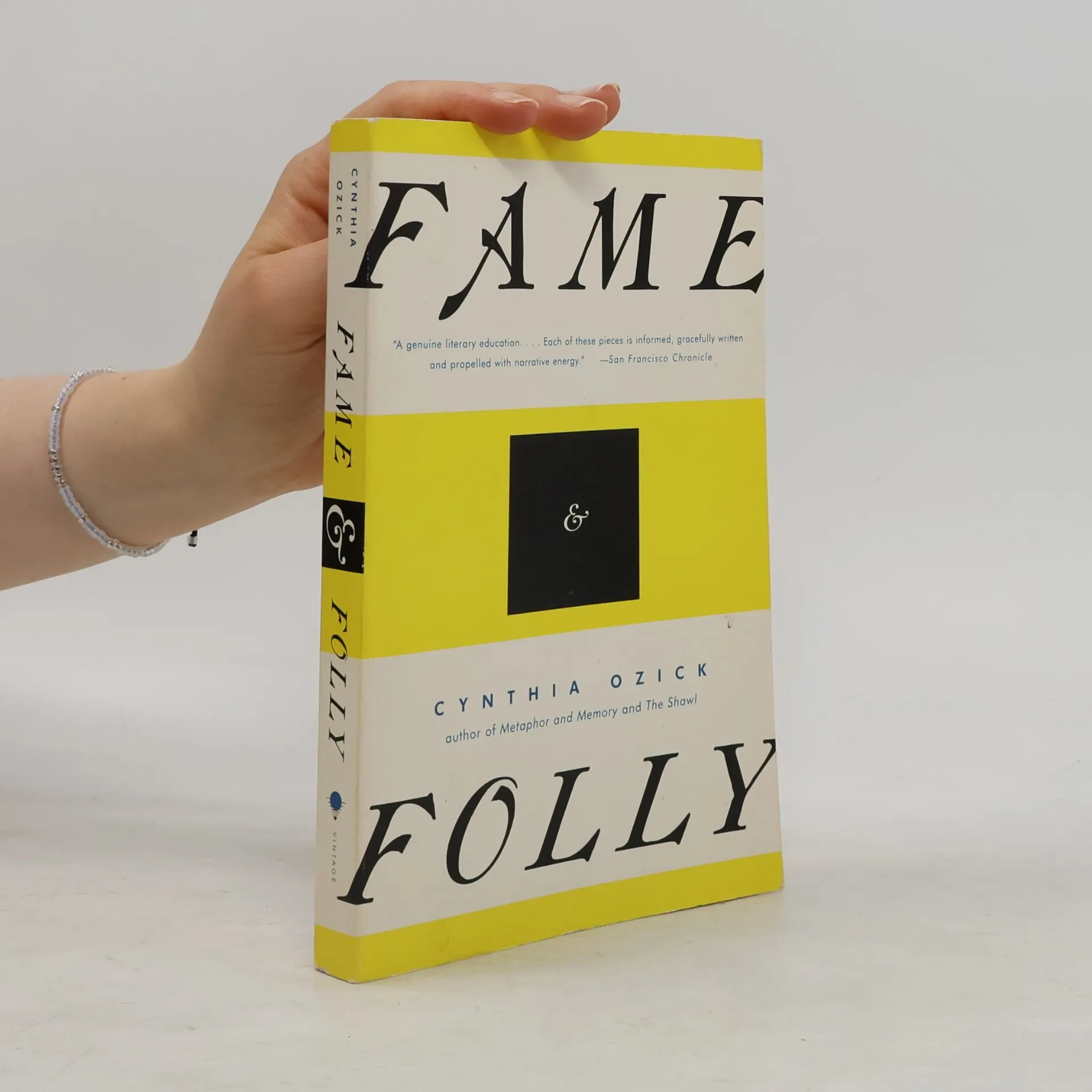
Exploring the complex relationship between writers' lives and their art, this collection features insightful essays on notable literary figures like T. S. Eliot, Isaac Babel, Salman Rushdie, and Henry James. It delves into the tension between public personas and private experiences, offering a profound examination of the struggles that shape their creative expressions. This work reflects on the broader theme of the conflict between art and life, showcasing the depth and richness of the literary world through a critical lens.
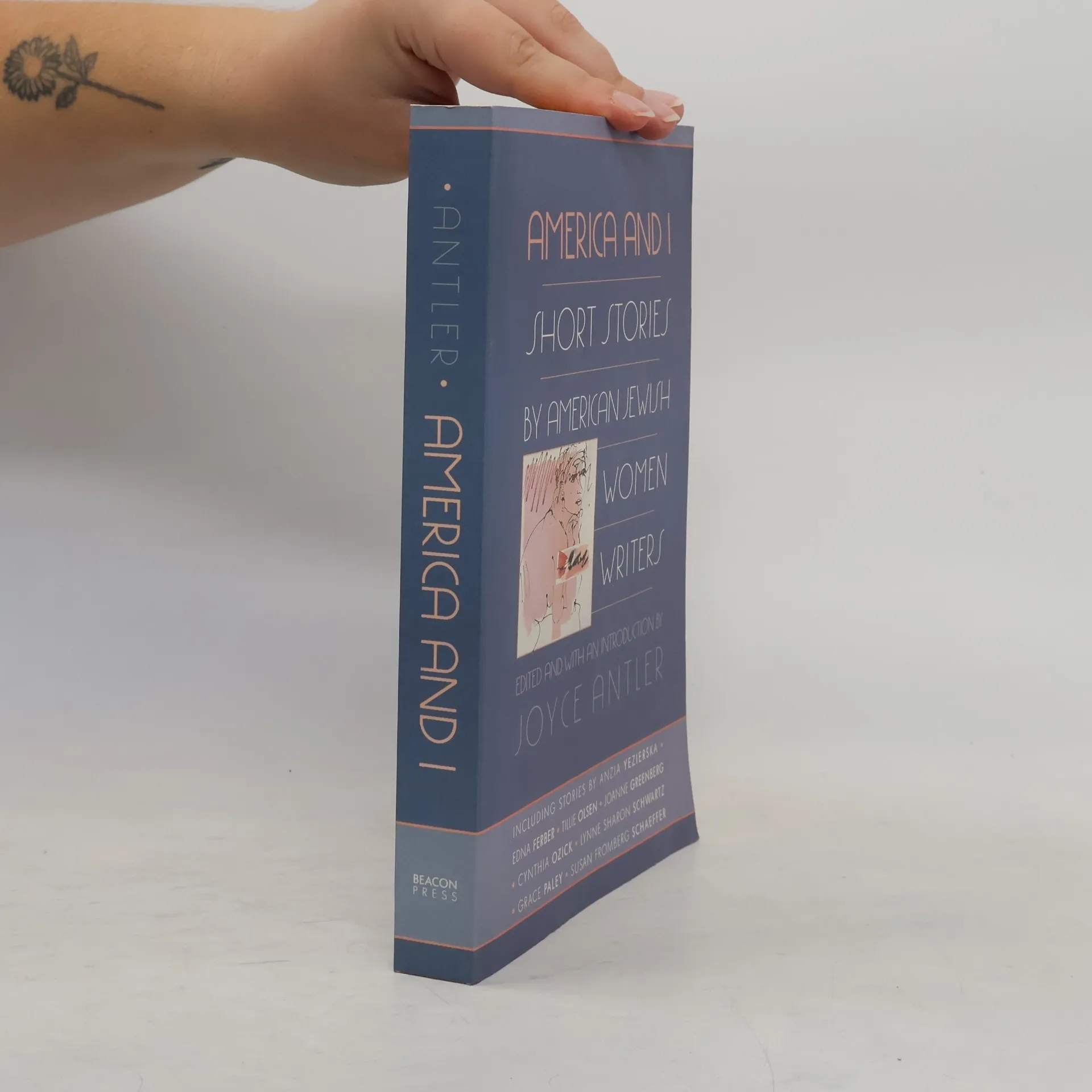
A collection of twentieth-century stories by Jewish women, featuring some of the best short story writers in American fiction. From Anzia Yezierska and Edna Ferber to Cynthia Ozick, Grace Paley, and Susan Fromberg Schaeffer, these writers reveal a rich, vital, and innovative tradition.
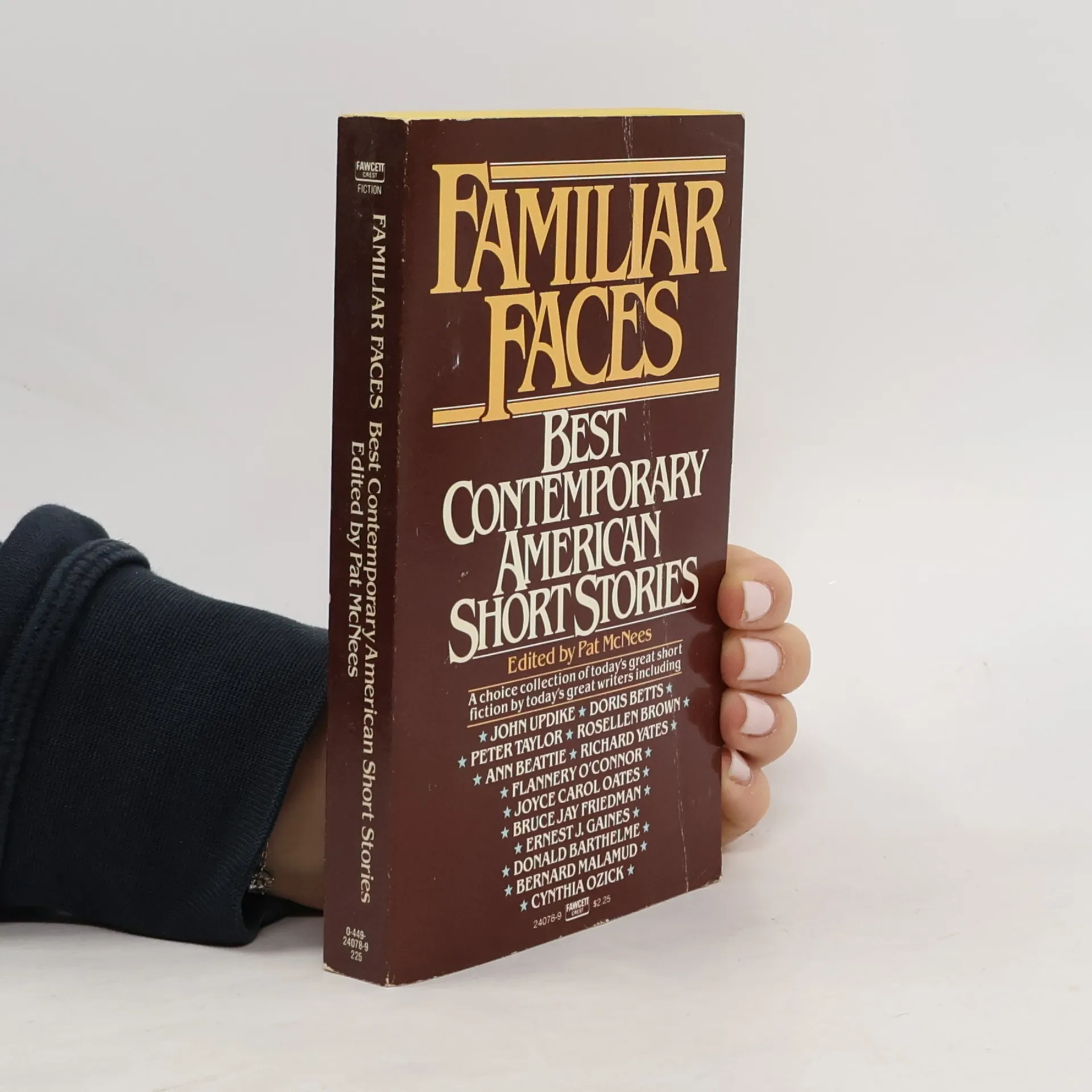
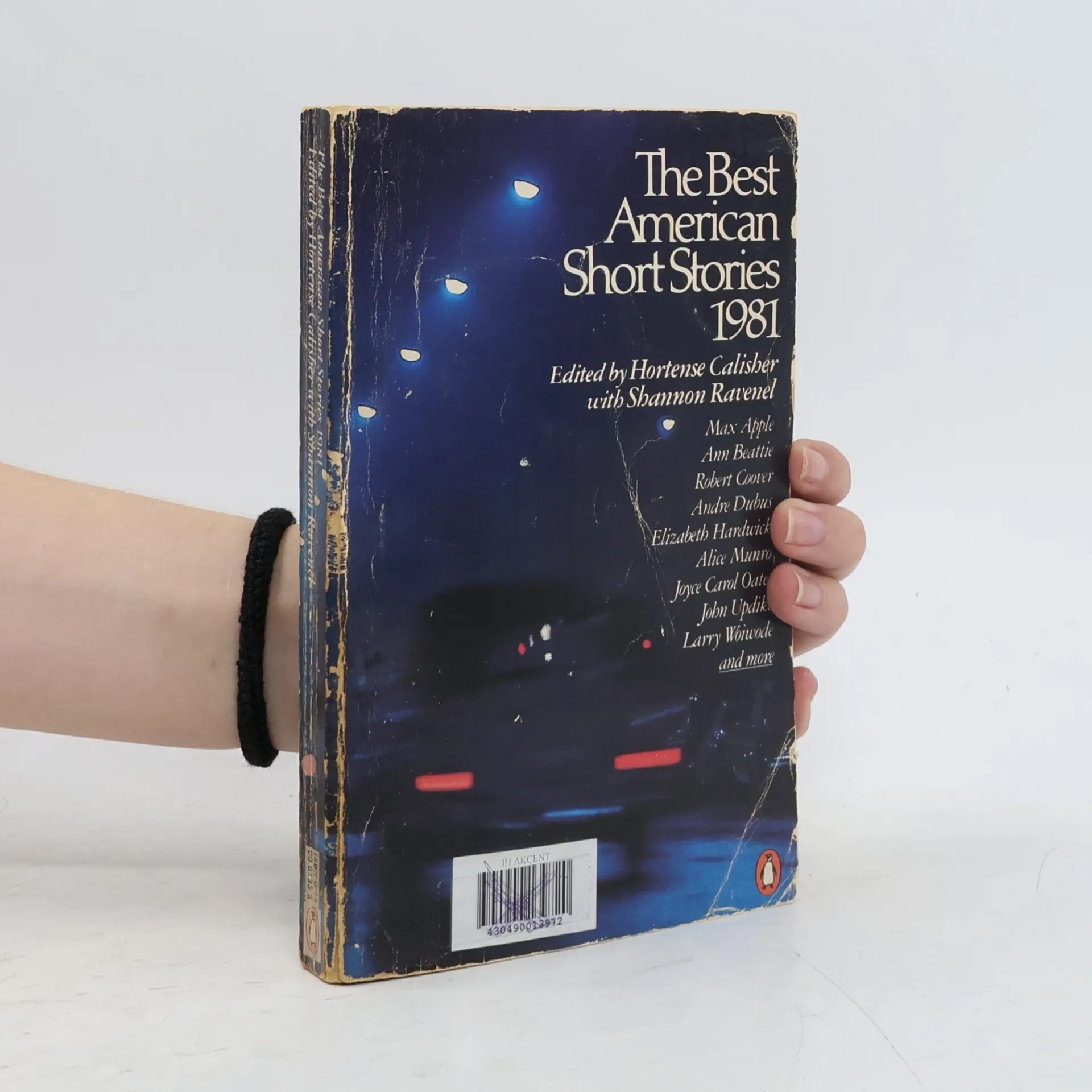
Short Stories by Ann Beattie, John Updike, Cynthia Ozick, Louis D. Rubin, Mavis Gallant, Alice Munro, Elizabeth Tallent, Hortense Calisher, Joyce Carol Oates, Elizabeth Hardwick, and many others.
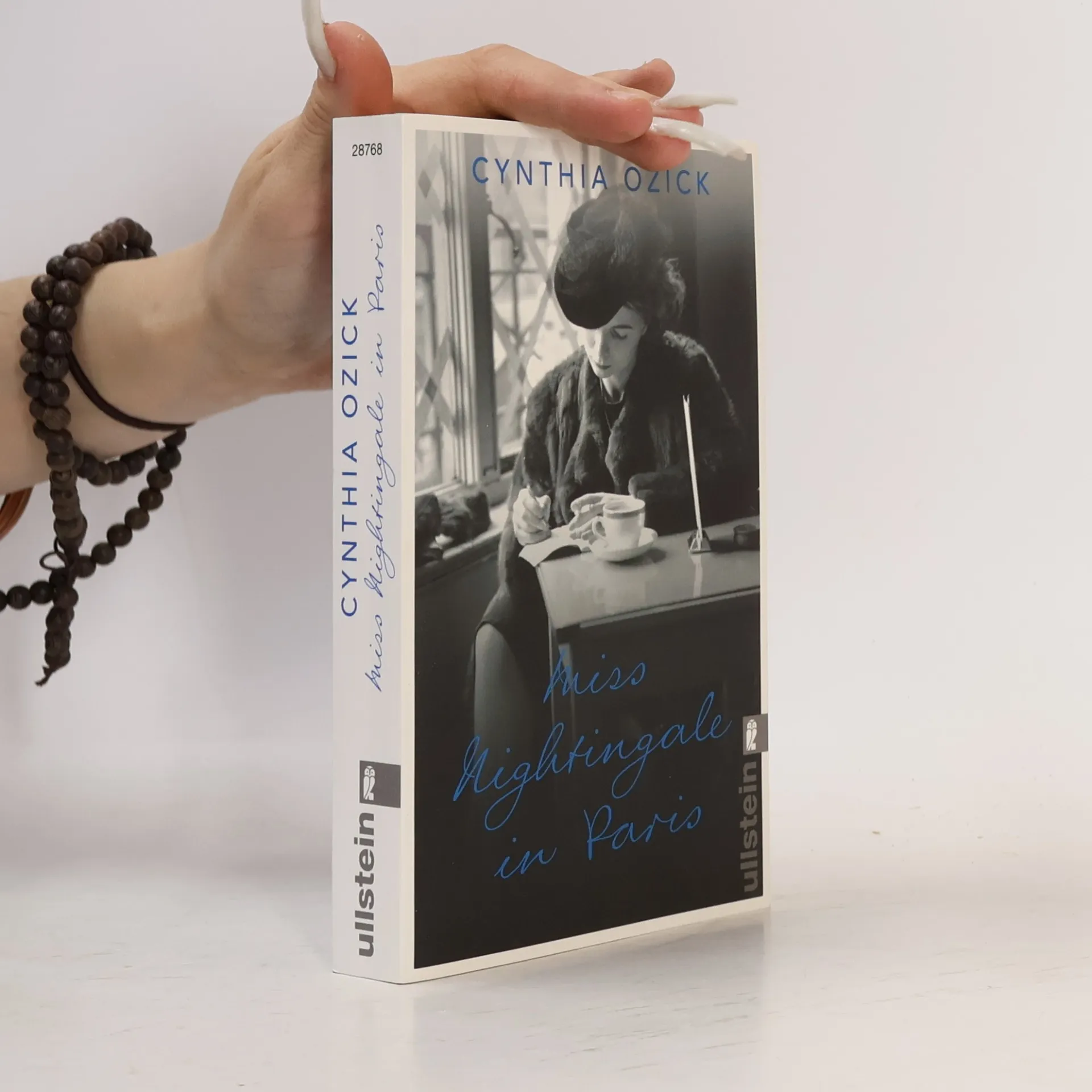
Die große amerikanische Erzählerin Cynthia Ozick ist neu zu entdecken mit dieser Variation von Henry James’ berühmtem Roman Die Gesandten. Zentrales Thema: Wie kann Liebe gewonnen und gepflegt, warum kann sie zerstört und verspielt werden?
Dieser Roman handelt von der angespannten Situation des jüdischen Erbes in der vorherrschenden nichtjüdischen Kultur des mittleren Amerikas. Da ihm das Überleben des Zweiten Weltkriegs erlaubt wurde, hat der französische Jude Joseph Brill sein Leben der Aufforderung seines Kindheitsrabbiners gewidmet – zu lehren. Als Schulleiter einer Schule im amerikanischen Mittleren Westen unterrichtet er seine Version von Aufklärung in der Hoffnung, einen Unterschied zu machen. Doch alles, was er um sich herum sieht, ist lähmende Mittelmäßigkeit, bis die brillante Hester Lilt ihre Tochter an seiner Schule anmeldet.