Exploring the interplay between the Anthropocene and globalization, this book delves into their profound impacts on education and human learning. It highlights how these contemporary challenges reshape pedagogical approaches and learning experiences, urging a reevaluation of educational practices in response to evolving societal dynamics.
In this interdisciplinary anthology, essays study the relationship between the imagination and images both material and mental. Through case studies on a diverse array of topics including photography, film, sports, theater, and anthropology, contributors focus on the role of the creative imagination in seeing and producing images and the imaginary.
At a time of profound political, social and cultural change, one crucial question is how to conceive the relation between culture and education. Understanding this relation is at present all the more urgent as the traditional attribution of education to the charge of each respective European national culture is currently undergoing radical change.
The Staging and Performing of Rituals in the Lives of Young People
208pages
8 heures de lecture
Rituals play a central role in the development of individual and collective identity. This is particularly true for young people, who are tractable to a great extent. Rituals are productive. While they were previously made a subject of discussion under the aspects of stereotyping, rigidity and violence, this examination concentrates on productive moments of rituals that contribute to making and forming the identity of communities and individuals. In ritual processes, the body, the senses and the performative actions of all parties involved play an important role. Rituals serve the community as a medium for generating and dealing with differences, for overcoming crises and for structuring transitions. Our ethnographic study shows how social relationships are formed in performative processes of rituals and ritualisations. In this sense, the focus is on the dramaturgy and organisation of ritual interactions and their effects, on scenic-mimetic expressivity, on the performance and staging character, and on the practical knowledge of social action. Four central socialisation fields of performative ritual action are the living environment of the family, transitions in everyday school life, games children play at recess and media stagings of peer groups. Ritual action is also defined as practical mimetic knowledge, and the city is characterised as performative space.
Apertura: ecco la decisiva parola-chiave per comprendere oggi l’uomo globale. Il cambiamento che ha investito l’oggetto della vecchia antropologia normativa sta trascinando con sé gli steccati disciplinari, destabilizzando i metodi consolidati, pluralizzando i paradigmi, ridefinendo gli ambiti tematici. Lo statuto del sapere antropologico esce sostanzialmente riconfigurato da ricerche che ormai si caratterizzano come transdisciplinari, multiparadigmatiche e transnazionali. È a Christoph Wulf che si devono le riflessioni più conseguenti e lungimiranti sui recentissimi assetti dell’antropologia storico-culturale, così mutati da determinare la sua necessaria fuoriuscita dagli alvei canonici e da spingerla verso altre centralità. Il corpo umano, innanzi tutto, luogo di produzione, trasmissione e trasformazione della cultura attraverso rituali, atti linguistici, processi mimetici e performativi. E con il corpo, la temporalità e la finitezza, la nascita e la morte. In un saggio che convoglia la ricchissima ricognizione del passato verso l’autocomprensione del presente, l’unico presupposto irrinunciabile è la consapevolezza che non esiste un unico, riduttivo concetto di uomo. A questo riguardo, il gioco delle analogie e delle differenze costituisce un fondamentale correttivo nei confronti di una globalizzazione uniformatrice.
Beiträge zur sozialpädagogischen und anthropologischen Bildungsforschung
264pages
10 heures de lecture
Bildung wird in diesem Band als sozial gefasst betrachtet, indem sie eine Beziehung zwischen Subjekt und Welt herstellt. Die Autor*innen beleuchten sozialpädagogische und anthropologische Diskurse zu Bildung in drei Hauptbereichen: theoretische Beiträge zur Sozialen Bildung, Bildung und Soziale Arbeit sowie Bildung in der Kinder- und Jugendhilfe.
Der erste Abschnitt widmet sich theoretischen Aspekten der Sozialen Bildung, einschließlich lebenslangem Lernen, der Rolle von Geselligkeit in Organisationen und der Bedeutung von Berufsvorstellungen in der Bildung. Ein weiterer Fokus liegt auf der Sozialität der Leiblichkeit und der poetologischen Perspektive auf Bildungsprozesse. Auch die Herausforderungen der gespaltenen Migration und die Bildungsaufgaben im Anthropozän werden thematisiert.
Im Bereich Bildung und Soziale Arbeit wird die historische Entwicklung der Sozialpädagogik in Österreich betrachtet, sowie präventive Ansätze gegen Gewalt gegen Frauen und die Forschung zu sozialen Mentoringprogrammen. Der letzte Abschnitt beschäftigt sich mit der Bildung in der Kinder- und Jugendhilfe, einschließlich der Erkundung von Geschwisterbildern und der Relevanz von Freundschaftsbeziehungen für Care Leaver*innen. Die Perspektiven von Herkunftsfamilien auf die Fremdunterbringung ihrer Kinder runden die Diskussion ab.
Bildung als Wissen vom Menschen im Anthropozän Christoph Wulf Taschenbuch Fr. 28.90 eBook (PDF) Fr. 22.90 Die Geschichte der Erziehung und Bildung lässt sich als eine Reihe von Versuchen begreifen, Kinder, Jugendliche und Erwachsene zu vervollkommnen. Am Anfang der Moderne werden neue Bilder des Menschen und seiner Erziehung entworfen, die im Diskurs der Moderne ihre gedankliche Ausarbeitung und Präzisierung erfahren. Mit der Diversifizierung und Fragmentarisierung der Gesellschaft werden anthropologische Forschung und Reflexion zu einem unentbehrlichen Teil von Bildung. Es entsteht ein Zusammenspiel zwischen der Wiederholung und der Differenz erzeugenden Kreativität, den mimetischen Prozessen kulturellen Lernens und der Imagination. Das anthropologische und pädagogische Wissen der grossen Kulturen Chinas und Indiens gewinnt für Europa zunehmend an Bedeutung. Schliesslich gilt es, sich mit den negativen Entwicklungen des Zeitalters des Menschen wie der Klimaerwärmung, der Umweltzerstörung, dem Verbrauch nicht erneuerbarer Rohstoffe und Energien auseinanderzusetzen. Verstärkte Bemühungen um die Verringerung von Gewalt, einen besseren Umgang mit Alterität und nachhaltige Entwicklung sind notwendig und müssen in Erziehung und Bildung intensiviert werden. Wie erfolgreich dies sein wird, ist zurzeit eine offene Frage.
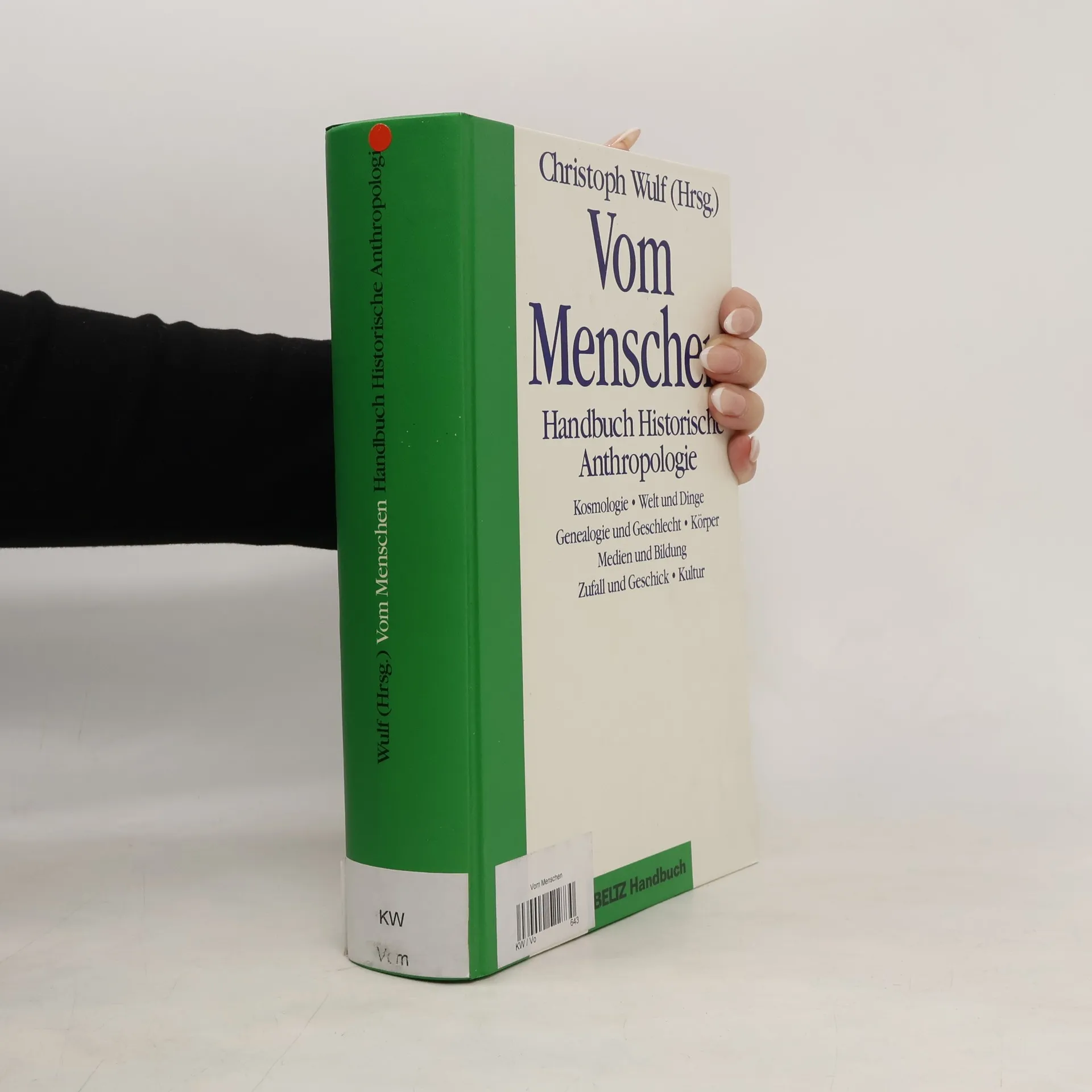
In annähernd hundert Artikeln werden Voraussetzung und Grundverhältnisse menschlichen Lebens in ihrer historischen und kulturellen Bedingtheit behandelt. Ambivalenz und Verunsicherung, Vielfalt und Komplexität bestimmen menschliches Leben am Ende des 20. Jahrhunderts. Immer schwieriger wird es, sich in der Welt, der Gesellschaft und in sich selbst zu orientieren. In dieser Situation drängt sich die Frage auf, was man vom Menschen, und seinen Grundverhältnissen wissen könne. Normative Anthropologien haben ihre Überzeugungskraft verloren. Nicht mehr dem universellen Menschen, der männlich, europäisch und abstrakt gedacht wurde, sonderm dem Partikularen und der Vielgestaltigkeit menschlicher Erscheinungen gilt das Interesse. Die Erkenntnissuche richtet sich auf ein anthropologisches Wissen, das sich seiner Geschichtlichkeit und kulturellen Bedingtheit bewusst ist. Die etwa neunzig Artikel dieses Handbuchs Historischer Anthropologie gliedern sich in sieben Abschnitte: - KOSMOLOGIE - WELT UND DINGE - GENEALOGIE UND GESCHLECHT - KÖRPER - MEDIEN UND BILDUNG - ZUFALL UND GESCHICK - KULTUR Das Handbuch wird unterstützt vom Interdisziplinären Zentrum für Historische Anthropologie der Freien Universität Berlin und der Gesellschaft für Historische Anthropologie.
In pädagogischen Prozessen sind Dinge mit Menschen in vielfältiger Weise verwoben: von der räumlichen Sozialisation bis zum Erlernen von intelligenten Technologien. Der Band spürt diesen Verwicklungen von Menschen und Dingen in ihrer erziehungswissenschaftlichen Bedeutung nach. Dazu wird die Materialität pädagogischer Prozesse (Sozialisation, Bildung, Lernen, Erziehung) aus geistes- und sozialwissenschaftlichen Perspektiven untersucht. Der Sonderband kombiniert so historische Einblicke, empirische Analyse und theoretisch-philosophische Grundlagen aus unterschiedlichen Disziplinen.
Hundert Beiträge zur Geschichte, Gegenwart und Zukunft des menschlichen Lebens
1160pages
41 heures de lecture
Was wissen wir am Beginn des dritten Jahrtausends vom Menschen, von seinem Verhältnis zu sich selbst und seiner Umwelt eigentlich zu sagen? Wie hat sich aus anthropologischer Sicht das Bild vom Menschen, das Bild von der Welt verändert? In diesem interdisziplinären Kompendium geht der Erziehungswissenschaftler Christoph Wulf gemeinsam mit einer Vielzahl renommierter Autoren verschiedener Fachrichtungen diesen drängenden Fragen nach. Mit Beiträgen u. a. von Silvia Bovenschen, Norbert Bolz, Jochen Hörisch, Friedrich Kittler, Gert Mattenklott und Jürgen Trabant.
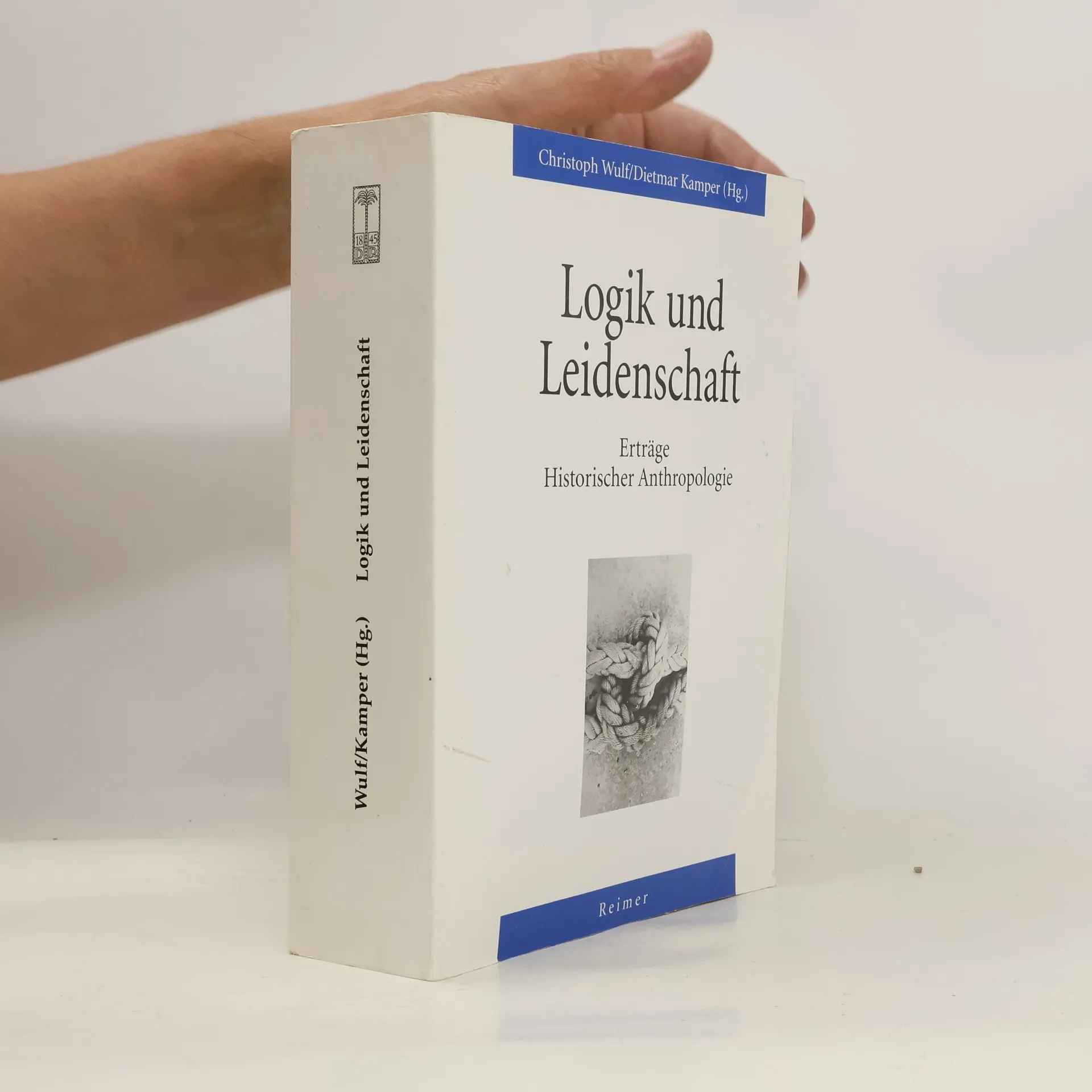
Wir leben in einer Welt der Bilder – so lautet der in den Geistes- und Sozialwissenschaften konstatierte iconic turn. Gleichzeitig leben wir in einer performativen Kultur, in der Aufführungen, Inszenierungen und Rituale immer stärker an Bedeutung gewinnen. Bilder spielen beim performativen Charakter der Sprache sowie bei der Inszenierung und Wahrnehmung sozialer bzw. künstlerischer Handlungen eine zentrale Rolle. Bilder sind Ereignisse. Sie entwickeln in performativen Aufführungen und Inszenierungen eine spezifische Kraft und Ambivalenz, die mit enigmatischen, transgressiven und liminalen Zuständen verbunden ist. In diesem szenisch-prozessuralen Spannungsverhältnis mischen sich kollektive mit individuellen Bildern, die weder allein auf Textualität reduziert noch einfach hinterschritten werden können. In welchem Maße und zu welchem Nutzen von einer Ikonologie des Performativen gesprochen werden kann, erörtern die Autoren in struktureller, historischer und methodischer Hinsicht. Zur Sprache kommen dabei sowohl kulturspezifische wie kulturübergreifende Bildmuster, kollektive und individuelle Bildräume, Performativität im Bild sowie das Bild als performatives Medium. Die Beiträge stammen aus der Anthropologie, Kunstgeschichte, Medien- und Bildwissenschaft, Kommunikationswissenschaft, Geschichtswissenschaft, Erziehungswissen-schaft, Soziologie, Philosophie und Ethnomethodologie.
Versuch, das "wahre" Subjekt im Körper wieder zu entdecken. Der Körper wird unter Bezugnahme auf Krankheit, Therapie, Technik, Geschlechterverhältnisse und Kunst thematisiert.
Ihre Geschichte im Abendland (Handlungskompetenz im Ausland)
601pages
22 heures de lecture
Die vorherrschende naturwissenschaftliche Psychologie, die sich vor fast 140 Jahren explizit als »Psychologie ohne Seele« etabliert hat, bezeichnet eine zentrale Lücke im Thema, von dem die Disziplin ihren Namen erhalten hat. Heute gehört die Frage nach der Seele zu mehreren Wissensgebieten. 28 prominente Autorinnen und Autoren aus unterschiedlichen Disziplinen eröffnen ungewöhnliche Perspektiven auf unsere Vorstellungen von der Seele und unser Leben mit ihr.
„Mimesis“ ist ein Schlüsselbegriff der ästhetischen, literaturwissenschaftlichen und anthropologischen Diskussion, der auch in die Sozialwissenschaften Eingang gefunden hat. Im herkömmlichen Verständnis wird die Deutung von Mimesis auf Angleichung und Nachahmung verengt. Die Geschichte des Begriffs zeigt indes ein reicheres Spektrum, das Denken und Handeln, Theorie und Praxis, Gefühle und Reflexion zusammenschließt. Dies ist das Ergebnis der vorliegenden historischen Rekonstruktion des Mimesisbegriffs von den Anfängen bei Platon und Aristoteles bis zu Benjamin, Adorno und Derrida.
Religion und Glaube, Heiliges und Sakrales sind wieder zu wichtigen Themen geworden. Das Interesse gilt sowohl den großen Religionen als auch den neuen Formen des Religiösen, der Weltfrömmigkeit und der profanen Sakralität. Wie forscht man in Erziehung, Bildung und Sozialisation über Religion, ohne das Thema in unzulässiger Weise zu reduzieren? Geht es doch gerade um das Andere der Vernunft, also um Bereiche und Erfahrungen menschlichen Lebens, die besondere Formen der Annäherung erfordern. Fragen der Religion überschreiten Vernunft und Wissenschaft und konfrontieren die Menschen mit ihren Grenzen. Sie verweisen auf Aspekte der Existenz, die im Alltag häufig wenig beachtet werden. Religion und Glauben, Heiliges und Sakrales haben eine kollektive, Gemeinschaft konstituierende Seite, die sich darin zeigt, dass Probleme der Entstehung des menschlichen Lebens und der Gemeinschaft, des Sinns der Existenz und eines Leben nach dem Tode behandelt werden und dadurch ein menschliches Grundbedürfnis nach Orientierung befriedigt wird.
Blut ist seit den Anfängen der Kultur Symbol für Leben und Tod und für die körperliche Bedingtheit des Seins. Seine oft als bedrohlich erfahrene Macht ist in zahllosen Mythen und Erzählungen, Bildern und Riten festgehalten – und spielt selbst in den modernen Wissenschaften noch eine Rolle. In diesem Band werden die Metaphorik des Blutes in Judentum, Christentum und Islam sowie die Funktion des Opfers im Hinduismus und im Mittelmeerraum untersucht. Thematisiert wird darüber hinaus die Rolle des Blutes in der Geschichte der Rechtsprechung und der Medizin sowie in den modernen Sozial- und Medienwissenschaften. Mit Beiträgen unter anderem von Micha Brumlik, Walter Burkert, Ute Frevert,William K. Gilders, Brigitta Hauser-Schäublin, Eva Labouvie, Axel Michaels, Angelika Neuwirth, Philipp Sarasin, Gabriele Sorgo und Inge Stephan.
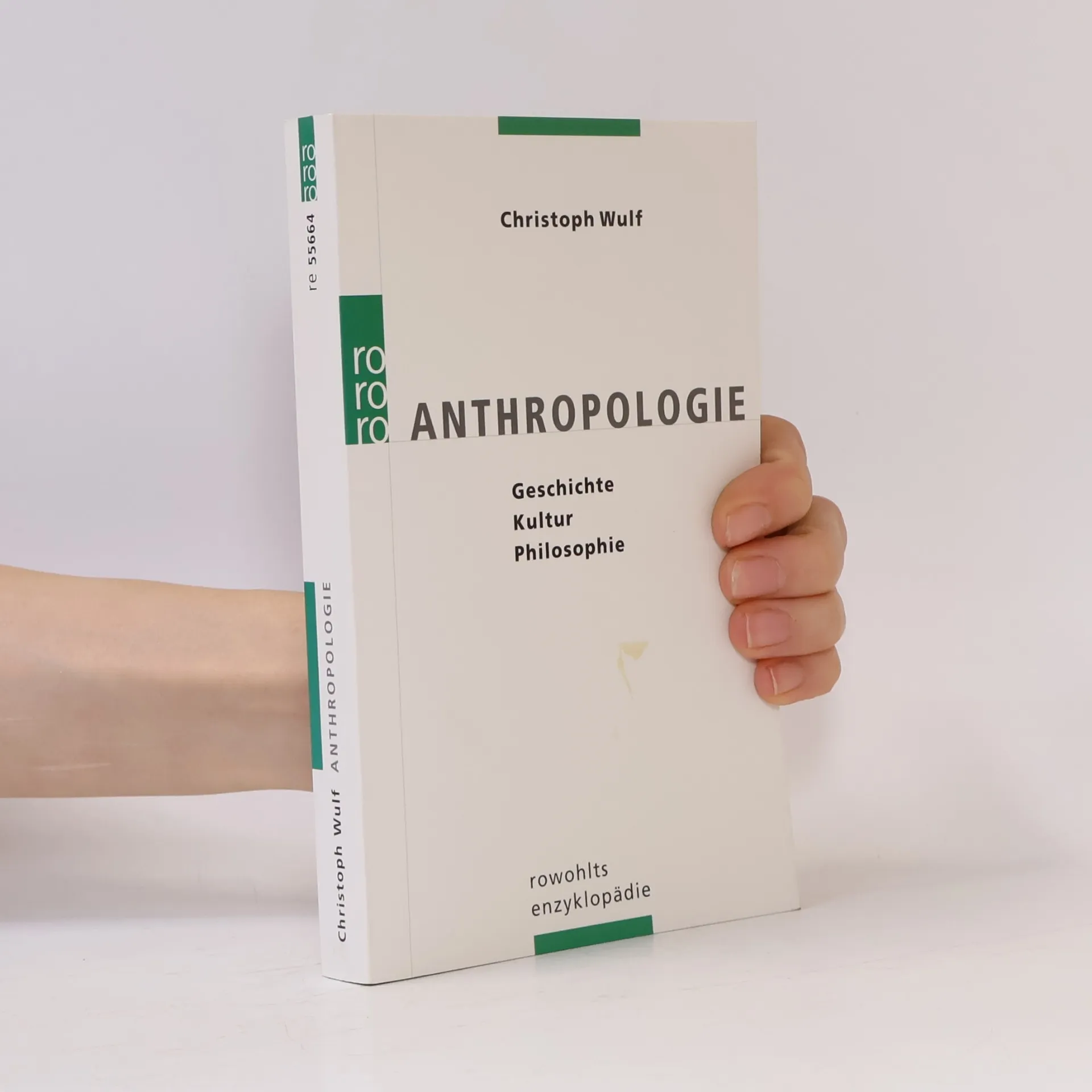
Eine Einführung in die Anthropologie der Erziehung mit einem Überblick über den Diskussionsstand historisch-pädagogischer Anthropologie. Wer über Erziehung nachdenkt, stößt unvermeidlich auf ihre anthropologischen Voraussetzungen. Ohne anthropologische Annahmen ist Erziehung und Bildung nicht möglich. Dabei spielen drei Bereiche eine bestimmende Rolle: Geschichtlichkeit und Pluralität, Kulturalität und Interkulturalität, Multi-, und Transdisziplinarität. In ihrem Zusammenwirken entsteht eine historisch-pädagogische Anthropologie.